“A Mother’s Habeas Corpus Plea, a Defied Order, and a Court That Rewrote the Rules of Custody”

- April 09, 2026


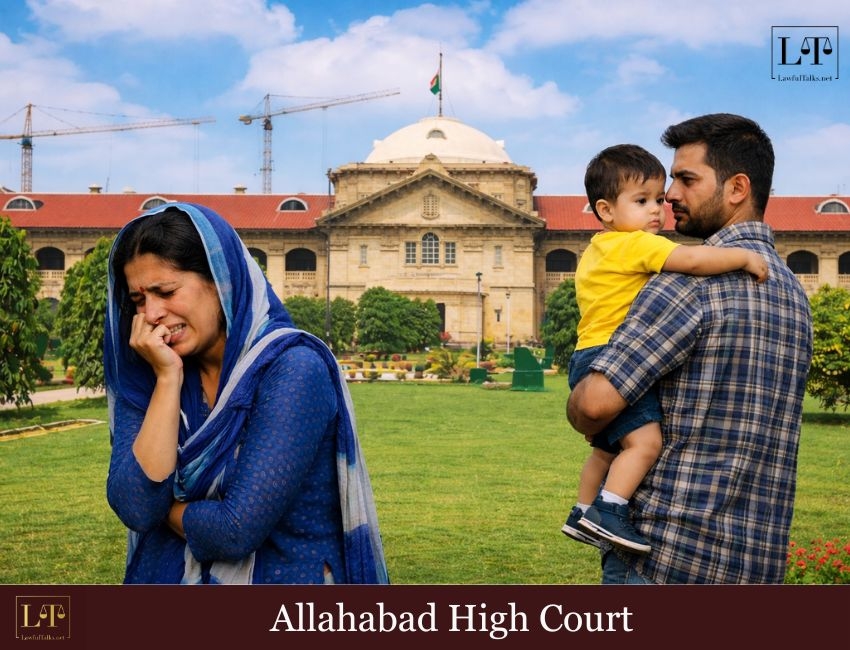
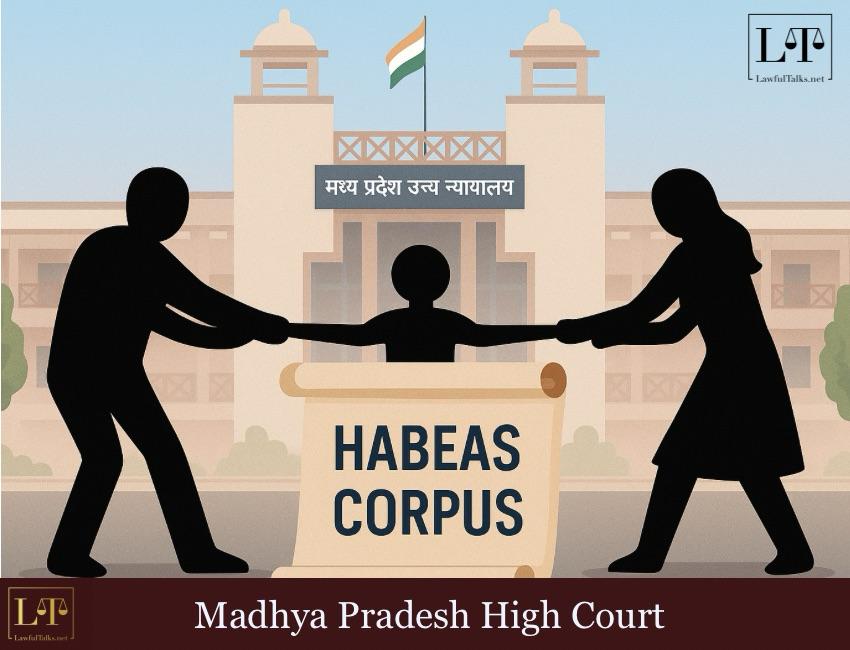
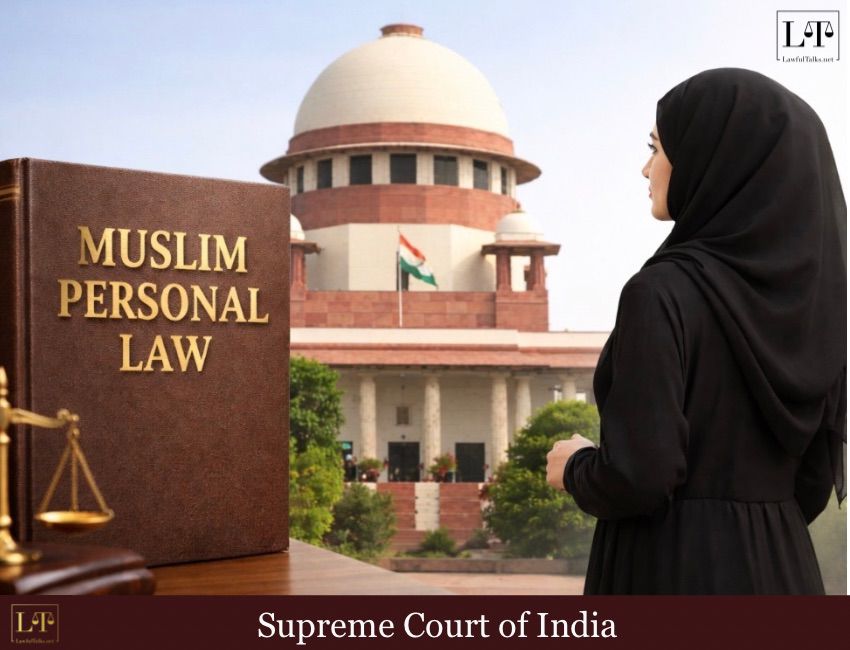
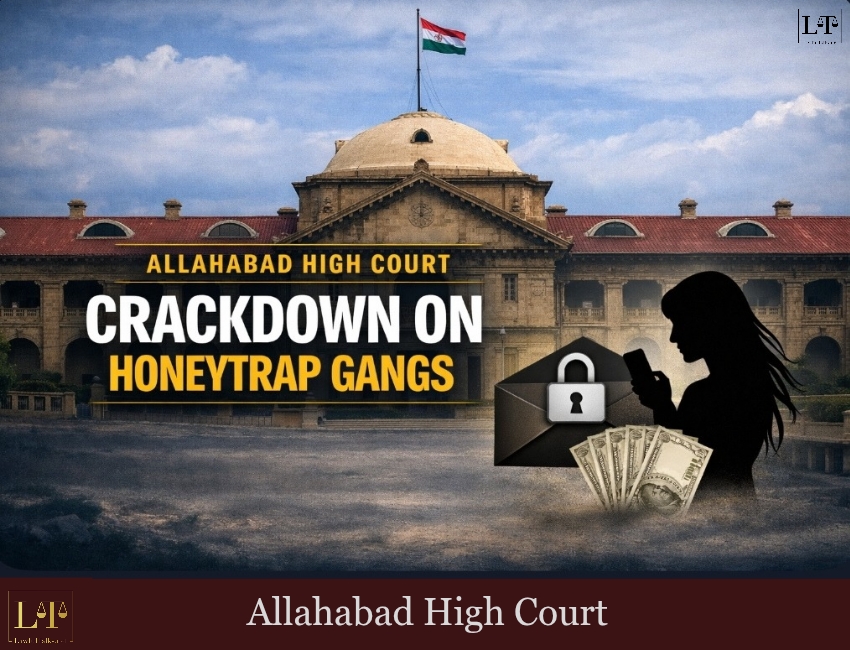
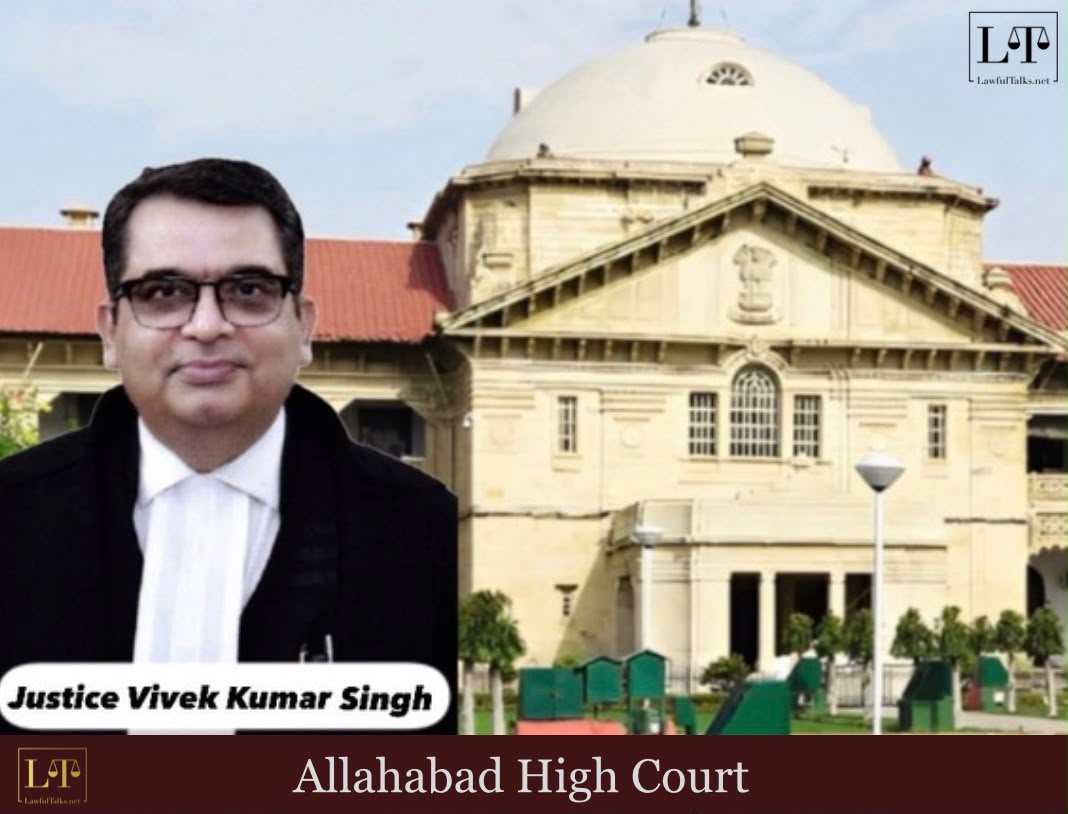
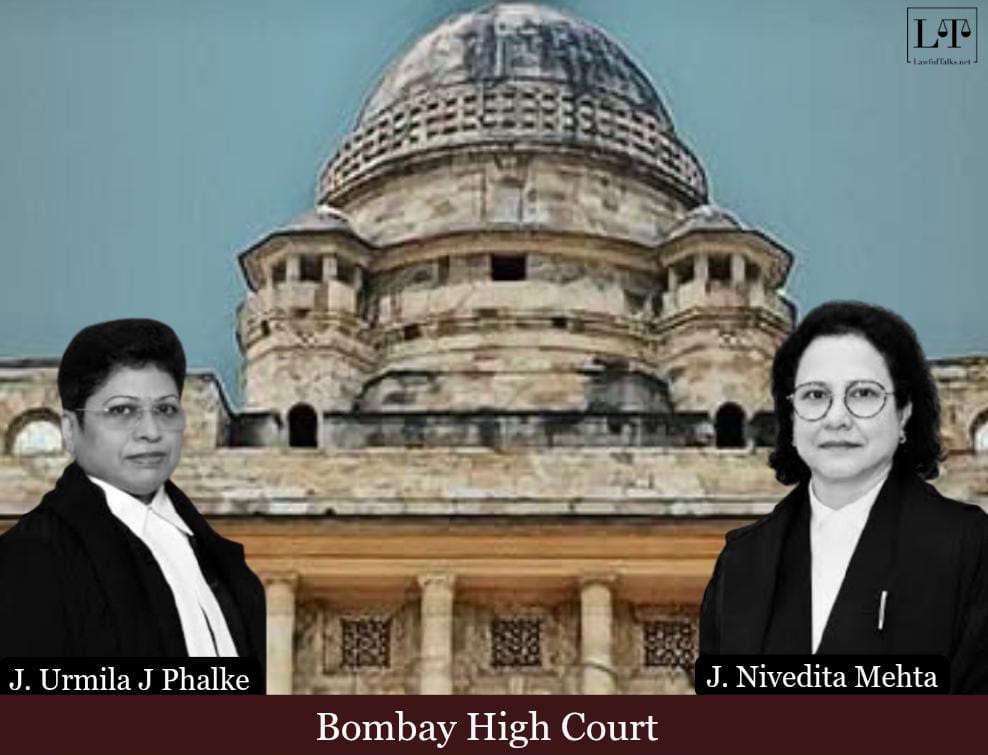
The Allahabad High Court set aside a single judge’s order that had rejected a mother’s habeas corpus petition seeking custody of her child from the father. The Court clarified that the mother’s plea should not have been denied merely because a remedy was available under the Guardians and Wards Act. It further observed that a writ court can use its “extraordinary jurisdiction” in such cases, especially when it is in the best interest of the child.
Background of the case:
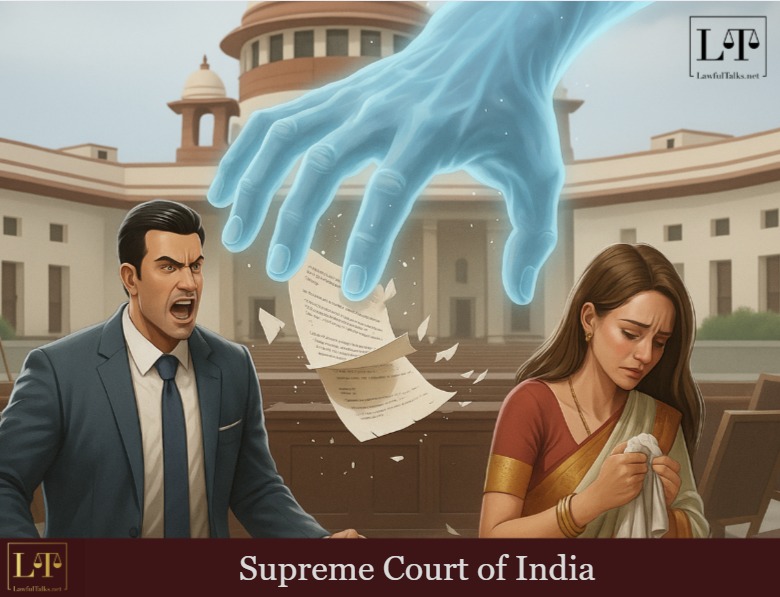
For context, the mother filed a habeas corpus petition before a single judge, claiming that her 20-month-old child had been “forcibly taken away” by the father. She pointed out that a Child Welfare Committee order dated September 10, 2025 had directed the father to hand over custody of the child to her, but he had not complied.
However, the single judge dismissed her petition. The judge noted that although a writ can be used to return a minor to their legal guardian if the child has been wrongfully taken, there was not enough evidence to show that the child’s custody with the father was illegal or improper.
The Single Judge Bench also held:
“As regards the issue of custodial rights, it is open to the parties to approach the appropriate forum for the determination of such rights in accordance with the law,”
Division Bench’s consideration:
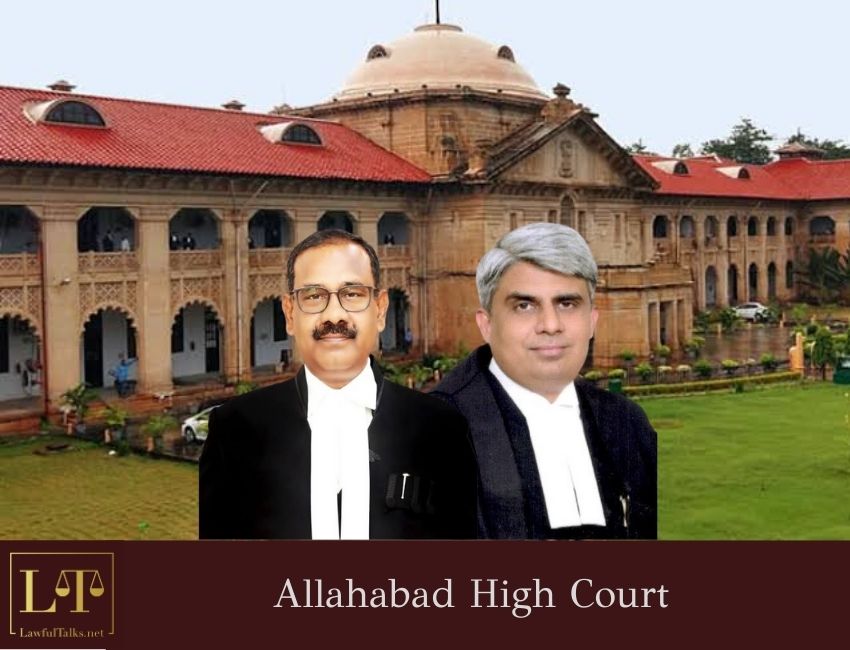
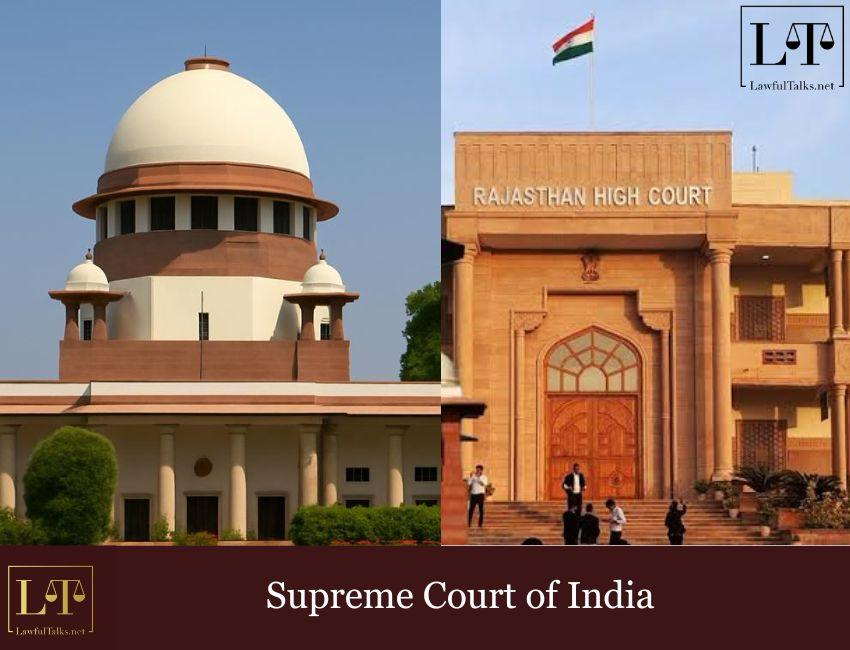
A Division Bench of Chief Justice Arun Bhansali and Justice Kshitij Shailendra examined the single judge’s order and relied on the judgment of the Supreme Court of India in Yashita Sahu v. State of Rajasthan and others (2020).
In that case, it was held:
“it is too late in the day to urge that a writ of habeas is not maintainable if the child is in the custody of another parent and the court can invoke its extraordinary writ jurisdiction for the best interest of the child. The law in this regard has developed a lot over a period of time but now it is a settled position that the court can invoke its extraordinary writ jurisdiction for the best interest of the child”.
The Supreme Court in that case had rejected the mother’s argument that the father’s habeas corpus petition before the Rajasthan High Court was not maintainable.
Applying this position, the High Court said:
“We find that the claim of the appellant No. 1 to get custody of her minor son, who is now aged about 20 months, has not been considered by the writ court on merits and the opinion formed by the learned Single Judge is that availability of remedy under Guardians and Wards Act, 1890, renders the petition for Habeas Corpus either not maintainable or the writ court as not an appropriate forum…There is no need to refer judgments on the settled proposition of law that in custody matters, it is only the welfare of the child that is of paramount consideration and once we have arrived at a conclusion that writ petition could not be dismissed as not maintainable or the forum of the writ court as not the appropriate one, the matter has to be considered by the writ court on merits where the parties would have their full say”.
Proceedings before the Court:
On February 2, 2026, the Division Bench gave the State’s Standing Counsel time to explain why the Child Welfare Committee orders had not been followed.
At the next hearing on February 25, 2026, it was stated that the Superintendent of Police, Ballia received a complaint from the SHO Haldi, Ballia about non-compliance. Based on this, the SP Ballia wrote to the SP Jaunpur asking for action to be taken.
The High Court then noted:
“It is surprising that despite the orders passed by this Court, the officers are busy in writing letters to one another and the child, contrary to the order passed by the Child Welfare Committee, is at Police Lines, Jaunpur”.
In its later order dated March 11, 2026, the Court looked at reports from the SSP Jaunpur and the SHO of Police Station Haldi, Ballia, and said:
“Both the reports reinforce the observations/opinion of the Court that the officers of respondent no. 6, Police Constable, are providing full protection to the said respondent no. 6 (father) in violating the directions of C.W.C., which conduct of the officers cannot be appreciated and appropriate orders in this regard would be passed while dealing with the main matter”.
On March 25, 2026, the father’s counsel told the Court that the father had challenged the Child Welfare Committee order and that the appeal was still pending. On the issue of the child’s custody, the counsel said he would try to convince his client to act in the best interests of the family.
During the hearing on April 3, 2026, the father’s counsel said that the Court could consider a peaceful solution to the marital dispute through mediation and conciliation, so that both parties could come together and discuss settlement terms. He also said that no divorce proceedings had been started yet, but his client was willing to begin them.
Final order:
Setting aside the order of the Single Judge, the Division Bench restored the mother’s habeas corpus petition.
The Court concluded that:
“Habeas Corpus Writ Petition No. 931 of 2025 is restored to its original number and status and the same shall be listed before appropriate Bench on 16.04.2026 as a fresh case.”
Case details: Smt. Rinku Ram @ Rinku Devi and another v. State of U.P. and 7 others, Special Appeal No. 1205 of 2026.

































































































Sign up for free and be the first to get notified about curated content just for you.