“34 Deaths in 48 Hours Trigger Suo Motu: SC Calls Highways a ‘Corridor of Peril’ and Orders Safety Overhaul”

- April 21, 2026


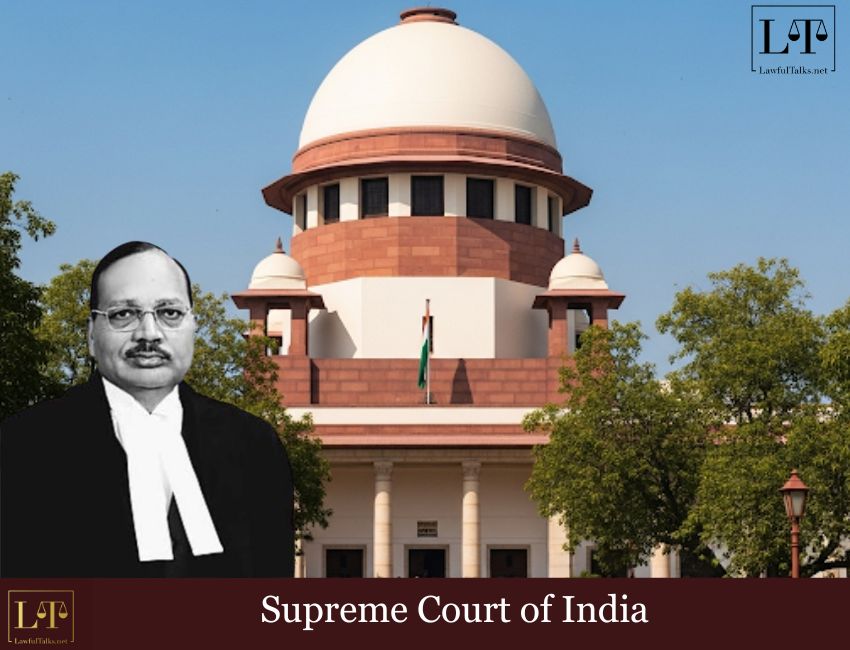
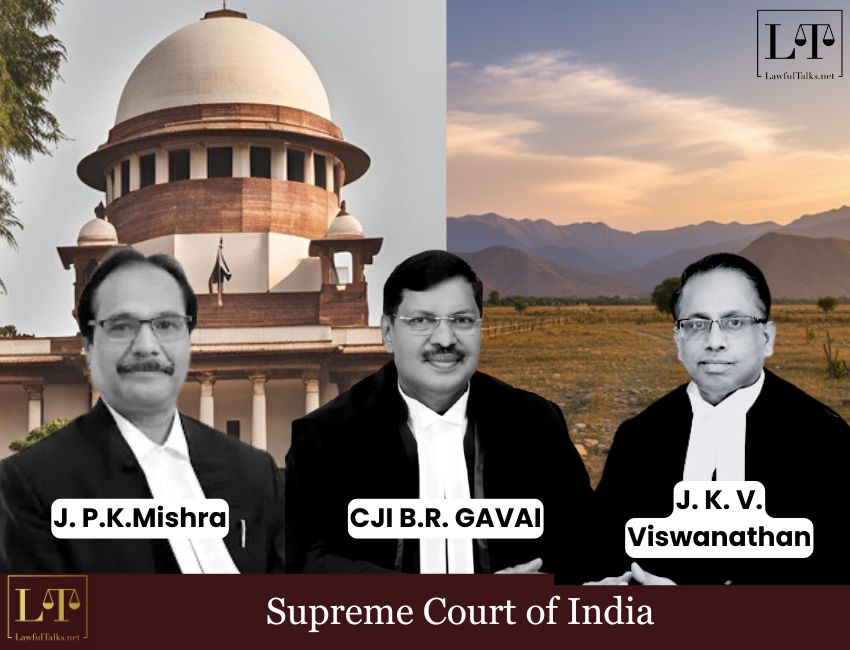
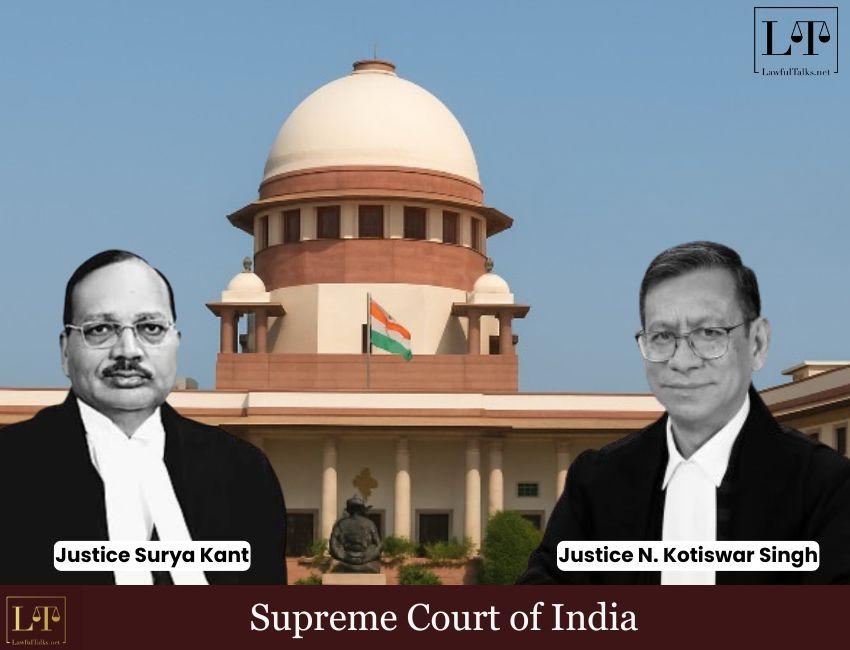
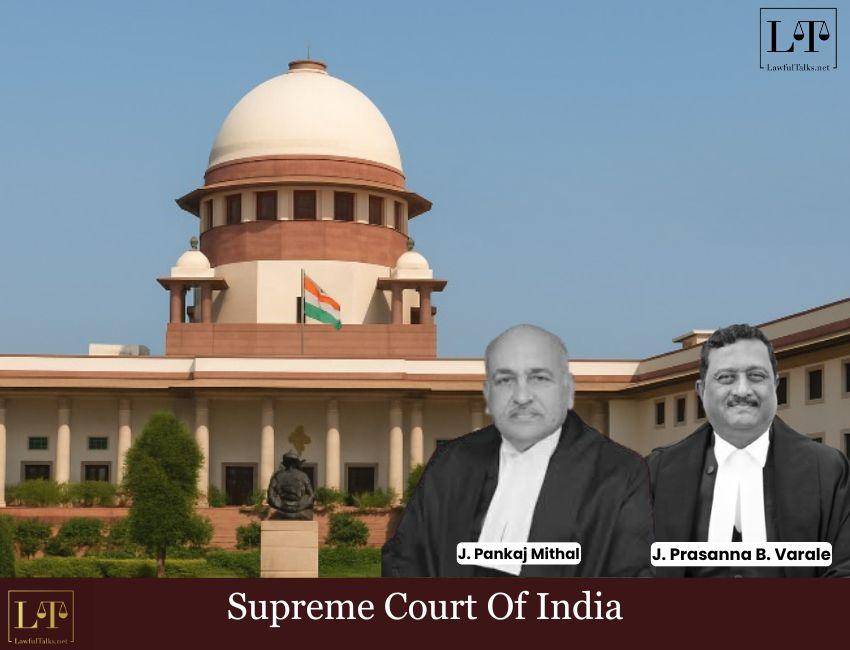
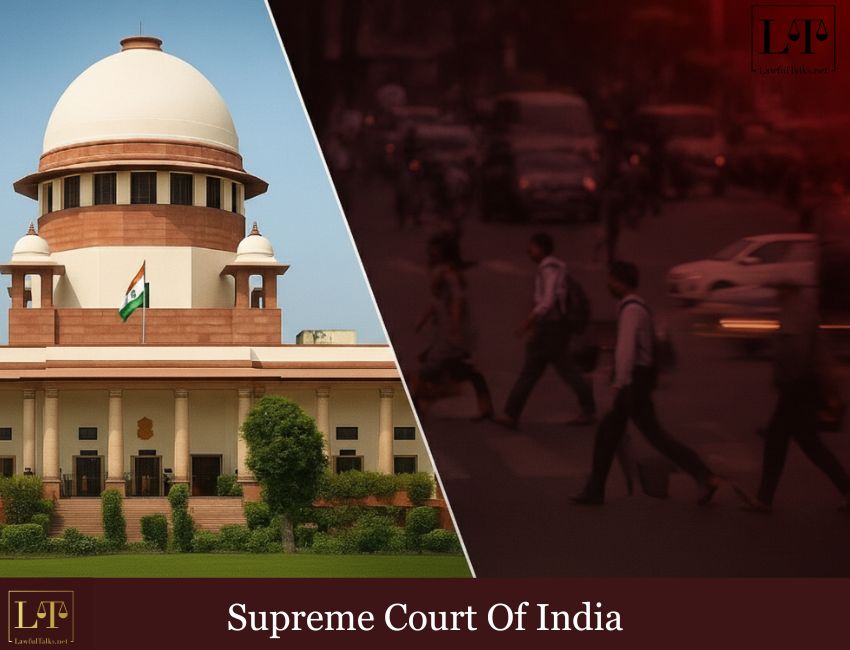
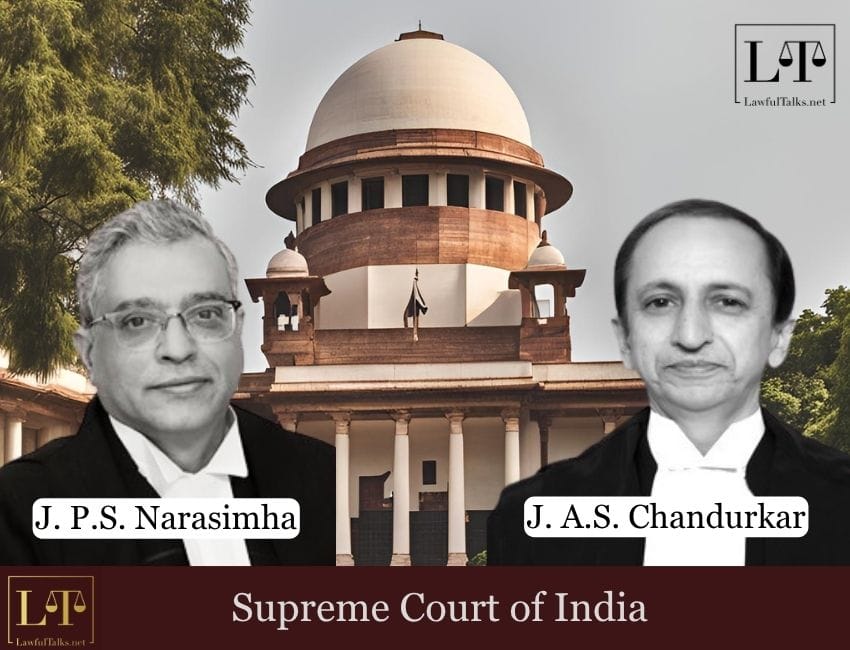
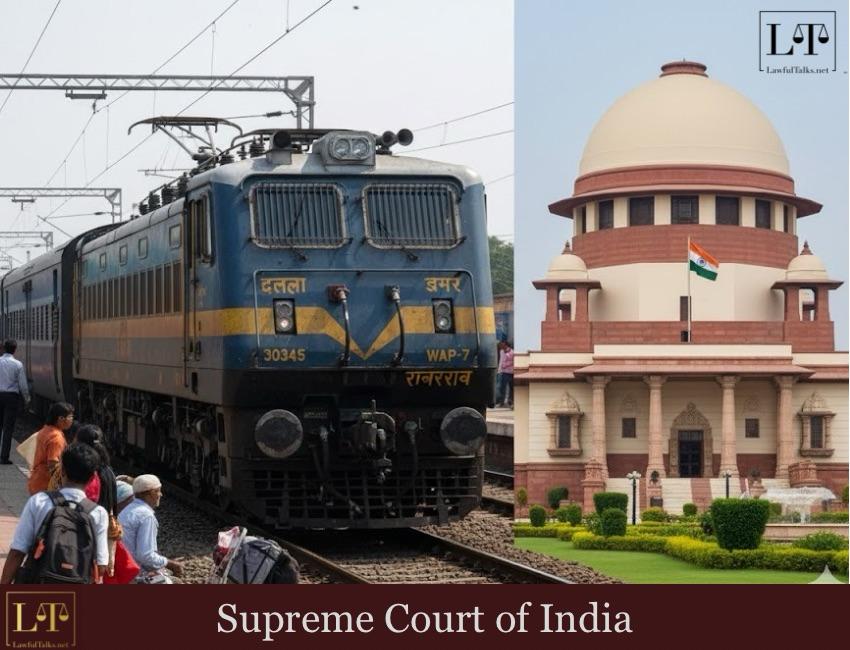
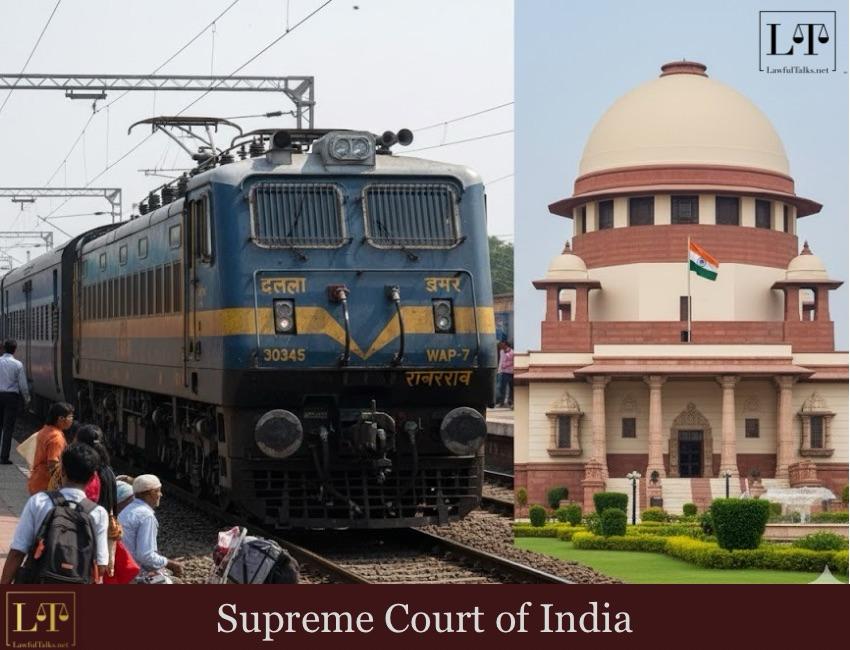
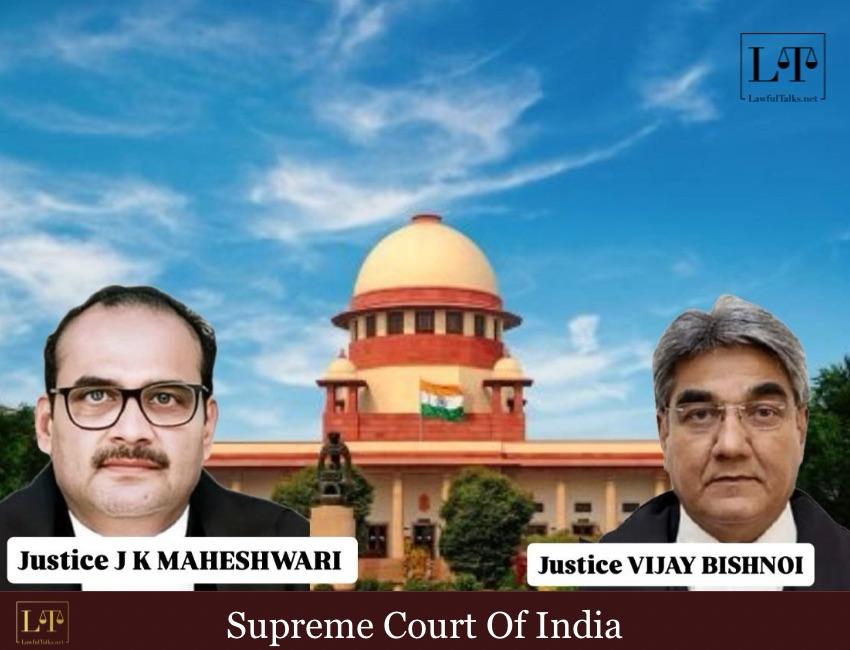
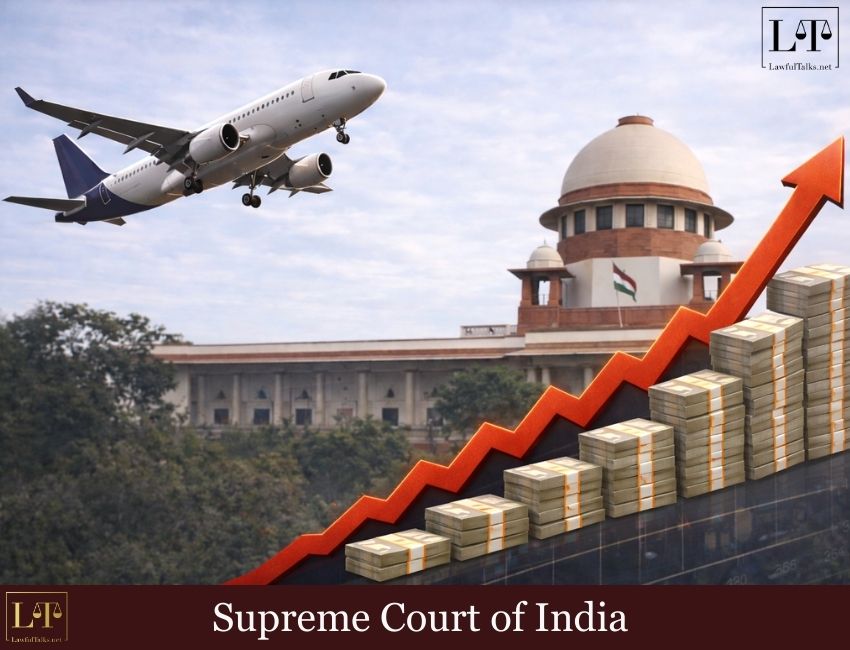
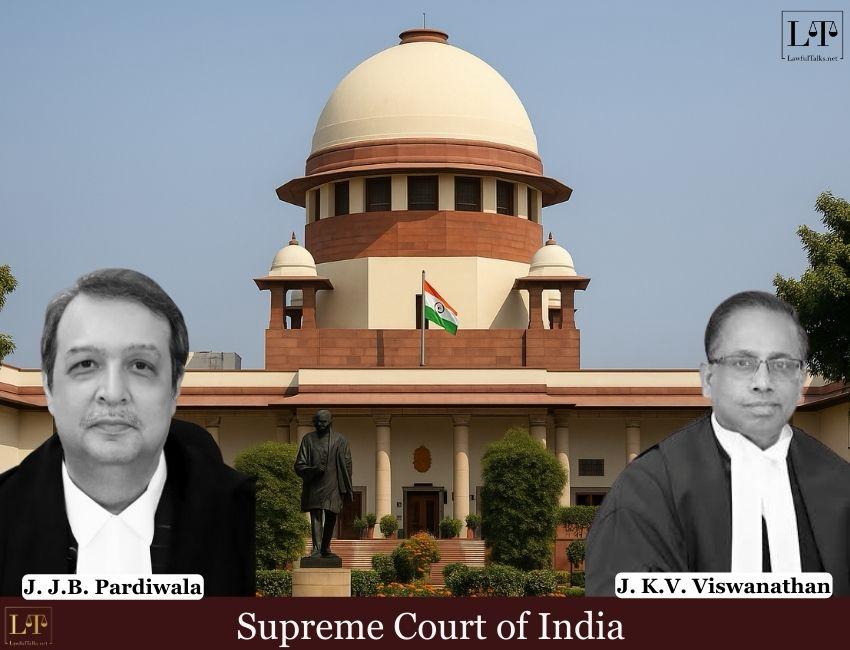
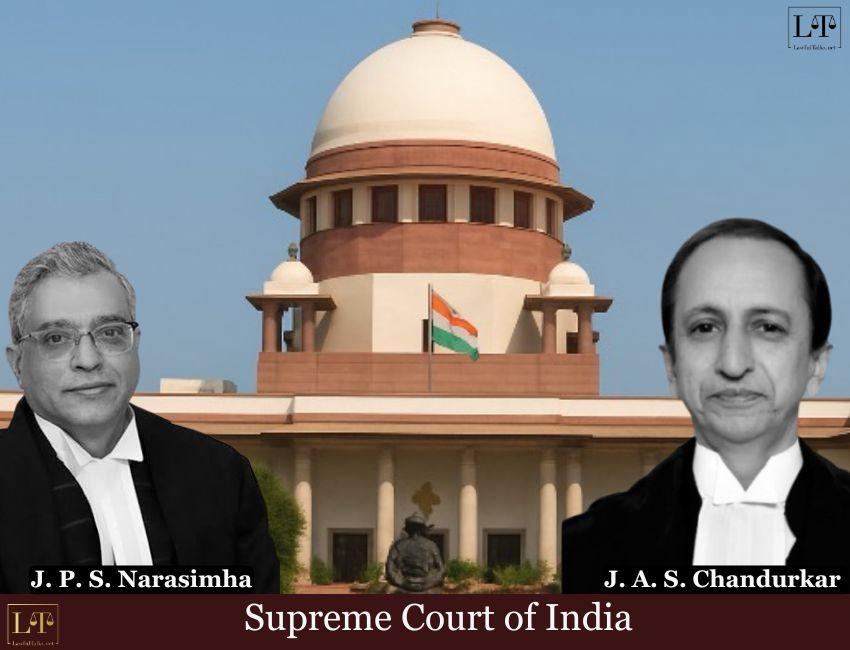
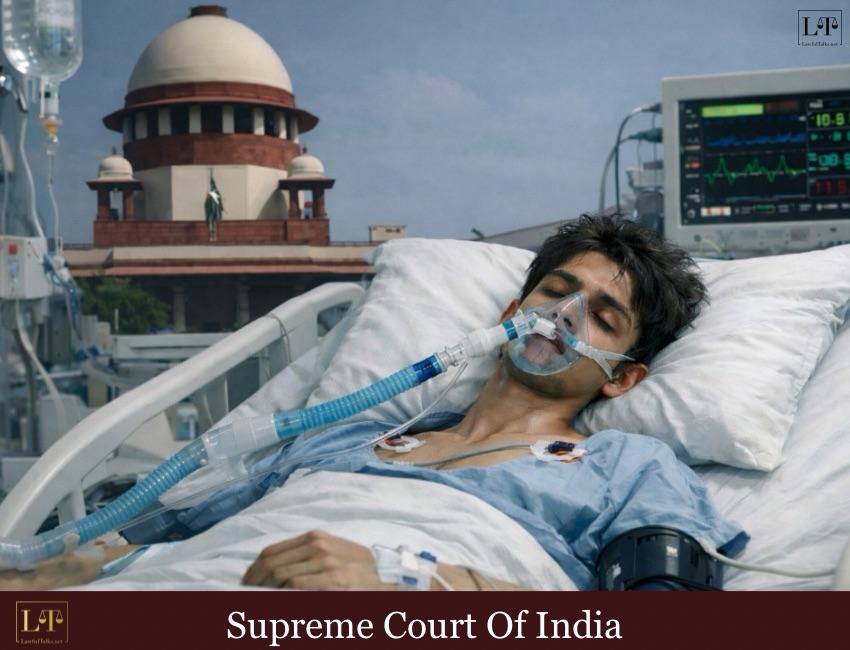
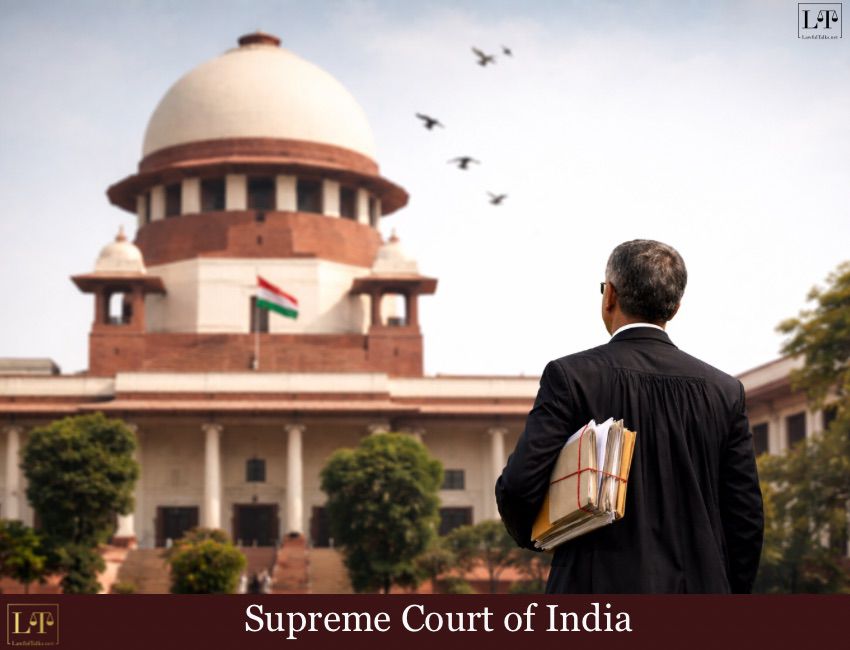
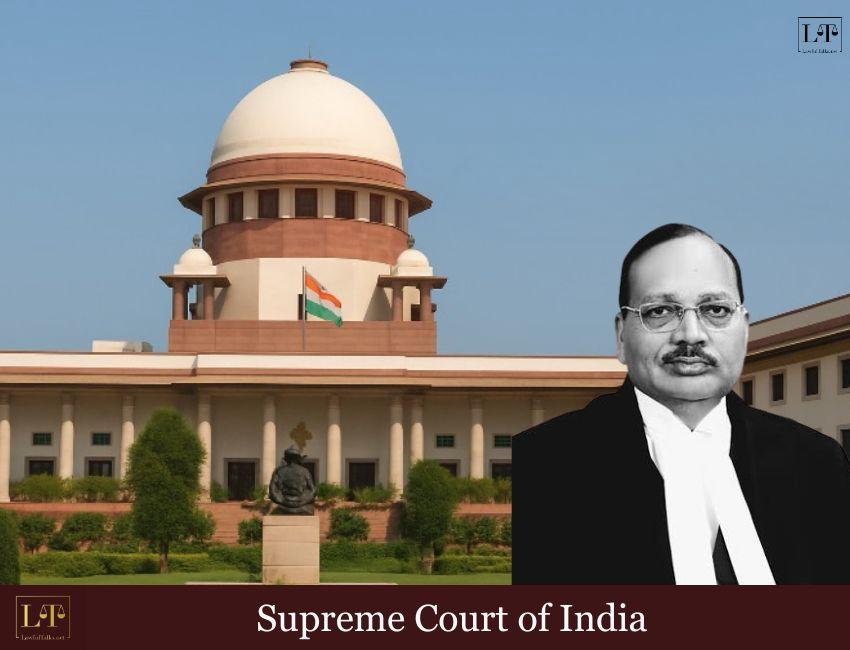
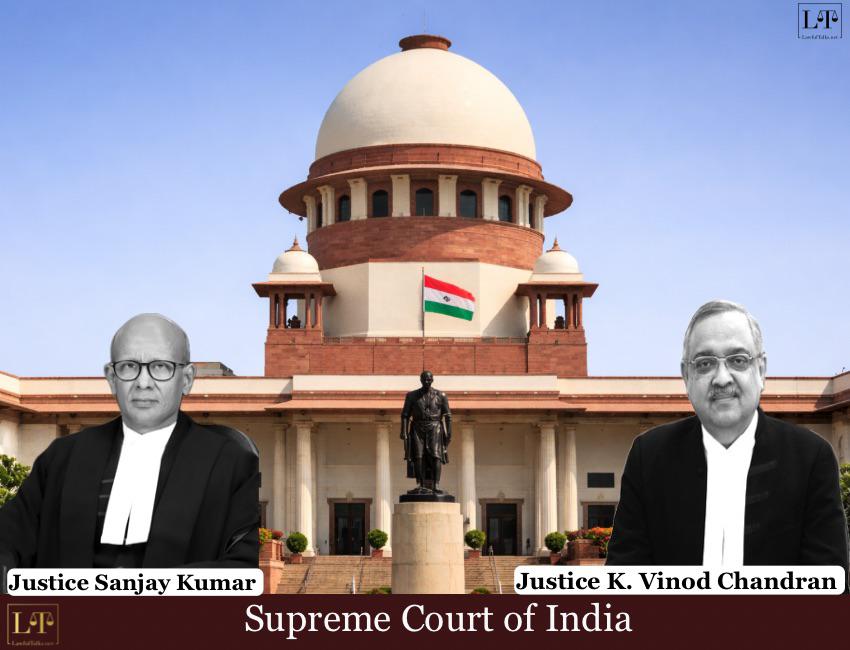
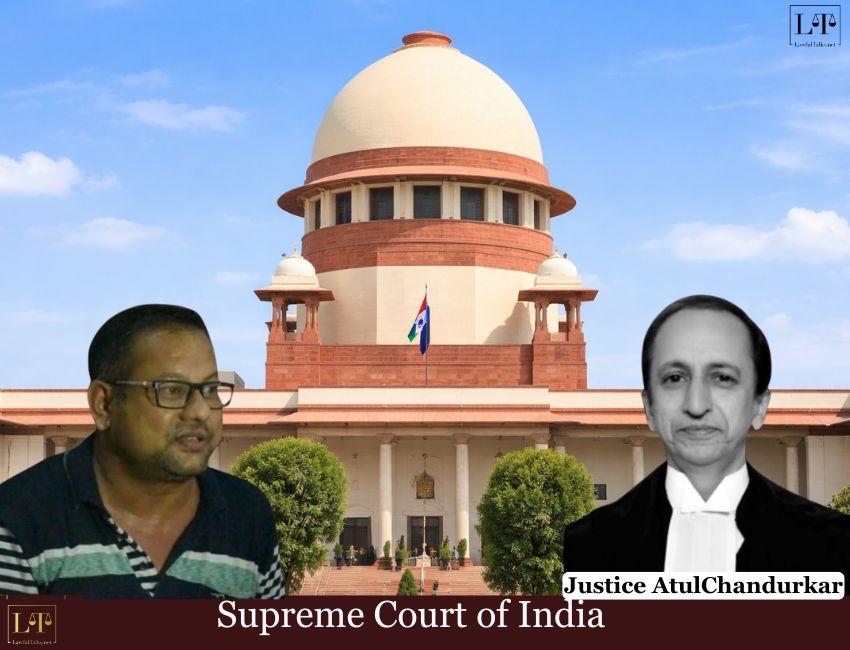
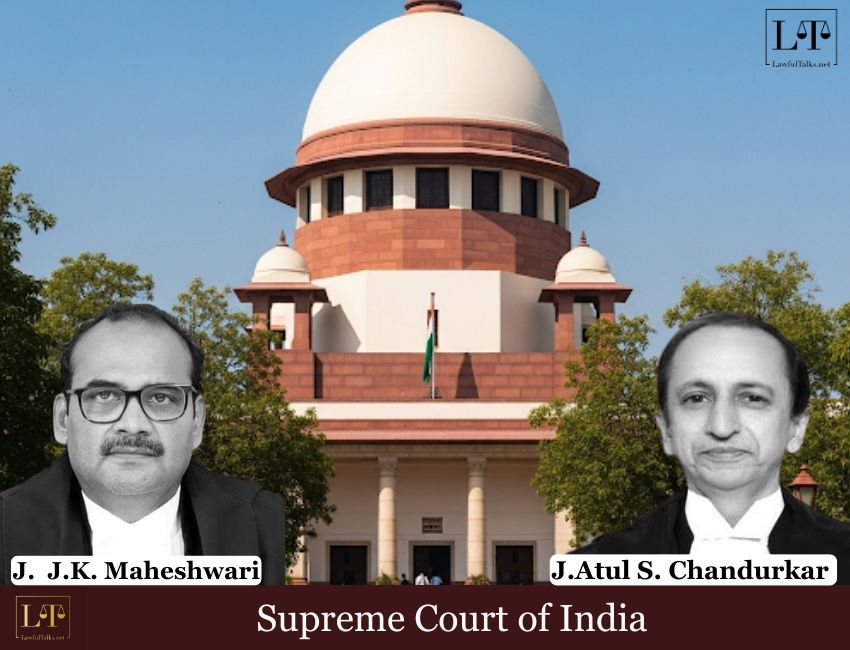
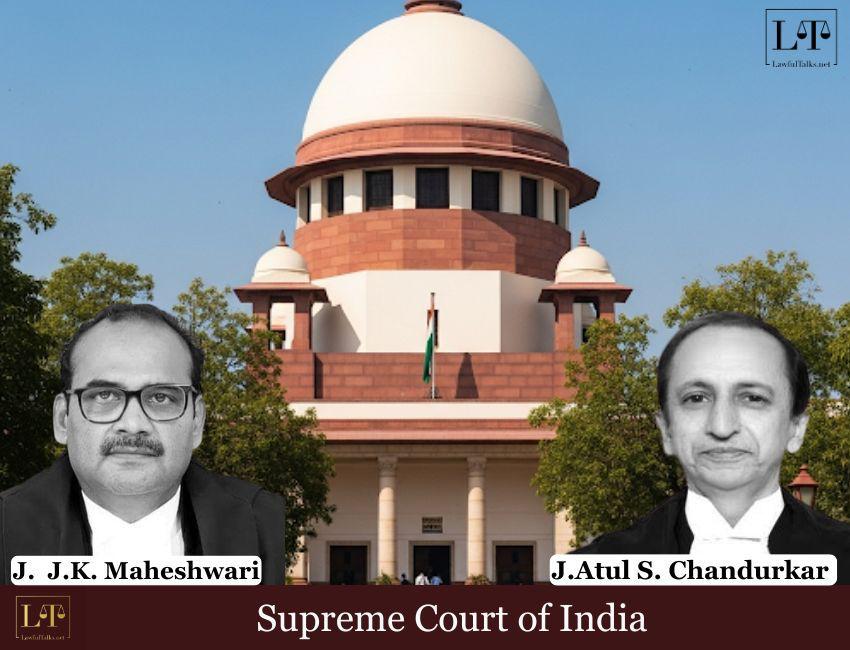
Following two major accidents in November 2025 that killed 34 people, the Supreme Court took suo‑motu cognizance of serious and systemic failures in highway safety. The Court held that safe travel is part of the fundamental right to life under Article 21 and issued wide‑ranging interim directions to authorities. The bench comprising Justice J.K Maheshwari and Justice Atul Chandurkar passed the order .
Accidents and Suo‑Motu Cognizance:
On November 2 and 3, 2025, two successive road accidents took place:
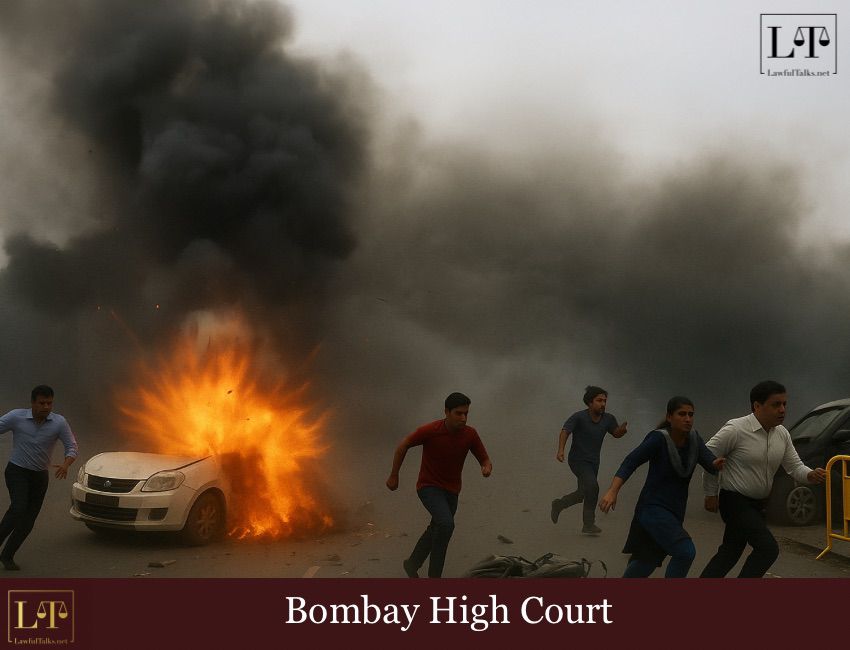
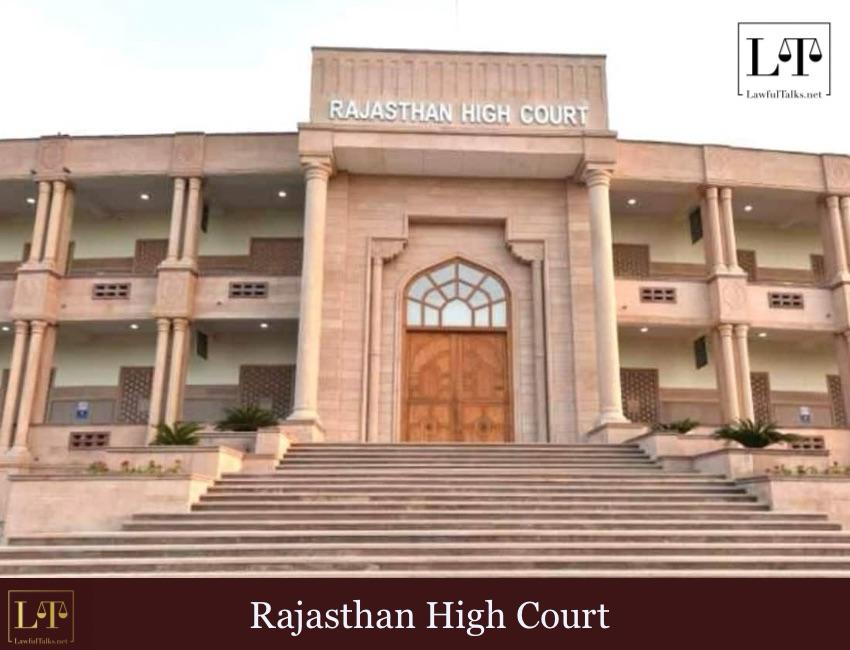
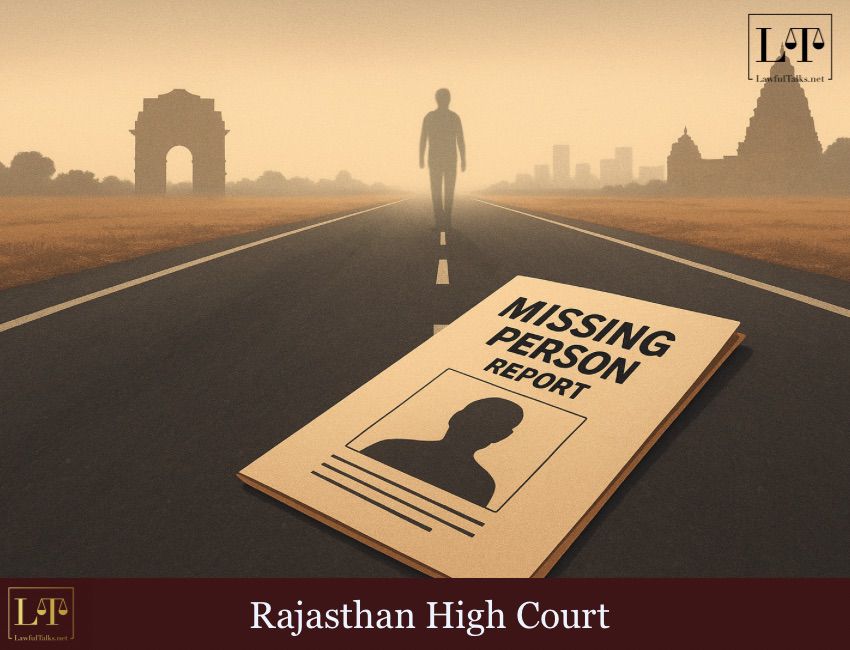
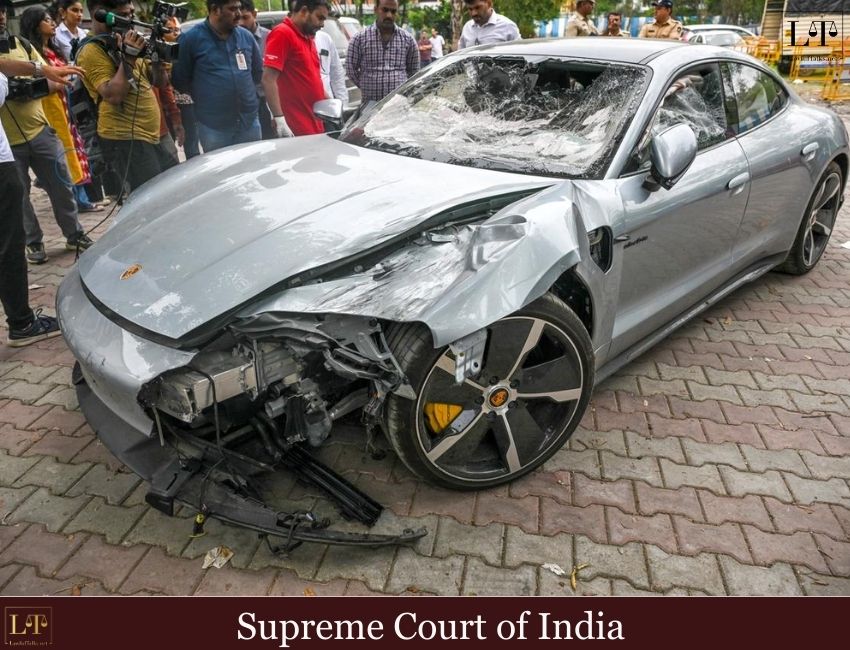
One in Phalodi district, Rajasthan (15 deaths on the Bharatmala Expressway).
Another in Rangareddy district, Telangana (19 deaths when a gravel truck hit a government bus). Together, 34 lives were lost.
The Supreme Court, treating these incidents as evidence of systemic negligence and poor infrastructure, took suo‑motu cognizance on 10 November 2025. The Court said these incidents reflected a serious violation of the right to safe passage under Article 21 and issued notices to both State and National authorities seeking reports on administrative failures.
Appointment of Amicus Curiae:
Senior Advocate A.N.S. Nadkarni was appointed Amicus Curiae to assist the Court in looking into systemic failures and suggesting corrective measures.
Interim directions on highway safety :
On 13 April 2026, the Court issued broad interim directions on highway safety.
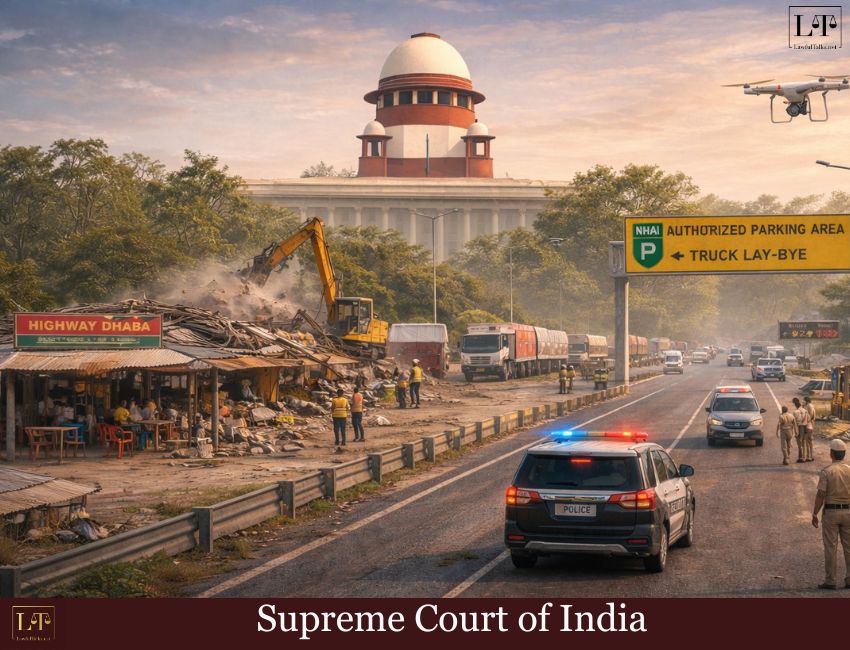
The Court directed that heavy and commercial vehicles must not park on highways except in designated parking bays. This rule will be enforced using ATMS alerts and GPS-based challans.
It also ordered the National Highways Authority of India (NHAI) and State agencies to carry out regular inspections, drone surveys, and to activate citizen grievance systems.
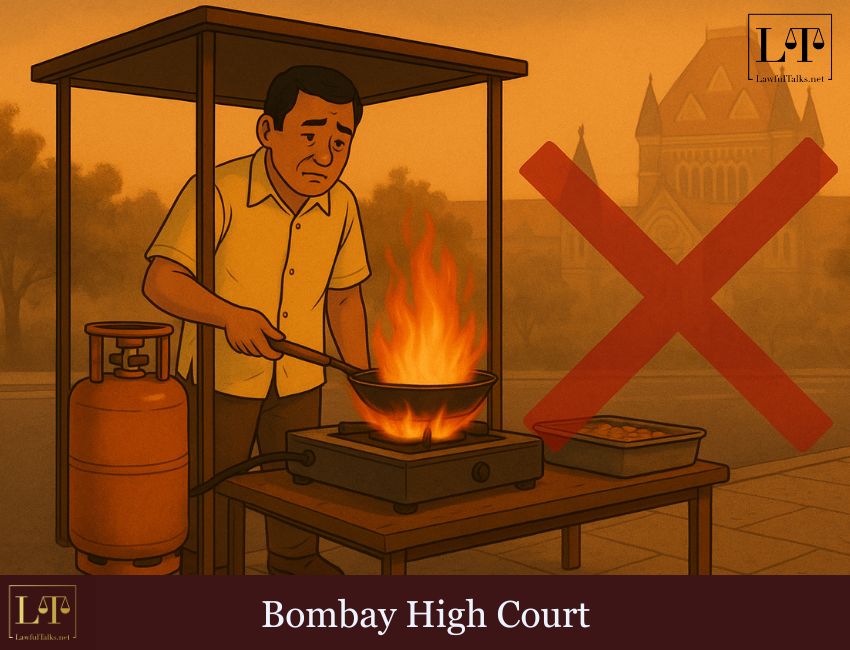
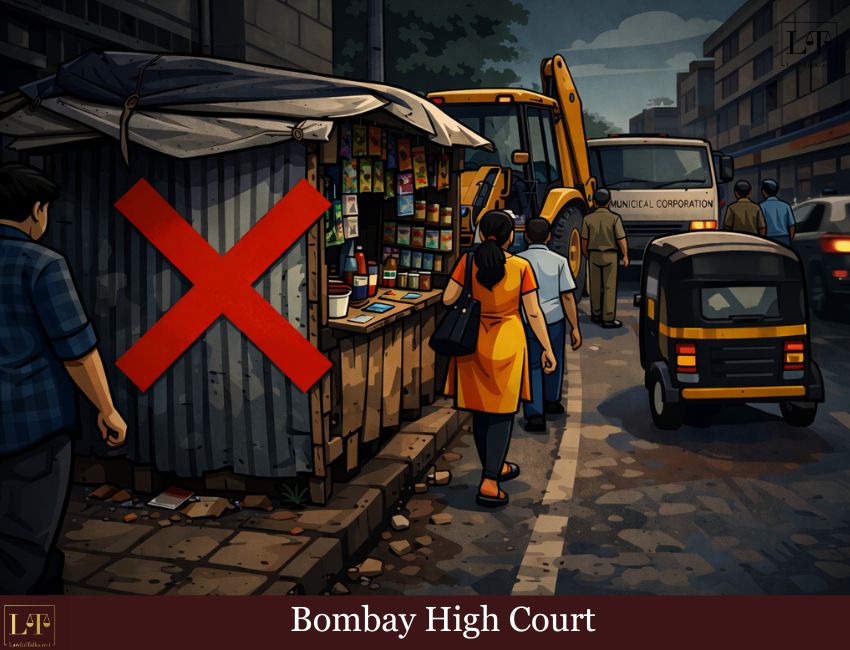
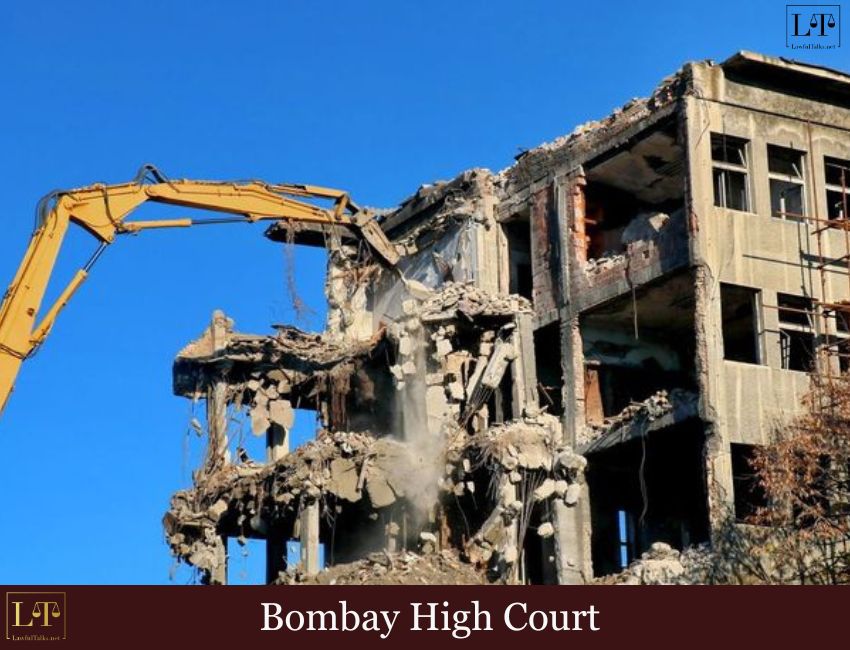
All illegal dhabas and other structures within highway limits must be demolished within 60 days. The Court also said that no new licences can be issued without NHAI approval. Every district must set up a Highway Safety Task Force to handle encroachment removal and safety enforcement.
Further, the Court directed that dedicated patrol teams, ambulances, and recovery cranes must be placed every 75 km. It also ordered the construction of truck lay-byes with roadside amenities at similar intervals.
The Court also asked authorities to identify accident blackspots, install proper lighting and cameras, and fully implement the Advanced Traffic Management System. All agencies will be jointly responsible for compliance, and the Ministry of Road Transport and Highways (MoRTH) must file a consolidated report within 75 days.
Court’s observation on highway fatalities:
The Court also observed:
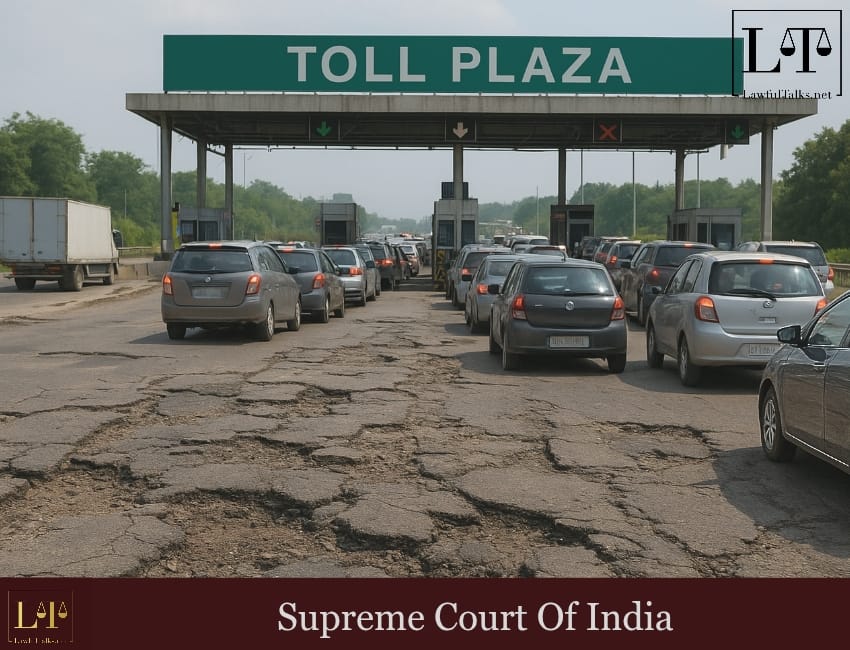
“It is seen that National Highways constitute approximately 2% of India’s total road length but account for nearly 30% of all road fatalities. A road, particularly a high-speed Expressway, must not become a corridor of peril due to administrative lethargy or infrastructural gaps. The loss of even a single life to avoidable hazards like illegal parking or blackspots etc., represents a failure of the State’s protective umbrella. The ‘Right to Life’ enshrined under Article 21 of the Constitution of India is not merely a guarantee against the unlawful taking of life, but a positive mandate upon the State to ensure a safe environment where human life is preserved and valued.”
Case Details : IN RE: PHALODI ACCIDENT VS NATIONAL HIGHWAYS AUTHORITY OF INDIA




































































































Sign up for free and be the first to get notified about curated content just for you.