“A Daughter’s Share on Trial: SC Opens Challenge to Shariat Inheritance Law”

- April 17, 2026


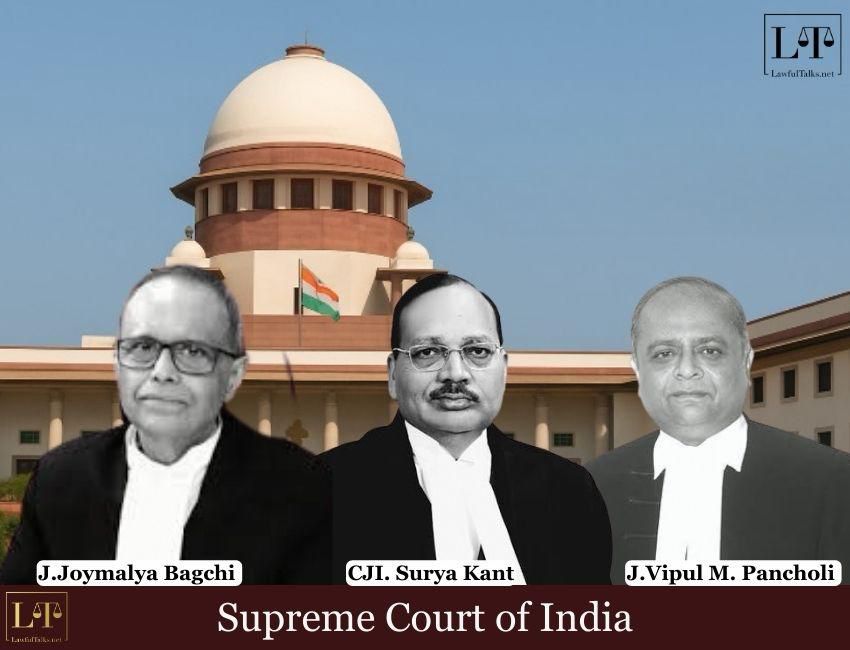
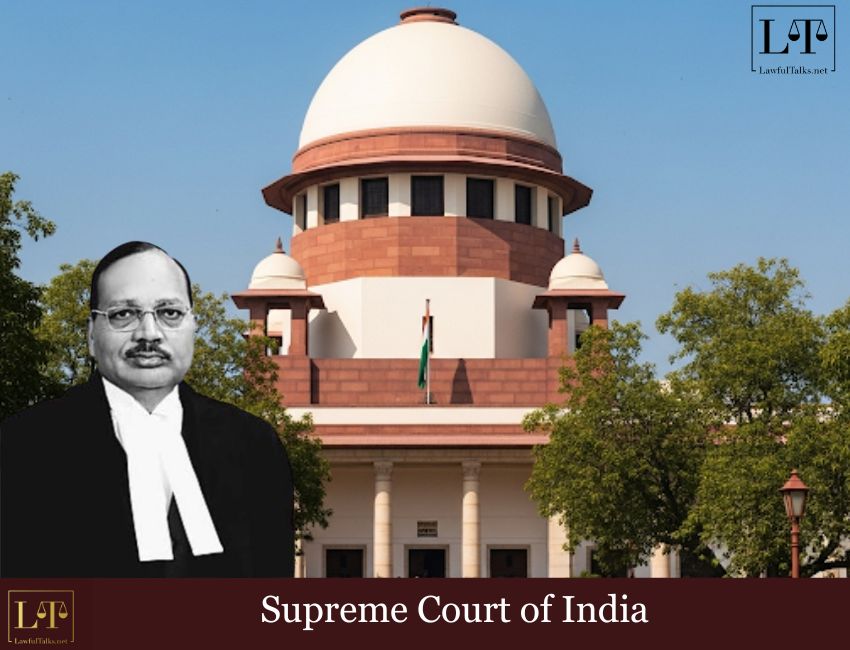
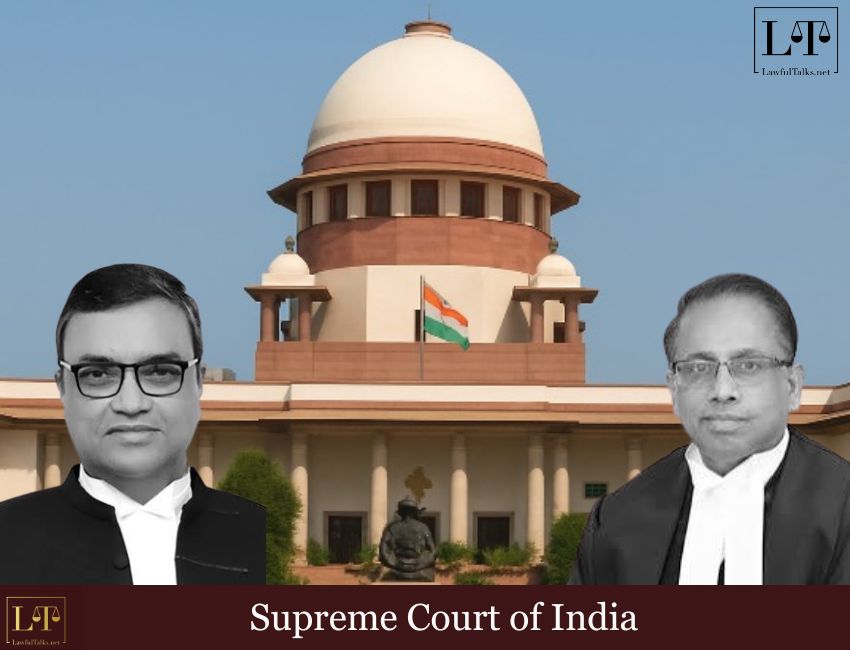
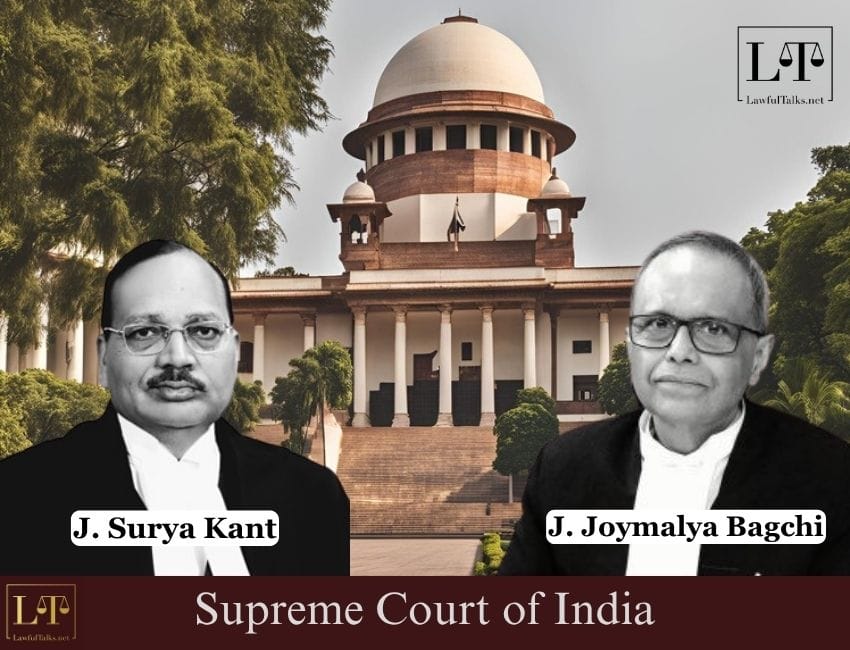
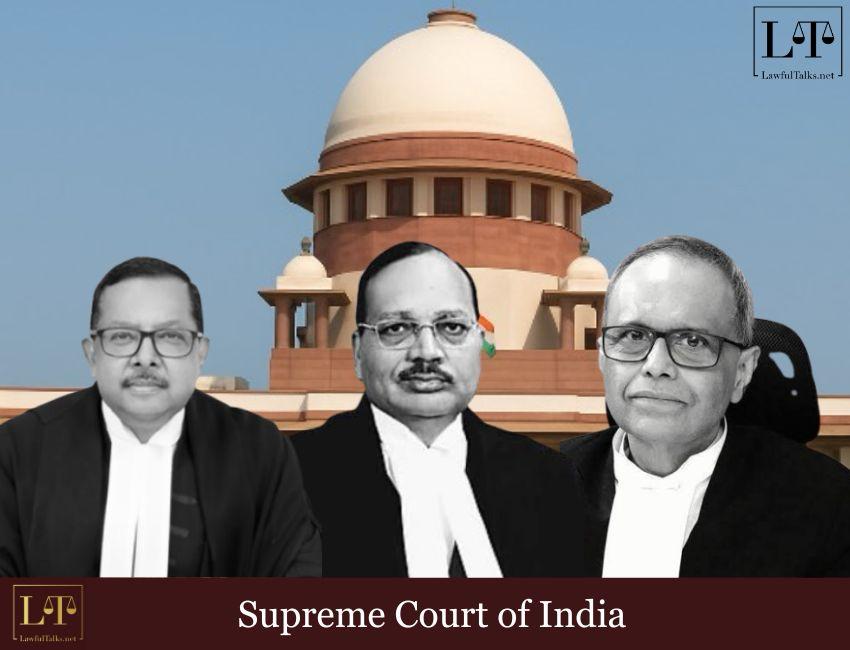
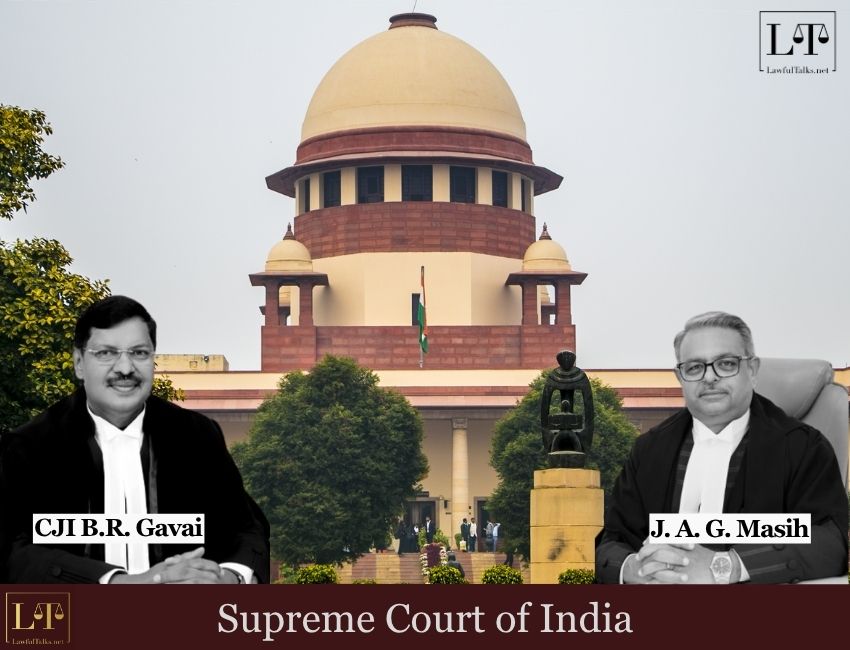
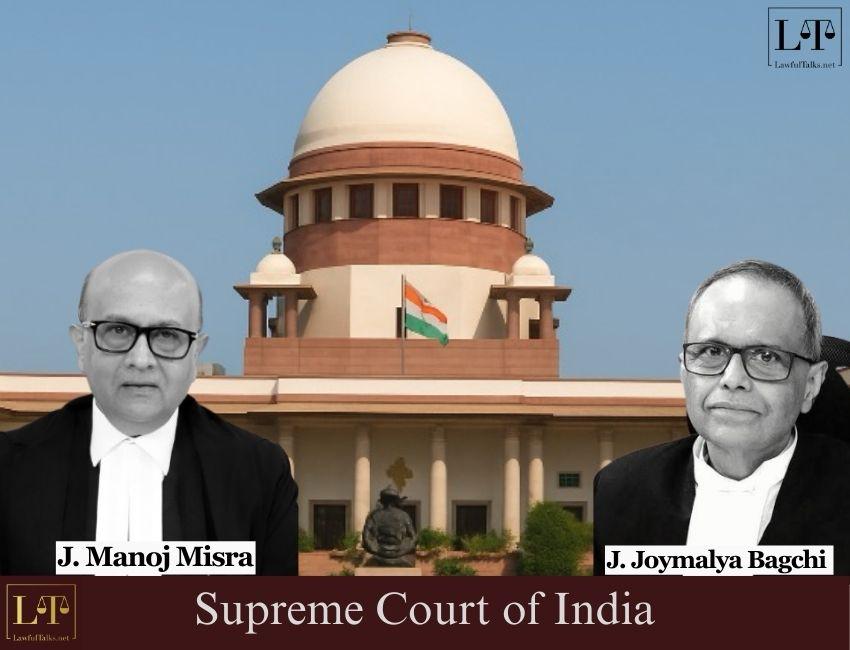
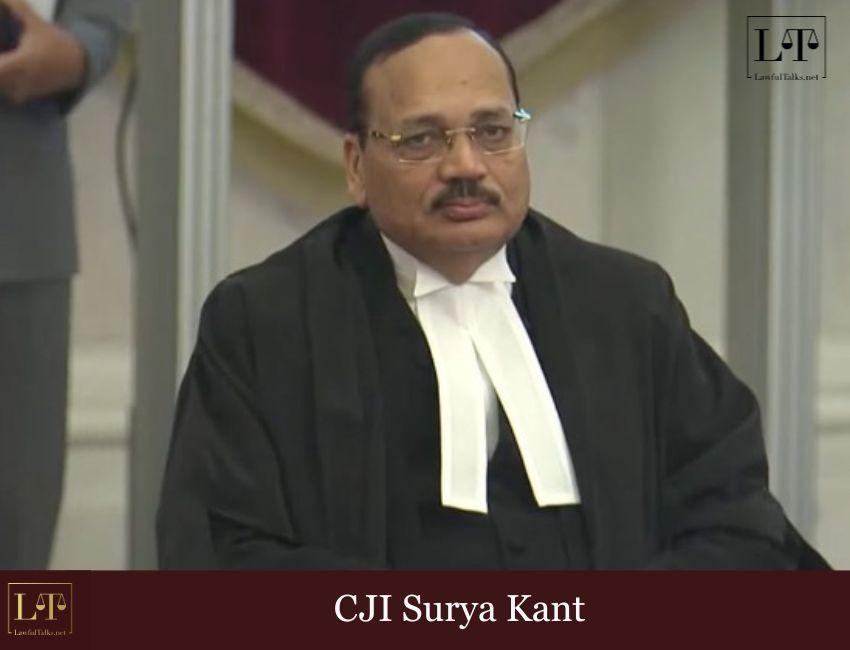
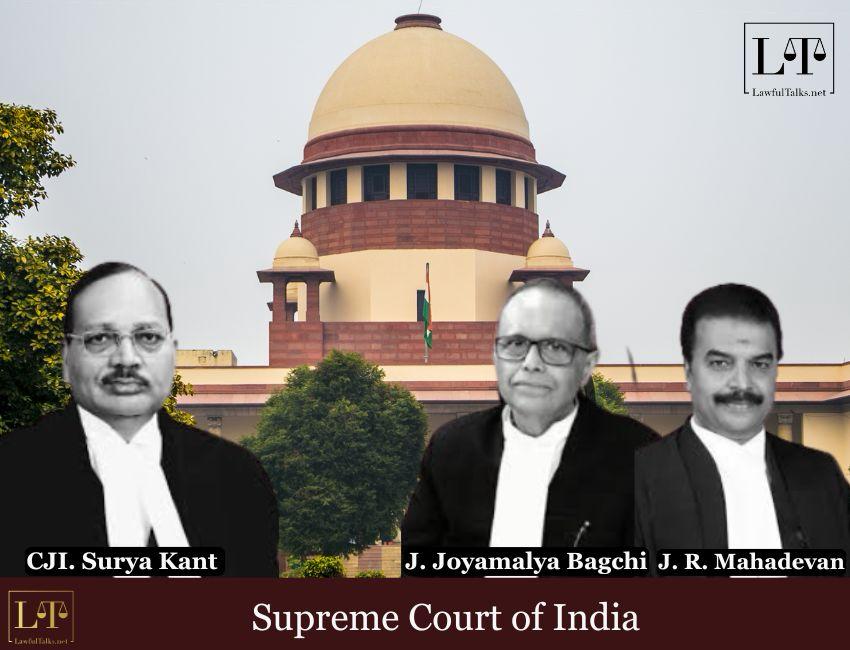
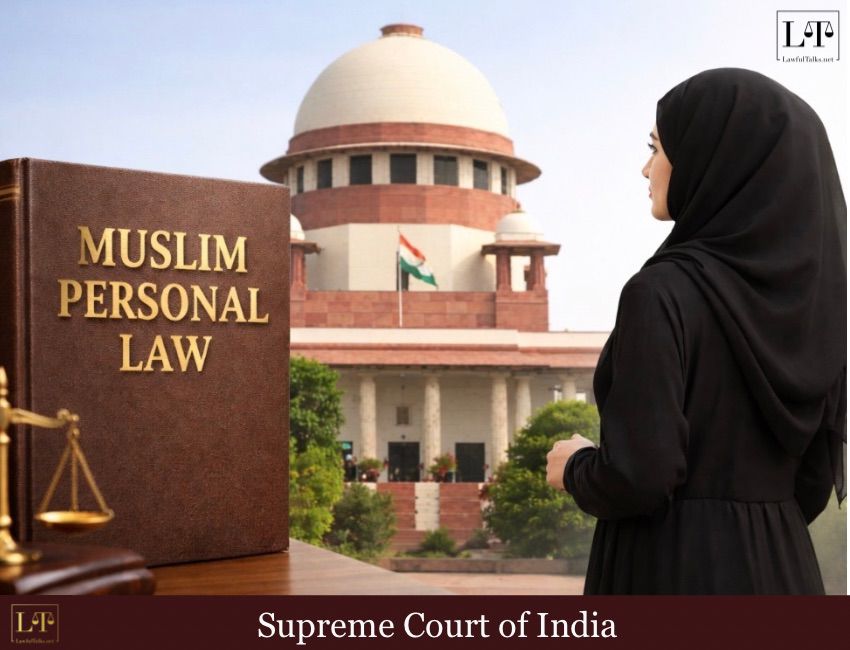
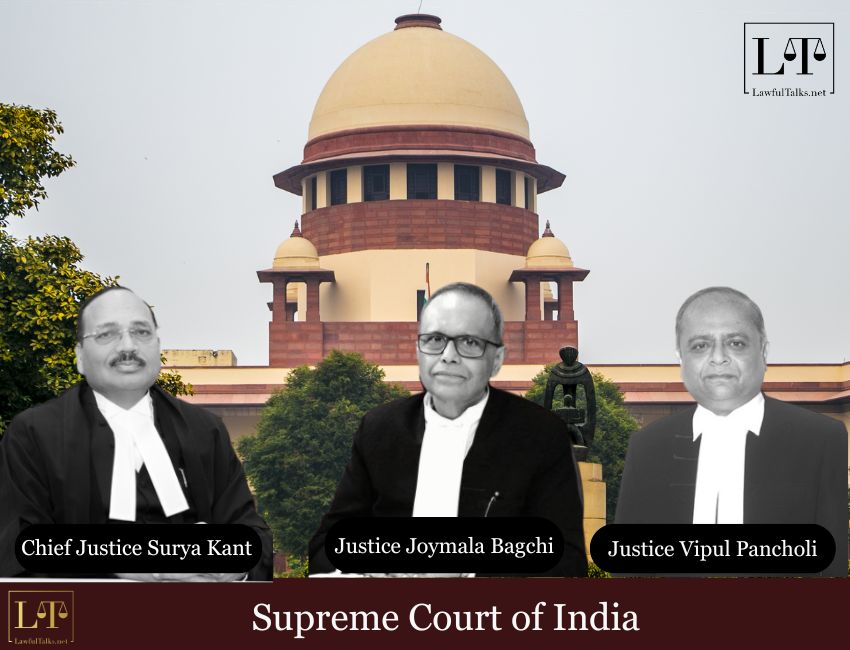
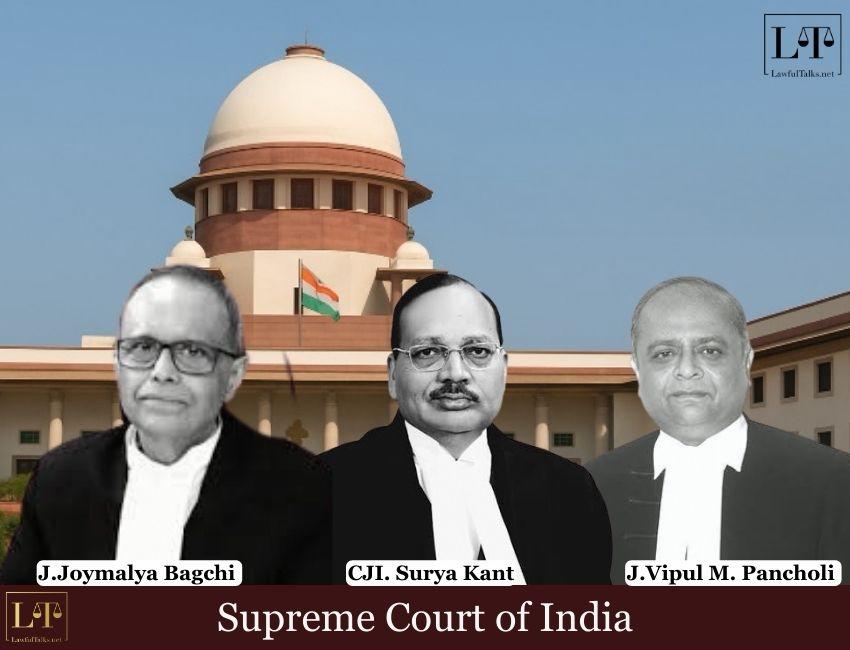
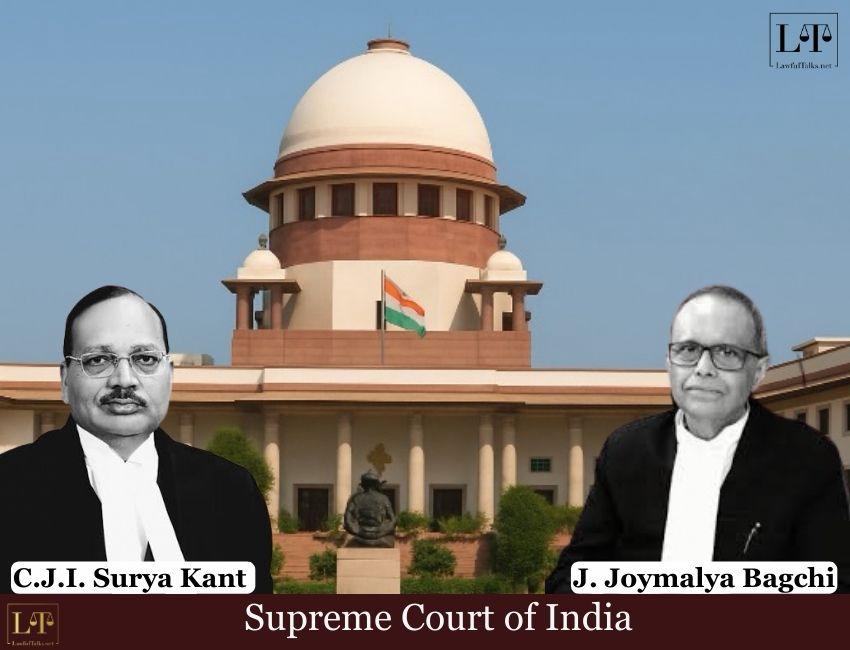
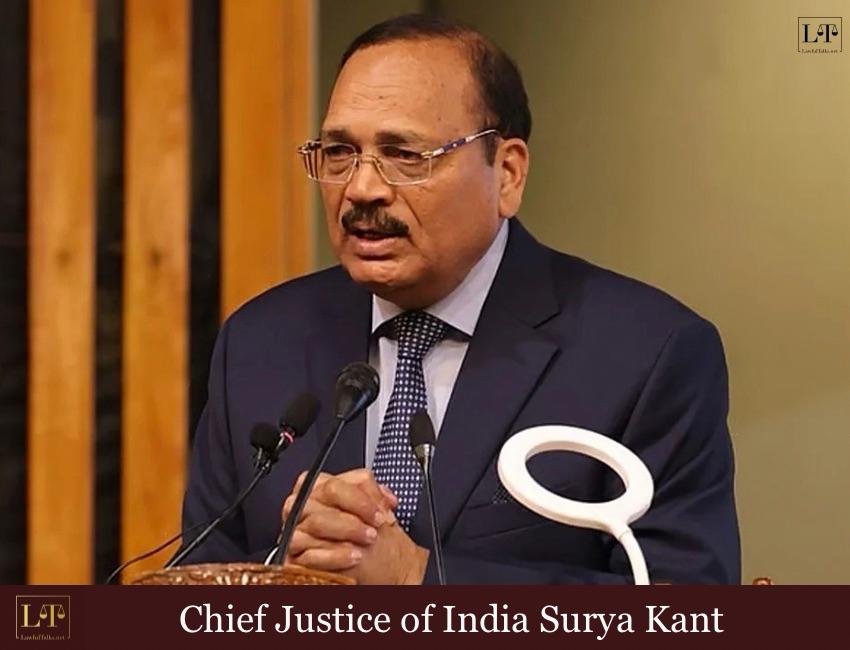
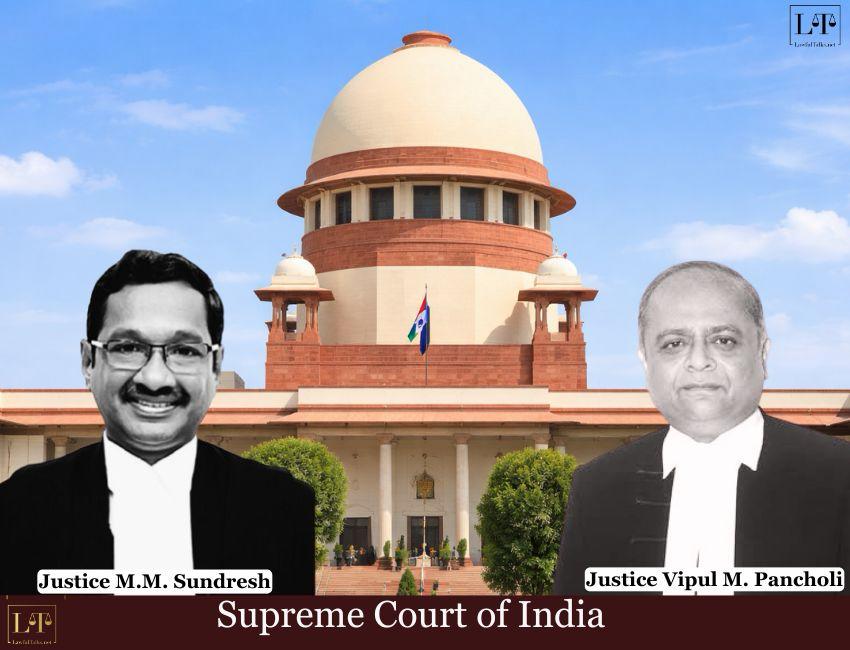
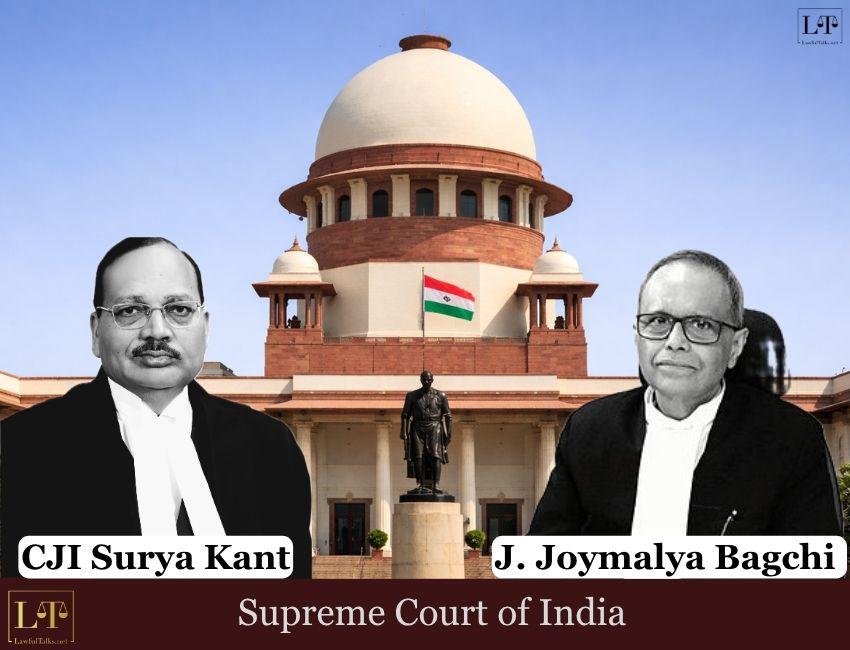
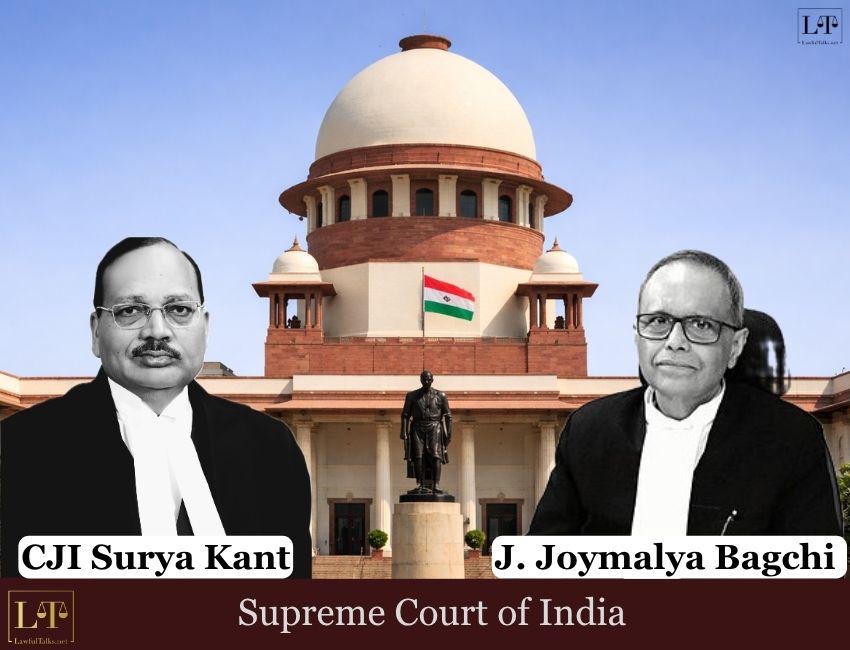
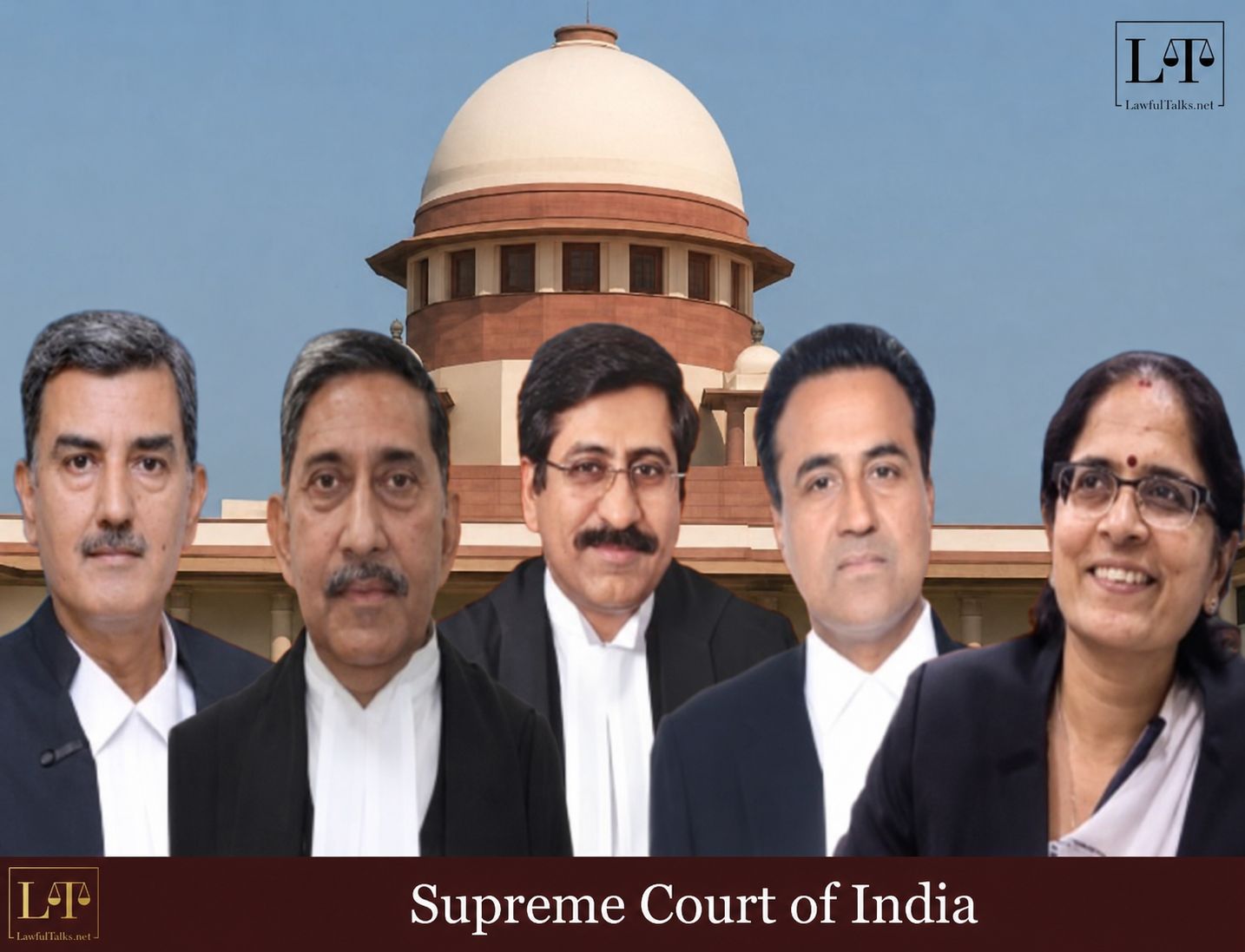
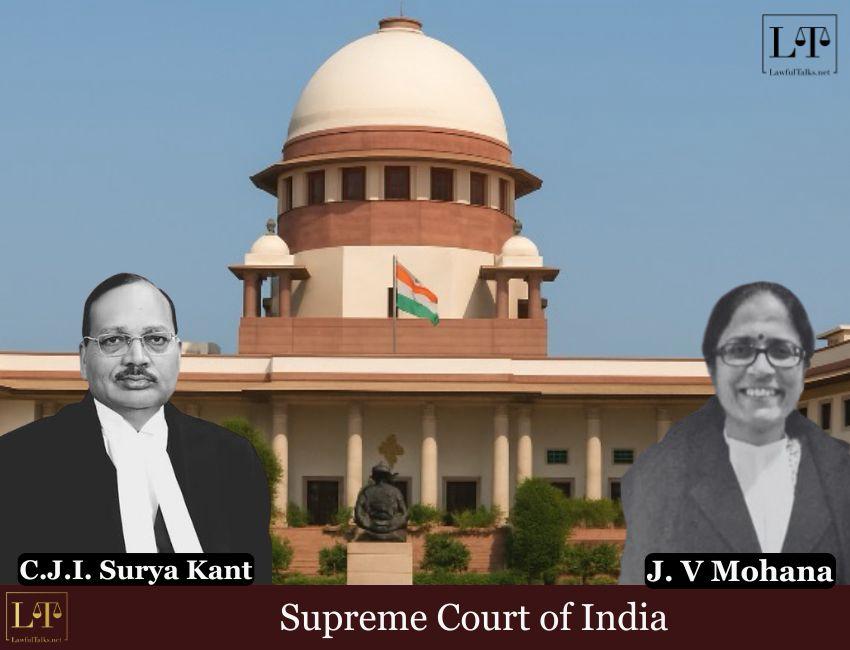
A Supreme Court bench led by Chief Justice of India (CJI) Surya Kant, along with Justice Joymalya Bagchi and Justice Vipul M. Pancholi, issued notices to the Central government and other authorities on a petition challenging the Constitutional validity of the Muslim Personal Law (Shariat) Application Act, 1937. The petition says the law is biased against Muslim women in inheritance matters.
Court asks for affected Muslim women to be added:
The Court also said that directly affected Muslim women should be added to the case. CJI Kant said, “Please bring aggrieved petitioners on record next time. Denial of right is not disputed… that is there. Add them as intervenors in the case,” while issuing notice. Justice Bagchi said reforms in personal laws should come from within the community: “It should seem as a reformation from within the faith itself. If a reformation is being giving rise to, it should come within the sect itself.” He also warned, “We have to see if it’s within domain of judiciary to bring in social reform.”
Petition claims gender bias in inheritance laws:
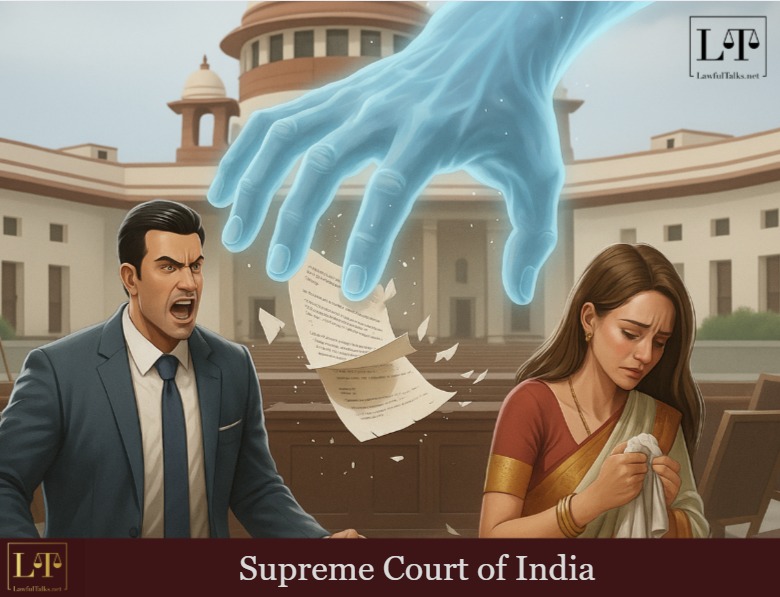
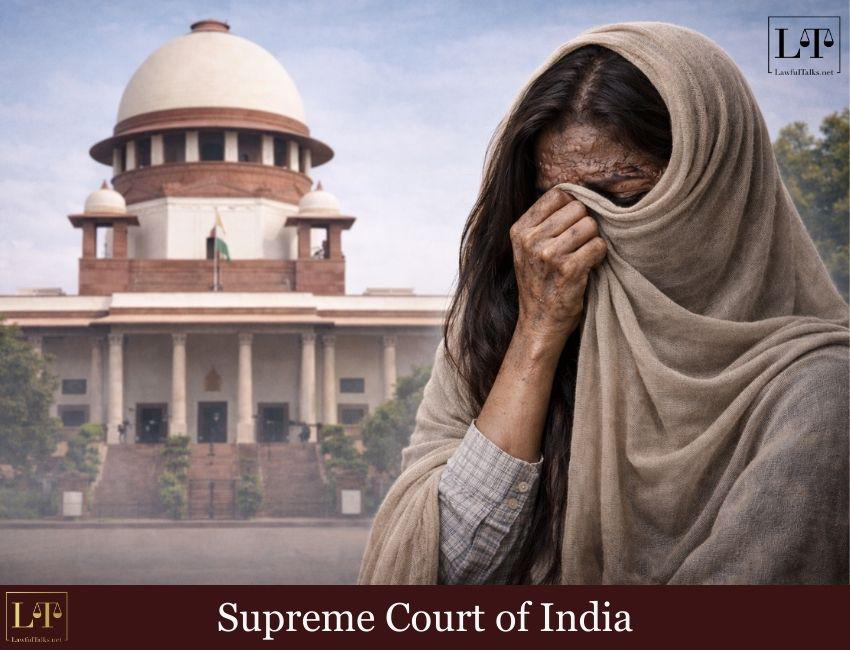
The petition says that Muslim inheritance laws give daughters less than sons and place them lower in the order of heirs. It argues that because these rules are part of the 1937 Act, they violate Articles 14 and 15 on equality. It also says Muslims face limits on making wills: “Muslims are subjected to a restriction on testamentary freedom which does not apply to other citizens of India and such restriction operates as a direct civil and economic disability,” which, it says, affects women more by reducing their share in family property.
Arguments by petitioners and Court response:
Advocate Prashant Bhushan, for the petitioners, argued that Shariat inheritance rules are discriminatory. He said, “We are challenging. Saying women will get half or even less than half compared to male counterparts is discriminatory. This is a civil case and not essential religious practice as under Article 25,”
CJI Kant responded that it may fall under personal law. Bhushan replied, “Personal law yes. But not essential religious practice. It is violative of Article 14 (right to equality). Thus has to be struck down. Once struck down, Indian Succession Act, which is agnostic to males and females, can apply.” He suggested applying the Indian Succession Act instead, but CJI Kant said, “That will go into legislating.” Justice Bagchi added, “Threshold of reading down is higher since you are asking us to delete something. In some cases we decide the area was empty. Here shariat law exists.”
Bhushan also said Sharia succession law is very complex: “Rules under shariah law for succession is so complicated that even lawyers cannot figure. So let there be no discrimination.” On uniformity, he said, “I tell my Muslim friends that don’t impose uniform civil code. Civil code should be uniform. They think Hindu code shall be forced upon them but that is not true.” CJI Kant said, “It is even a Constitutional duty,” while Justice Bagchi added, “But it is part of religion.” Bhushan replied, “Even if part of religious practice, it has to be struck down.”
CJI Kant remarked, “Of course public interest element is there. But some aggrieved person has to come.” The Court will hear the case again in a few weeks and allowed time to add affected parties.
Case Details: Poulomi Pavini Shukla & Anr v Union of India & Anr.





























































































































































































































































































































































Sign up for free and be the first to get notified about curated content just for you.