“Is This the End of Electoral Fraud? SC Hears Major Biometric Voting Push”

- April 13, 2026


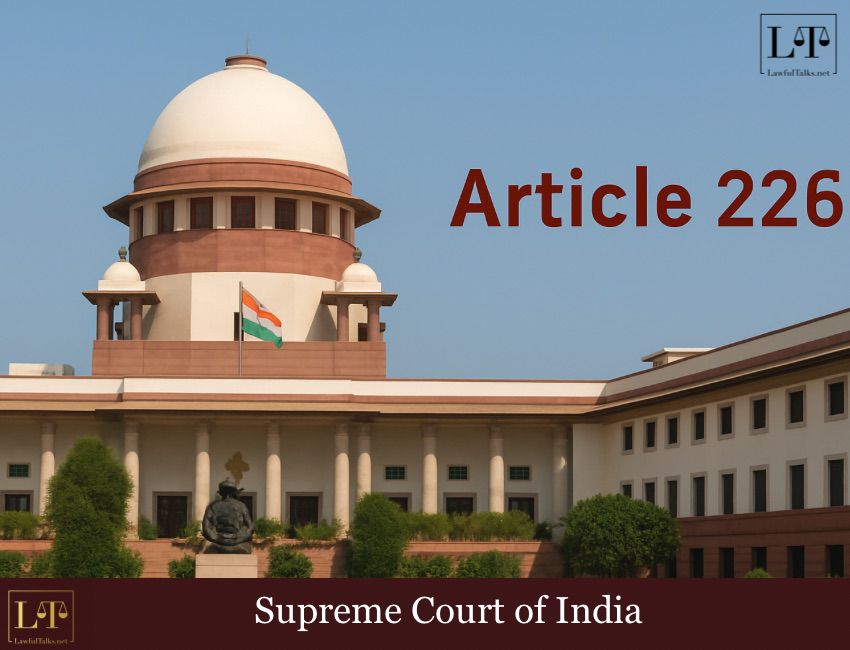
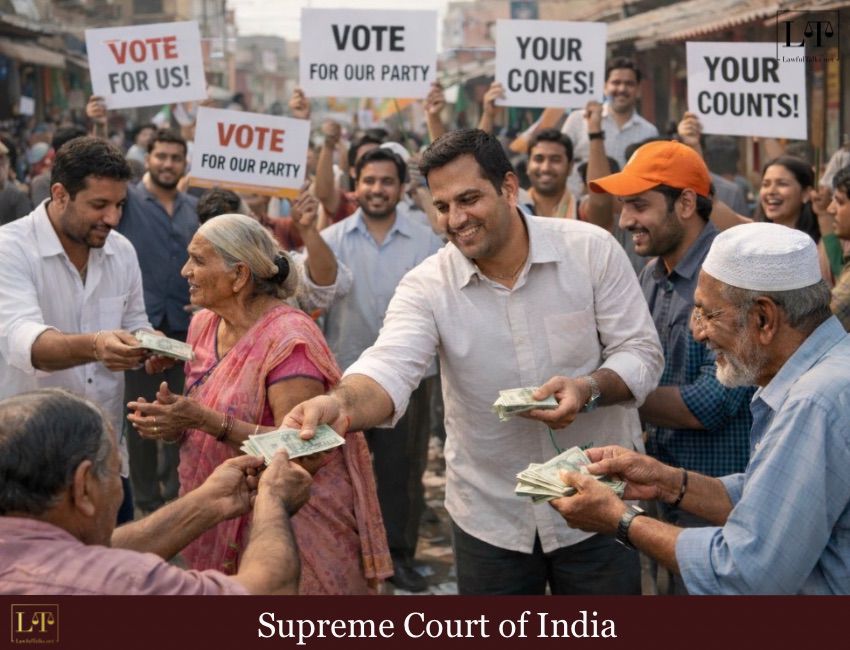
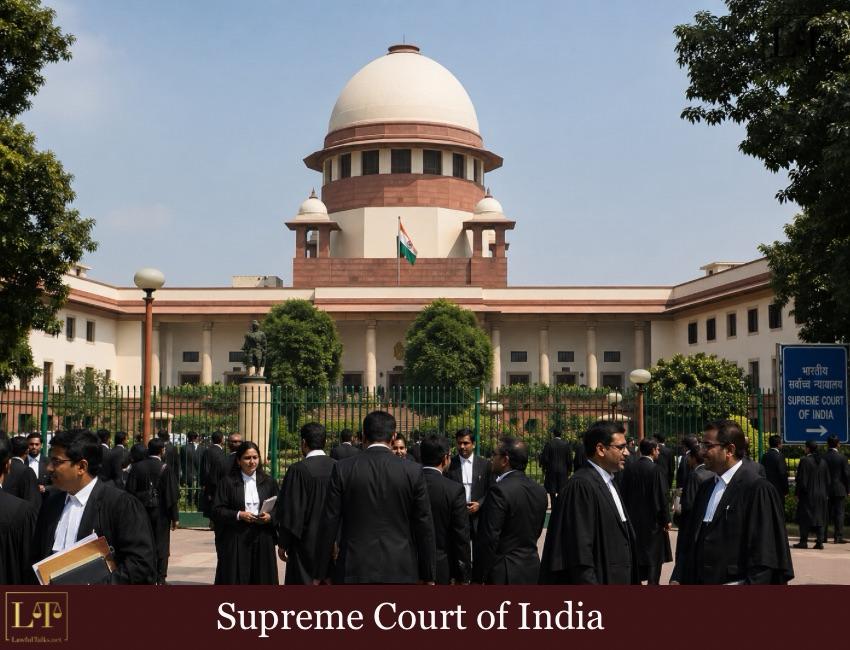
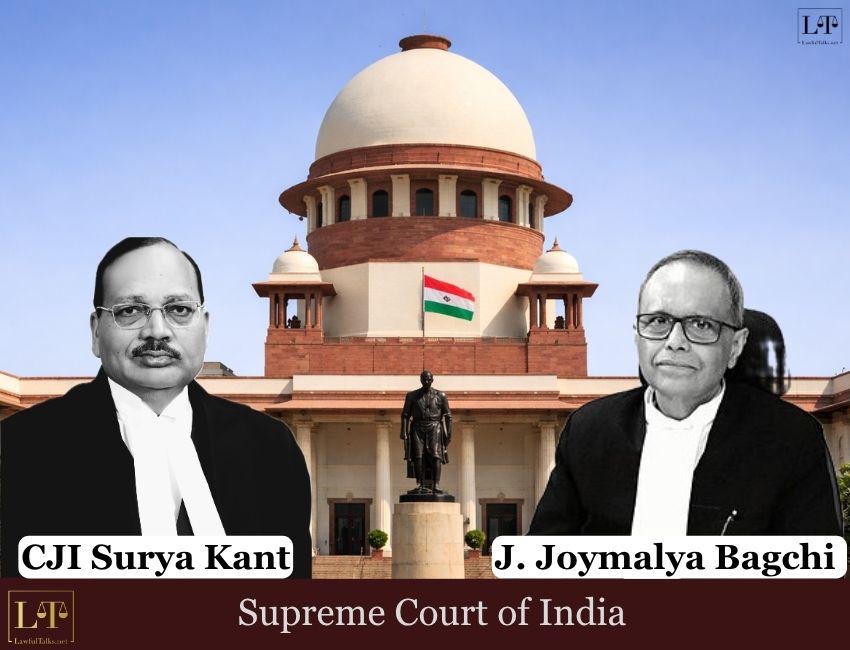
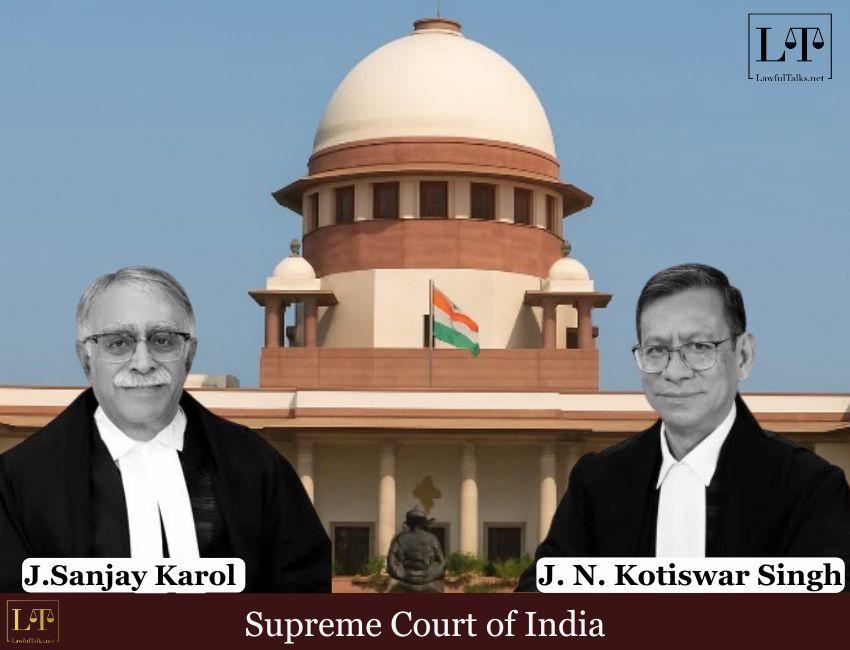
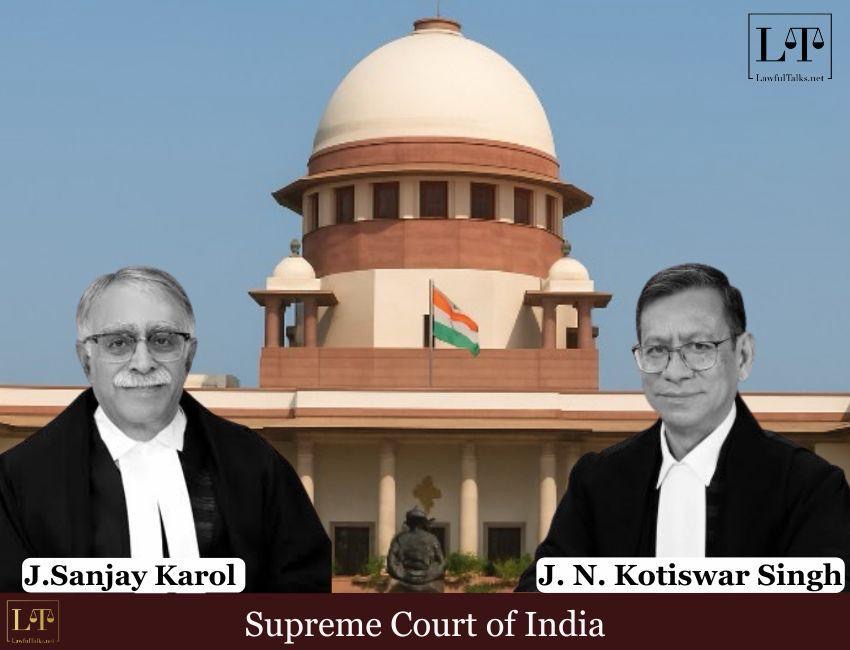
The Supreme Court of India on Monday issued notice in a public interest litigation seeking the use of fingerprint and iris-based biometric checks at polling stations to stop electoral malpractices such as proxy voting, duplicate voting, and bribery.
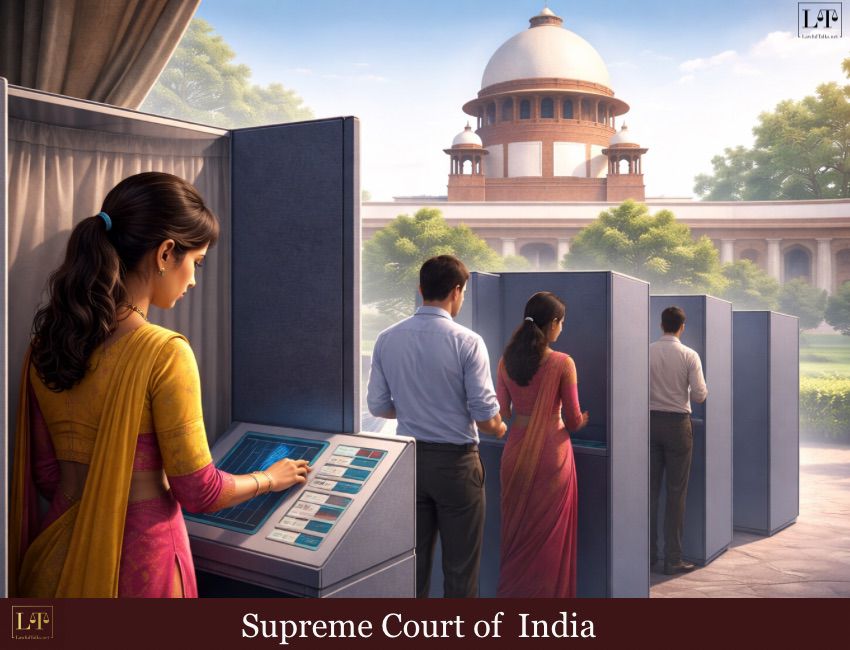
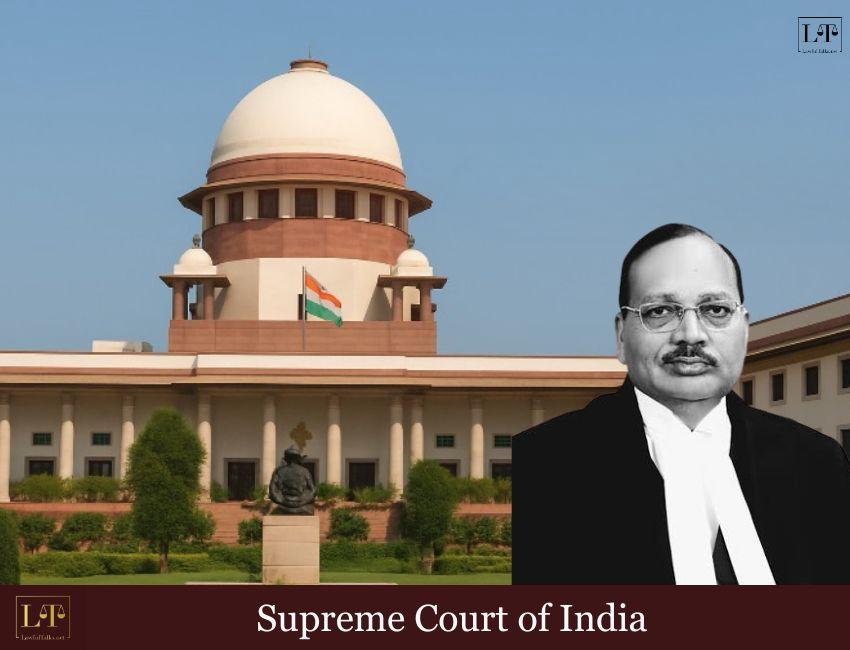
The court said, “Prima facie, the nature of reliefs cannot be considered for the ensuing elections in some of the states. However, whether such a recourse deserves to be followed for the next parliamentary elections and/or elections of state legislatures needs to be examined,” the Court observed.
Court on Election Commission powers:
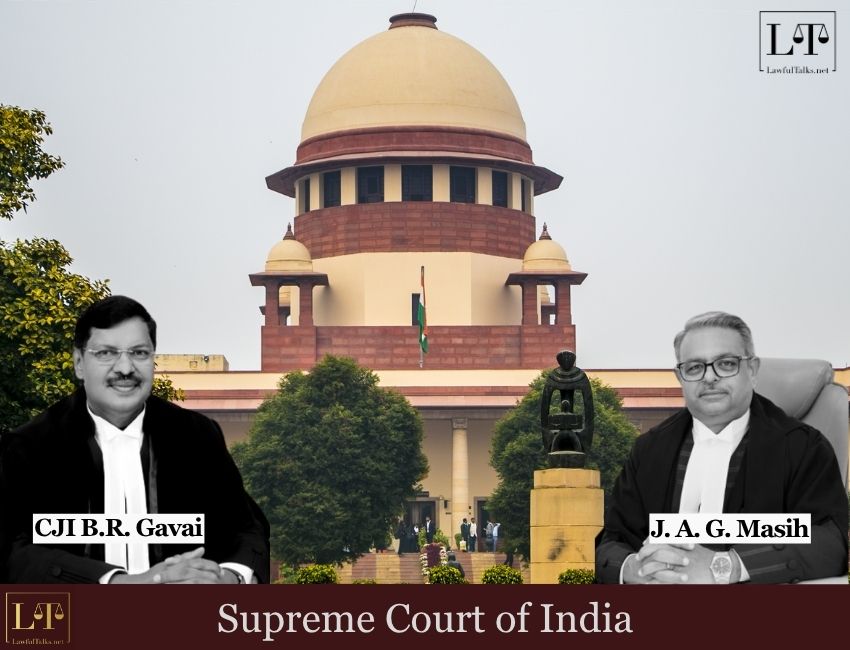
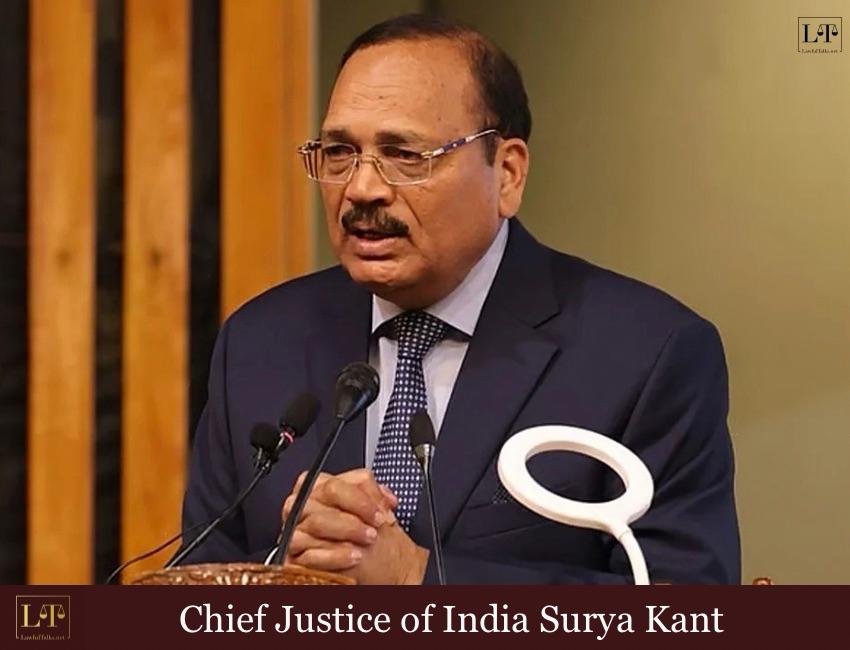
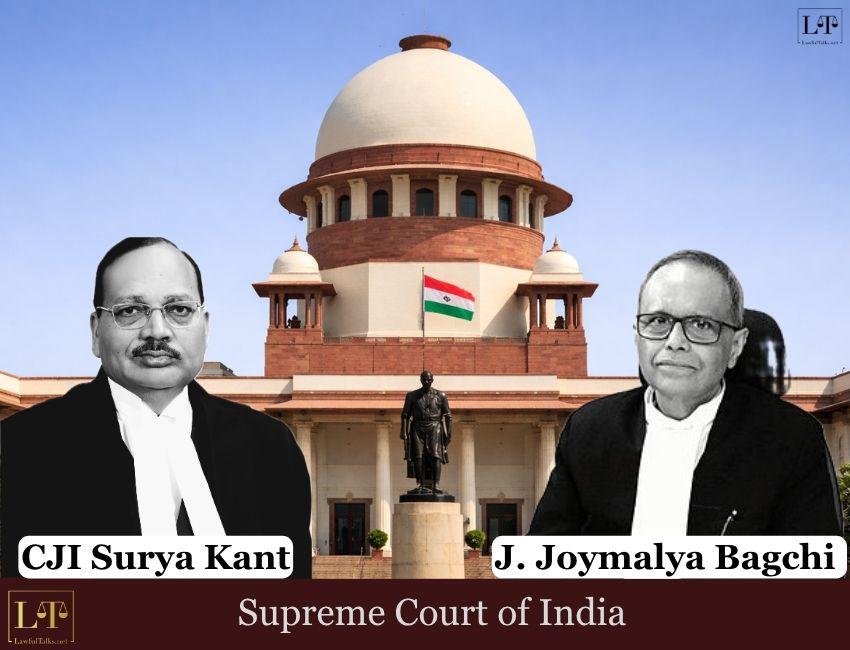
The Chief Justice said that this proposal would require major changes to election rules and would also cost a lot of money. The Court also said that the Election Commission of India already has full powers to ensure free and fair elections, and this power is not in doubt.
“Anything which is for fairness of elections, power can be traced out,” the Chief Justice remarked.
In the plea, the petitioner submitted that the writ petition was filed to implement a Finger and Iris Biometric Identification System at polling stations in upcoming Assembly elections. The aim was to prevent bribery, undue influence, personation, duplicate voting, ghost voting, and other electoral malpractices.
The petition stated that the case started on March 20, 2026, when the petitioner became aware that even after steps taken by the Election Commission of India, cases of bribery, undue influence, personation, duplicate voting, and ghost voting were still happening, which reduced public trust in elections.
The petitioner contended that these practices harm citizens by affecting the fairness and integrity of elections. The plea said that using biometric checks at polling booths would support the constitutional goal of free and fair elections and ensure only real and properly registered voters are allowed to vote.
The petitioner also said that biometric identifiers are unique and cannot be faked, which would support the idea of “One Citizen, One Vote” in a true way. It was also argued that the Election Commission can bring such measures using its full powers under Article 324 of the Constitution.
The plea further said that Aadhaar-based identification is already accepted as valid identity proof under Section 23(4) of the Representation of the People Act, 1950, and suggested that biometric verification at polling stations could be used in a similar way.
The petitioner added that a representation dated March 28, 2026, was submitted to the Chief Election Commissioner and other Election Commissioners of the Election Commission of India, asking for fingerprint and iris-based biometric identification at polling booths.
However, since no action was taken on it, the present PIL was filed in the interest of justice to ensure free and fair elections.
Case Details: Ashwini Kumar Upadhyay vs Union of India (WP (C) No. 383/2026)



























































































































































































































































































































Sign up for free and be the first to get notified about curated content just for you.