What Was Closed Was the Money Lending Case—Not the Law: SC Shatters the Misunderstanding

- April 10, 2026


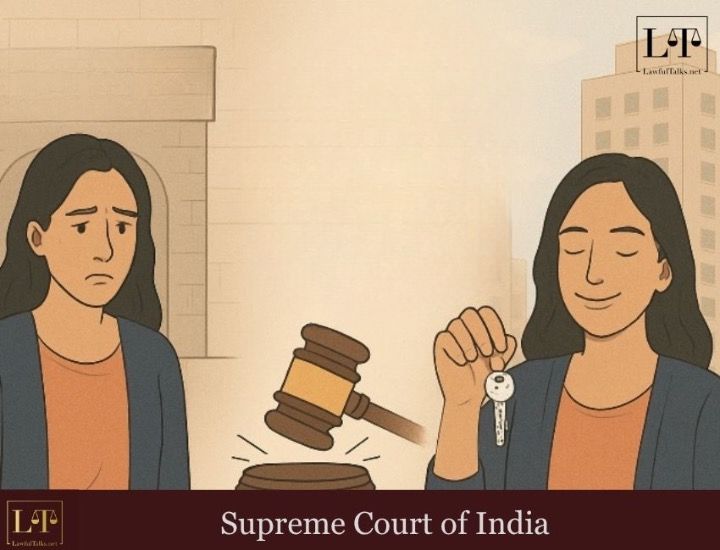
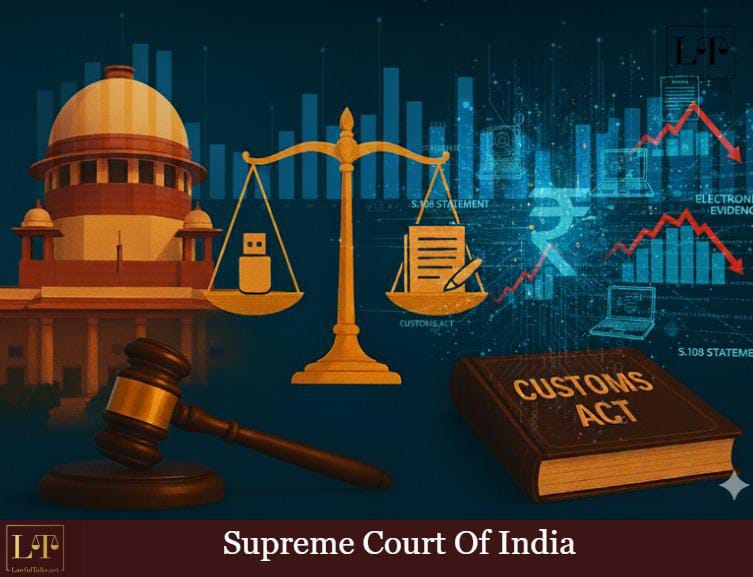
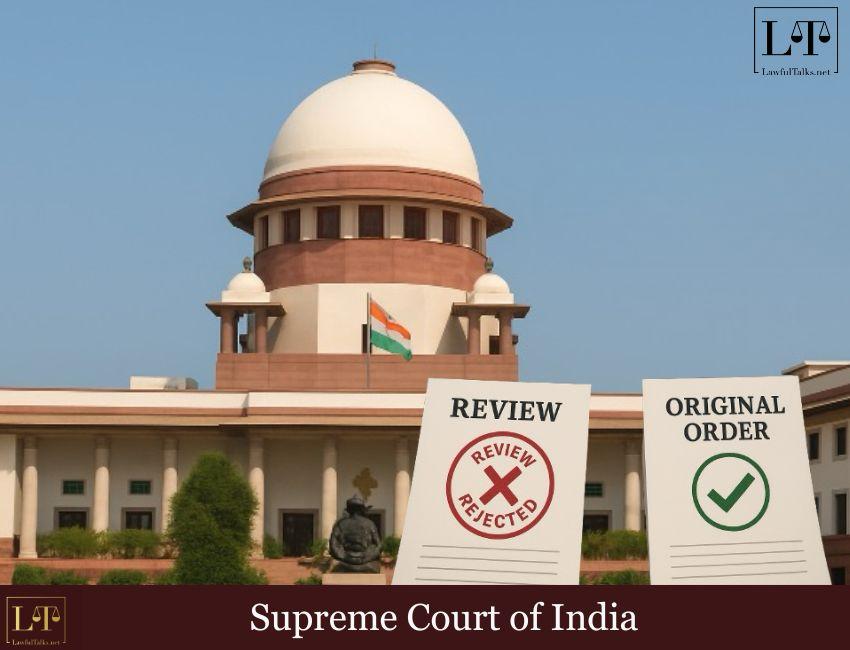
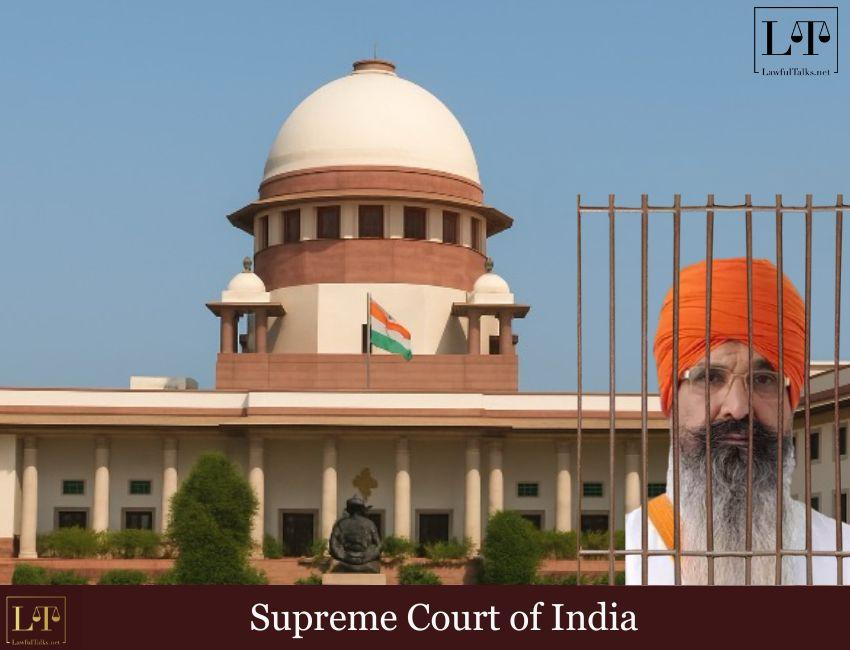
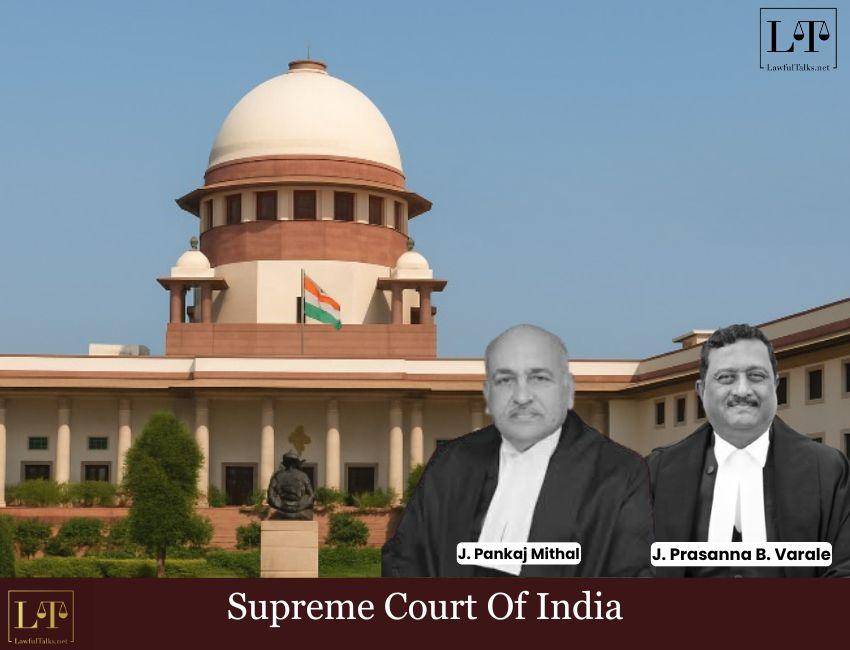
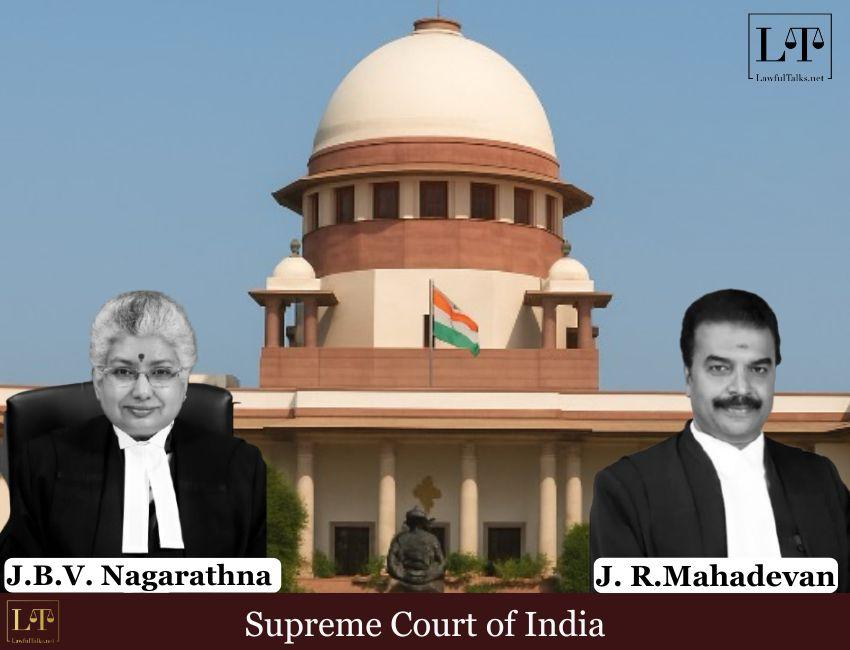
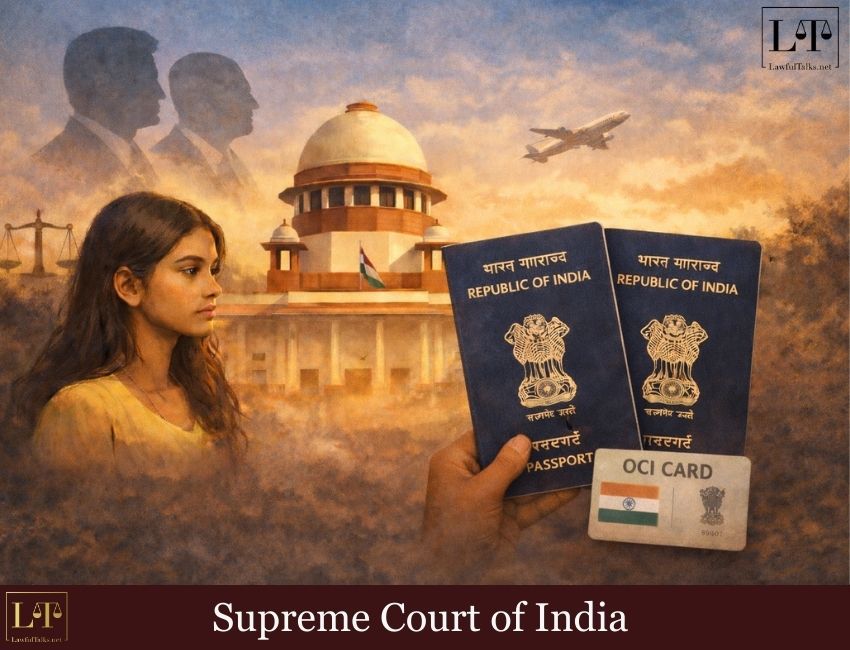
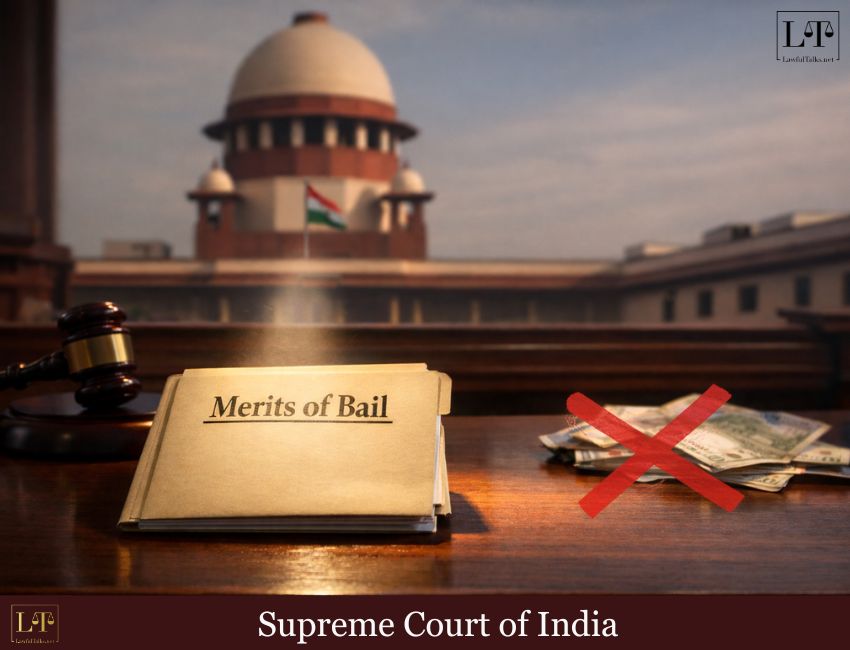
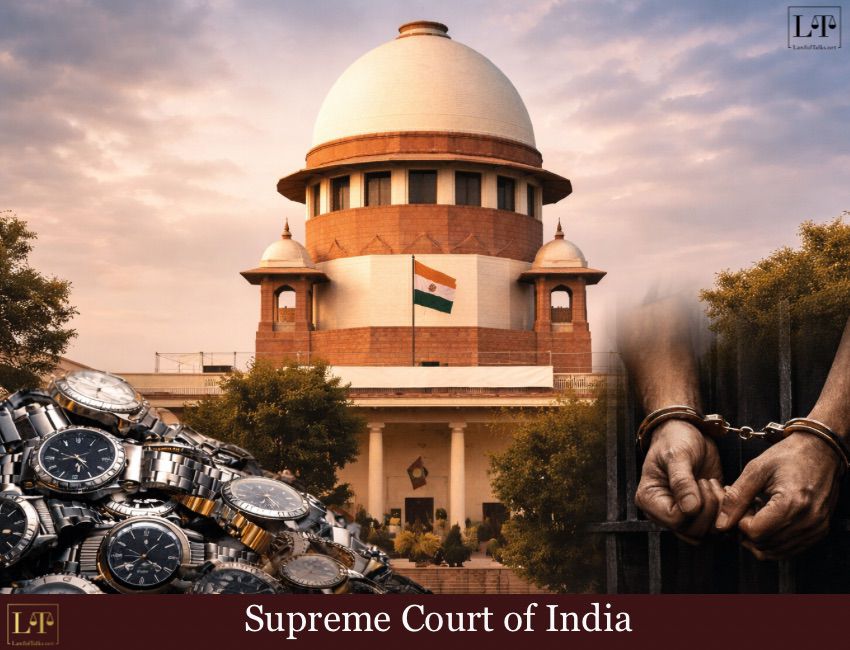
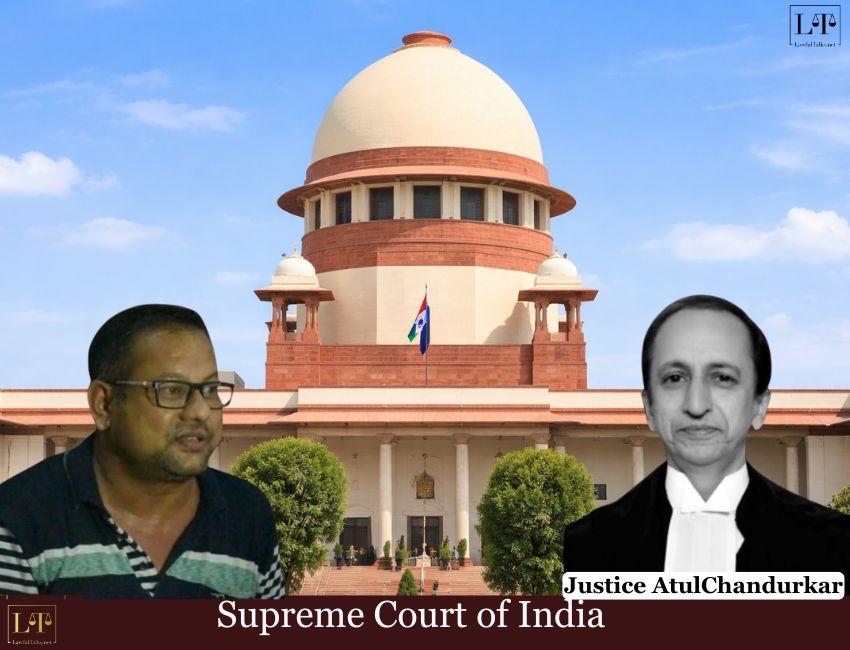
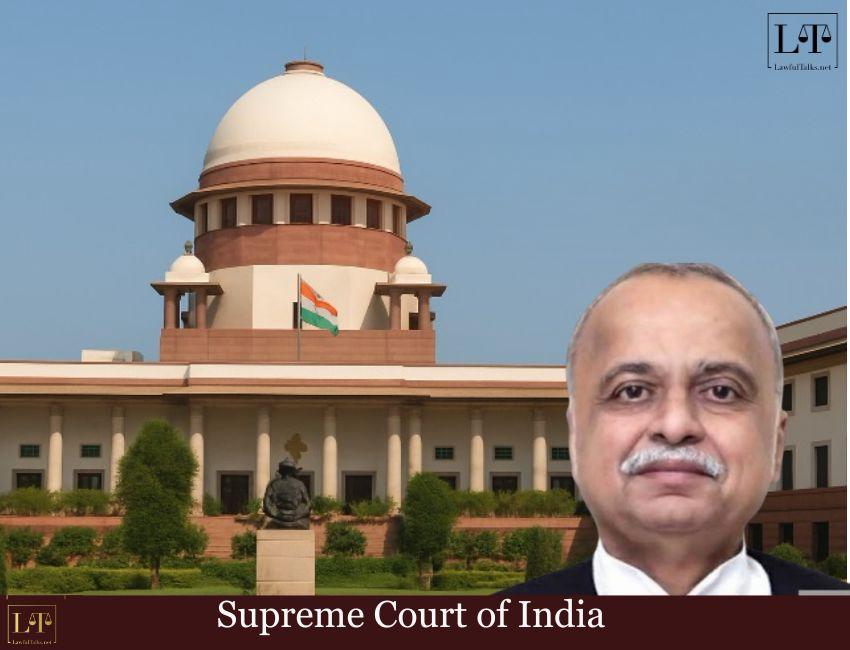
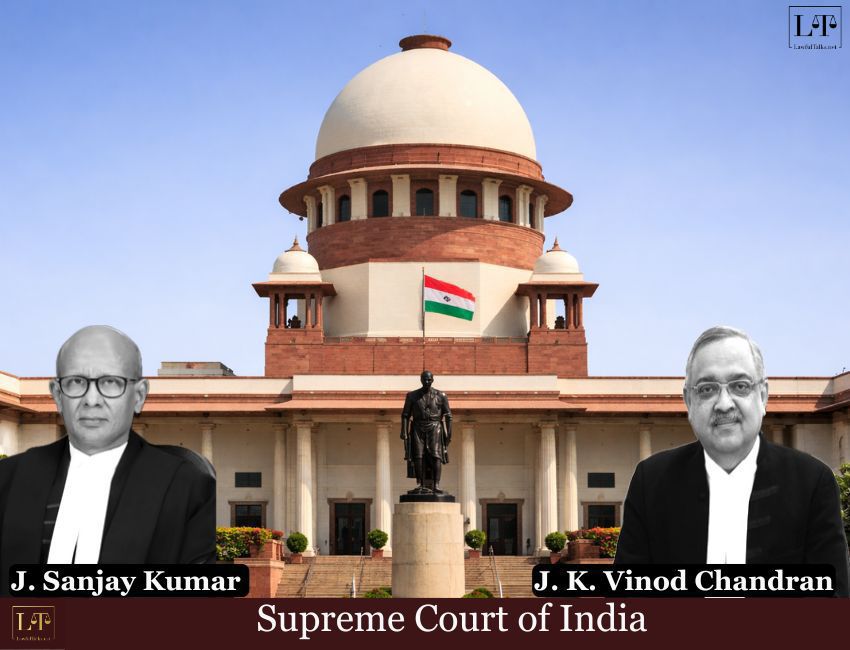
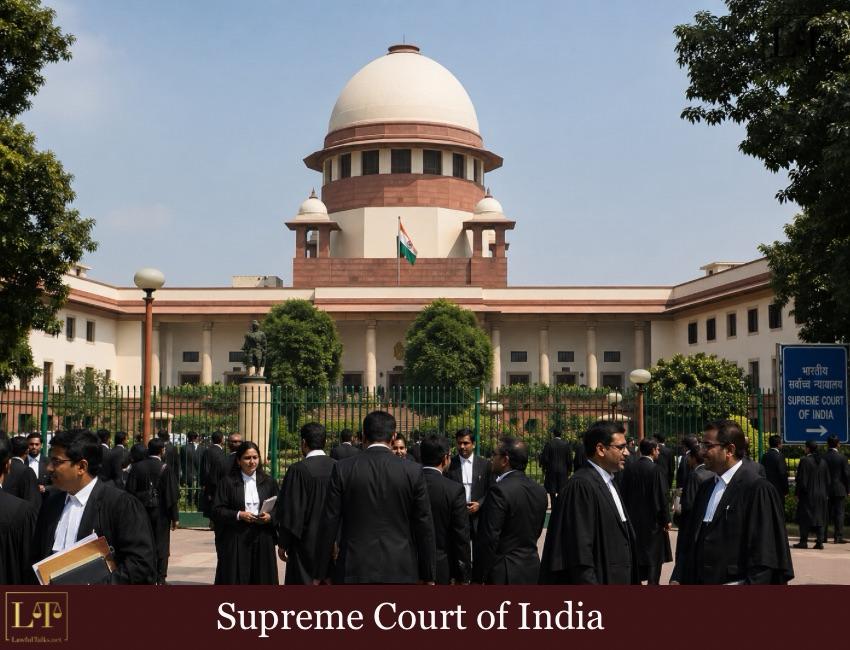
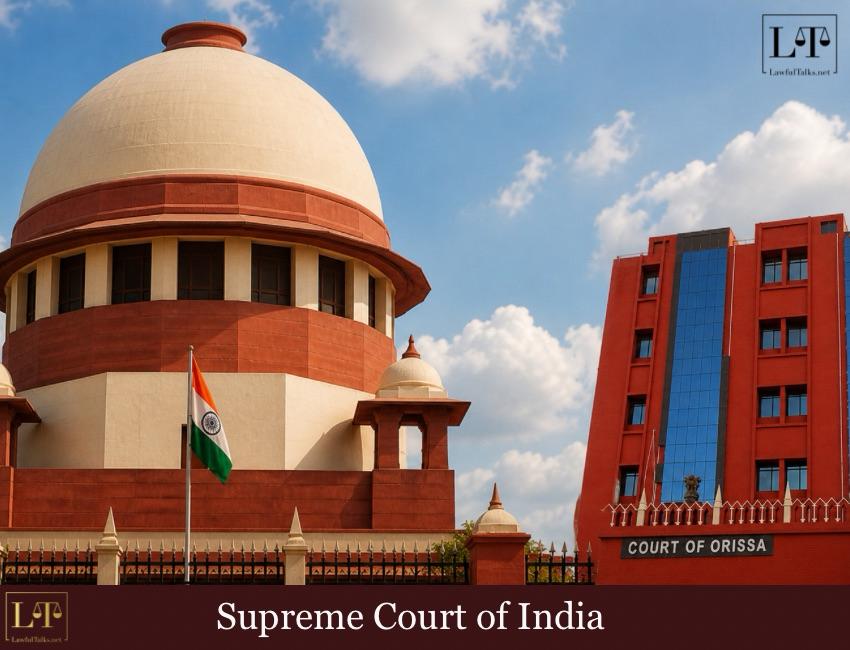
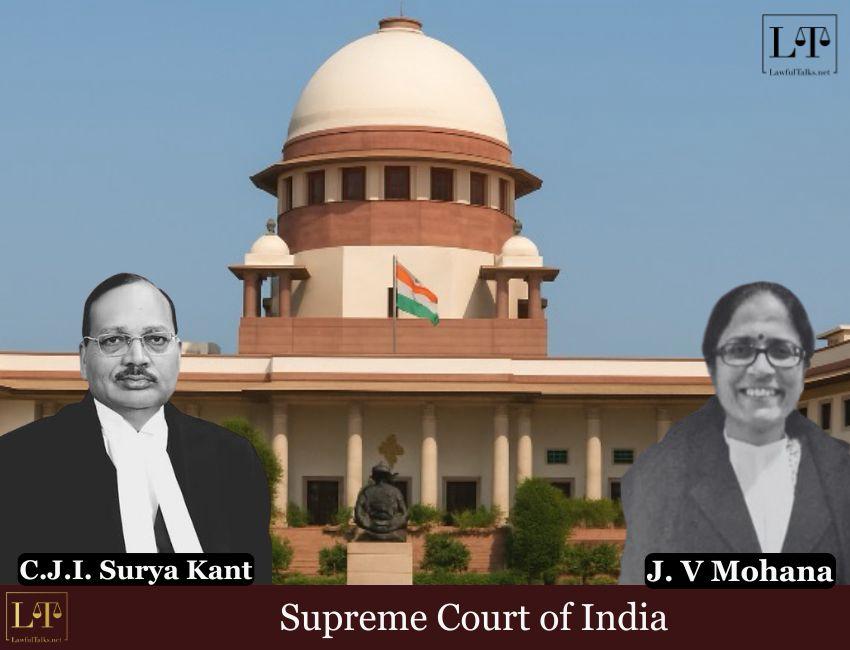
The Supreme Court of India has clarified that its earlier order dated February 16, 2026, by which it closed suo motu proceedings on unlawful money lending, should not be understood to mean that there is no existing law on the subject.
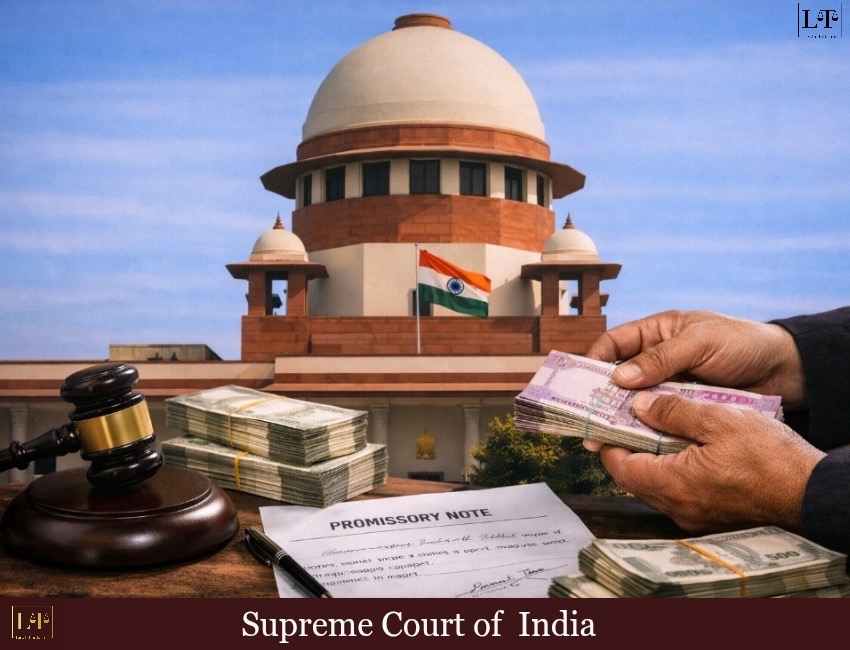
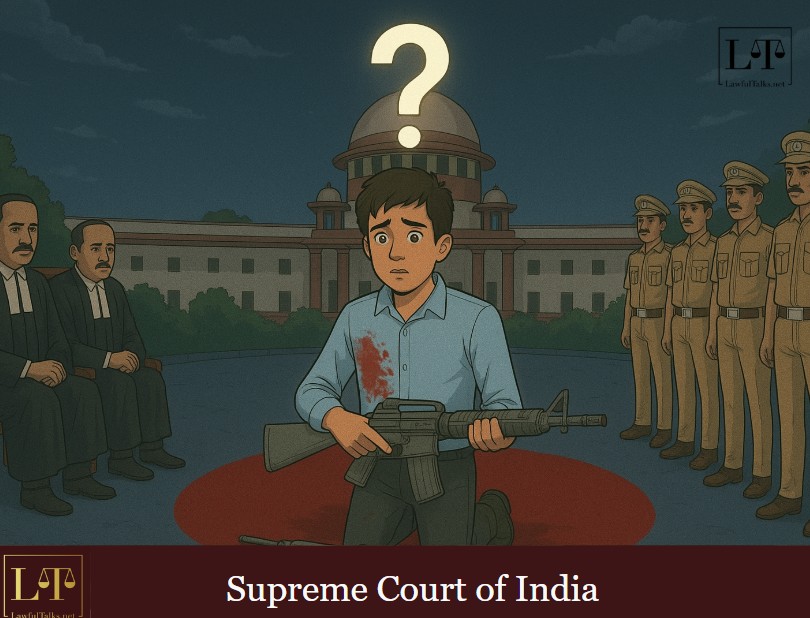
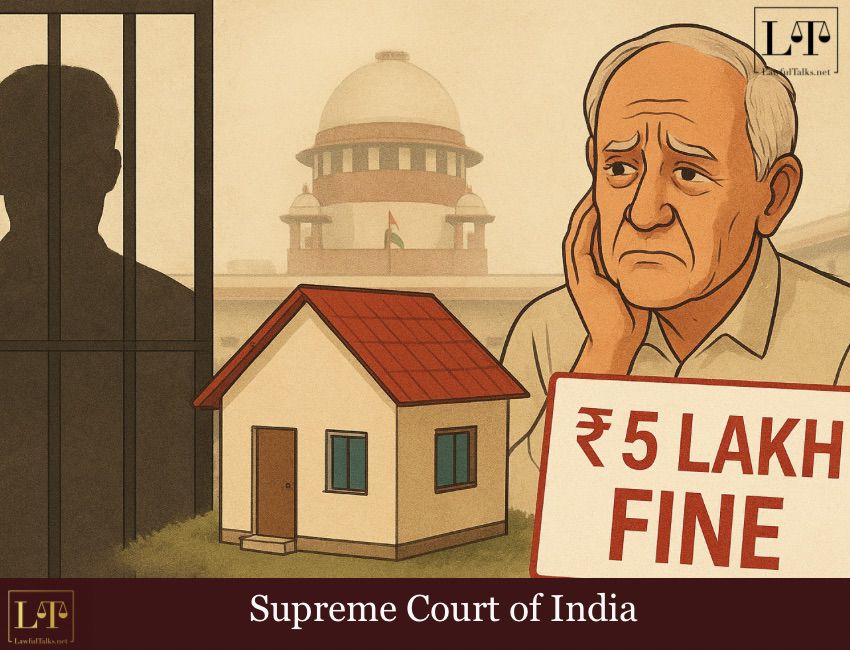
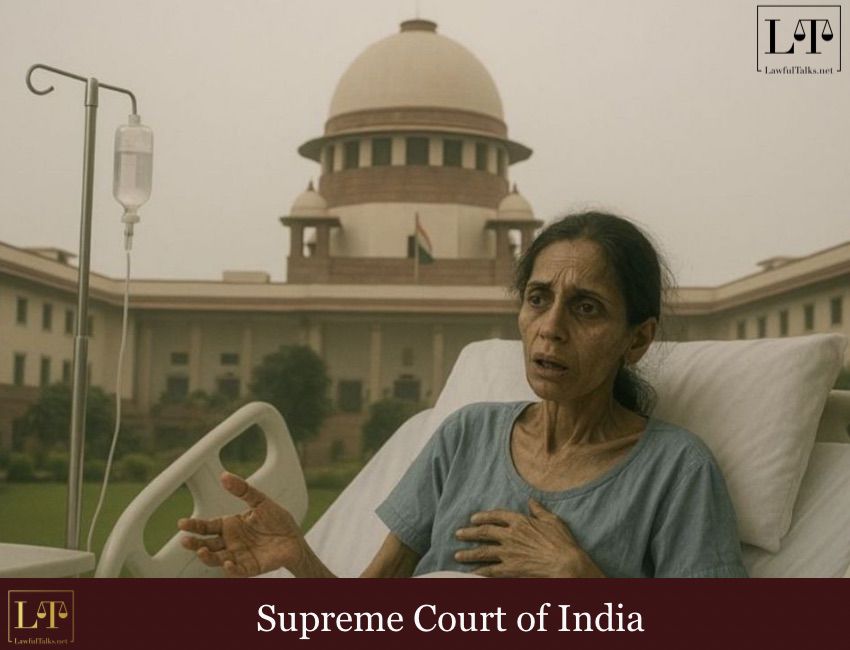
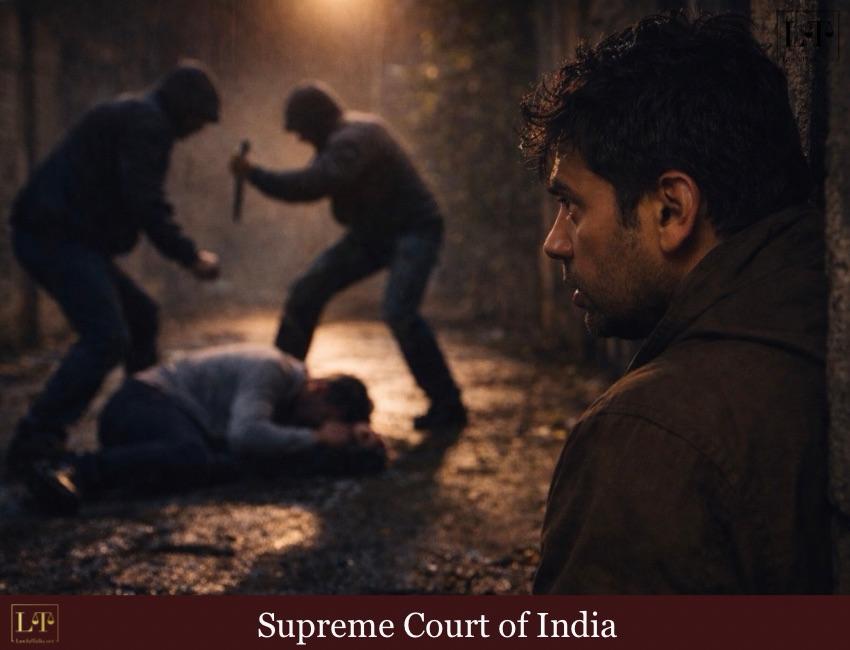
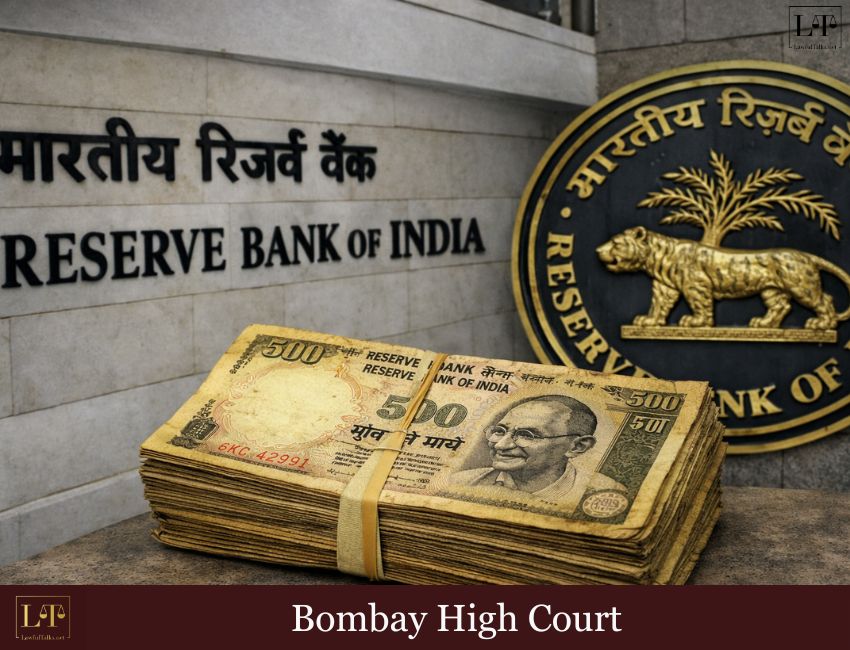
The case began in July 2024, when the Supreme Court took suo motu cognizance of the problem of illegal money lending. The Court noted the serious harm caused by unlicensed lenders, observing that borrowers often suffer “financial ruin and even suicide.”
The Court noted that giving loans on interest without a licence—even if secured by cheques or property documents—amounts to money lending. It also noted that under the Punjab Registration of Money Lenders Act, 1938, such activity is not treated as the “business of money lending” unless it involves regular and repeated transactions.
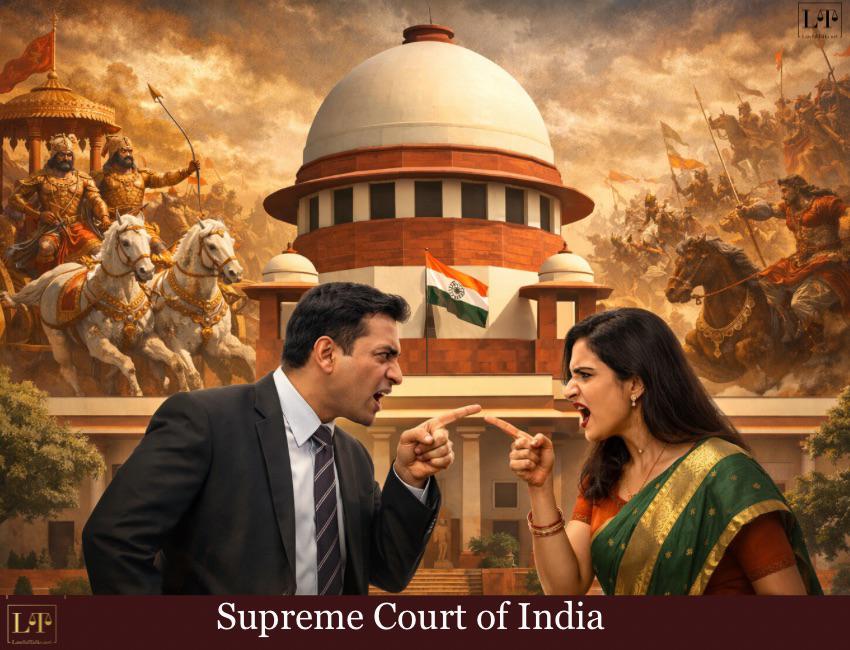
The Court warned that some lenders try to avoid the law by giving loans only occasionally. It strongly compared such lenders to Shakespeare’s character Shylock from The Merchant of Venice, stating that such Shylock-like money lenders cannot be allowed to continue unchecked.
Closure of Suo Motu Proceedings (February 2026):
On February 16, 2026, the Court directed closure of the suo motu proceedings. It said:
“In view of the stand taken by the Union of India before us, we direct for the closure of the suo moto action taken by this Court and expect for a fair and proper legislation by all States/Union Territories to strictly check the unauthorised business of money lending.”
Existing Laws Still Apply:
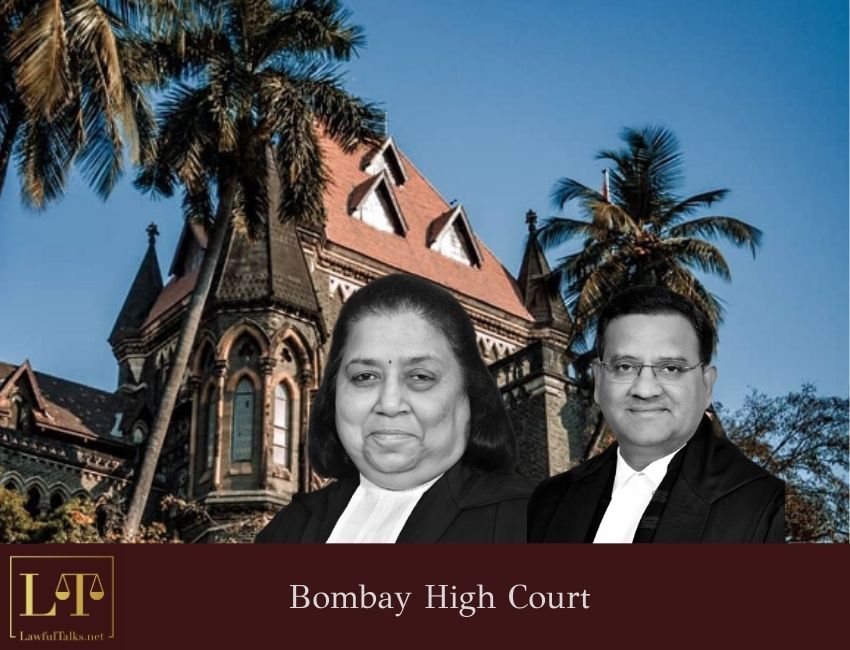
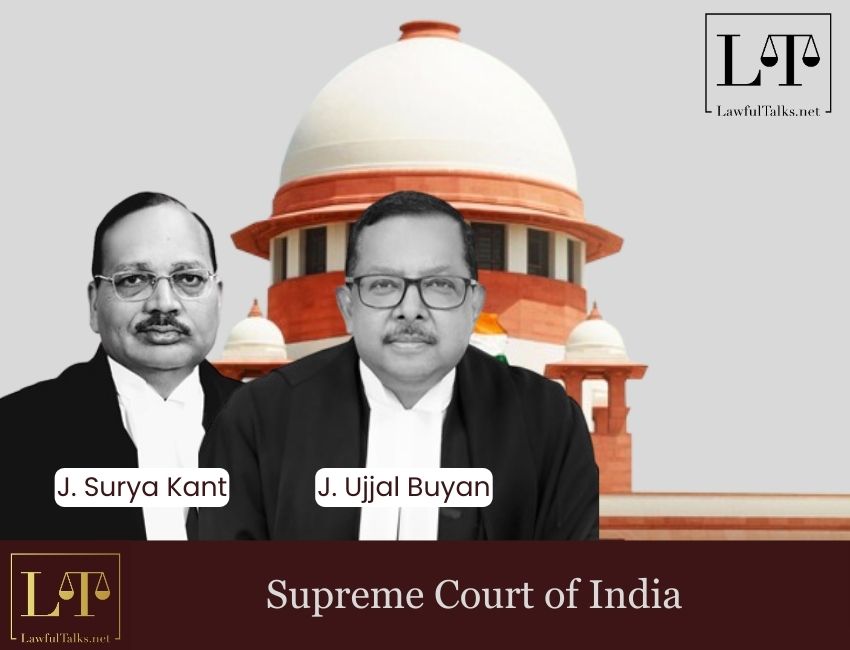
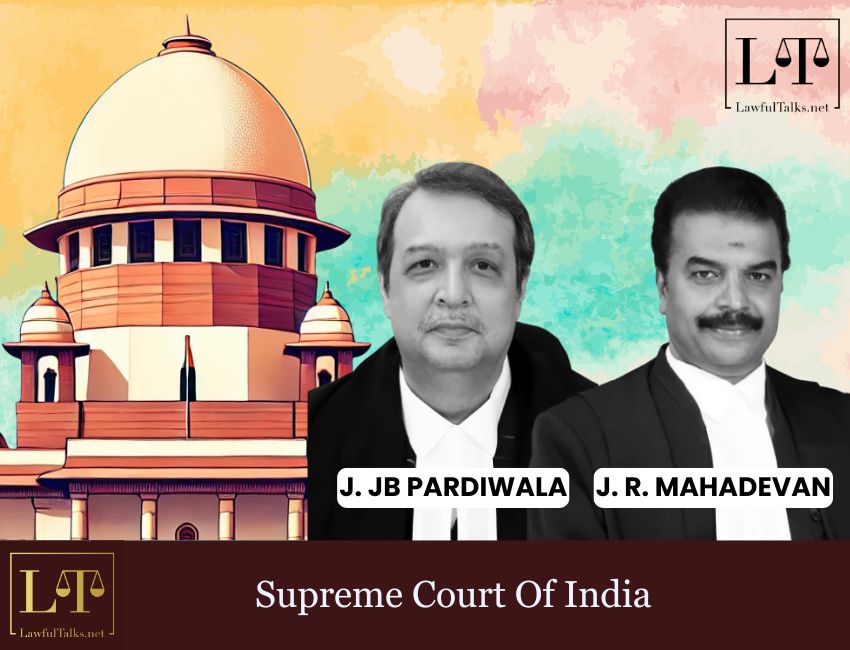
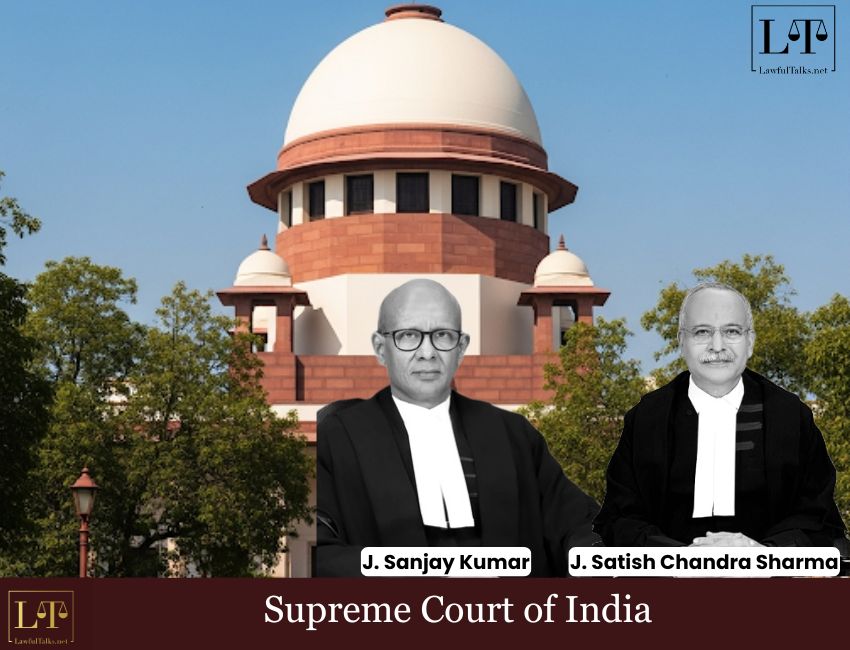
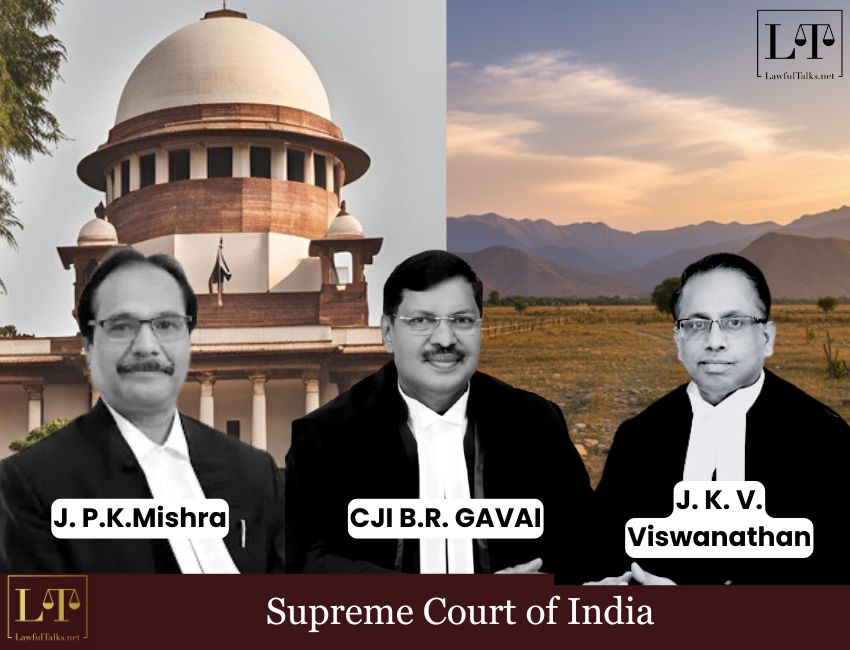
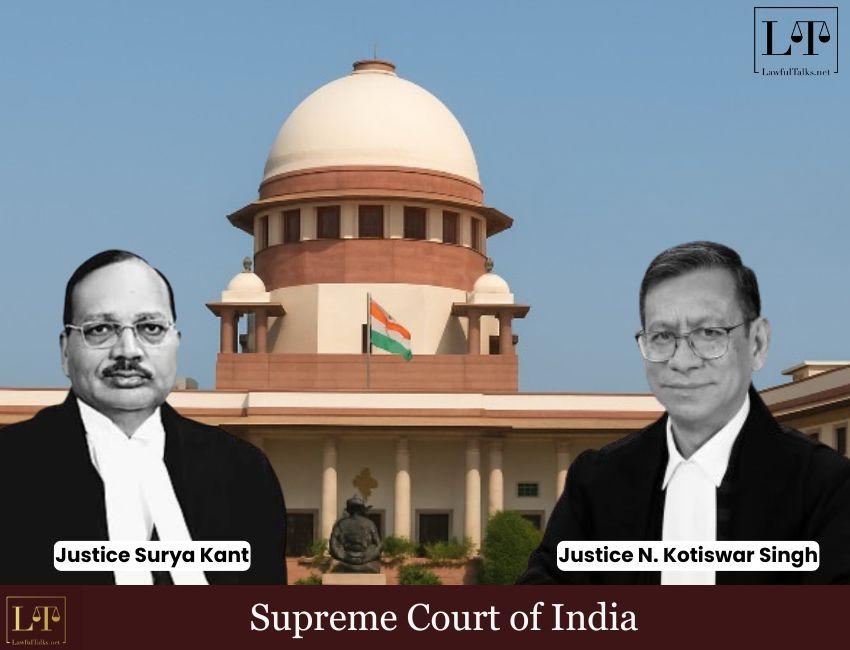
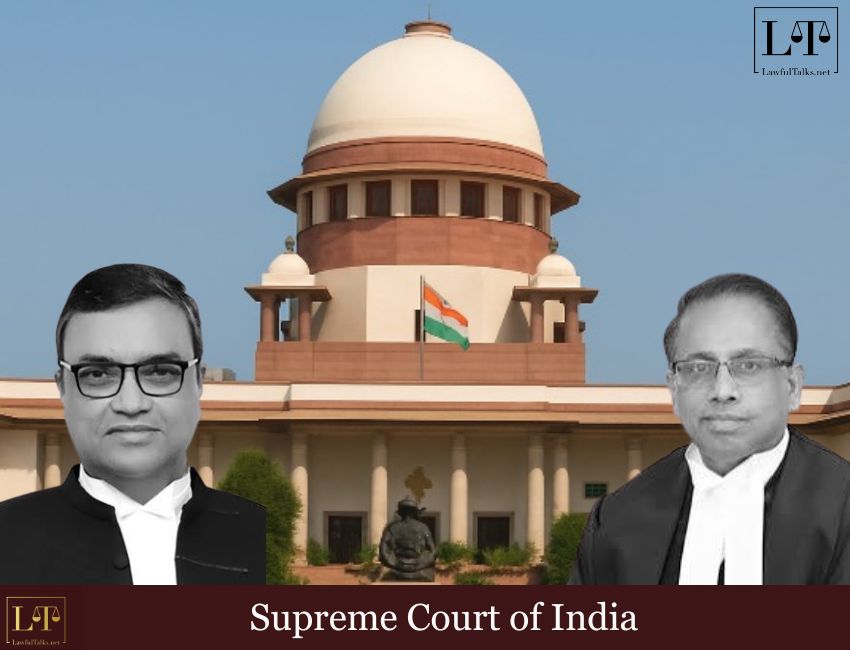
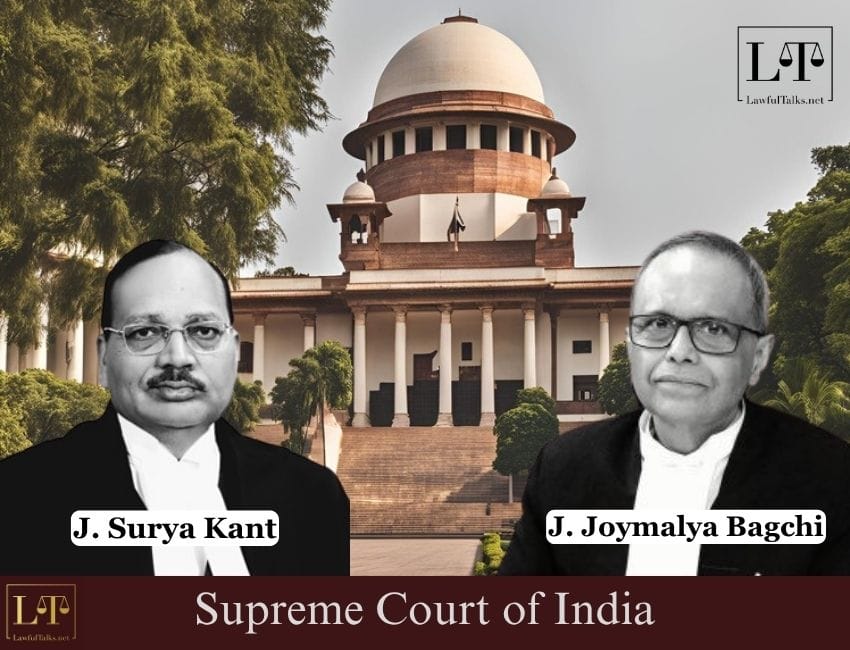
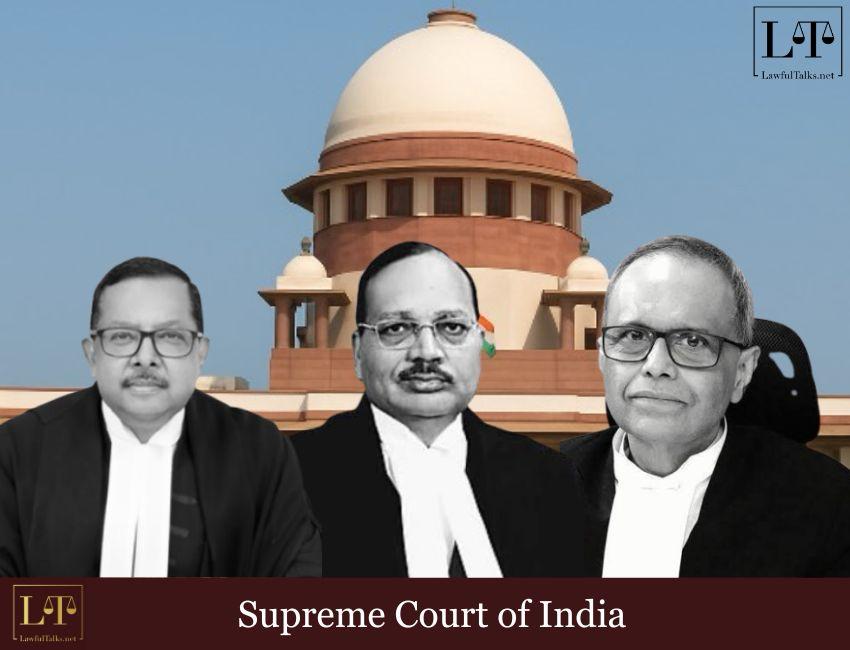
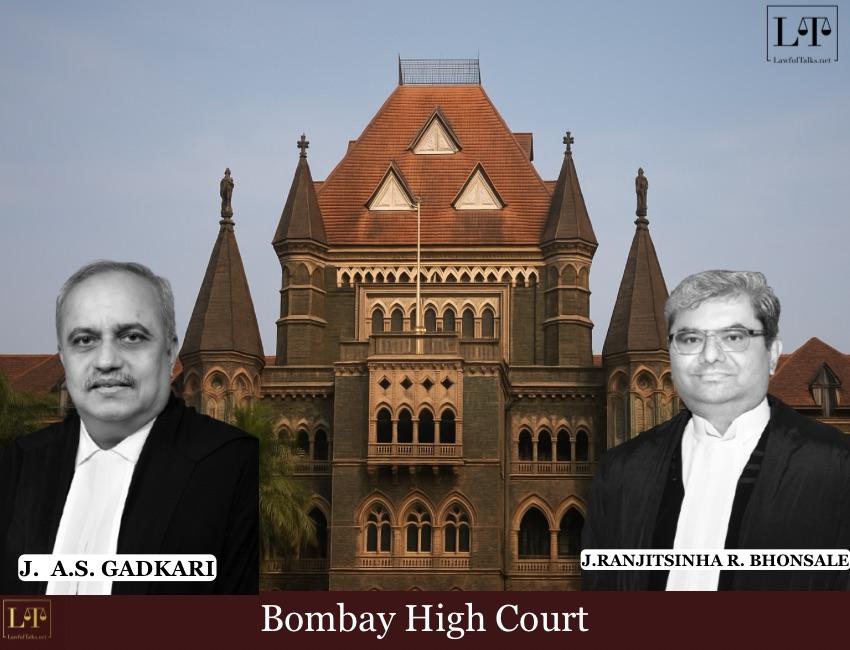
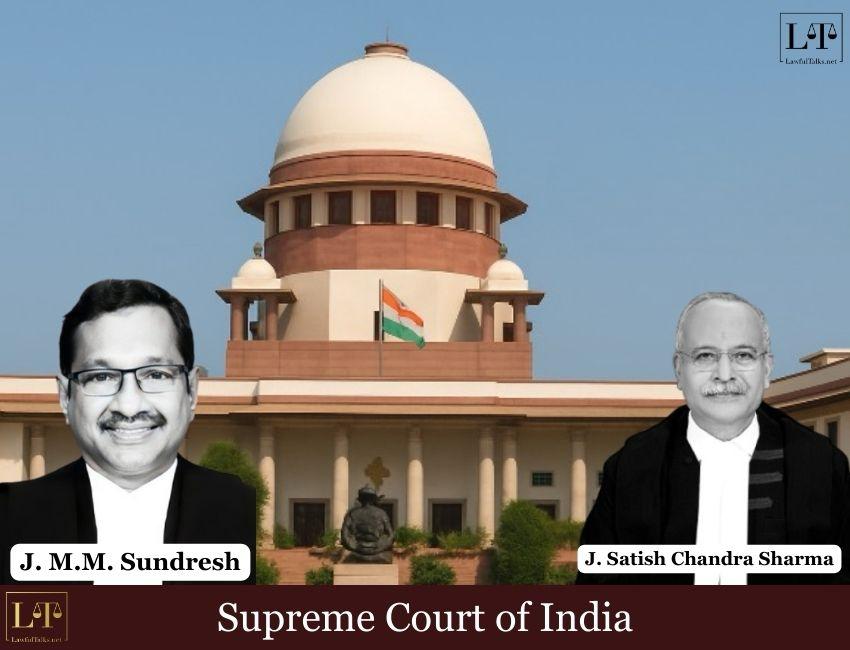
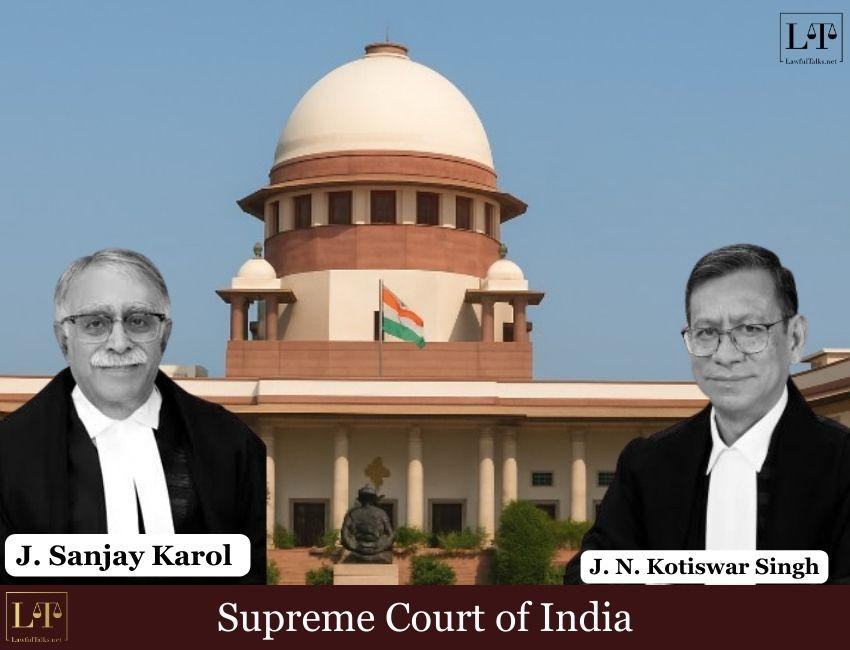
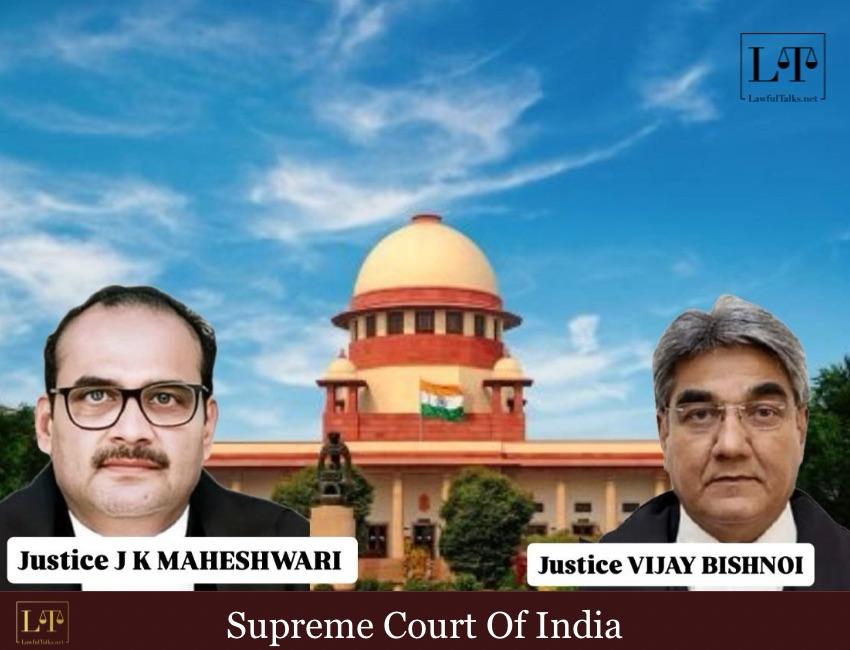
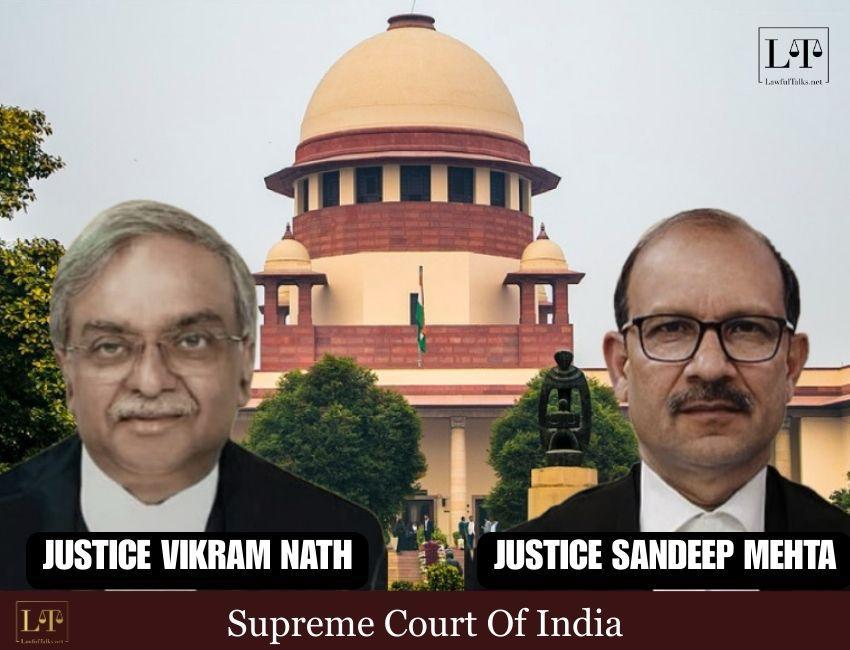
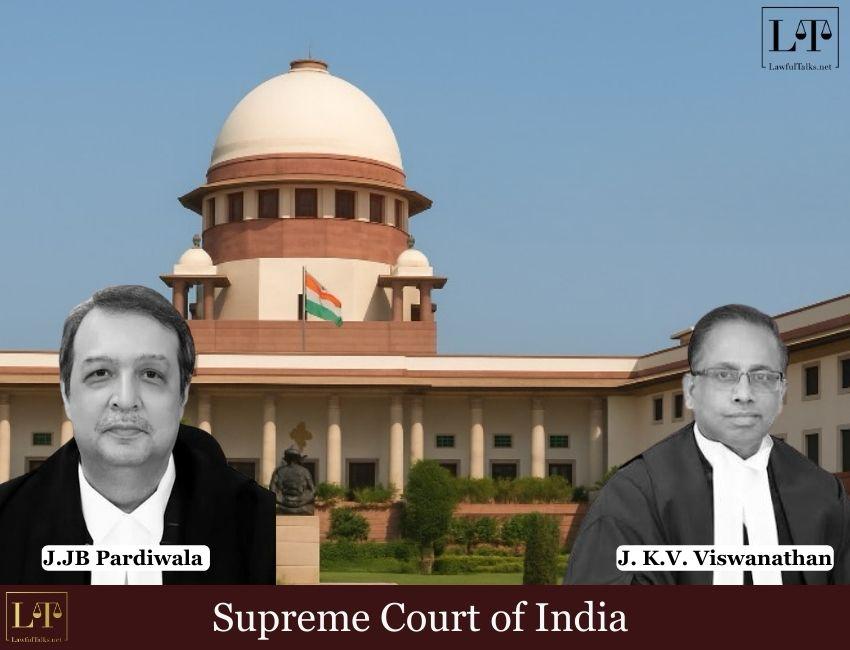
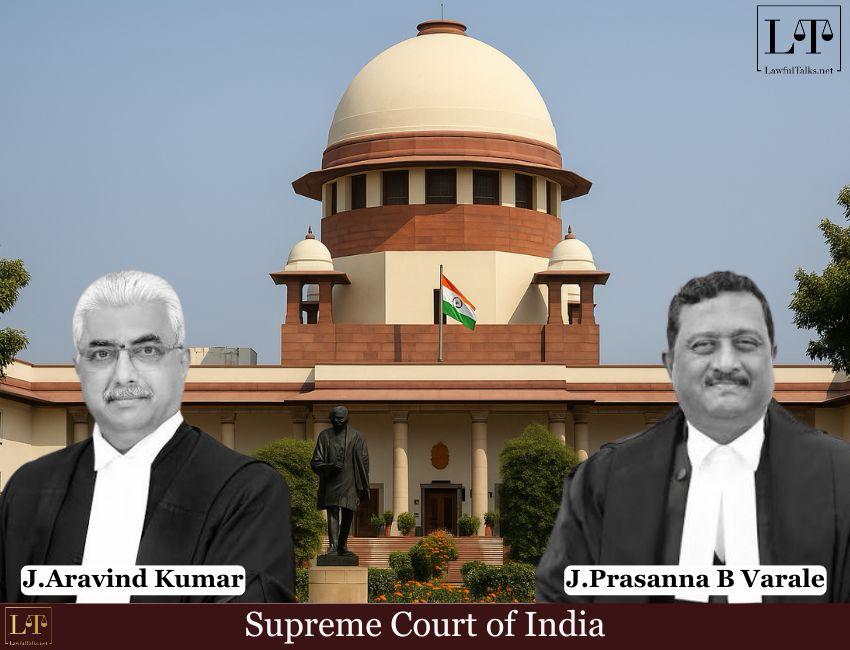
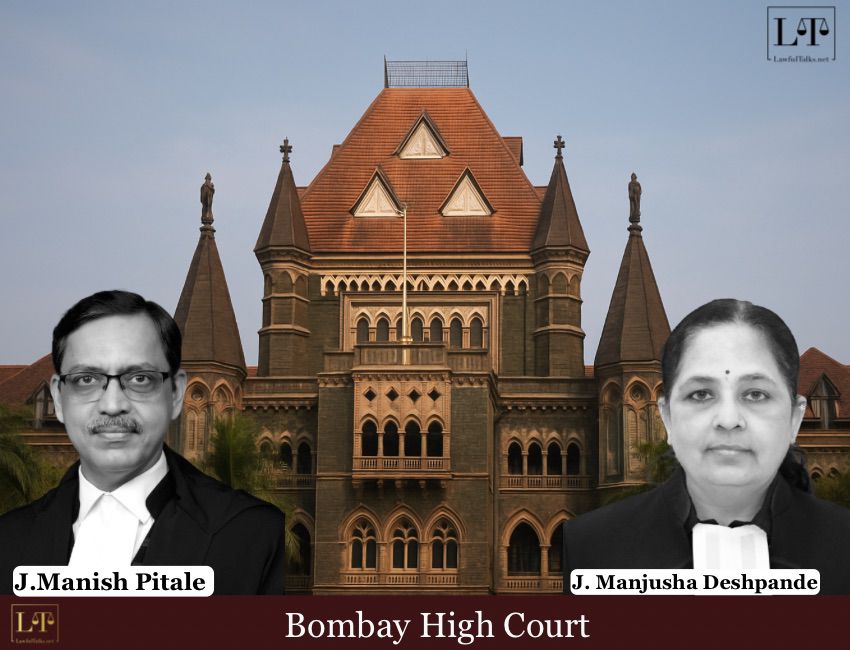
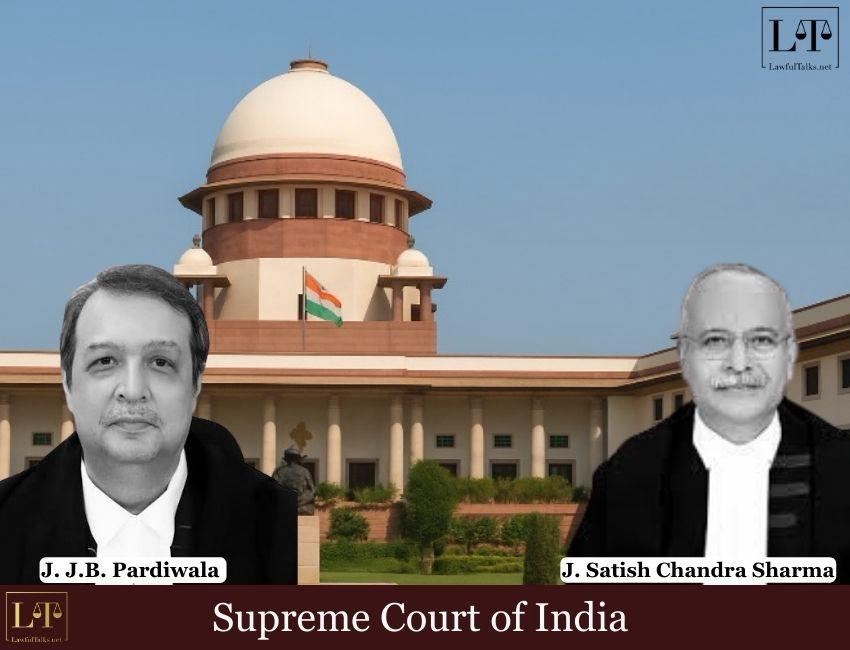
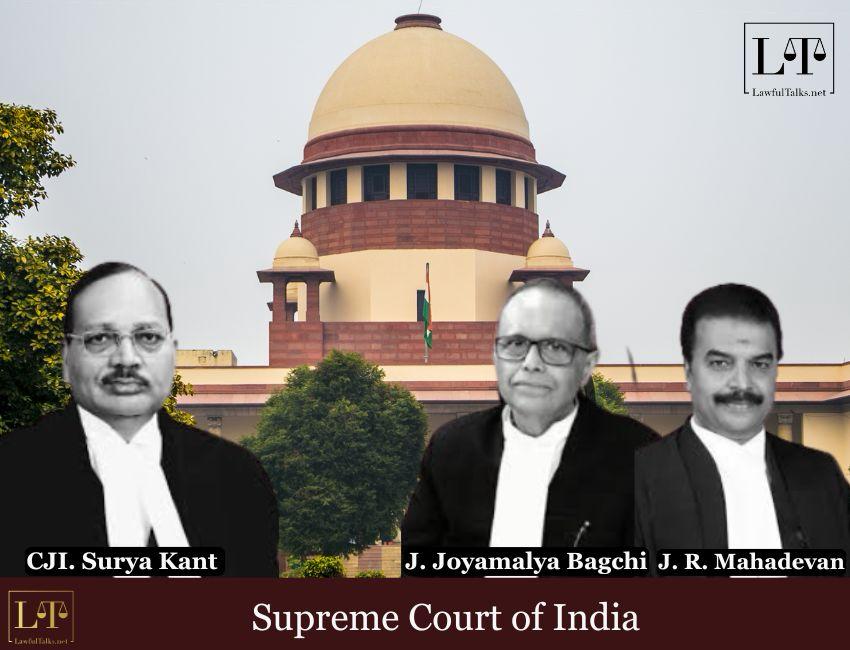
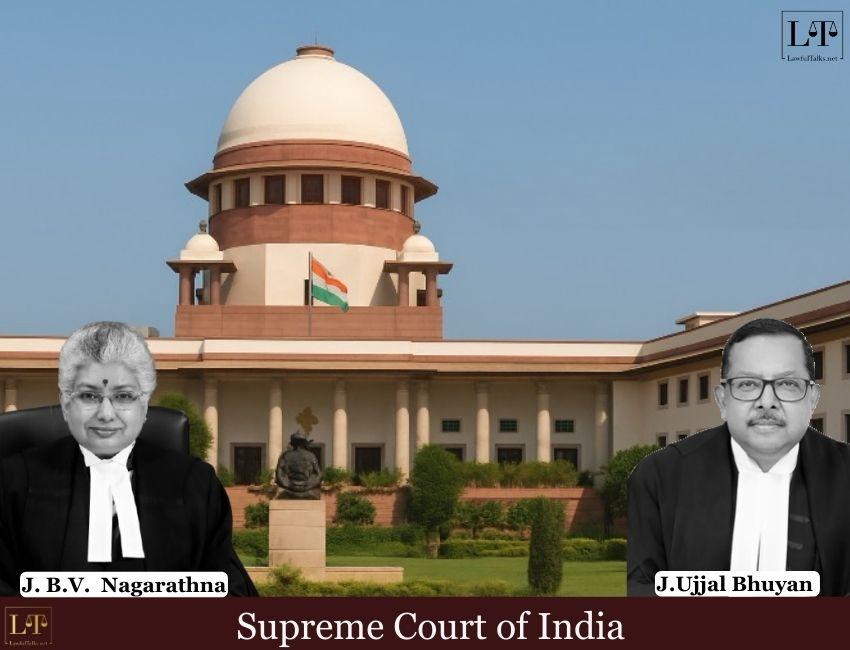
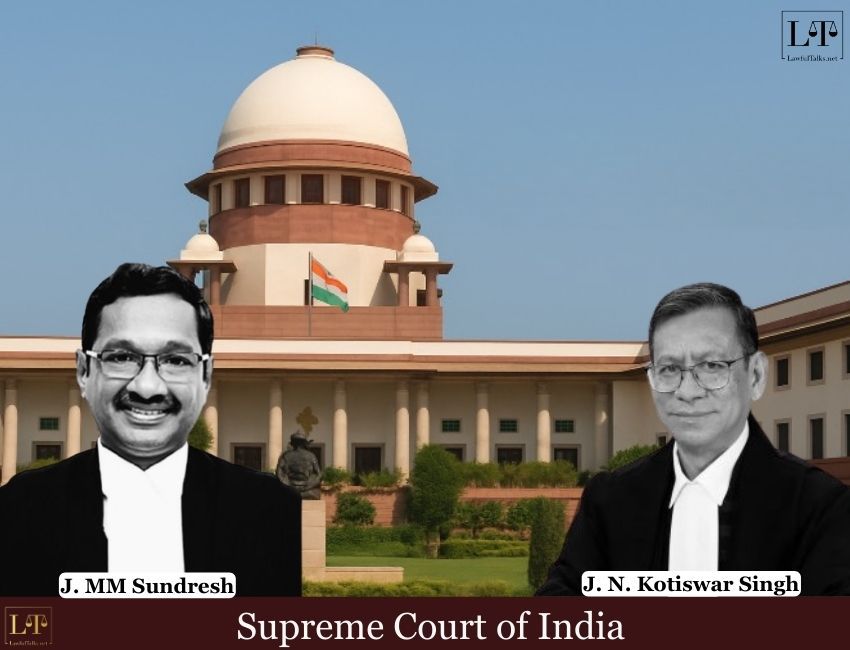
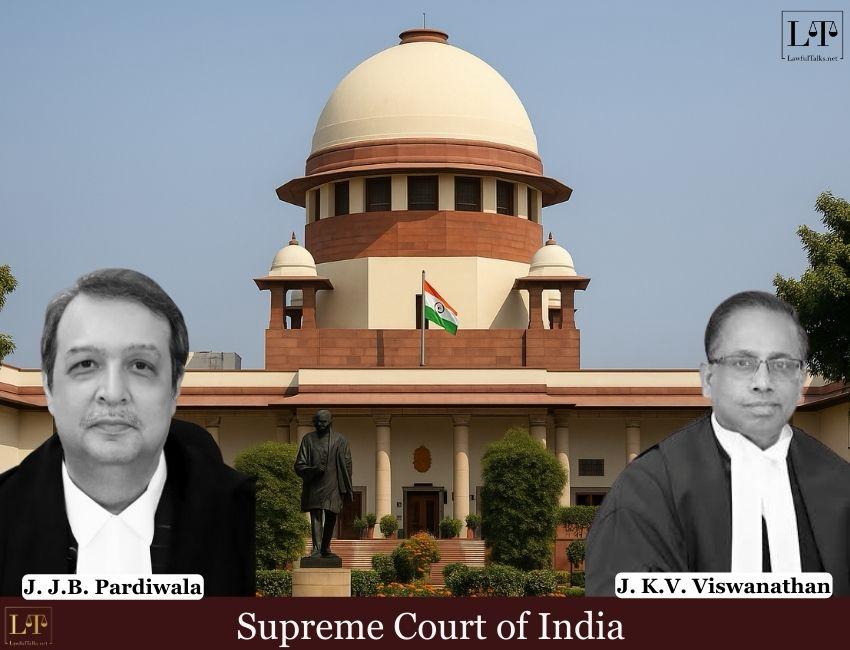
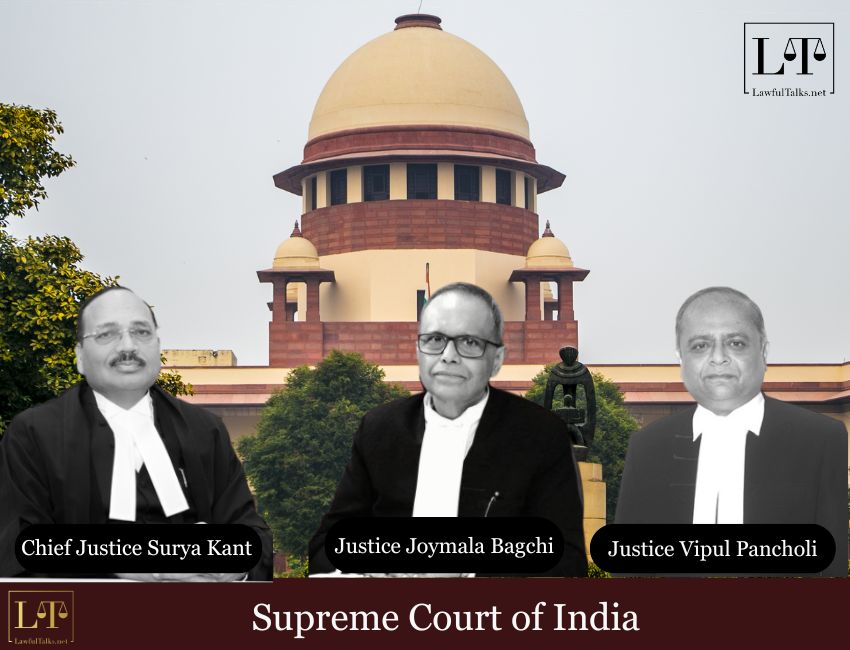
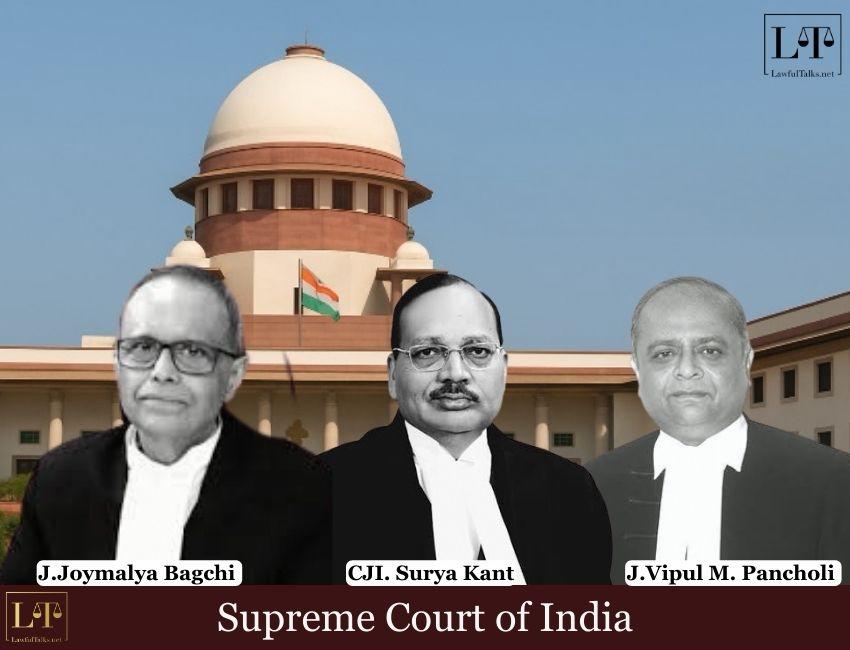
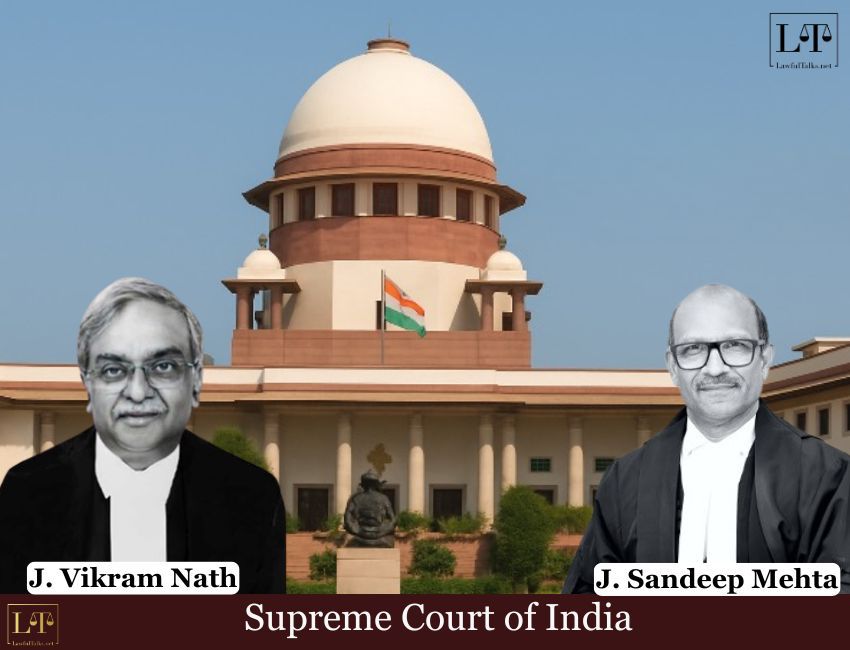
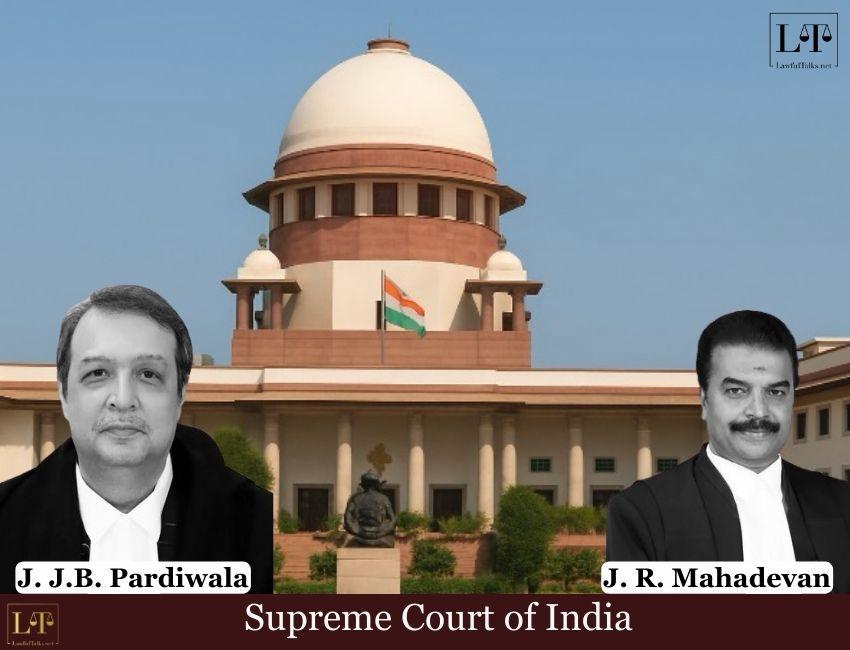
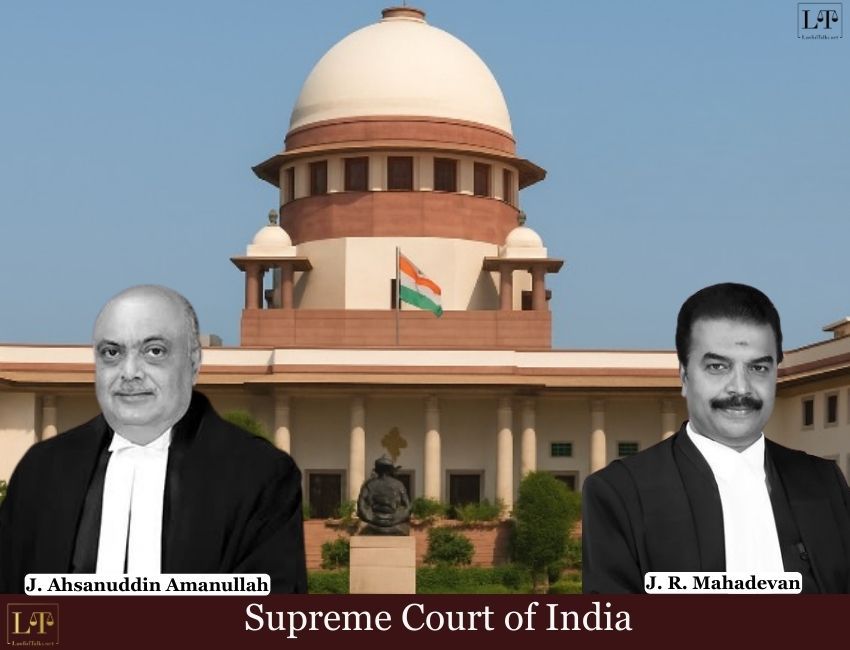
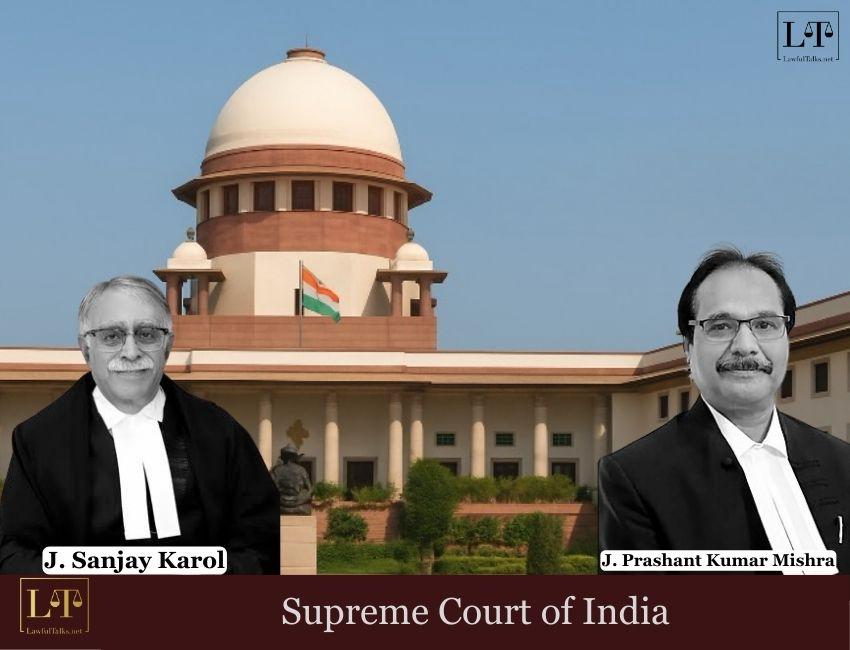
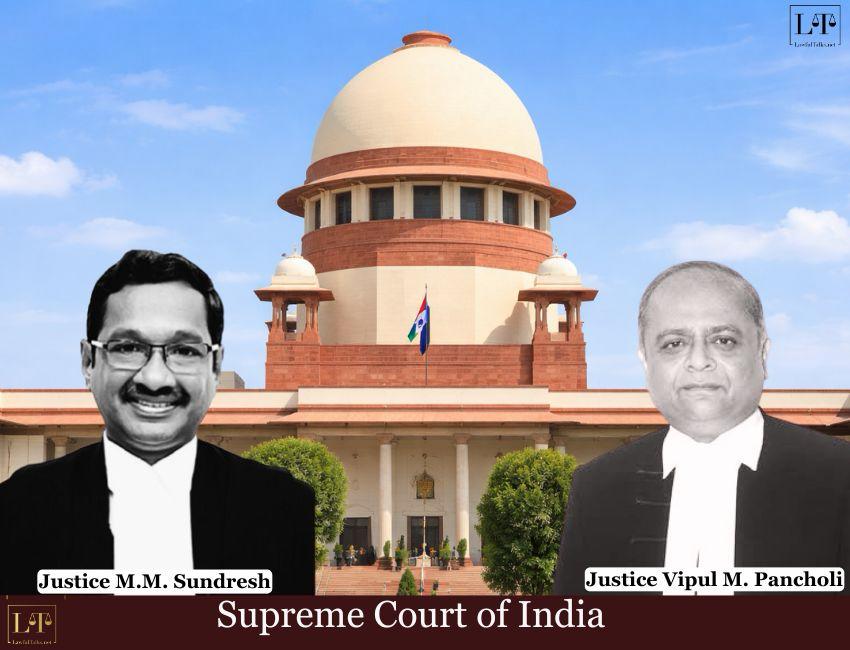
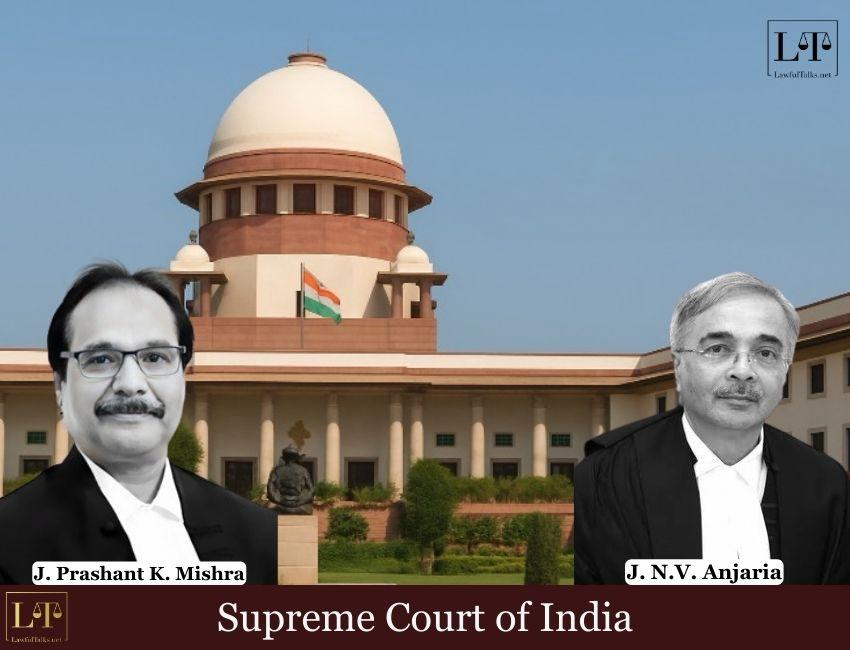
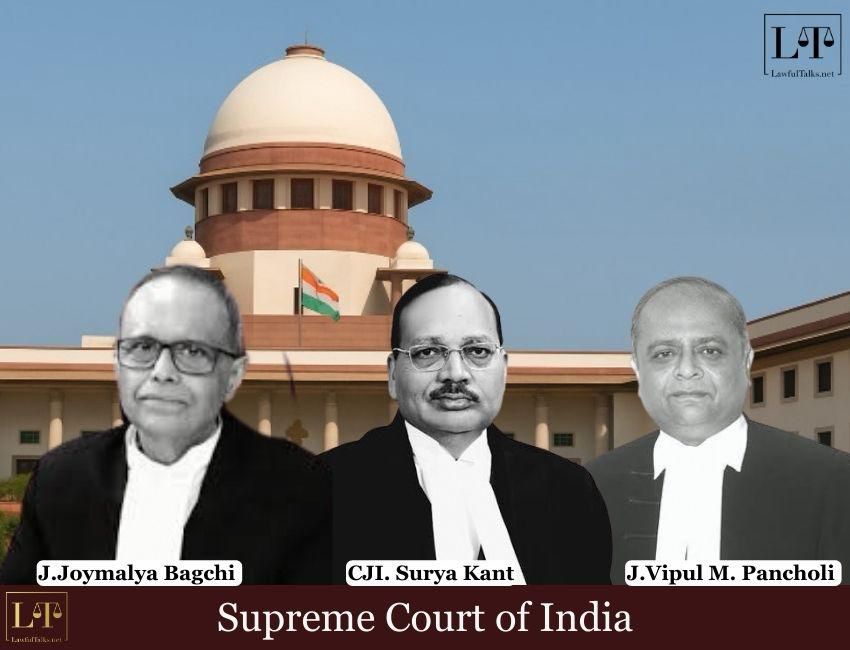
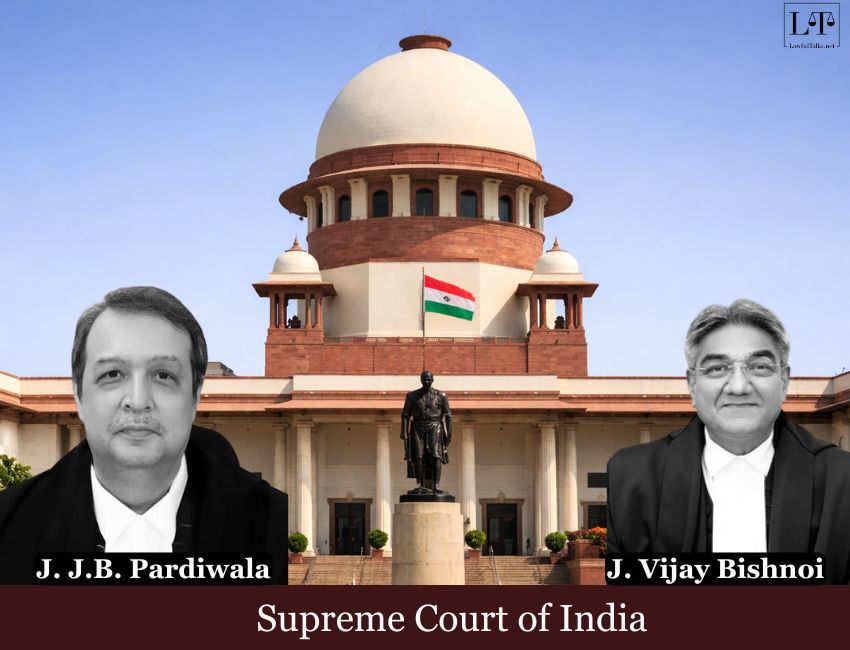
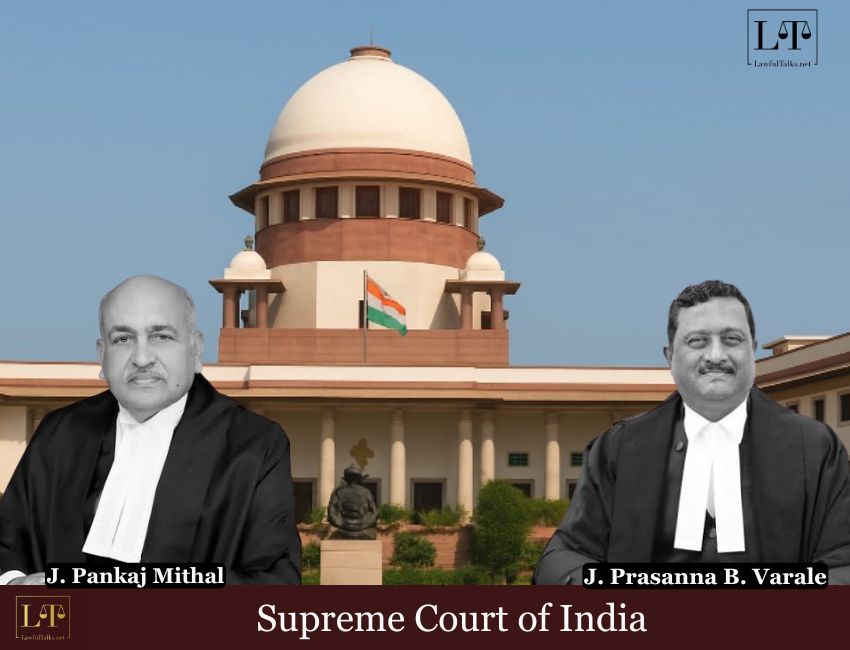
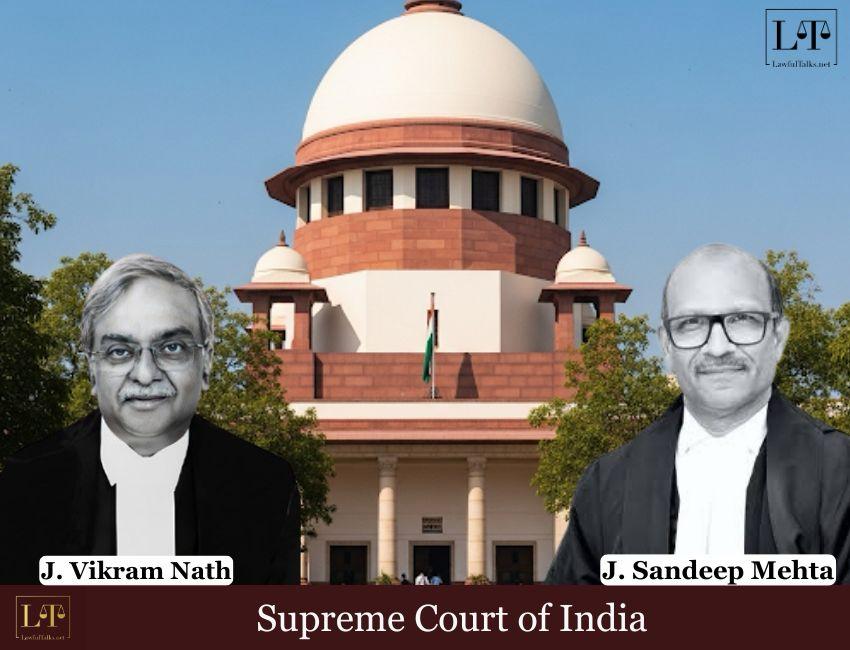
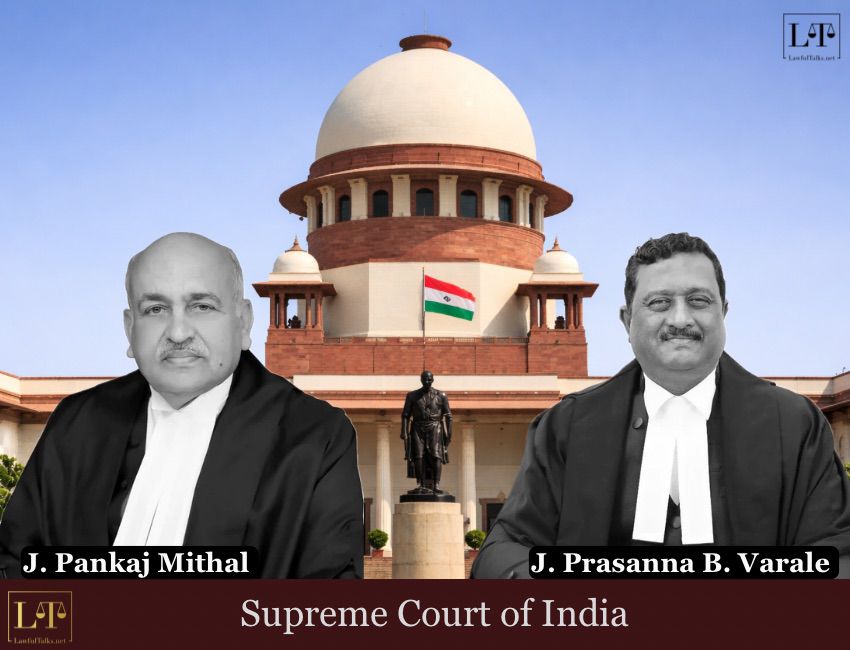
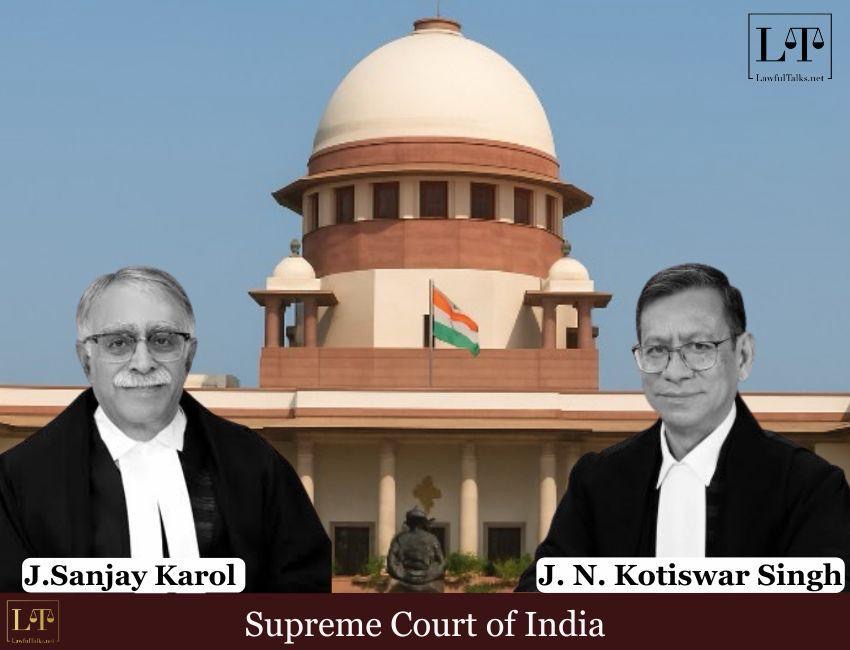
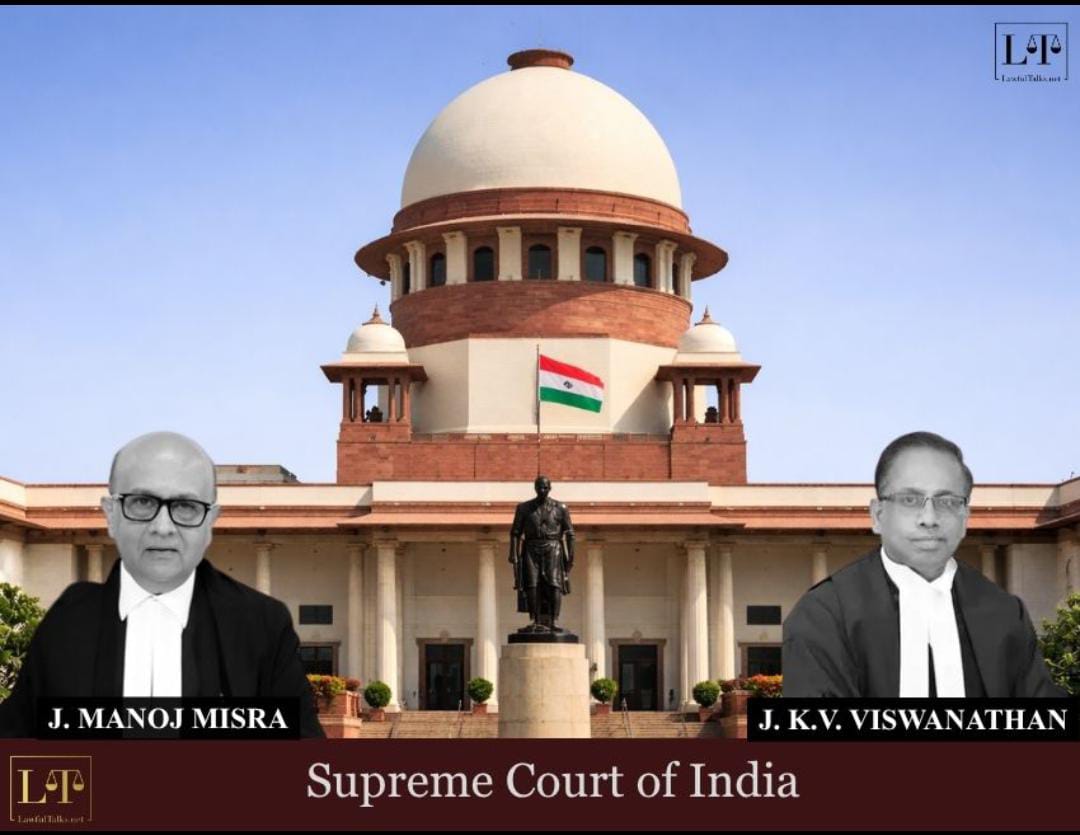
Later, a Bench of Justice Pankaj Mithal and Justice Vipul M. Pancholi clarified that existing State money-lending laws are still fully enforceable.
The Court said:
“It is pertinent to note that for unlicensed money lending against the promissory notes, whether accompanying with any other security such as cheque, title deeds or not, there already exists a Statutory Bar in State Money Lending Law.”
The Court also referred to the rule of Dam Dupat, which stops lenders from charging interest more than the principal amount, even if they are licensed money lenders. It further said that loans given by unlicensed money lenders are illegal and cannot be enforced, and may also be a punishable offence.
Strict Directions to Lower Courts:
Directing lower courts to act firmly, the Bench stated:
“Therefore, the Courts should ensure that the proceedings instituted by such private money lender are nipped in bud, whether Civil or Criminal, unless the money lender at the threshold produces license for money lending or shows that money was not advanced by him at interest.”
The Court also clarified that investigations into offences under State Money Lending laws, as well as under the Indian Penal Code, 1860 and the Bharatiya Nyaya Sanhita, 2023, do not have to wait for new laws from States or Union Territories.
Reason for Clarification:
The Court said this because there were concerns that its February order was being wrongly understood as stopping all enforcement until new laws are made. The Court clearly rejected this view and confirmed that existing laws are still fully in force.
The Miscellaneous Application was accordingly disposed of. The Court also reiterated that parties can still use corrective and appeal remedies if proper legal procedure is not followed in individual cases.
Case Details: Raj Kumar Santoshi Versus Prashant Malik Miscellaneous Application No. 1176/2026 in SLP(Crl) No. 5485/2024








































































































































































Sign up for free and be the first to get notified about curated content just for you.