“From ‘Recovery’ to Ruin: How a Bloodstained Axe—and Broken Evidence—Failed in the SC”

- April 15, 2026


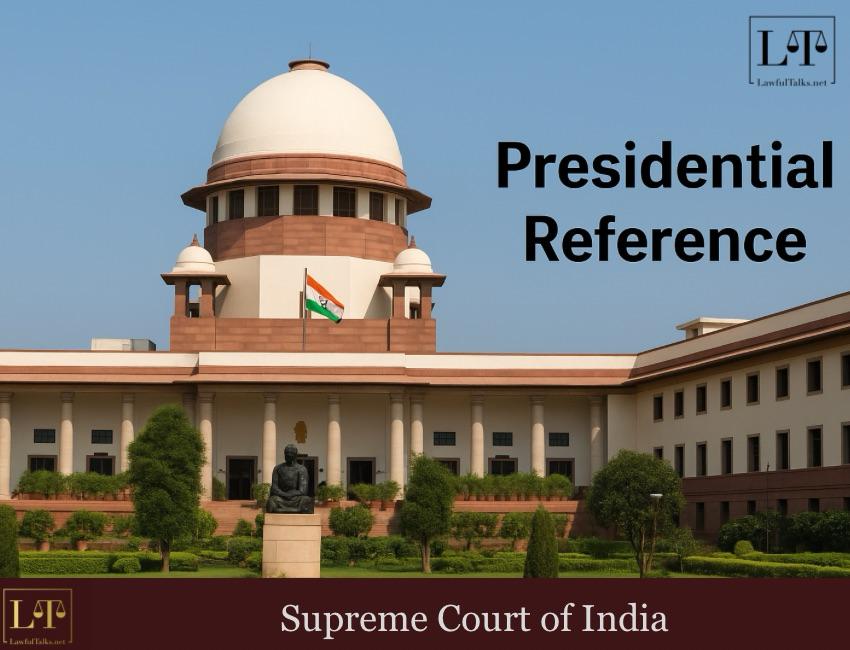
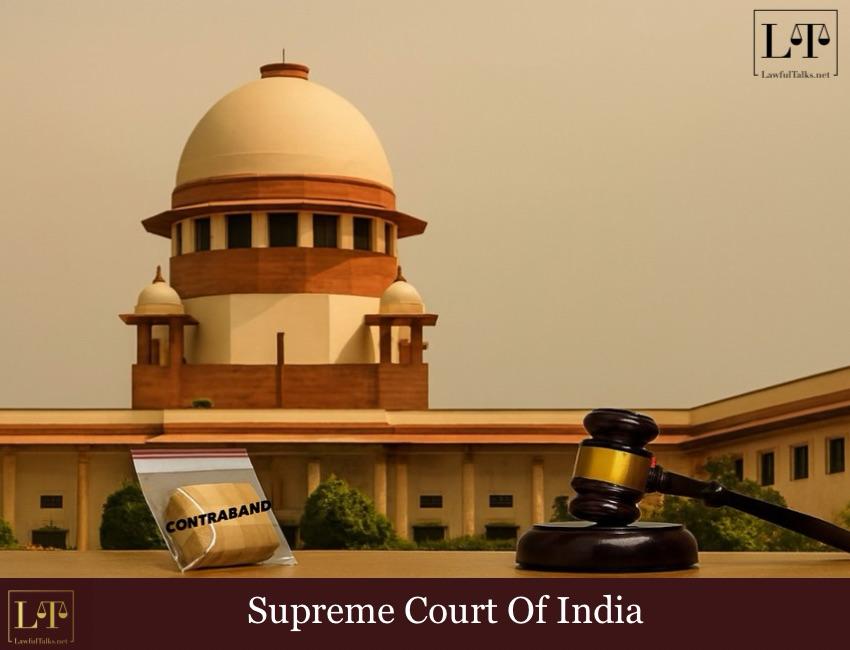
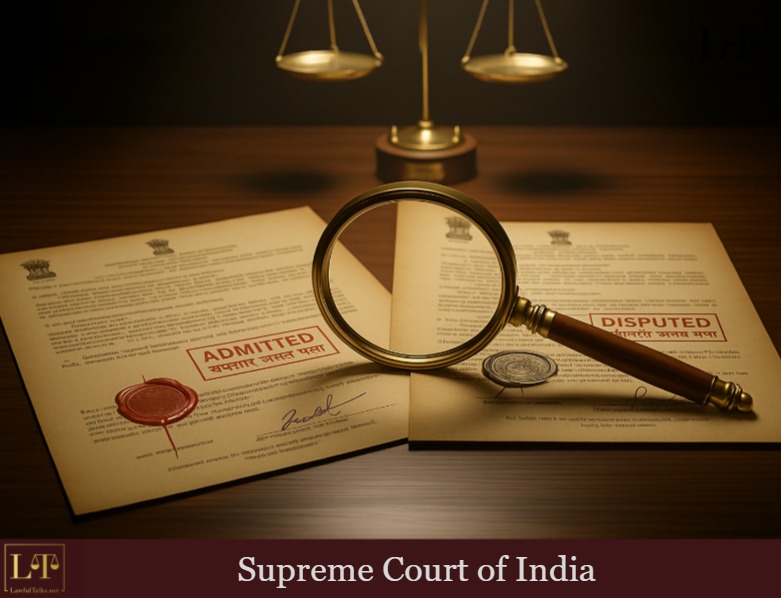
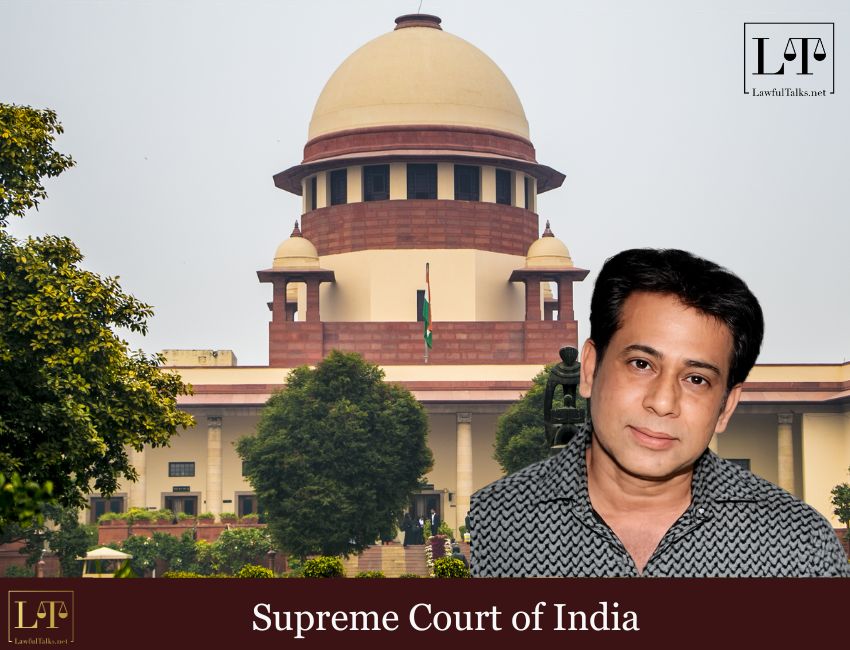
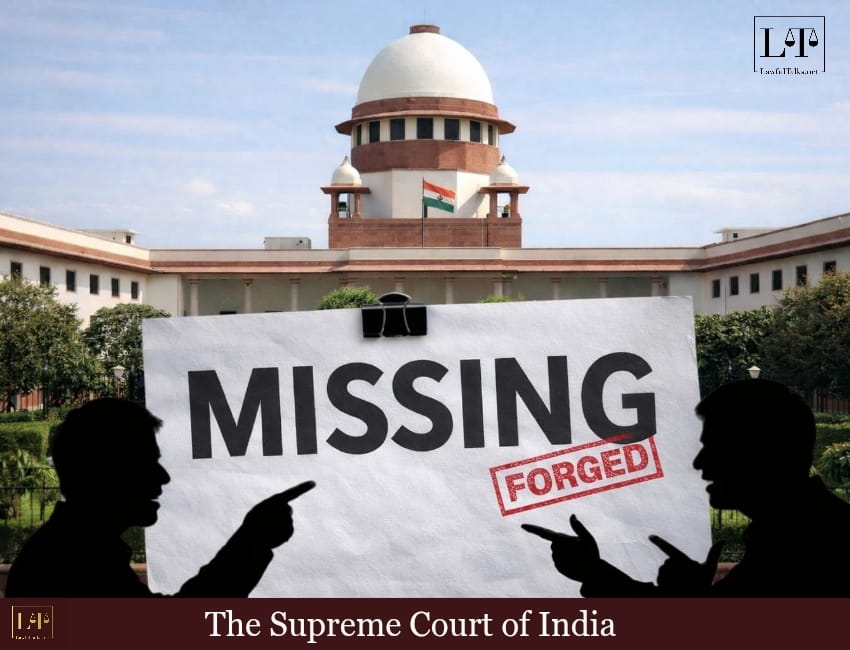
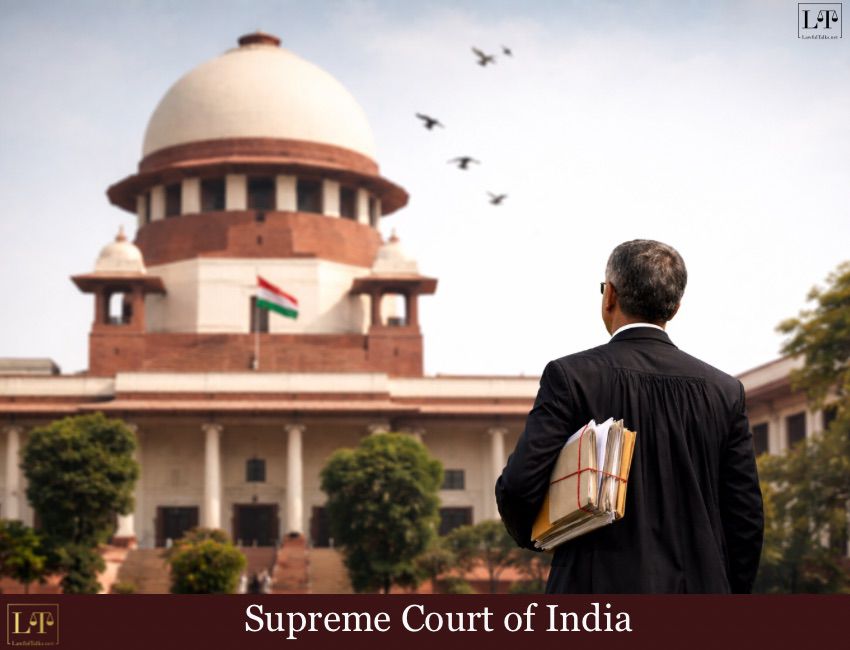
The Supreme Court has set aside a murder conviction after concluding that the prosecution's recovery of evidence based on the accused's disclosure statements under Section 27 of the Evidence Act was filled with inconsistencies, hostile witnesses, and a lack of forensic connection.
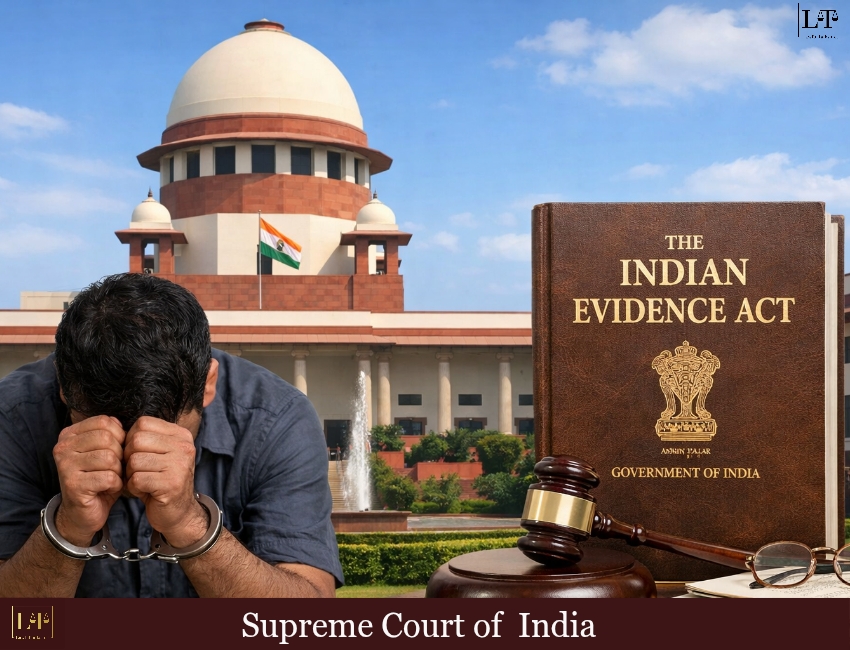
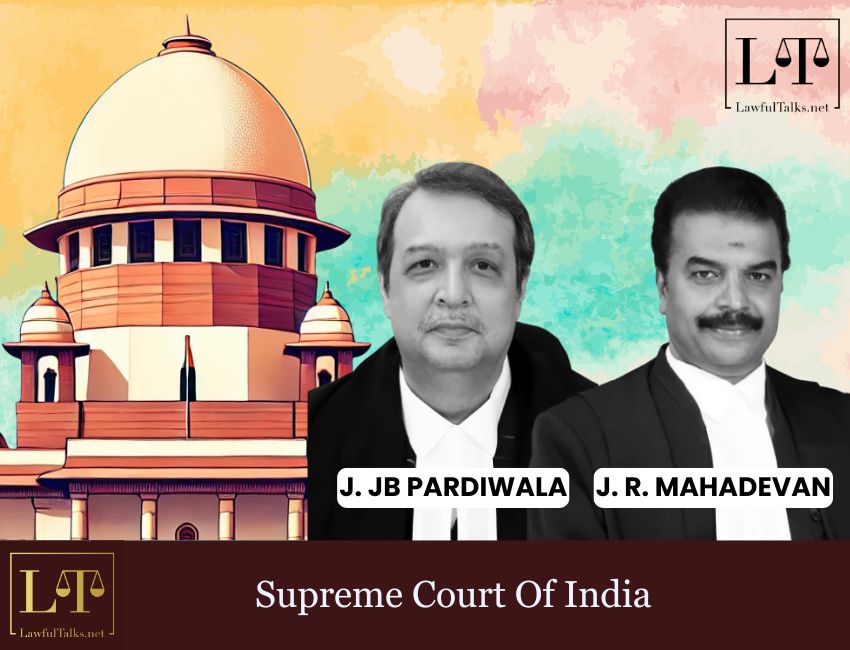
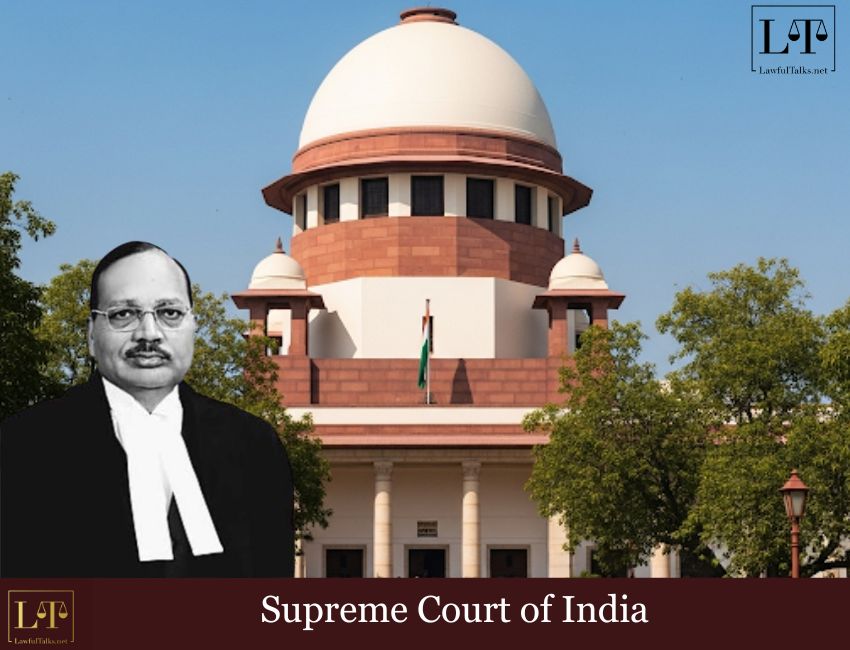
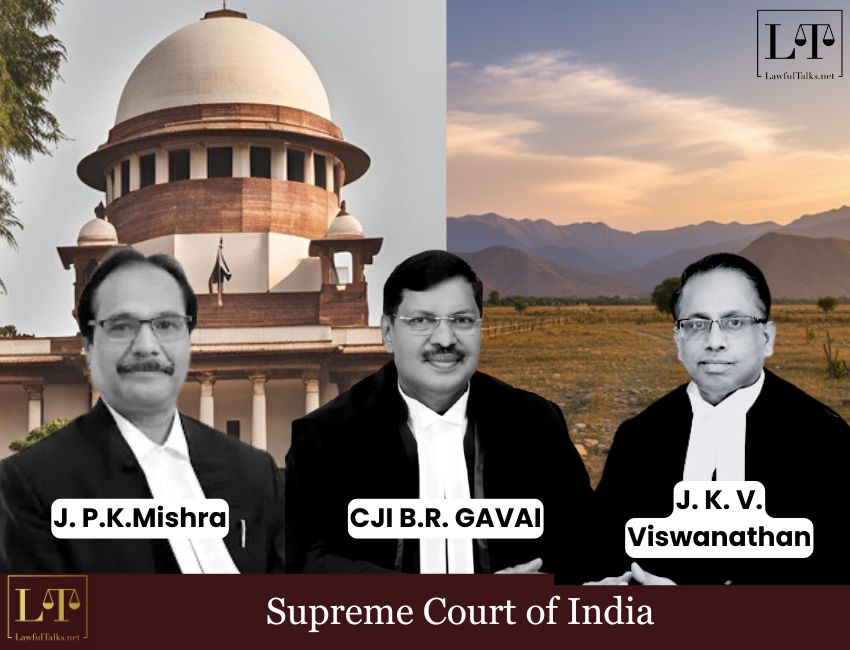
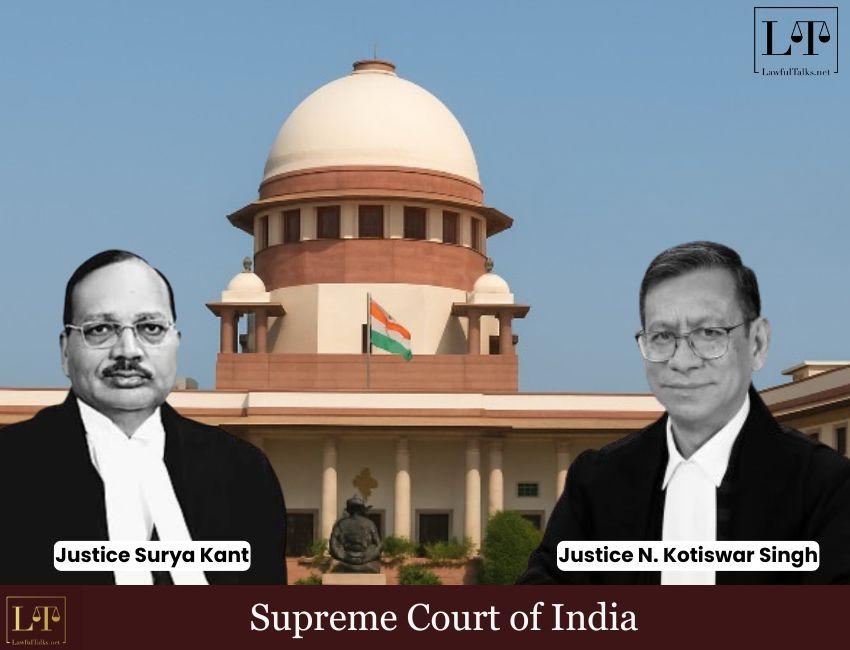
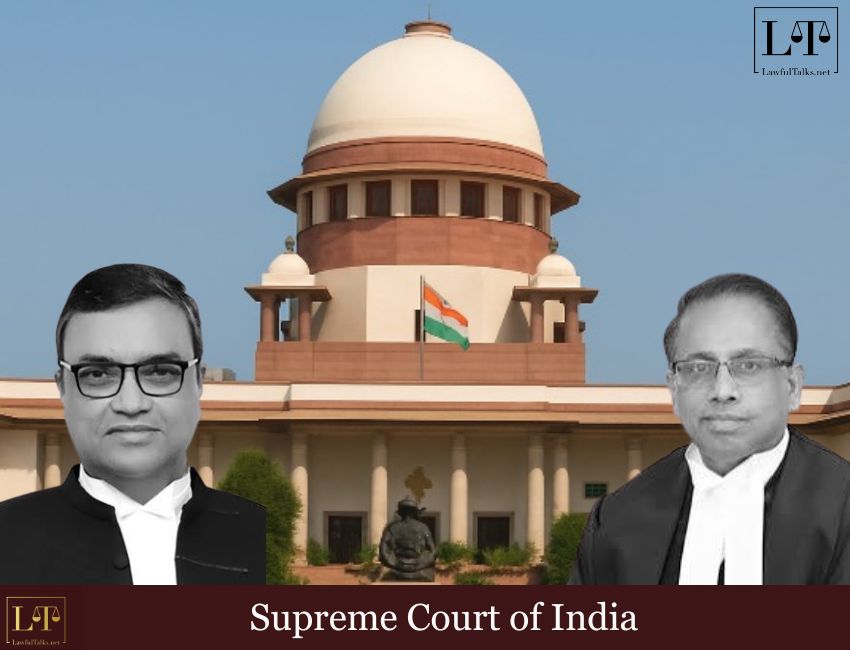
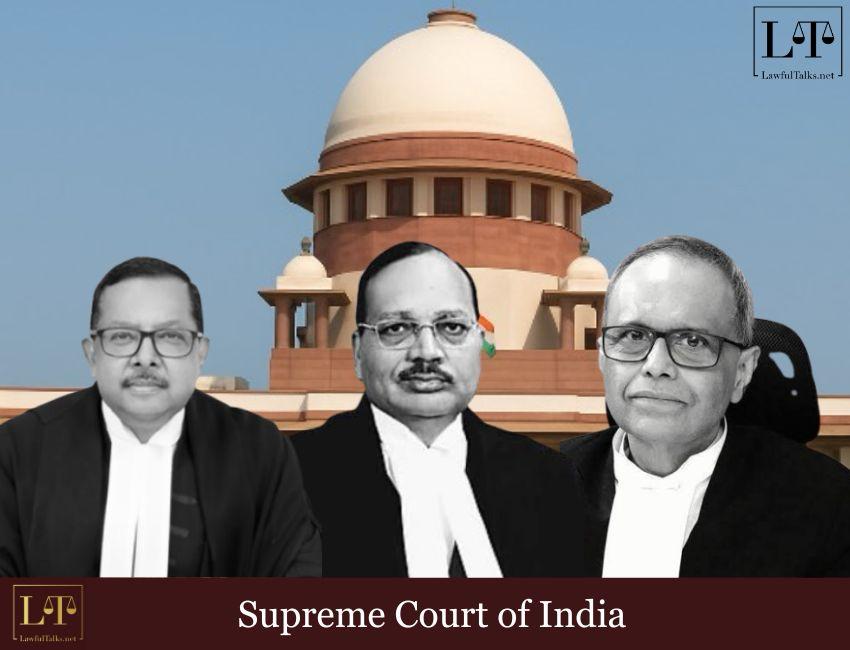
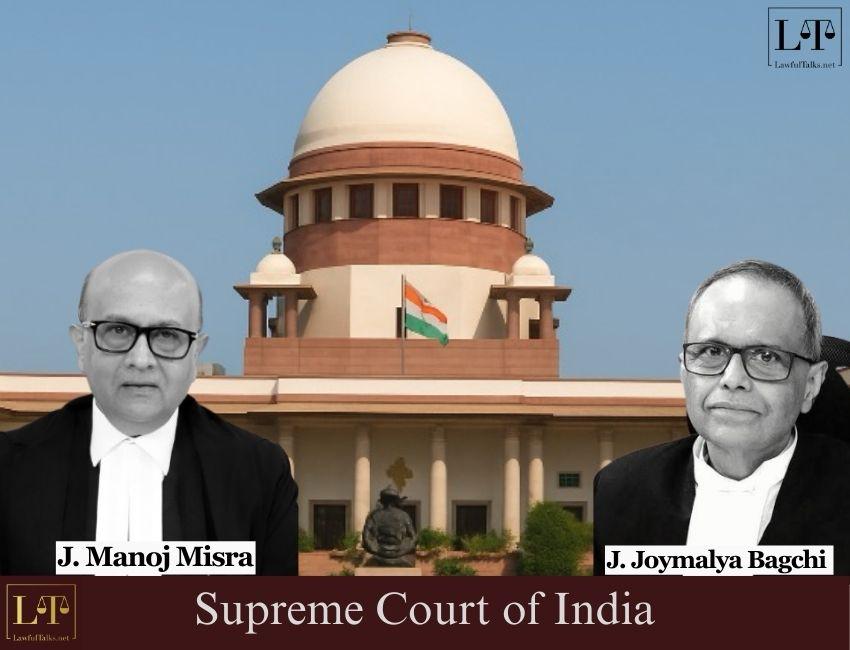
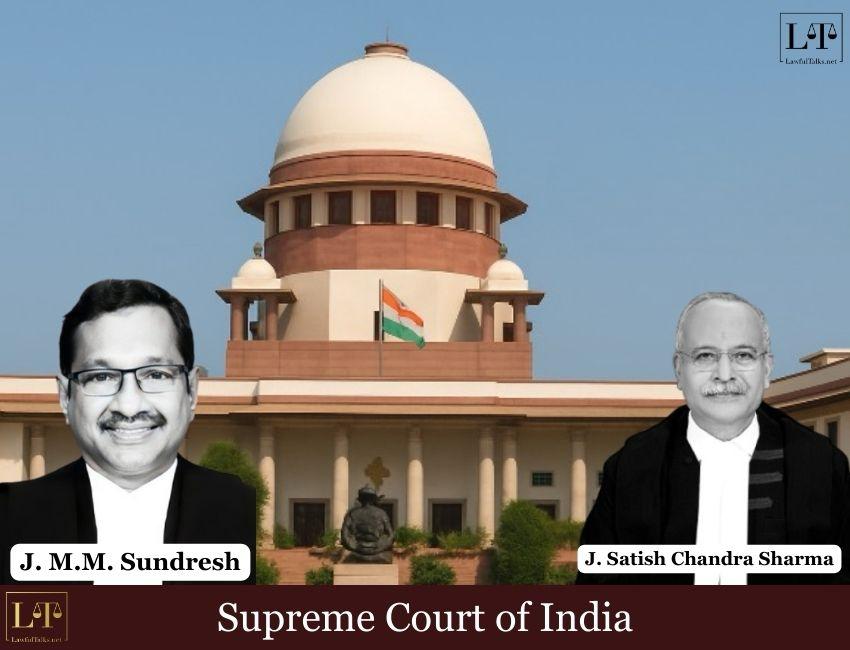
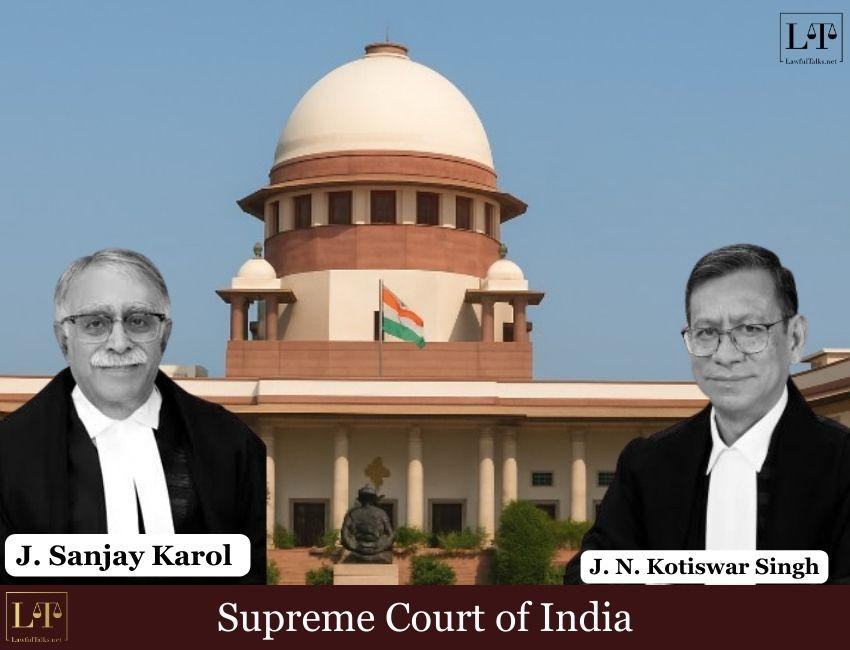
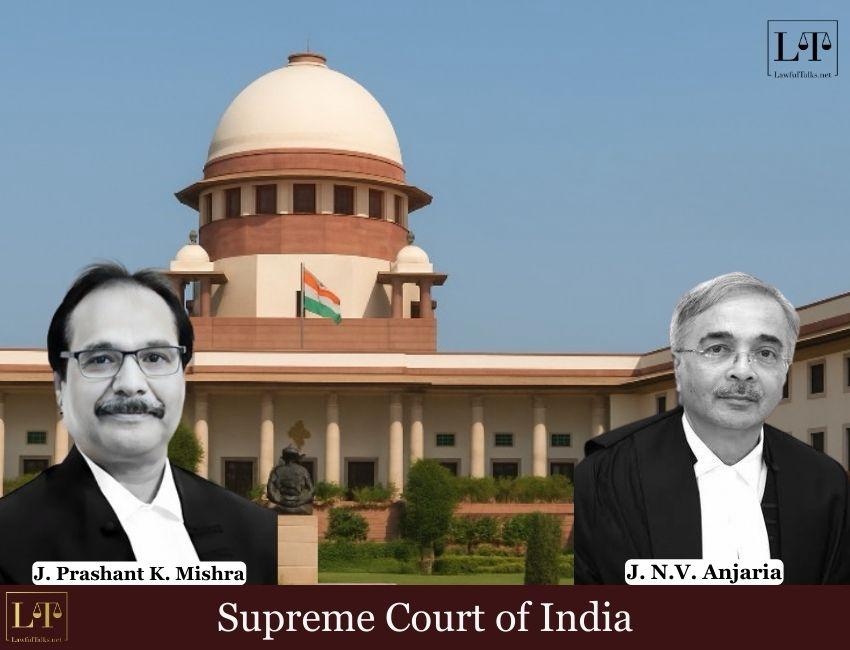
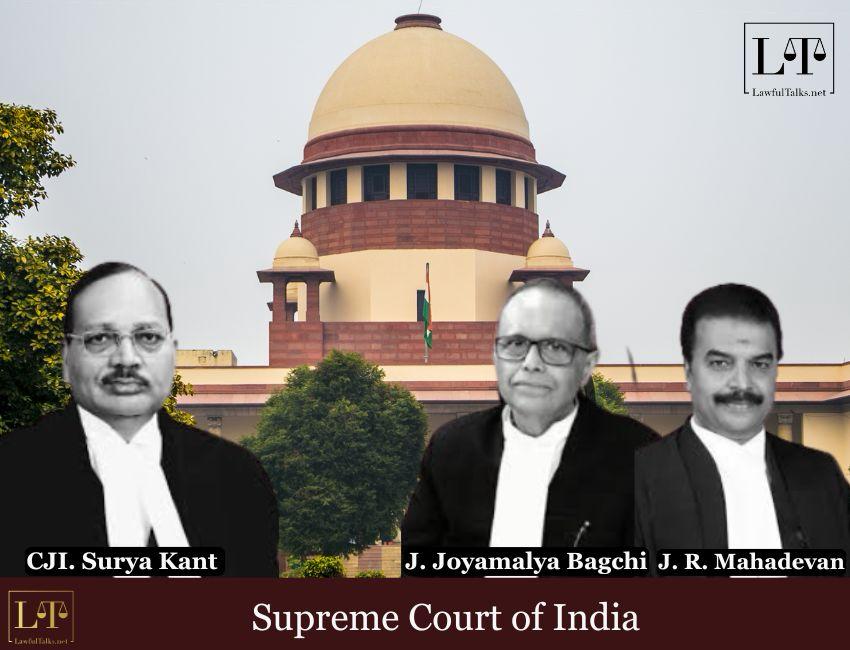
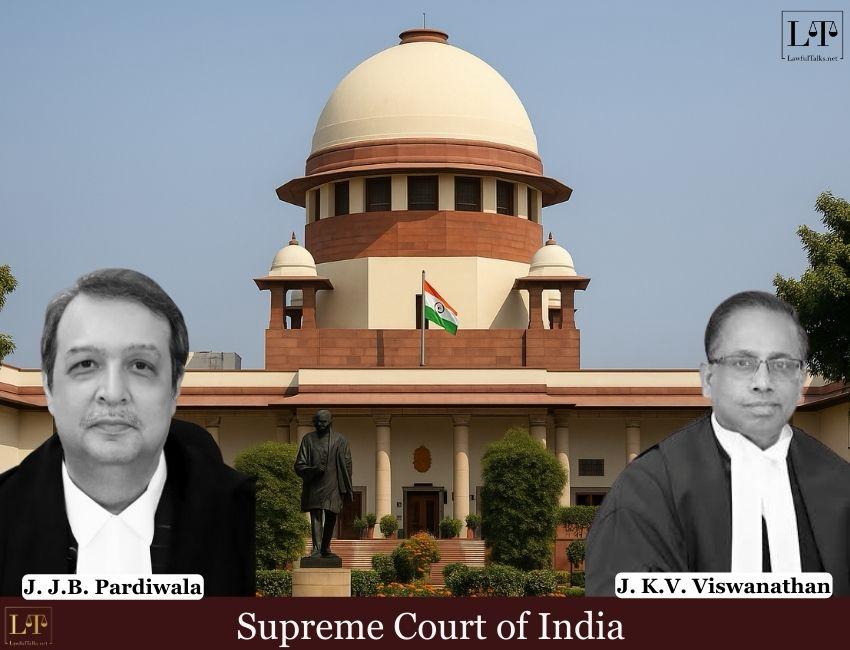
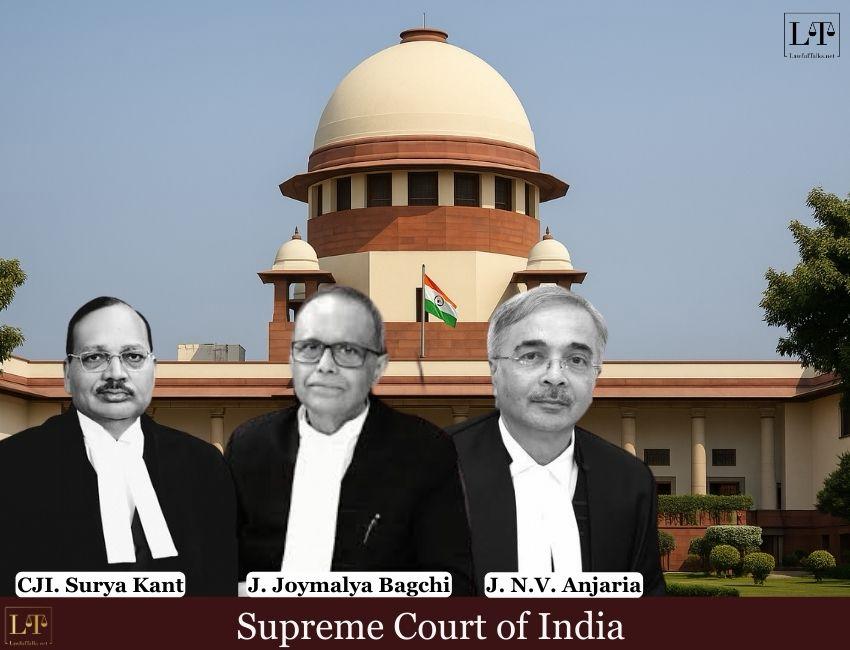
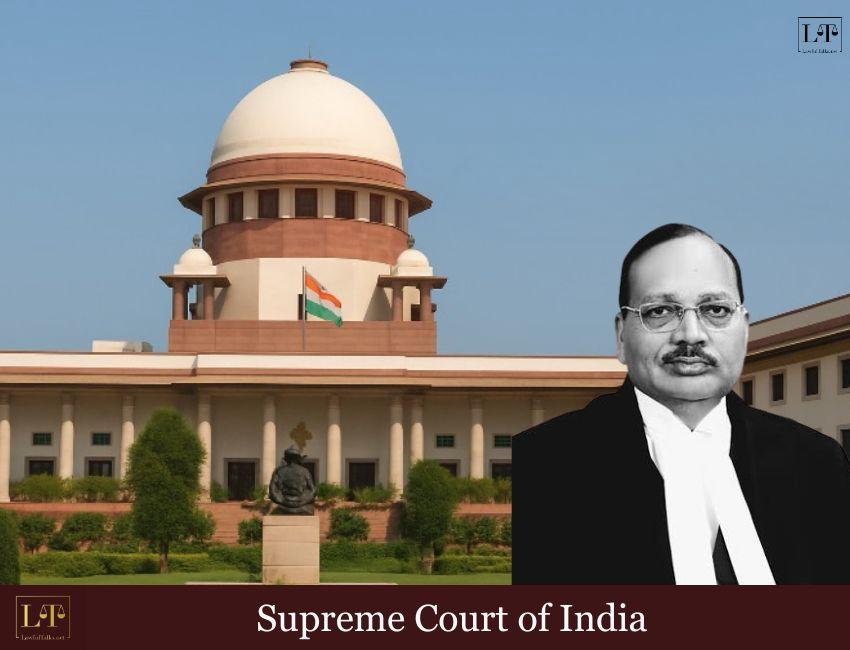
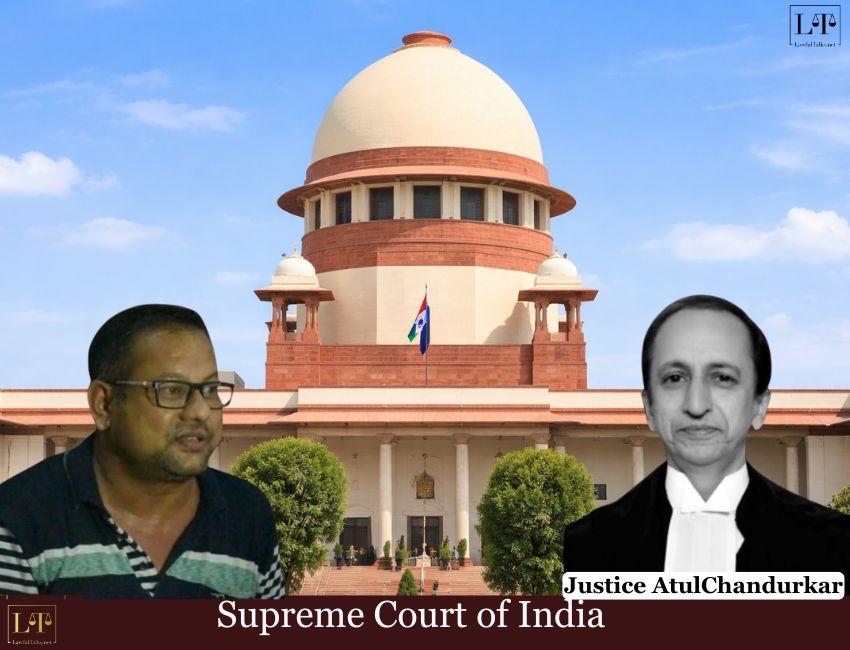
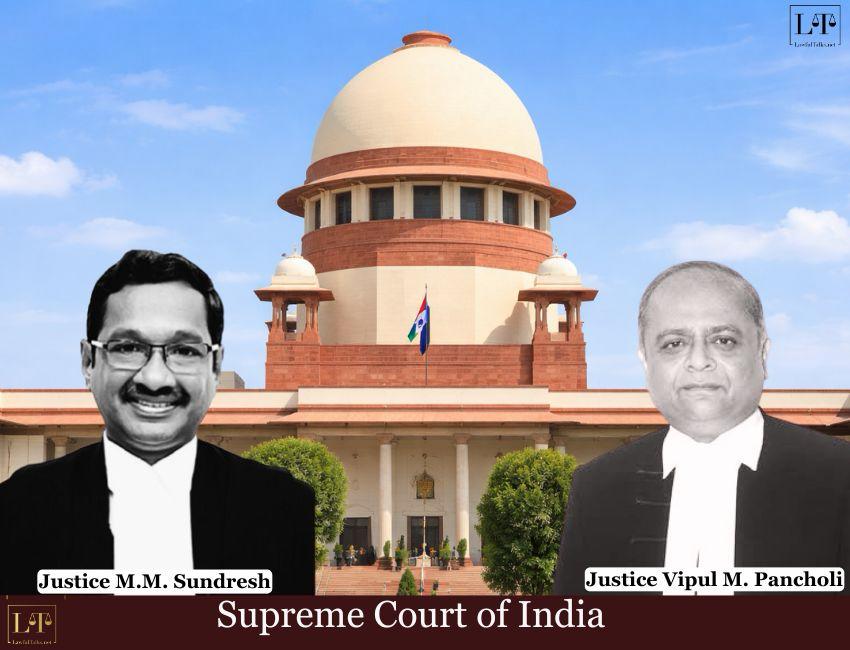
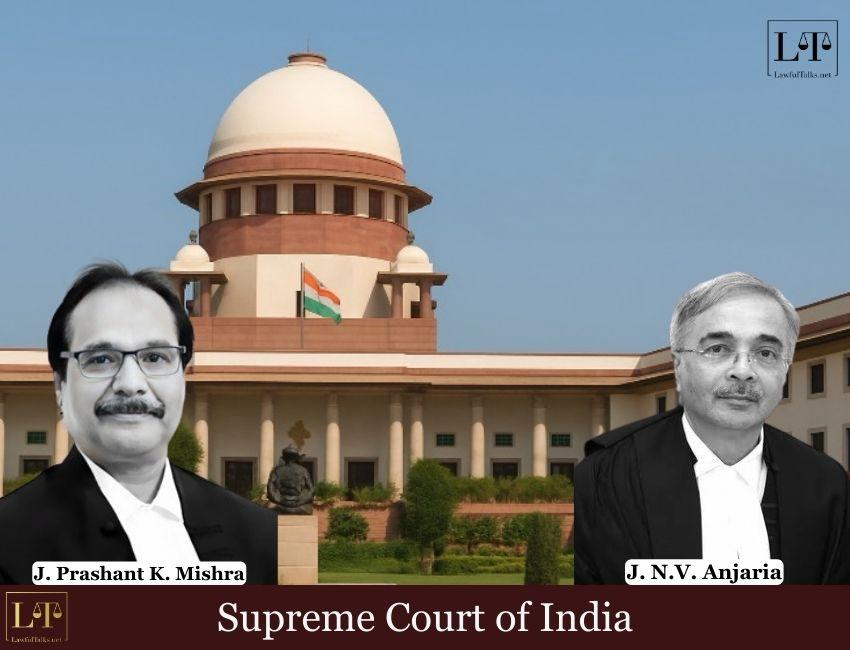
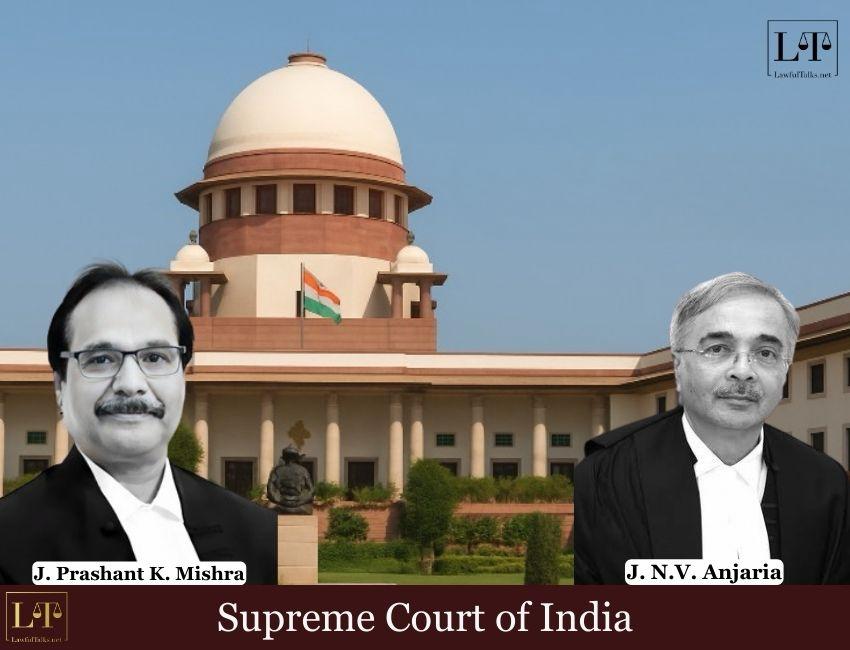
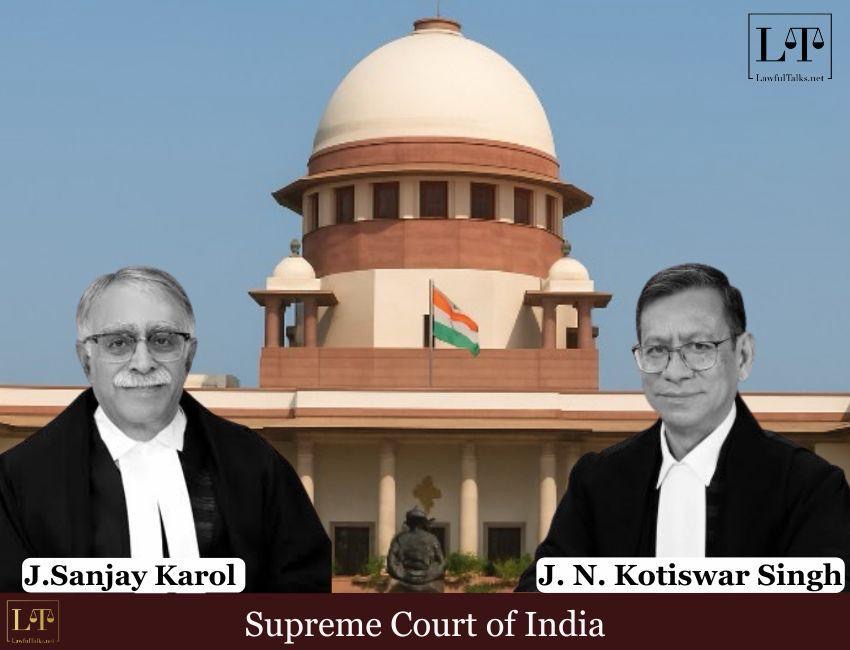
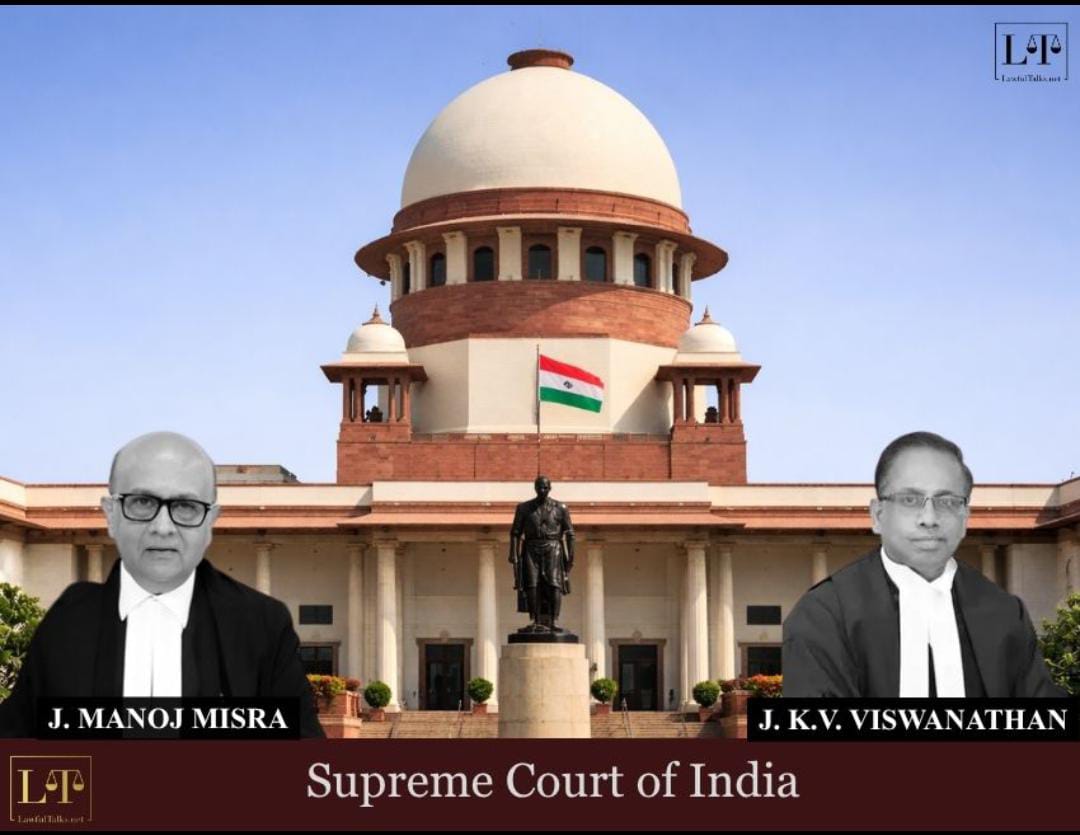
A bench of Justices Prashant Kumar Mishra and Vipul M. Pancholi noted that simply recovering evidence based on disclosure statements is not enough to convict someone. The recovery must be legally reliable and must fully meet the requirements of Section 27.
The court observed:
“Needless to say, under Section 25 of the Evidence Act, any ‘confession’ made to a police officer shall not be admissible at all. The accused
in this case have supposedly given ‘memorandums’ or disclosure statements under Section 27 of Evidence Act. We will examine if the recoveries supposedly
made as a consequence of these statements withstand legal scrutiny.”
Case Background:
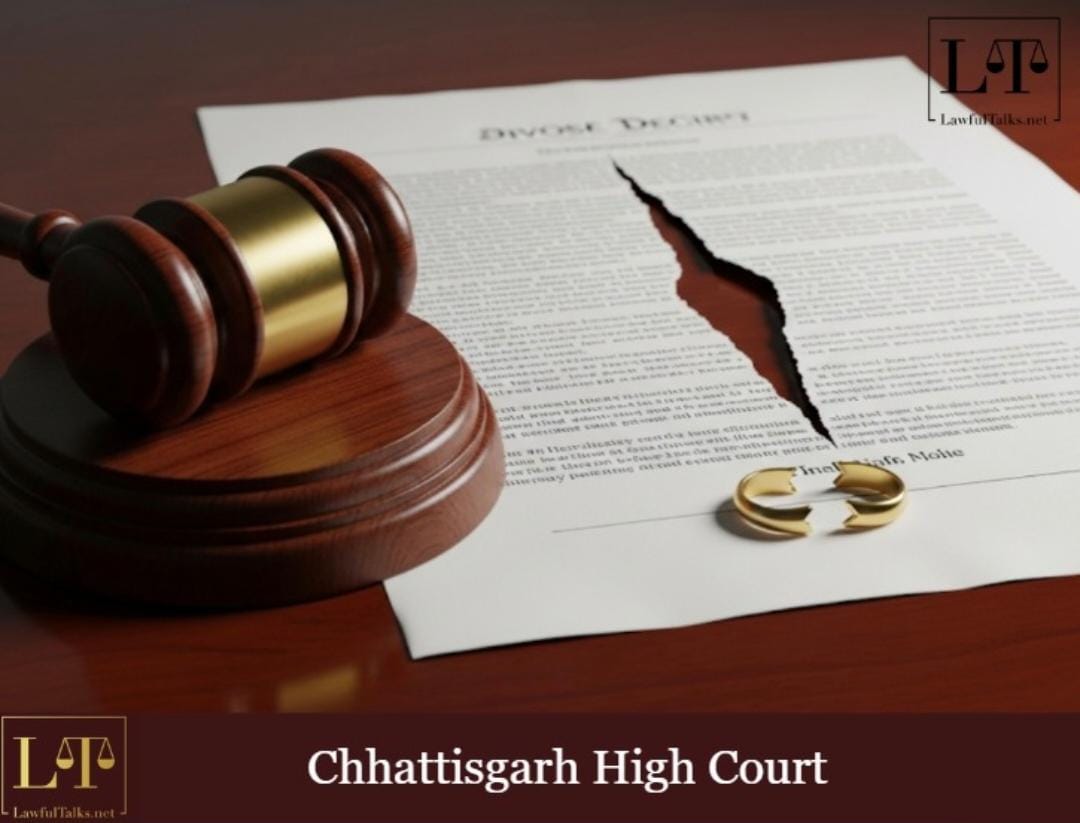
The appellant was found guilty of the alleged murder by the trial Court, and the Chhattisgarh High Court upheld this decision.
There were no direct eyewitnesses to the crime, therefore the prosecution's case was based only on circumstantial evidence. A key part of the case was the alleged recovery of incriminating items under Section 27—this included a bloodstained axe and clothes recovered from the appellant’s house based on disclosure statements, and a driver’s license said to have been found at the crime scene.
Notably, a co-accused person was acquitted by the trial Court, even though similar recovery evidence was shown against him.
The appellant then filed an appeal before the Supreme Court, arguing that the prosecution’s case had many contradictions and relied on hostile witness evidence.
The judgment, written by Justice Prashant Kumar Mishra, allowed the appeal and said that the prosecution failed to prove a link between the deceased and the blood found on the axe. The Court also noted that there was not enough proof to show that the hair found on the axe belonged to the deceased.
The Court Observed:
“…(i) the blood group of either the deceased or of the blood present on the weapons or clothes was not determined; (ii) though it was observed the hair present on the axes was similar in morphological and microscopical characteristics to the hair recovered from the spot, no conclusive opinion was given if it belonged to the deceased; and (iii) there was no definitive link made between the recovered axes and the deceased's injuries.”
The Court also pointed out serious procedural lapses in how the seizure documents were prepared, noting that witness signatures were not taken at the place and time of recovery. Instead, the witnesses were called later and made to sign, even if they were elsewhere at the time.
It held that:
“It is evident that the witnesses have either turned hostile or not corroborated the case of prosecution on any material particulars in relation to the recoveries beyond just admitting their signatures. Given that both accused continuously remained in judicial custody throughout the trial, the said hostility and non-corroboration can also not be attributed to any influence or tampering on their part. The recovery circumstance, therefore, remains legally tenuous.”
Case Title: GAUTAM SATNAMI VERSUS STATE OF CHHATTISGARH
CRIMINAL APPEAL NO. 1782 OF 2026















































































































































Sign up for free and be the first to get notified about curated content just for you.