“Press Conference Shocker: No Shield from SC as Lawyer’s Allegations Against Bombay HC Judge Spark Contempt Action”

- April 21, 2026


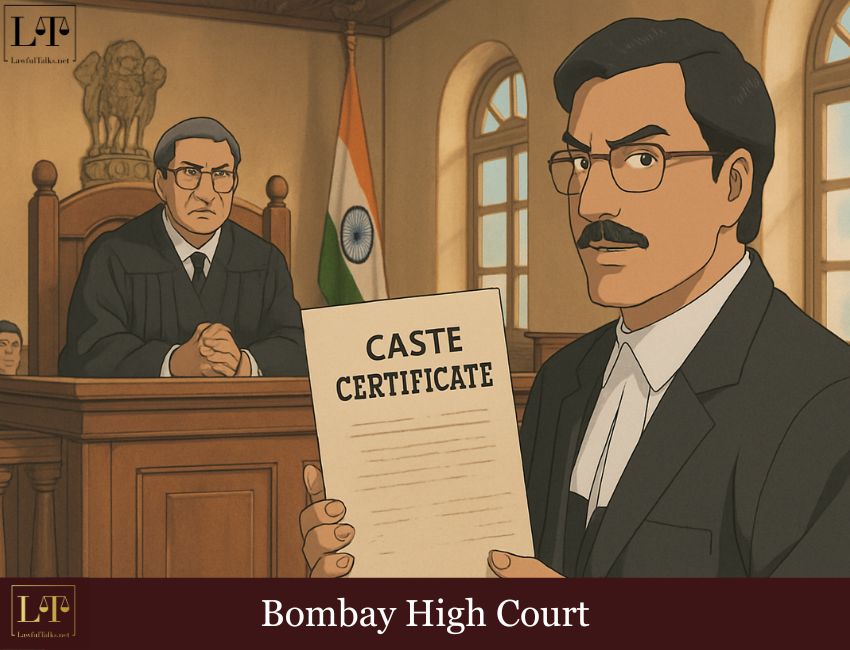
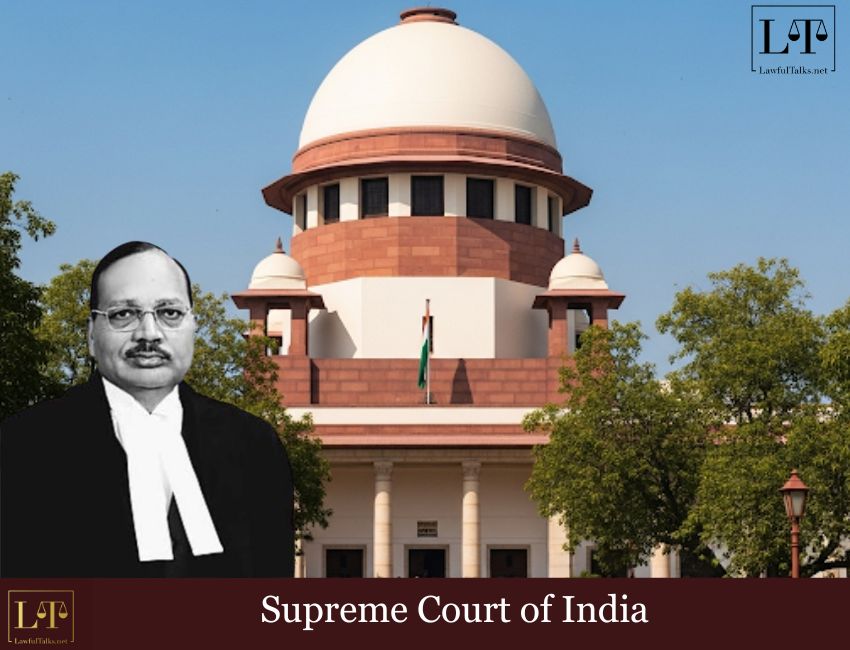
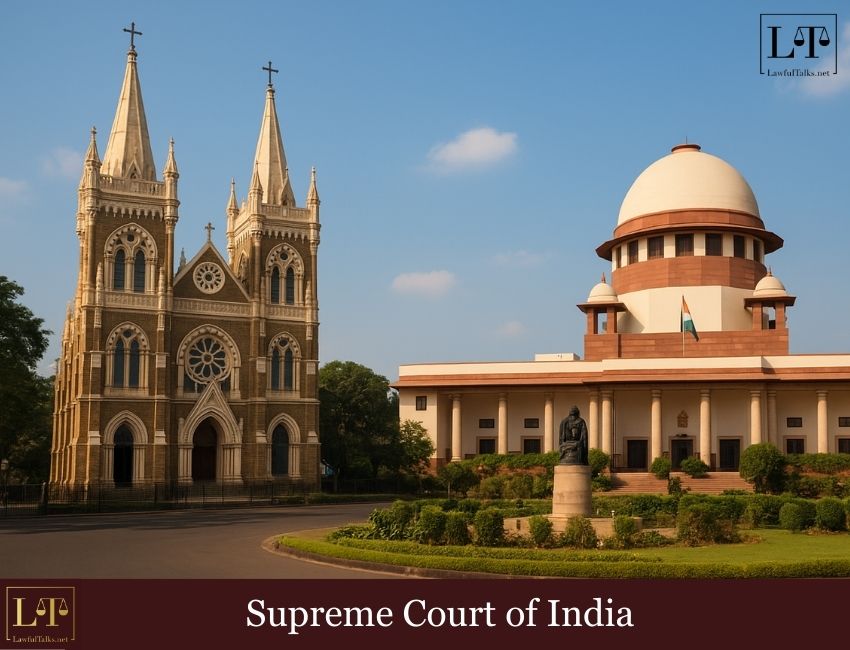
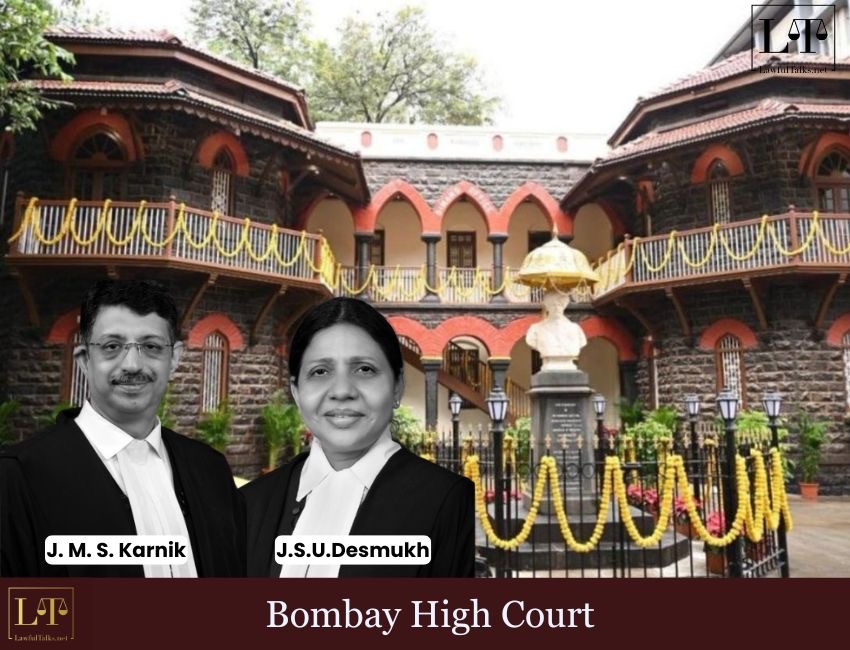
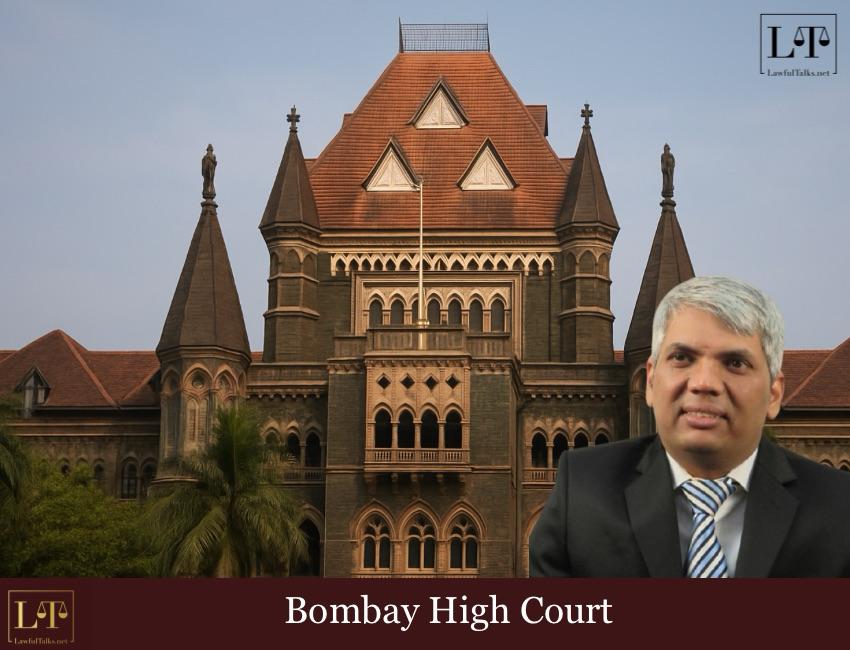
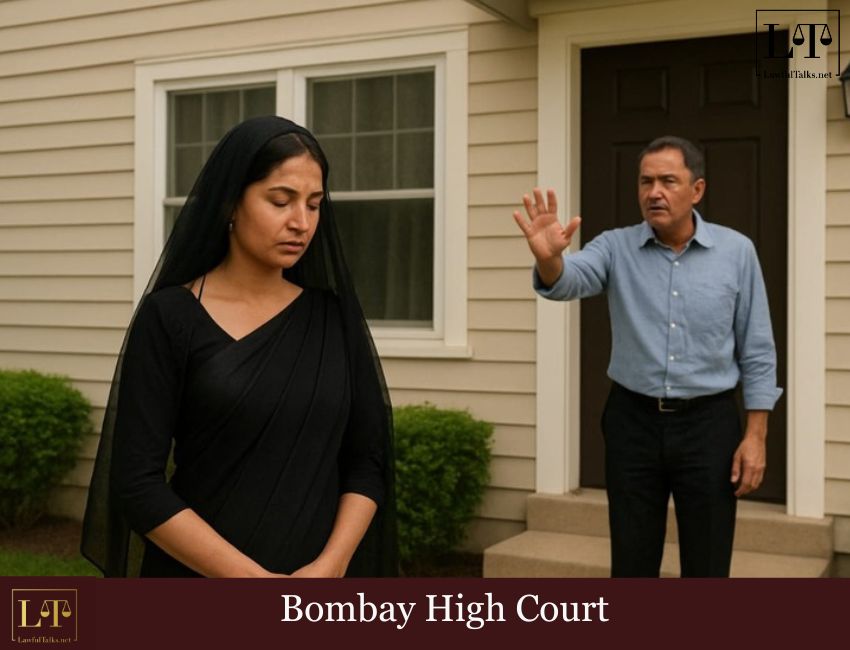
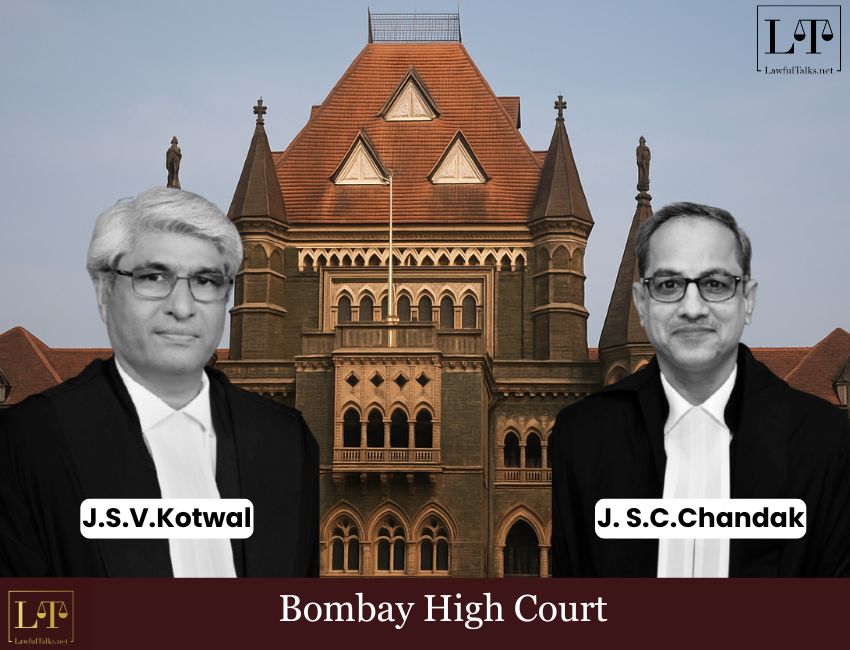
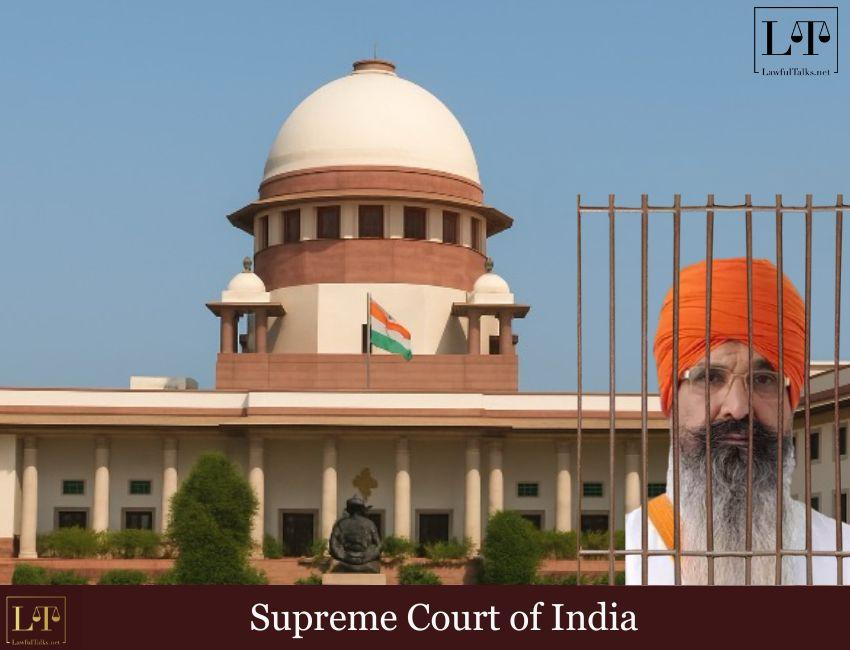
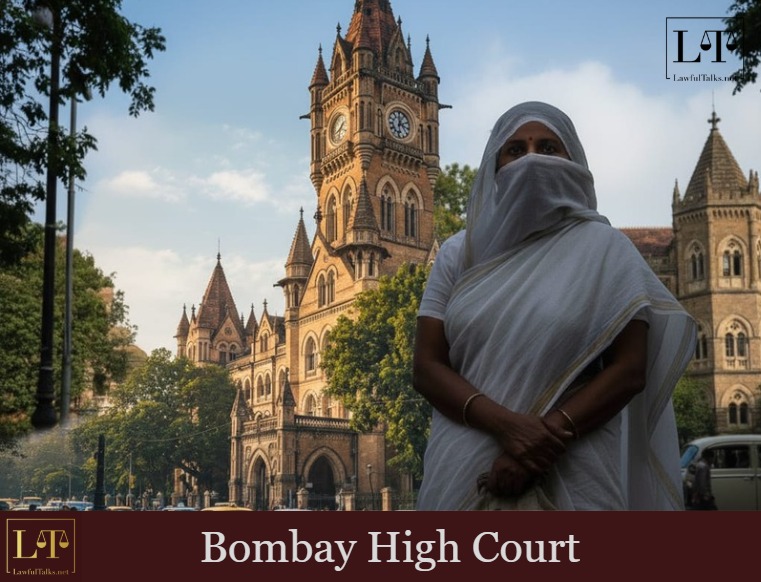
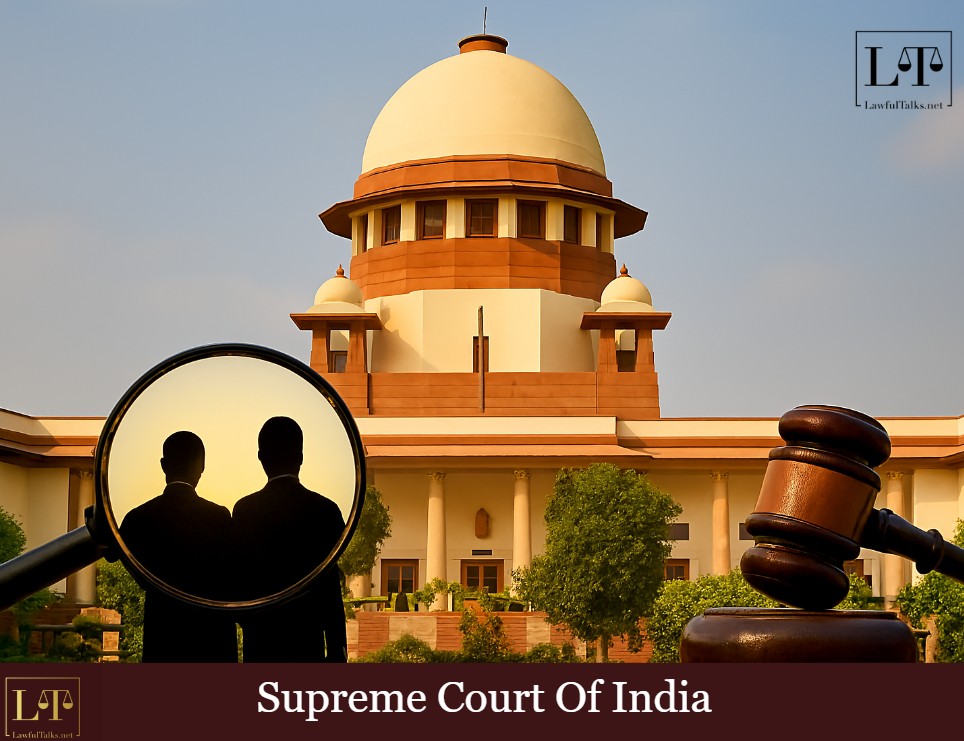
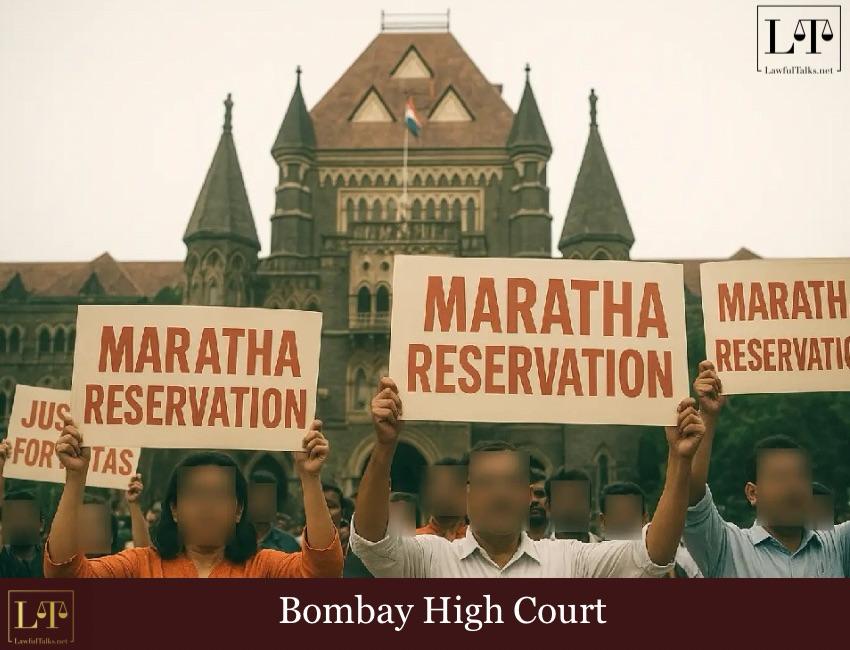
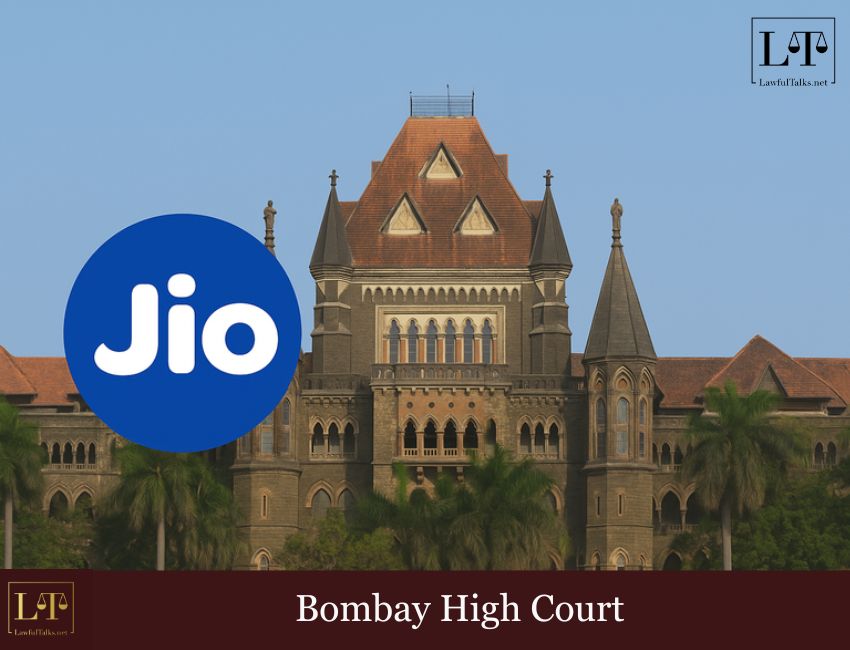
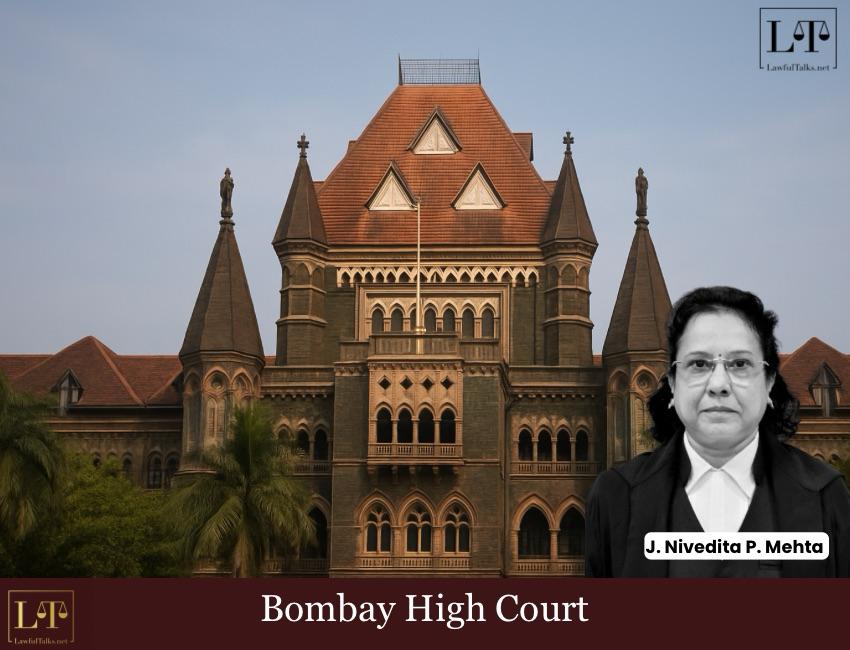
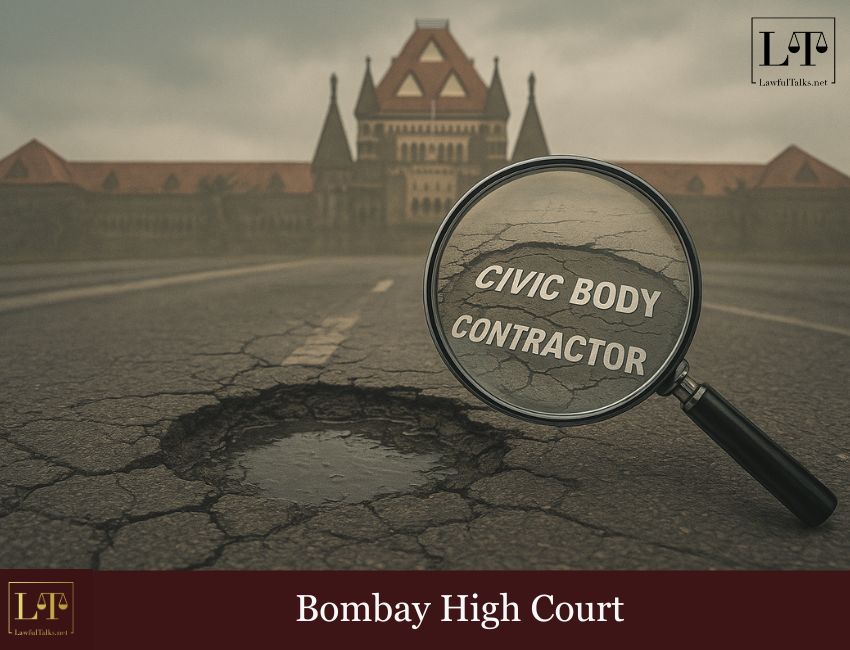
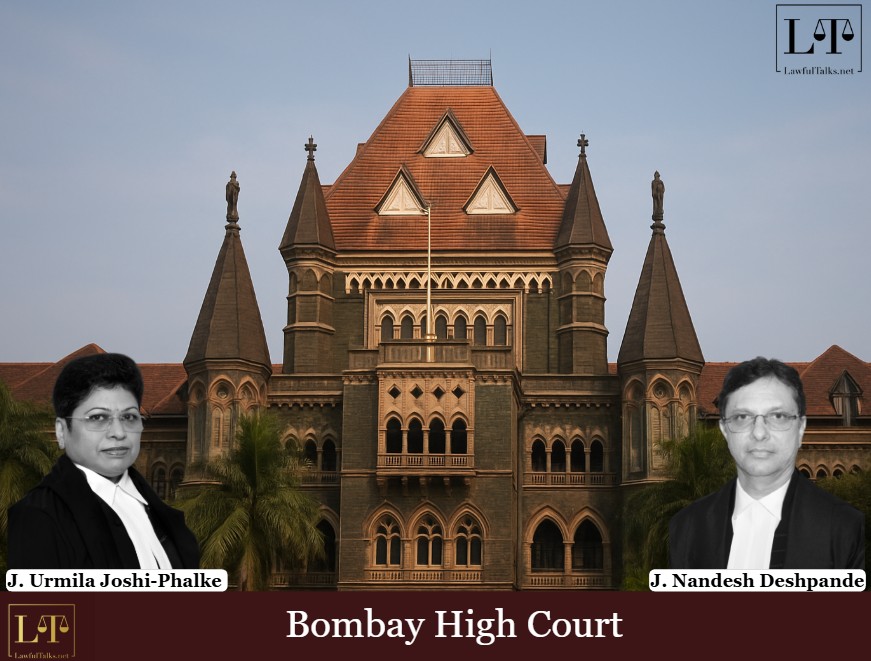
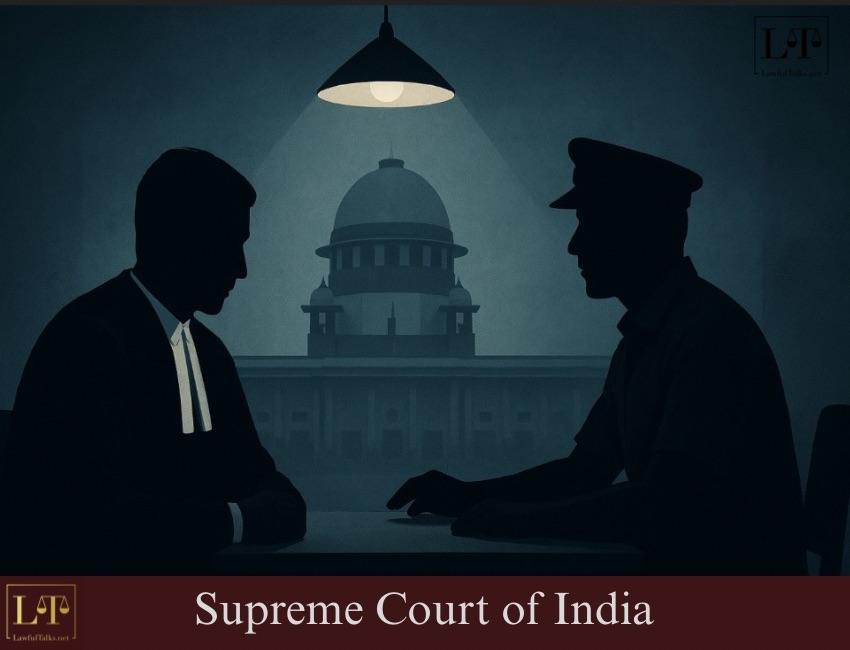
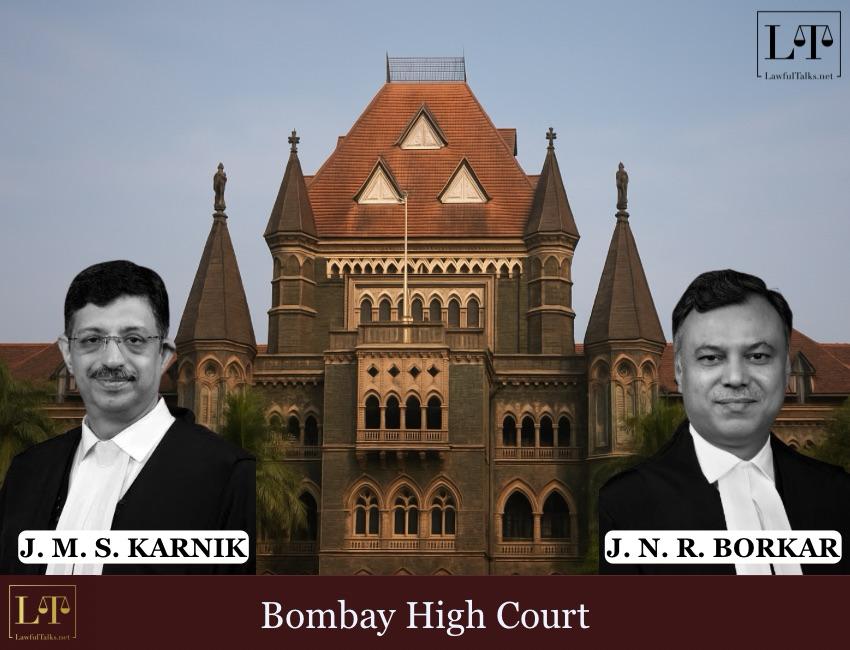
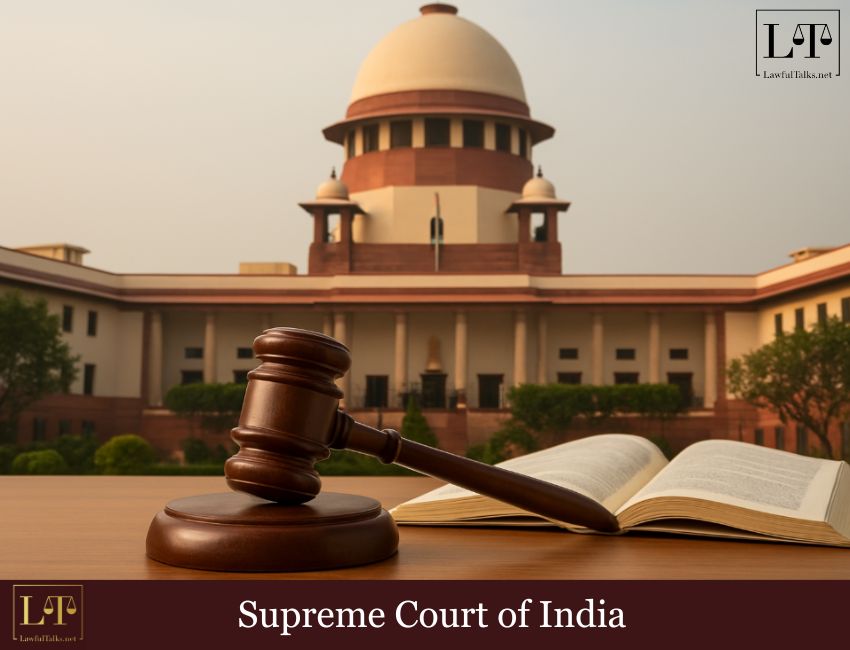
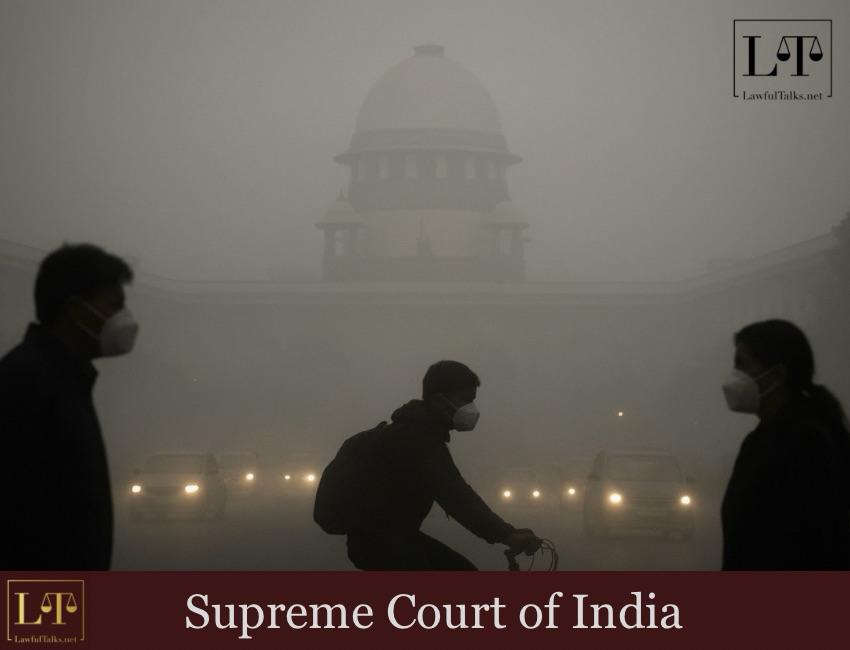
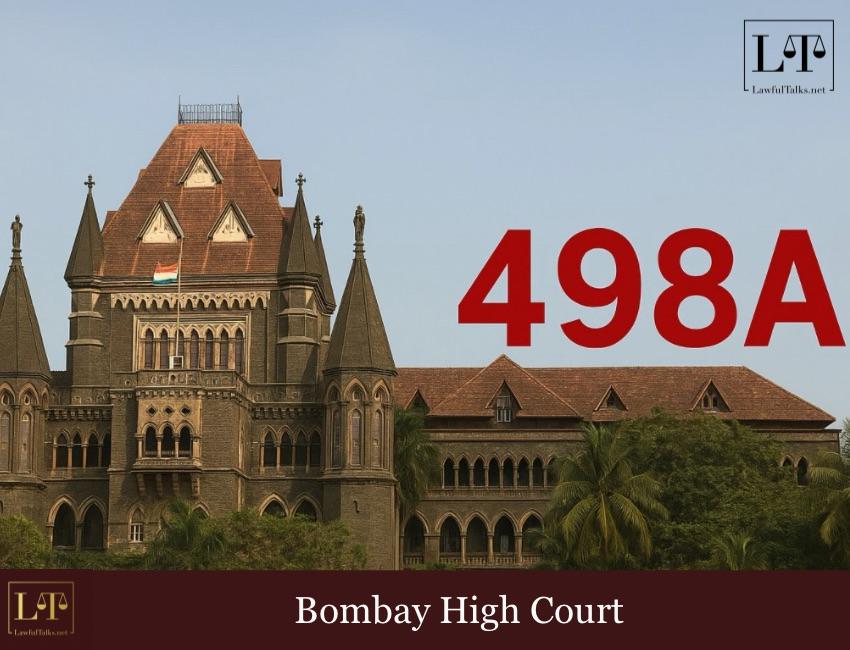
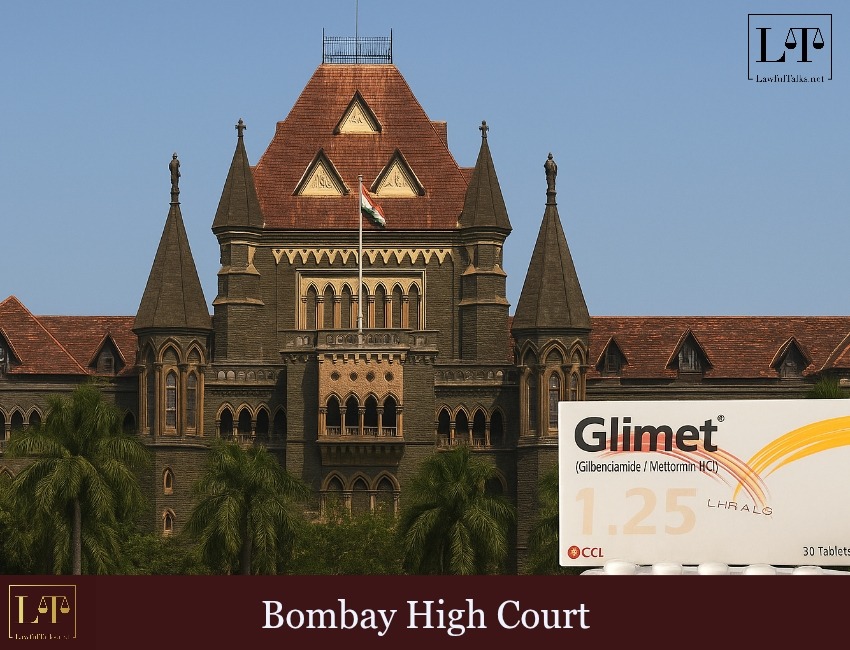
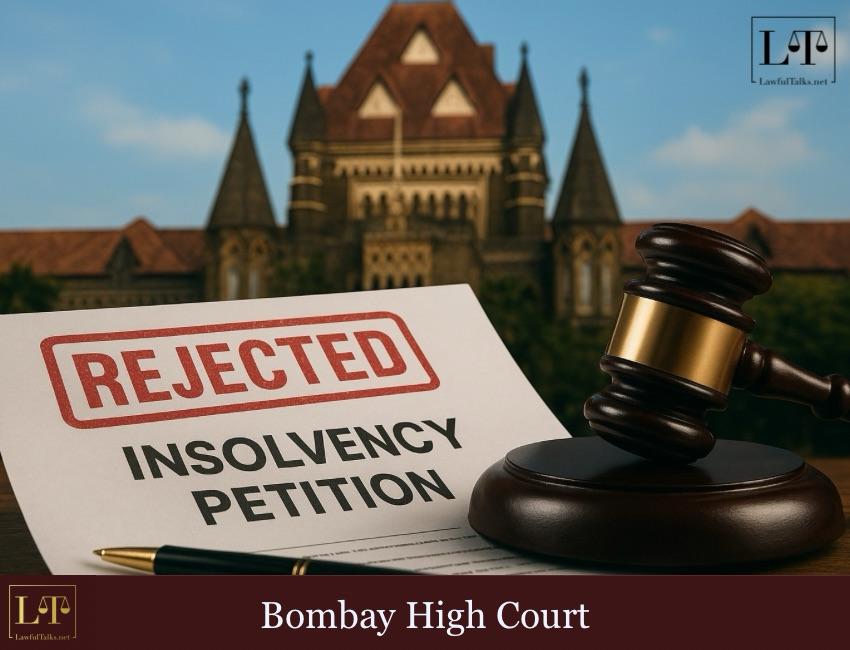
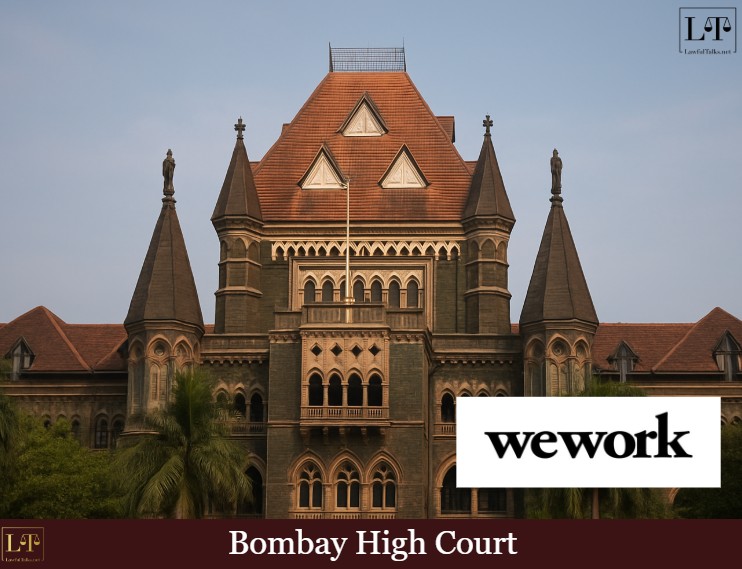
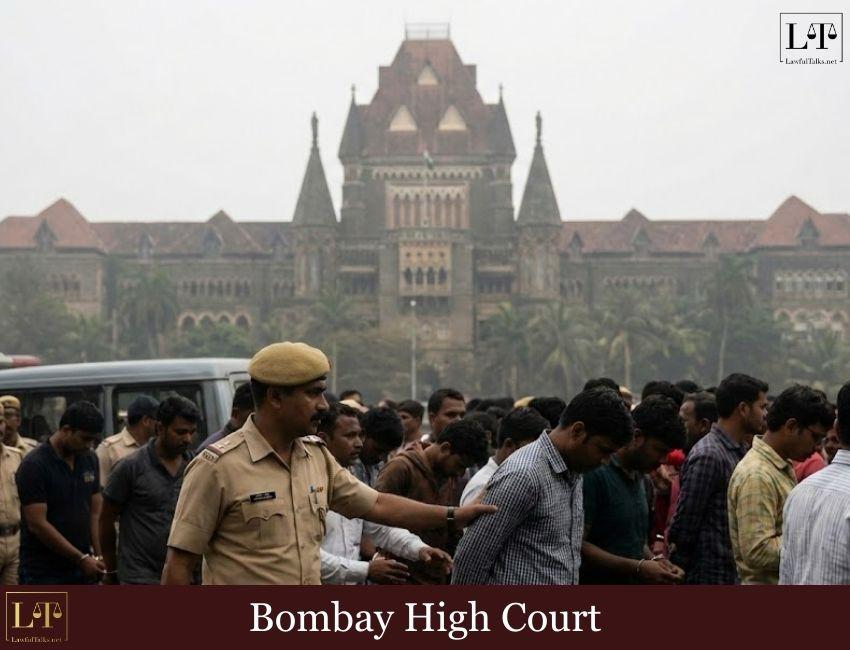
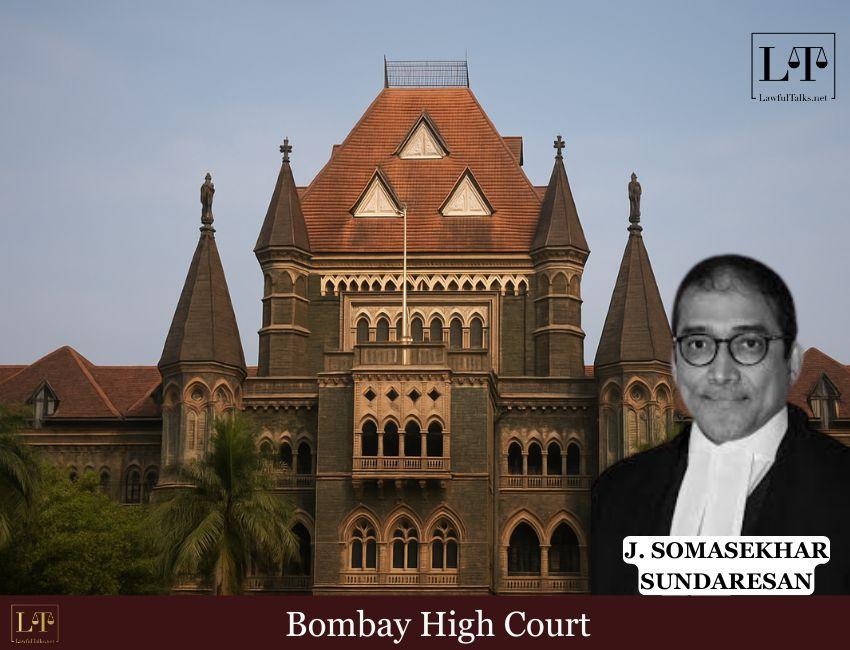
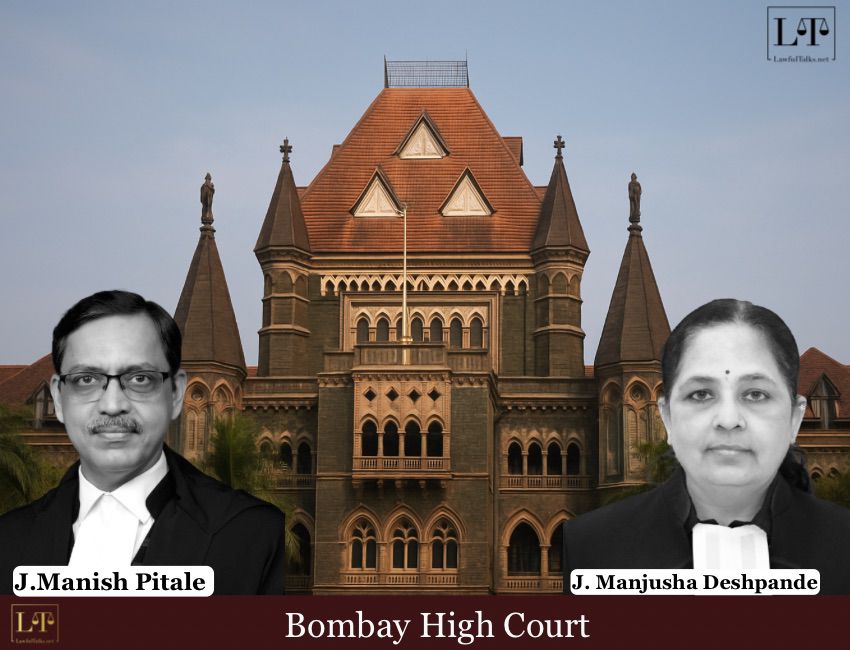
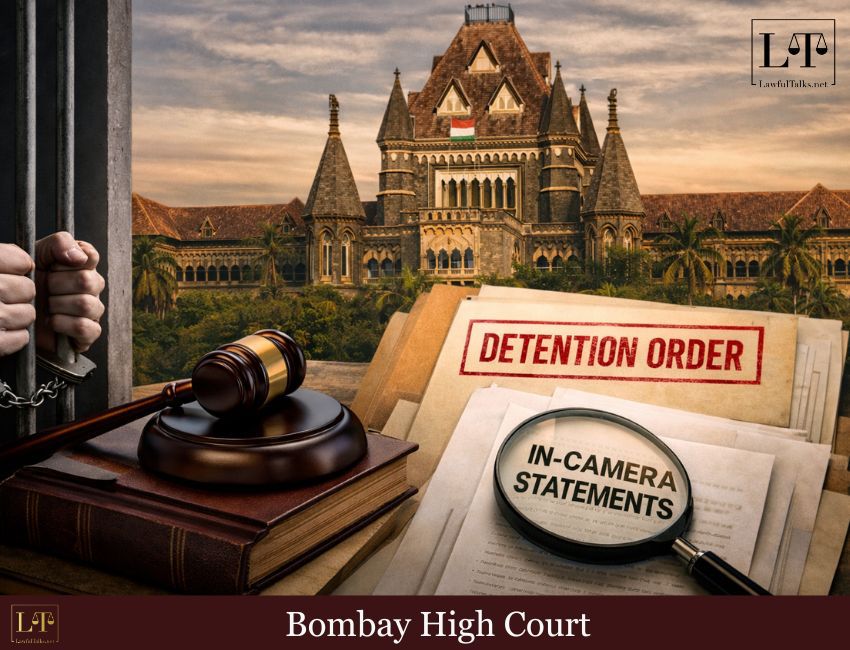
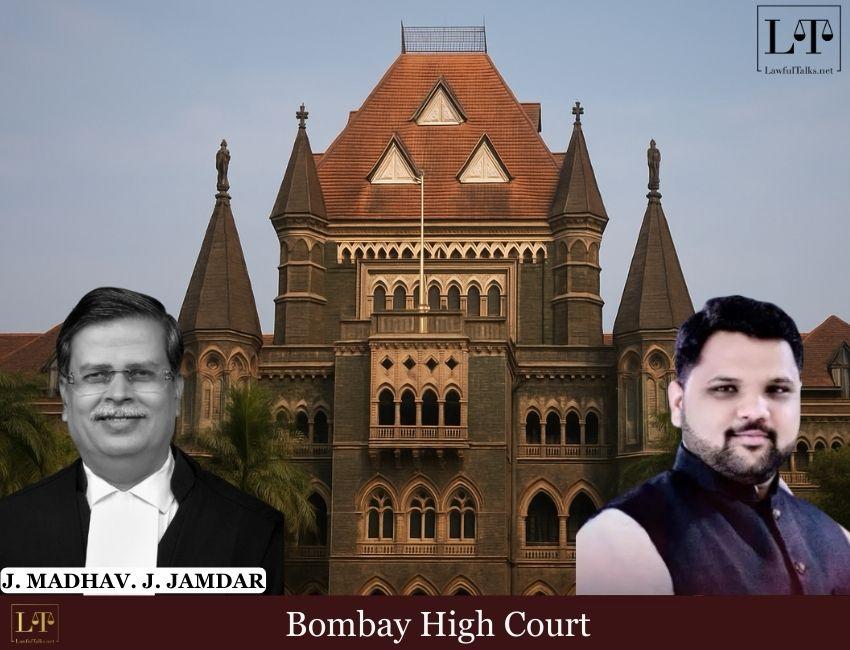
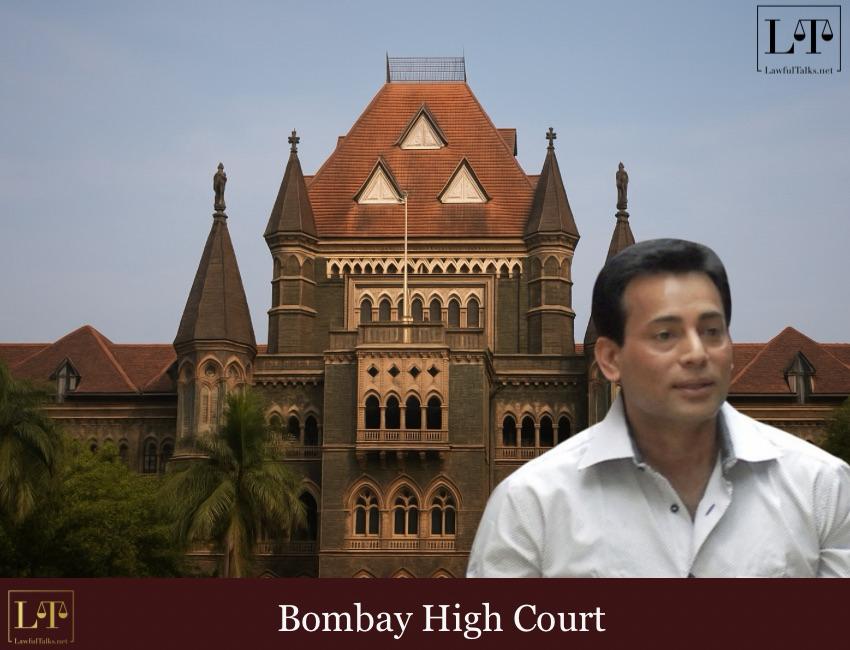
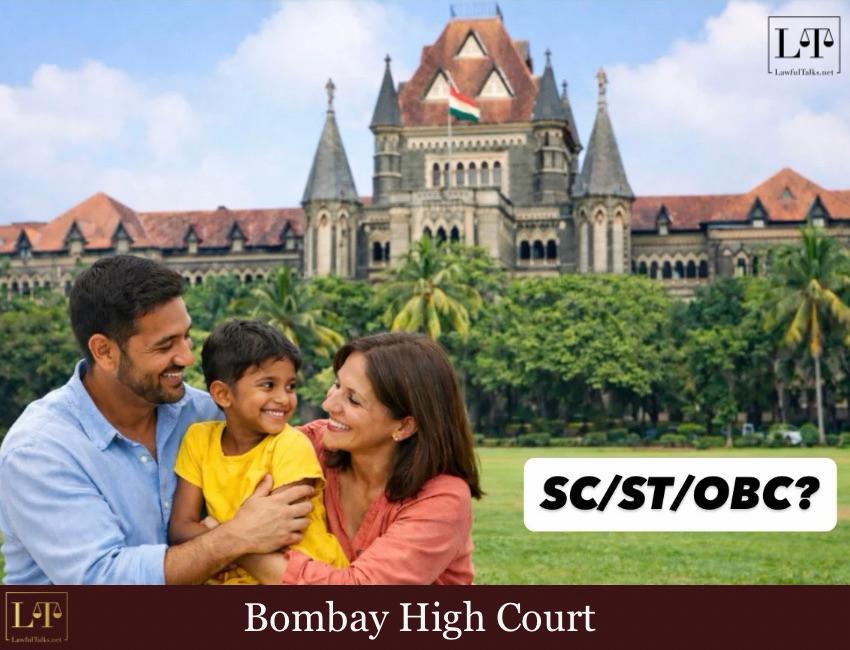
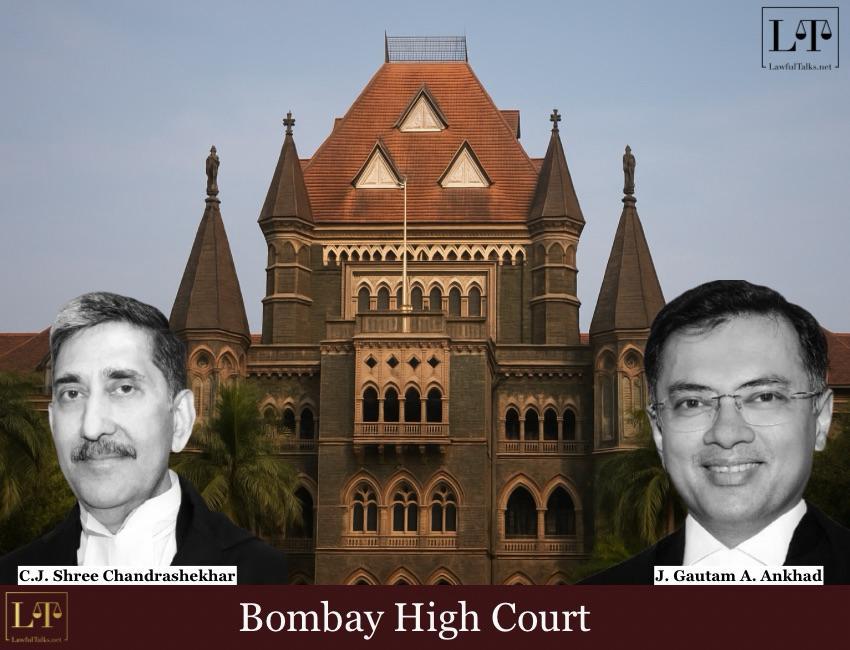
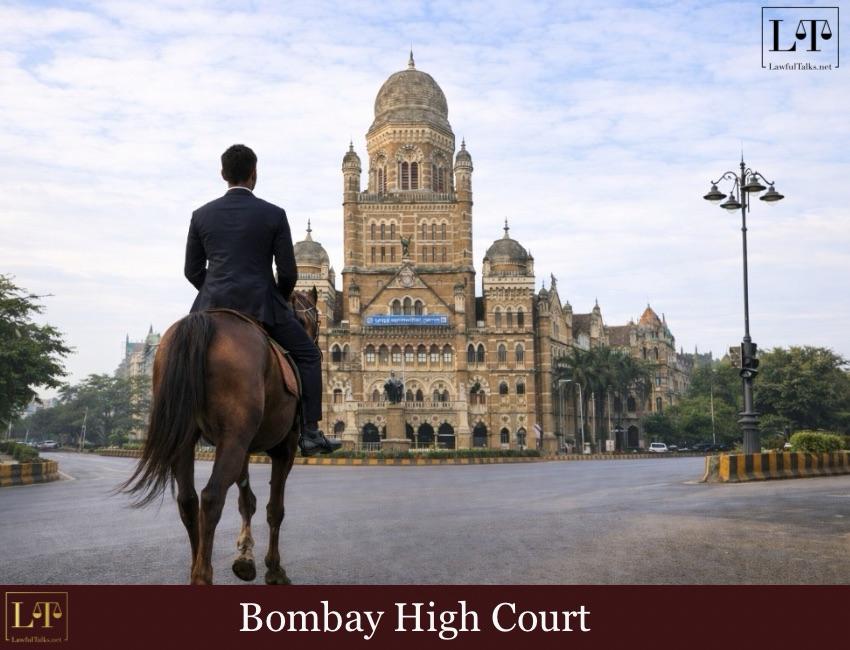
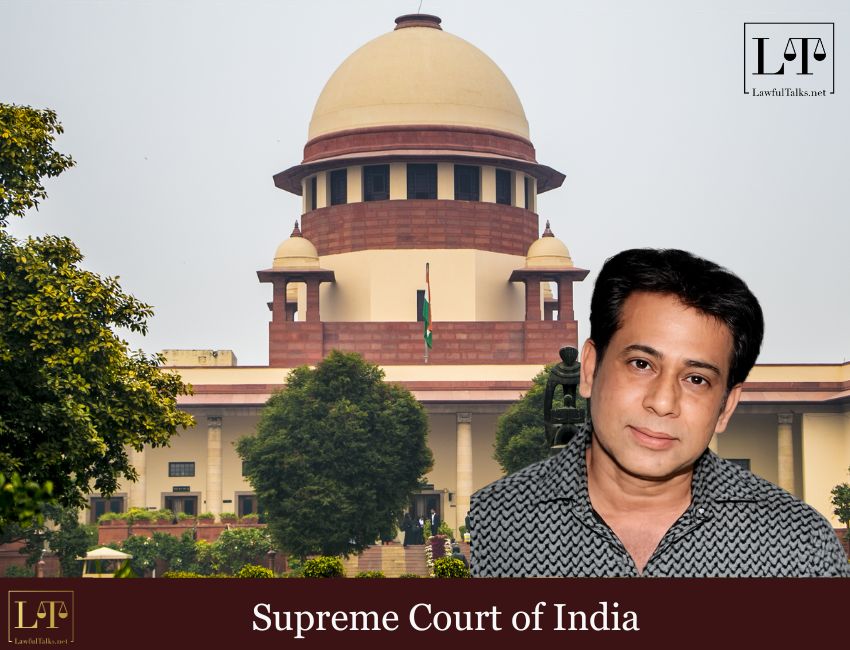
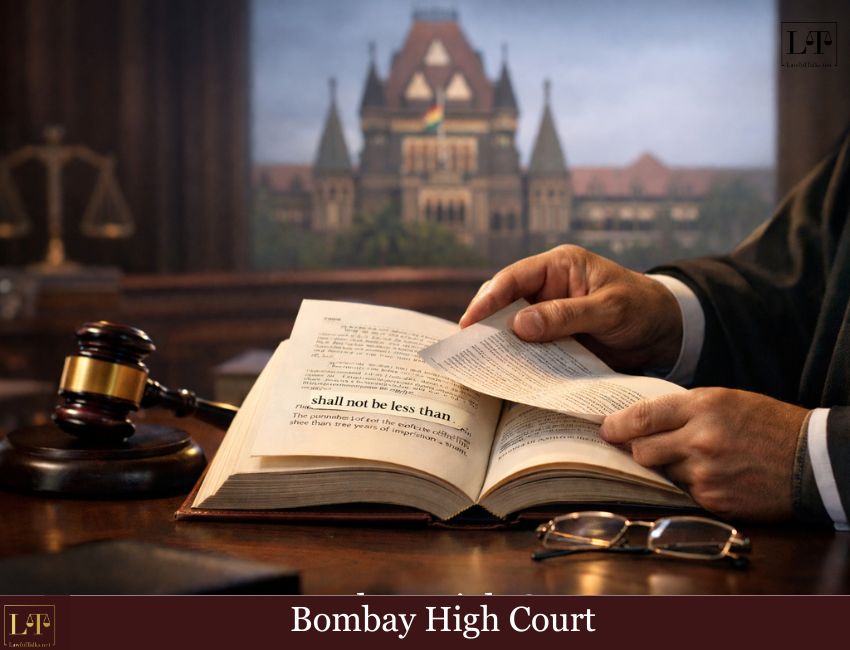
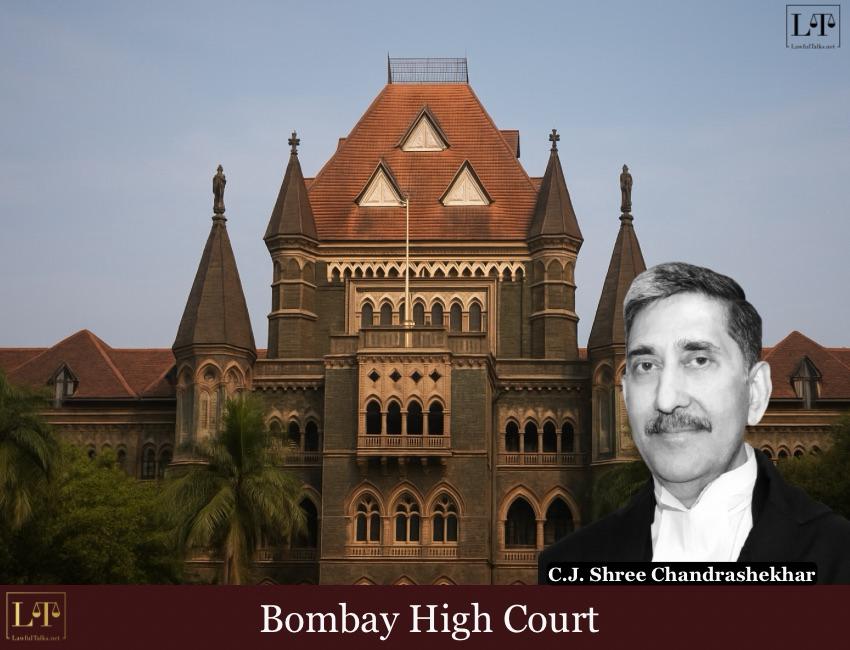
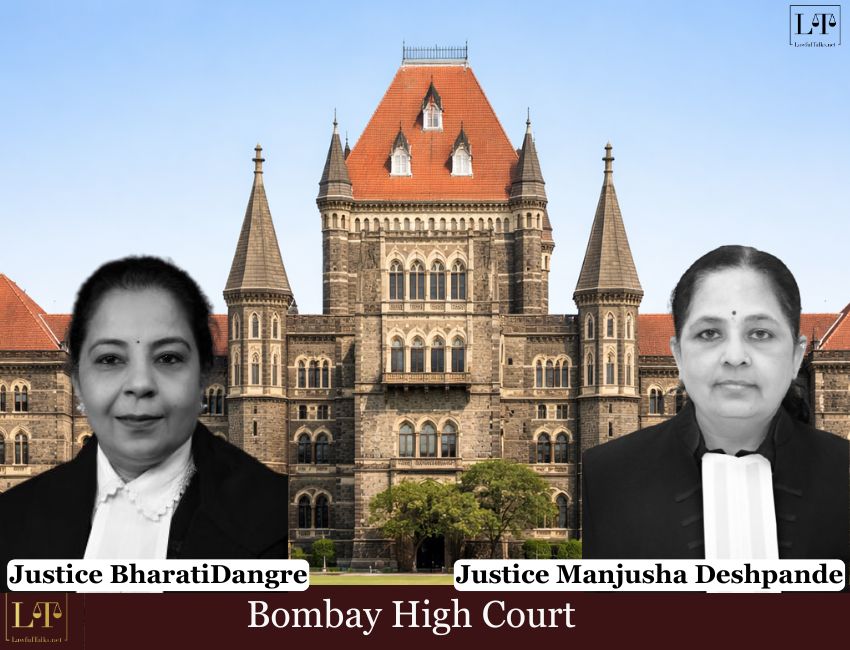
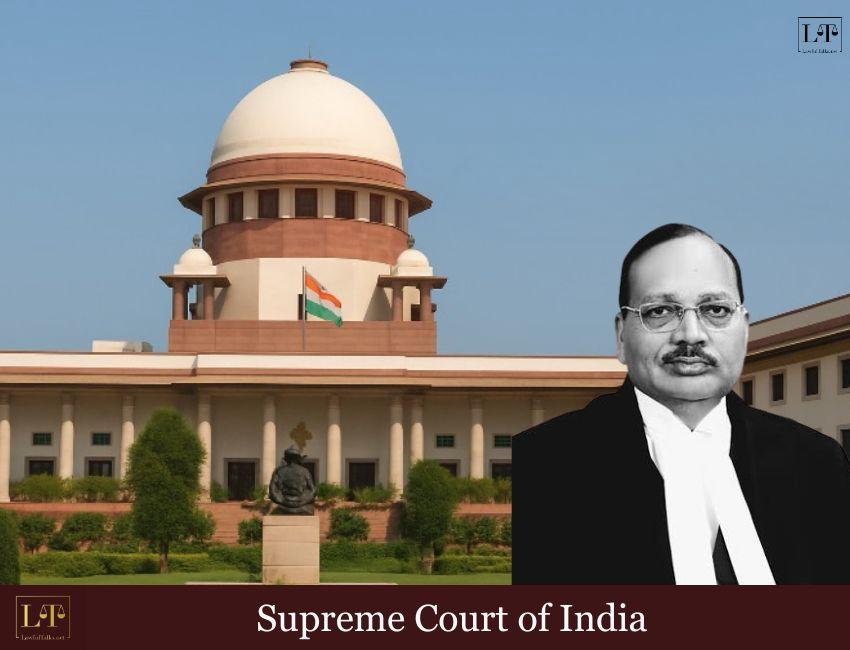
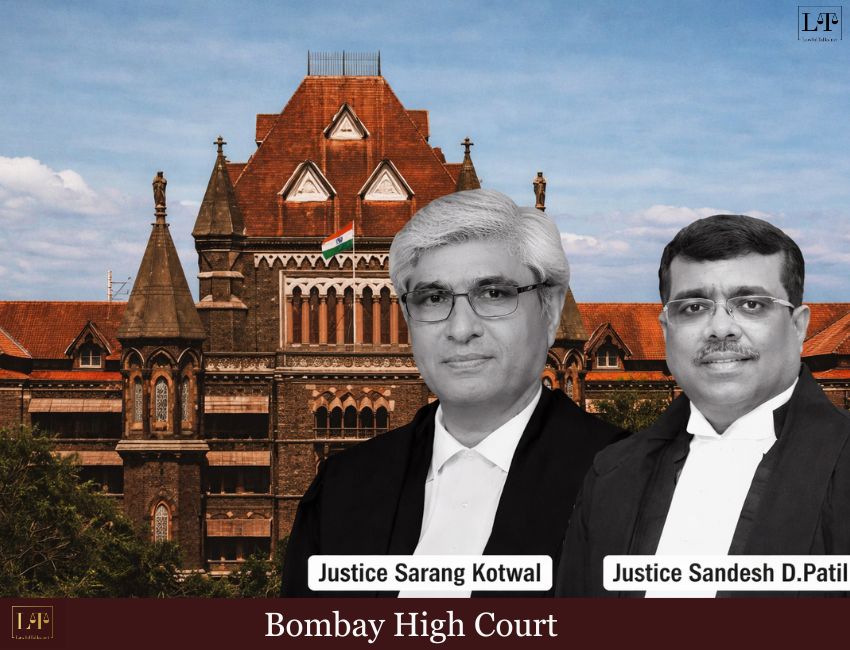
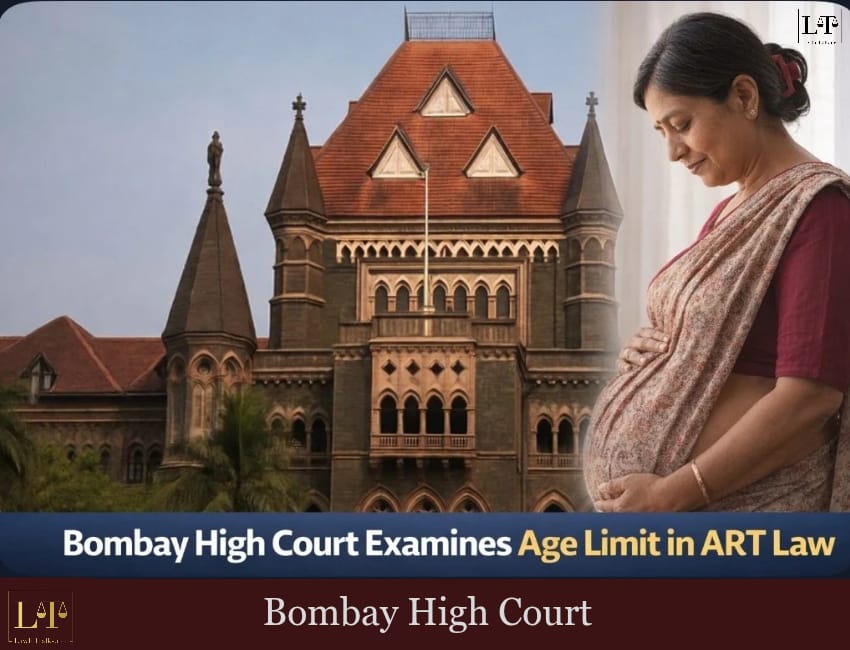
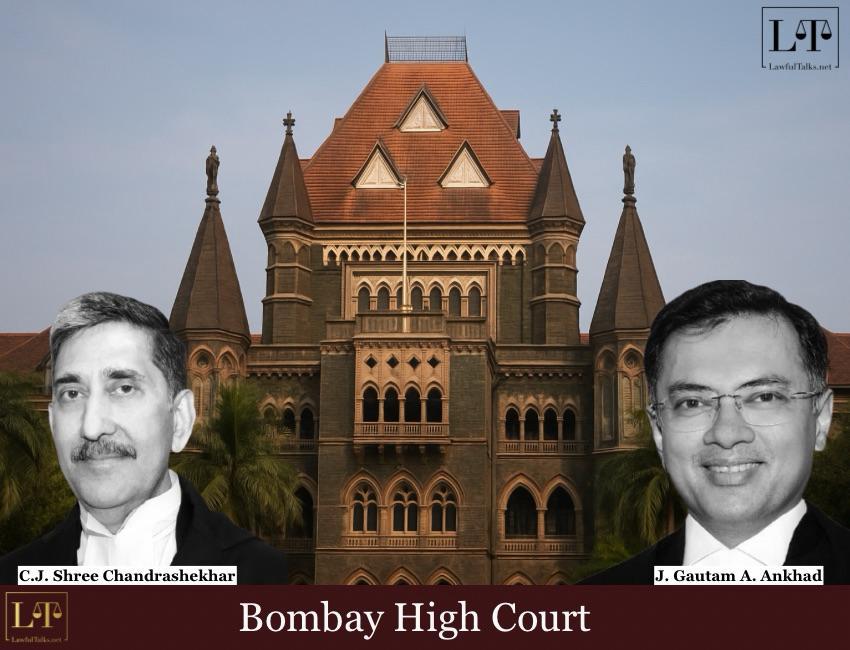
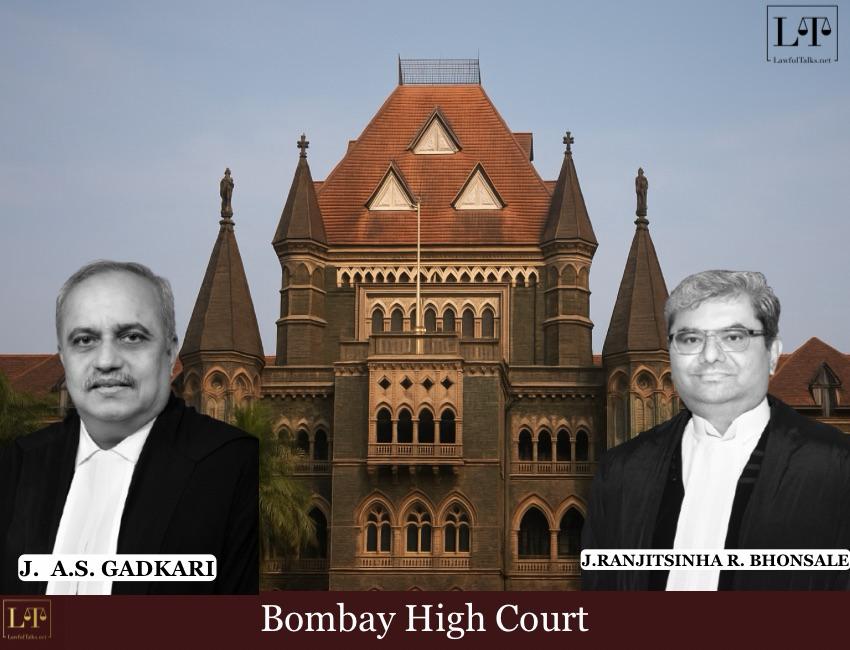
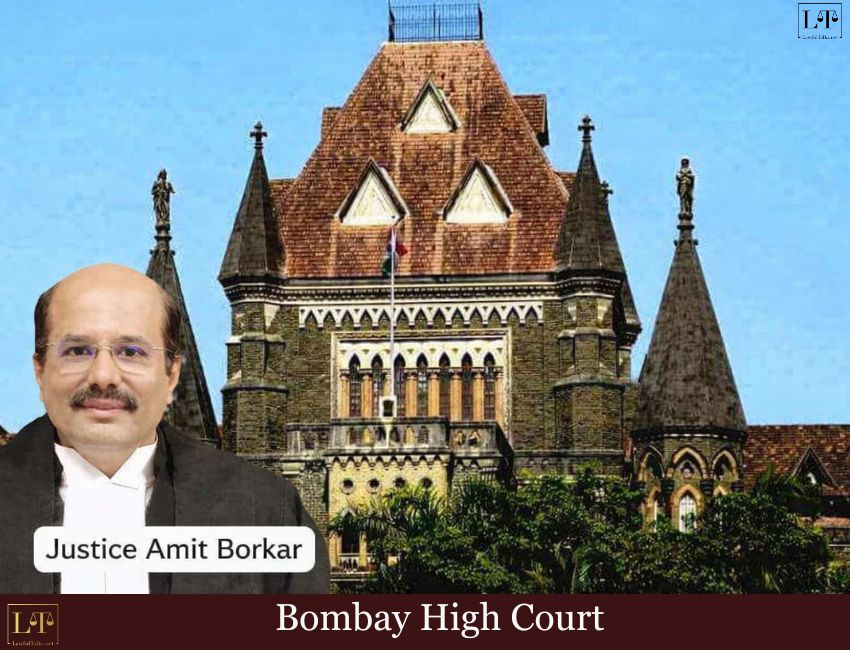
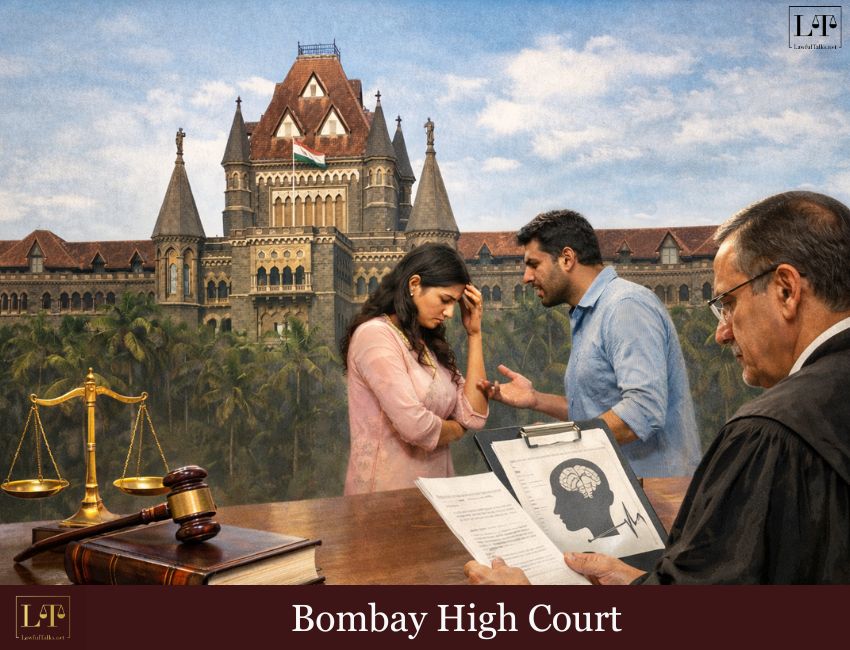
On Monday (April 20), in a sharp rebuke, the Supreme Court declined to halt criminal contempt proceedings against Advocate Nilesh Ojha. The case relates to Ojha making unproven allegations of bias against a Bombay High Court judge during a public press conference.
Court on Allegations Against Judges:
The Court clearly said that if someone makes personal allegations against a judge, they must have very strong proof and must follow proper legal procedures, not go to the media.
“While accountability and scrutiny are integral to a constitutional democracy, imputations of personal nature against a Judge must rest on unimpeachable material and be pursued strictly in accordance with law, failing which, they risk undermining the very edifice of judicial independence,” and therefore did not interfere with the High Court’s action against Ojha.
How the Dispute Began:
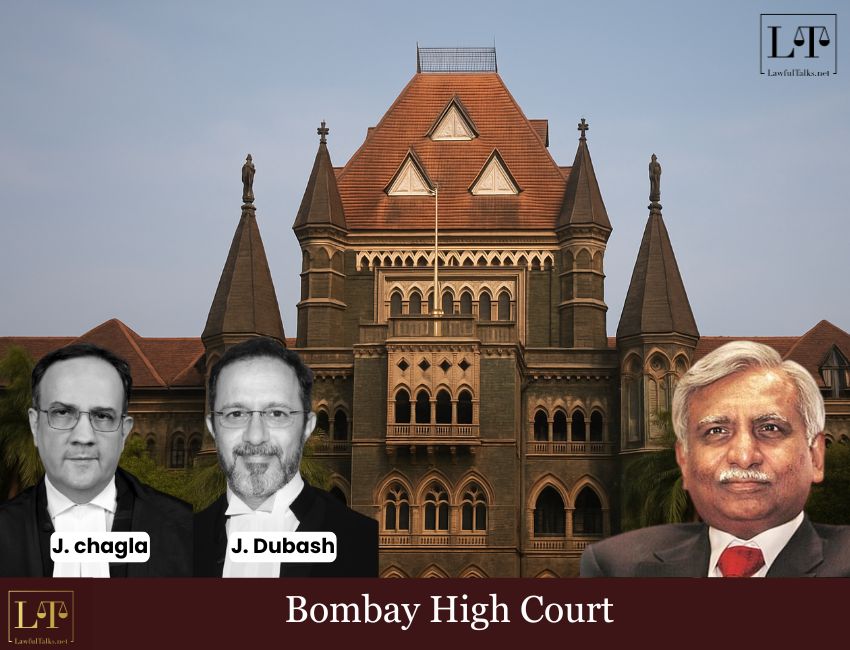
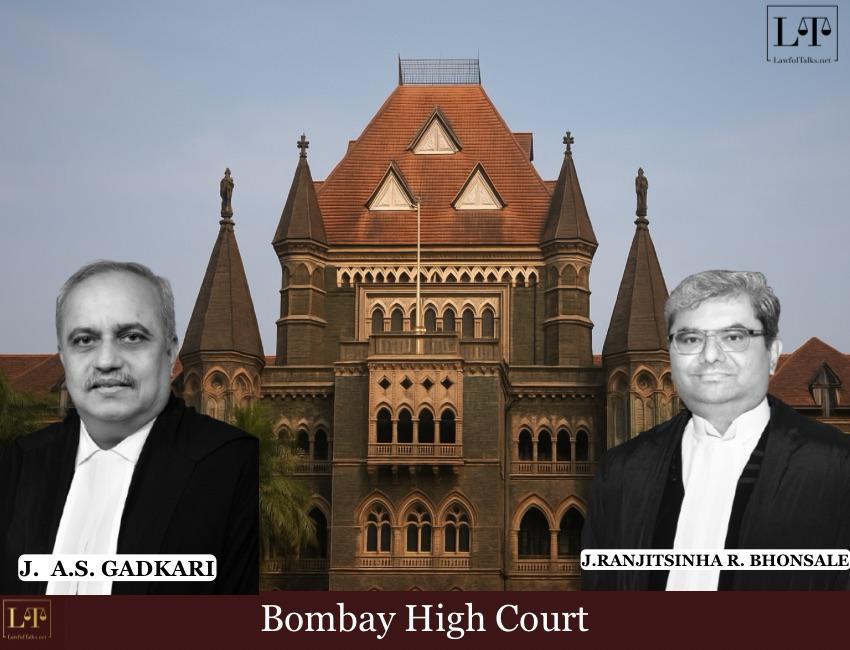
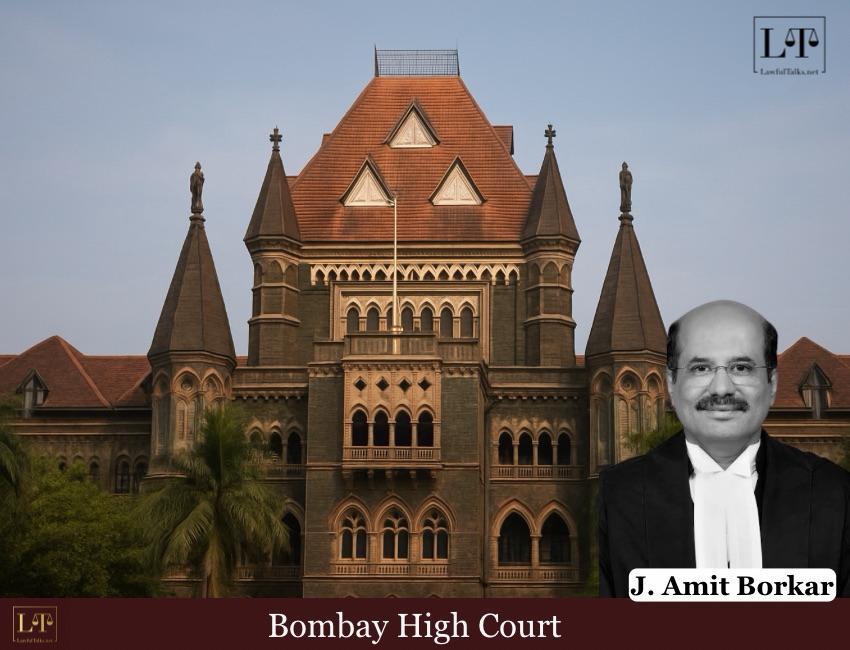
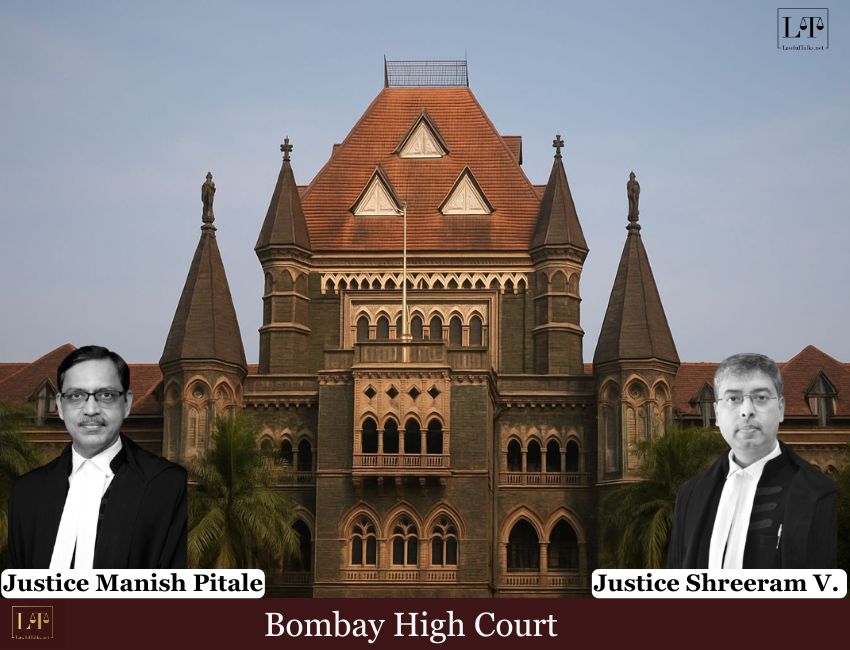
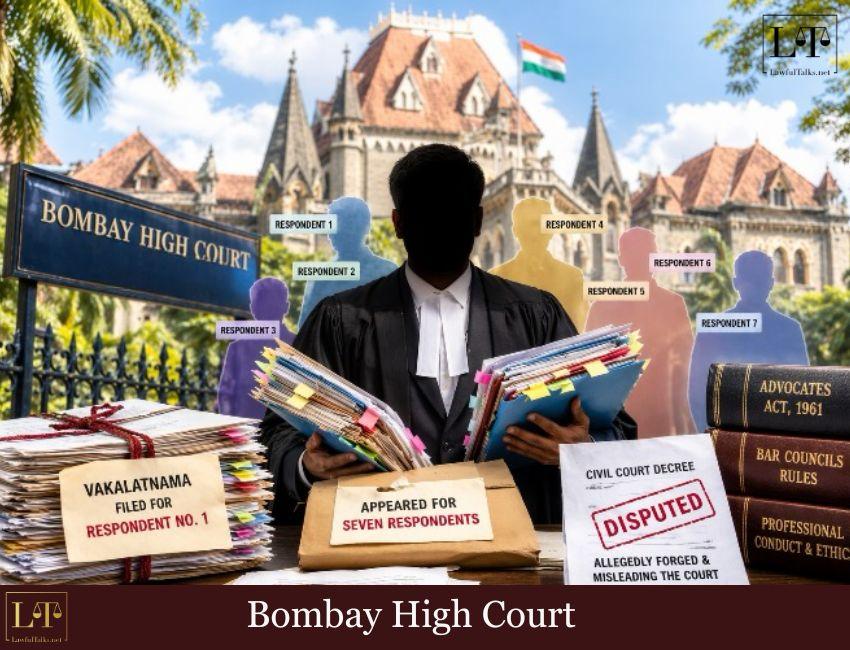
The issue began when Ojha was representing a case in the Bombay High Court. He publicly accused Justice X of being biased, claiming the judge had family connections with one of the accused. Instead of filing a formal request for recusal, Ojha held a press conference to question the judge’s neutrality and demand removal.
High Court Action:
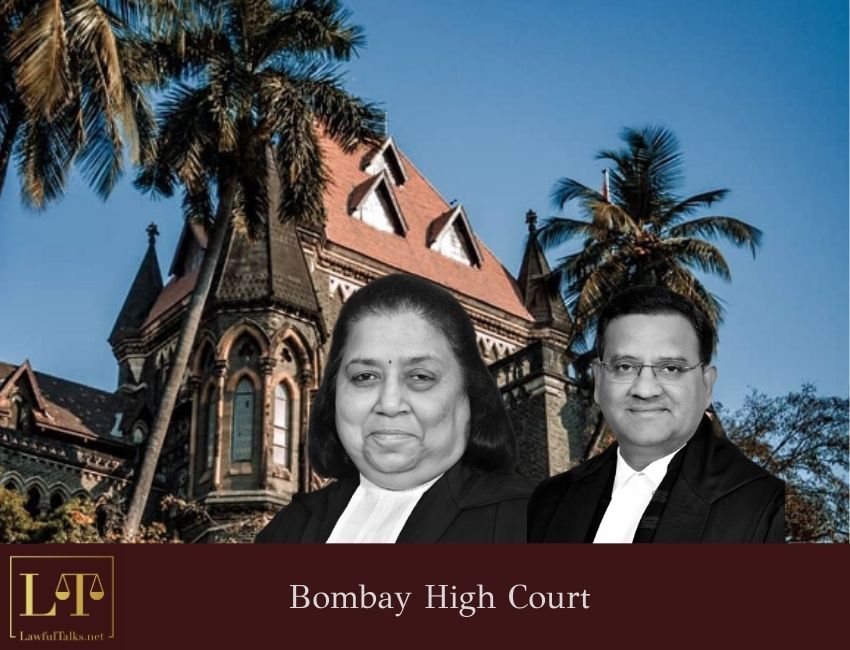
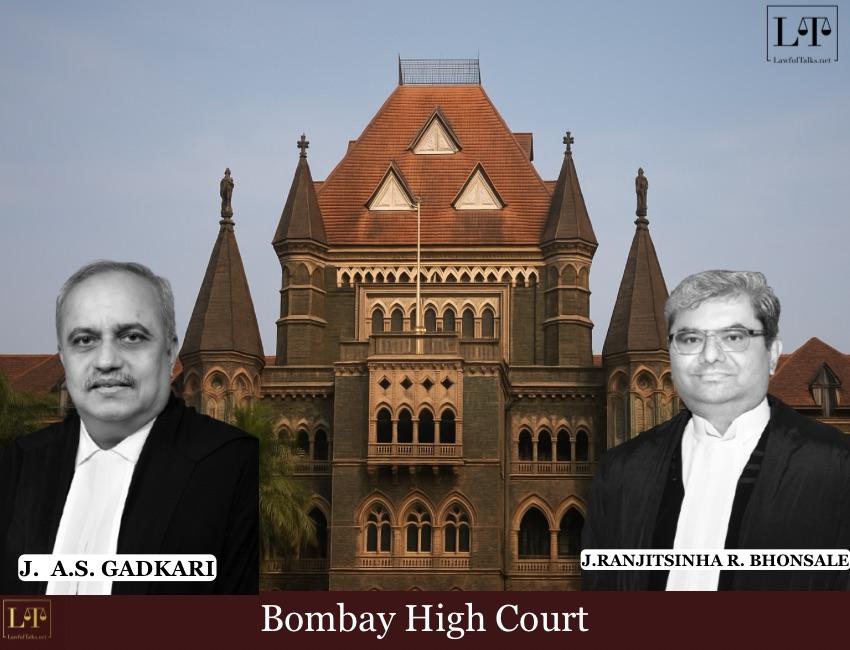
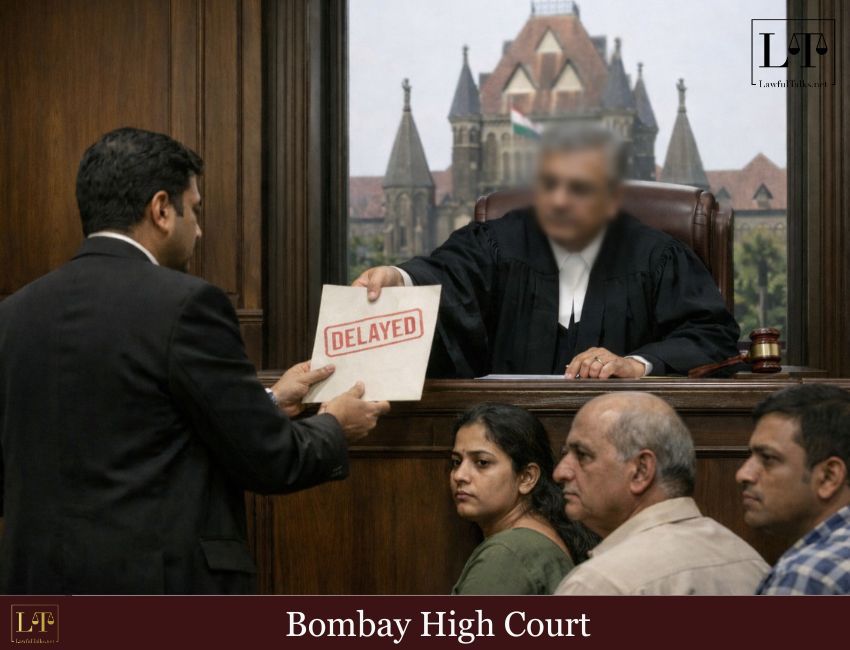
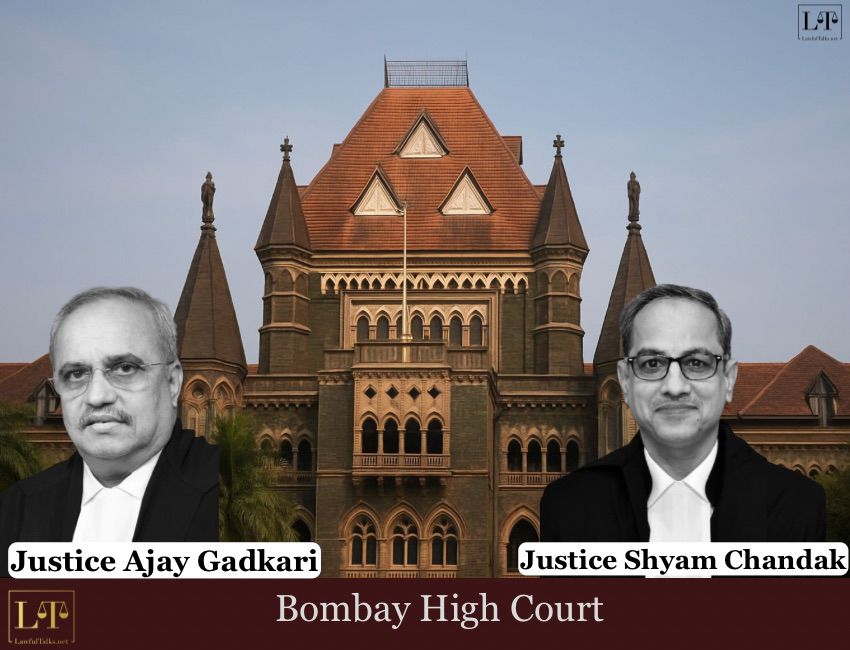
This led the High Court to take suo motu cognizance and issue a show-cause notice under the Contempt of Courts Act, 1971. The High Court later rejected his request to involve the judge directly. It also started additional contempt proceedings based on his filings, as those filings repeated and escalated the allegations, and it also warned the other advocates connected to the case.
Bench Criticises Conduct: Key Observation
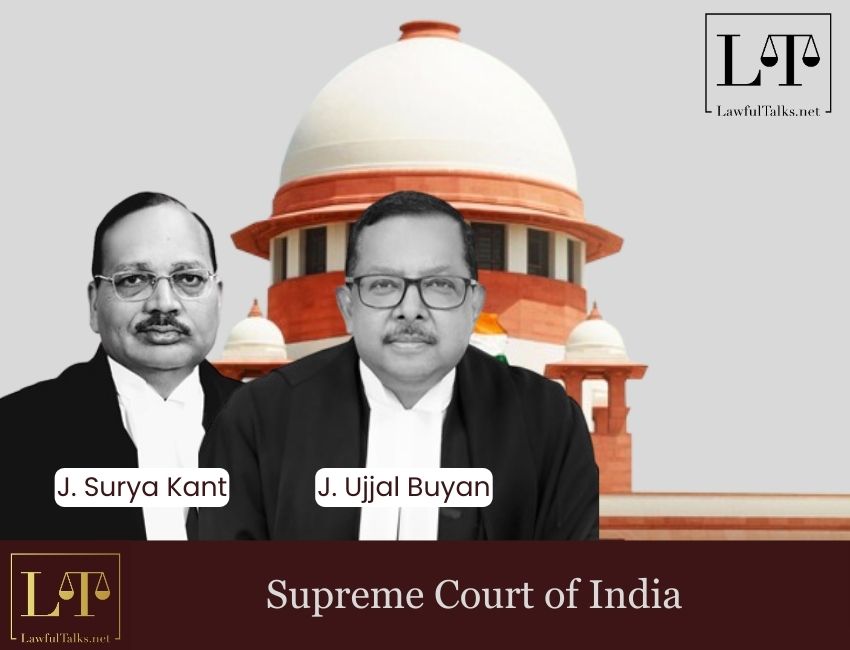
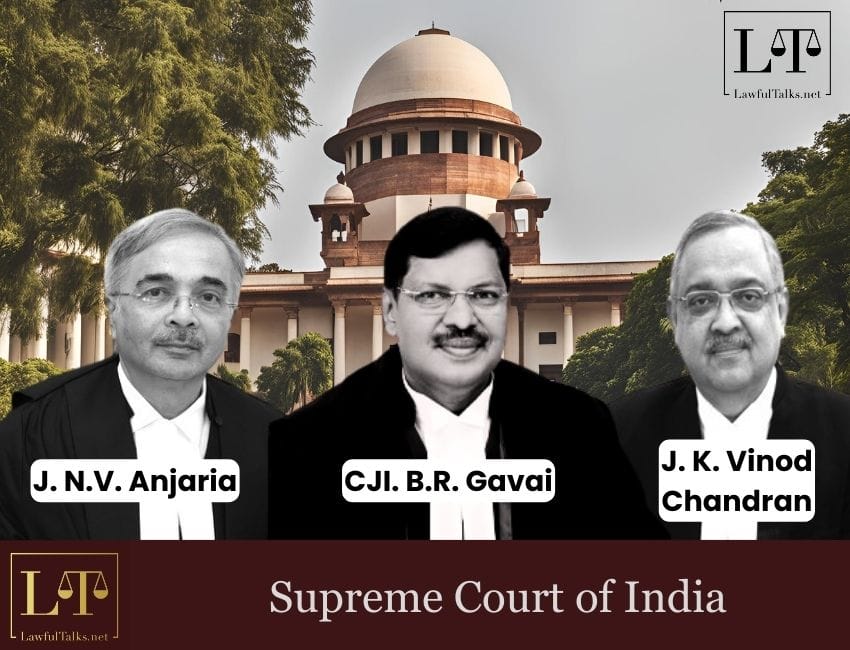
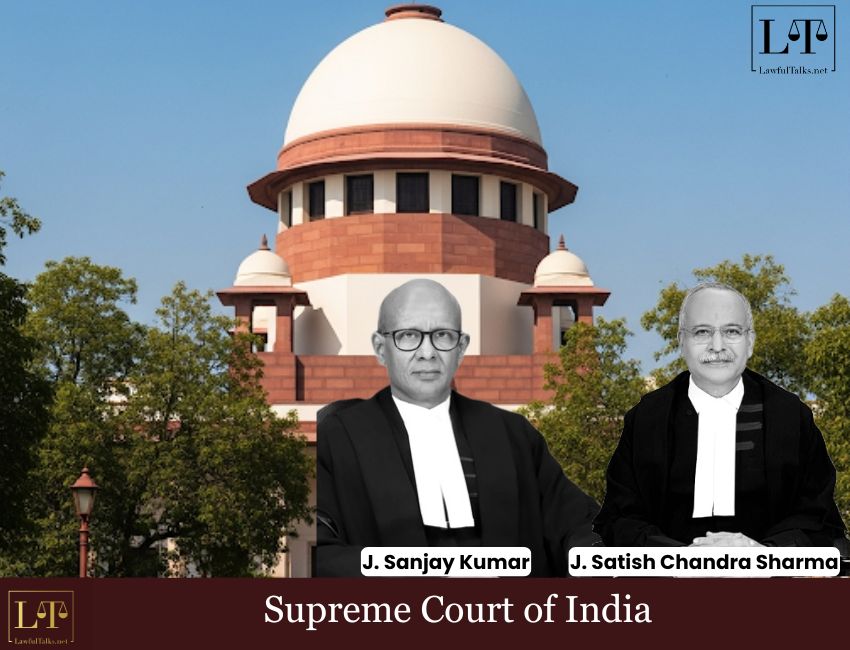
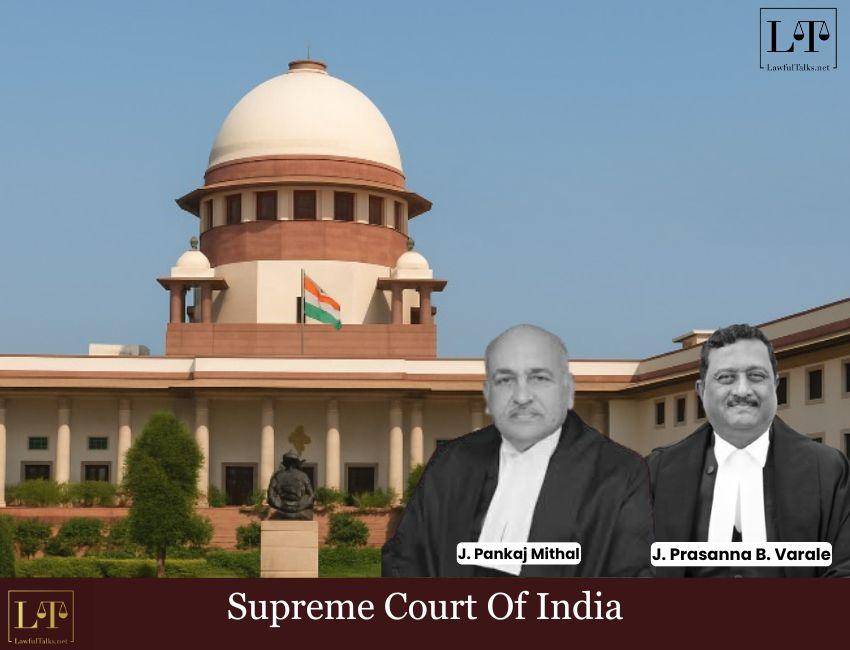
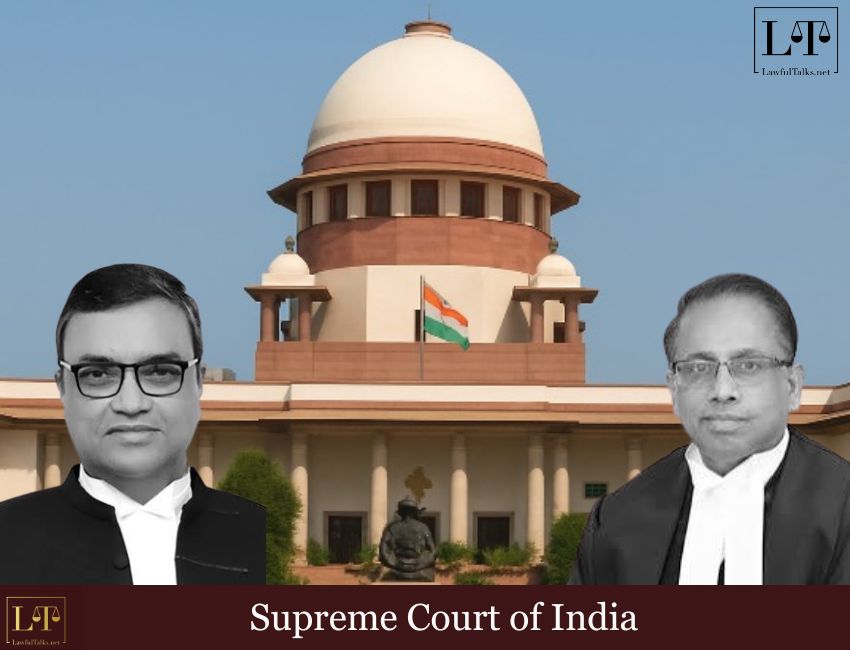
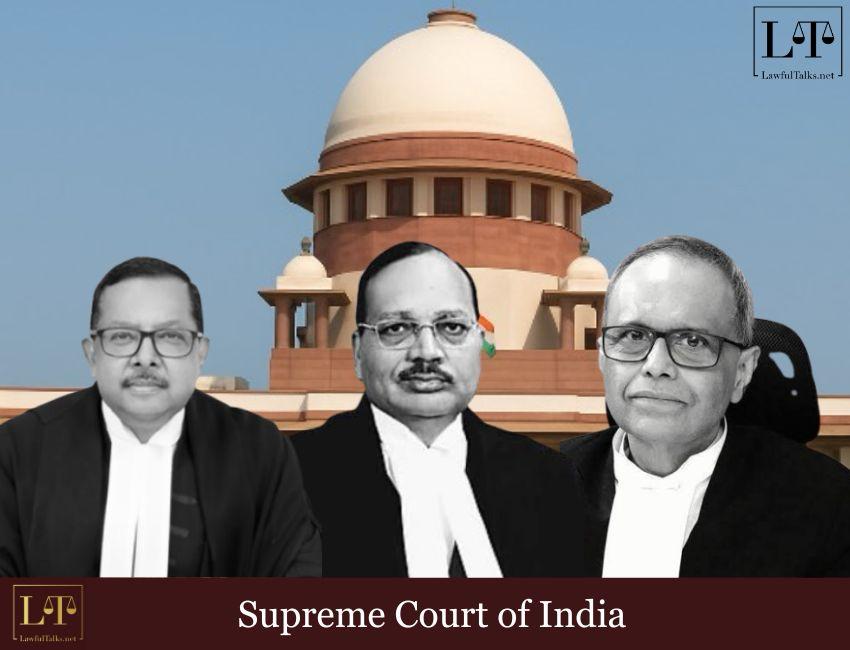
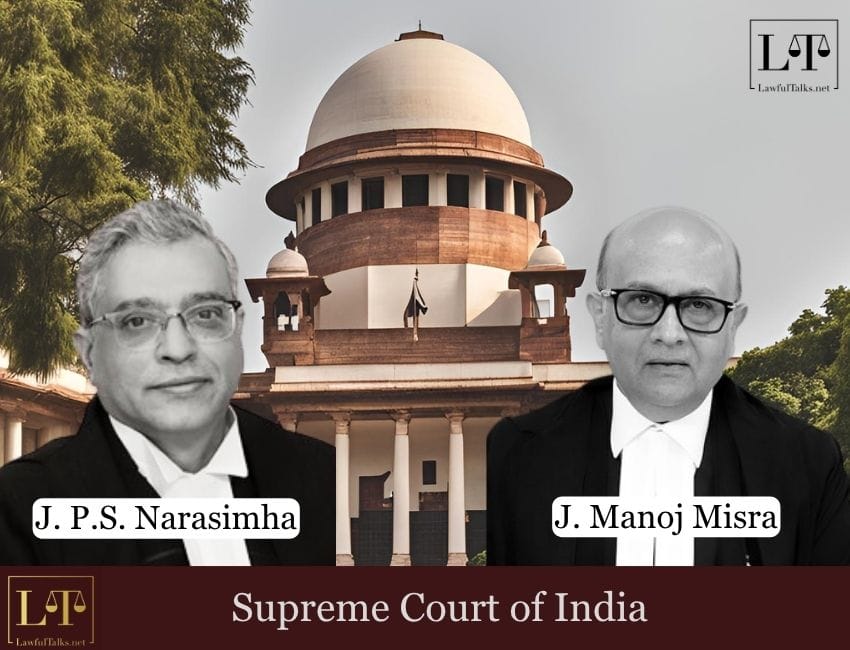
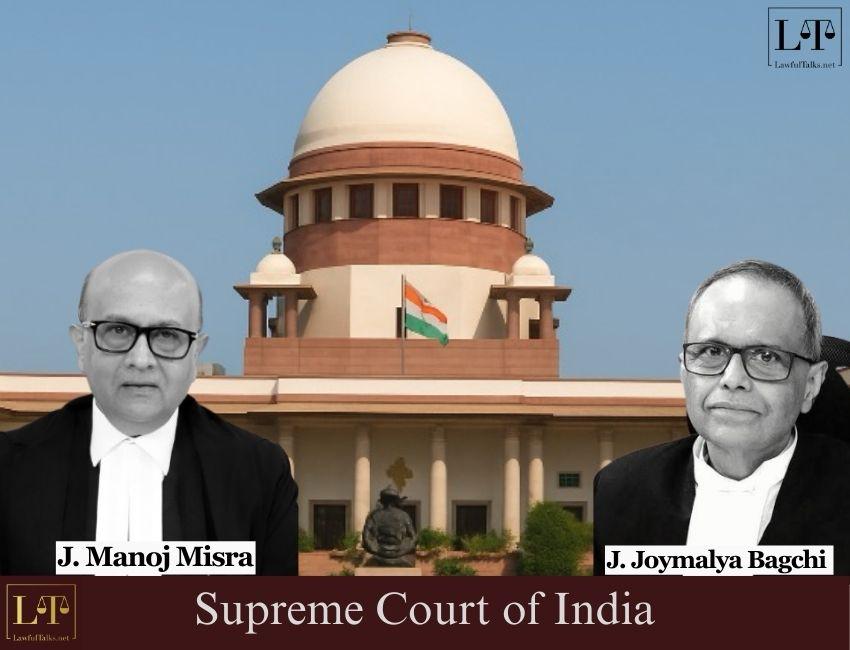
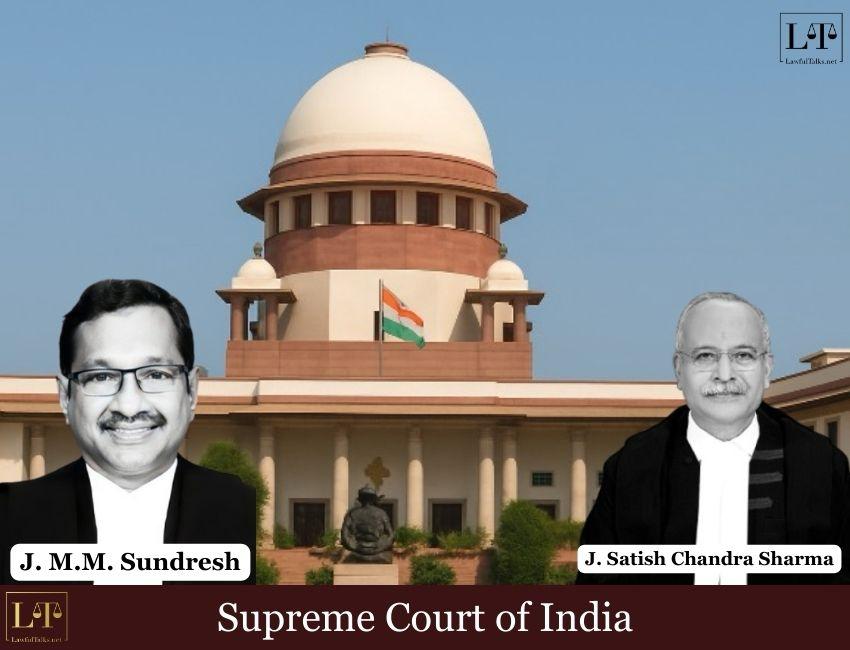
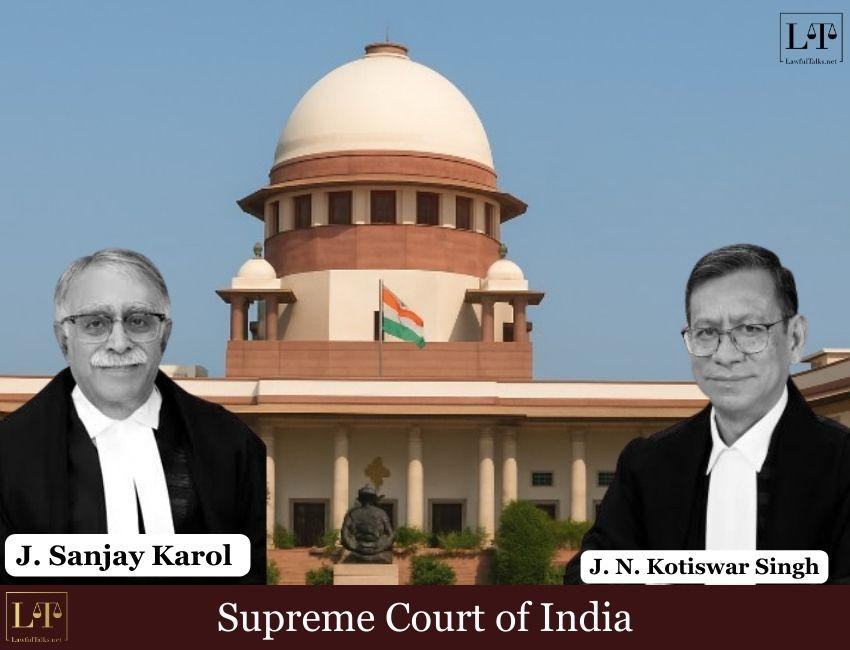
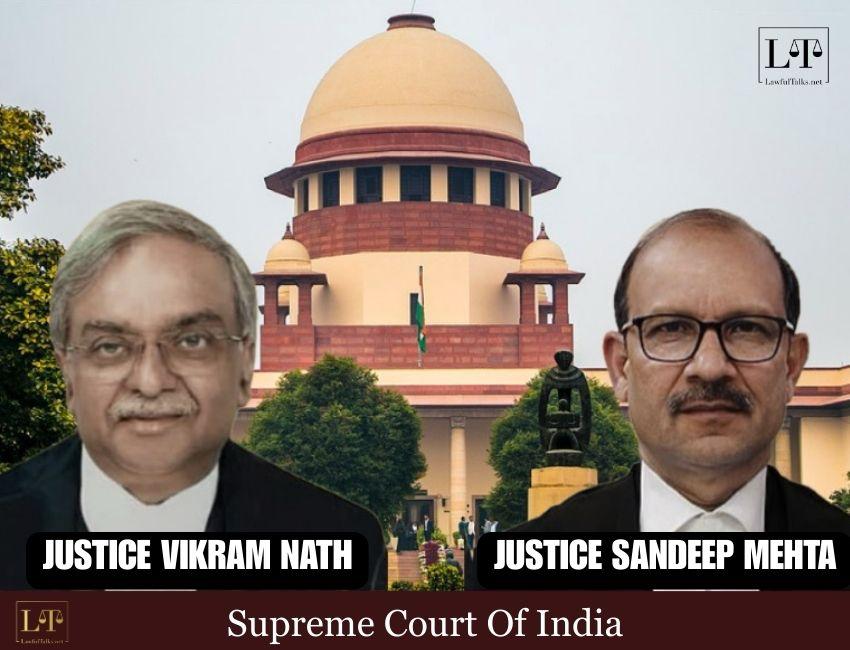
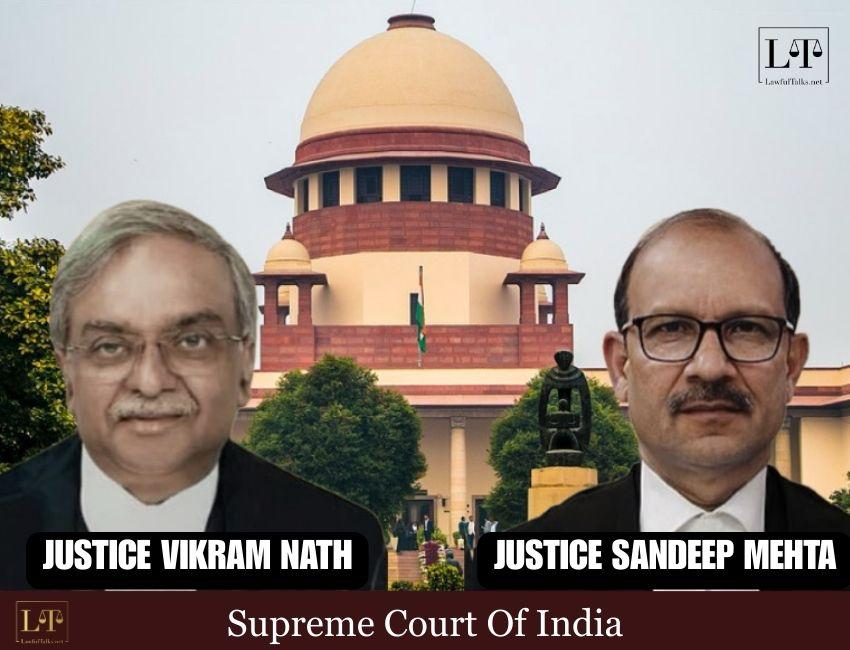
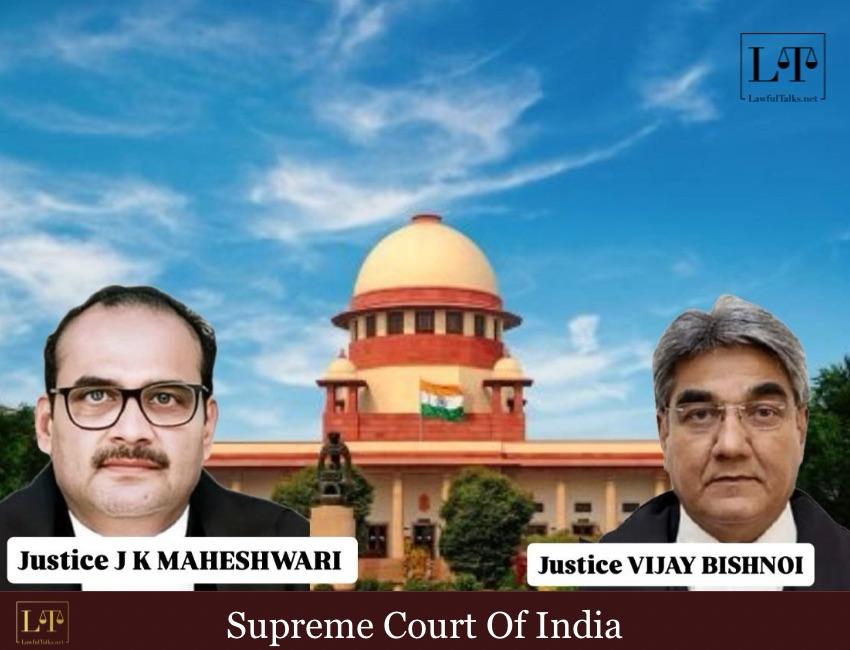
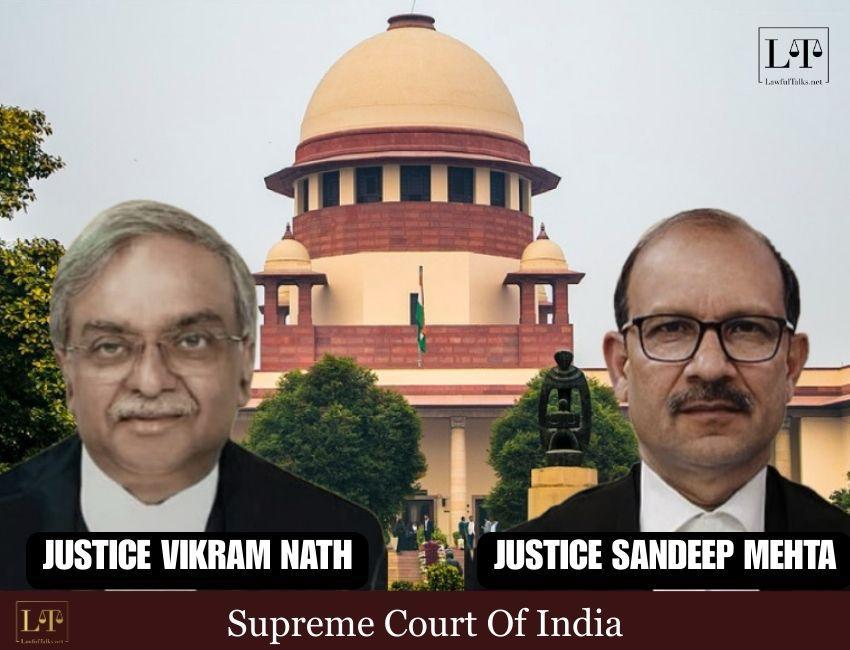
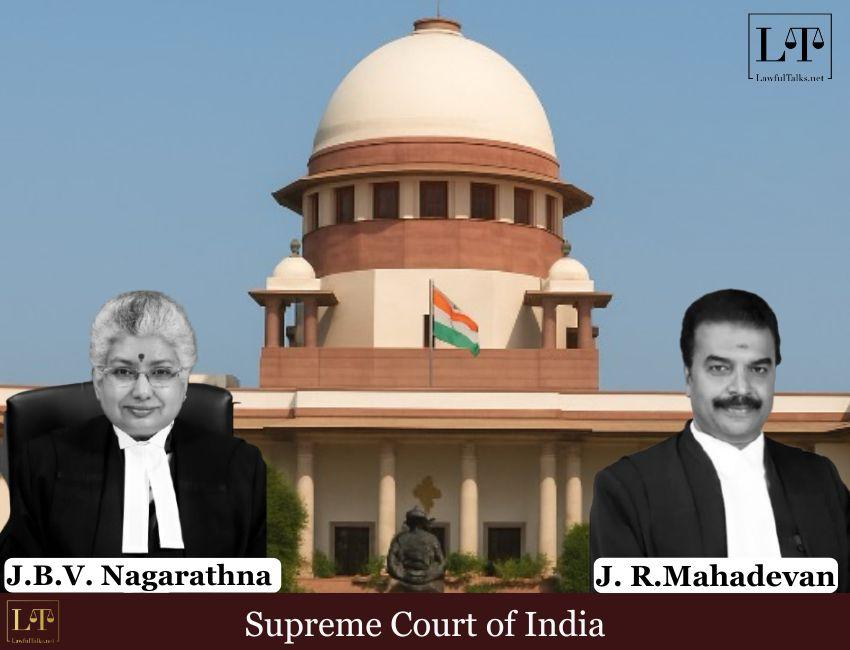
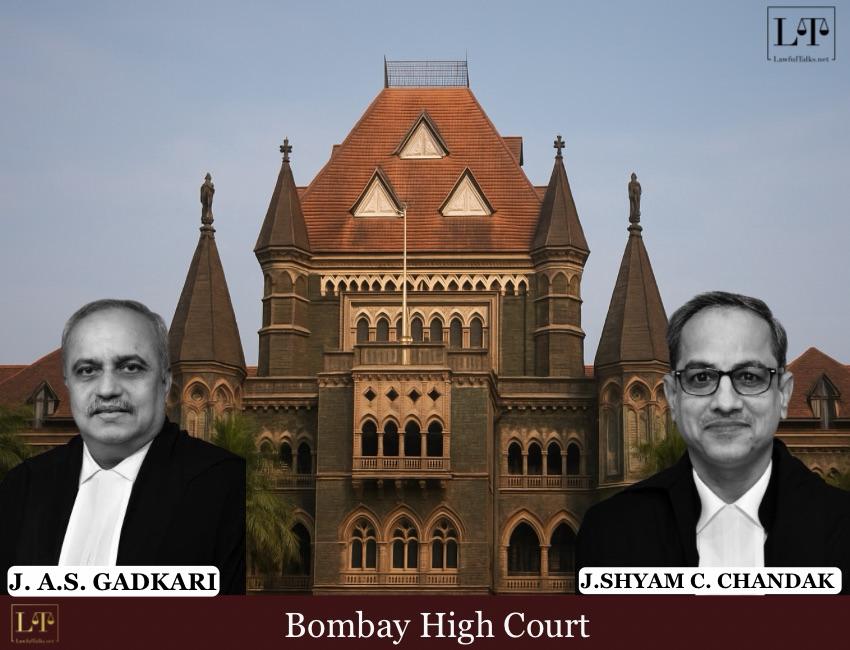
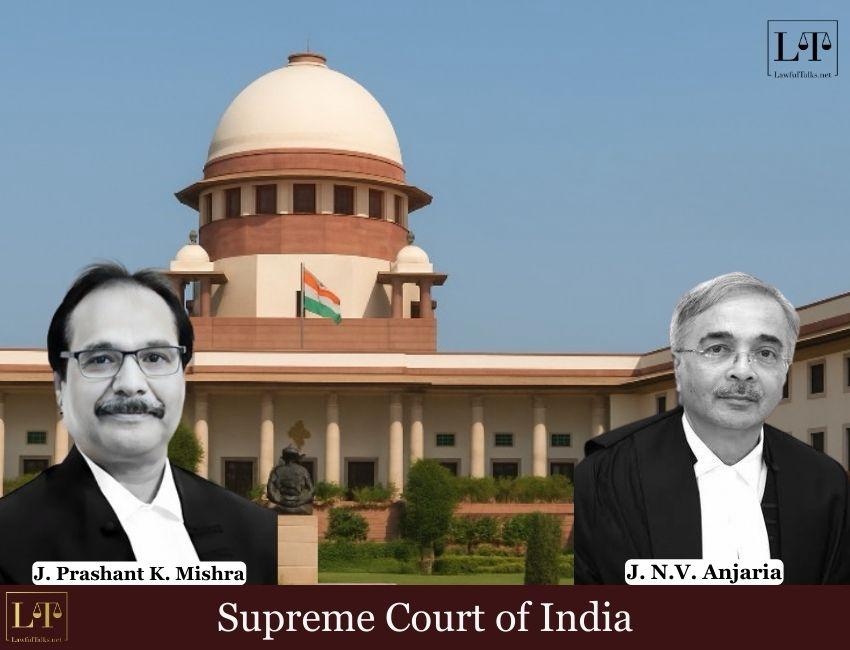
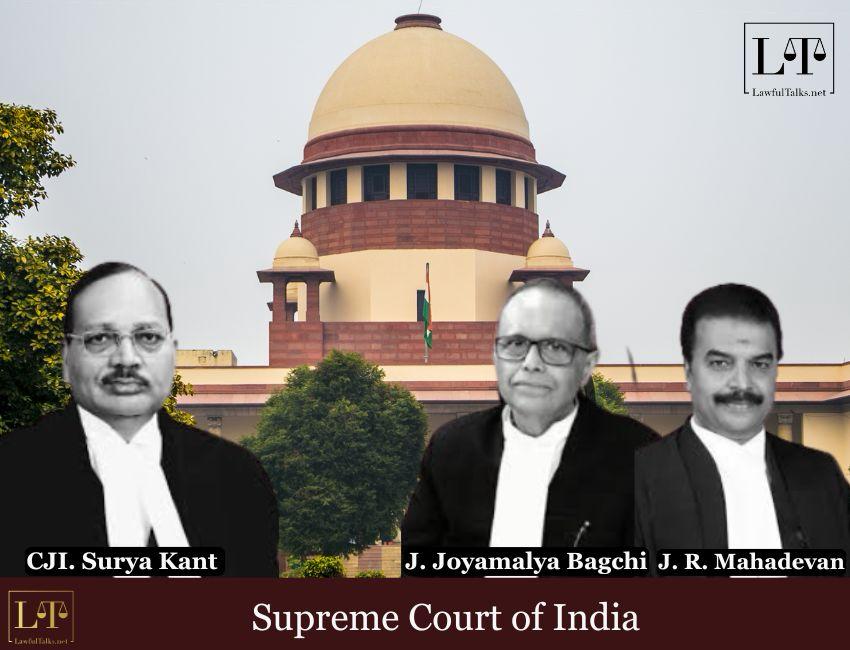
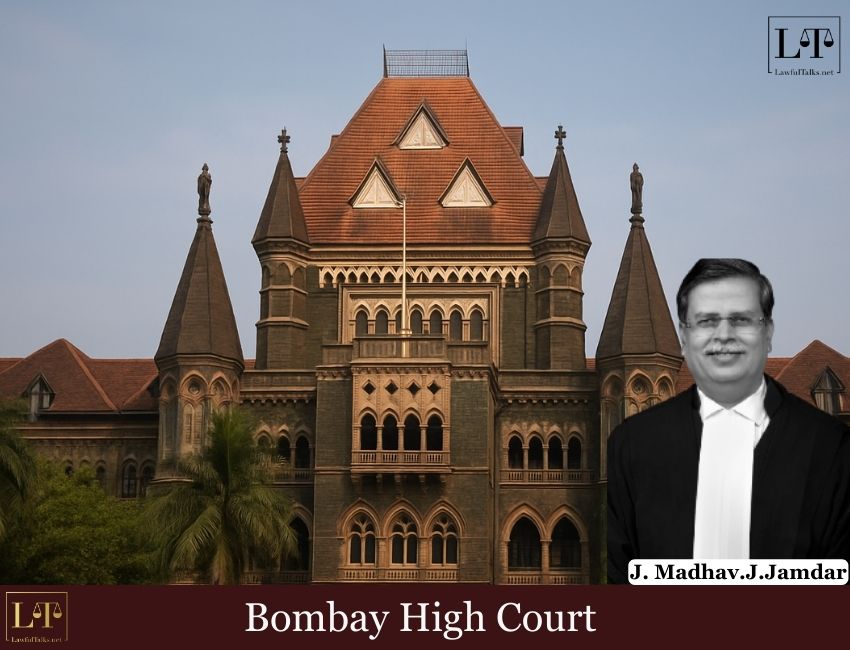
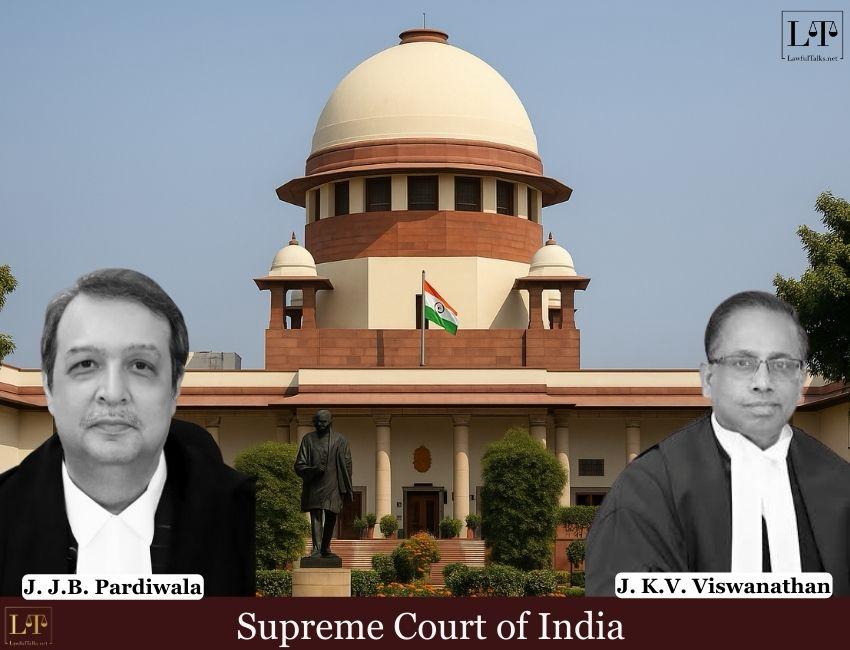
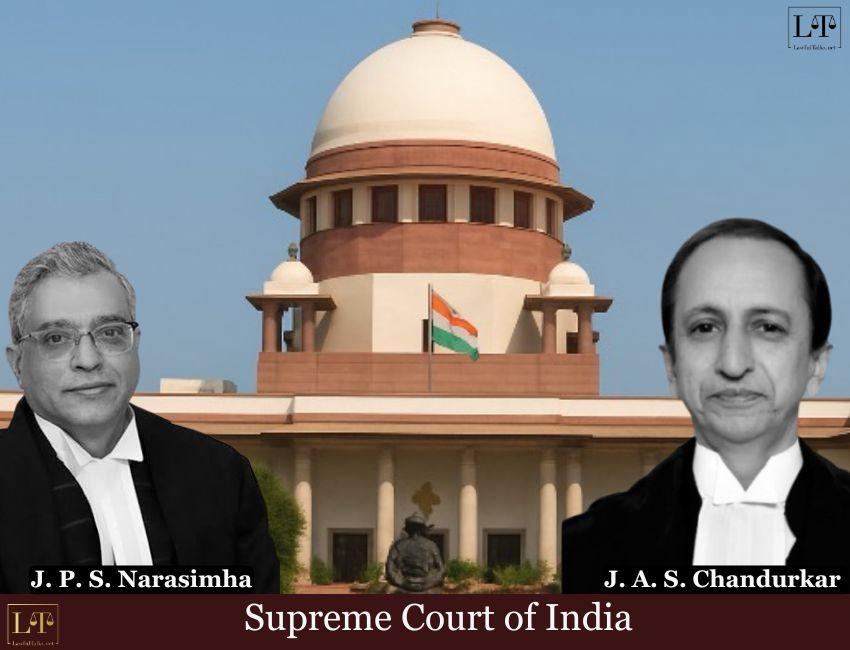
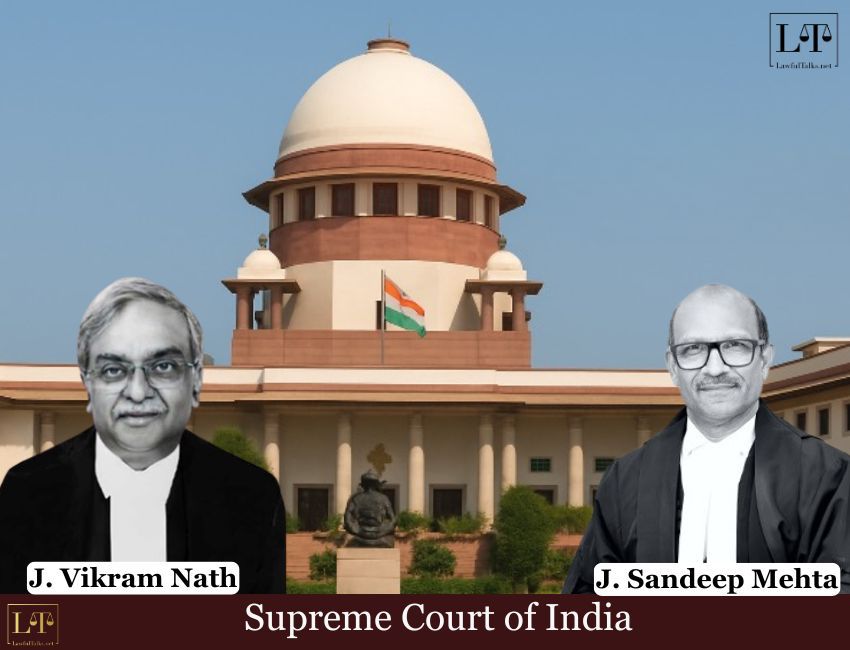
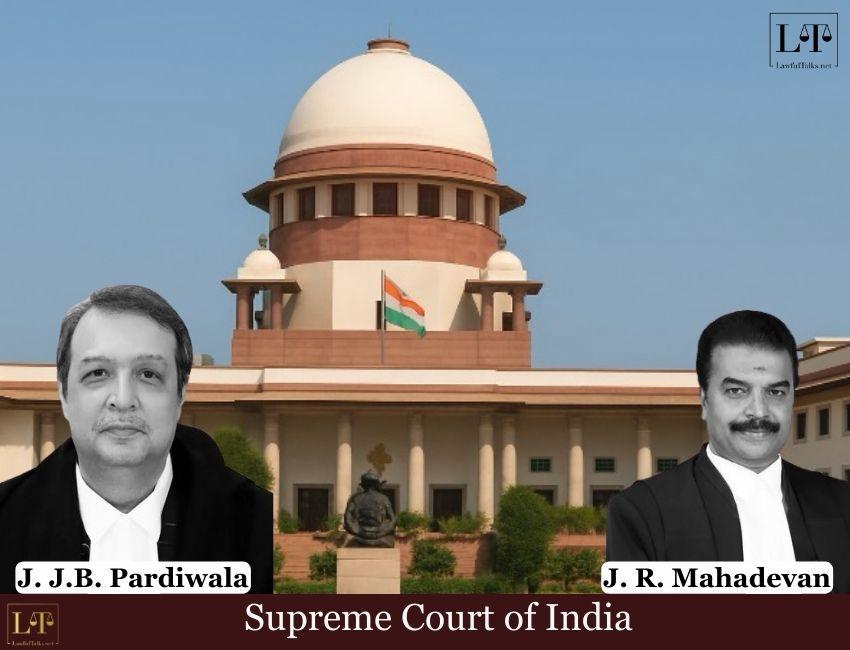
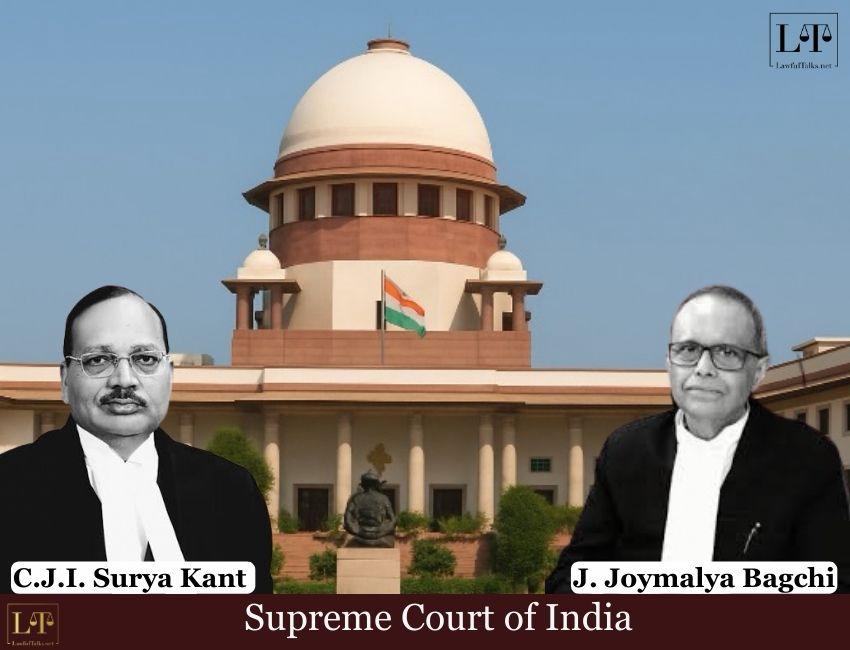
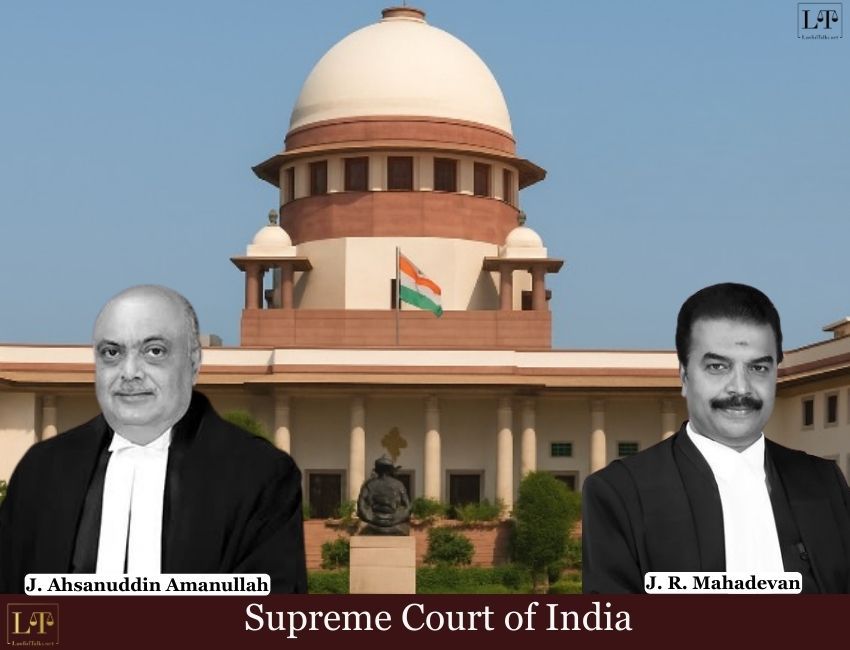
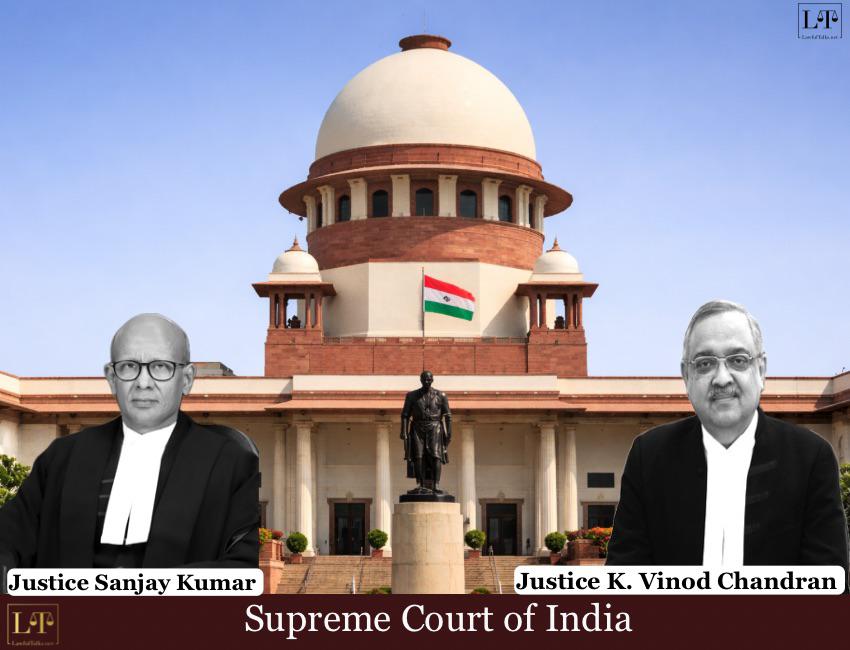
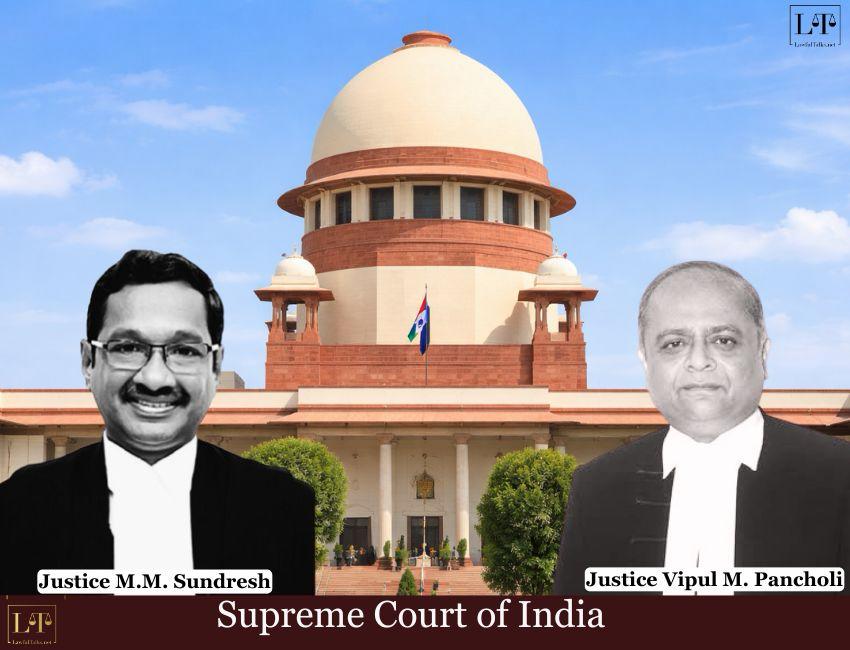
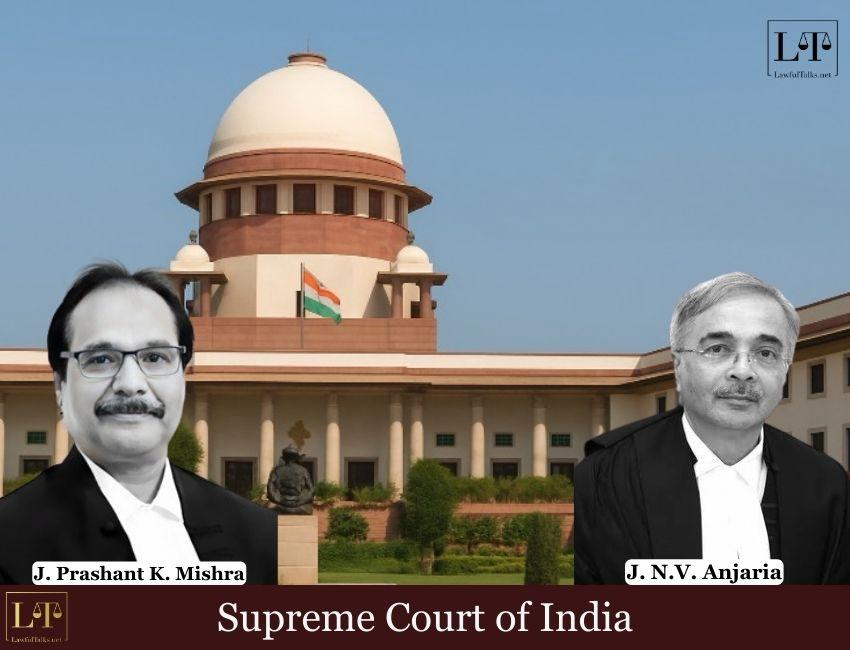
A bench of Justice Vikram Nath and Justice Sandeep Mehta, in a judgment written by Justice Mehta, strongly criticized Ojha’s conduct.
The Court said:
“Upon a prima facie consideration of the material on record, the allegations, as presently framed, appear to traverse that well-recognised boundary. They are not confined to identifying any error of law or fact, but extend to imputing motives without any demonstrable foundation. Assertions of this nature, particularly when directed against a sitting Judge of the High Court, require a degree of responsibility and substantiation commensurate with their seriousness. The tenor and sweep of the allegations, therefore, raise concerns that go beyond the immediate lis between the parties.”
Line Between Criticism and Misconduct:
The Supreme Court clearly drew a line between acceptable criticism and improper conduct. It said that court decisions can be criticized in a fair way, but making personal allegations in a press conference is sensationalism and harms public trust in the judiciary.
Press Conference Criticised:
The Court observed:
“…the course adopted by the appellant-contemnor in addressing a press conference and publicly voicing allegations against a sitting Judge cannot be viewed lightly. The act of carrying a pending judicial controversy into the public domain in a manner that tends to sensationalise the proceedings or scandalise the institution or its constitutional component, i.e., the Judges, is wholly inconsistent with the discipline expected of an advocate. Professional ethics require that grievances against judicial orders must be ventilated through established legal remedies before appropriate judicial forums, rather than through public commentary capable of influencing perception about the fairness or integrity of the judicial process. The manner in which the press conference was convened and the allegations were projected is, prima facie, unbecoming of a member of law professional and falls short of the standards of propriety, restraint, professional, and ethical responsibility which the legal profession demands.”
Duty of Advocates:
The Court further added,
“Members of the Bar occupy a position of privilege and responsibility in the administration of justice, and their conduct, both within and outside the courtroom, must reflect restraint, sobriety and fidelity to the ethical standards governing the profession.”
SC Directs Case to Continue:
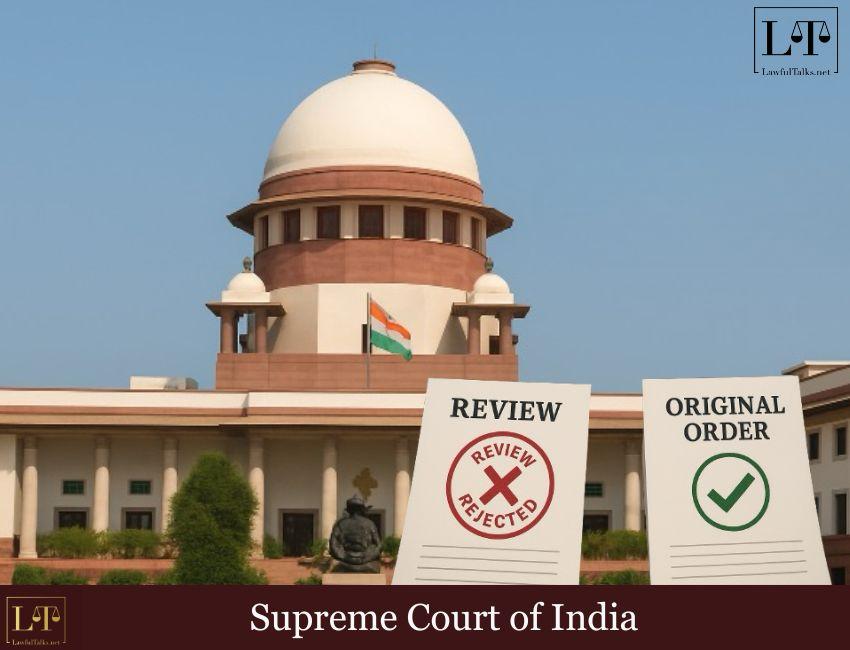
Finally, the Supreme Court refused to stop the proceedings and directed the High Court to continue with the case. It said, “We are, therefore, not inclined to interdict the proceedings at this stage. We request the High Court to proceed with the matter expeditiously and to adjudicate upon all issues arising therein independently and on their own merits.”
Case Details: NILESH C. OJHA VERSUS HIGH COURT OF JUDICATURE AT BOMBAY THROUGH SECRETARY & ORS.








































Sign up for free and be the first to get notified about curated content just for you.