“ICC Said ‘Unknown’—Bombay HC Said Name Him: POSH Case Twist”

- April 23, 2026


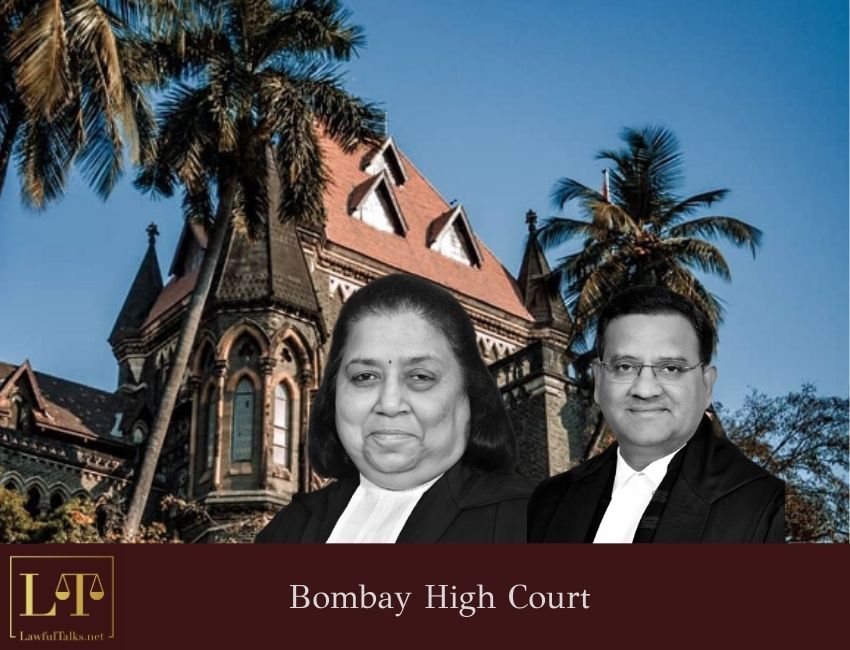
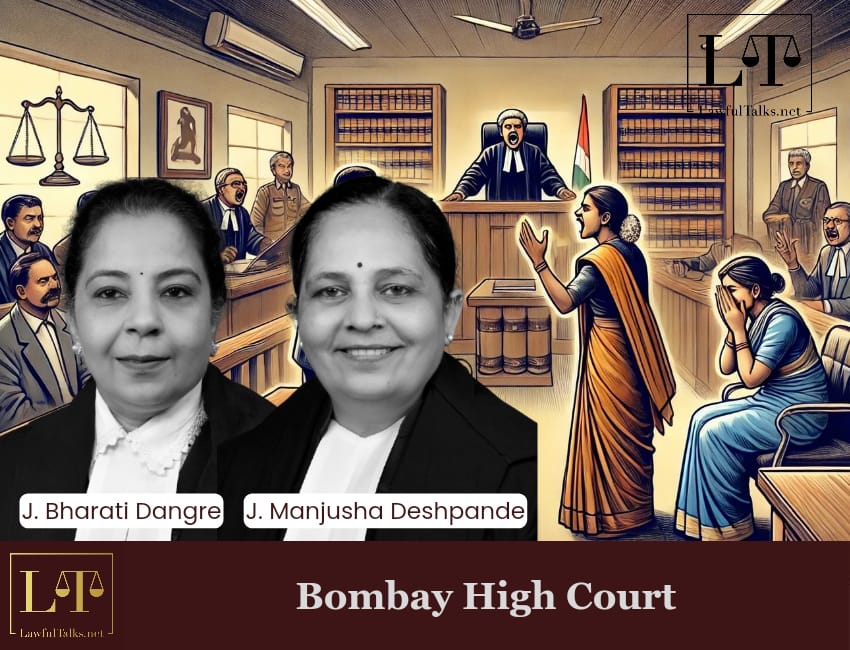
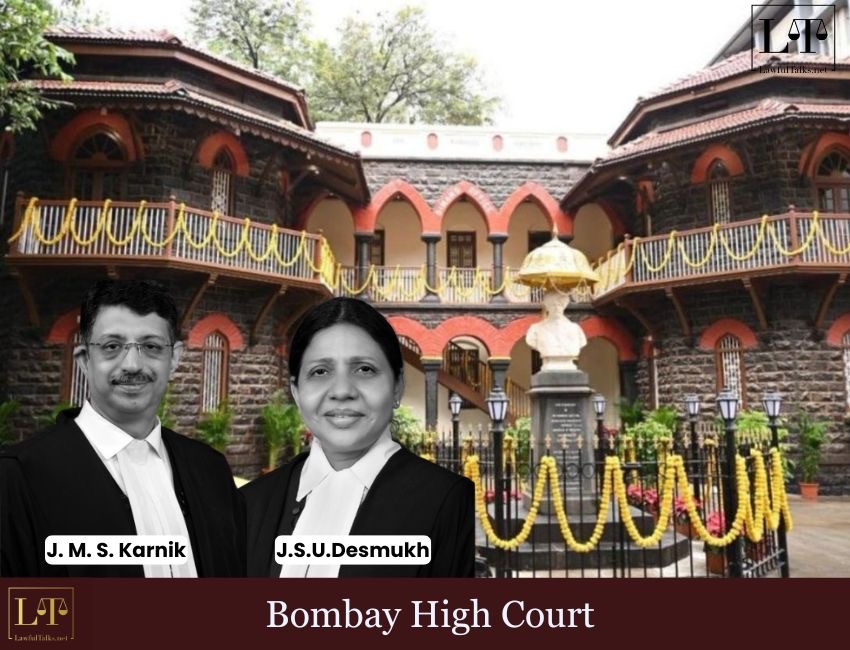
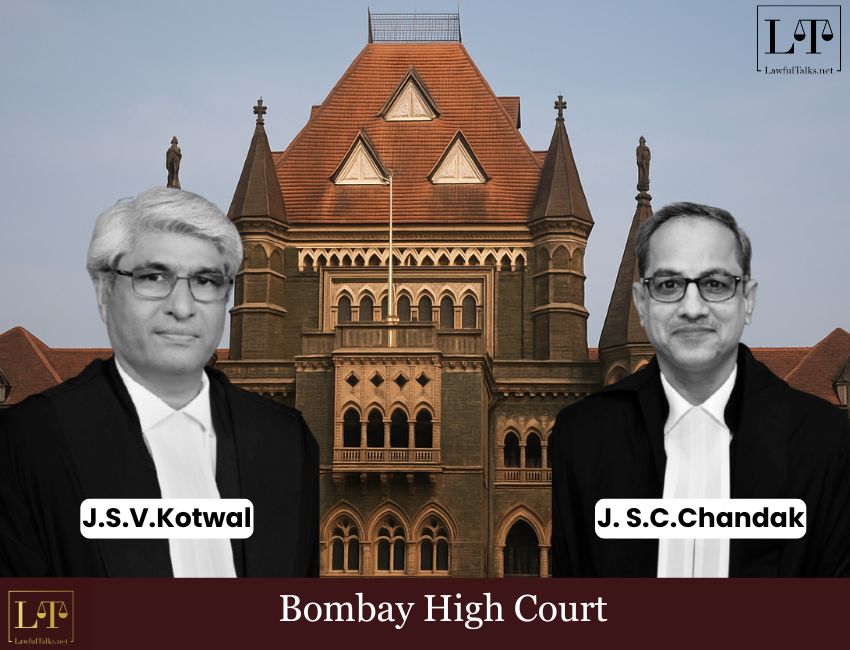
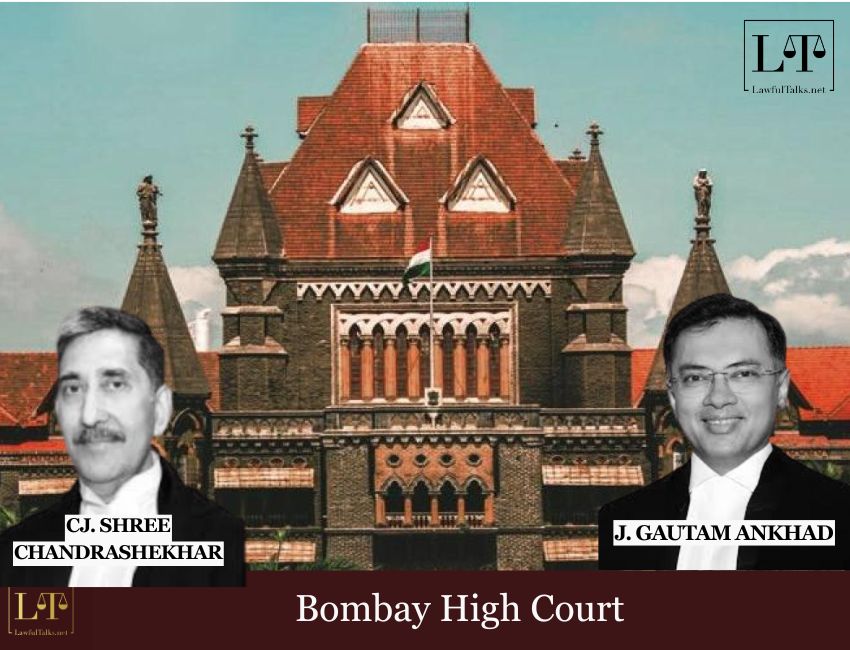
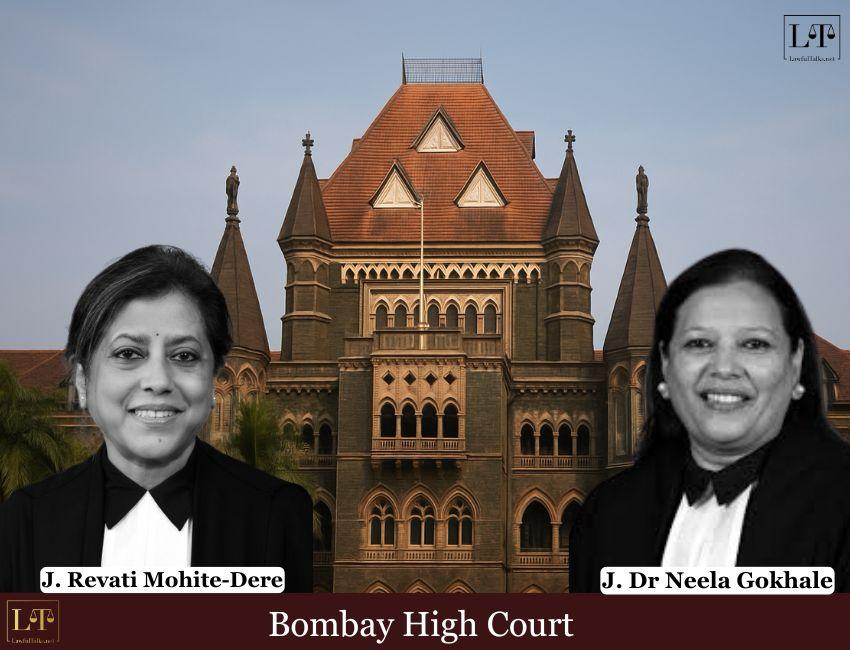
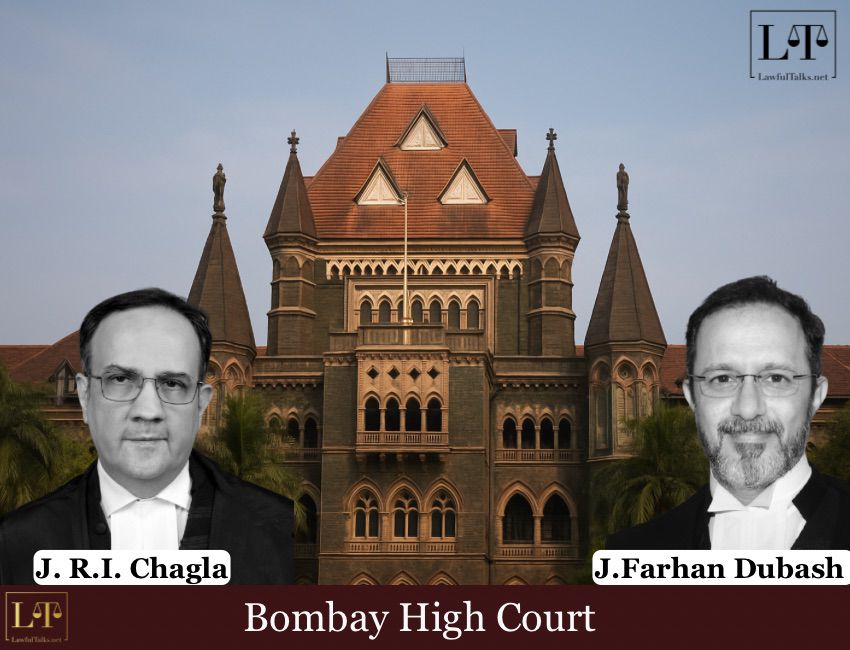
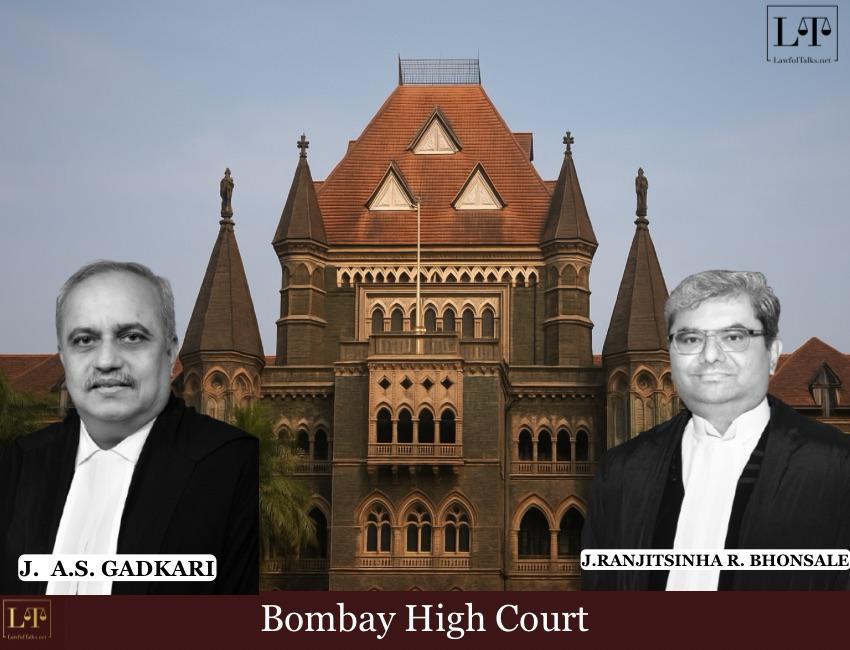
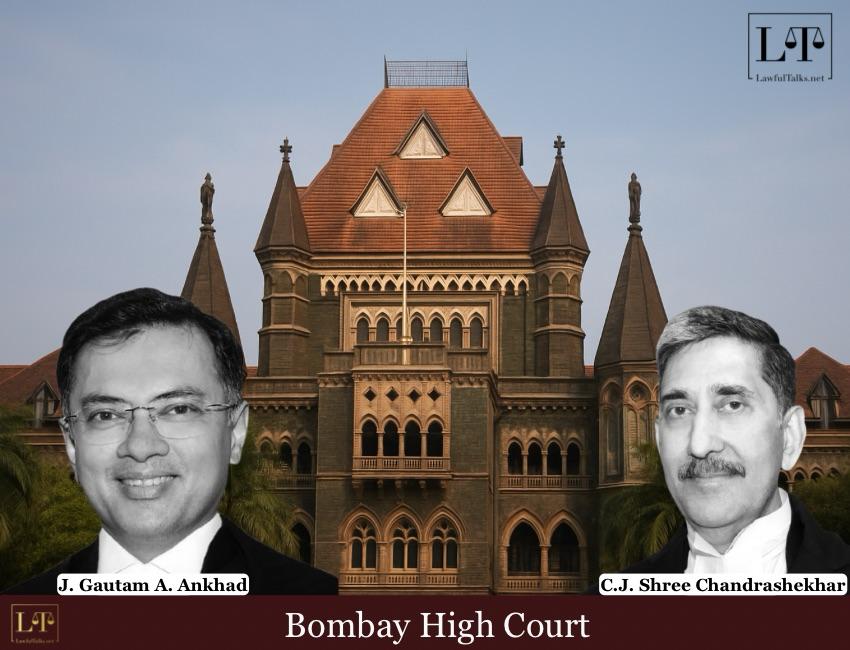
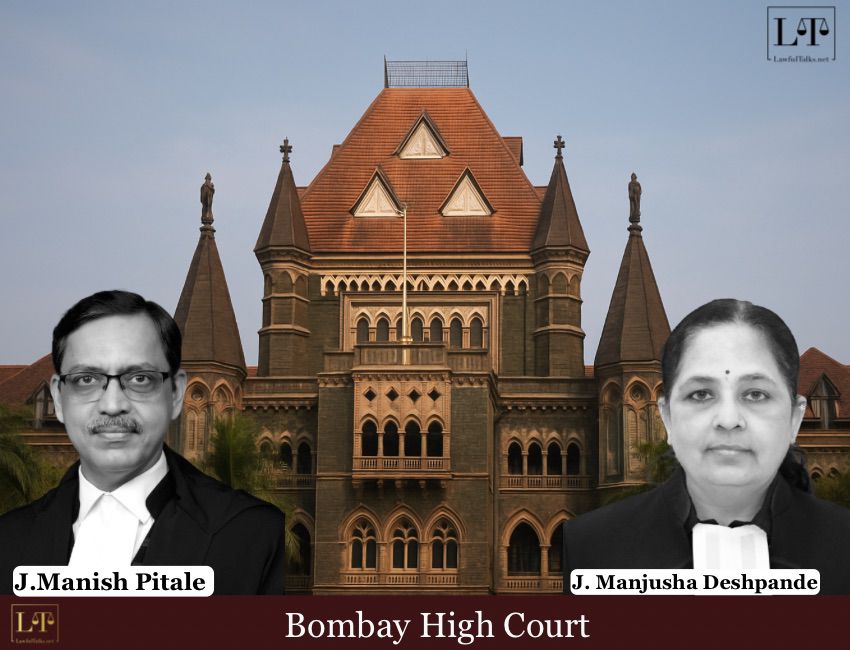
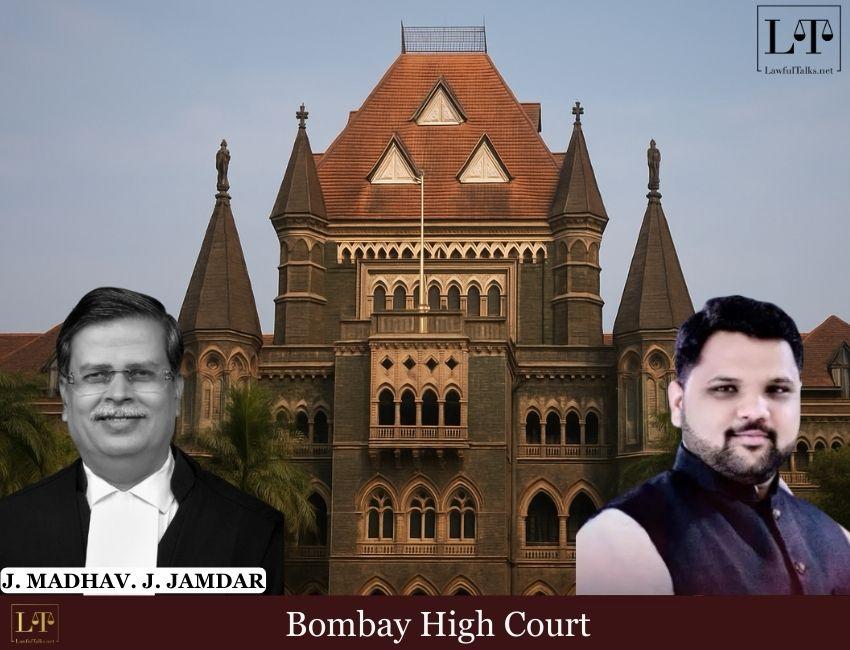
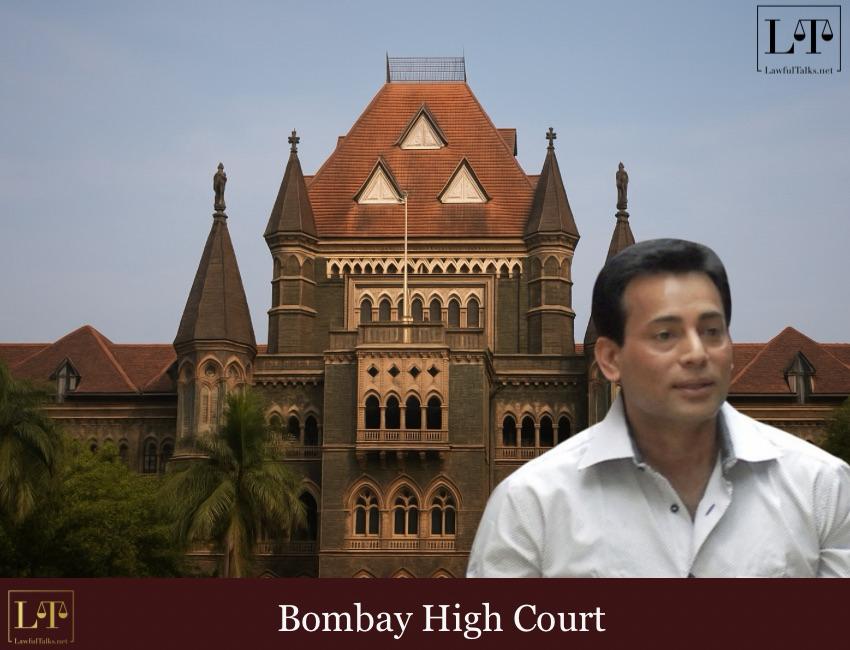
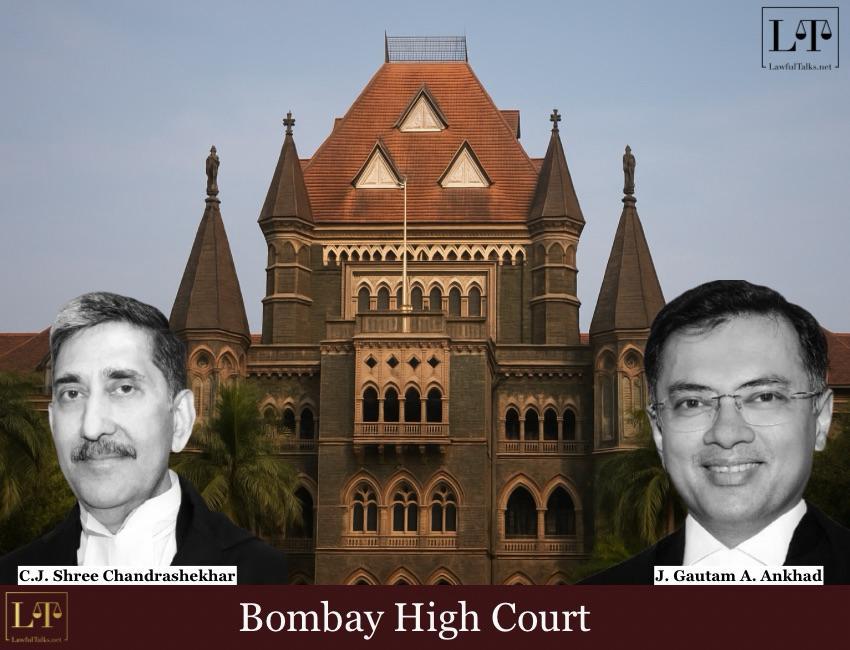
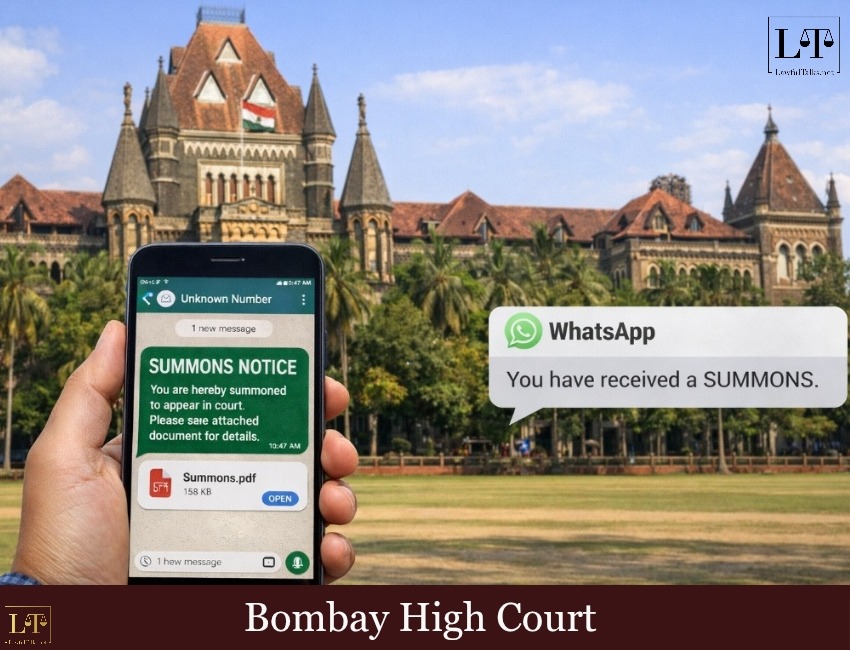
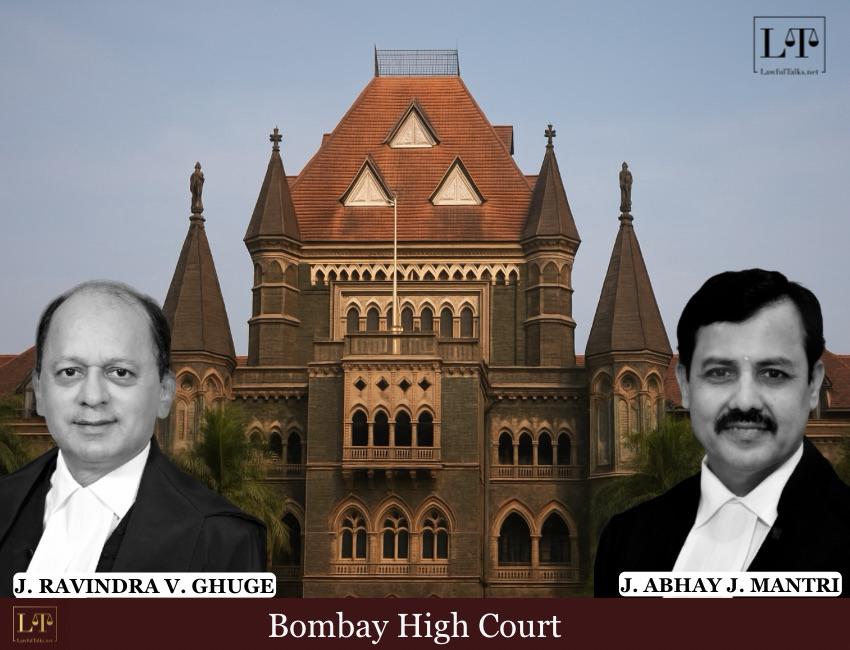
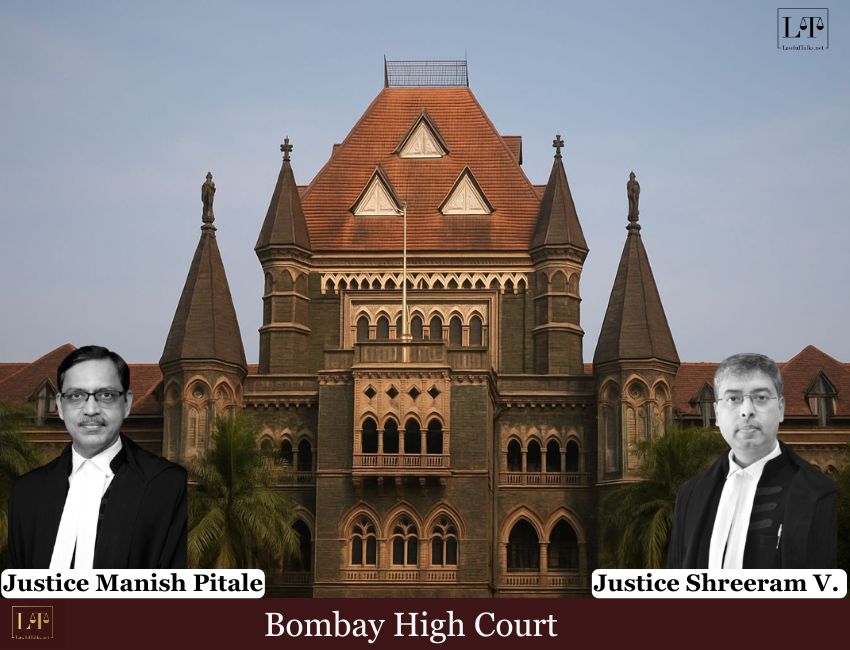
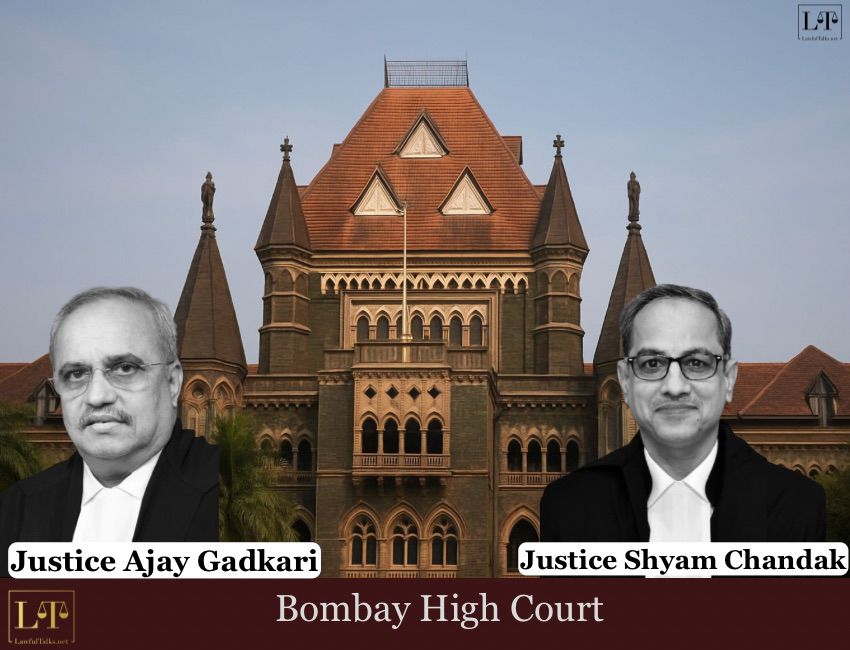
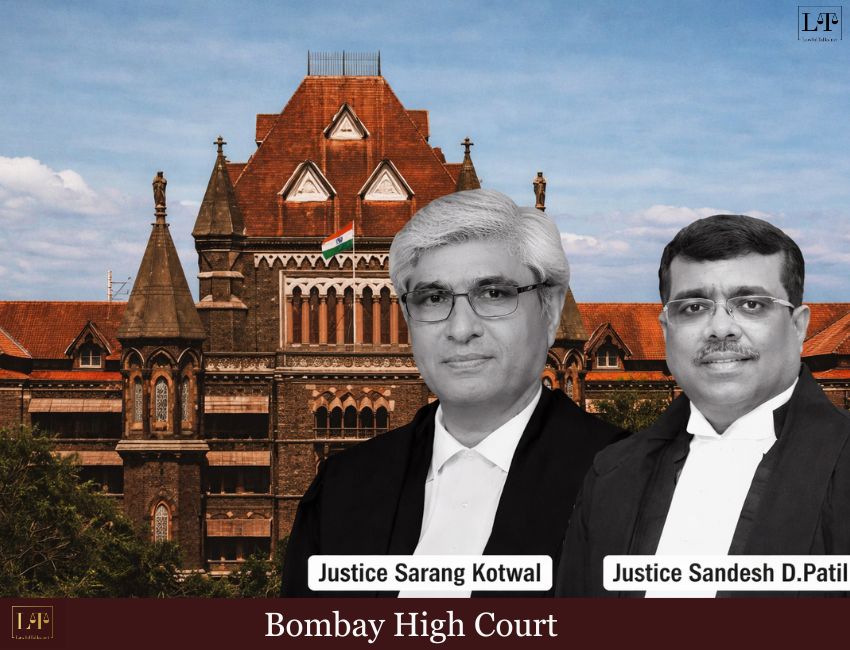
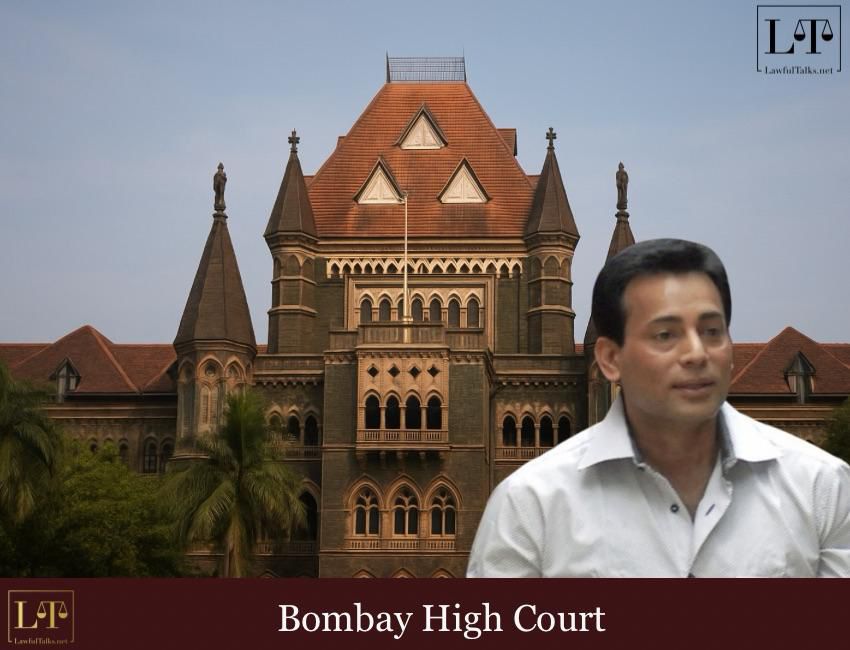
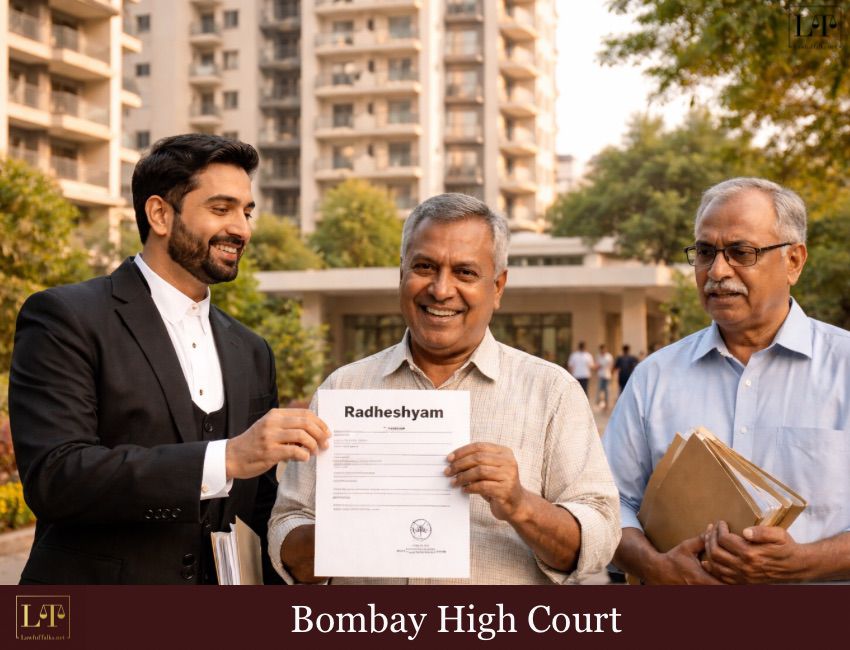
Justice Dr. Neela Gokhale of the Bombay High Court at Goa held that the Industrial Tribunal had wrongly dismissed the petitioner’s appeal. The Court corrected the ICC’s (Internal Complaints committee) conclusion by replacing the phrase “unknown source” with a finding that the principal had instigated the false complaint.

However, the court also said that the POSH(Prevention of sexual Harassment) Act does not allow disciplinary action under Section 14 against the principal in these proceedings, though the petitioner is free to take other legal action.
Complaint Later Withdrawn:
The case arose from a sexual harassment complaint filed by a woman employee against the petitioner who was a Lower Division Clerk in a government institute. Later, the complainant withdrew her complaint. She clearly stated that she had been forced to sign a pre-prepared complaint at the instance of the institute’s Principal, Shri Dattaprasad V. Palni. The ICC closed the case after her withdrawal. But instead of naming the Principal, it said the complaint came from an “unknown source”.
Court Finds ICC Wrong:
The petitioner challenged this. He argued that since the complainant herself had named the Principal in her withdrawal letter, the ICC could not ignore that and call it an “unknown source”. The Court agreed with this point. It said the ICC’s conclusion was incomplete and incorrect because it relied on the withdrawal letter but ignored the name mentioned in it. The Court also found that the Industrial Tribunal made a legal error by refusing to hear the appeal on this limited issue.
Withdrawal Letter Key Evidence:
In its judgment, the Court relied heavily on the complainant’s withdrawal letter. The letter stated, “I was forcibly instigated to sign on a pre-prepared sexual harassment complaint against my colleague Shri. Srinivass Shinde… at the instance of Shri. Dattaprasad Palni, Principal”. It further said, “I further say that I was forced and threatened by Shri. Dattaprasad Palni, Principal of dire consequences”.
Based on this, the Court said the complaint had been withdrawn as false and malicious. It also said the ICC could not accept the withdrawal and at the same time avoid naming the person accused of forcing it.
Right to Appeal Confirmed:
The Court then looked at Section 18 of the POSH Act. It held that the petitioner was an “aggrieved person” and had a legal right to appeal against the ICC’s recommendation.
It rejected the Tribunal’s view that the appeal was not maintainable just because no “direct injury” was shown. The Court explained that the law allows appeals by anyone affected by the ICC’s recommendations, especially if the complaint is about an incorrect finding.
Limits of Section 14:
At the same time, the Court explained the limits of Section 14 of the POSH Act. It said this section allows punishment only against the woman who made the complaint or the person who filed it on her behalf, if the complaint is found to be false or malicious. The law does not provide for action against a third person who may have instigated the complaint.
Because of this, the petitioner’s request to take action against the Principal under the POSH Act was rejected as premature and not legally valid.
Petition Partly Allowed:
In the end, the petition was partly allowed. The Court set aside the Tribunal’s order and directed that the ICC’s conclusion should read: “The Respondent No. 3 instigated the Respondent No. 4 to file a false sexual harassment case against the Petitioner”.
The Court also said that if the petitioner wants to take action against the Principal in another legal forum, he is free to do so, and the Principal must be given a fair opportunity to defend himself.
Case Details: Shrinivas Shinde vs Directorate of Skill Development & Entrepreneurship (Writ Petition 15 of 2026)


































































































































































































































Sign up for free and be the first to get notified about curated content just for you.