“Justice Beyond Appeals: SC Scraps Unchallenged Conviction”

- April 24, 2026


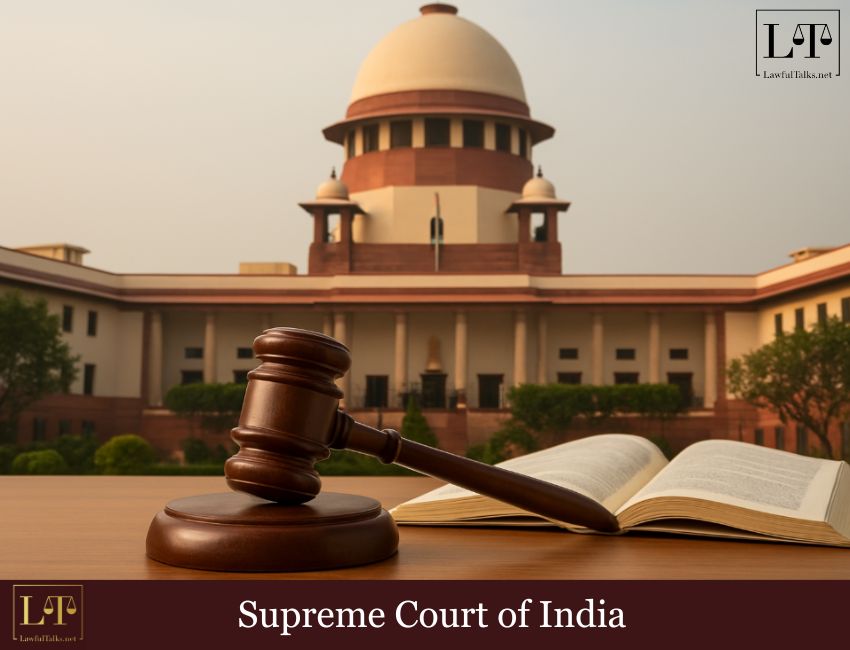
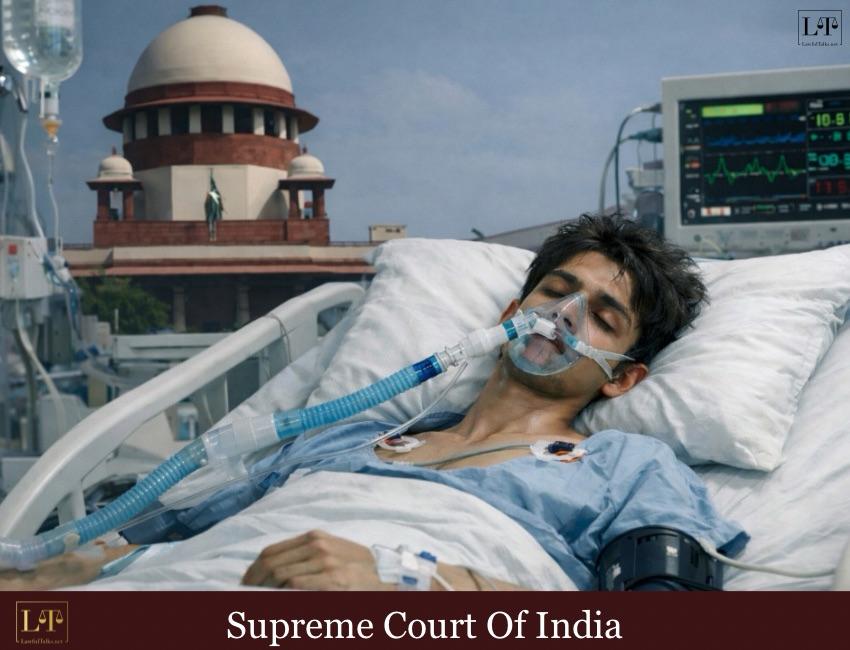
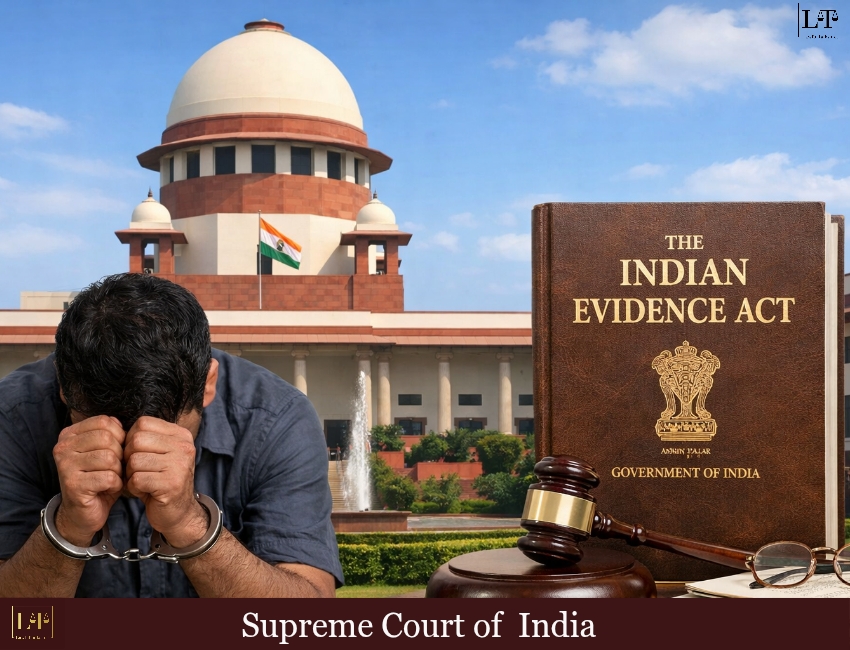
In a strong statement about appellate powers, the Supreme Court has said that an appellate court, while exercising its appellate jurisdiction, can set aside a conviction even if the accused has not appealed against it, if justice so requires.
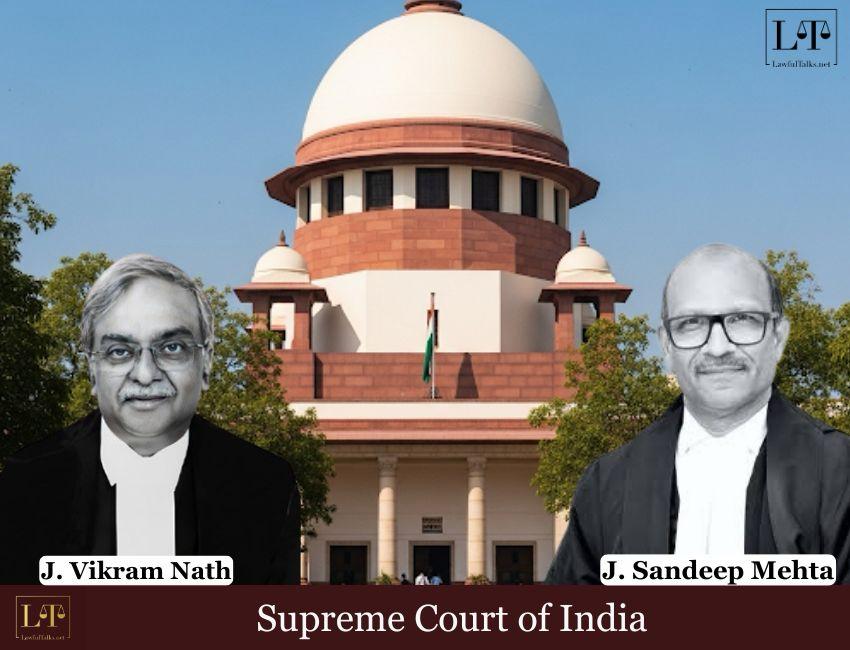
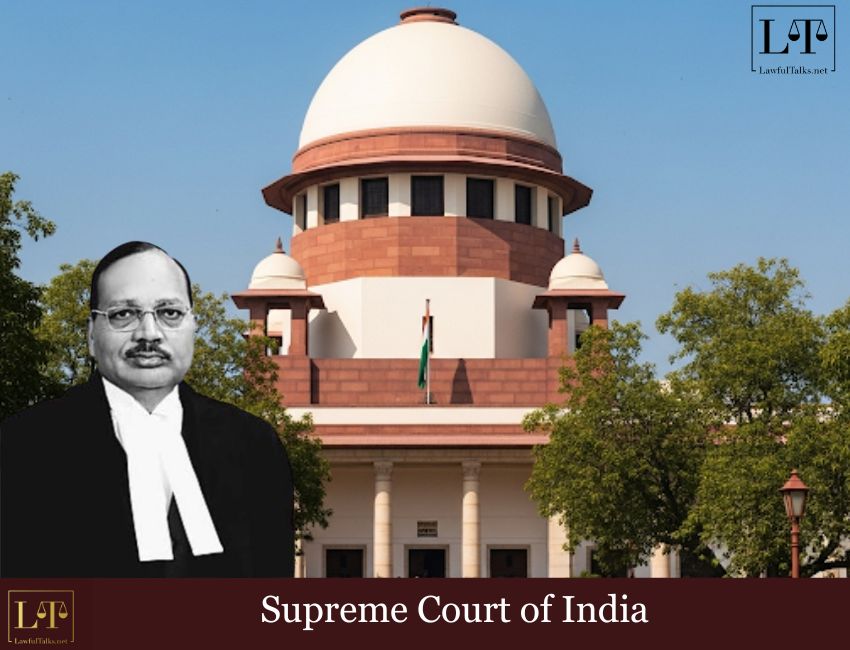
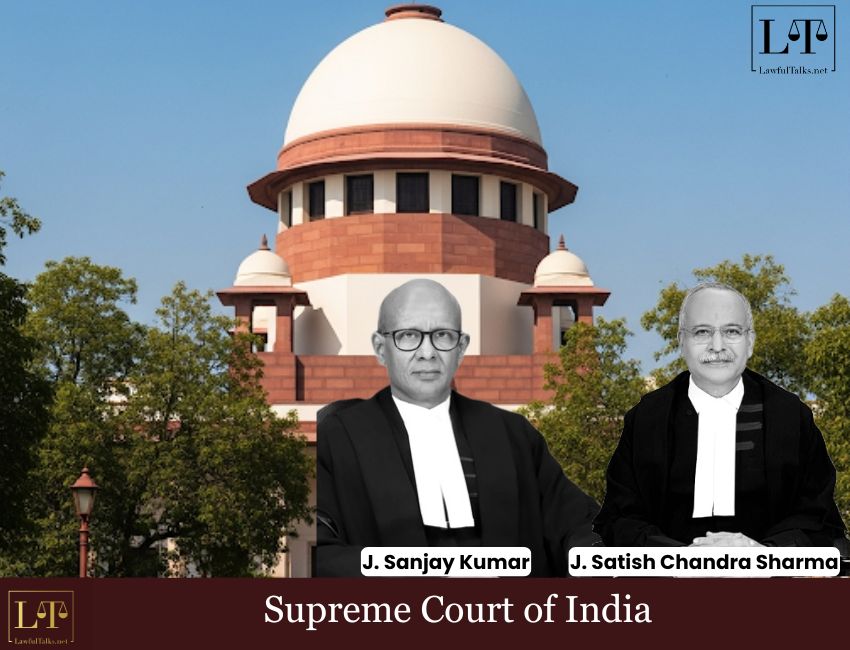
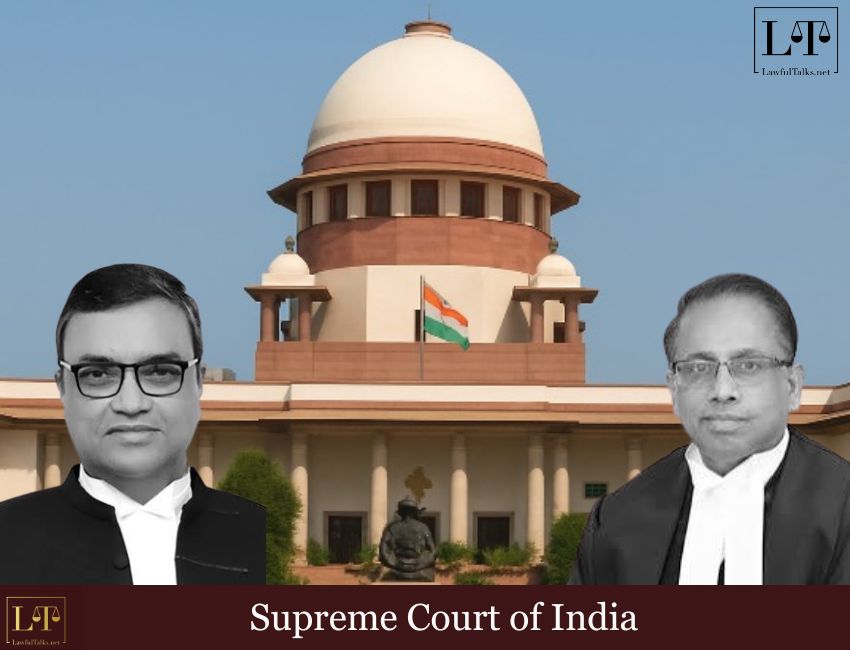
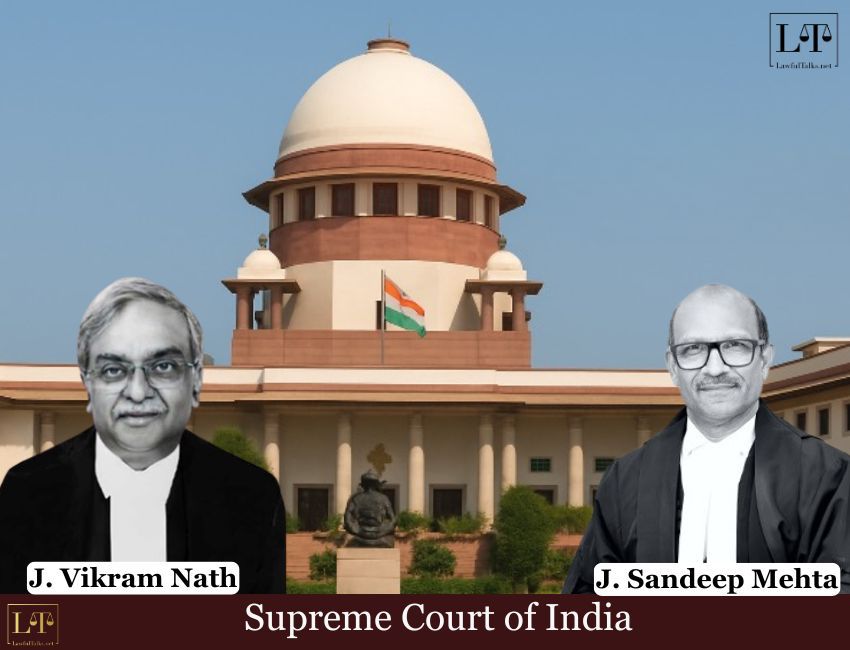
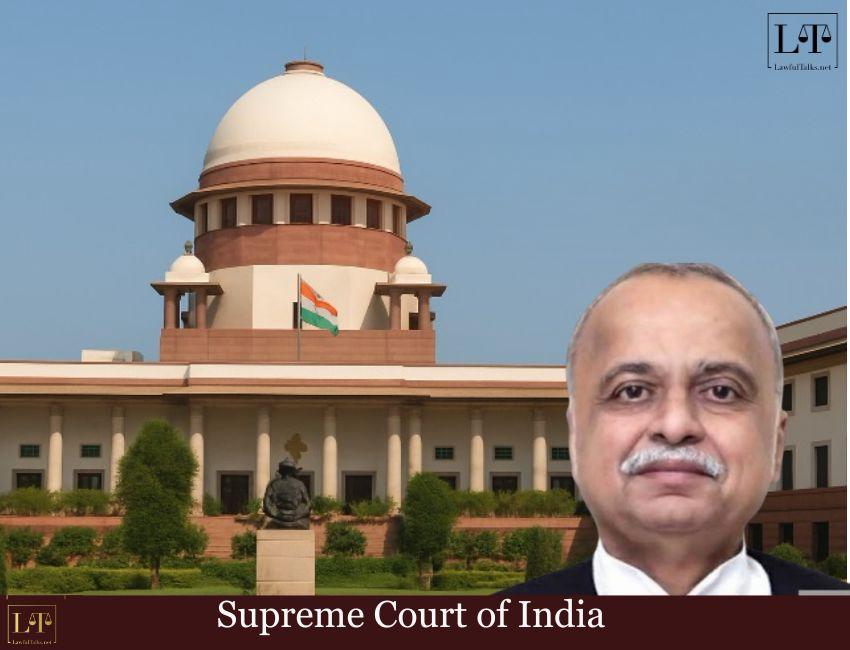
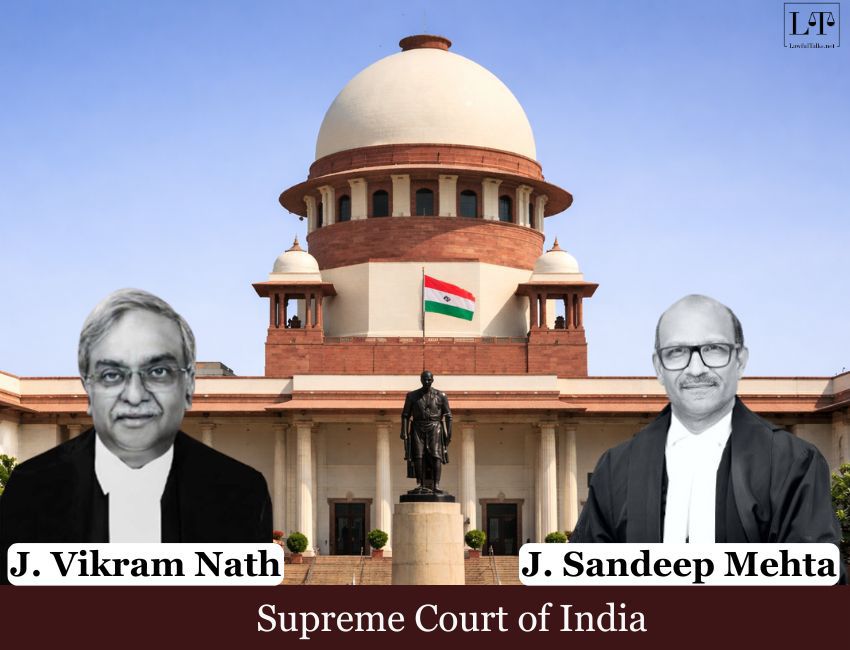
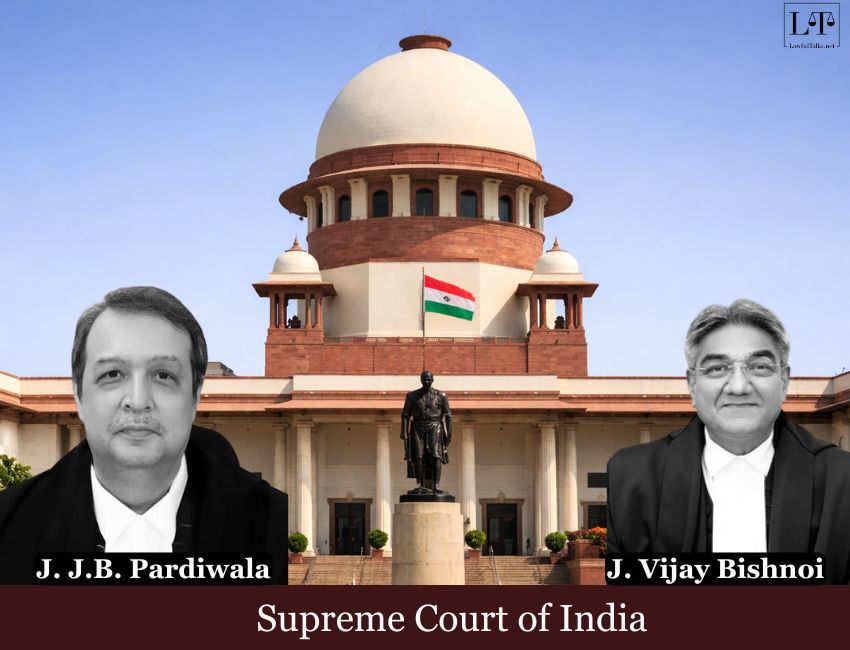
“…the appellate Court is vested with the power to examine the correctness of the findings and sentence recorded by the Court below and to reverse, alter or affirm the same, as the interests of justice may require.”, observed a bench of Justice Vikram Nath and Justice Sandeep Mehta.
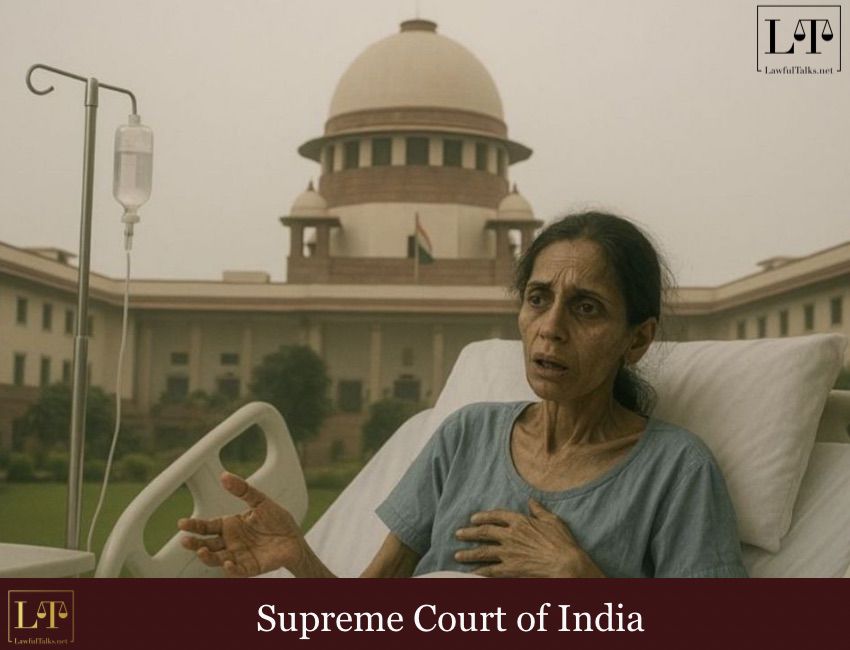
The observation came in a case where the State of Assam had filed an appeal against the acquittal of a respondent in a brutal murder-rape case.
The High Court had acquitted the accused of murder and rape charges but had still upheld the conviction under Section 201 IPC for destroying evidence. The Supreme Court found serious flaws in linking the evidence to the accused, and therefore upheld the acquittal.
However, the Court went a step further. Even though the accused had not filed any appeal, the Supreme Court also set aside the conviction under Section 201 IPC.
On whether this was legally allowed, Justice Mehta’s judgment made it clear: “the absence of an appeal by the accused-respondent does not, by itself, denude this Court of its appellate jurisdiction”. This means the Court still has the power to review such findings.
Case Details: THE STATE OF ASSAM VERSUS MOINUL HAQUE @ MONU

























































































































































































































































































































































Sign up for free and be the first to get notified about curated content just for you.