“Don’t Decide the Case at Amendment Stage: SC to High Courts”

- April 27, 2026


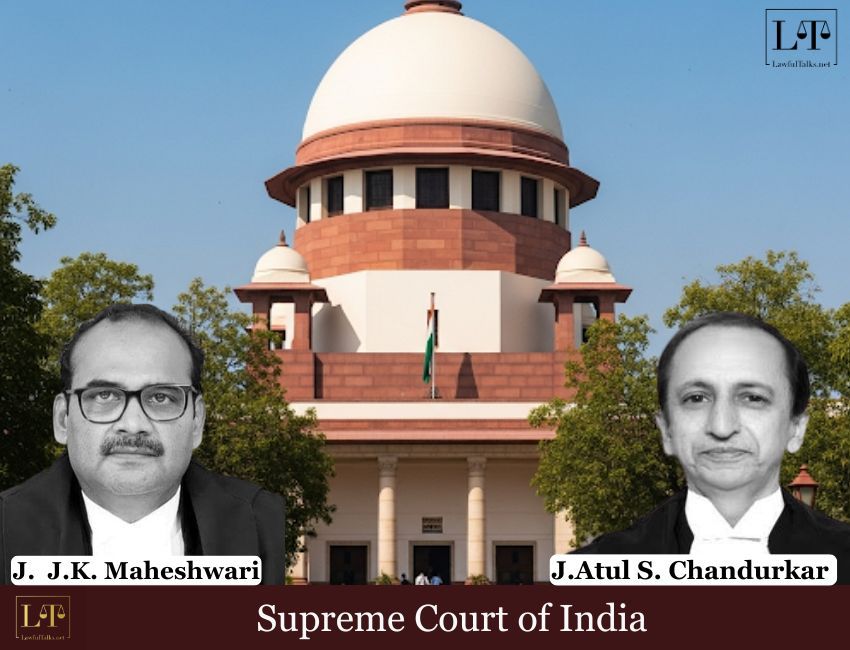
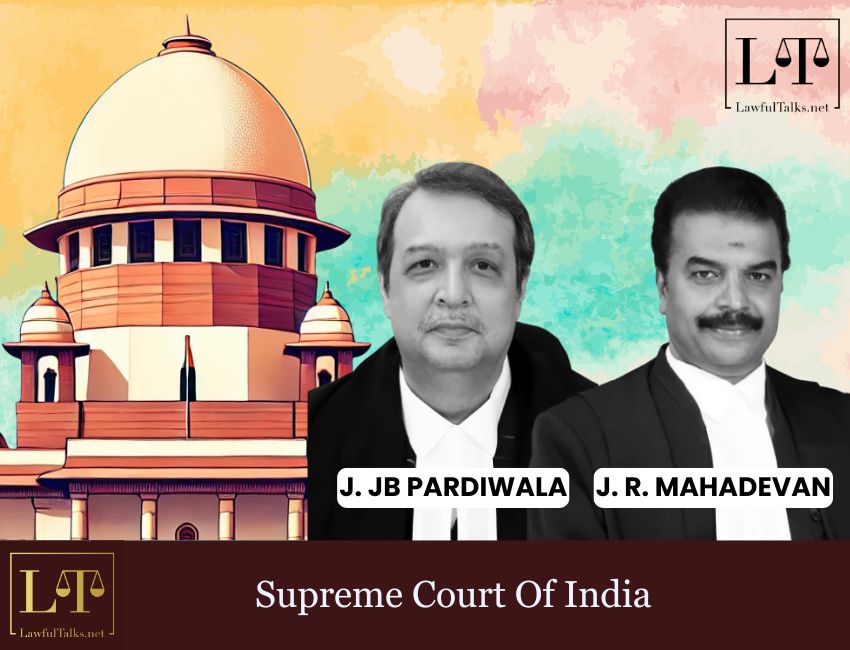
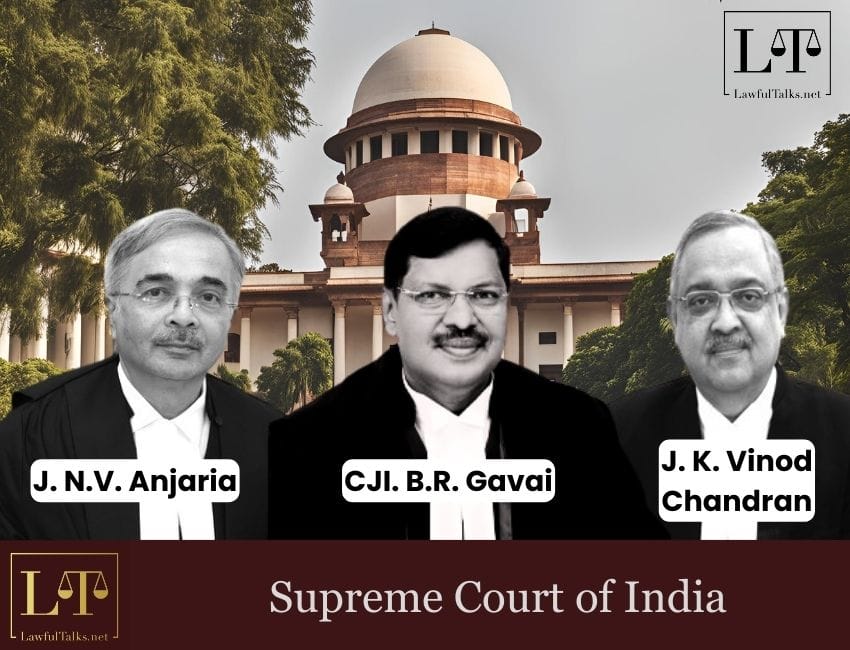
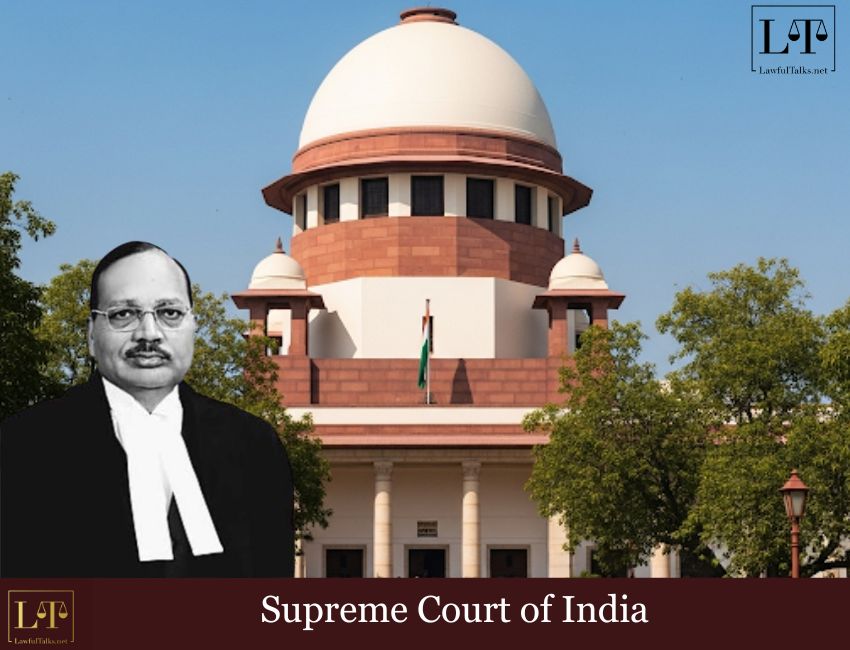
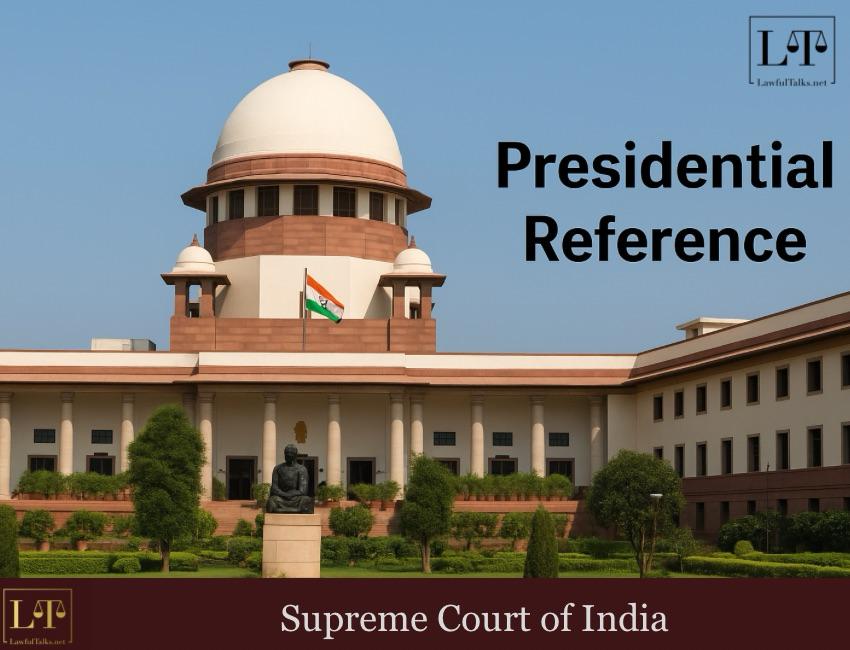
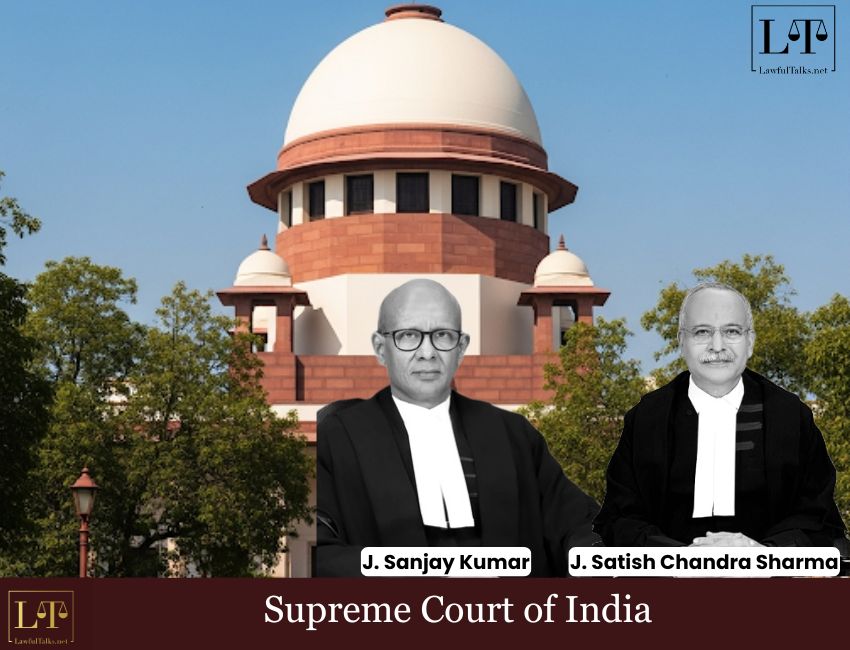
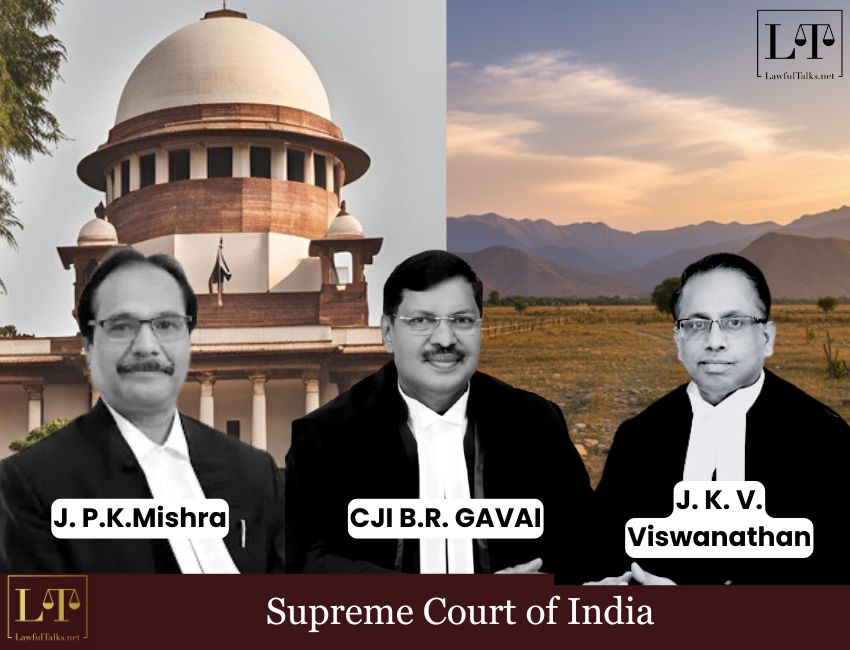
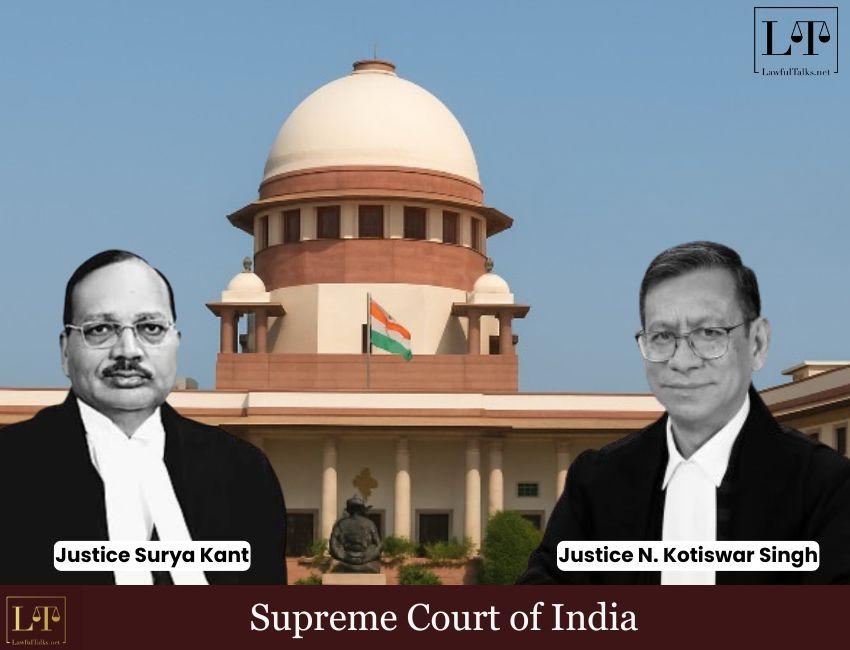
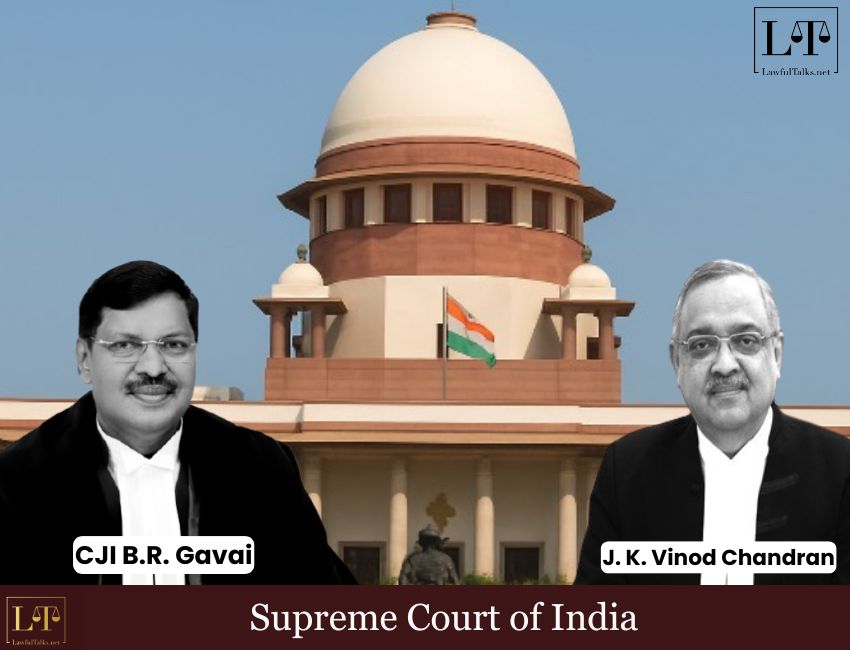
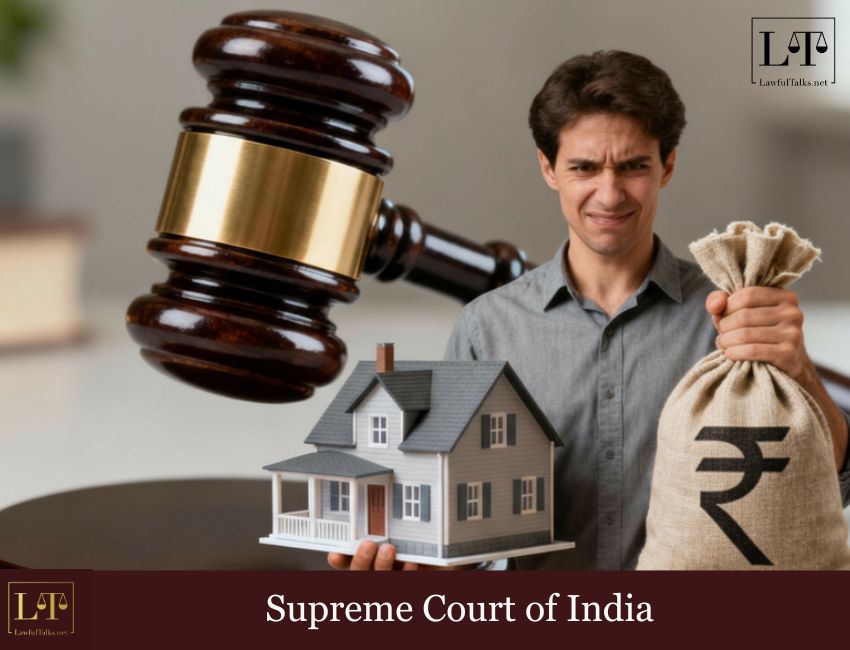
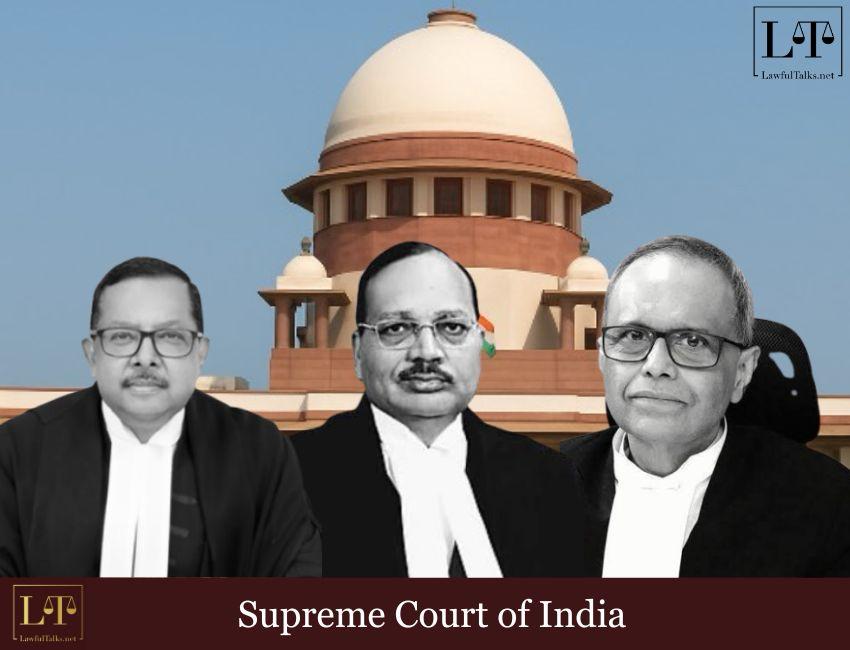
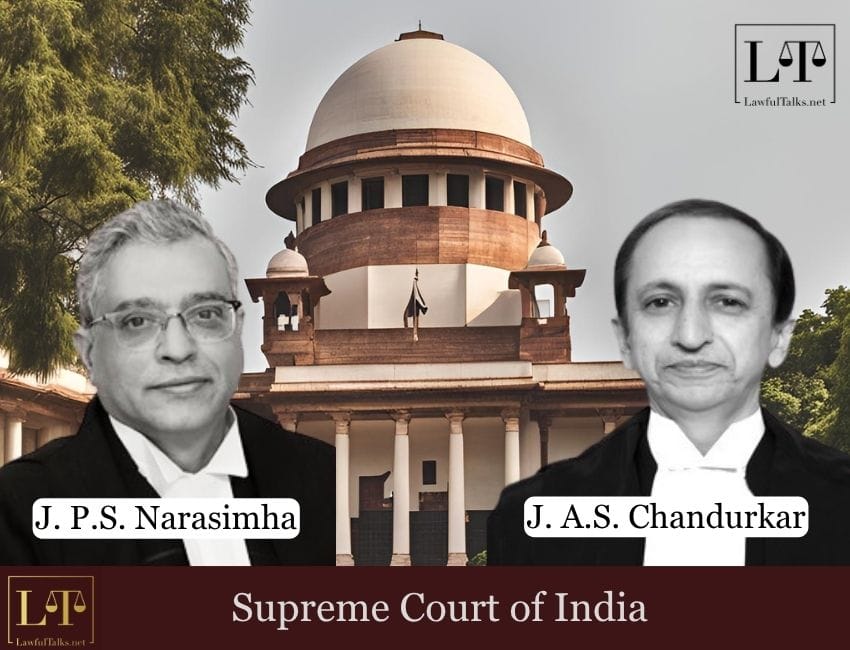
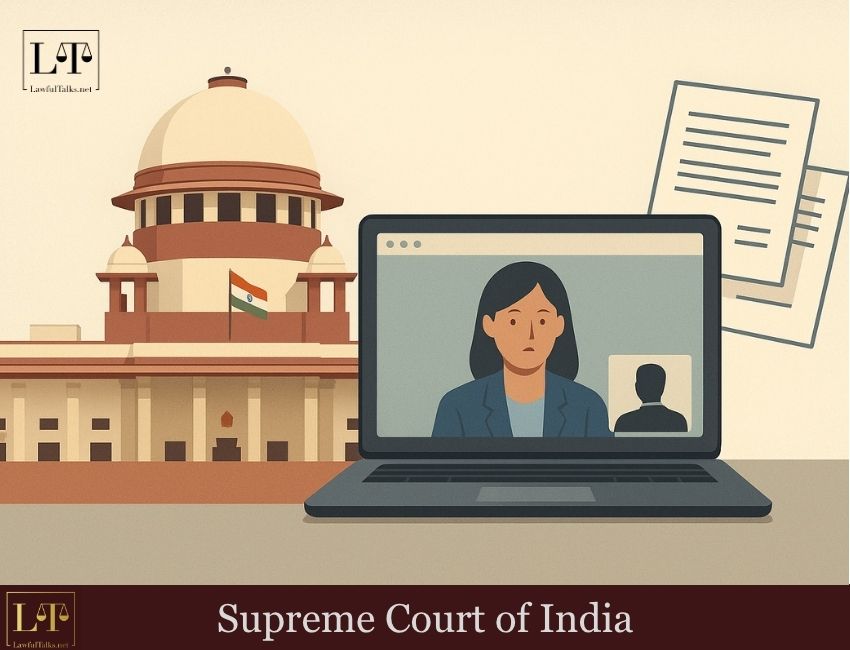
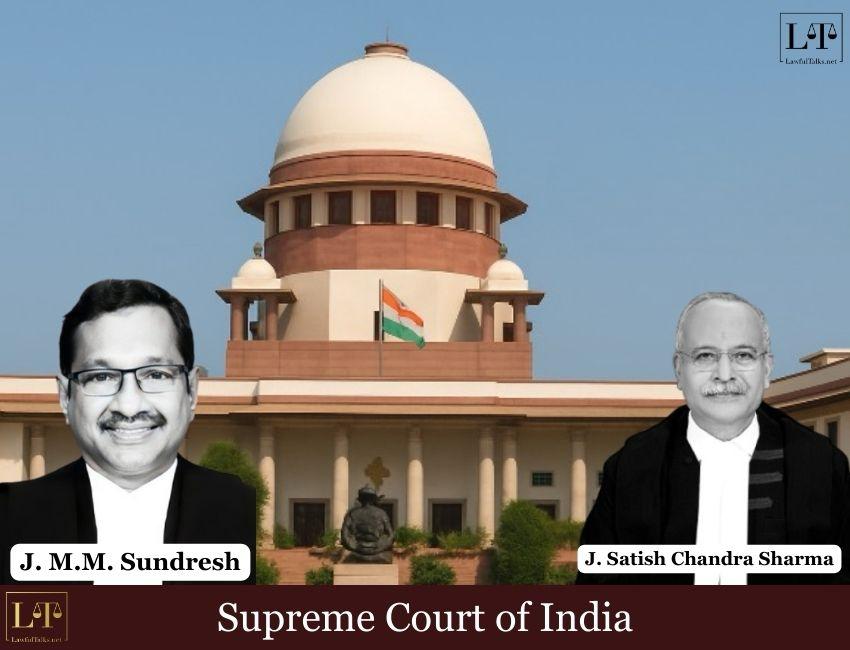
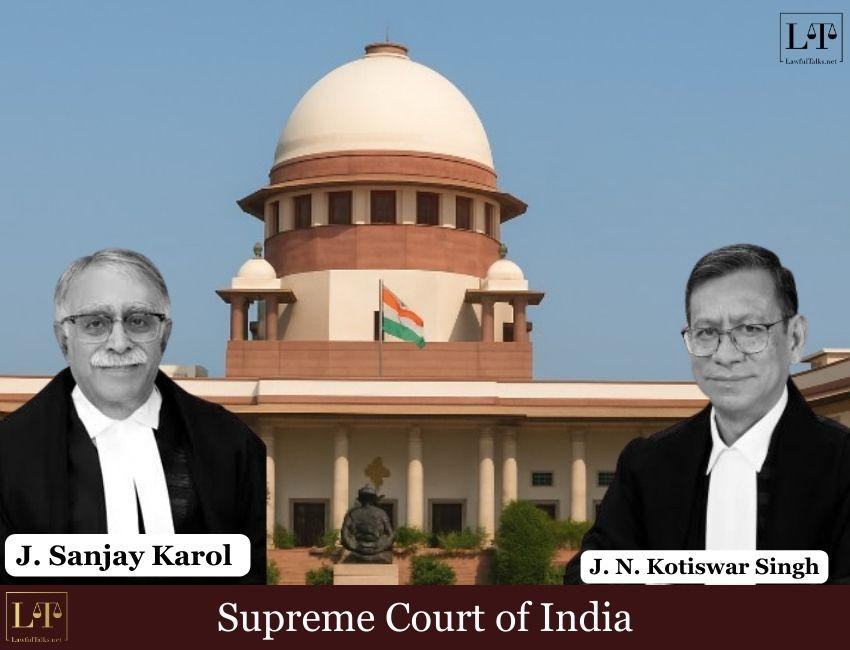
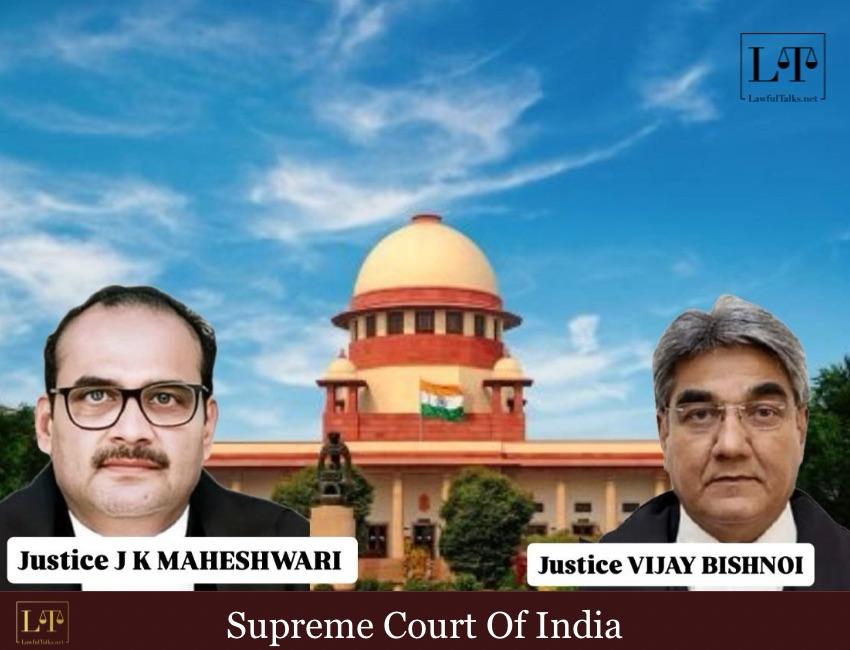
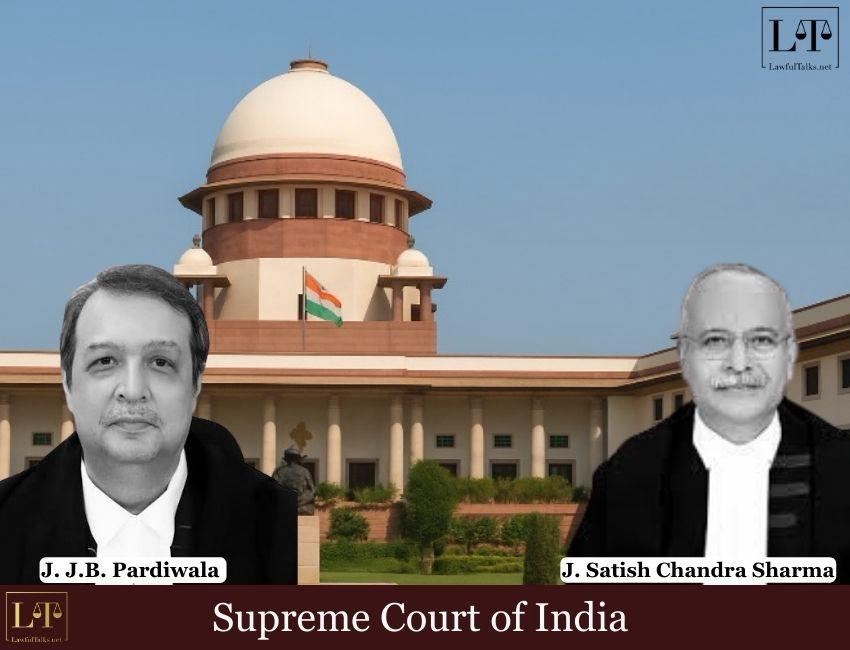
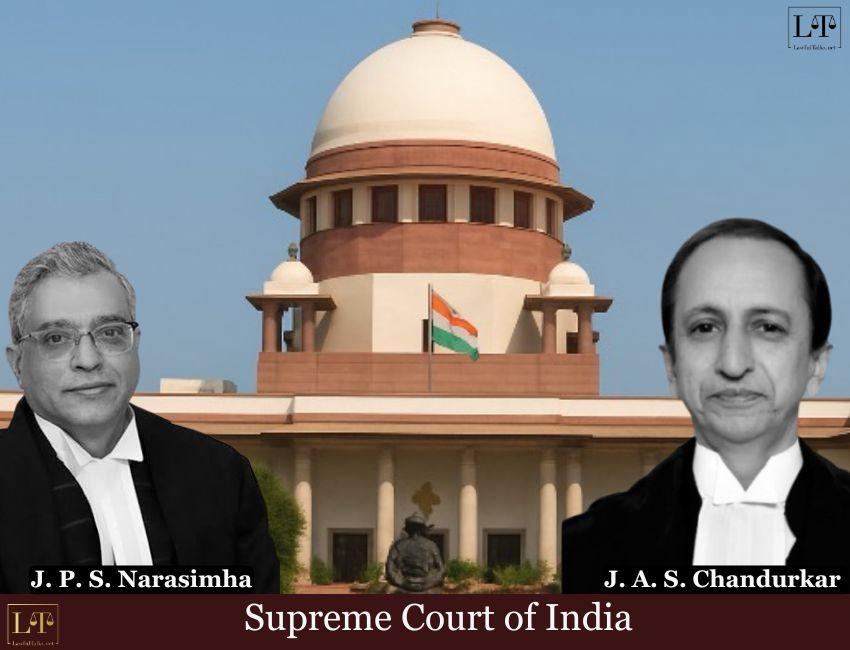
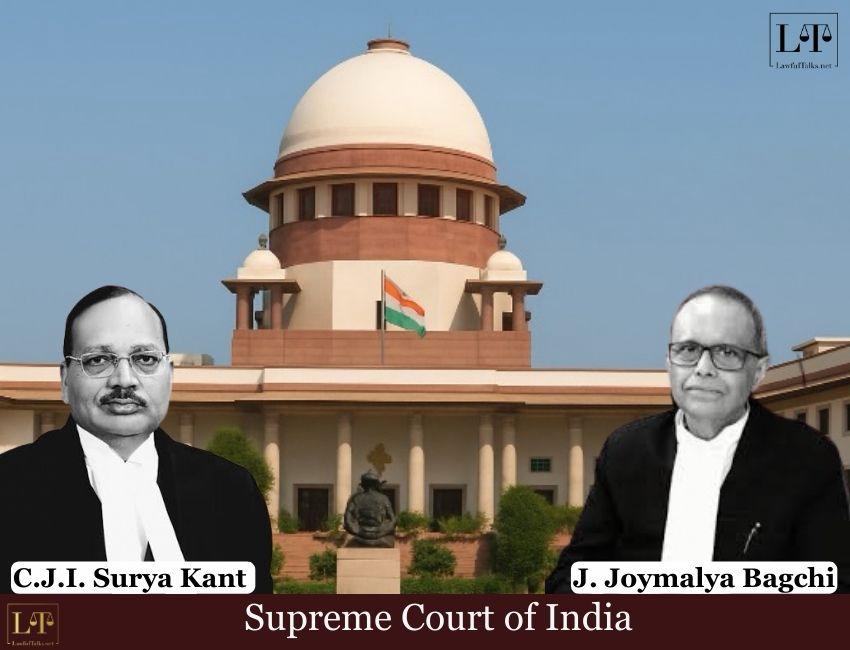
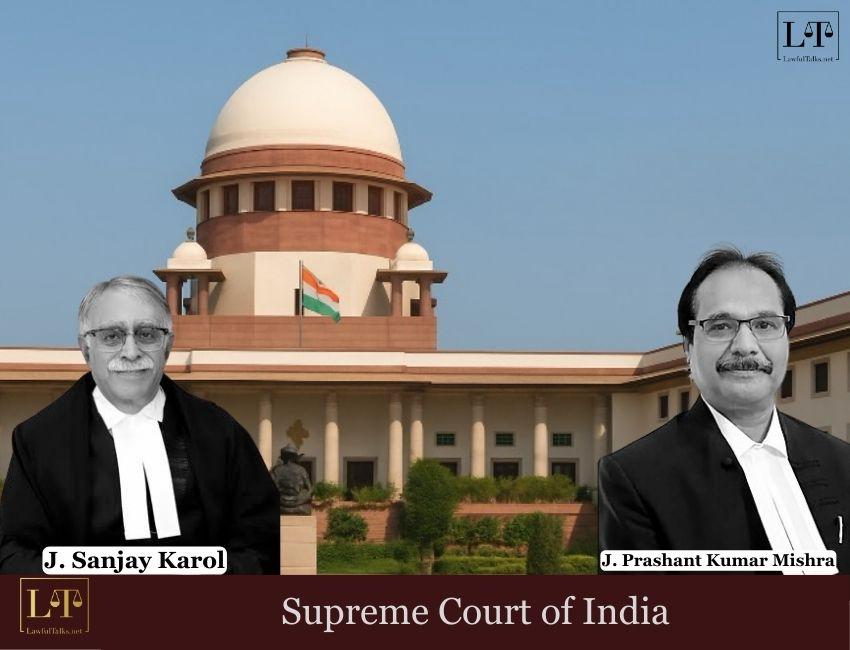
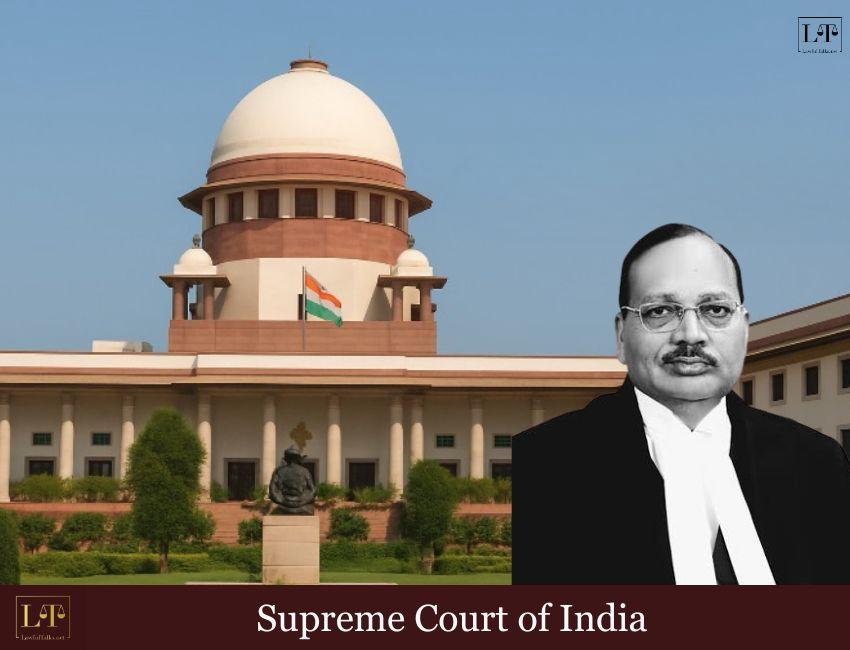
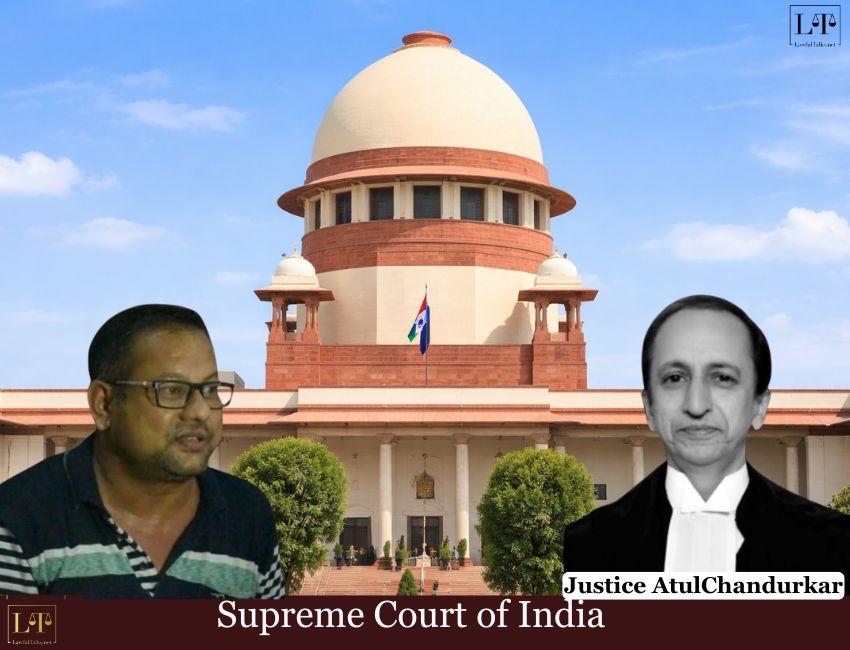
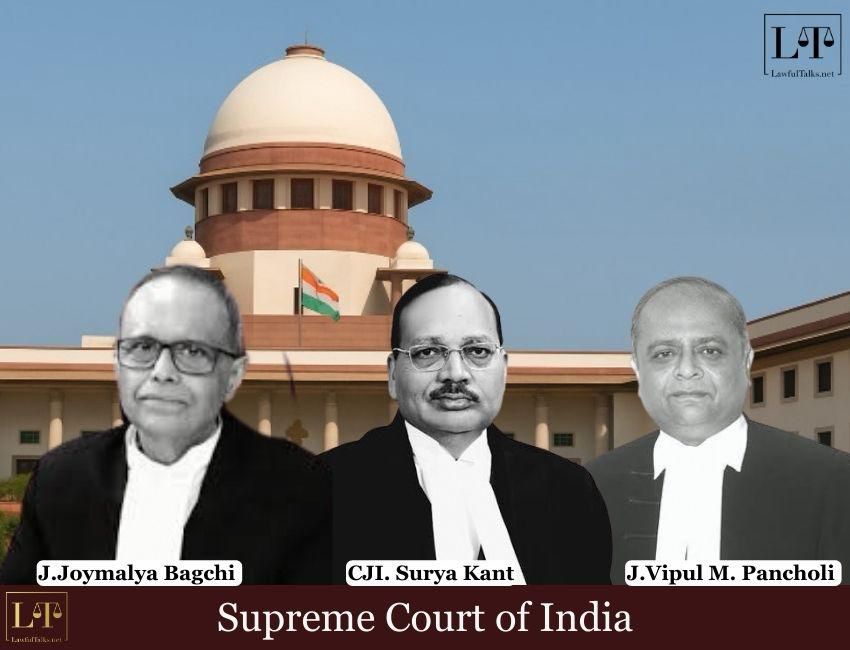
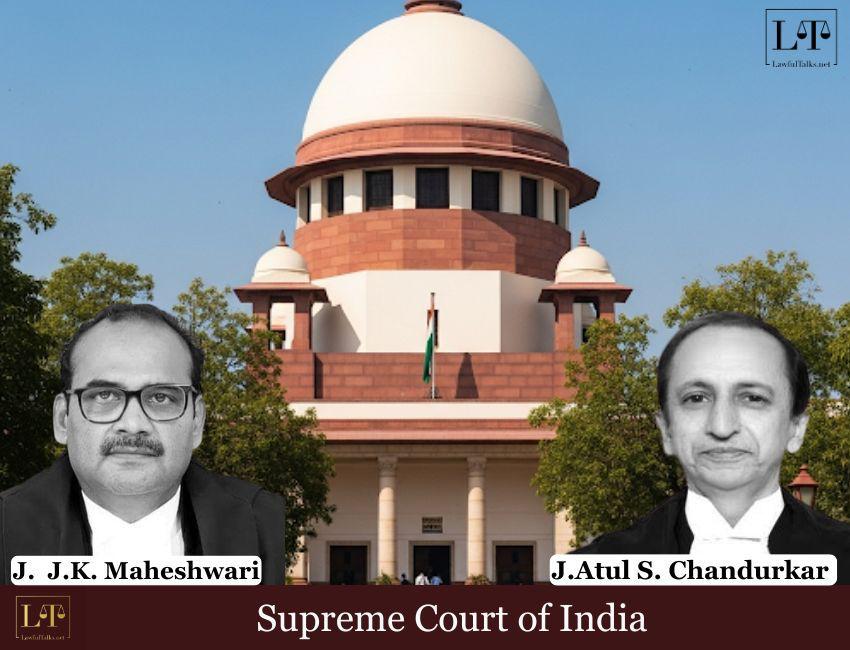
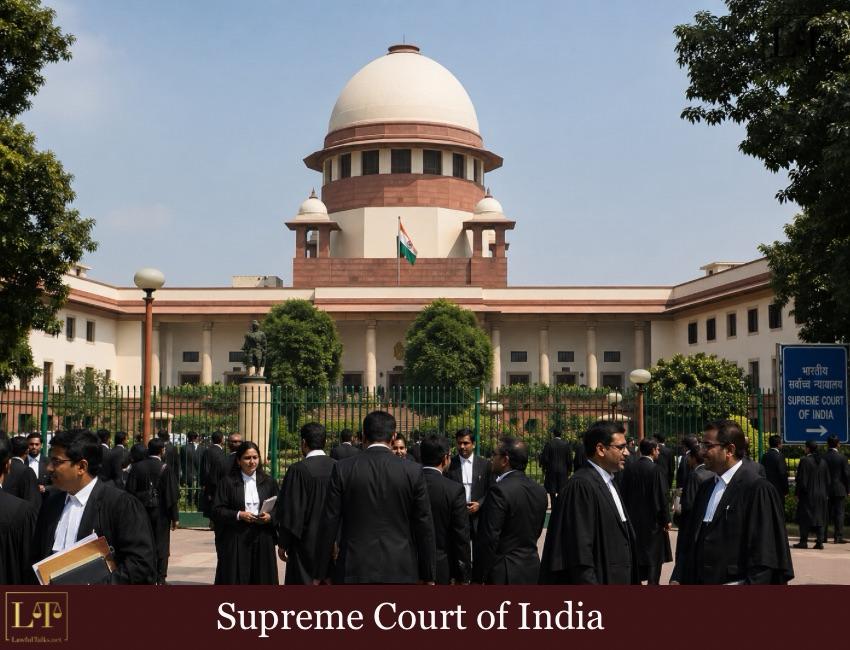
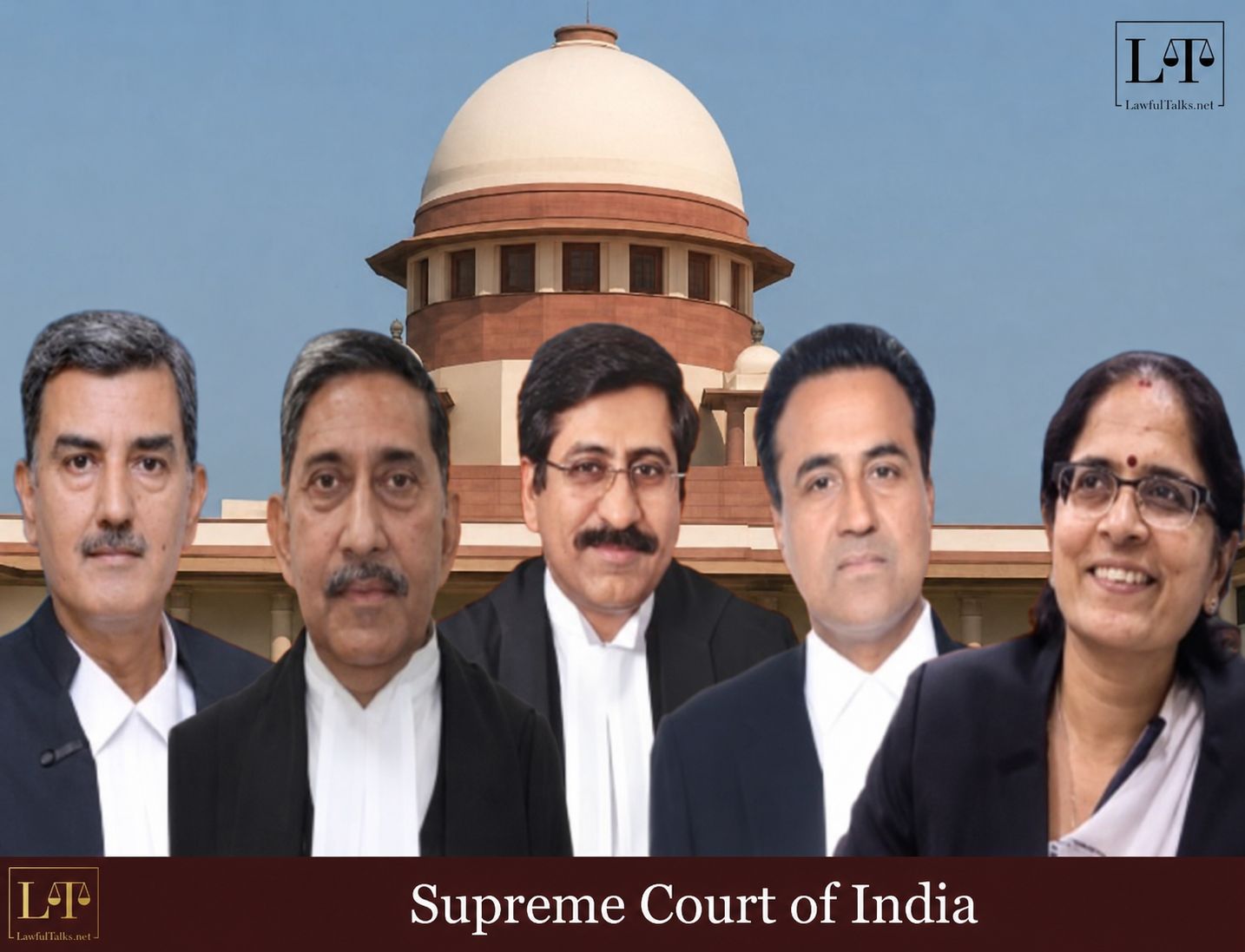
In a recent important judgment, a Supreme Court bench of Justice J. K. Maheshwari and Justice Atul S. Chandurkar explained the limited role of the High Court under Article 227 of the Constitution of India, particularly in cases dealing with procedural amendments to a plaint.
The case was about the legal heirs of a landlord who wanted to amend an eviction suit after the landlord died during the appeal. They wanted to add their own bona fide need for the premises.
High Court Cannot Examine Merits:
The Supreme Court made it clear that while using its supervisory powers, the High Court cannot examine the merits of the case. The Court said:
“The High Court has in the exercise of its jurisdiction under Article 227 of the Constitution entered upon the merits of the case which was sought to be set up by the appellant in the amendment. This is impermissible. Whether an amendment should be allowed is not dependent on whether the case which is proposed to be set up will eventually succeed at the trial.”
Background of the Case:
The case began with a 2005 eviction suit filed by the original landlord against a tenant. The reasons included arrears of rent, permanent changes made to the property, and the landlord’s own bona fide need for the shop.
The Trial Court dismissed the suit. During the appeal, the landlord died. His legal heirs then asked to amend the plaint to explain their own need for the premises.
The Appellate Bench of the Small Causes Court allowed the amendment. It said this would avoid multiple legal proceedings. It also noted that the amendment did not introduce a new conflicting claim or withdraw any earlier admission.
High Court Rejects Amendment:
However, the High Court set aside this order. It held that the original landlord’s claim was only based on his personal need, which had “eclipsed” after his death. It also said the legal heirs should file a fresh suit instead.
The Supreme Court disagreed with the High Court. It said courts can consider events that happen later if they are important for deciding the case in a fair way. The Court stated:
“Where however subsequent events having a material bearing on the entitlement of the parties to relief occur, the Court is not precluded from taking cognizance of the same and moulding the relief in accordance with law.”
Fairness Over Procedure:
The Court also said that fairness is more important than strict procedure. It stated:
“Equity justifies bending the rules of procedure, where no specific provision or fairplay is violated, with a view to promote substantial justice–subject, of course, to the absence of other disentitling factors or just circumstances.”
Power to Send Back Case:
On the issue of sending the case back to the Trial Court, the Supreme Court agreed that the Appellate Bench has this power under the Code of Civil Procedure, 1908. It said that an Appellate Court can frame issues if needed to properly decide the case on its merits.
In the end, the Supreme Court restored the Appellate Bench’s order. It allowed the amendment to the plaint and directed the parties to appear before the Trial Court to continue the case. The Court also clearly said that it had not examined the merits of the claims.
Case Details: VINAY RAGHUNATH DESHMUKH VERSUS NATWARLAL SHAMJI GADA RESPONDENTS AND ANOTHER









































































Sign up for free and be the first to get notified about curated content just for you.