“Bail Cancelled Using a Rule That Didn’t Apply: SC Pulls Up High Court for Misusing Section 480(3)”

- April 28, 2026


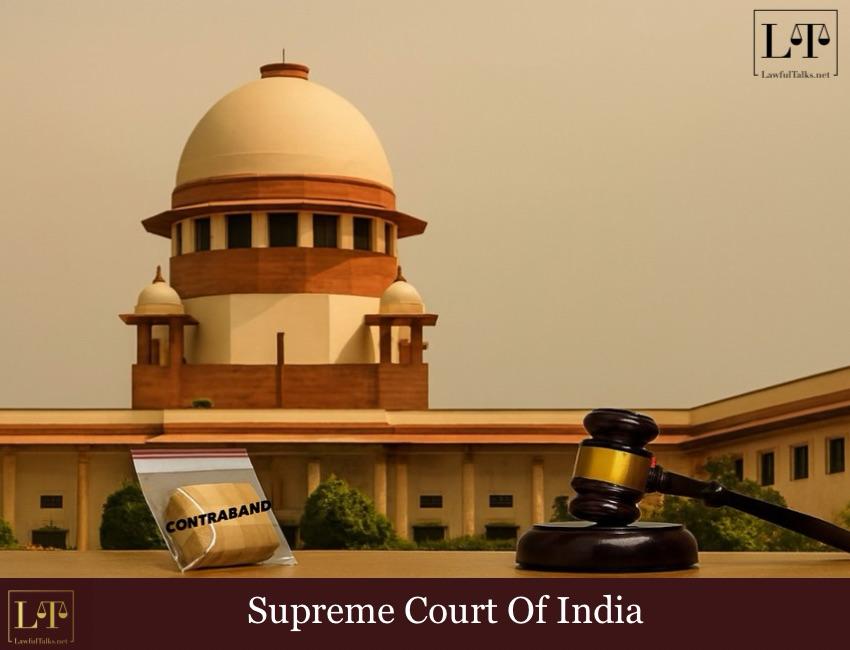
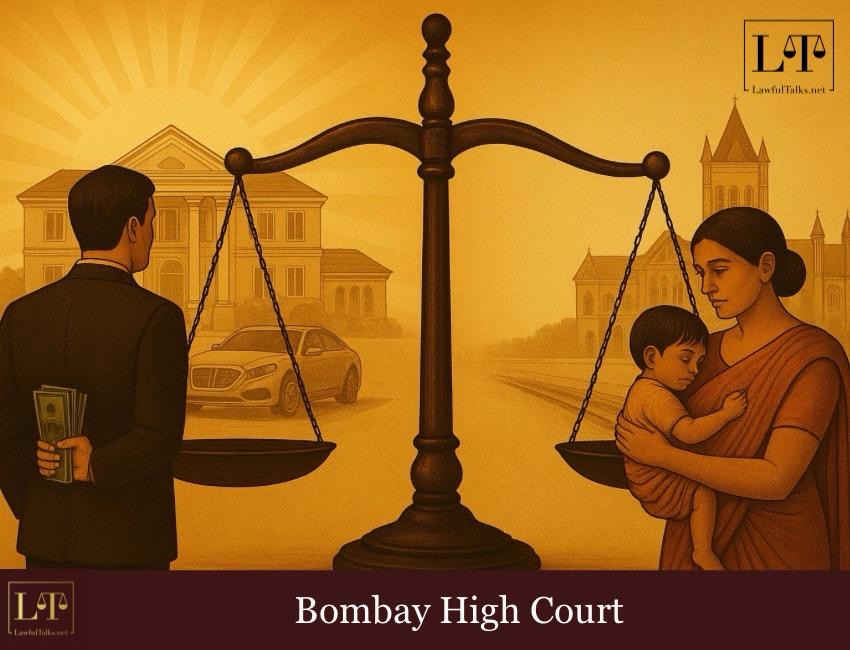
In a significant ruling, the Supreme Court has ruled that courts do not have to apply the strict conditions under Section 480(3) of the Bharatiya Nagarik Suraksha Sanhita (BNSS) while granting bail in non-bailable offences that carry a maximum punishment of up to seven years.
Case Background:
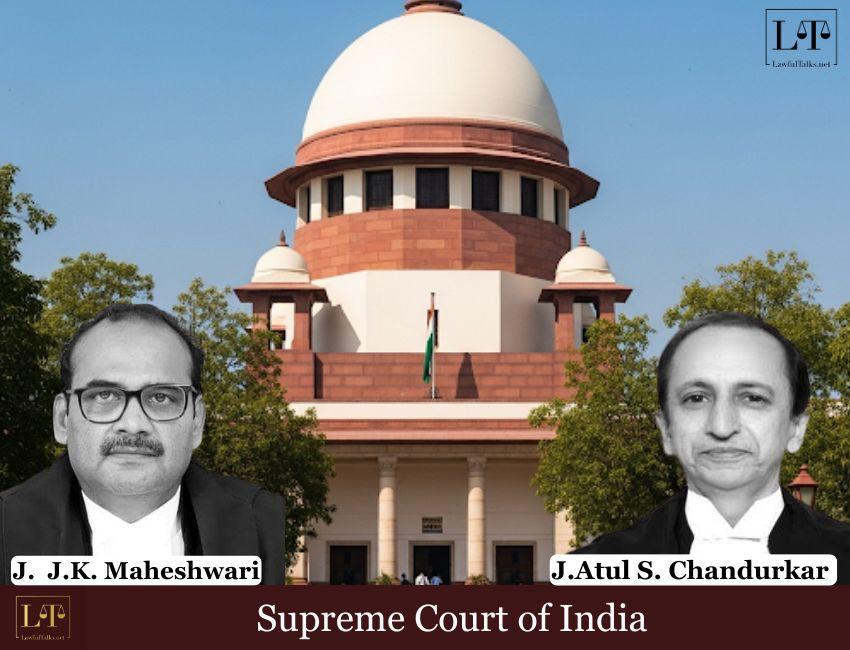
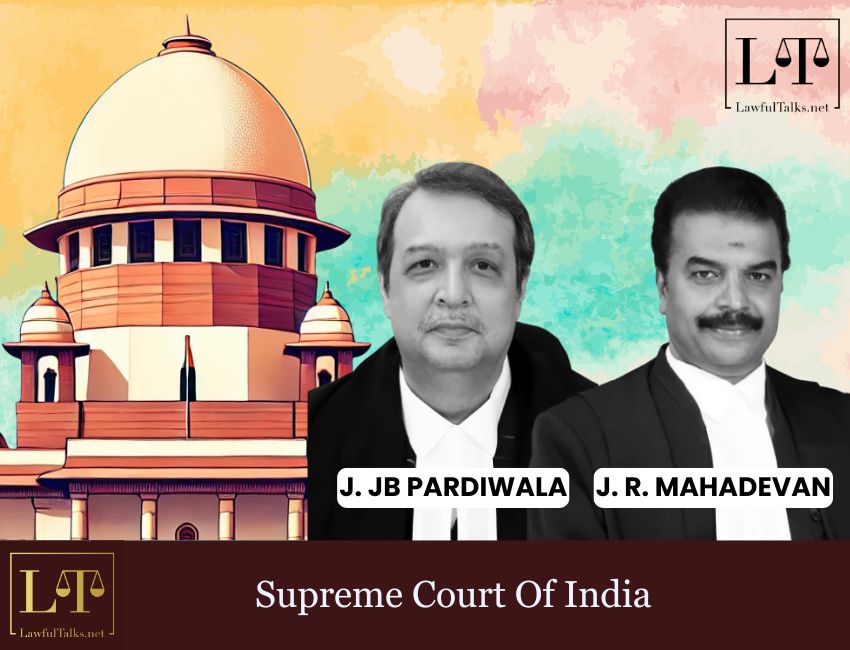
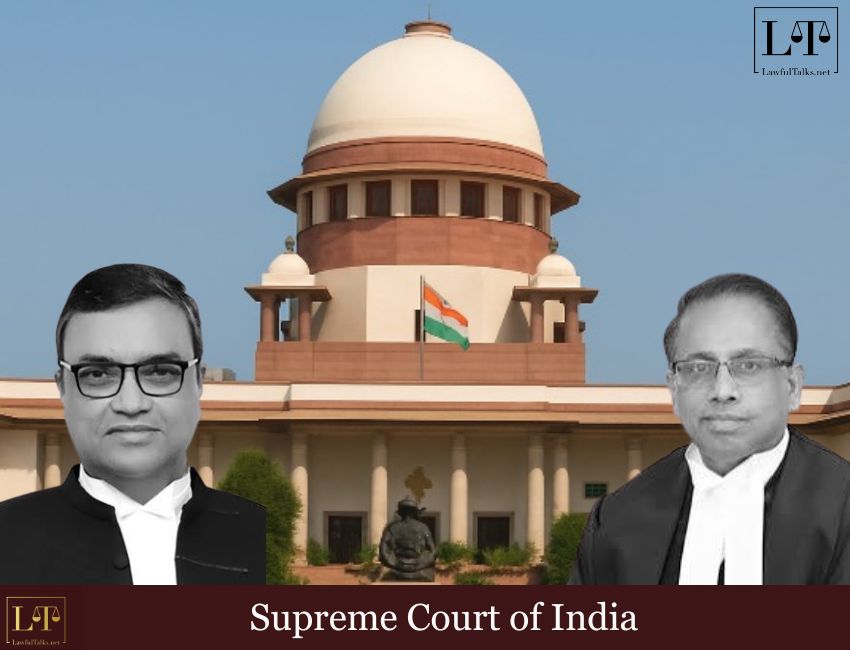
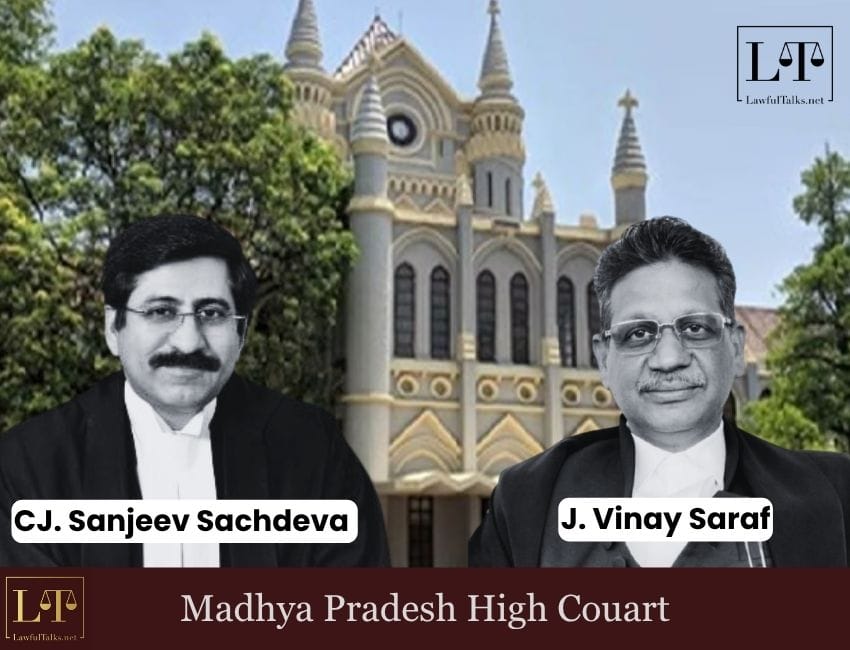
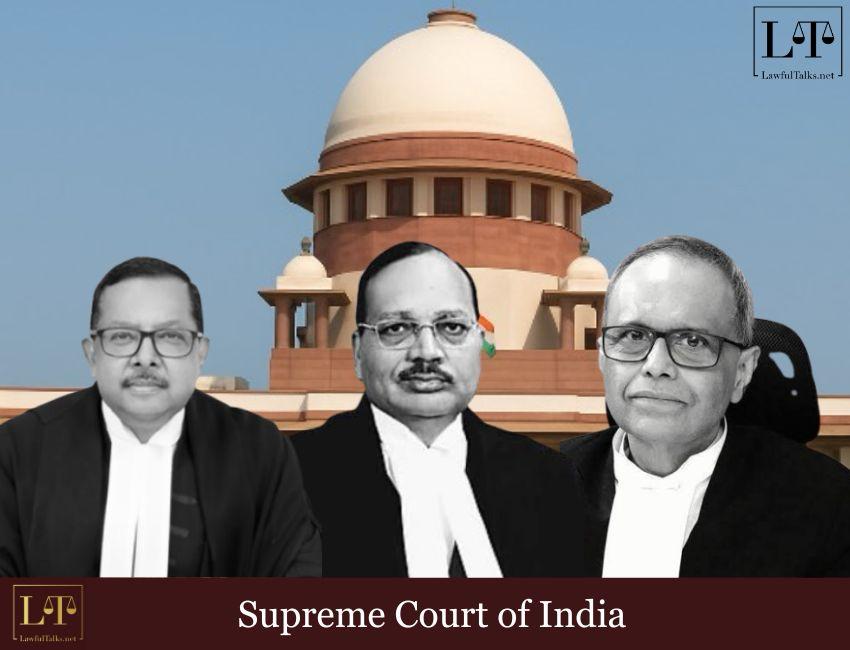
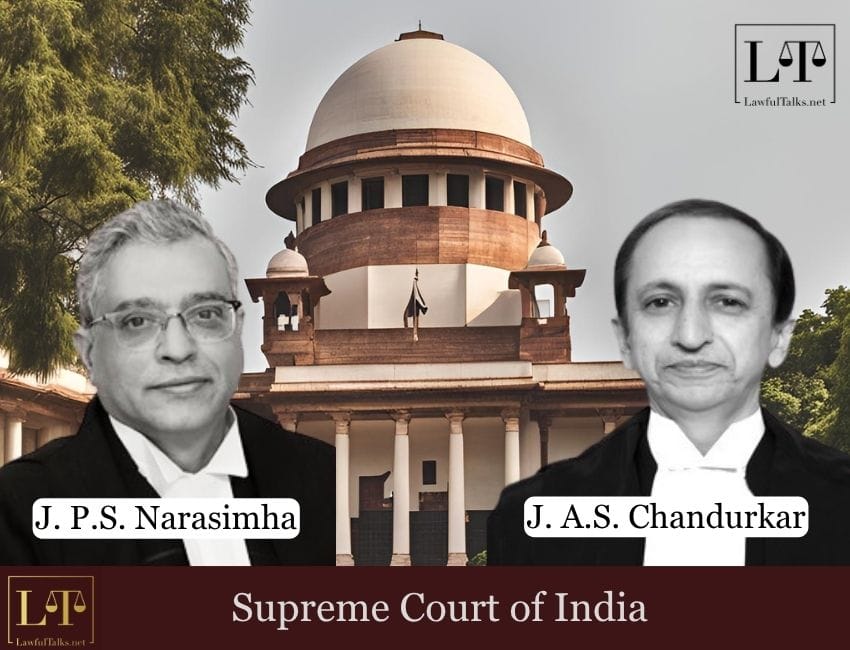
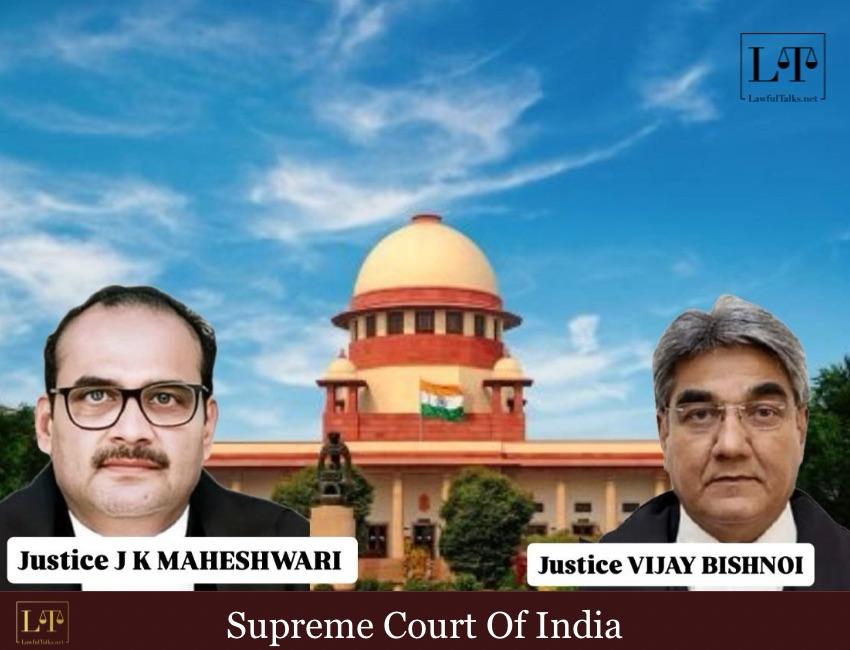
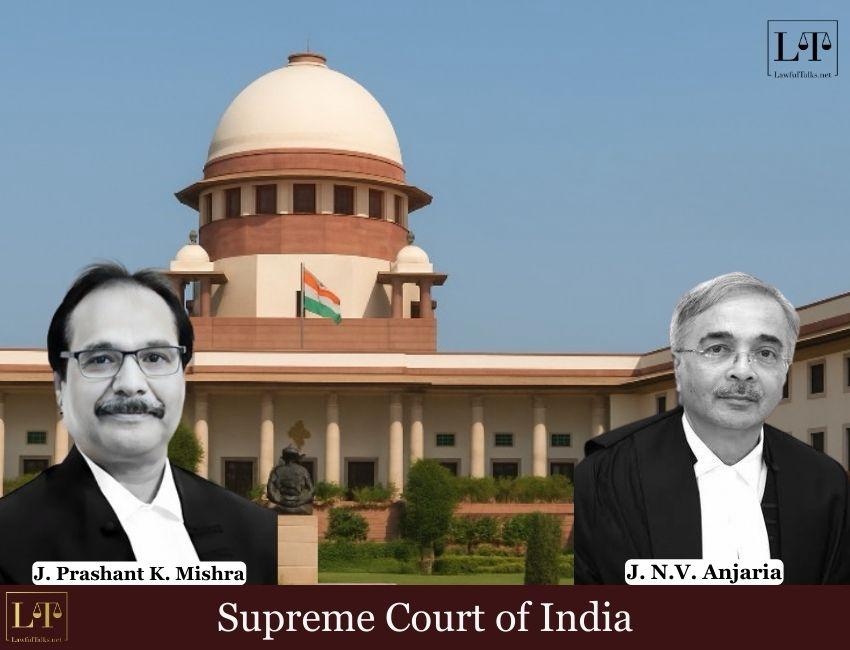
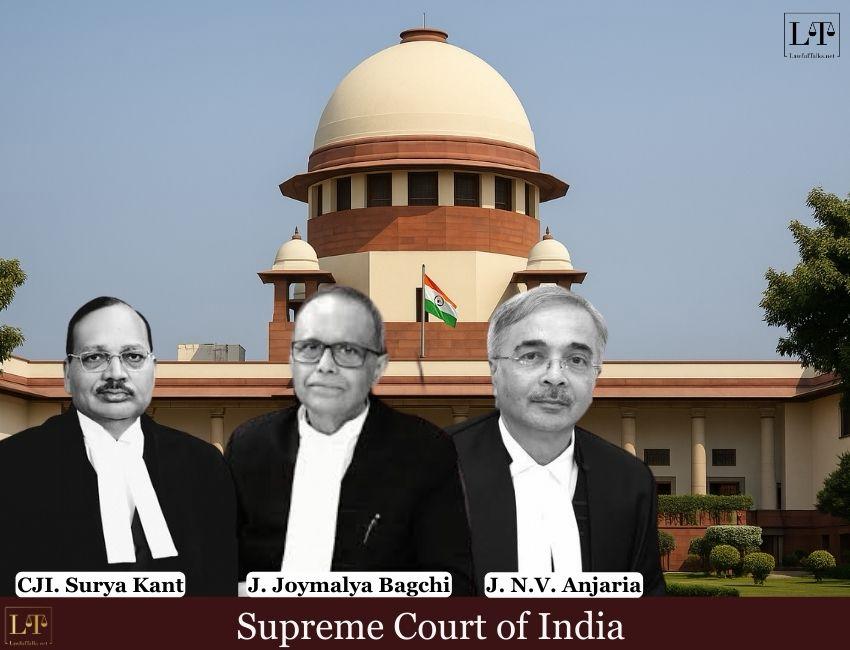
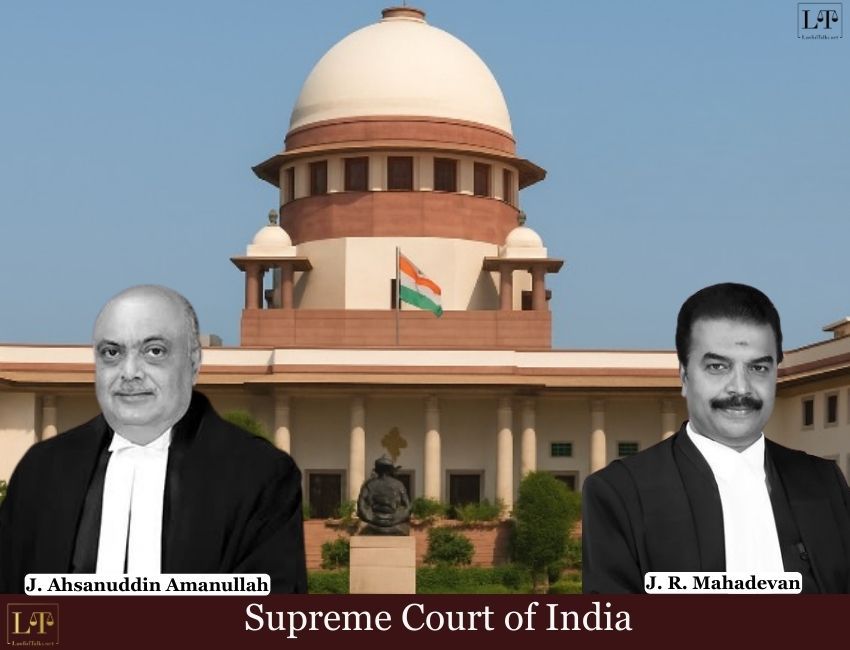
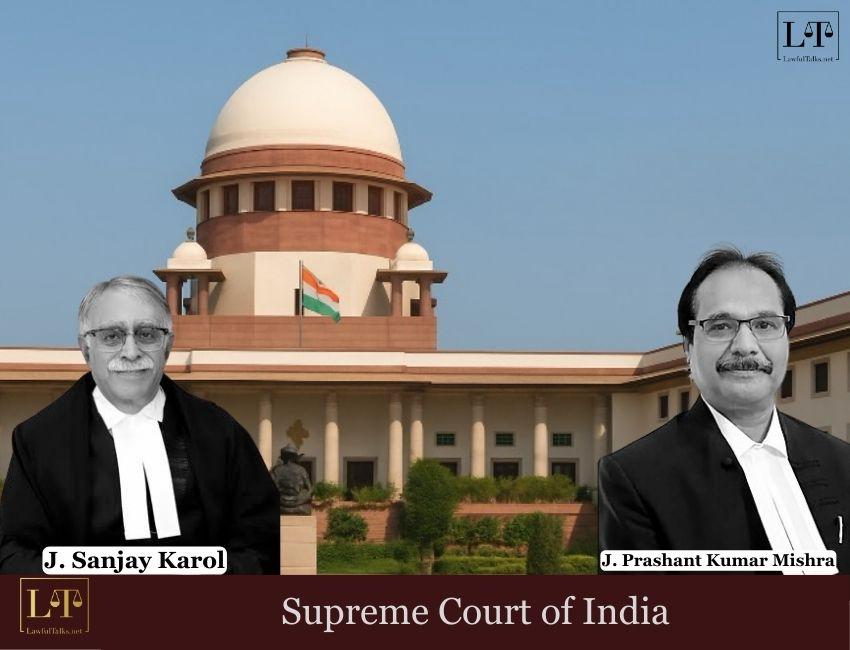
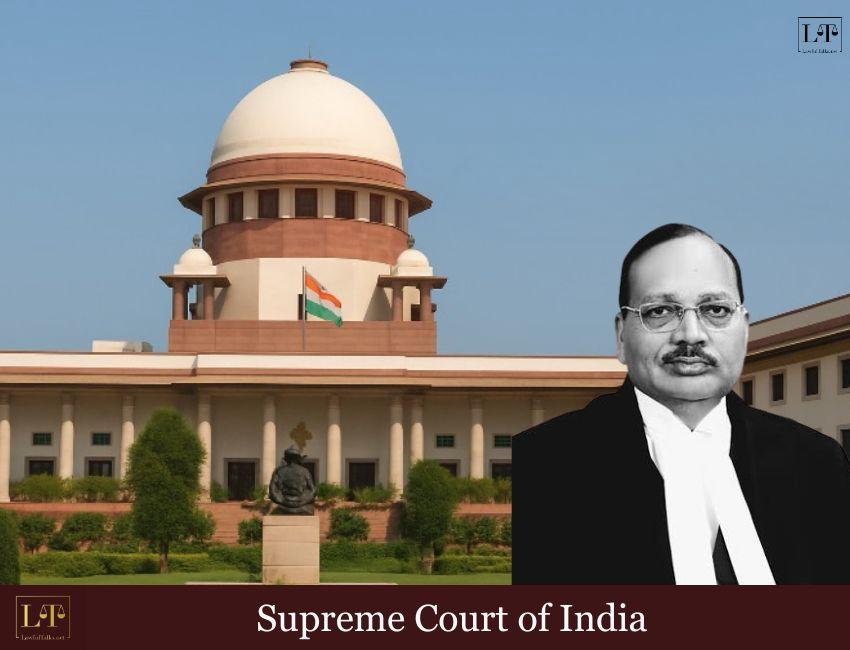
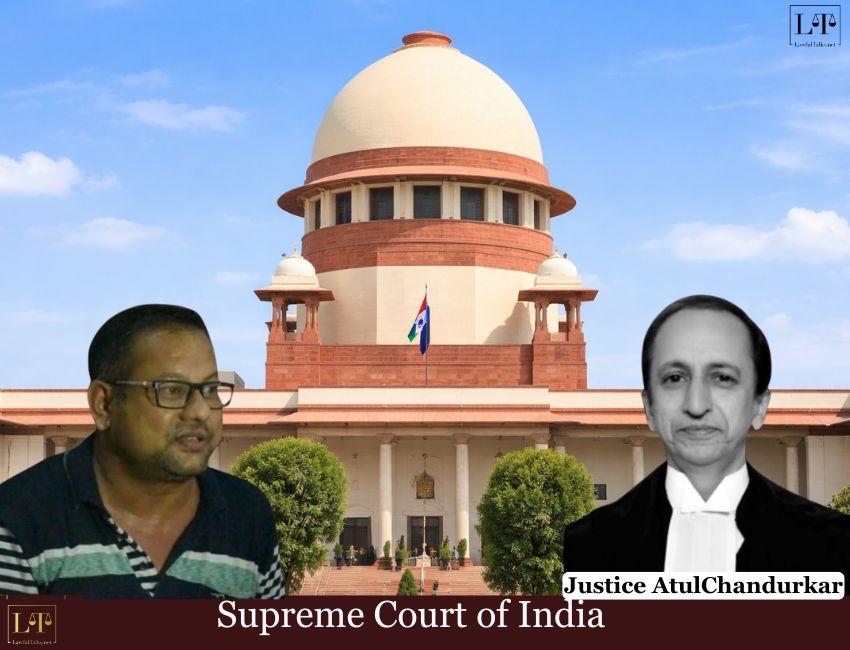
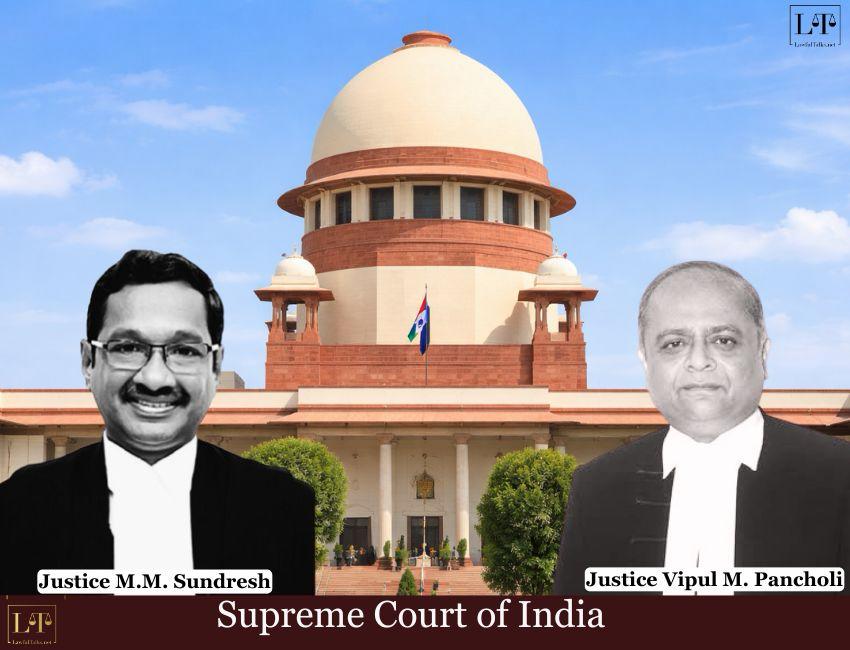
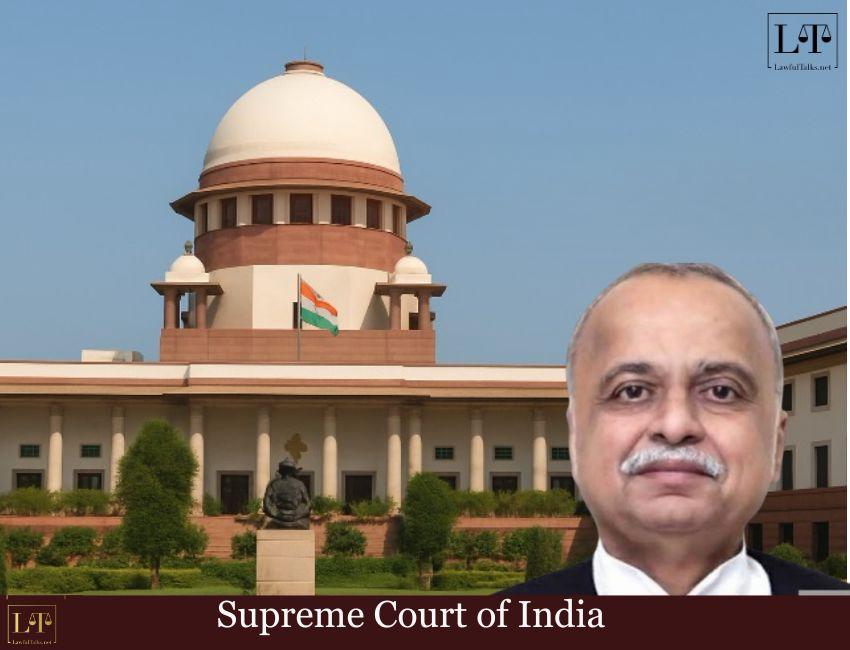
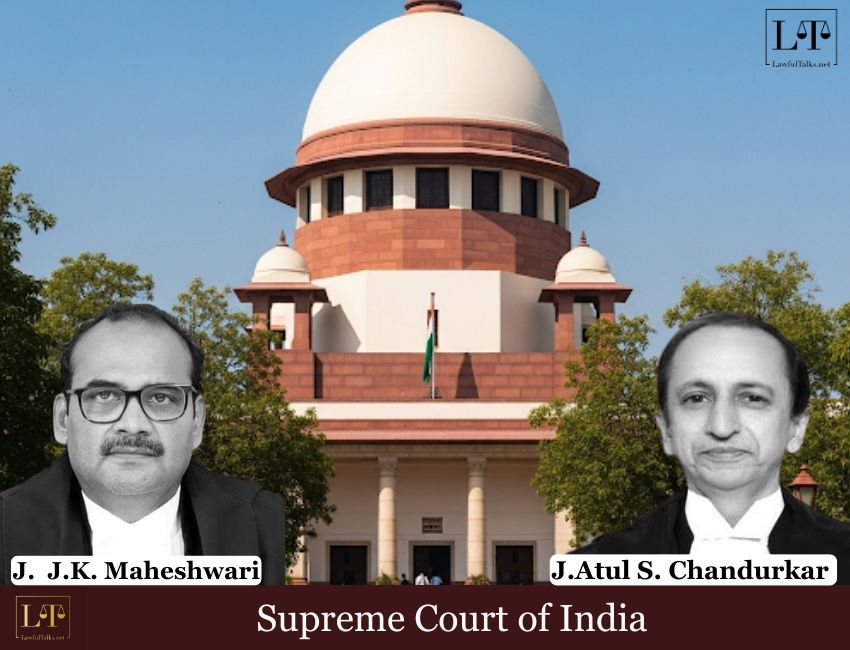
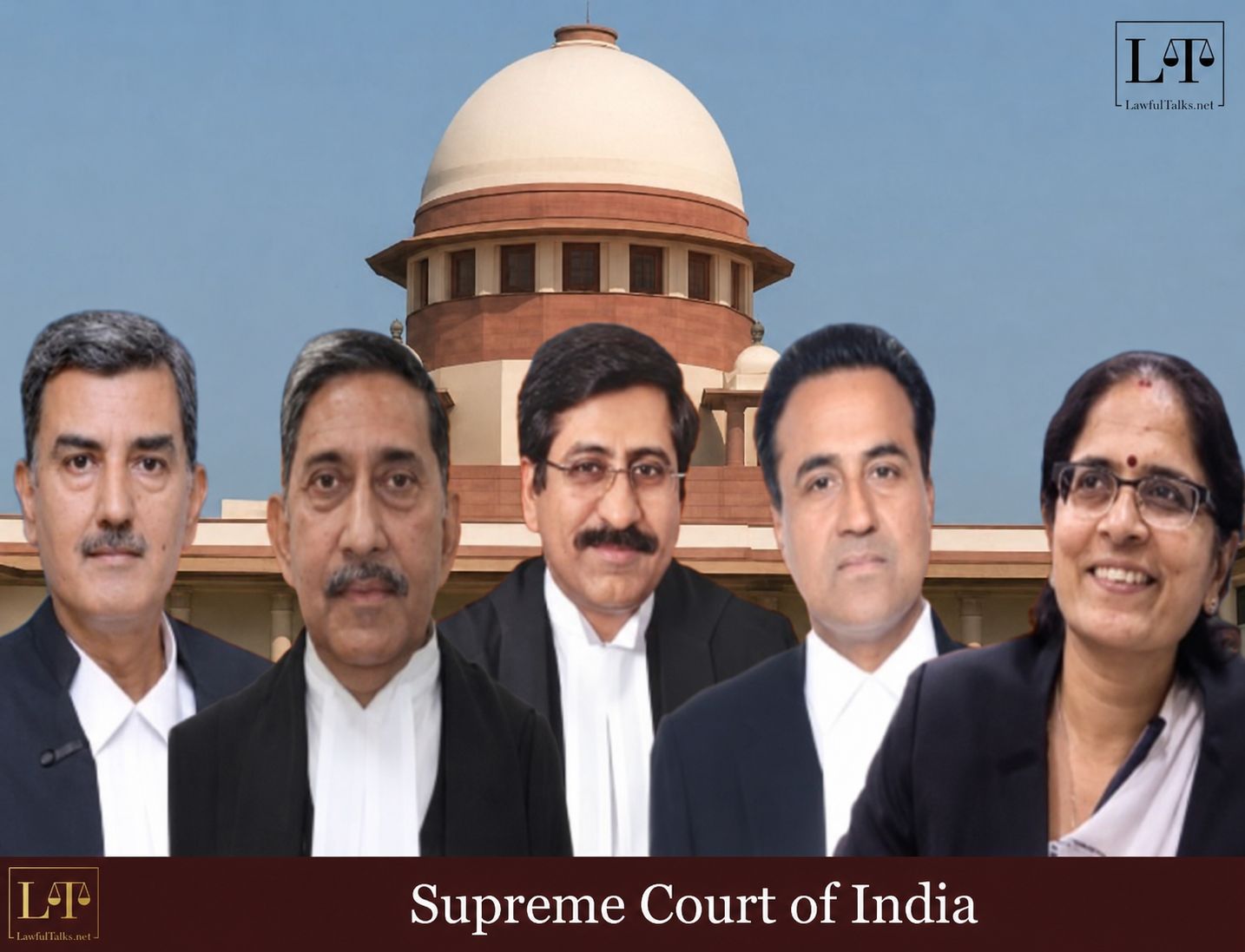
A bench of Justice J.K. Maheshwari and Justice Atul S. Chandurkar gave this decision while setting aside a Madhya Pradesh High Court order that had cancelled the bail of an accused in a case under the MP Excise Act related to possession of illegal liquor.
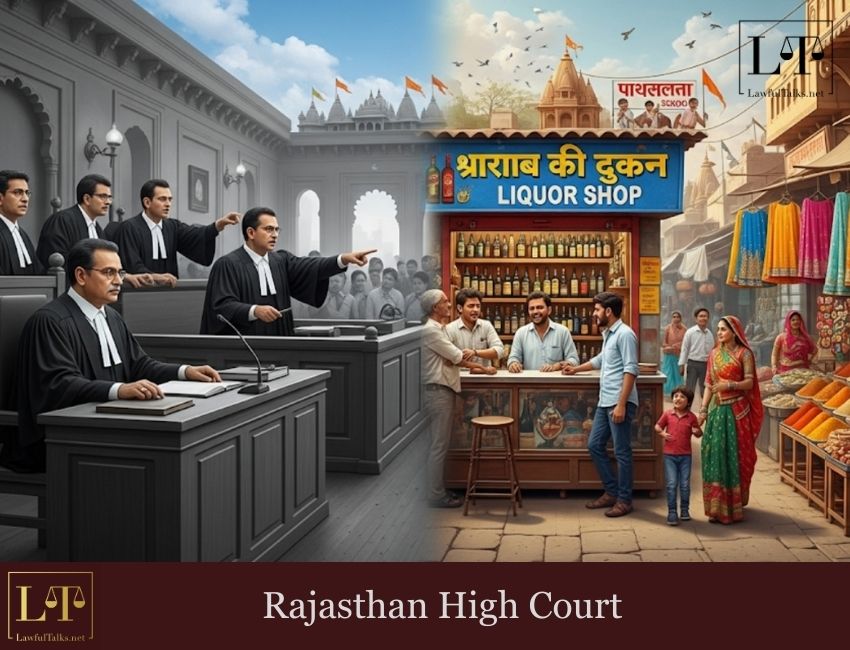
In this case, the offence carried a maximum punishment of three years and was non-bailable. However, the Indore Bench of the High Court cancelled the bail only because it believed the accused had violated the conditions under Section 480(3) BNSS.
The Supreme Court disagreed. It said that these conditions do not apply at all to non-bailable offences where the punishment is seven years or less. So, applying those conditions in the first place was incorrect, and any claim that they were violated cannot be used to cancel bail.
What Conditions Apply To:
The High Court had originally granted bail under Section 480 BNSS but added the conditions under Section 480(3). These conditions apply only to offences punishable with seven years or more, or to certain serious categories like those under Chapters VI, VII, or XVII of BNSS, including abetment, conspiracy, or attempt. These conditions include appearing in court as required, not committing a similar offence, not influencing witnesses or evidence, and following any other conditions imposed by the court.
Later, the State asked for cancellation of bail, claiming that the accused had misused his liberty by committing a similar offence again—this time involving possession of 72 bulk litres of illegal liquor—and therefore violated the conditions.
The accused challenged this in the Supreme Court, arguing that the High Court made a mistake by applying Section 480(3) conditions to an offence that carries only a three-year maximum punishment, which is below the seven-year limit.
The Supreme Court agreed with the accused and said the High Court had overstepped, because those conditions should never have been applied.
Key Quote:
The Court said, “…since the punishment for subsequent offence is less than five years, the conditions as stipulated in Section 480(3) BNSS are not imposable. Therefore, at present, cancellation of bail on account of involvement in the subsequent offence solely based on Section 34(2) of the M.P. Excise Act, 1915, is not justified.”
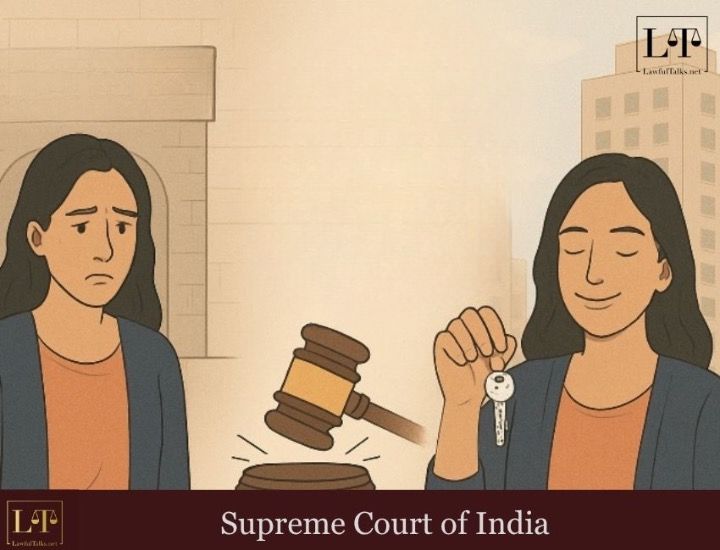
As a result, the Supreme Court allowed the appeal and restored the bail.
Case Details: NARAYAN VERSUS THE STATE OF MADHYA PRADESH





















































































Sign up for free and be the first to get notified about curated content just for you.