You Can’t Prosecute the Buyer for the Seller’s Fraud: SC Draws a Hard Red Line”

- April 28, 2026


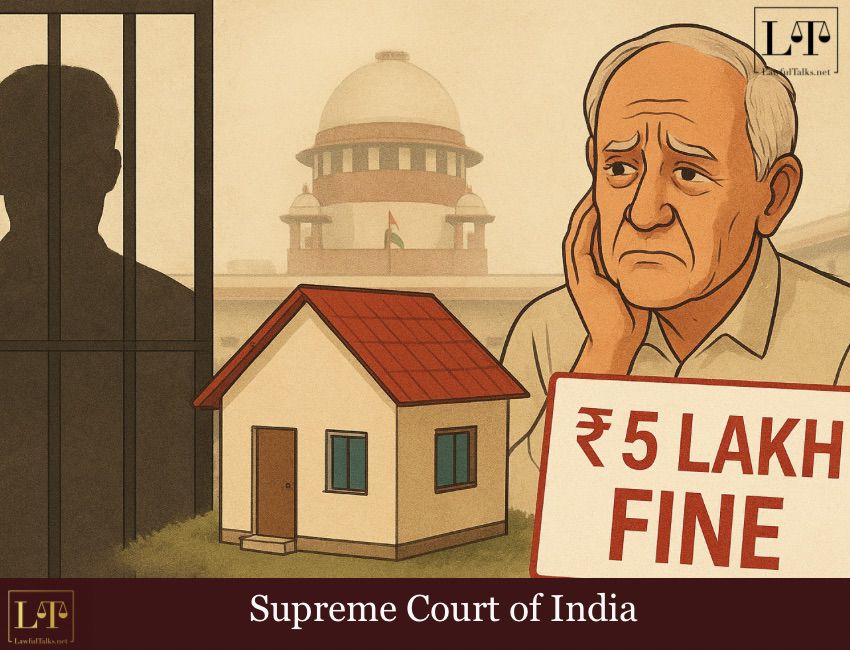
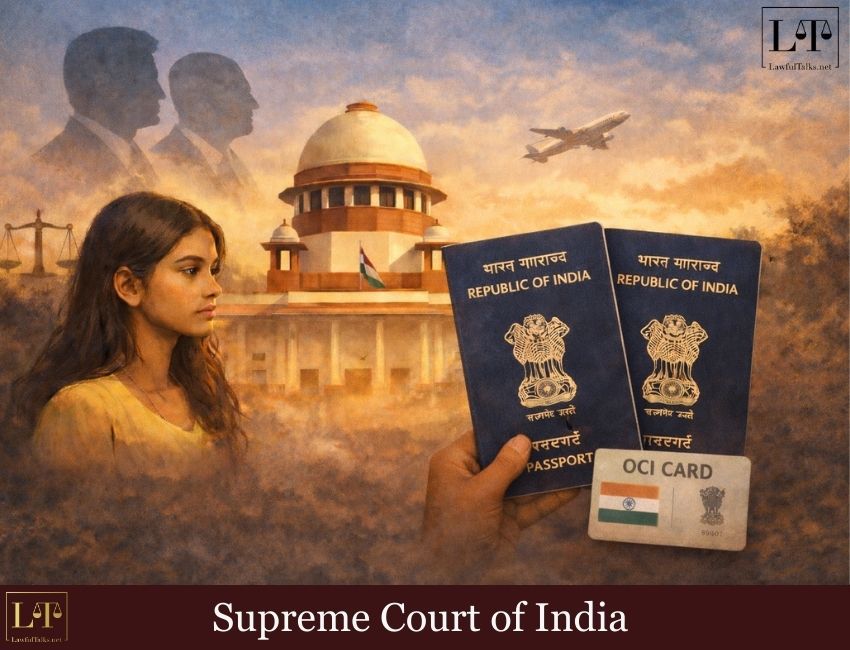
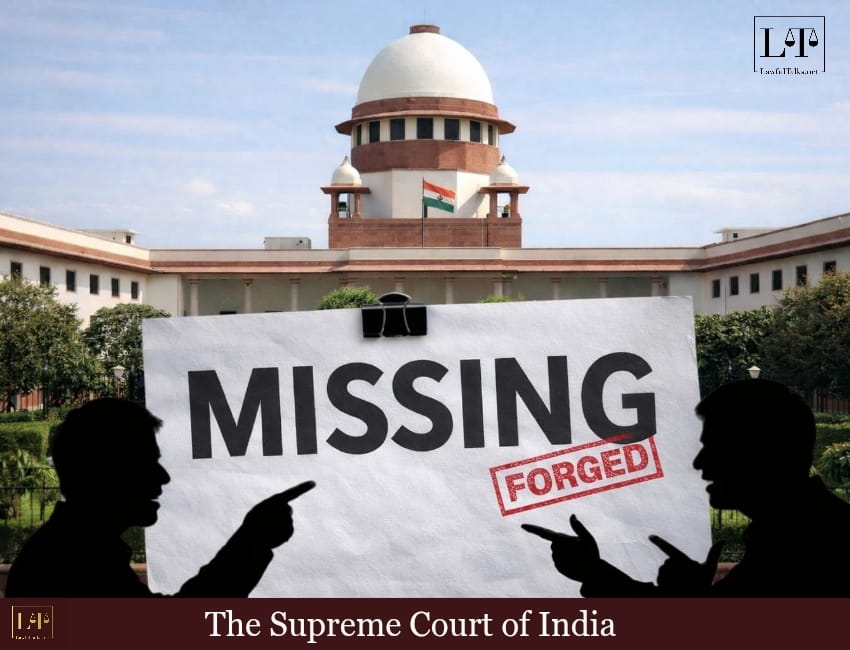
The Supreme Court has held that if someone buys property based on a Will that is later found to be forged, the buyer cannot automatically be held criminally liable for a fraudulent sale deed executed by the seller.
No Knowledge, No Liability:
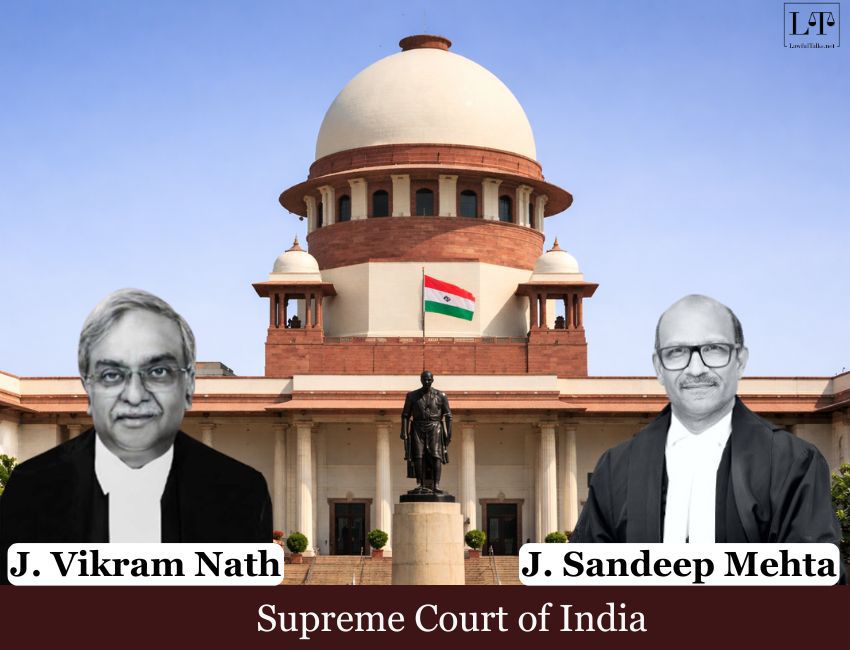
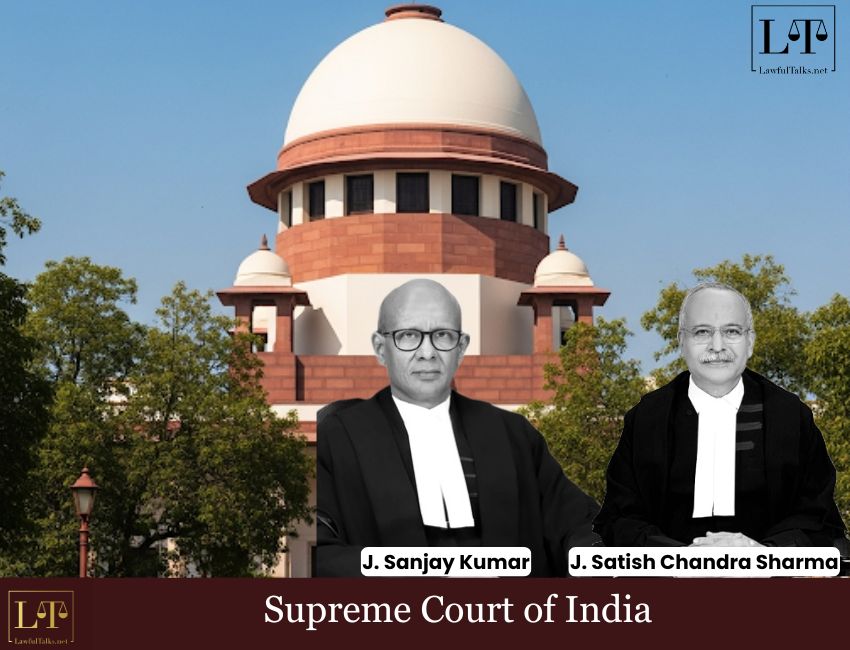
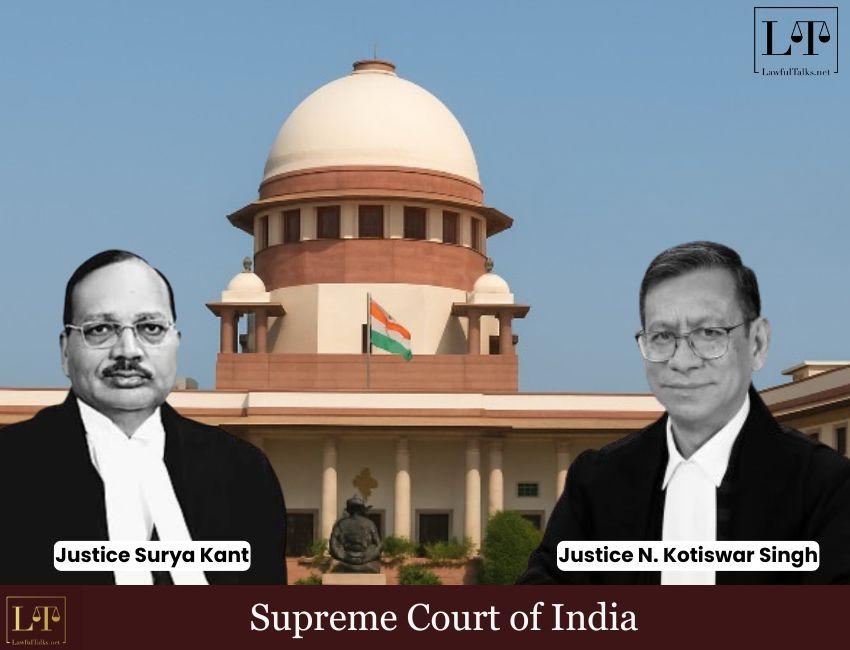
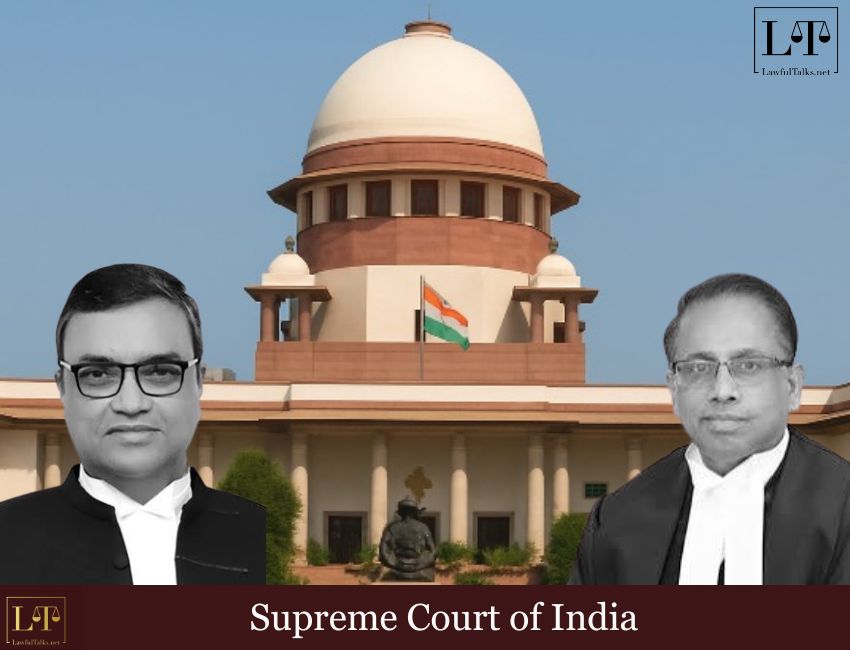
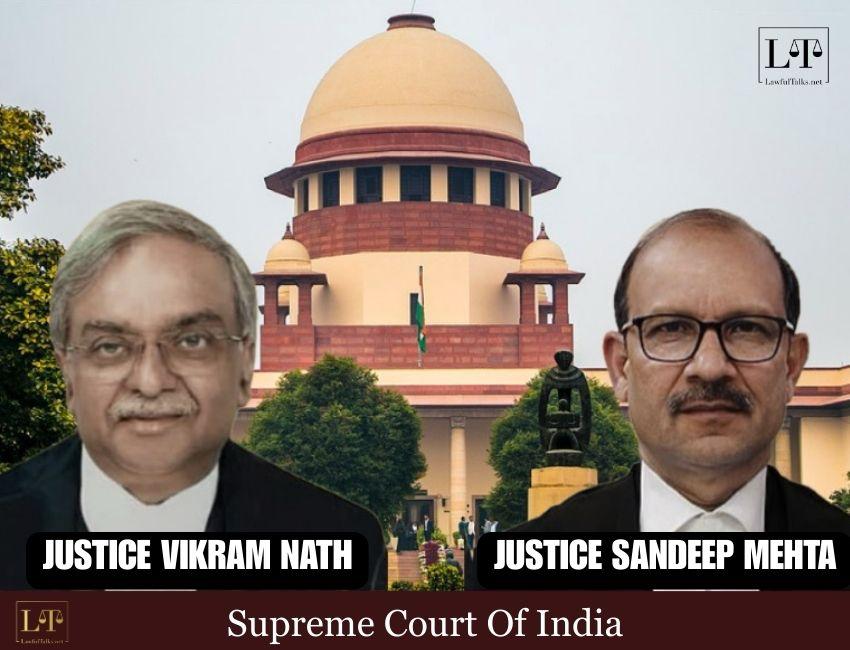
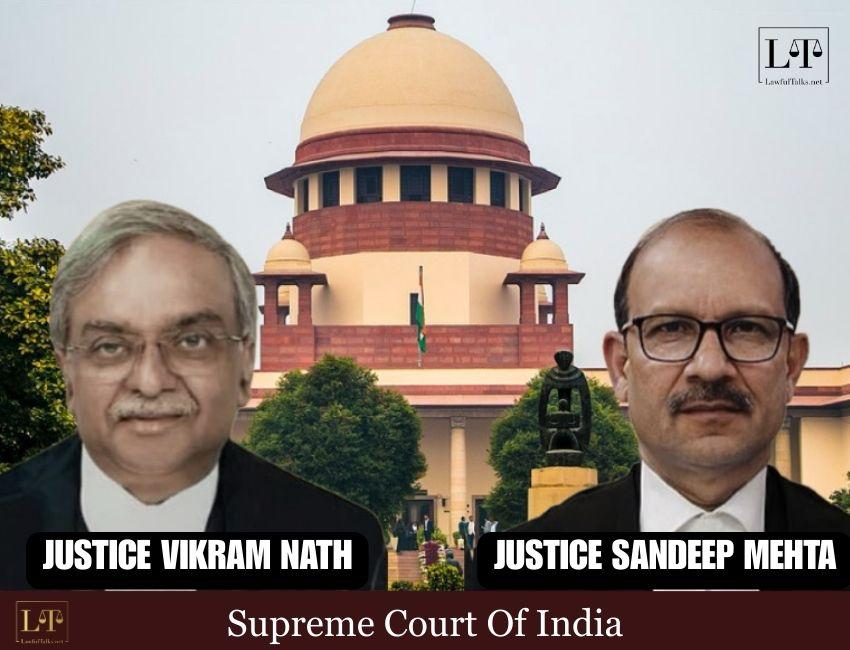
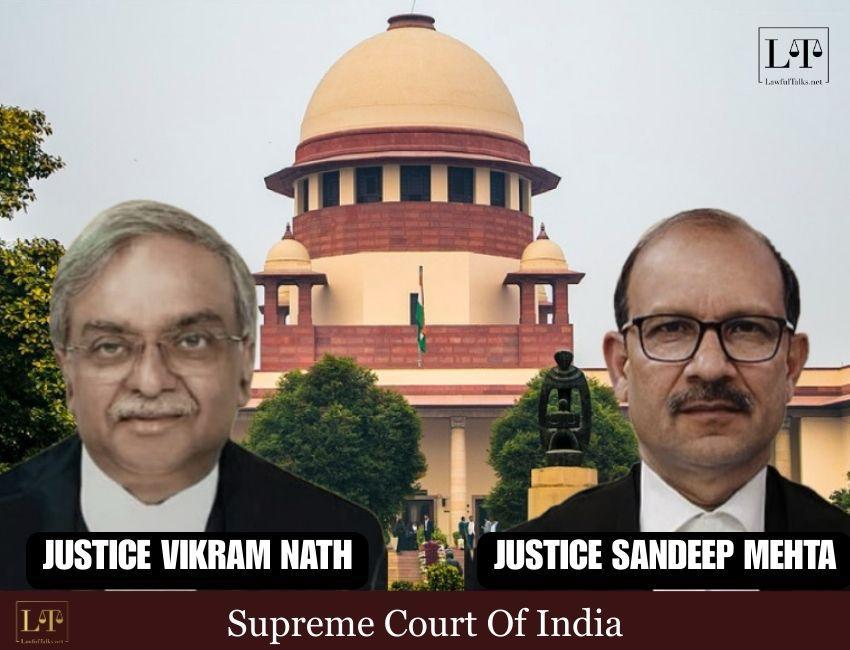
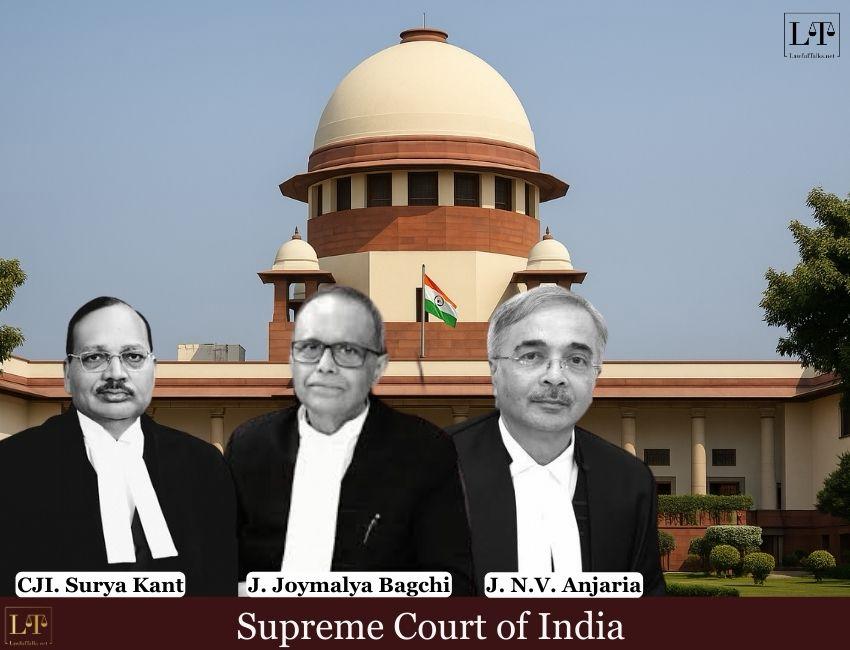
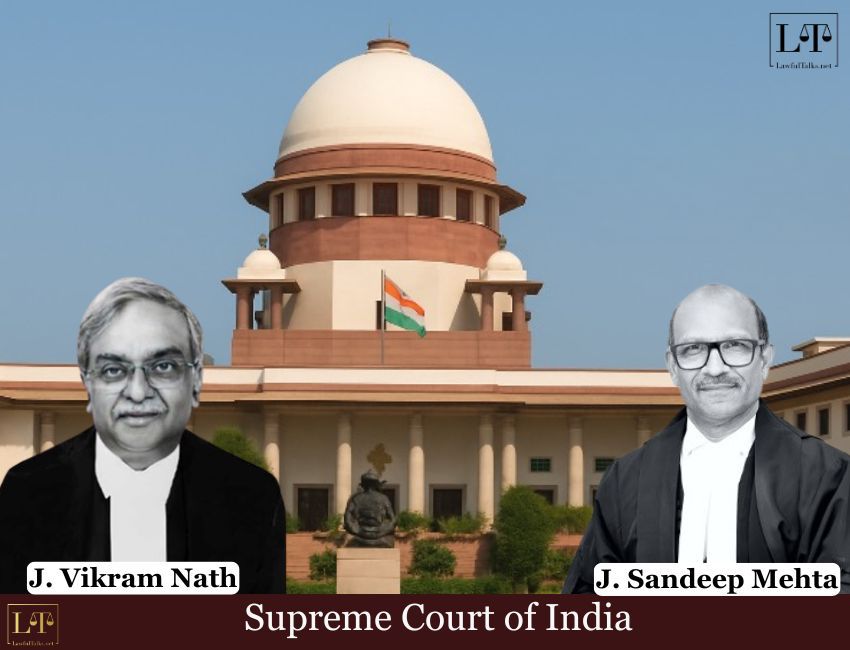
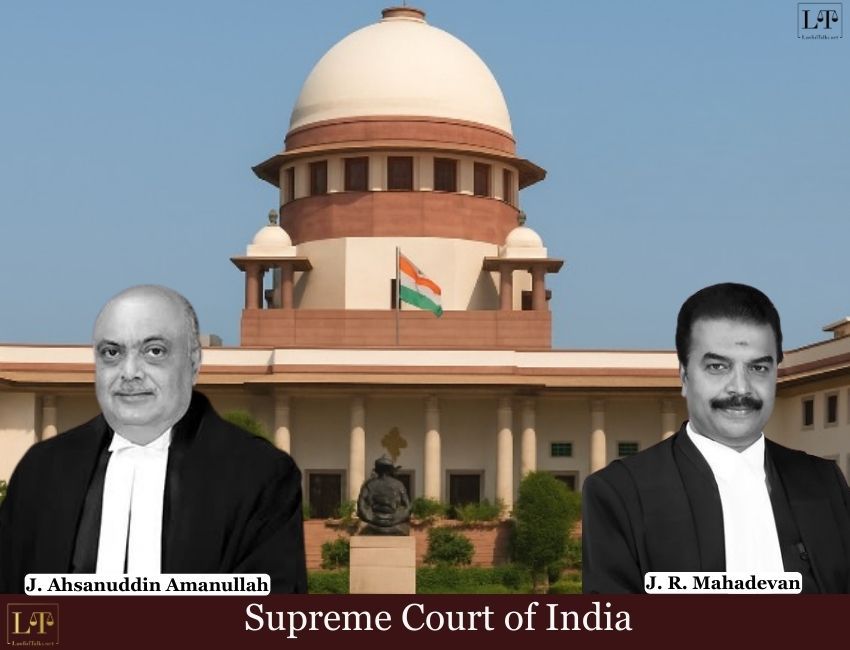
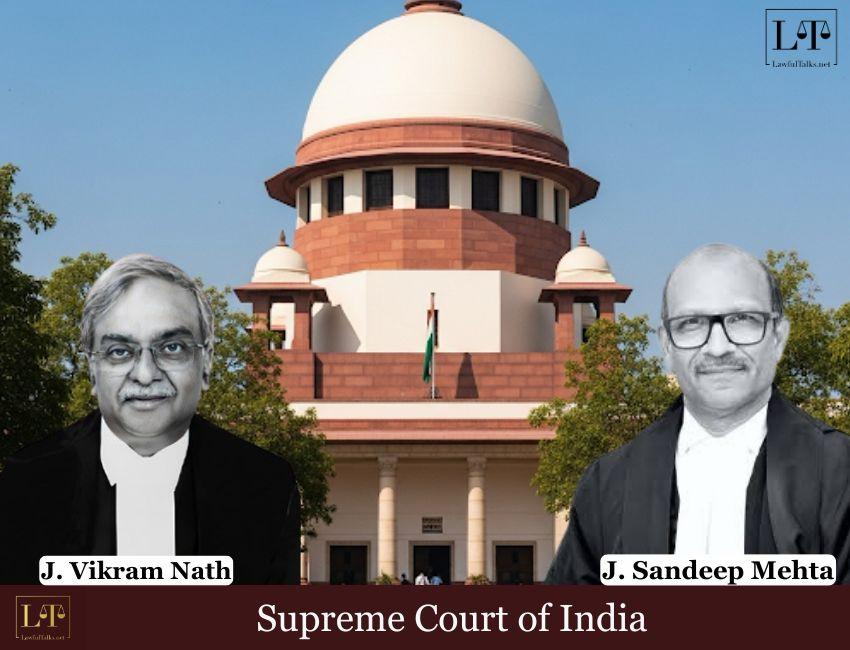
A Bench of Justice Vikram Nath and Justice Sandeep Mehta quashed the criminal case against the purchaser. The buyer had been accused of helping in a fraudulent property transaction carried out by the seller. However, the Court noted that the buyer did not know about the alleged forgery at the time of purchase and was also abroad during the relevant period. So, no criminal liability could be fixed on him for a transaction that was later found to be fraudulent.
The Court said that in such cases, the buyer cannot be treated as an accused. Instead, they “would be the persons aggrieved because in such circumstances, their title over the property in question would land in dispute, having being acquired from the vendor who used the so called fabricated will to execute the registered sale deeds.”
Background of Dispute:
The case came from a long family dispute over property in Tamil Nadu. The complainant claimed that a Will, said to have been executed by his father shortly before his death in 1988, was fake. Based on this Will, the complainant’s brother sold the property in 1998 to several buyers, including the appellant.
Later, a criminal case was filed under IPC provisions for forgery, cheating, and criminal conspiracy. The appellant, who was one of the buyers, approached the court to quash the case, saying he was a genuine purchaser and had nothing to do with the alleged fake Will.
Mere Forgery Doesn’t Implicate Buyer:
Allowing the appeal, the Court (through Justice Mehta’s order) clarified that just because a transaction is later found to be based on a forged document does not mean the buyer is criminally guilty.
The Court found no evidence linking the buyer to the alleged forgery or conspiracy. It also noted that the property was bought for valid consideration after due diligence, and that the appellant was a minor when the Will was allegedly forged. So, no presumption of his involvement could be made, and his role in the alleged fraud was ruled out.
No Cheating Made Out:
“…the appellant, being a purchaser of the subject property for valuable consideration, cannot, in the facts of the present case, be considered to be the person who offered fraudulent inducement to respondent No.2- complainant or made him to deliver some property or part with valuable security so as to bring his acts within the purview of fraudulent inducement and cheating to gain property punishable under Section 420 IPC [corresponding Section 318(4) of the Bharatiya Nyaya Sanhita, 2023].”, the court observed.
The Court also noted that the complaint was filed by Respondent No.2, who had no direct contract with the appellant. Referring to Mohammed Ibrahim v. State of Bihar (2009), the Court said that a third party cannot accuse a buyer of cheating just because the seller’s title later turns out to be defective.
No Proof of Conspiracy:
“Admittedly, there is no privity of contract between the appellant and respondent No.2- complainant. Neither the FIR nor the impugned order discloses availability of any tangible material to substantiate the allegation that the appellant had conspired in the preparation of the alleged forged Will, or that the registered sale deed dated 18th December, 1998 was executed by him with knowledge that the signatures on the Will were forged.”, the court held.
In the end, the Court allowed the appeal and quashed all criminal proceedings against the appellant.
Case Details: S. Anand vs State of Tamil Nadu Represented by its Inspector of Police and Anr (Crl Appeal (SLP) Crl No. 12177 of 2022)





























































































































































































































































































































































Sign up for free and be the first to get notified about curated content just for you.