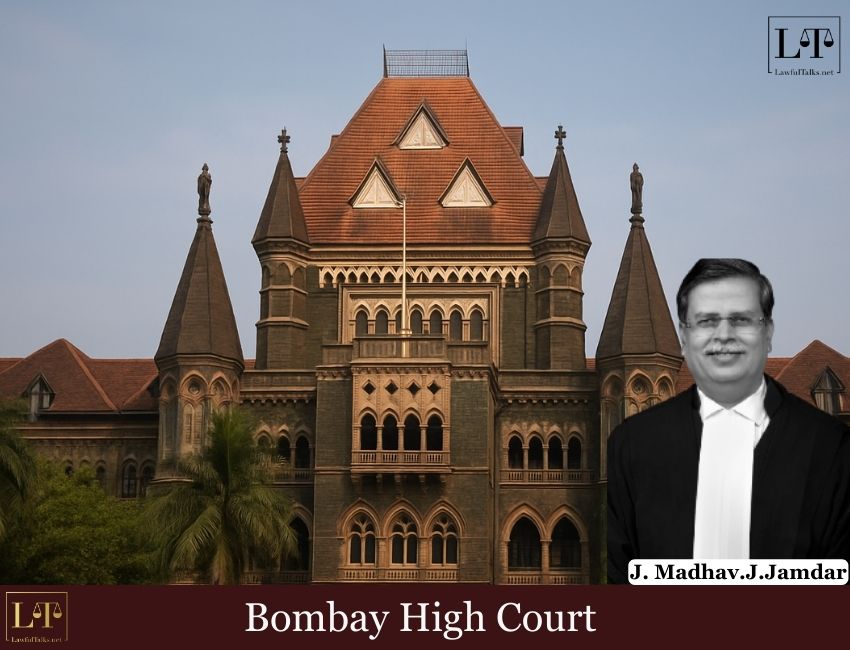
Bombay HC Stays 5-Year Disqualification of Society Office Bearer; Prima Facie Finds Case Made Out

- April 29, 2026


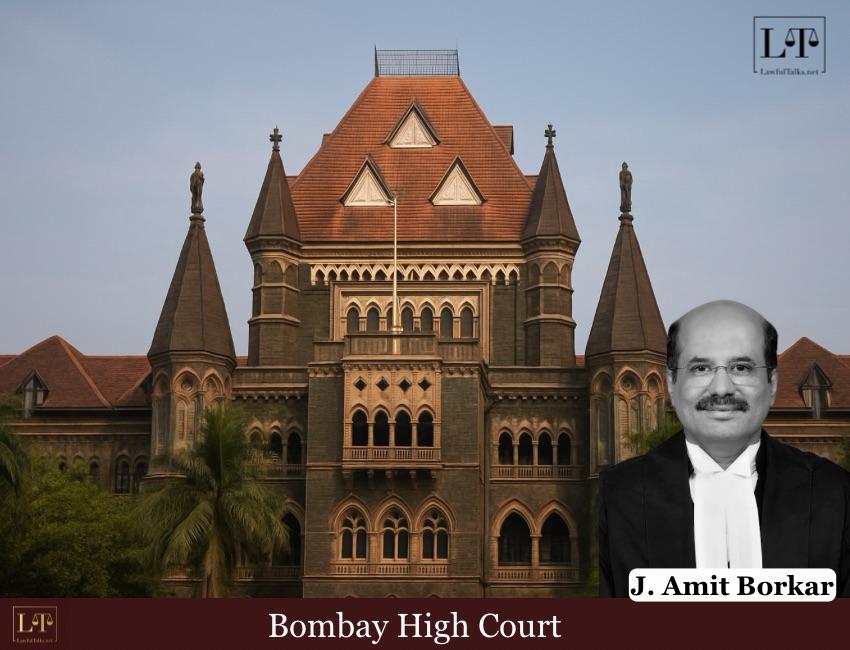
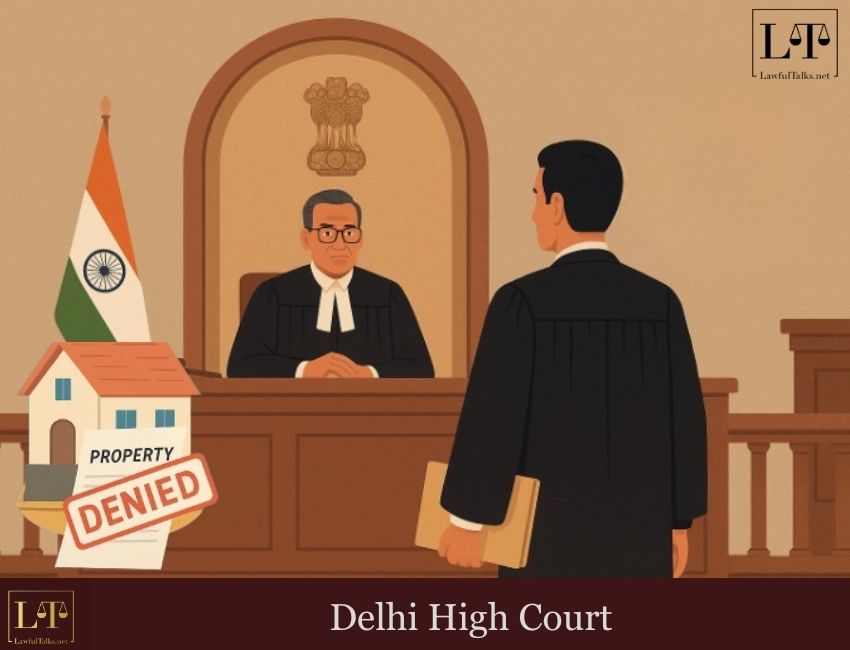
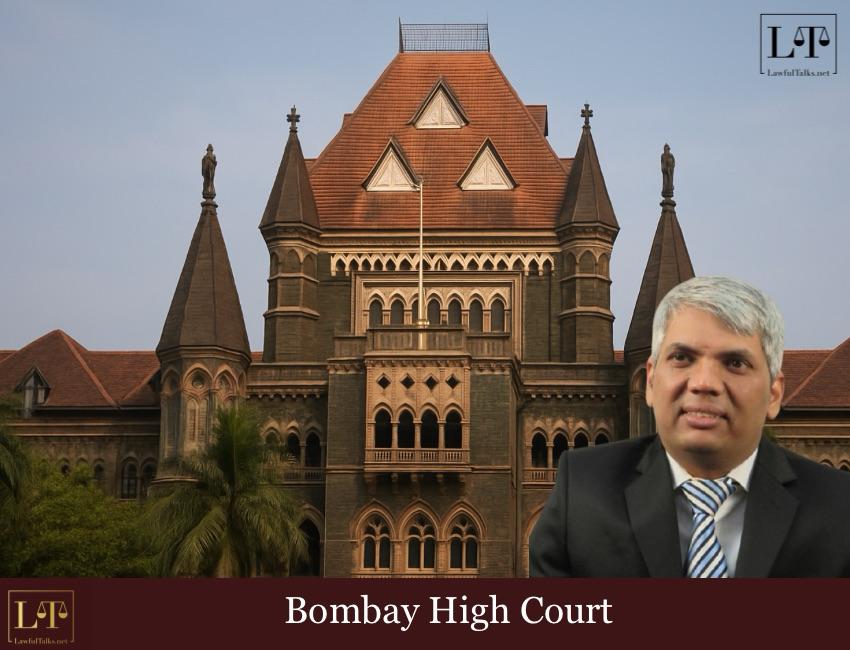
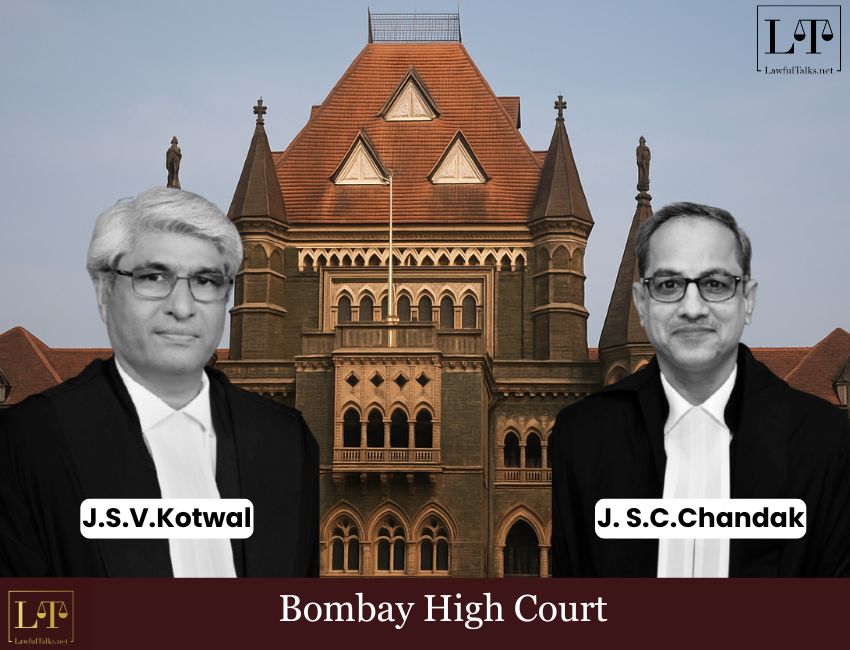
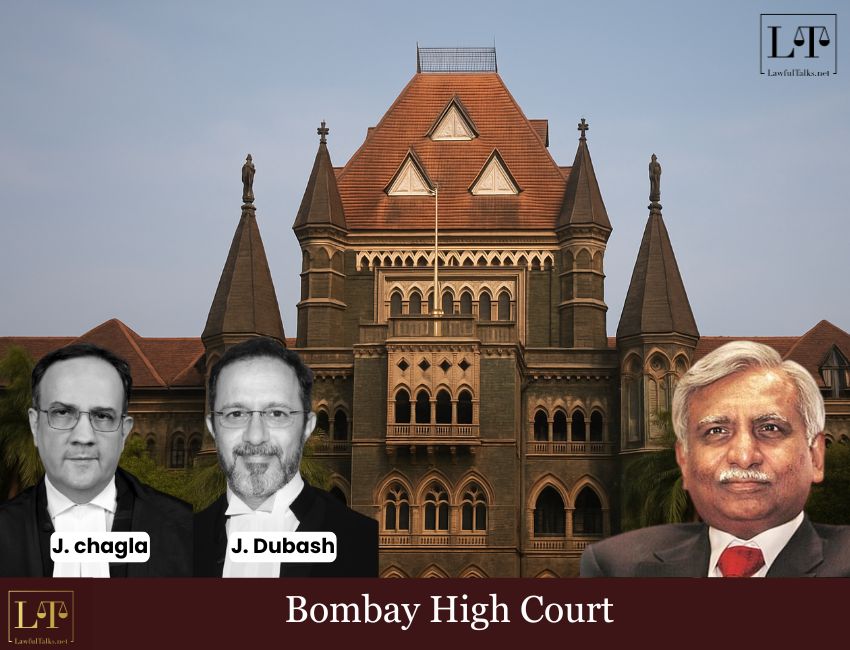
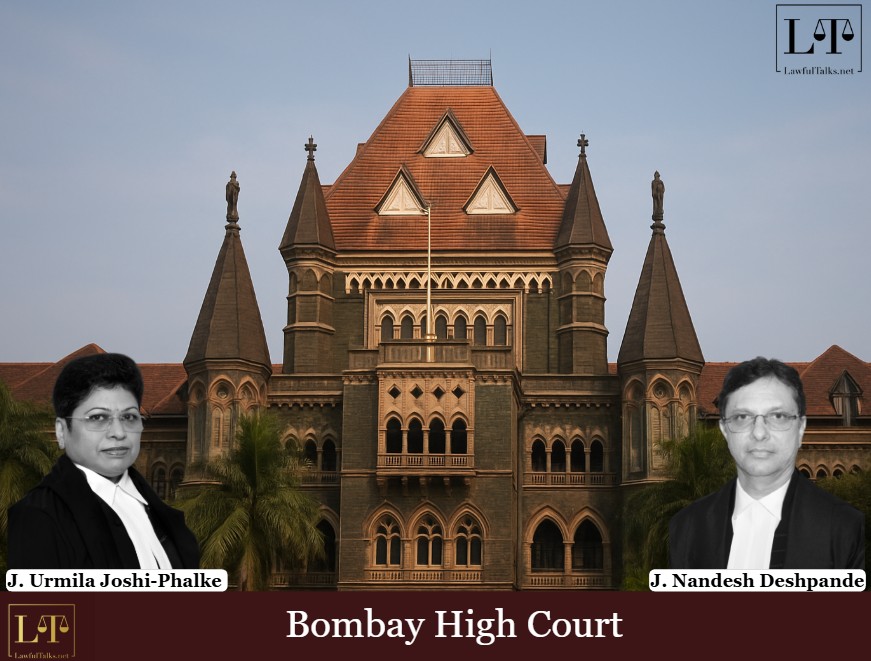
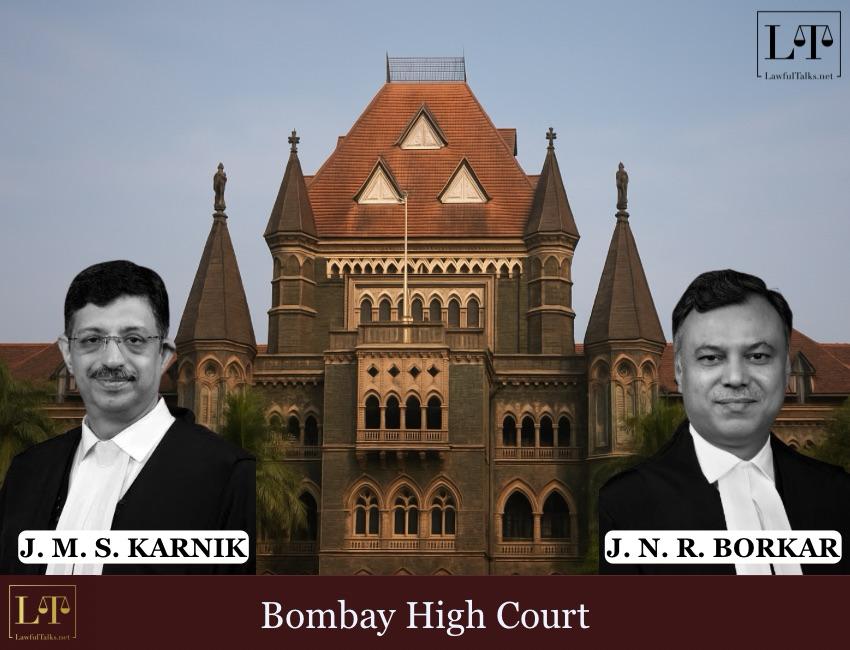
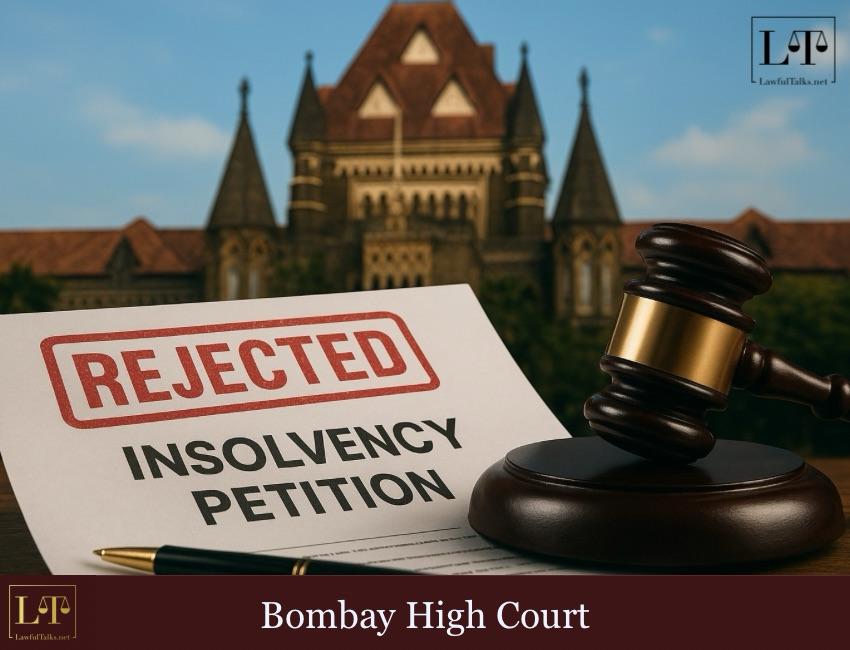
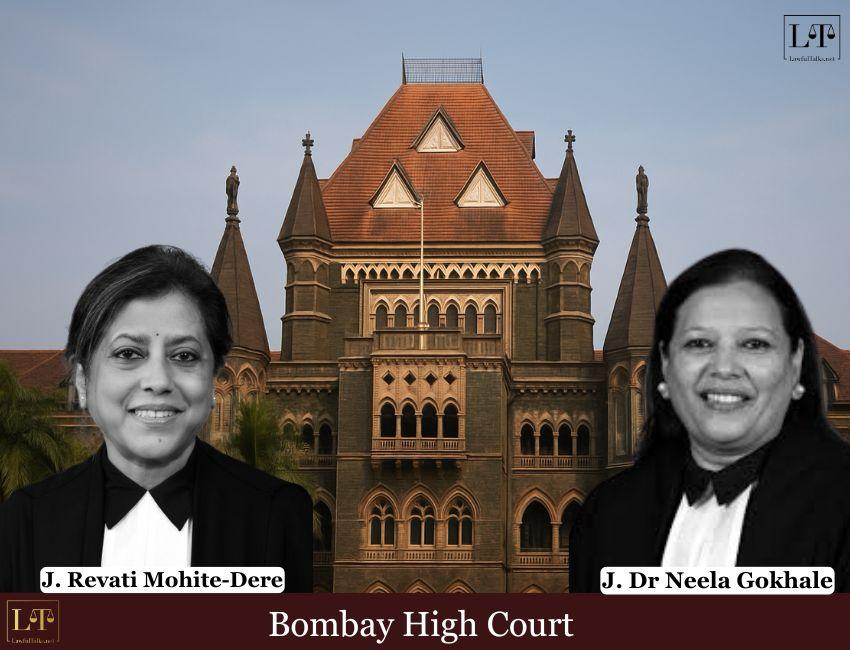
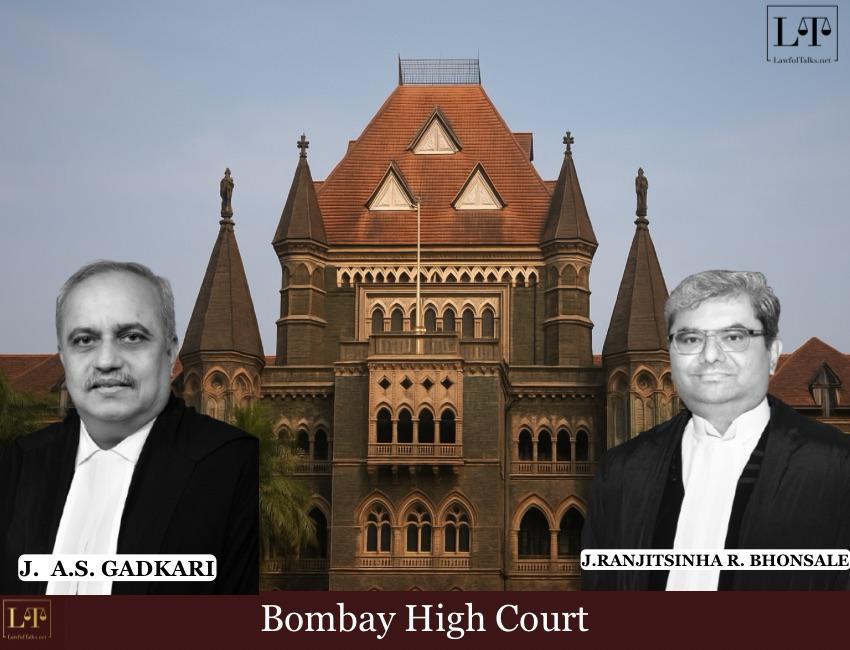
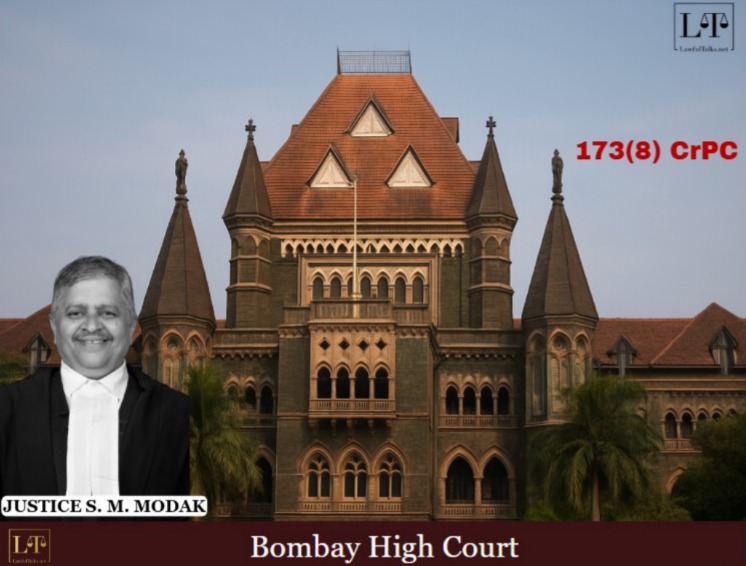
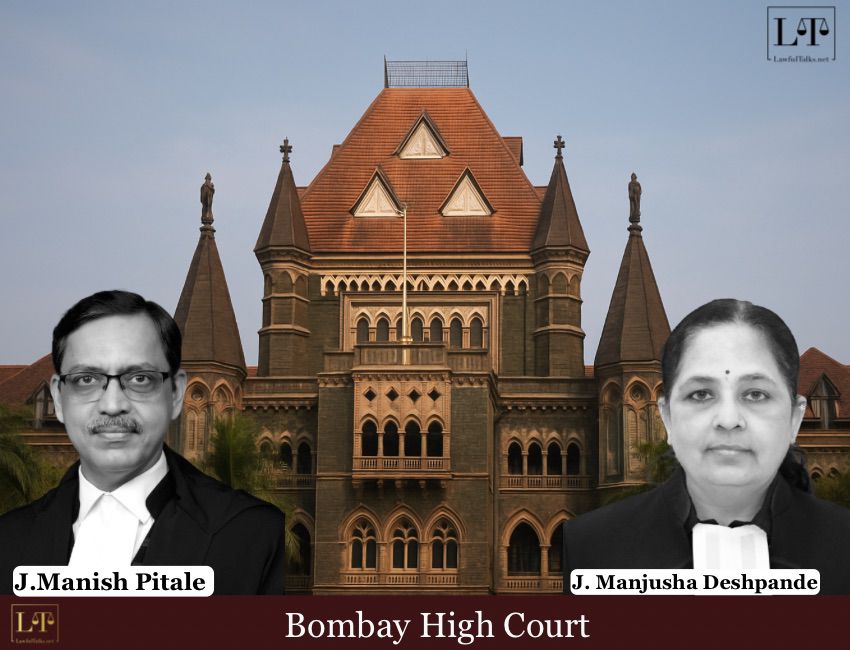
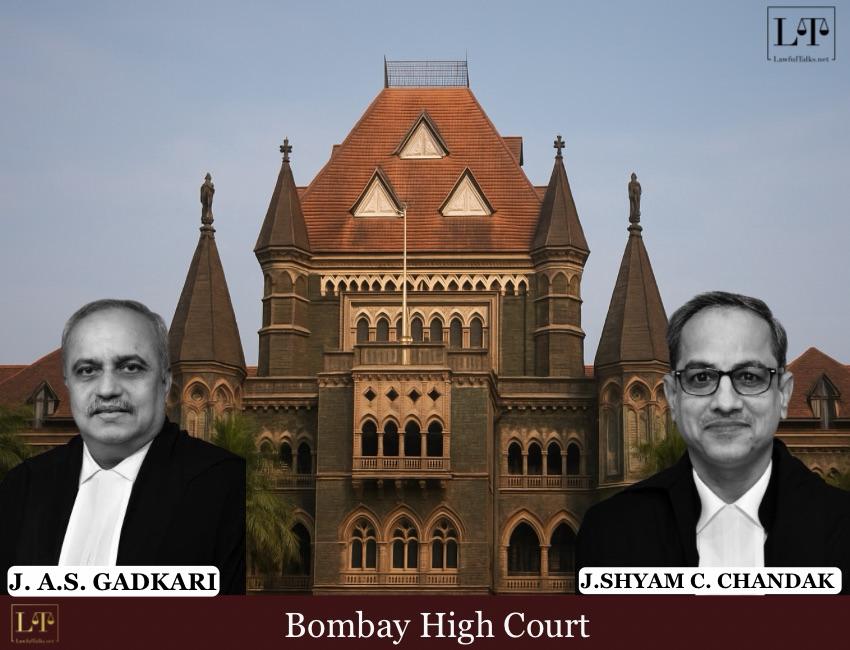
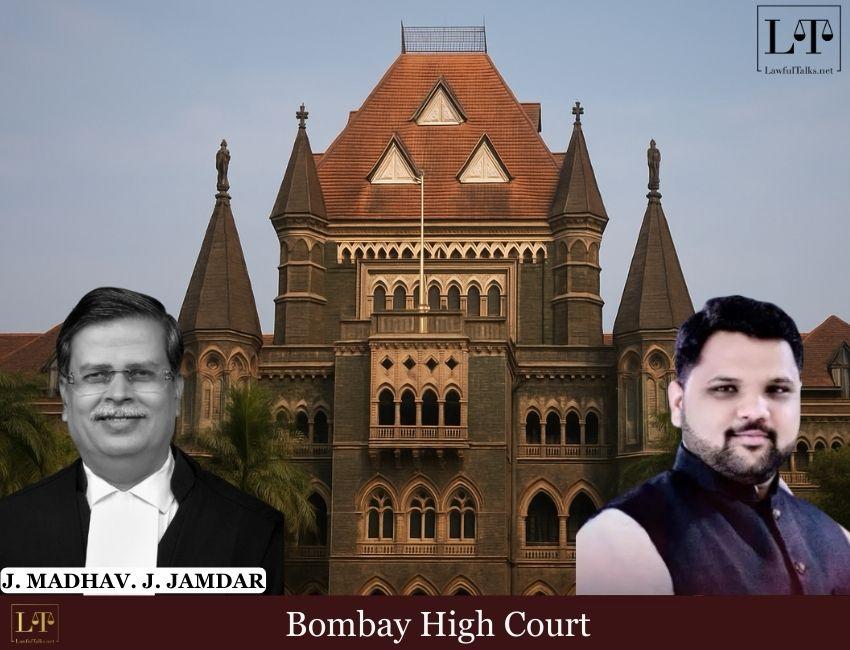
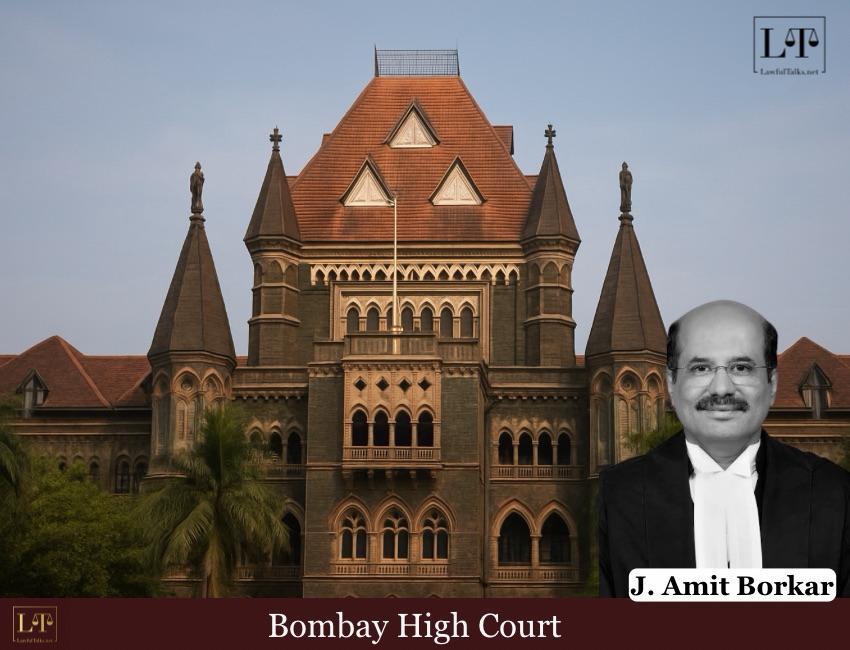
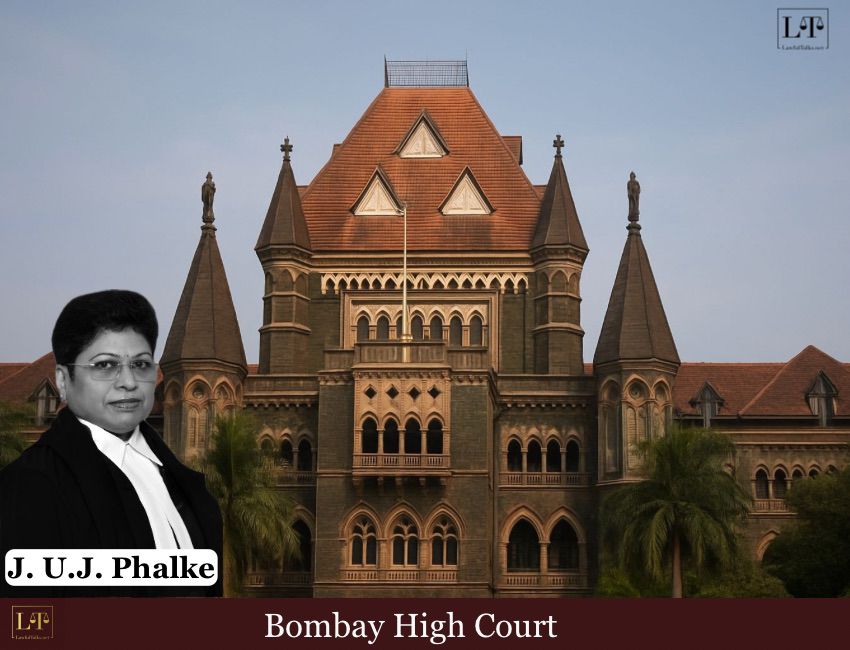
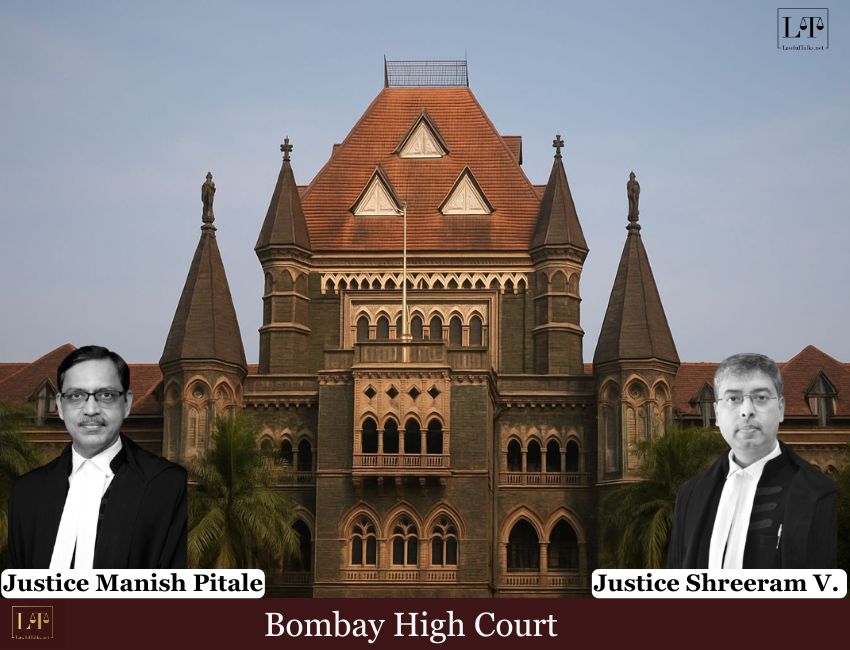
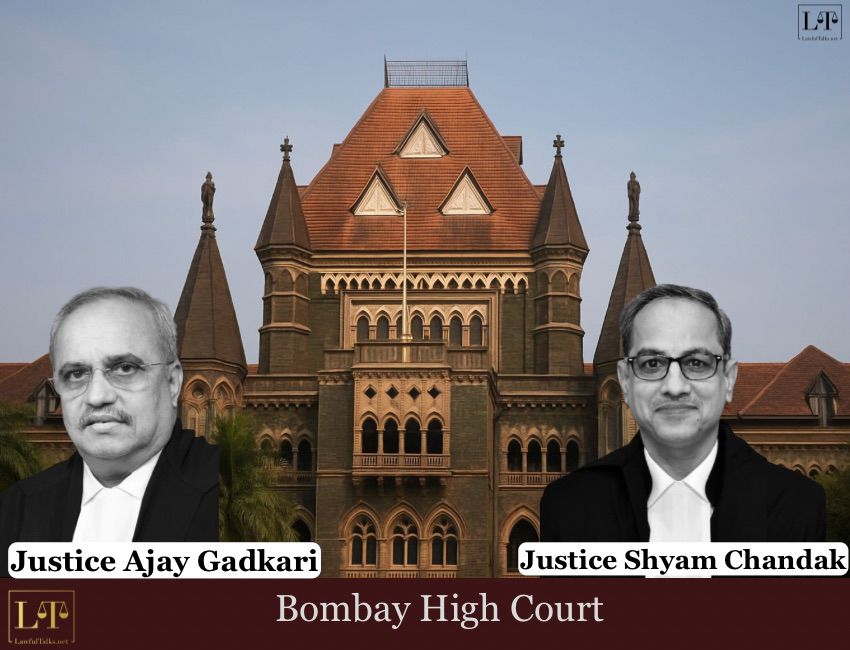
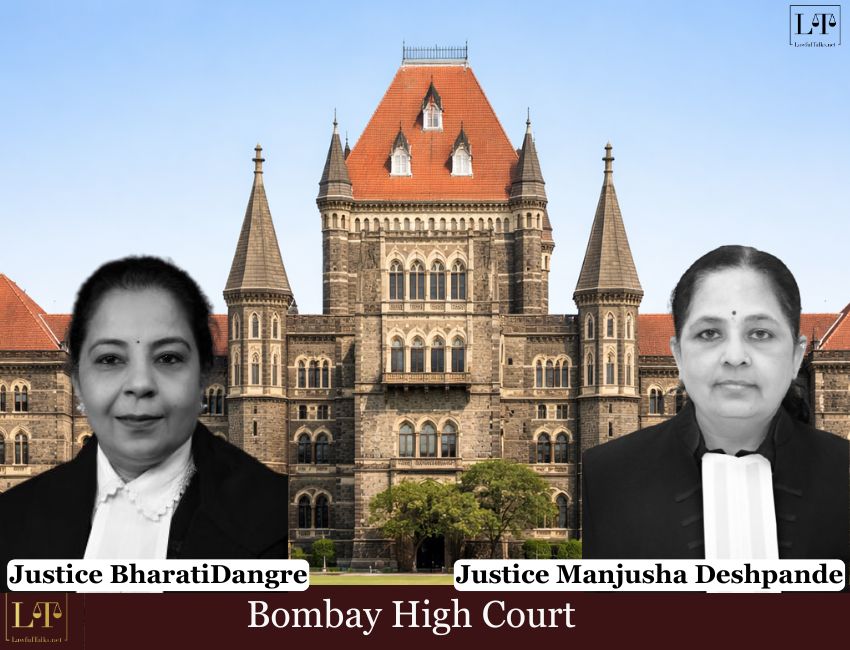
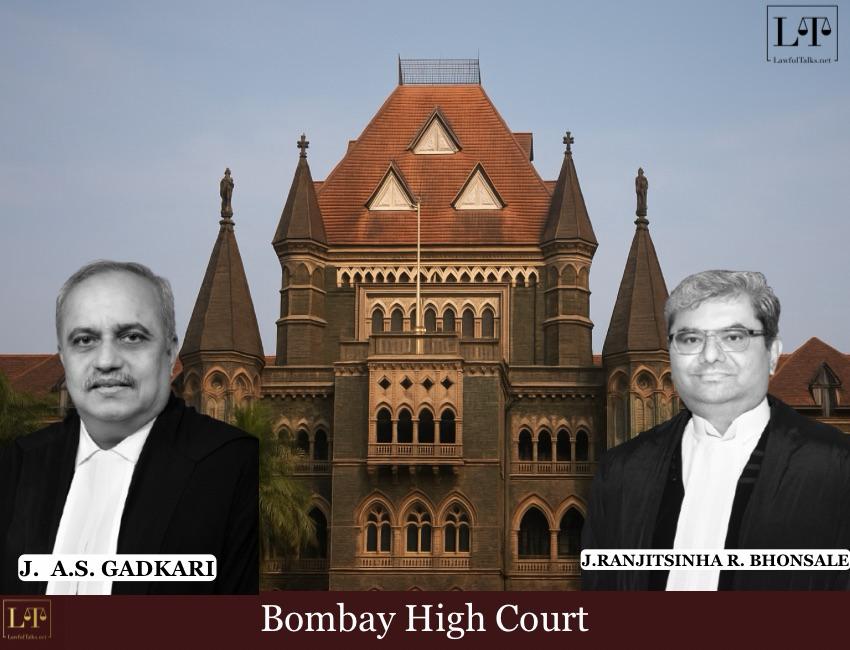
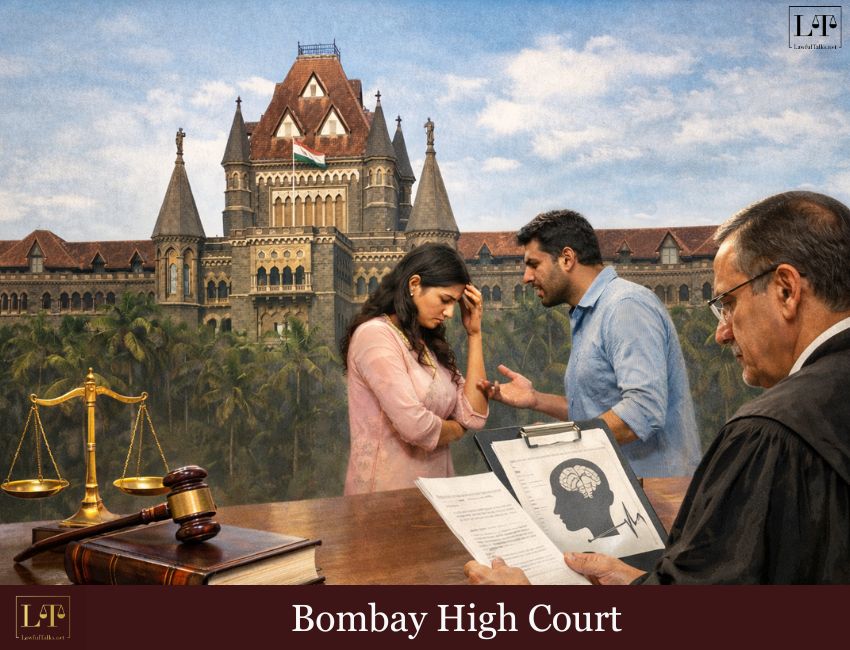
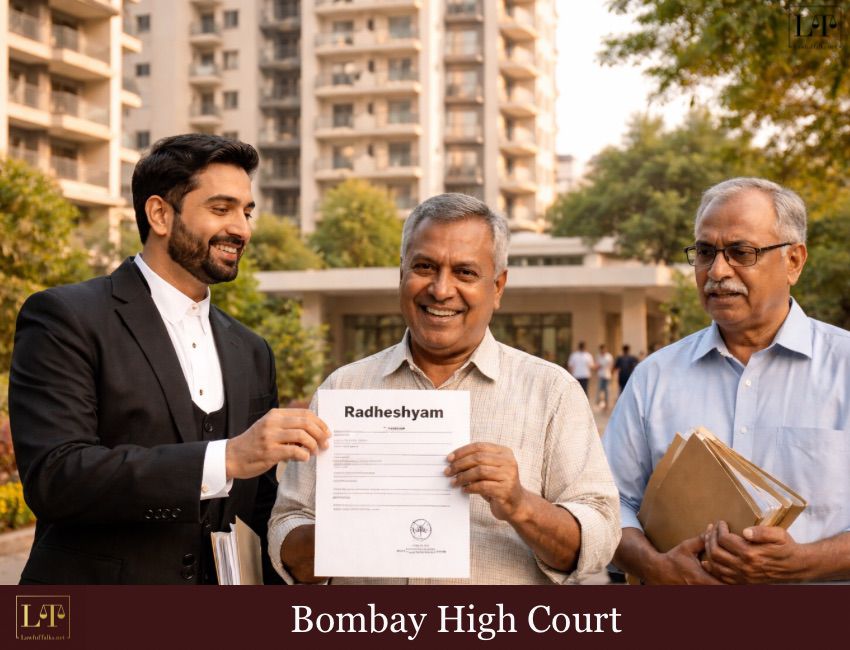
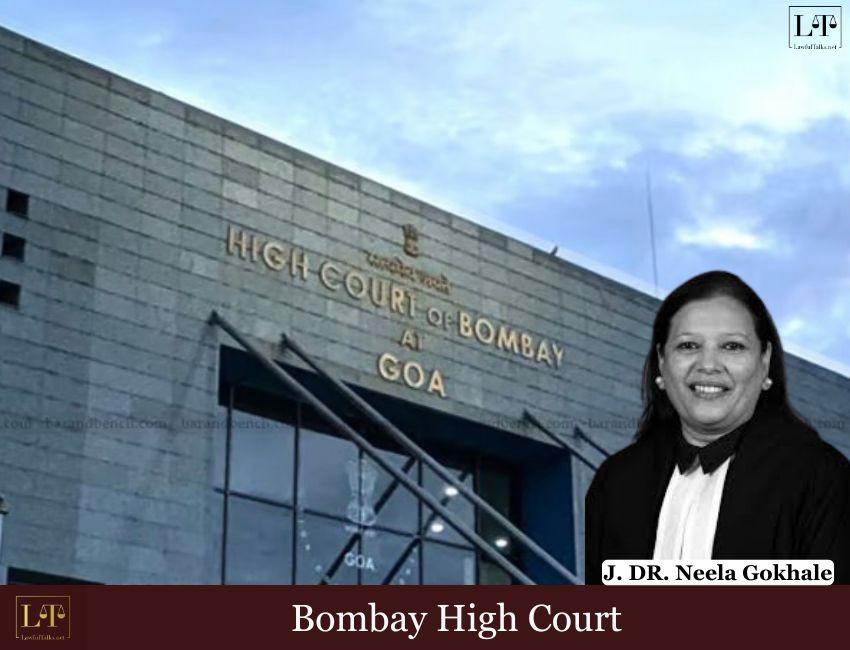
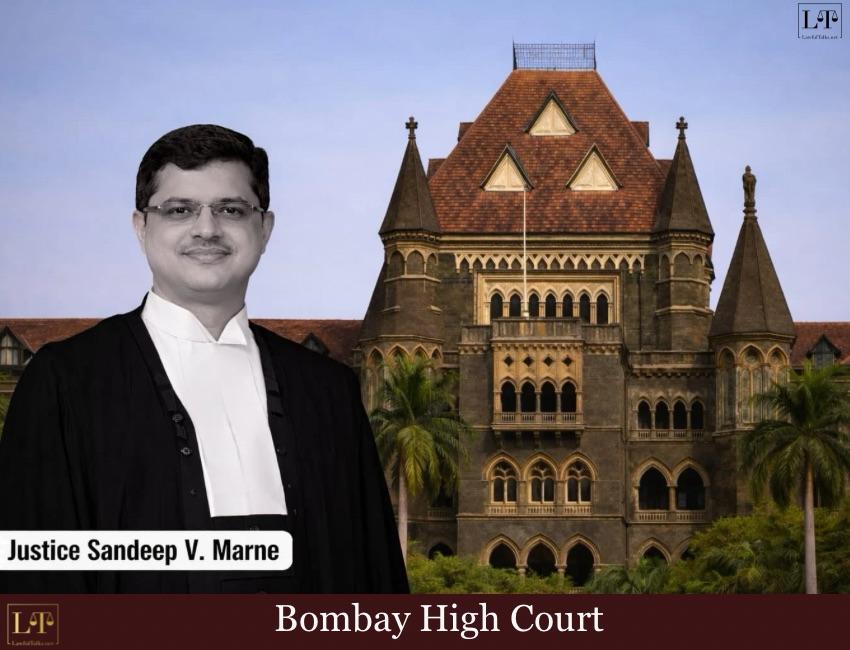
In a noteworthy interim order dated 28 April 2026, the Bombay High Court granted relief to a petitioner who had been disqualified for a period of five years from the managing committee of a co-operative housing society under Section 154B-23 of the Maharashtra Co-operative Societies Act, 1960. The Court, upon a prima facie consideration of the material on record, observed that the matter raises arguable questions and that the basis of the disqualification under Section 154B-8(2) does not appear to be fully substantiated at this stage.
The case arises out of an internal dispute within a co-operative housing society in Pune, where a series of complaints were initiated by a former office bearer, who had previously held the position of Chairman, along with certain members of the society. These complaints alleged that the present managing committee, including the petitioner, had failed to comply with statutory obligations under Sections 154B-8, 79, and 82(4) of the Act. The allegations largely related to non-furnishing of documents, failure to comply with statutory directions, and alleged non-compliance of rectification in audit reports.
The petitioner’s case, however, was that these complaints were not bona fide but were part of a sustained and targeted attempt by the former office bearer and his associate to harass the newly constituted managing committee after a change in leadership. It was contended that many of the alleged defaults pertained to a period during which the complainant himself was in control of the society’s affairs. The petitioner further submitted that upon assuming office, the new committee had taken active steps to regularize the functioning of the society, complete pending compliances, and rectify any procedural lapses inherited from the previous administration.
Despite the above background, complaints made by the former office bearer and certain members were taken cognizance of by the Deputy Registrar, who initiated proceedings and conducted hearings on multiple dates. The petitioner appeared and sought to place his explanations and documents on record; however, it is his case that the same were not duly considered. Thereafter, despite a specific written request dated 11 November 2024 seeking a fair opportunity to file written submissions, the petitioner’s submissions were refused acceptance during the hearing. It is further alleged that the hearing dated 19 December 2024, though scheduled for the afternoon, was taken up earlier without notice, resulting in his absence being recorded. Subsequently, an inquiry was ordered and an inquiry report came to be submitted, which, according to the petitioner, failed to consider the material placed on record and incorrectly attributed liability without examining the role of the previous management. Relying on the said inquiry report, the Deputy Registrar, by order dated 17 March 2025, held that the petitioner had committed dereliction of duty under Sections 154B-8, 79 and 82(4) of the Act and imposed the maximum penalty of disqualification for a period of five years under Section 154B-23(3).
Aggrieved by the said order, the petitioner preferred a revision before the Divisional Joint Registrar. However, by order dated 06 October 2025, the revisional authority confirmed the findings of the Deputy Registrar. According to the petitioner, the revisional order failed to independently examine the material on record and merely endorsed the earlier findings without addressing crucial aspects such as the timing of compliance, the absence of supporting audit material, and the role of the complainant during the relevant period.
When the matter came up before the High Court, the Court undertook a prima facie assessment of the allegations and the material placed on record. In relation to the alleged non-compliance under Section 154B-8(2), the Court noted that although the direction had been issued in March 2024, the requisite charges were admittedly paid in June 2024 and the relevant documents were furnished in August 2024. This sequence, according to the Court, indicated that the allegation of non-compliance did not sustain in its entirety. With respect to the alleged breach under Section 79, the Court found it noteworthy that the complainant himself had held the office of Chairman during the relevant period, a circumstance that assumed significance at the prima facie stage and cast doubt on the attribution of liability. As regards the alleged non-compliance under Section 82(4), the Court observed that no audit report indicating deficiencies had been placed on record, thereby rendering the allegation unsupported at this stage.
The Court also took note of the broader context in which the proceedings had been initiated. The petitioner’s contention that repeated complaints and proceedings were used as a means of exerting pressure and disrupting the functioning of the managing committee appeared, at least prima facie, to have some substance. The material suggested that the statutory mechanism may have been invoked in the backdrop of internal disputes within the society, raising concerns about whether the extreme consequence of a five-year disqualification was proportionate or justified.
In view of these circumstances, the High Court held that the petitioner had made out a prima facie case warranting protection. Observing that arguable questions arise for consideration, the Court issued Rule and granted interim relief by staying the operation of the impugned disqualification order during the pendency of the writ petition.
Case Details: Abhijit Srivastava v. State of Maharashtra






































































































Sign up for free and be the first to get notified about curated content just for you.