Doctor Dies, Case Lives: SC Says Negligence Claims Don’t End With Death

- May 05, 2026


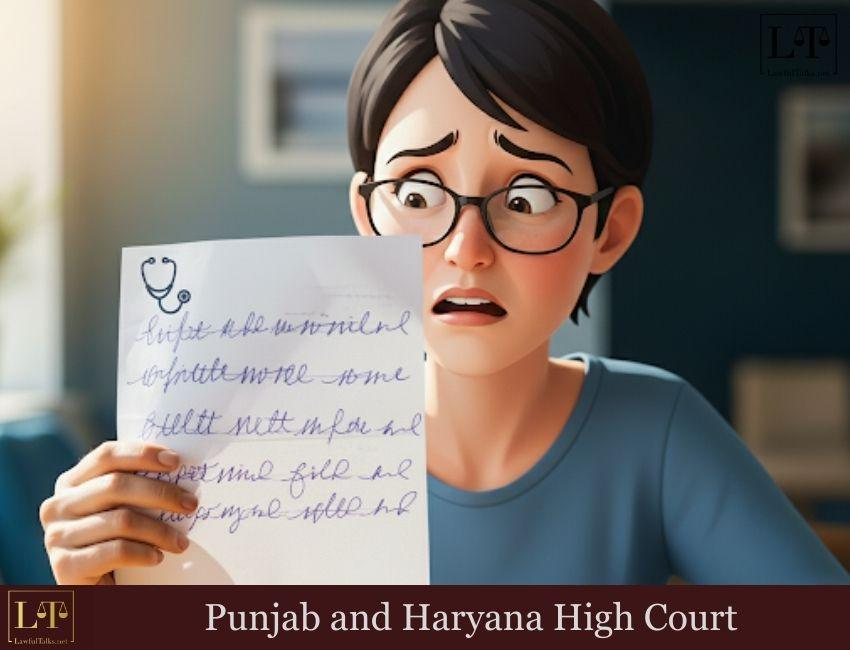
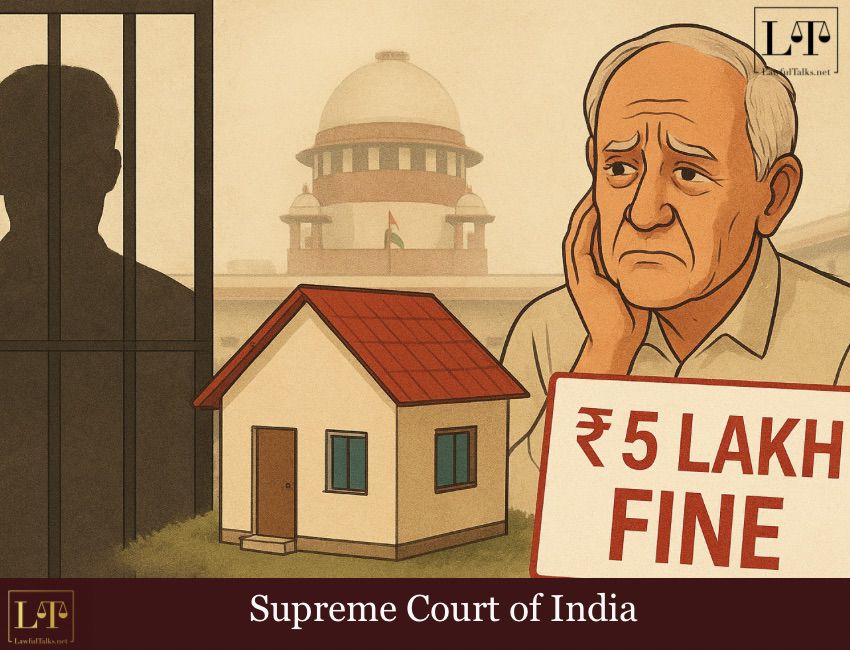
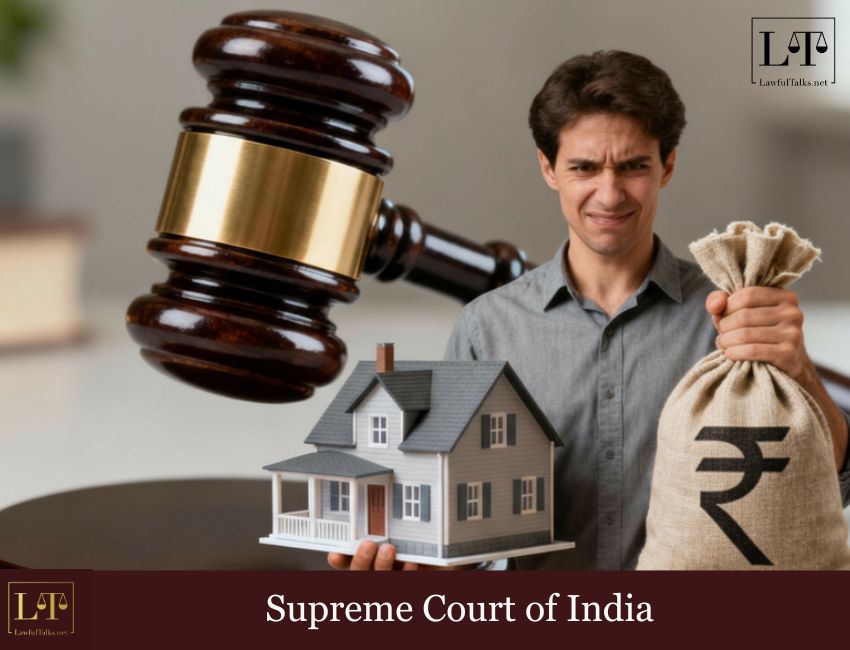
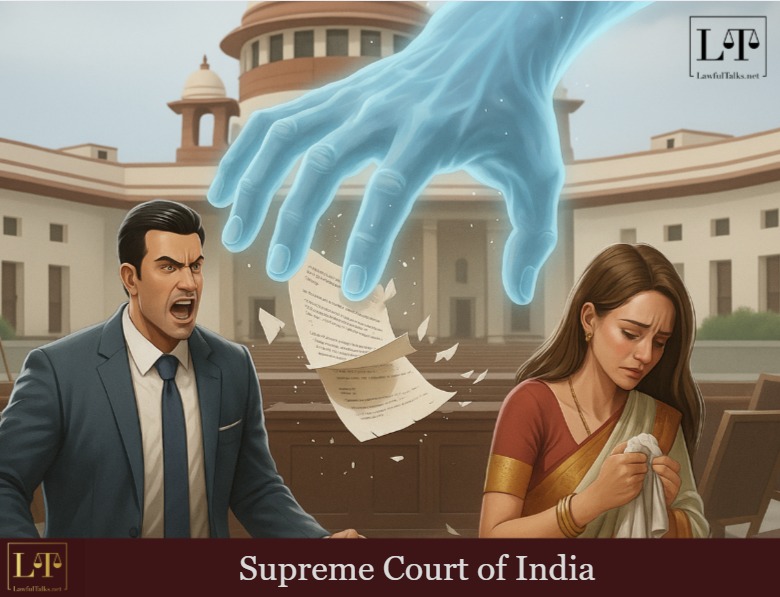
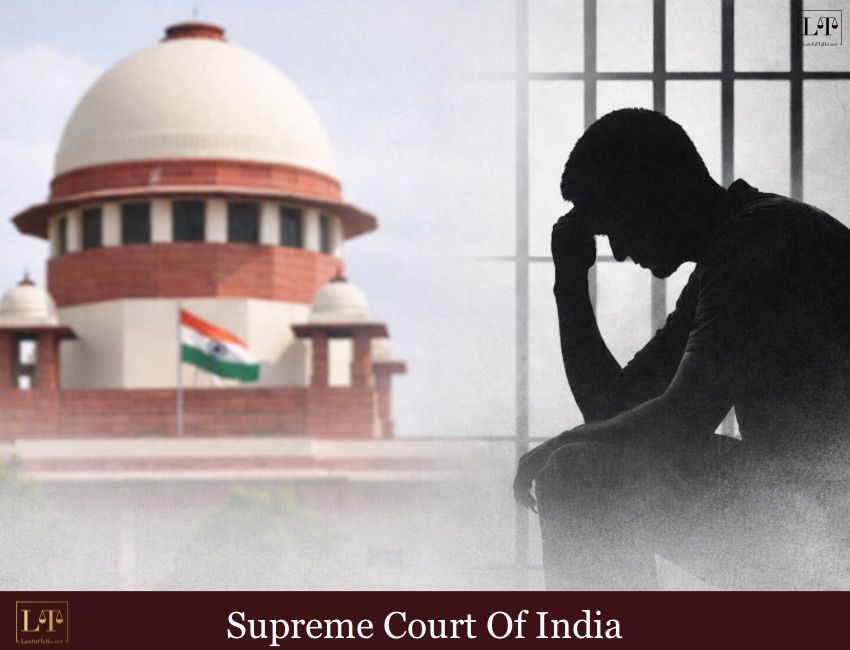
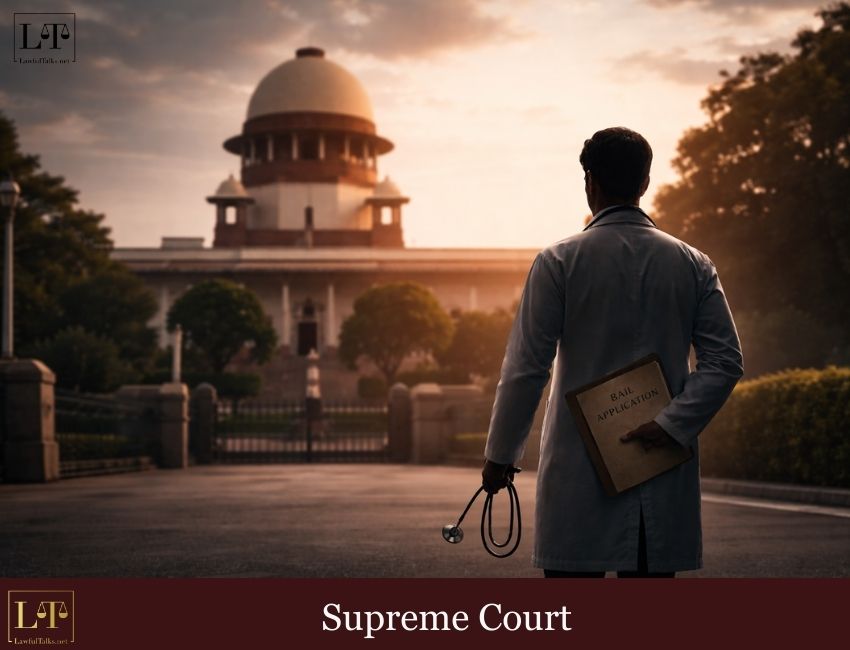
In a significant ruling the Supreme Court clarified that medical negligence claims under the Consumer Protection Act survive the death of a doctor. However, any liability will pass only to the extent of the property (estate) inherited by the doctor’s legal heirs.
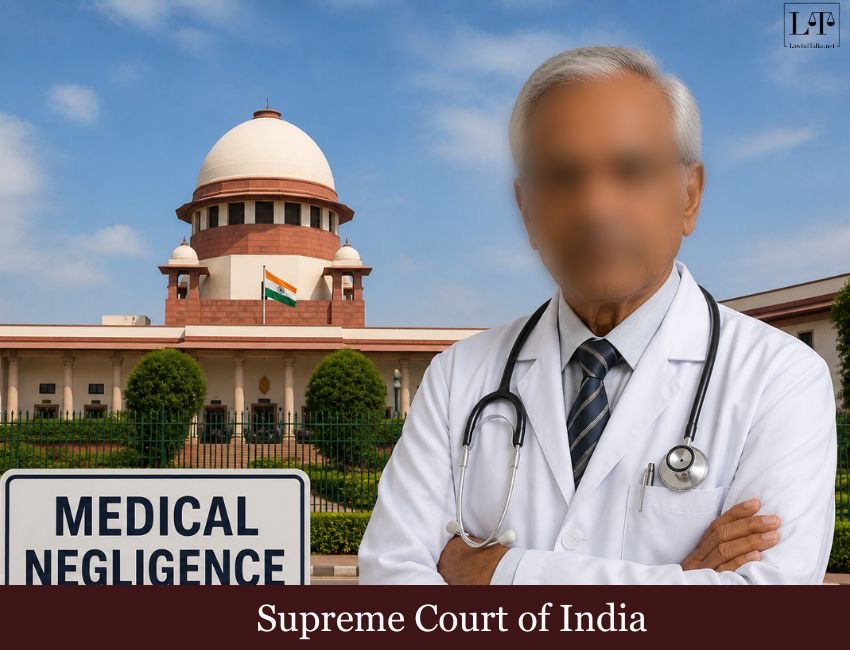
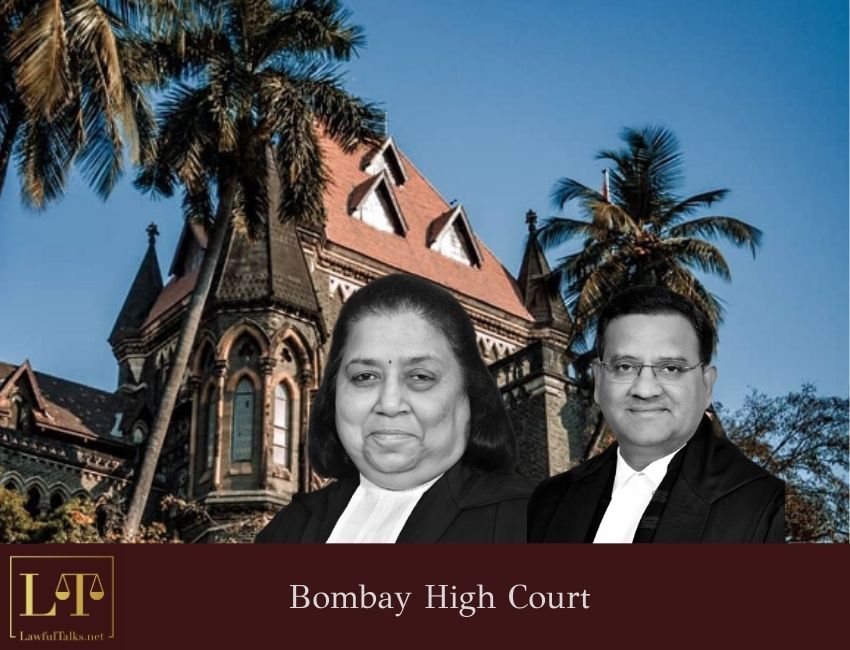
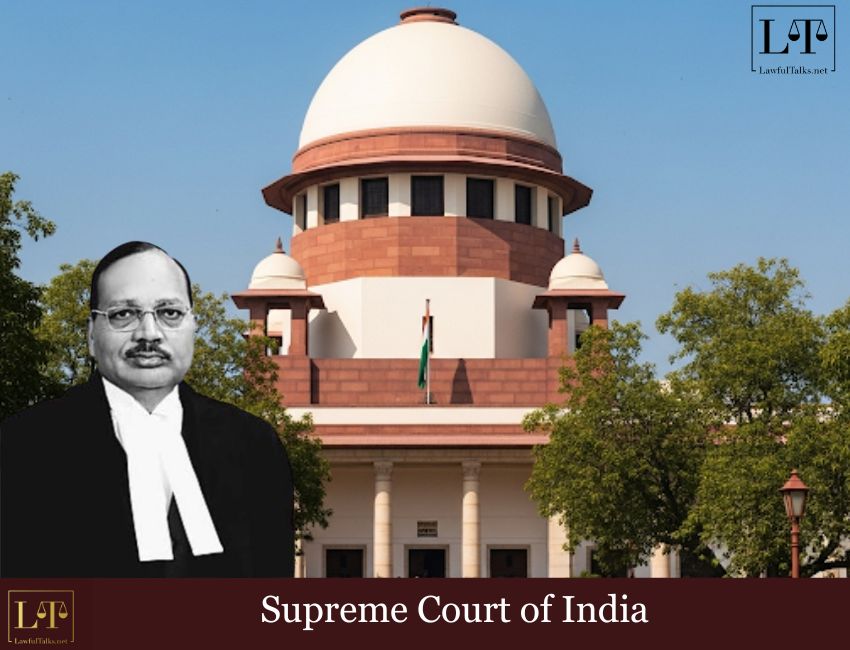
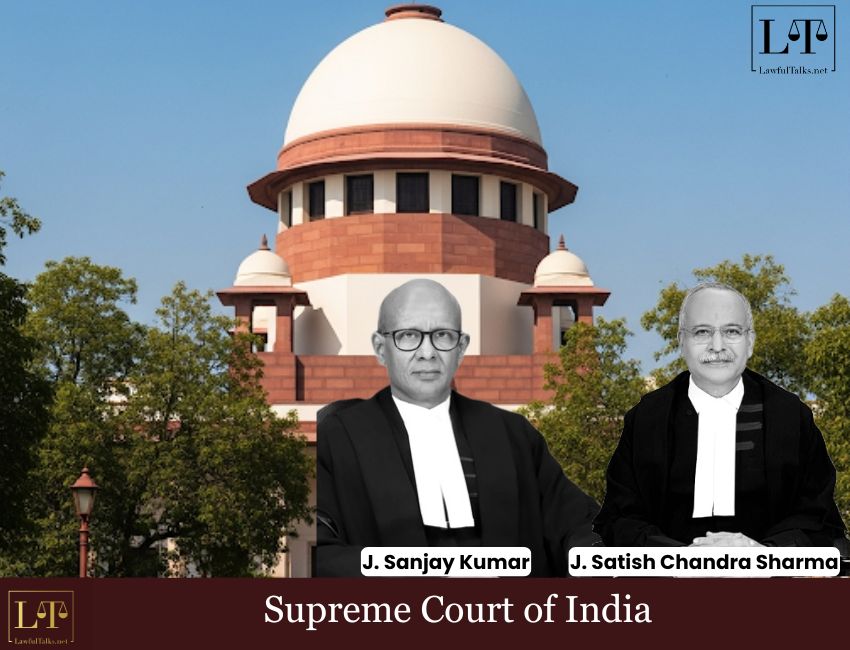
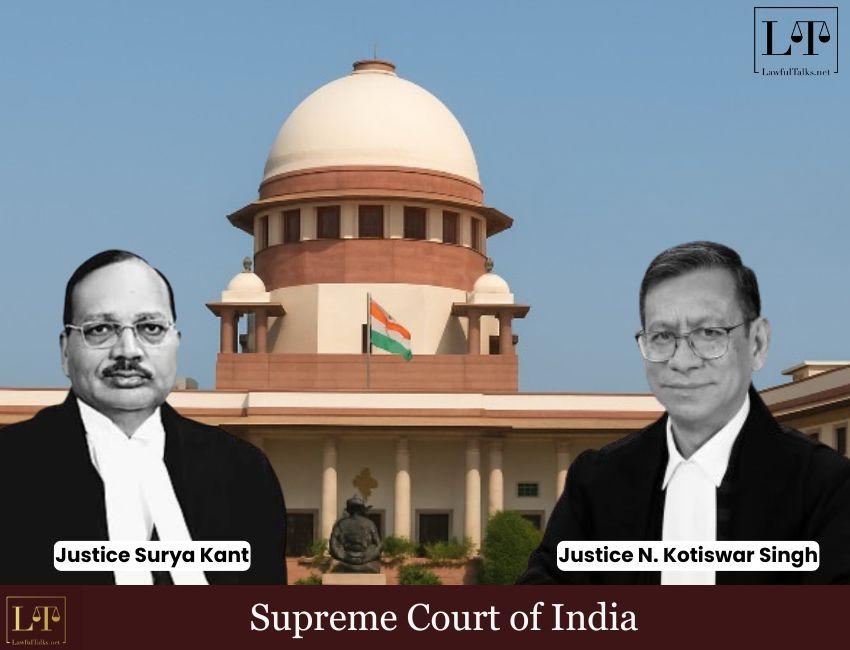
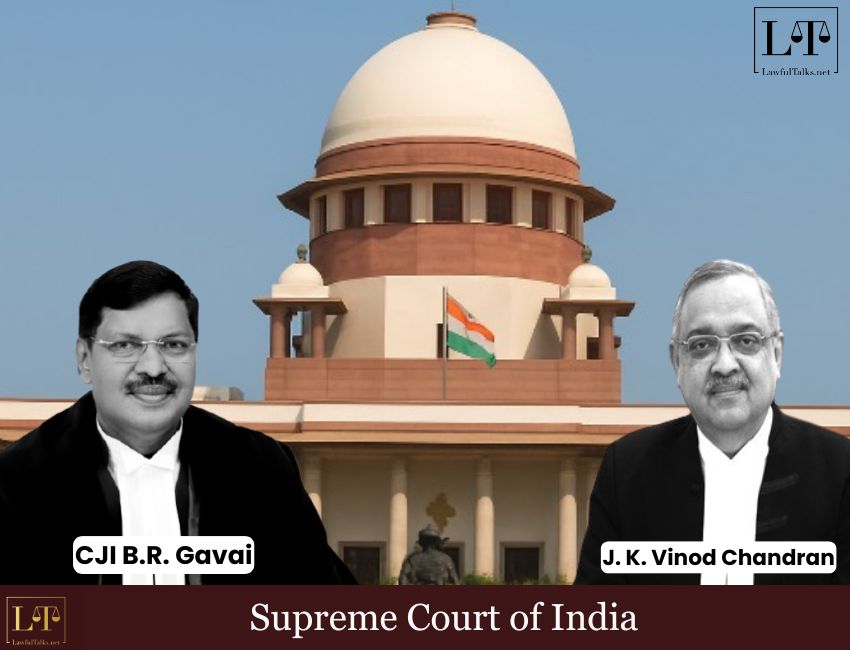
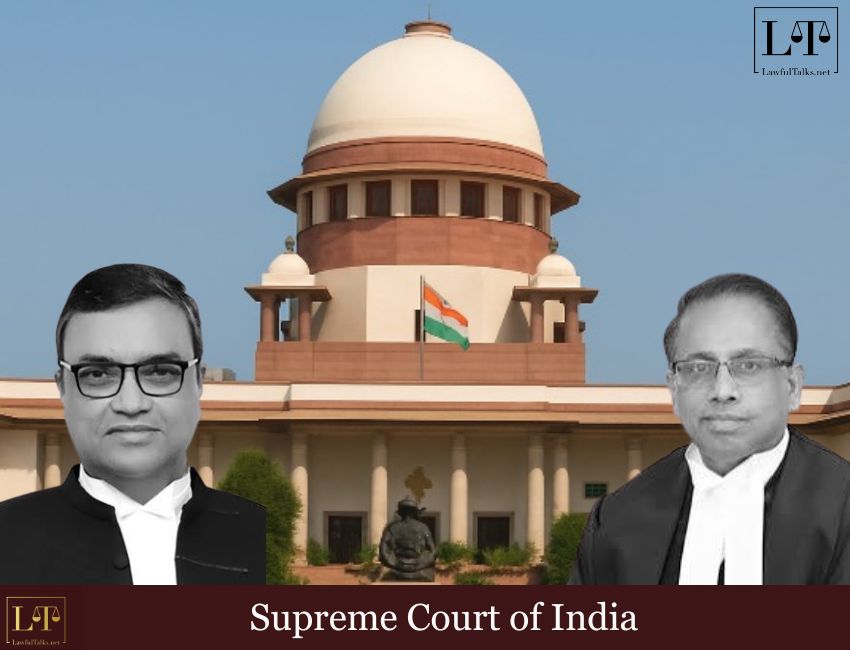
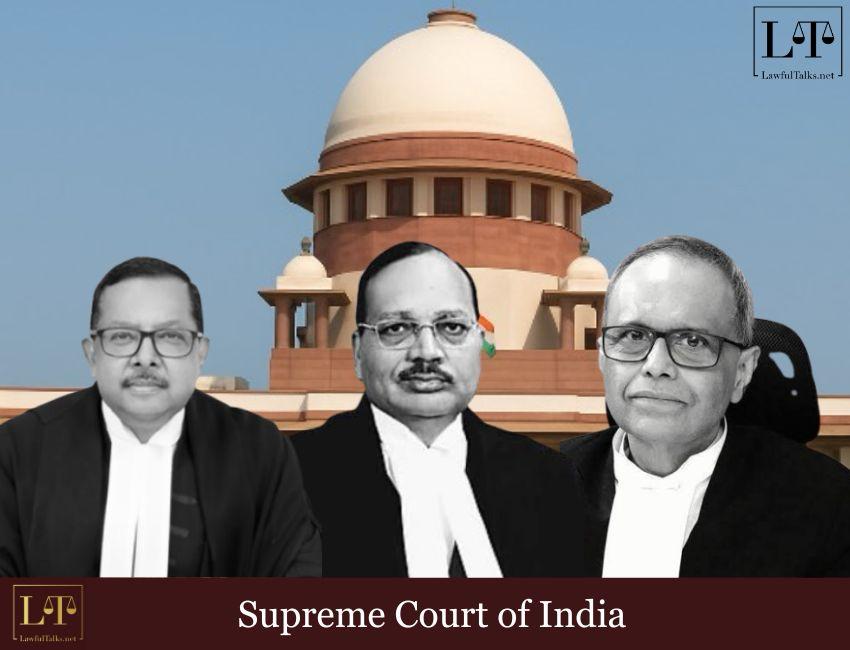
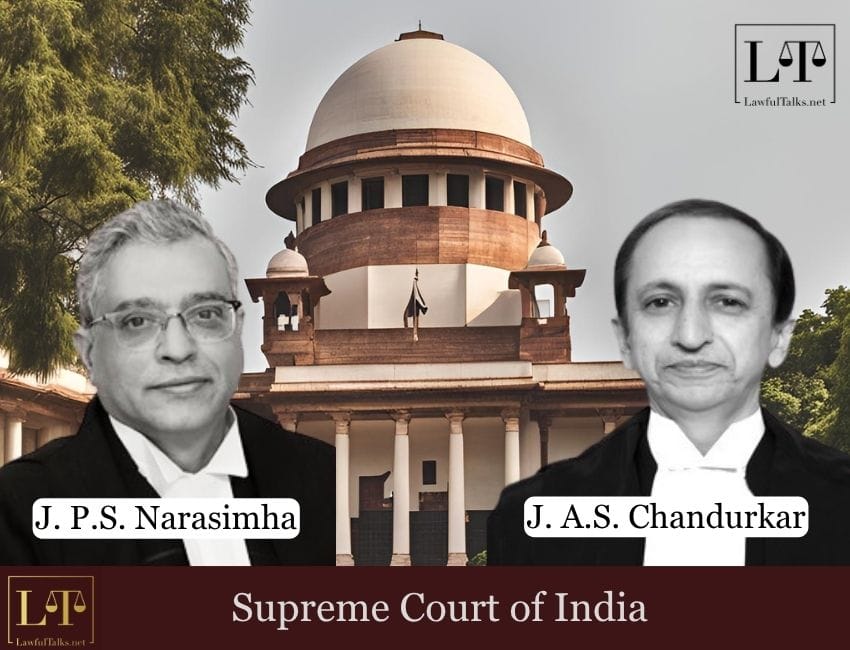
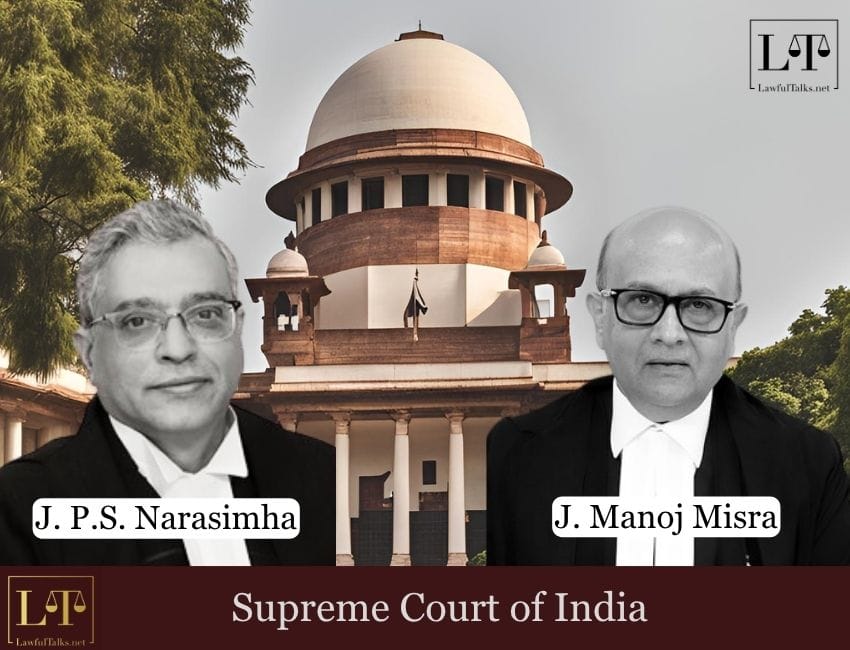
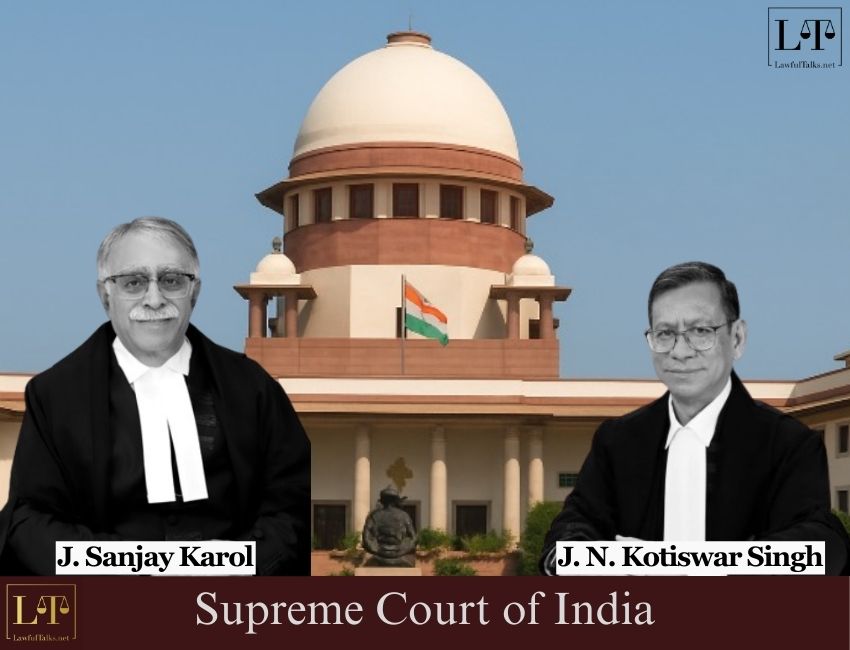
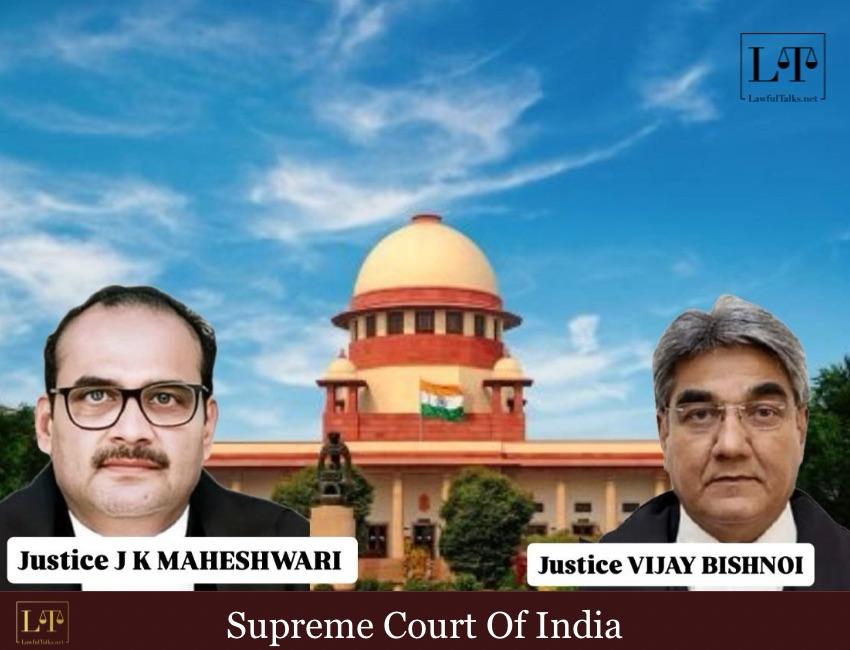
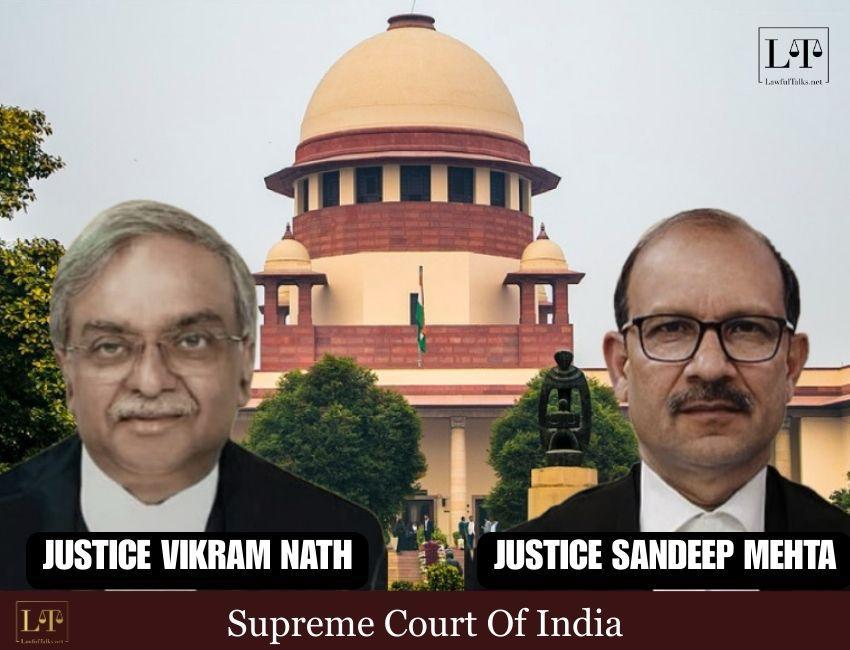
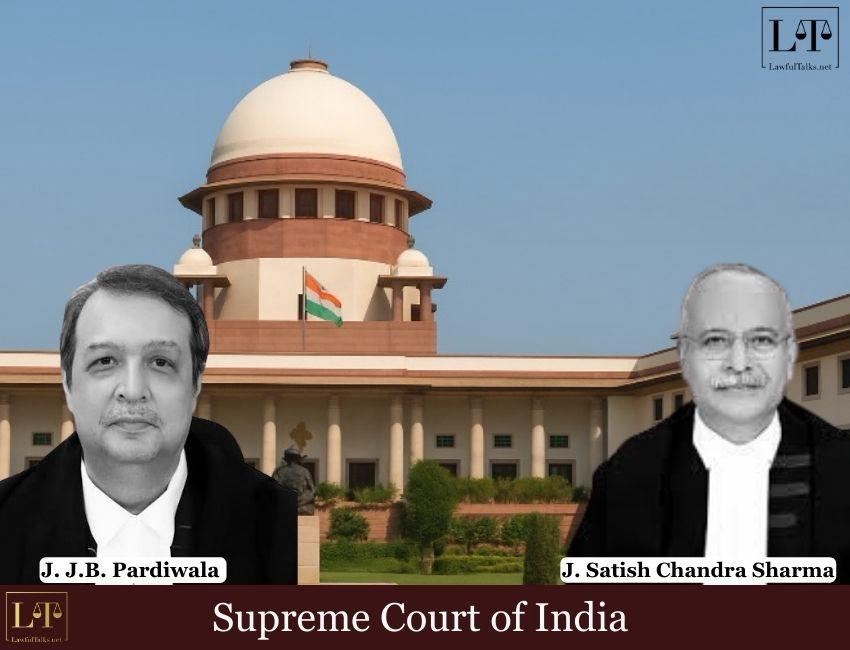
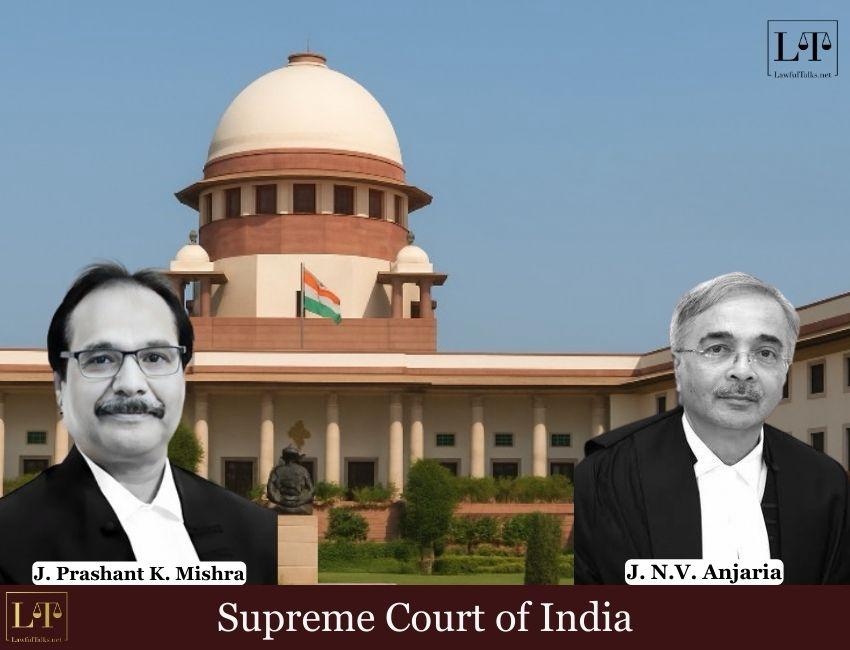
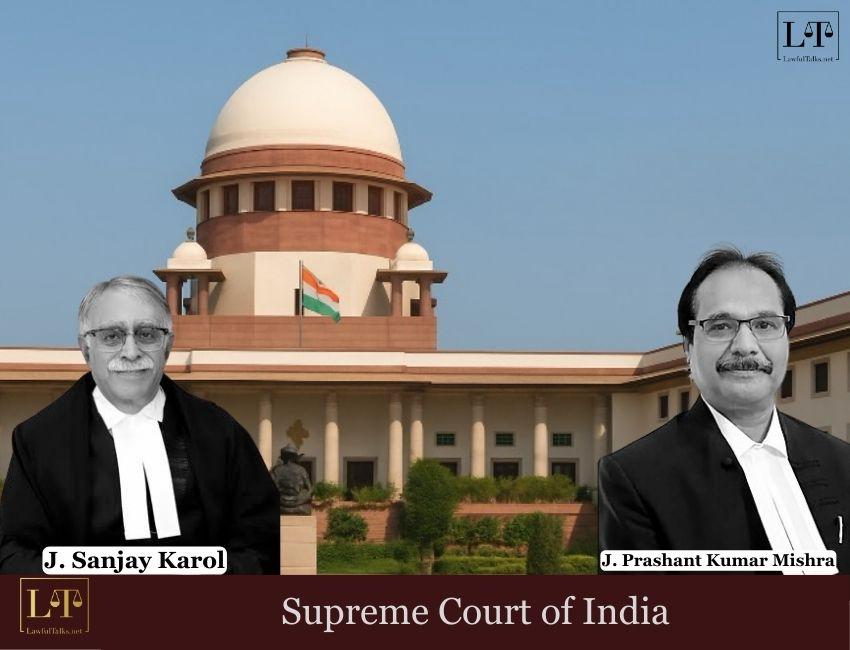
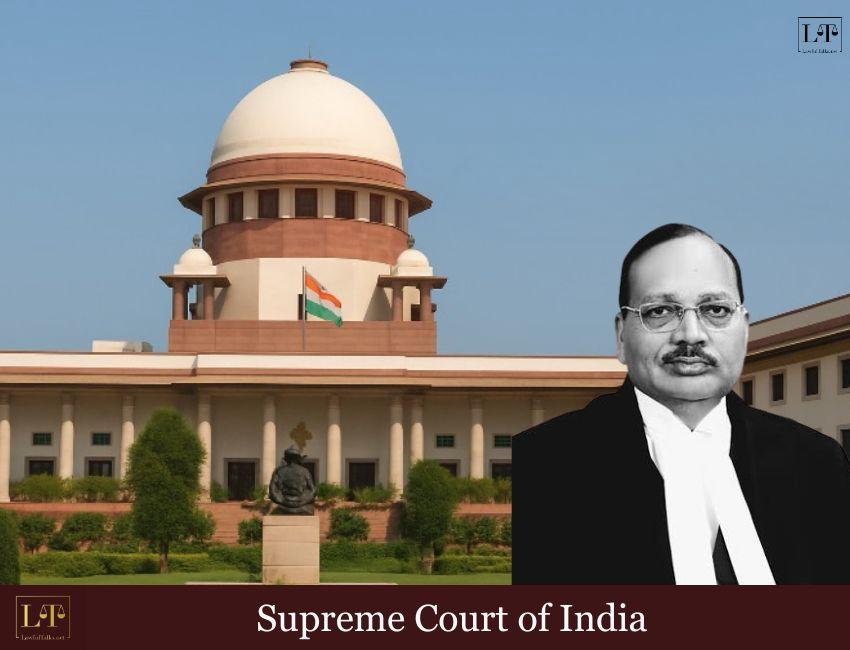
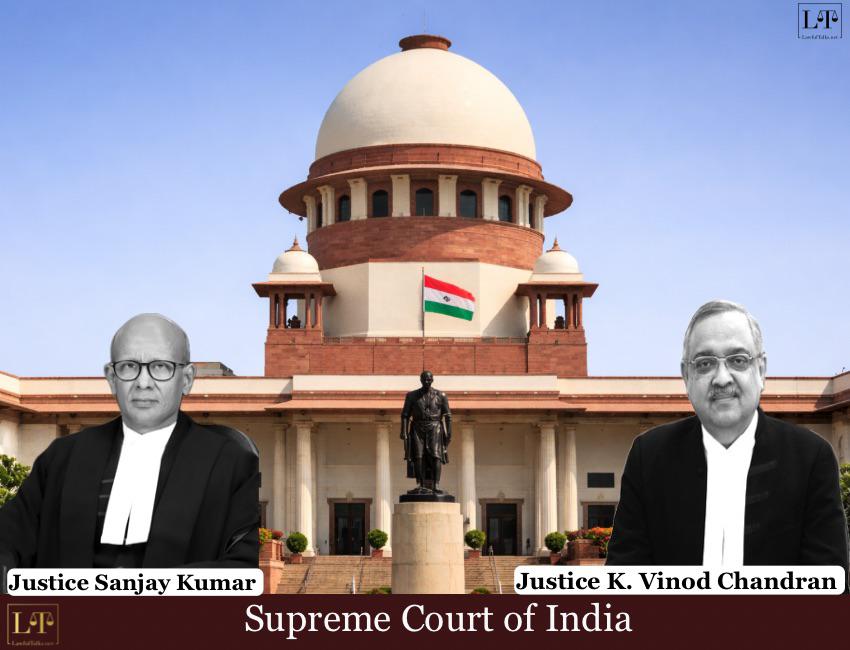
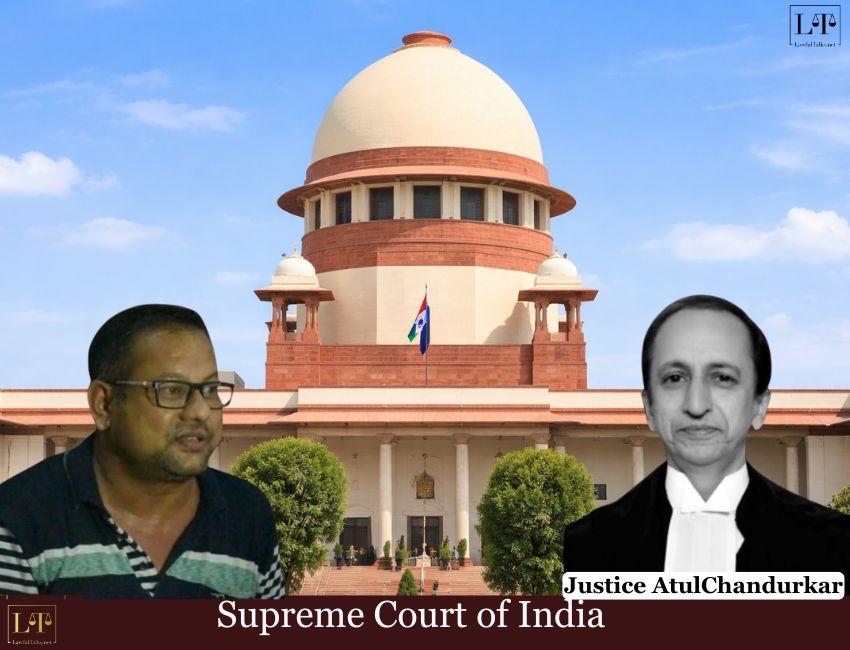
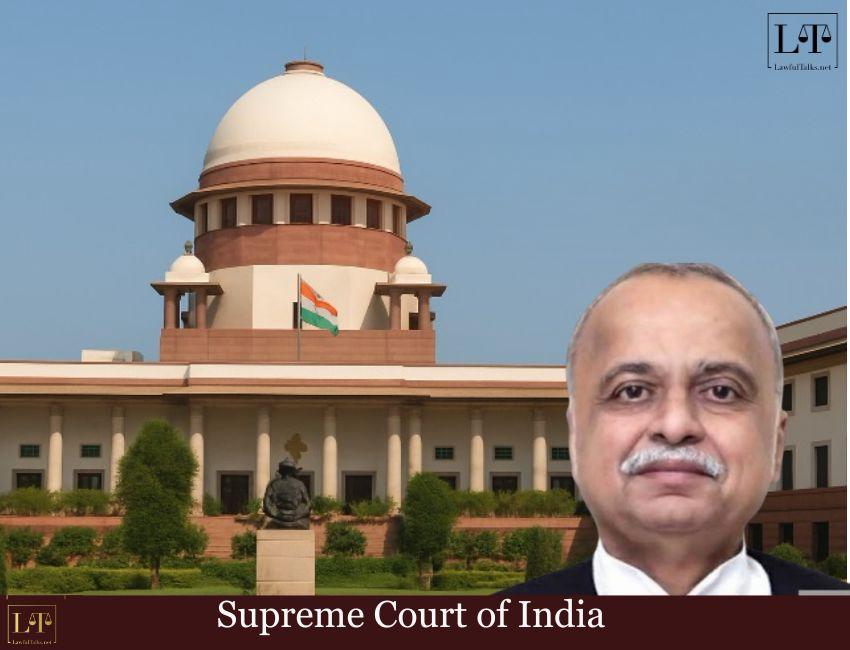
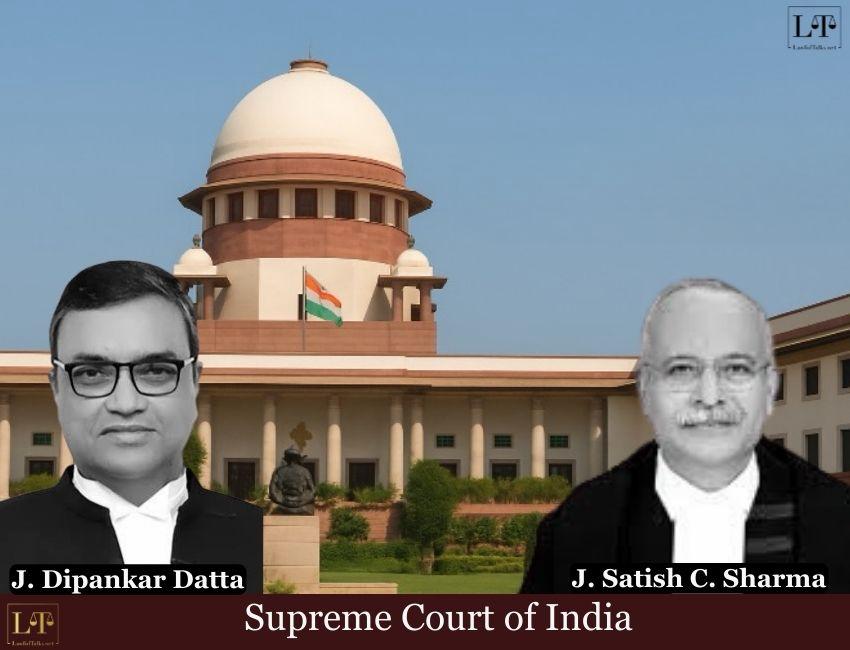
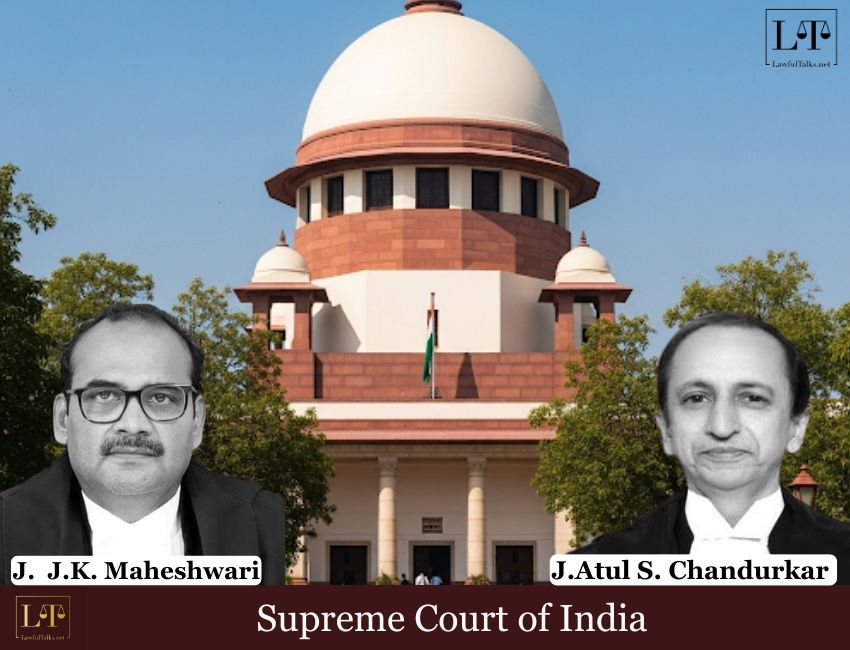
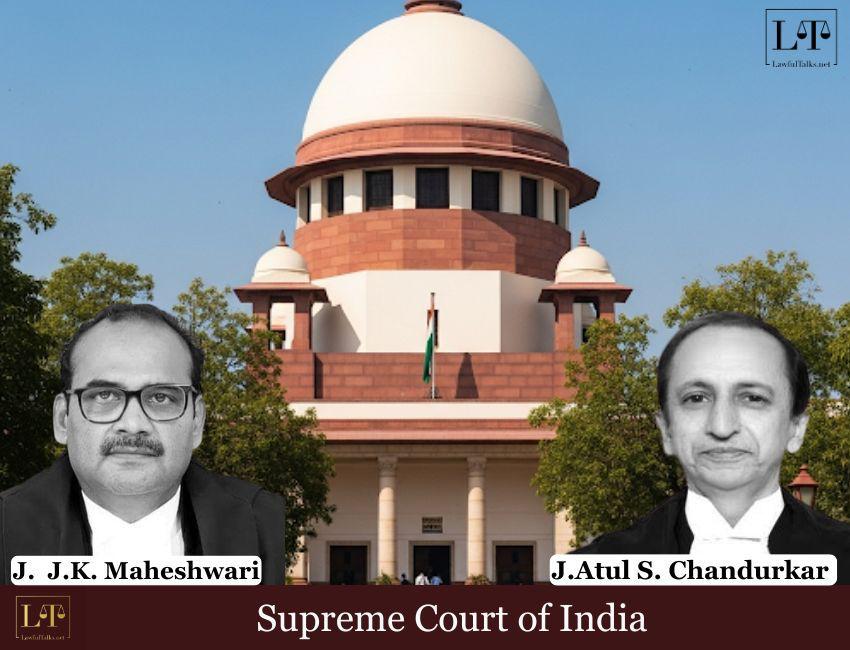
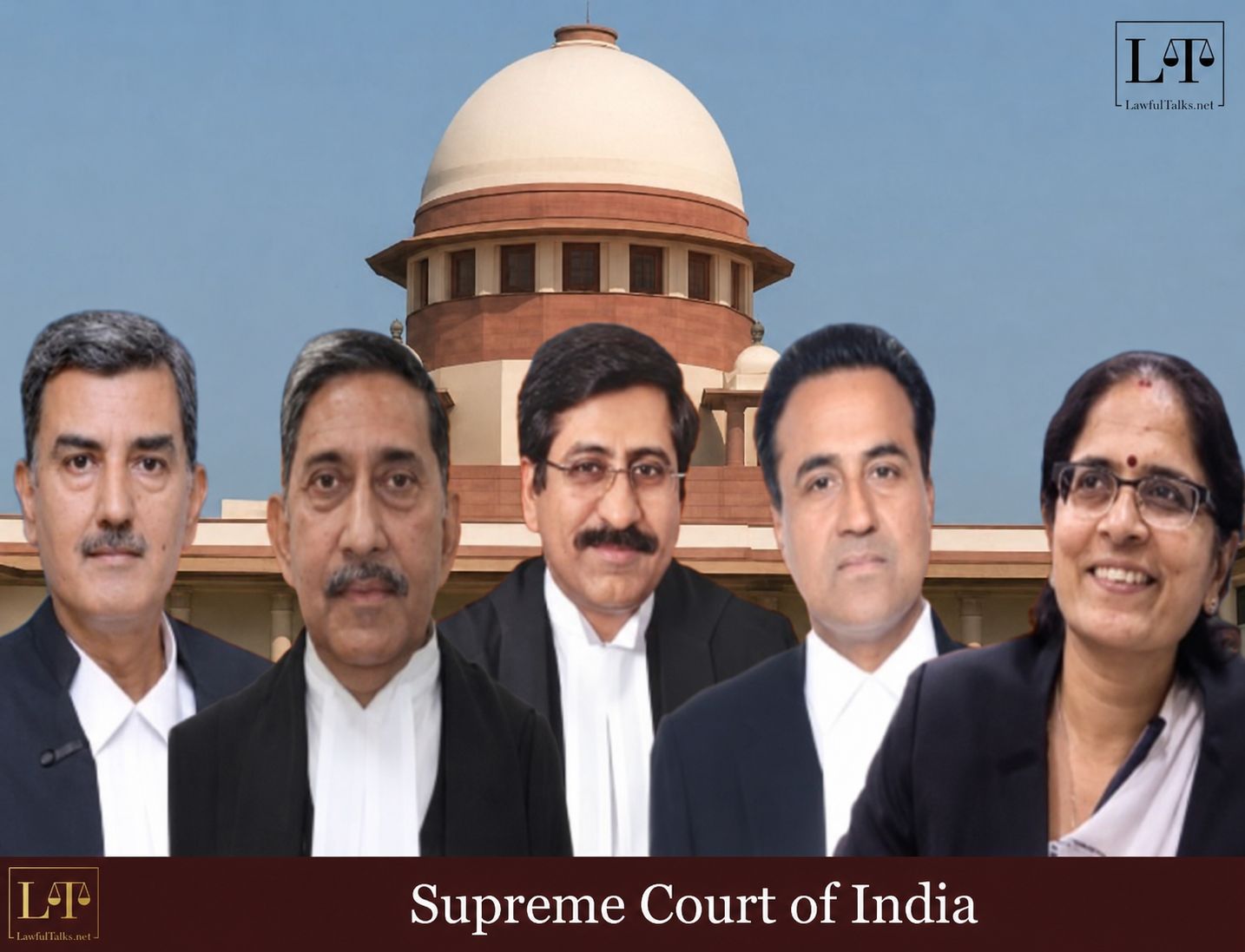
A Bench of Justice J.K. Maheshwari and Justice Atul S. Chandurkar noted that legal heirs can be brought into (substituted in) ongoing consumer cases, but they are liable only up to the value of the estate they inherit.
Complaint and Appeal:
The case stemmed from a patient’s complaint of medical negligence against a doctor before the consumer fora, alleging deficient service and asking for compensation. The State Consumer Commission dismissed the complaint, prompting the patient to file a revision petition before the National Consumer Disputes Redressal Commission (NCDRC).
During the pendency of these proceedings, the doctor passed away, and an application was moved to substitute his wife and son as legal heirs.
The wife and son opposed this. They argued that medical negligence claims are personal in nature and end with the death of the person, relying on the legal principle actio personalis moritur cum persona.
However, the NCDRC allowed the substitution and said the case would continue. The legal heirs then challenged this decision before the Supreme Court.
Supreme Court Upholds:
The Supreme Court refused to interfere with the NCDRC’s decision.
It held that legal heirs of a deceased doctor can be substituted in ongoing consumer proceedings. But their liability is strictly limited to the assets they inherit from the doctor’s estate. They cannot be held personally liable beyond those assets.
Two-Step Test:
The Court also said that consumer fora must first decide whether medical negligence is proved. After that, they must separate claims that can continue against the estate from those personal claims that end with death.
The Court clarified that the complainant must prove negligence and also show that the claims being made can be recovered from the estate under Section 306 of the Indian Succession Act, 1925. Only such claims can continue, while personal injury claims will end with the doctor’s death.
The court observed:
“the Claimant has the duty to first establish the negligence of the deceased doctor and the claims on the estate recoverable as per Section 306 of the 1925 Act”, and
“the Court has to only look at claims which are maintainable as against the estate, rather than adjudicating personal claims which have elapsed with the death of the doctor.”, the court observed
Accordingly, the present appeal was disposed of .
Case Title: Kumud Lall VERSUS Suresh Chandra Roy (Dead) Through LRs and Others




























































Sign up for free and be the first to get notified about curated content just for you.