“Egregious Error’’: SC Cancels Bail in Dowry Death Case, Pulls Up Allahabad HC for Ignoring Law”

- May 05, 2026


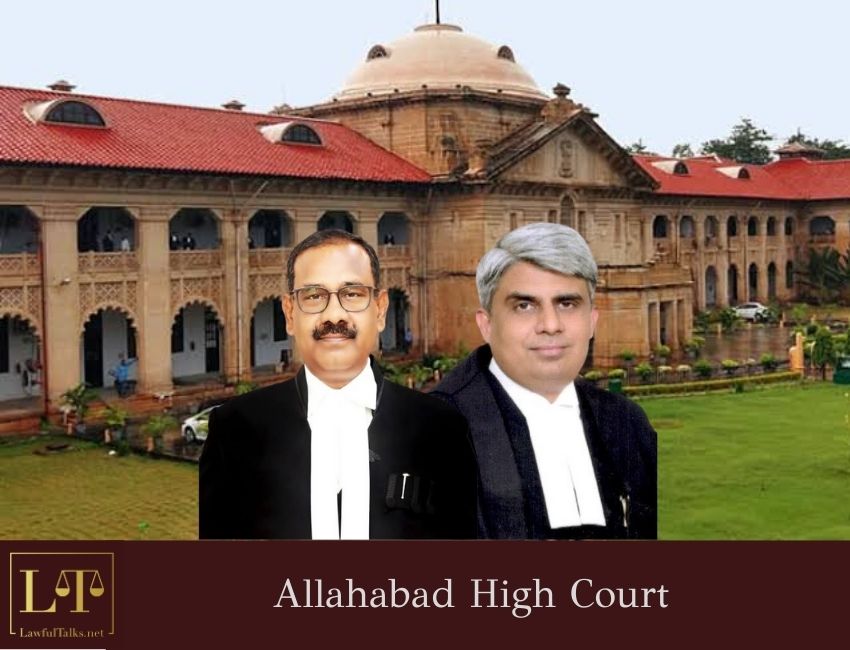
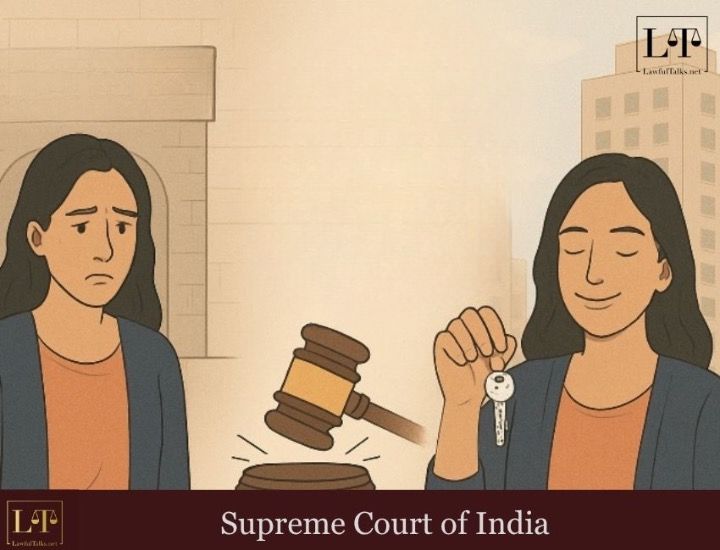
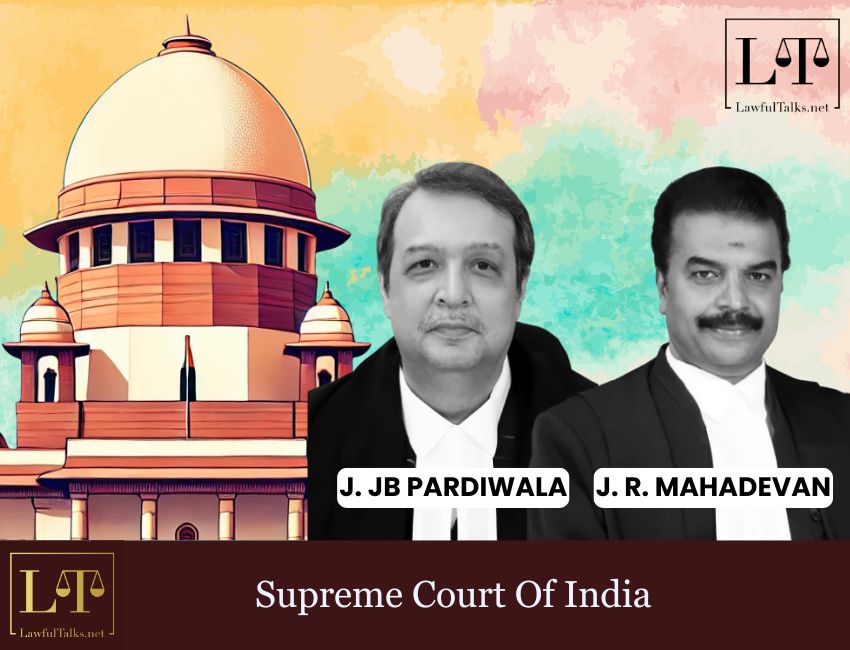
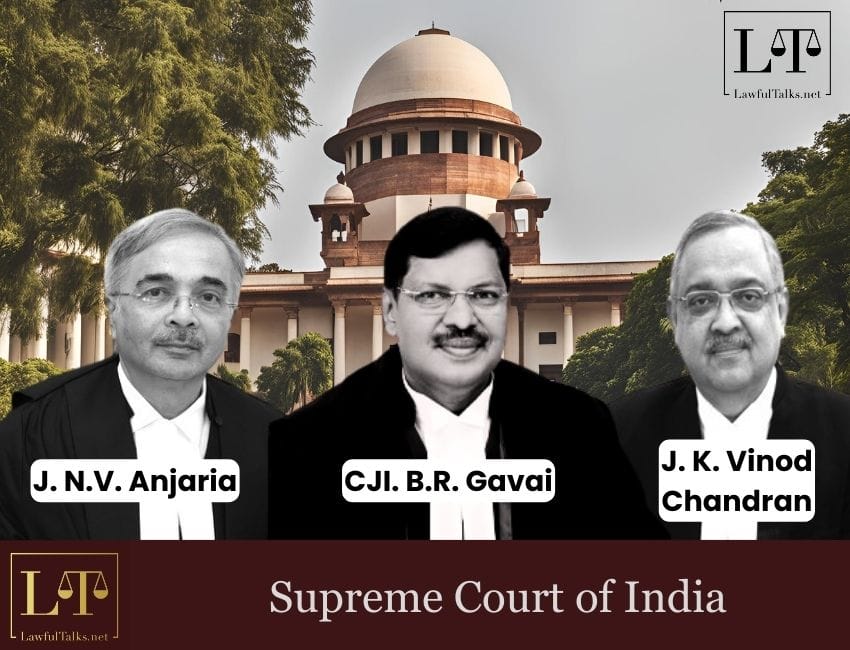
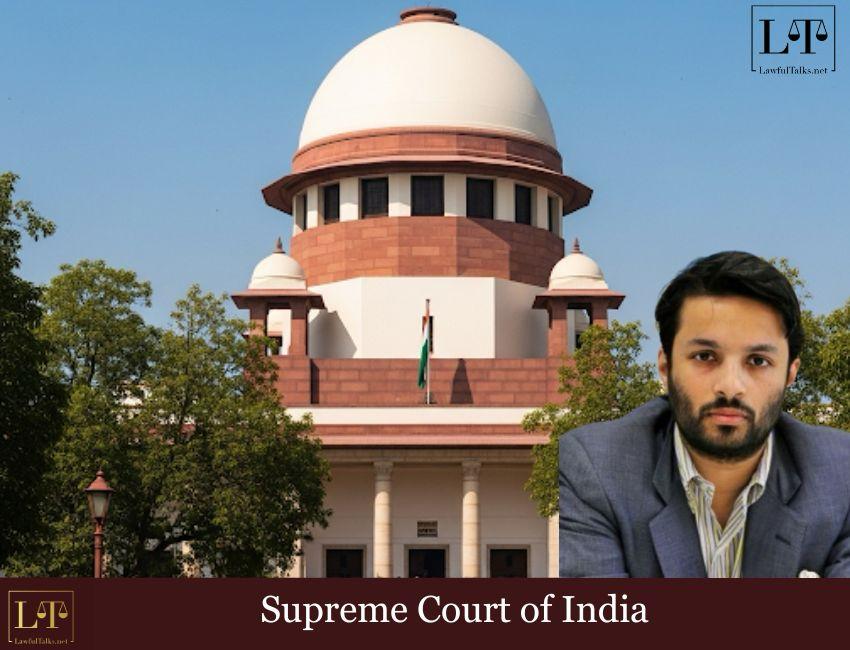
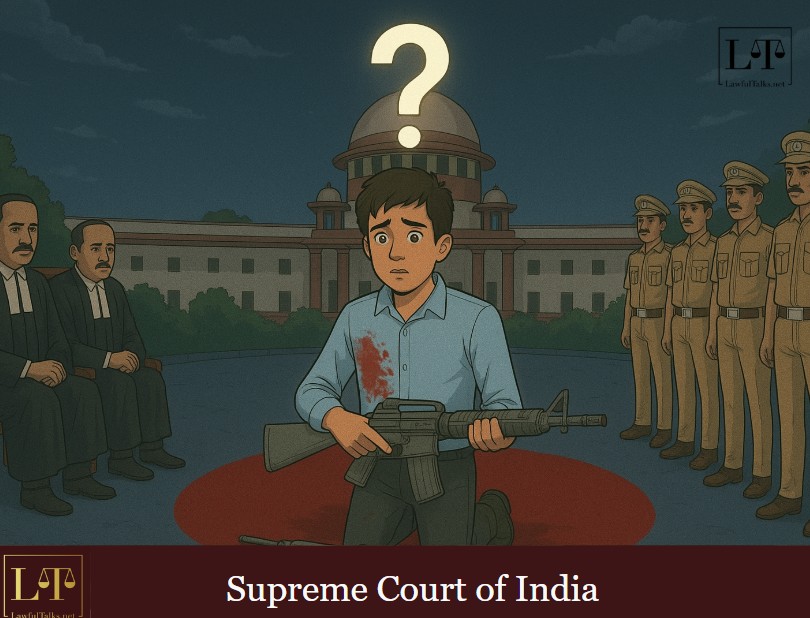
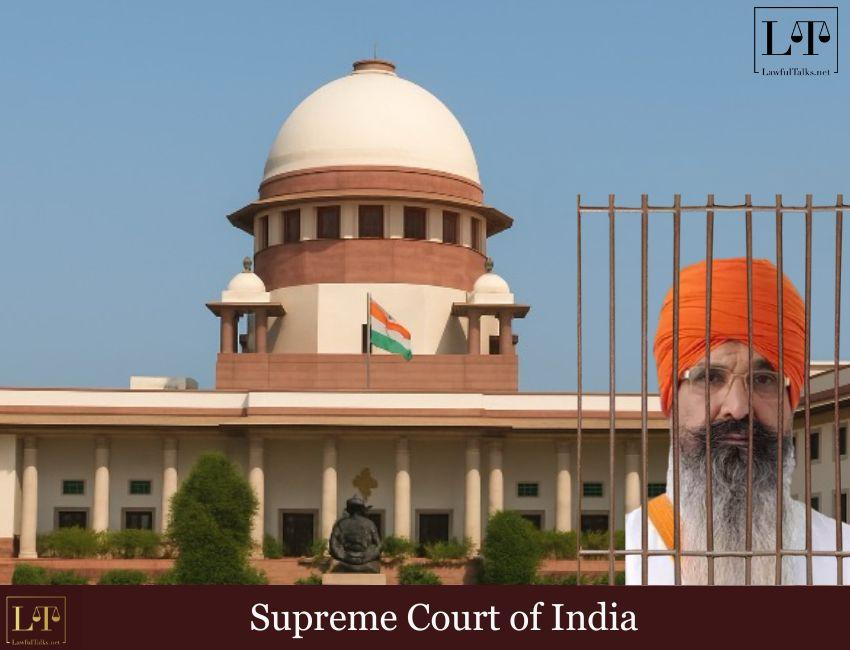
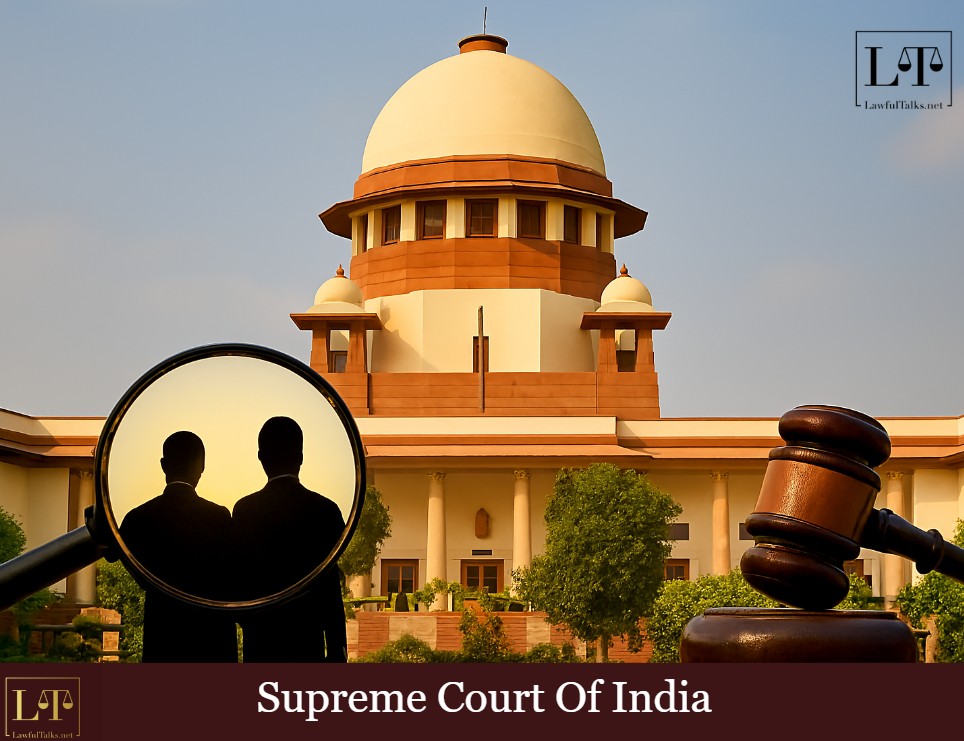
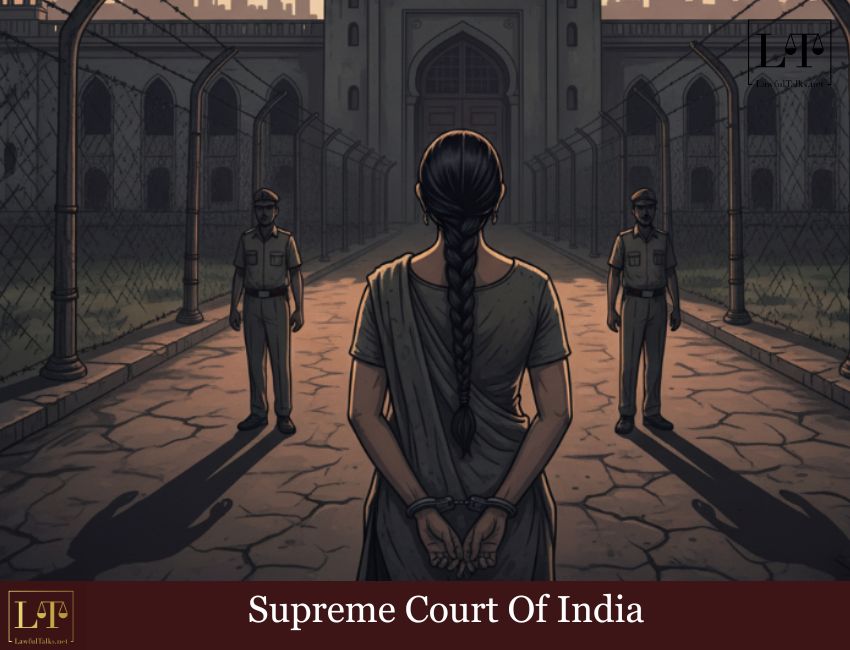
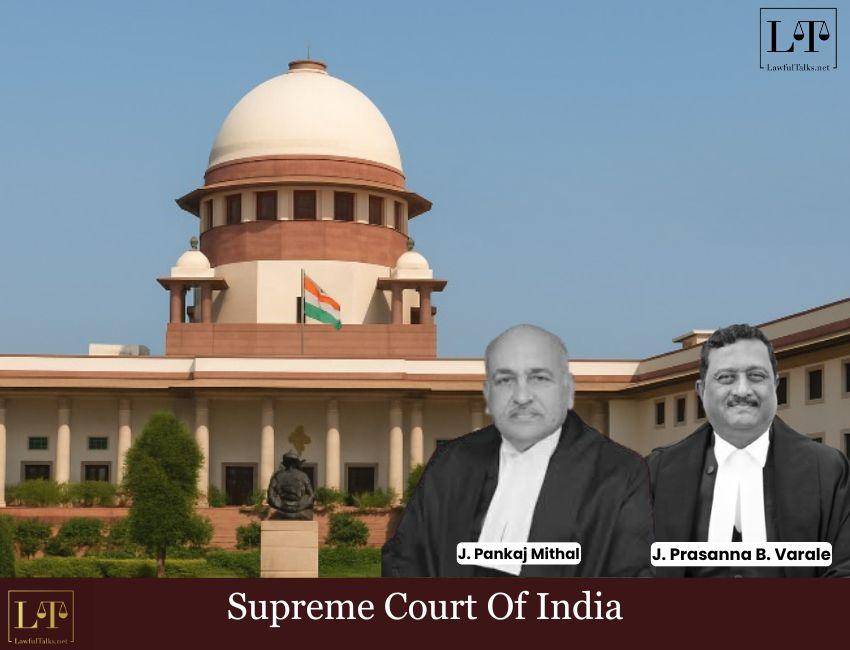
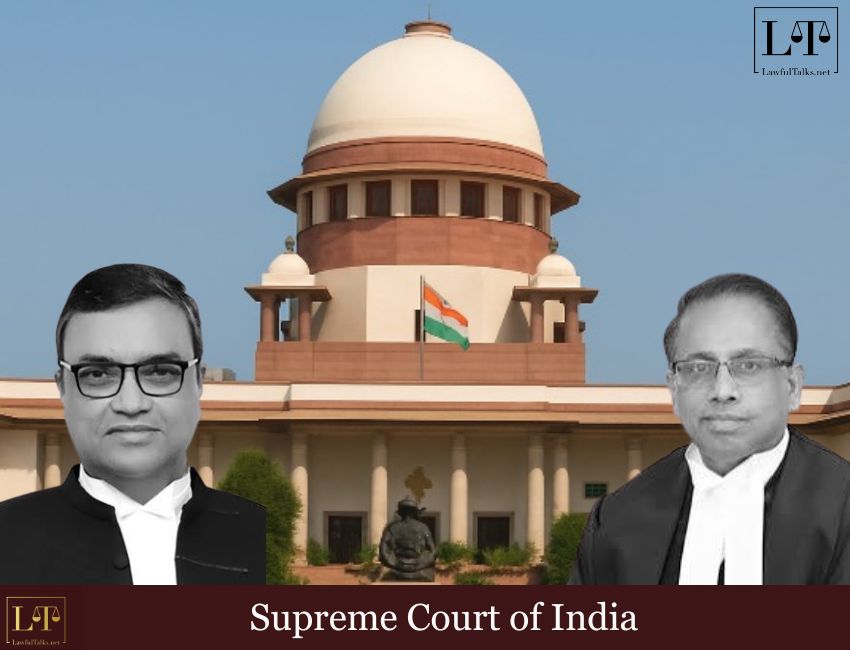
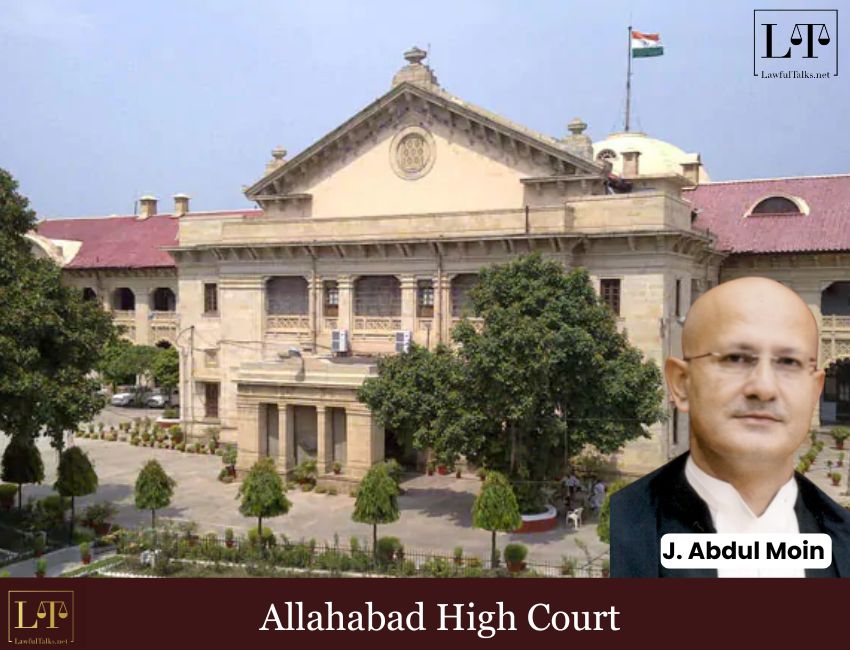
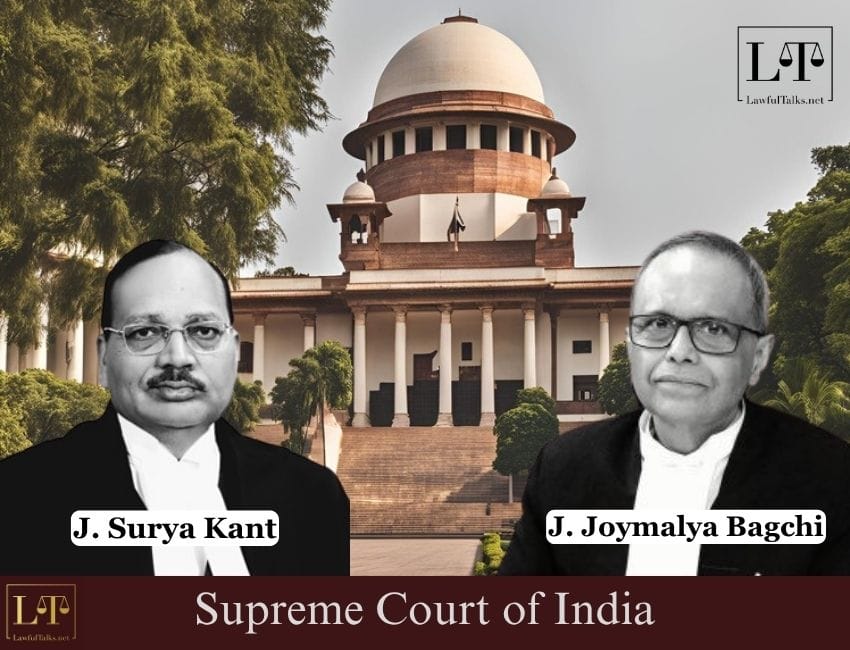
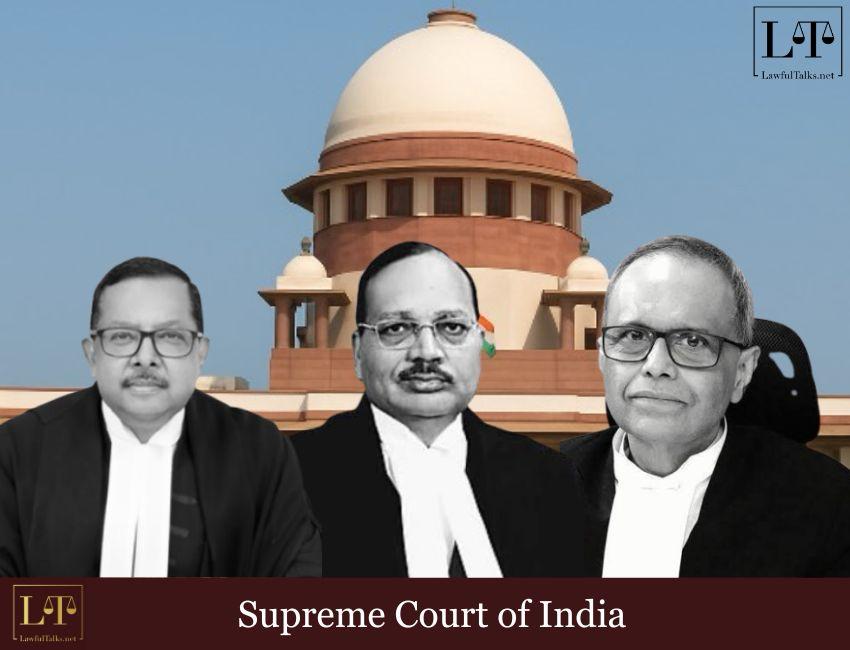
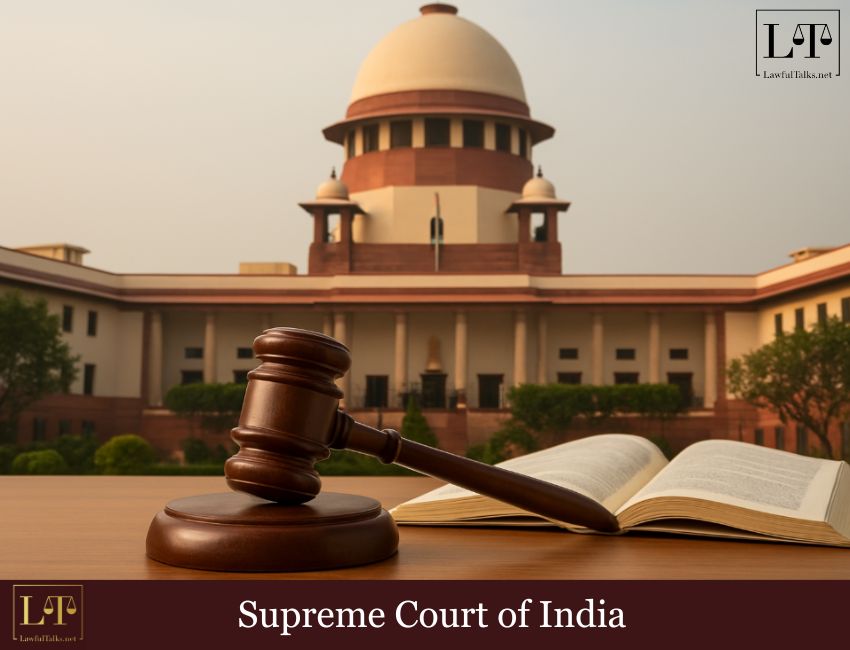
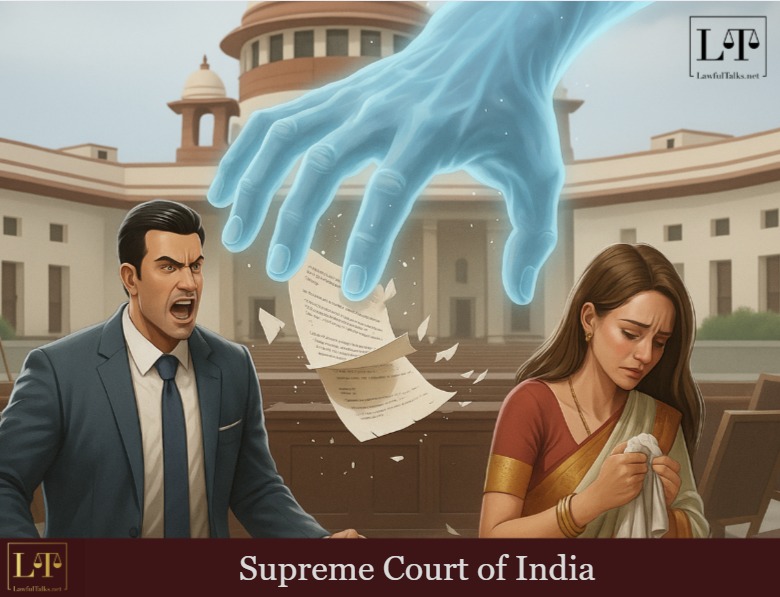
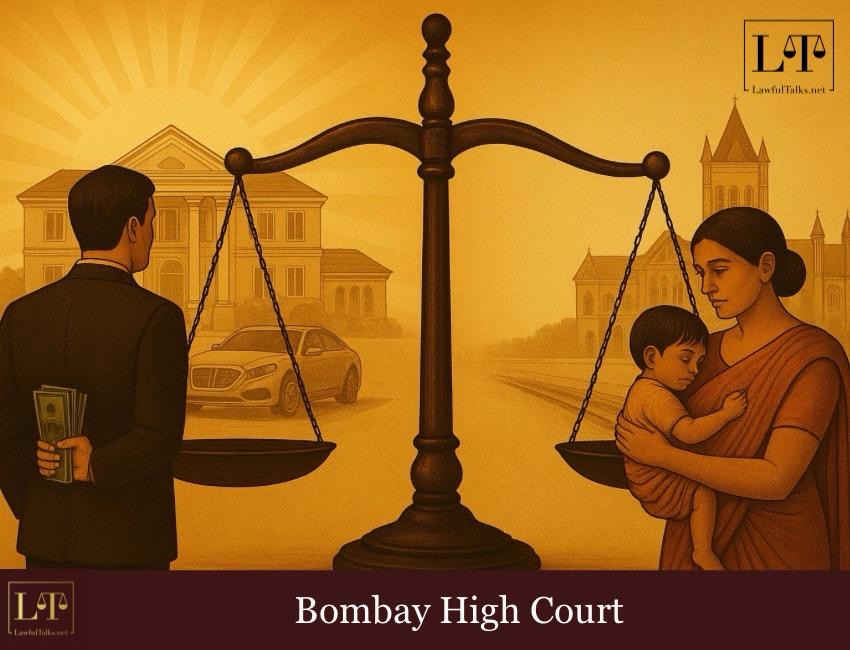
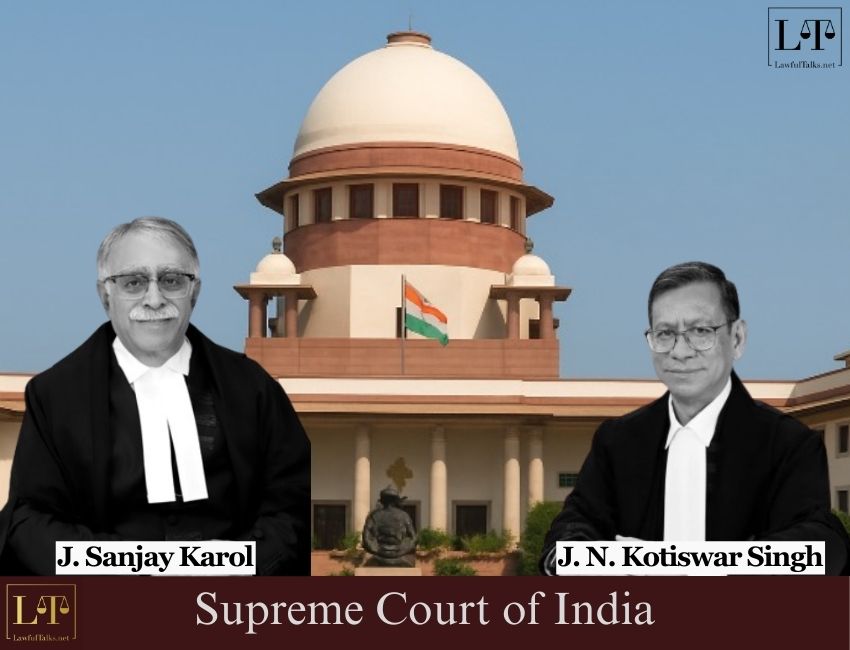
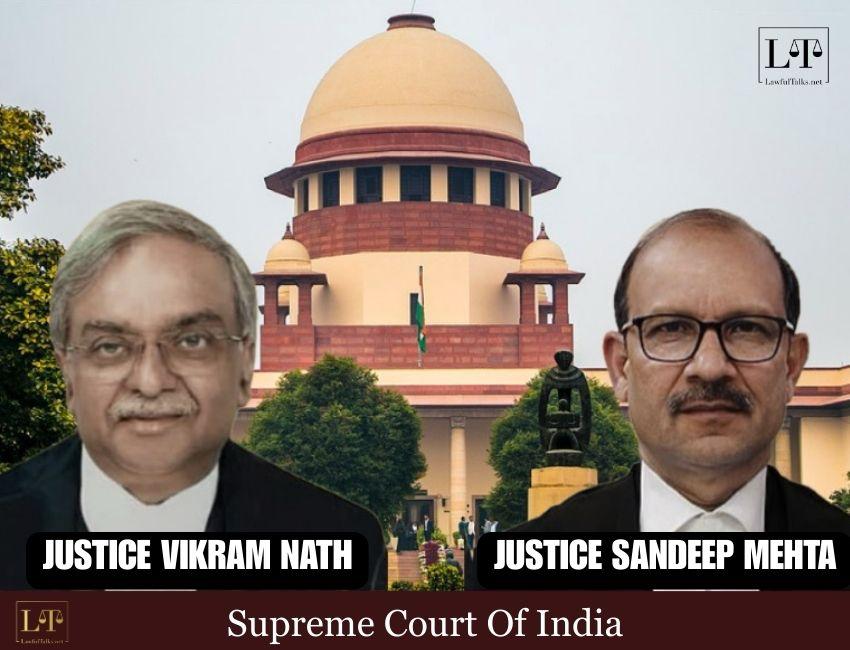
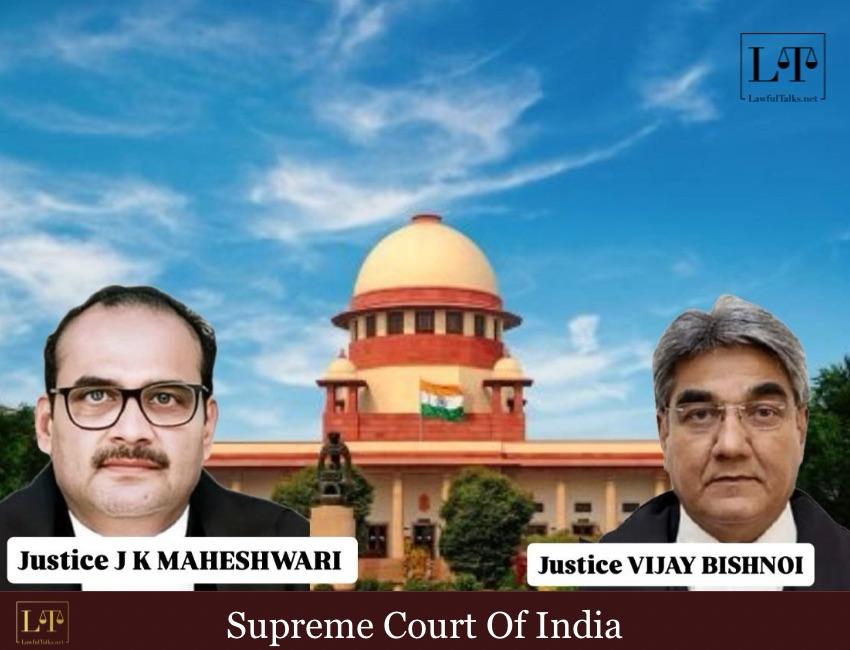
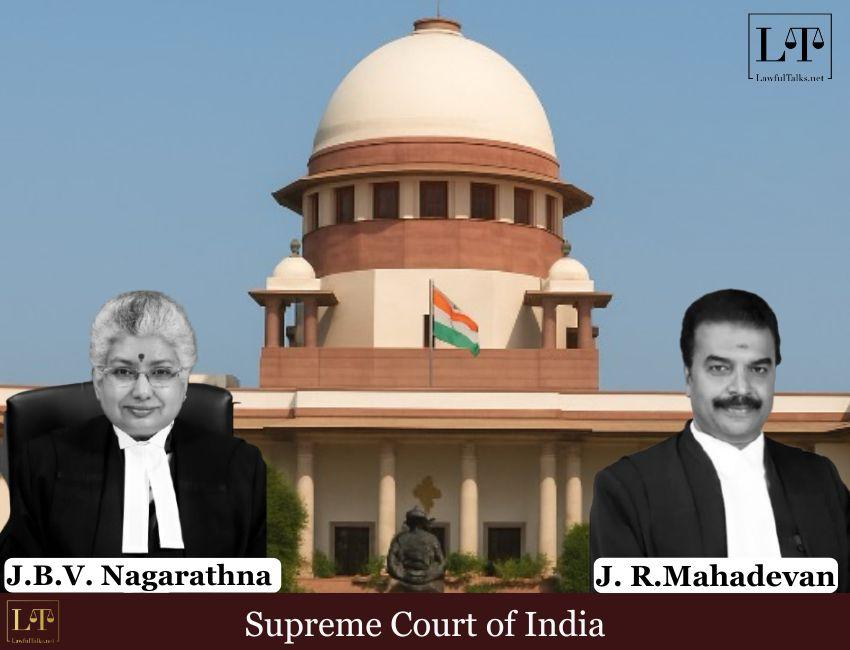
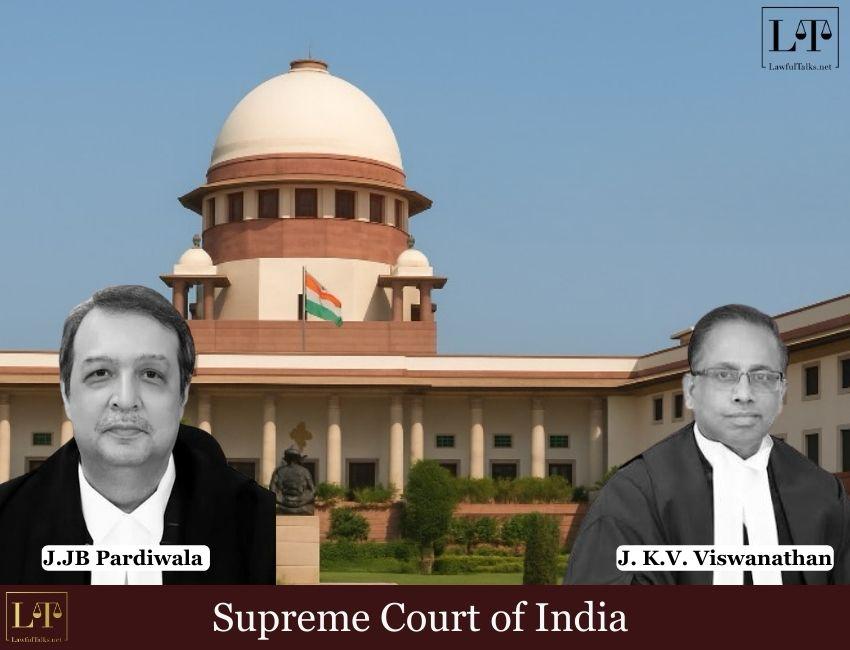
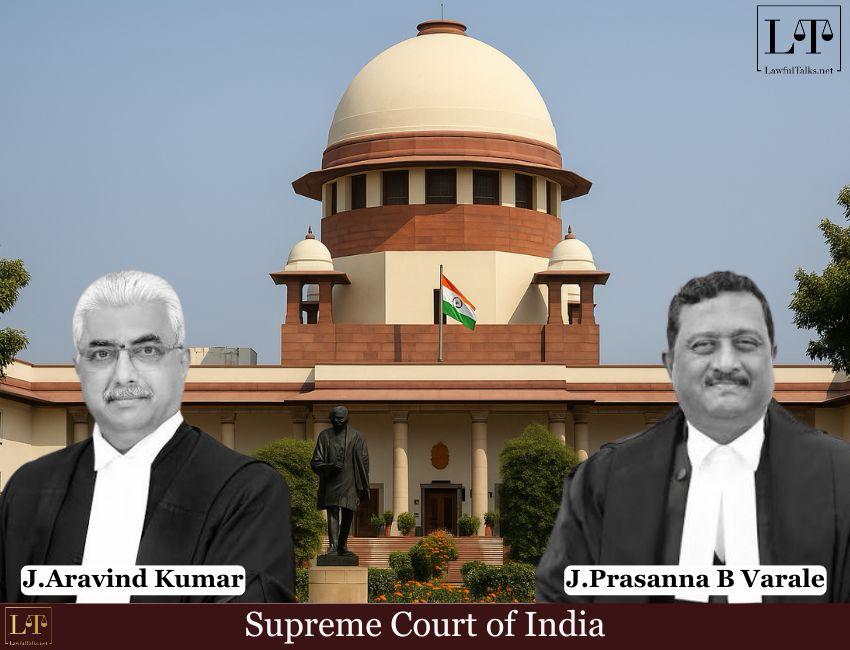
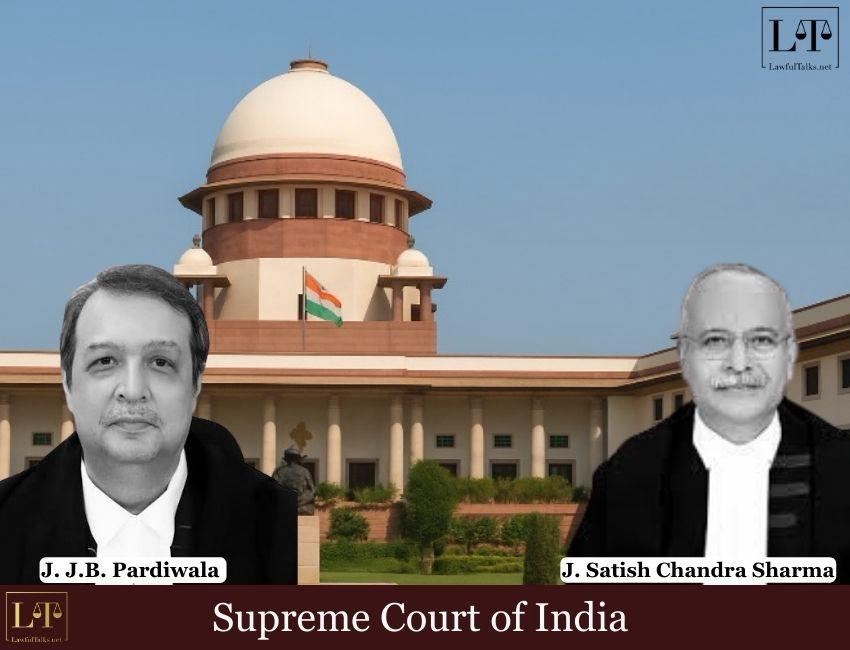
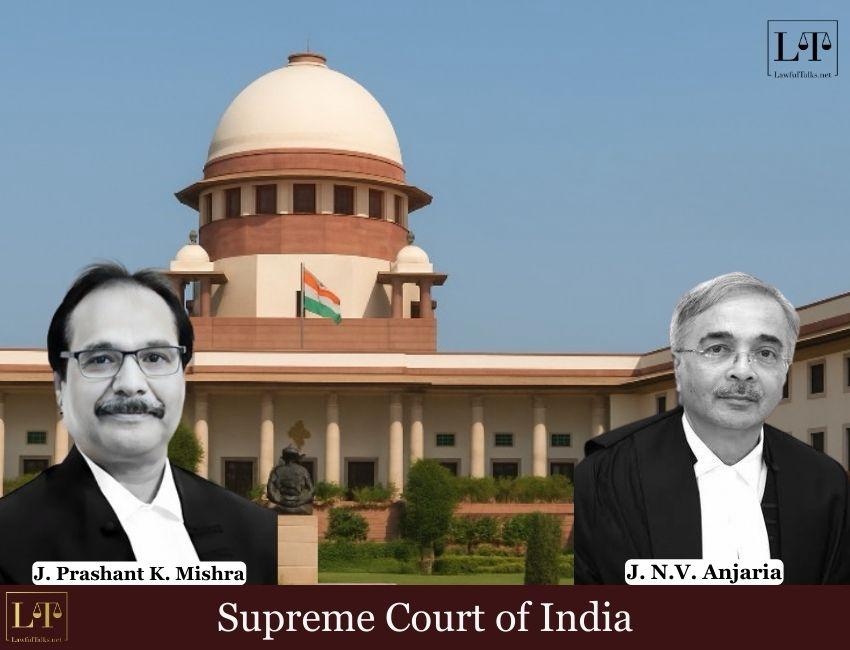
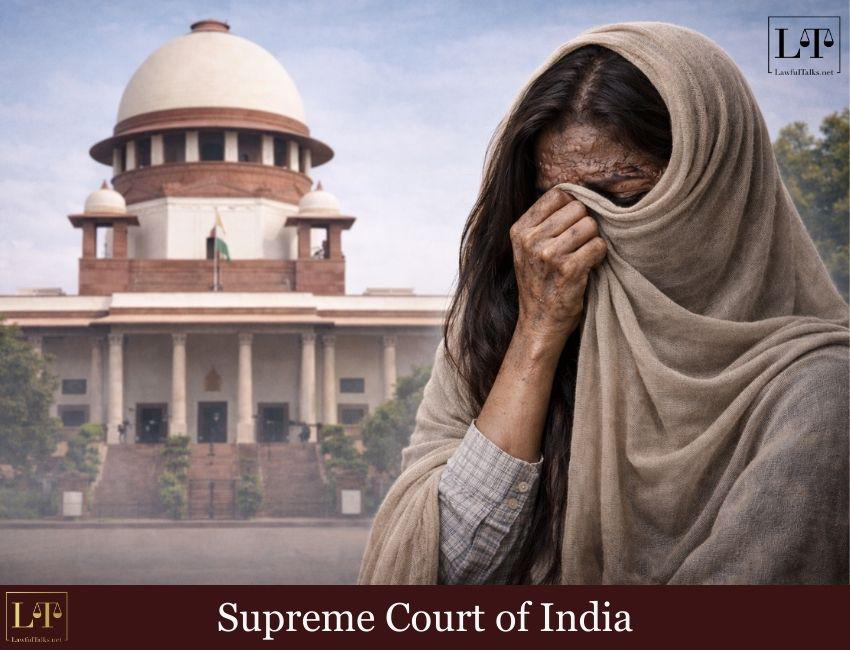
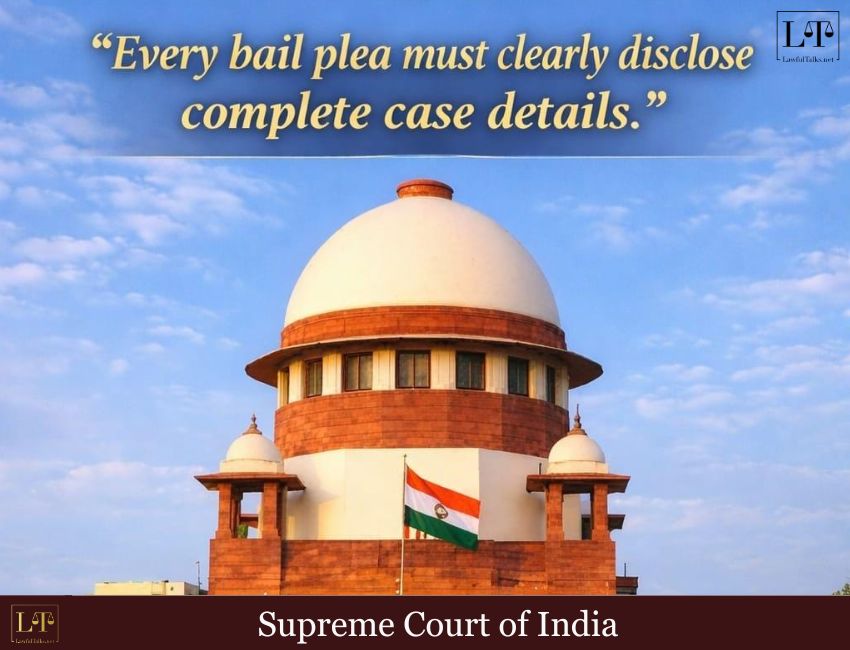
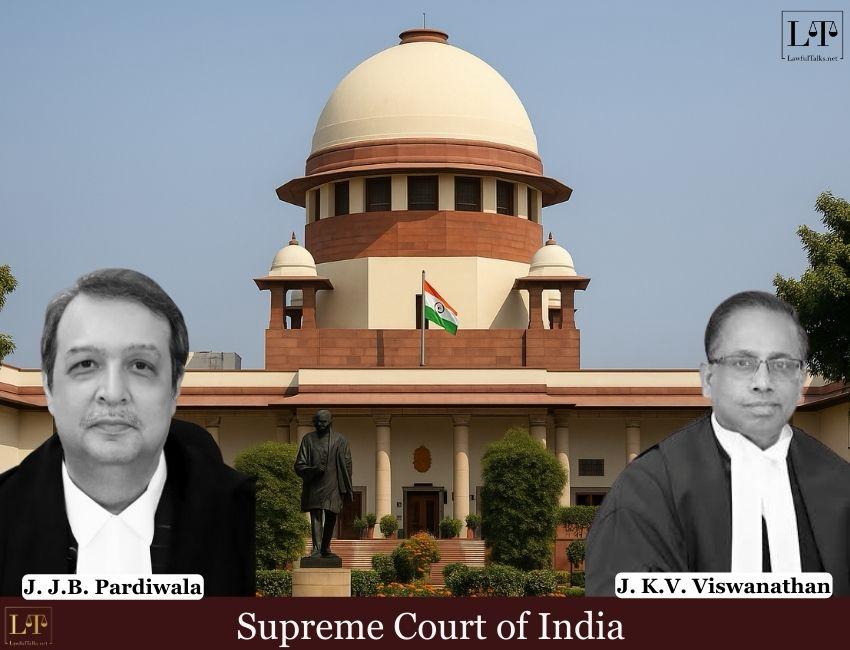
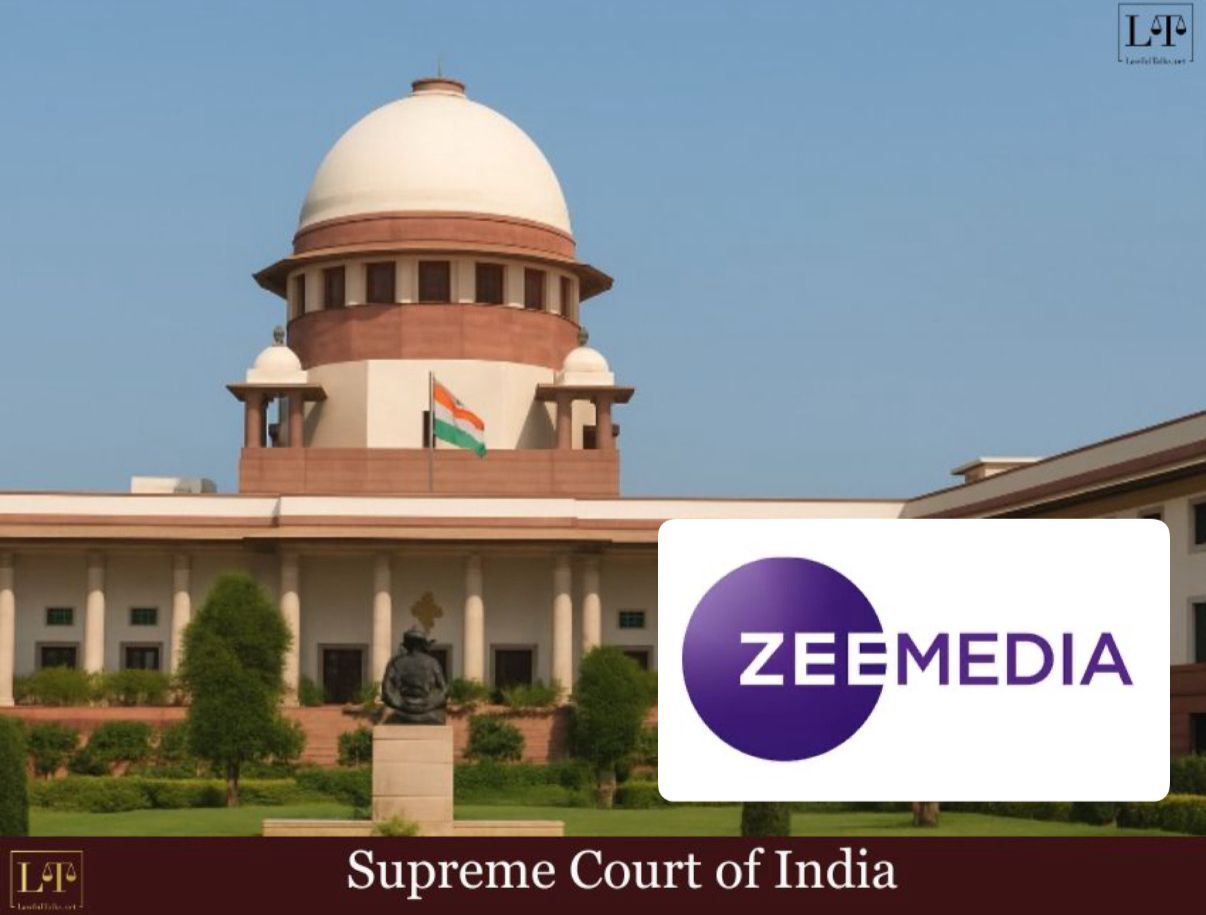
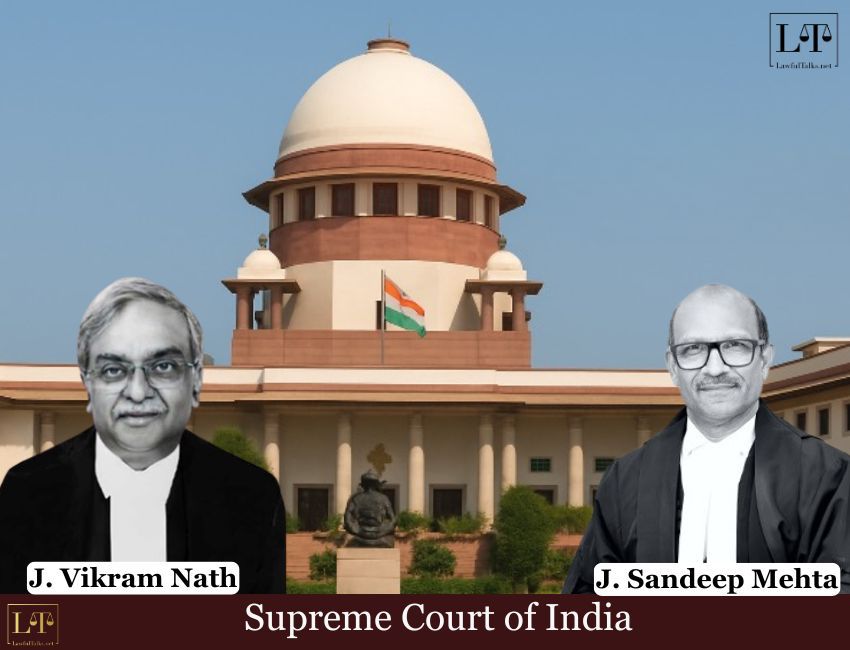
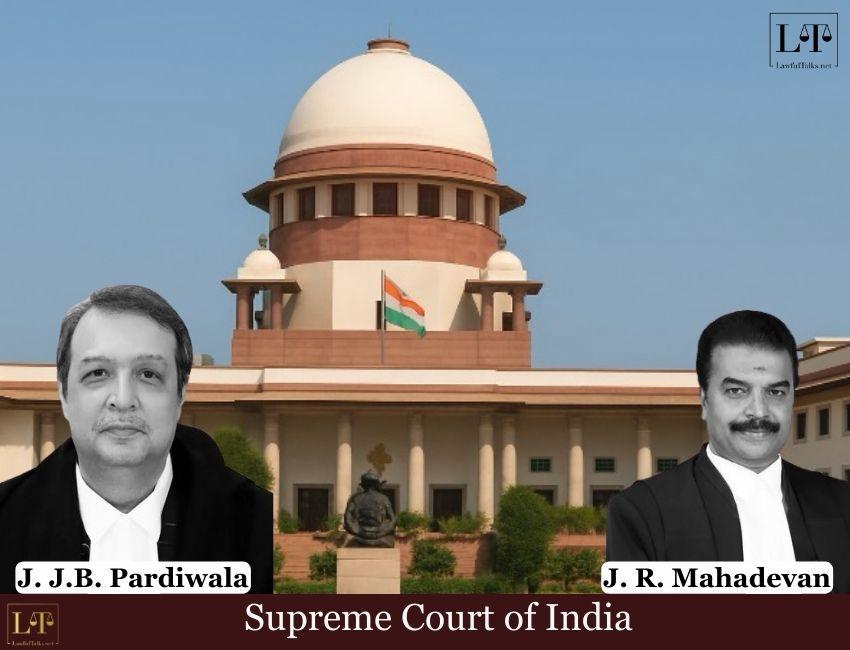
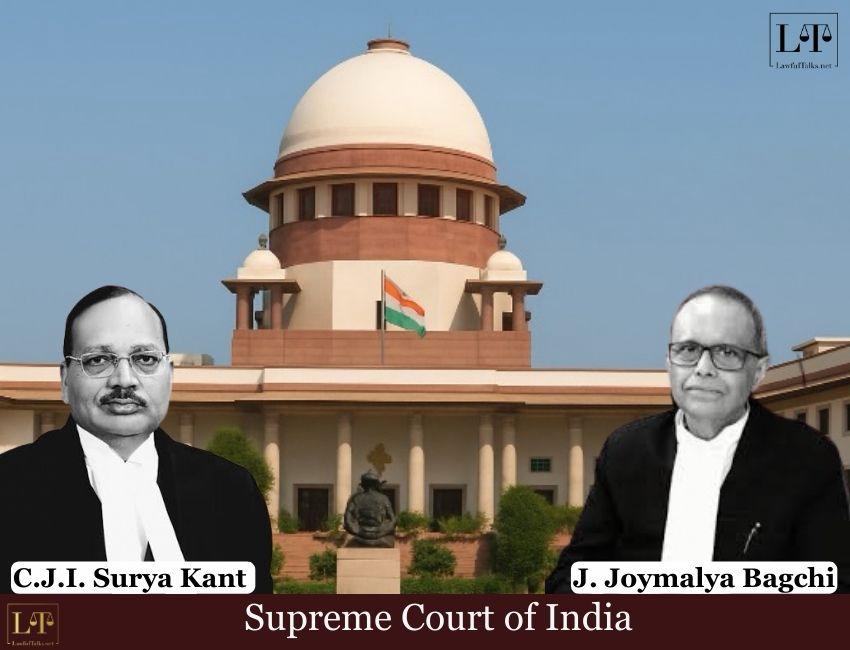
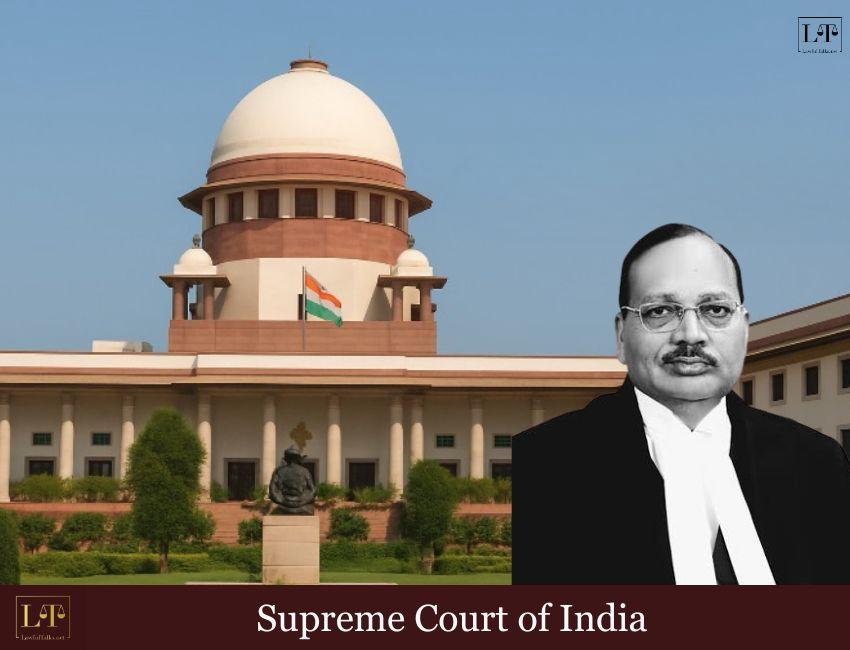
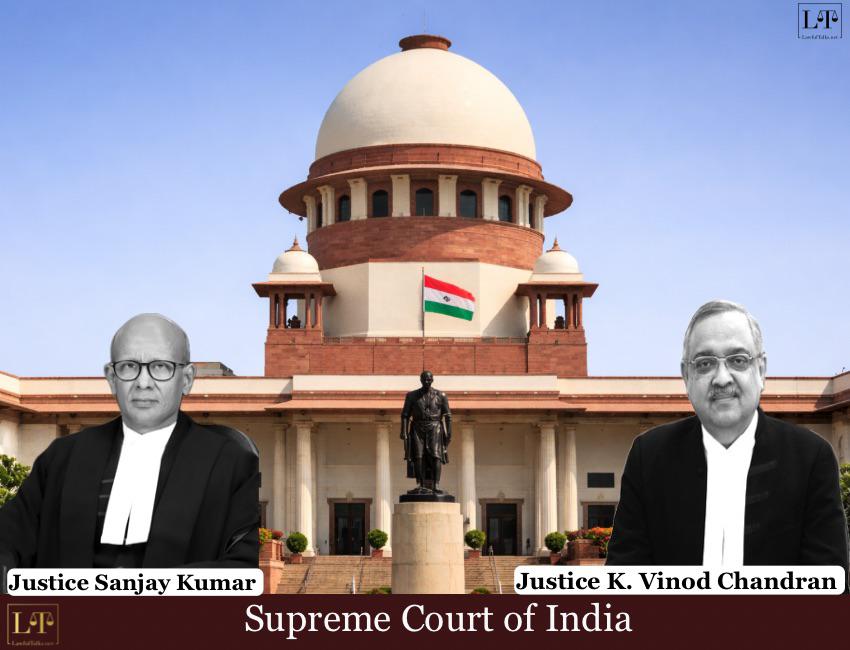
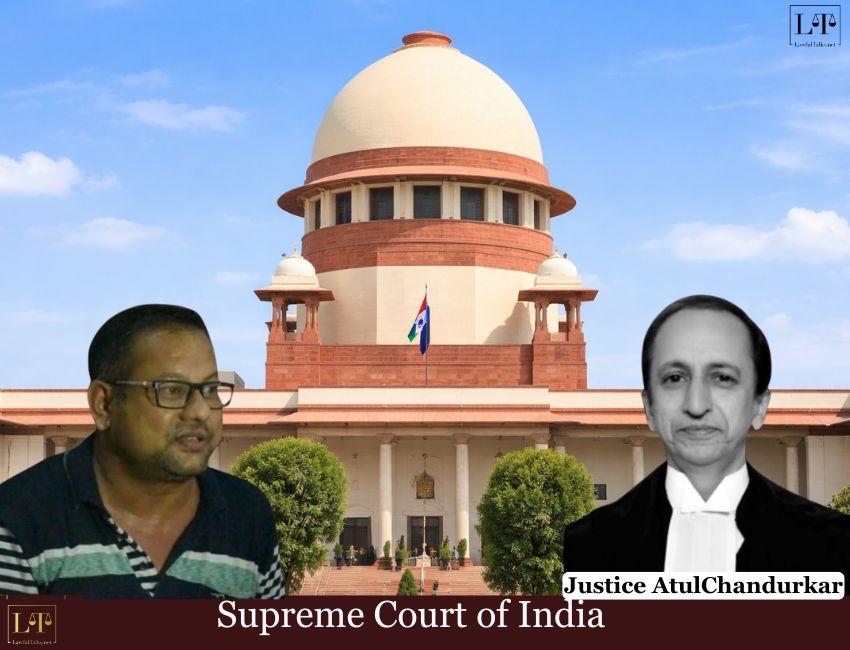
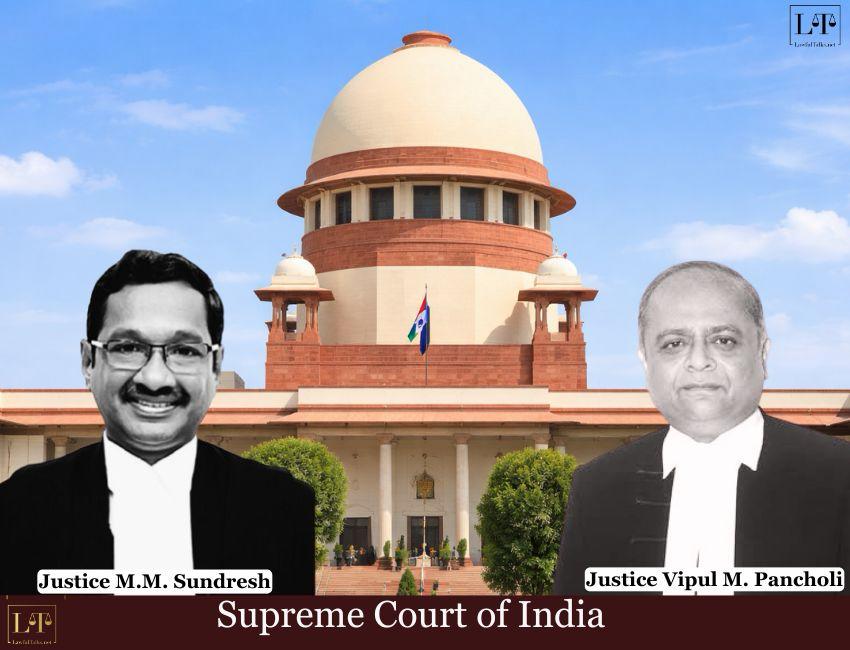
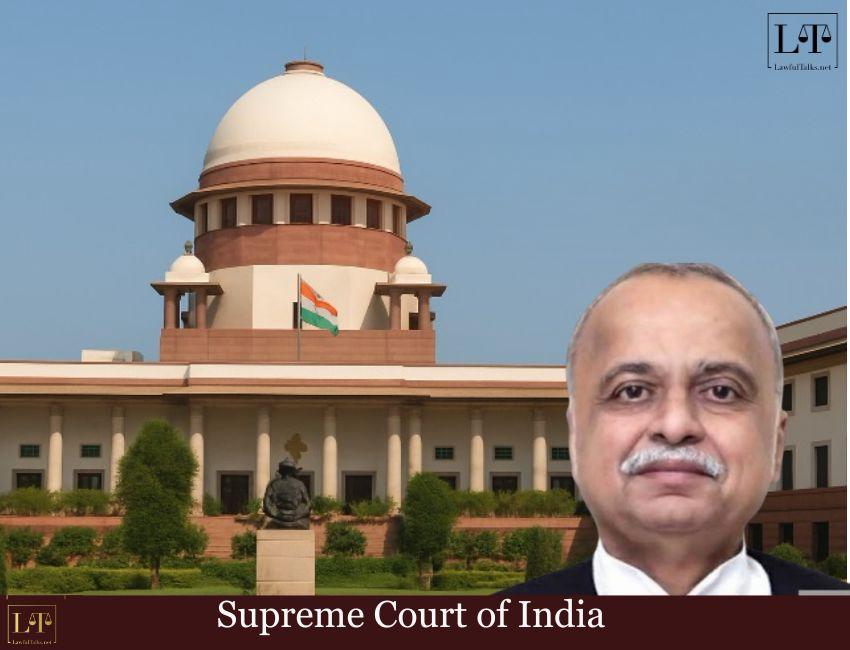
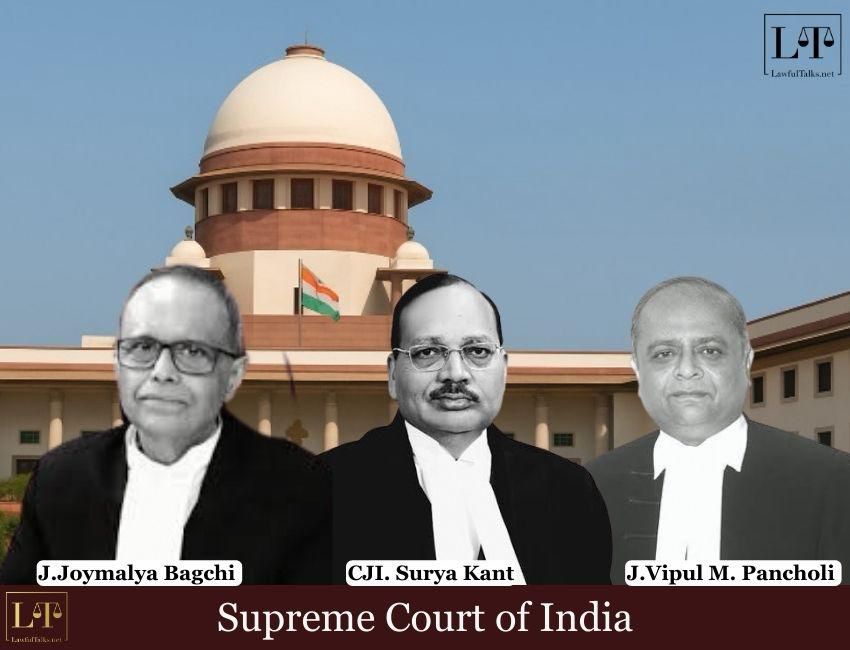
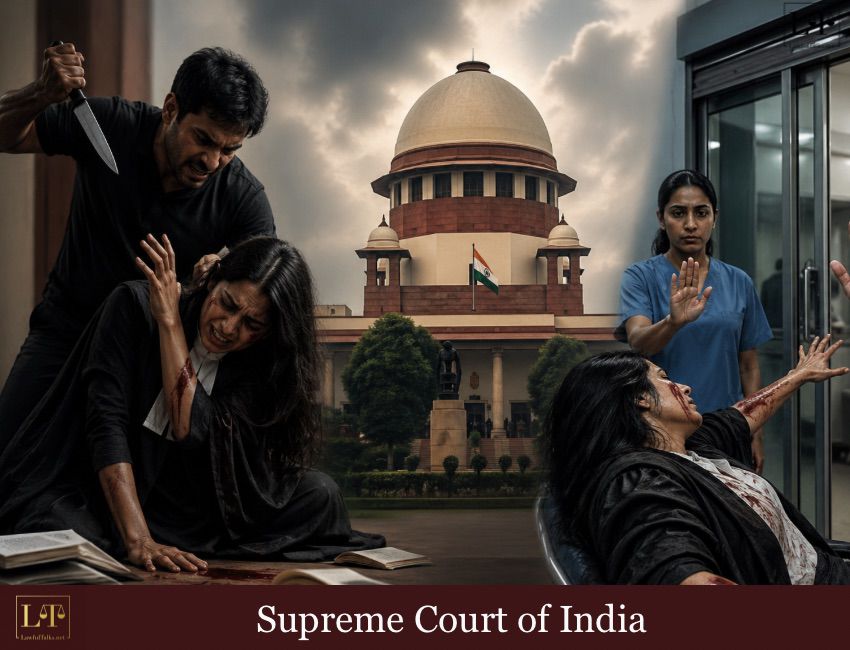
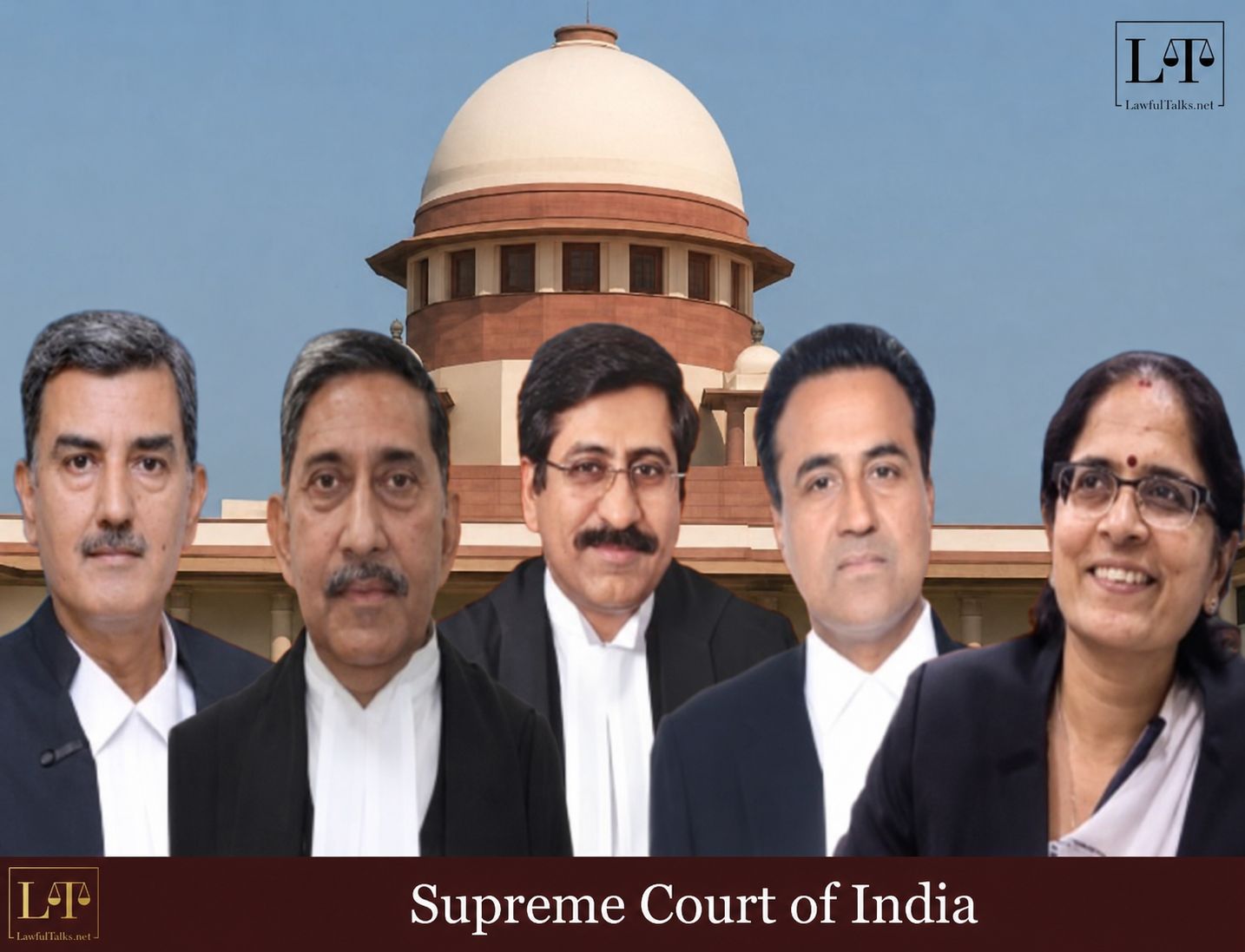
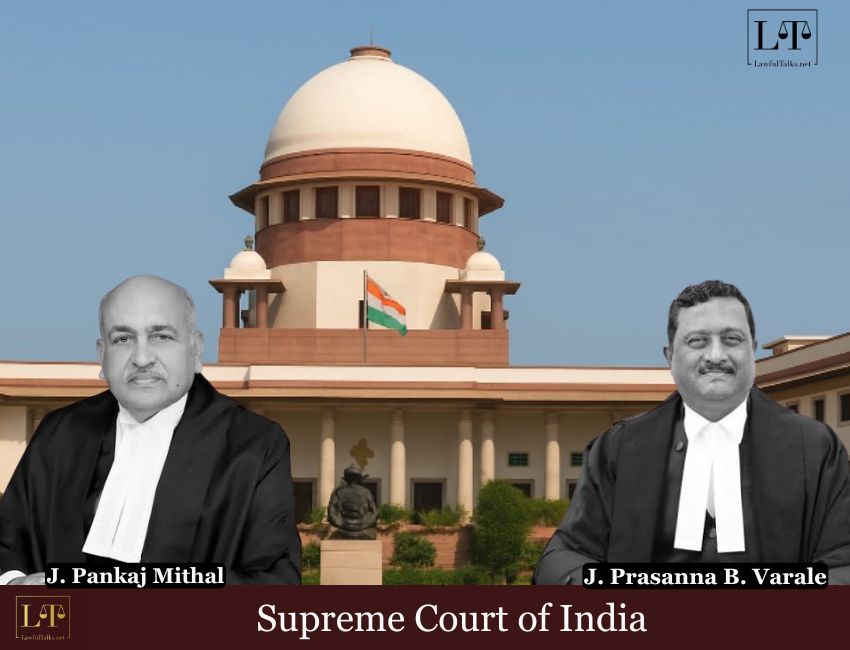
In a strong step against dowry-related violence, the Supreme Court of India cancelled the bail given to a husband accused in a dowry death case. The Bench of Justice J.B. Pardiwala and Justice Vijay Bishnoi said the High Court made a serious mistake. The Allahabad High Court had focused on delay in filing the FIR and doubts about the cause of death, but ignored how serious the allegations were.
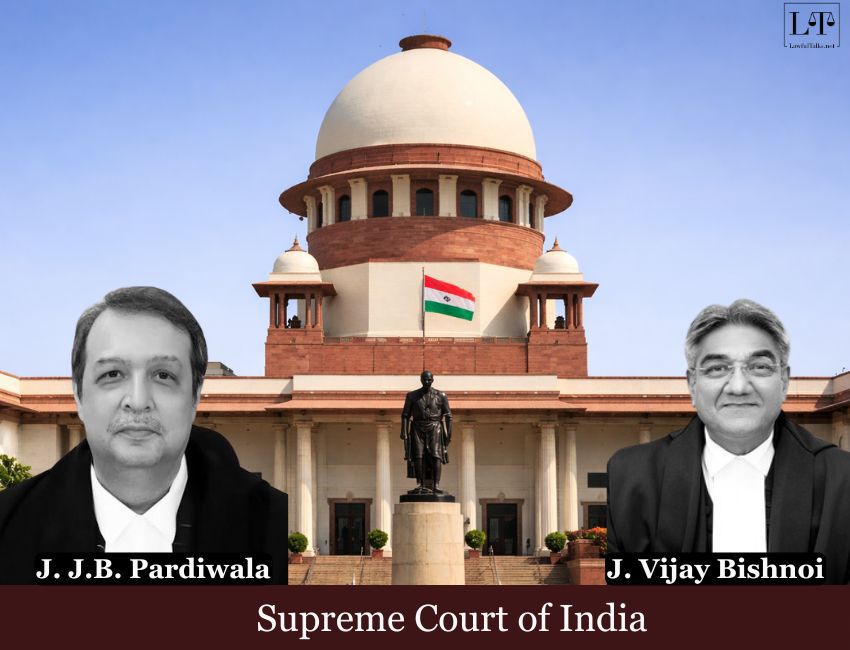
The Supreme Court clearly said that “the allegations levelled by the father in the FIR do disclose more than a prima facie case” and also noted that the woman died in her matrimonial home within seven years of marriage, along with serious claims of continuous harassment.
Dowry Harassment Allegations:
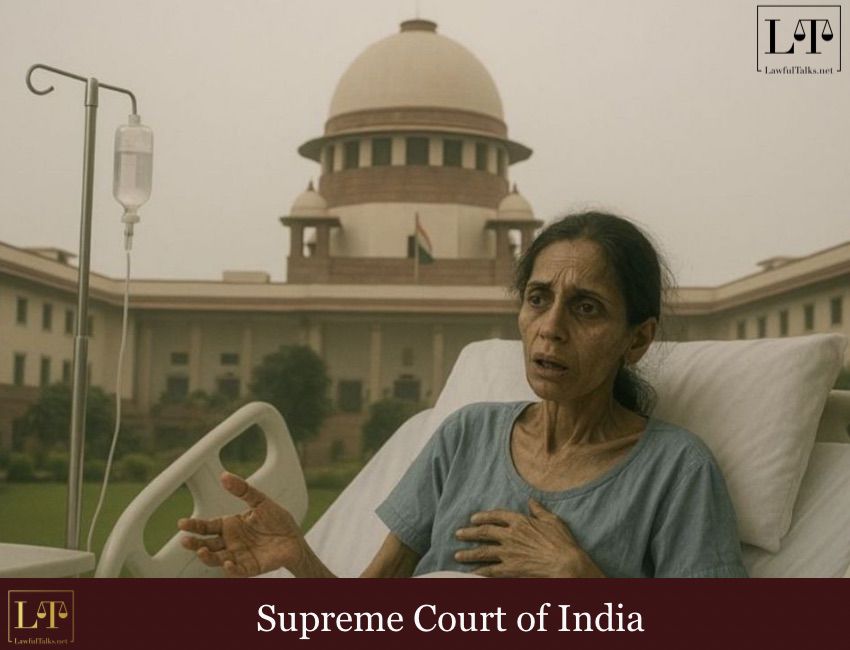
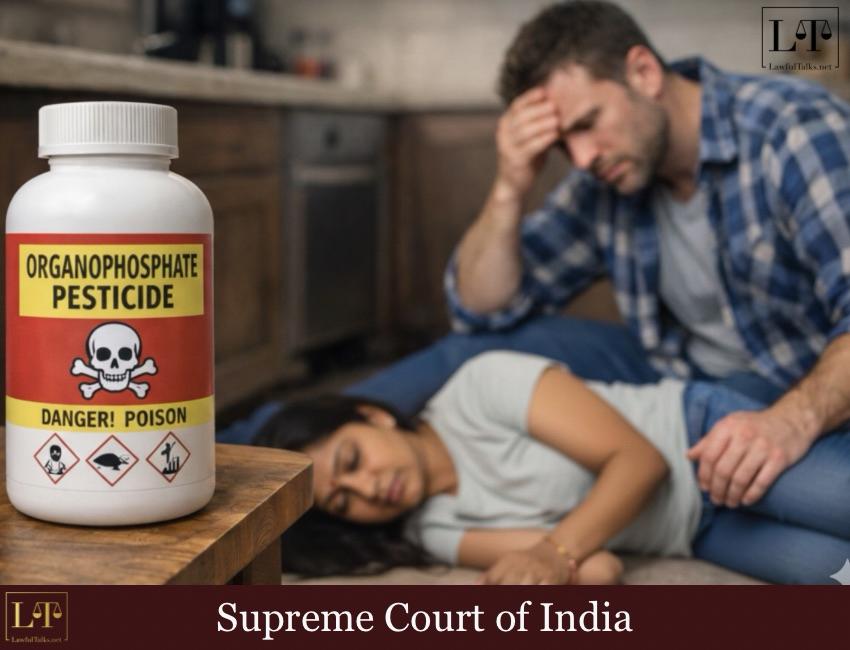
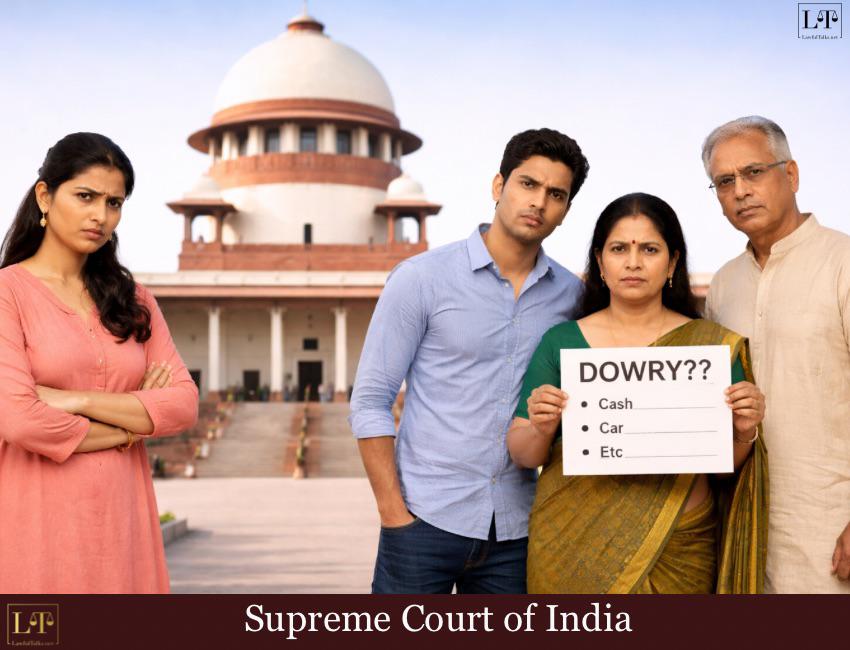
The case is about the death of Ritu Chaudhary, who was found dead in suspicious circumstances. Her father, Mahesh Chand, said that her husband, Prince Chaudhary, and his family had been harassing her for more dowry.
They allegedly demanded a Fortuner car and cash, even though a lot had already been given at the time of their 2019 marriage. The Supreme Court also looked at the post-mortem report, which showed many ante-mortem injuries, including a ligature mark.
The Court said, “this prima facie indicates that the deceased was strangulated to death” and that “the cause of death is asphyxia due to strangulation.”
Court Criticises Allahabad High Court:
Pulling up the High Court, the Supreme Court said it was “at pains to observe that the High Court has not even recorded the facts correctly. “When bail is prayed for, the High Court is expected to consider the nature of the crime and a prima facie case. There being serious allegations of demand of dowry and incessant harassment caused to the deceased, the High Court should have kept in mind the provisions of Section 118 of the Bharatiya Sakshya Adhiniyam.”
The Court went on to observe , “Assuming for the moment that there was some delay in lodging the FIR, should that by itself in a serious crime like dowry death be a ground to release the accused on bail? It seems that the High Court remained completely oblivious of Section 118 of the BSA referred to above.”
Call for Social Change:
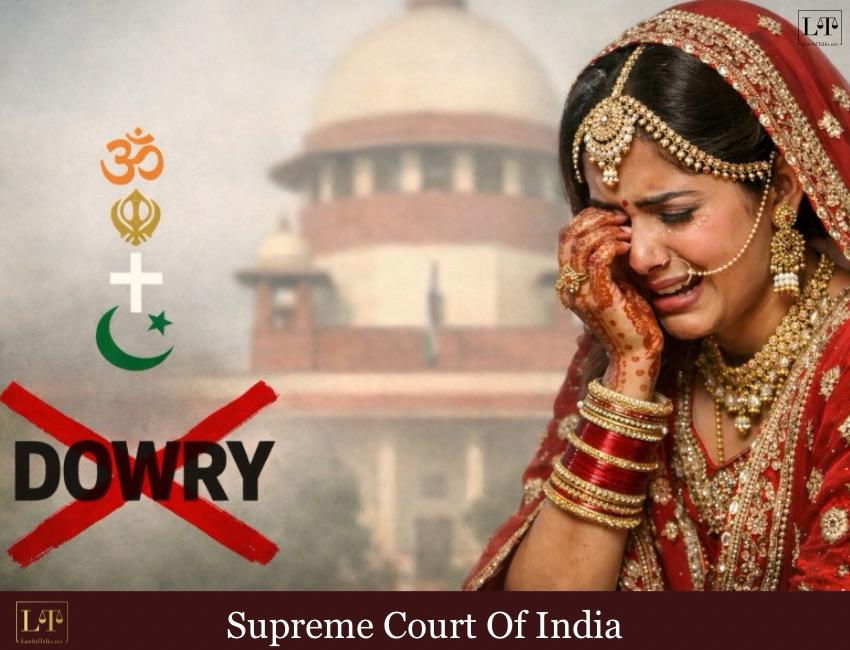
The Court also spoke about the larger problem of dowry in society. It said that many young women are killed in their matrimonial homes because of dowry demands, especially in states like Uttar Pradesh, Bihar, and Karnataka.
The Supreme Court stressed that society needs to change its mindset. It repeated earlier observations that “possibly, a social revolution is needed to put an end to the menace” and that “the conscience of society needs to be fully awakened to the evils of the dowry system so that the demand for dowry itself should lead to loss of face in the society for those who demand it.”
Final Orders of the Court:
In the end, the Court said the High Court made an “egregious error in exercising its discretion in favour of the accused.”
It cancelled the bail, ordered the accused to surrender within one week, and told the trial court to finish the case within one year. The Court also warned that “a bail court at any level should remain very careful to ensure that its order like the one impugned before us should not be seen or read by the society at large that the courts are taking serious crimes against women very lightly.”
Case Details:: MAHESH CHAND VERSUS STATE OF UTTAR PRADESH & ANR.

















































Sign up for free and be the first to get notified about curated content just for you.