‘Nothing but a Counterblast’: Bombay HC Ends Criminal Case in Lilavati–HDFC Dispute’

- May 06, 2026


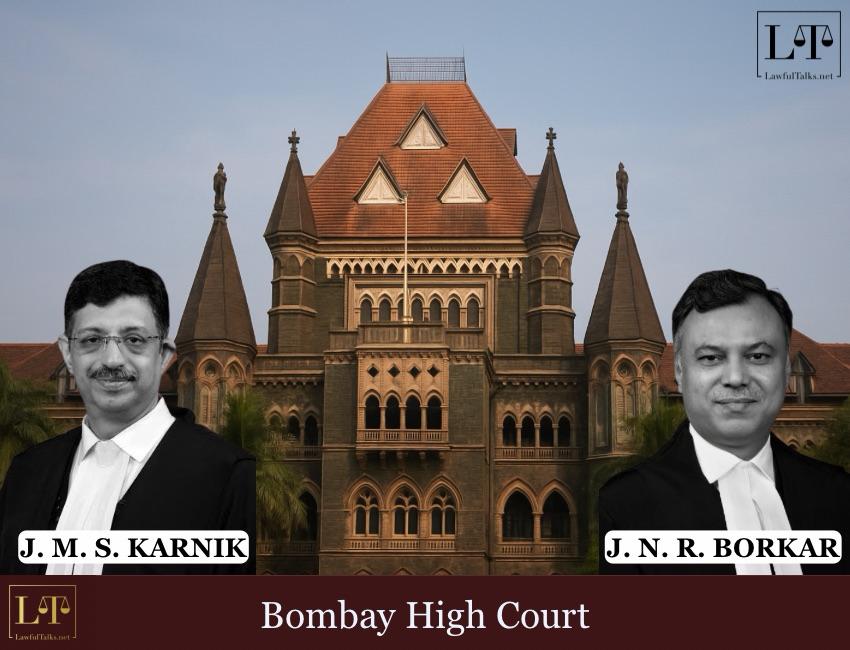
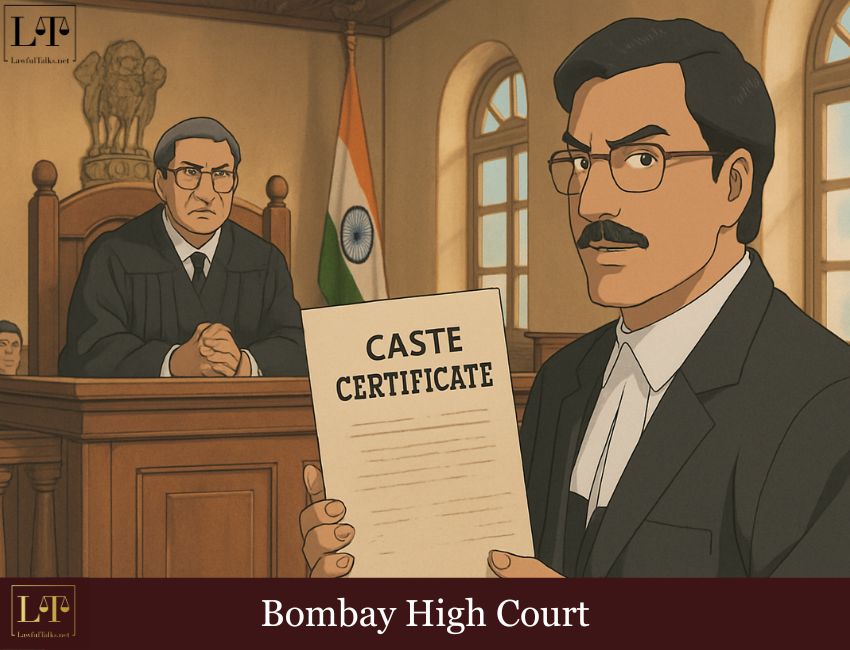
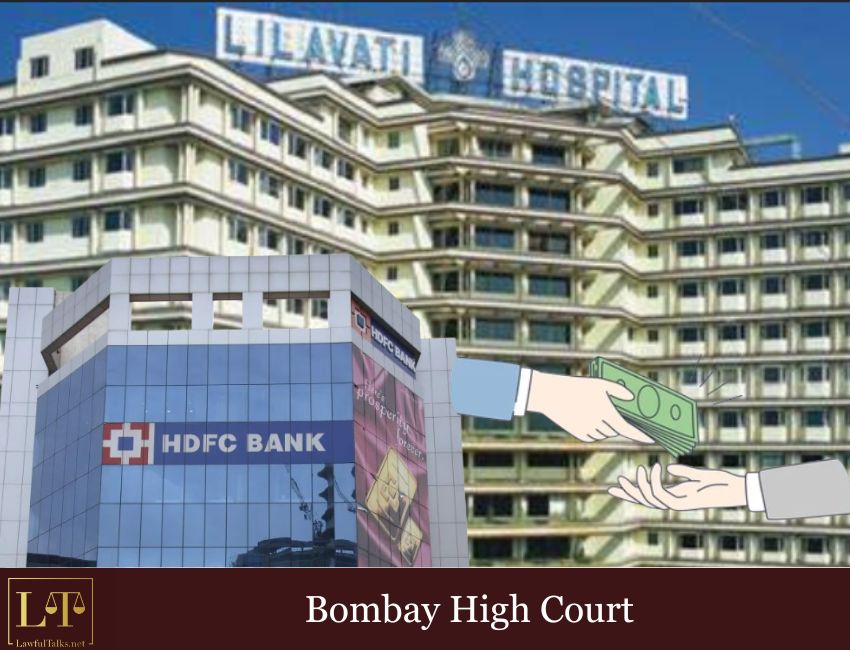
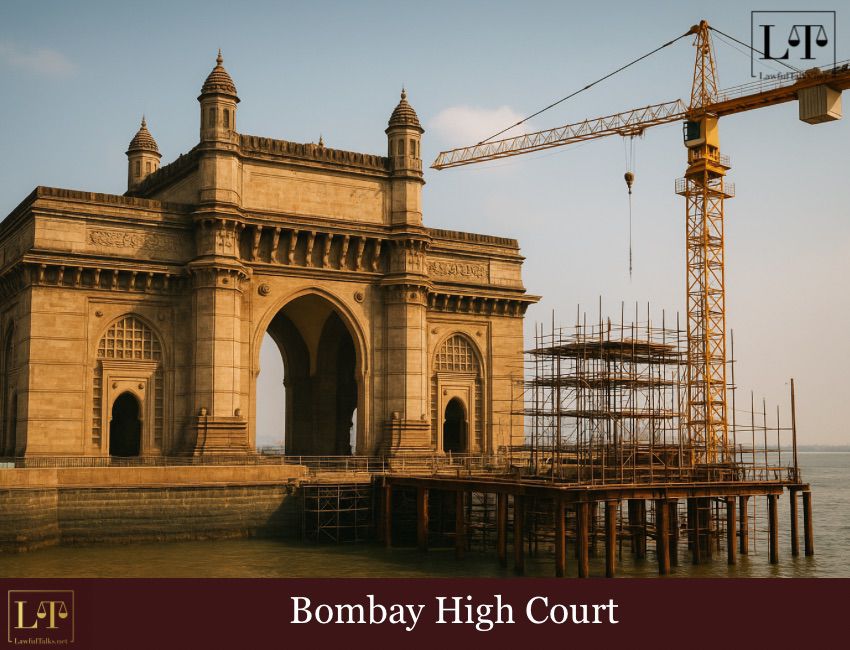
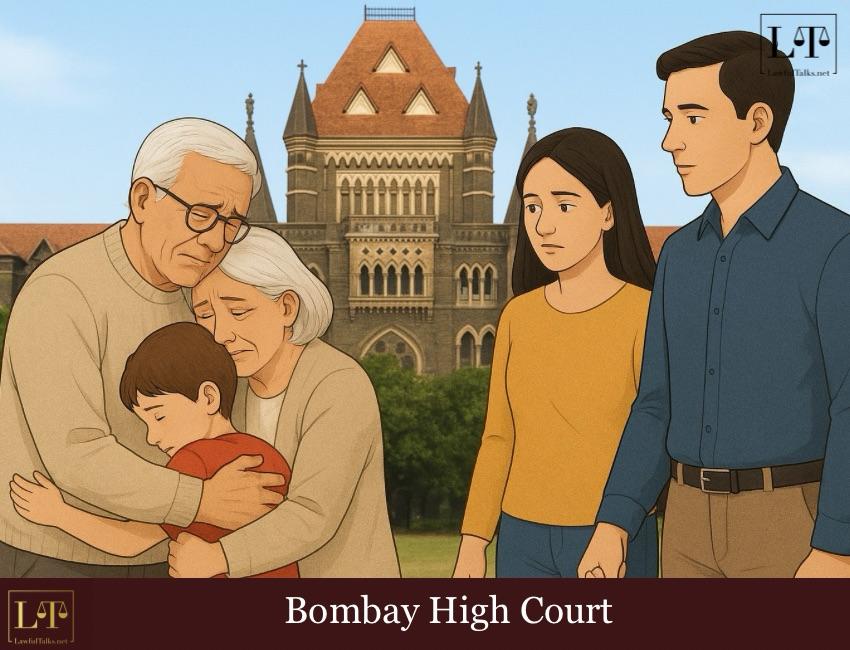
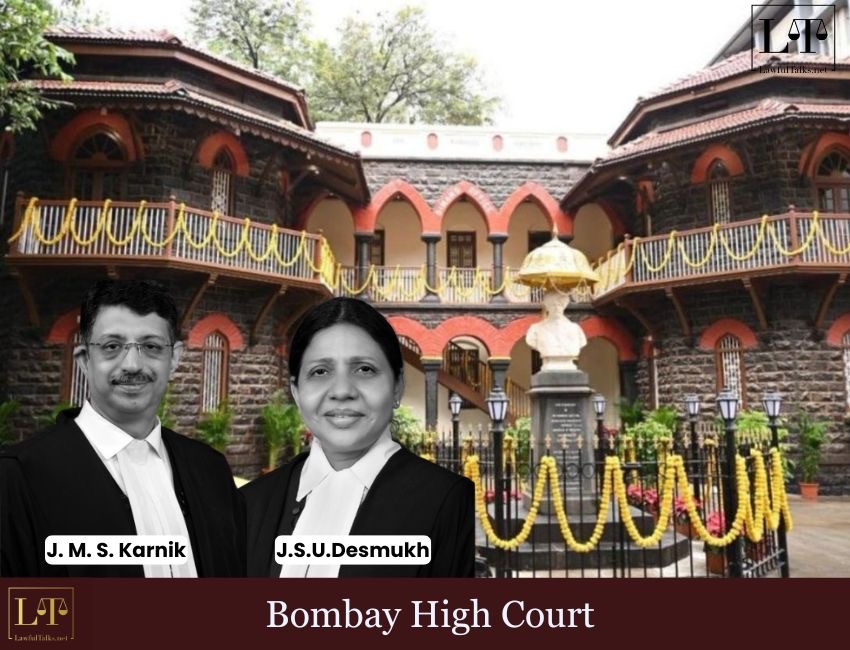
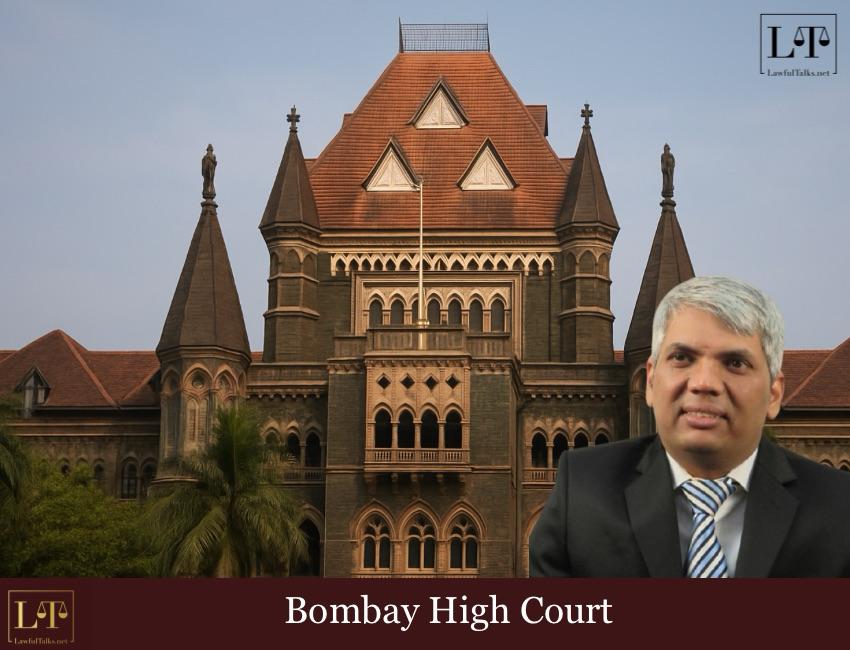
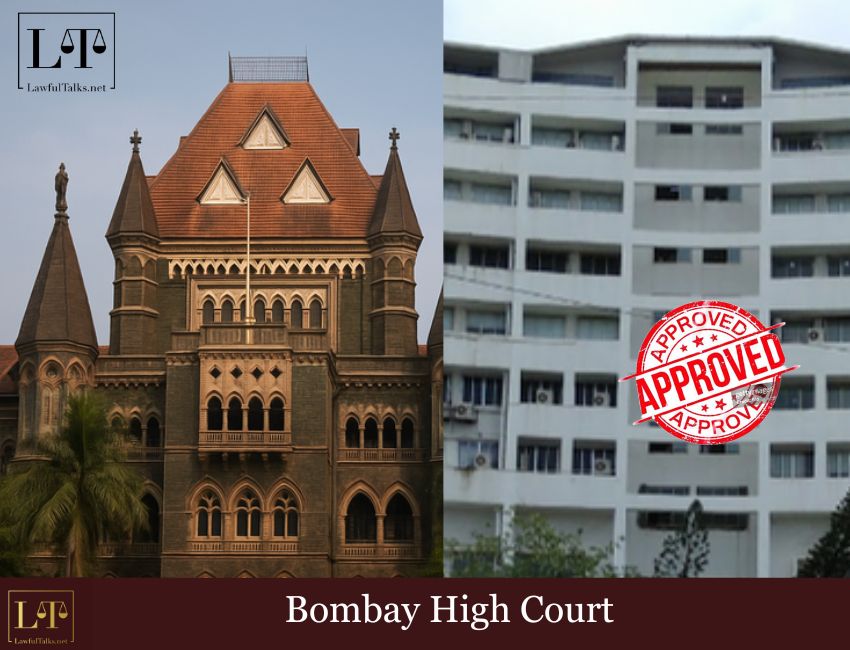
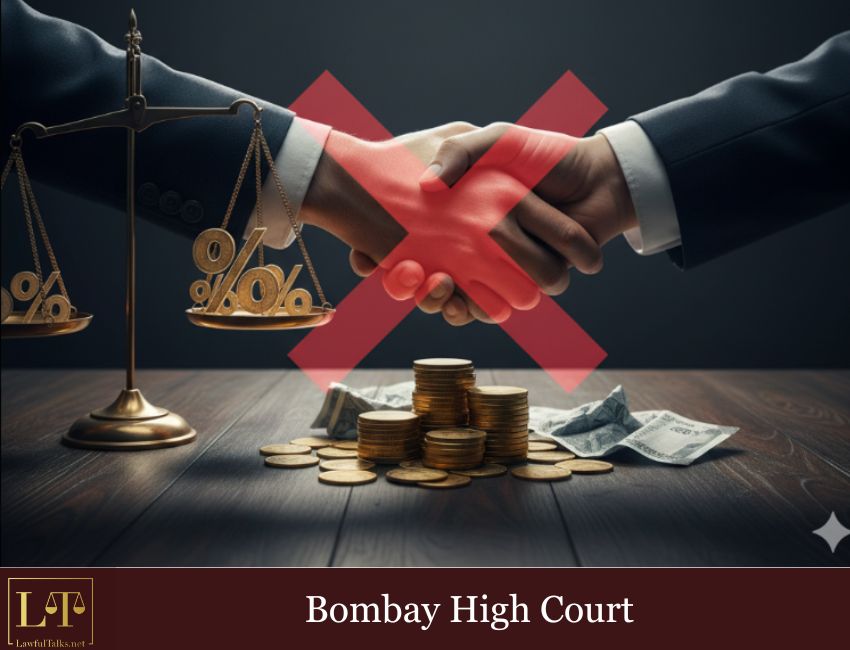
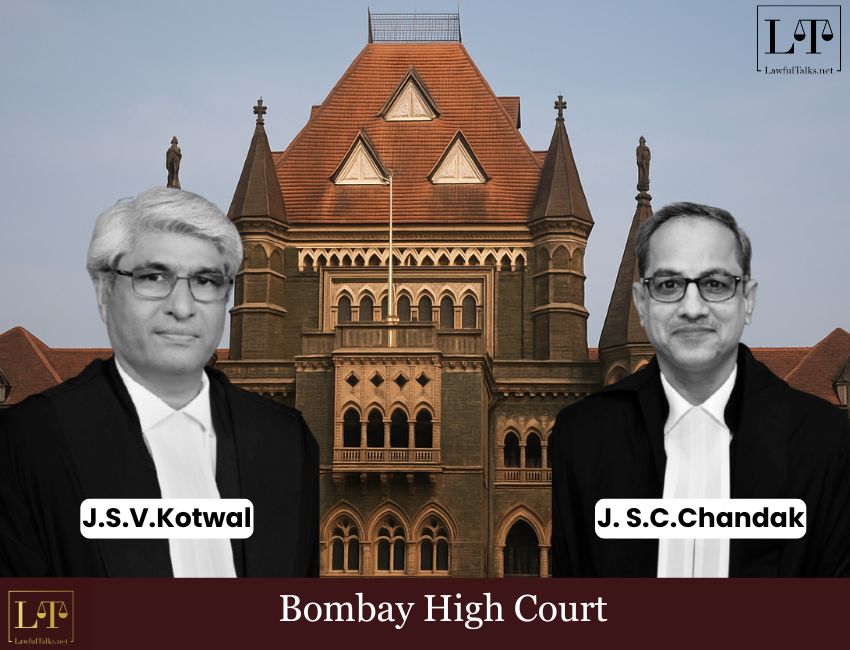
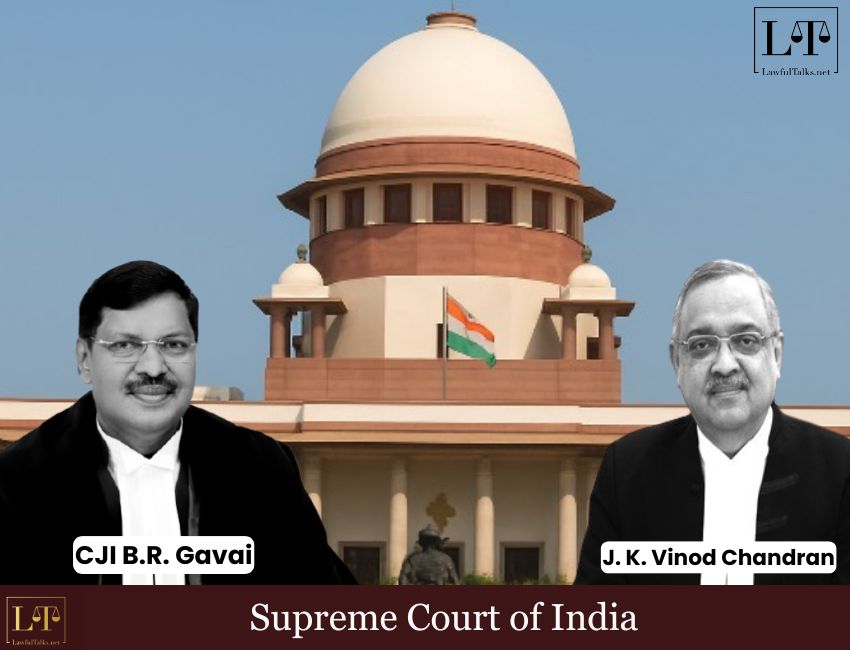
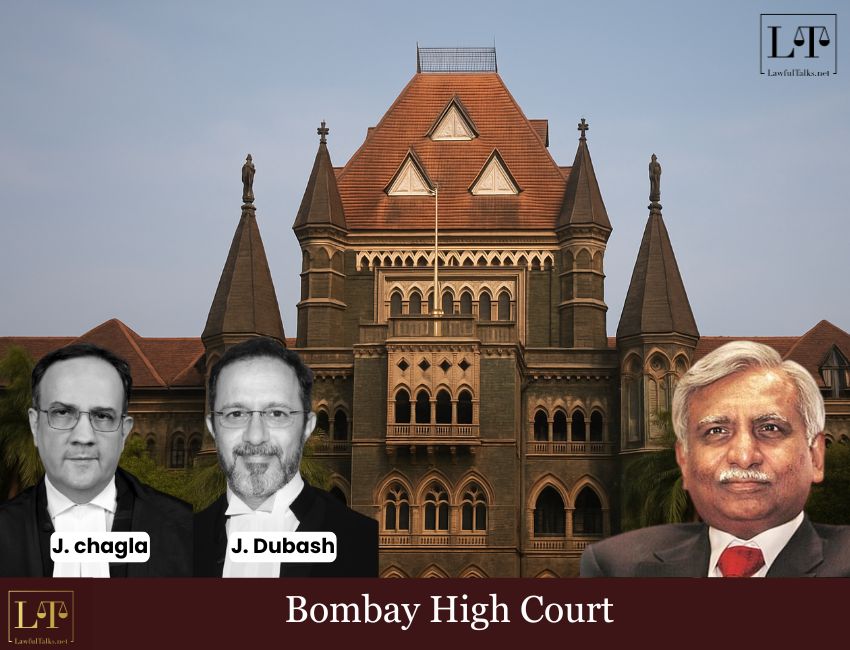
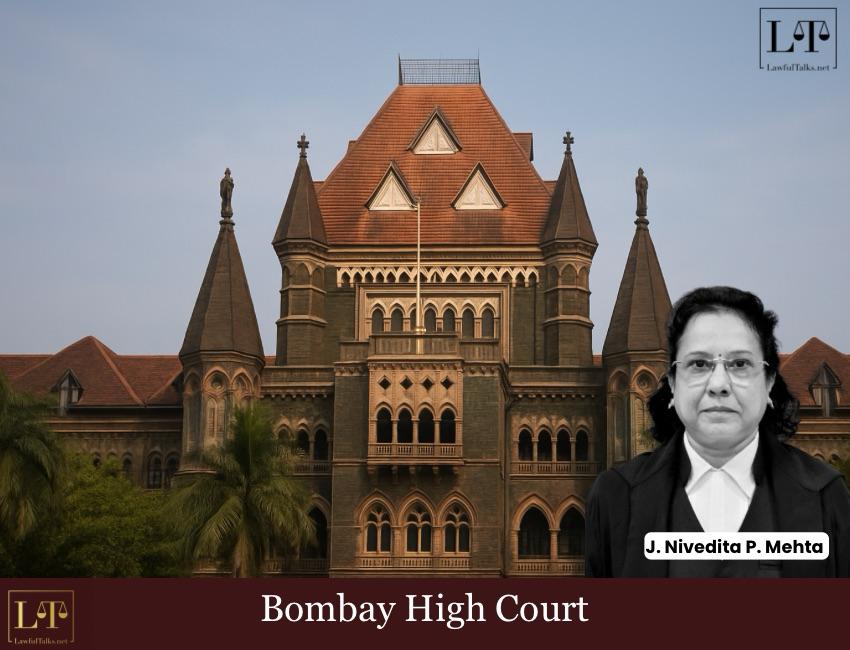
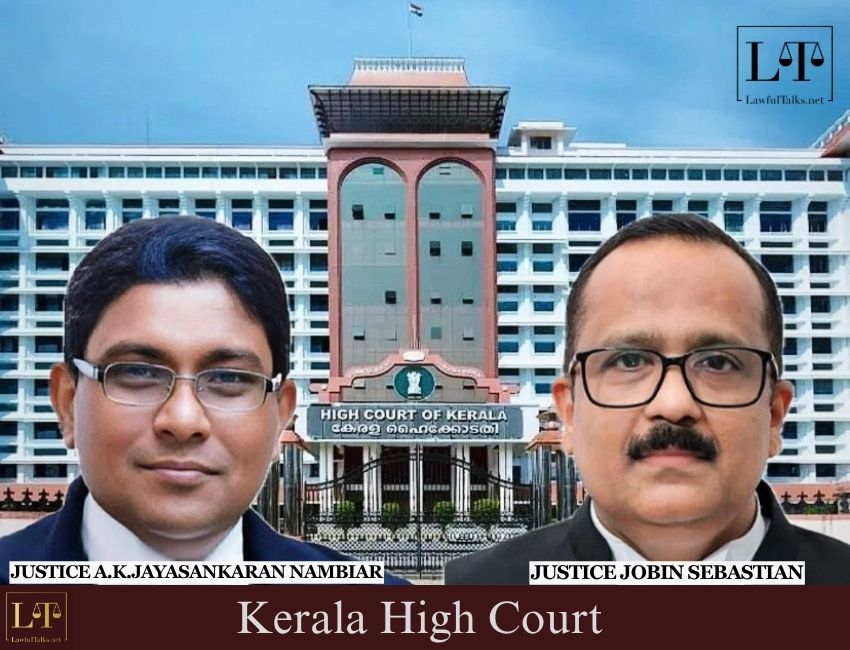
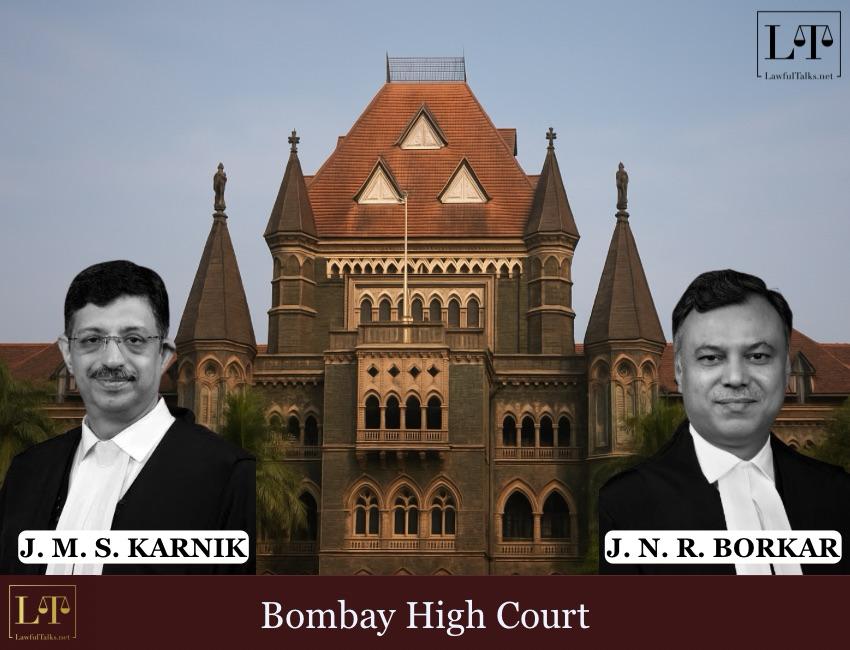
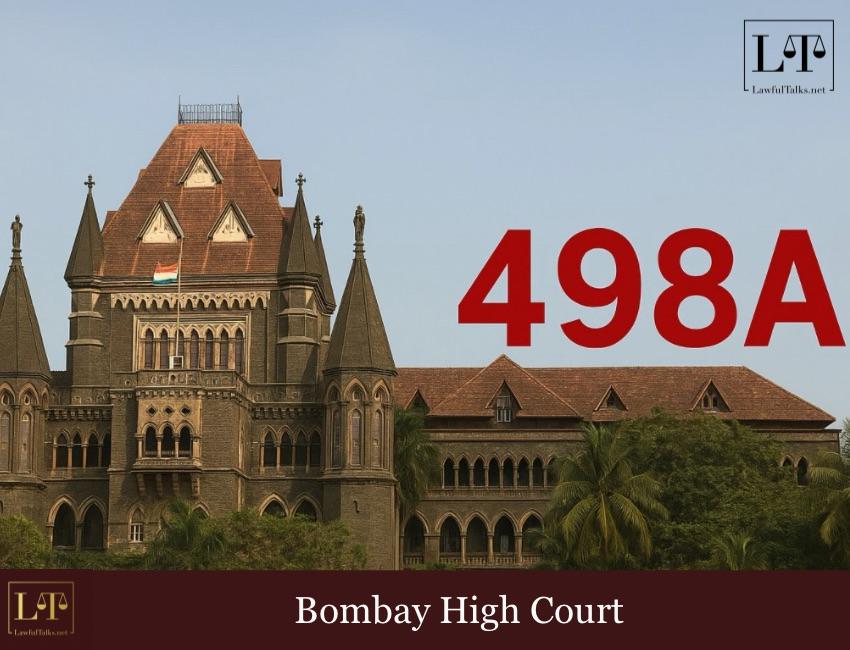
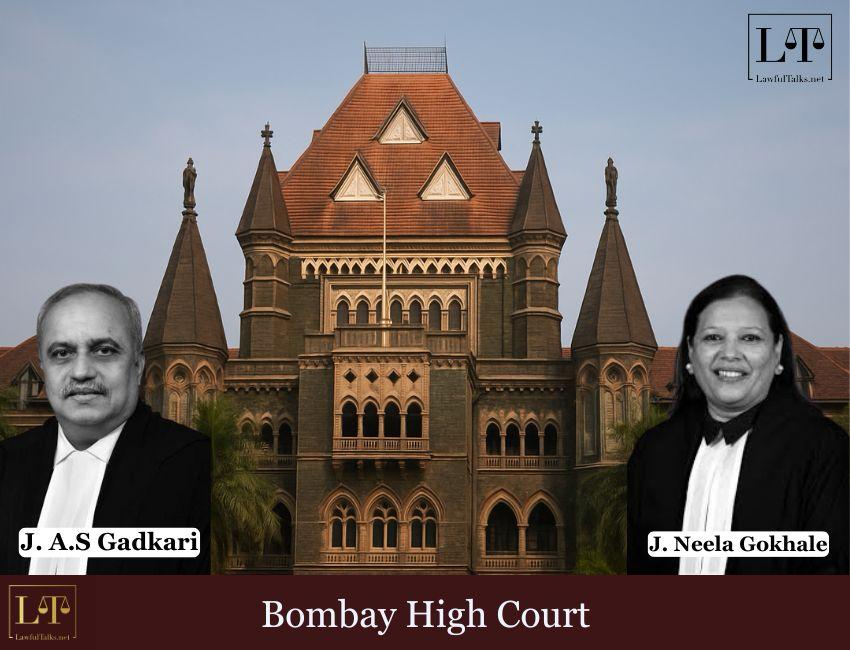
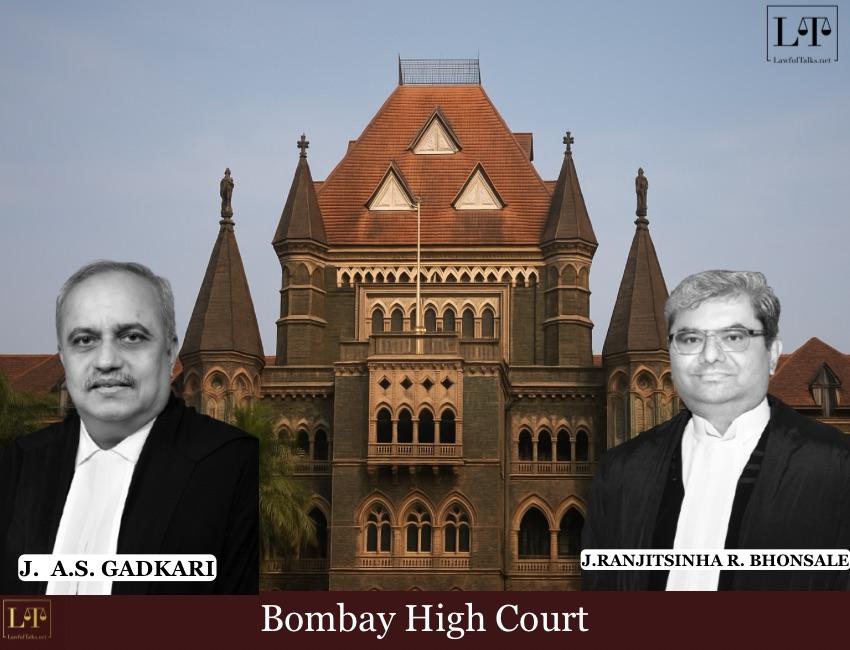
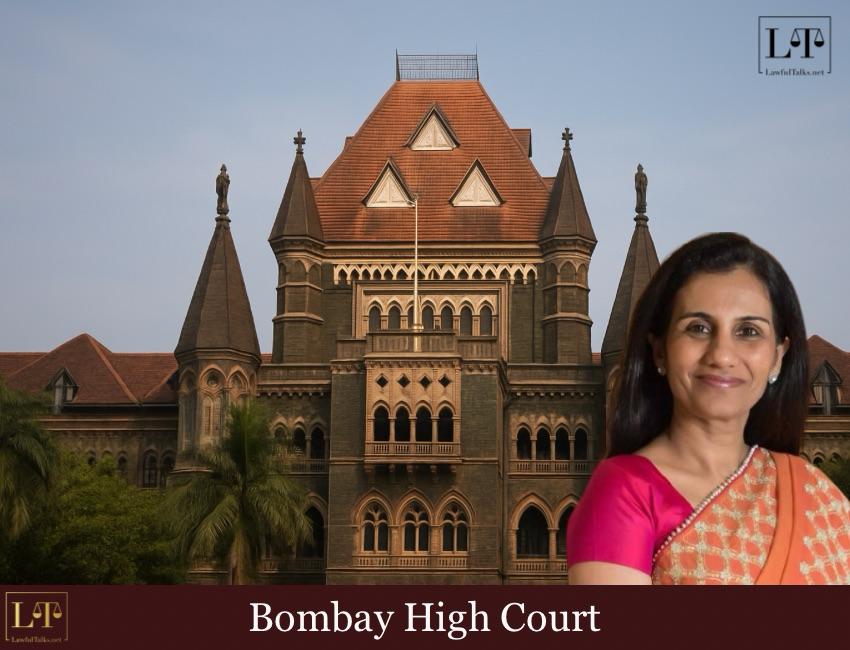
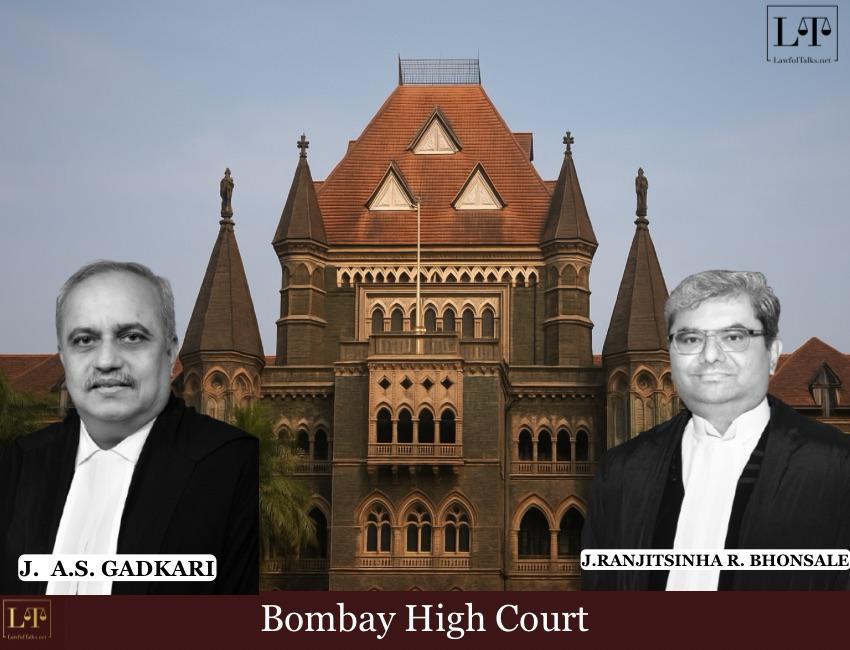
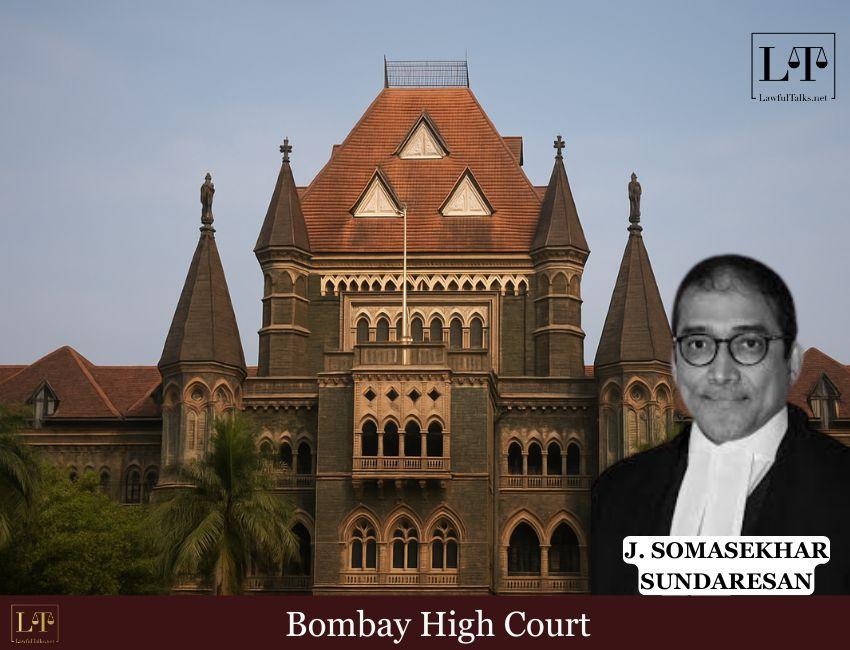
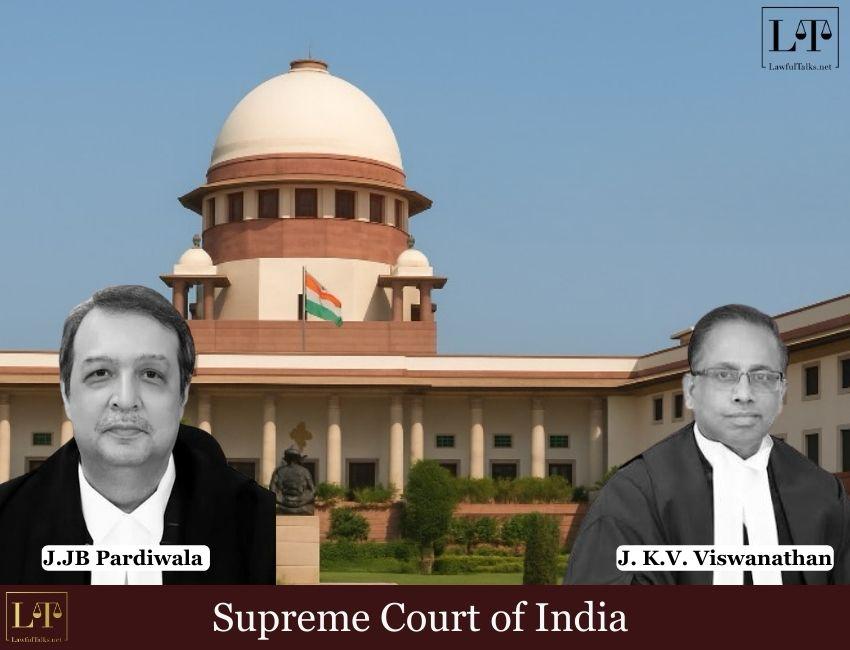
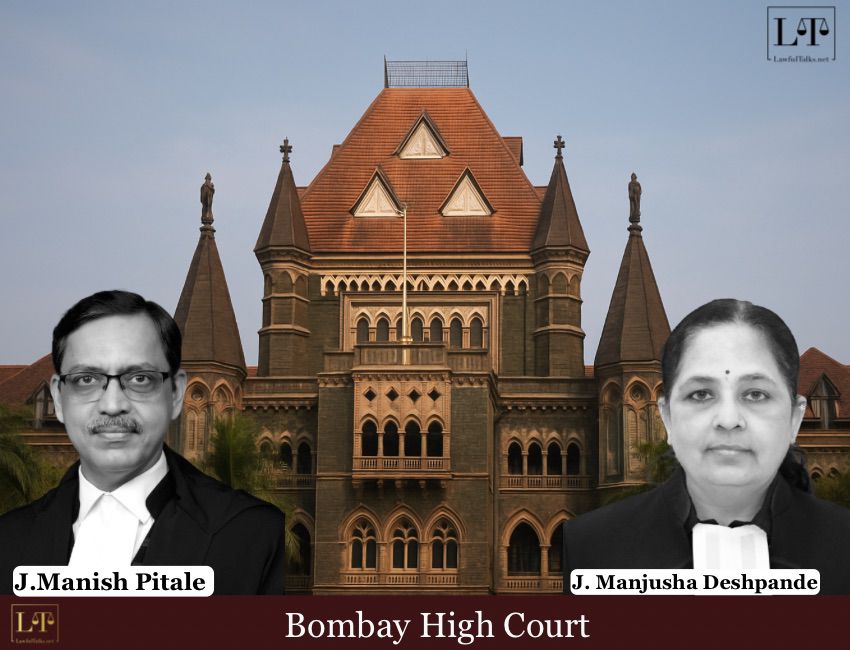
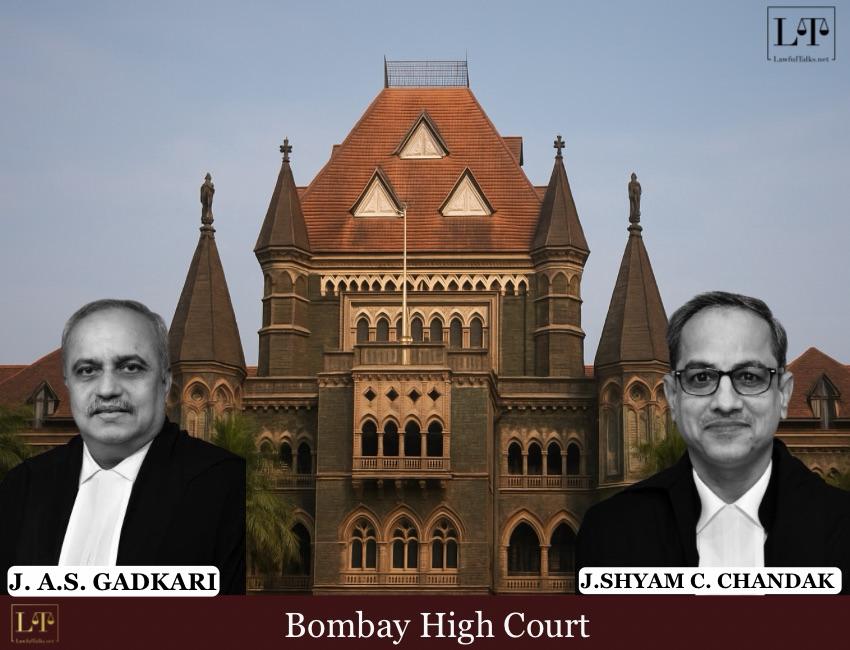
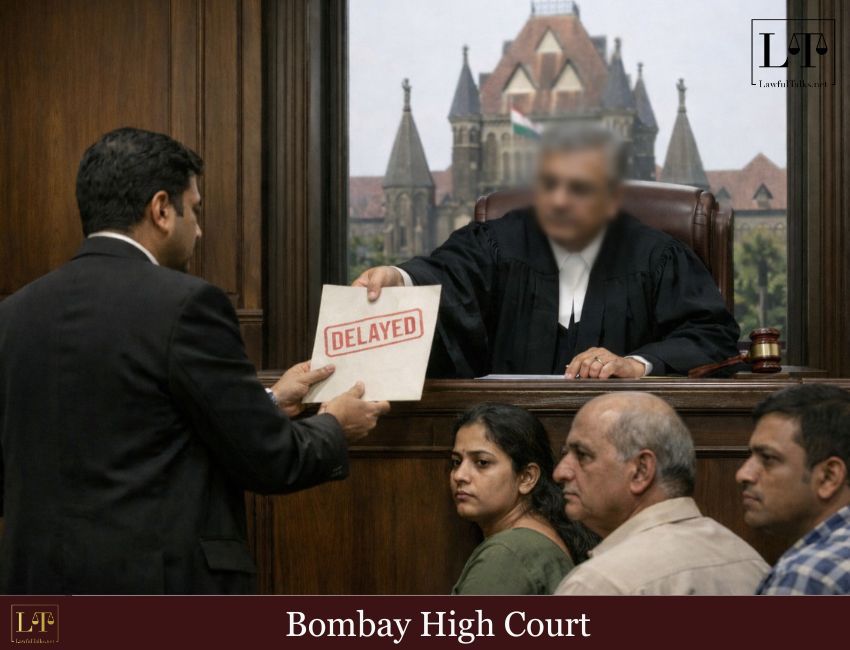
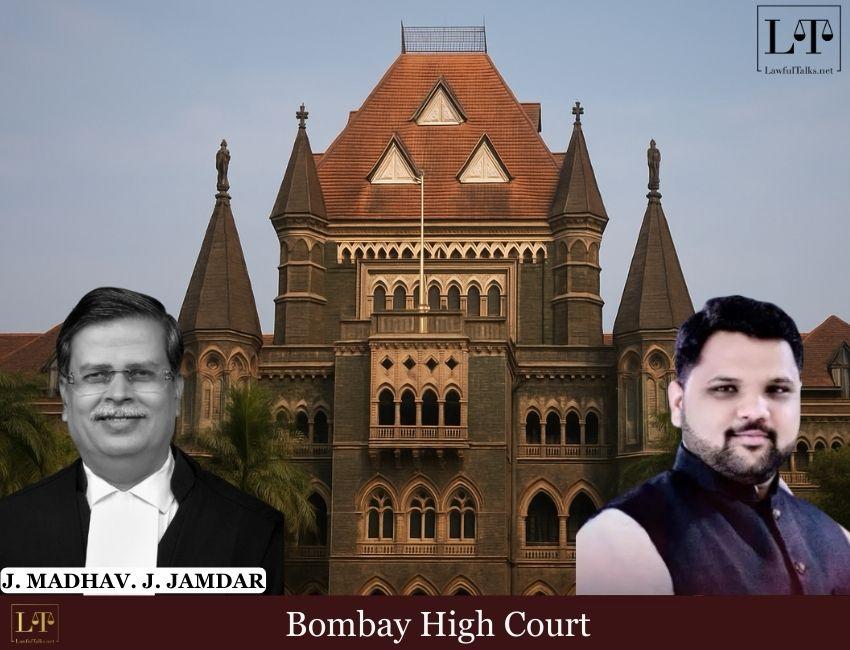
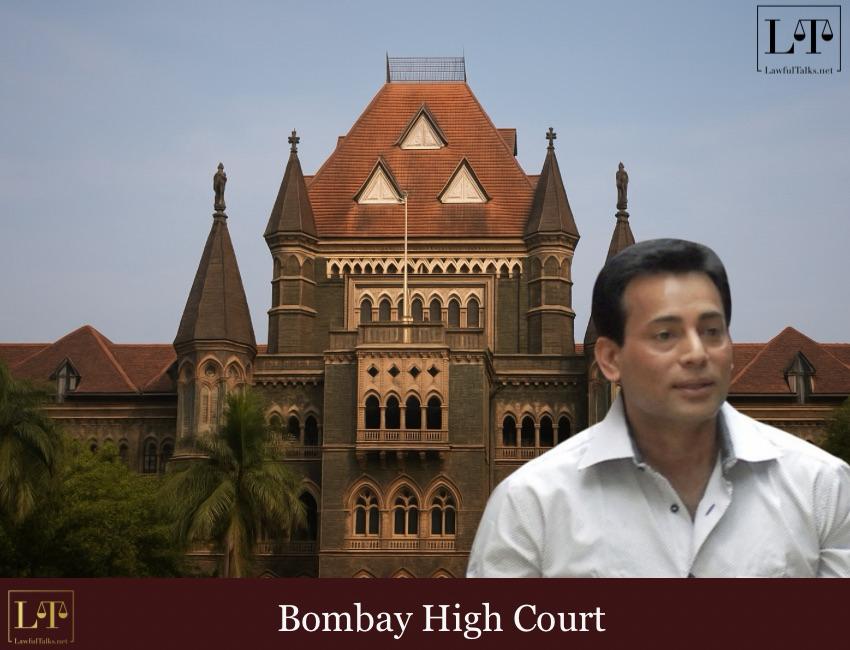
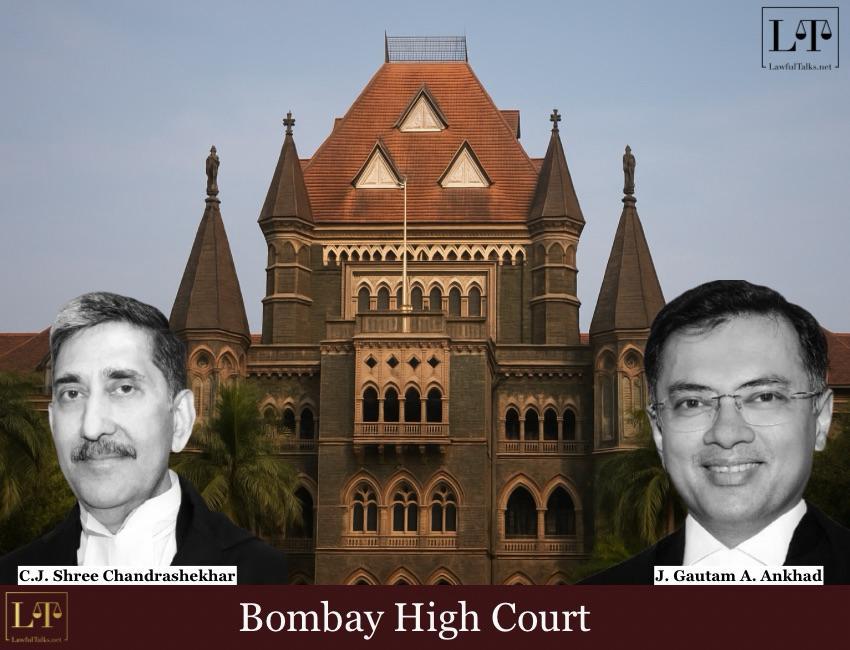
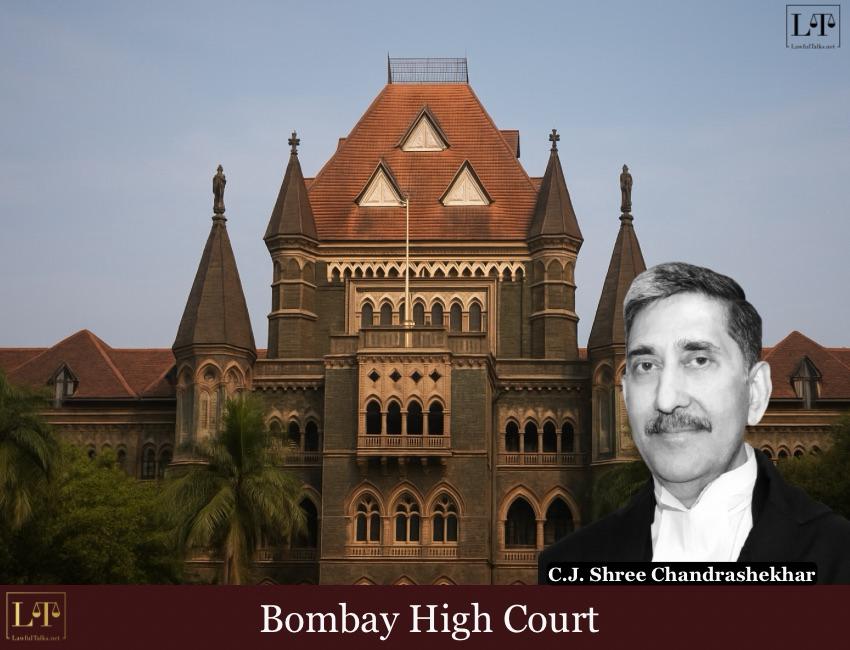
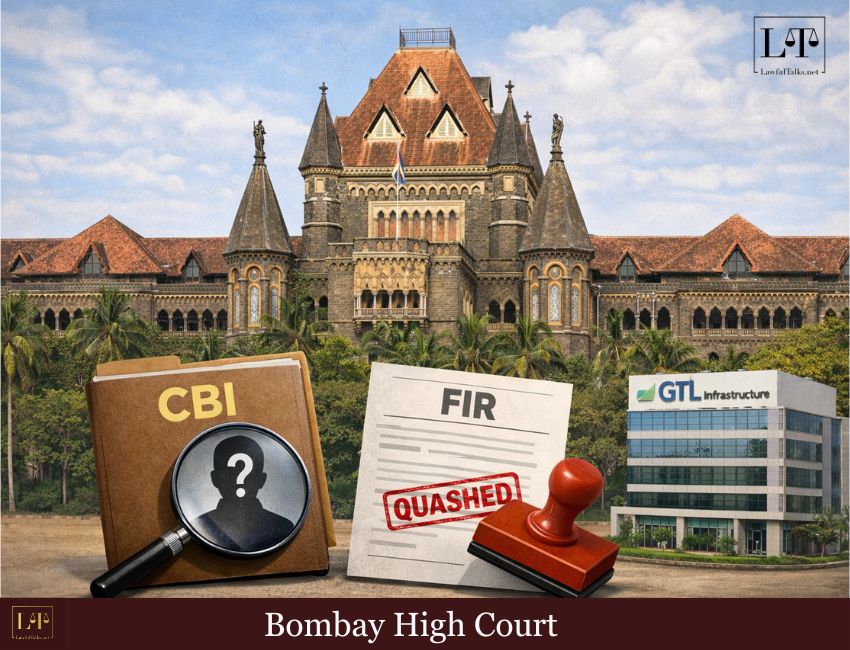
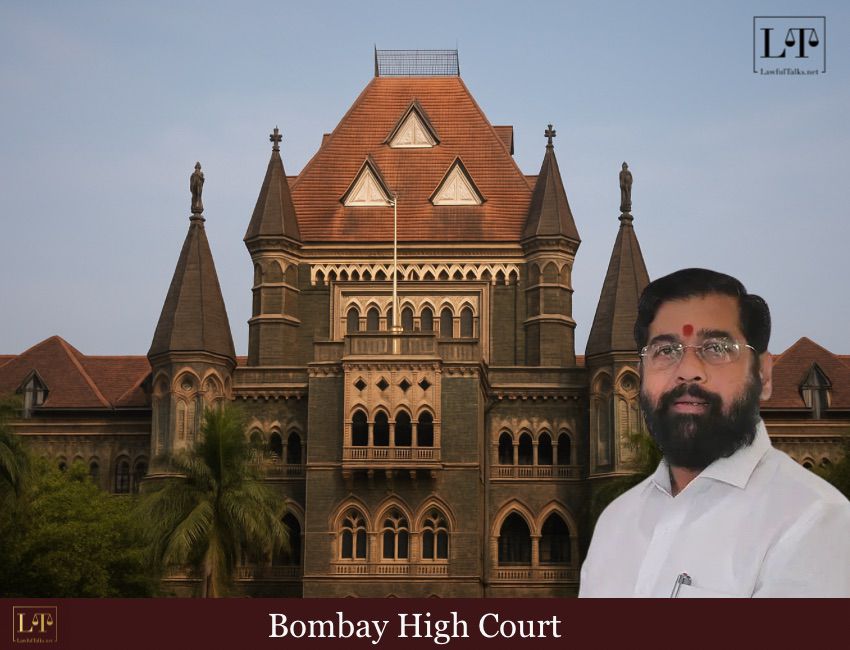
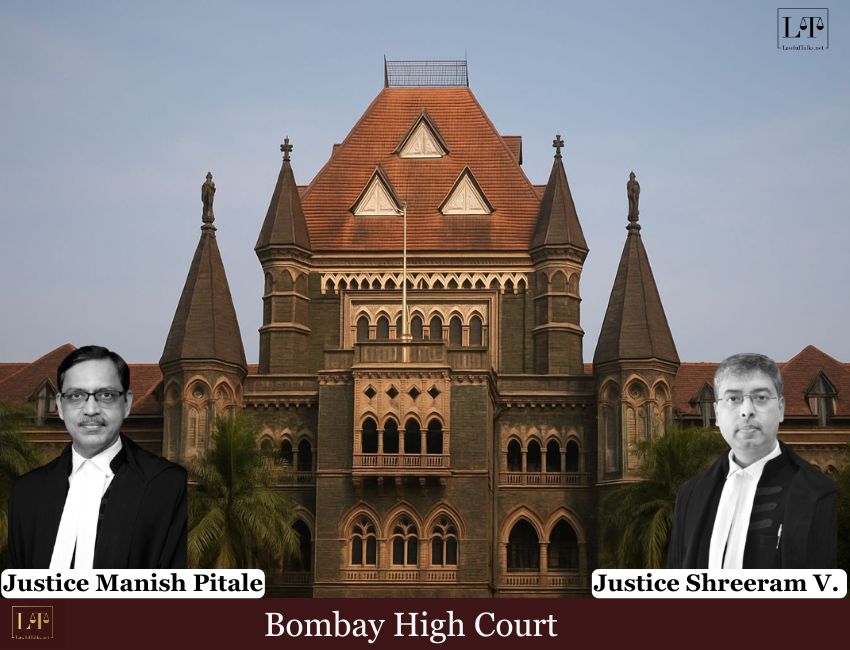
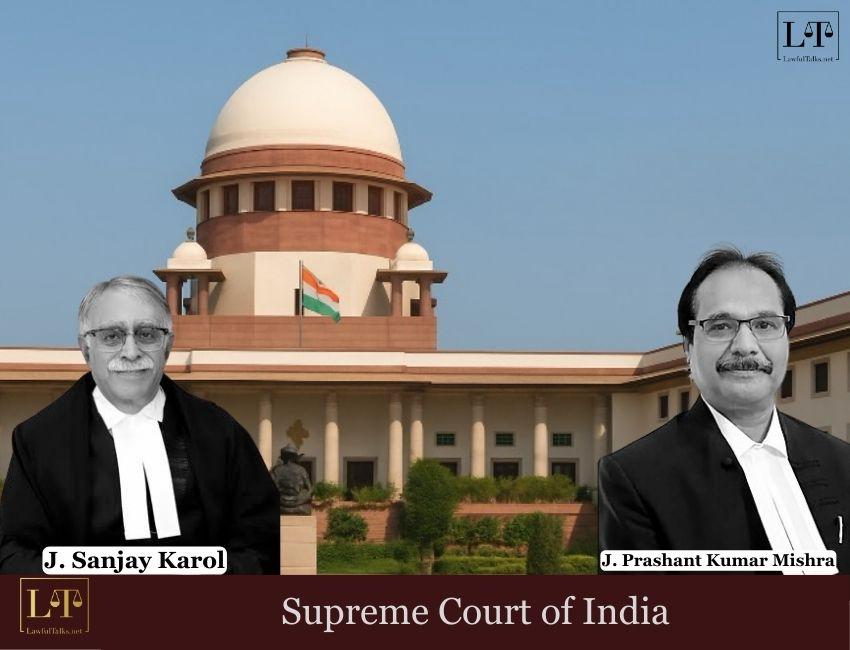
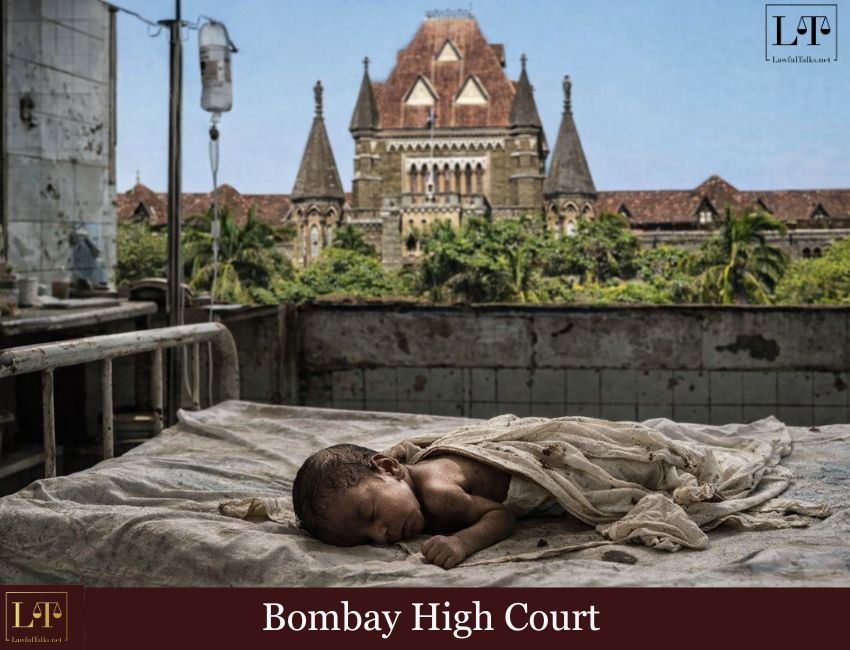
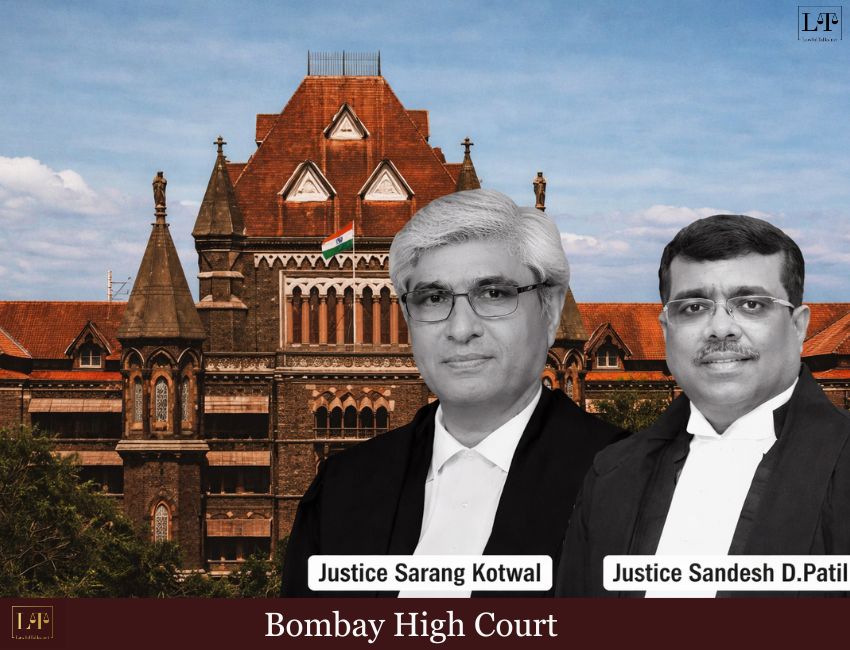
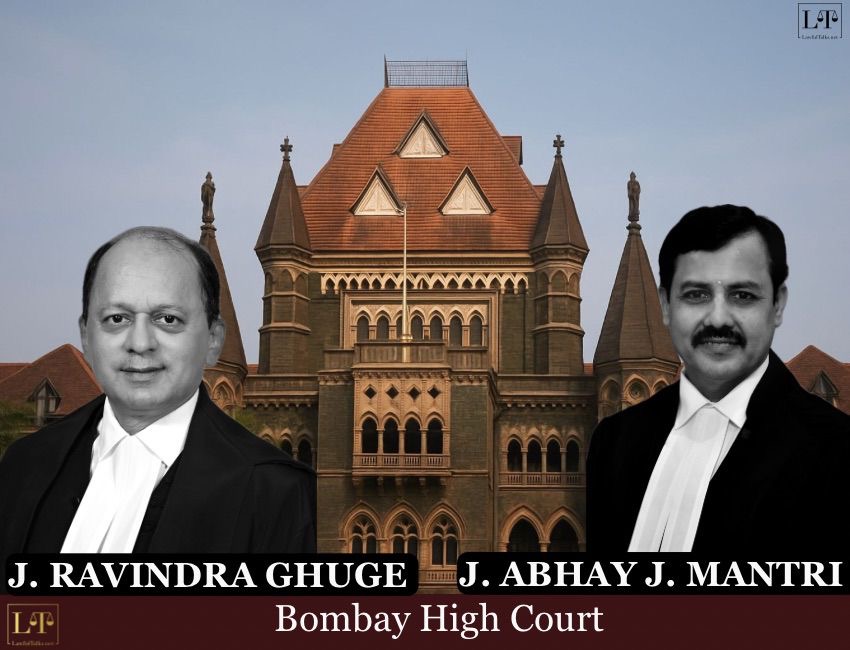
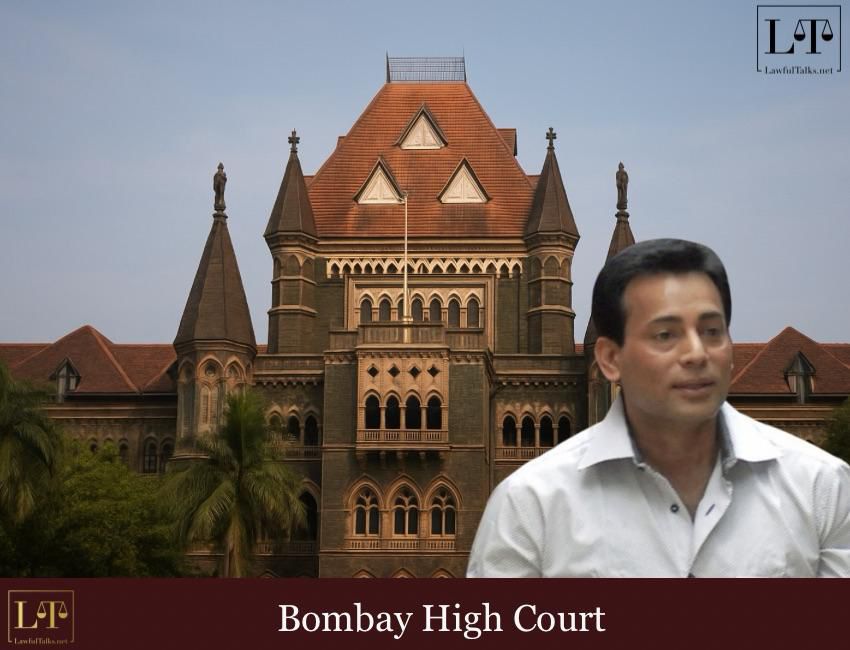
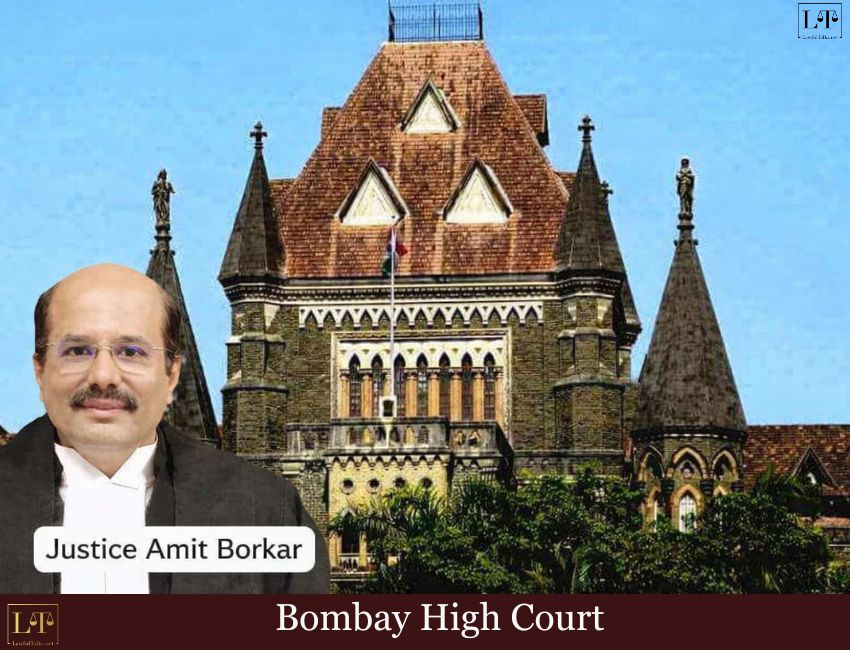
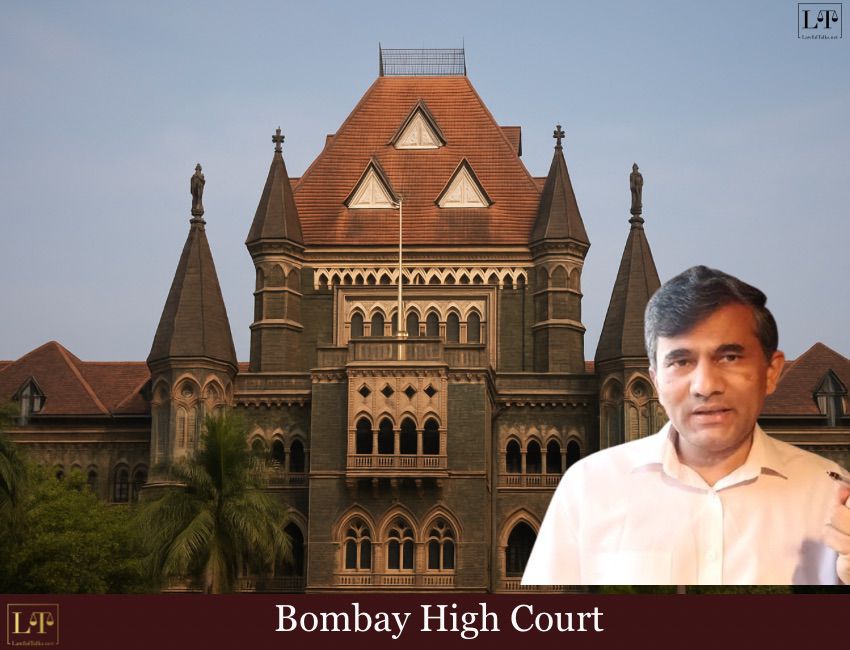
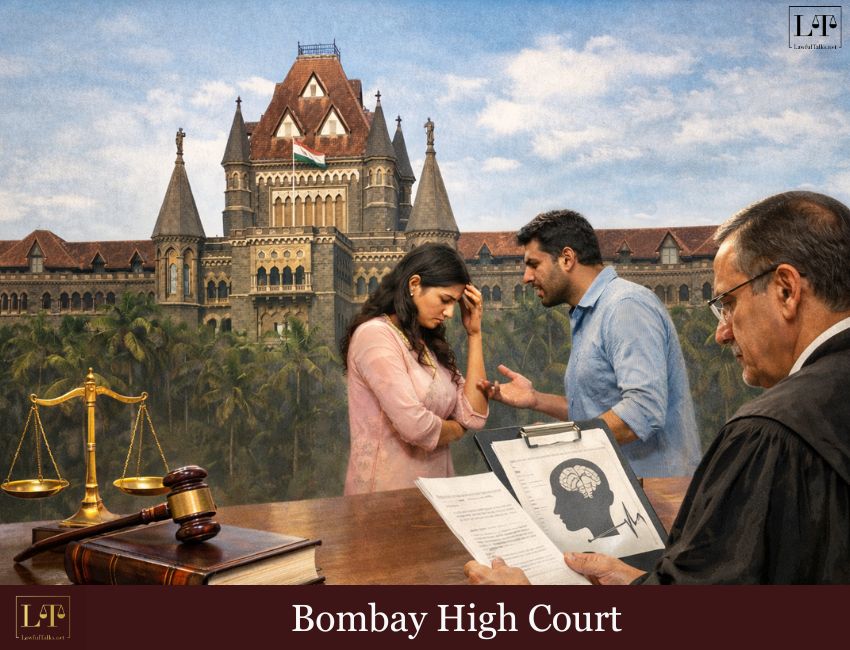
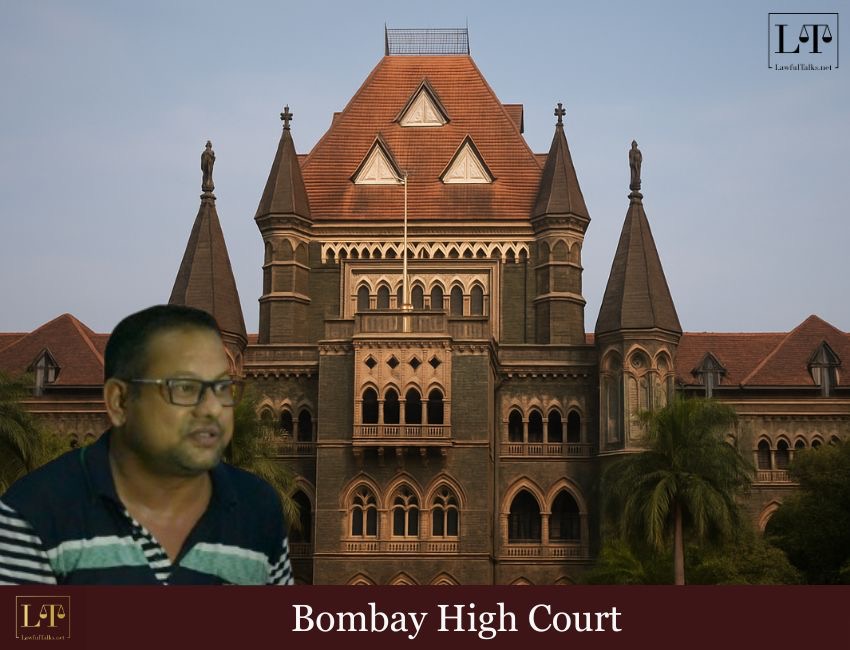
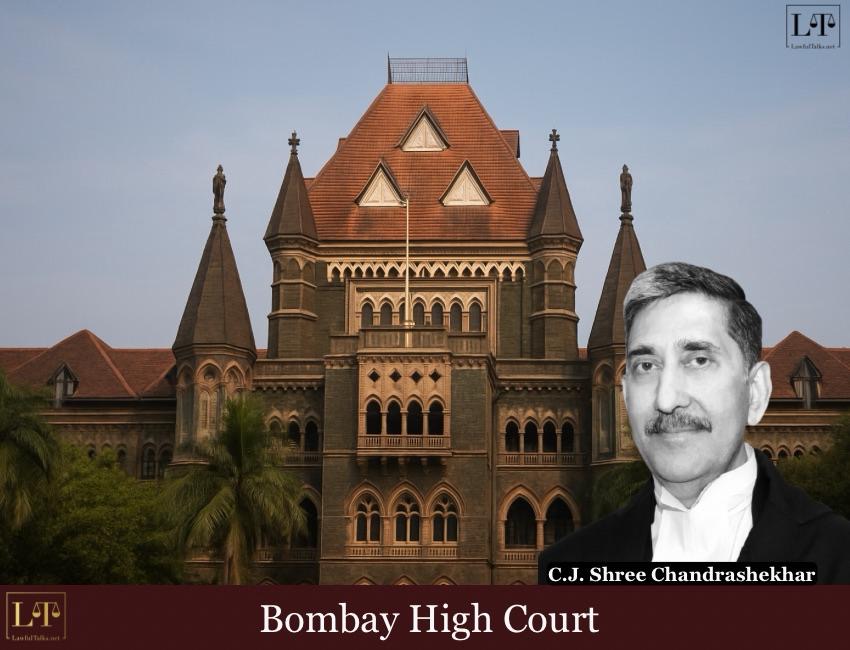
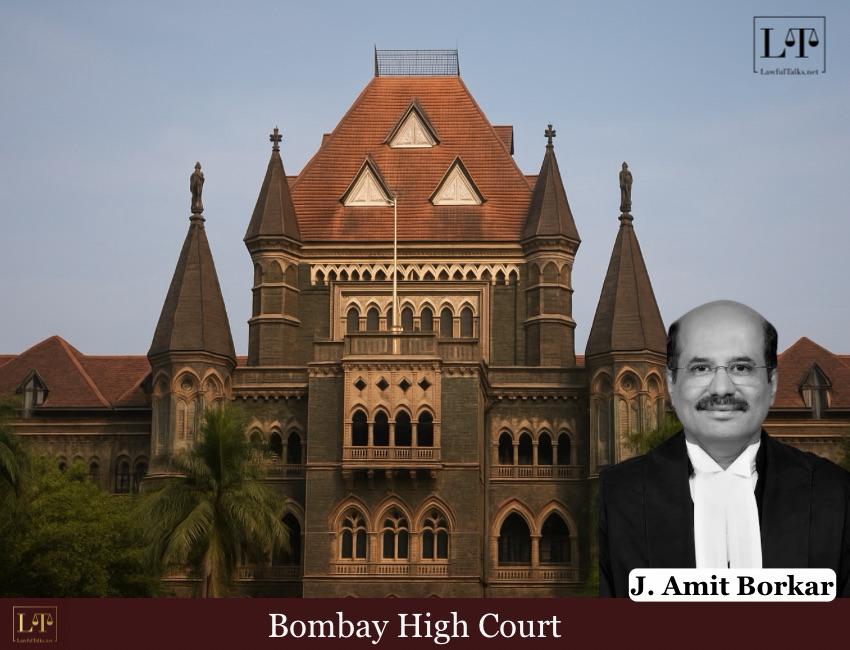
The Bombay High Court, through Justice M. S. Karnik and Justice N. R. Borkar, quashed the FIRs in a long-running dispute involving officials of HDFC Bank, Phoenix ARC, and the Lilavati Trust group. The Court held that the criminal case was not genuine and had arisen out of recovery proceedings.
Dispute Started from Loan Default:
The Court looked at the full background of the dispute, including the loan recovery matter involving Splendour Gems Limited (earlier known as Beautiful Diamonds Ltd.). It noted that the issue started from financial defaults, recovery proceedings before the Debt Recovery Tribunal, and many years of litigation over unpaid dues.
The complaint had alleged that former trustees had illegally taken control of the Trust, misused its funds, and, along with bank officials, diverted money. It also claimed that Rs. 2.05 crores in cash was paid to Sashidhar Jagdishan, the CEO of HDFC Bank. Based on this, a Magistrate had ordered registration of FIRs for offences like cheating and criminal breach of trust.
No Real Criminal Case:
However, the High Court found that the complaint did not make out a real criminal case against the petitioners. It said that the material relied on—especially a photocopy of a cash diary—was not enough to justify starting a full criminal investigation. This was particularly so because the issue had already been examined in recovery proceedings before proper legal forums.
The court said:
“We are more than satisfied that the filing of the complaint by respondent Nos.3 and 4 is a fallout of the recovery proceedings initiated by the financial institutions.
“In our view the complaint is nothing but a counterblast to the recovery proceedings initiated and the materials on record do not at all justify an investigation into the claim made by the complainant. It is not possible for us to ignore the various orders passed by the competent Courts in the course of the recovery proceedings while coming to this conclusion”.
Court Calls It Vendetta:
The Court made a strong observation: “A personal vendetta writ large on the face of proceedings for recovery is something which we strongly perceive as a reason for interference.” It further held: “We are more than satisfied that the filing of the complaint by Lilavati Trust and Prashant Mehta, a trustee, is a fallout of the recovery proceedings initiated by the financial institutions. The complaint is nothing but a counterblast to the recovery proceedings initiated and the materials on record do not at all justify an investigation into the claim made by the complainant.”
The Court further said that the petitioners were being targeted because of an ongoing financial recovery dispute that had already led to many orders and proceedings over the years. It noted that the dues were still unpaid and that the bank and related entities were only following legal recovery processes. In this situation, the Court said the criminal complaint appeared to be a reaction to those legal steps, not a separate criminal offence.
The Bench concluded that the Magistrate’s order was an abuse of the criminal process. It held that even if the allegations were taken at face value, they did not meet the basic requirements of the offences alleged.
Bhajan Lal Principles Applied:
The Court also relied on settled legal principles for quashing FIRs, including the well-known State of Haryana v. Bhajan Lal framework. It said that criminal law cannot be used to put pressure in a civil recovery dispute. Letting the case continue would be unfair and would misuse criminal law.
FIRs Quashed, Others Open:
Accordingly, the FIRs against the petitioners were quashed. However, the Court made it clear that it was not giving any opinion on the allegations against the other accused persons, especially the former trustees.
The Court also dismissed separate petitions seeking transfer of the investigation to the Central Bureau of Investigation, stating that such requests were premature because the investigation had not properly started.
Case Details: Sashidhar Jagdishan v. State of Maharashtra & Ors.






































Sign up for free and be the first to get notified about curated content just for you.