“50% Attendance, But Exam Hall Access: Bombay HC Opens Door for Law Students Amid Rules Dispute”

- May 08, 2026


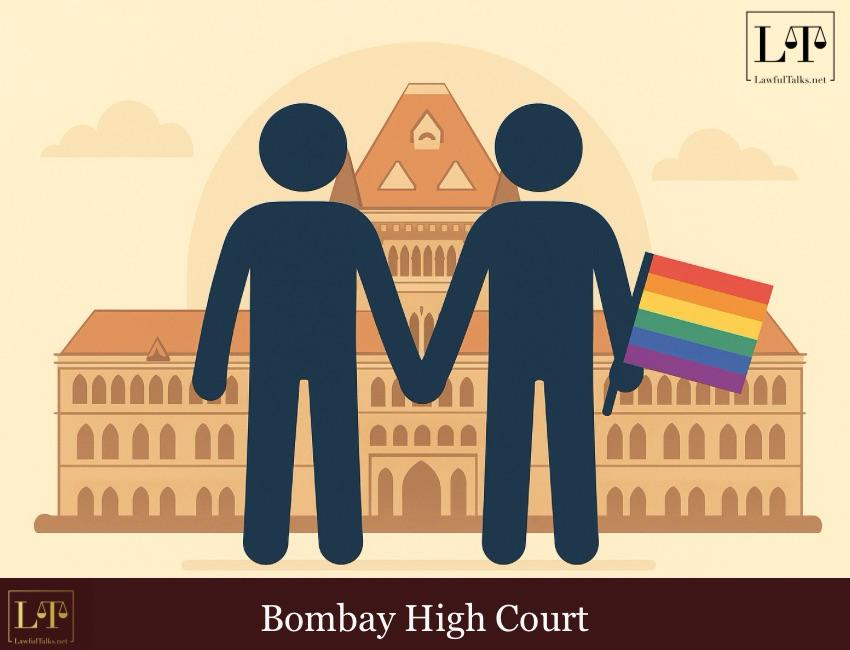
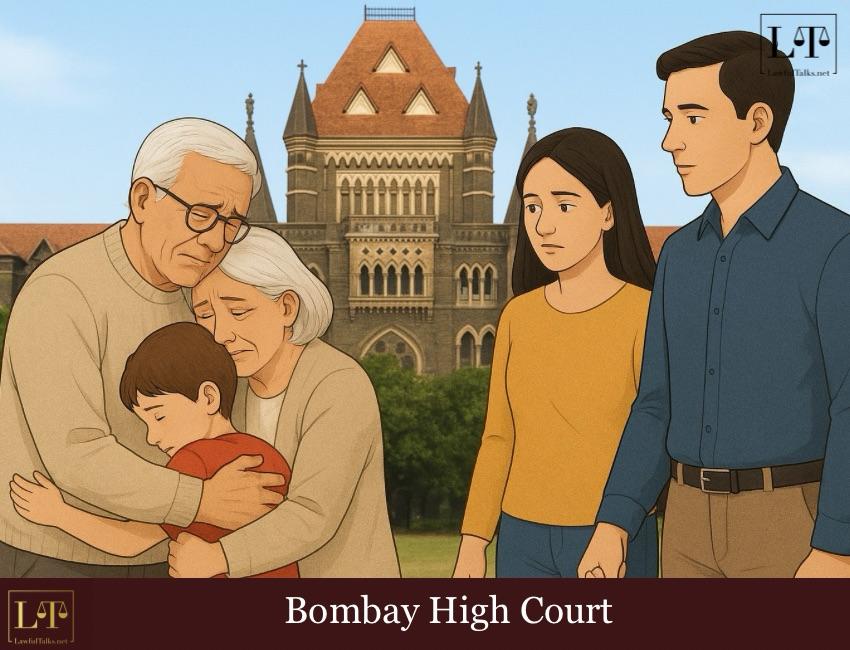
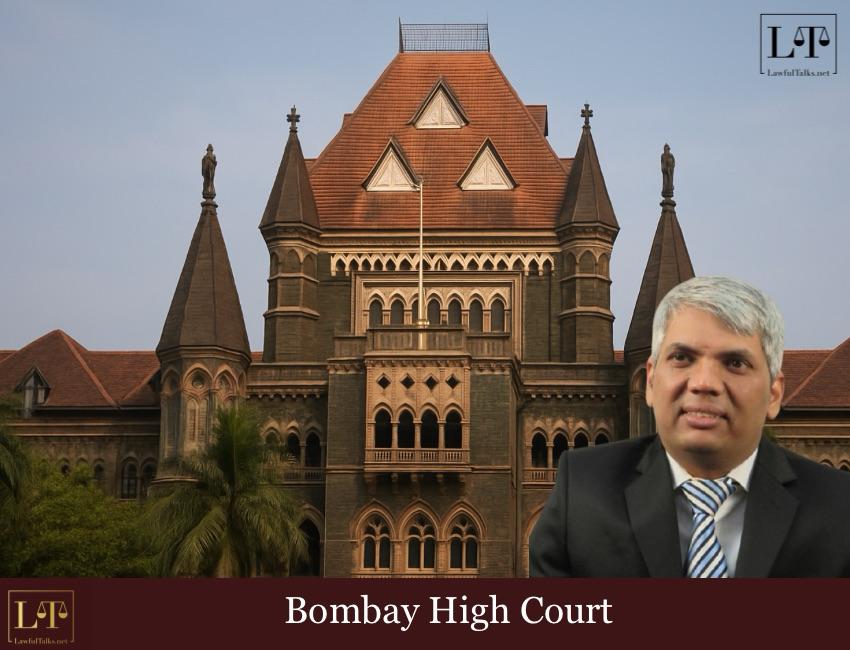
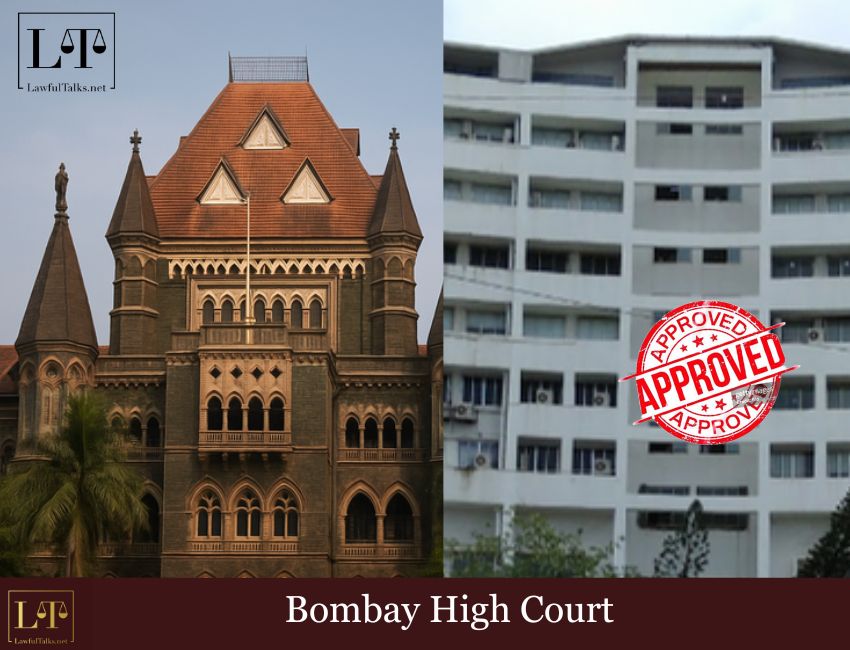
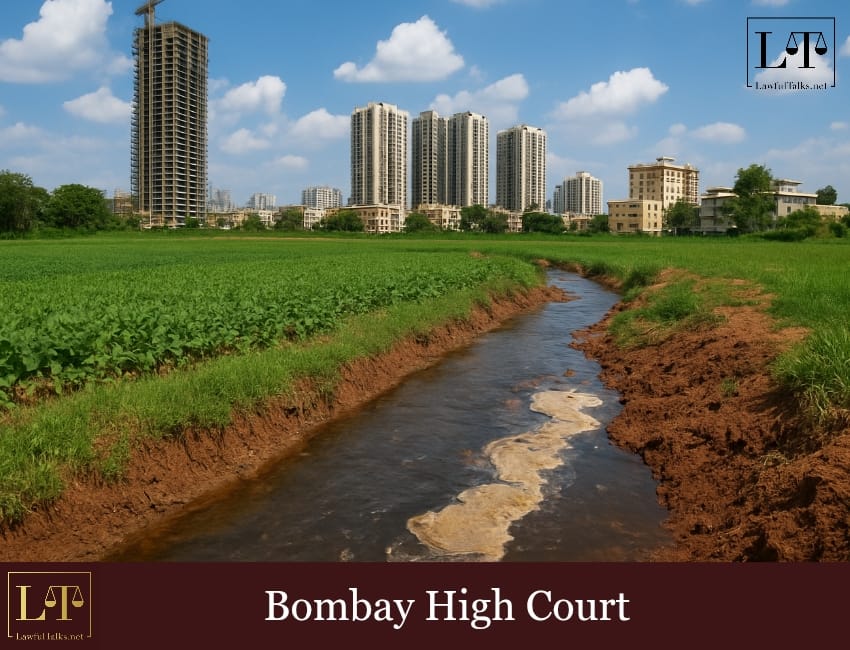
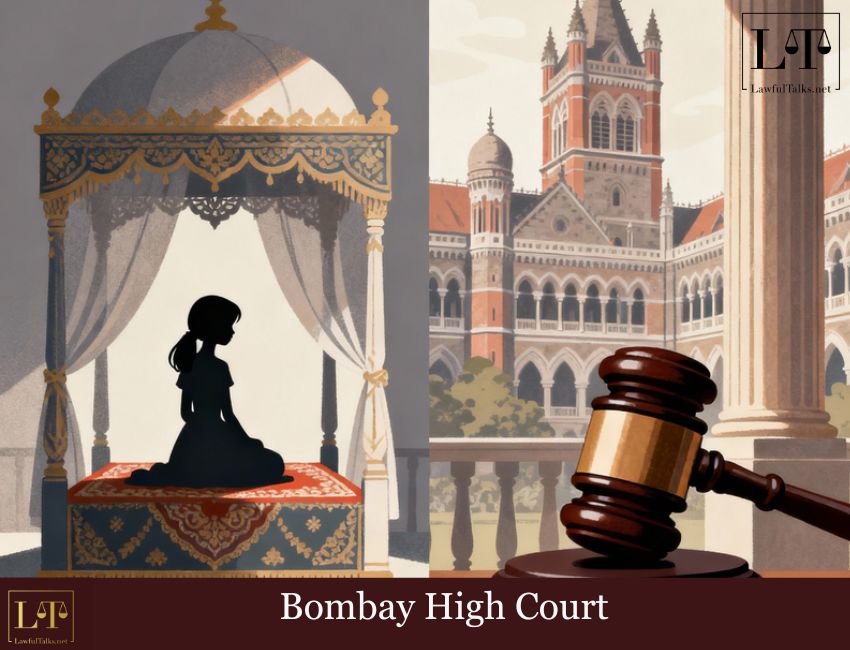
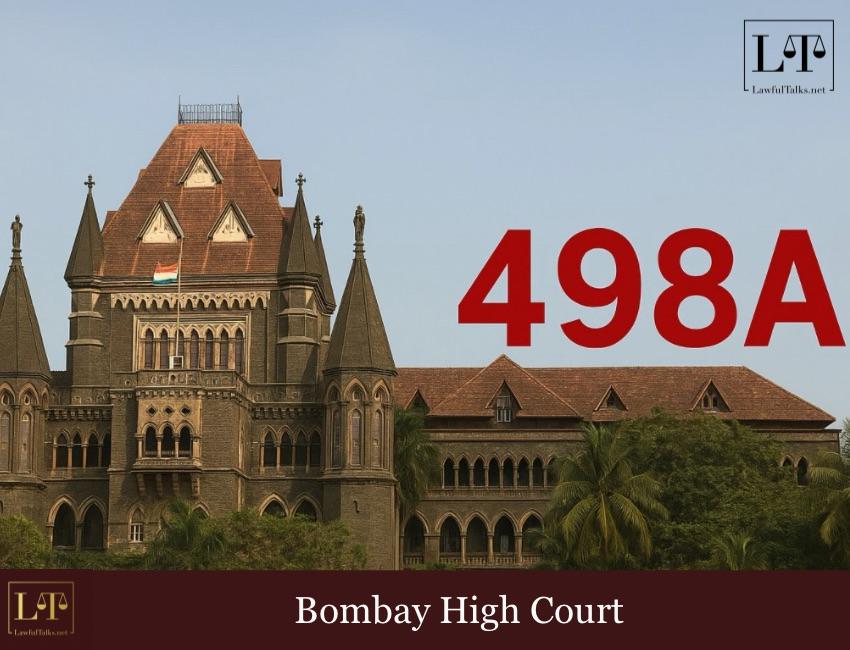
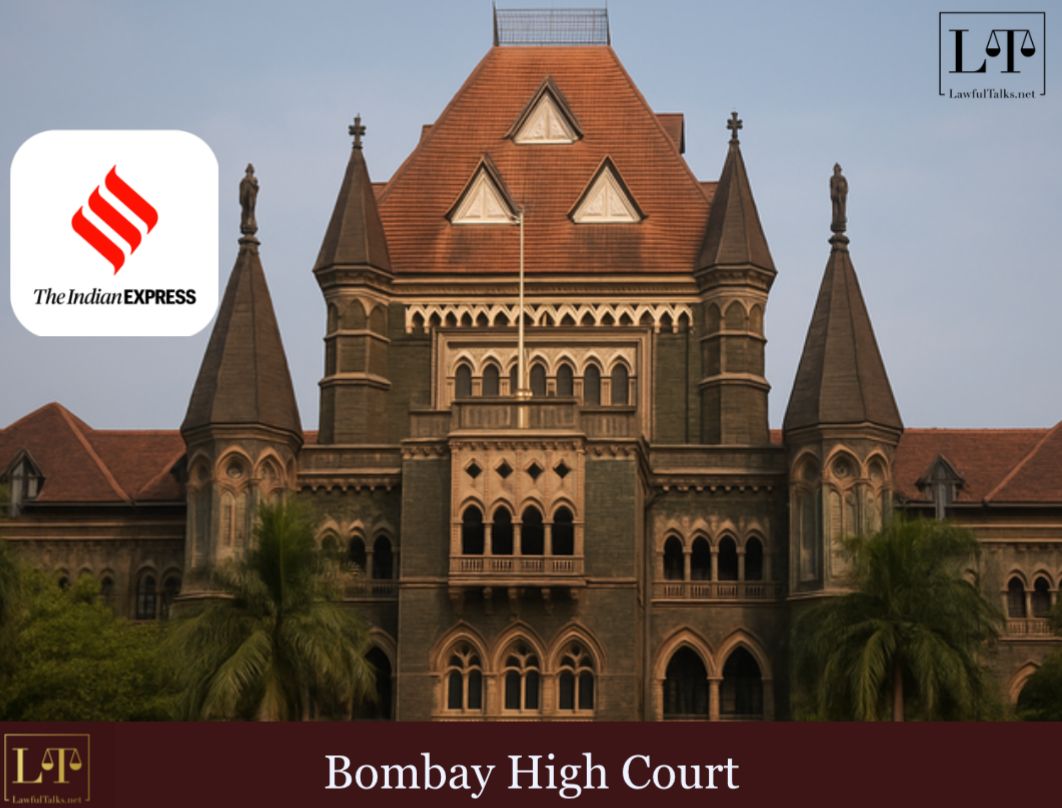
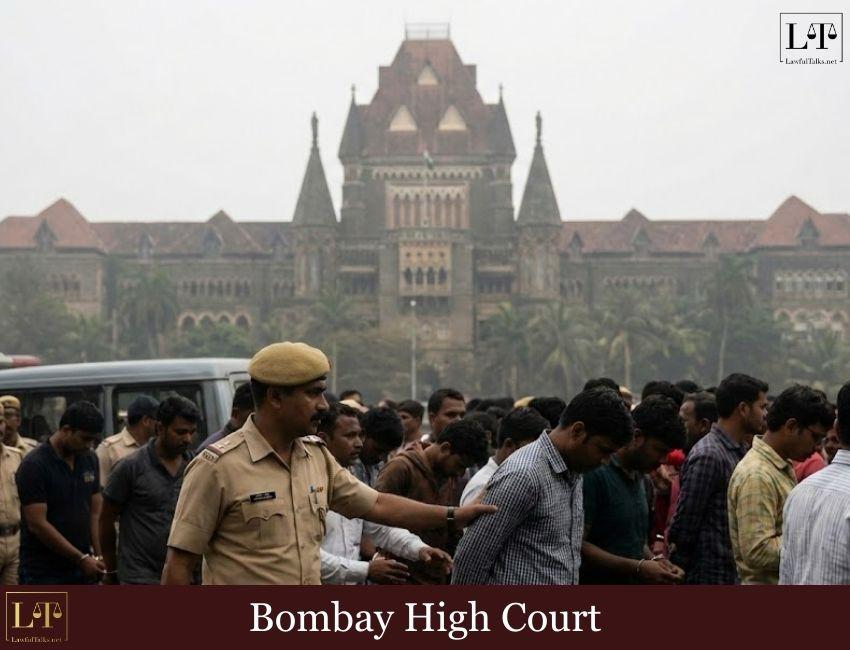
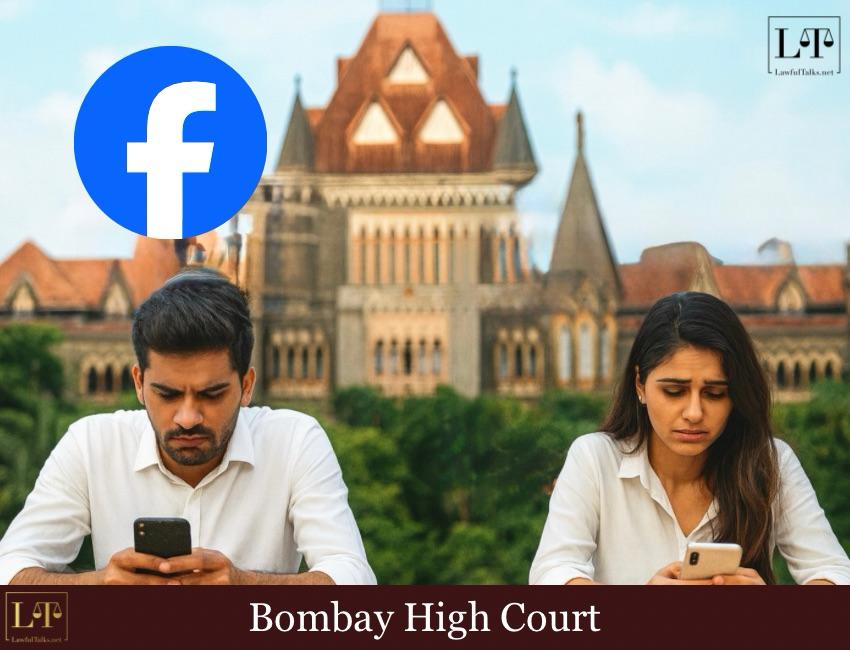
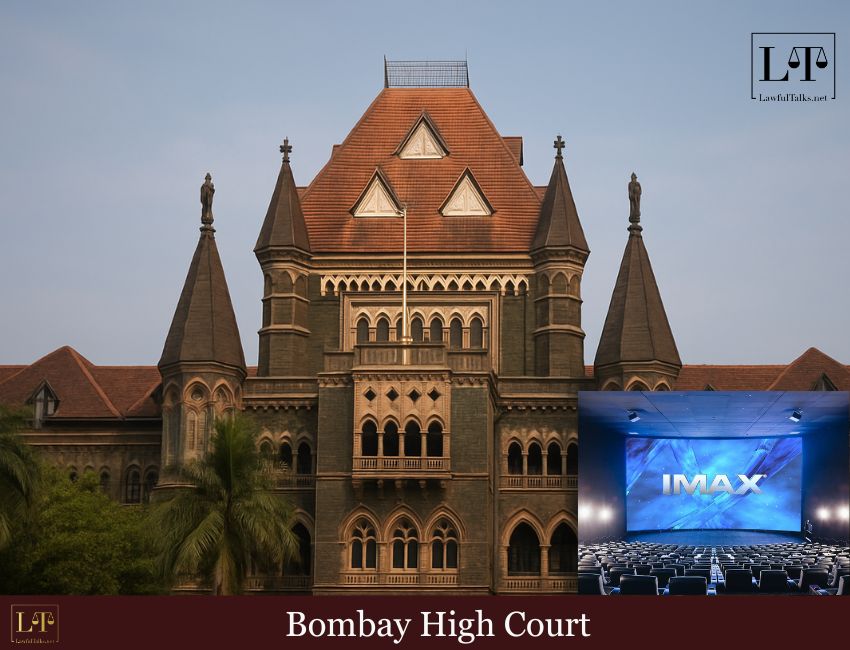
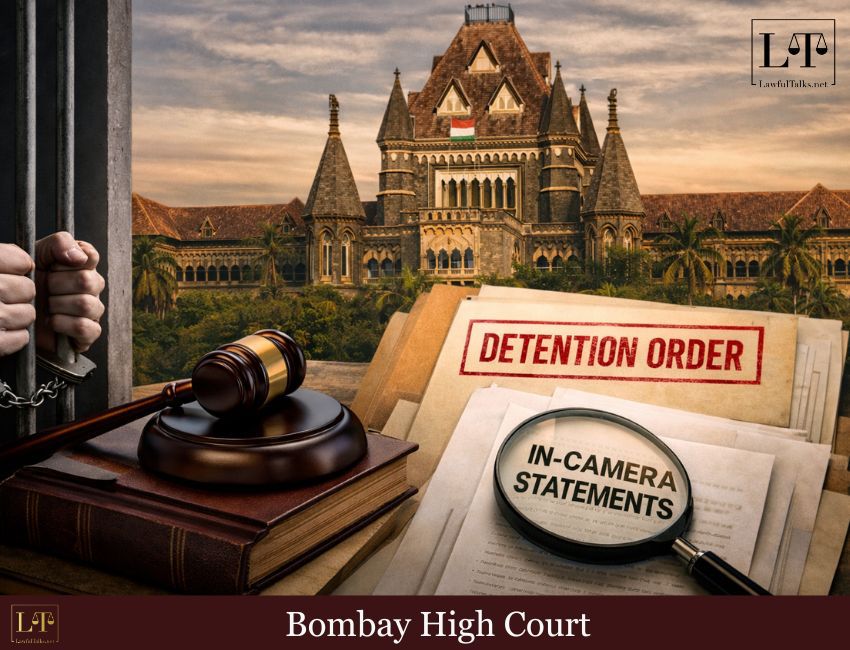
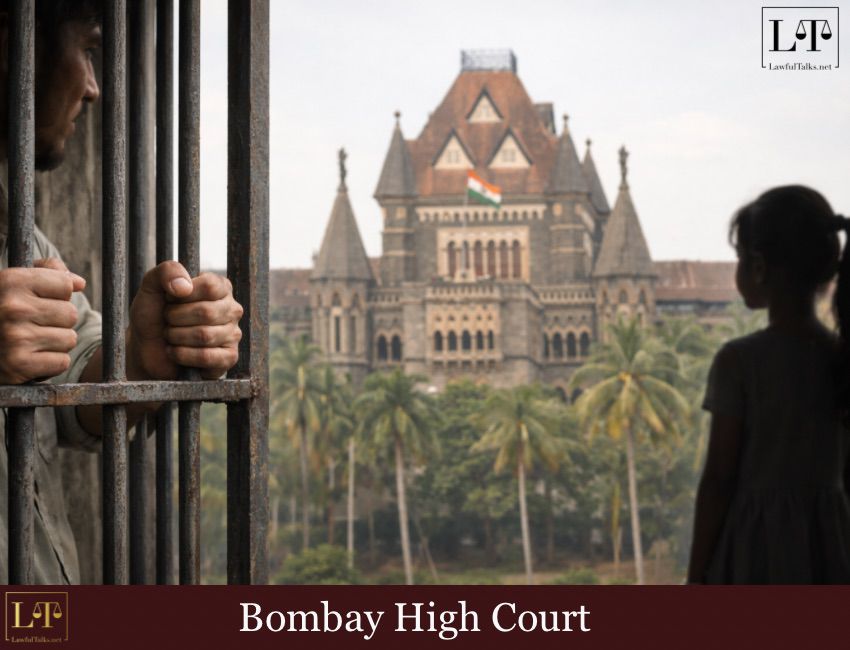
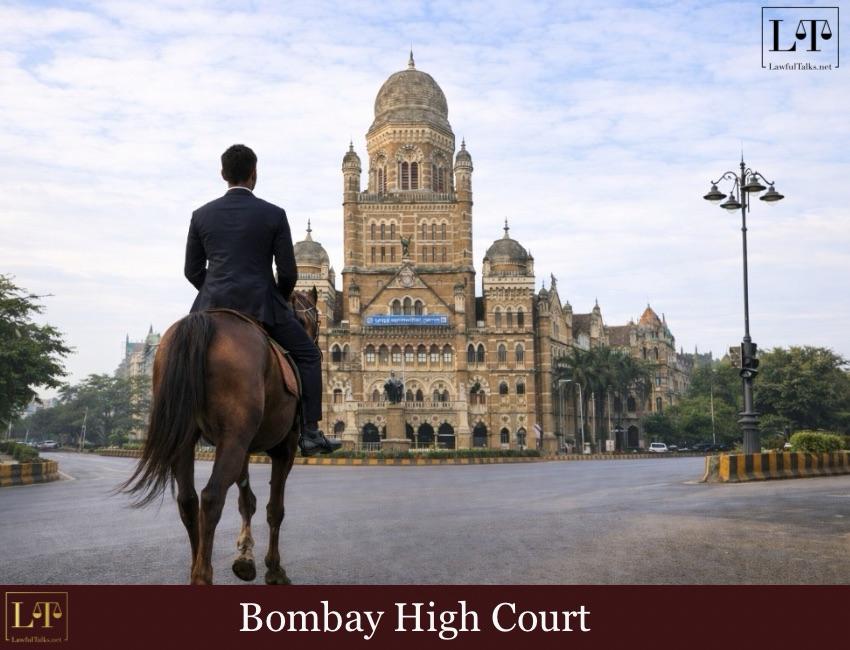
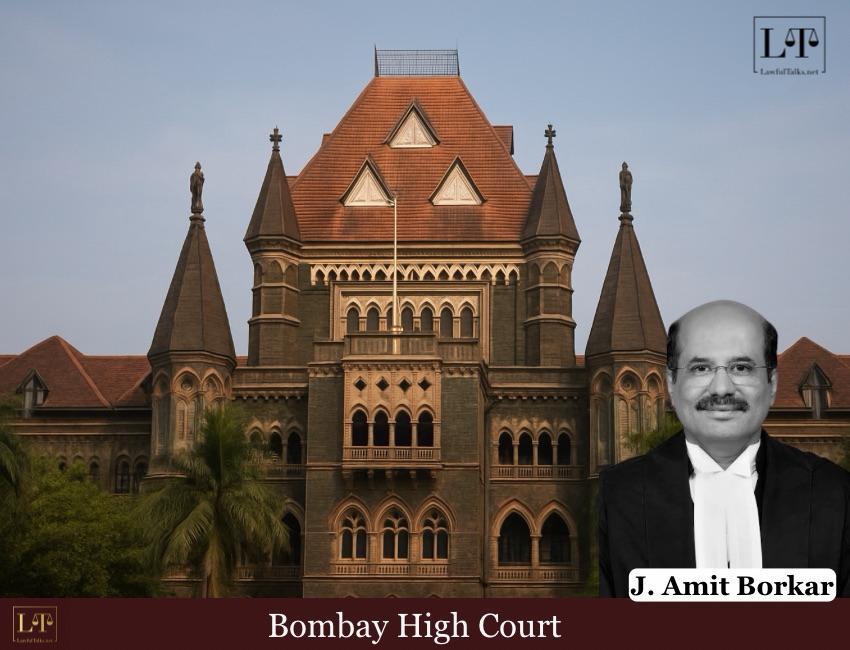
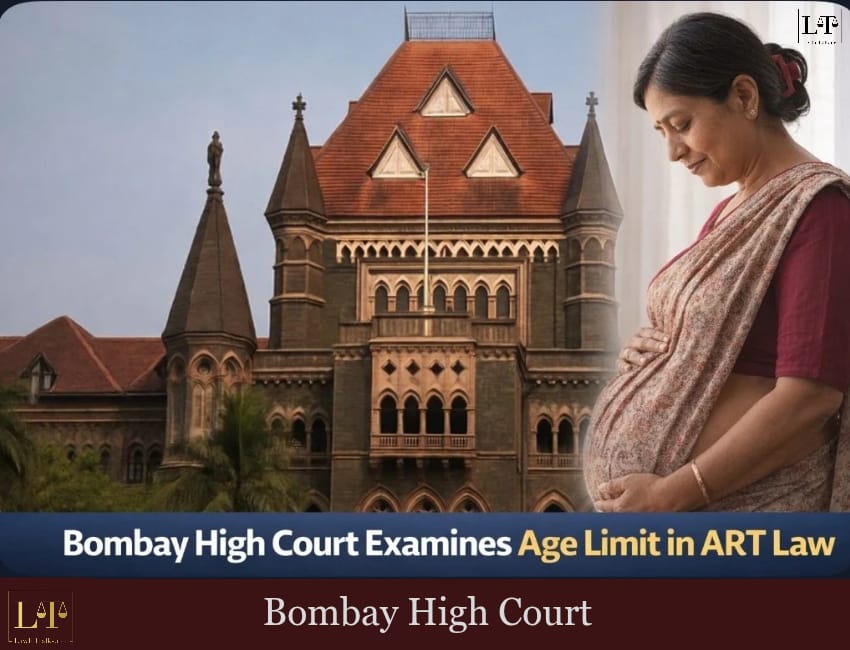
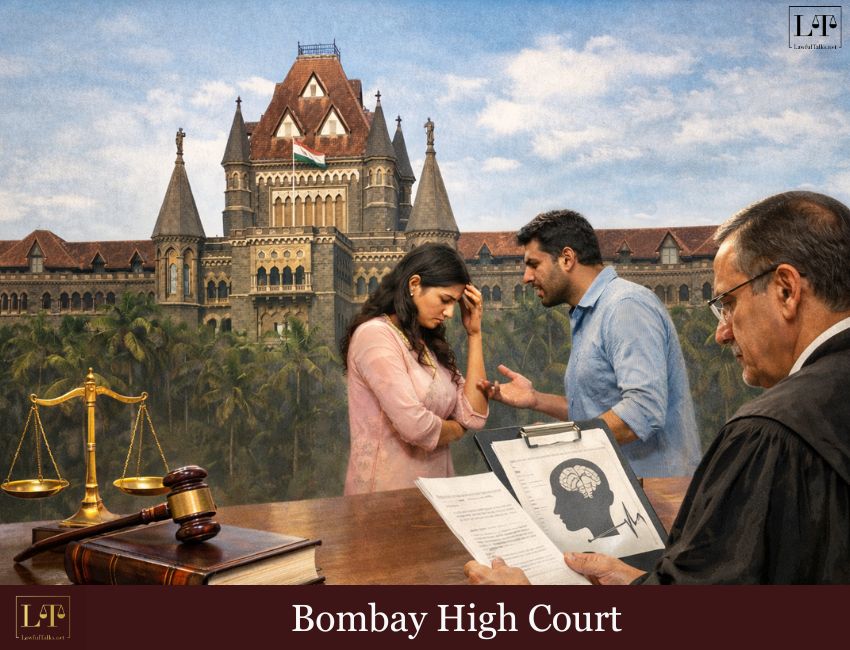
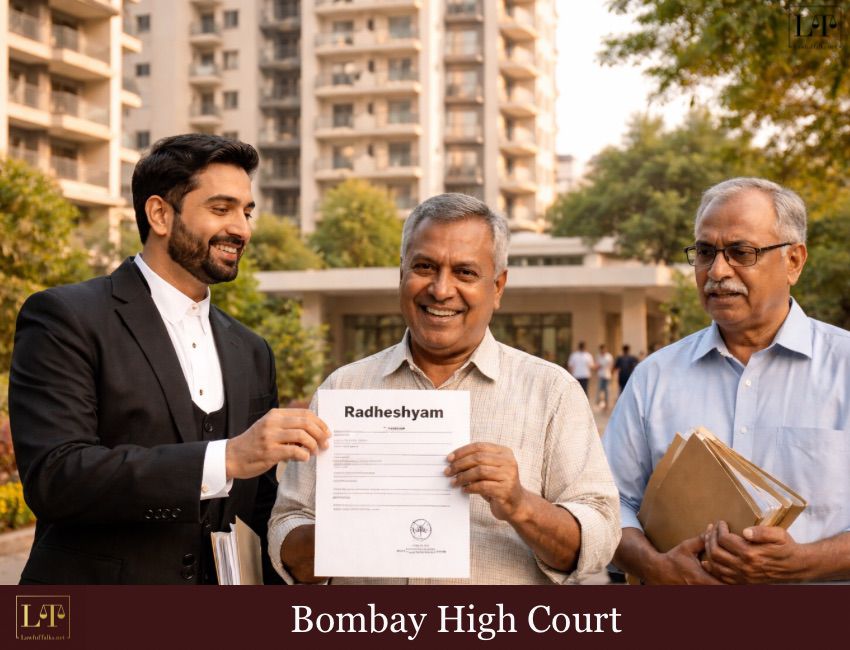
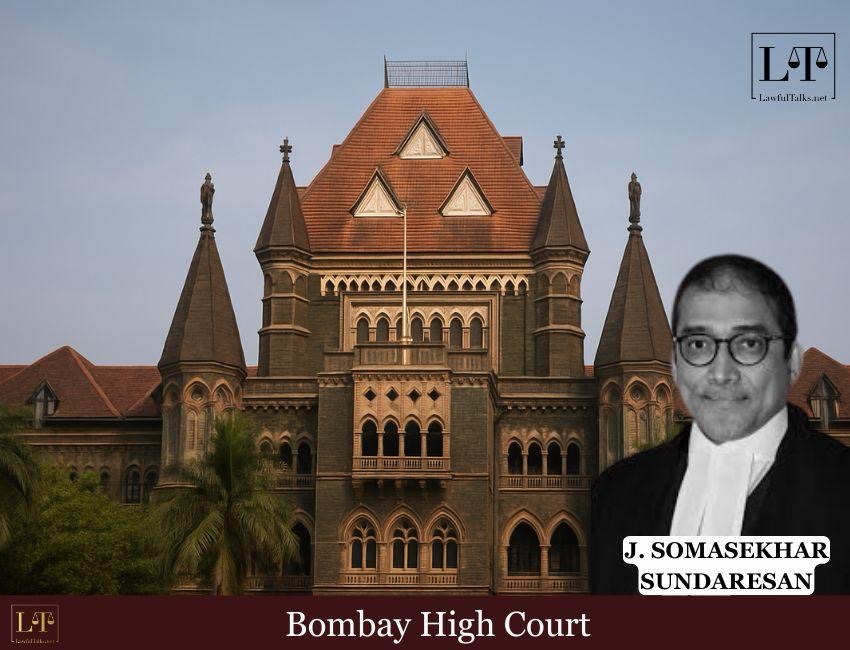
The Bombay High Court has granted temporary relief to law students who were facing disqualification from semester examinations because of low attendance. At the same time, the Court raised important questions about how the attendance rules for law students should be understood and applied under legal education regulations.
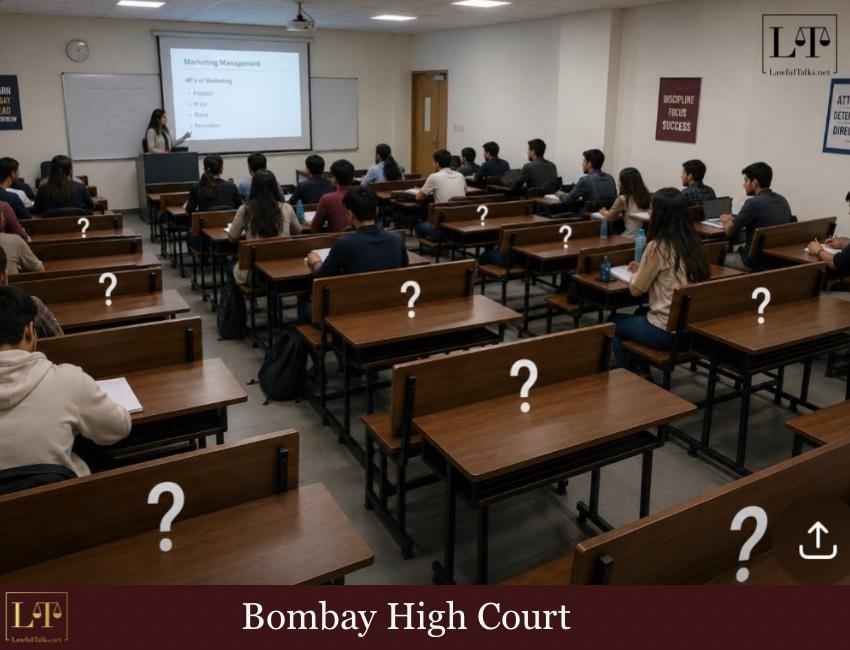
Exams Allowed:
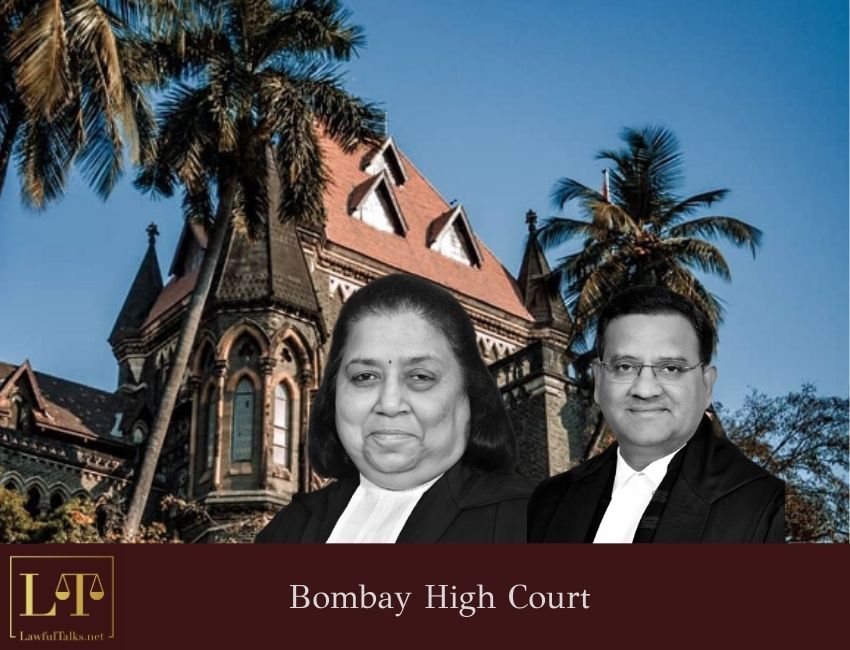
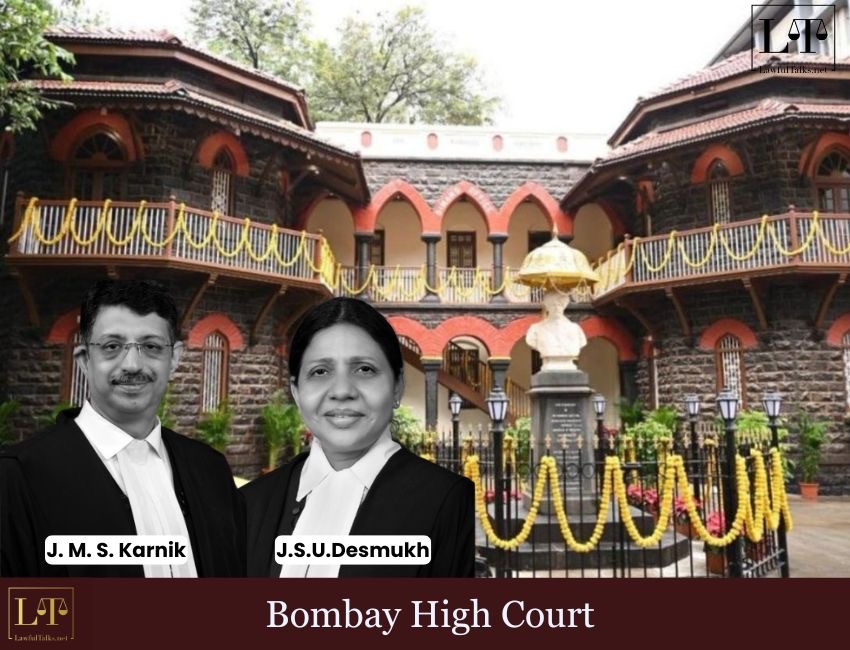
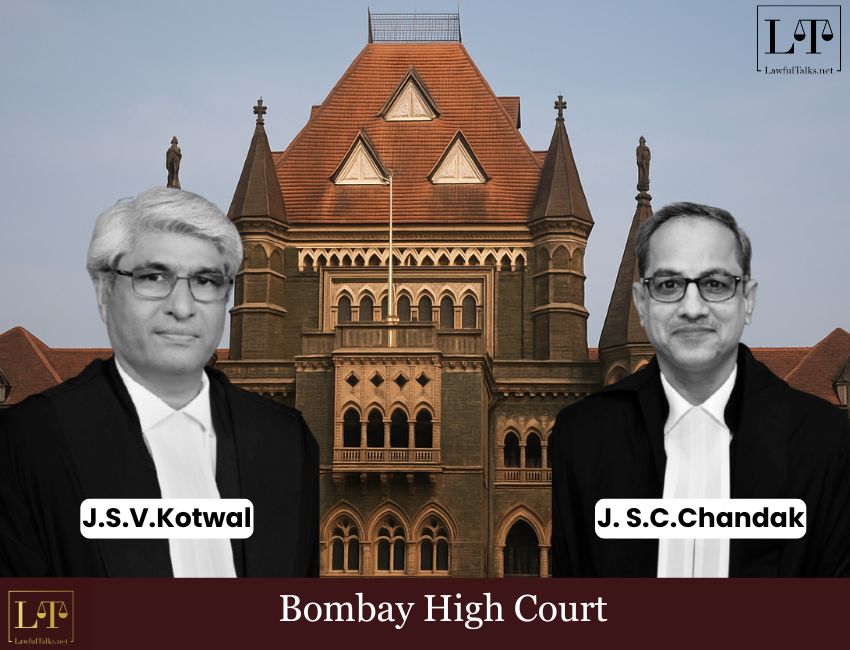
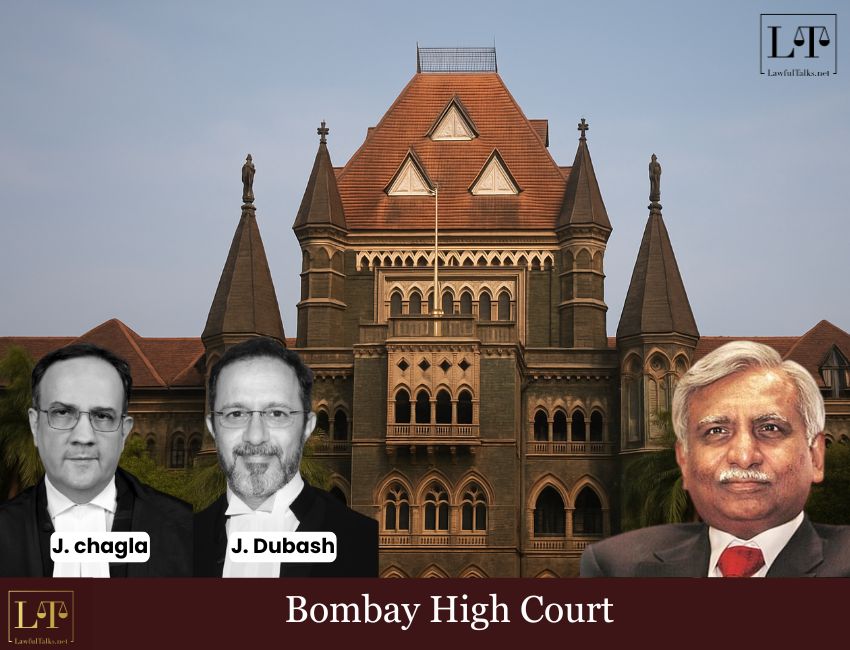
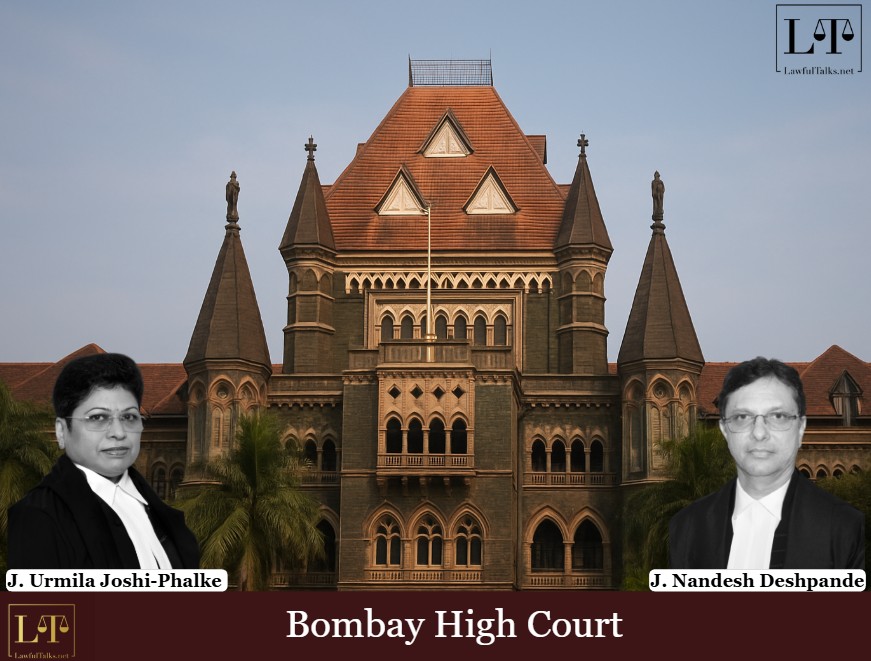
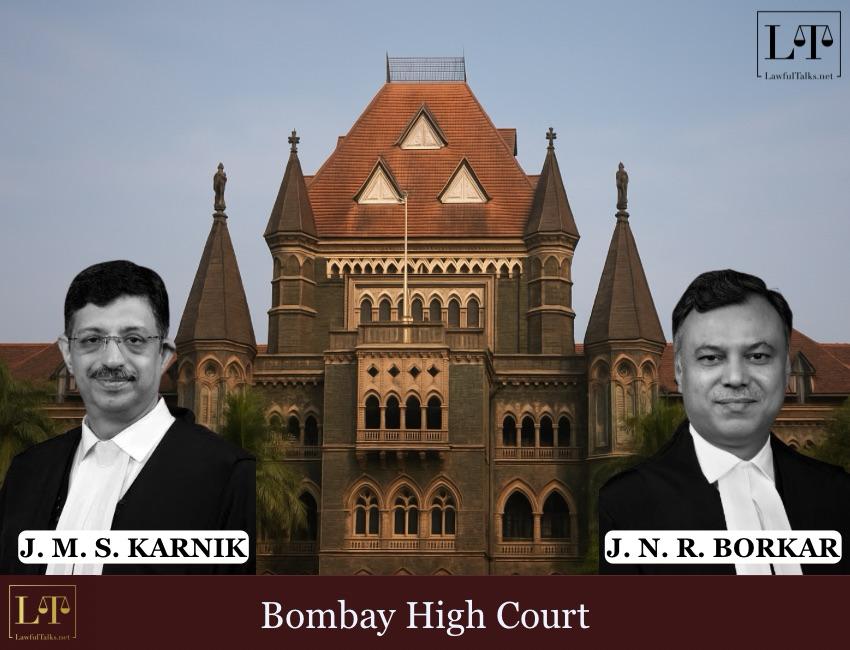
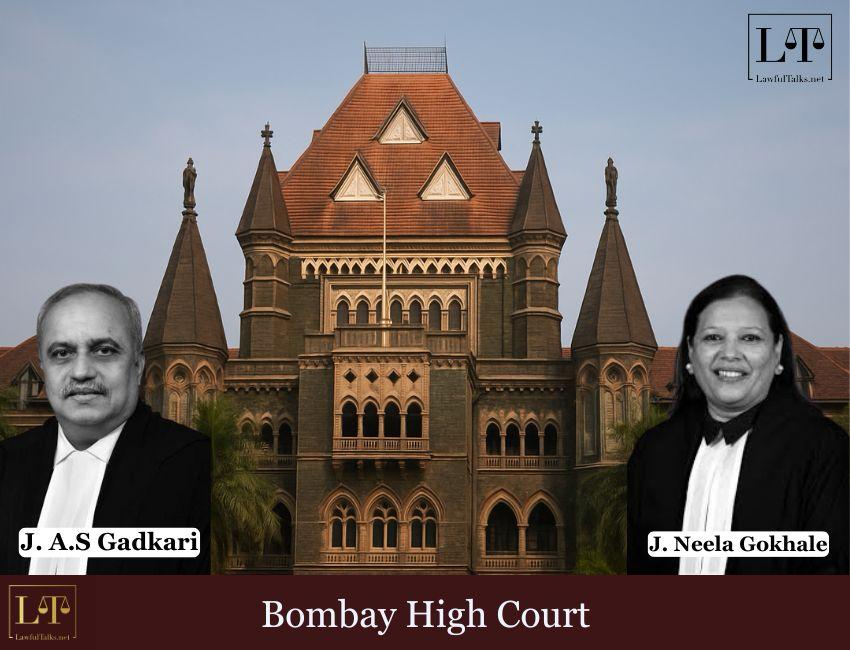
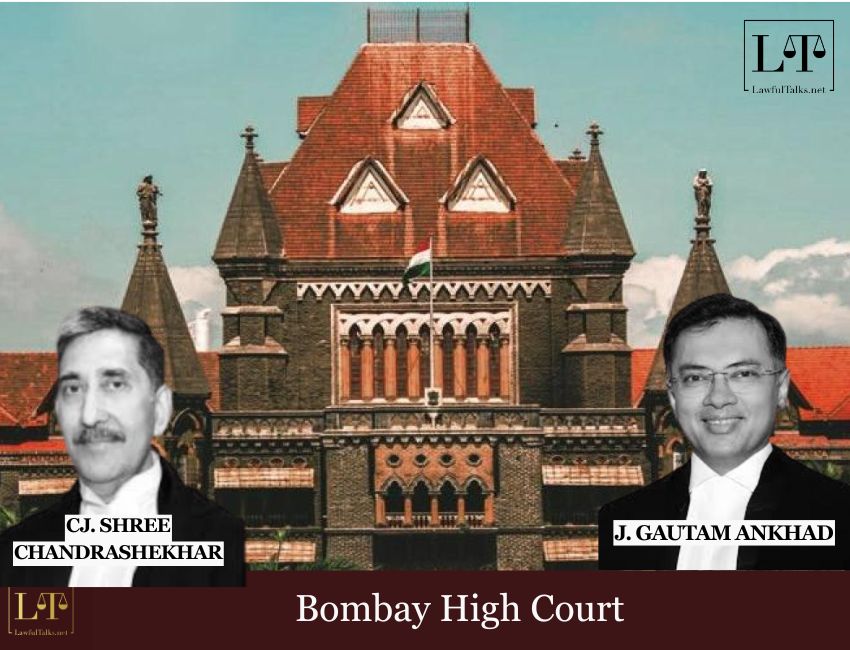
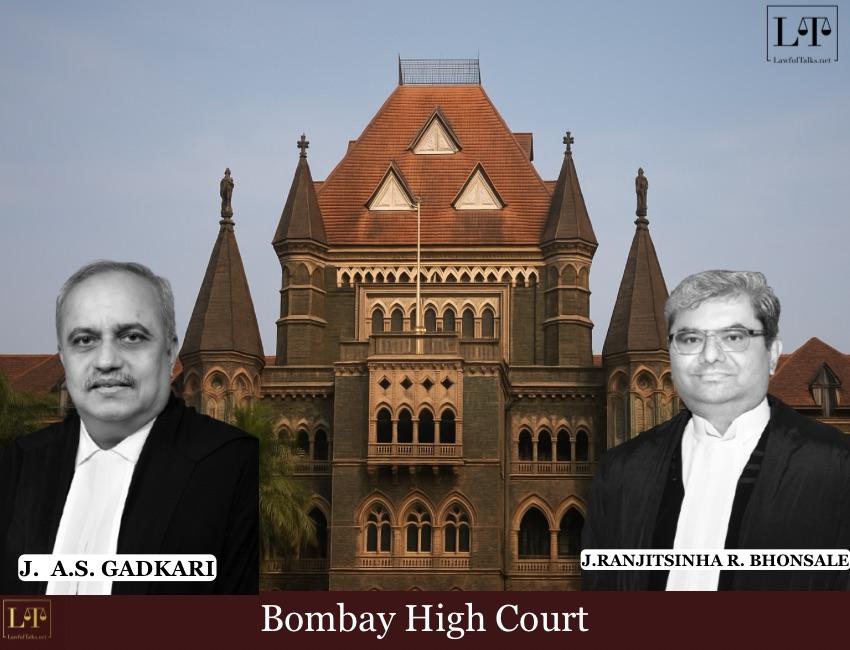
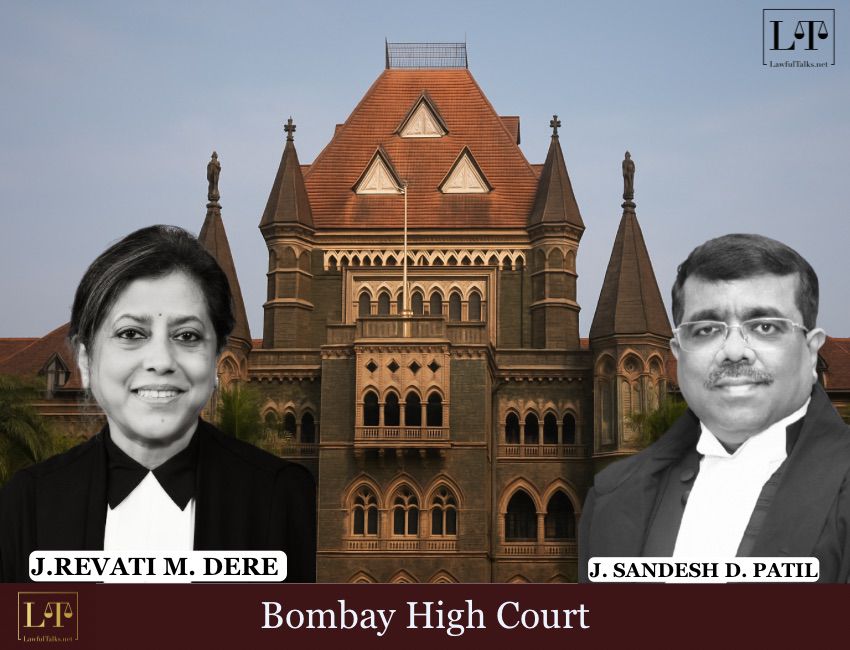
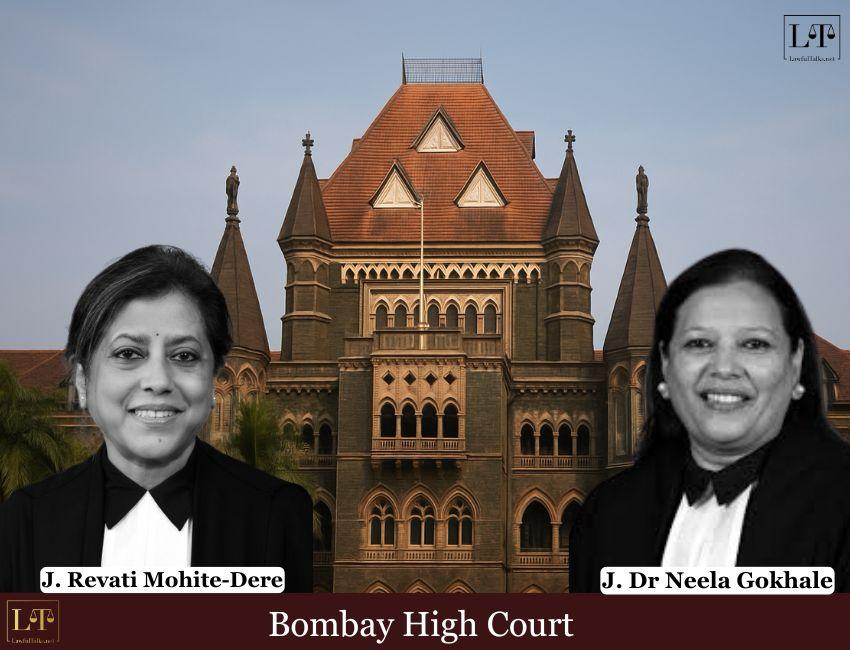
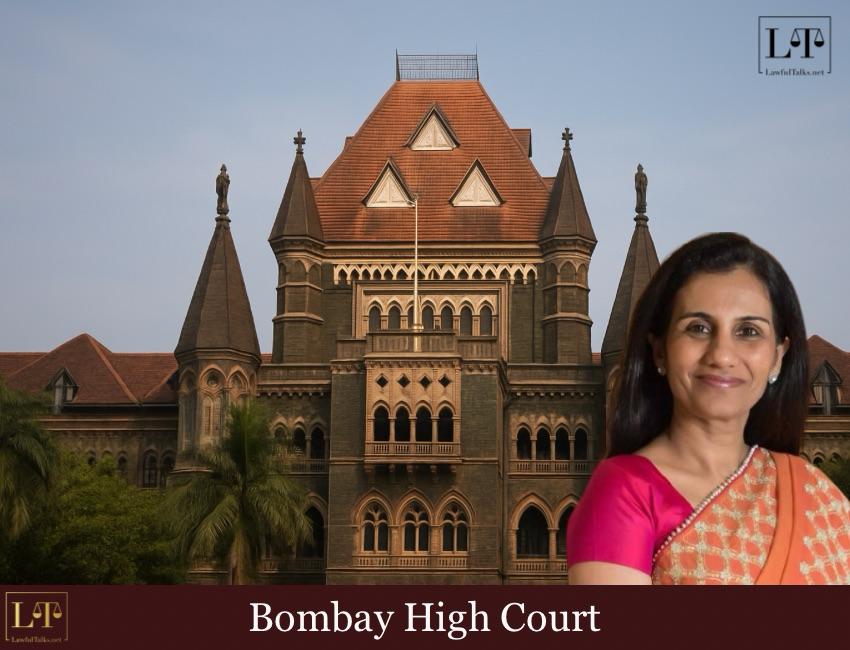
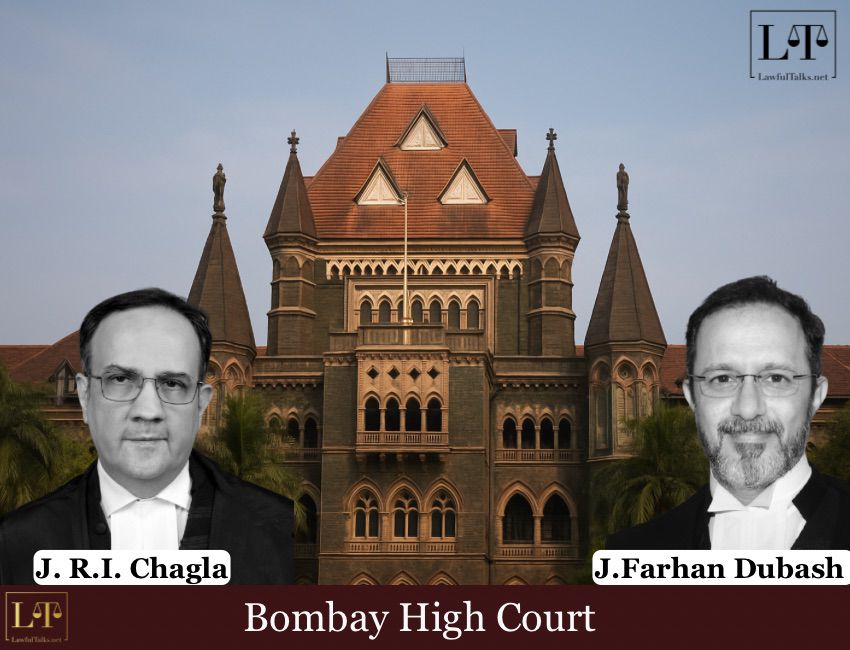
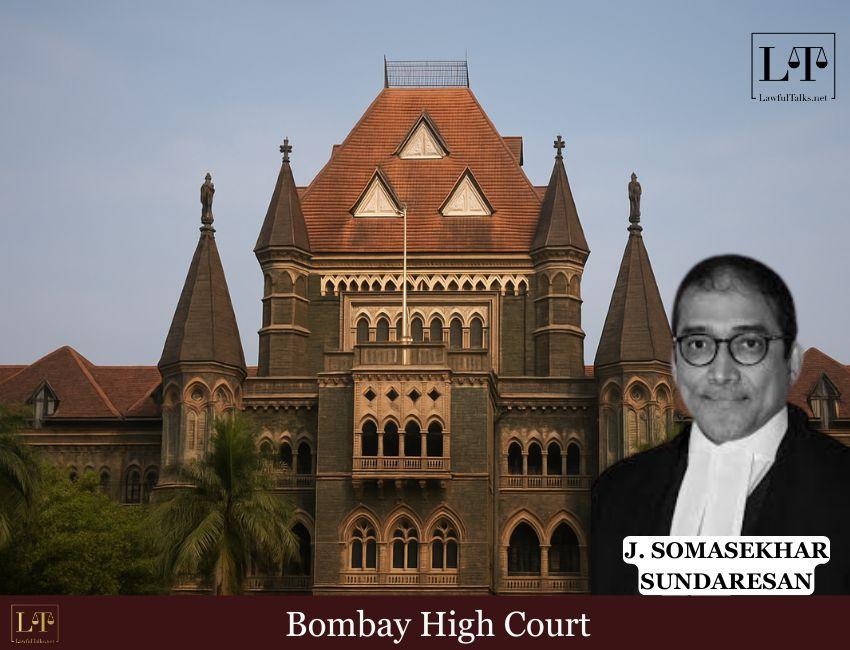
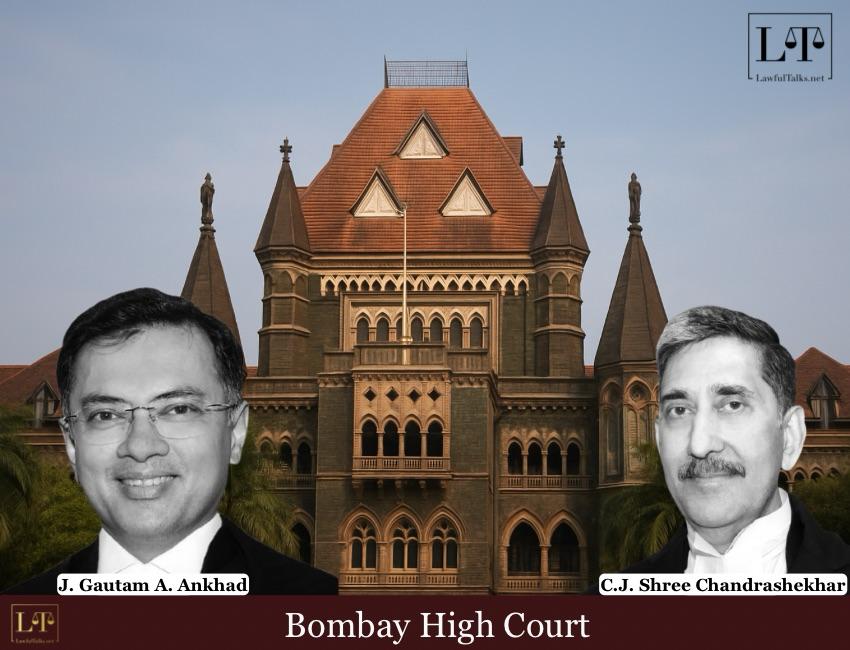
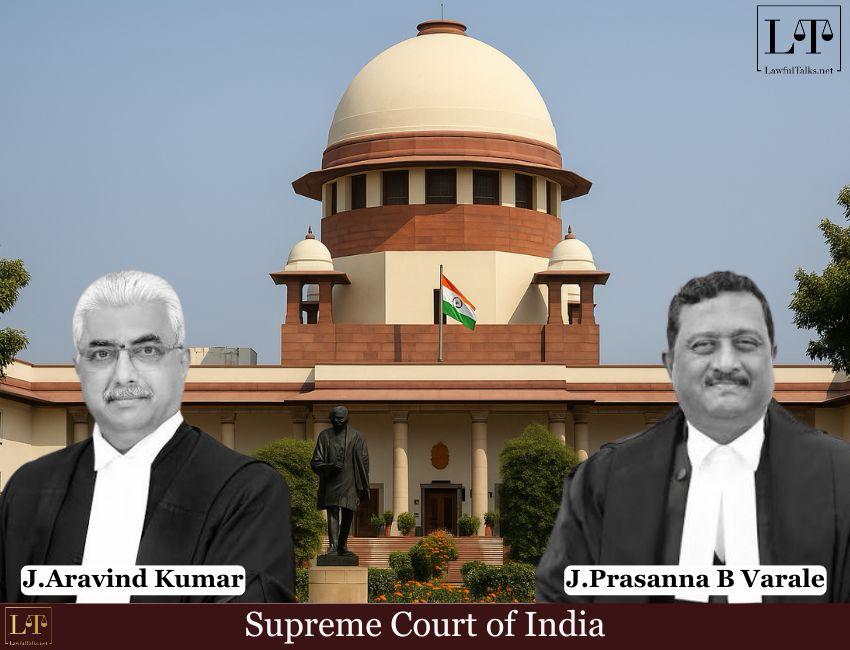
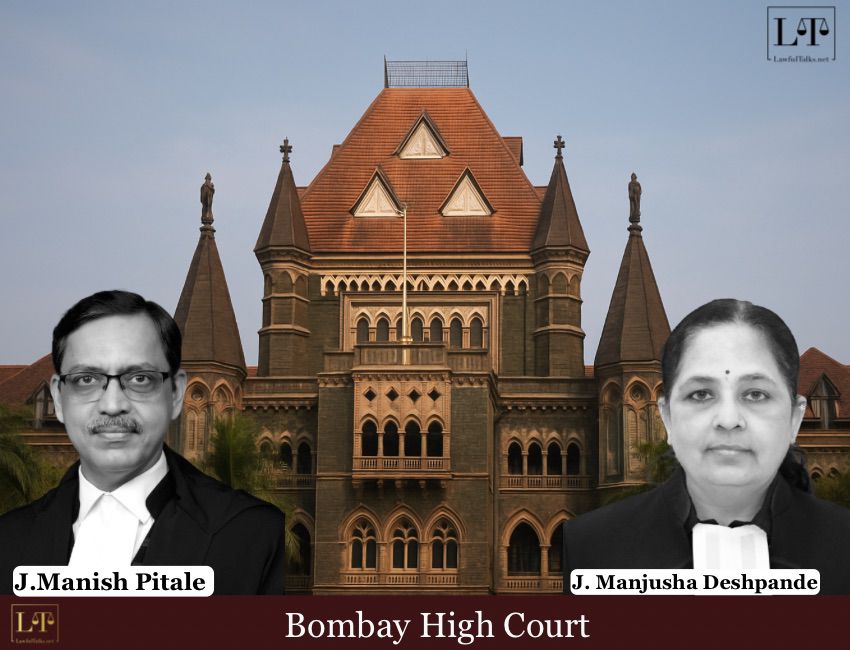
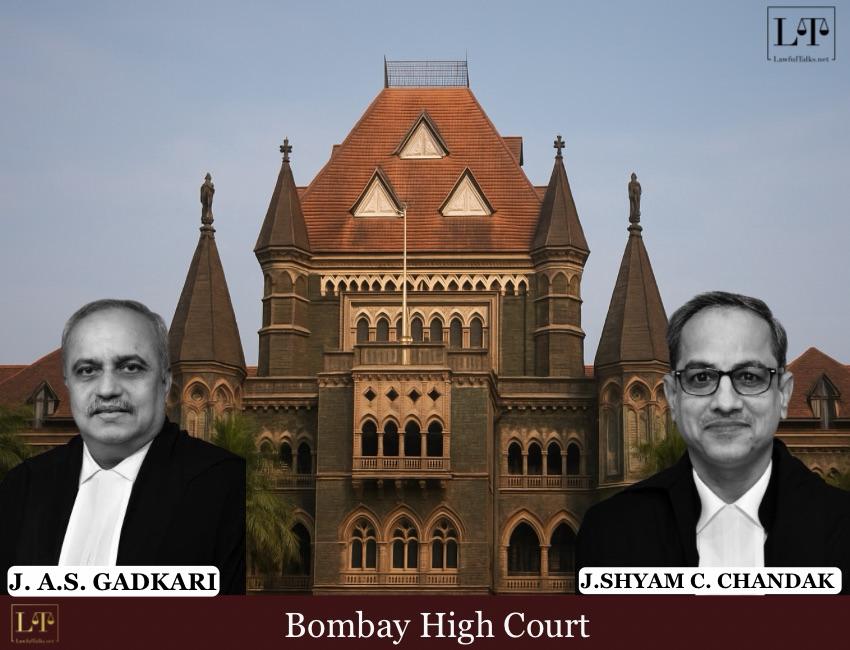
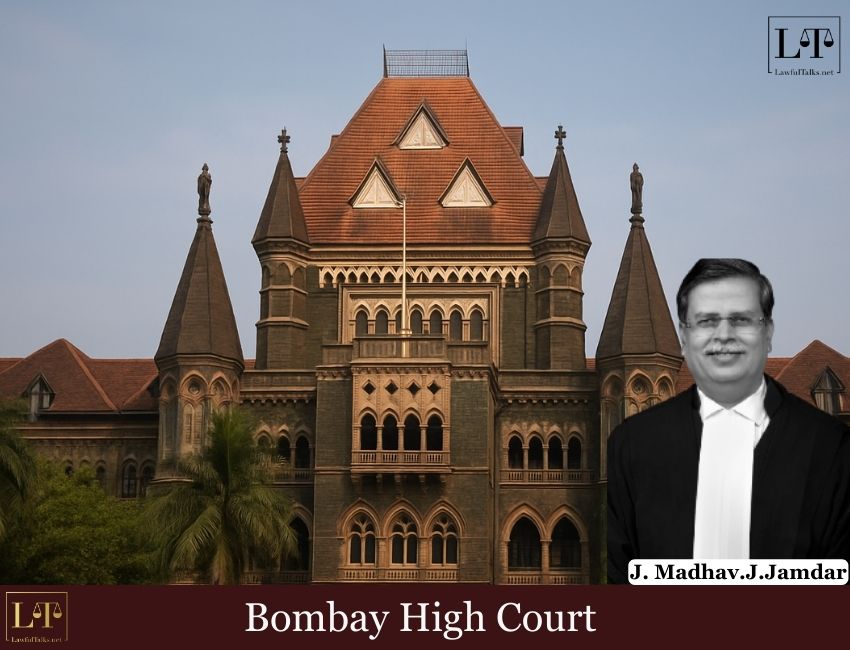
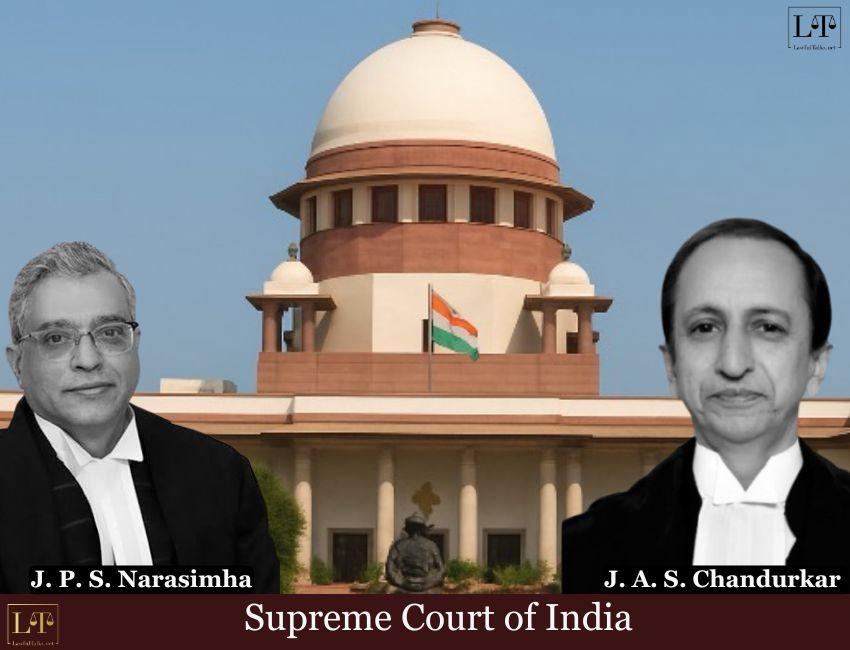
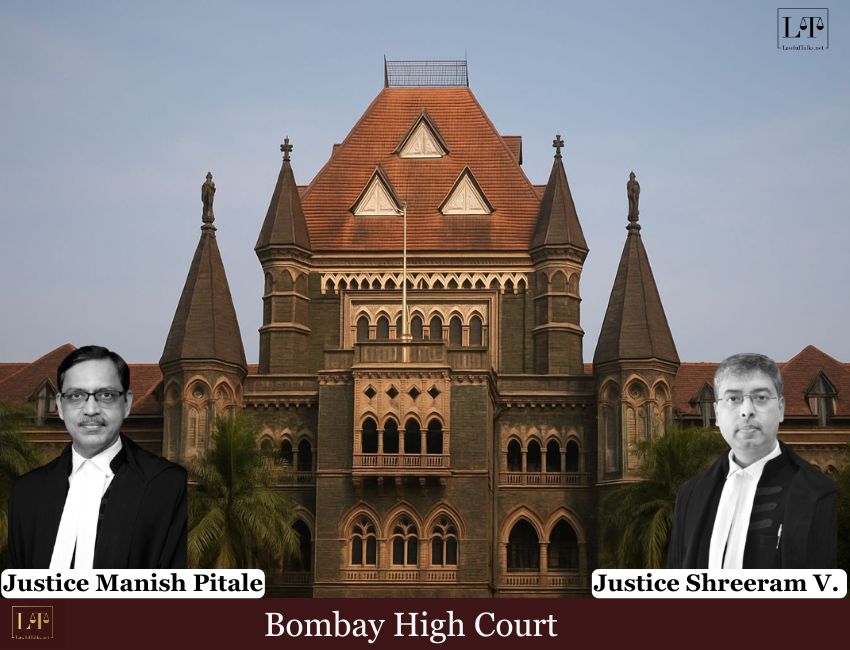
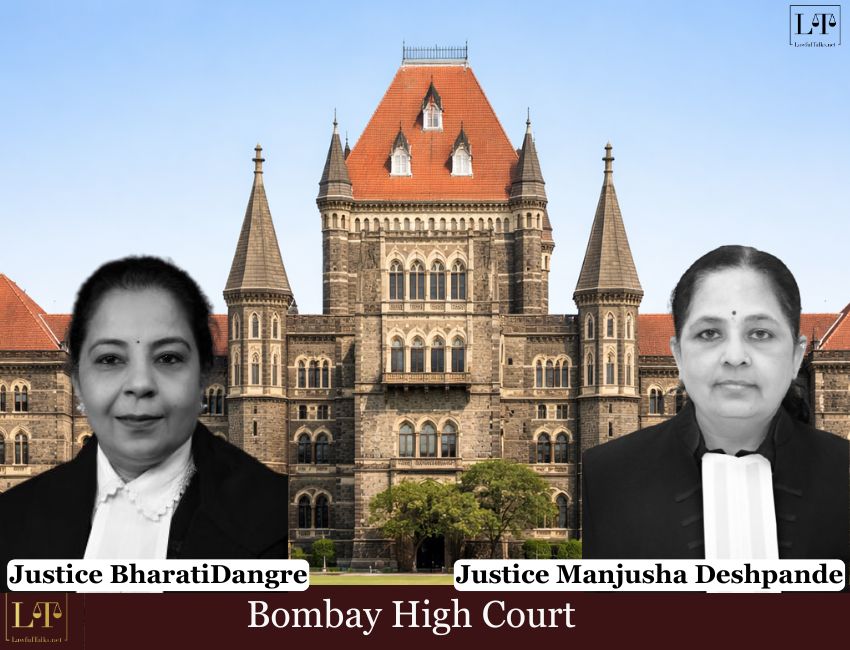
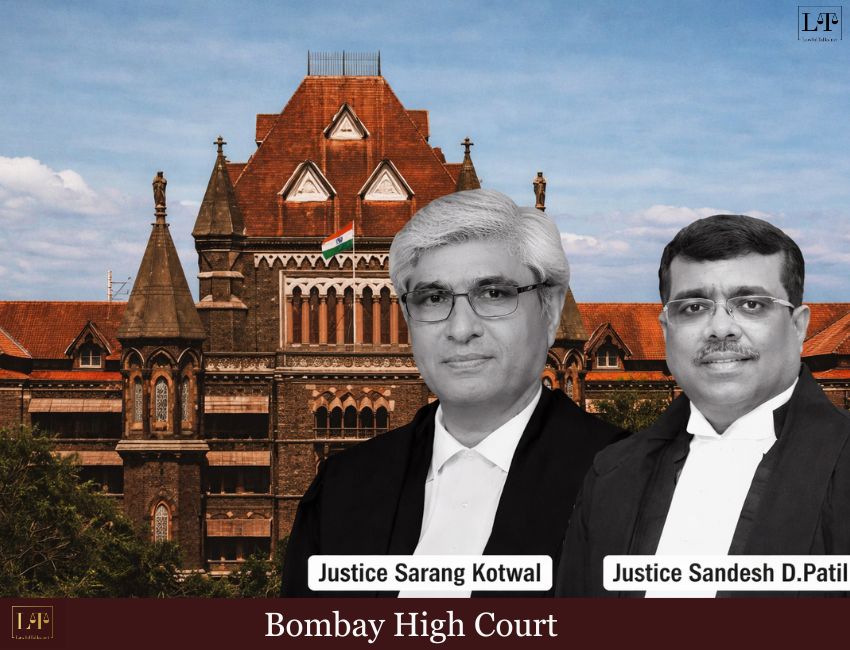
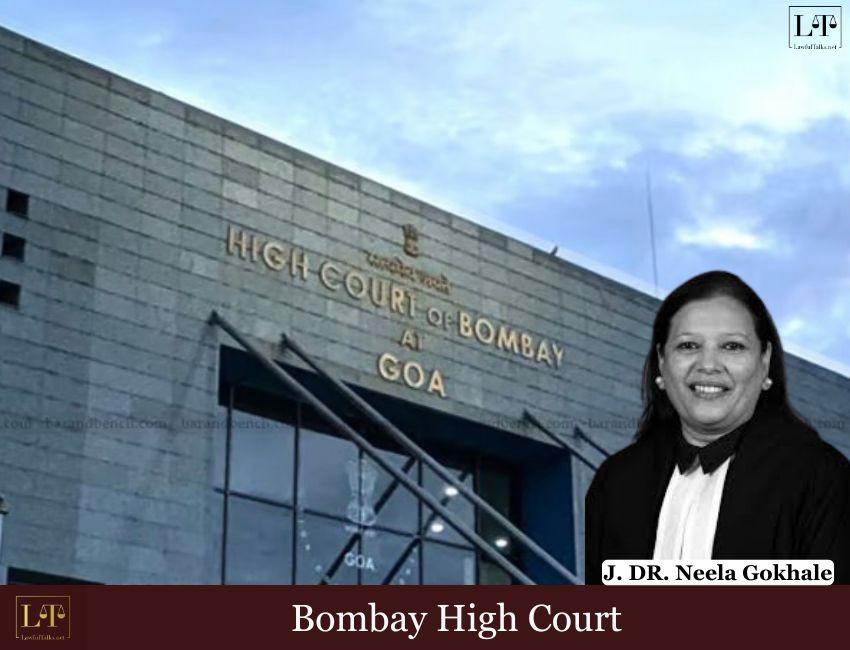
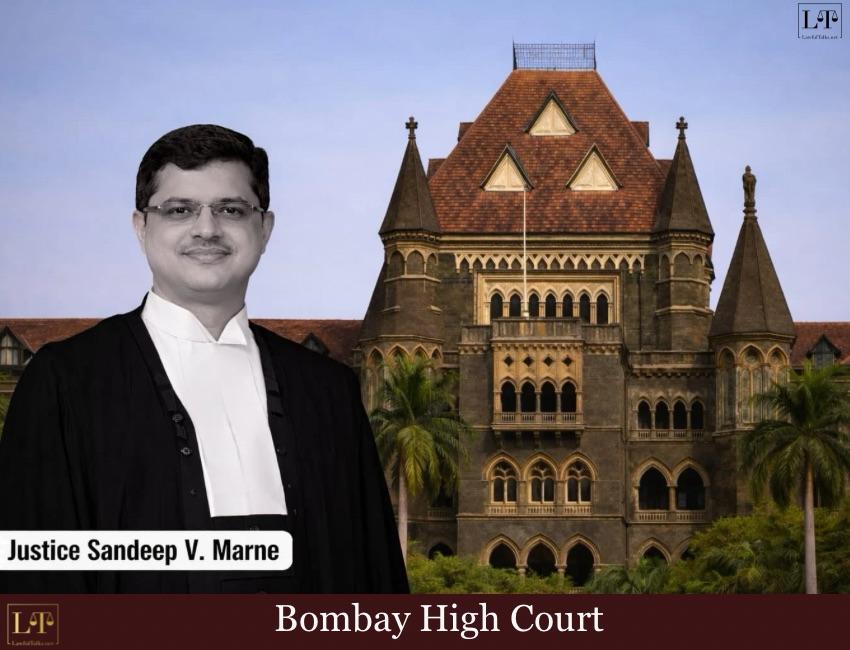
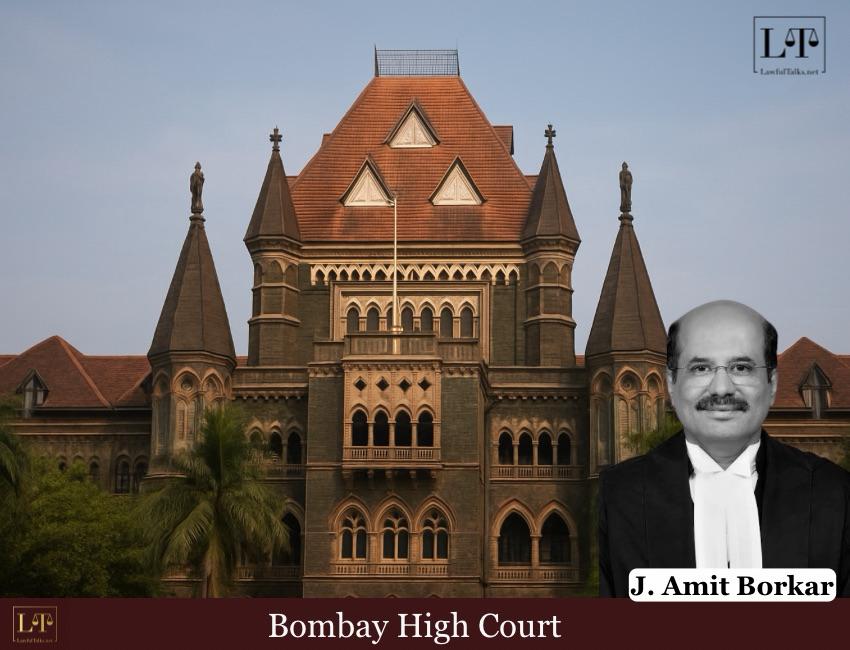
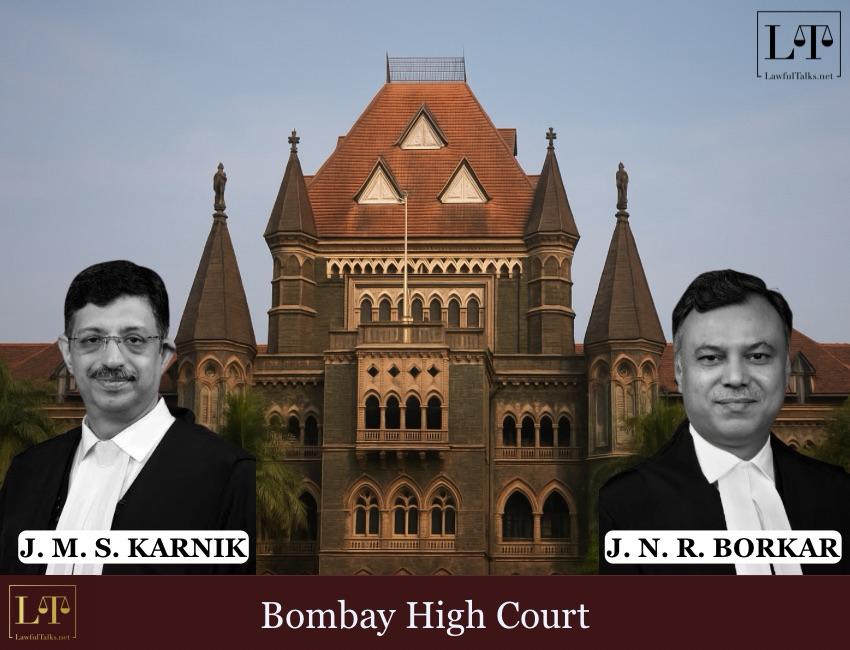
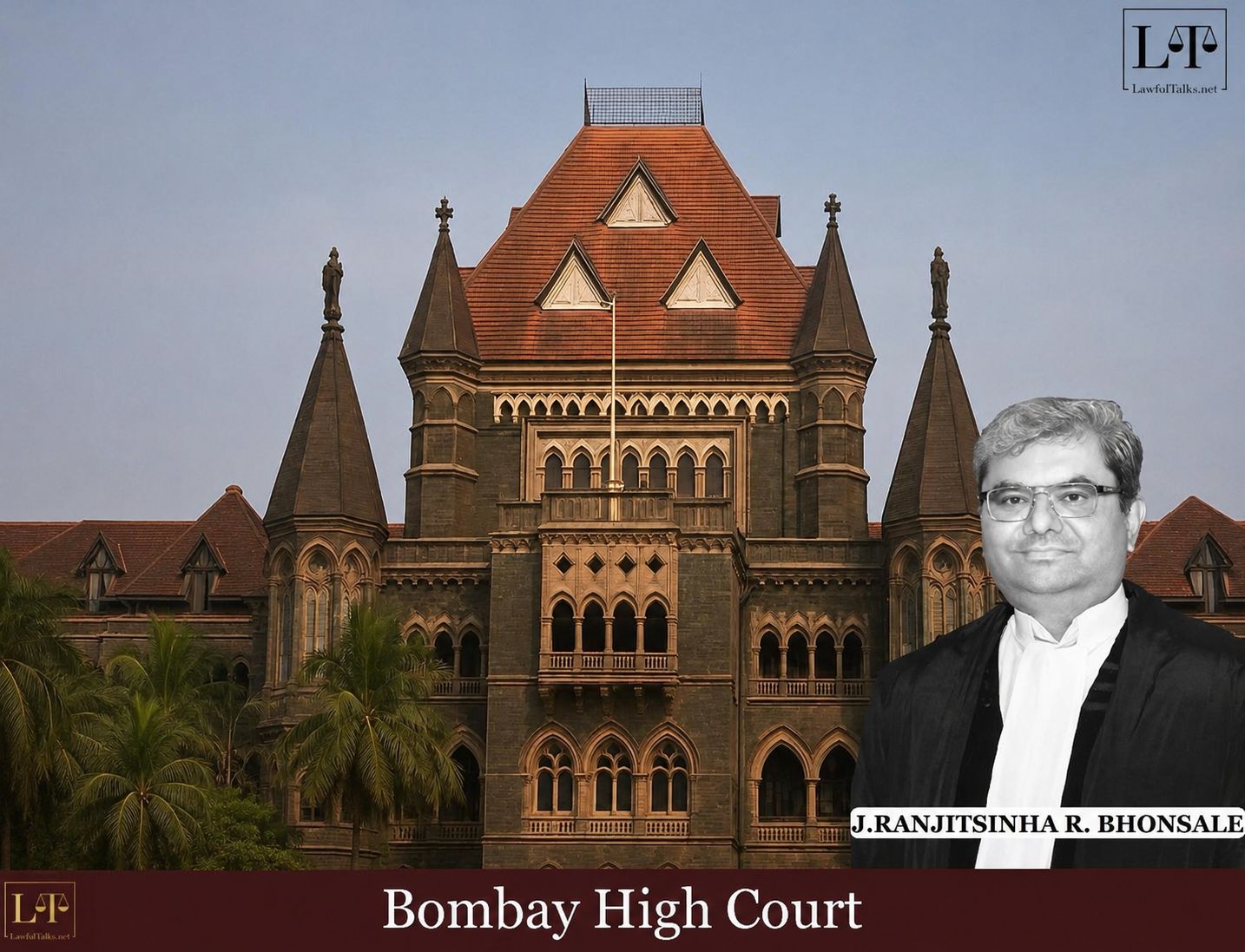
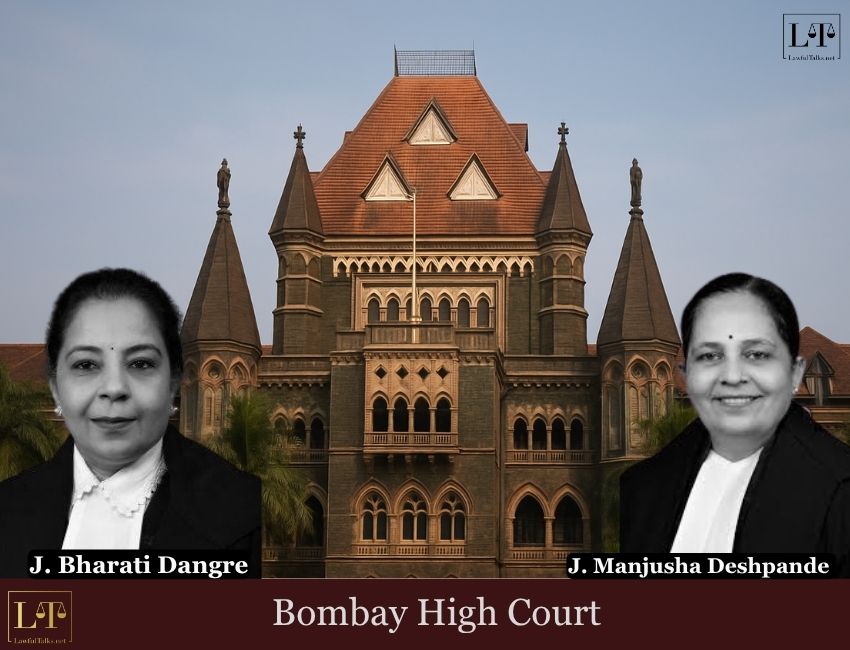
In a series of orders passed on 8 May 2026 and 4 May 2026, a Division Bench of Justice R.I. Chagla and Justice Advait M. Sethna allowed students from law colleges affiliated with Savitribai Phule Pune University to appear for their semester examinations even though they did not meet the required attendance criteria. However, the Court clarified that this permission would depend on the final outcome of the petitions.
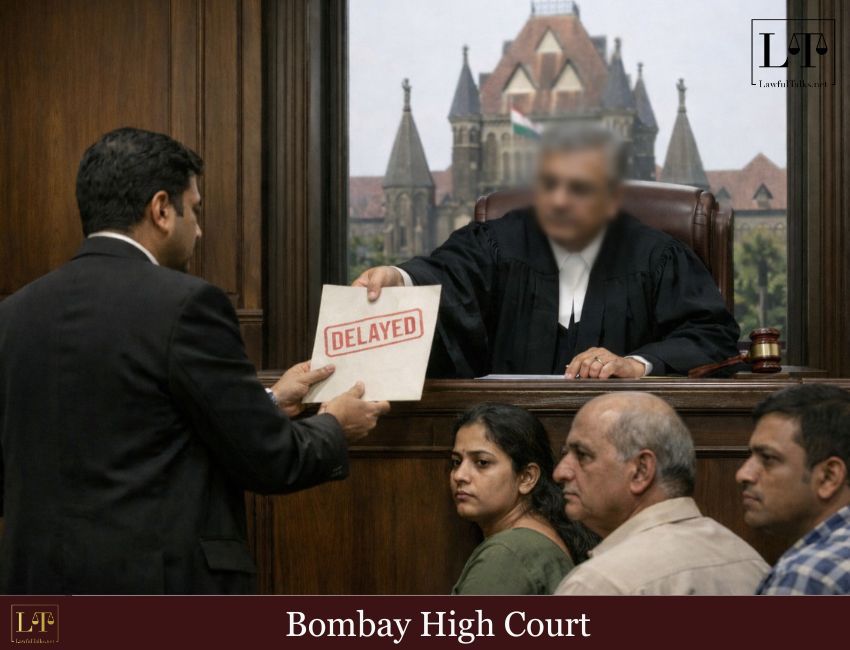
In the latest order dated 8 May 2026, the Court heard a petition filed by a law student who had been orally informed that he would not be allowed to appear for the First Semester examinations starting from 12 May 2026 because of shortage of attendance. The student admittedly had 54% attendance.
20% Relaxation Issue:
Considering the urgency of the matter and the fact that the examinations were about to begin, the Bench referred to its earlier order dated 4 May 2026 passed in connected petitions dealing with the same issue. The Court noted that it was already examining whether a 20% relaxation in attendance requirements under the Bar Council of India Rules and the Pune University Ordinances could apply in such cases.
Referring to its earlier view, the Bench stated:
“in the event the Petitioner is having attendance between 50-54% and since the issue with regard to the applicability of 20% relaxation from minimum attendance of 70% as prescribed by Legal Education Rule of Bar Council of India which works out to 50% has arisen in these Petitions, given Clauses 68 and 70 of the Ordinances of 2011 of the Respondent No.2 – Pune University, the Petitioner will be allowed to appear in the Semester examination and which would be subject to outcome of this Petition.”
The Court then granted ad-interim relief and allowed the petitioner to appear for the semester examinations. However, it clearly stated that the student would not get any special rights because of the interim order.
Court’s Clarification
The Bench specifically observed:
“The Petitioner shall not claim any equity by virtue of this order. The rights and contentions of the parties are kept open.”
The Court also clarified that the order would apply only to the petitioner before it. The respondents were directed to file their replies before the next hearing in June 2026.
How Dispute Started:
The controversy began with an earlier order passed on 4 May 2026 in a batch of petitions filed by several law students challenging their detention from semester-end examinations because of insufficient attendance. The students urgently approached the Court after they were denied permission to sit for examinations conducted under Pune University.
The petitioners argued that although the University Ordinances prescribe 75% attendance, the rules also allow a 20% relaxation on sufficient grounds. Since many students had attendance between 50% and 54%, they argued that they should receive the benefit of this relaxation.
The students also argued that several mandatory lectures were not conducted by the colleges themselves, which negatively affected their attendance records.
Main Legal Issue:
An important issue before the Court was the interpretation of the Bar Council of India Legal Education Rules and the University Ordinances.
The petitioners argued that if the 20% relaxation is calculated from the minimum attendance requirement of 70% prescribed under the Legal Education Rules, then the effective minimum attendance requirement would become 50%.
The Court took note of this argument and observed that the issue required detailed consideration.
Another important issue considered by the Court was the response given by the Bar Council of India to an RTI application filed by one of the petitioners.
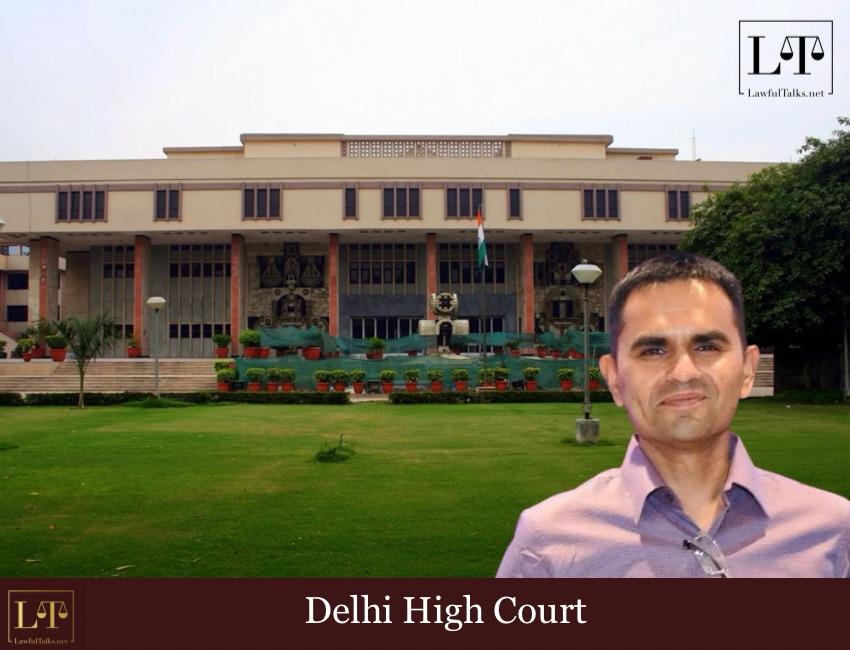
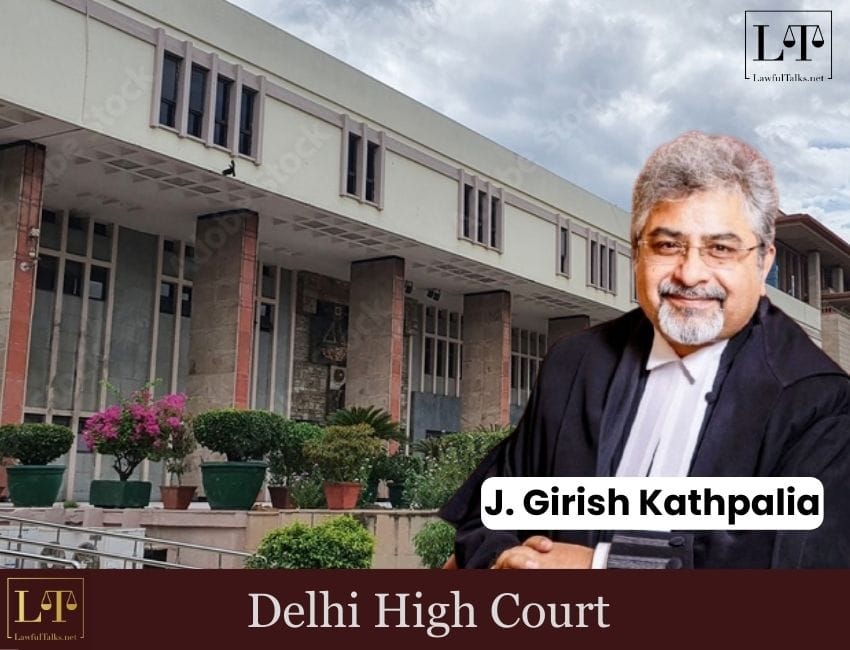
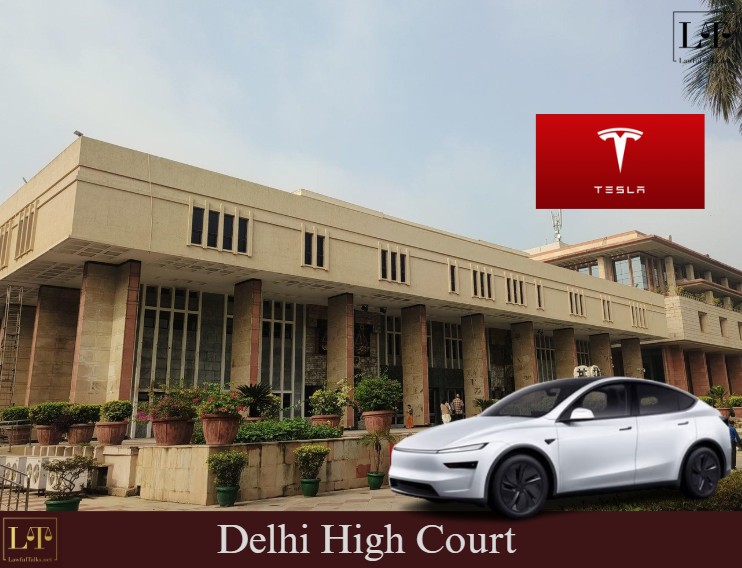
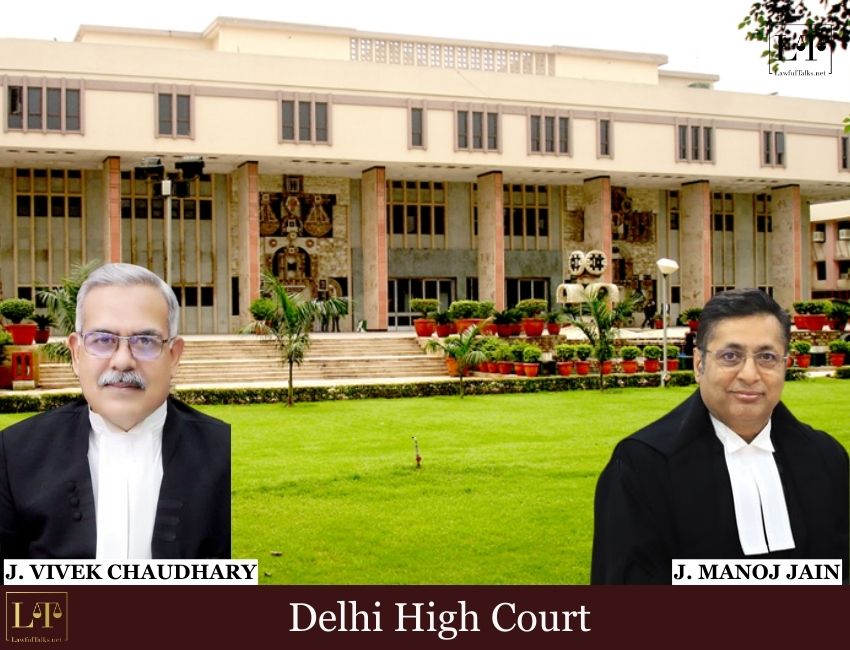
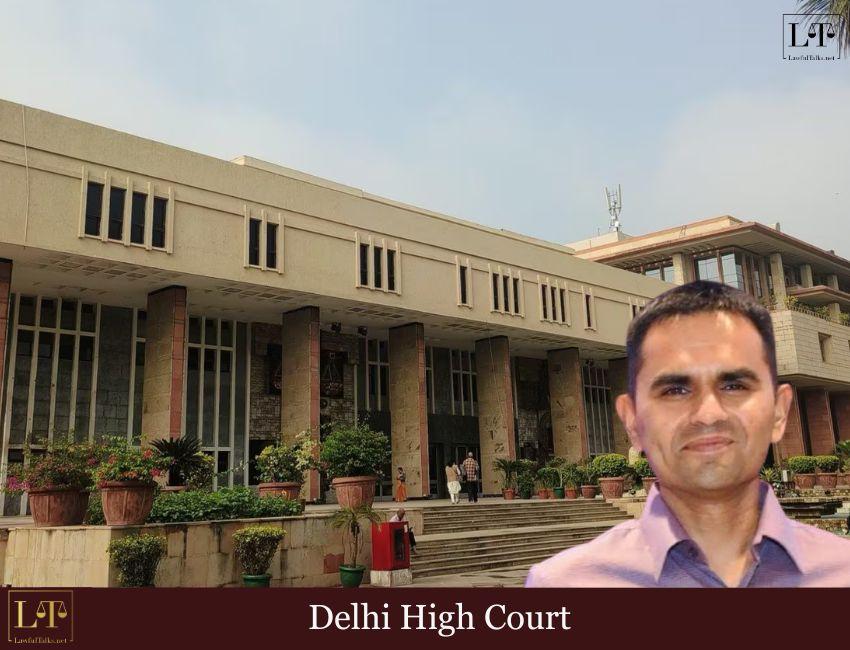
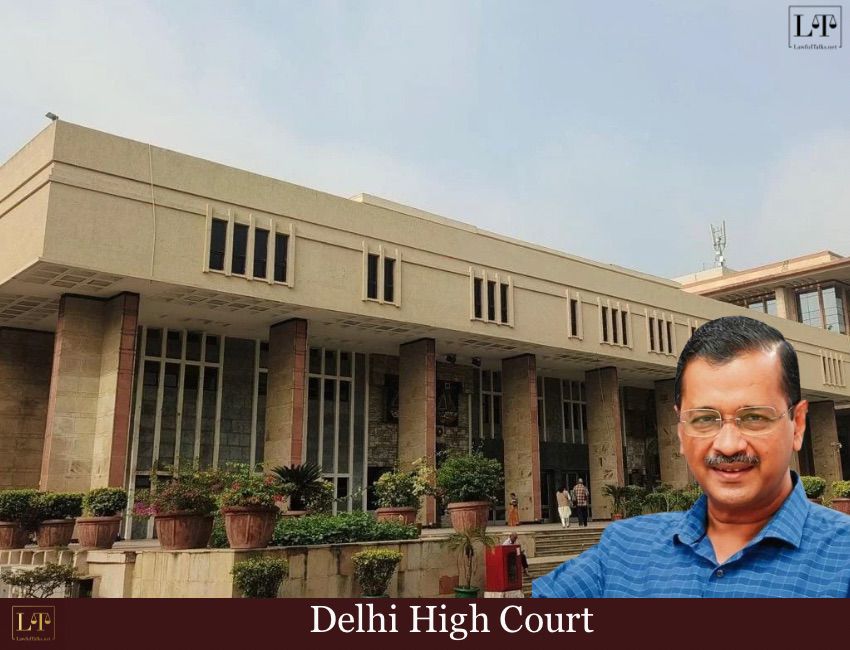
Delhi HC Judgment:
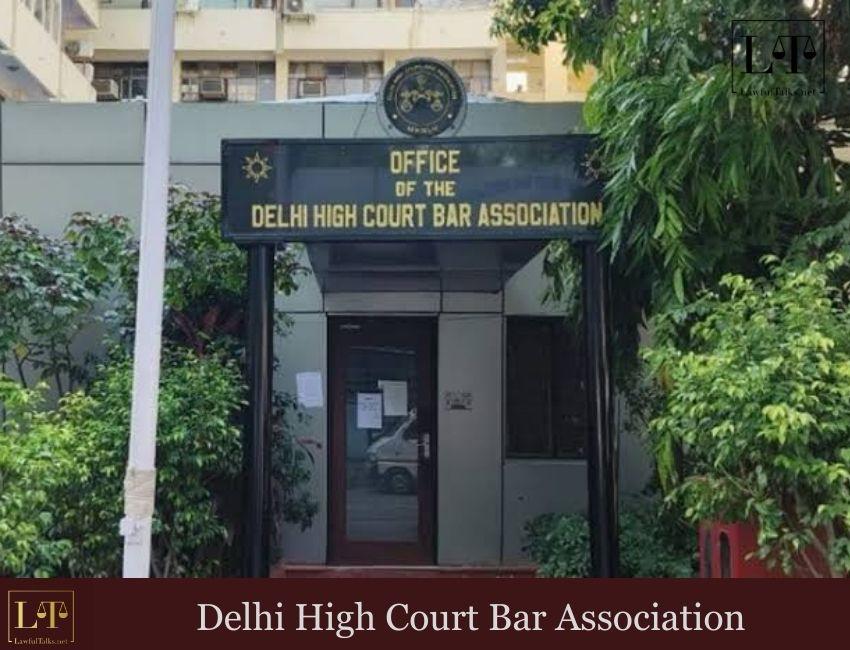
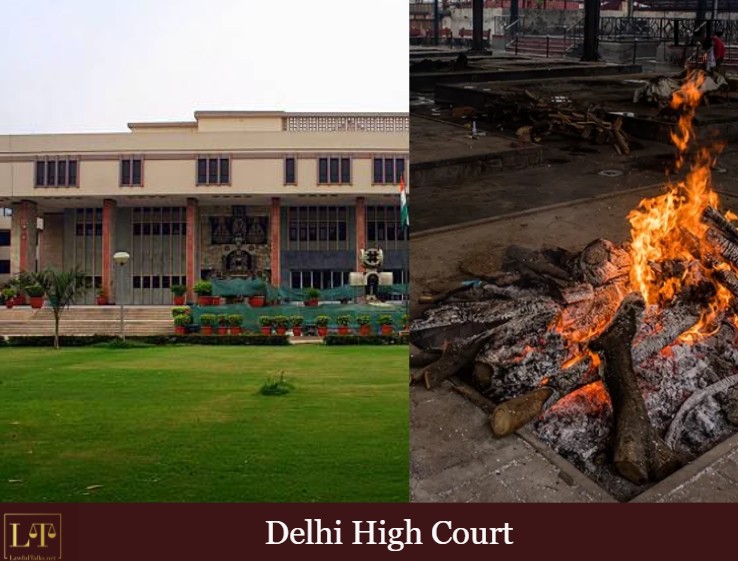
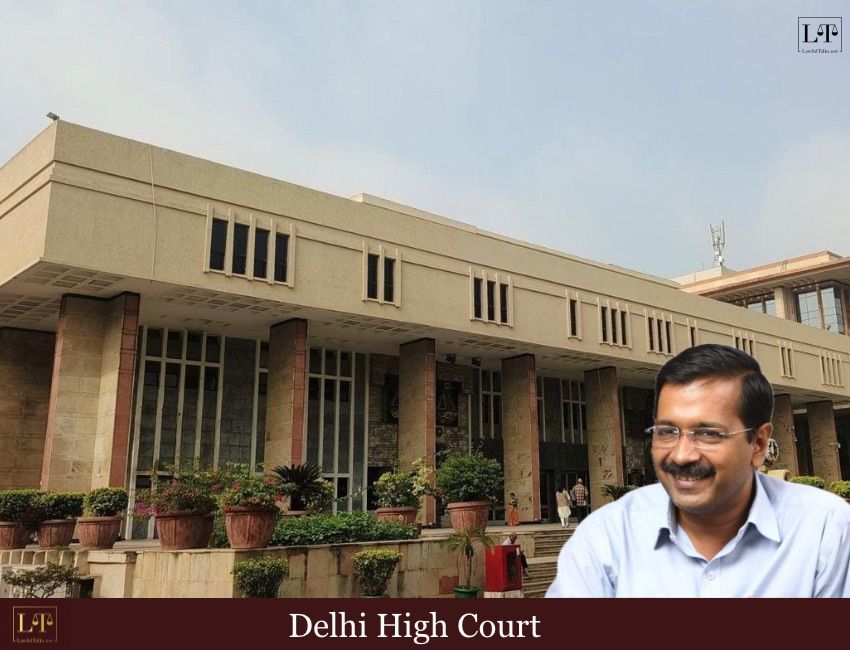
The RTI reply stated that although the Bar Council of India had not issued any separate notification or circular, all Centres of Legal Education were expected to follow the judgment delivered by the Delhi High Court in the case of Sushant Rohilla unless a higher court passed a different order.
The Bombay High Court noted that the Delhi High Court in that judgment had clearly directed:
“no student enrolled in any recognized law college, University or institution in India shall be detained from taking examination or be prevented from further academic pursuits or career progression on the ground of lack of minimum attendance.”
The Division Bench also referred to its own earlier decisions relating to attendance requirements in legal education.
The Court noted that it had already relied on the Delhi High Court judgment in earlier cases where law students had sought permission to appear for examinations despite shortage of attendance.
Prima Facie View:
Taking note of these earlier decisions and the urgency caused by the ongoing examinations, the Bench observed:
“Considering the above submissions, we are of the prima facie view that the Petitioners should be allowed to appear in the semester end examinations and which shall be subject to outcome of these Petitions.”
The Bench clearly stated that this interim relief would not give the students any special rights, and that all arguments of all parties would still be considered at the final hearing.
The Court also directed the respondents, including the University and the Bar Council of India, to file their replies before the next hearing scheduled in June 2026.
Case details: Harshal Sanjay Haravane Vs. The State of Maharashtra & Ors. (Writ petition no. 6522 of 2026)
Aniruddha Gaurav Gursal & Ors.Vs.The State of Maharashtra & Ors. (Writ petition no. 6027 of 2026)
Appearance:
On 8th May: Adv.Amit Icham & Adv.Asmi Desai for Petitioner.
Mr. A. I. Patel, Addl. GP a/w Mr. Abhijeet Naik for Respondent No. 1 -State
Mr. Shailendra Kanetkar a/w Mr R M Gogte for Respondent No. 4.
Mr. Shekhar Jagtap (through VC) for Respondent No. 5.
On 4th May:
Dr. Uday Warunjikar, Mr. Parth Deshpande for the Petitioners in WP (St.) No.12948 of 2026 and WP(St.) No.13112 of 2026.
Ms. Madhavi Ayyaipan with Aditya Madane i/b. Talekar and Associates for the Petitioners in WP No.6029 of 2026.
Mr. Vikas Kolekar with Neeta and Prathiviraj Kolhatkar in WP St.No.13500 of 2026.
Aanchal Dubey, Shruti Paradhi, Anniruddha Gursal, Sarvadhaya
Dixit, Khushi Jaiswal and Divyanshu R. Petitioners are present.
Mr. O.A. Chandurkar, Addl. G.P., Shri S.H. Kankal, AGP and Pooja
Patil for Respondent No.1 in WP (St.) 13112 of 2026.
Mr. Shekhar Jagtap with Prasad Gajabhiye for Respondent No.5 – Bar Council of India.
Mr. Shailendra Kanetkar, for Respondent No.4.
Mr. Rajendra Anbhule, with Gayatri Kale for Respondent No.2 – Pune University.



































Sign up for free and be the first to get notified about curated content just for you.