‘Nothing Short of Fraud Upon the Court’: Bombay HC Slams Officials, Orders Tehsildar to Pay Six Months’ Salary”

- May 12, 2026


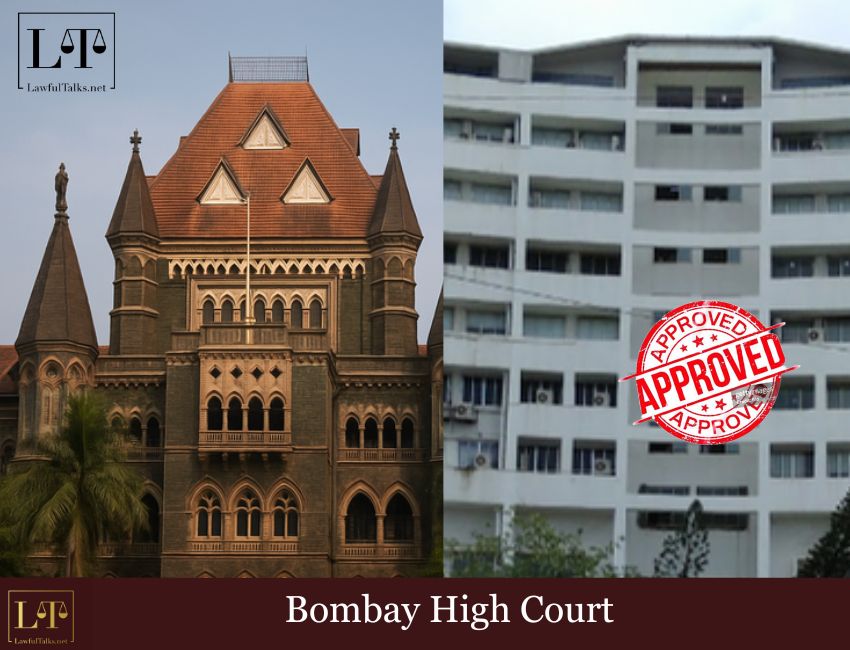
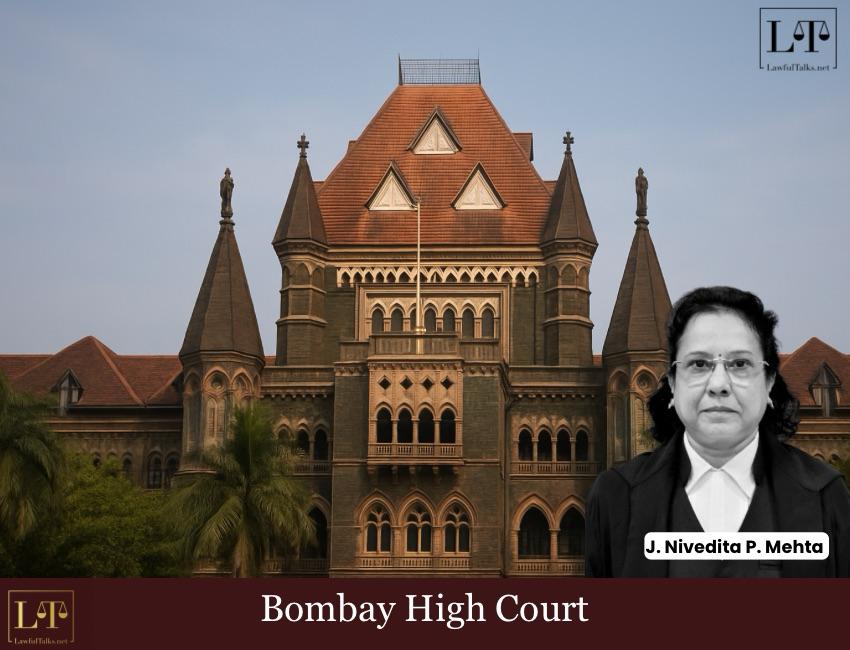
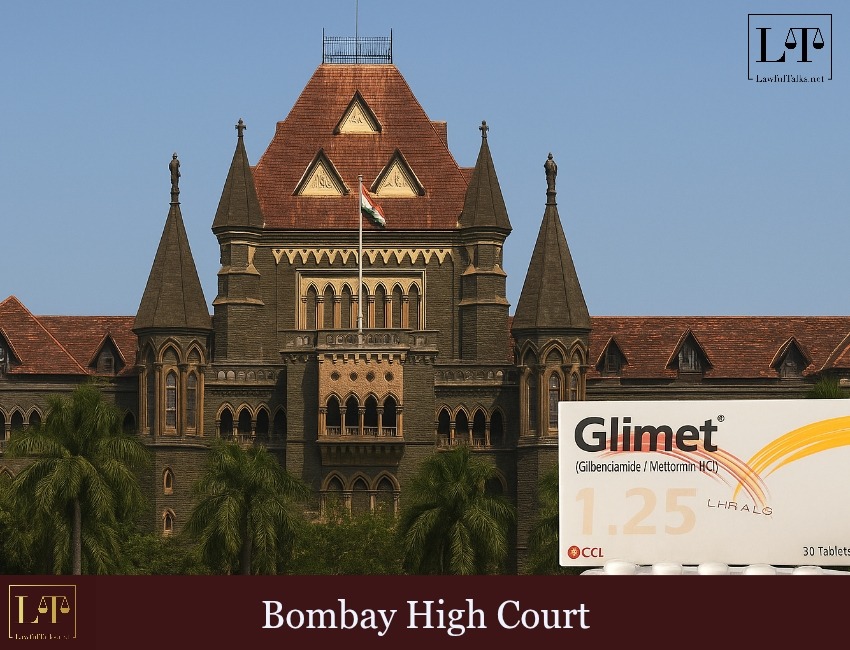
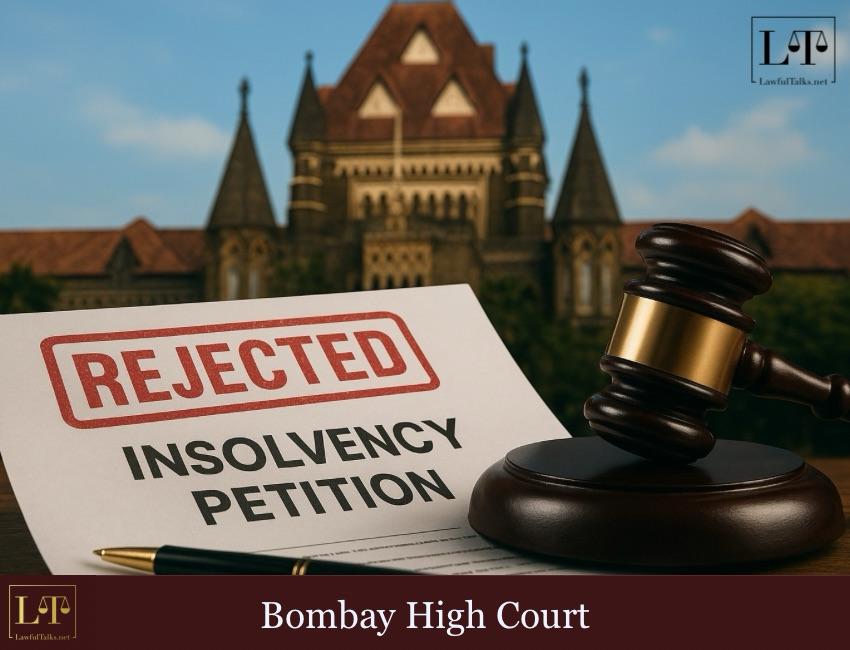
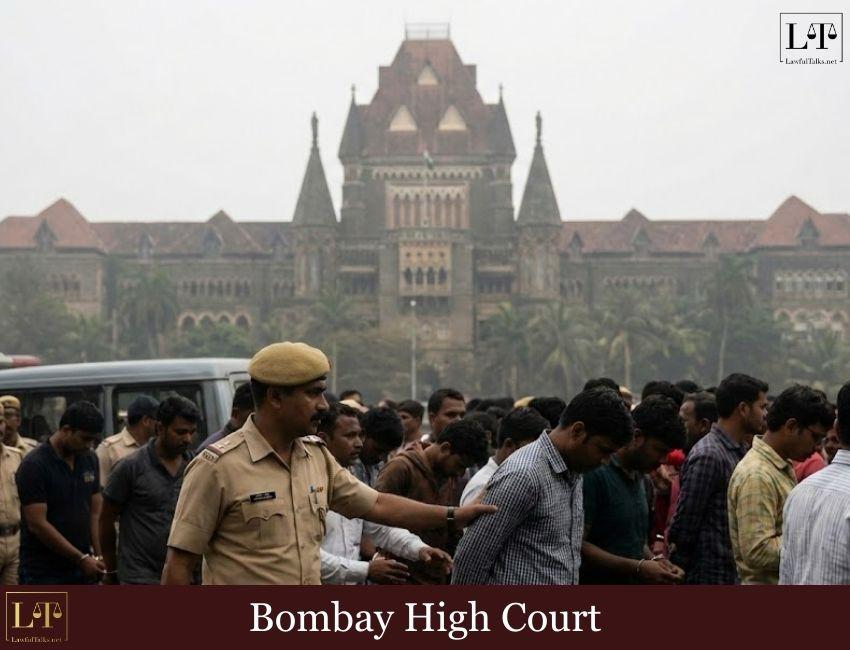
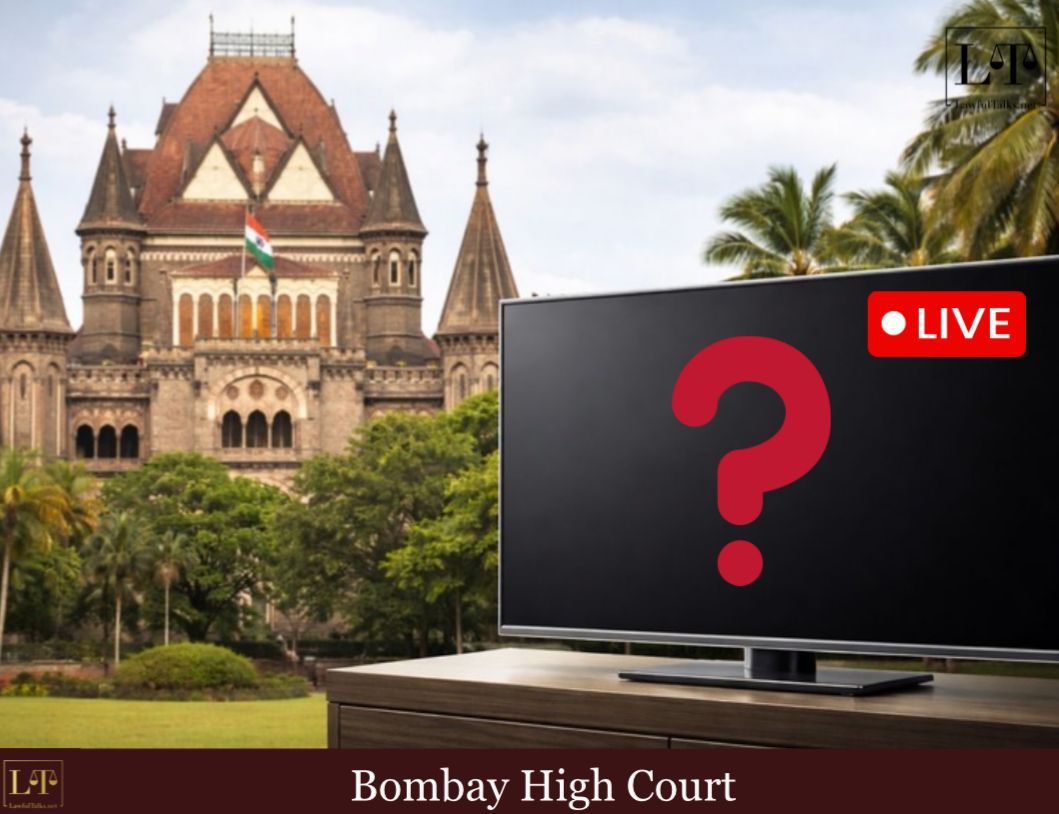
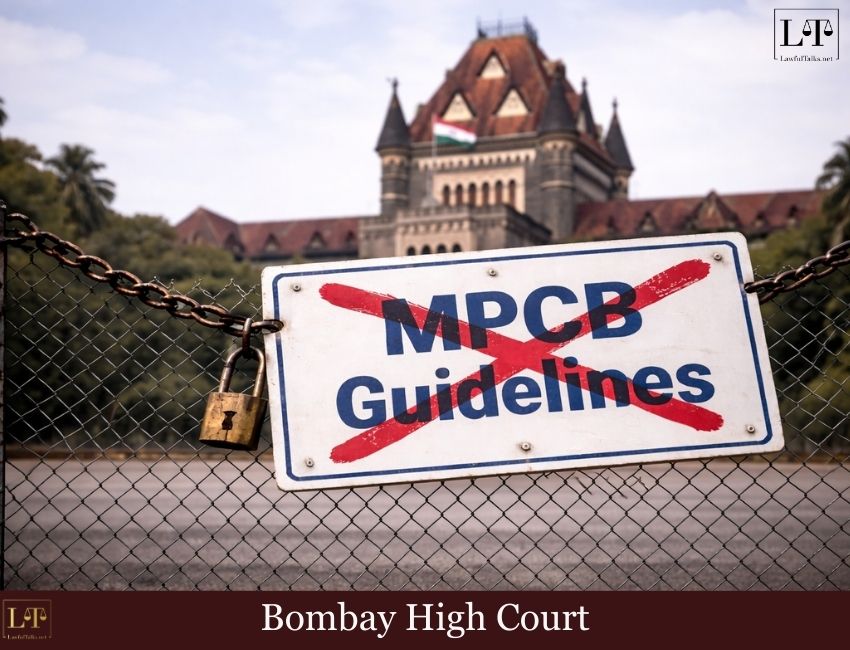
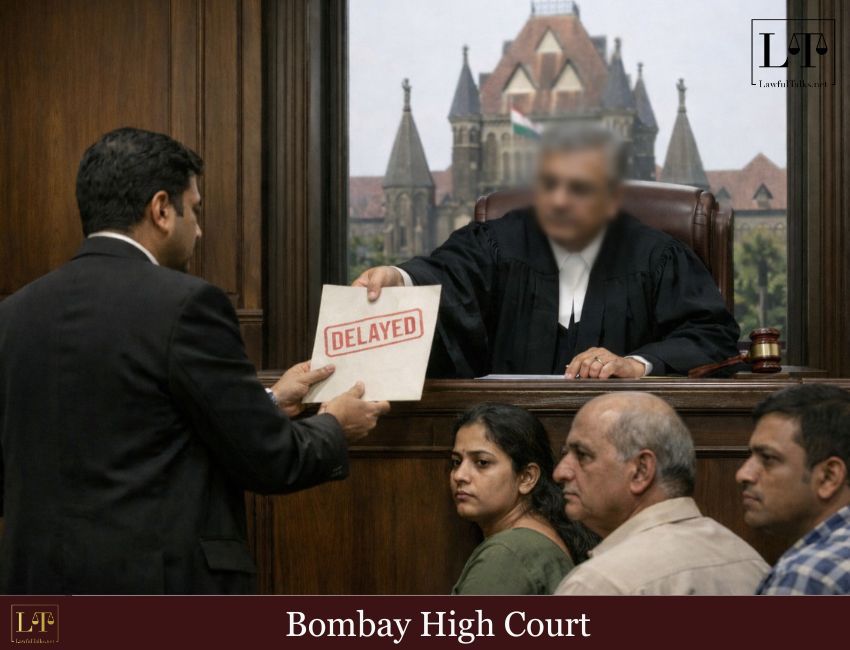
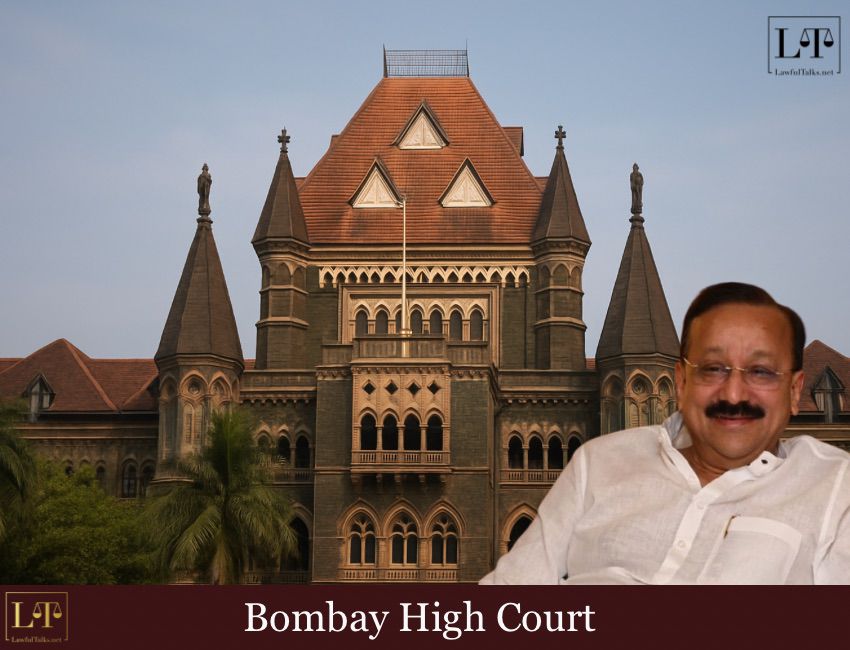
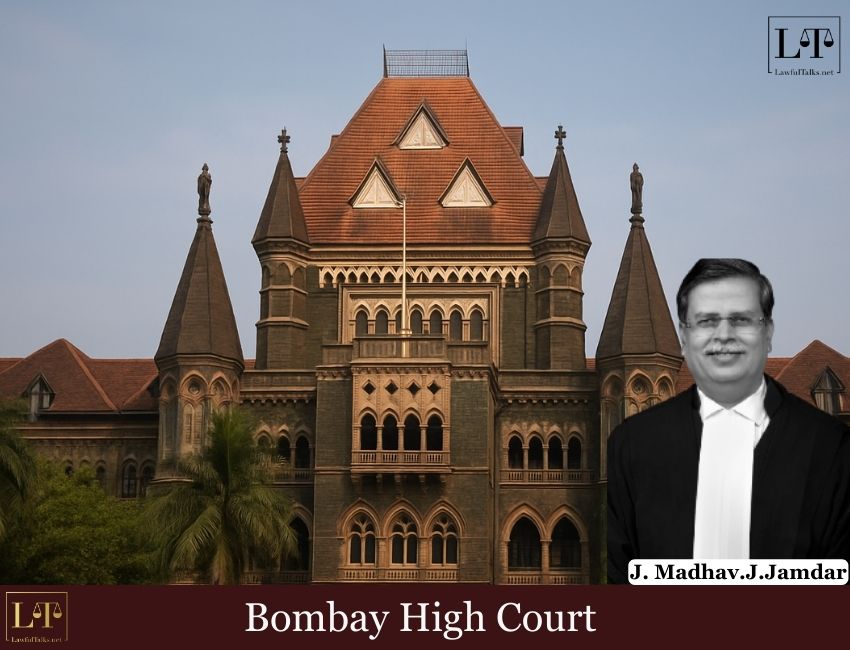
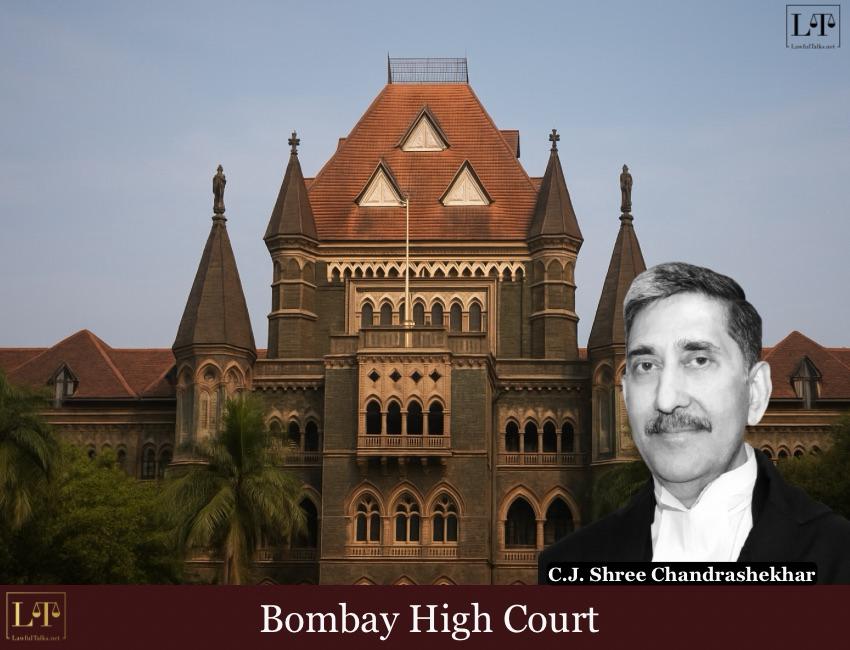
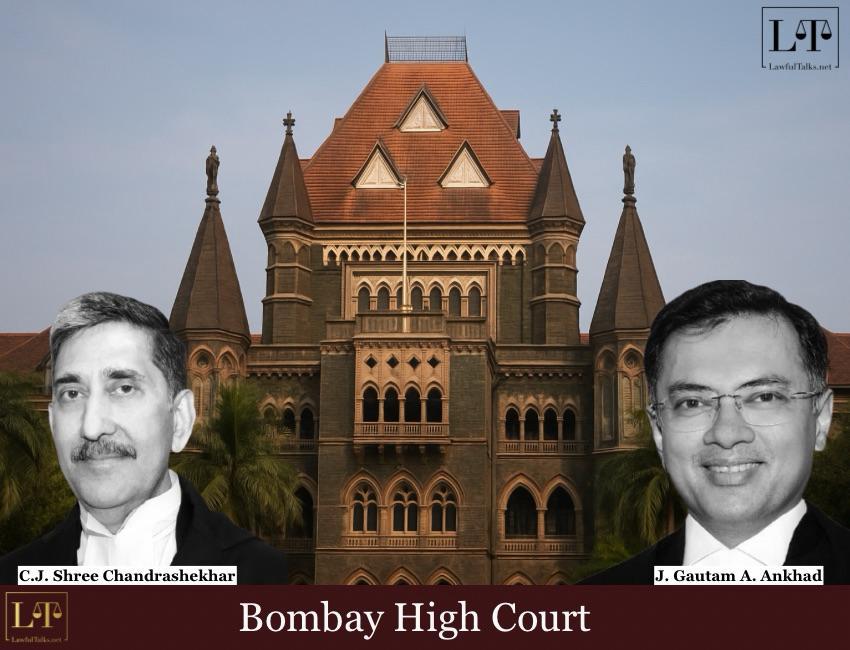
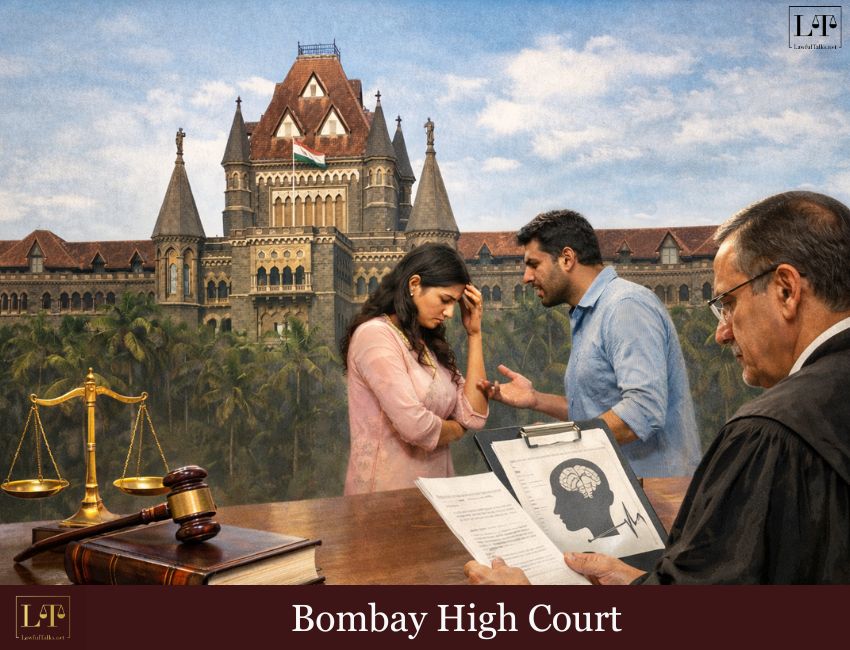
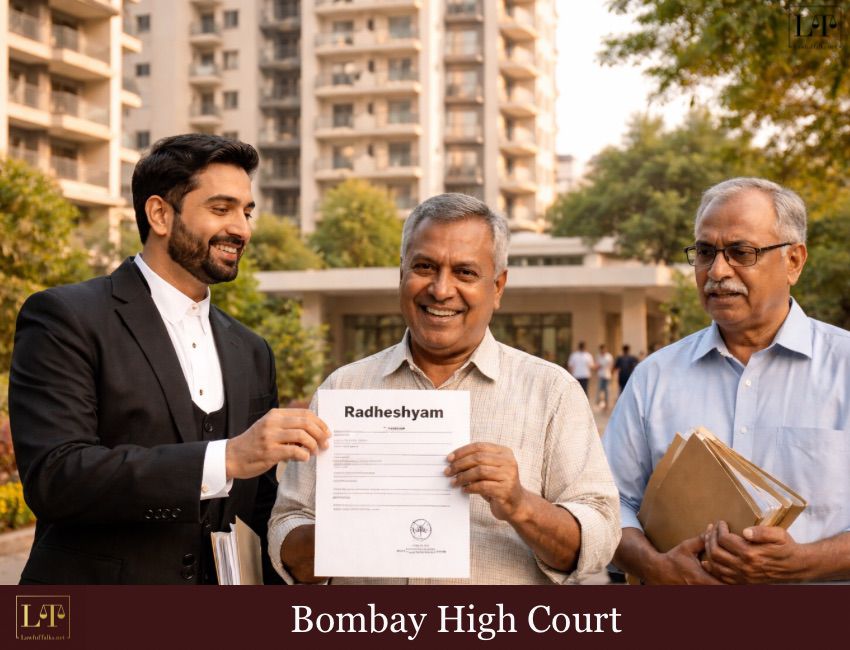
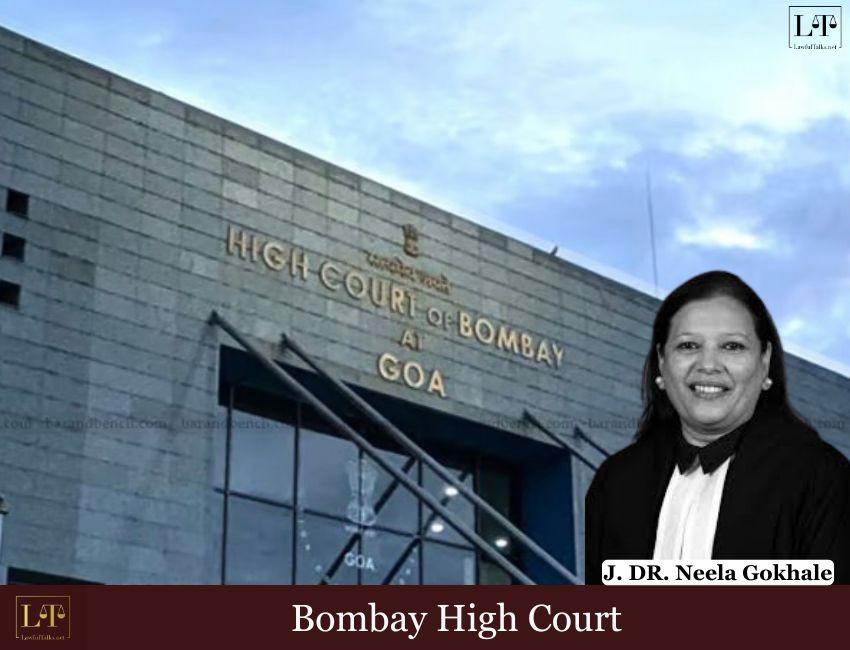
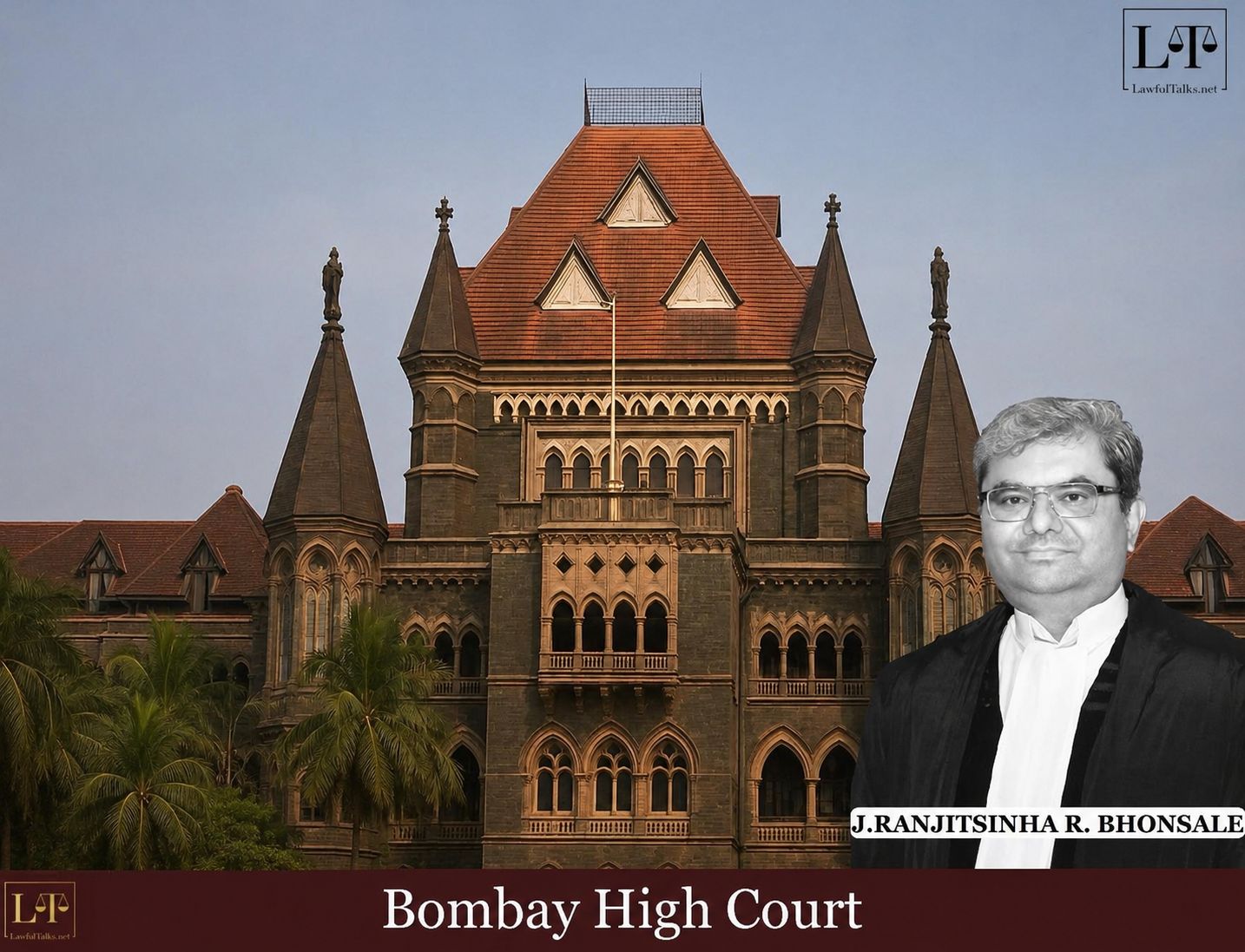
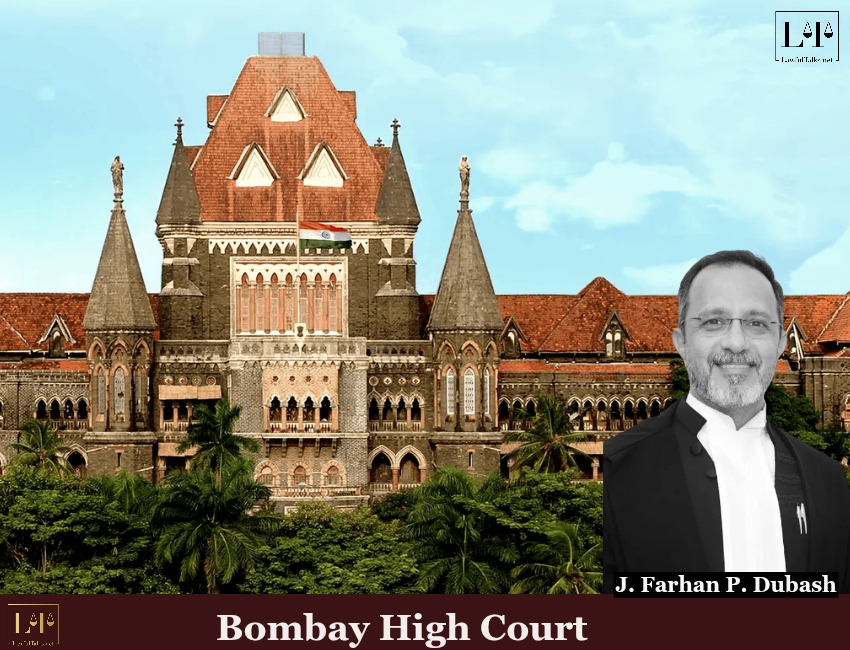
In a significant order, the Bombay High Court, strongly criticised officials in a case related to recovery proceedings under the Real Estate (Regulation and Development) Act, 2016.
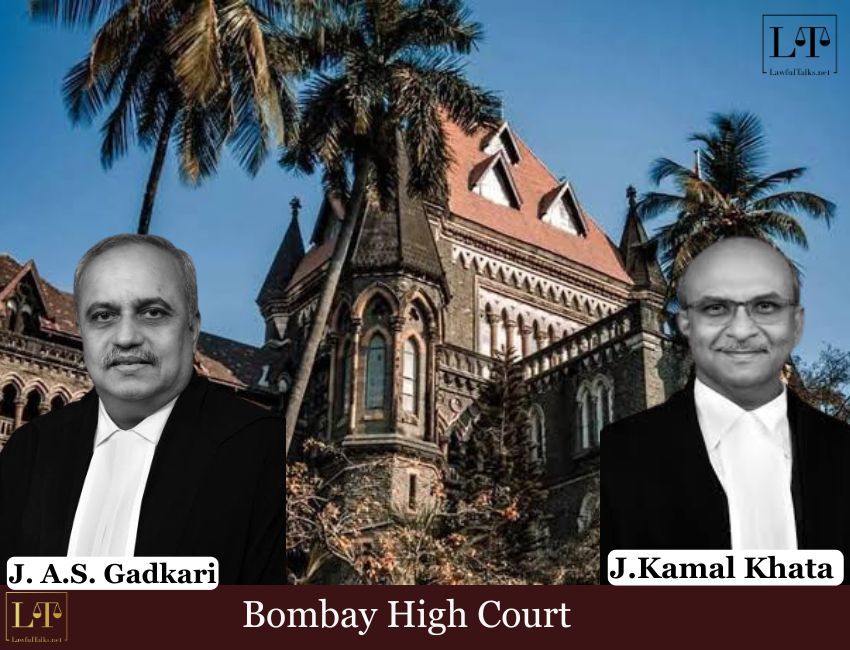
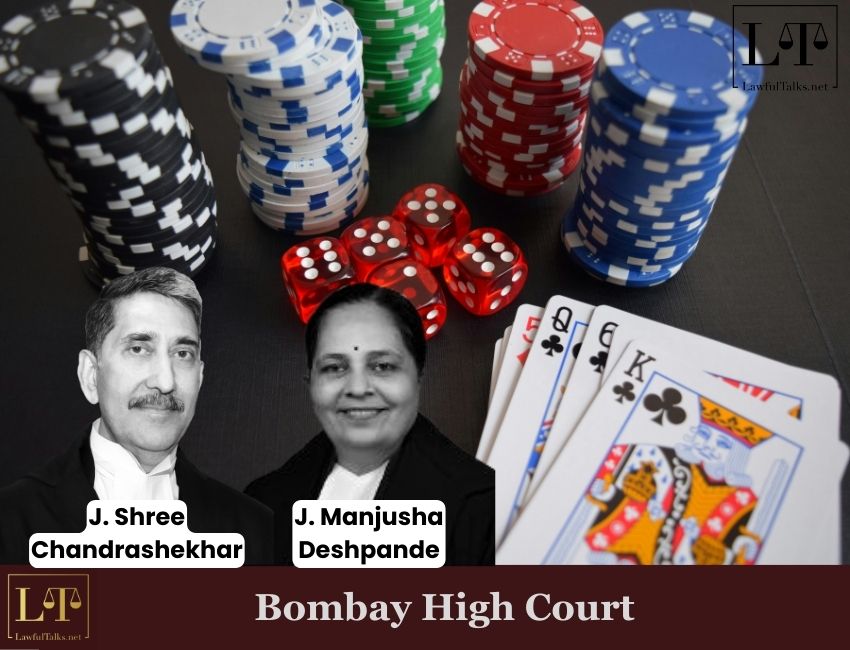
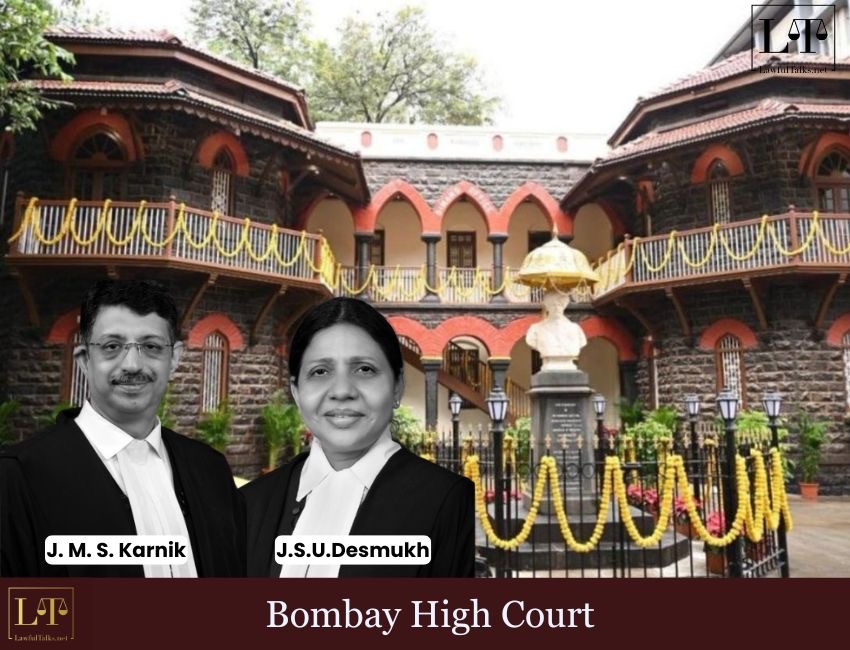
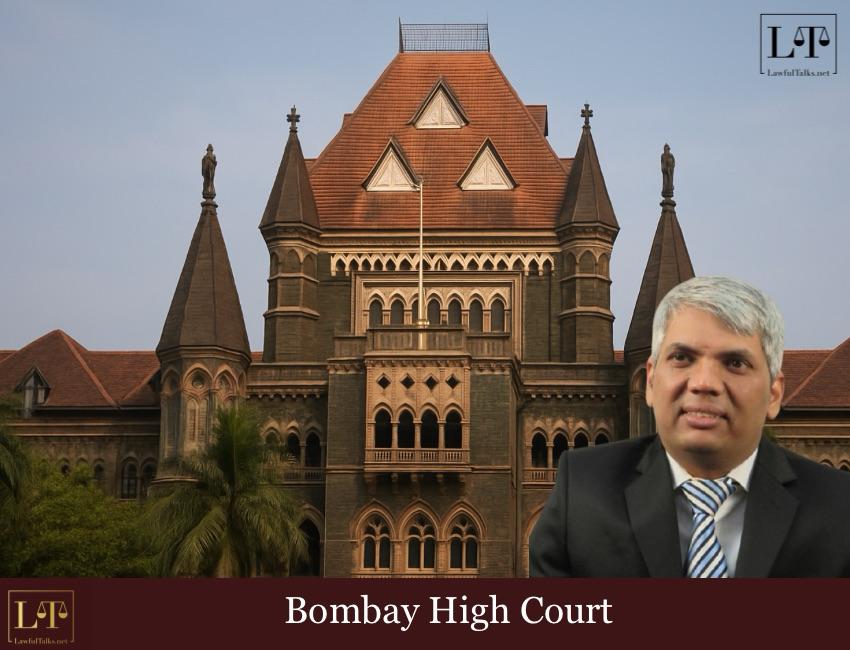
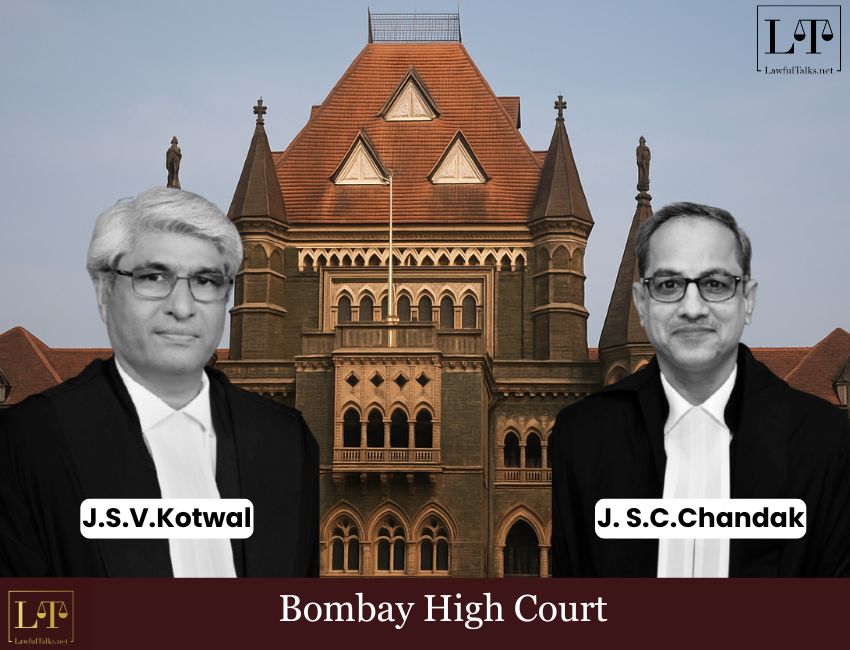
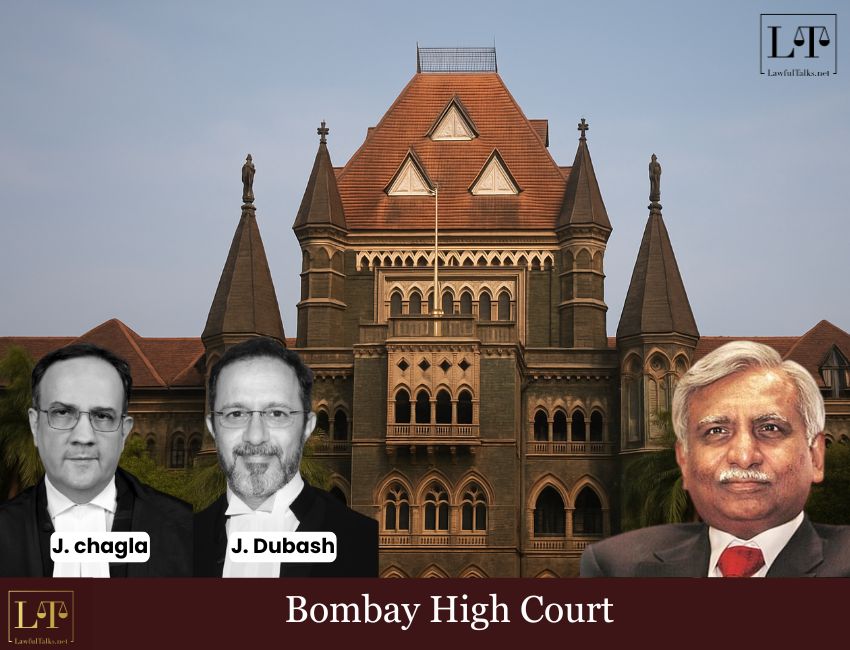
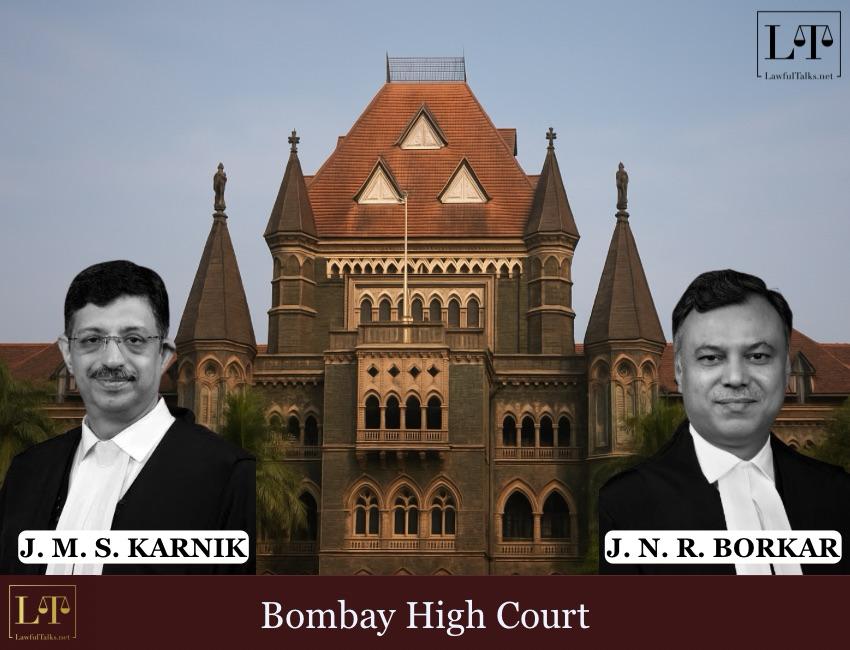
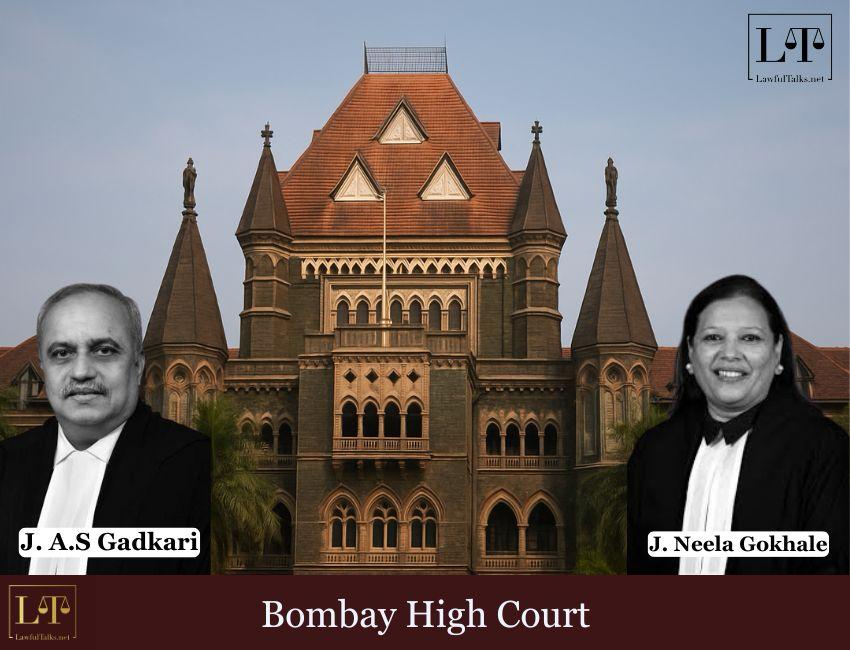
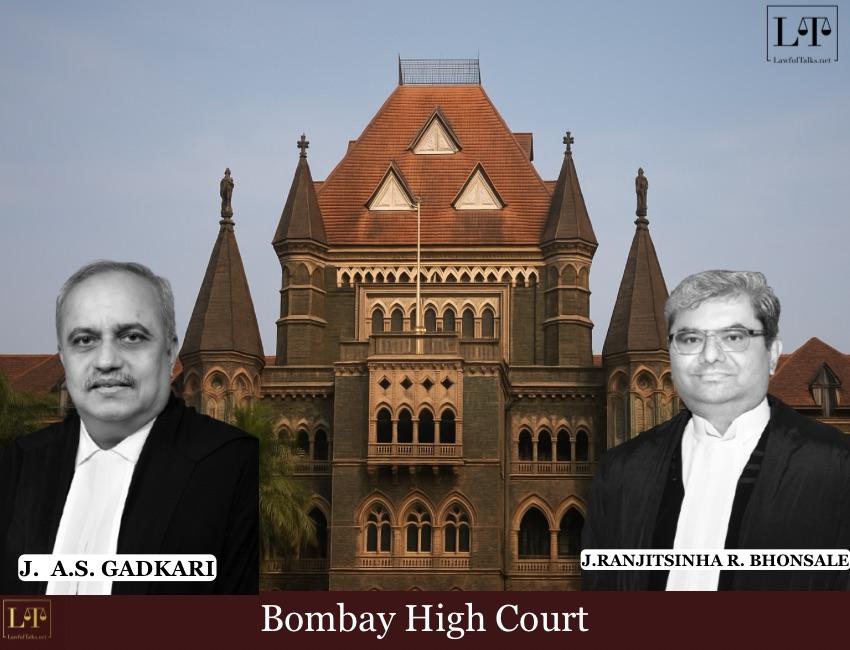
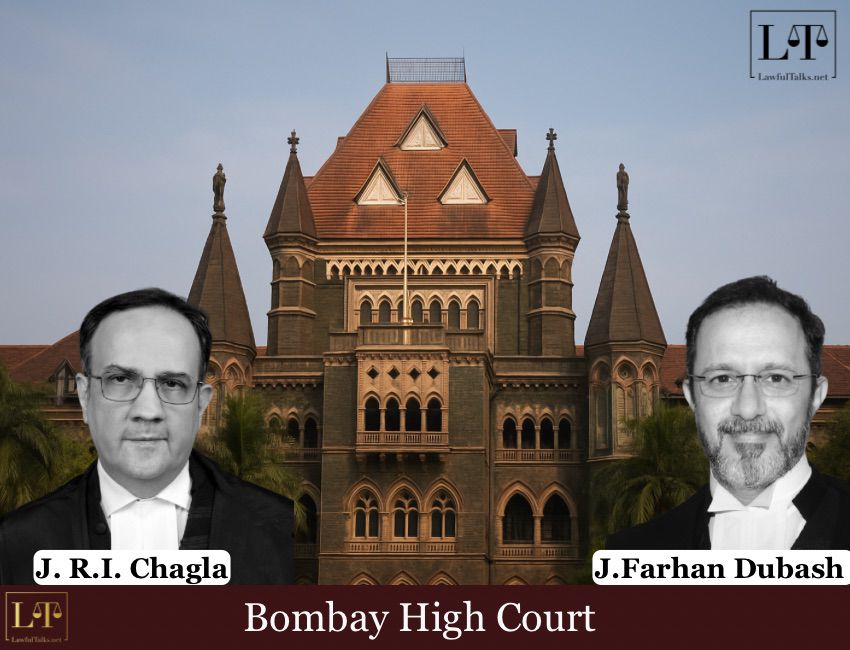
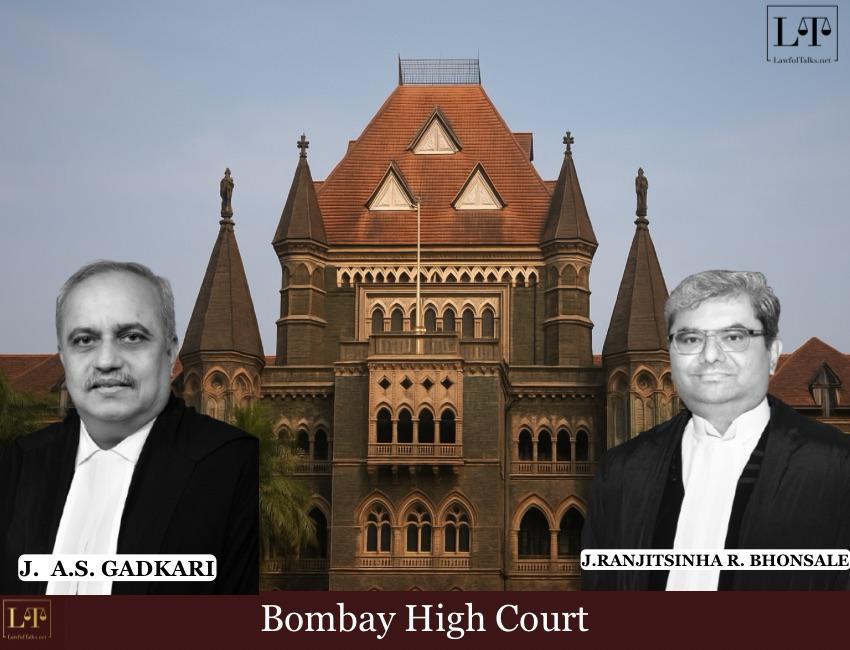
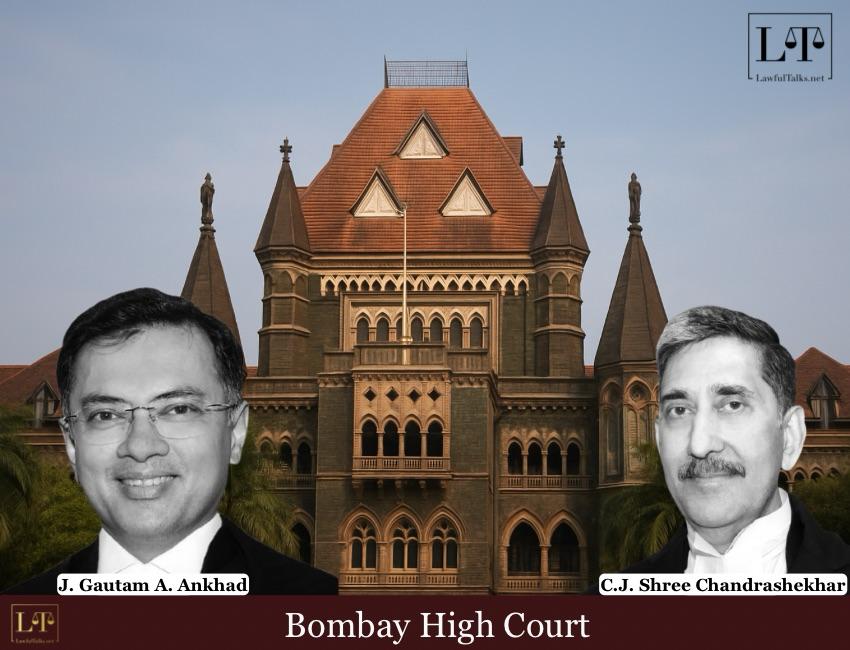
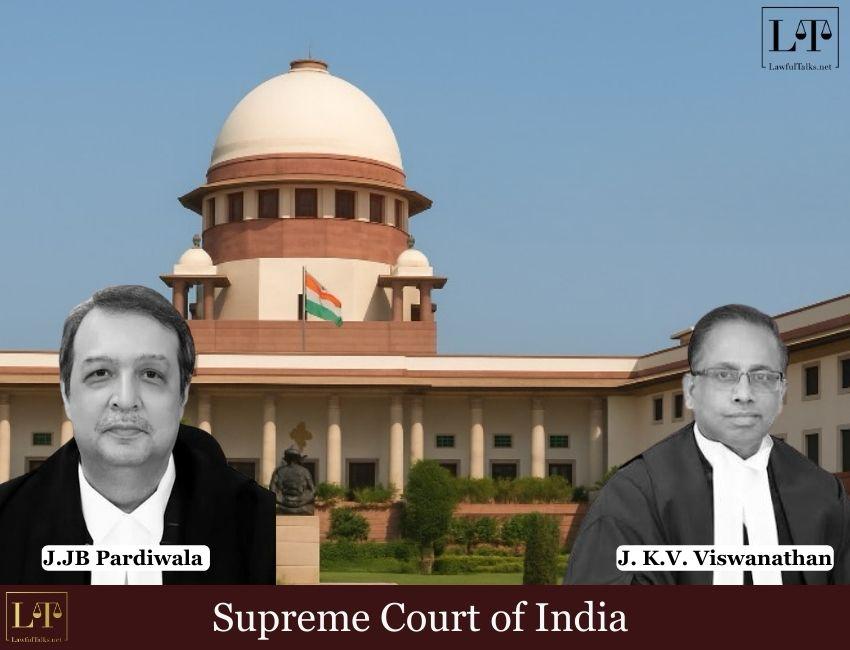
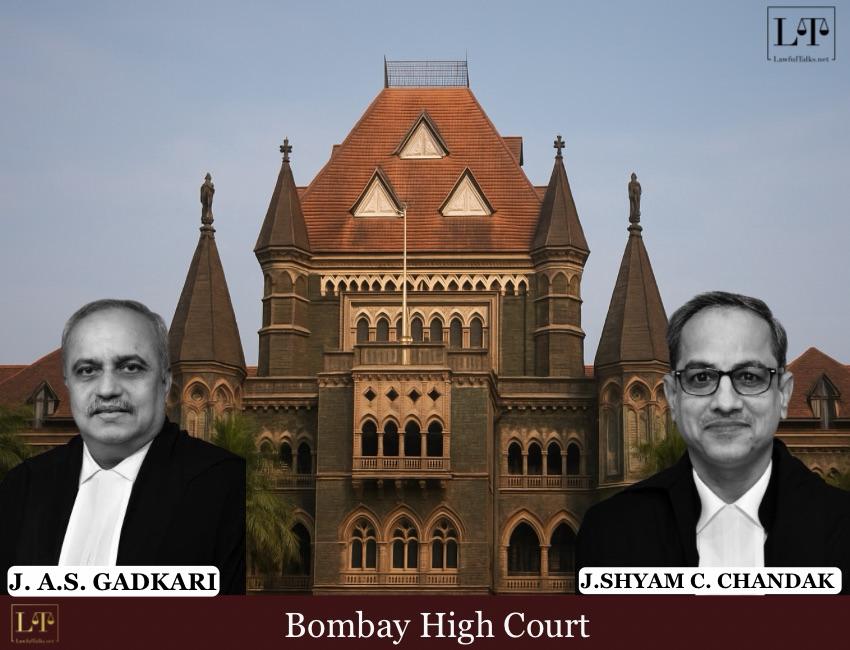
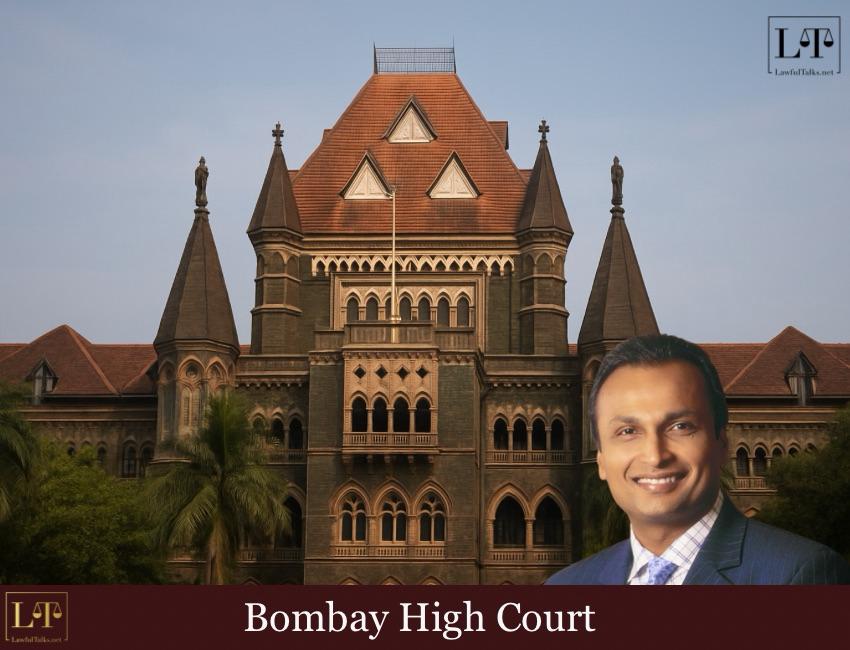
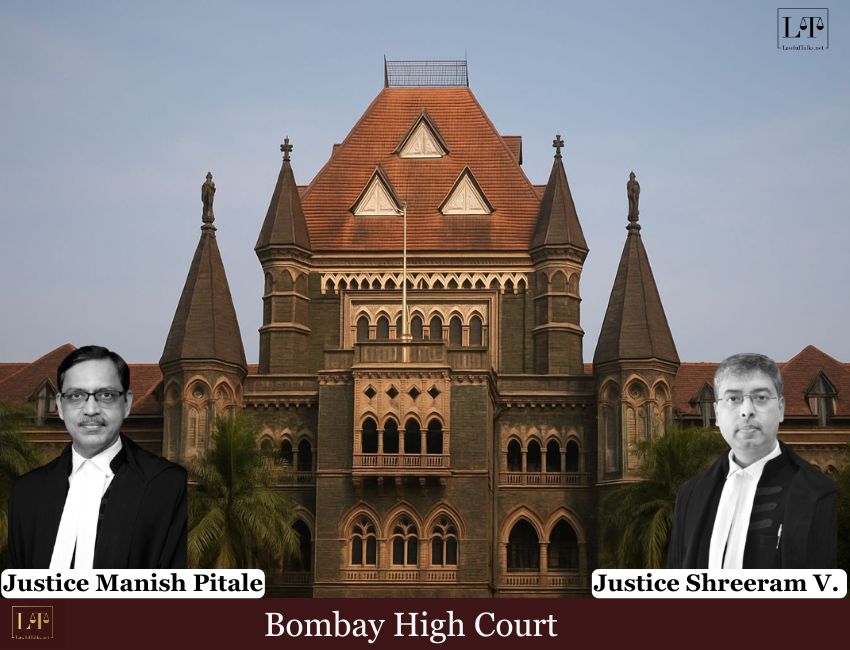
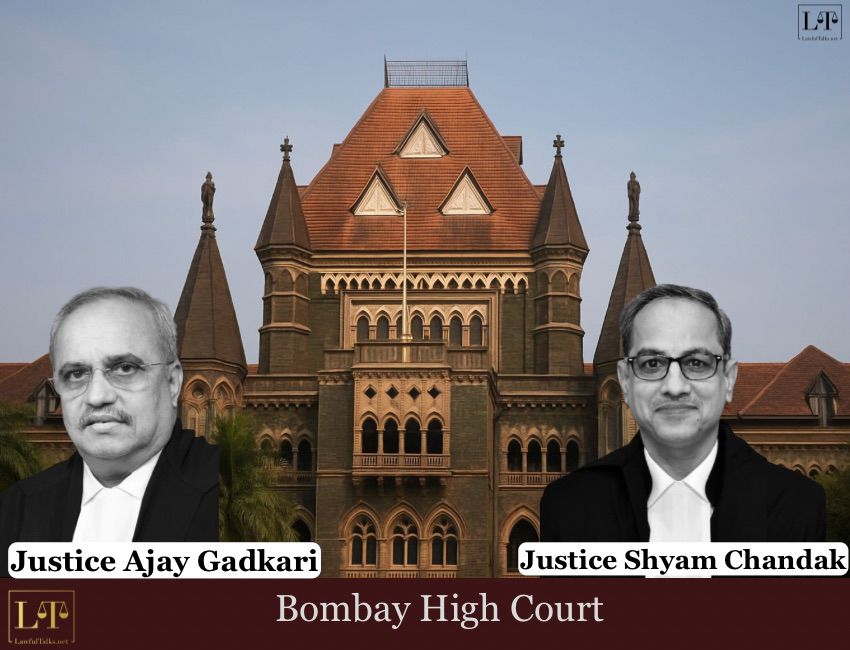
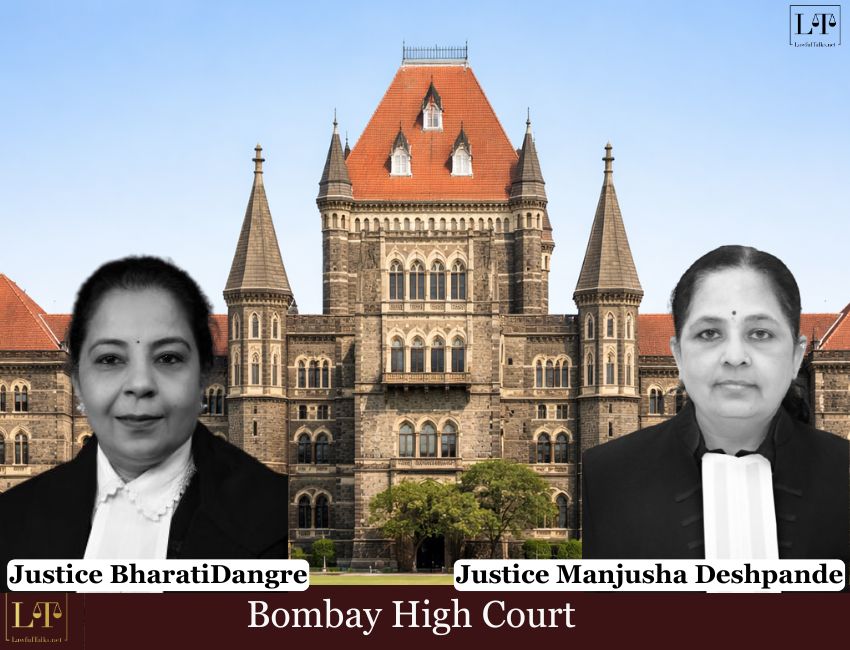
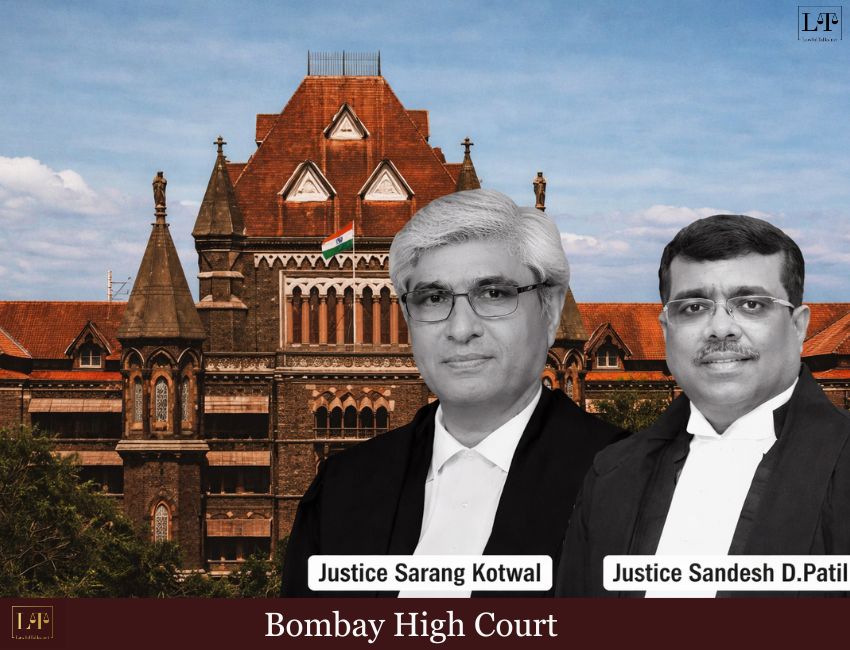
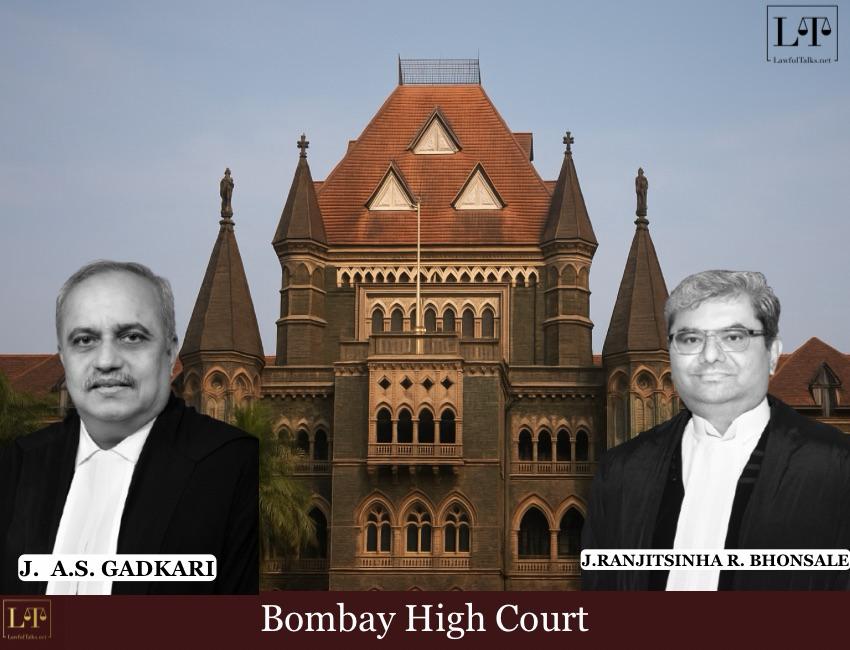
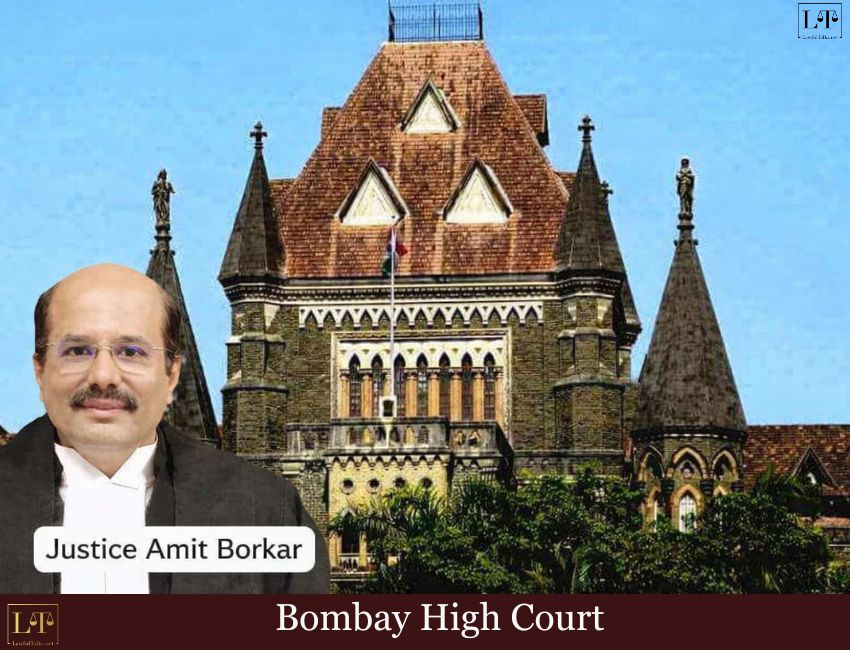
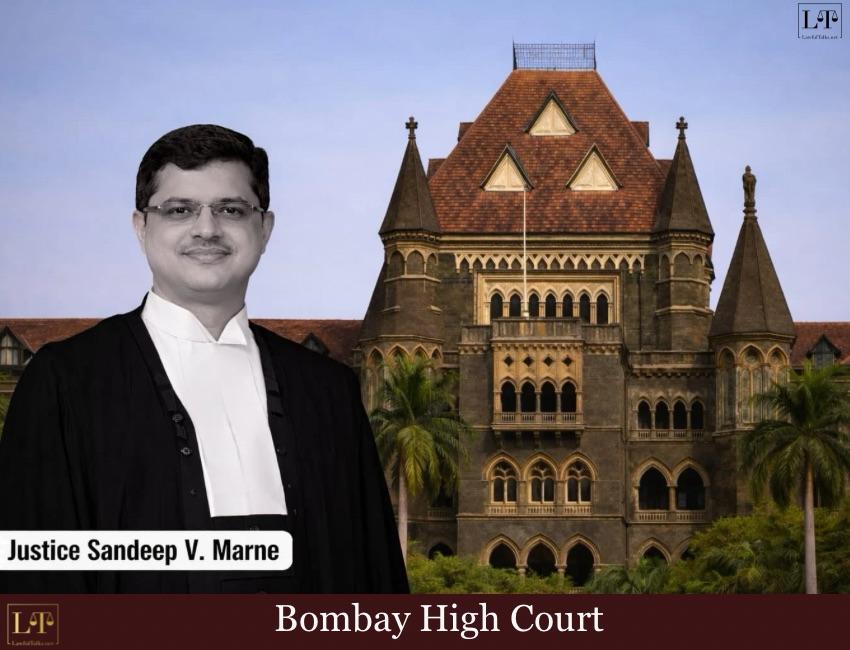
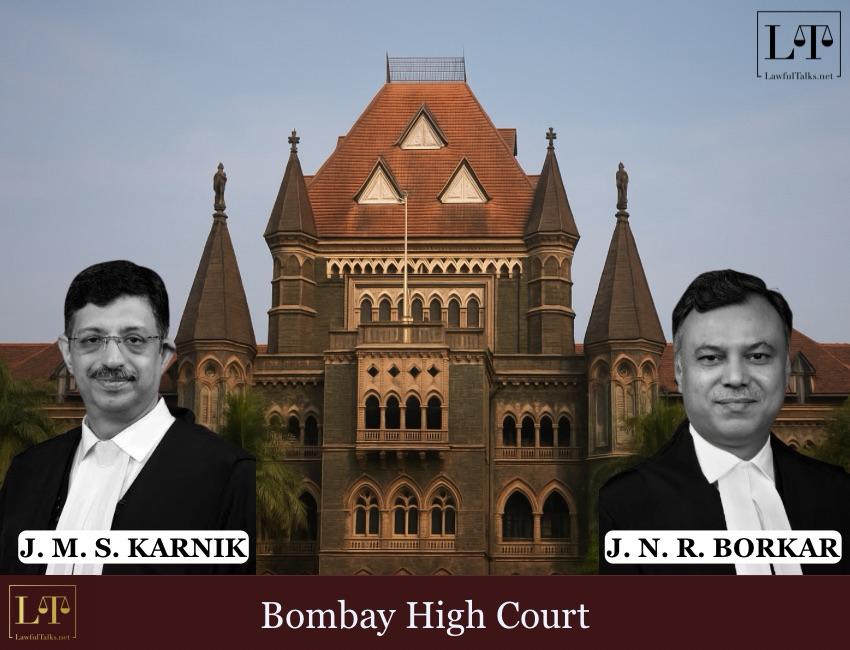
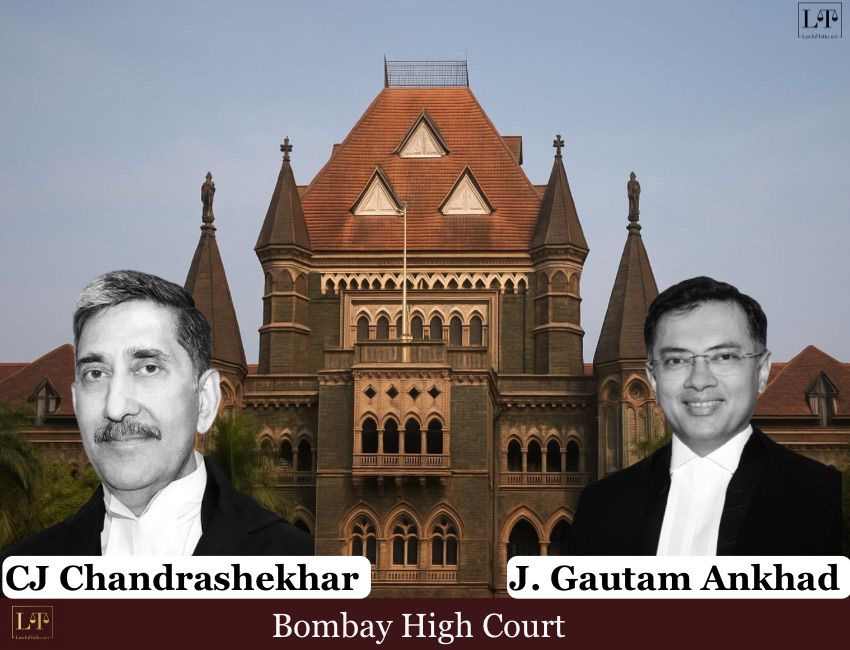
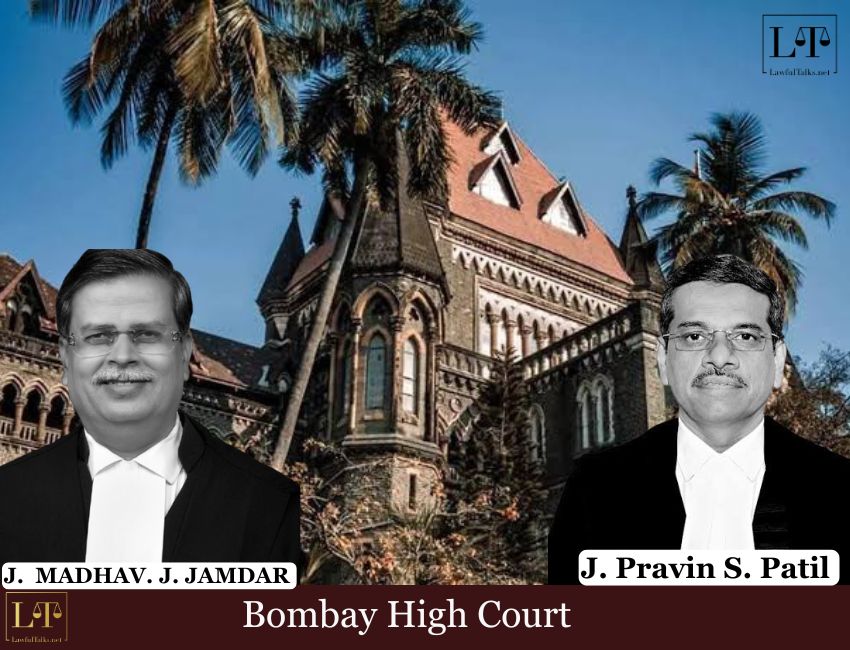
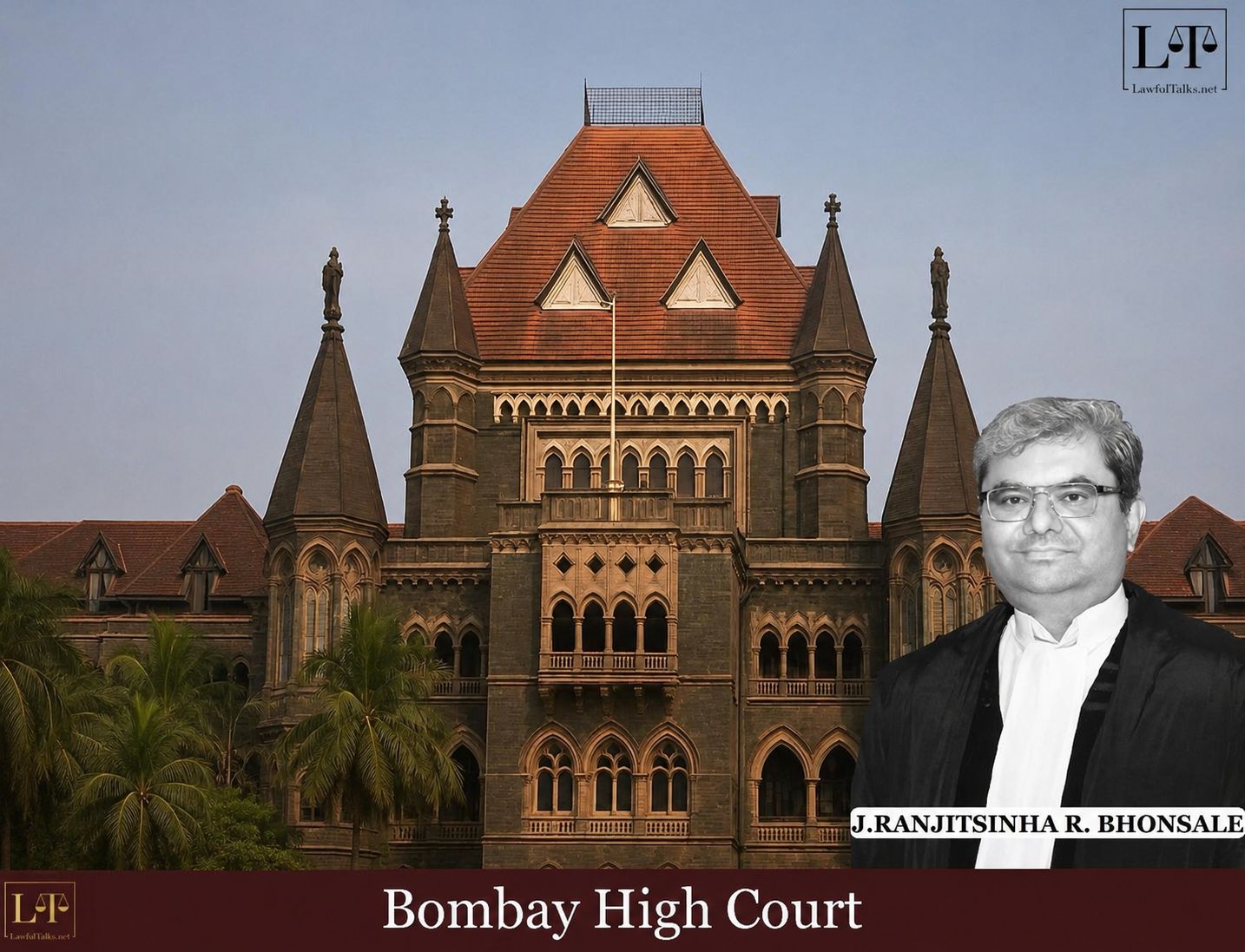
A bench of Justice A. S. Gadkari and Justice Kamal Khata found that the Court had earlier closed the matter after officials assured it that strong steps would be taken to attach Flat Nos. 405 and 407. But those steps were not taken within the promised time, forcing the petitioners to approach the Court again.
Court Relied on Earlier Assurance:
The Court said the petition was originally disposed of on 27 March 2025 based on statements and an affidavit filed by the authorities. The judges recorded that “the Petition was disposed of on the basis of the Affidavit dated 27th March, 2025” and that the earlier order accepted the statement that within three months “necessary steps in accordance with the aforesaid be undertaken” for attachment of the flats.
However, even after the deadline ended, the recovery action was still not properly carried out.
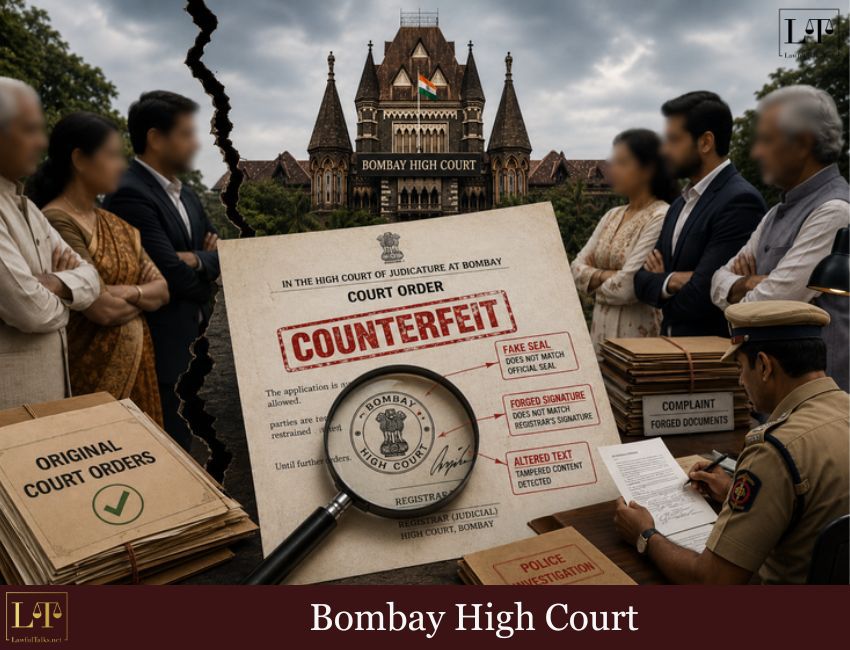
The Court also found serious problems with an affidavit dated 18 July 2025, which was filed after the petition had already been disposed of. The judges noted that a physical copy of the affidavit was found inside another petition file. The Court observed that “the filing of the physical copy appears to have been carried out surreptitiously” and said it seemed to be an attempt to avoid the earlier undertaking given to the Court.
New Facts Contradicted Earlier Stand:
A major issue arose when the Court discovered that the later affidavit mentioned a completely new fact — that the flats had already been sold to third parties in July and August 2021. This was directly contradictory to the earlier statement made before the Court when the petition was disposed of.
The Court therefore held that “the undertaking furnished was erroneous” and that the petitioners had been “severely prejudiced” because the case had been closed on incomplete and misleading facts.
The judges further said that if the officer wanted to go back on the undertaking, he should have come before the Court with the true facts and sought exemption instead of allowing the case to proceed on a false basis.
Fraud Upon the Court:
Using very strong language, the Court said the conduct amounted to “nothing short of a fraud upon the Court” and described it as a deliberate attempt to mislead the judicial process.
The Court was also critical of the filing of the affidavit without permission and the handling of court records. It observed that both the officer and the legal officer were wrong to file an affidavit in a petition that had already been disposed of.
The Court said the attempt to create a record and avoid the earlier undertaking was a misuse of the legal system. The judges also questioned the role of the registry, noting that the physical filing should never have been accepted without a specific court order after the petition had already been disposed of.
The Court said the integrity of the court record had been compromised and that such conduct could not be tolerated.
Perjury Action Justified:
The bench further observed that prosecution under Section 340 of the Criminal Procedure Code, now Section 379 of the Bharatiya Nagarik Suraksha Sanhita, was justified for offences including perjury.
Court Criticises Defence:
The Court also strongly criticised the way the case was defended. It said the concerned law officer appeared to support the delinquent party instead of helping the Court reach a fair decision.
The judgment used sharp language, stating that the practice was “strongly condemn[ed] and deprecate[d]” and that the conduct “amounts to tampering with the Court record”.
Scapegoat Remark:
The Court further noted that when it asked for the identity of the person involved in filing the affidavit, an incorrect name was given. The judges observed that a retired officer appeared to have been made a scapegoat instead of revealing the actual person responsible.
Apology Accepted, Costs Imposed:
At the same time, the Court recorded that unconditional apologies were later tendered.
On 22 April 2026, the Government Pleader appeared before the Court and tendered an unconditional apology on behalf of the law officer. The officer concerned also apologised unconditionally and assured the Court that such a mistake would not happen again.
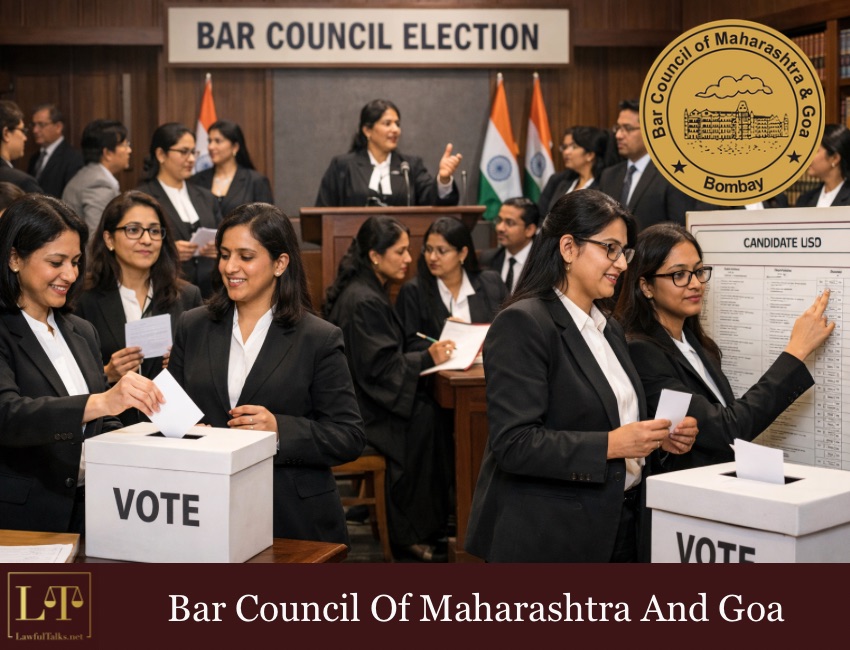
Taking this into account, the Court accepted the apology of the Government Pleader. However, it still imposed costs on the Tehsildar and directed him to pay an amount equal to six months’ salary to the Bar Council of Maharashtra and Goa’s Advocate Academy and Research Center within four weeks.
The Court then disposed of the interim application, restored the petition, and directed that the matter be listed again on 15 June 2026.
Case Details: Ms. Kiran Thaokar vs. The Tehasildar and Ors (Interim Application (ST) no. 36293 of 2025





















































































































































Sign up for free and be the first to get notified about curated content just for you.