
 By
By 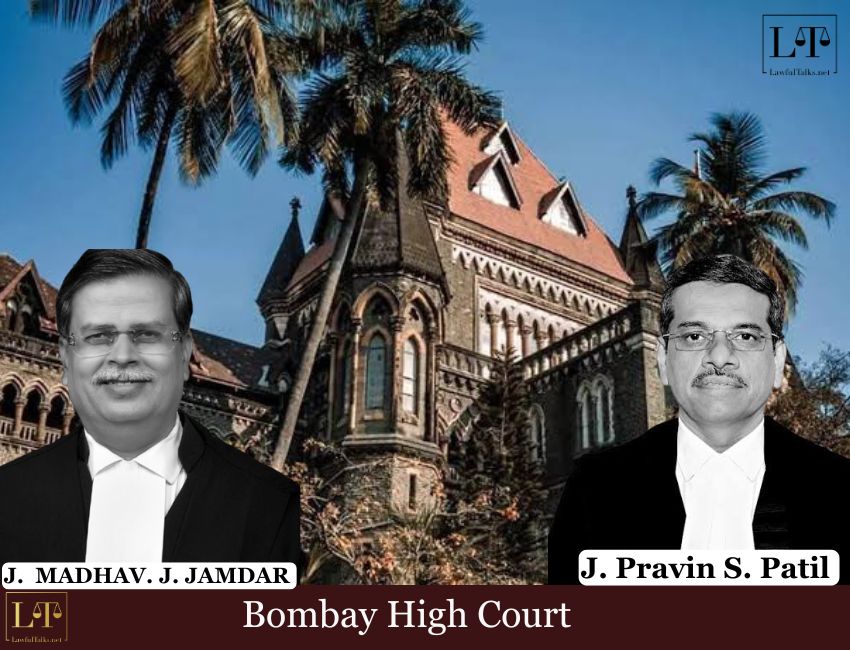
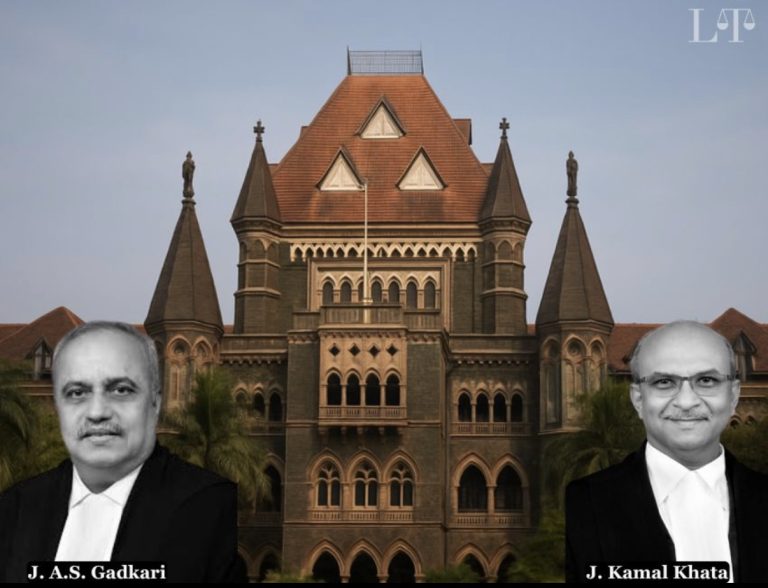
The Bombay High Court recently heard a group of petitions filed by several schools against two Government Resolutions issued by the Maharashtra Government on 01.04.2026 and 02.04.2026. The case was decided by Justice Madhav J. Jamdar and Justice Pravin S. Patil.
Challenge To Government Resolutions:
Under these resolutions, the State Government permanently stopped certain primary and secondary schools from getting grant-in-aid. The Government also directed these schools to apply under the Maharashtra Self-Financed Schools (Establishment and Regulation) Act, 2012. The resolutions further said that if the schools did not apply under that Act, their recognition would automatically be cancelled.
The schools challenged these resolutions before the Court. They argued that the Government took such a serious decision without first giving them a hearing. They also said that the resolutions were arbitrary, had no proper reasons, and violated the principles of natural justice.
Grant Policy Procedure:
The Court examined the Government Resolution dated 15.11.2011, which laid down the process for deciding whether schools should receive grant-in-aid. The Bench noted that this policy had created district-level committees and verification committees to assess schools. The policy also stated that if a school failed to meet the required standards for three continuous years, it could be disqualified from getting grants.
However, the Court found that there was no proper material to show that the schools which filed the petitions were individually assessed or given a hearing before the 2026 resolutions were passed. Because of this, the Bench held that the State had not followed the fair procedure required under its own policy.
Impact On Students And Teachers:
The Court gave special importance to the effect of the State’s decision on students, teachers, and schools that had been running for many years. It observed that these were recognised schools with staff and students, including many children from rural and poor families.
The Bench said the authorities did not properly consider important practical issues, such as what would happen to the students and teachers, whether nearby schools were available to take the students, and whether the students would be able to continue studying in the same medium of instruction in another school.
Need For Hearing
On this issue, the Court observed:
“In our considered opinion, before taking such decision, the respective schools and the teachers as well as students, who are prosecuting their studies in the schools, the fate of staff working in the schools, whether there are availability of neighboring schools to absorb the students ought to have been looked into the matter and for this purpose, hearing opportunity ought to have been granted to them”.
The Bench further held:
“it is absolutely necessary for the Government to conduct the individual hearing of each schools before taking any drastic action against them by at least adopting the procedure which is contemplated under the Government Resolution dated 15.11.2011”.
Rule Of Law:
The Court also relied on the Supreme Court’s judgment in S.G. Jaysinghani v. Union of India and quoted the principle that:
“the absence of arbitrary power is the first essential of the rule of law”.
The Court also referred to the Supreme Court’s observation that in a system governed by rule of law:
“discretion, when conferred upon executive authorities, must be confined within clearly defined limits”.
The judgment further quoted:
“must be governed by Rule, not by humour: it must not be arbitrary, vague, and fanciful”.
Self-Finance Direction Rejected:
The Court also rejected the State’s direction forcing schools to apply under the Self-Finance Act. The bench observed:
“it is the prerogative of the management for moving an application to the State Government to start the schools under the provisions of Self-Finance Act”
and further held that:
“by executing order, statutory provisions can not be over-ride”.
According to the Court, the Government could not directly force schools to become self-financed institutions without following the legal process for cancelling their recognition. The Bench also noted that there was no proper material to show that the schools were informed about any adverse decision before the disqualification orders were passed.
Court’s Final Order:
In the end, the Court held that the Government Resolutions dated 01.04.2026 and 02.04.2026, violated the principles of natural justice so far as the petitioning schools were concerned.
The Bench directed the State Government to remove the names of the petitioner institutions from the published disqualification list.
The Court also clarified that the petitioners would continue running their schools and that no action under those resolutions could be taken against them.
The petitions were disposed of without any order as to costs.