“Registrar General Could Not Act Alone: SC Strikes Down Entire Judge Disciplinary Process”

- May 19, 2026


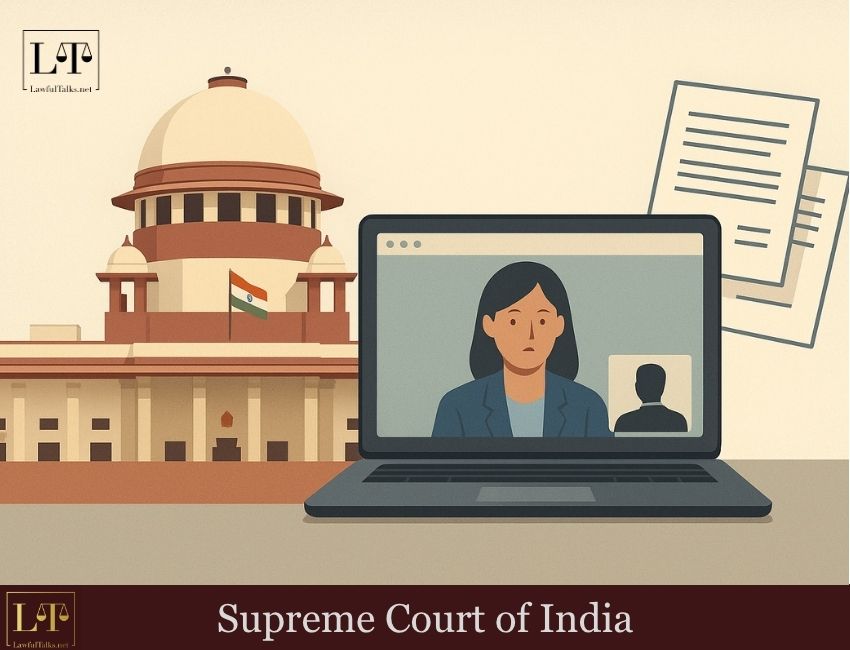
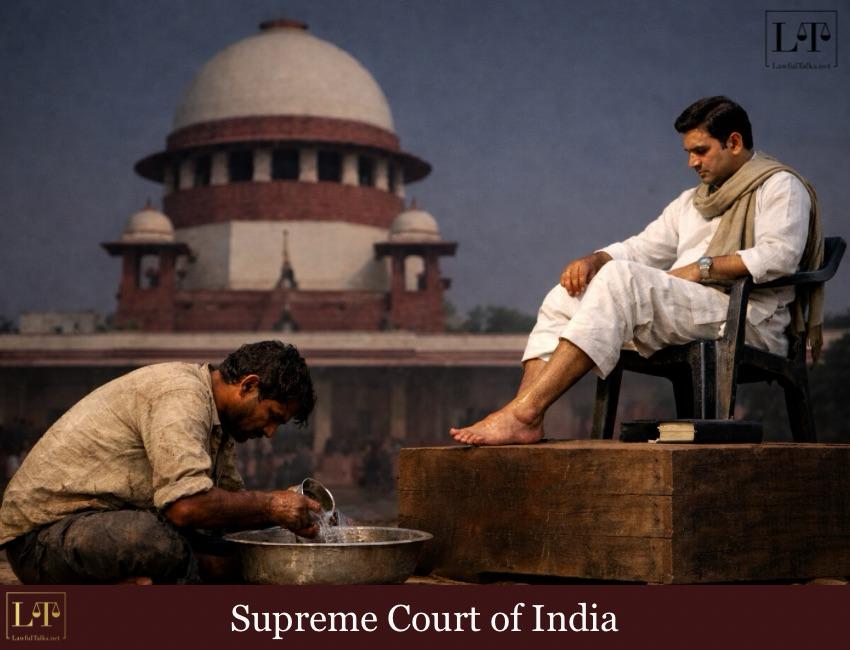
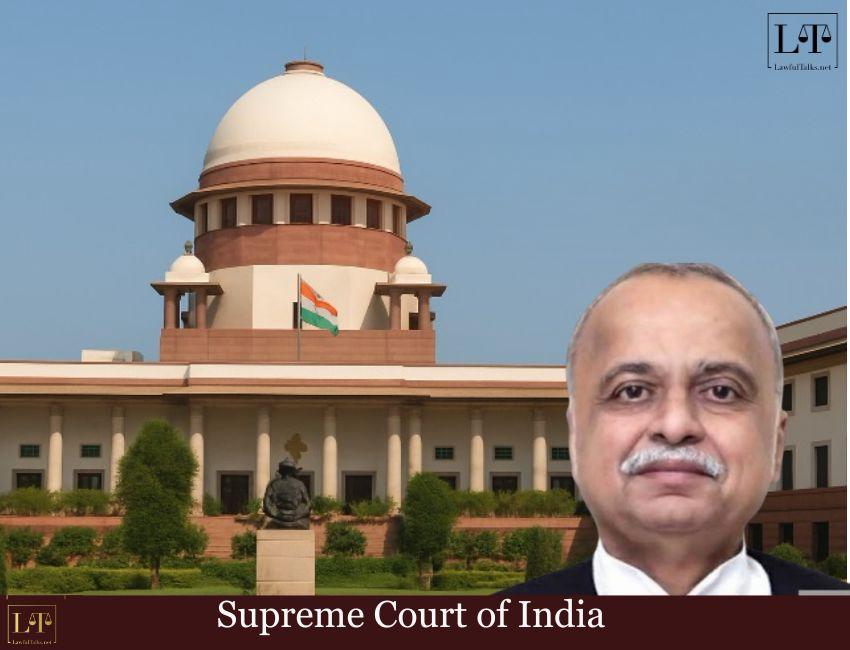
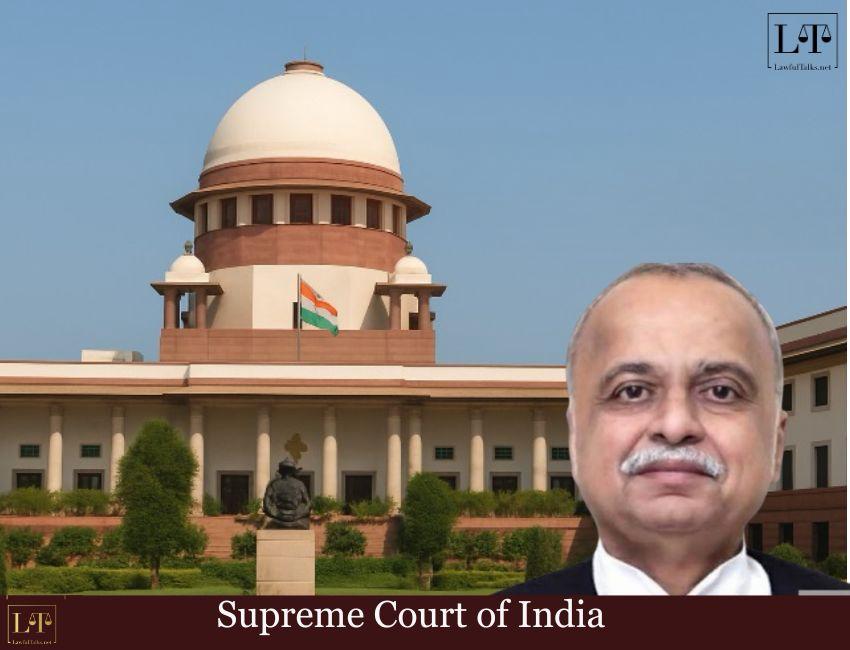
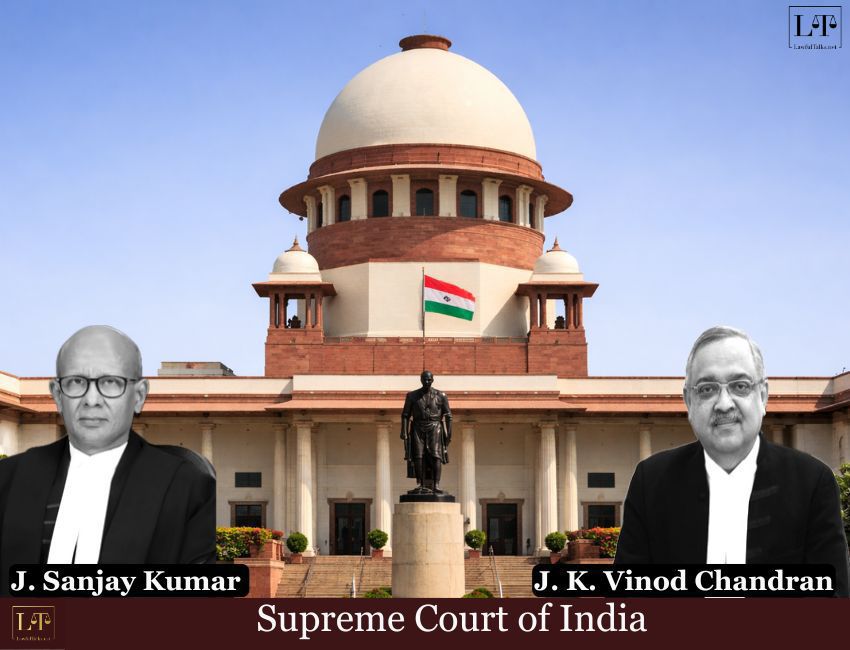
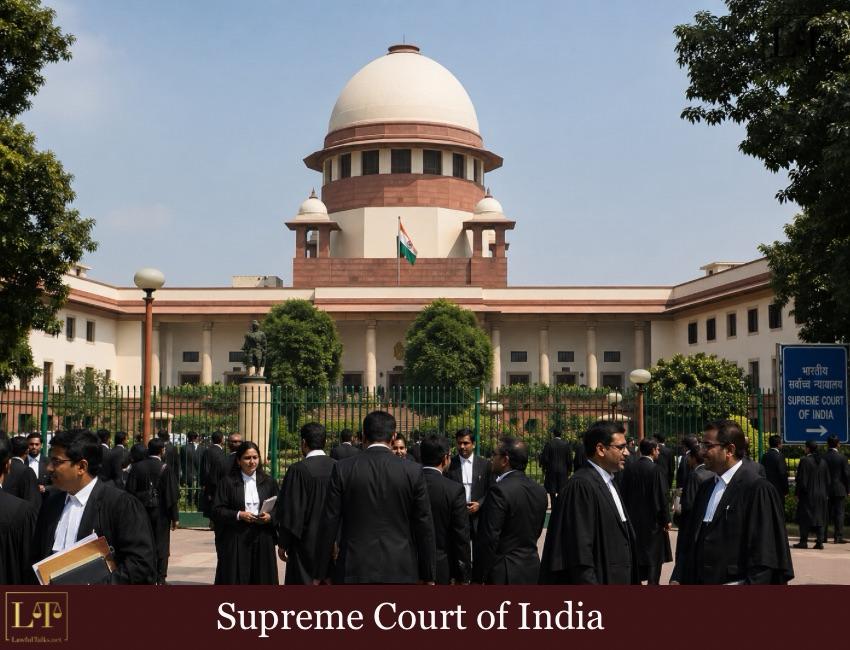
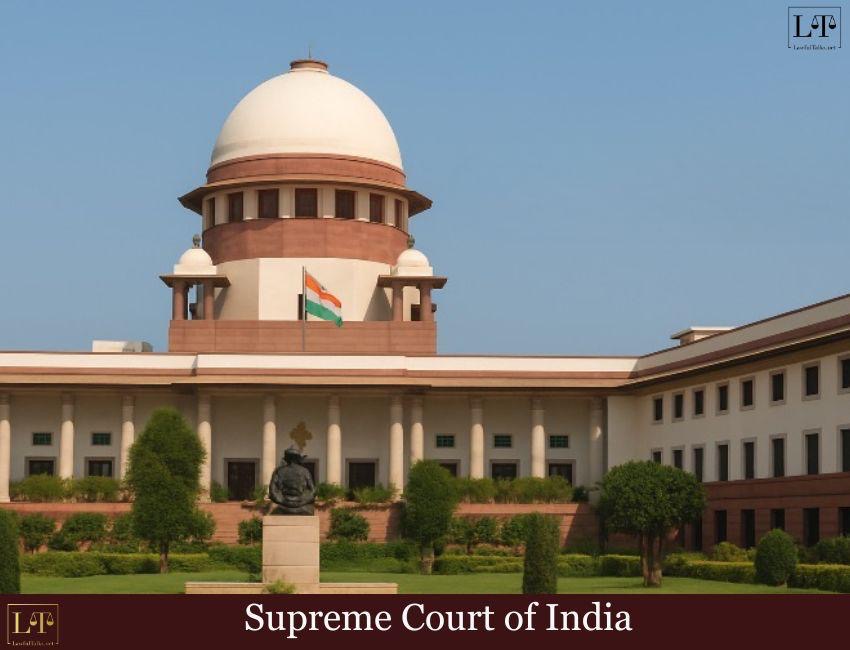
The Supreme Court has clarified that disciplinary action against a judicial officer can be initiated only with the approval of the Chief Justice of the High Court or a committee of judges designated by the Chief Justice. The court held that the Registrar General has no independent authority to launch such proceedings on their own.
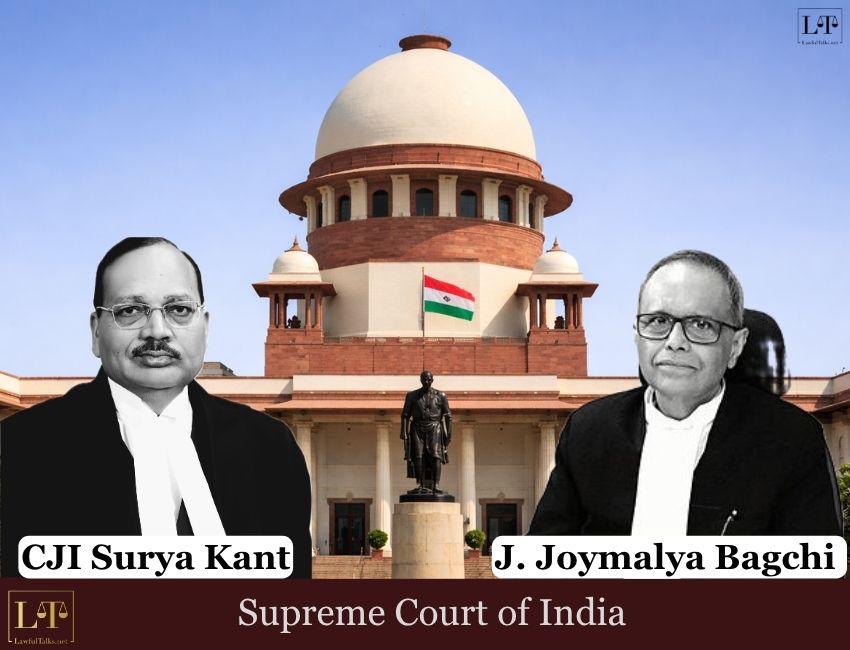
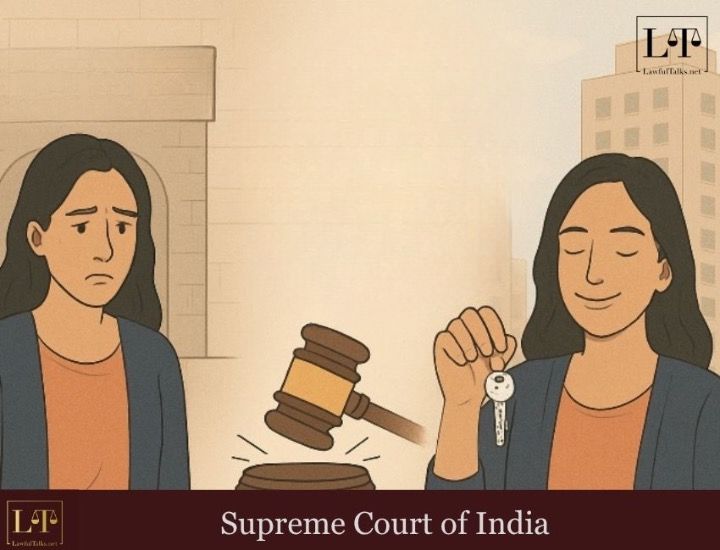
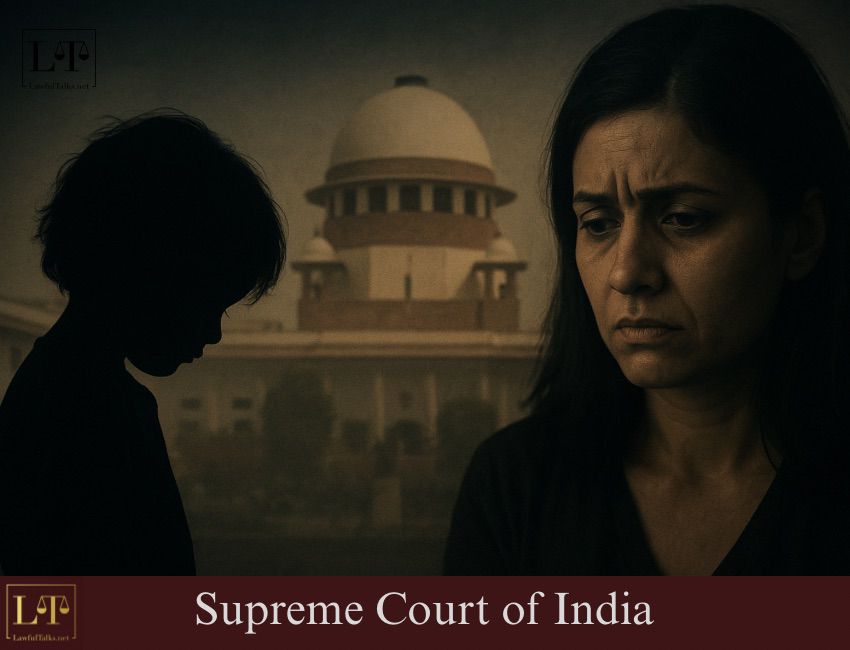
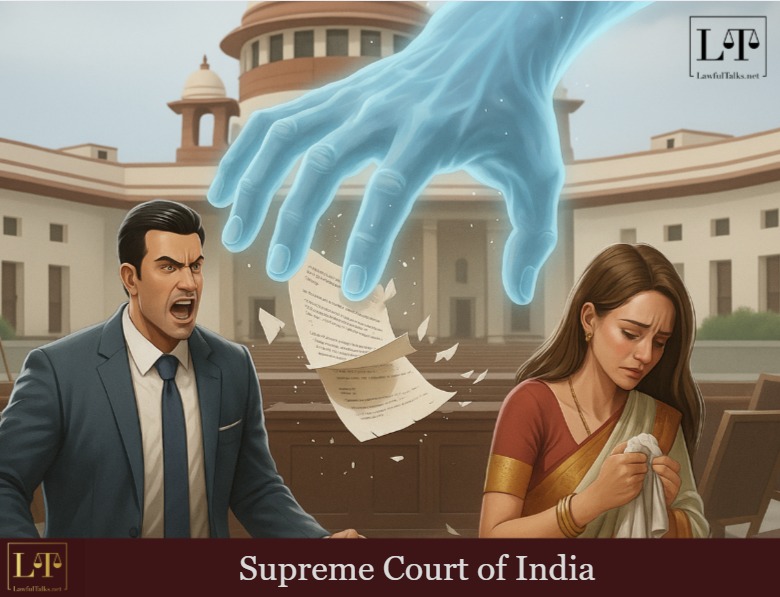
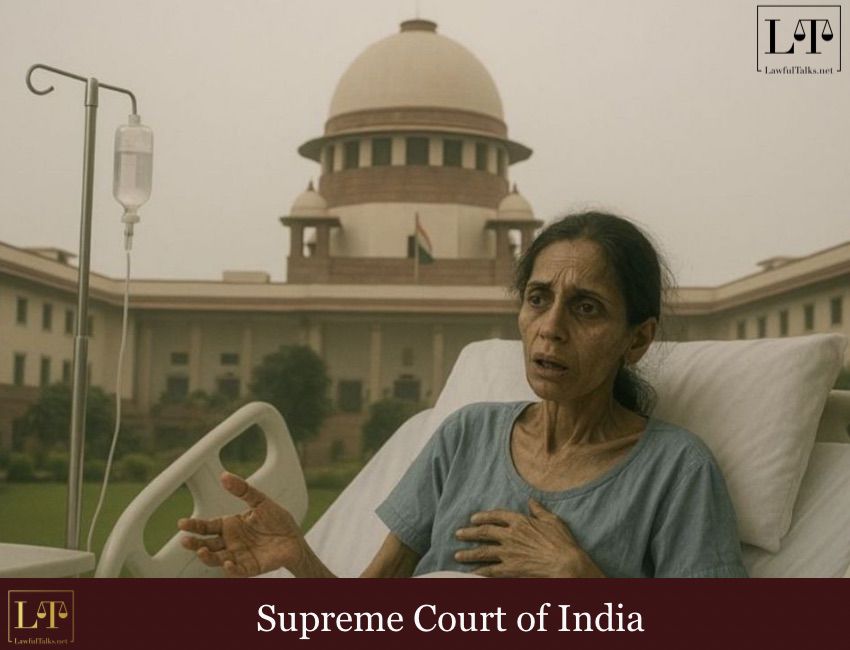
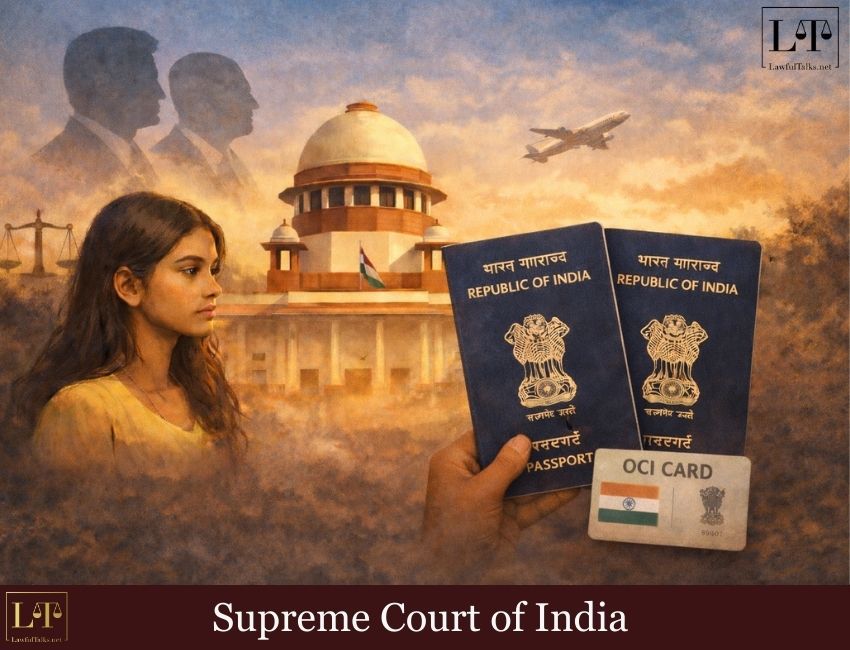
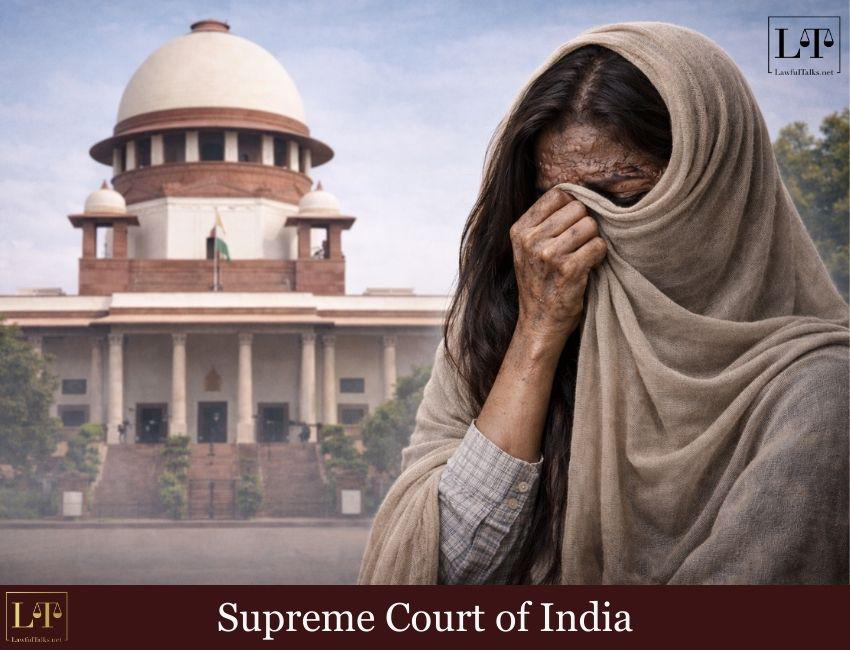
The ruling came while the Court was hearing the case of a Civil Judge from Uttarakhand, who had been dismissed after an internal inquiry into allegations that she had mistreated a minor girl working as domestic help at her residence.
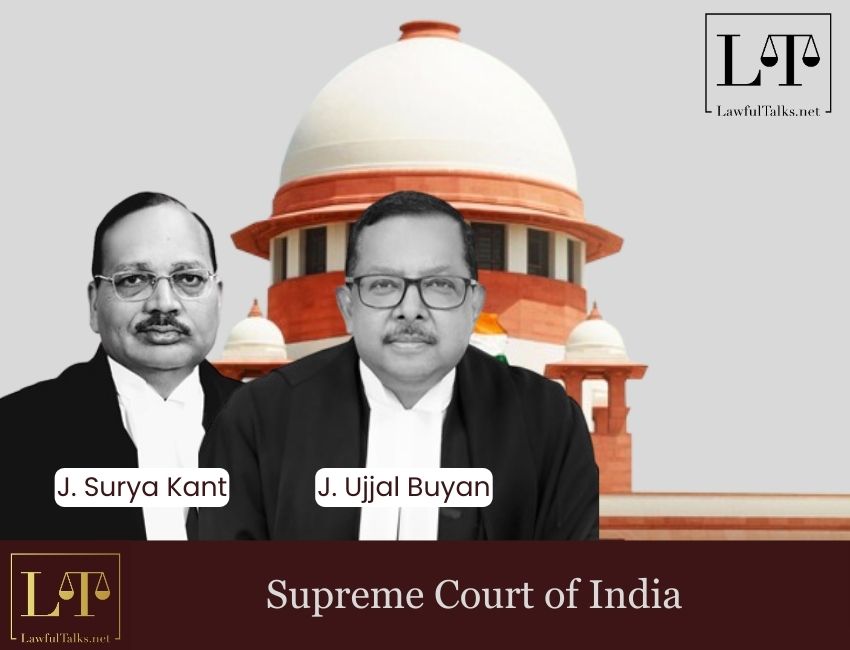
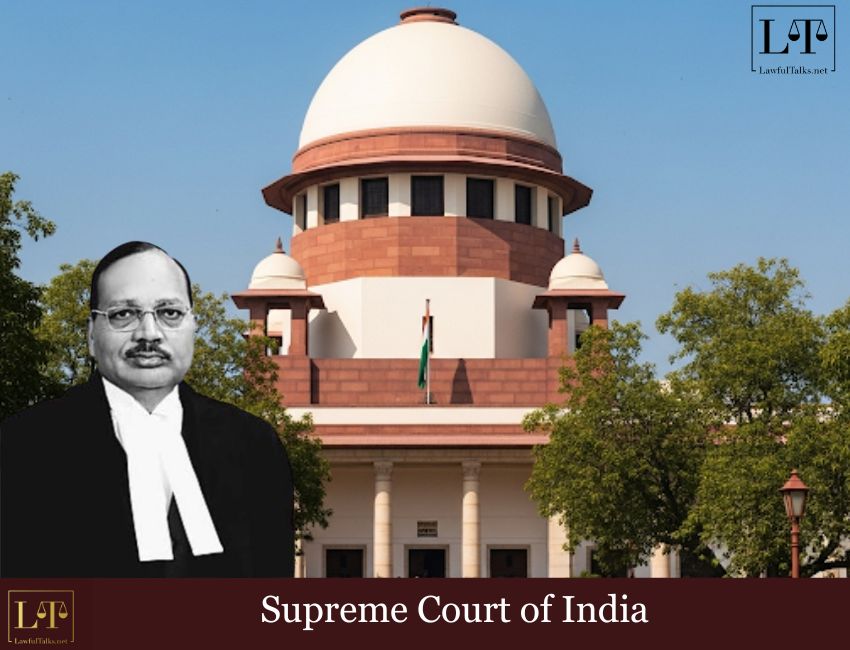
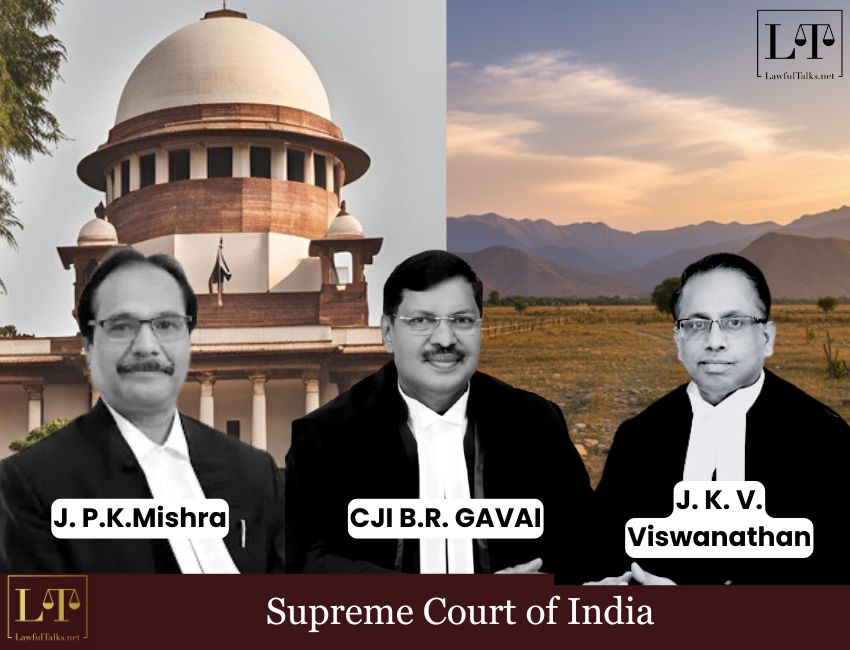
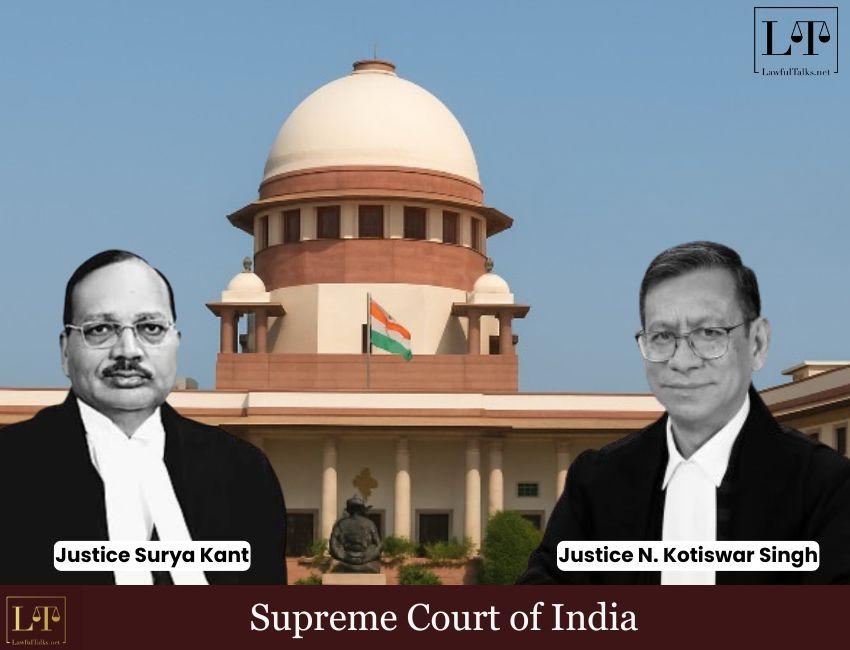
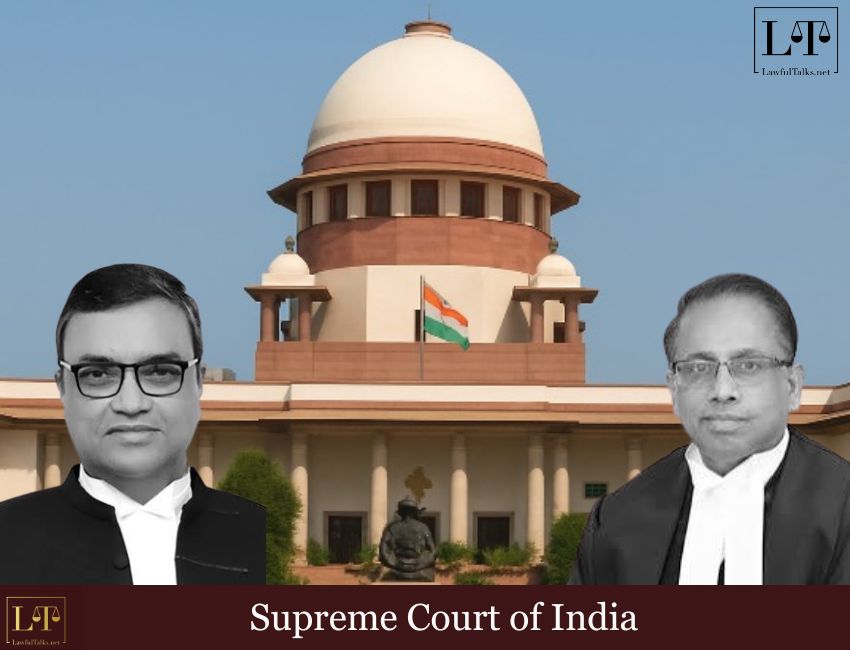
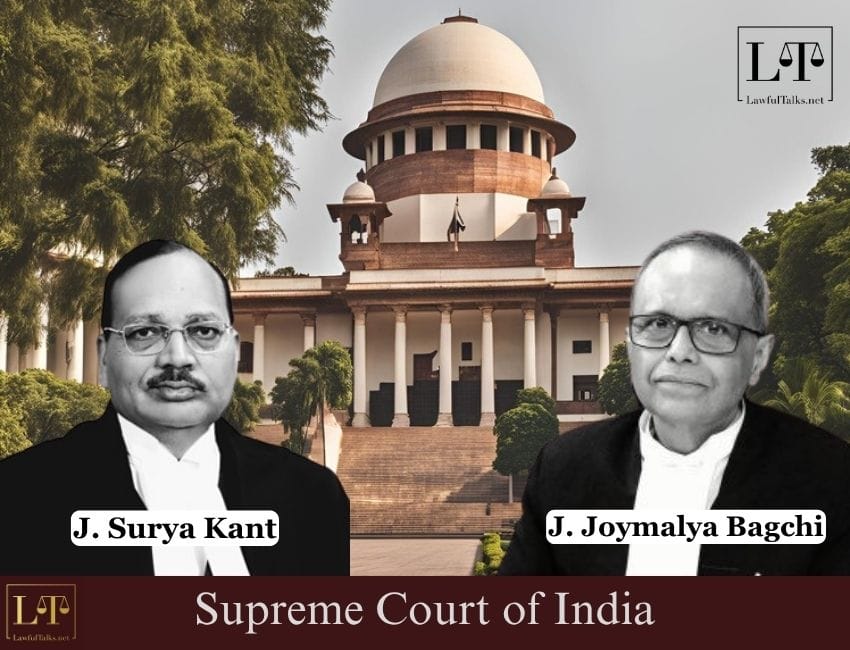
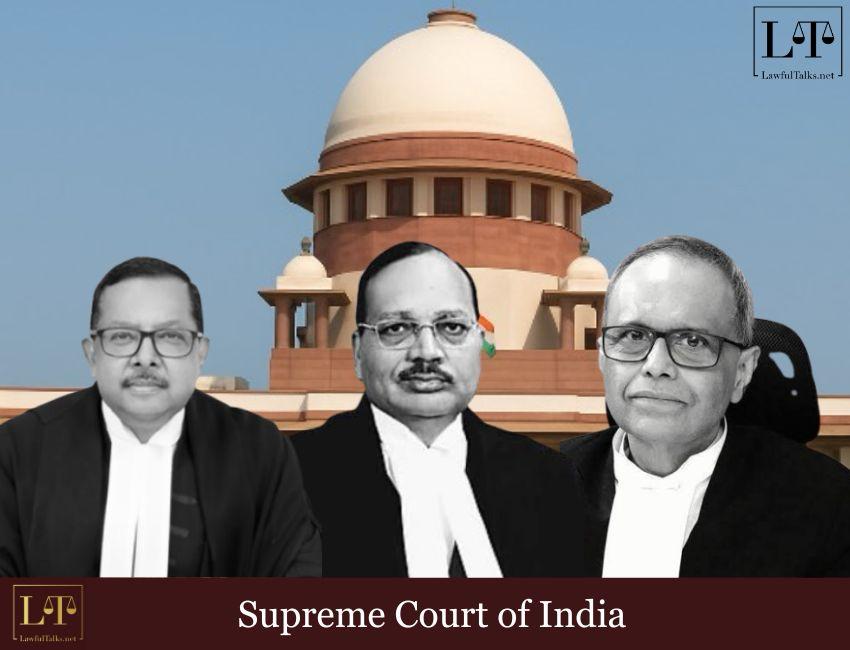
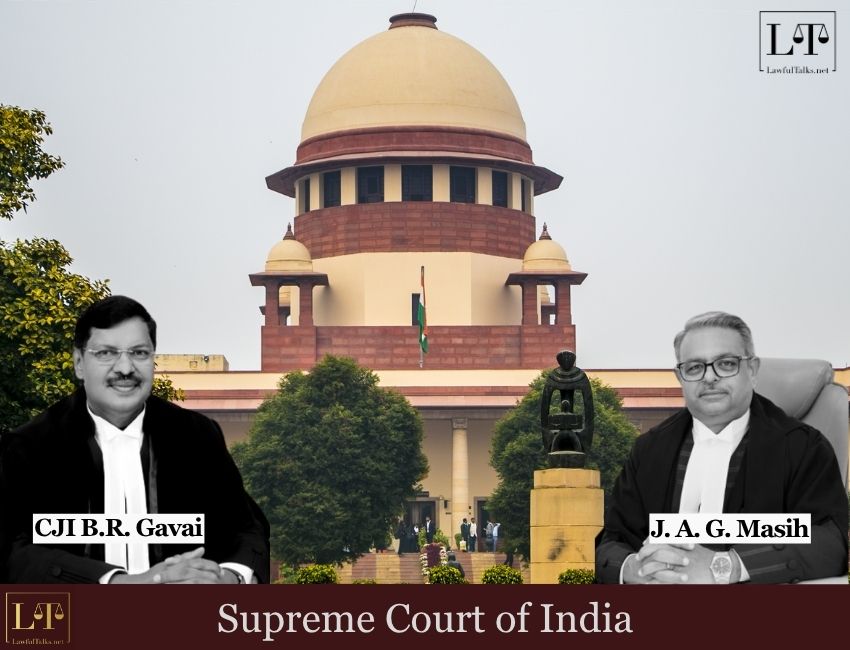
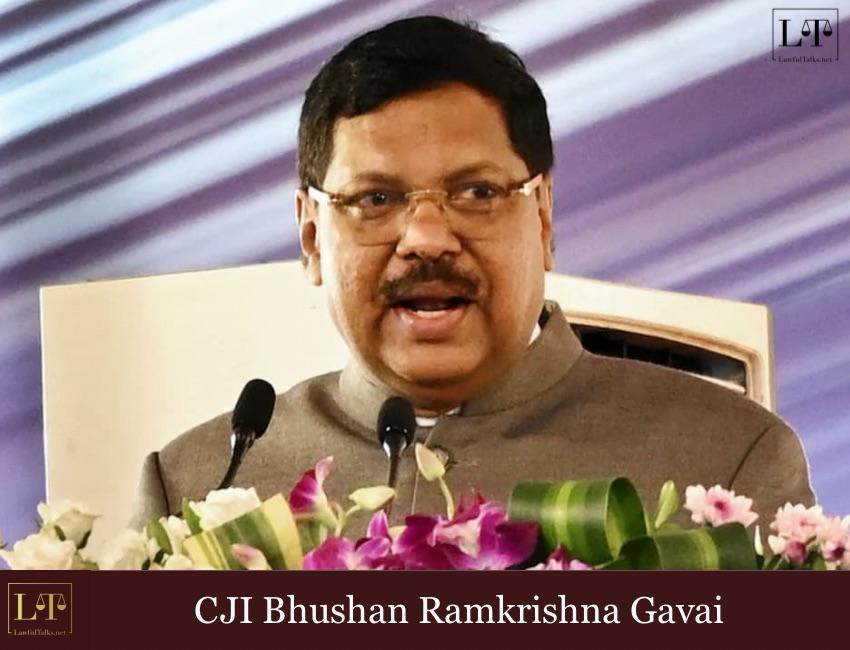
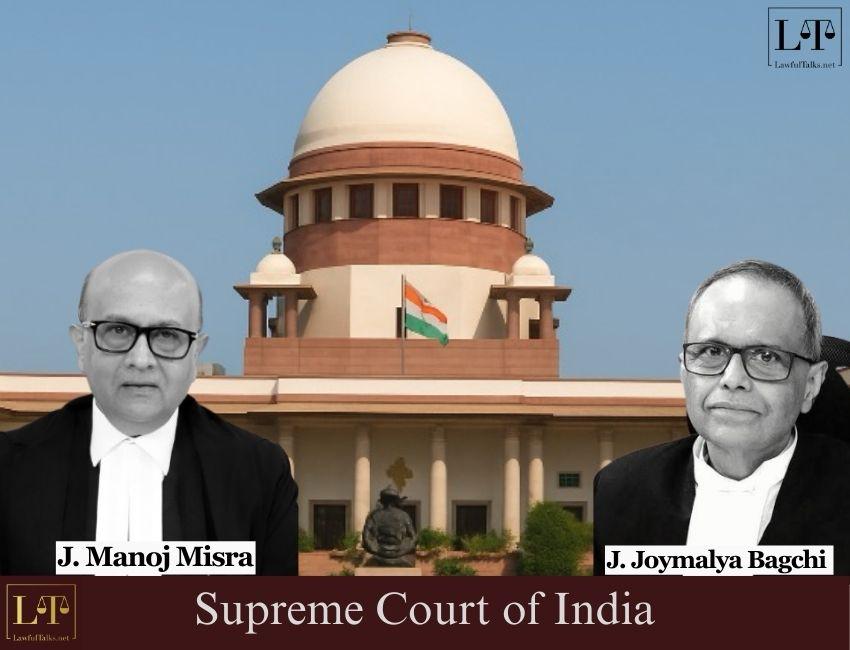
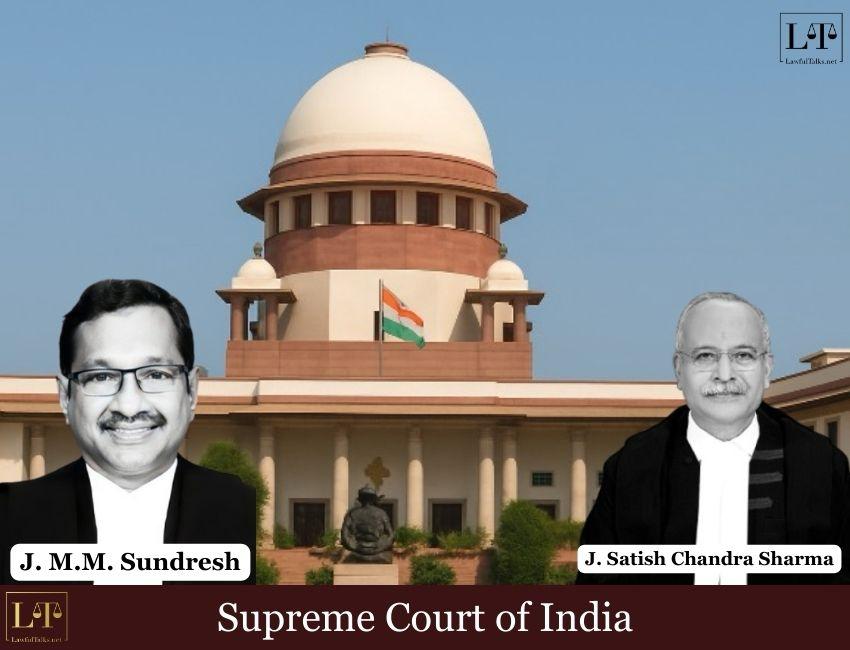
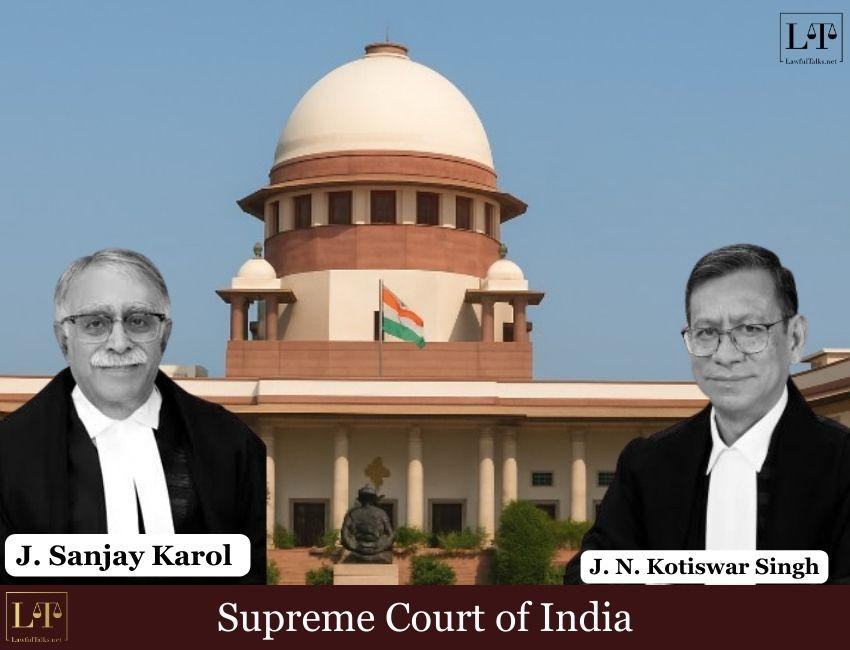
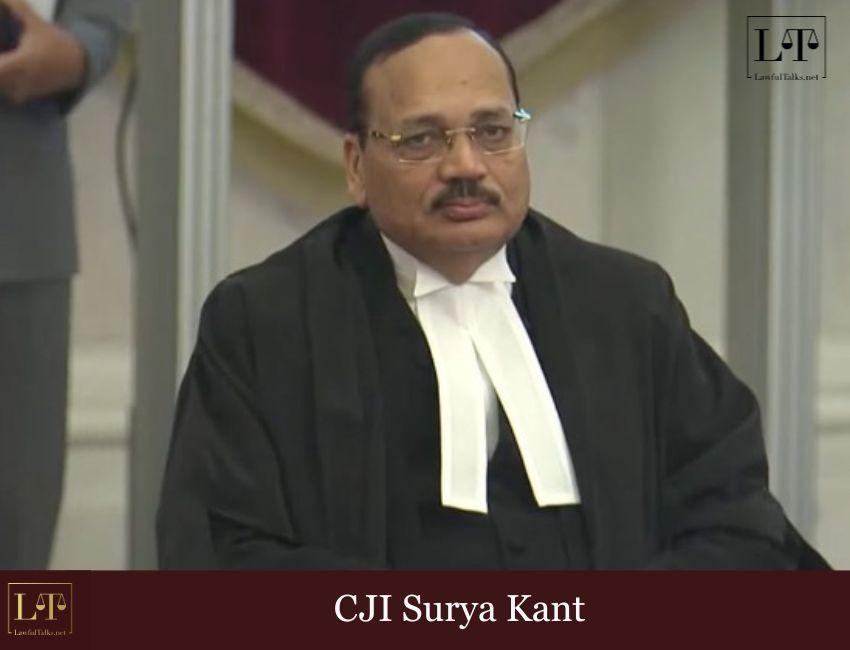
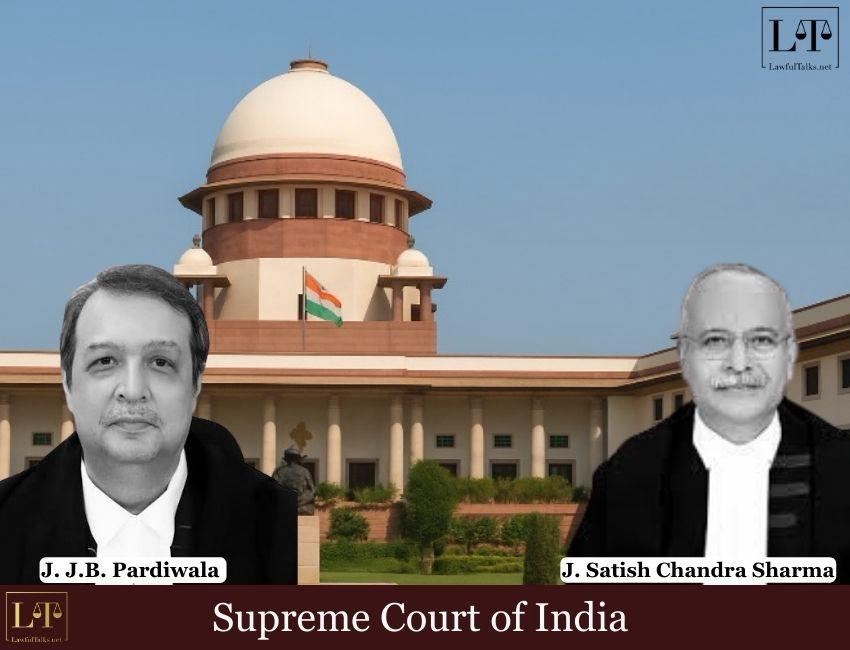
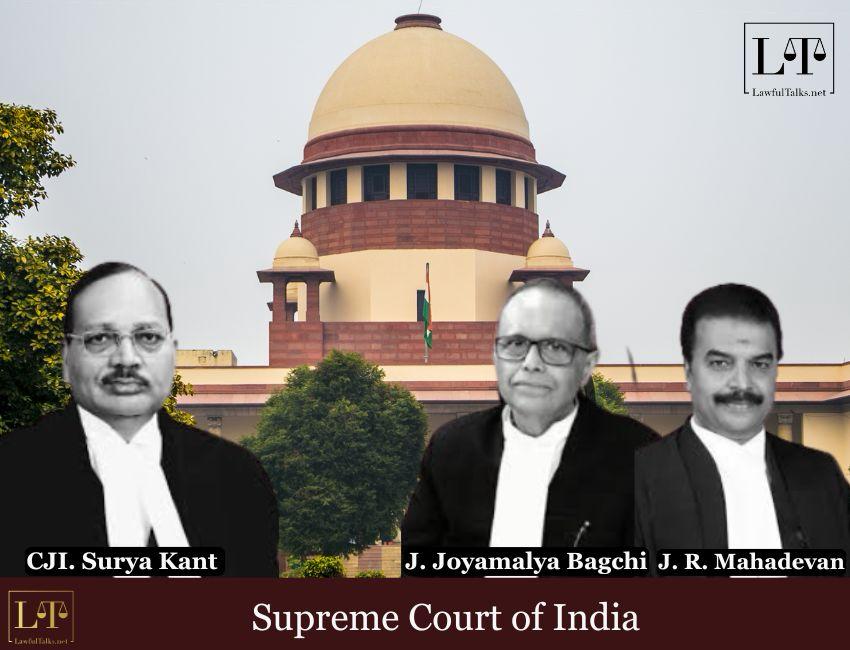
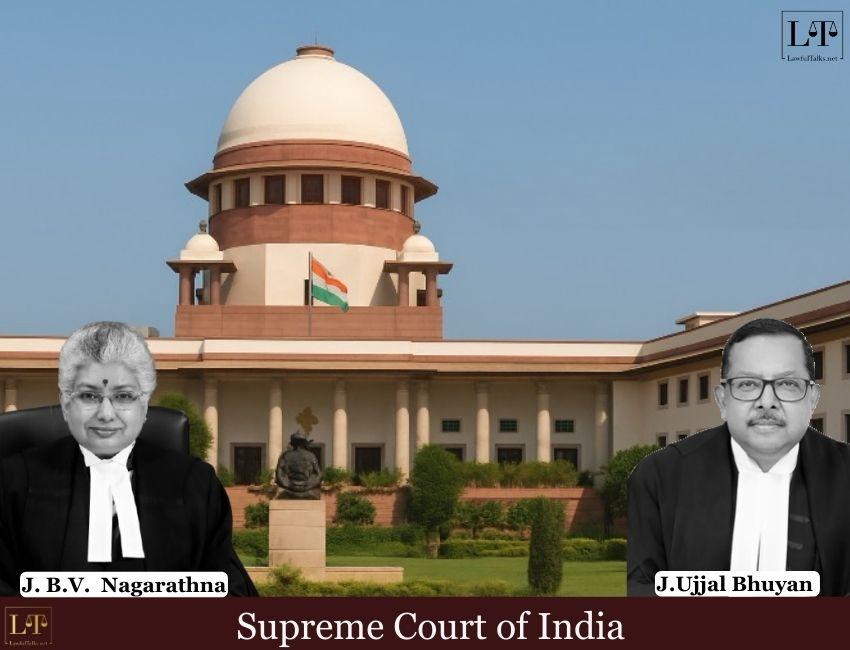
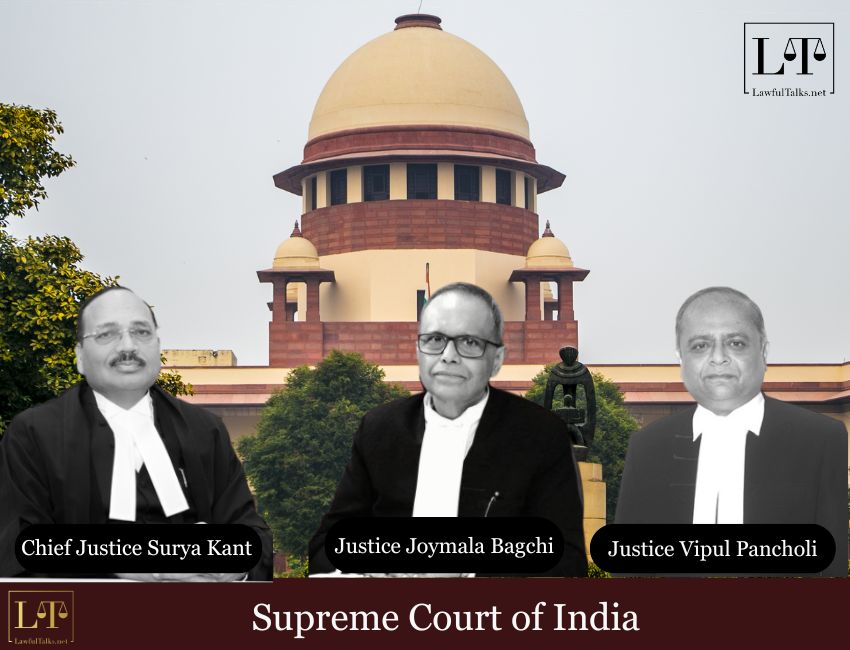
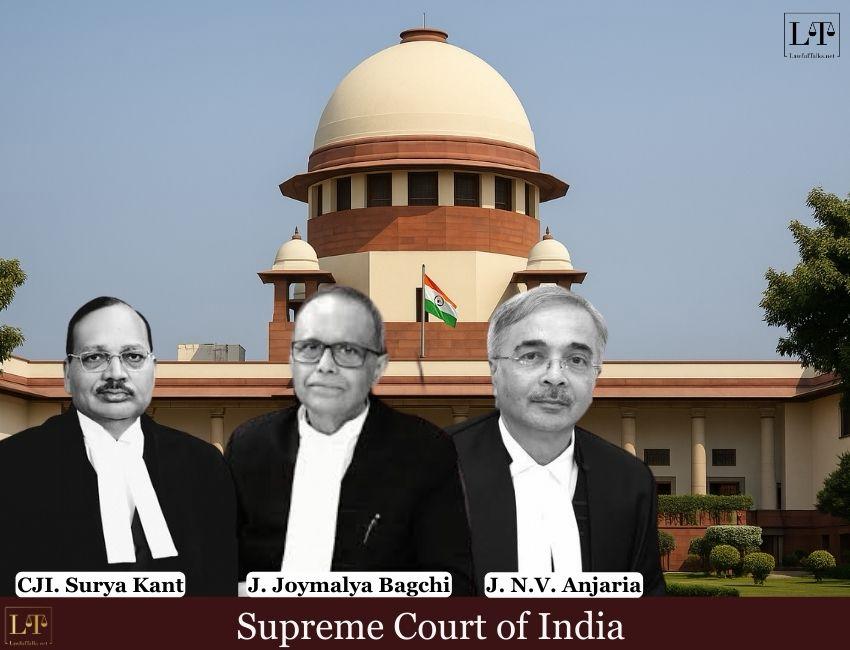
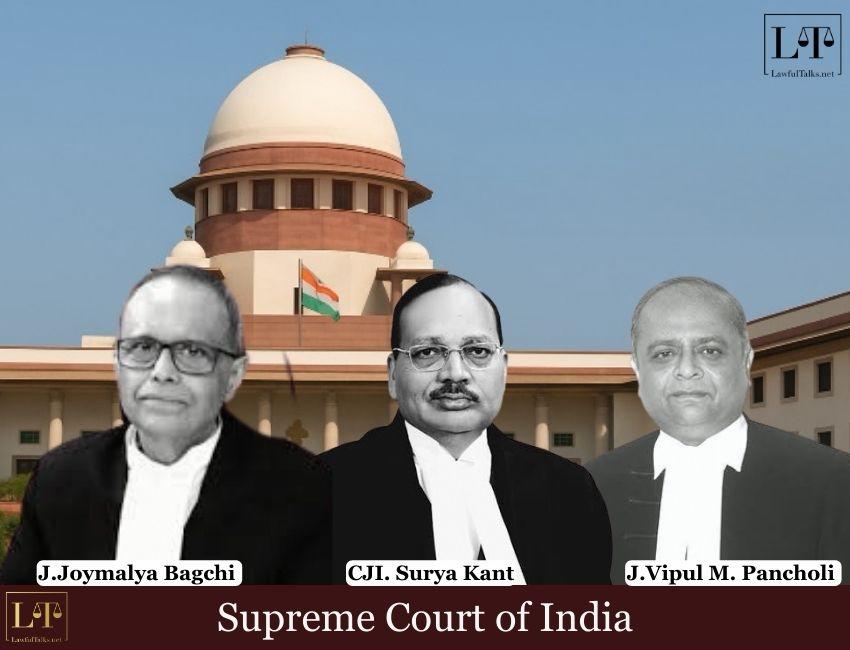
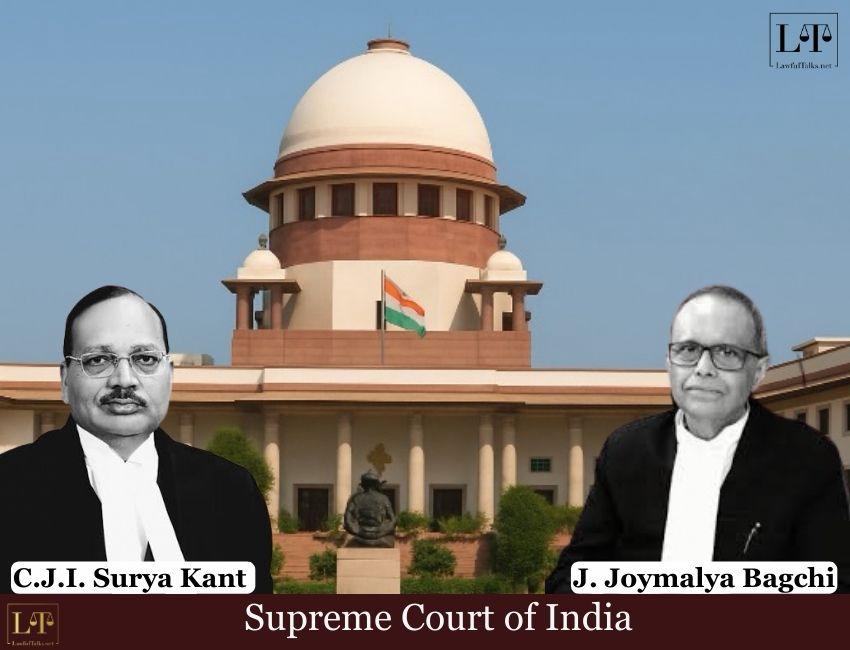
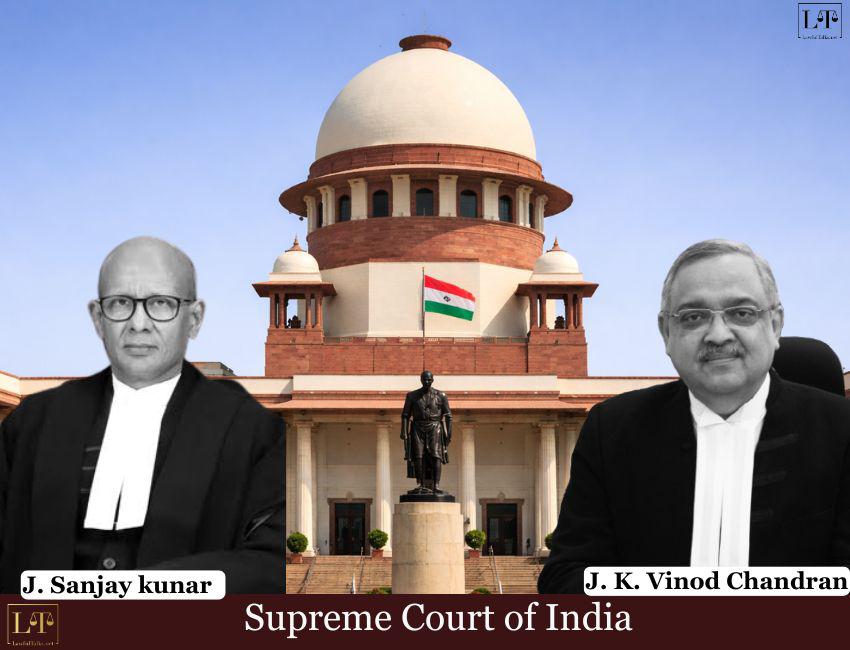
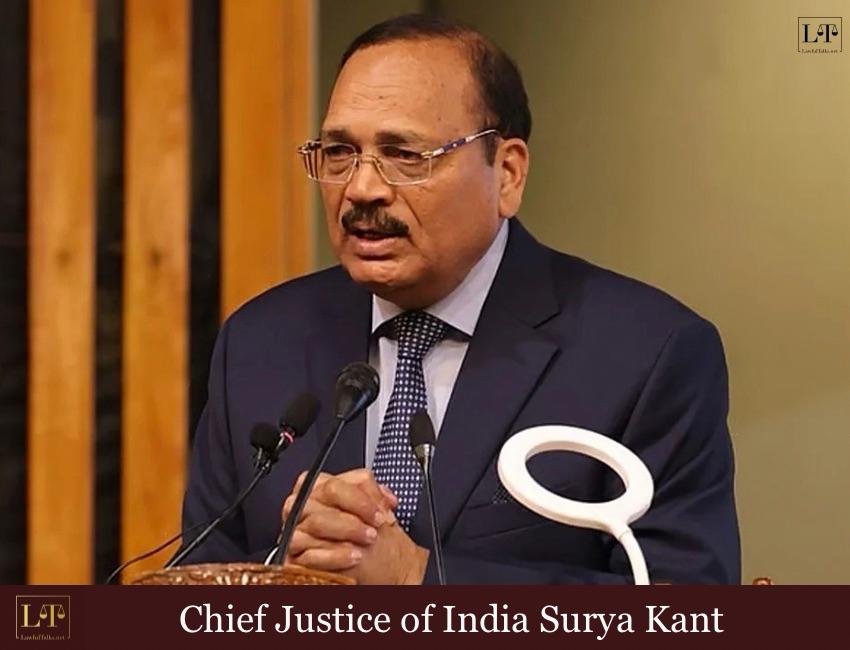
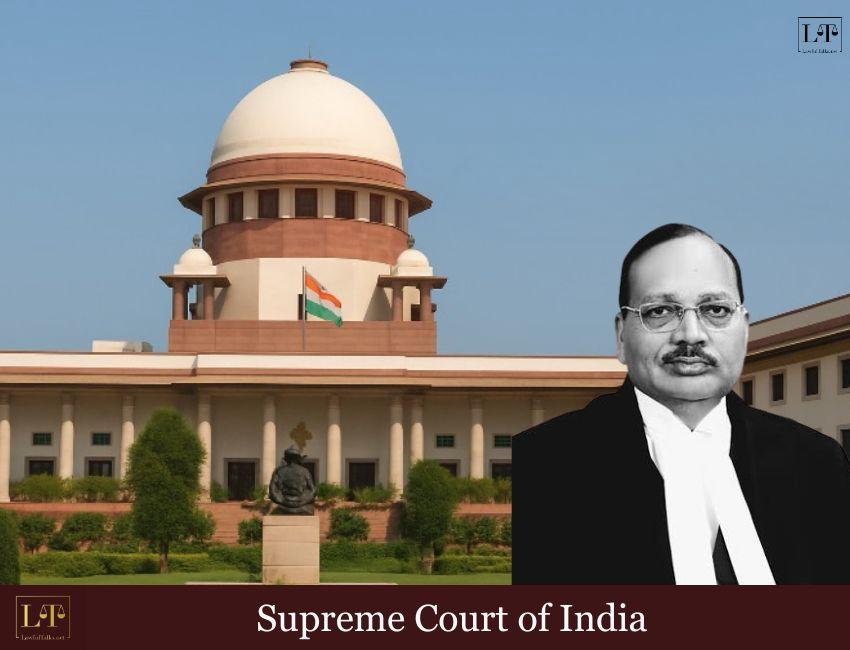
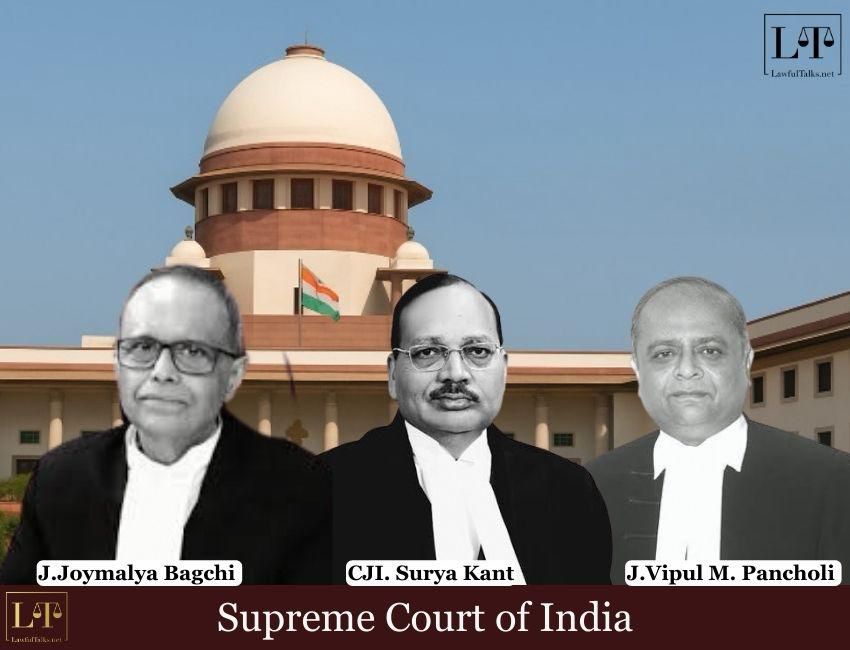
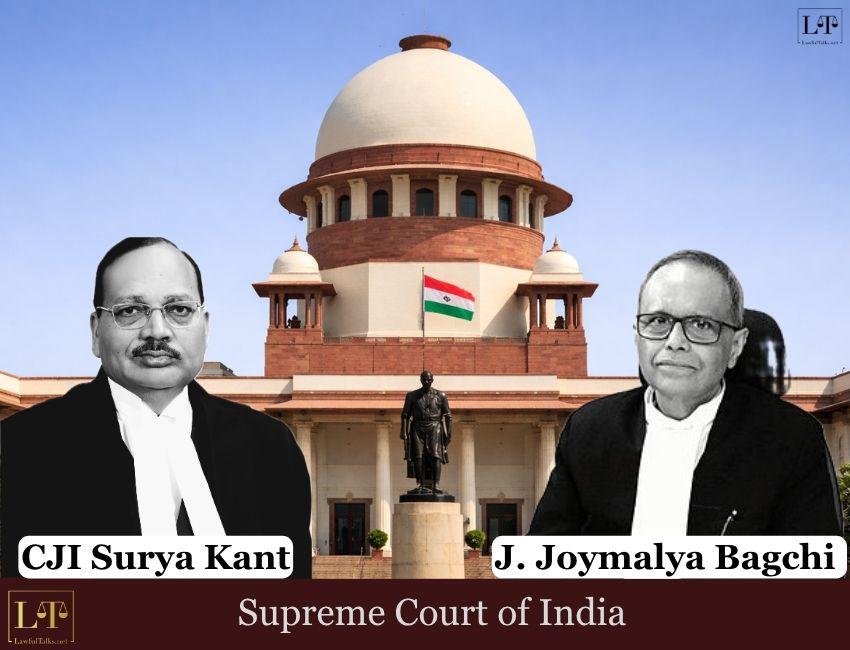
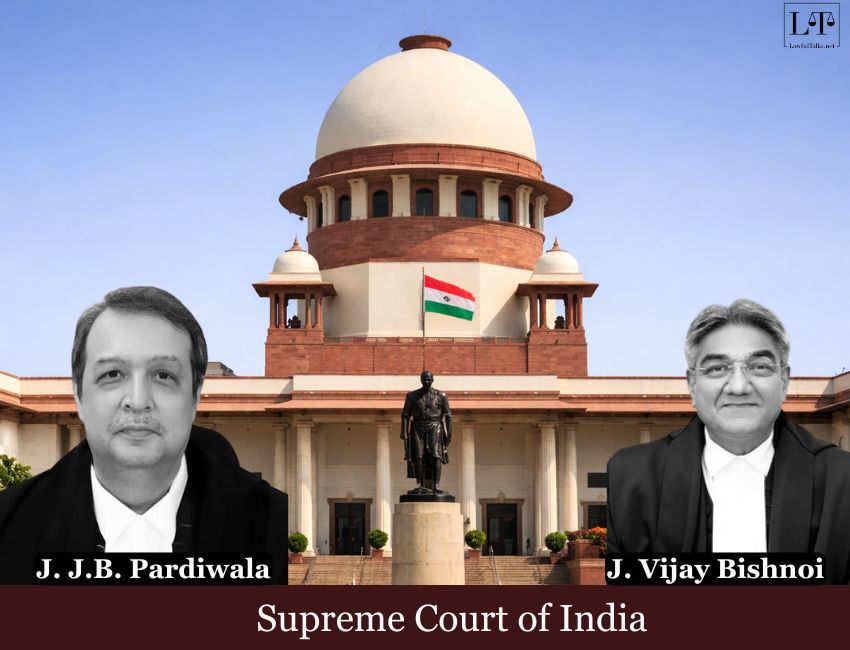
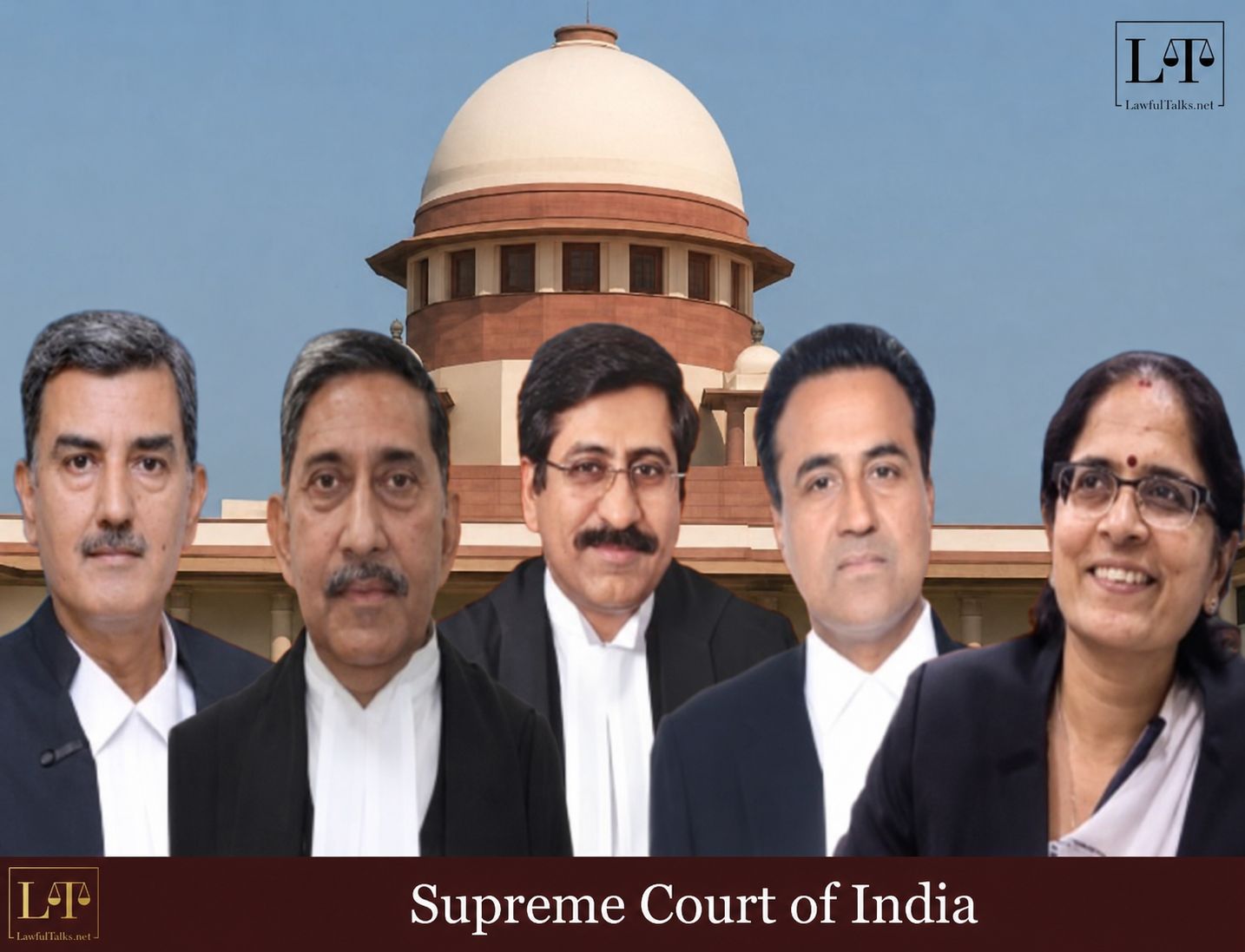
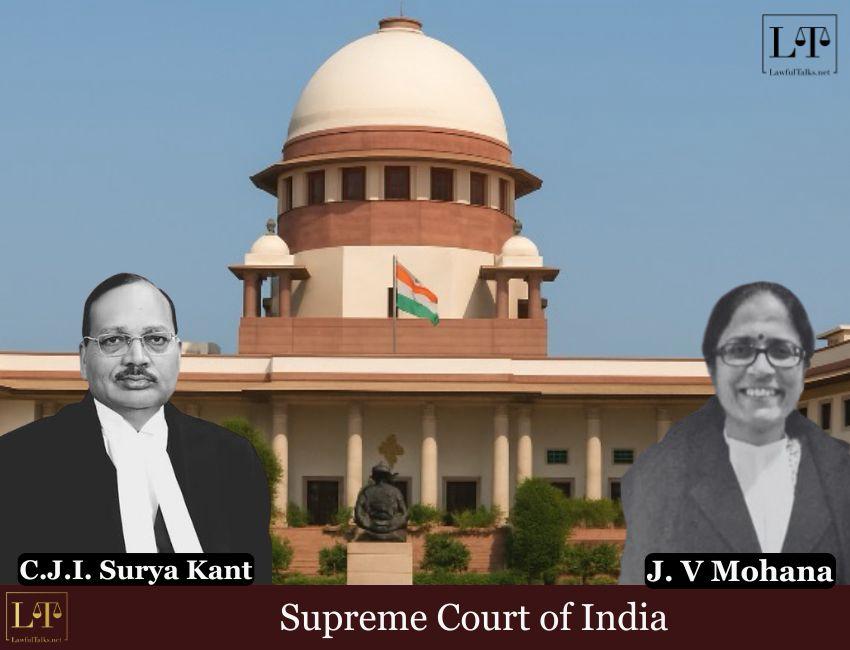
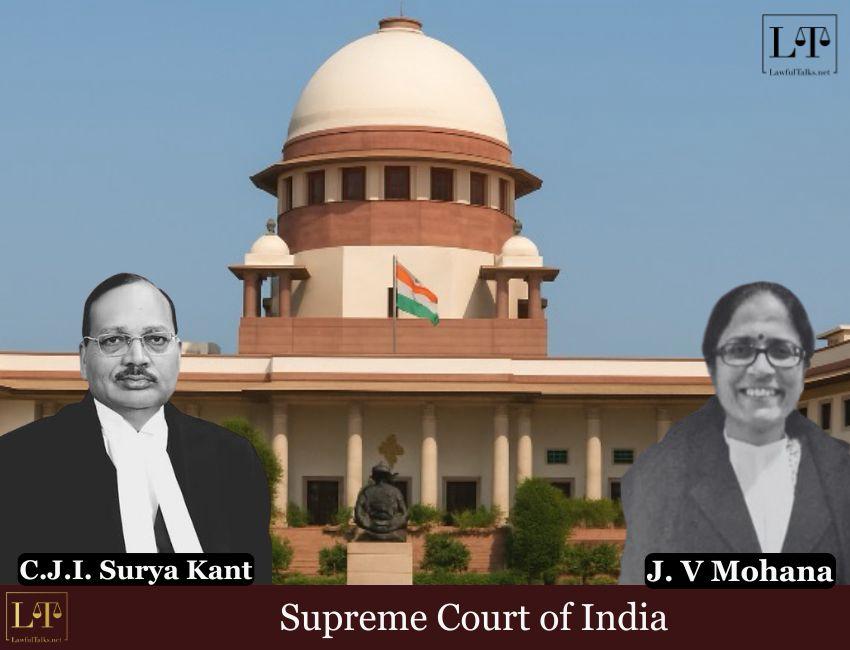
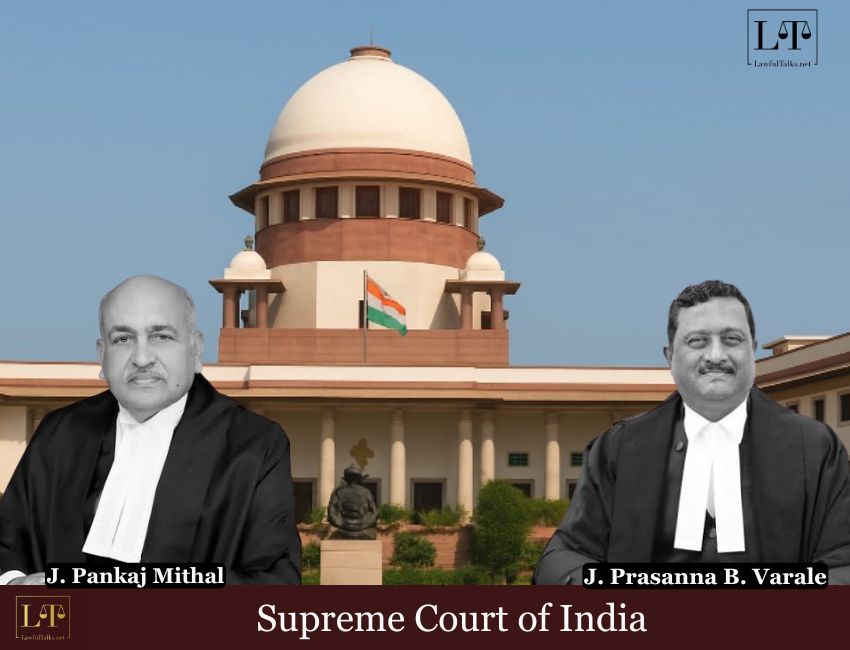
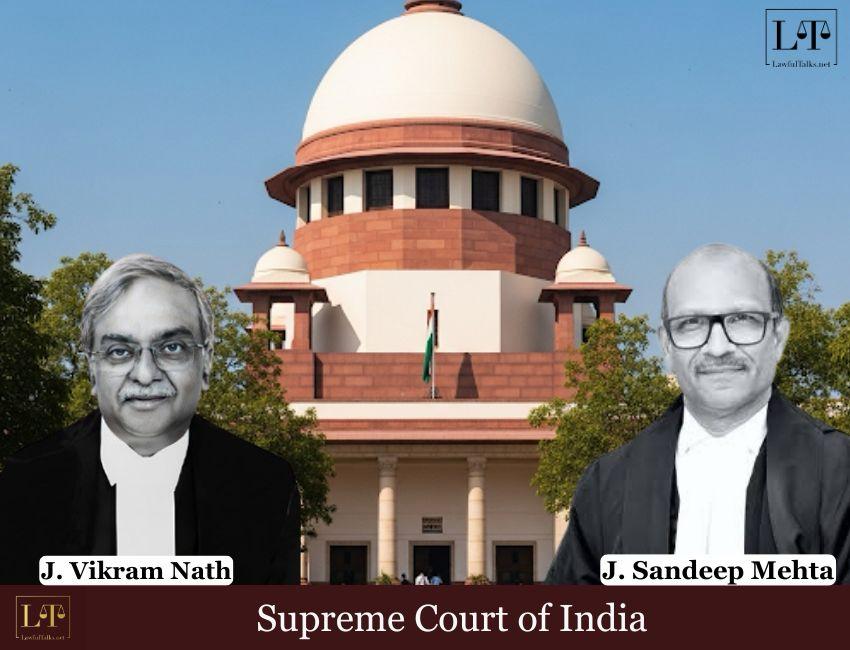
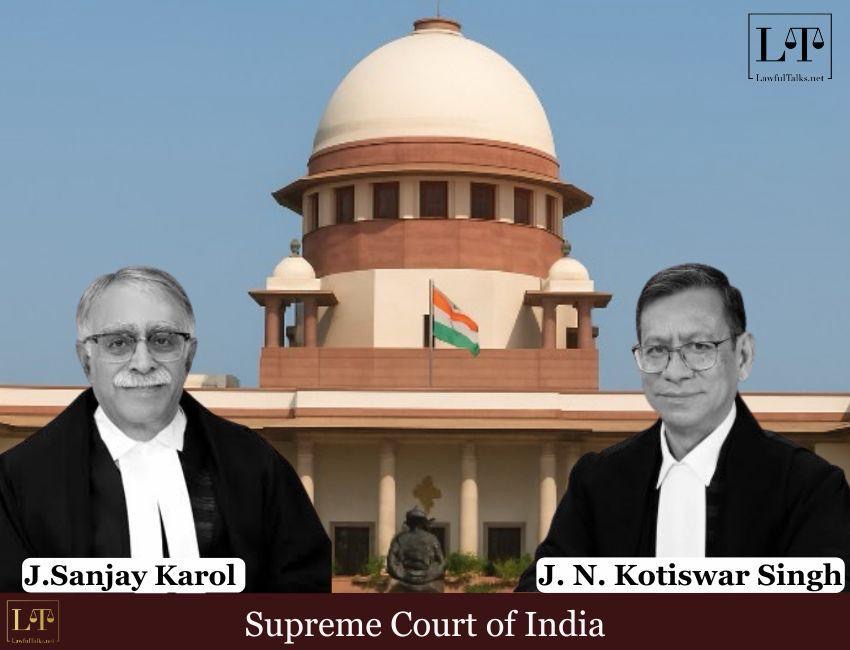
A bench led by Chief Justice of India (CJI) Surya Kant and Justice Joymalya Bagchi held that the disciplinary action against her was not valid and confirmed that she should be reinstated.
Facts :
Since 2008, Civil Judge Deepali Sharma had been serving in the Uttarakhand judiciary when disciplinary proceedings were initiated against her after an anonymous complaint alleged that she abused a minor girl working as domestic help at her home.
The Registrar General, started the proceedings without formally placing the complaint before the Chief Justice. The Registrar General claimed to have acted on “telephonic instructions” and ordered Sharma’s suspension, which later led to a departmental inquiry and her dismissal.
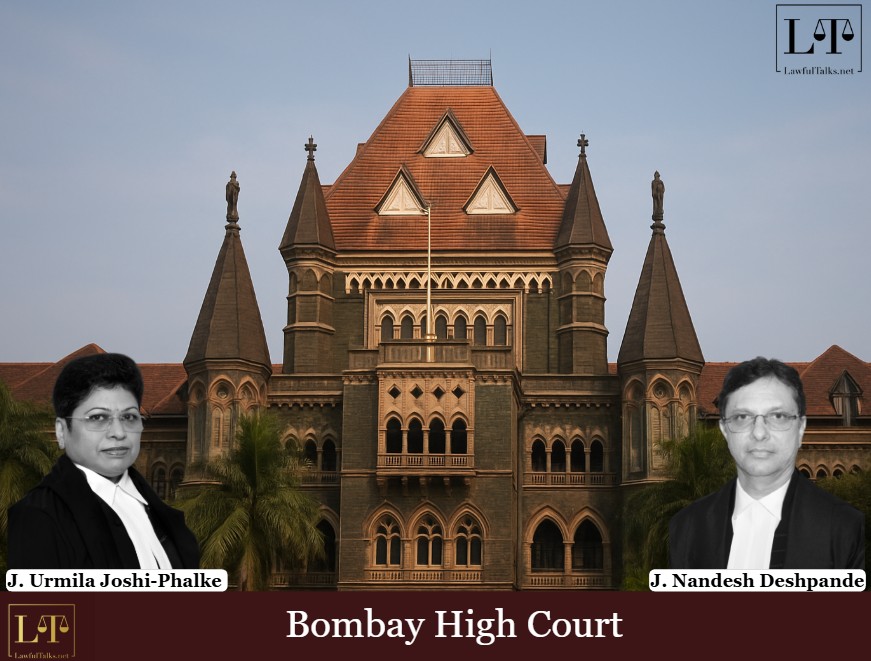
The administrative side of the High Court then approached the Supreme Court by way of a Special Leave Petition.
Supreme Court Ruling:
The Supreme Court dismissed the petition and made it clear that the Registrar General has no authority under Article 235 to independently start disciplinary proceedings against a judicial officer. The Court held that only the Chief Justice or a committee of judges authorised by the Chief Justice can exercise such powers. Since this was not followed in Sharma’s case, the entire disciplinary process was held to be invalid from the beginning.
The bench said,
“The power under Article 235 of the Constitution, insofar as disciplinary control over judicial officers is concerned, has been expressly vested in the High Court and the High Court collectively, which necessarily shall comprise the Hon'ble Chief Justice and his companion judges,”
"Unless the disciplinary action is approved by the Chief Justice of the High Court, or the committee comprising of judges constituted by him, as his delegatees, purported disciplinary action for all intents and purposes shall be void ab initio.”
The court finally observed that ;
“The Registrar General of the High Court has no authority, either in terms of constitutional scheme or statutory rules governing judicial officers, to suo motu initiate disciplinary action against a judicial officer. He can only act on behalf of the Chief Justice and judges. The recourse not having been followed, the very foundation of disciplinary action against R1 was non est in law,"
The Supreme Court said that although the allegations against Sharma were serious, the main question was whether the disciplinary inquiry had been started legally. The Court held that since the Registrar General had no authority to initiate the proceedings, the entire process was invalid from the beginning.
The Supreme Court also noted that Sharma had already been reinstated by the High Court and therefore refused to interfere further.
Case Details : HIGH COURT OF UTTARAKHAND AT NAINITAL Vs DEEPALI SHARMA | SLP(C) No. 16520/2026



























































































































































Sign up for free and be the first to get notified about curated content just for you.