“Can a Sexual Offence FIR Be Quashed for Delay Alone? Bombay HC Says No”

- June 15, 2026


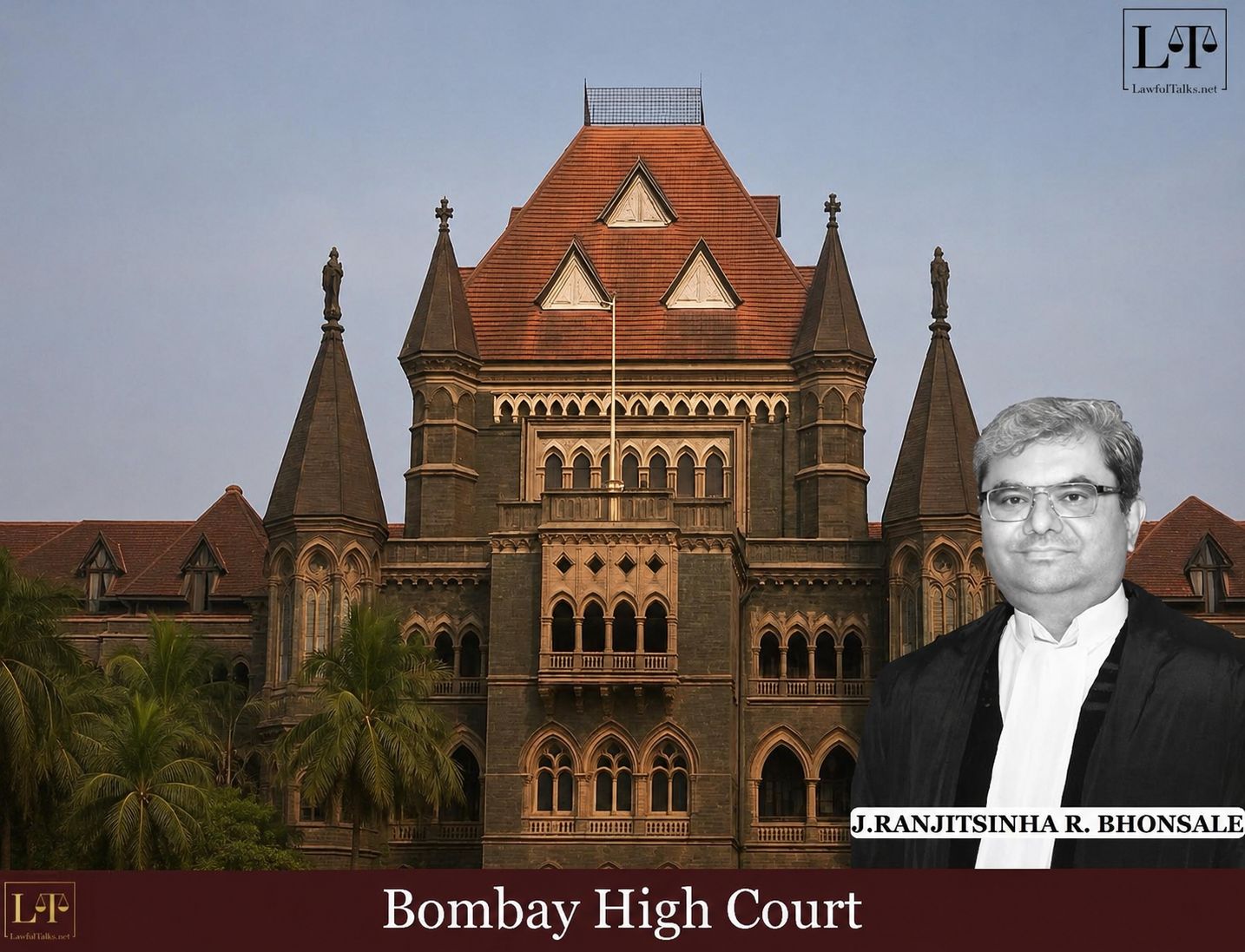
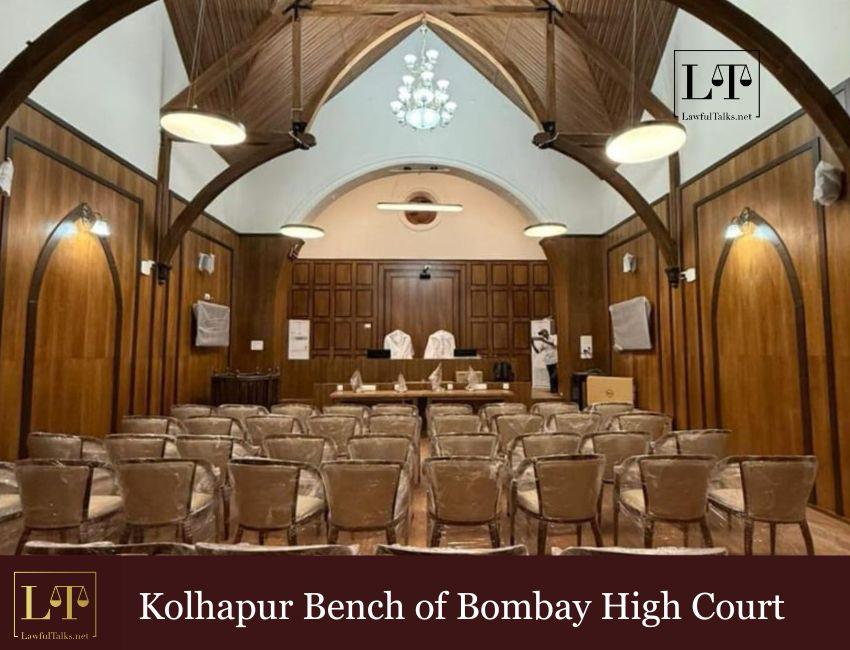
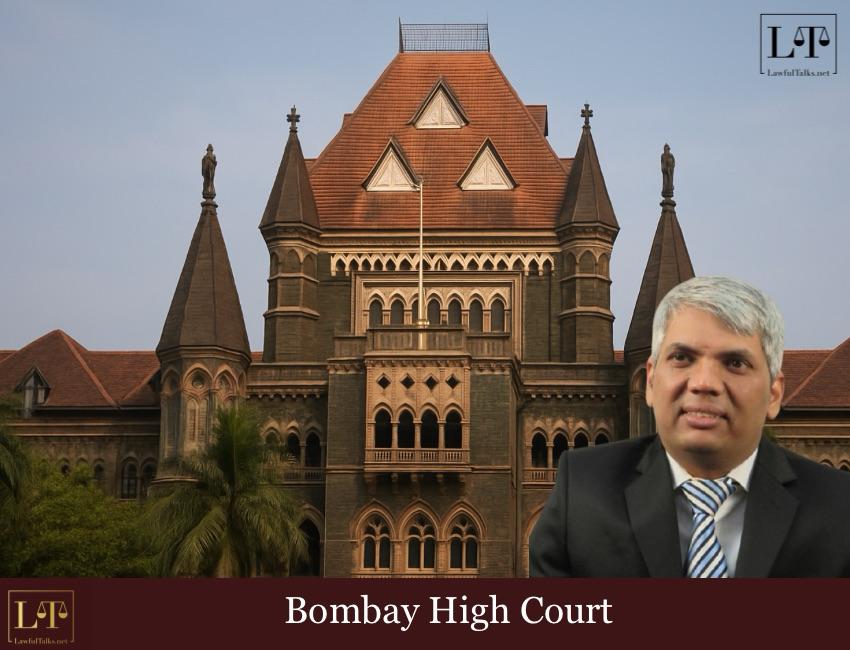
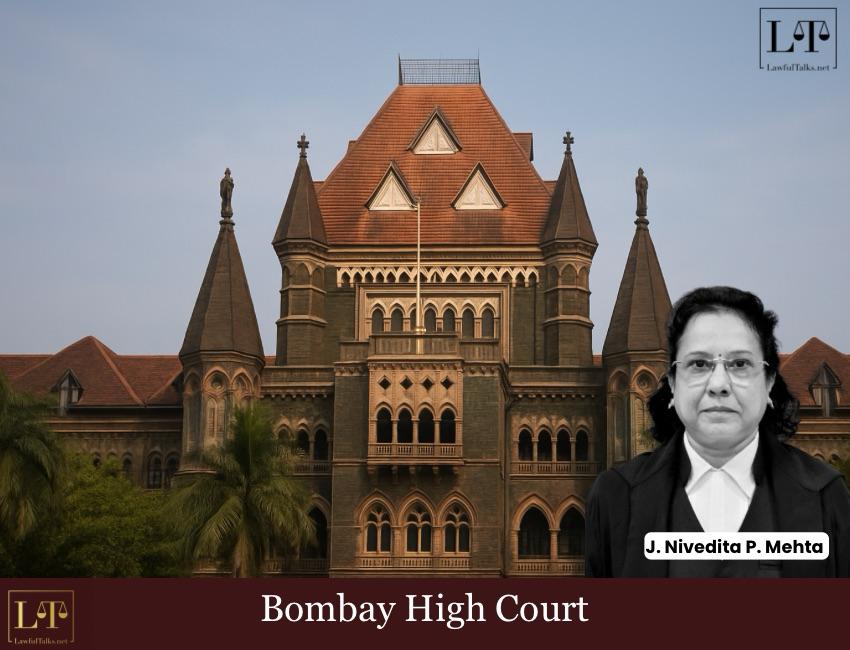
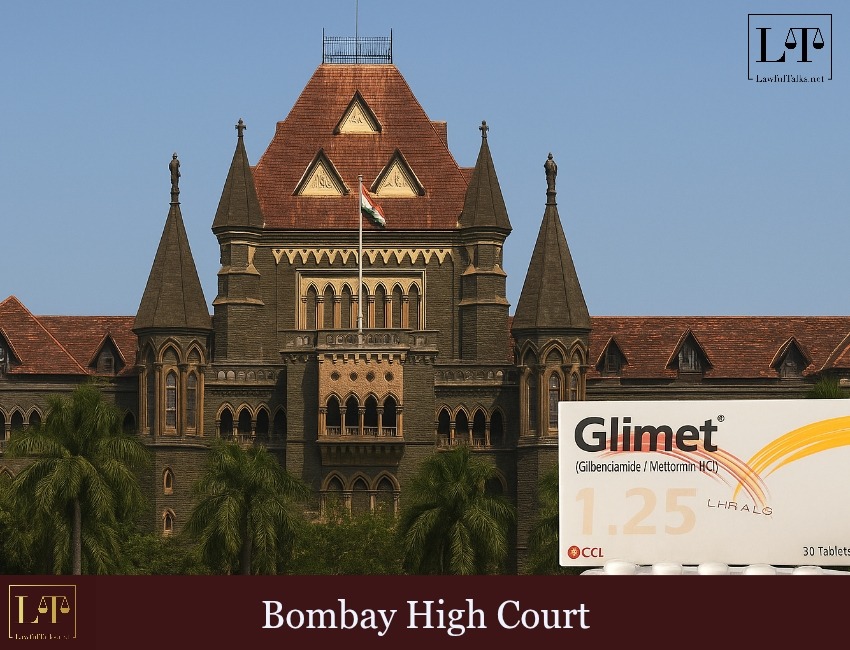
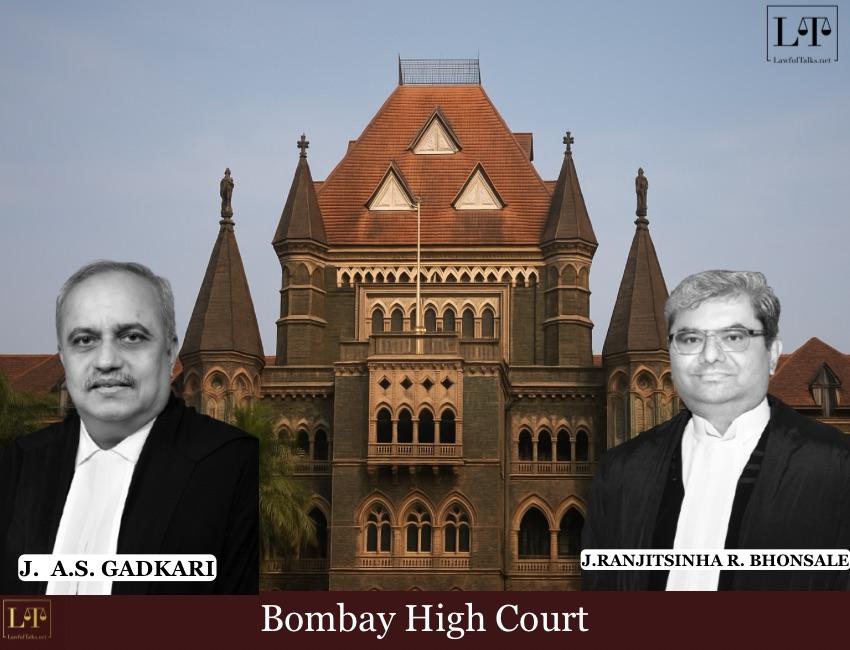
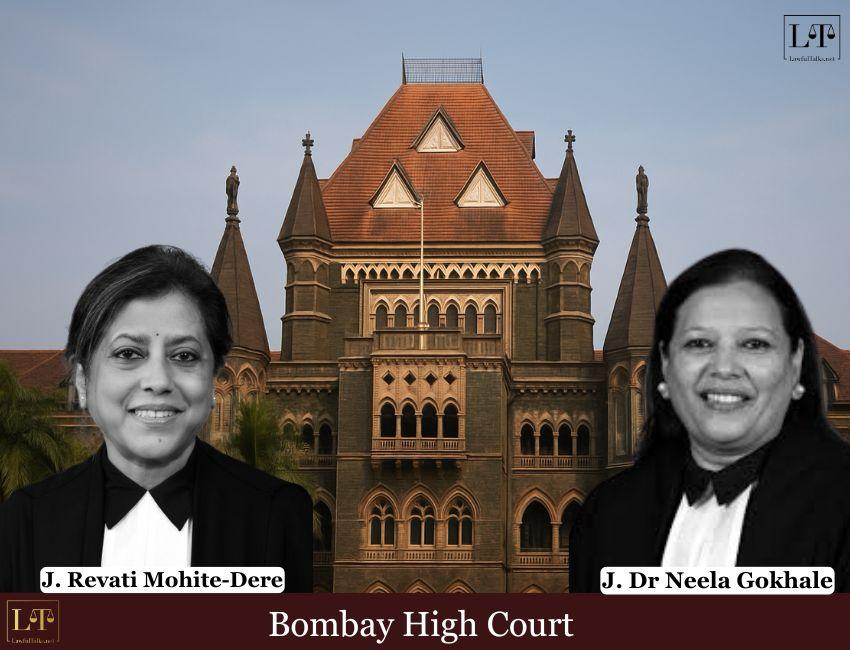
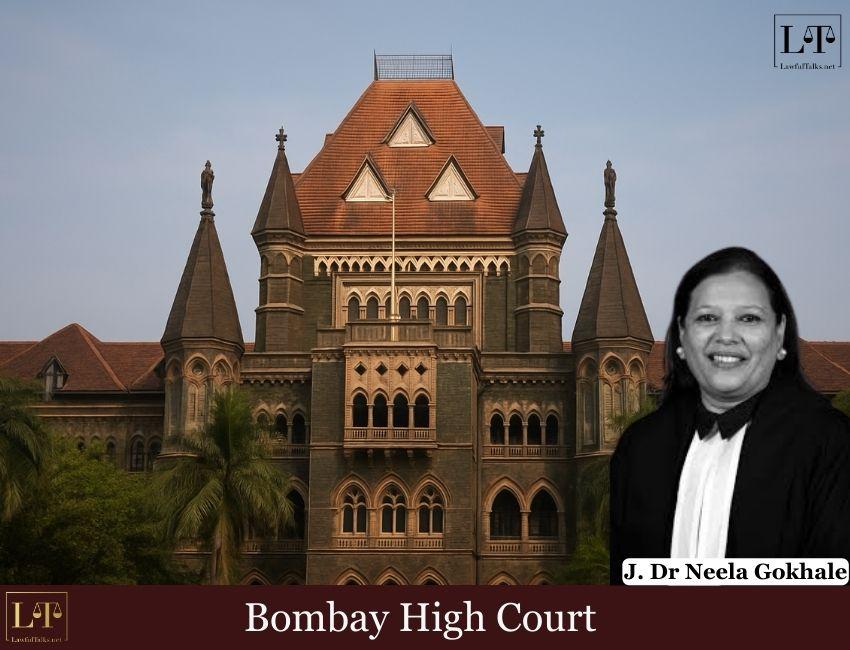
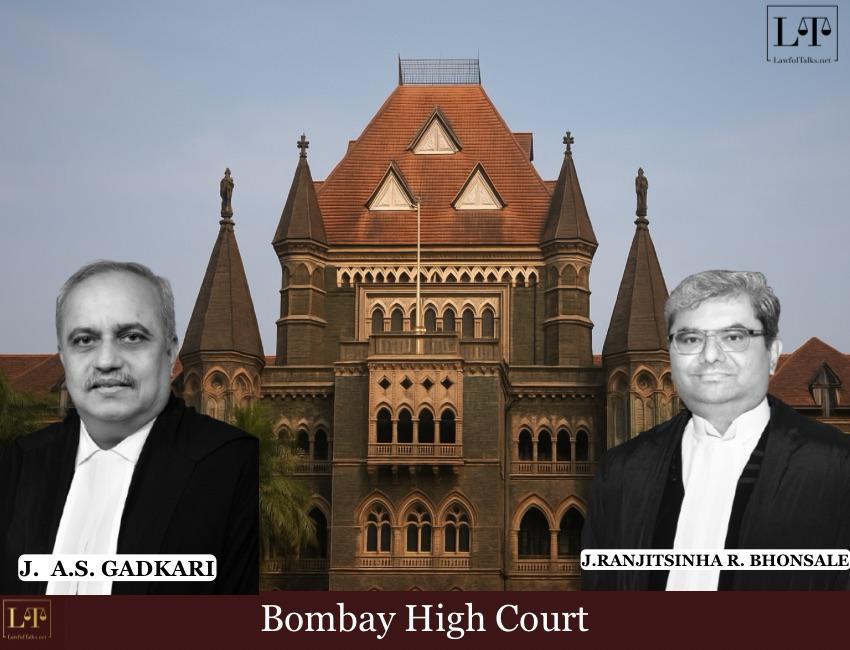
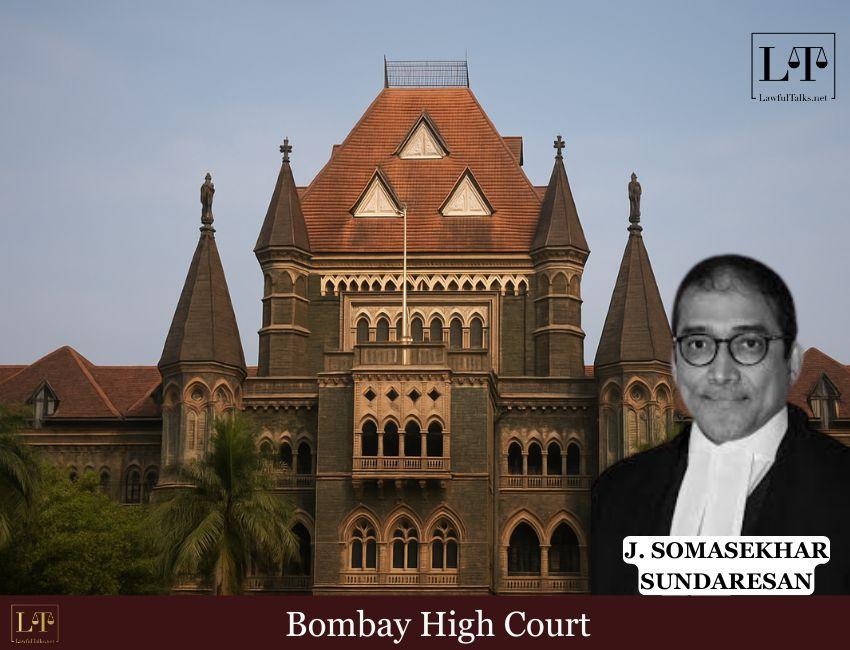
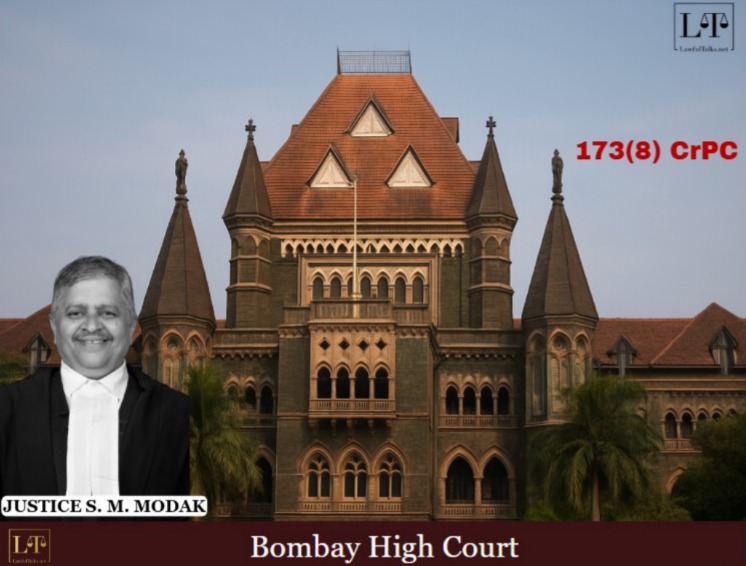
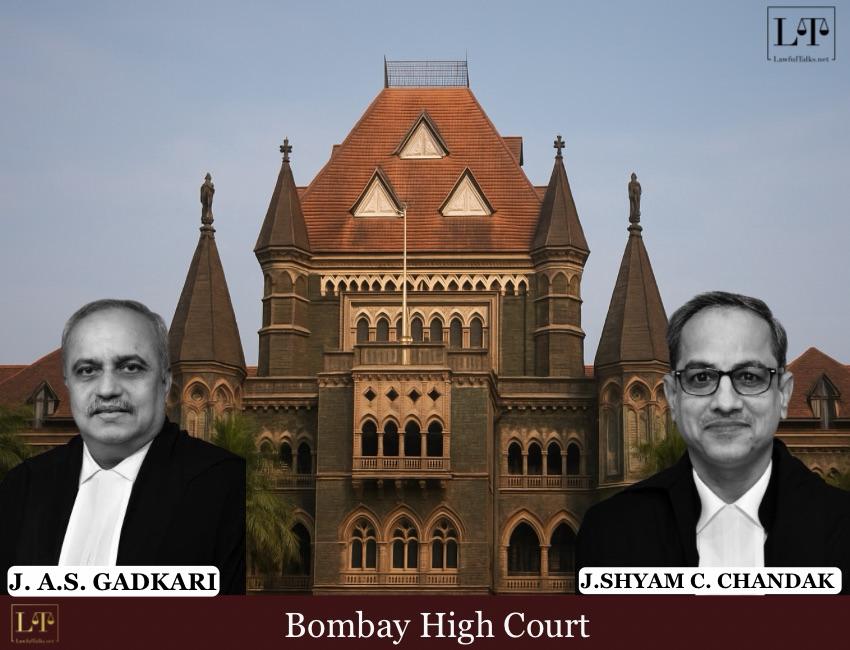
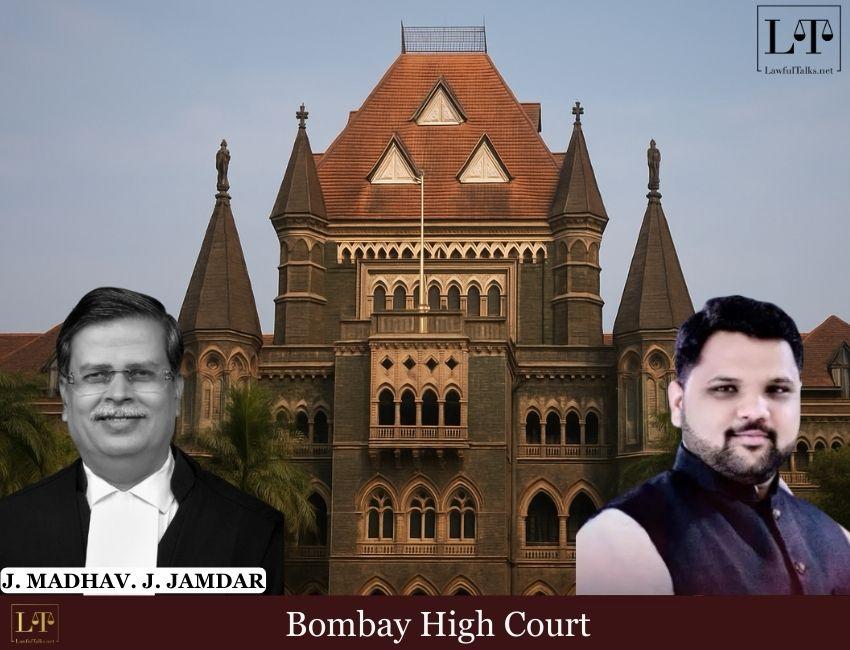
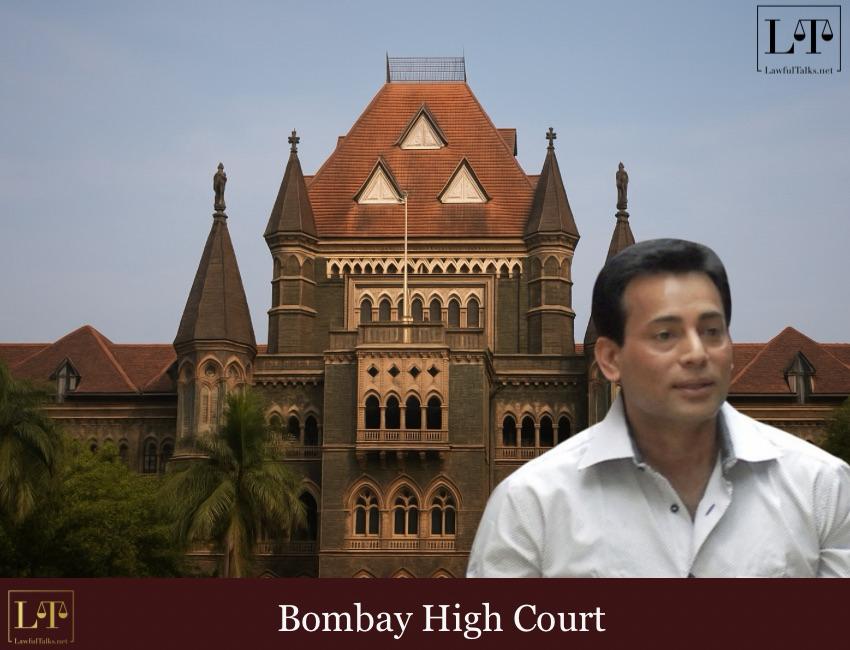
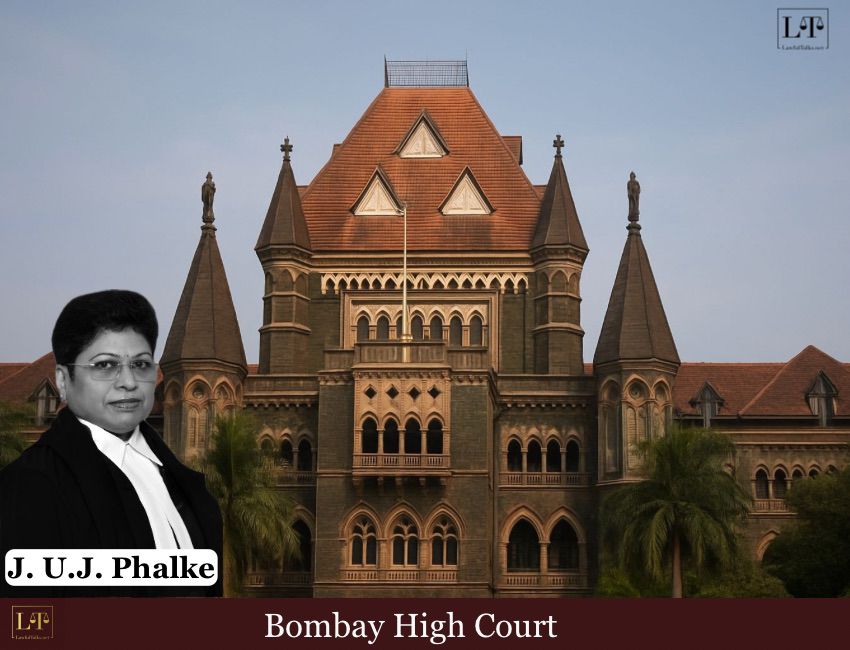
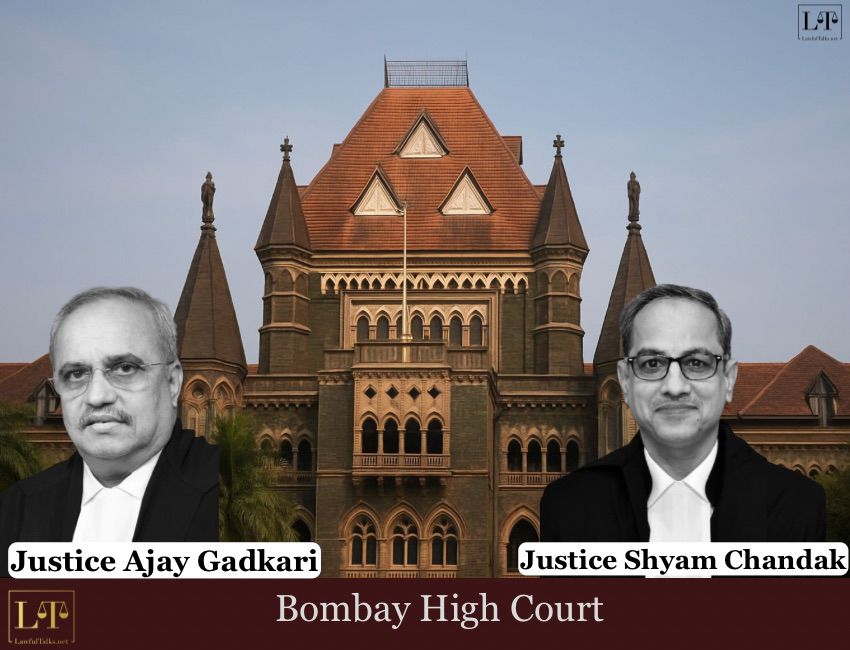
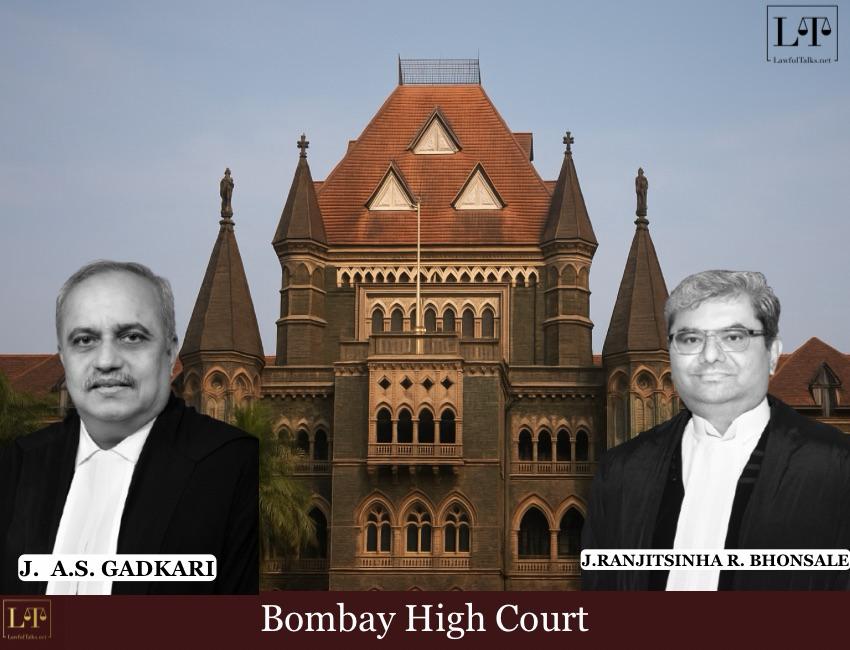
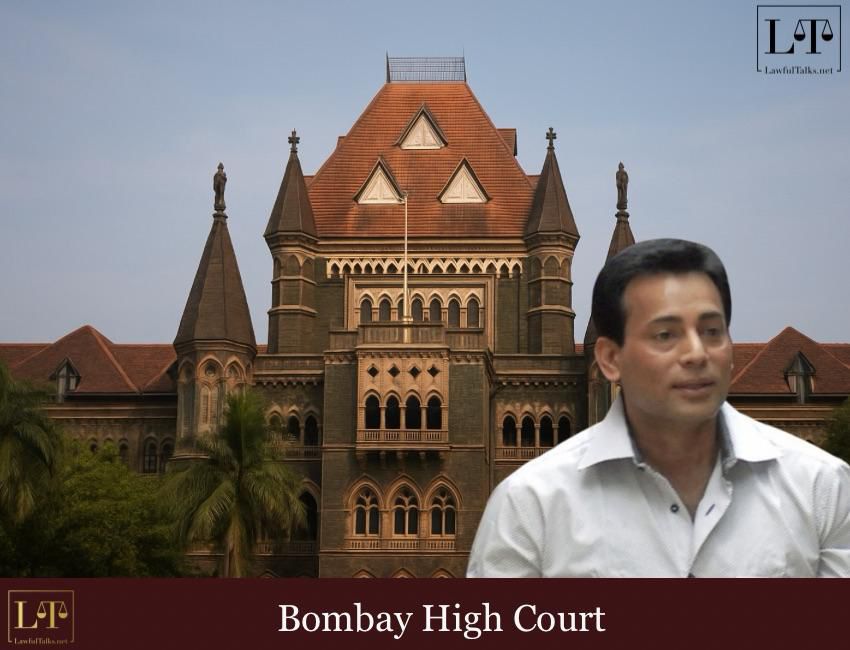
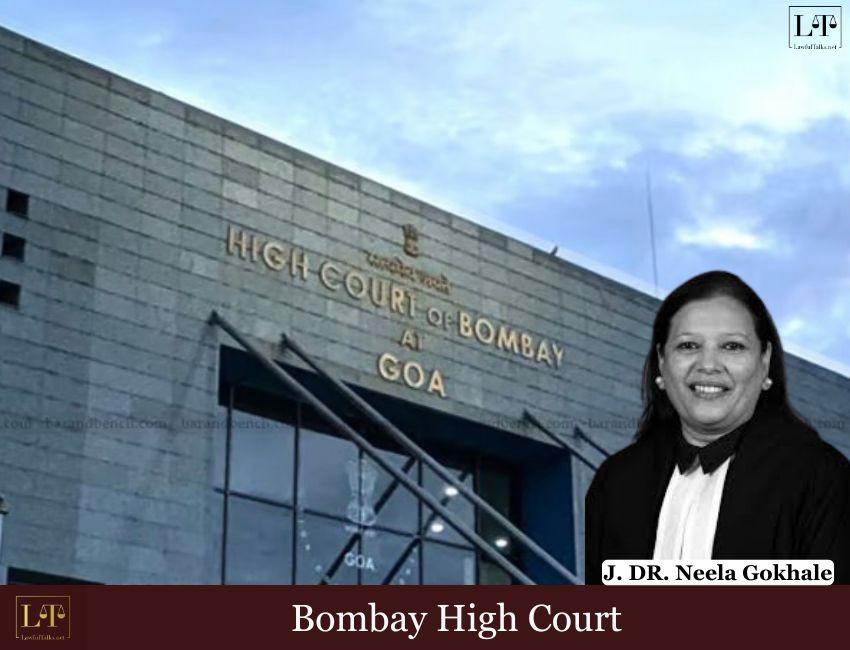
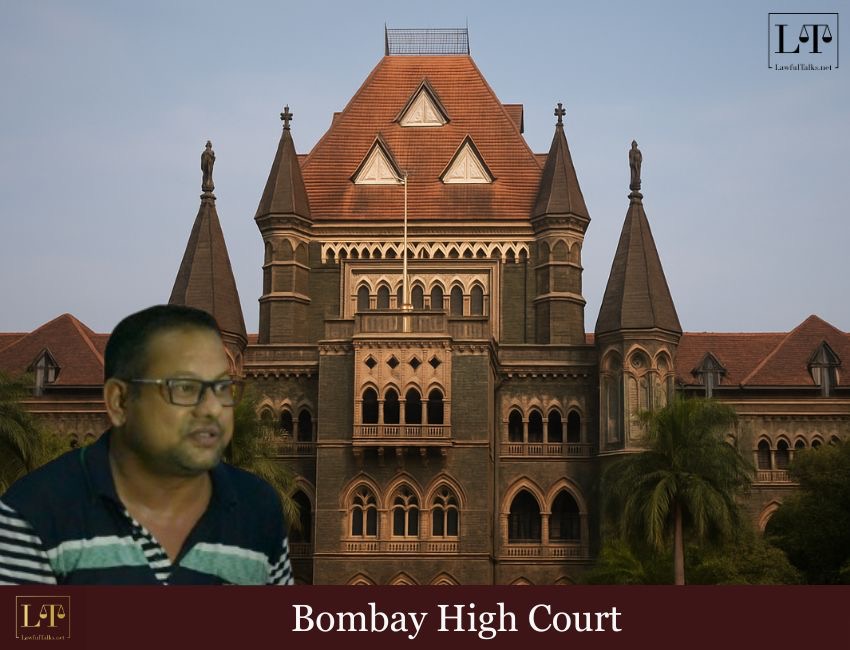
Justice Ranjitsinha Bhonsale of the Mumbai High Court, recently refused to quash a First Information Report in a sexual offence case, observing that delay in filing such complaints cannot by itself be a reason to dismiss a prosecution because victims often need time to gather courage due to social stigma and fear of uncomfortable questions.
Allegations in FIR:
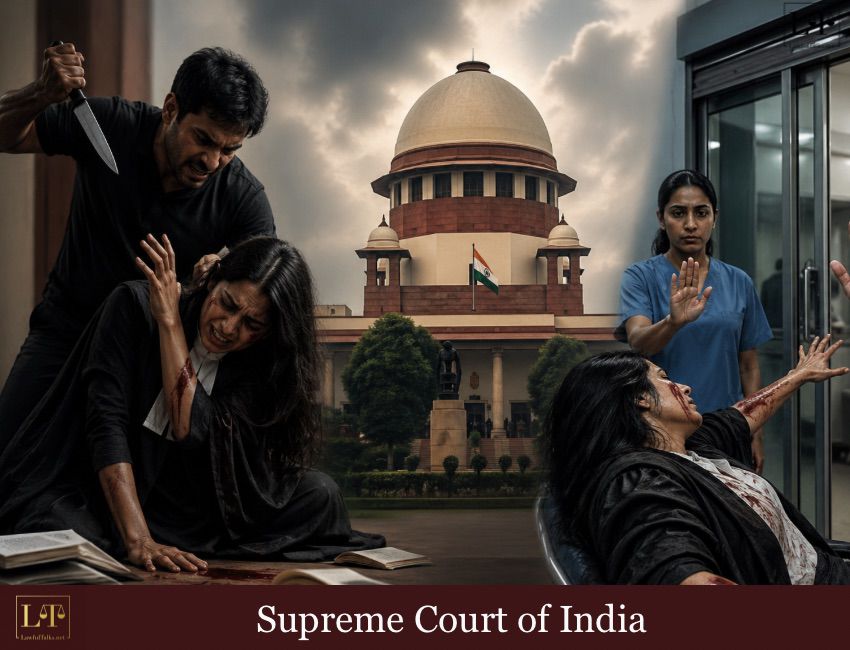
The case involved a complaint against Nandakumar Panicker, originally from Kerala and later residing in Kandivali, Mumbai. He was accused of making an intrusive remark about the victim’s husband and, on March 10, 2019, grabbing the woman from behind while she was washing utensils, pulling her saree and pressing her breast.
The victim managed to free herself, left the flat, and informed her husband about the incident the same evening. However, the FIR was lodged 21 days later. Panicker argued that the delay in filing the FIR was not properly explained and therefore the case should be quashed.
Delay Not Enough:
Rejecting this argument, Justice Bhonsale observed:
“The reasons for delay may vary, and in such cases there can be various reasons for the delay. Such case, attach to them as a social stigma and on many occasions, the complainant may take some time to gather the courage to file a complaint, anticipating uncomfortable questions and social stigma. Only because a delay of a few days is not explained, cannot be a ground to throw out a criminal prosecution,”. The judge held that only a considerably long and unexplained delay could justify dismissal of criminal proceedings.
No Straight Formula:
He further said that while considering delay, courts must look at the nature of the offence, the victim’s age and social background, and the overall circumstances of the case. He cautioned:
“In my opinion, it cannot be a straight jacket formula. In offences like the present one under Section 354 of the IPC, the sexual offences or any other offence under the POCSO Act or even a offence under Section 498-A of the IPC, the delay will have to be construed and considered in the facts and circumstances in which the offence takes place. In a traditional society like ours, unfortunately many families find it exceedingly and extremely difficult to initiate even a genuine criminal prosecution when such nature of offences are involved. In my view, in such matters delay alone cannot be a ground to quash a criminal prosecution. The delay is required to be exceptionally long and has to be considered with the surrounding circumstances.”
Women’s Cases Different:
The judge also explained that whether a delay is reasonable depends on the facts of each case and the seriousness of the allegations. He observed: “In my opinion, cases relating to the offences against women and similar cases, the criminal prosecution ought not to be thrown out on the sole ground of unexplained delay unless the delay is attributed to some mala fides, personal vengeance or vendetta which is prima facie made out and writ large on the record.” The defence also argued that the investigating officer had failed to record the victim’s statement under Section 164(5A) CrPC and that this procedural lapse should result in the FIR being quashed.
Lapse Not Fatal:
Justice Bhonsale rejected this contention as well. He noted that the provision relied upon does not prescribe any consequence if such a statement is not recorded. The judge observed: “A non-recording of the section 164(5A) or refusal of the victim in recording the statement though called upon cannot in all cases prove fatal to the prosecution or imply that an automatic benefit accrues to the accused. The non-recording of section 164(5A) statement cannot be the sole ground for rejecting a criminal prosecution which is otherwise prima facie made out.”
Finding that the prosecution and the victim had made out a prima facie case, the court dismissed the petition seeking quashing of the FIR.
Case Details: Nandakumar Sukumar Panicker vs State of Maharashtra (Criminal Writ Petition 1297 of 2021)


















































































































































































































































































































































Sign up for free and be the first to get notified about curated content just for you.