Lost the Claim, Tried to Save The Security: Bombay HC Rejects ONGC’s Plea

- June 16, 2026


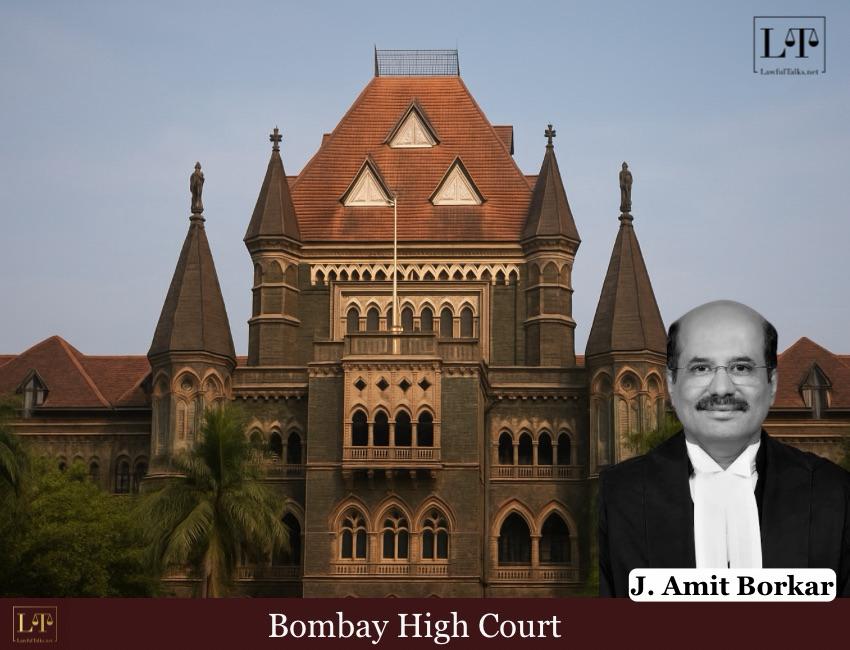
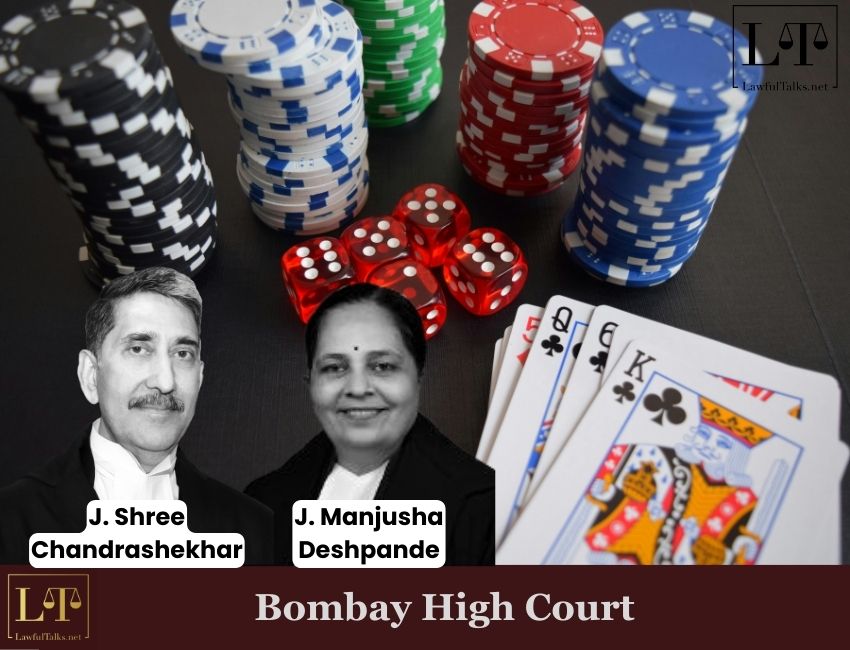
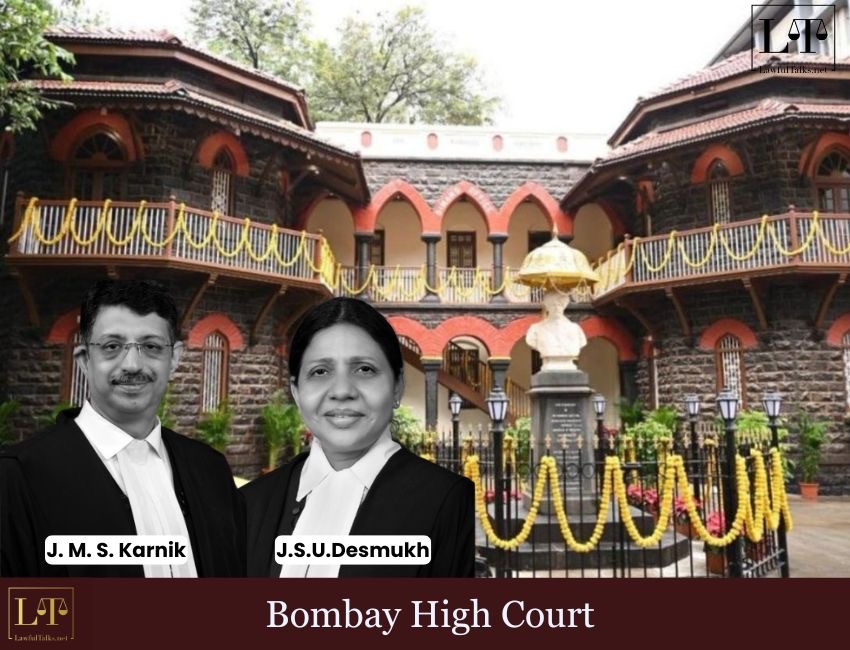
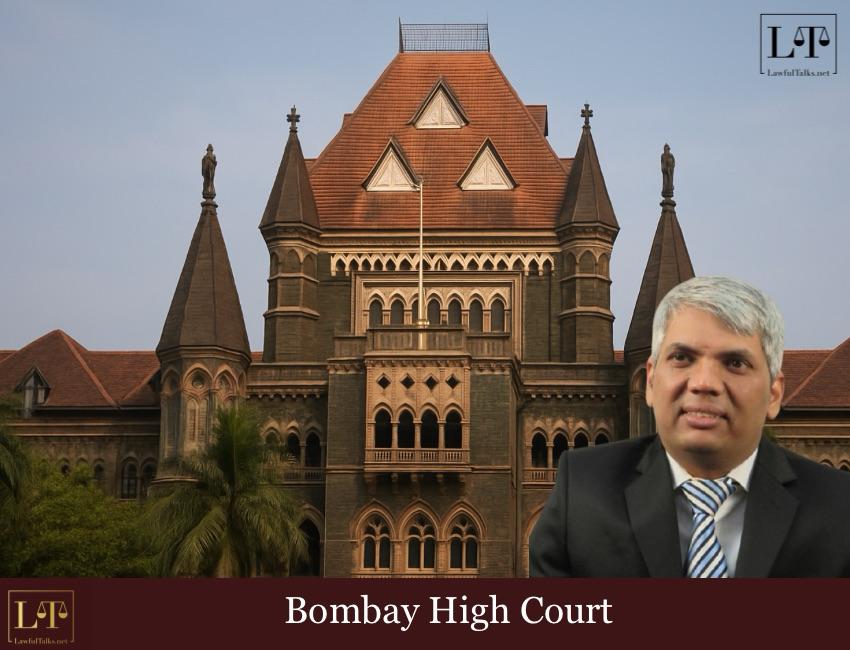
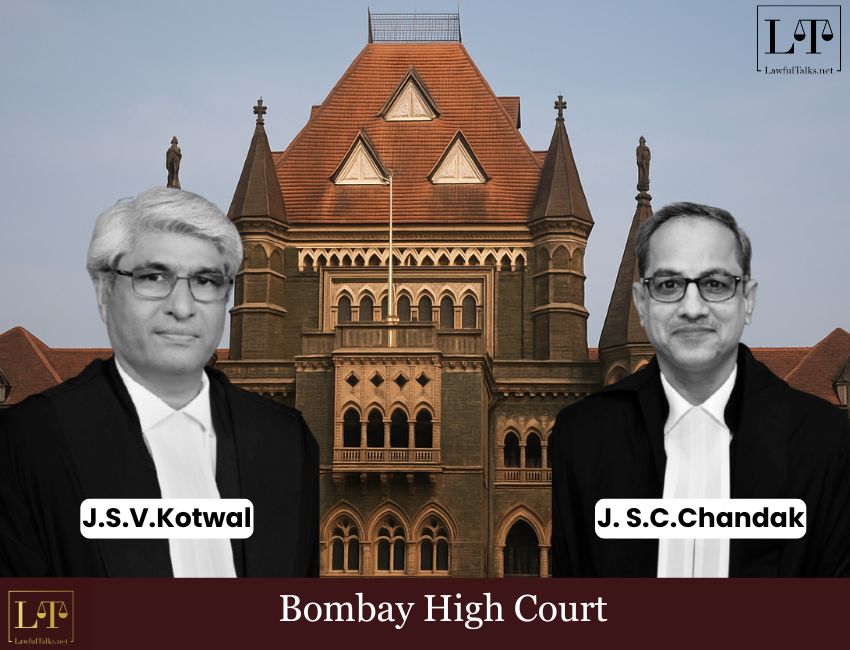
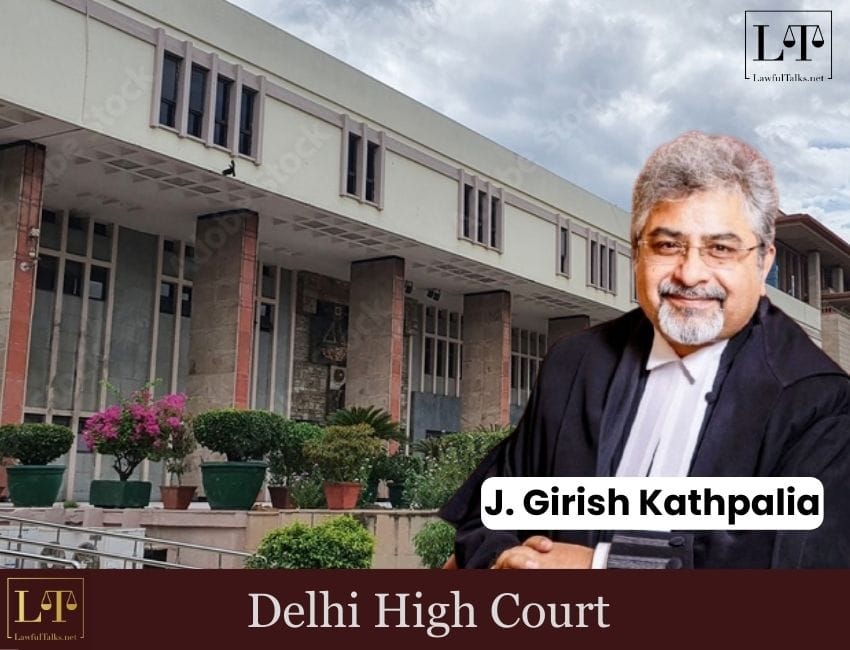
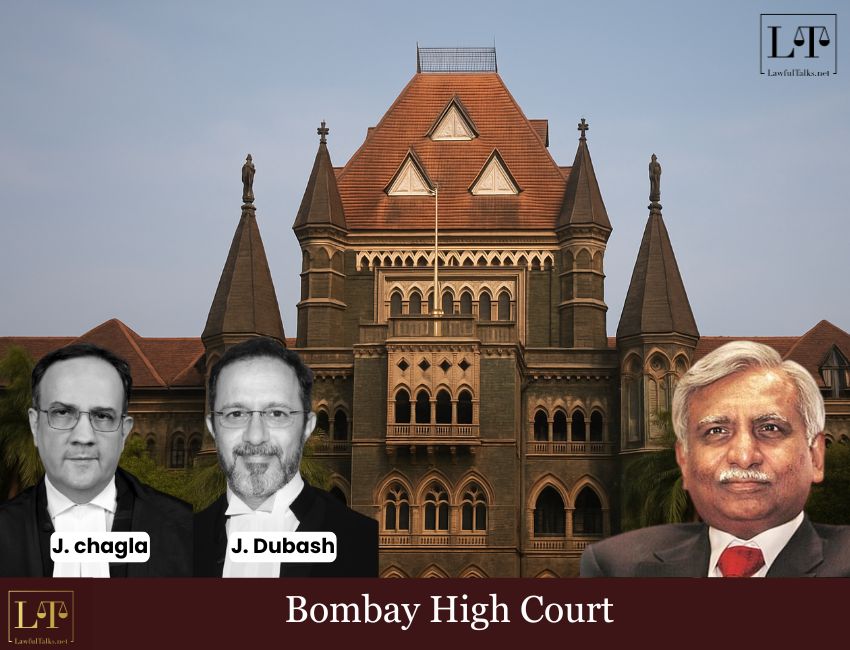
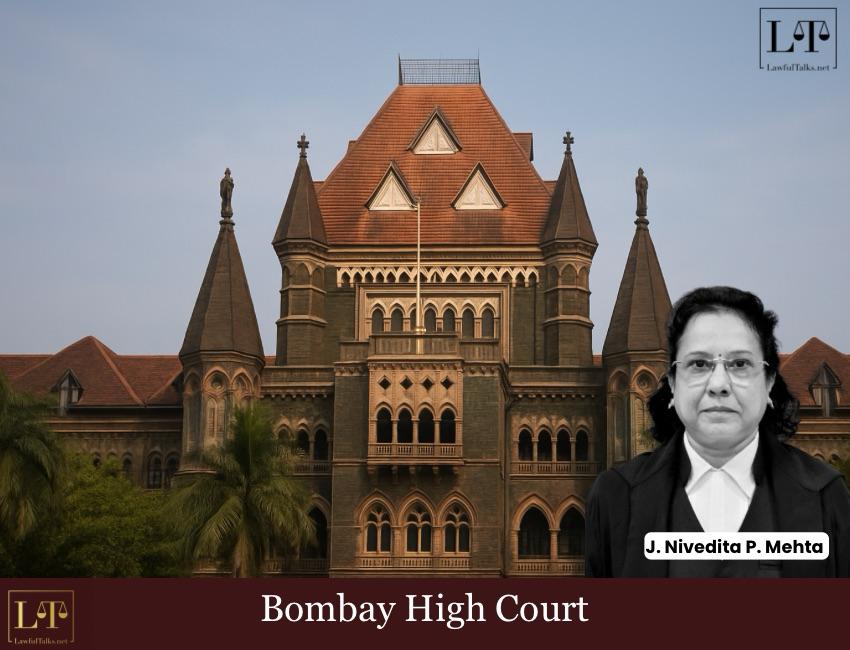
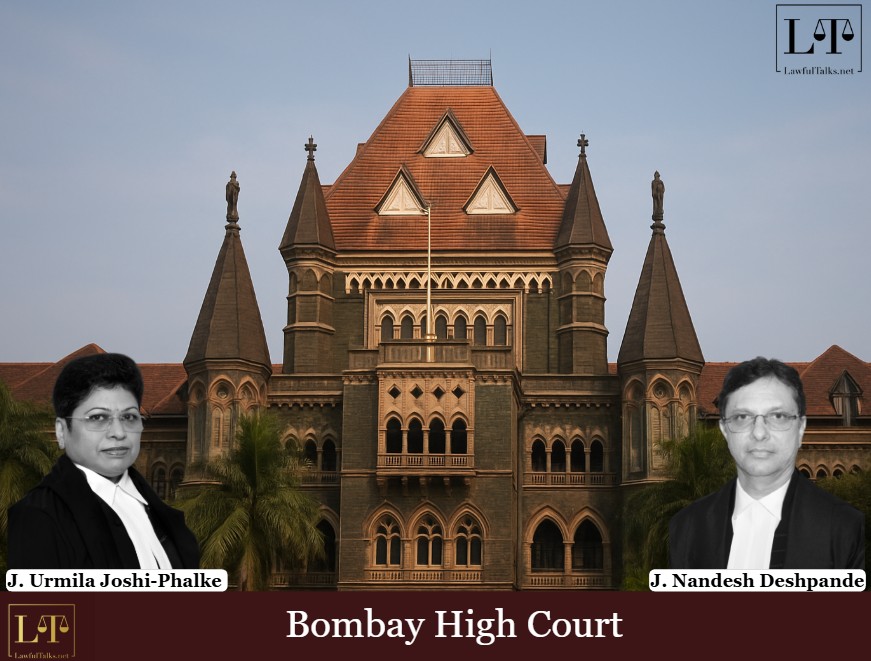
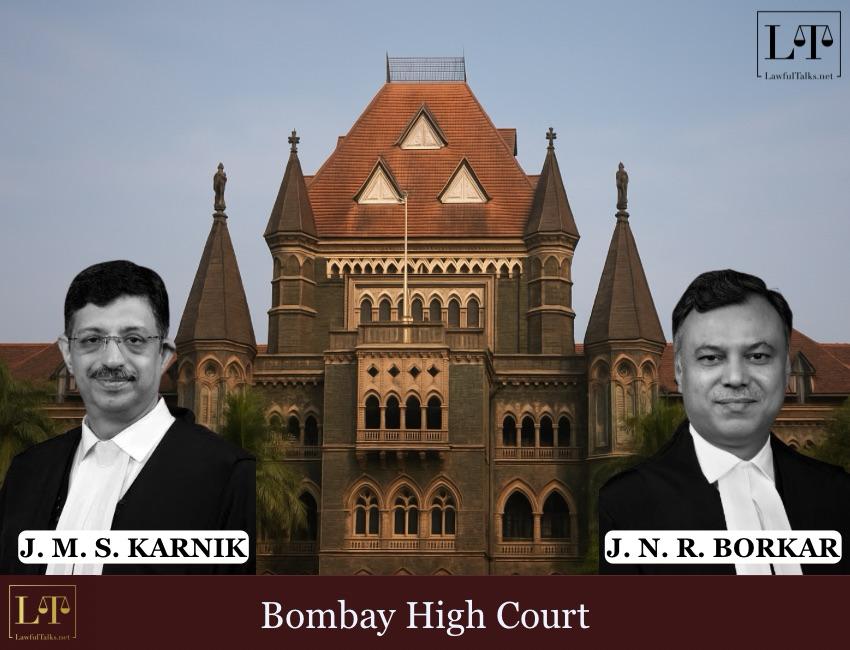
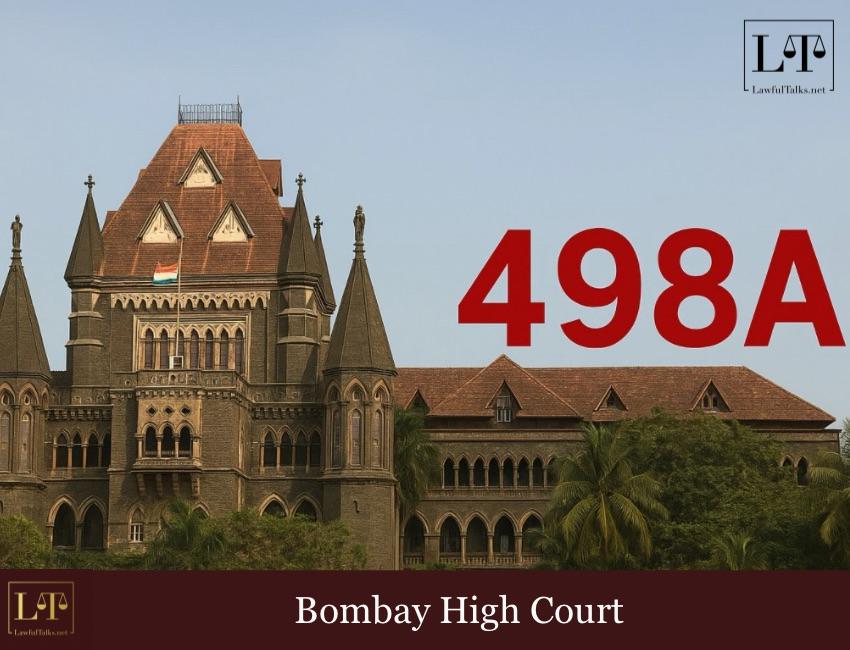
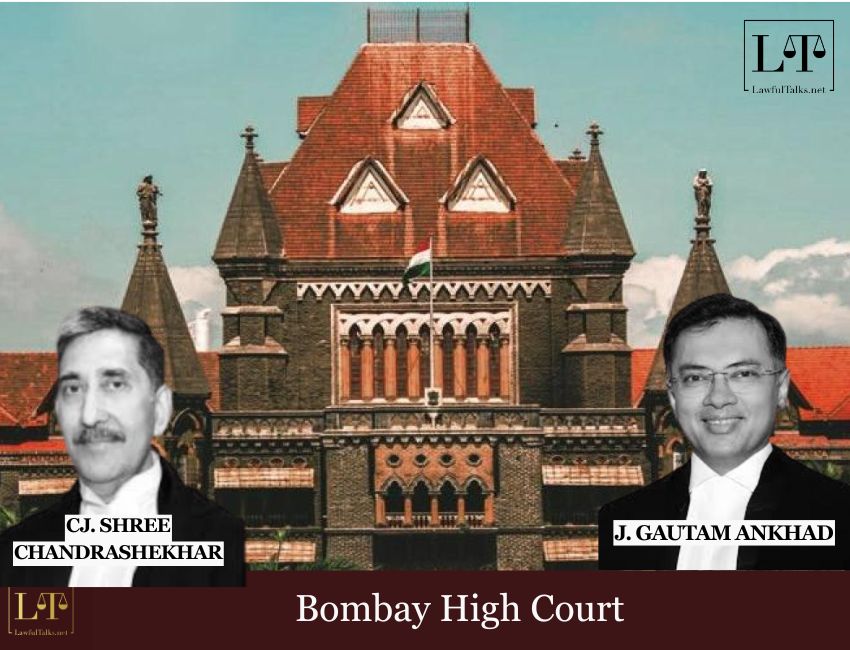
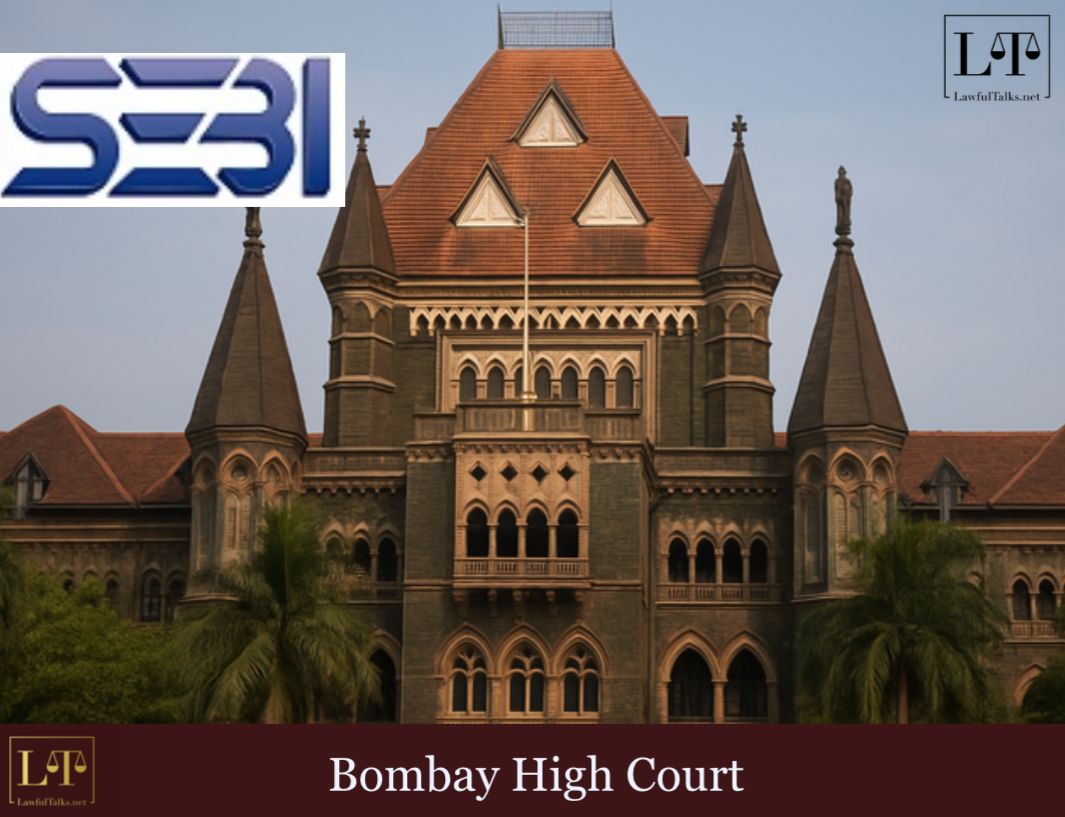
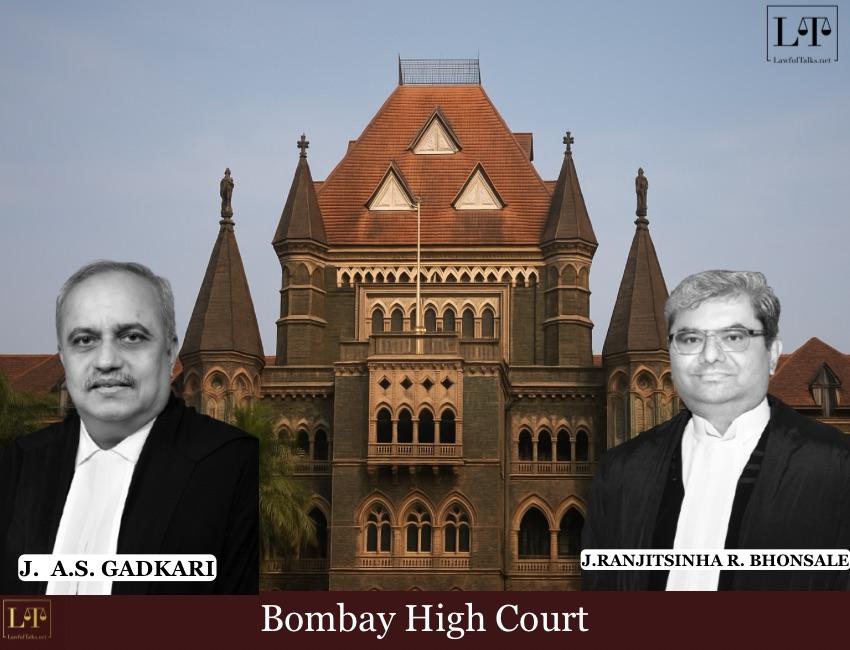
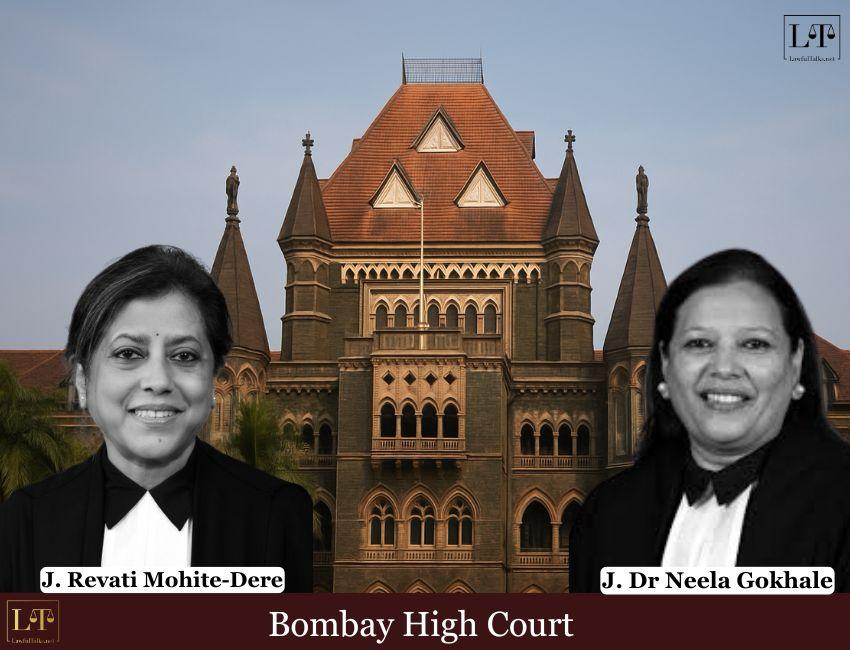
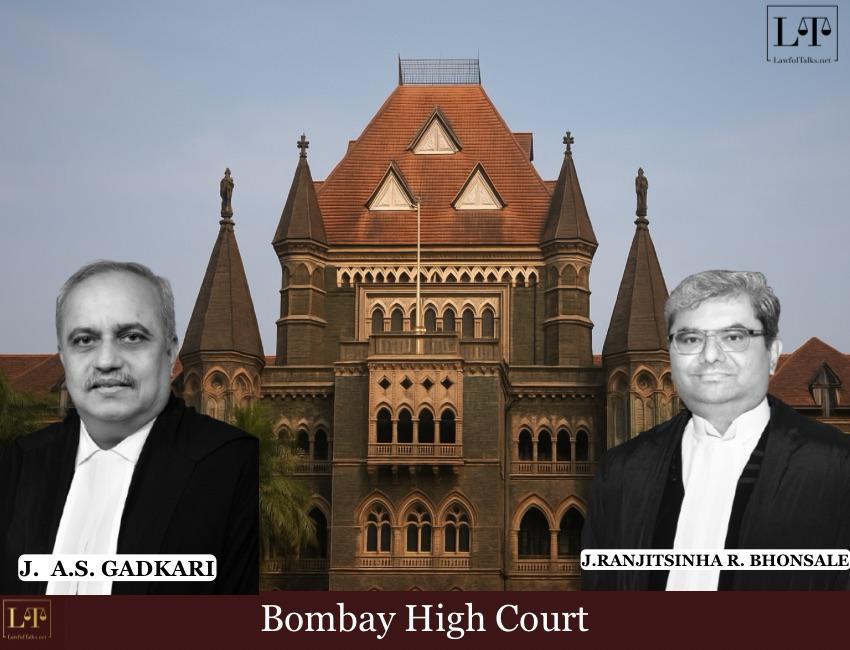
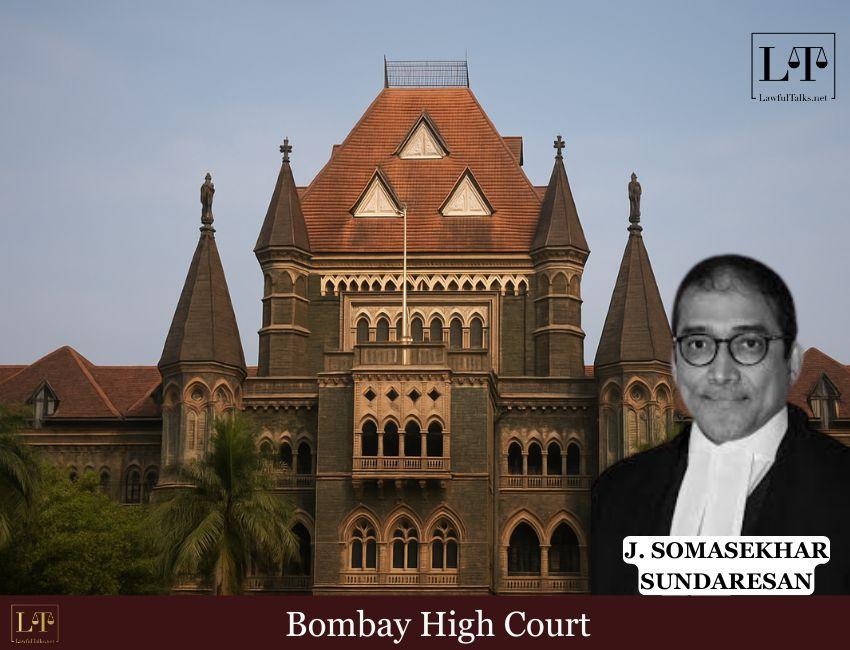
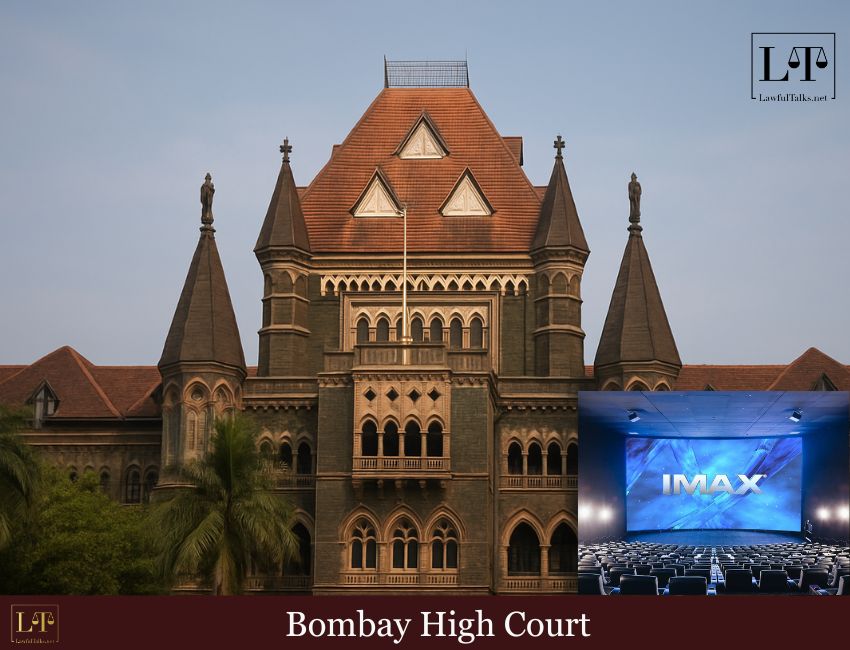
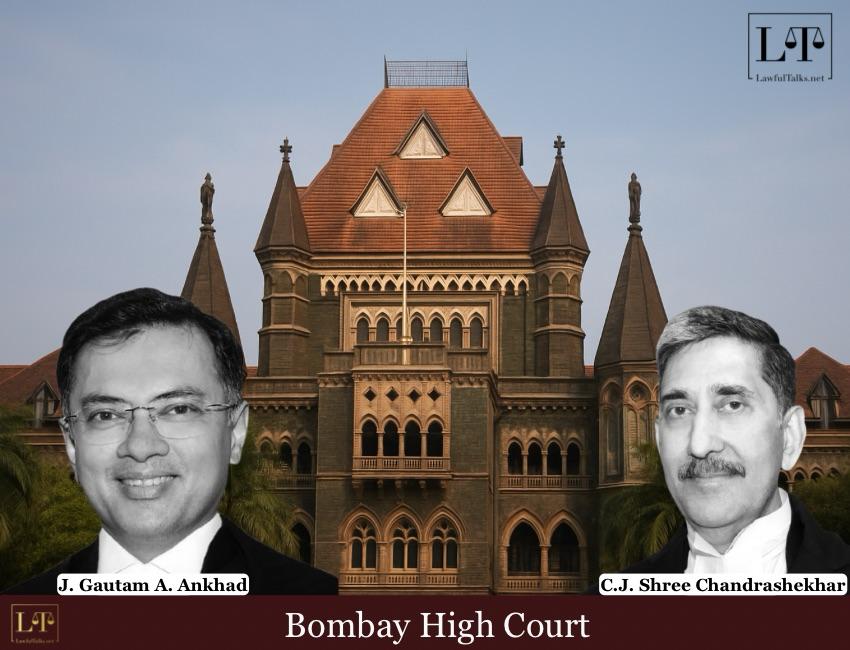
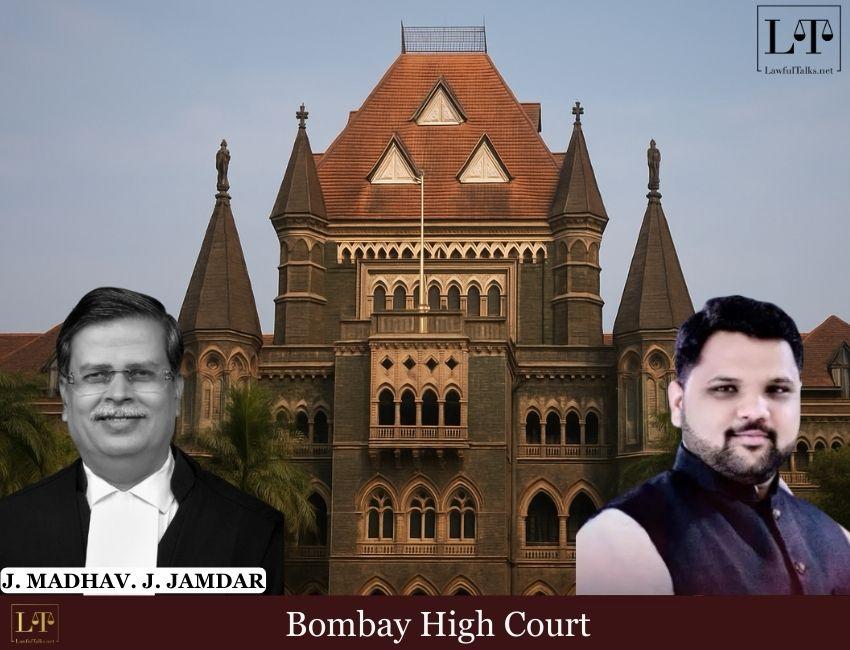
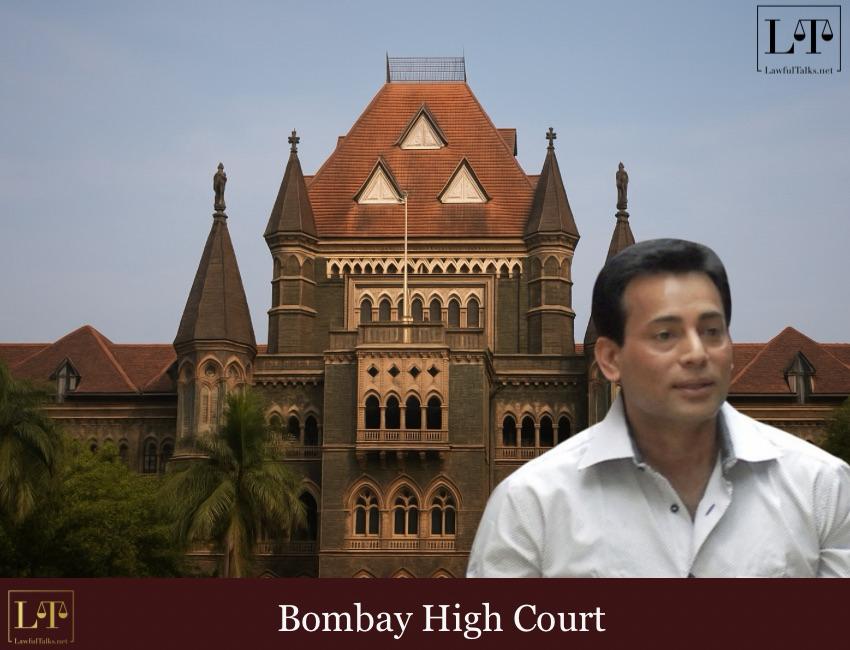
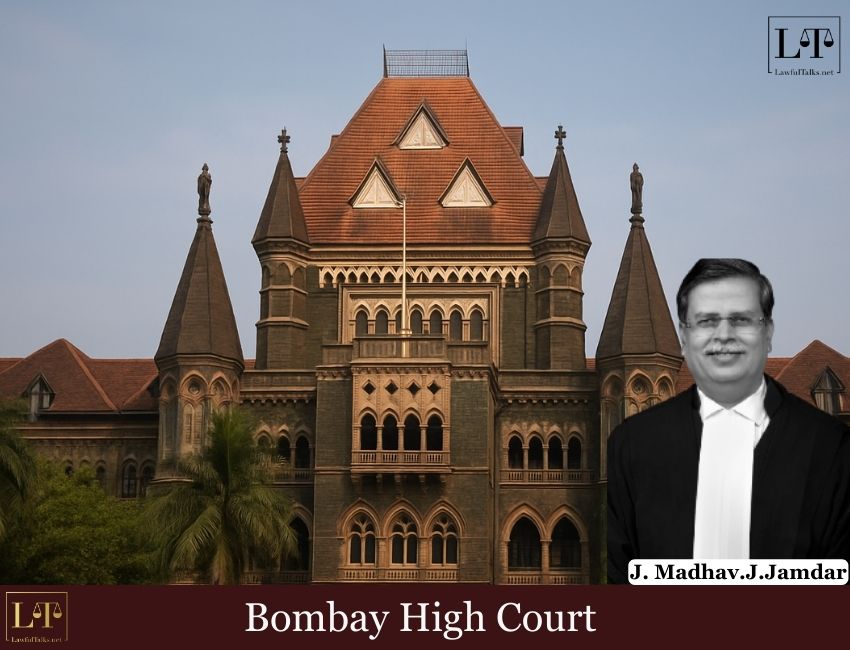
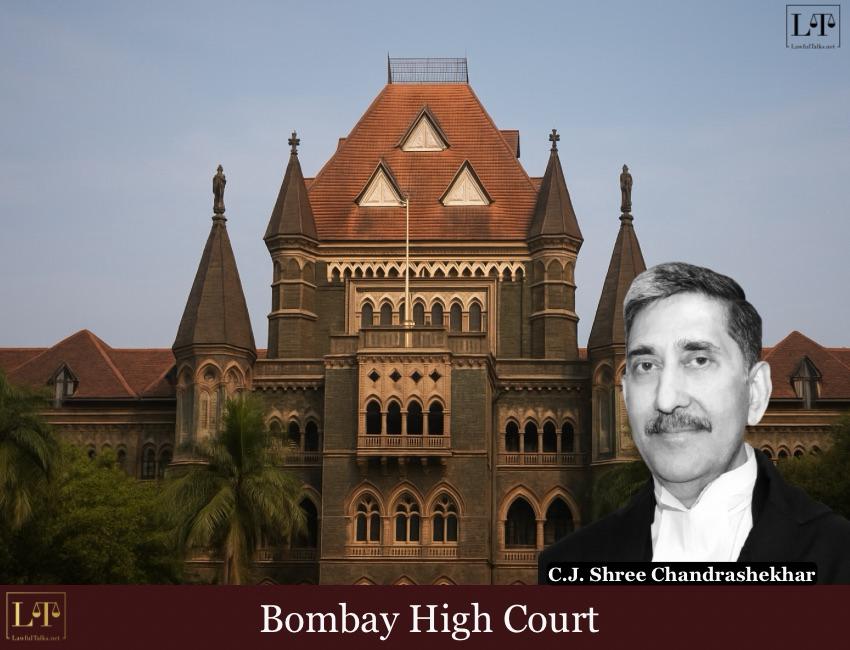
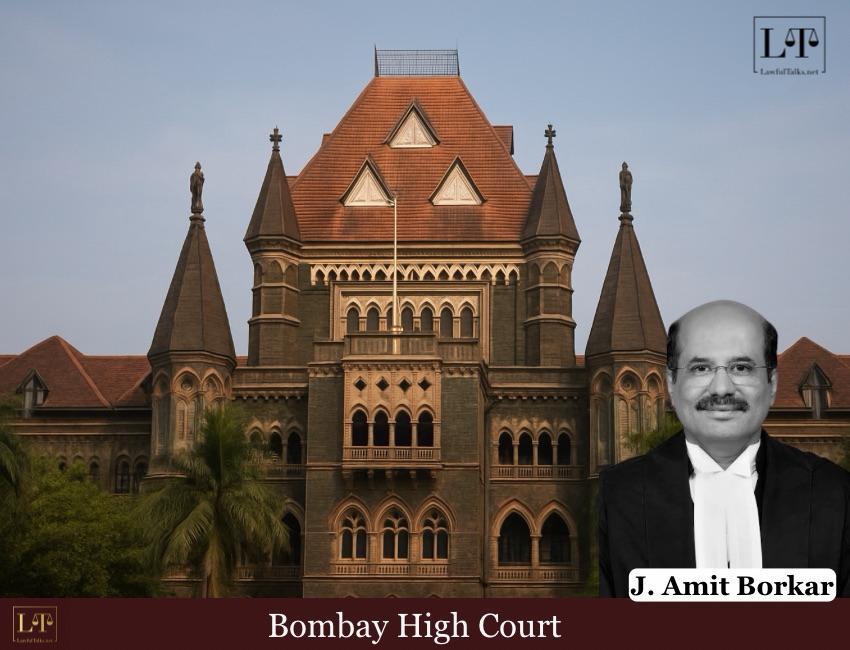
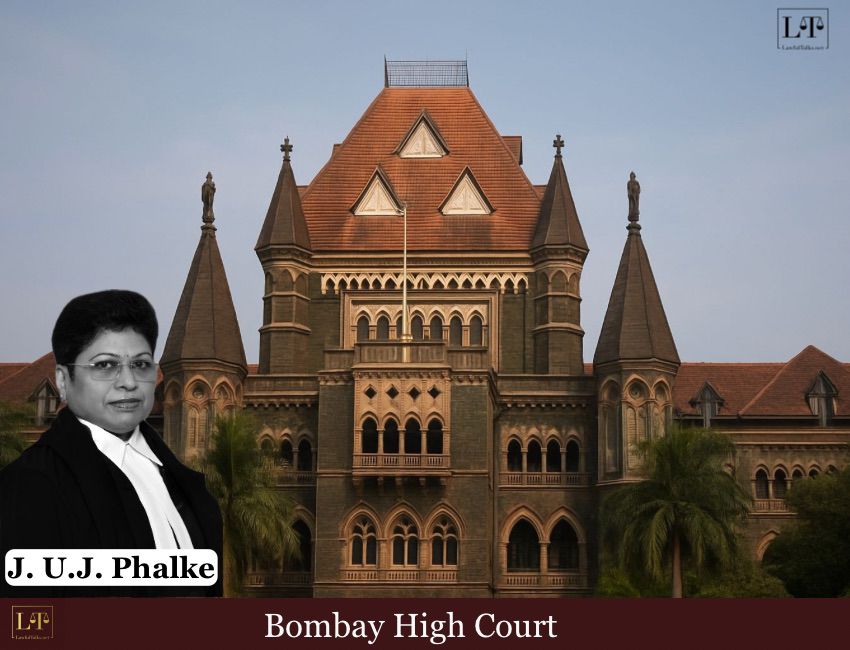
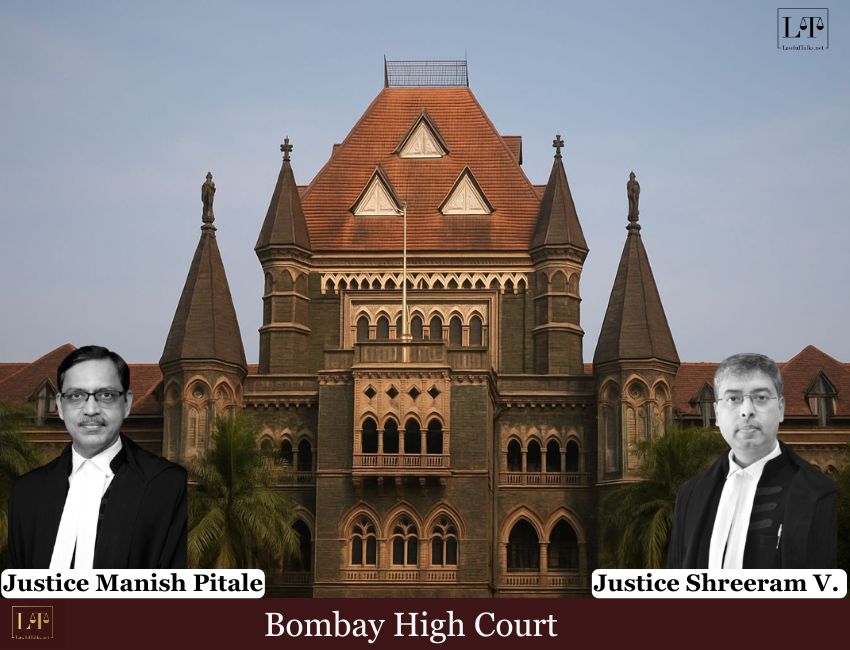
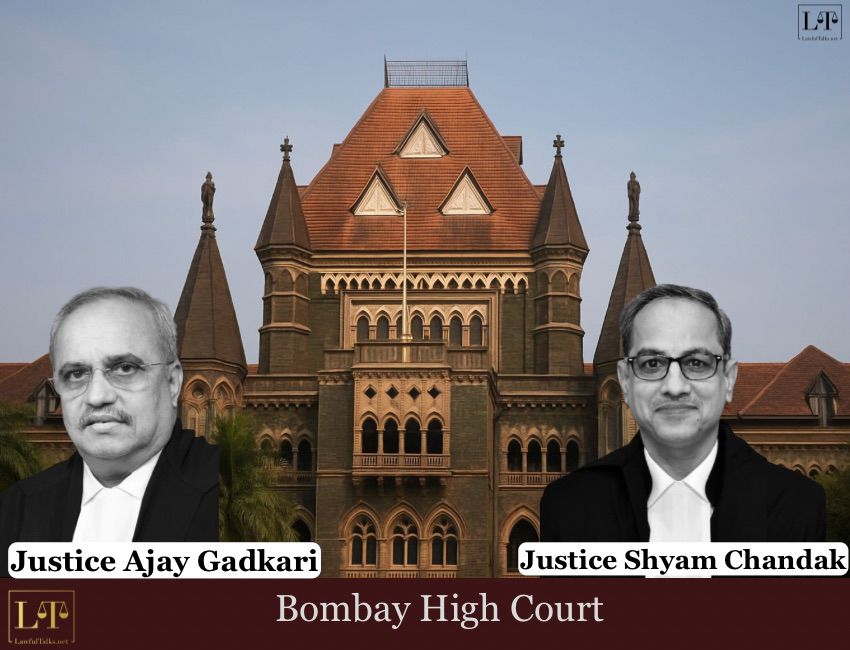
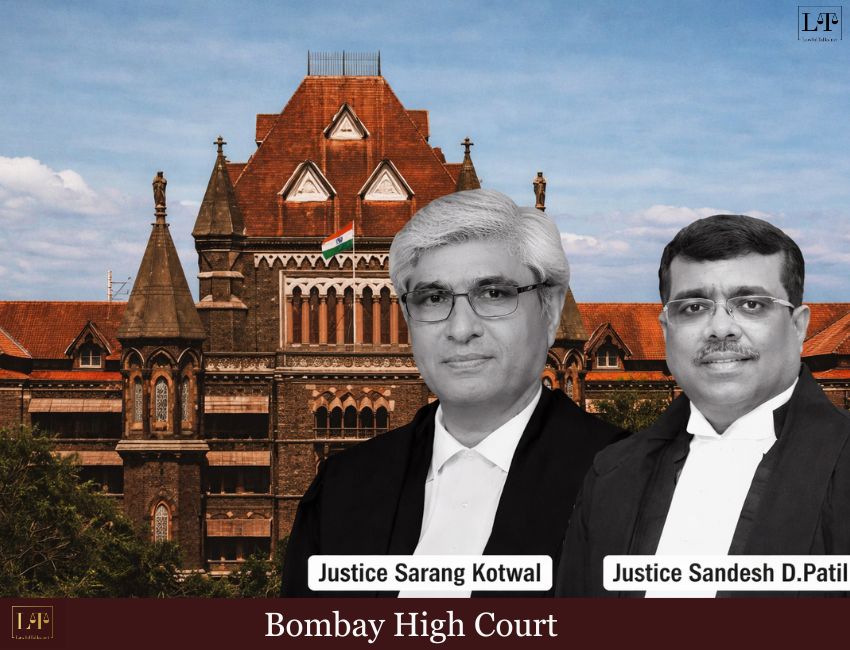
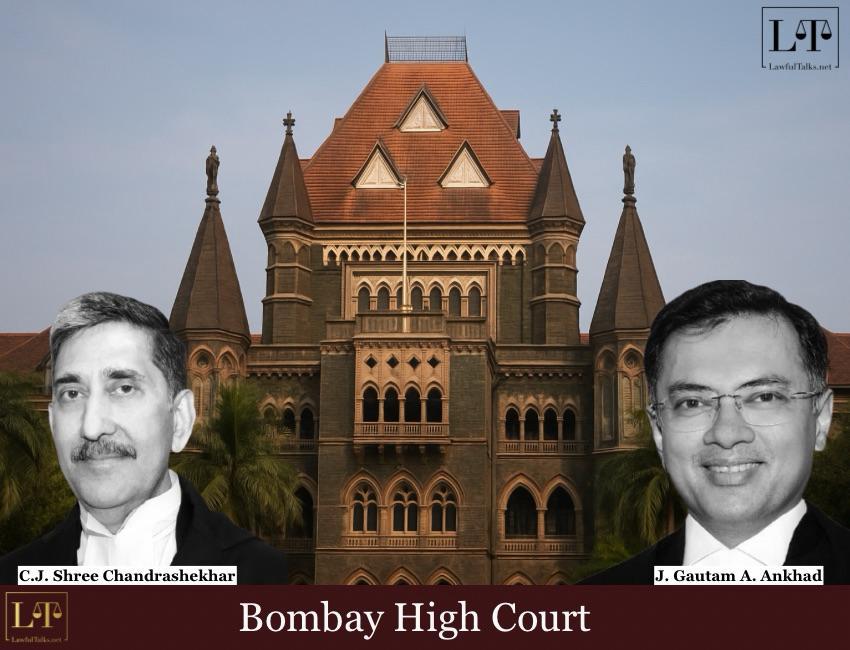
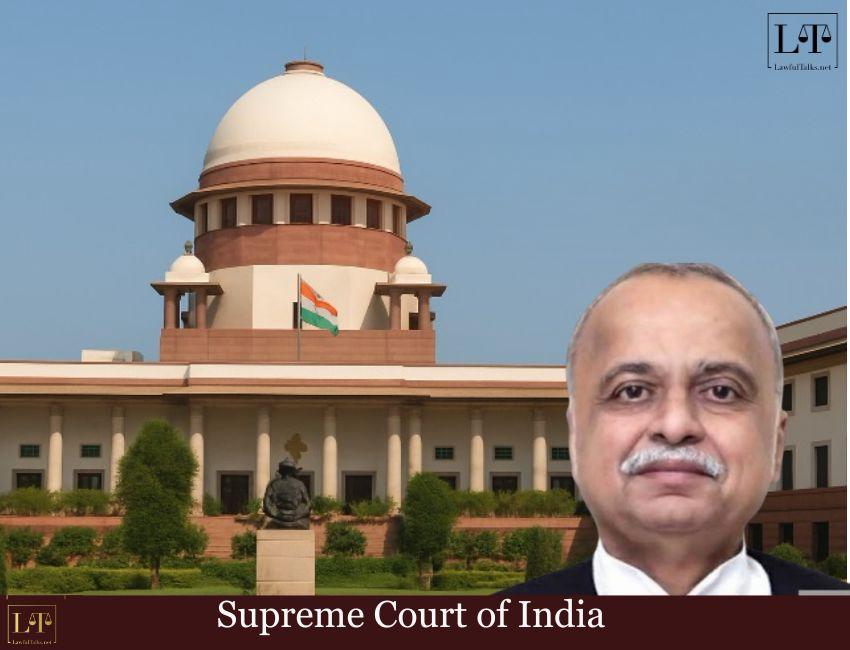
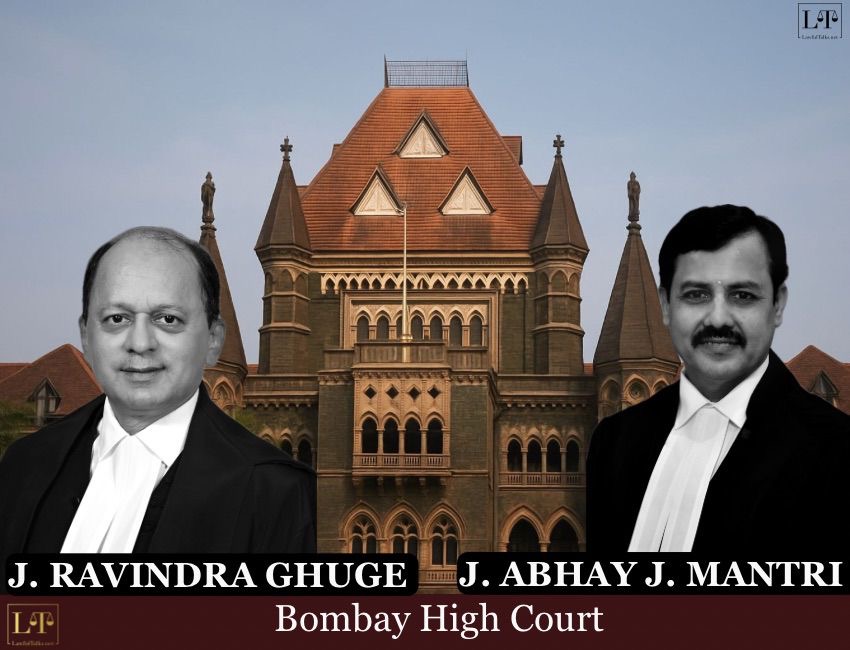
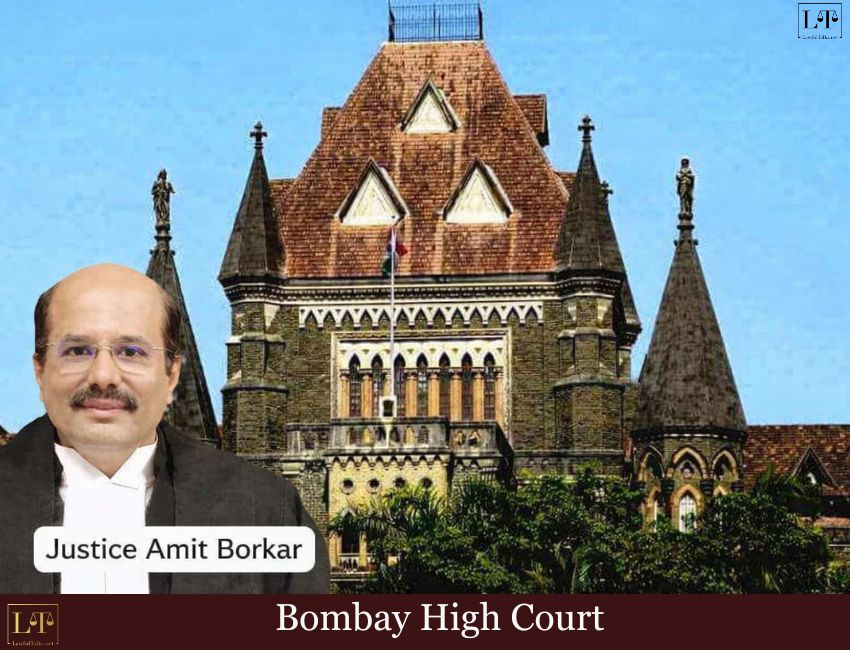
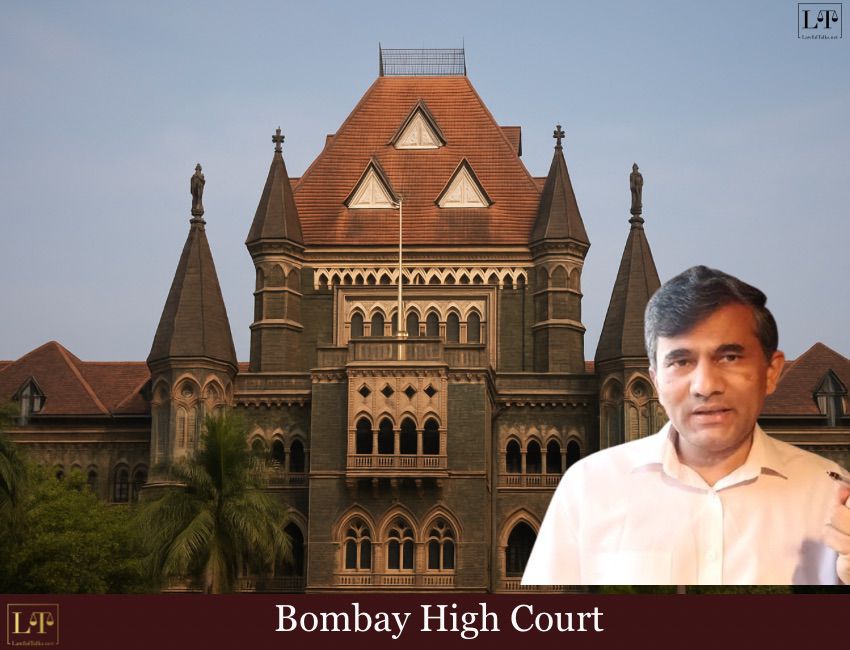
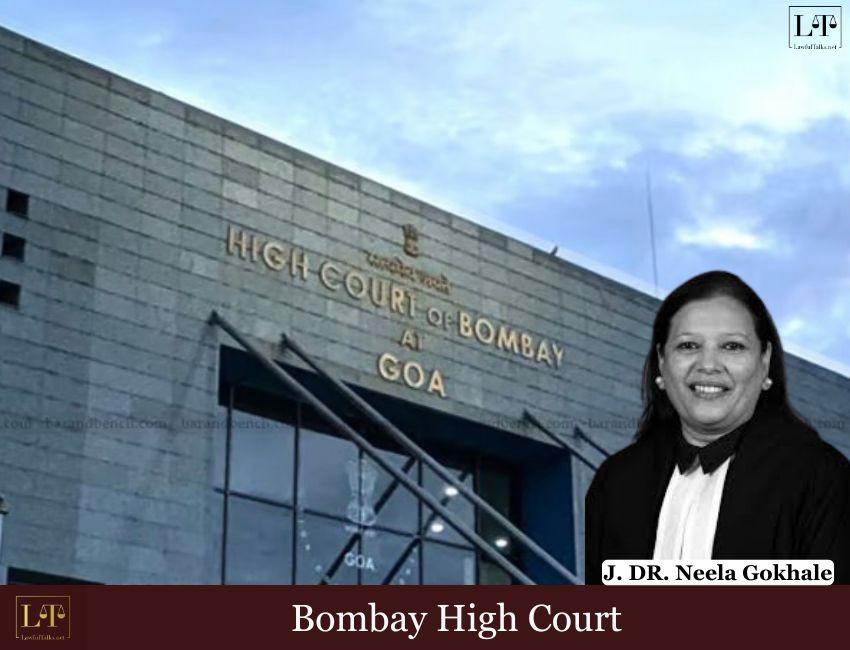
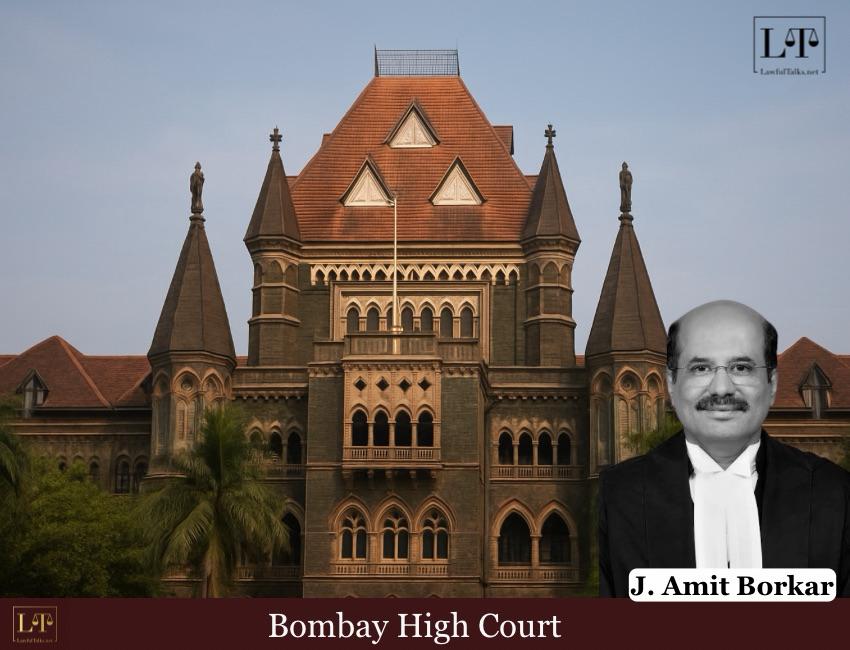
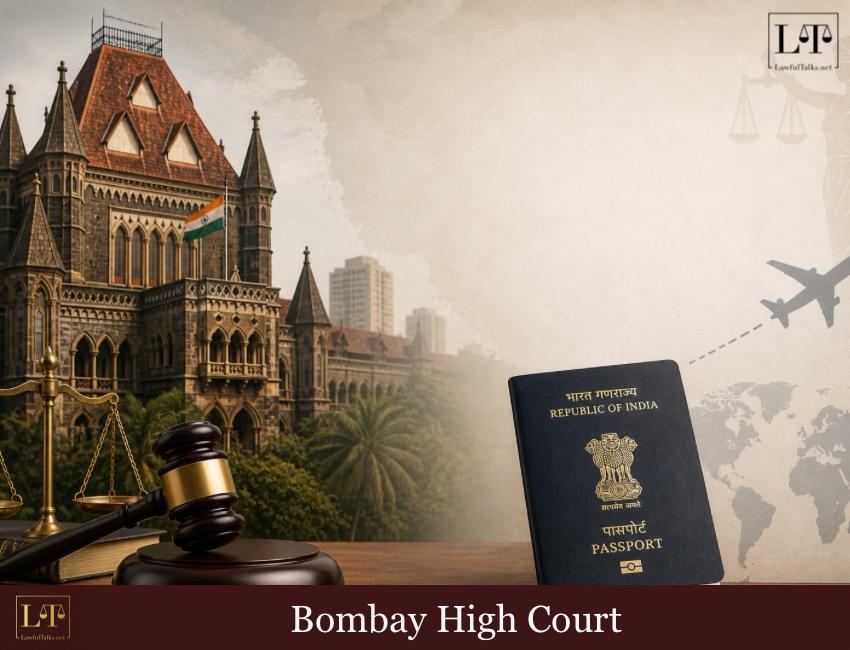
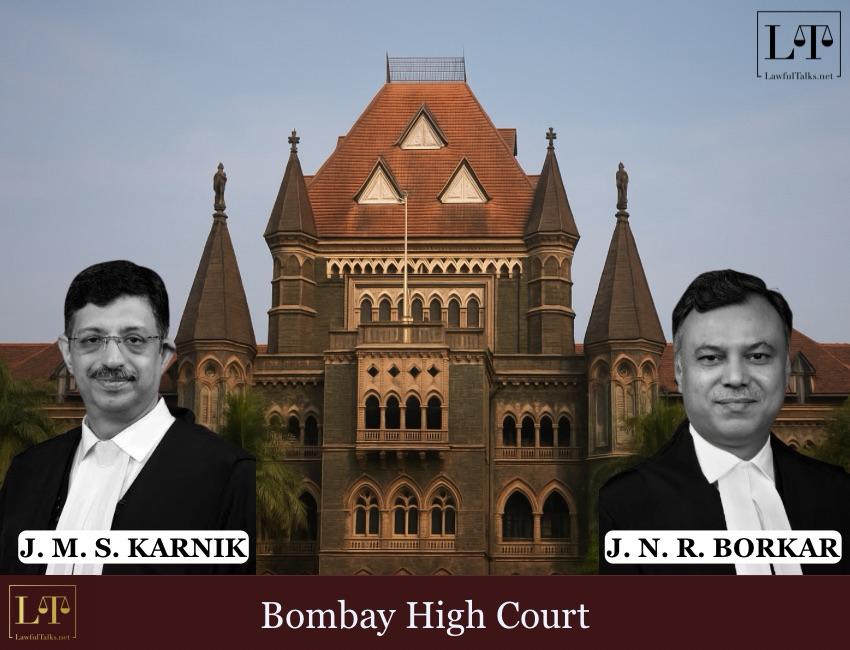
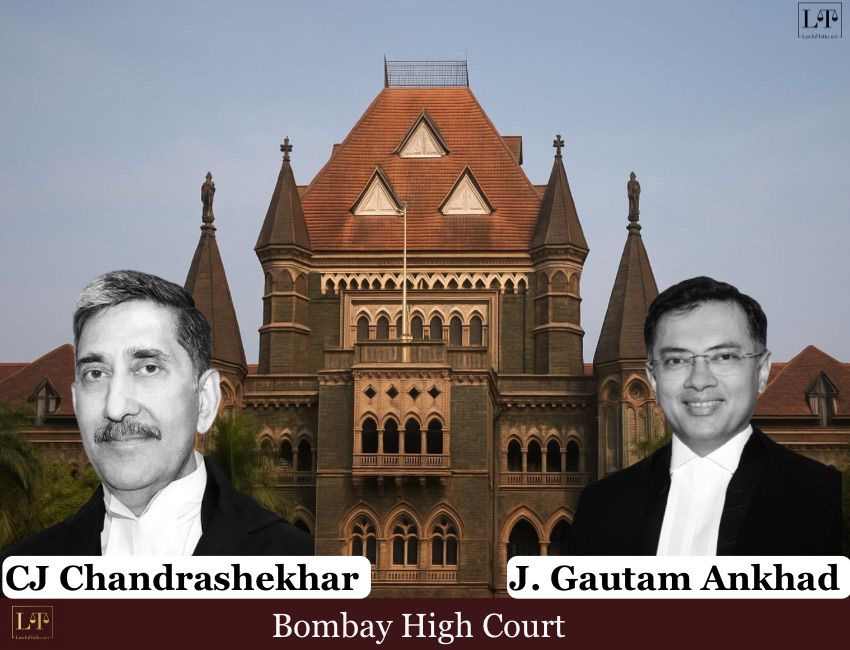
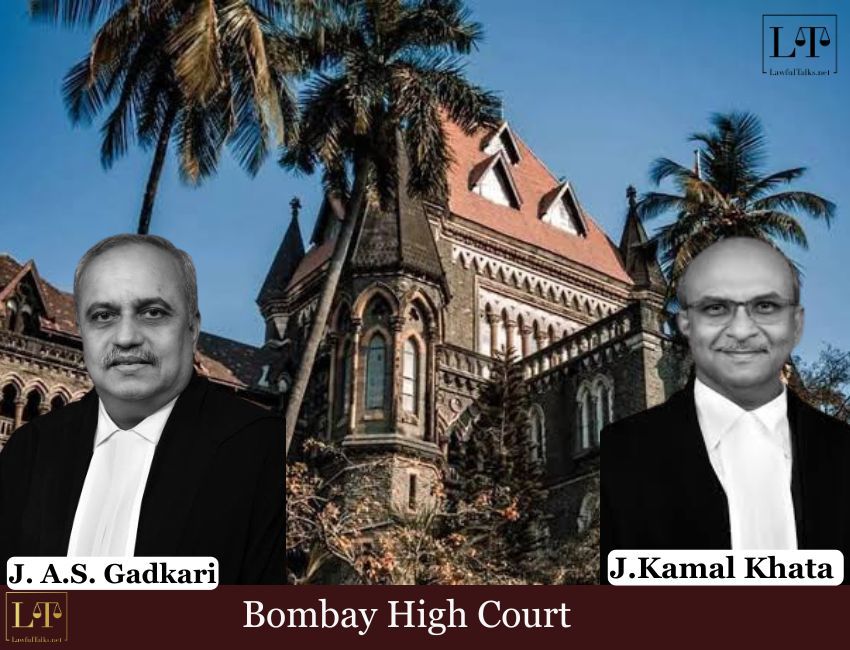
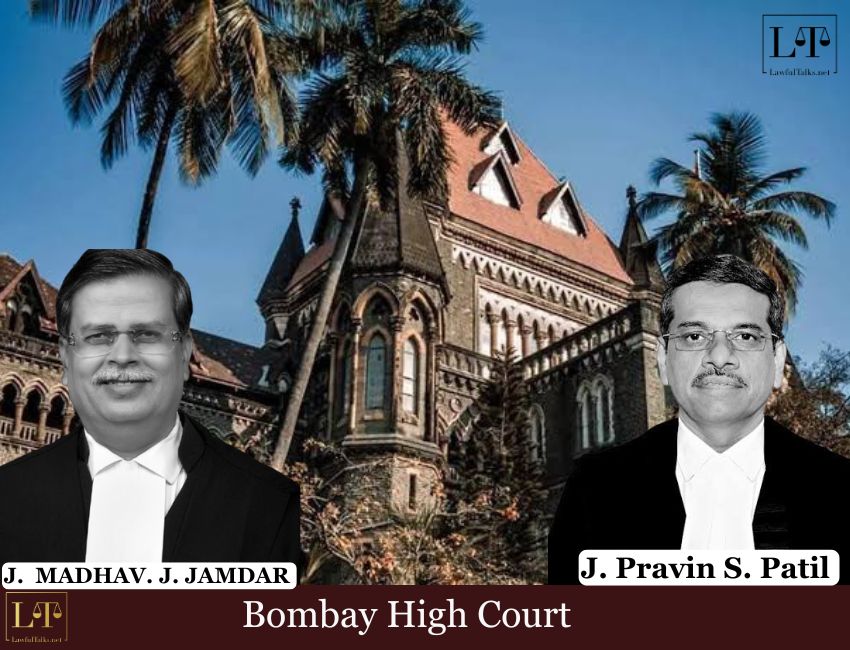
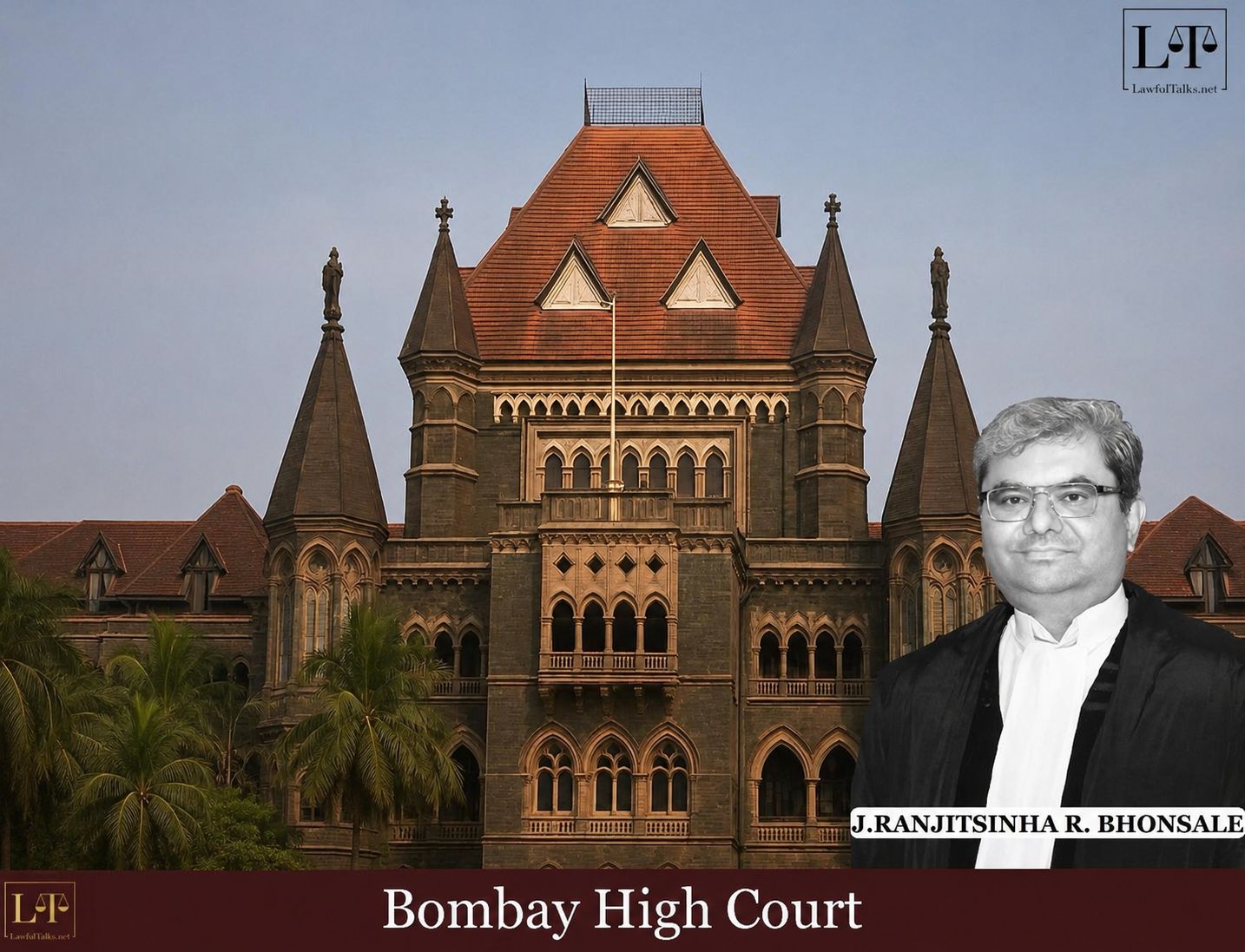
Justice Amit Borkar of the Bombay High Court recently delivered a significant judgment on the scope of post-award interim relief under Section 9 of the Arbitration and Conciliation Act, 1996, in a dispute between Oil and Natural Gas Corporation Limited (ONGC) and Swiber Offshore Construction Pte. Limited.
The Dispute:
The case was about whether a party that loses before an arbitral tribunal can ask the Court to continue a bank guarantee even after the arbitral tribunal has rejected its claim and ordered that the guarantee be returned.
The dispute arose from a contract signed in July 2010 between ONGC and Swiber for offshore development work in the Bombay High region. The contract was worth about USD 148.2 million and involved laying submarine pipelines and carrying out modifications on offshore production facilities.
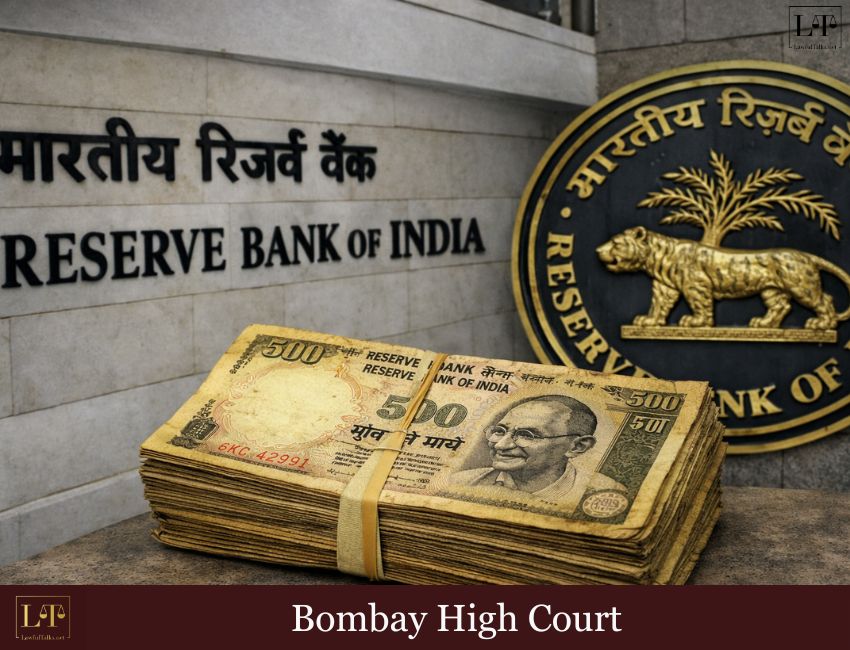
Under the contract, Swiber was required to complete the project within the agreed timeline. If there was any delay, ONGC was entitled to recover liquidated damages. The parties had agreed that these liquidated damages were a genuine pre-estimate of loss. As security, Swiber furnished a bank guarantee equal to 10 percent of the contract value.
Although the project was eventually completed, there were significant delays and ONGC granted several extensions. However, while granting these extensions, ONGC made it clear that it was keeping its right to recover liquidated damages.
Disputes later arose between the parties over the delays, additional costs, and other contractual liabilities, and the matter was then referred to arbitration.
Arbitral Award:
After several years of proceedings, the Arbitral Tribunal delivered its award on 30 September 2025. The Tribunal rejected ONGC’s claim for liquidated damages and directed that the bank guarantee be returned to Swiber. It also partly allowed some of Swiber’s claims and directed ONGC to pay a net amount of USD 4.11 million along with interest.
Challenging the award, ONGC filed a petition under Section 34 of the Arbitration and Conciliation Act. At the same time, it sought interim protection under Section 9 and requested that the bank guarantee be continued and extended until the challenge was decided.
ONGC’s Case:
Before the High Court, ONGC argued that the arbitral award contained serious legal errors. It submitted that the Tribunal had wrongly interpreted the contract provisions relating to liquidated damages and had wrongly insisted on proof of actual loss despite the parties having agreed that the liquidated damages clause represented a genuine pre-estimate of loss.
ONGC also argued that the Tribunal’s findings on delay were contradictory and that it had ignored important evidence regarding losses suffered by ONGC.
Another important argument raised by ONGC was that Swiber had already entered liquidation proceedings in Singapore. According to ONGC, if the bank guarantee expired, it would lose security worth about USD 14.82 million and might not be able to recover any amount if its challenge to the award ultimately succeeded.
Swiber’s Stand:
Swiber opposed the petition and argued that ONGC had not disclosed all relevant facts to the Court. It pointed out that in earlier proceedings, both parties had entered into consent terms regarding the bank guarantee.
Under those consent terms, the parties had specifically agreed that the bank guarantee would remain valid only for 120 days after the arbitral award was issued. Since the award was delivered on 30 September 2025, that period expired on 28 January 2026.
Swiber therefore argued that ONGC was effectively trying to change a binding agreement that both parties had voluntarily entered into.
Court’s Findings:
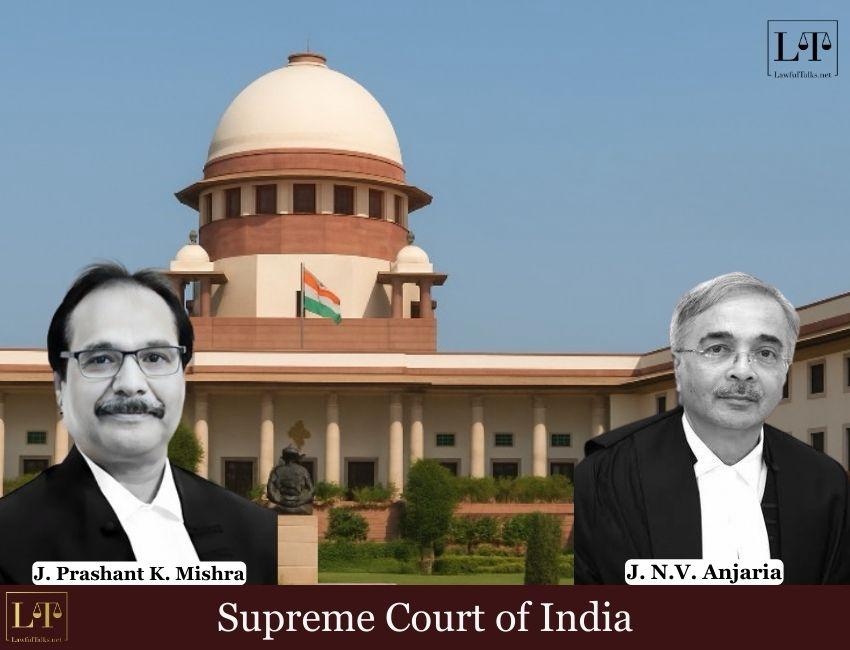
While considering the matter, Justice Amit Borkar examined the Supreme Court’s recent decision in Home Care Retail Marts Pvt. Ltd. v. Haresh N. Sanghavi. The Supreme Court had clarified that even a party that loses in arbitration can seek post-award interim relief under Section 9. However, such relief cannot be granted routinely.
The Court emphasized that:
“Once an arbitral award has been delivered, the findings recorded by the Tribunal continue to operate unless they are set aside. Therefore, an unsuccessful party cannot point out that a petition under Section 34 has been filed and seek continuation of interim arrangement.”
The Court further observed:
“Apart from establishing a prima facie case, balance of convenience and likelihood of irreparable injury, the applicant must demonstrate existence of exceptional circumstances which are capable of justifying departure from the normal rule.”
Applying these principles, the Court accepted that ONGC had raised arguable grounds in its challenge to the arbitral award. However, it held that merely showing an arguable case was not enough to obtain extraordinary post-award relief.
The Court noted that the arbitral tribunal had already rejected ONGC’s claim for liquidated damages after considering the evidence and that those findings would continue to operate unless set aside in appropriate proceedings.
Consent Terms Matter:
A major factor in the Court’s decision was the existence of the consent terms relating to the bank guarantee. The Court found merit in Swiber’s argument that ONGC had not adequately disclosed these consent terms while seeking discretionary relief under Section 9.
Justice Borkar observed:
“The Court cannot ignore such a circumstance while deciding whether continuation beyond that period should be directed.”
The Court further held:
“A litigant seeking discretionary relief is expected to approach the Court with openness. The Court exercises discretionary powers not only on the basis of legal rights but also on the point of fairness.”
No Real Urgency:
The Court also considered ONGC’s claim that urgent intervention was necessary because the bank guarantee was about to expire. However, it found that ONGC had known for several months that the guarantee would expire and had not acted with sufficient urgency.
In this regard, the Court remarked:
“Delay and urgency do not move together. If a litigant is aware of the facts and consequences, yet allows time to pass before approaching the Court, the Court is entitled to examine whether the urgency is genuine or whether it has arisen because of the litigant’s own conduct.”
Liquidation Not Enough:
The Court also examined ONGC’s concerns regarding Swiber’s liquidation. It held that such concerns alone could not create a legal right where none existed.
The Court clarified that the bank guarantee had been provided specifically as security for possible liability relating to liquidated damages under the contract. It could not now be converted into general security for all claims that ONGC may have against Swiber in separate proceedings.
Significantly, the Court observed:
“The fact of liquidation, standing alone, is insufficient to elevate the present matter to the category of a compelling case contemplated by the Supreme Court in Home Care Retail Marts.”
Final Decision:
In the end, the Court concluded that although ONGC had raised substantial questions in its challenge to the arbitral award, it had failed to show the exceptional and compelling circumstances required for grant of post-award interim relief under Section 9.
The Court held that the consent terms, ONGC’s delay in seeking relief, and the lack of an exceptionally strong prima facie case were all factors against granting the relief sought by ONGC.
Accordingly, the Bombay High Court refused to direct continuation or extension of the bank guarantee and declined to grant the interim protection sought by ONGC.


























































































































Sign up for free and be the first to get notified about curated content just for you.