Can a Divorced Woman Seek Higher Maintenance After Her Ex-Husband Dies? Bombay HC Answers

- June 17, 2026


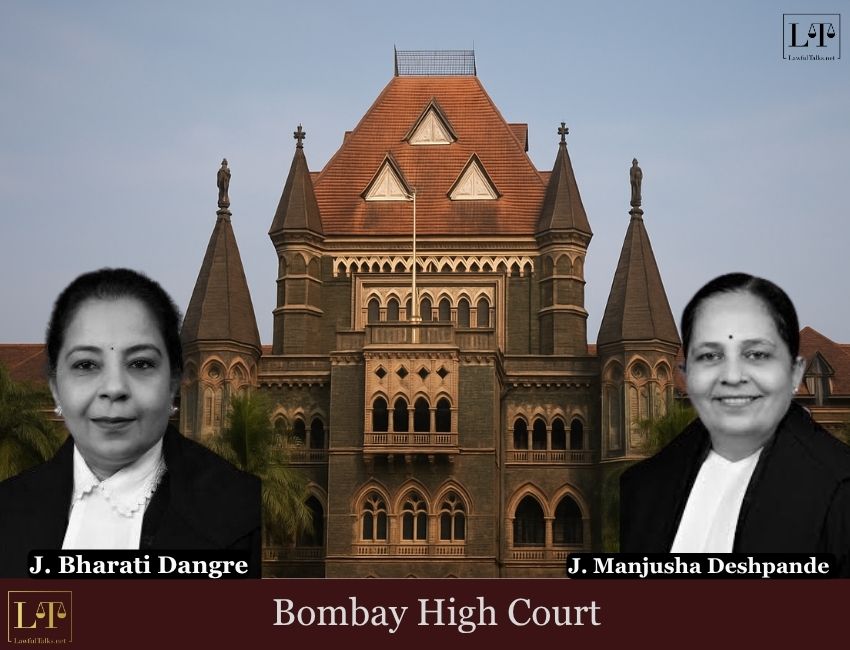
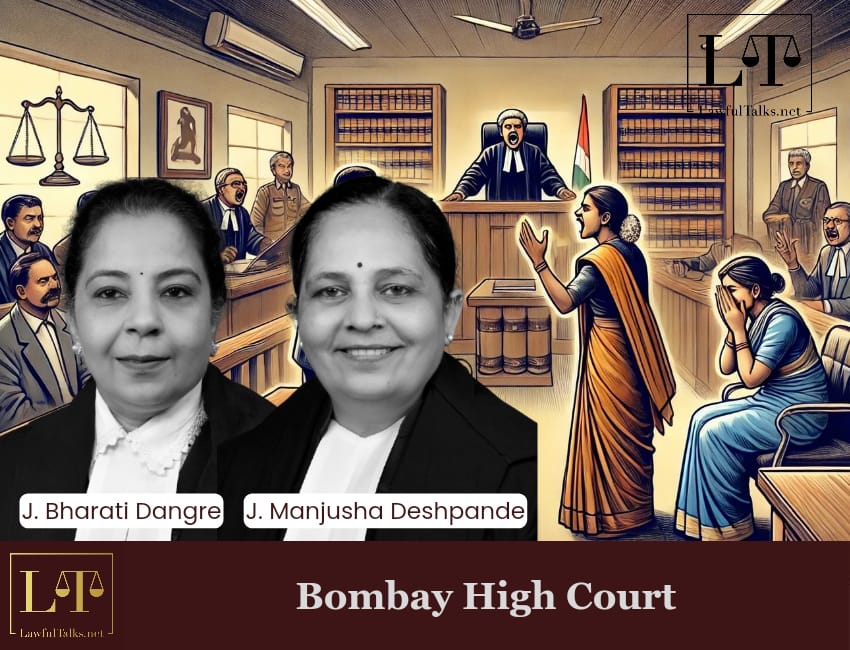
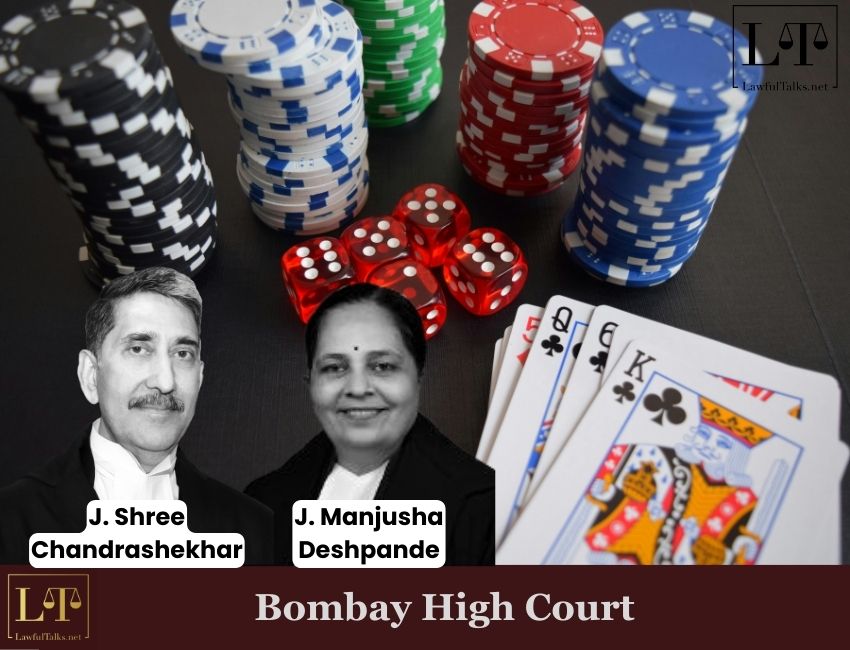
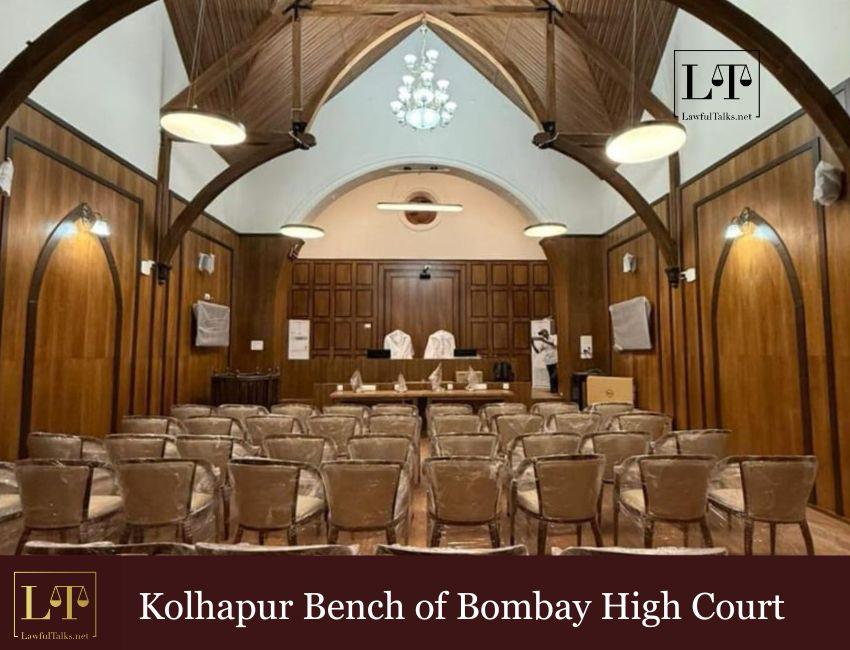
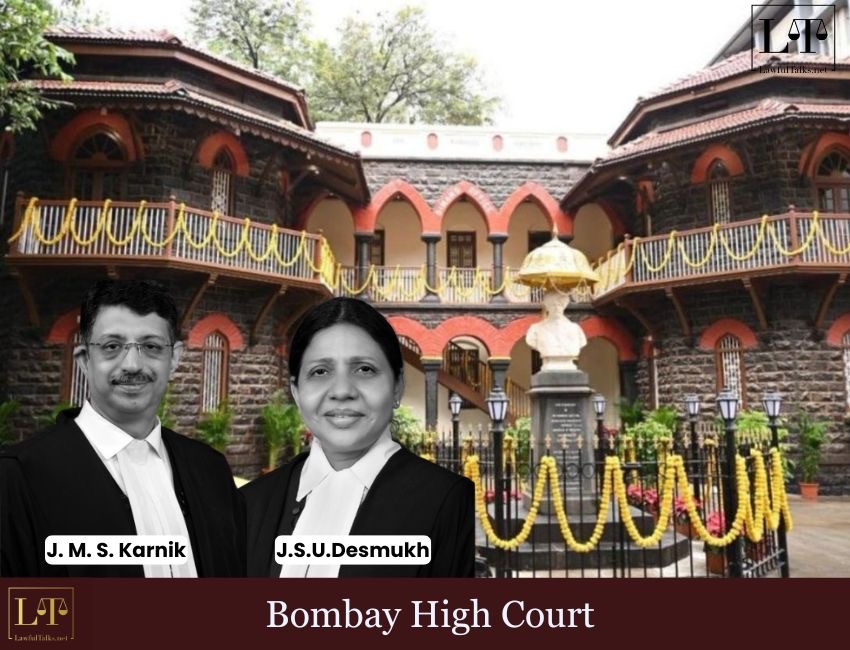
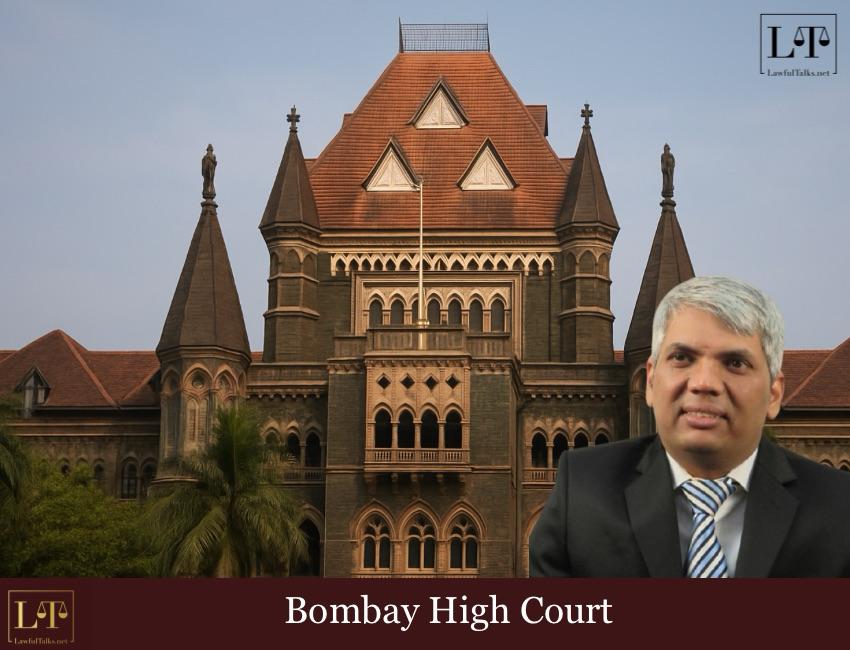
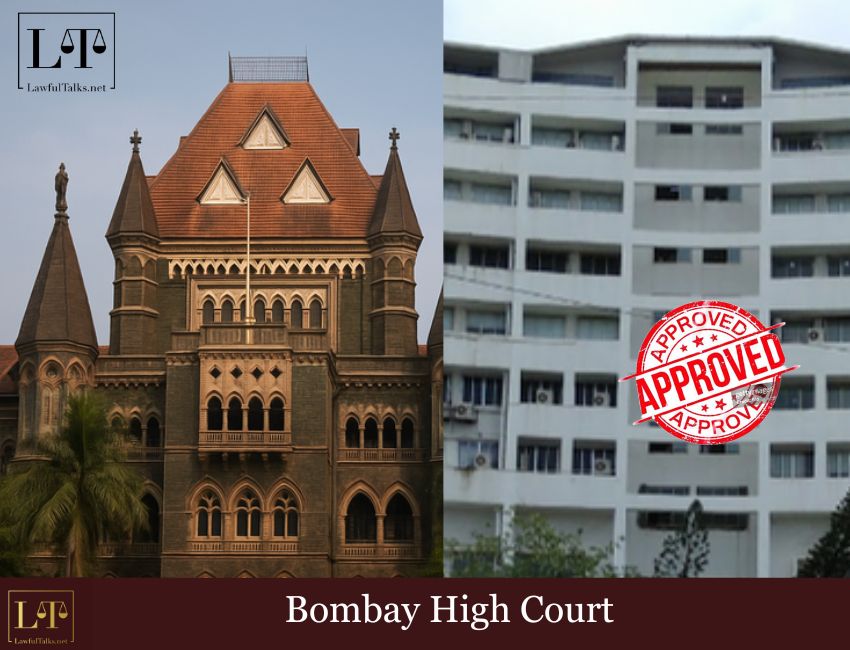
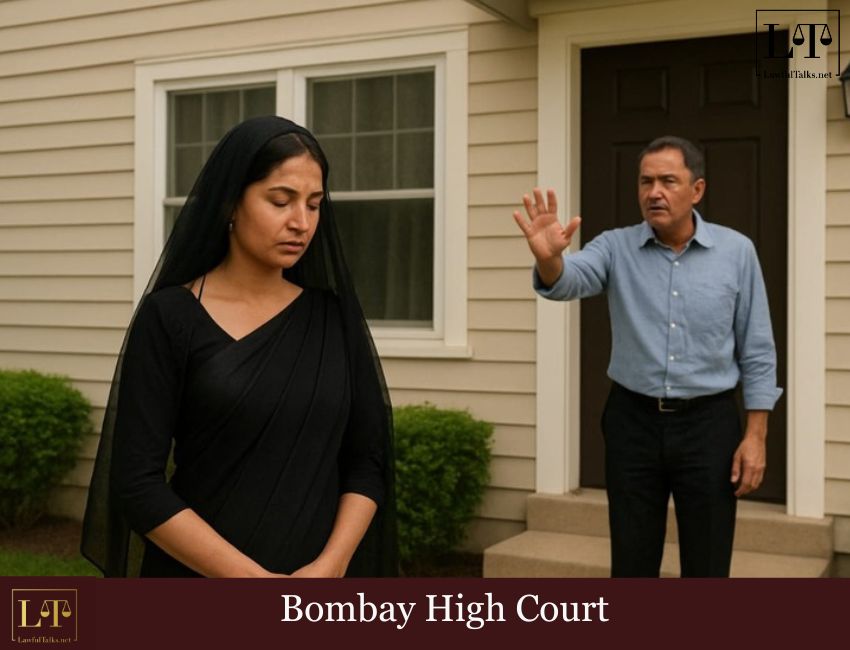
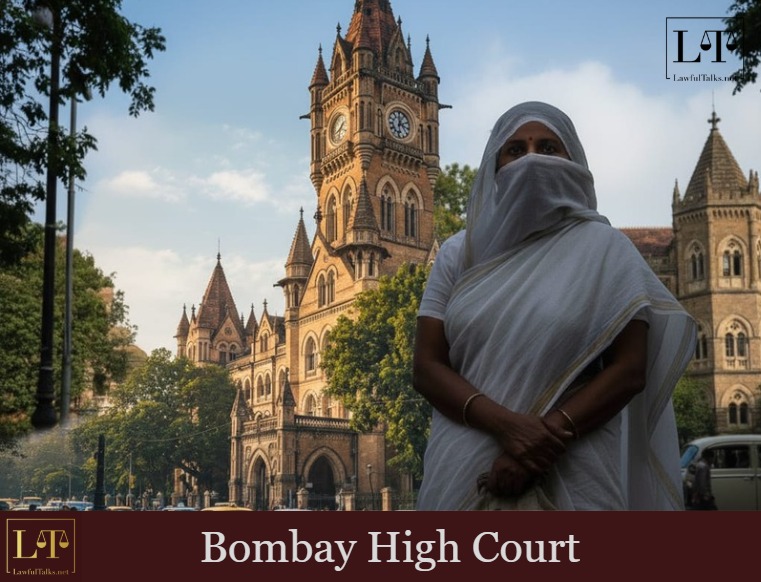
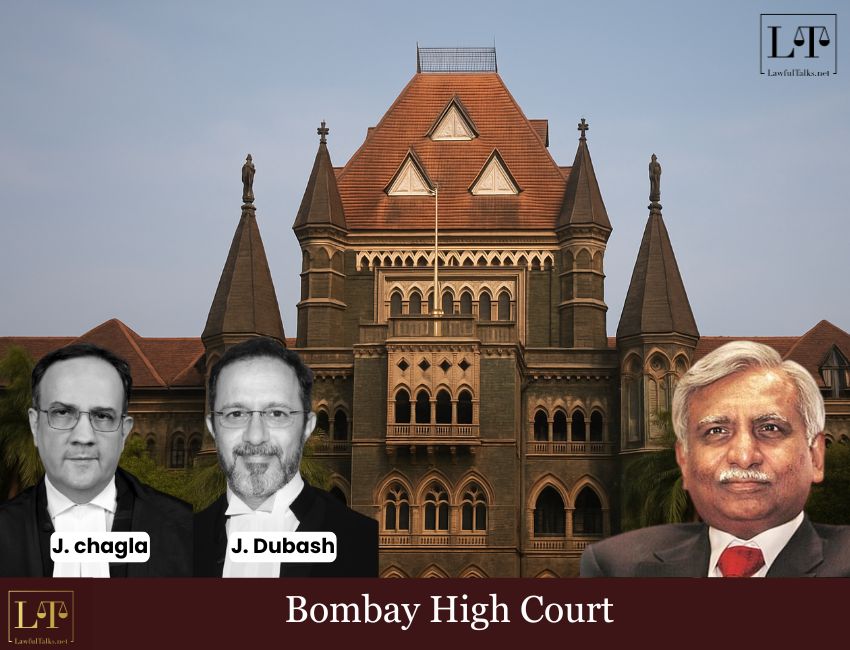
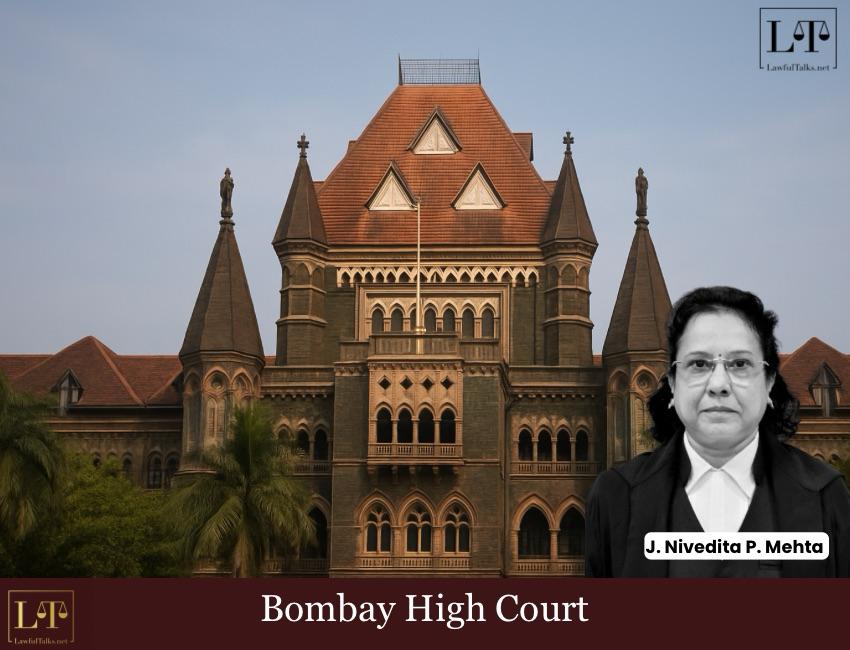
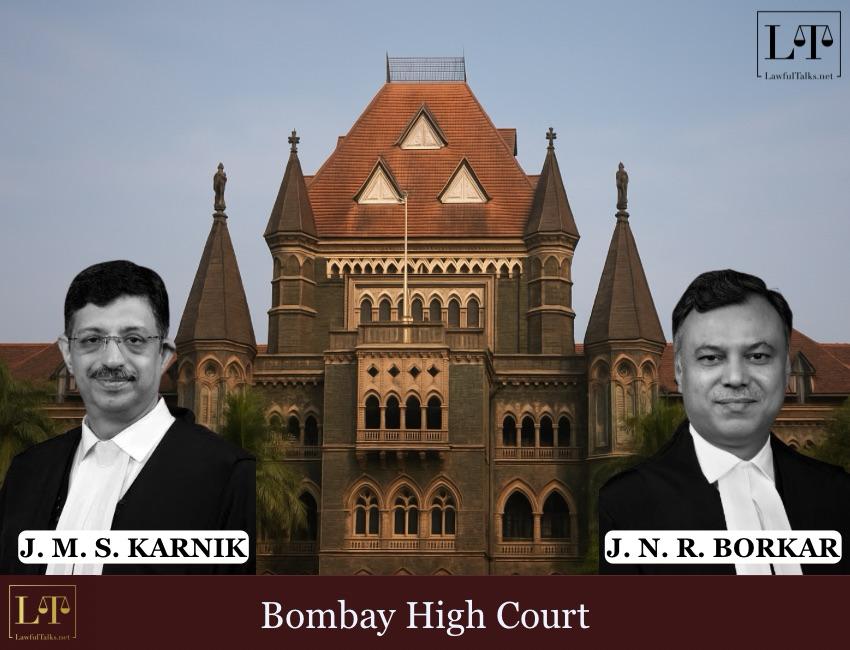
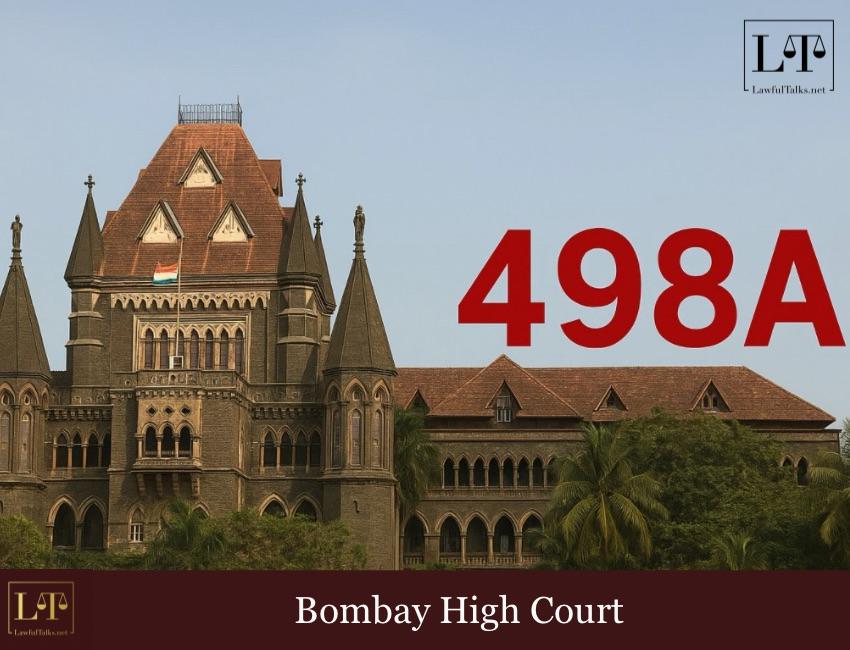
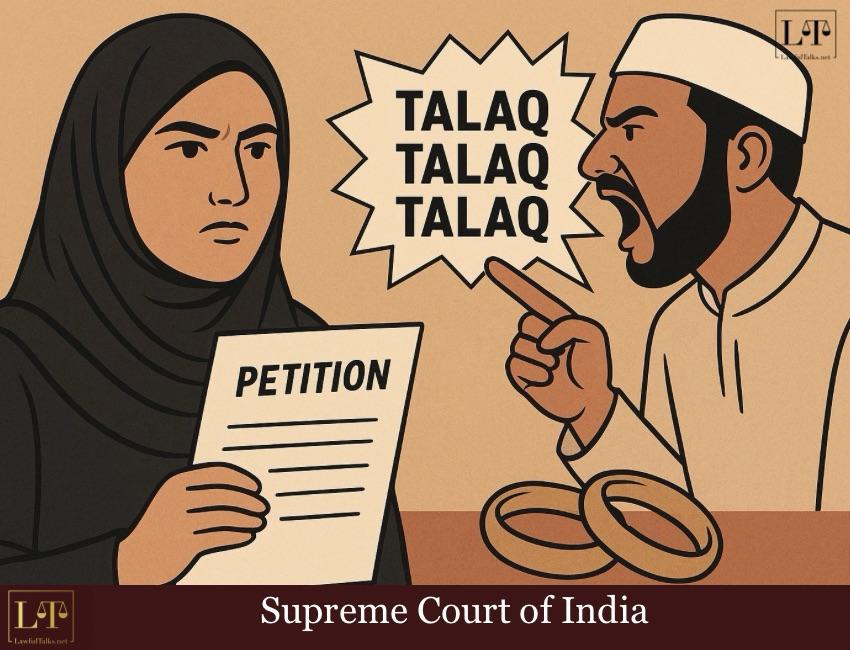
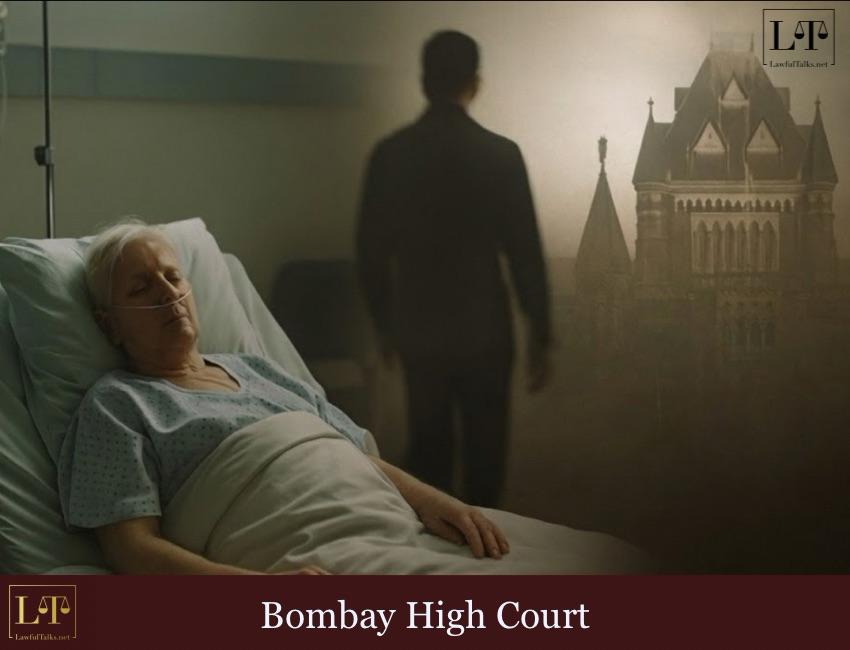
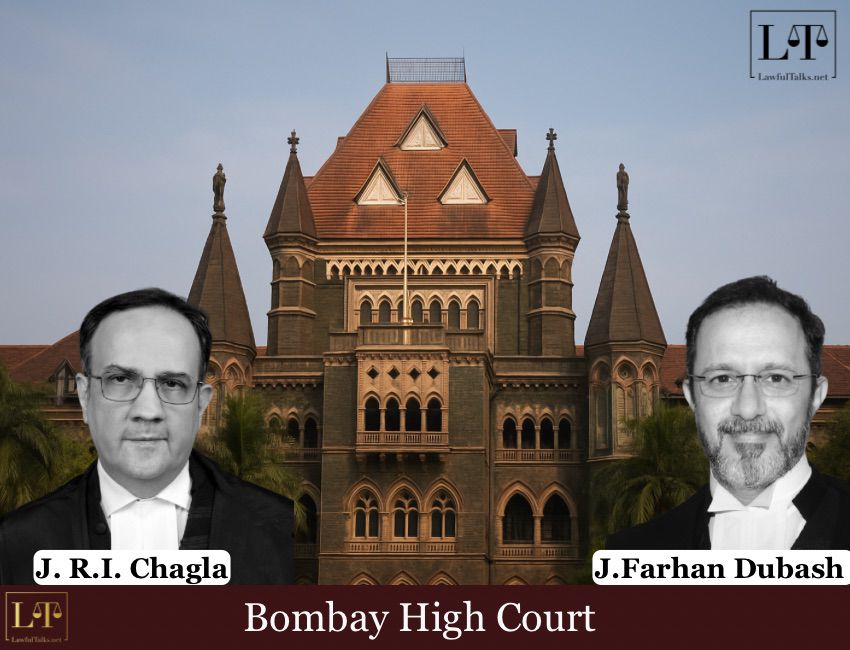
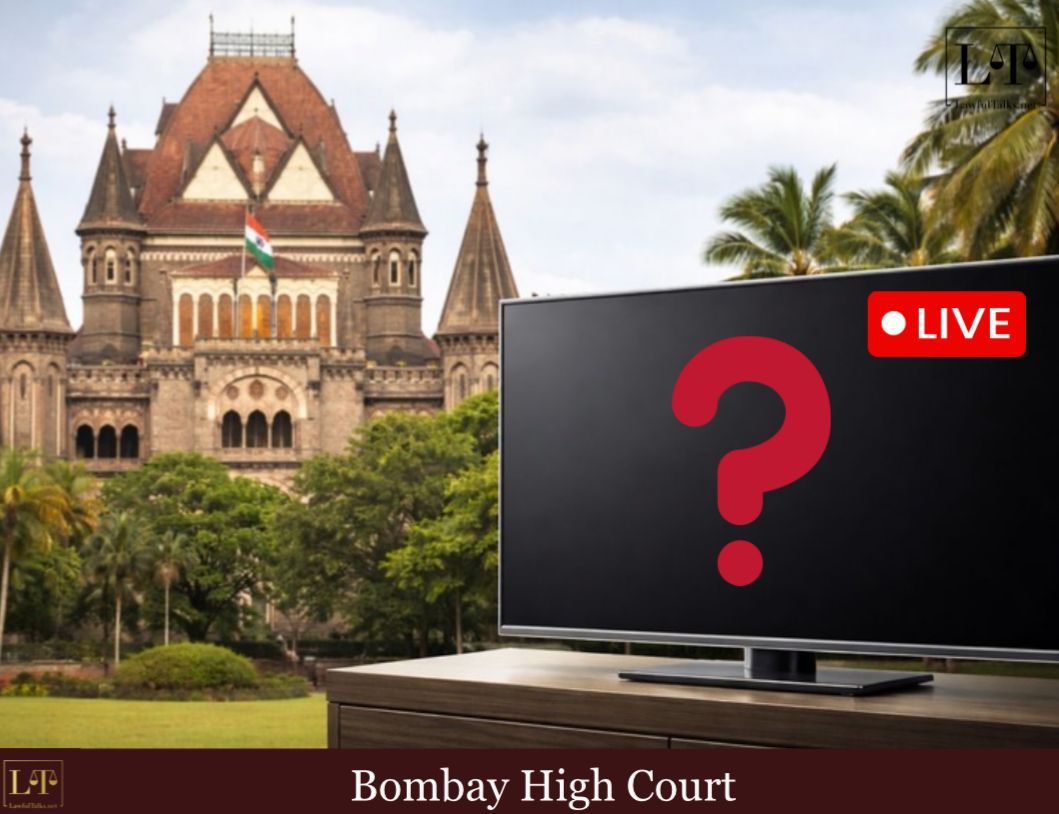
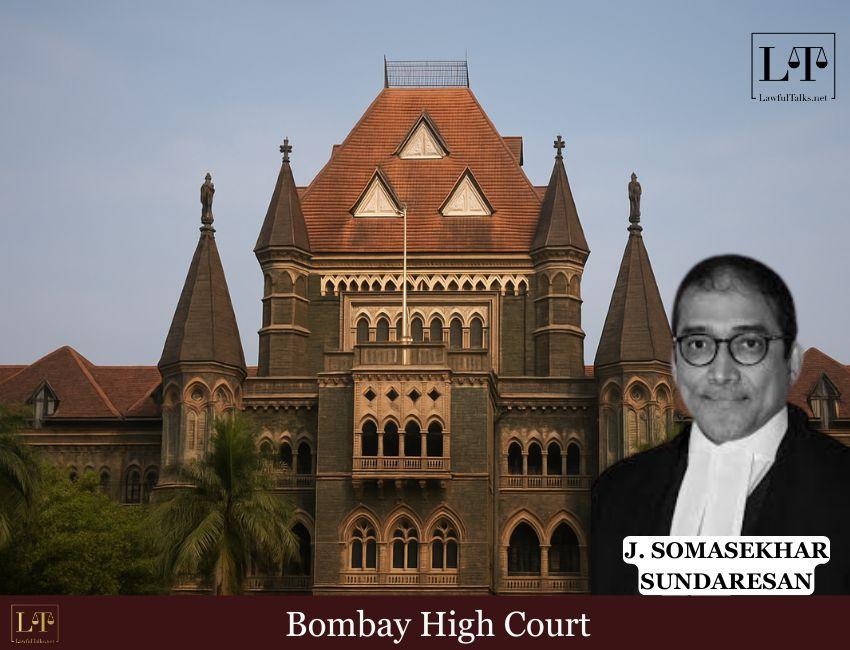
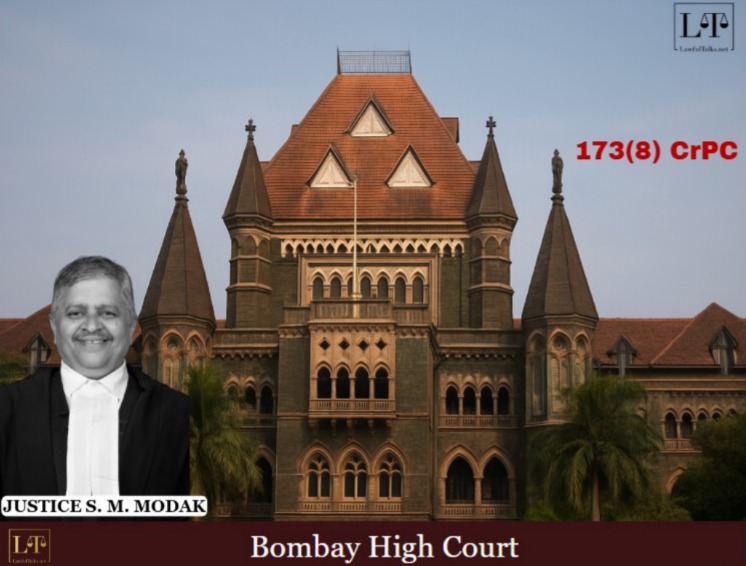
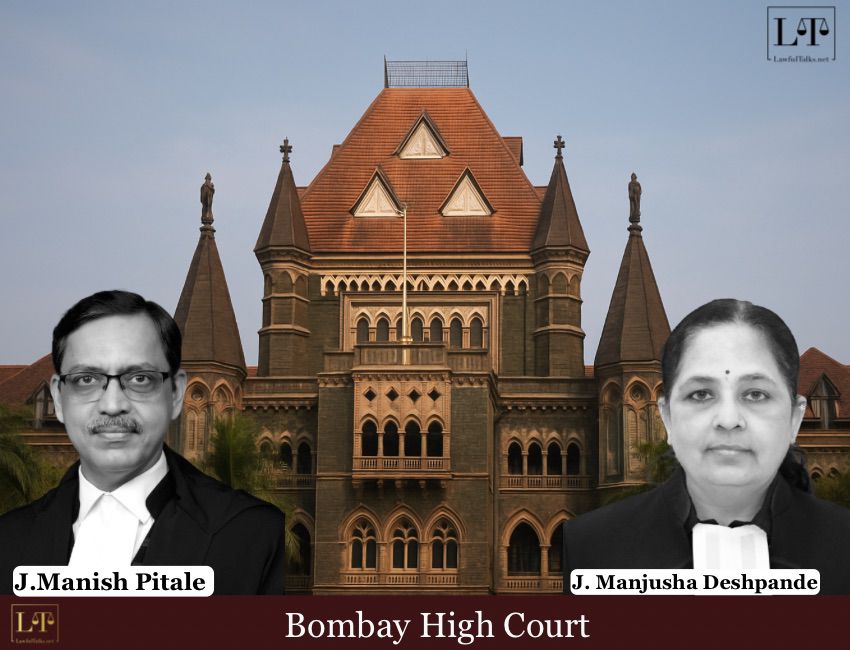
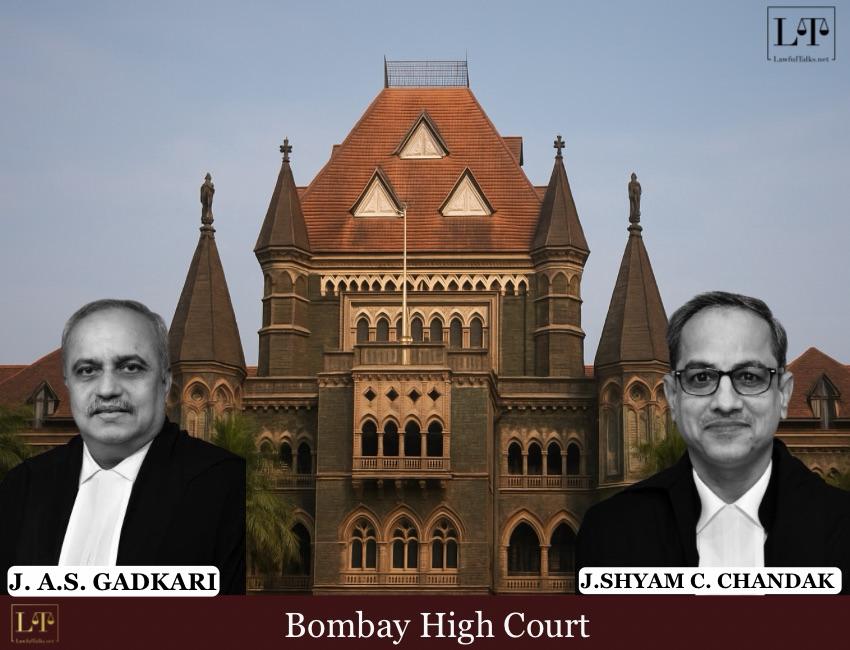
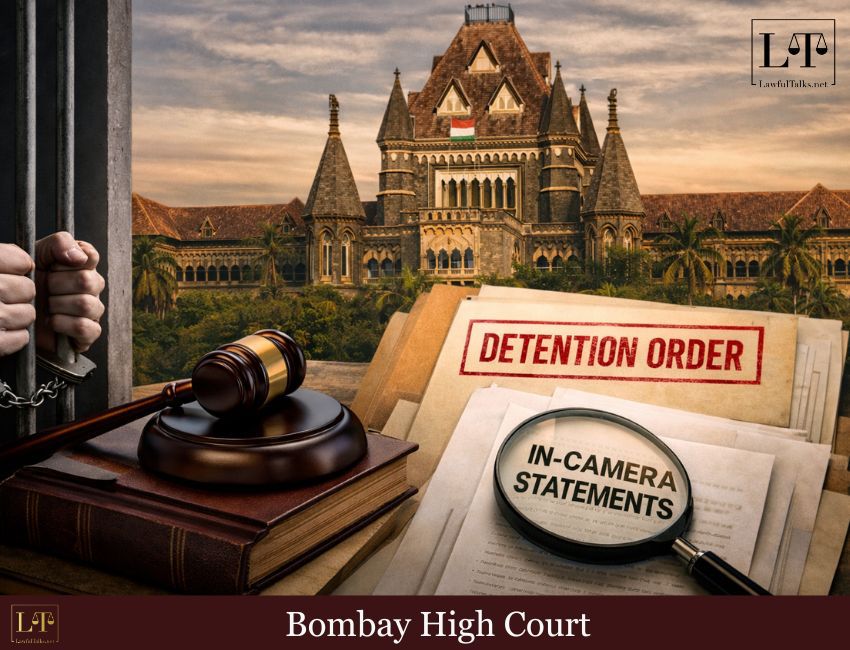
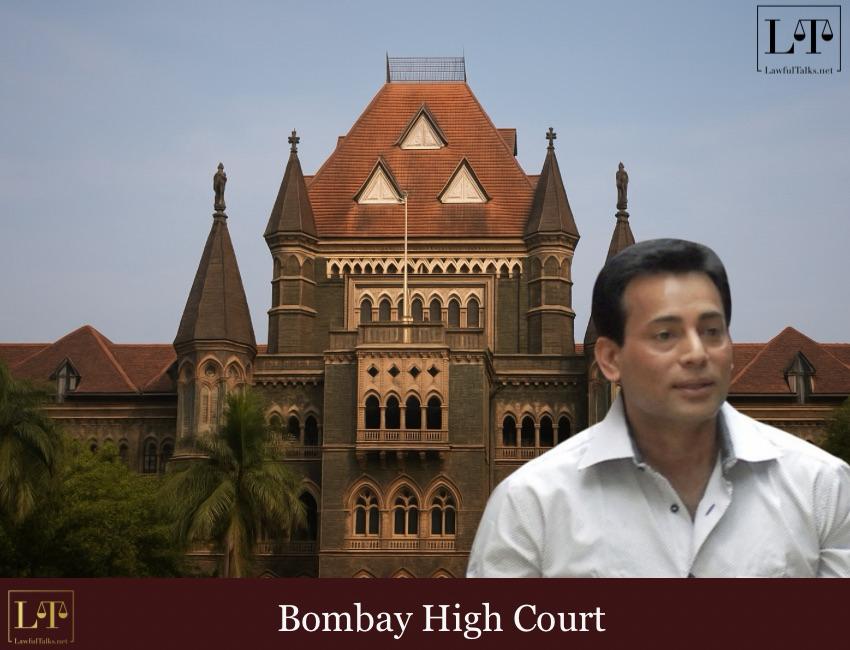
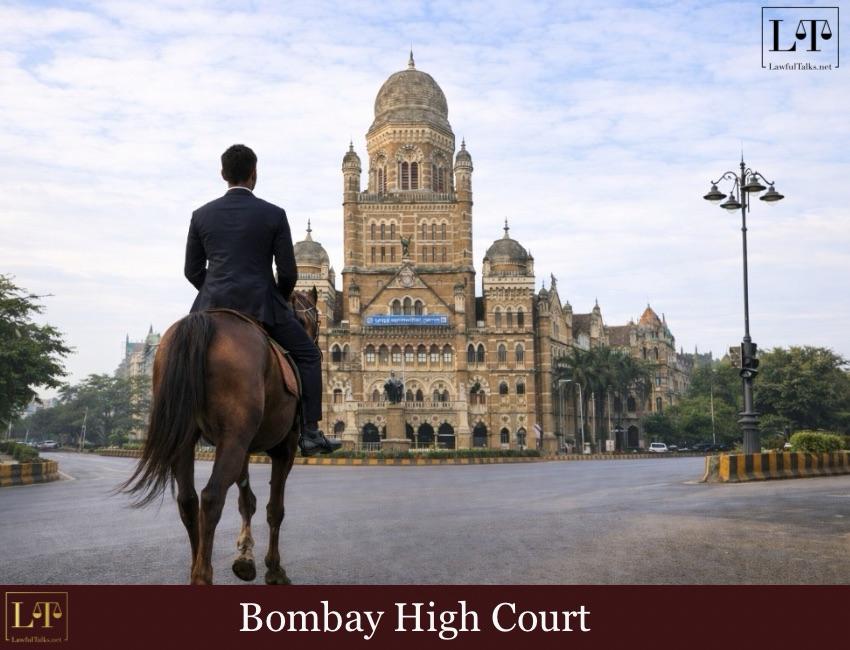
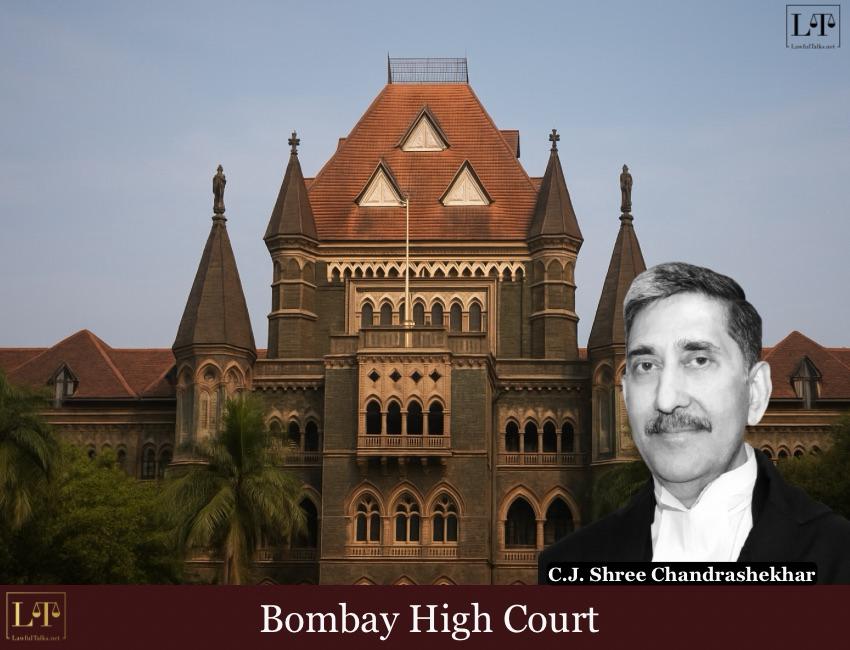
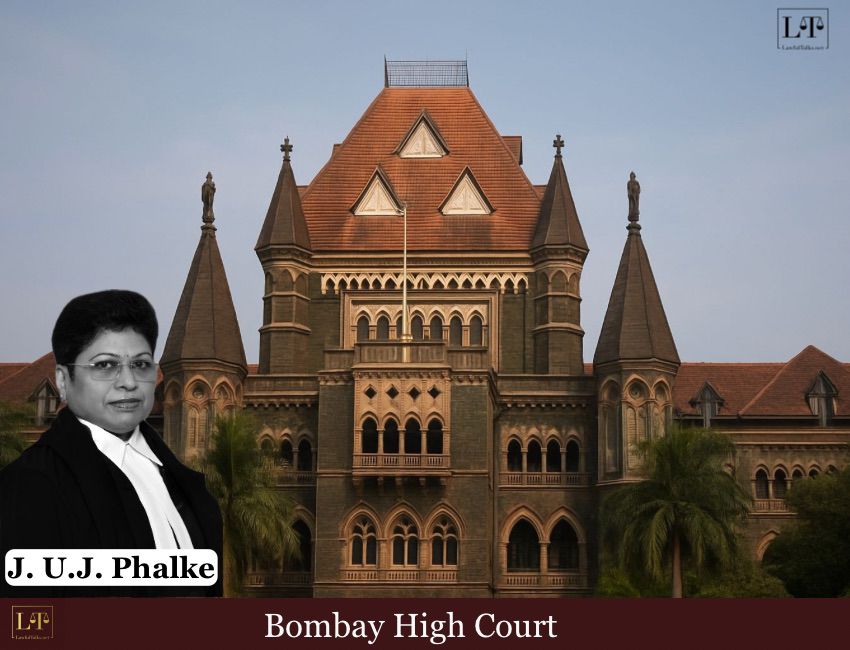
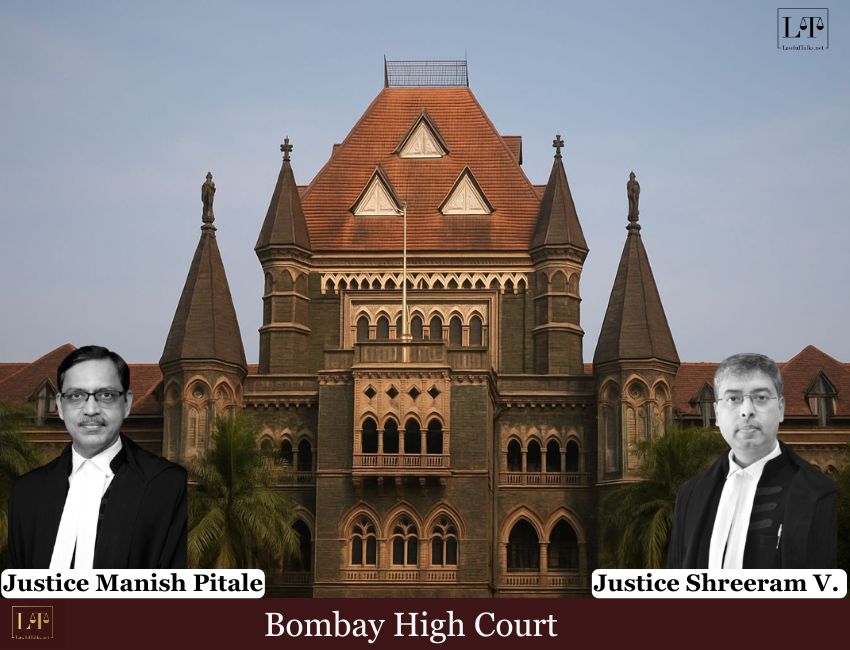
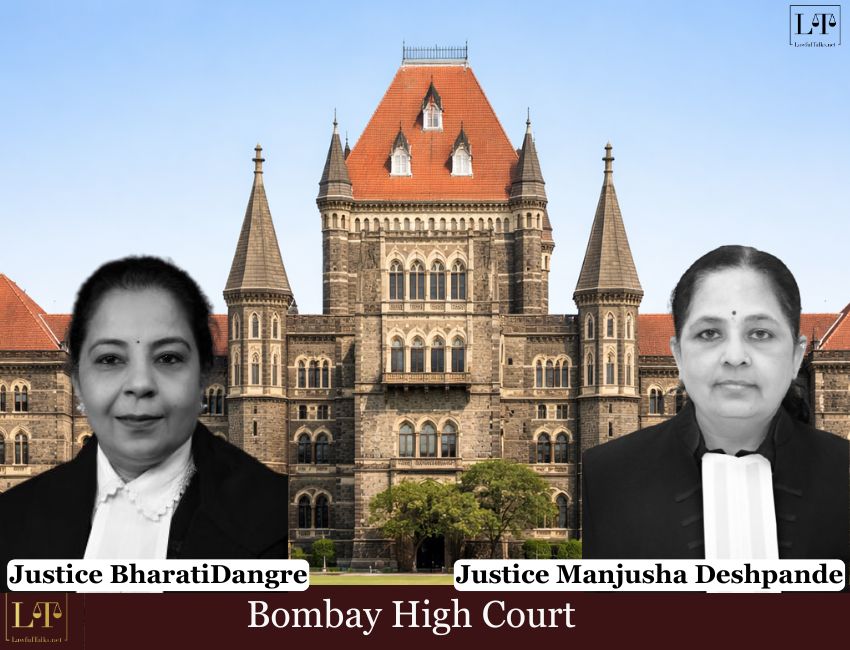
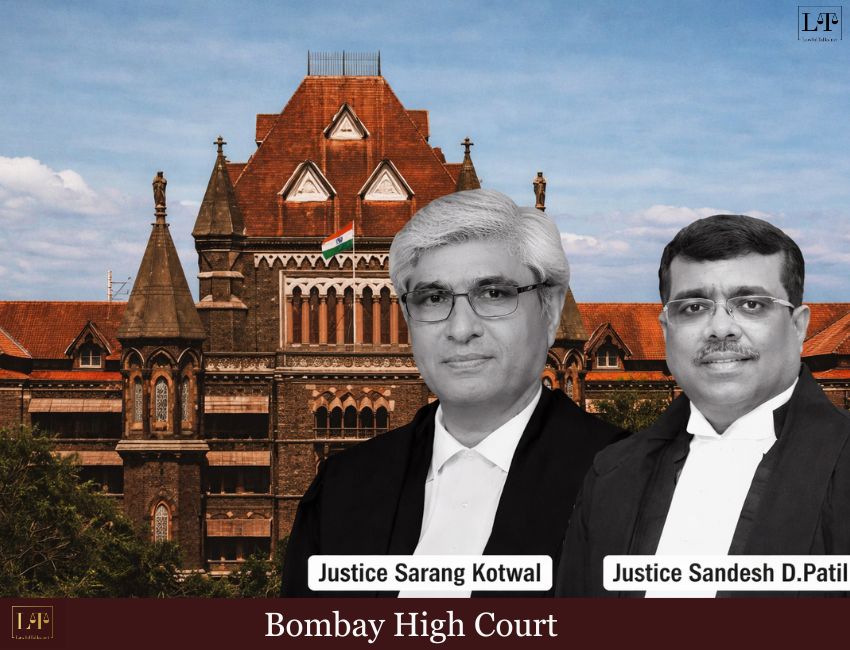
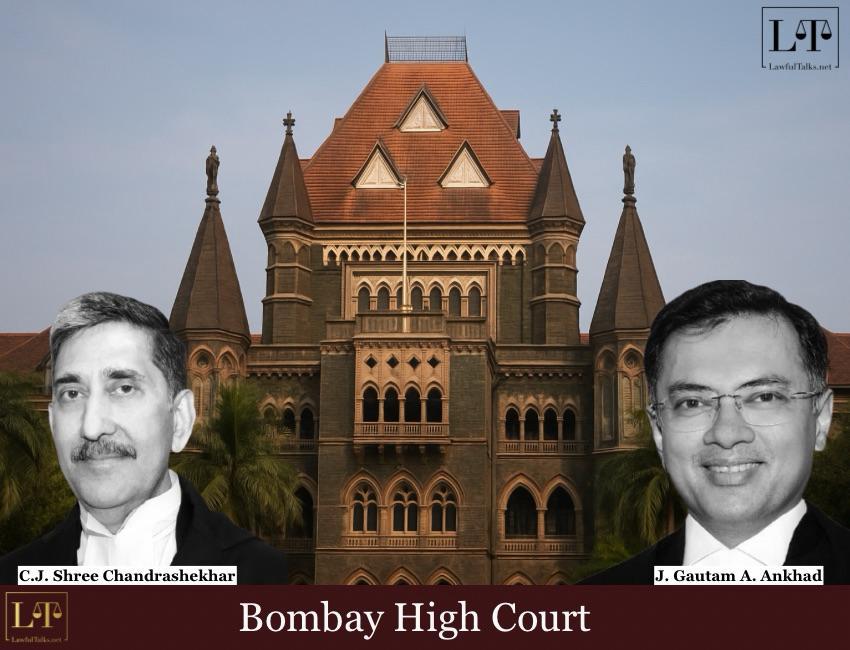
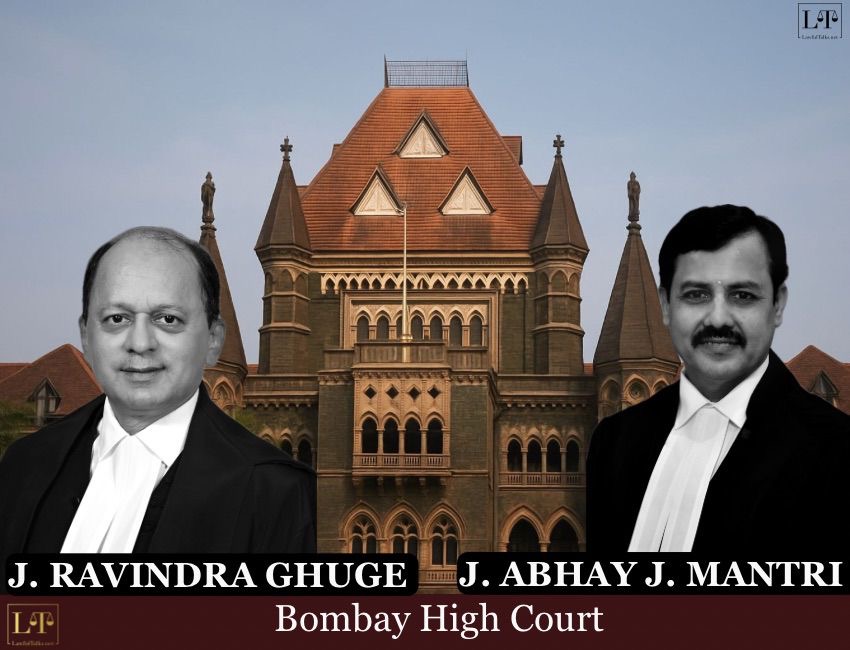
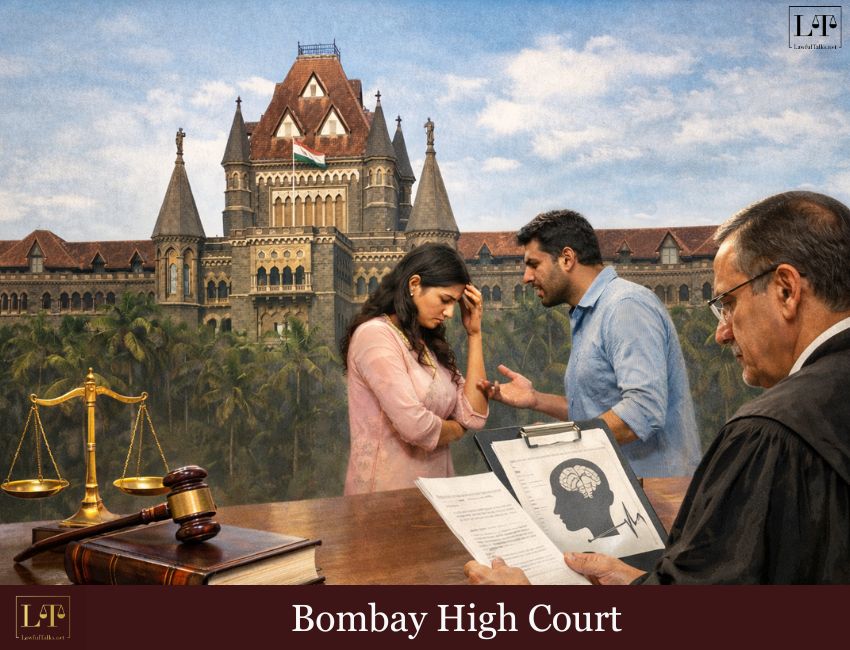
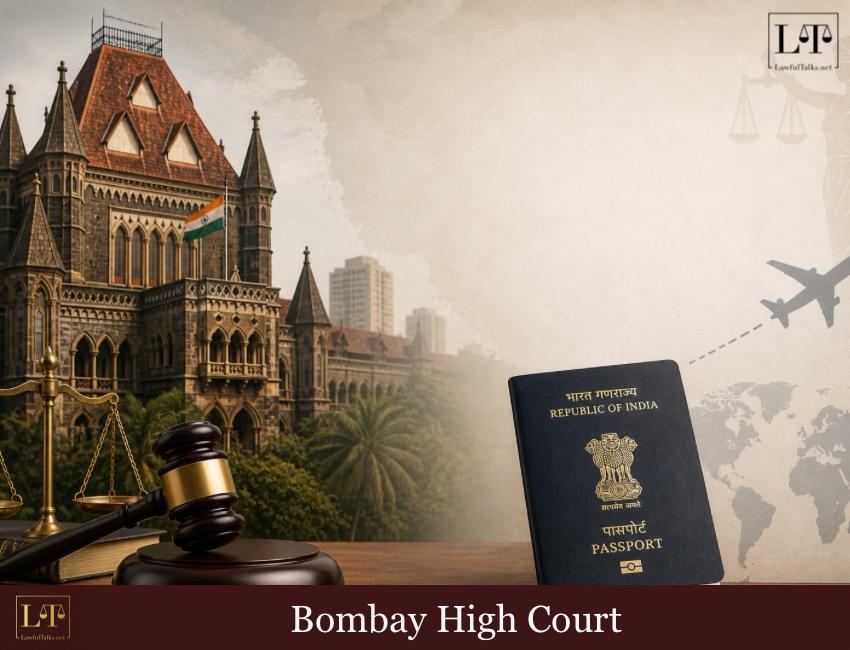
In a notable judgment, a division bench of Justice Bharati Dangre and Justice Manjusha Deshpande of the Bombay High Court held that a divorced woman can continue to recover maintenance from her late husband's estate under an existing decree, but she cannot seek an increase in that maintenance after his death.
Background:
The case arose from a petition filed by a divorced woman. In 1999, the Family Court at Bandra had directed her husband to pay her maintenance of Rs 6,000 per month. The husband died in 2012. Since the couple had no children, his property passed to his siblings. The siblings opposed the woman’s request to continue and enhance the maintenance amount.
The High Court held:
“We have no hesitancy in holding that the maintenance decree does not abate or extinguish on the husband’s death and the estate or legal heirs remain liable for pending arrears, depending on the decree terms for ongoing payments. Such a decree is executable against the husband’s estate in the hands of the heirs, whether the maintenance was charged on the estate or not. A finalised decree of maintenance is treated like any civil decree which is enforceable post death and the death of the husband would not at all affect a decree of maintenance whether or not, it has created a charge on the husband’s estate and notwithstanding such death, the estate can be proceeded for realisation of the maintenance dues for post death period.”
Maintenance Continues After Death:
The bench said that a maintenance decree survives the husband’s death and can be enforced against his estate. The Court distinguished such a decree from matrimonial proceedings, which normally come to an end when one spouse dies.
The judges further observed:
“The underlying legislative intent under such provision can be clearly discerned as the Parliament intended to confer protection on the wife who is entitled for the claim of maintenance during her life time from the husband and if the husband has left behind his estate while he demised, there can be no justification to the view that the decree is wiped out and the heirs would succeed to the property without this liability. In wake of the specific legislative intent, the maintenance or its arrears are recoverable from the estate of the deceased husband, even after his death, as the whole purpose and intent of the legislature was to ensure maintenance and support to the wife during her life time.”
Purpose of the Law:
The Court said that Parliament intended to protect a wife’s right to maintenance throughout her lifetime. Therefore, if a husband leaves behind an estate, his heirs cannot inherit the property free from the liability created by a maintenance decree.
At the same time, the bench clarified that the right to receive permanent alimony or maintenance is a personal and vested right of the wife during her lifetime. This right cannot be transferred and comes to an end upon her death.
No Increase After Death:
The Court therefore held that any unpaid maintenance and future maintenance payable under an existing court decree can be recovered from the deceased husband’s estate. However, the ex-wife cannot seek an increase in the maintenance amount after the husband’s death from his legal heirs.
Why Increase Cannot Be Sought:
The judges explained that an application for enhancement of maintenance under Section 37 of the Special Marriage Act, which is similar to the corresponding provision under the Hindu Marriage Act, requires the court to make a fresh assessment based on changes in the circumstances of either party. This includes considering the husband’s financial capacity to pay. Since the husband is no longer alive, such an assessment cannot be carried out. Therefore, a claim for enhancement of maintenance cannot be entertained after his death.
The bench held:
“We have no difficulty in holding that the claim for enhanced maintenance against the legal heirs of her deceased ex-husband under section 37 of the Special Marriage Act, 1954, cannot be entertained, the right claimed by her being a personal right and its variation being made contingent on the change in circumstances of the living spouses. This right and corresponding personal liability gets extinguished upon death of the husband though we have no difficulty in accepting the proposition. We also find merit in the contention that the consequences of allowing the enhancement would result in absurdity, uncertainty and would open flood gate of litigation.”
Court’s Concern:
Justice Bharati Dangre, who authored the detailed 40-page judgment, also explained why allowing a divorced wife to seek an increase in maintenance from her deceased husband’s legal heirs would lead to unfair and impractical consequences.
She observed:
“It would therefore, amount to creating of a share in the estate for the ex-wife, who is not at all responsible for the growth of the estate of her husband, had it been the case that her husband had substantially progressed and created wealth or estate during his life time, definitely, she would have been entitled to claim a share therein, but the legal heirs are not bound to share their financial growth with the widow. Another consequence for allowing enhancement would result in uncertainty, as the legal heirs will not be in a position to ascertain their final share, as the estate would be perpetually open to claim for enhancement by the widow, every time inflation rises or there is change in the need and requirement of the ex-wife and this would prevent the heirs from dealing freely with the inherited property or taking major decisions potentially created a future for them.”
Unfair to Heirs:
Justice Dangre said that if a divorced wife were allowed to seek an increase in maintenance because her needs had increased, there would be no living husband whose financial capacity could be examined by the court. On the other hand, if the increase were sought on the ground that the value of the husband’s estate had grown after his death, it would unfairly make the legal heirs share the wealth that they themselves had created.
Endless Claims:
The court also said that allowing such enhancement claims would create uncertainty for the heirs because they would never know their final share in the inherited property. The estate would remain open to fresh claims for increased maintenance whenever inflation rose or the ex-wife’s needs changed.
Final Decision:
Accordingly, the High Court disposed of the woman’s plea and held that the maintenance decree would continue to bind the deceased husband’s estate for payment of arrears and ongoing maintenance as provided in the decree.
However, the maintenance amount cannot be increased after the husband’s death by making a claim against his legal heirs, because the right to seek enhancement is a personal right and depends on the circumstances of living spouses.
Case Details:
Warsha @ Eleekusumchand Javeri vs Rajan Suren Goregaonkar (Family Court Appeal 74 of 2023)





























































Sign up for free and be the first to get notified about curated content just for you.