“Could PWD Keep a Contractor Waiting Indefinitely and Pay Only 1%? Bombay HC Calls the Idea Absurd’’

- June 18, 2026


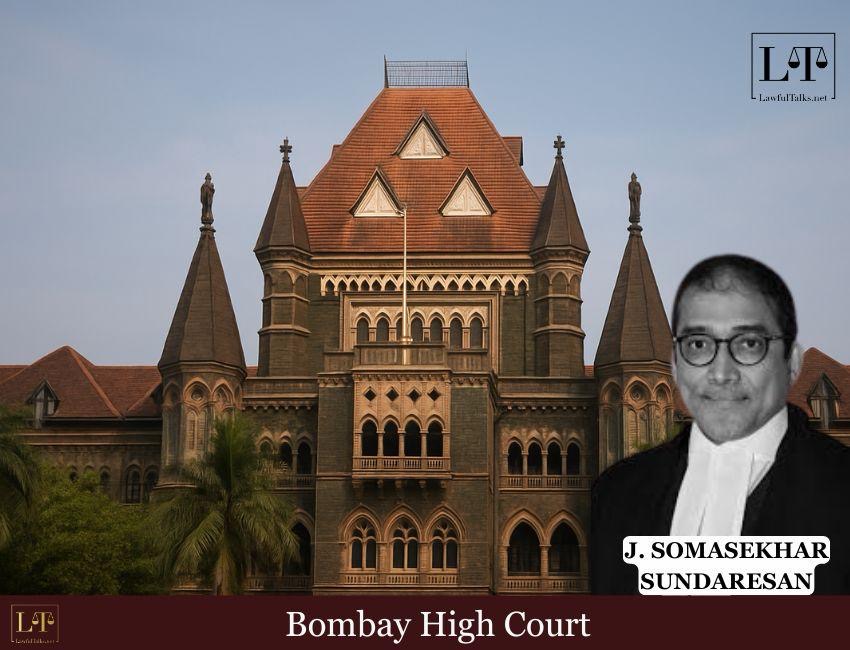
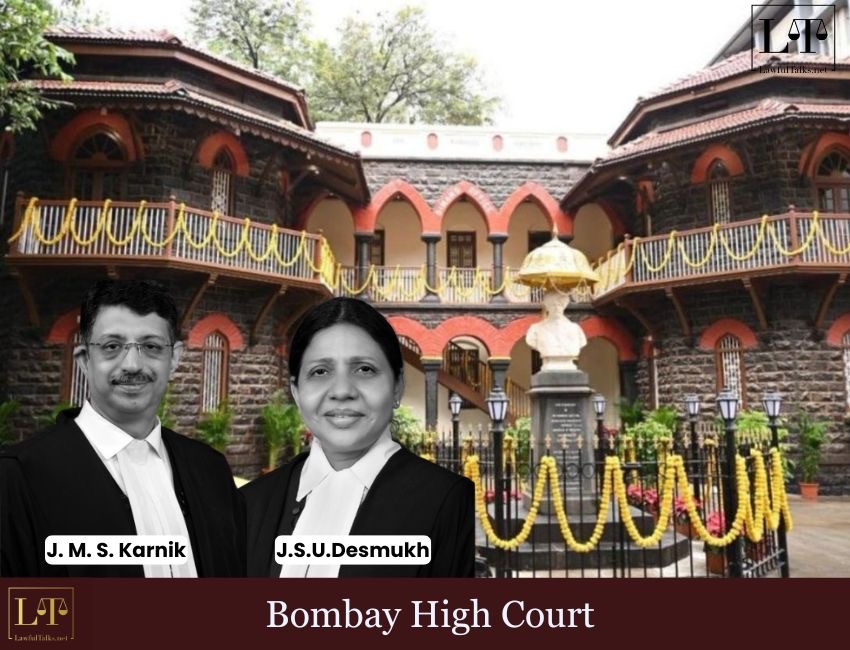
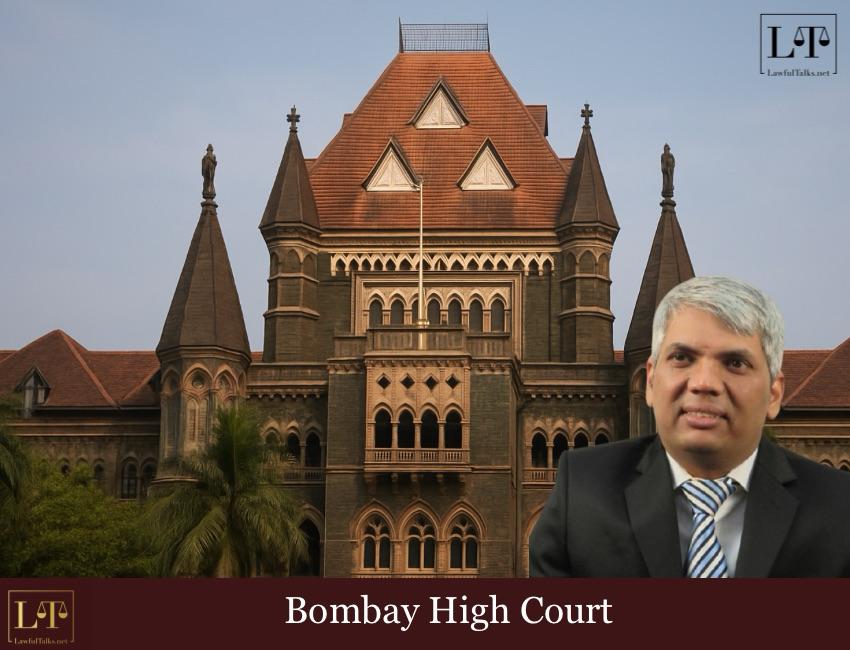
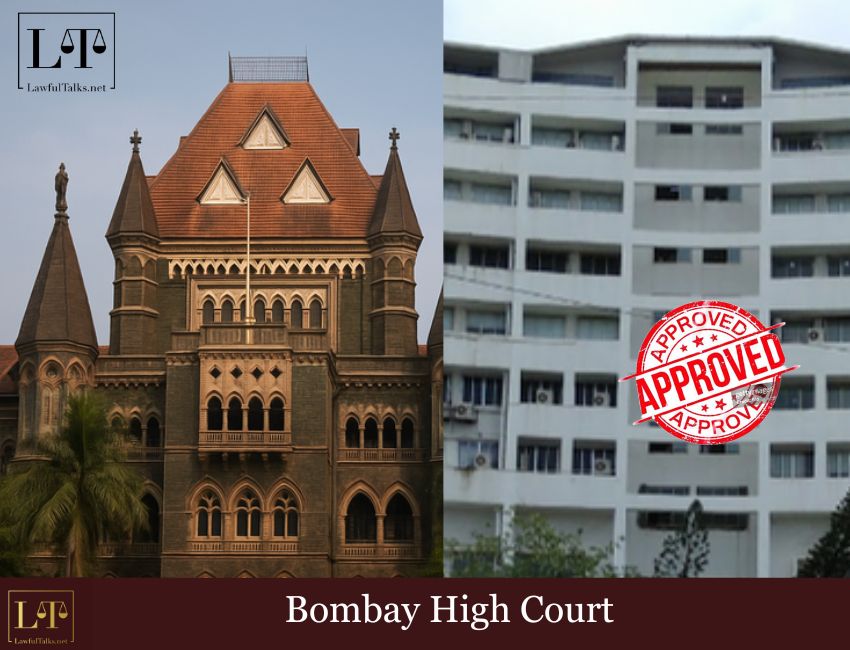
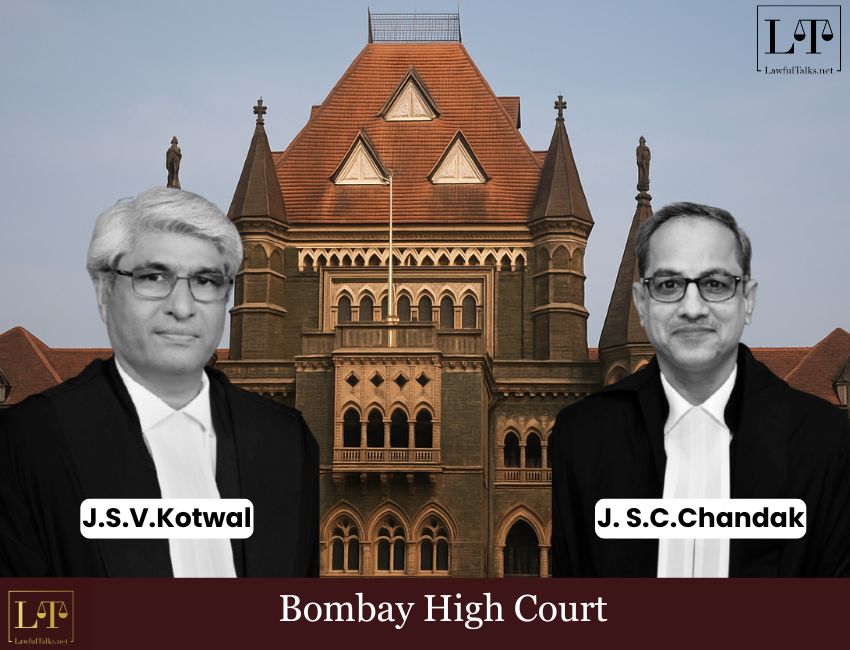
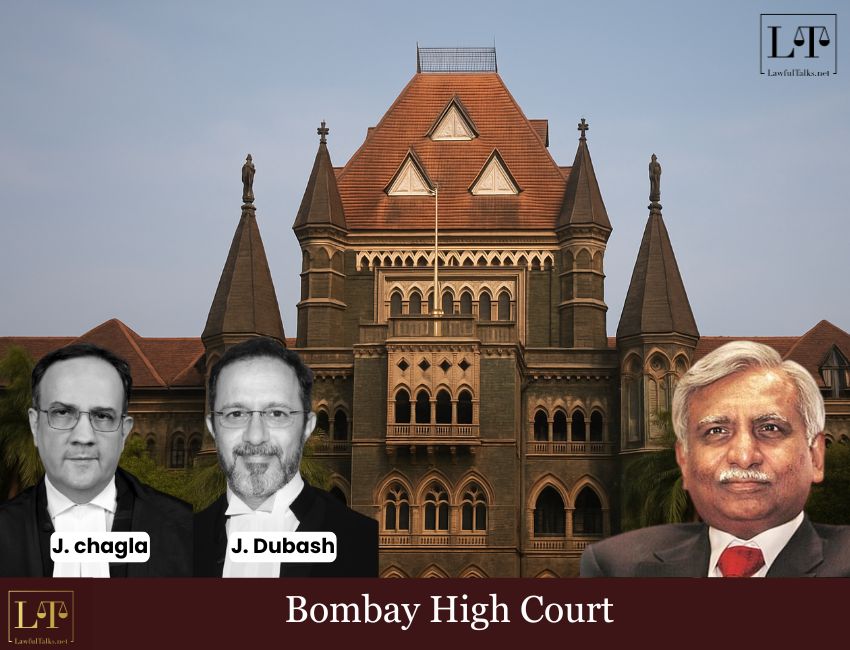
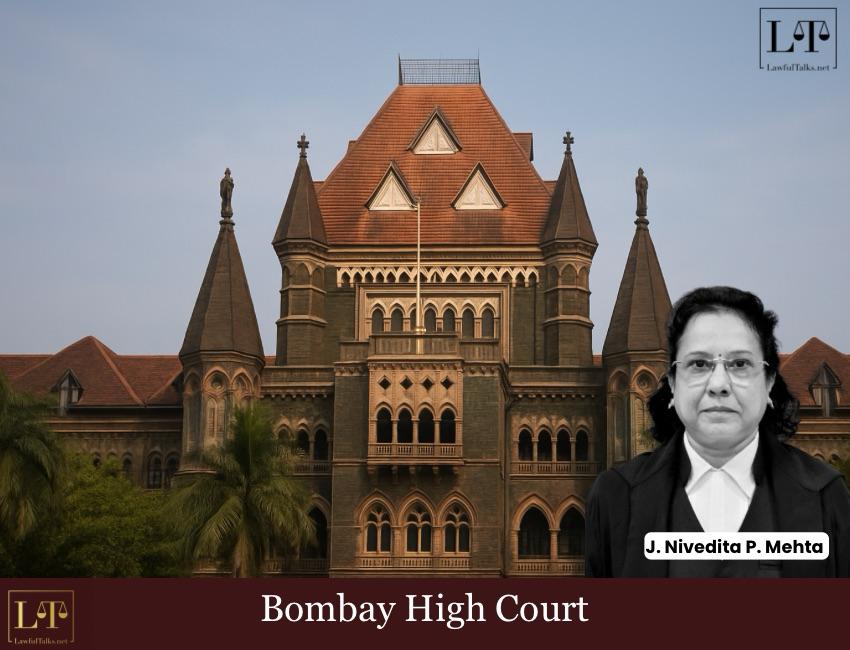
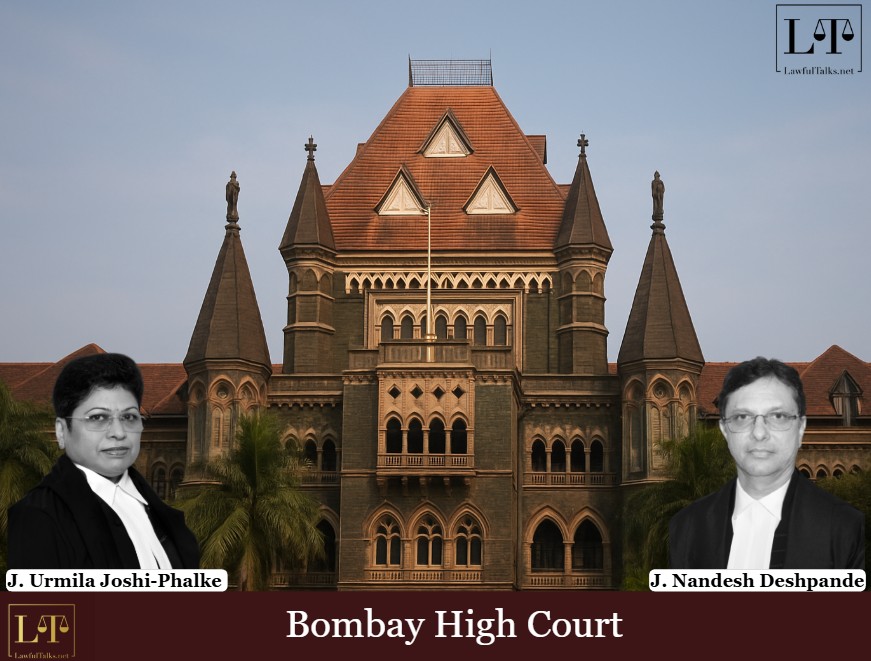
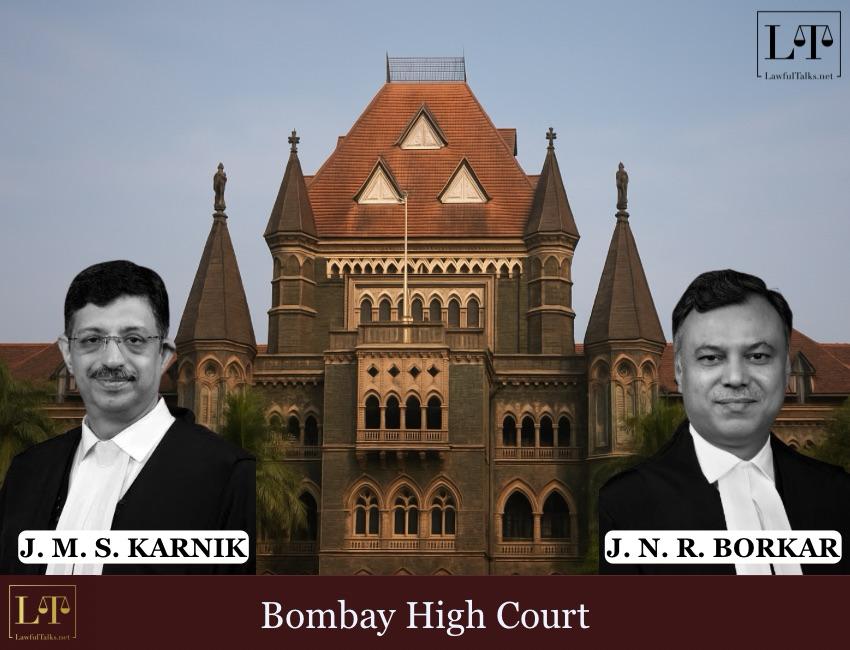
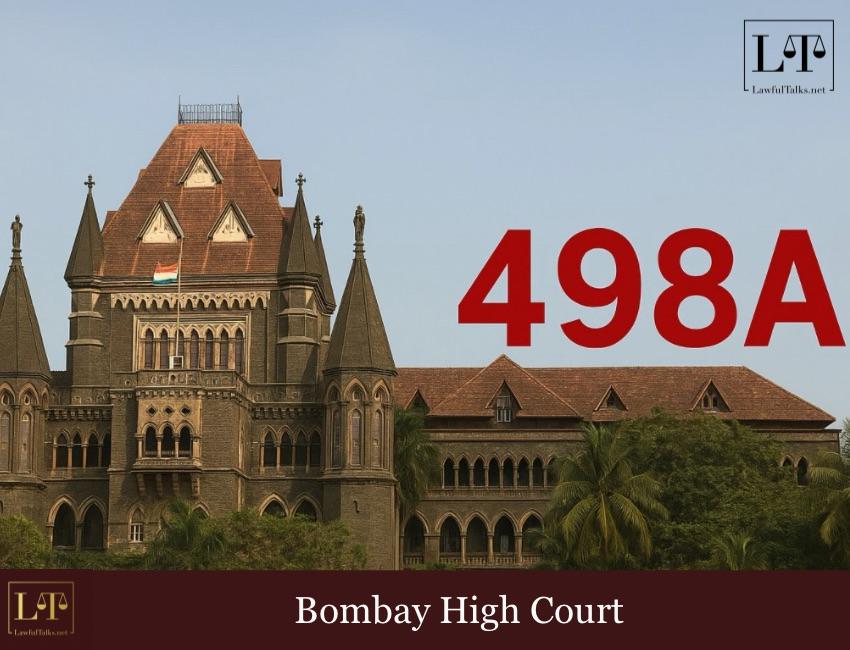
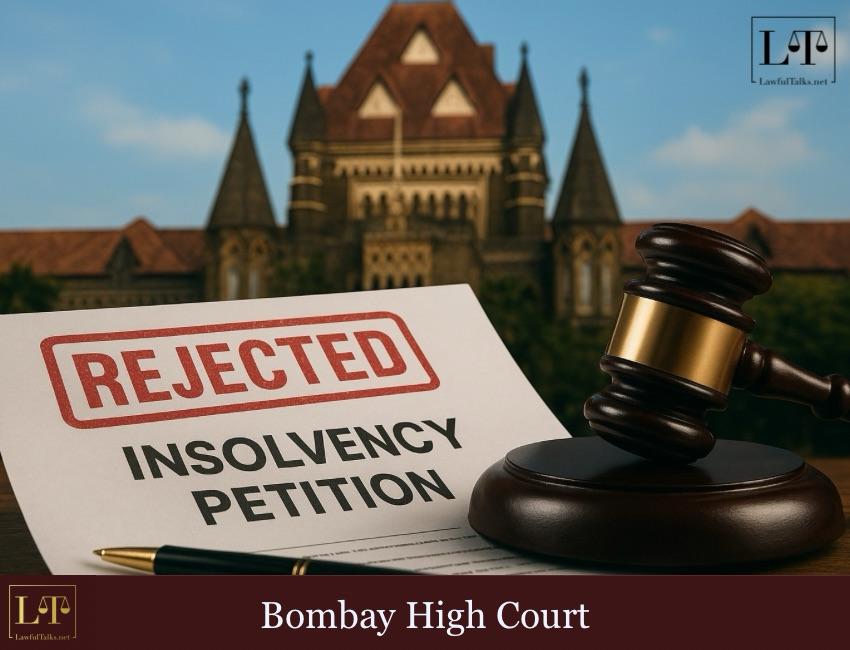
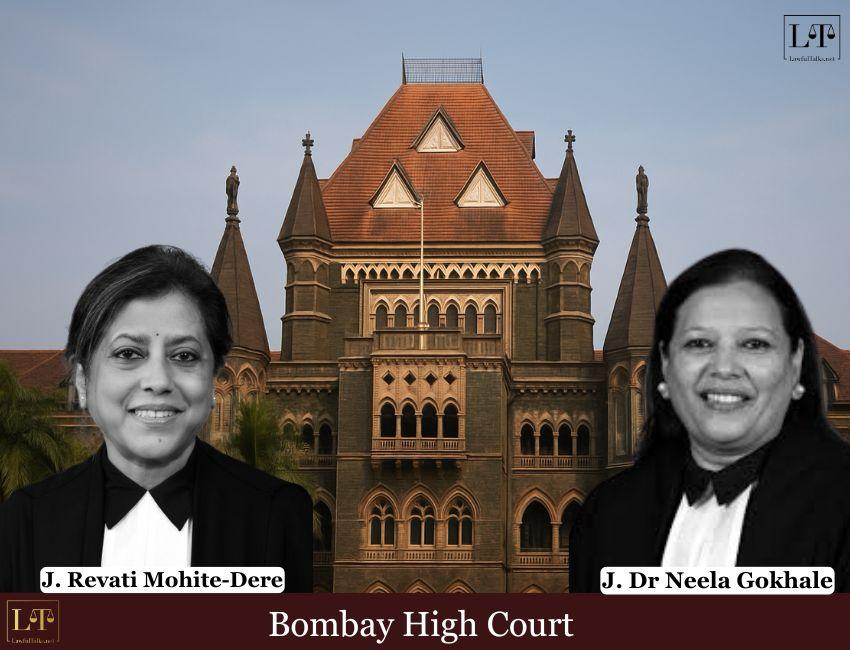
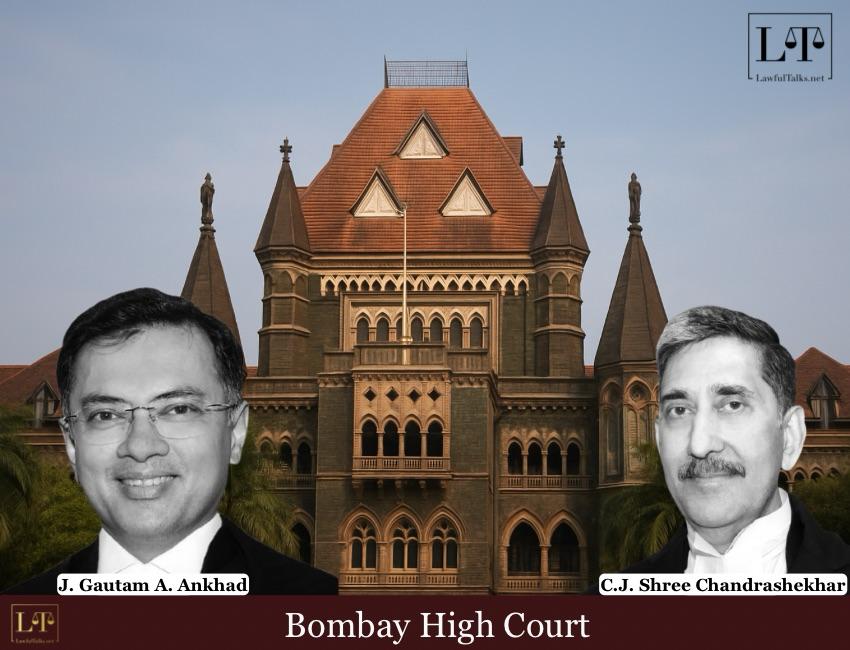
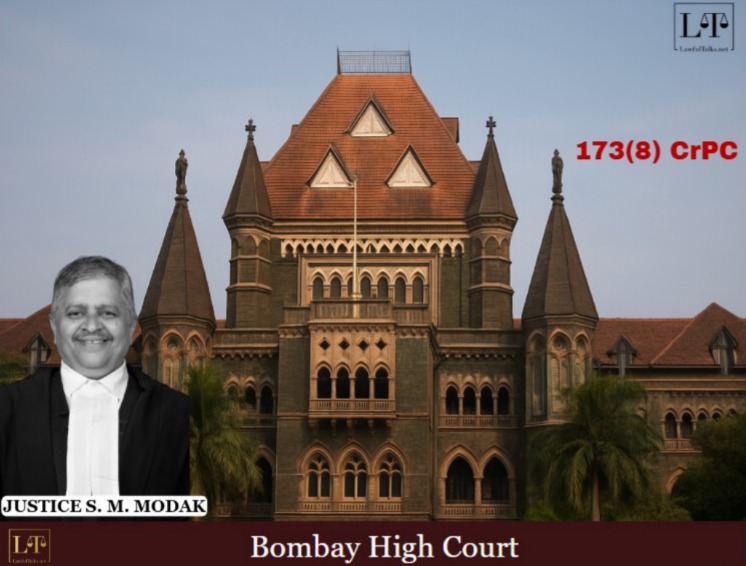
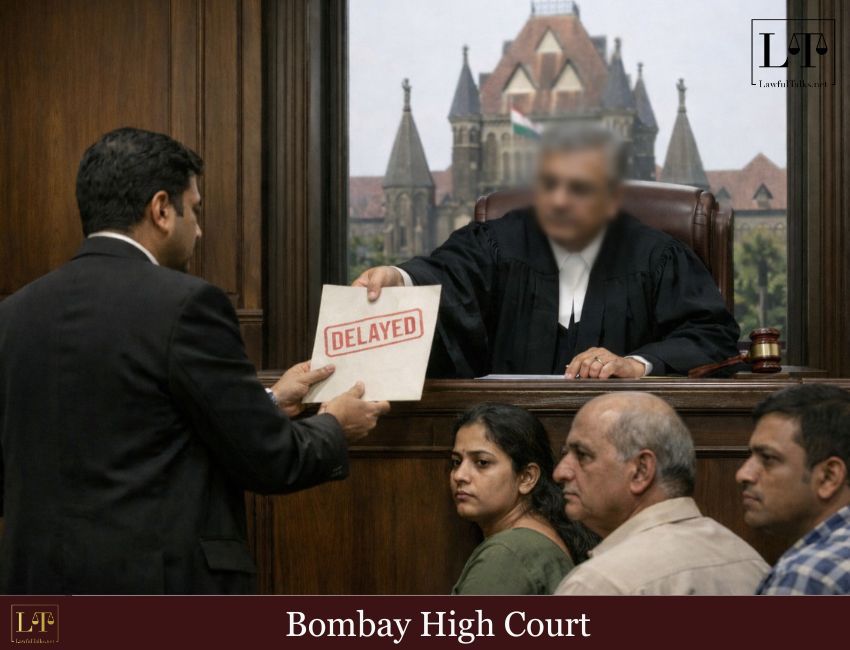
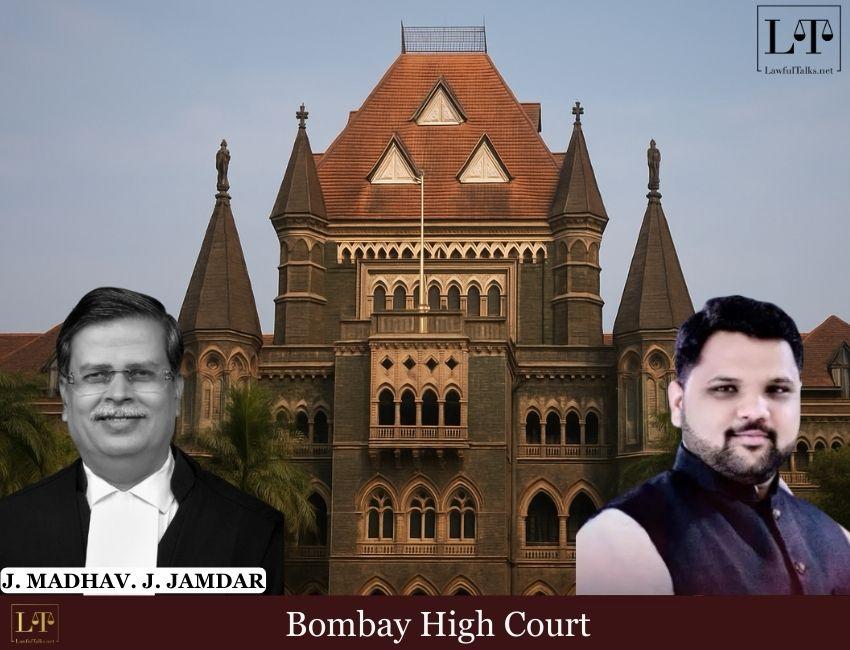
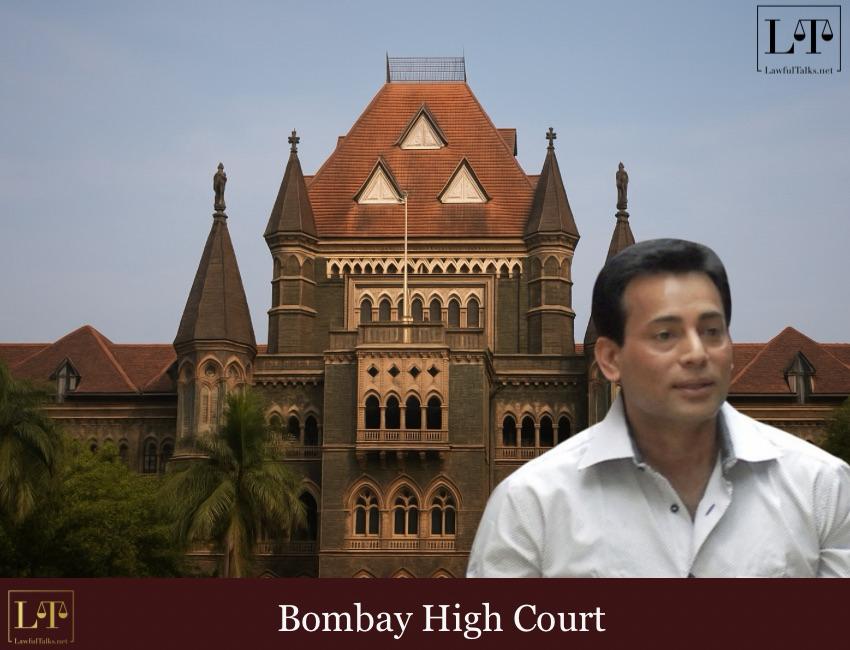
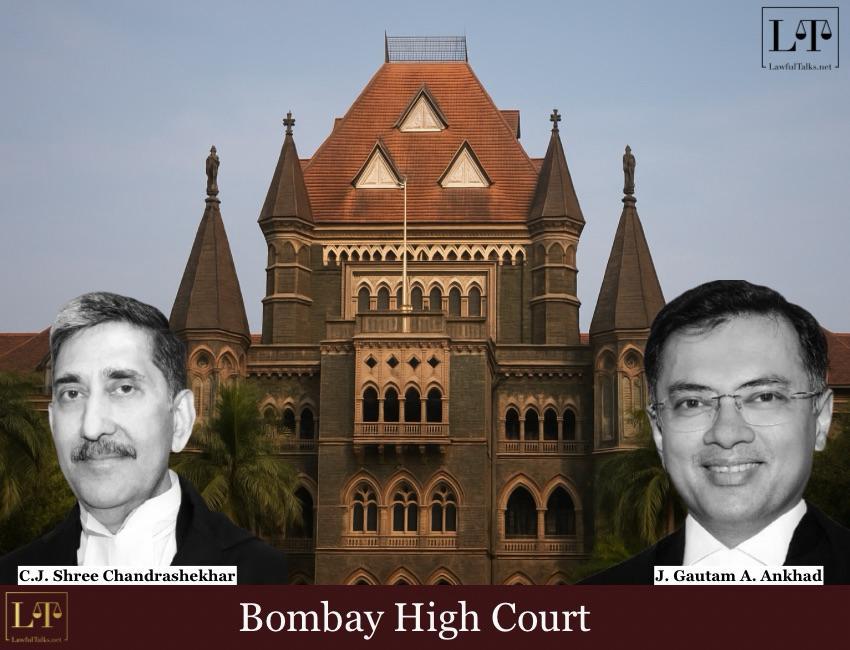
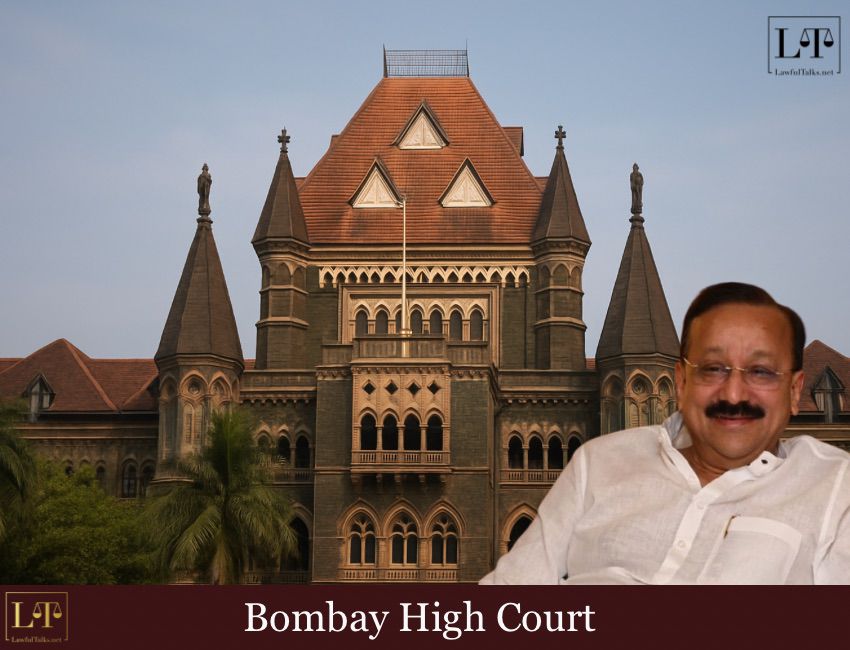
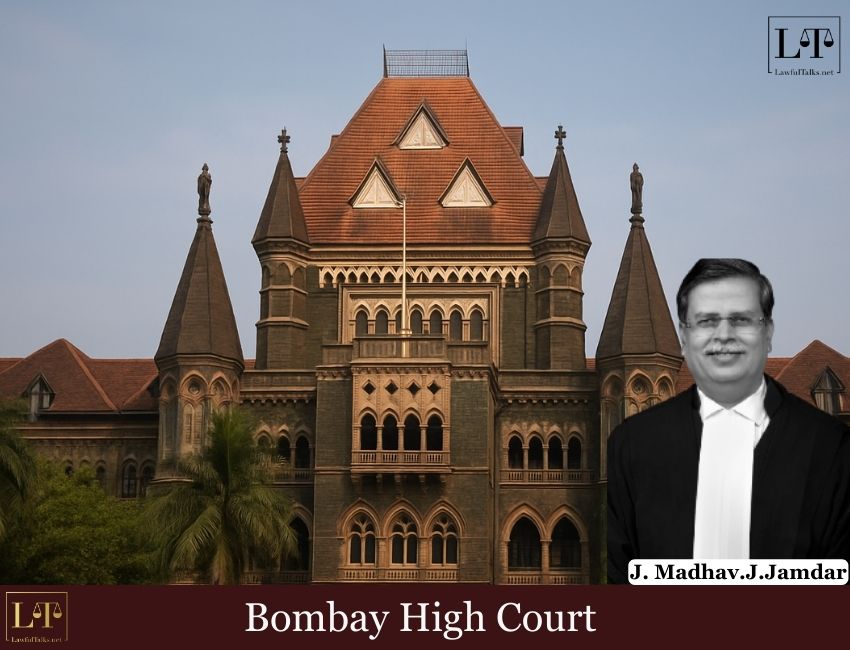
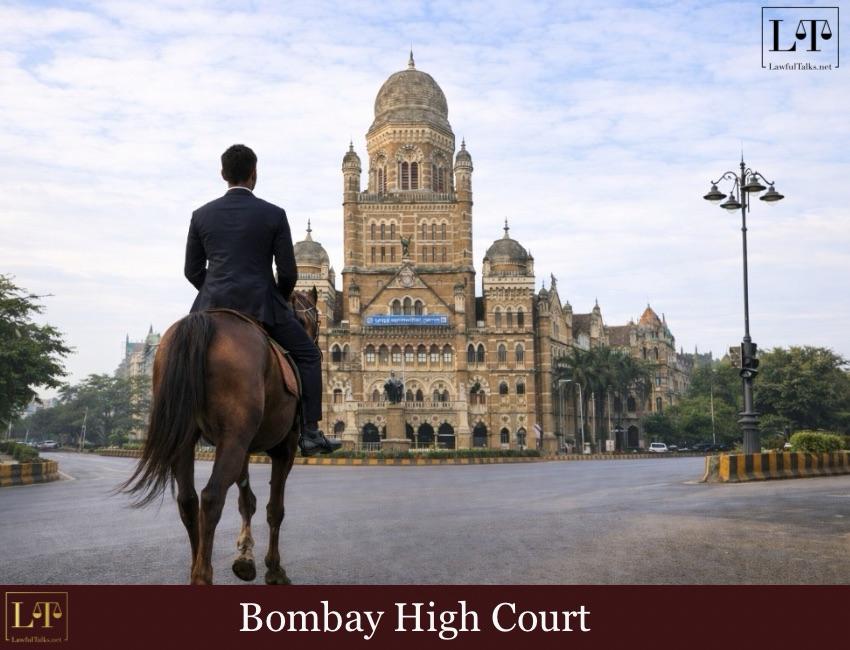
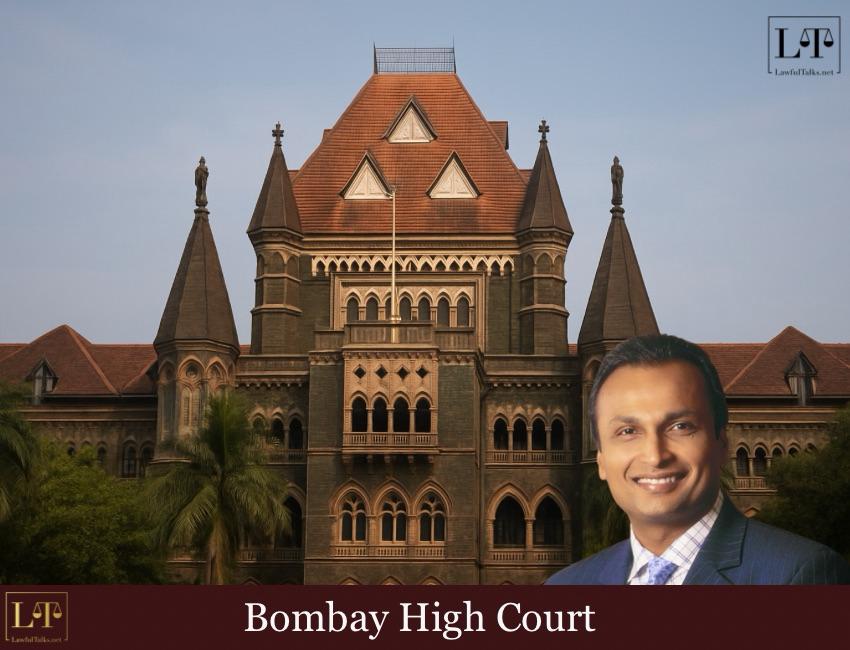
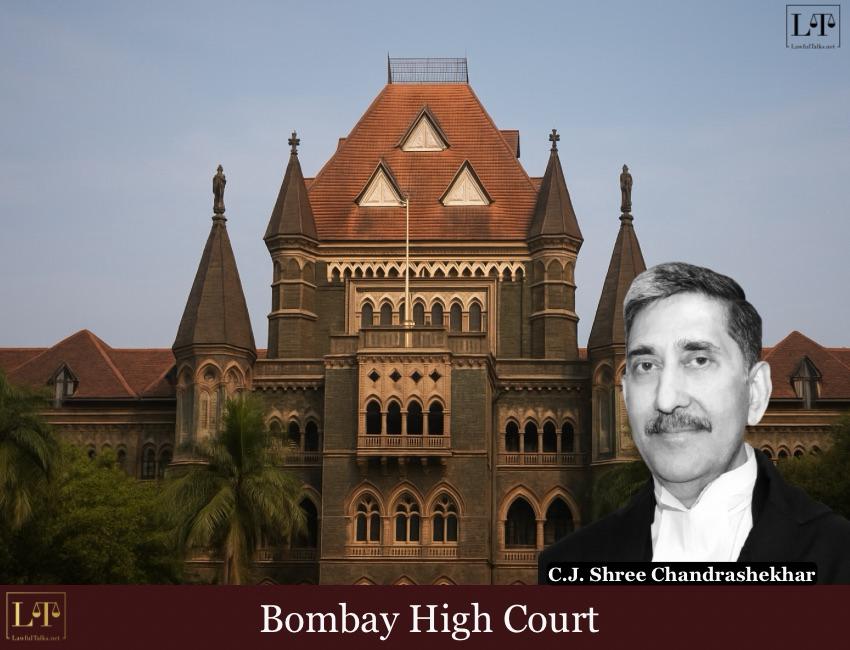
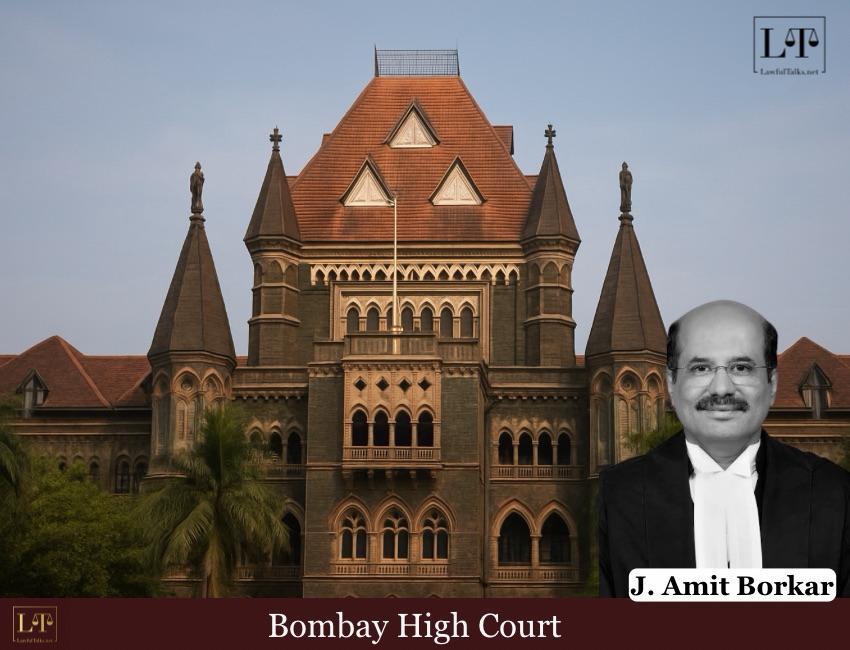
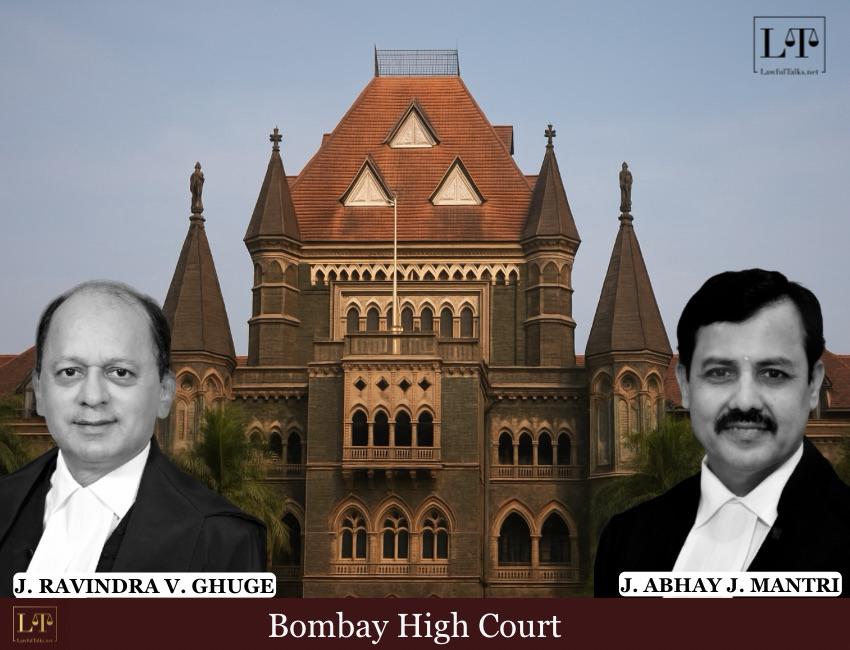
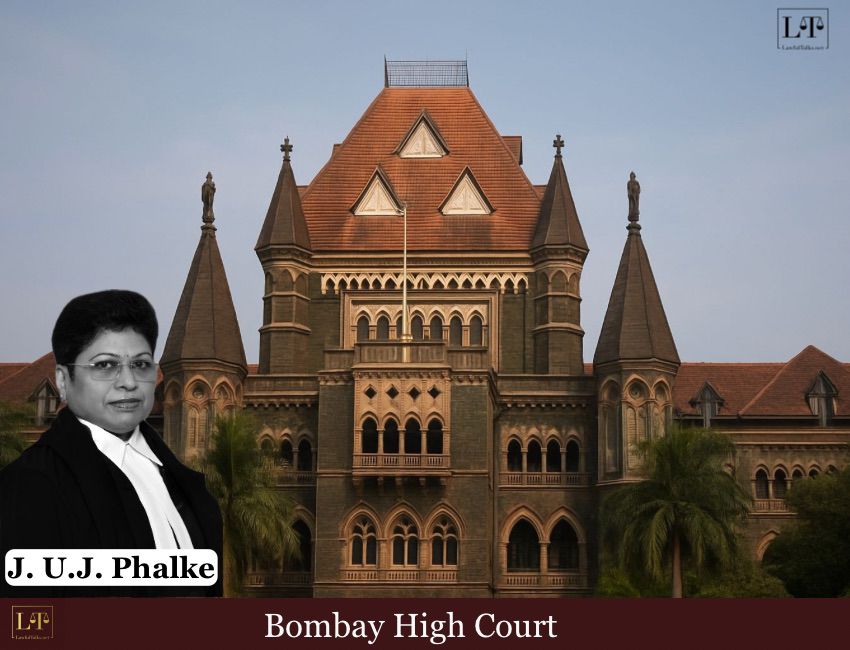
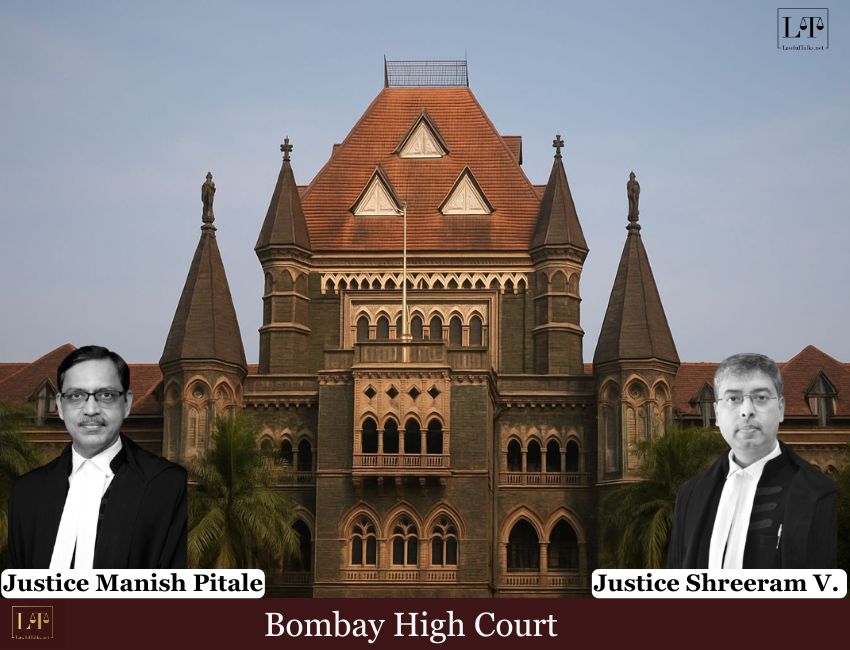
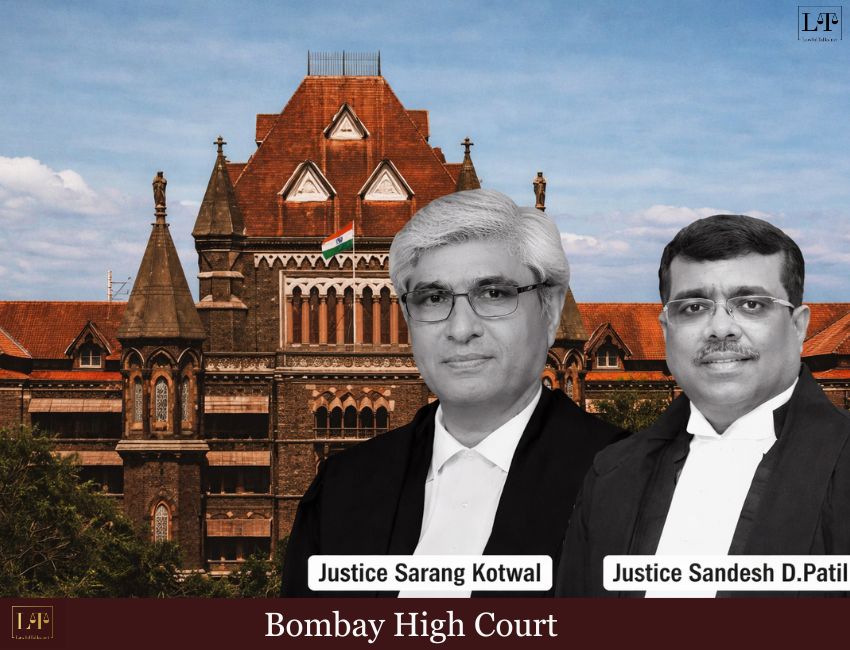
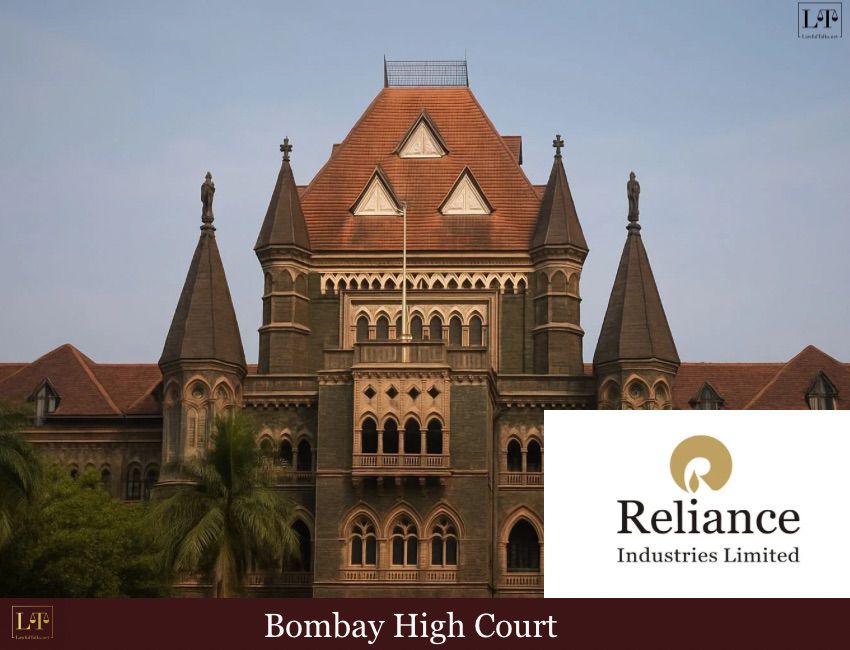
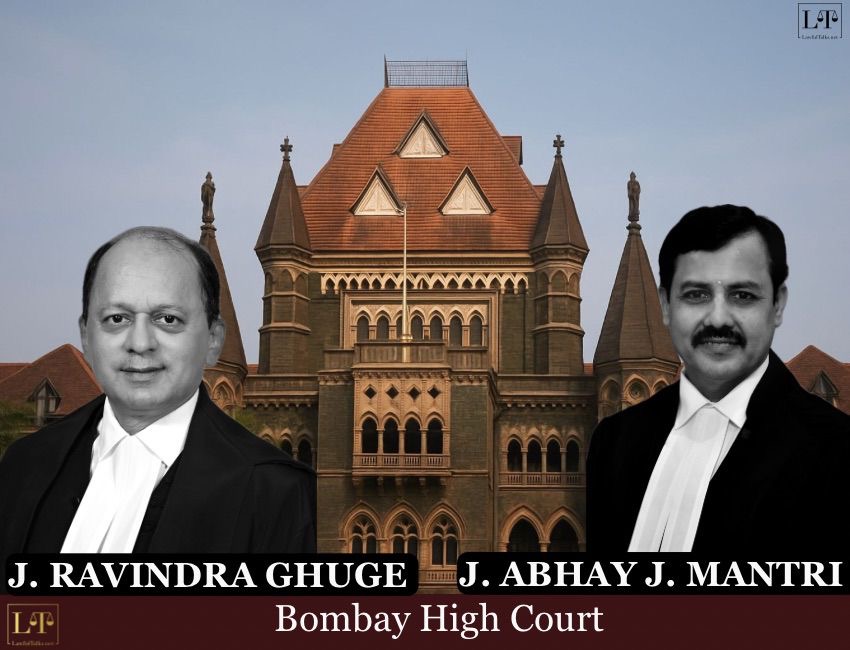
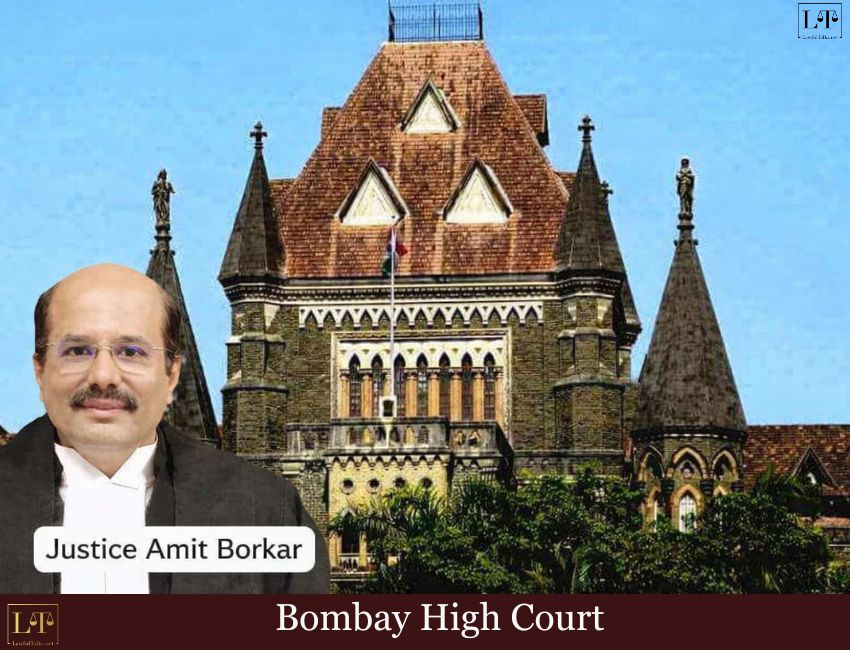
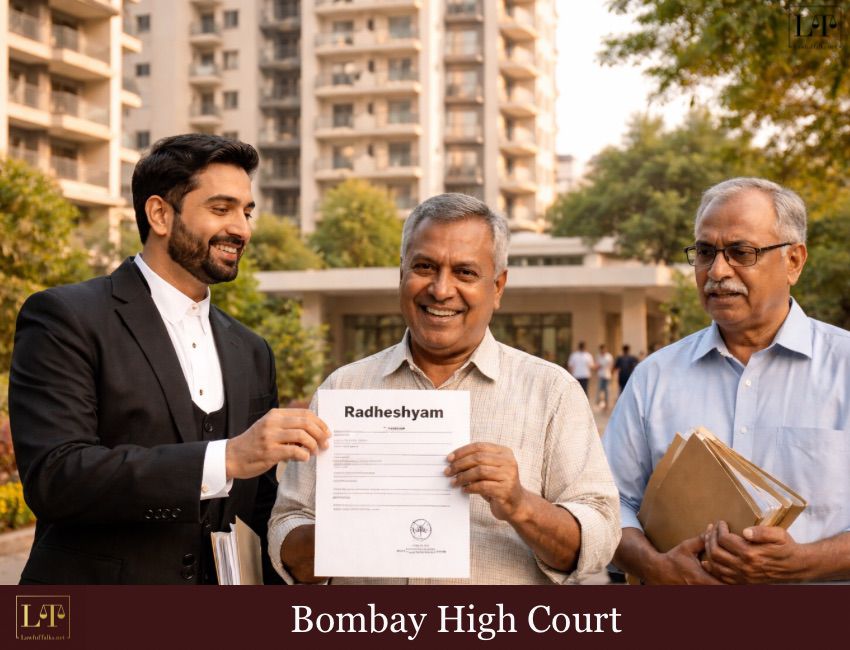
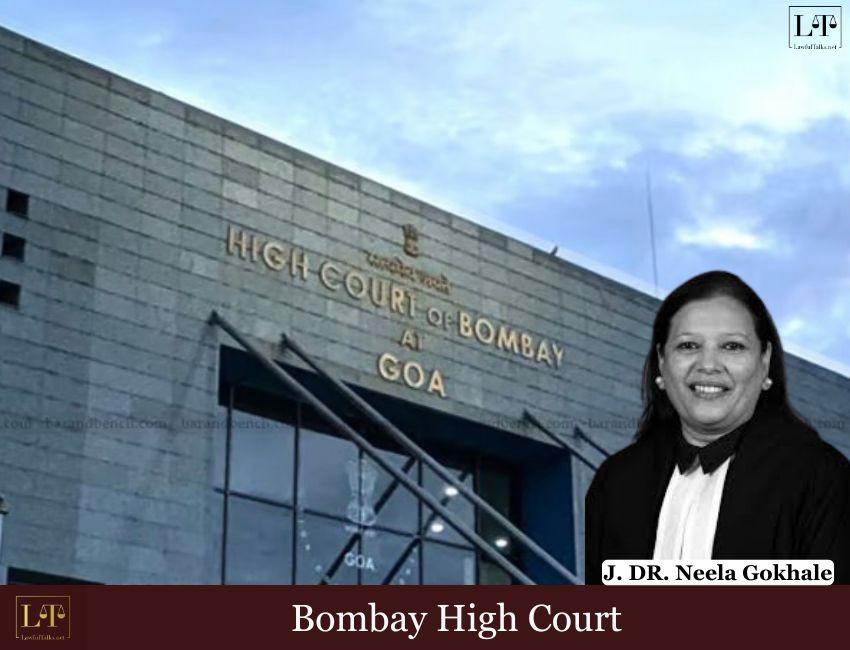
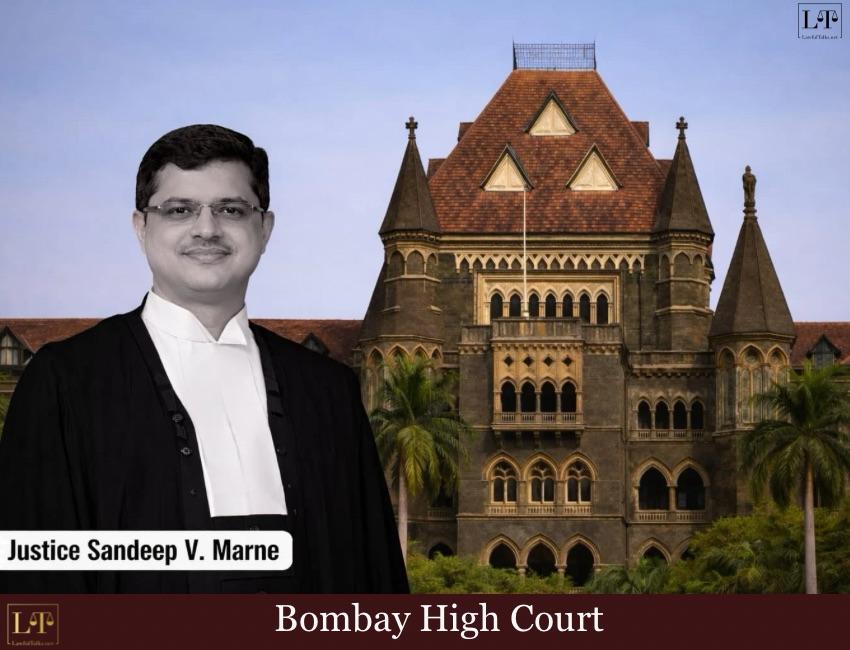
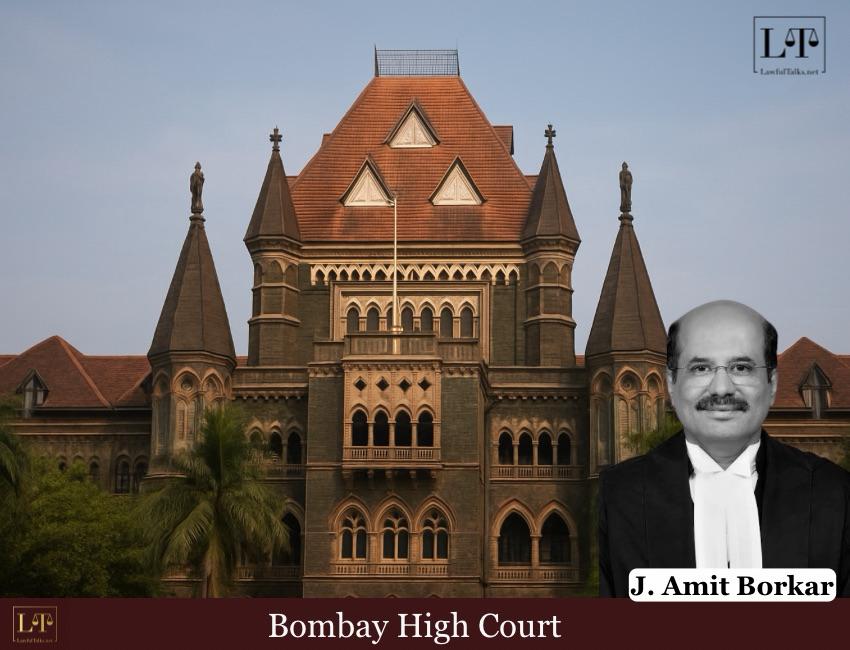
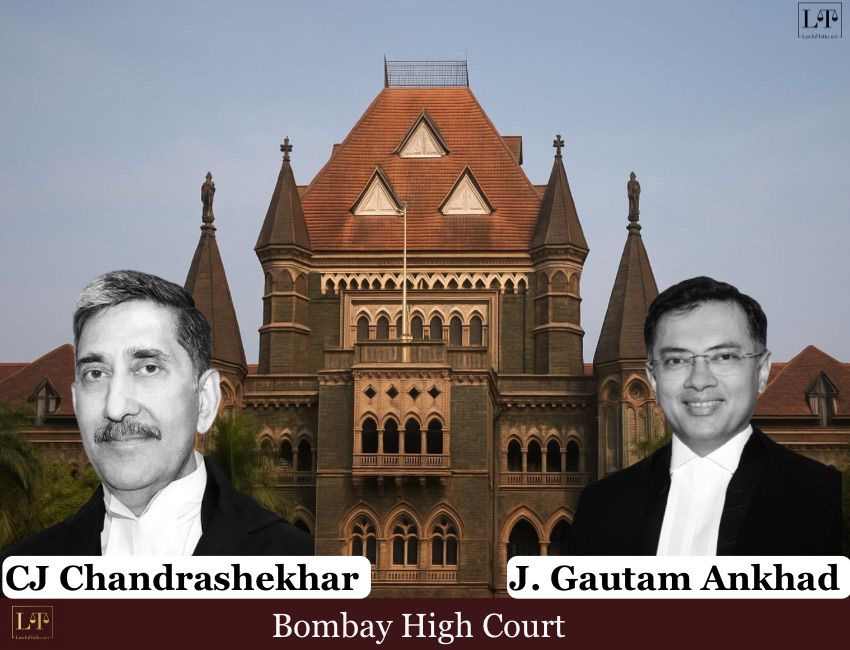
The Bombay High Court recently held that a contract clause limiting damages to 1% of the contract value cannot be applied mechanically when the employer itself is responsible for a serious and prolonged breach of the contract. In an important judgment, Justice Somasekhar Sundaresan partly upheld an arbitral award in favour of Khare and Tarkunde Infrastructure Pvt. Ltd. (KTIPL), while setting aside only the portion relating to interest.
Background of the Dispute:
The dispute arose from Engineering, Procurement and Construction (EPC) contracts entered into between the Public Works Department (PWD), Government of Maharashtra, and KTIPL for the construction of various bridges and road infrastructure projects worth more than ₹148 crore.
PWD Failed to Provide Land Access:
Under the contracts, PWD was required to provide at least 90% of the Right of Way (ROW) within 15 days from the execution of the contracts. The remaining portion was to be handed over within the stipulated period thereafter. The entire project was to be completed within 18 months from the appointed date.
However, although January 27, 2015 was fixed as the appointed date, PWD failed to provide the required 90% Right of Way. KTIPL repeatedly informed the authorities that the required land had not been acquired and that access to the project sites was not available.
Letters exchanged between the parties over several years showed continuous delays in handing over the project site. Although PWD officials repeatedly recommended extensions of time, formal approvals were never granted. Ultimately, KTIPL invoked arbitration in October 2018, after which PWD terminated the contracts.
Tribunal Awards Damages:
The arbitral tribunal found that the delays were mainly caused by PWD’s failure to provide the Right of Way and awarded damages to KTIPL.
PWD challenged the award under Section 34 of the Arbitration and Conciliation Act. It argued that Clause 4.1.5 of the contract clearly limited total damages to 1% of the contract value and that the tribunal had effectively rewritten the contract by refusing to apply that cap.
Court Rejects PWD’s Argument:
Justice Sundaresan rejected this argument. The Court held that the issue could not be decided by looking at a single clause in isolation. The Court noted that the entire contractual arrangement was based on PWD’s obligation to provide 90% of the Right of Way at the very beginning of the project.
The Court observed:
“Evidently, there is a chronic and clear default on PWD’s part in complying with its obligation to provide the ROW, which was envisaged at a very early stage of the contract.”
Effect of Section 28(3) Amendment:
The Court further noted that after the 2015 amendment to Section 28(3) of the Arbitration and Conciliation Act, arbitral tribunals are required to “take into account” the terms of the contract rather than decide disputes strictly “in accordance with” the contract, as was the earlier position.
According to the Court, this amendment gives arbitral tribunals greater flexibility to assess contractual disputes based on the realities of how the contract was performed.
Tribunal Can Consider the Reality
Justice Sundaresan explained, “Section 28(3) of the Act is not a license to ignore the terms of the contract at all, but it is a statutory recognition that when parties invest their trust in an Arbitral Tribunal to adjudicate their disputes, the Arbitral Tribunal would take into account the terms of the contract.”
The Court found that applying the 1% damages cap despite PWD’s extensive breach would lead to irrational and commercially absurd results.
The Court noted that the project, which was supposed to be completed within 18 months, continued for around 45 months before being terminated. Despite this, the contractual requirement of handing over 90% of the Right of Way was never fulfilled.
Highlighting the unreasonable consequences of PWD’s interpretation, the Court observed:
“The delay in this case is abnormal and the exclusionary clause cannot be blindly applied.”
Court Calls PWD’s Interpretation Absurd:
The Court further held that accepting PWD’s argument would allow it to keep delaying performance indefinitely while remaining protected by a very small cap on damages.
The judgment records:
“If PWD’s contention were to be accepted, it would follow that PWD would be entitled to keep KTIPL deployed for an infinite time or even for another five years or 10 years for that matter, and take its own time to provide the ROW with no scope for damages for such delay ever crossing 1% of the contract value.”
Calling such a result unacceptable, the Court remarked:
“Such a proposition is absurd to say the least.”
Tribunal Did Not Rewrite the Contract:
The Court also discussed the doctrine of business efficacy in detail. It held that contractual clauses cannot be interpreted separately when such an interpretation defeats the commercial purpose of the agreement.
Relying on the Supreme Court’s decisions in Nabha Power and other judgments, Justice Sundaresan held that the arbitral tribunal was justified in harmonising the damages cap with the wider contractual obligations undertaken by both parties.
According to the Court, the tribunal had not rewritten the contract. Instead, it had interpreted the contract in a commercially sensible manner.
The judgment states:
“The Learned Arbitral Tribunal, far from re-writing the terms of the contract has restricted itself to reconciling in a cohesive manner, the multiple provisions of the contract and giving them a logical meaning.”
No Interference With Damages Award:
The High Court also rejected PWD’s argument that the tribunal had relied on irrelevant judgments.
The Court held that the decisions relied upon by the tribunal, including judgments dealing with restrictions on damages and compensation for contractual breaches, were directly relevant to the dispute.
The Court concluded that the tribunal’s findings were plausible, reasonable and consistent with settled principles of contract law. Therefore, no interference was warranted under Section 34 of the Arbitration and Conciliation Act.
Court Sets Aside Interest Award:
However, the Court reached a different conclusion regarding the award of interest.
The arbitral tribunal had awarded interest at the rate of 18% per annum compounded quarterly for the pre-arbitration, pendente lite and post-award periods.
PWD argued that this was contrary to the contractual provisions governing interest.
The Court accepted this argument.
Interest Award Held Illegal:
It observed that the parties had consciously agreed to different interest arrangements under different clauses of the contract. However, the tribunal adopted an 18% interest rate by relying on a clause that dealt with a completely different situation. The tribunal also converted that rate into quarterly compound interest.
Justice Sundaresan held:
“the Learned Arbitral Tribunal ought to have been mindful that the 18% rate of interest being adopted from the clause containing KTIPL’s potential obligation to pay interest and varying even that to compounding at quarterly rests, and justifying it by reference to the rate of interest borne by KTIPL with its lenders, to my mind is, a perverse and patently illegal approach.”
The Court observed that the tribunal had effectively moved beyond awarding interest and had entered the area of assessing damages, which was not permissible in the circumstances of the case.
Final Outcome:
Relying on the Supreme Court’s decision in Gayatri Balasamy v. ISG Novasoft Technologies Ltd., the Court held that the interest portion of the award could be separated from the rest of the award without affecting the remaining findings.
Accordingly, while the findings relating to liability and damages were upheld, the award granting interest at 18% per annum compounded quarterly was quashed and set aside.
As a result, the Bombay High Court partly allowed the petitions. It upheld the arbitral award on all substantive issues relating to damages and set aside only the component concerning interest.
The Court also clarified that the issue regarding the appropriate rate of interest remains arbitrable and may be referred to arbitration again for fresh adjudication.
Case Details:



























































































































































Sign up for free and be the first to get notified about curated content just for you.