Can an Exam Leak Justify Blocking Telegram? Delhi HC Answers

- June 19, 2026


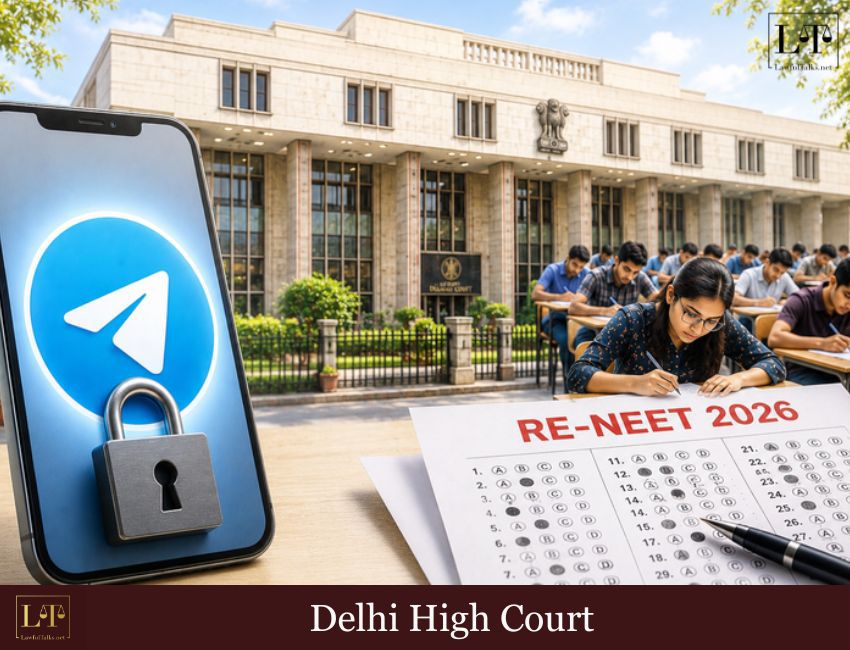
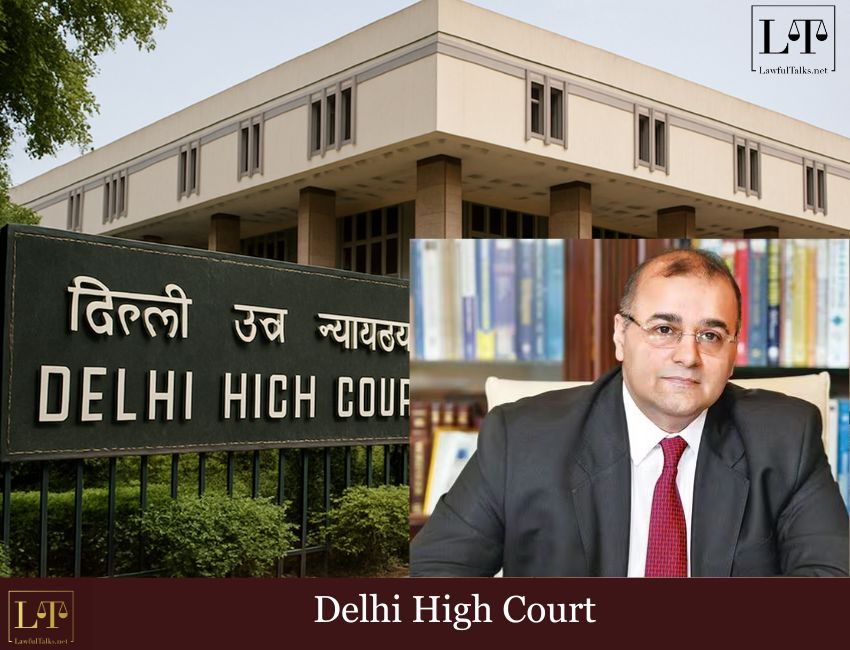
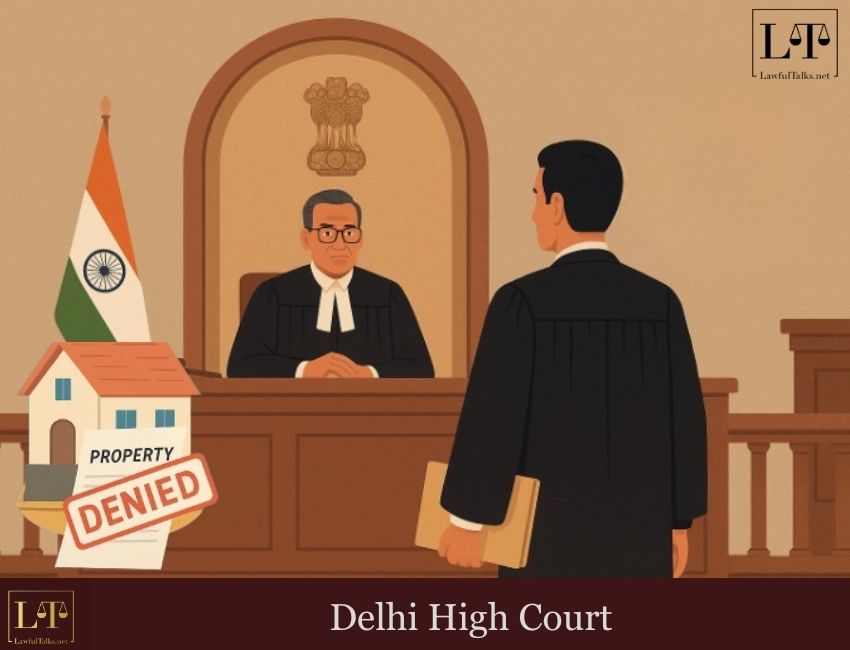
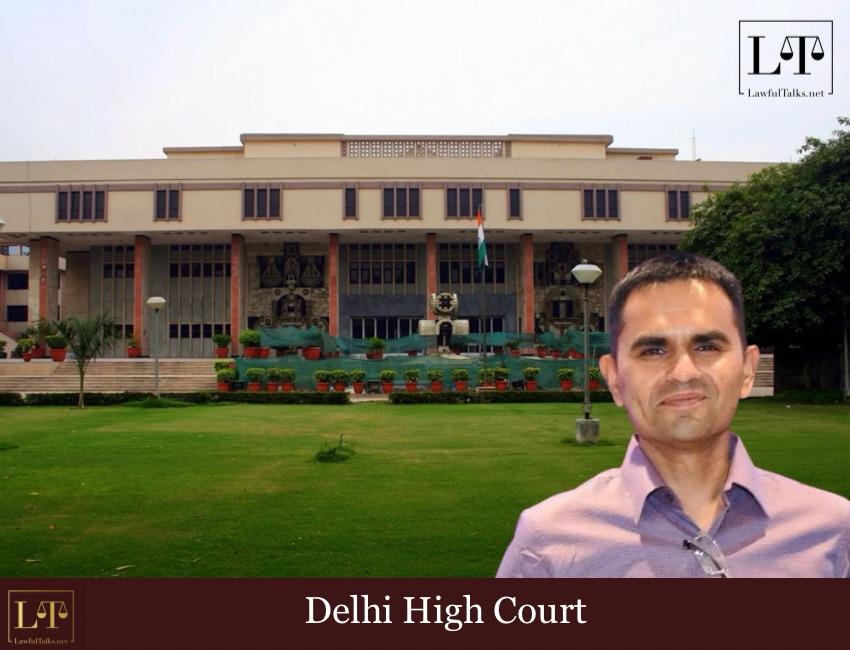
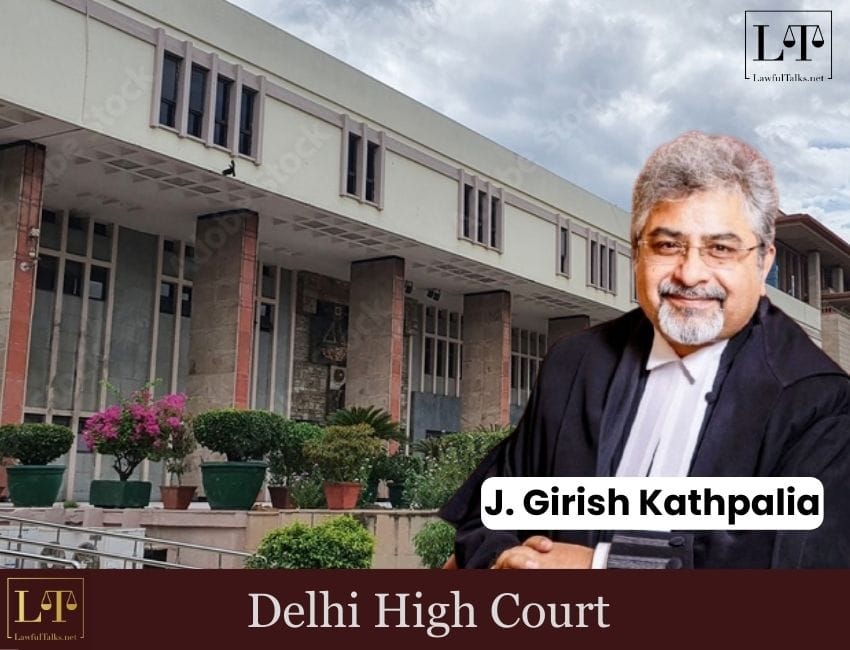
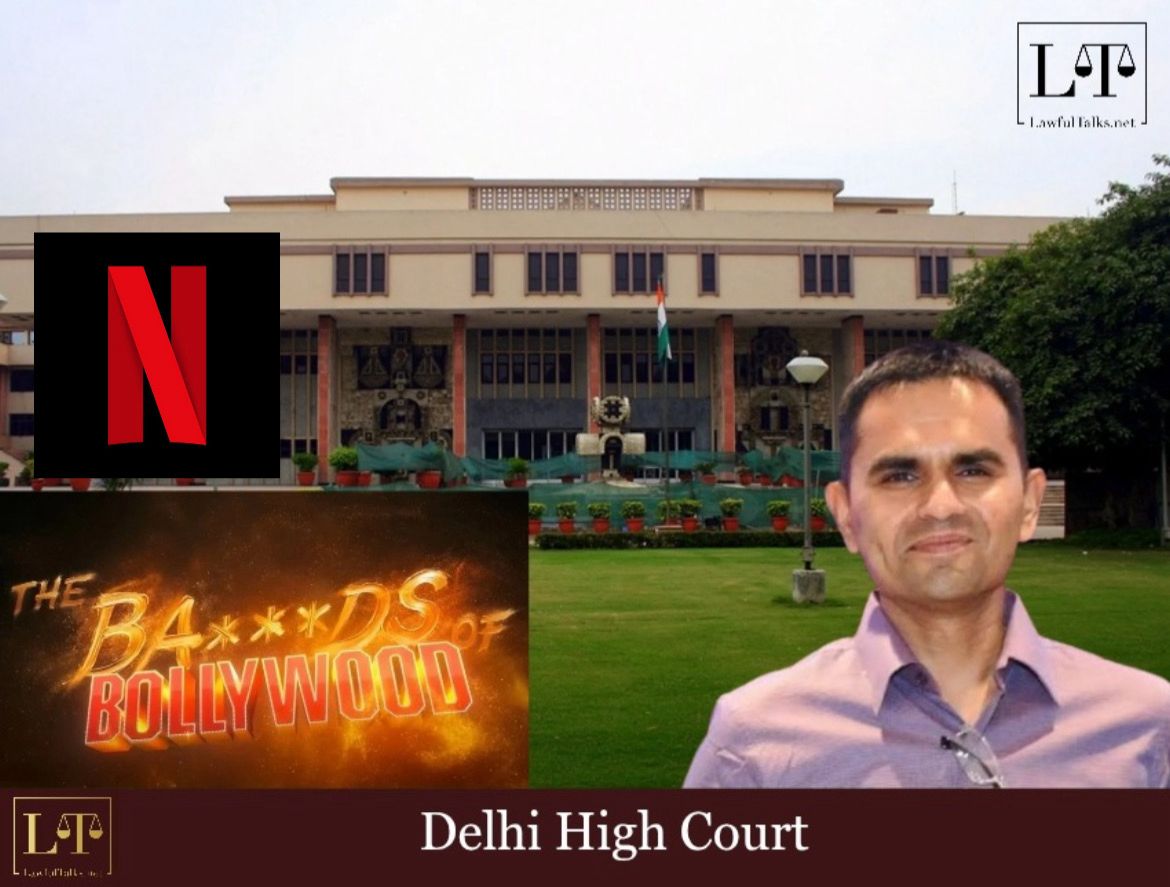
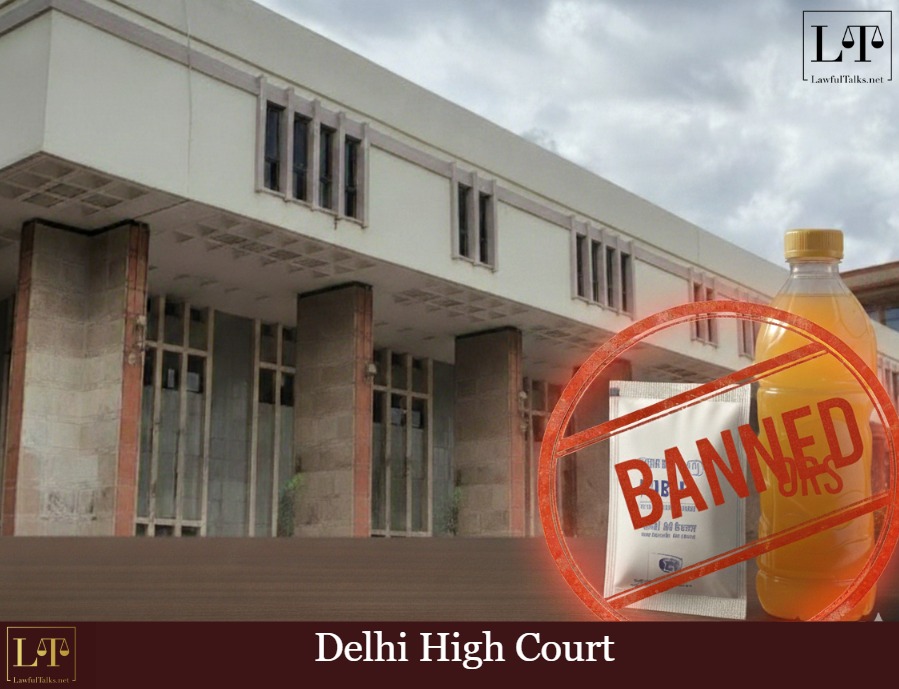
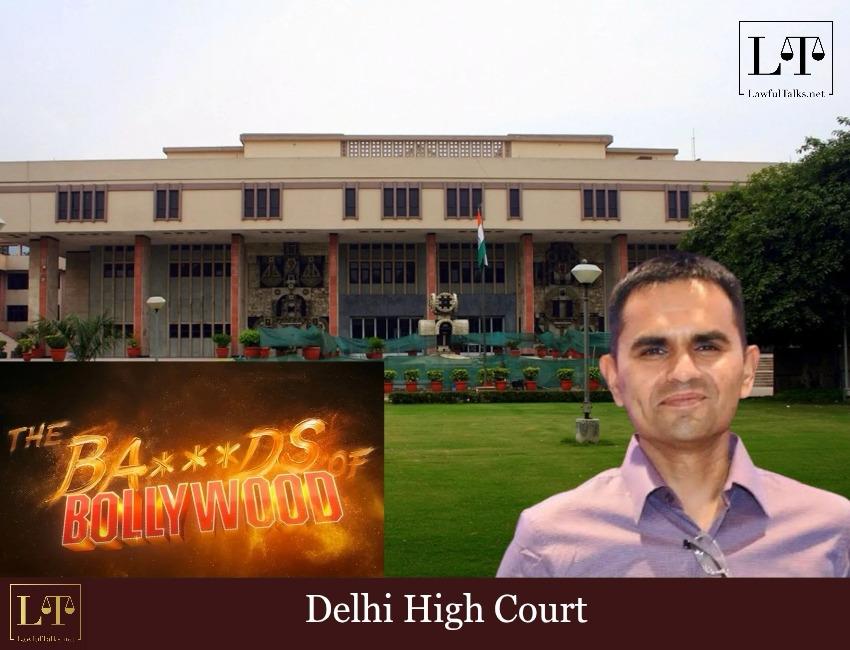
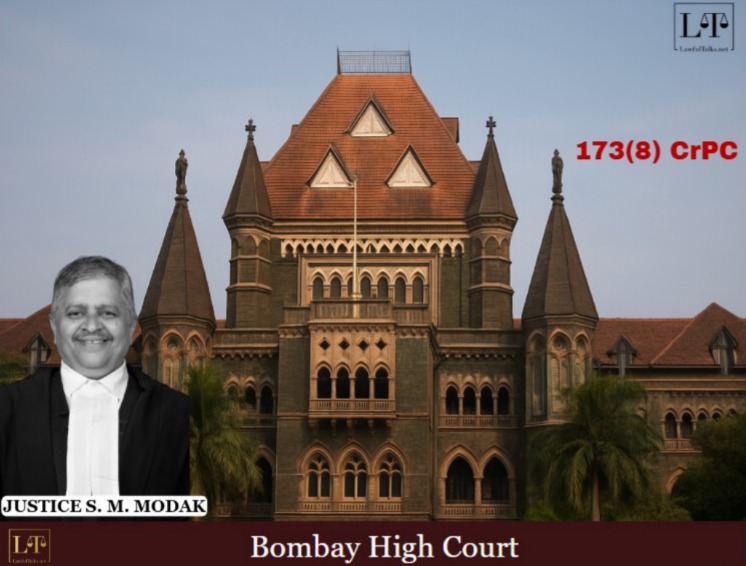
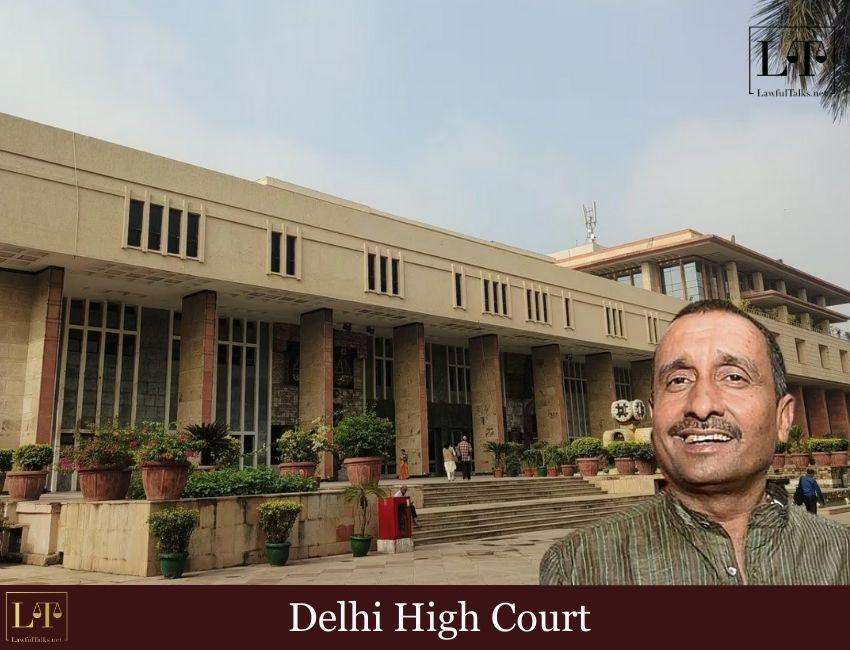
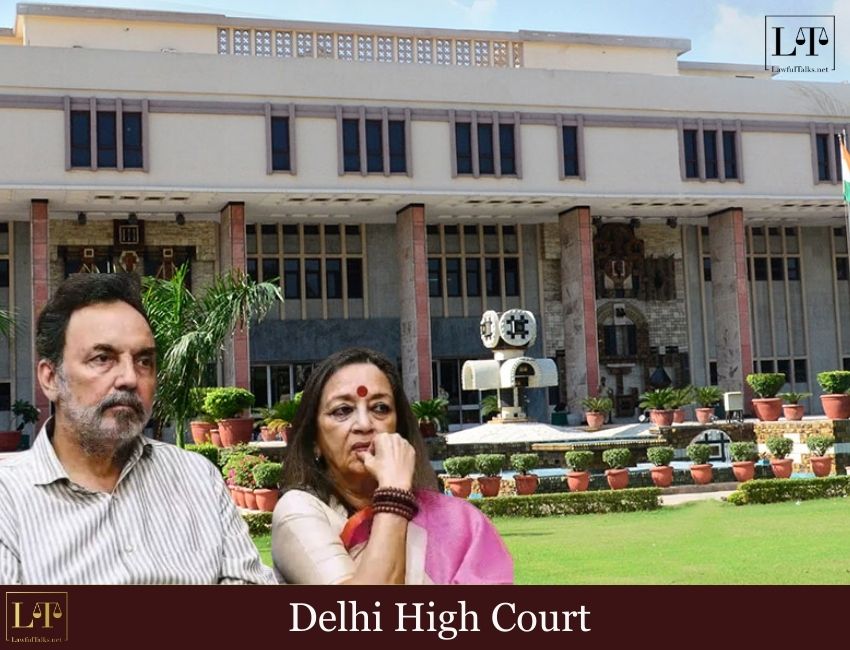
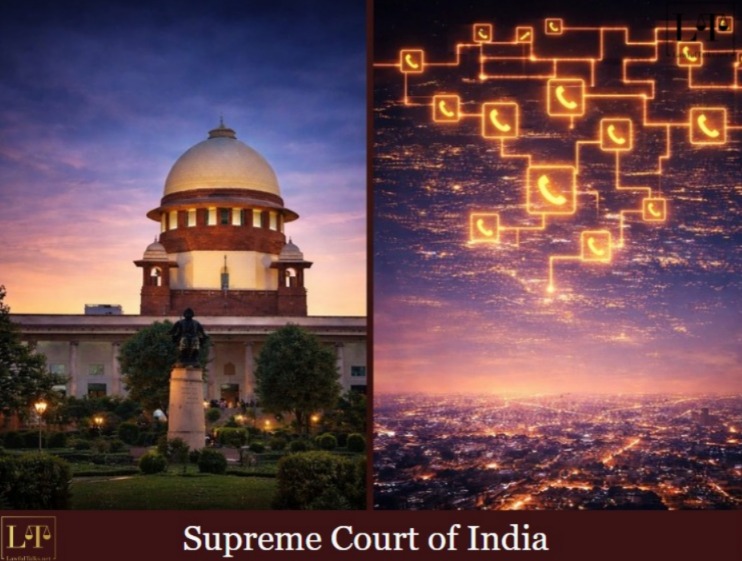
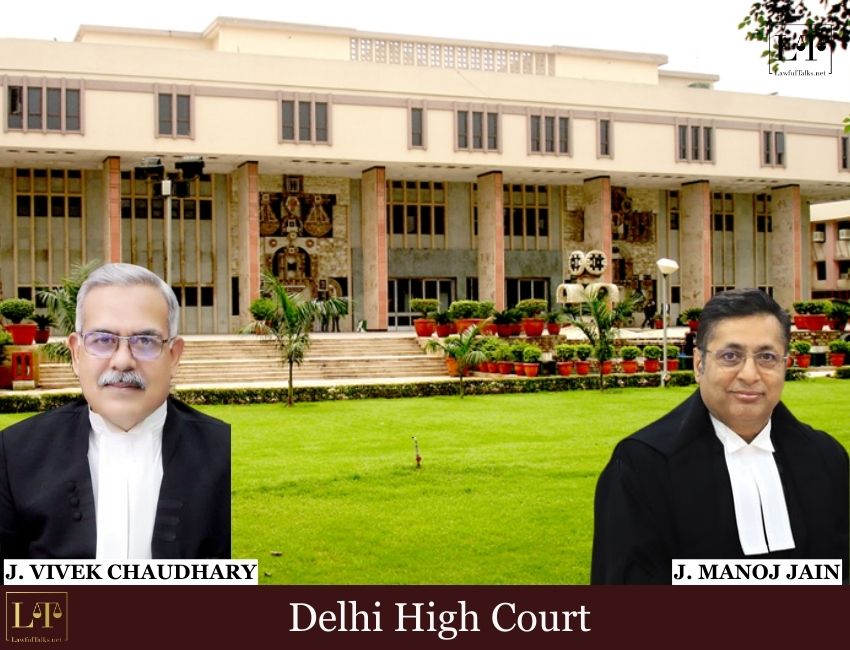
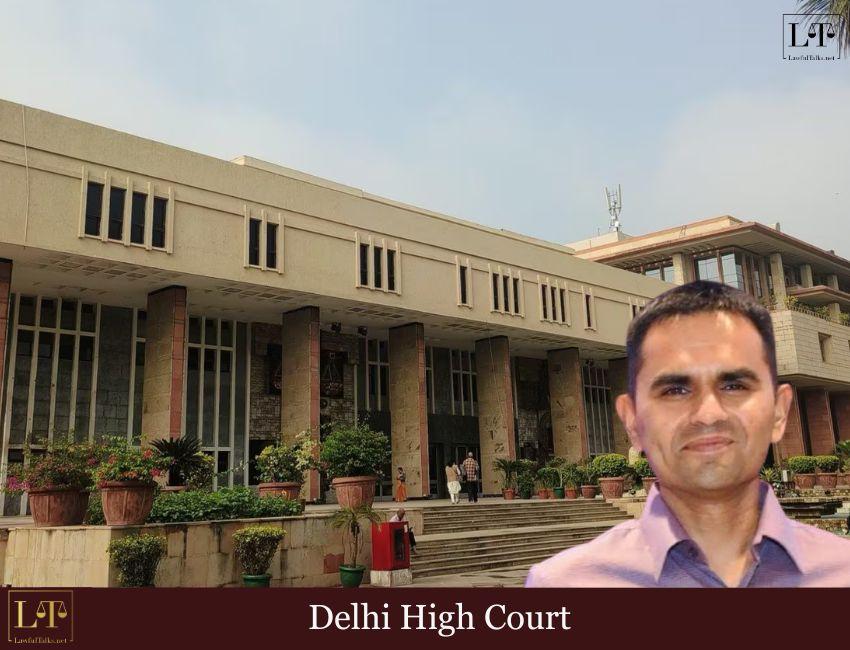
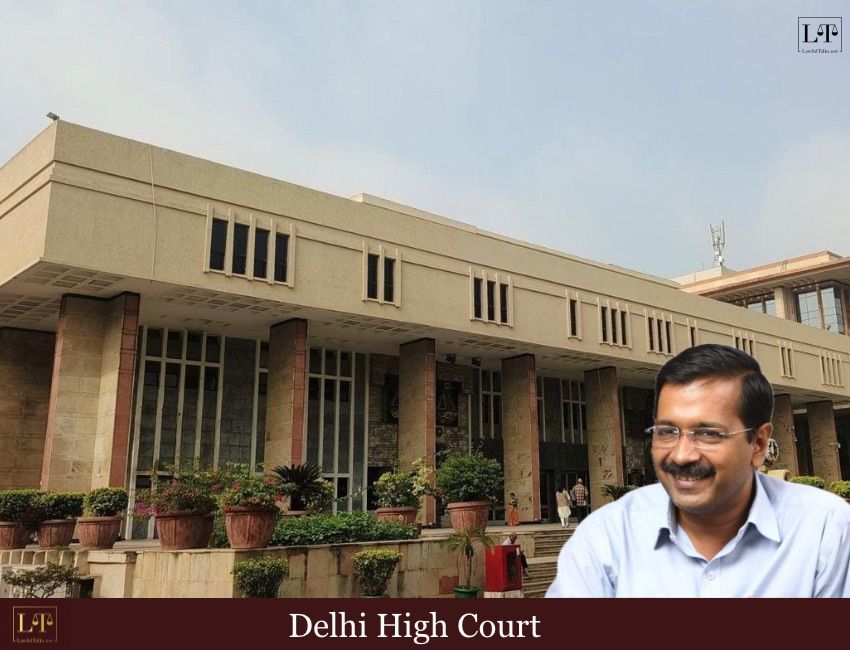
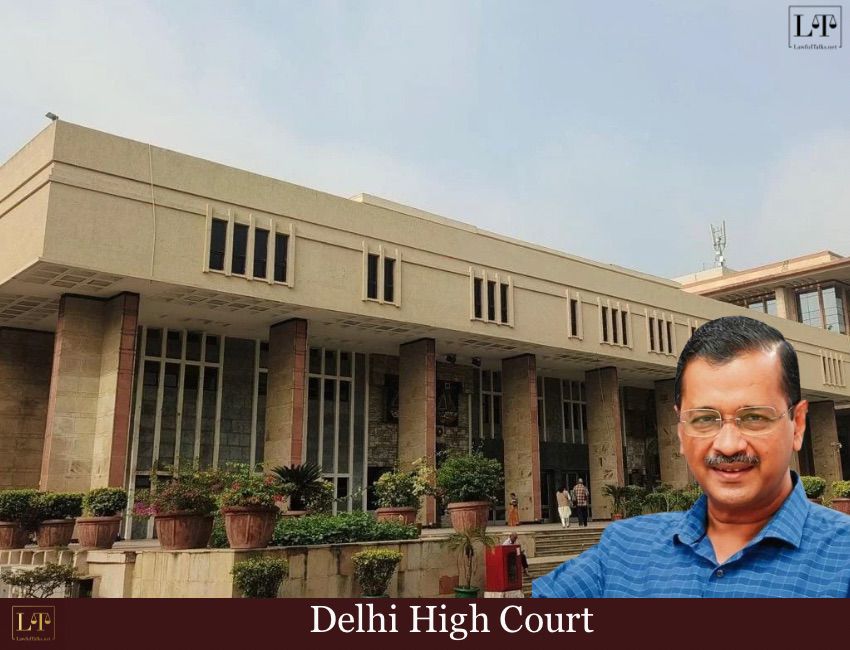
In a significant ruling related to the NEET-UG re-examination controversy, Justice Tejas Karia of the Delhi High Court on Friday upheld the Central government’s decision to temporarily block access to Telegram.
Court Upholds Blocking Order:
The Court held that the government’s action was legally valid and proportionate considering the exceptional circumstances faced by the authorities. The Court dismissed Telegram’s challenge to the government’s order and observed that the powers under Section 69A of the Information Technology Act, 2000 were properly used because of concerns about organised cheating networks allegedly operating through the platform during the examination controversy.
Court’s Key Finding:
While delivering the judgment, the Court clearly held:
“R1 (Government) was empowered under Section 69A to direct blocking of access to Telegram. Test of proportionality is satisfied … The government’s measures are least restrictive. It cannot be held that the order is disproportionate.”
The Court concluded that the temporary restrictions on Telegram were backed by adequate reasons and were necessary in light of the allegations of paper leaks and examination malpractice.
Background of the Case:
The dispute arose after the original NEET-UG examination was cancelled following allegations of large-scale irregularities and question paper leaks. Amid concerns that Telegram had allegedly become a medium through which organised cheating groups were circulating unlawful content related to the examination, the Ministry of Electronics and Information Technology (MEITY) issued directions under Section 69A of the Information Technology Act.
Under these directions, access to Telegram in India was temporarily restricted until June 22. The platform was also directed to disable the message-editing feature for already posted messages until June 30.
Rejecting Telegram’s challenge, the High Court found no fault in the government’s decision-making process and observed that the blocking orders contained adequate reasons. The Court stated:
“The orders do not suffer from non-application of mind. We have also held that under IT Act, there is no reason to exclude the platform from the ambit of ‘information’.”
The Court further held that the procedure required under Section 69A had been properly followed before the restrictions were imposed.
Telegram’s Stand:
Telegram argued that it had been unfairly singled out while other social media platforms continued to operate without similar restrictions. According to the company, this selective treatment violated Article 14 of the Constitution.
Telegram stated that it had remained in continuous communication with government authorities for several weeks and had taken extensive steps to deal with unlawful content. The company said it had attended several meetings with government agencies since May and had submitted detailed responses explaining its proactive and reactive moderation measures.
Telegram further claimed that after receiving specific URLs from the authorities on June 9, it removed the identified content within one hour and eventually removed more than 900 links allegedly connected to unlawful NEET-related material. The platform also highlighted its use of artificial intelligence, machine learning tools and manual moderation systems to detect and remove violations.
Telegram Questions the Order:
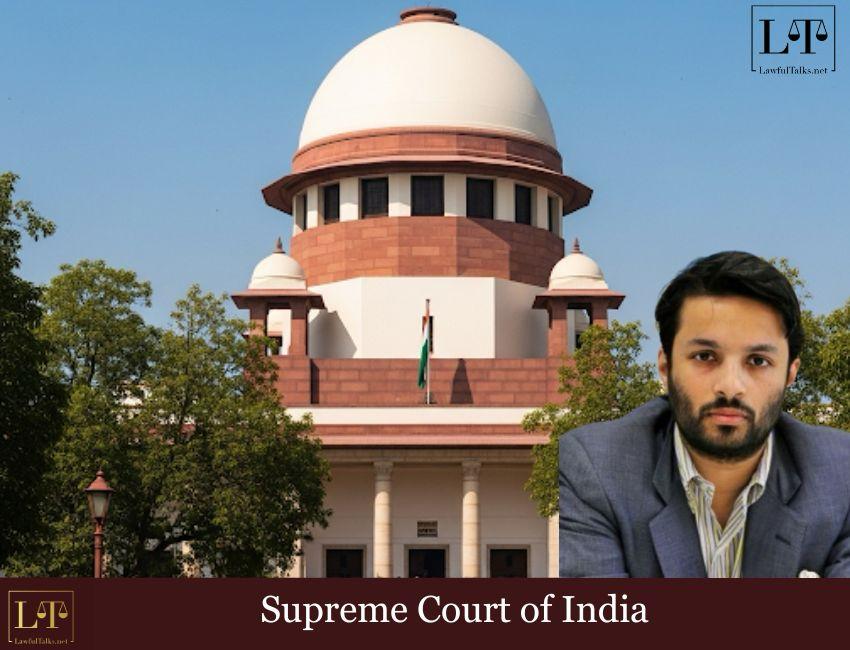
Appearing for Telegram, Senior Advocate Dhruv Mehta argued that the blocking order showed a lack of application of mind by the MEITY Secretary. Referring to the language used in the order, he questioned why the government had relied on concerns about the sovereignty and integrity of India.
Drawing attention to the order, he submitted:
“The order says, ‘in the interest of sovereignty and integrity of India?’ An examination like NEET will affect the sovereignty and integrity of India? What is the application of mind?”
He further argued that Telegram had consistently cooperated with the authorities, answered concerns regarding its platform architecture and complied with applicable regulatory requirements.
Government’s Defence:
The Central government defended its decision by arguing that the restrictions were the least intrusive option available to prevent further misuse of the platform.
Solicitor General of India, Tushar Mehta, submitted that the government’s action satisfied the constitutional test of proportionality and was carefully designed to address the risks arising from the examination leak controversy. He argued that Telegram’s technological architecture created unique challenges for law enforcement agencies and regulators.
Referring to Telegram’s privacy policy, the Solicitor General pointed out that when an account is deleted, all associated data, messages and media are also deleted, making it difficult to preserve evidence. Emphasising the seriousness of the situation, he urged the Court not to interfere with the government’s action because the:
“potential harm is huge”.
Attorney General Supports Order:
Attorney General R. Venkataramani also strongly supported the government’s stand and defended the blocking order as a complete and independent exercise of statutory power.
During the hearing, he remarked:
“The (blocking) order is complete in itself. This platform, because of its architecture, is a Frankenstein. If a country like ours cannot take preventive action, then where do we go? A platform created for money says proportionality? The argument of proportionality is completely misconceived.”
Final Decision:
After considering the arguments made by both sides, the High Court agreed with the government’s position. The Court held that the temporary restrictions were legally valid and proportionate to the objectives sought to be achieved.
Case details: TELEGRAM FZ LLC & ANR v. UNION OF INDIA & ORS













































































































Sign up for free and be the first to get notified about curated content just for you.