The Hidden Risk in a Bail Order: Rajasthan HC on Non-Bailable Charges Added Later

- June 19, 2026


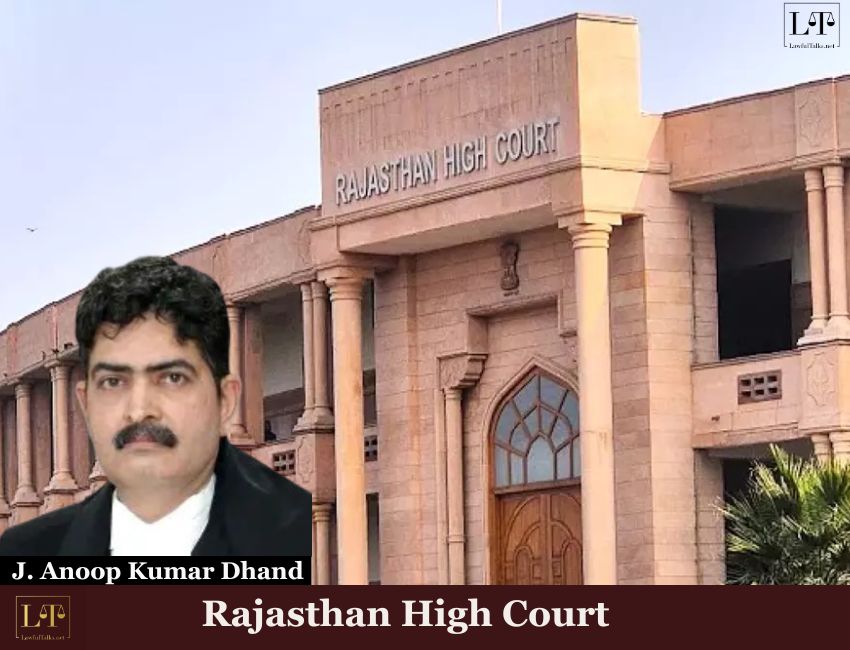
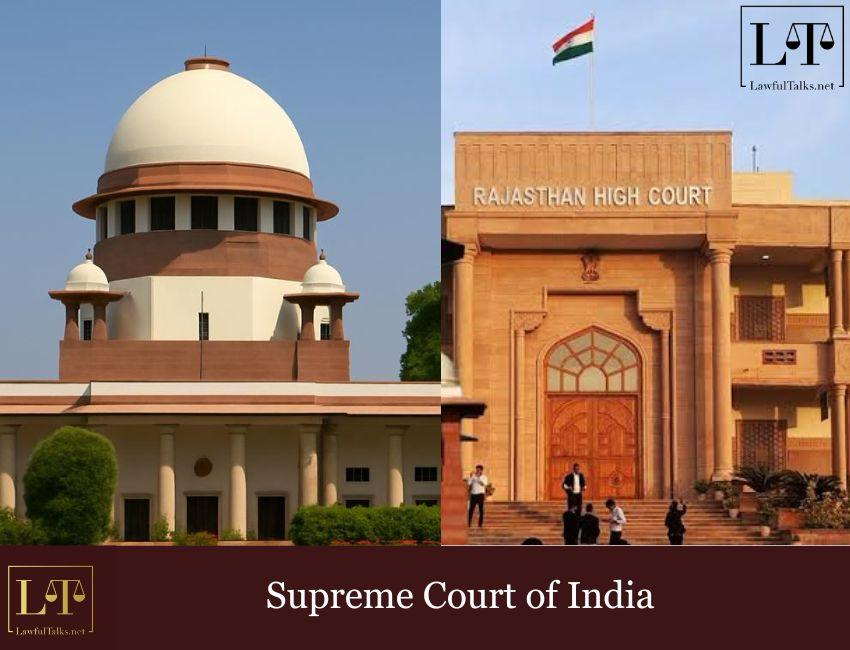
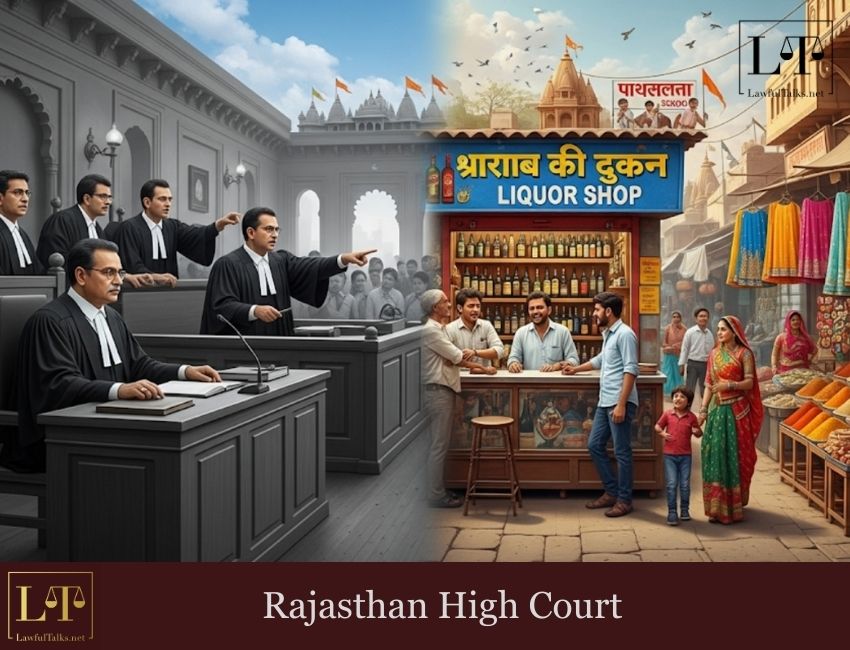
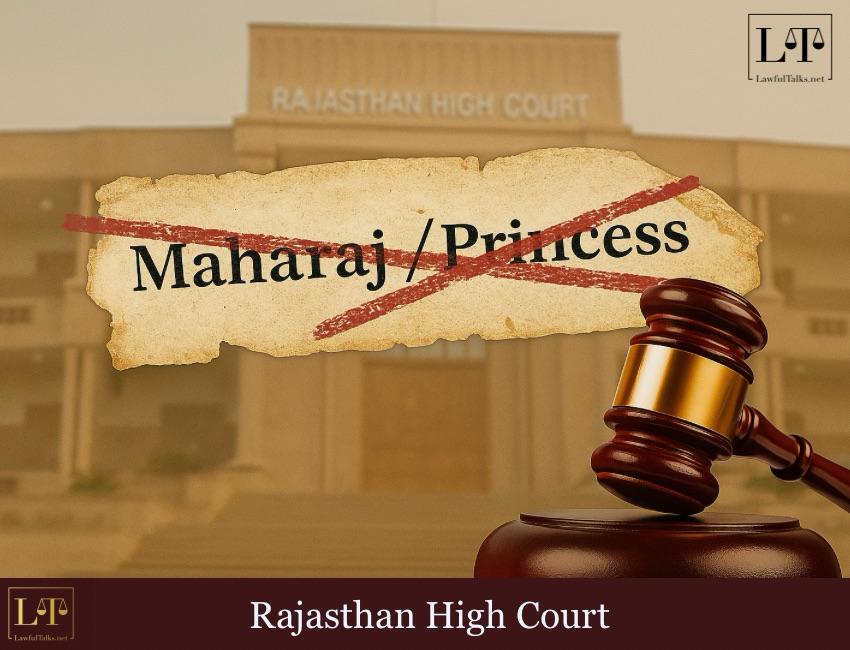
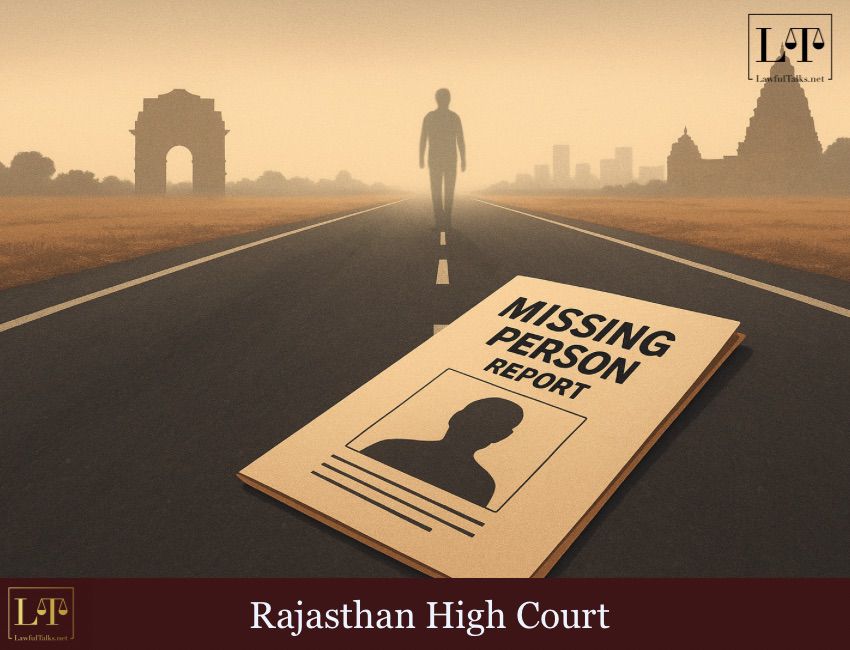
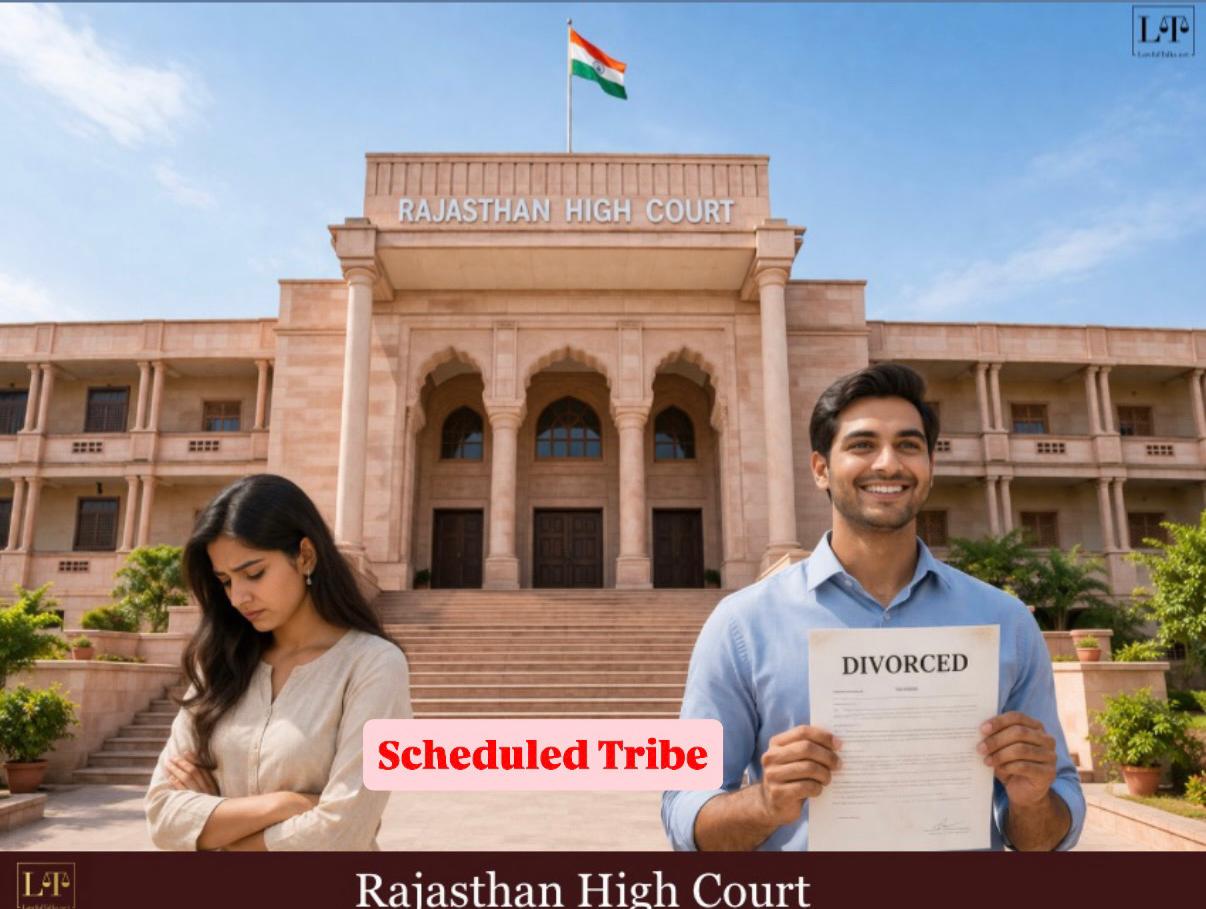
In a recent order, the Rajasthan High Court considered whether bail granted to an accused can be cancelled when a graver and non-bailable offence is added later in the case.
Bail Can Be Cancelled:
While examining the petitioner’s application, Justice Anoop Kumar Dhand held:
“This Court is of the considered opinion that the law in this regard is well-settled and the benefit of bail granted to the accused for bailable offences cannot be allowed to continue and the same is liable to be cancelled on addition of graver/non-bailable offence”.
How the Case Started:
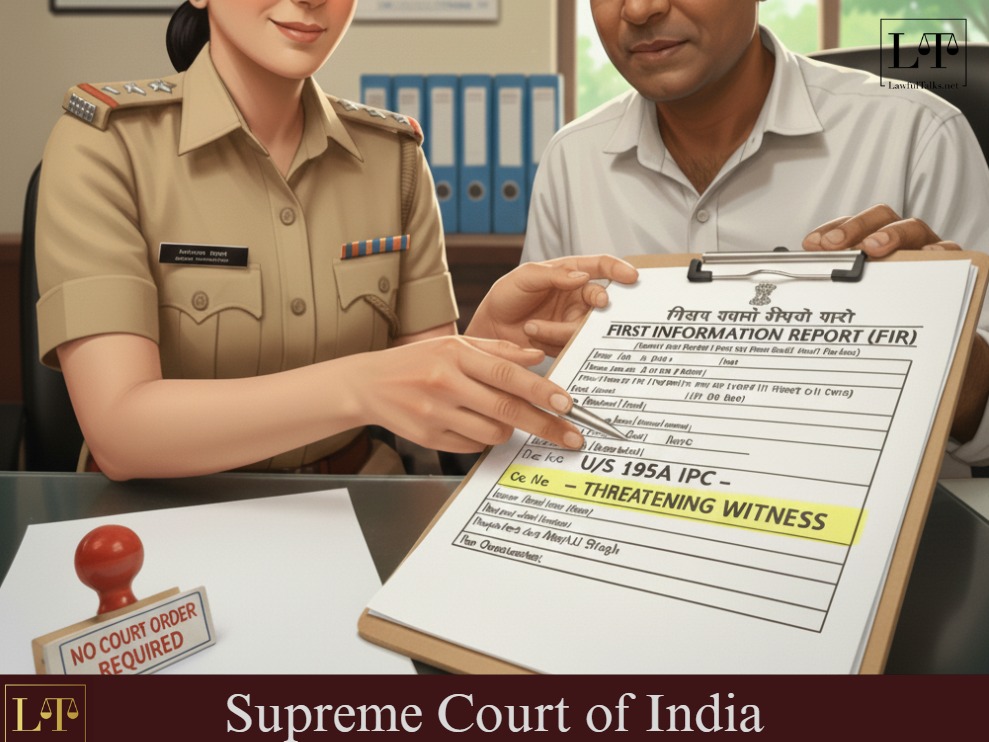
The case began with the registration of an FIR for offences under Sections 143, 452, 323, 341, 354, 336 and 427 of the Indian Penal Code (IPC).
During the investigation, the offences found against the petitioners were only the bailable offences under Sections 323, 336, 341, 427 and 34 IPC. Therefore, the Investigating Agency granted them bail.
Graver Offence Added Later:
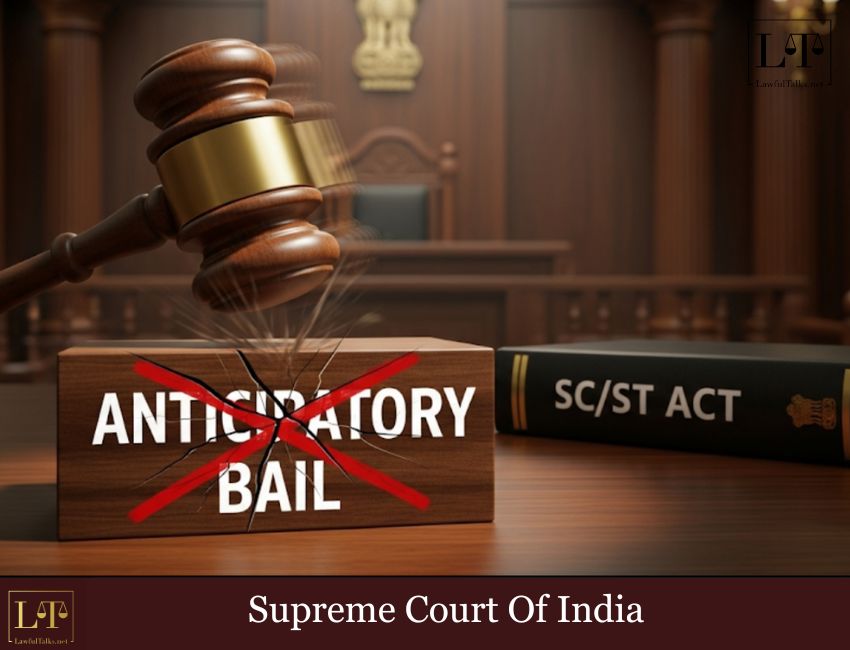
Later, however, the offence under Section 452 IPC, which is a graver and non-bailable offence, was added to the case. After an application was filed by the State, the Special Judge, SC/ST Cases, Bharatpur, cancelled the bail. Aggrieved by this order, the petitioners approached the High Court.
Arguments Before Court:
The counsel for the petitioners argued that the bail already granted could not be cancelled merely because a graver or non-bailable offence was added later.
On the other hand, the Public Prosecutor argued that once the graver and non-bailable offence under Section 452 IPC was added, the bail granted for the bailable offences could not continue and was liable to be quashed. Reliance was placed on the decision in Sharwan Lal Jat Vs. State of Rajasthan & Ors., decided by a Co-ordinate Bench of the High Court.
Supreme Court on Changed Charges:
The Court examined the Supreme Court’s ruling in Prahlad Singh Bhati vs. NCT, Delhi & Anr., reported in (2001) 4 SCC 280. In that case, the Supreme Court held that when the nature of the offence changes and is altered to a more serious offence, the accused becomes disentitled to the liberty that had been granted in relation to a minor offence.
The Court also referred to the Supreme Court’s decision in Pradeep Ram vs. State of Jharkhand & Anr. In that judgment, the Supreme Court further clarified how the addition of graver and non-bailable offences should be dealt with. One option identified by the Court was that if bail had already been granted, the Investigating Agency could obtain an order from the court that granted bail to arrest the accused.
Court’s Final Finding:
After considering the facts of the case and the above judgments, the High Court held:
“the settled position of law which emerges is that the benefit of bail granted to an accused under bailable offences, cannot continue and shall stand cancelled on addition of graver and non-bailable offence”.
Petition Dismissed:
Accordingly, the Court dismissed the petition. It held that when graver and non-bailable offences are added, the bail earlier granted for bailable offences cannot continue and is liable to be cancelled.
Case details: Arun Singh & anr. Versus State of Rajasthan & anr.

























































































































































































Sign up for free and be the first to get notified about curated content just for you.