A Family Found Dead, Witnesses Turned Hostile—Yet the SC Upheld the Conviction. Here’s Why

- June 19, 2026


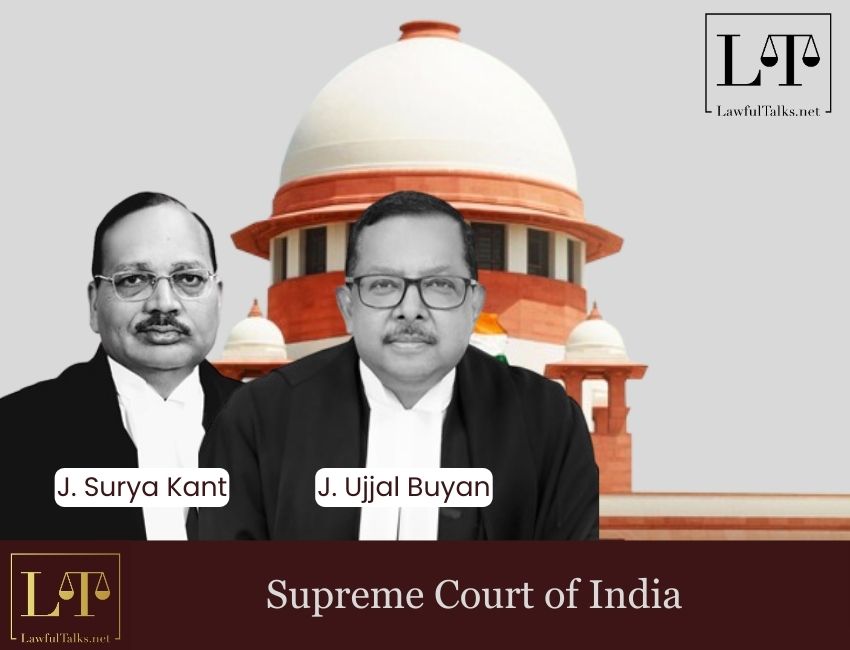
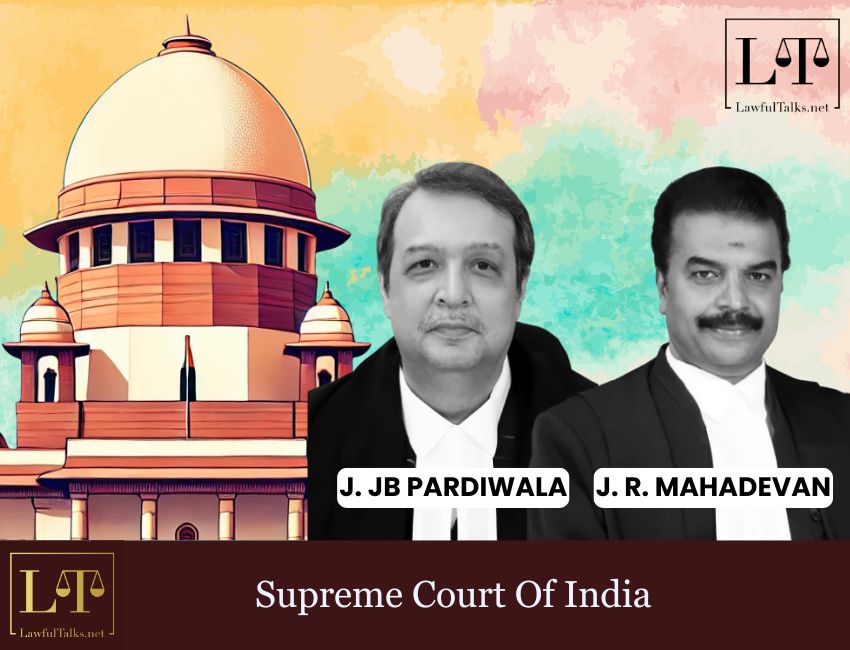
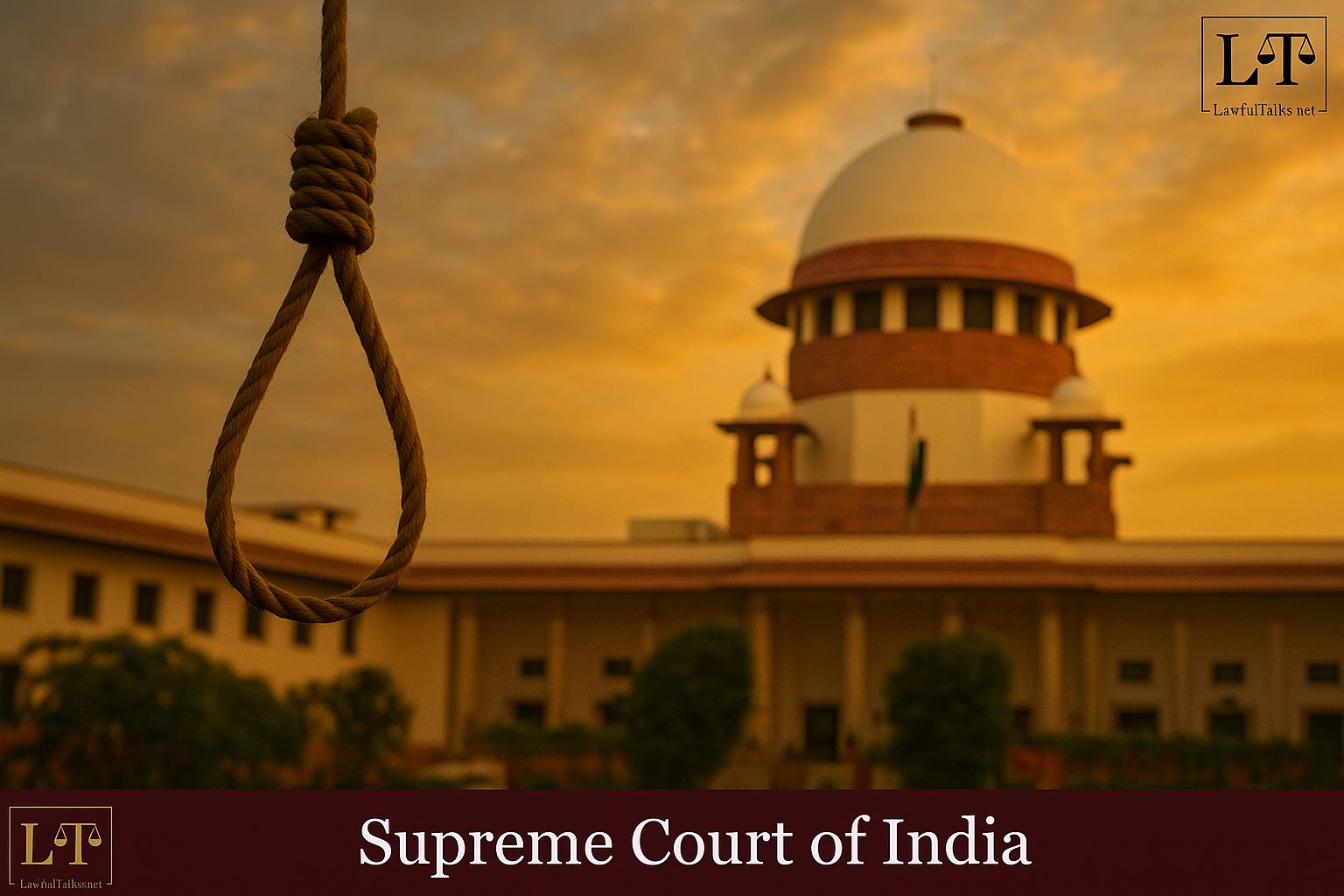
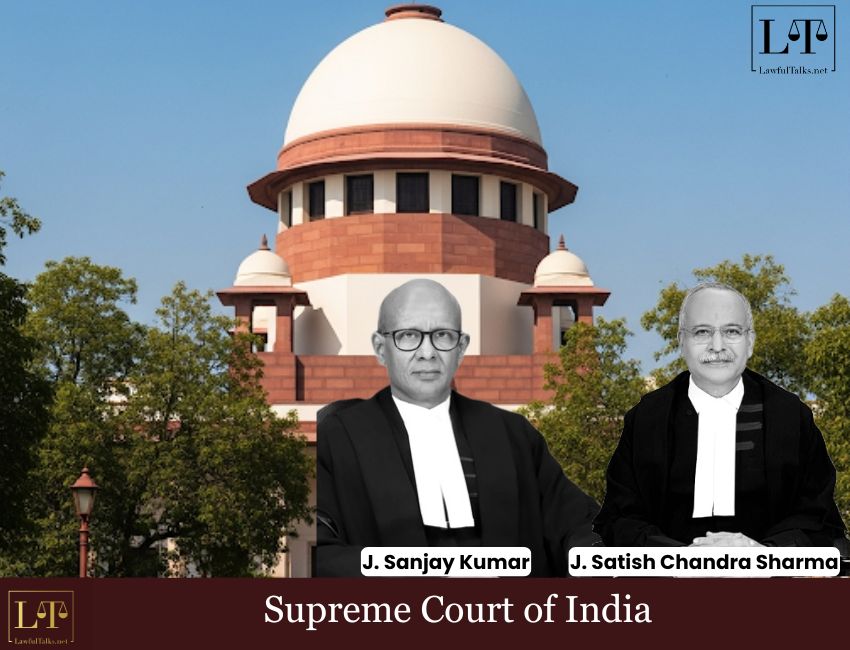
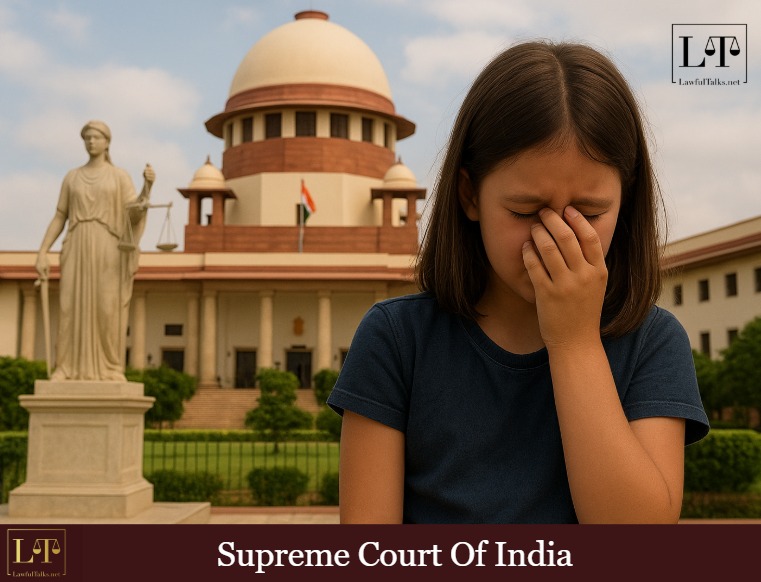
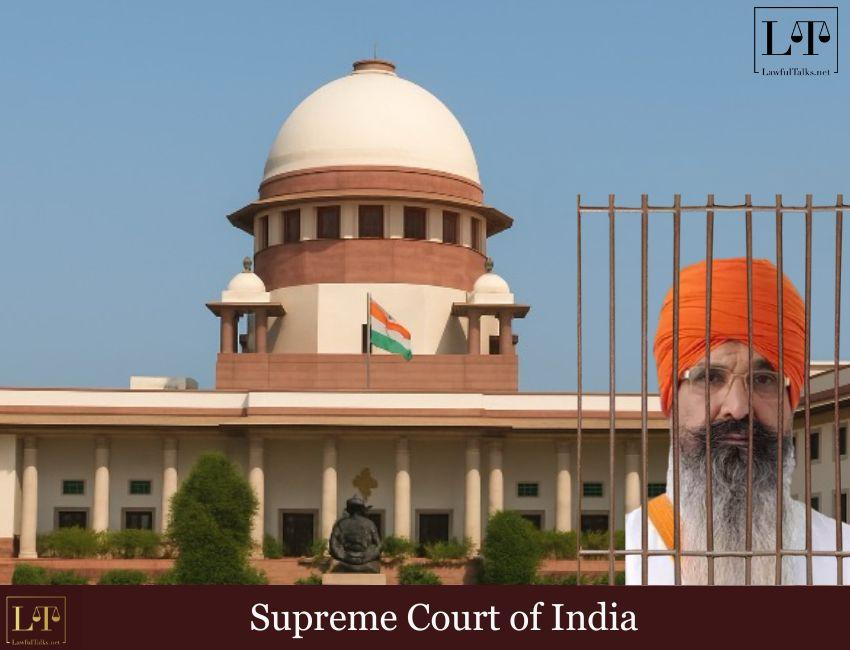
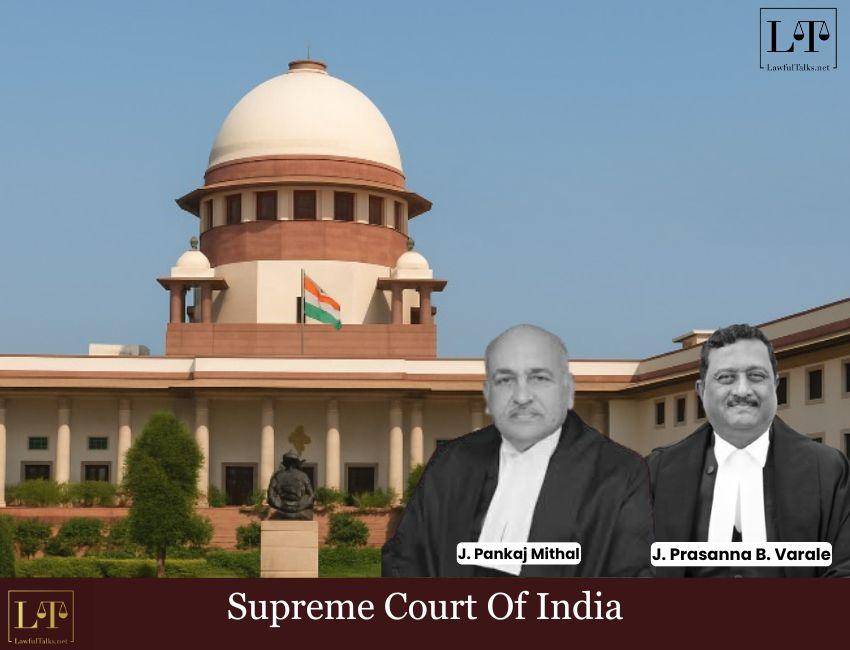
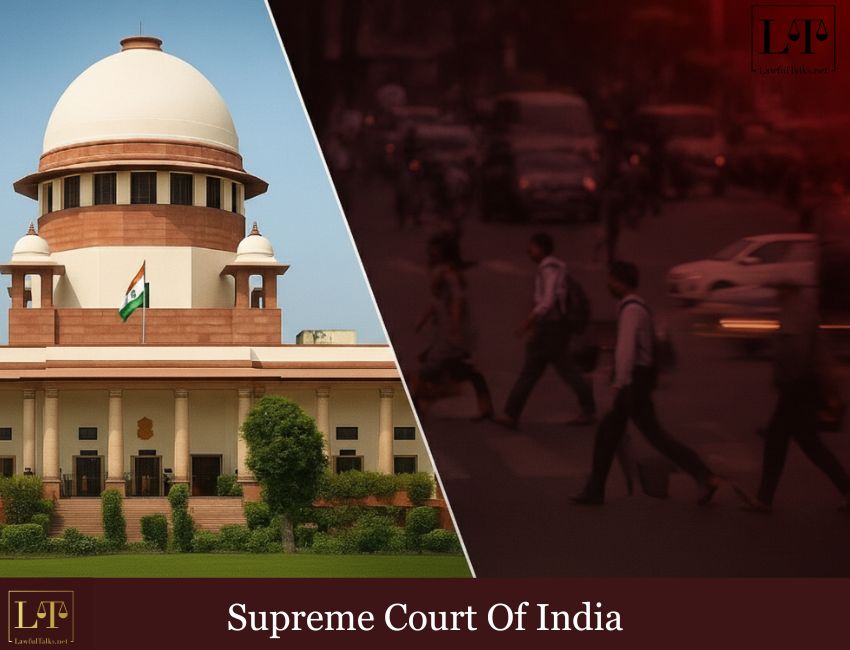
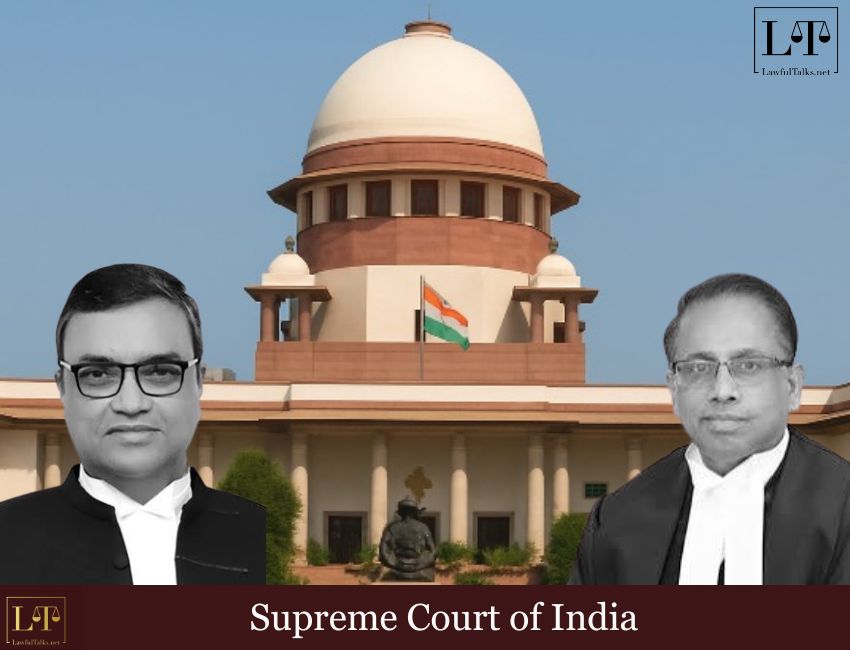
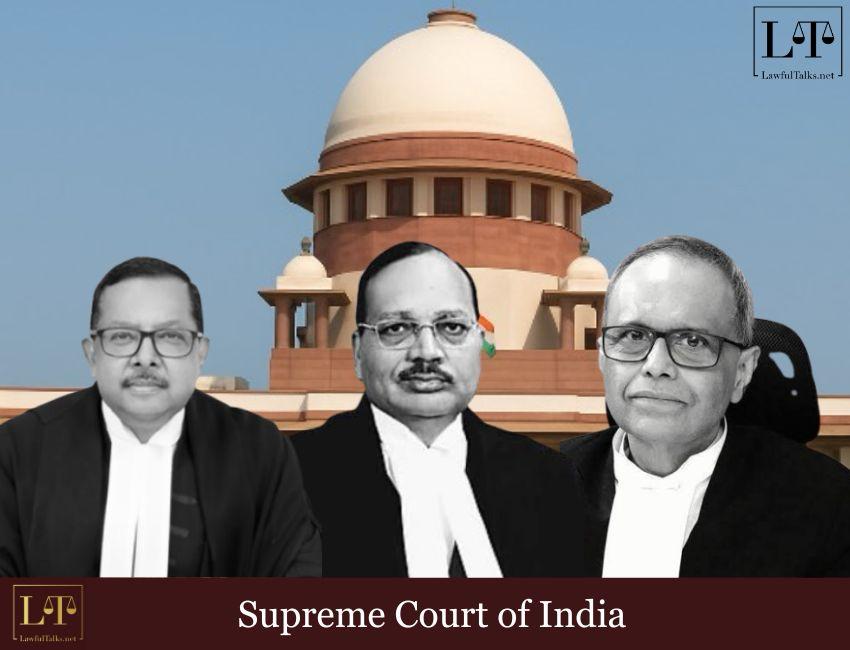
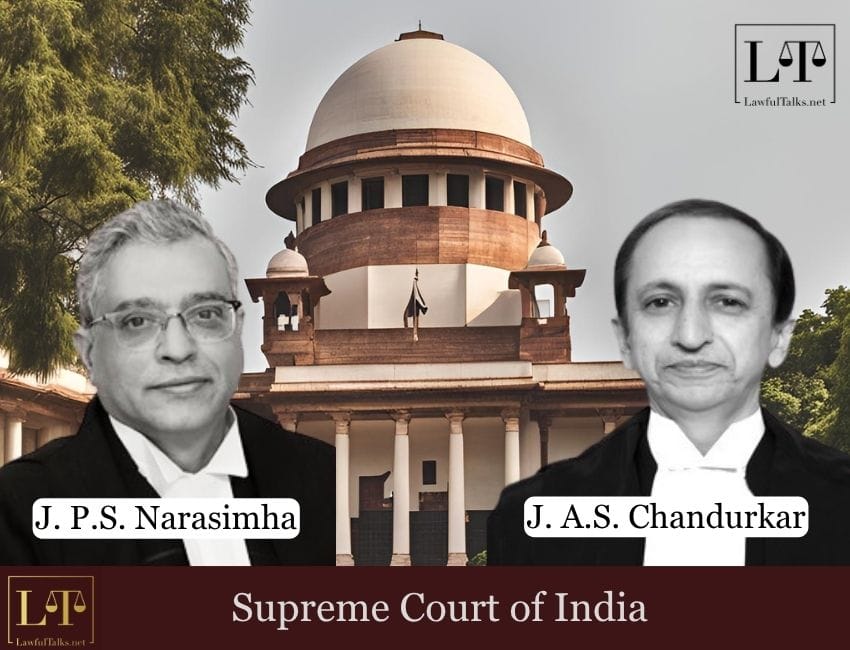
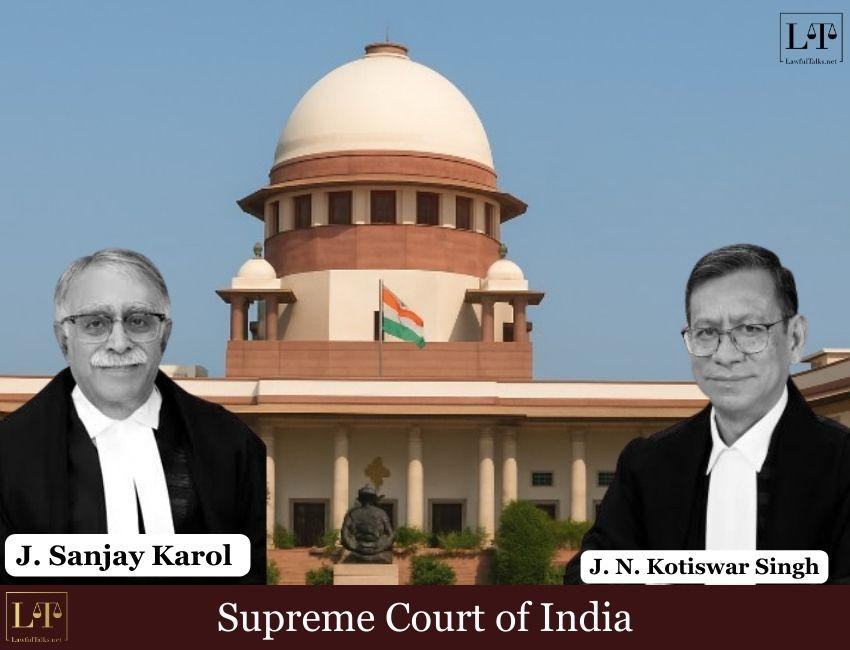
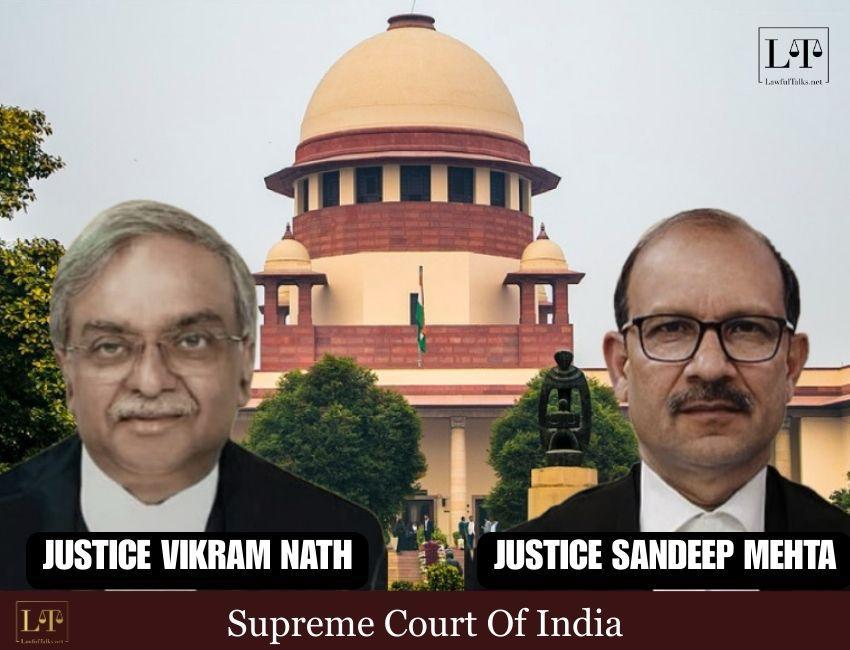
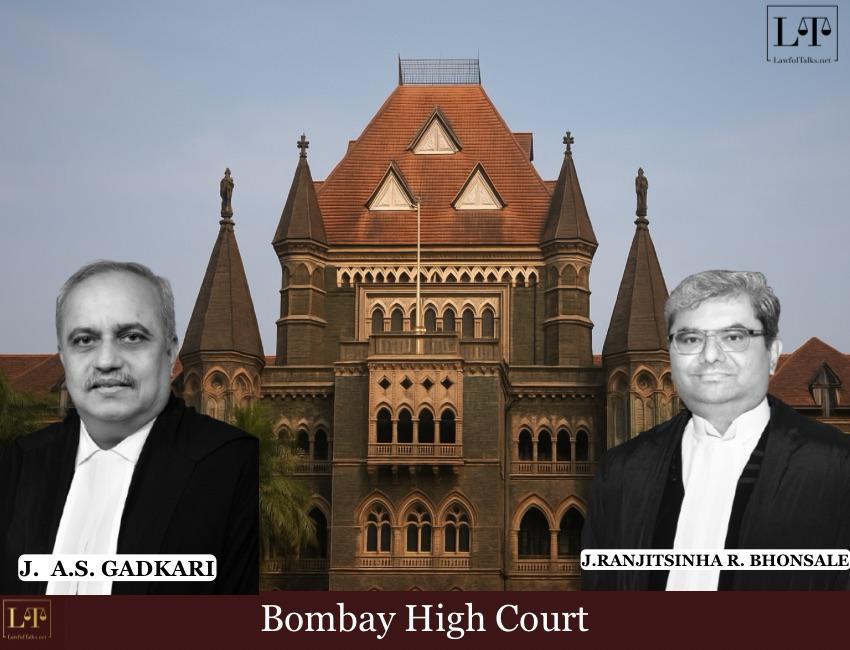
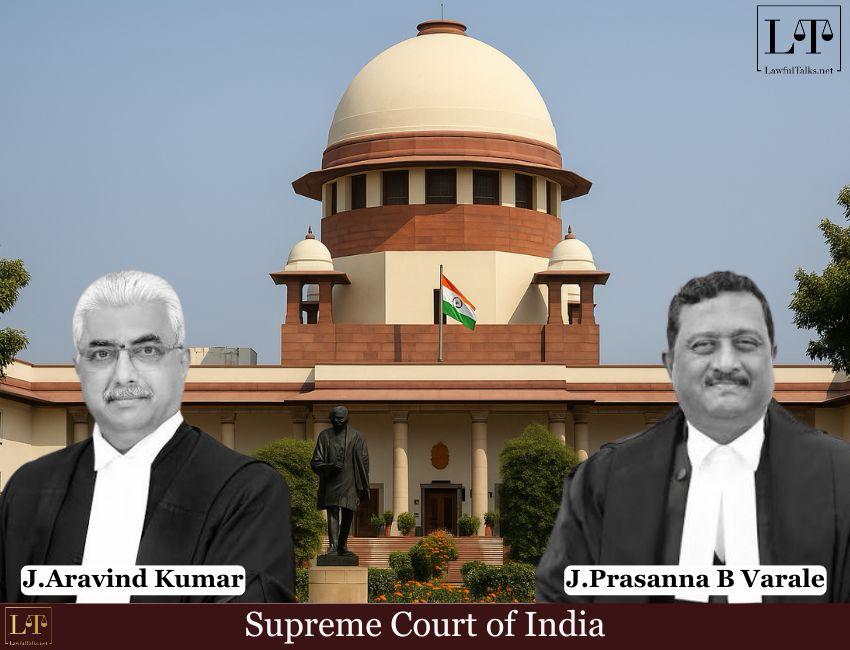
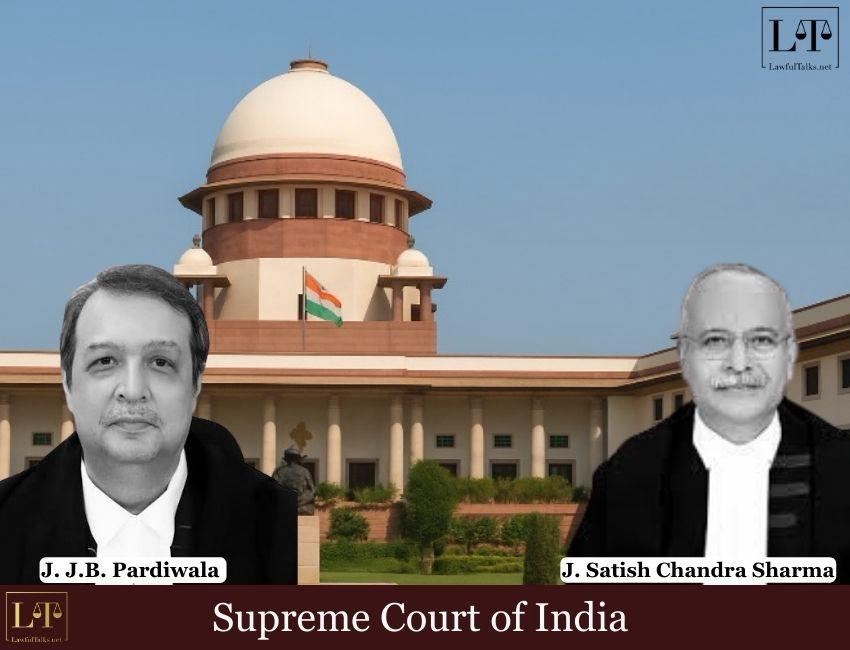
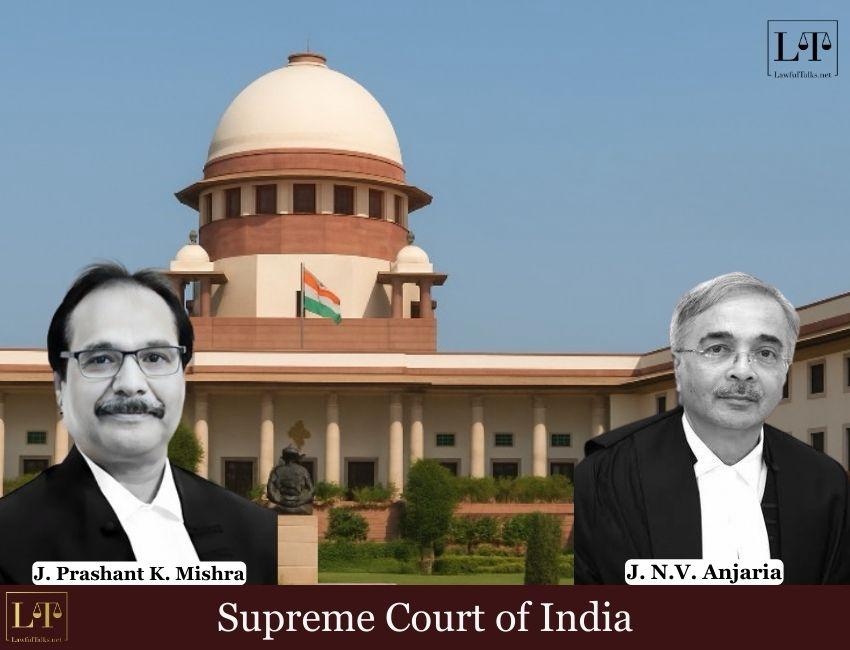
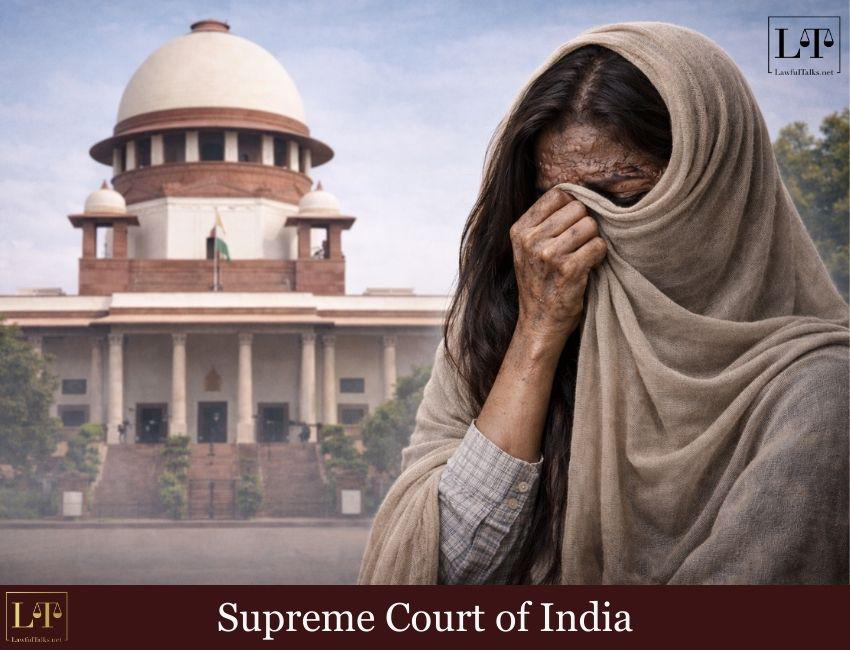
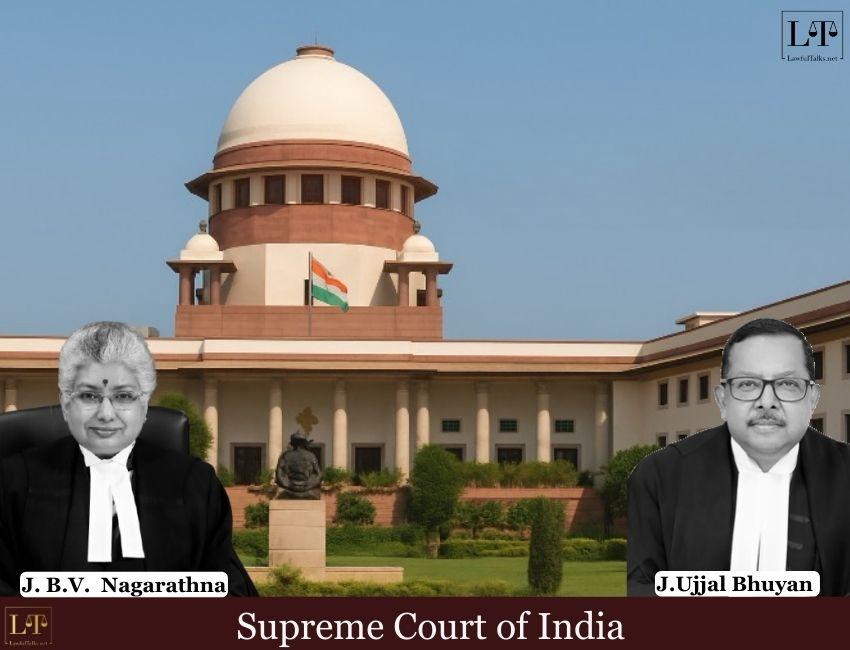
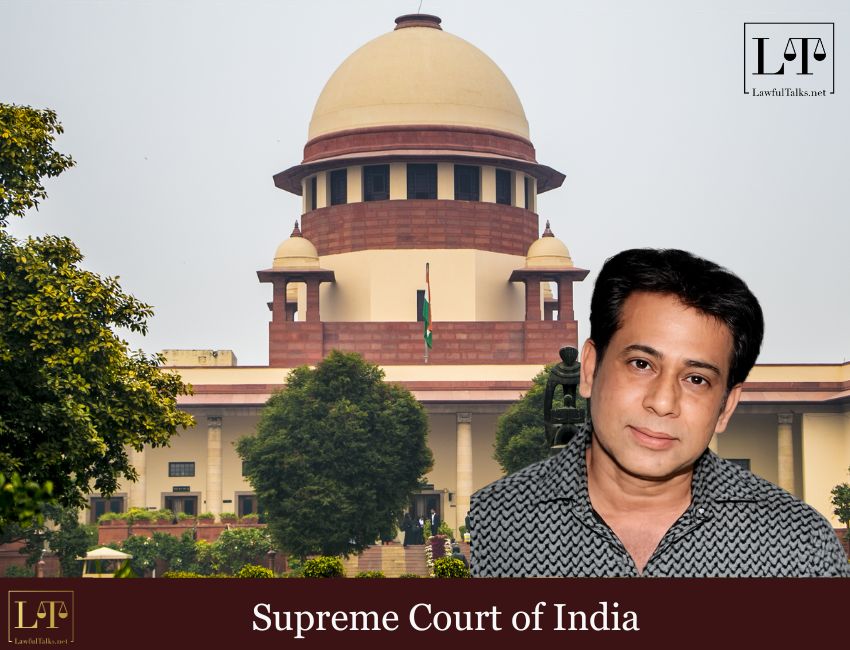
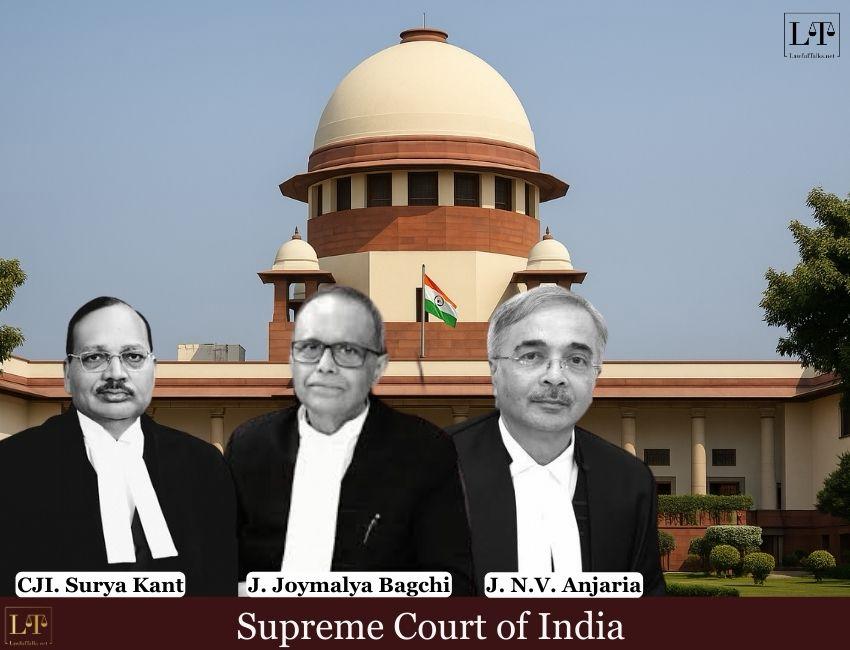
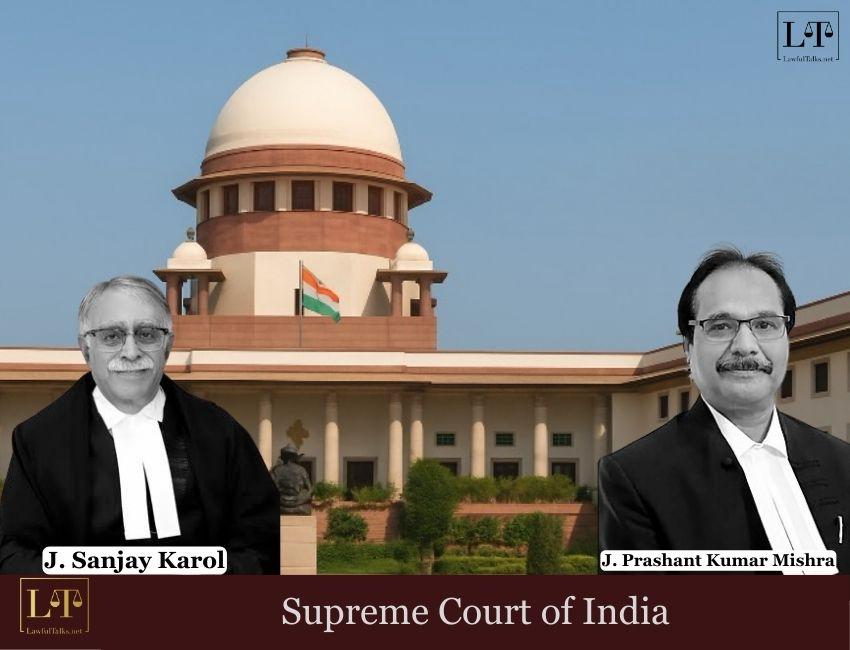
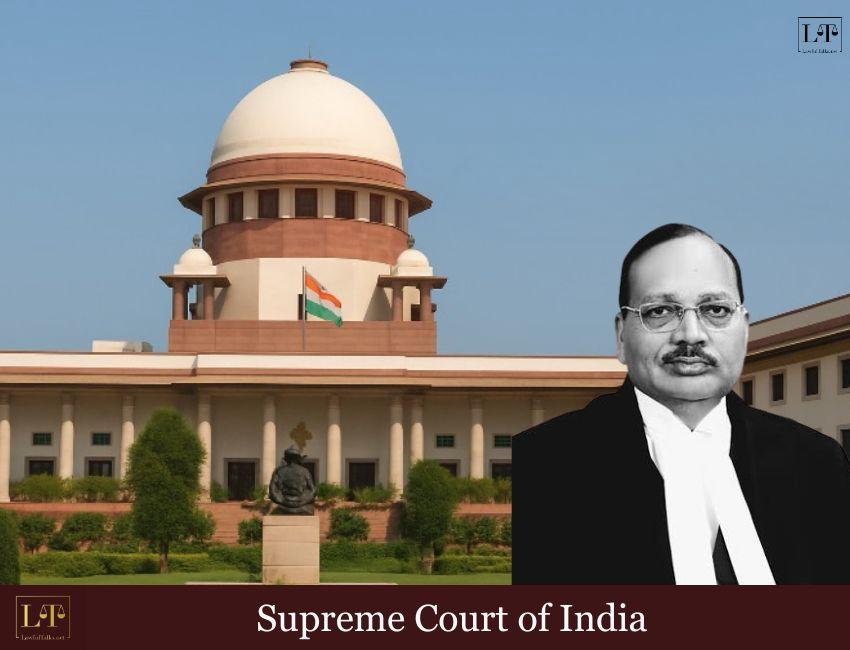
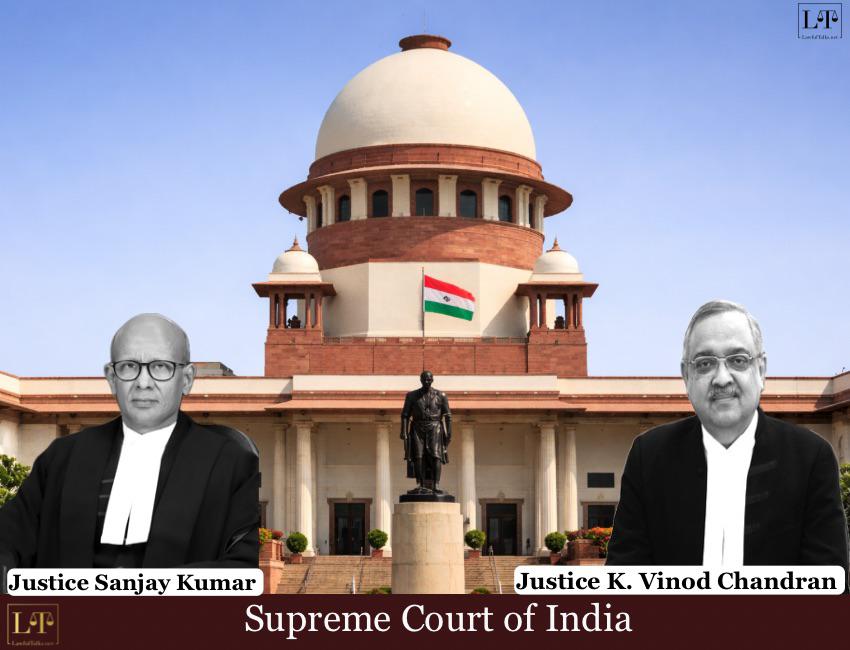
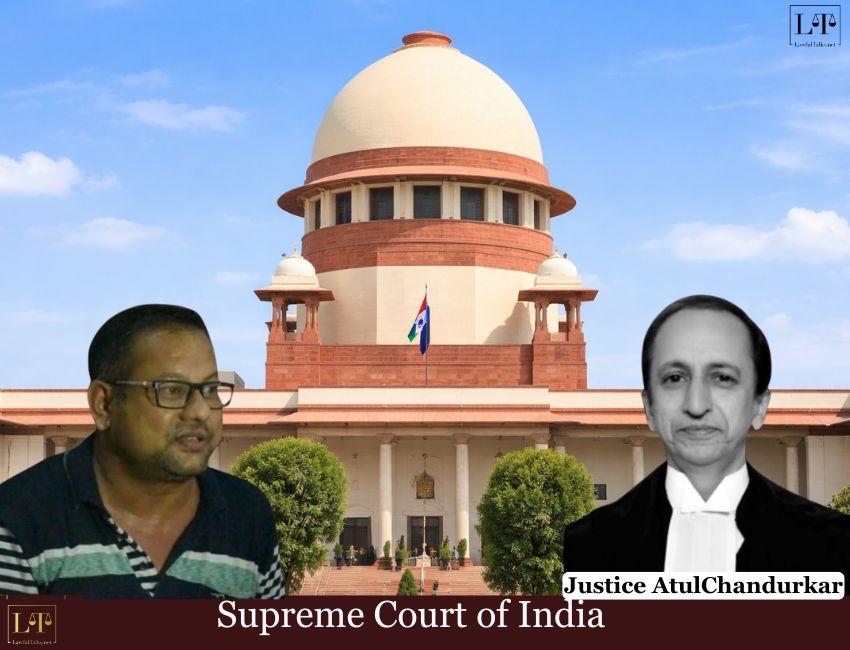
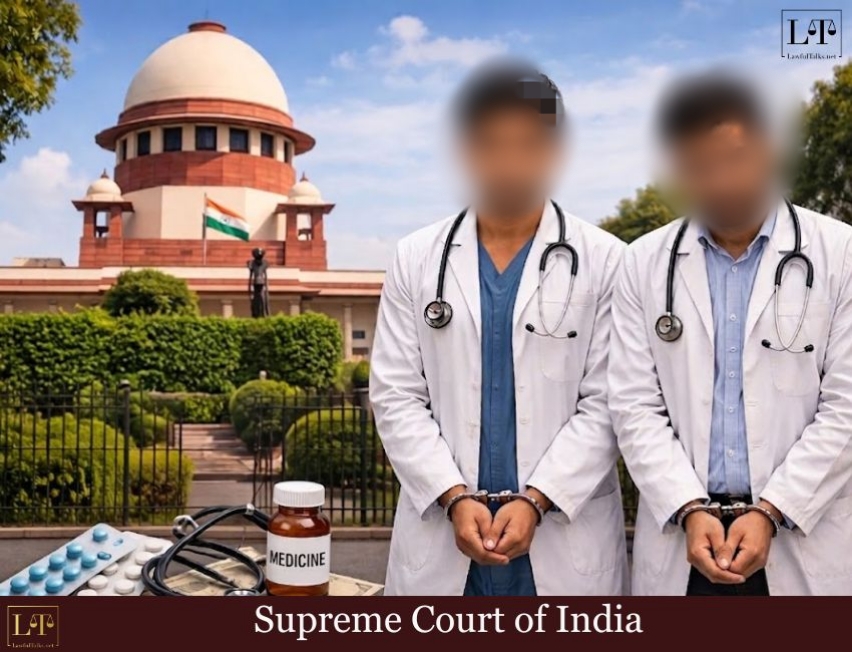
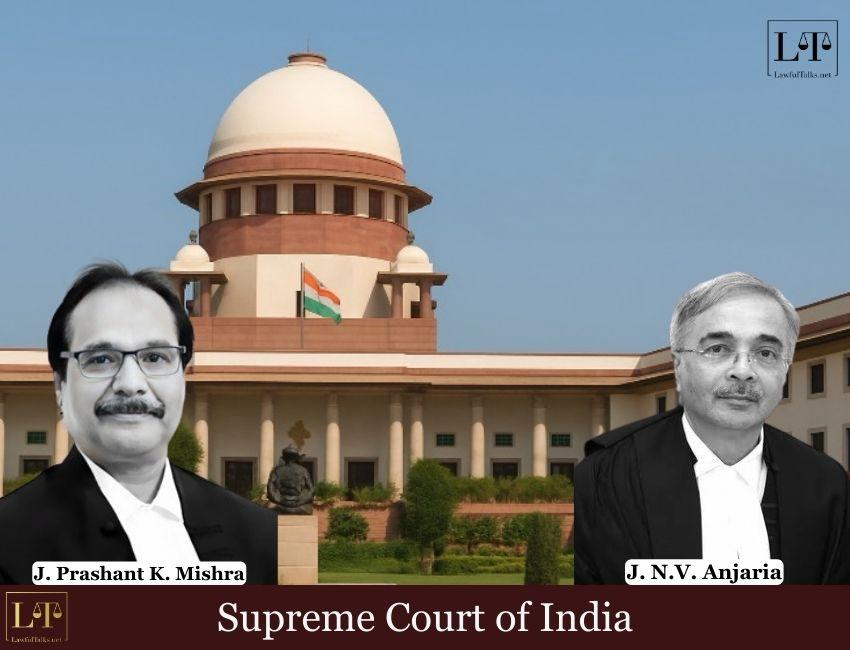
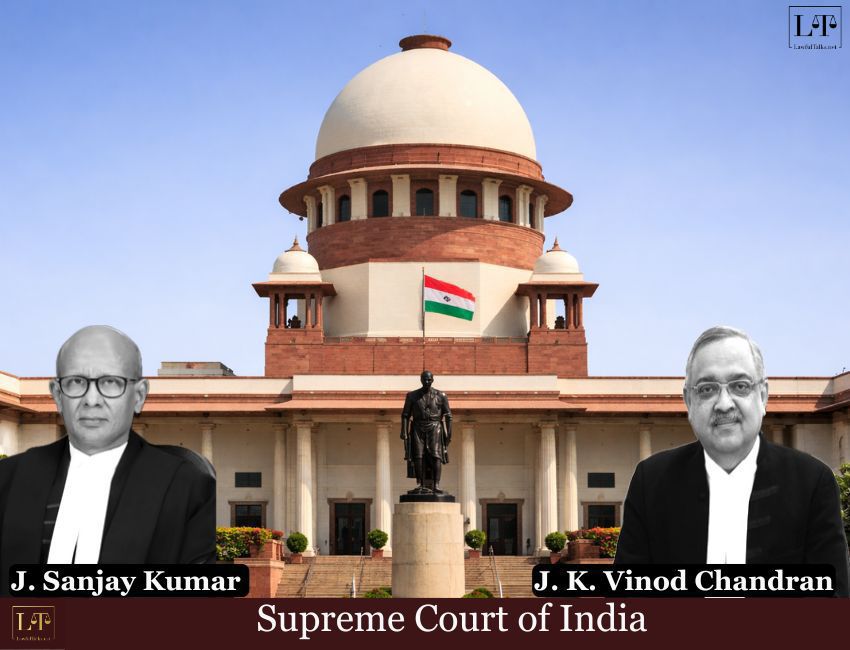
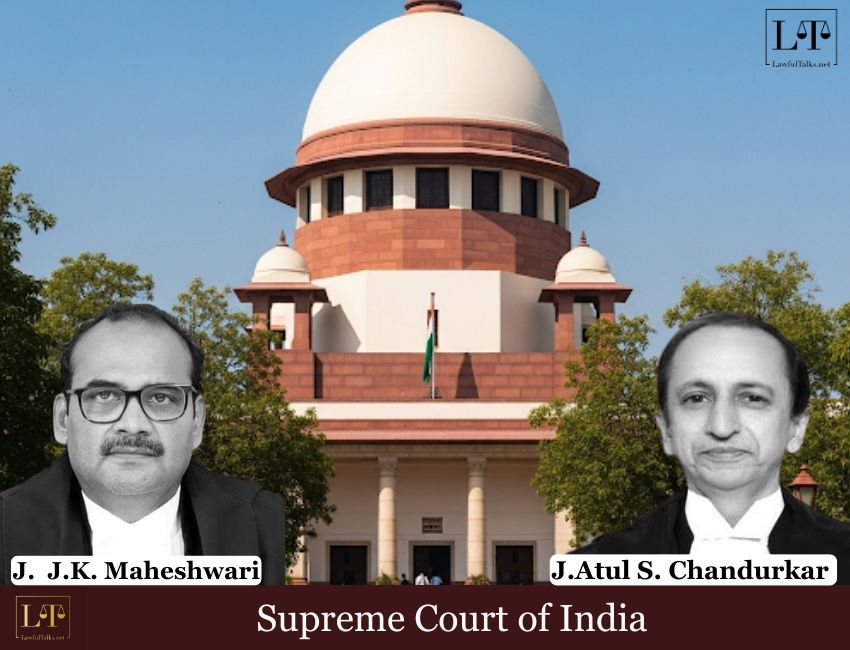
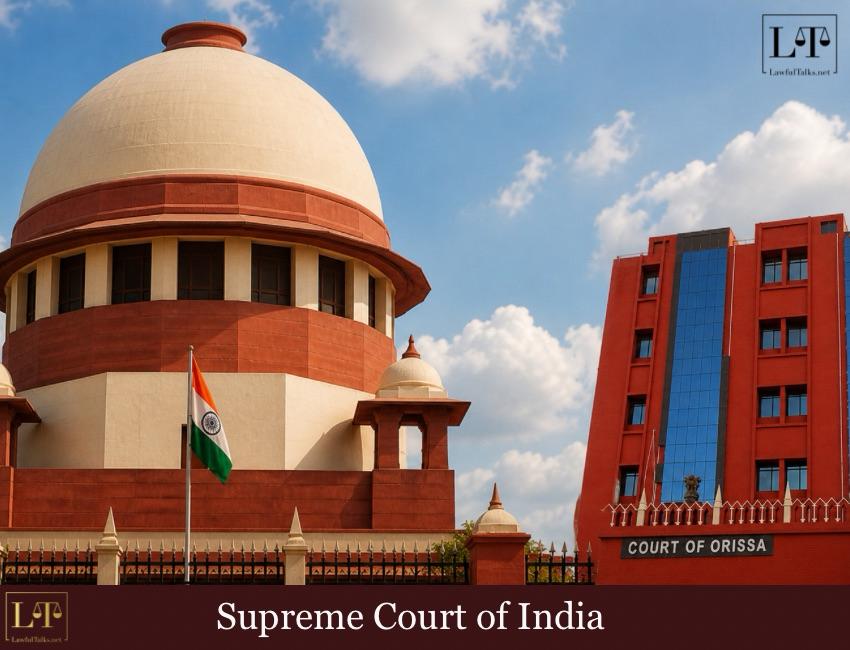
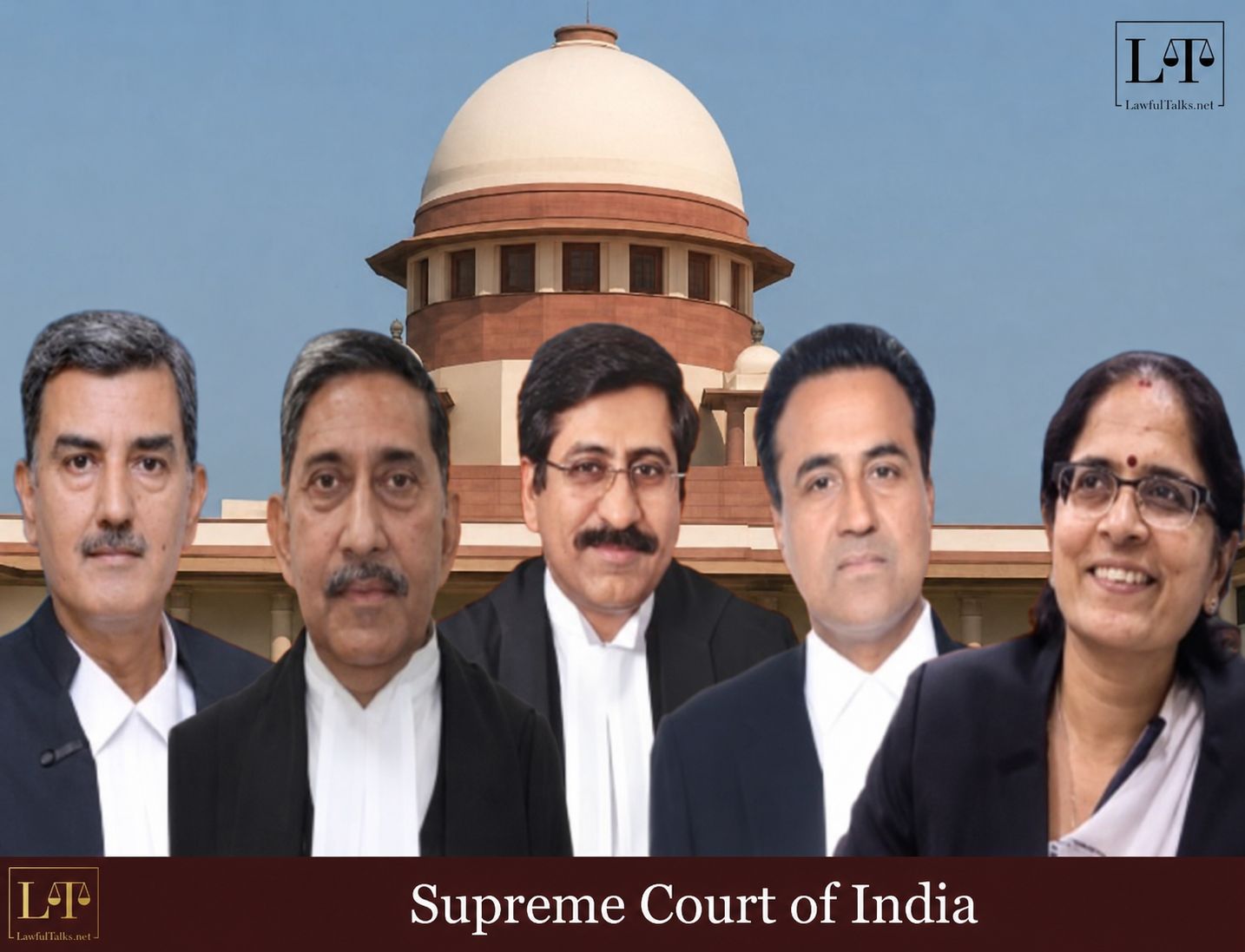
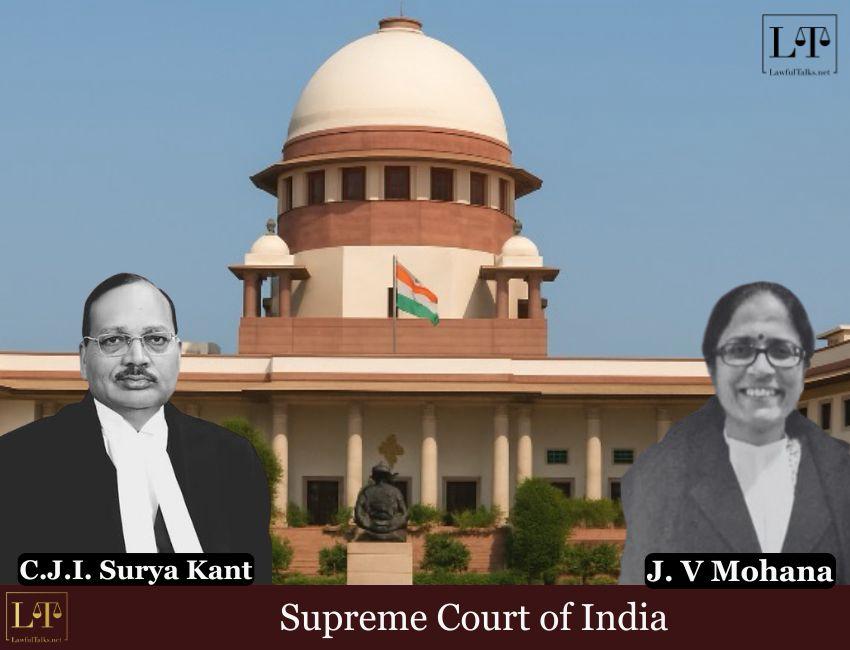
The Supreme Court comprising Justice Pankaj Mithal and Justice Prasanna B. Varale upheld the conviction and life sentence of Uperndra Khare in the sensational Satna quadruple murder case.
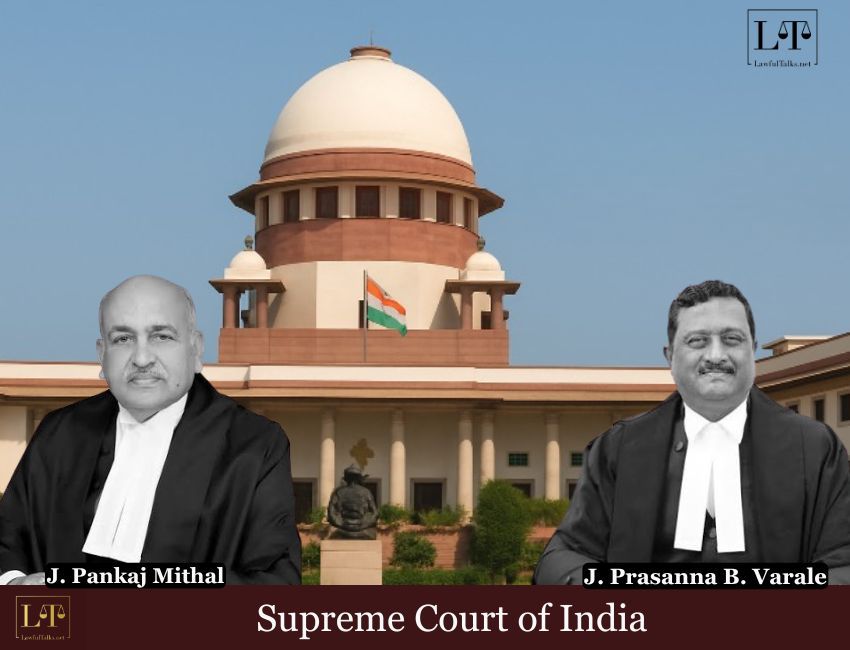
Supreme Court Upholds Conviction:
The Court held that the prosecution had successfully proved a complete chain of circumstances showing his guilt. Dismissing the appeal, the Court agreed with the findings of both the Trial Court and the Madhya Pradesh High Court and held that there was no reason to interfere with the conviction.
Four Bodies Found:
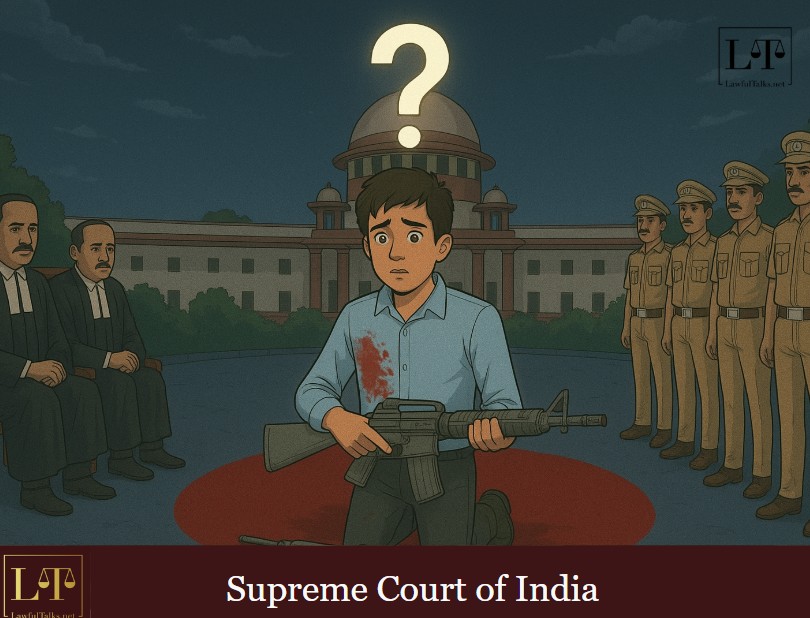
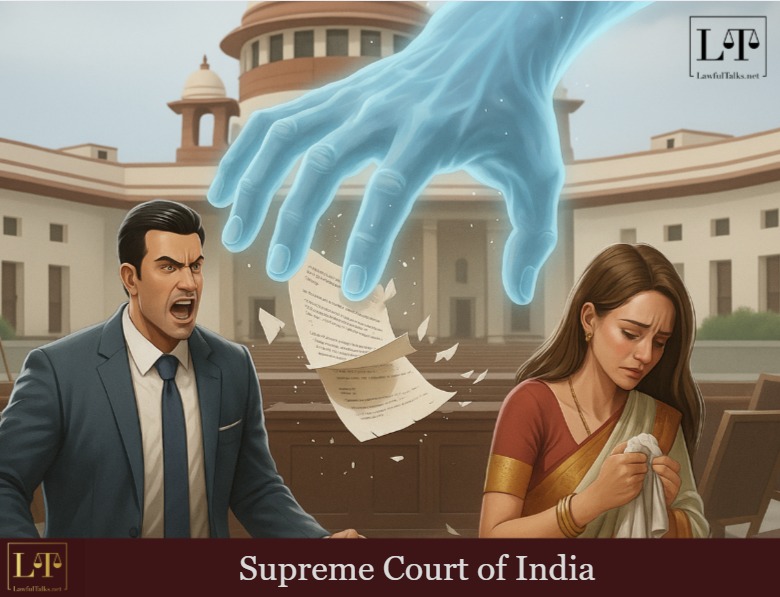
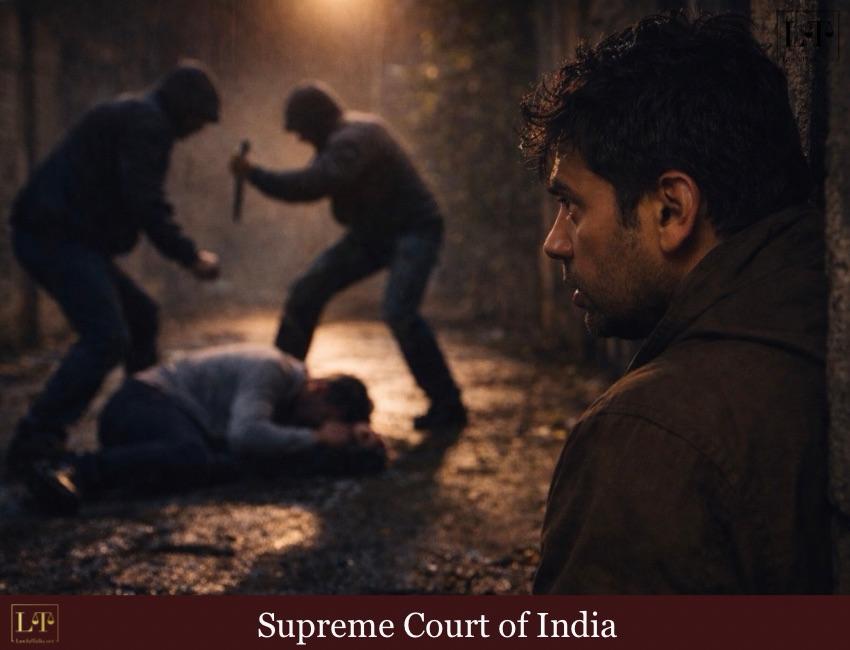
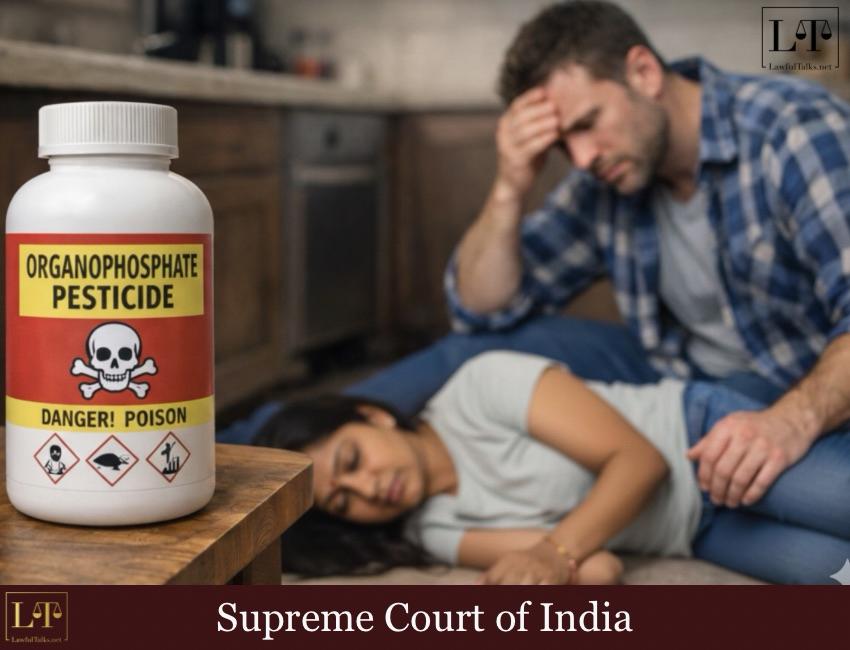
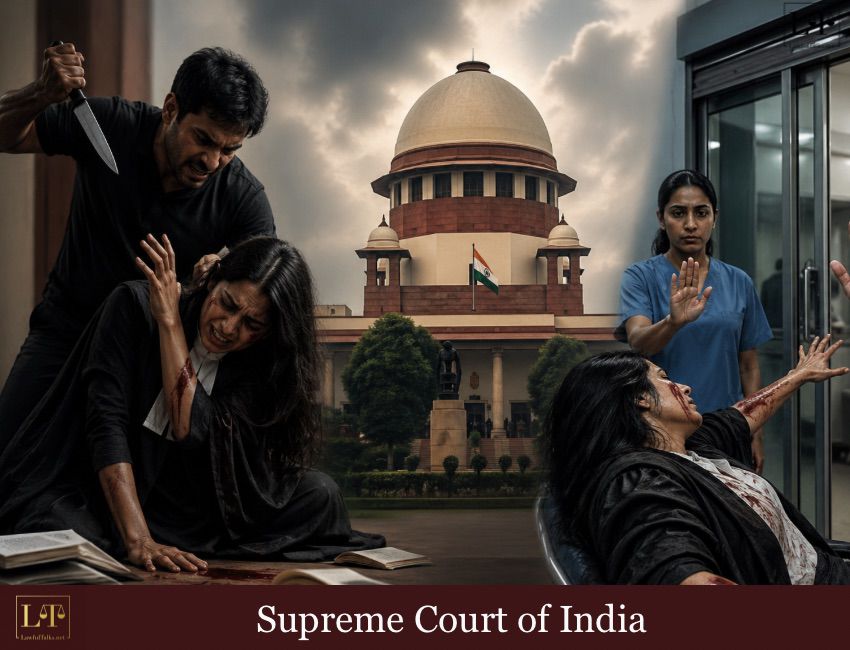
The case relates to a shocking incident that came to light on July 20, 2002. Anupam Shukla went to the house of his cousin Rajesh Shukla after he had been unable to contact him for several days. When he entered the house, he found Rajesh Shukla, his wife Madhu Shukla, his son Prabhanshu Shukla, and his sister Vinita Shukla dead with multiple injuries. Following this discovery, an FIR was registered and a detailed investigation was launched.
During the investigation, the police recovered blood-stained clothes, bedsheets, and empty Calmpose injection phials from the crime scene. The post-mortem reports showed that all four victims died due to excessive bleeding caused by multiple sharp weapon injuries. The investigators also found that jewellery worn by the deceased and valuables kept in the house had been stolen.
Prosecution’s Case:
According to the prosecution, the main motive behind the crime was linked to co-accused Devendra Singh, who was a neighbour of the deceased family. He allegedly had an unhealthy obsession with Vinita Shukla and had harassed her in the past. The prosecution claimed that Devendra Singh, along with Upendra Khare and other co-accused persons, entered the house with weapons, administered Calmpose injections to the victims to make them unconscious, and then brutally murdered all four family members before stealing valuables from the house.
After the investigation was completed, a charge-sheet was filed against several accused persons and the case went to trial. The Trial Court convicted Upendra Khare under Section 302 IPC and sentenced him to life imprisonment. The Madhya Pradesh High Court later upheld the conviction, after which he approached the Supreme Court.
Appellant’s Arguments:
Before the Supreme Court, the appellant argued that the entire case was based on circumstantial evidence and that the chain of circumstances was incomplete. He submitted that no motive had been attributed to him personally, no murder weapon or stolen property had been recovered from him, and the alleged recoveries were doubtful because the independent panch witnesses had turned hostile. He also argued that the investigation was defective and therefore he should be given the benefit of doubt.
Recovery Evidence:
After examining the record, the Supreme Court noted that the case was indeed based on circumstantial evidence. However, the Bench held that the evidence could not be rejected merely because it was circumstantial. Highlighting the recoveries made at the instance of the appellant, the Court observed:
“The very important material evidence against the present appellant is in the form of a glaring circumstance namely, the recovery of articles.”
The Court noted that injection phials, clothes, and other articles were recovered based on information provided by the appellant. These recoveries were treated as an important incriminating circumstance linking him to the crime.
The Court also found strong support from the medical and forensic evidence. Referring to the post-mortem reports, the Bench noted that the victims had suffered multiple penetrating and incised injuries on vital parts of their bodies, causing severe internal damage and heavy blood loss. Recording the medical experts’ findings, the Court observed:
“Shock due to external and internal injuries on the vital parts and excessive blood loss has caused the death of the deceased persons within 24 to 36 hours.”
The Bench further noted that chemical examination of the viscera samples confirmed the presence of Diazepam, supporting the prosecution’s case that sedatives had been administered to the victims before the murders.
Hostile Witnesses No Bar:
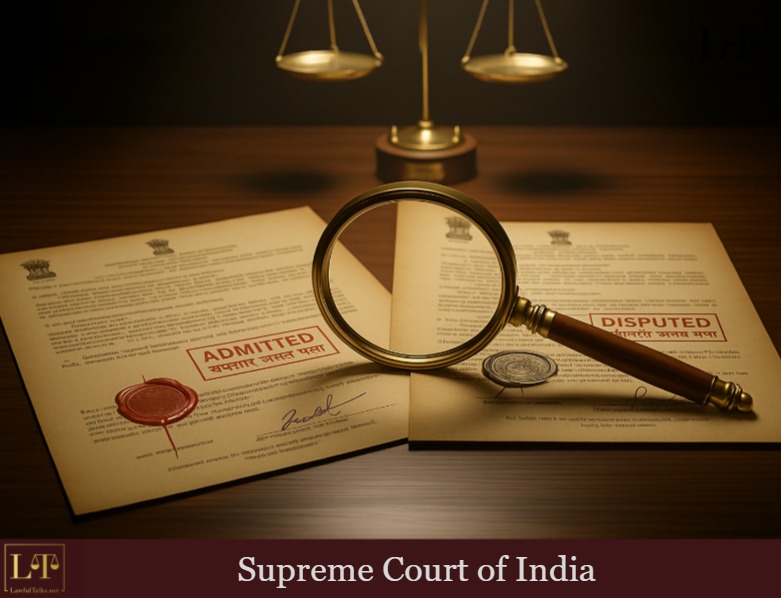
The appellant also challenged the recovery evidence on the ground that the panch witnesses had not supported the prosecution during trial. Rejecting this argument, the Supreme Court reiterated the settled legal position that recovery evidence does not become unreliable merely because independent witnesses turn hostile. The Court observed:
“Merely because the panch witnesses have turned hostile is no ground to reject the evidence if the same is based on the testimony of the investigating officer alone.”
Referring to earlier judgments, the Bench further stated:
“Even if panch witnesses turn hostile, which happens very often in criminal cases, the evidence of the person who effected the recovery would not stand vitiated.”
The Court held that the investigating officer’s testimony successfully proved the recoveries and there was no reason to disbelieve it.
Investigation Lapses:
The Supreme Court also dealt with the appellant’s criticism of the investigation. While acknowledging that the investigation was not conducted in the best possible manner, the Bench held that such shortcomings could not override otherwise reliable evidence. The Court observed:
“It is true that the investigation in the present matter is not up to the mark and it was expected of the investigating agency to conduct the investigation with more sensitivity as it was the case of four persons losing their lives.”
However, the Court immediately clarified:
“Merely the fact that the investigation was not up to the mark cannot be the reason for this Court to discard the other material evidence brought by the prosecution in support of its case.”
The Bench emphasized that courts must consider the entire body of evidence and that defects in investigation cannot automatically lead to acquittal when guilt is otherwise proved.
Supreme Court Finds Chain Complete:
After examining all the circumstances and evidence in the case, the Supreme Court concluded that both the Trial Court and the High Court had correctly assessed the evidence on record. The Bench held that the recovery evidence, when considered along with the medical and forensic evidence, formed a strong and complete chain of circumstances that linked the appellant to the murders.
Appeal Dismissed
Upholding the conviction, the Court held:
“The judgment of the Trial Court holding the appellant guilty and awarding the sentence as upheld and maintained by the High Court is based on a just and proper appreciation of evidence.”
The Bench further observed:
“We see no reason to show any interference in both the judgments.”
Case Details: UPERNDRA KHARE VERSUS THE STATE OF MADHYA PRADESH





















































































Sign up for free and be the first to get notified about curated content just for you.