For the First Time, SC Recognises a Fundamental Right to Walk—Footpaths to Take Priority Over Vehicles

- June 22, 2026


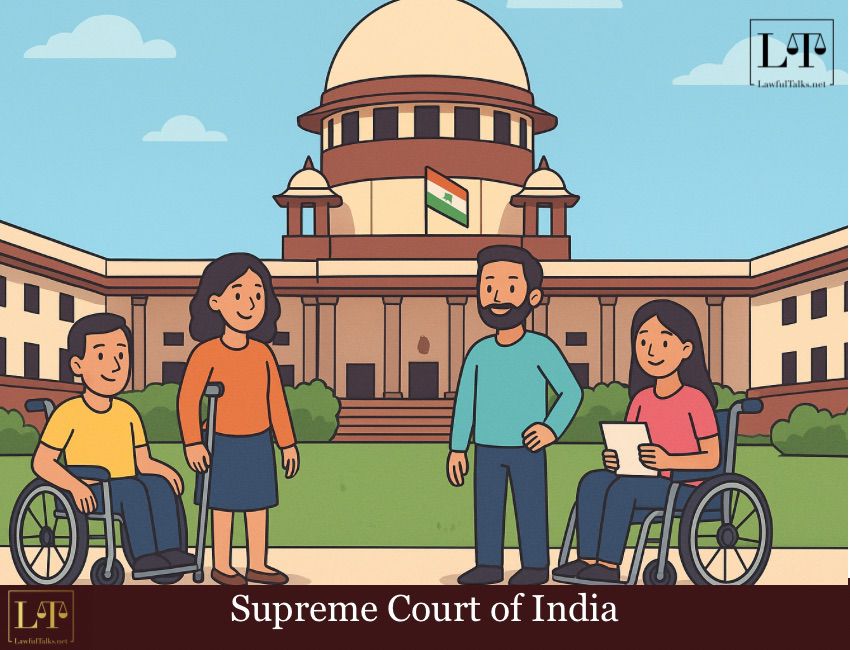
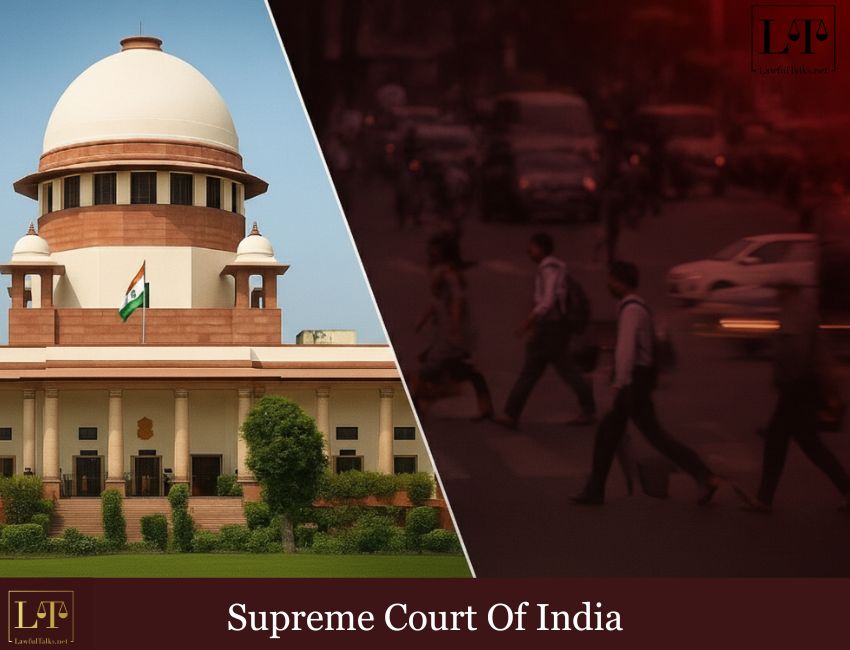
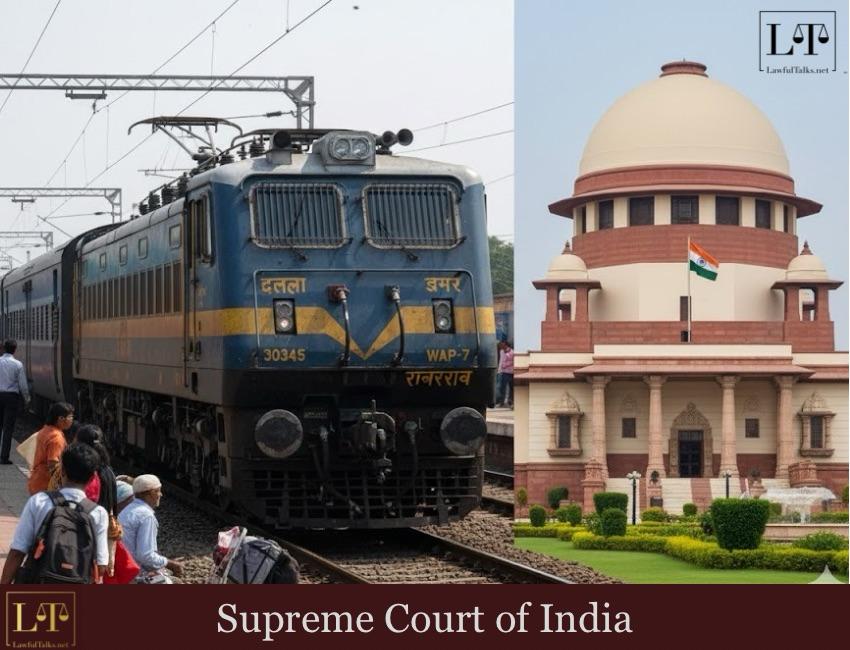
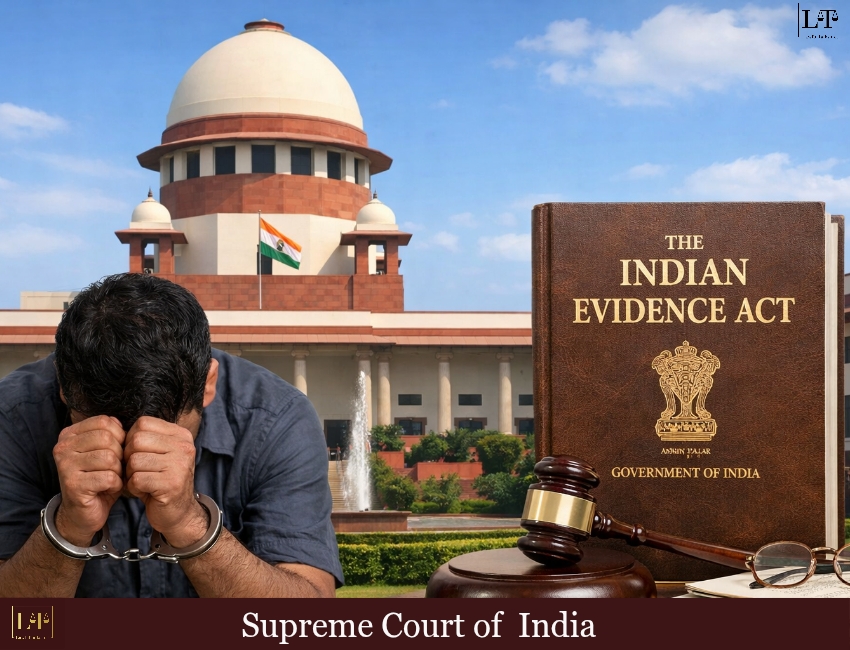
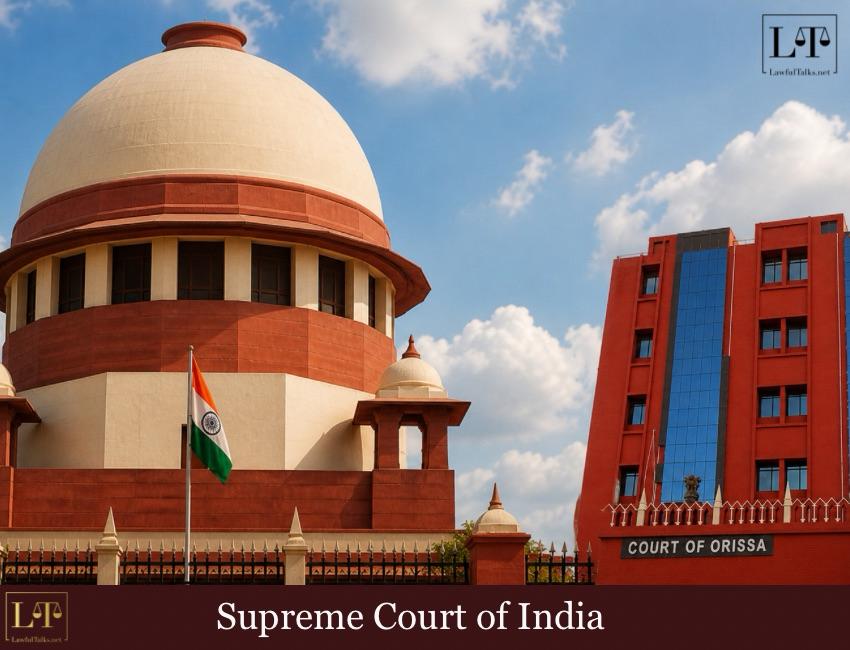
In a landmark judgment, the Supreme Court has, for the first time, recognised that the right to walk on a demarcated footpath is a fundamental right protected under the Constitution of India.
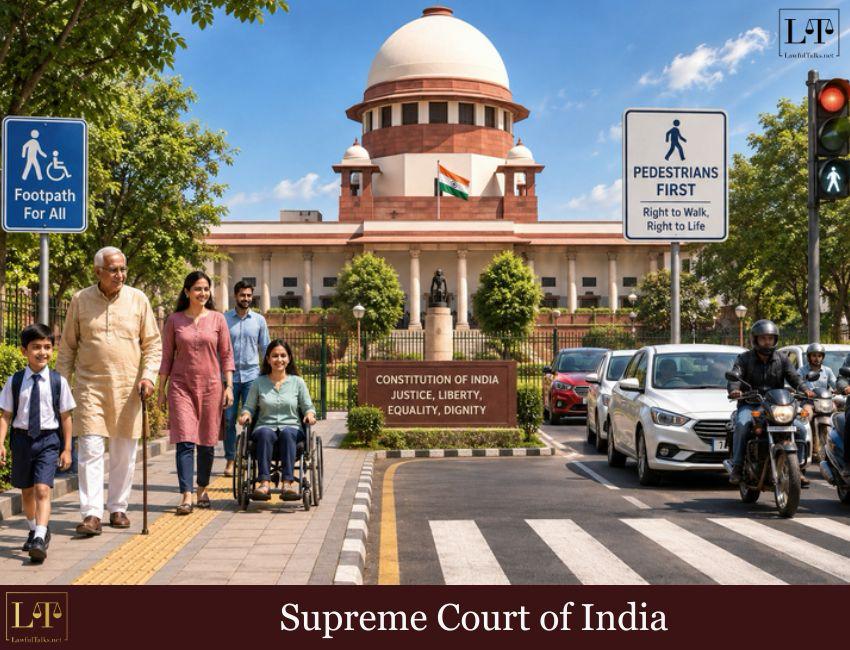
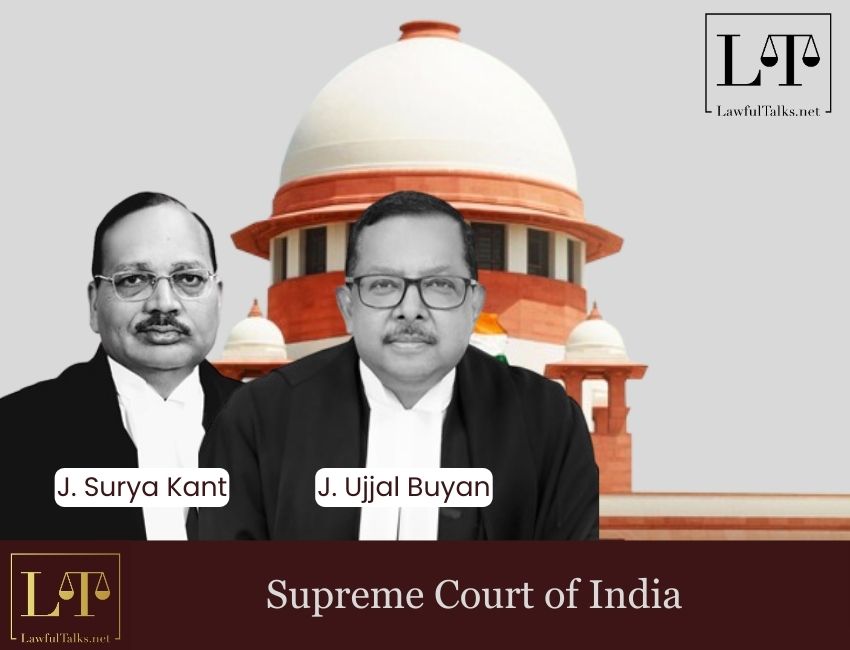
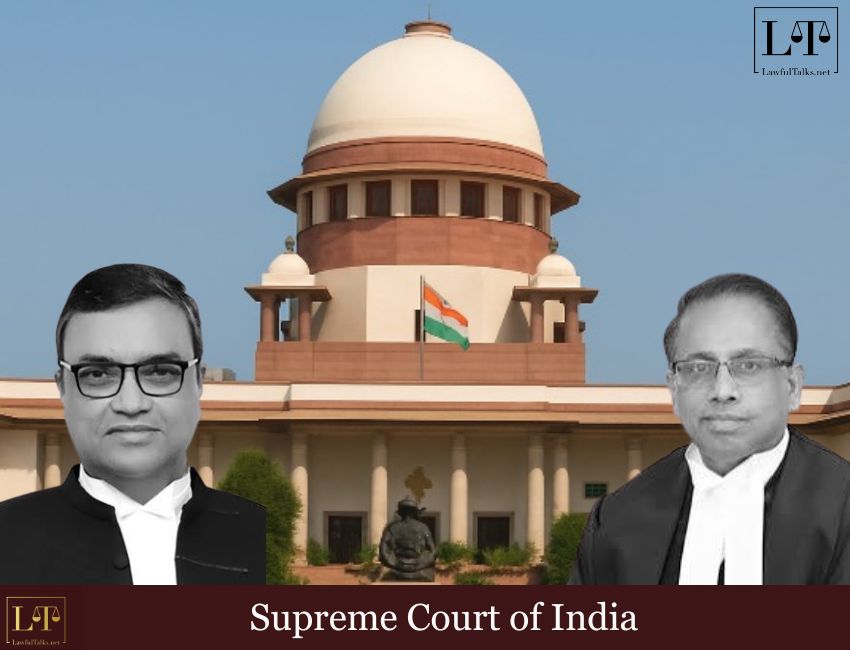
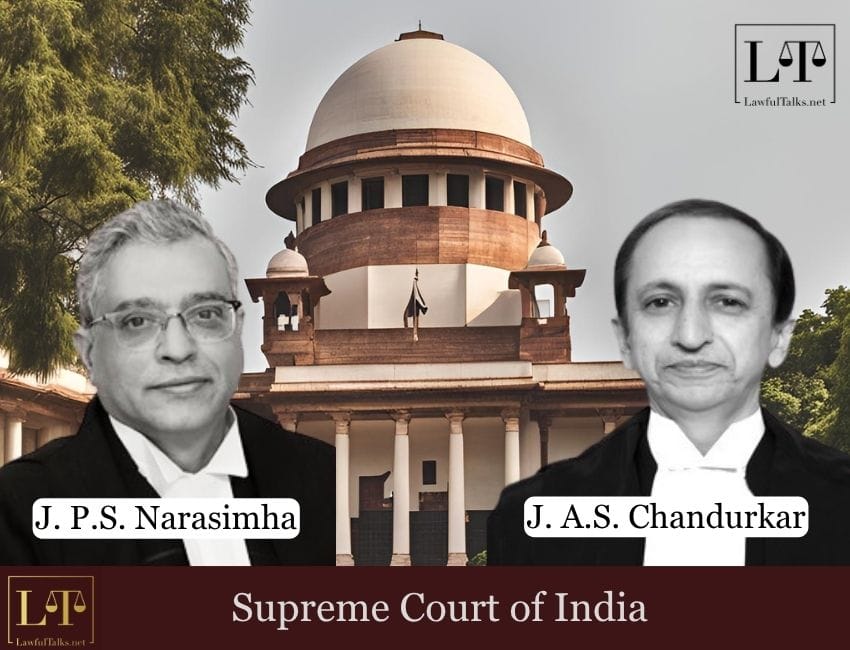
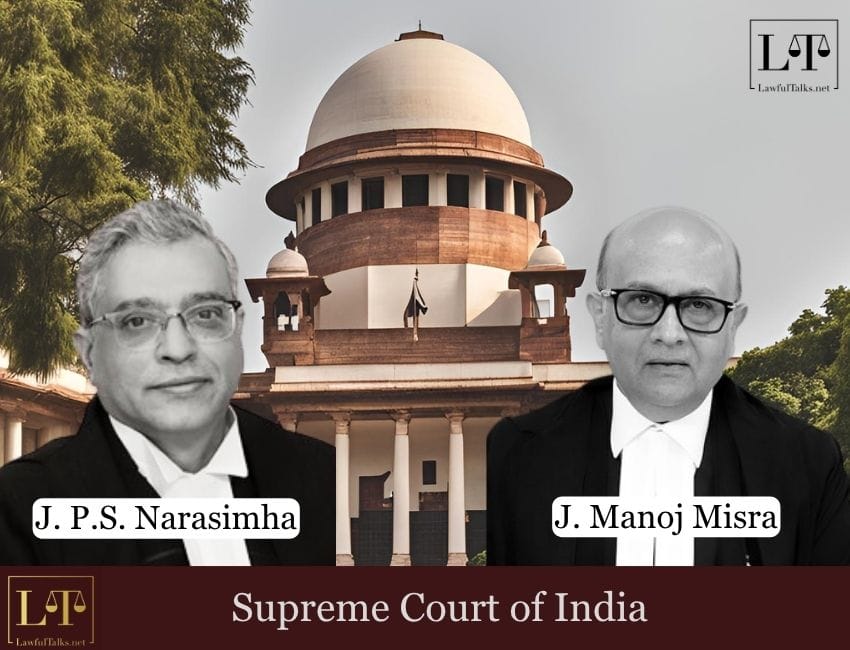
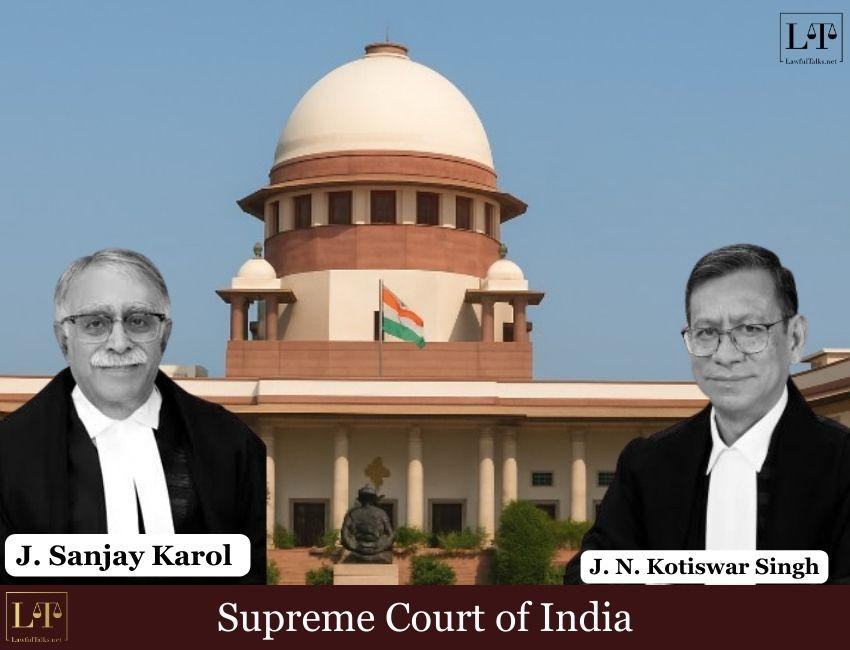
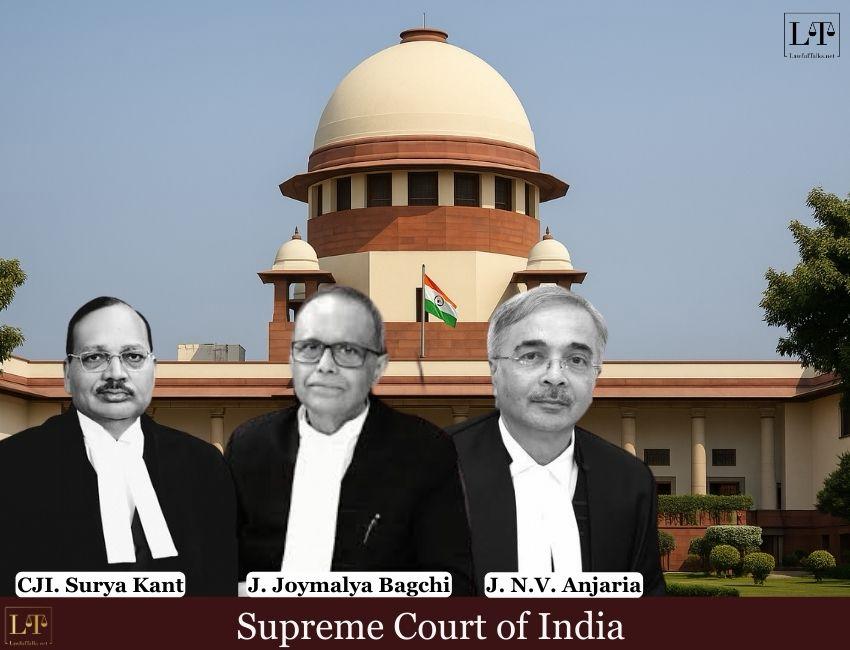
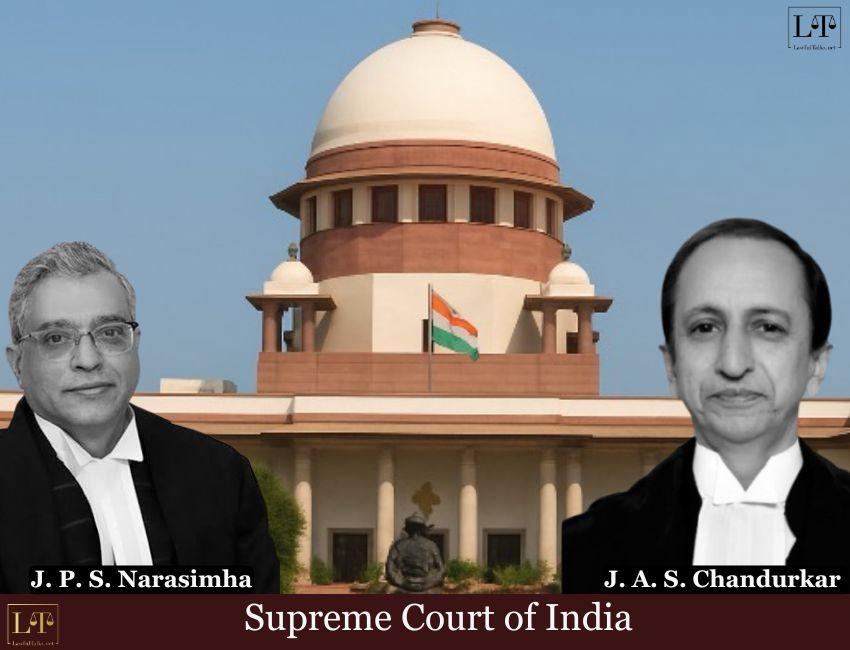
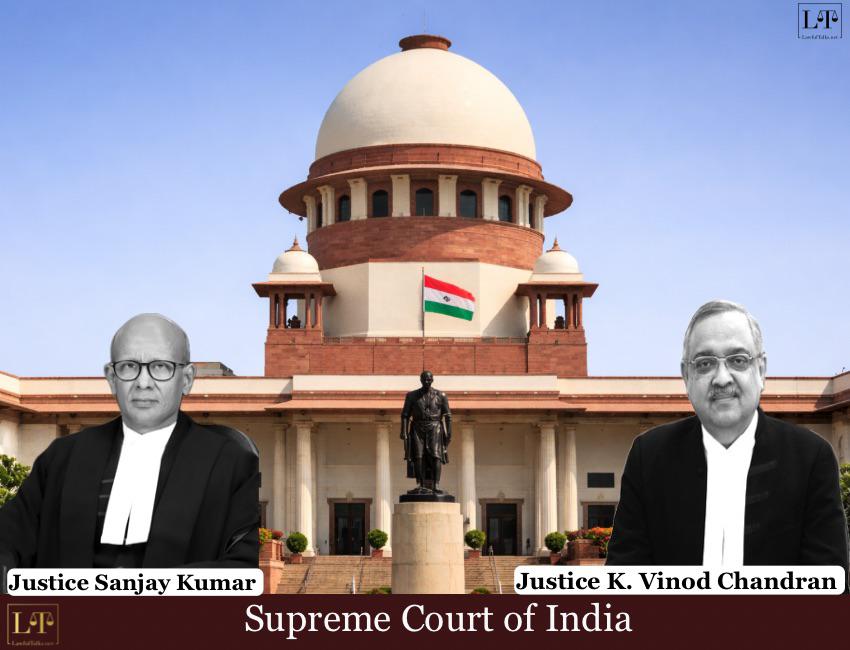
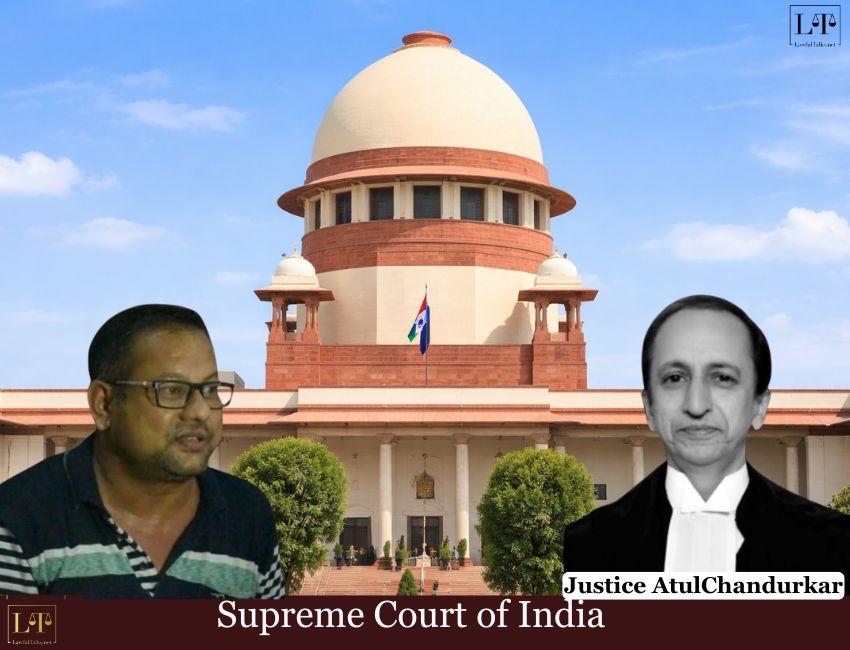
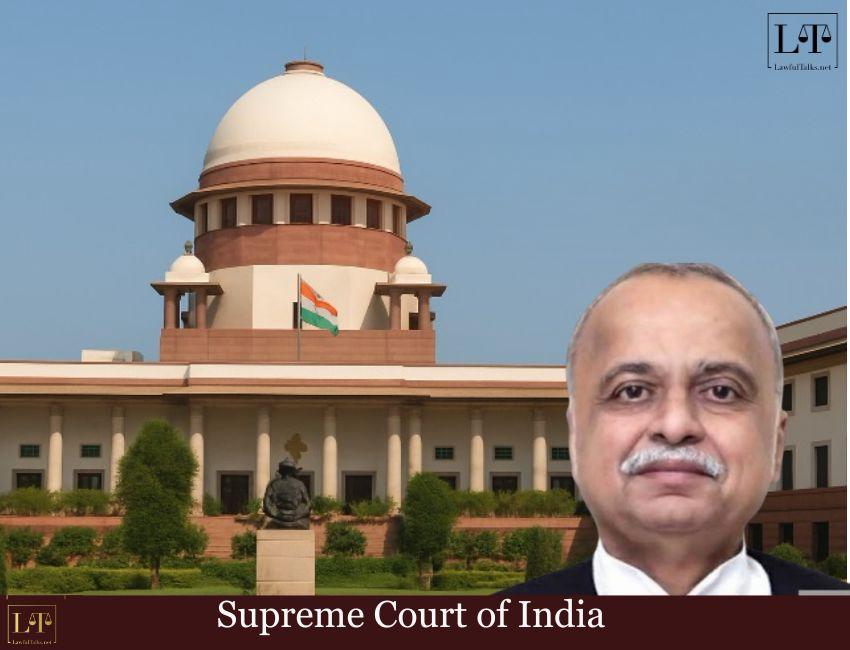
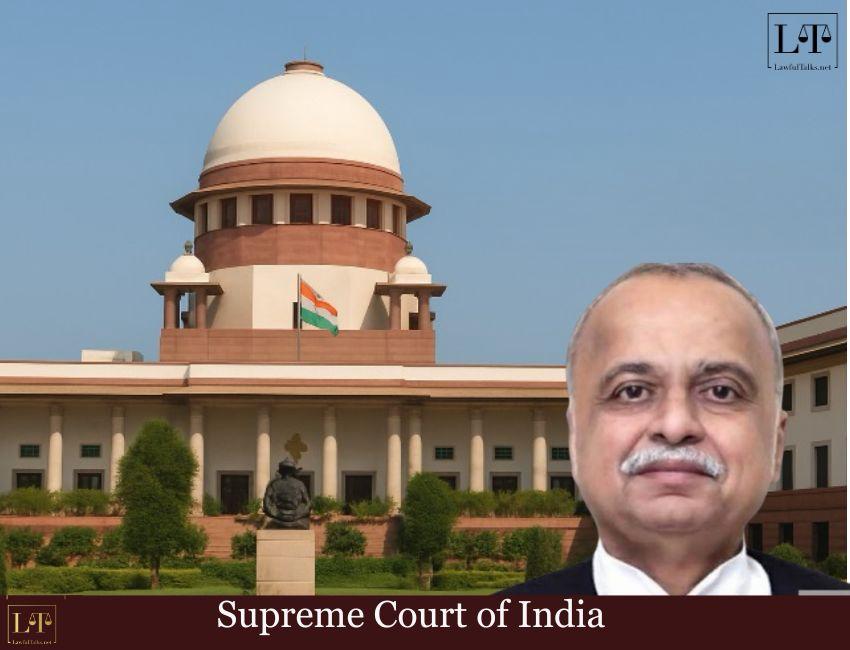
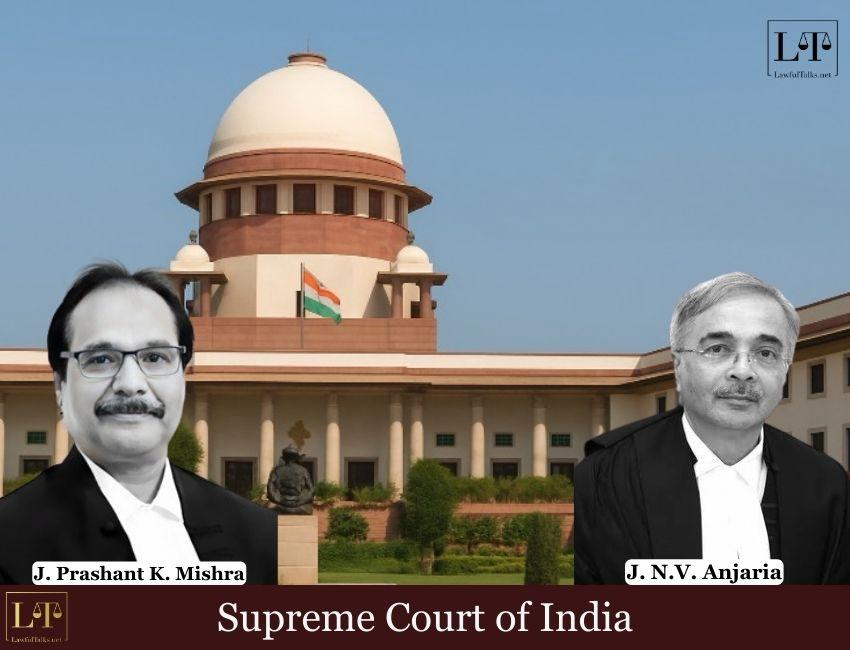
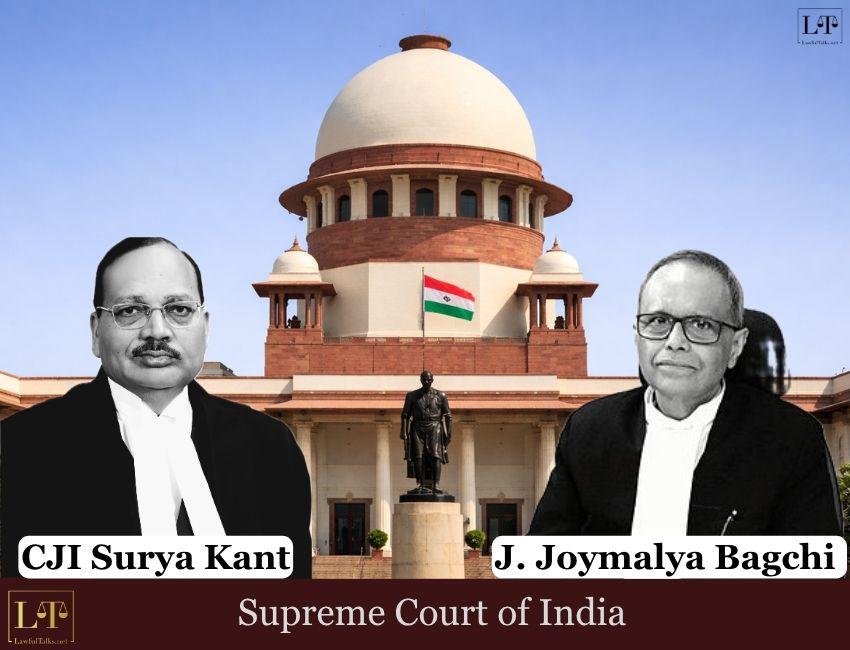
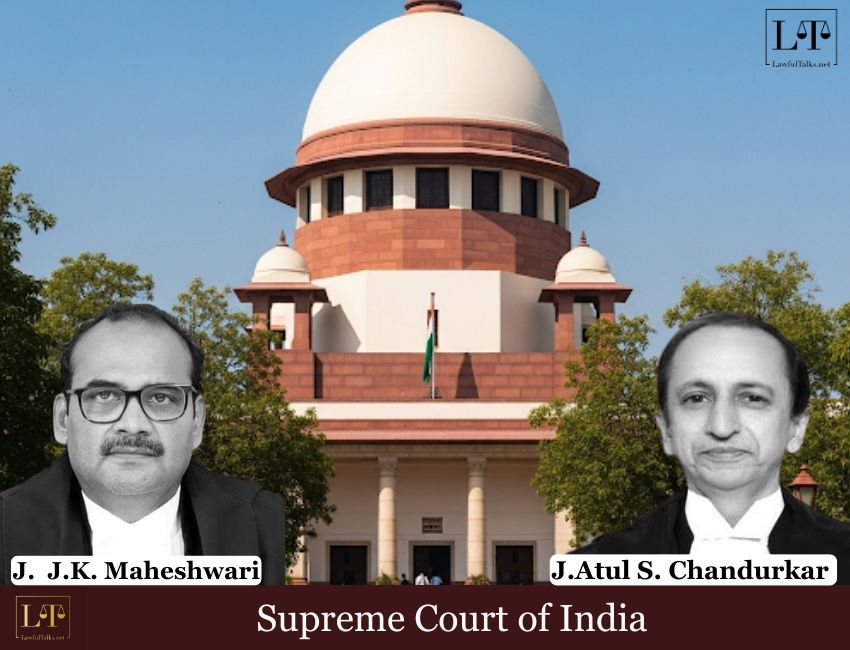
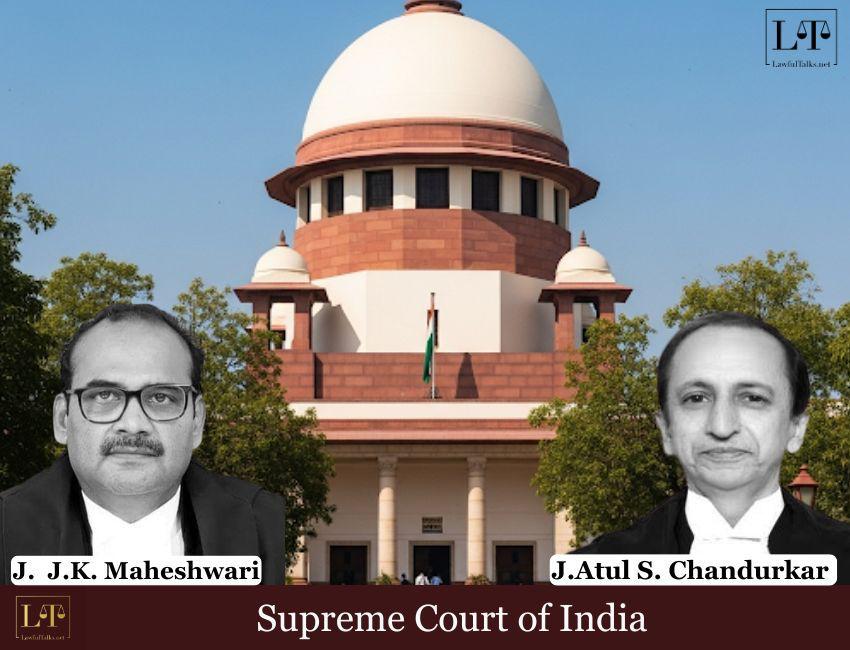
The judgment was delivered by a bench of Justices PS Narasimha and Atul S Chandurkar.
Right to Walk Recognised
The Court held:
“The right to walk is a fundamental right under Part III of the Constitution. It is integral to the right to movement guaranteed under Article 19(1)(d), read with Article 19(1)(a), Article 19(1) (b), Article 19(1) (c) and Article 21 of the Constitution of India. The fundamental right to walk will take within its sweep the right to demarcated footpaths. These rights are primary and shall have priority over movement by motorised vehicles.”
Pedestrians Cannot Be Ignored:
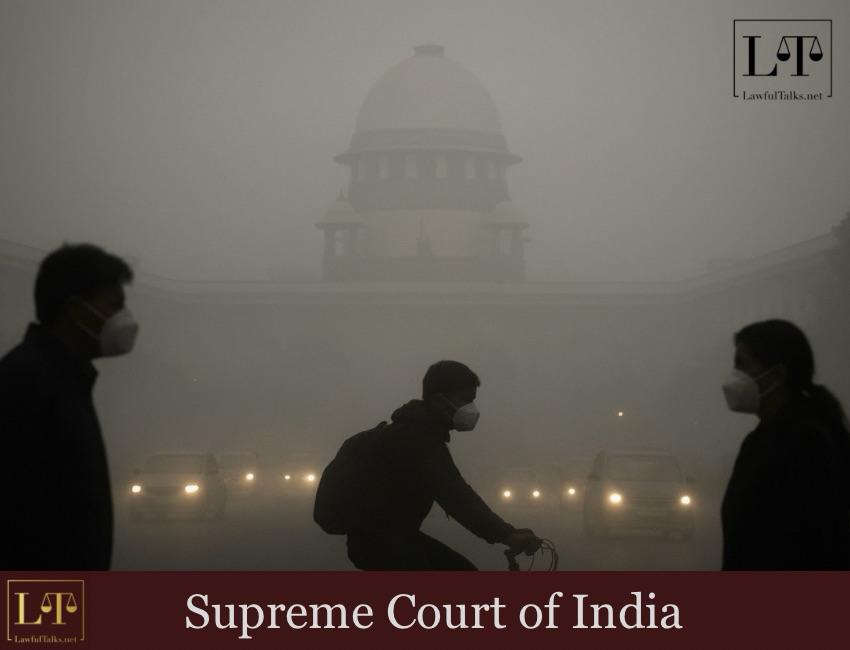
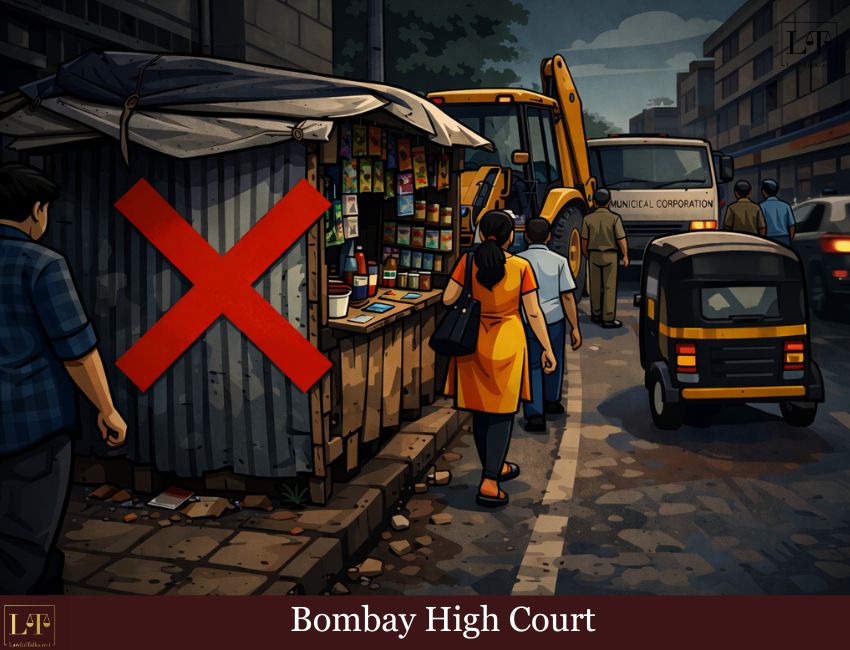
The Court stressed that walking is an essential part of everyday life. However, over the years, city planning and road development have mainly focused on motor vehicles, while the needs of pedestrians have been ignored. The judges observed that motor vehicles have gradually taken priority over walking, causing pedestrians to be overlooked.
The Court further held that the responsibility for providing and maintaining pedestrian infrastructure lies with urban development authorities, municipal corporations, municipalities, and panchayats. These authorities must ensure that footpaths and other pedestrian facilities are properly marked, built , maintained, and protected so that the needs of people who walk are not ignored in public planning.
Motor Vehicles Act Criticised
The bench further observed:
“This should stop from now on as we declare the fundamental right to walk on demarcated footpaths. The Motor Vehicles Act has not been and has never been a statute that recognised the fundamental right to walk. In fact, Motor Vehicles Act has been an impediment and in many ways undermines the precious rights of the walkers. The absence of safe and comfortable footpaths to walk on, and even when they exist, their subjugation to motor transport, has been a civilizational problem.”
The Court observed that the Motor Vehicles Act does not recognise pedestrian rights as having priority and, in several ways, has made it harder to protect those rights.
Right to Seek Compensation:
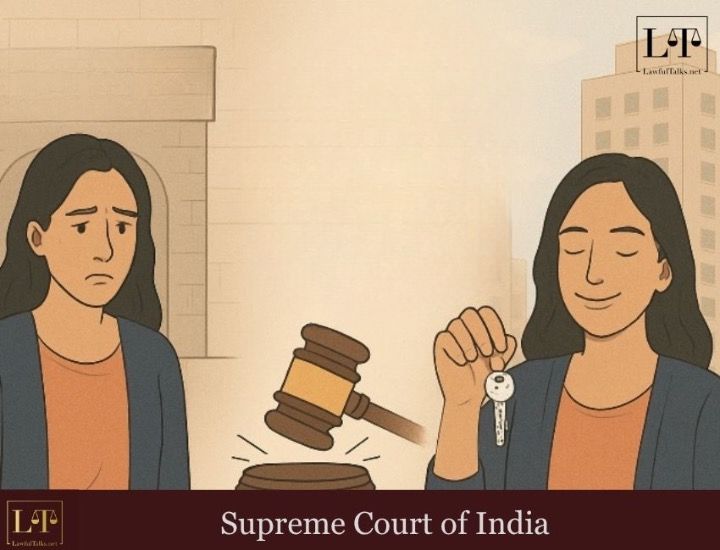
The Court further held that because the right to walk on a demarcated footpath is now recognised as a fundamental right, any person whose right is violated can take legal action against the authorities responsible for maintaining such footpaths. They can seek constitutional and legal remedies, including restitution and compensation. The Court clarified that these remedies are separate from, and in addition to, the remedies available under the Motor Vehicles Act, 1988.
Accident That Led to the Case:
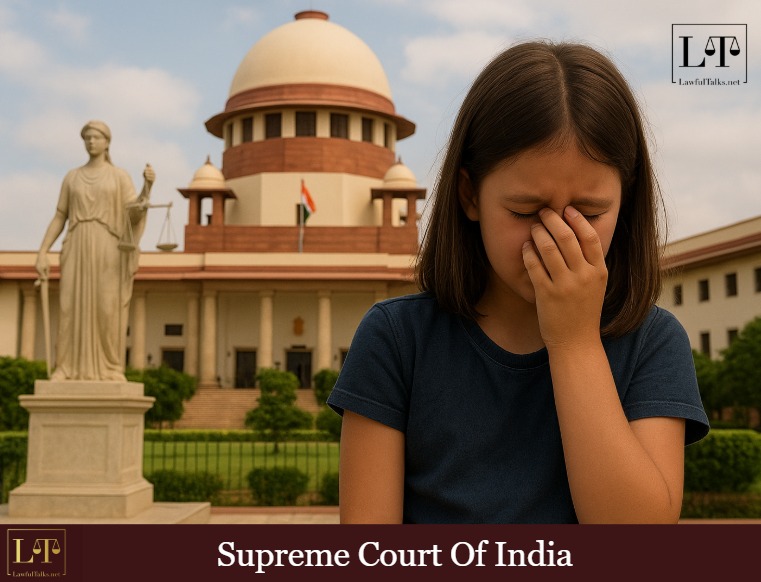
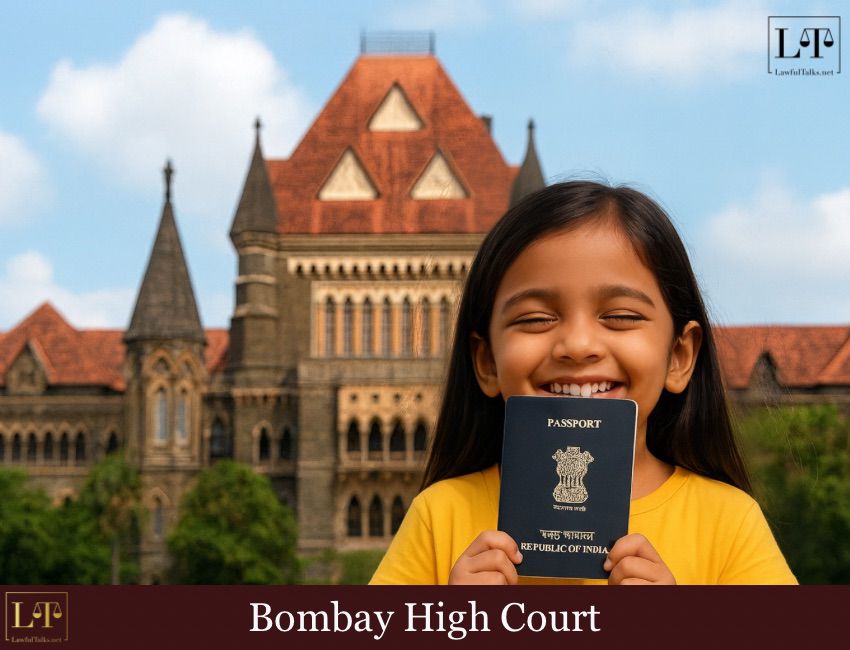
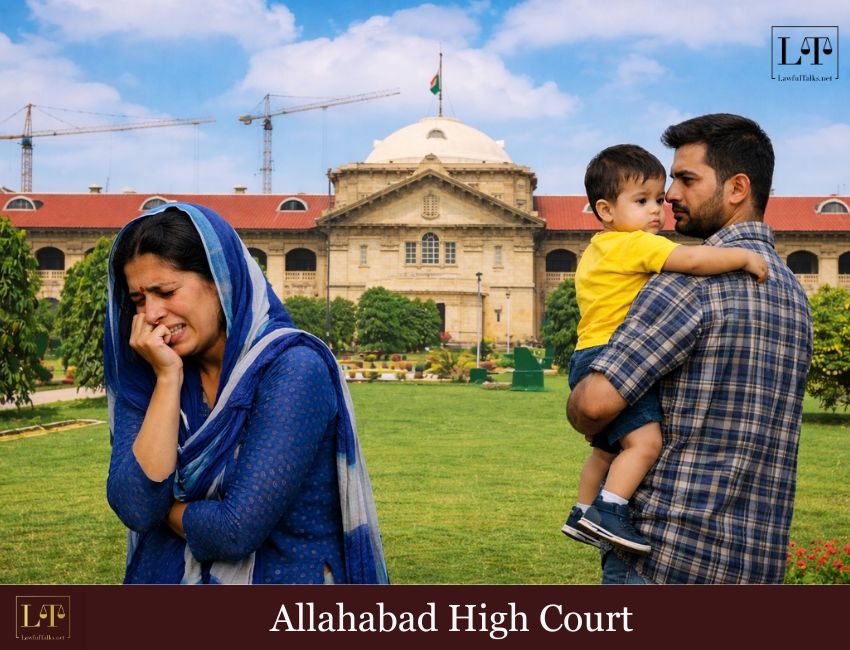
The case arose from a motor accident involving a five-year-old child who was hit by a tanker while going to school.
The child’s father had sought compensation of Rs. 25,00,000. The Motor Accident Claims Tribunal awarded Rs. 7,82,000. Later, the High Court reduced the compensation to Rs. 4,70,000.
The Supreme Court set aside the High Court’s order and directed that compensation of Rs. 11,44,628 be paid within two months.
Earlier Pedestrian Rights Cases:
The Court also referred to earlier judgments in which certain rights of pedestrians had been recognised. These included:
The Supreme Court’s decision in S Rajaseekaran v. Union of India, where a bench of Justice AS Oka and Justice Ujjal Bhuyan issued directions for unobstructed and disabled-friendly footpaths.
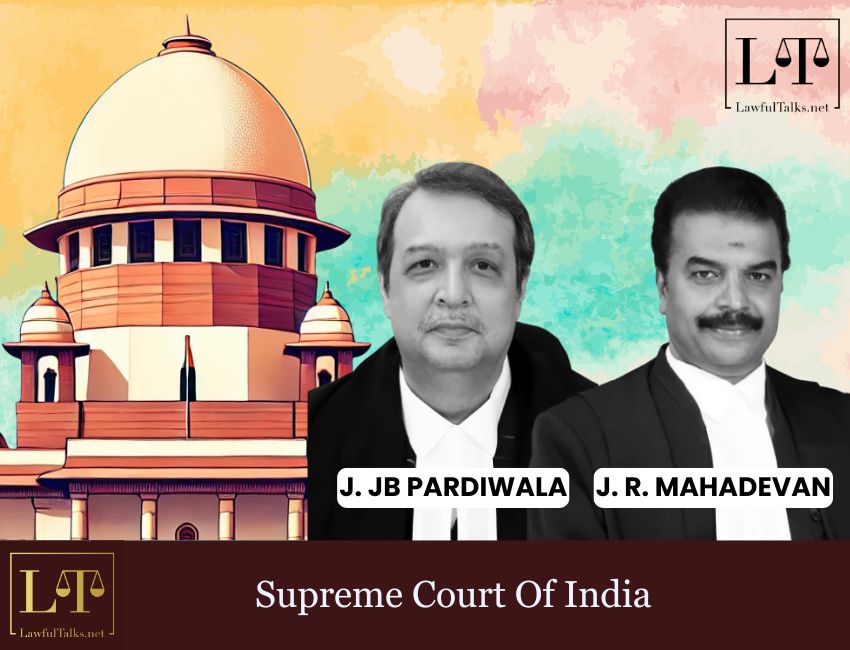
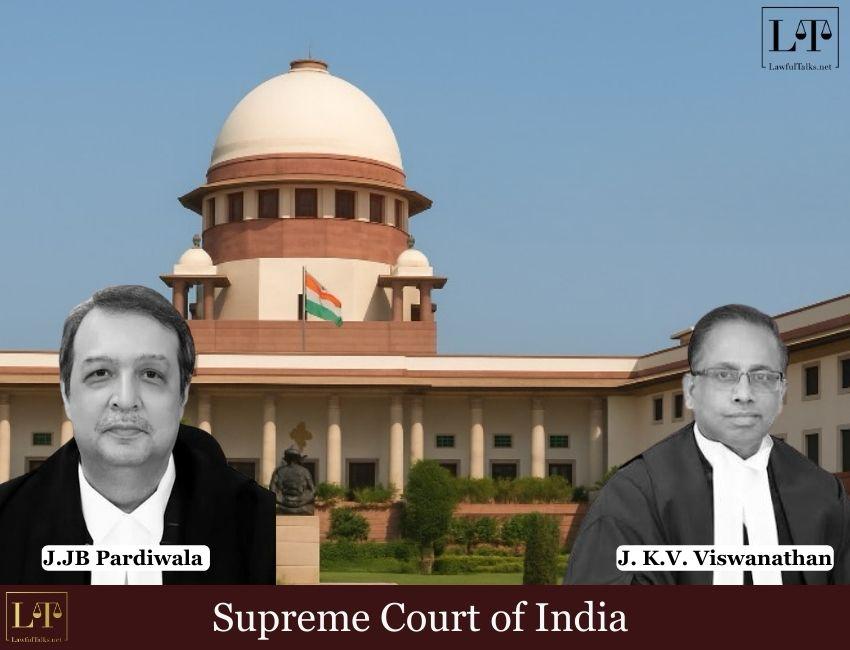
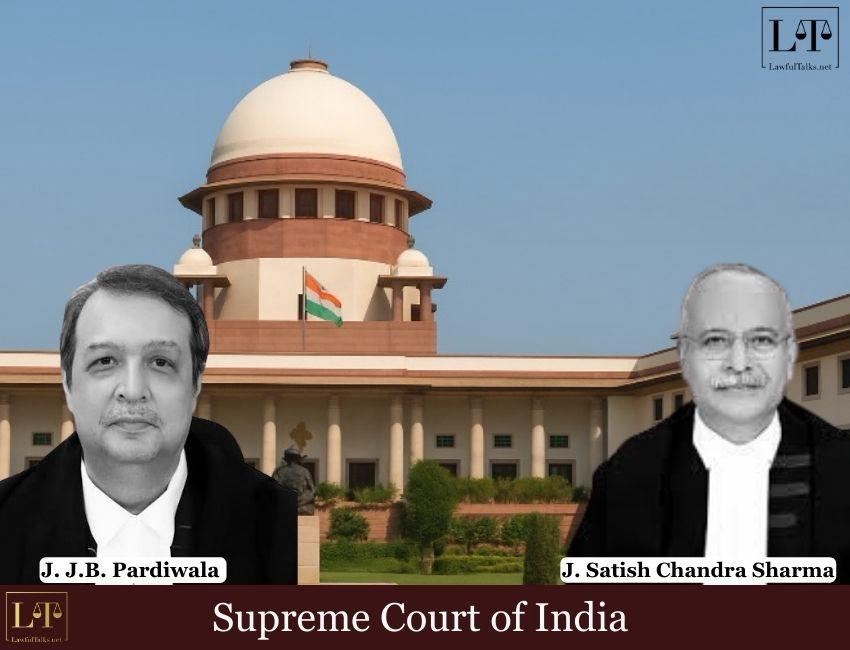
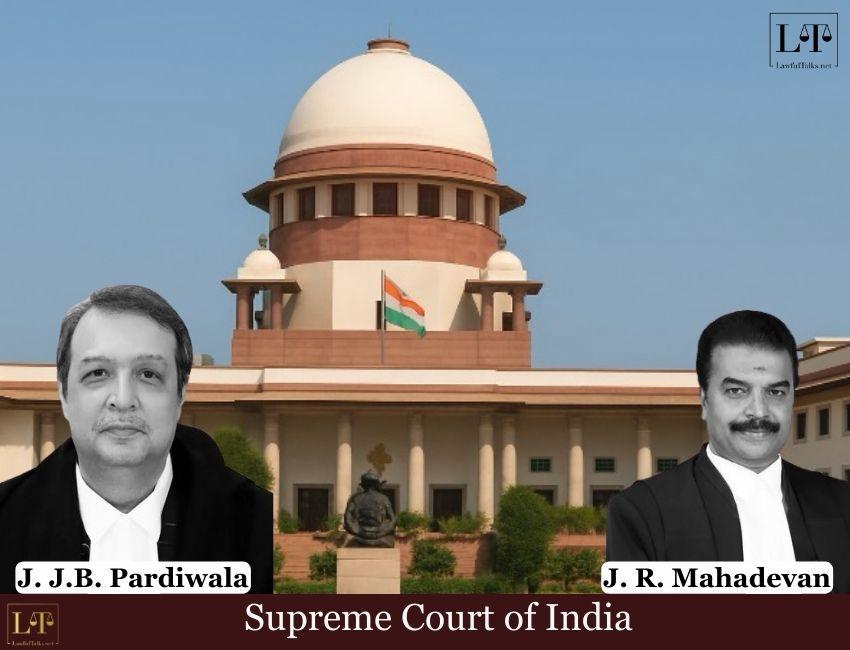
Ongoing proceedings before a bench led by Justice JB Pardiwala concerning pedestrian safety and related road regulations.
Court’s Key Conclusions
The Court summarised its conclusions as follows:
(a) The right to walk is a fundamental right under Part III of the Constitution. It is part of the freedom of movement guaranteed under Article 19(1)(d), read with Articles 19(1)(a), 19(1)(b), 19(1)(c), and 21. The right includes the right to demarcated footpaths, and these rights have priority over the movement of motor vehicles.
(b) The fundamental right to walk on demarcated footpaths creates a corresponding duty. Where roads exist, authorities must ensure that there are properly demarcated and well-maintained footpaths. Urban development authorities, municipal corporations, municipalities, and panchayats are responsible for constructing, maintaining, and protecting footpaths and other pedestrian infrastructure.
(c) If the right to walk on demarcated footpaths is violated, citizens can seek constitutional and legal remedies, including restitution and compensation, against the responsible authorities. These remedies are separate from those available under the Motor Vehicles Act, 1988.
Case Details: MANIYAR ILIYAZ SHAIK RIYAZ Vs P. AYYAPPAN|C.A. No. 4665-4666/2025



















































































Sign up for free and be the first to get notified about curated content just for you.