The Notice Went to the Wrong Address—So Why Did the Employee Still Lose Before the SC?

- June 22, 2026


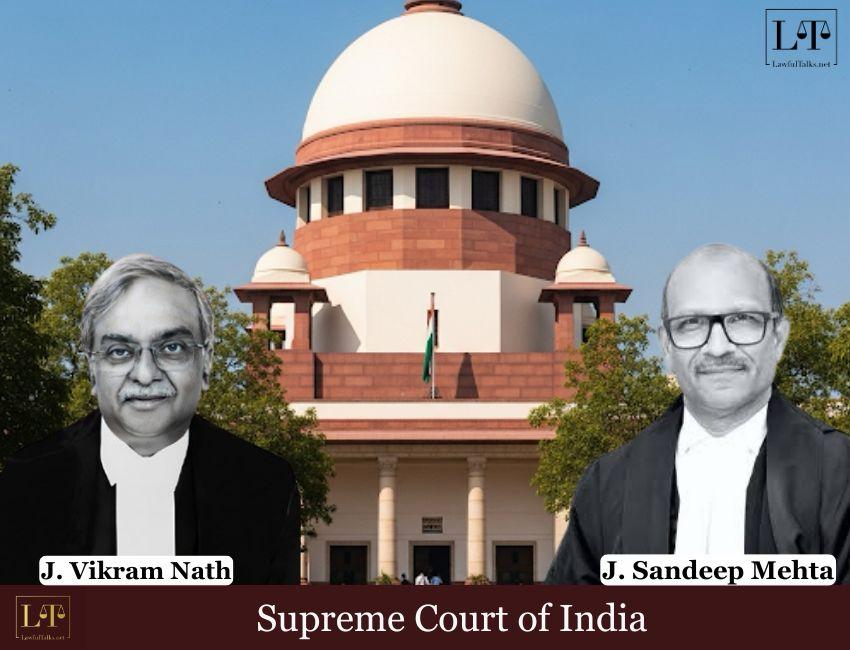
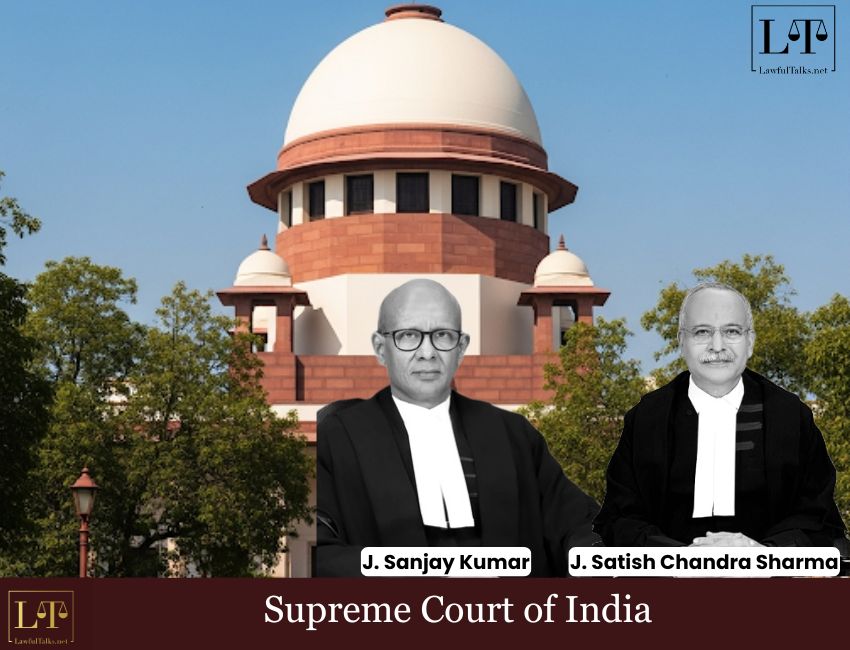
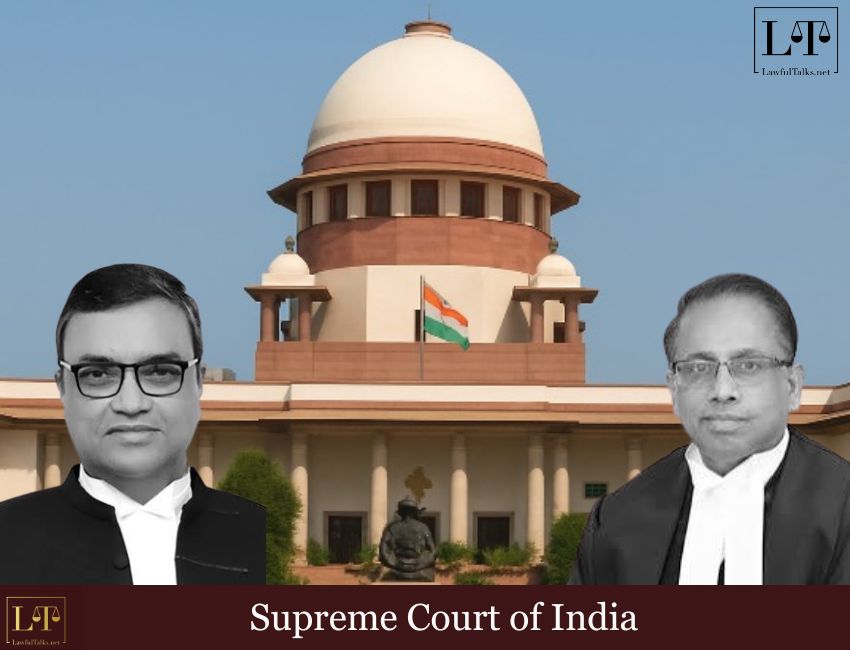
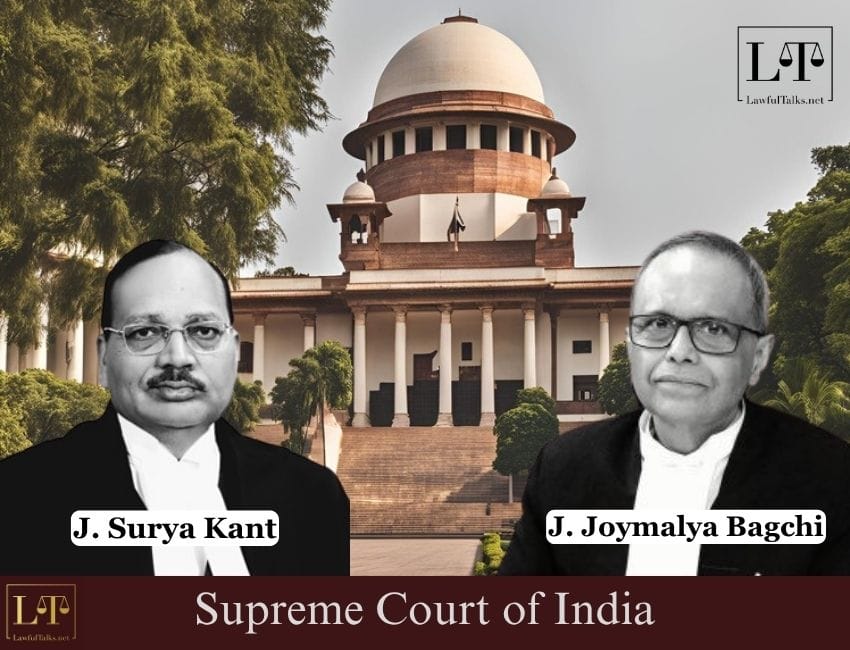
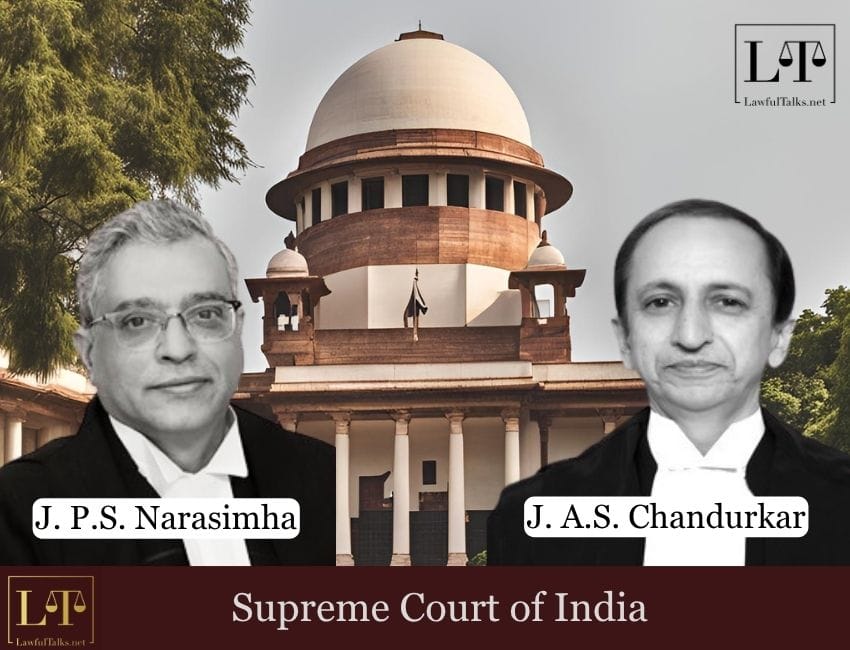
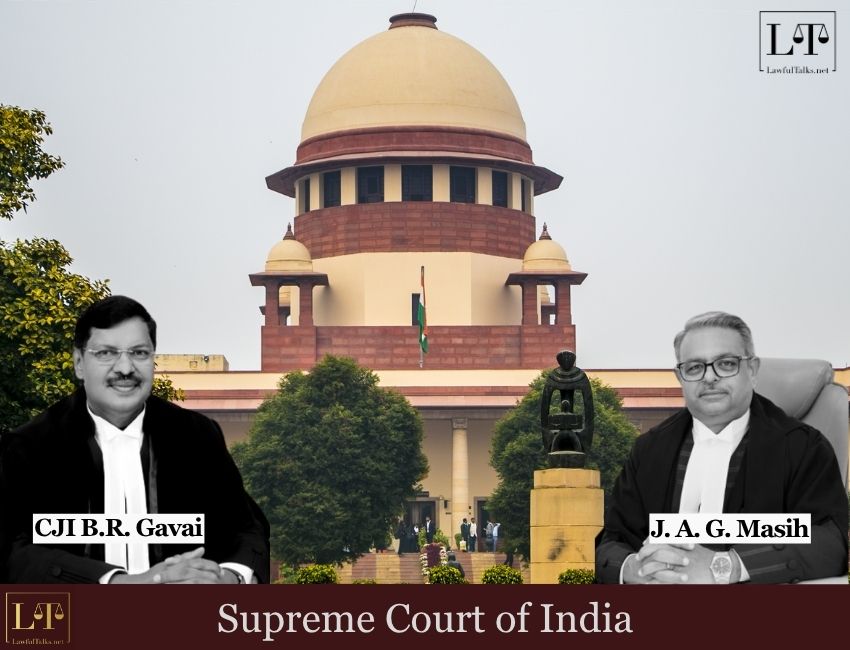
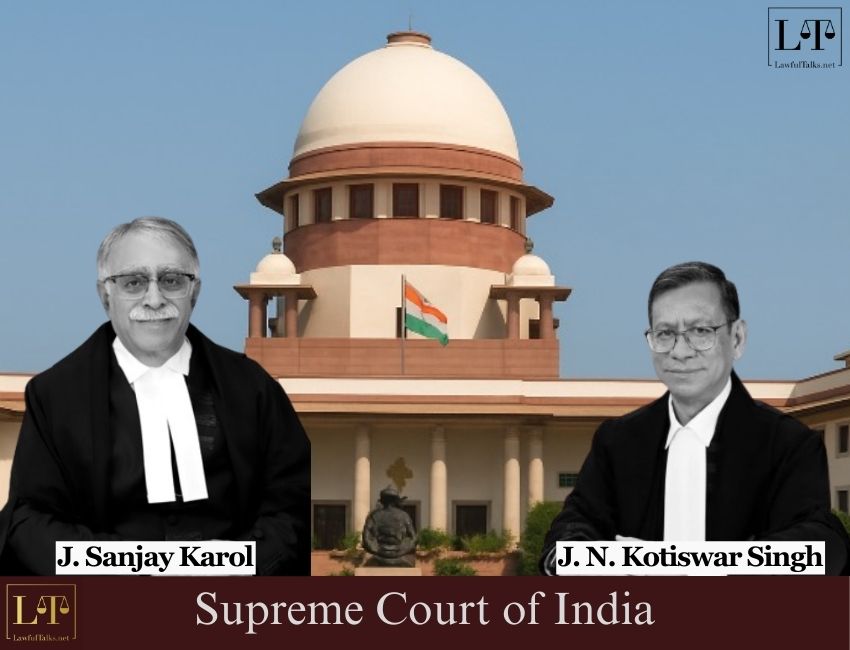
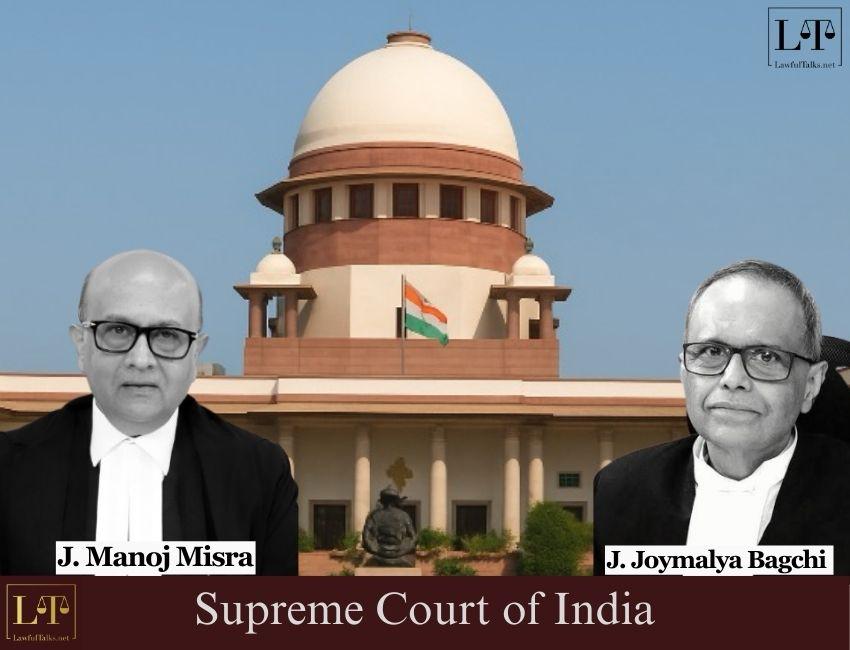
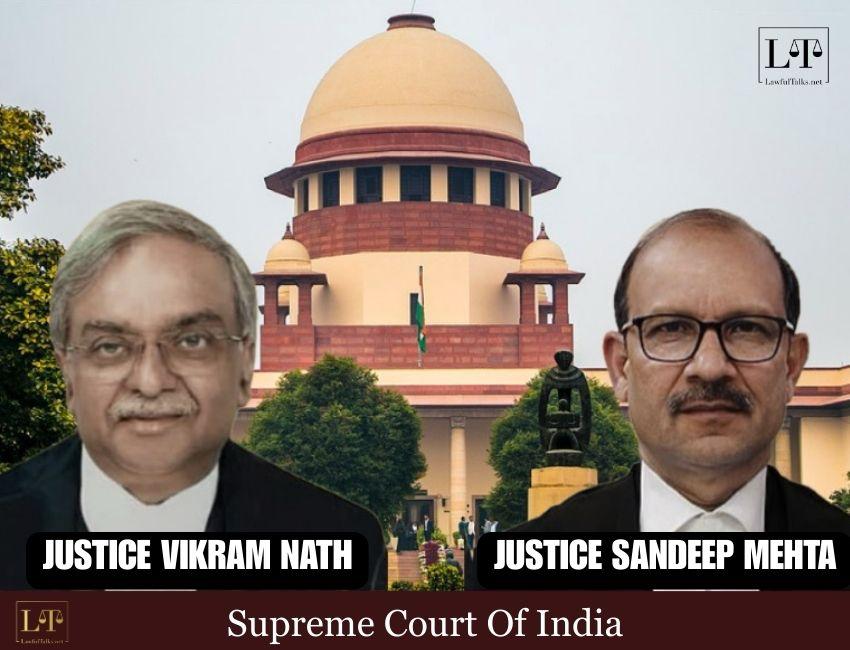
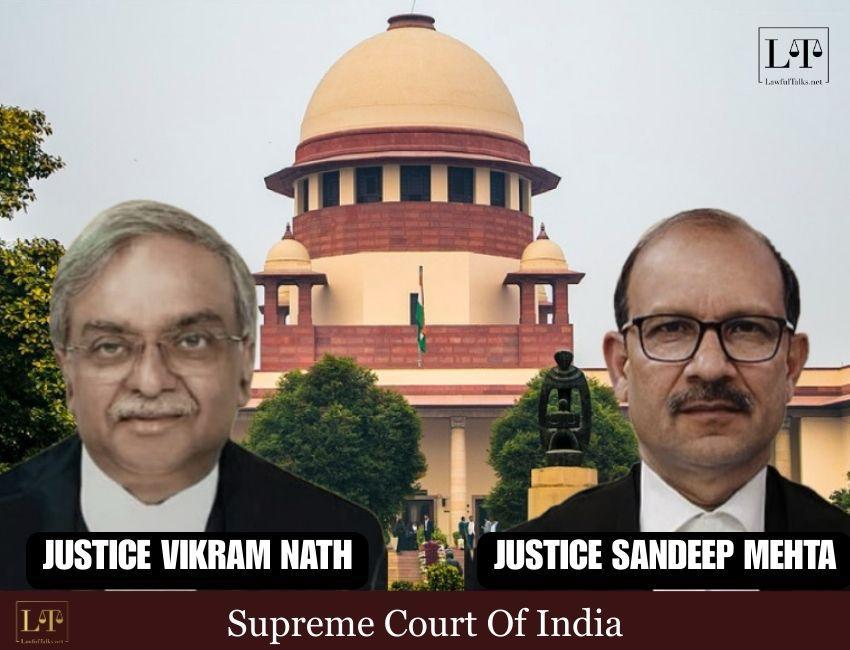
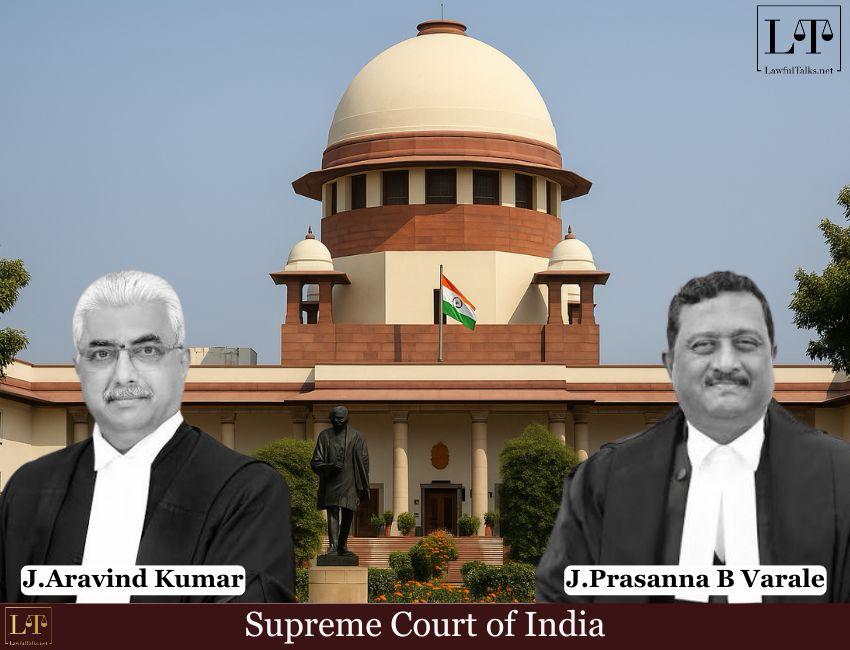
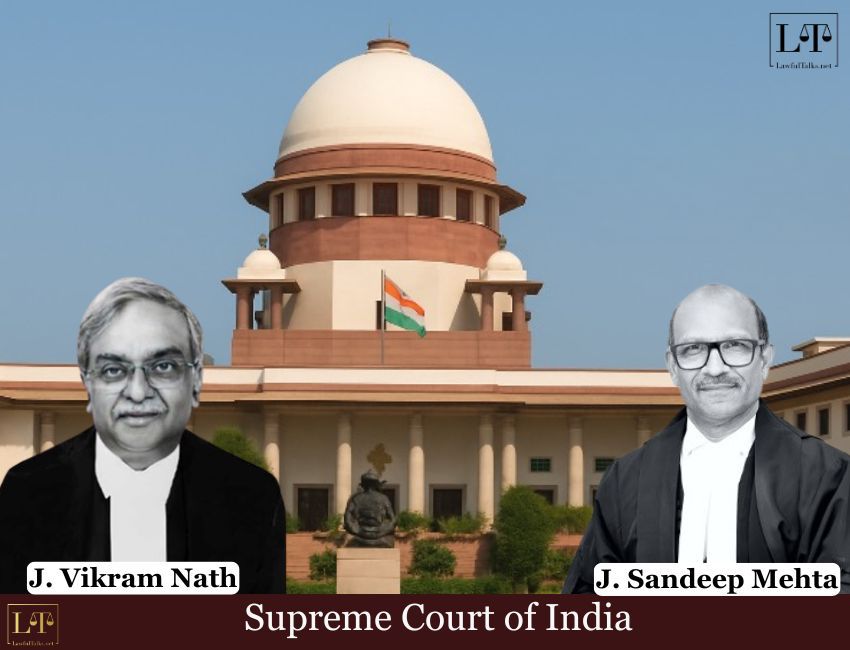
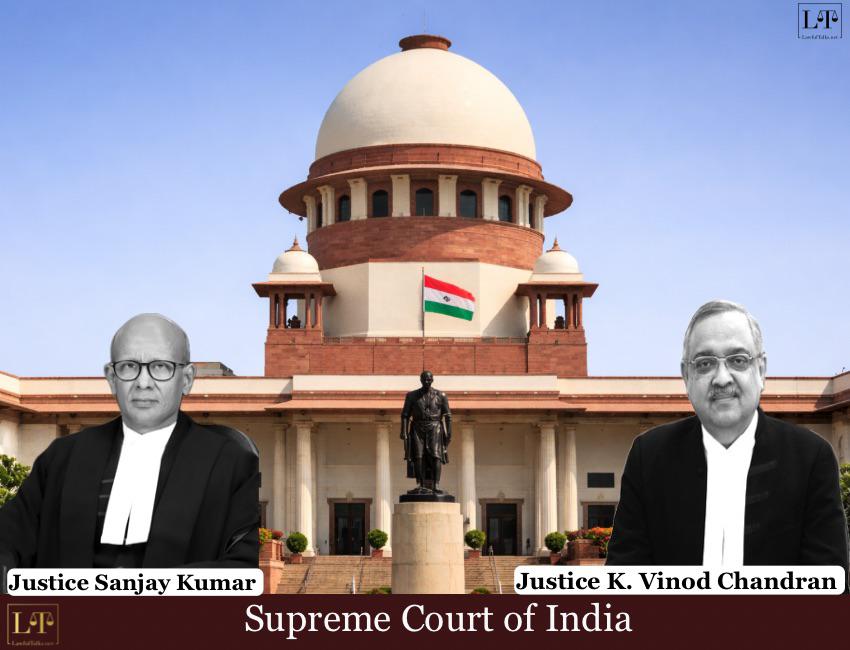
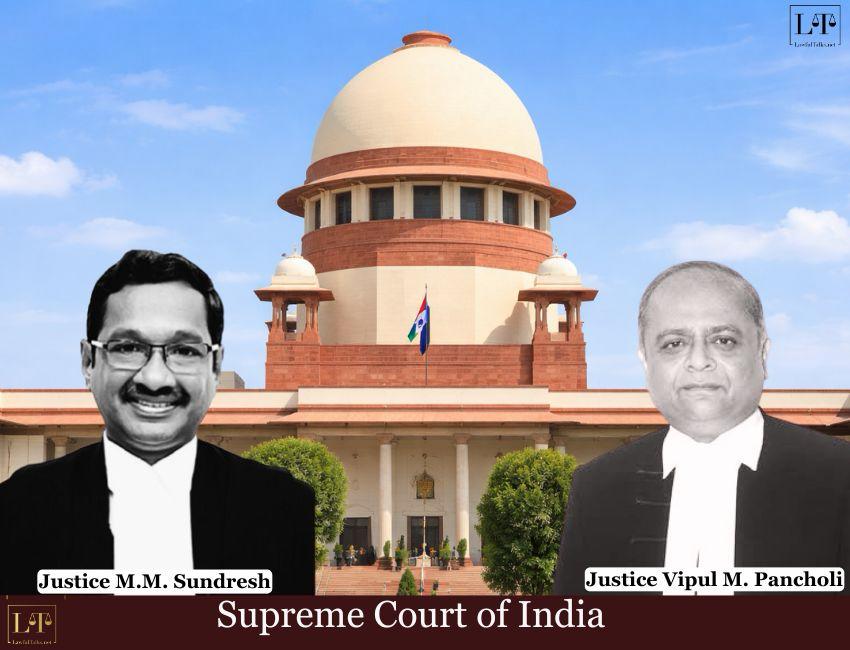
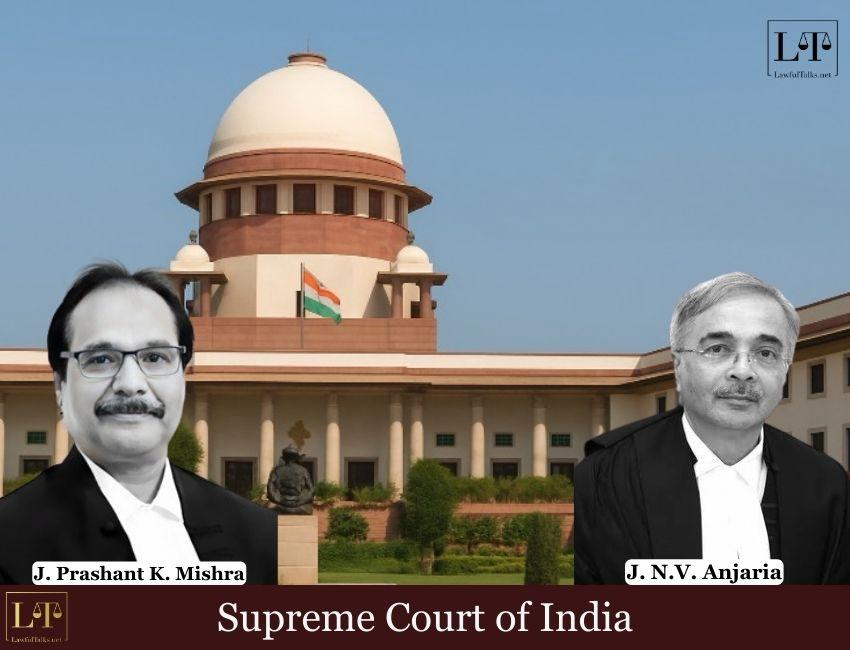
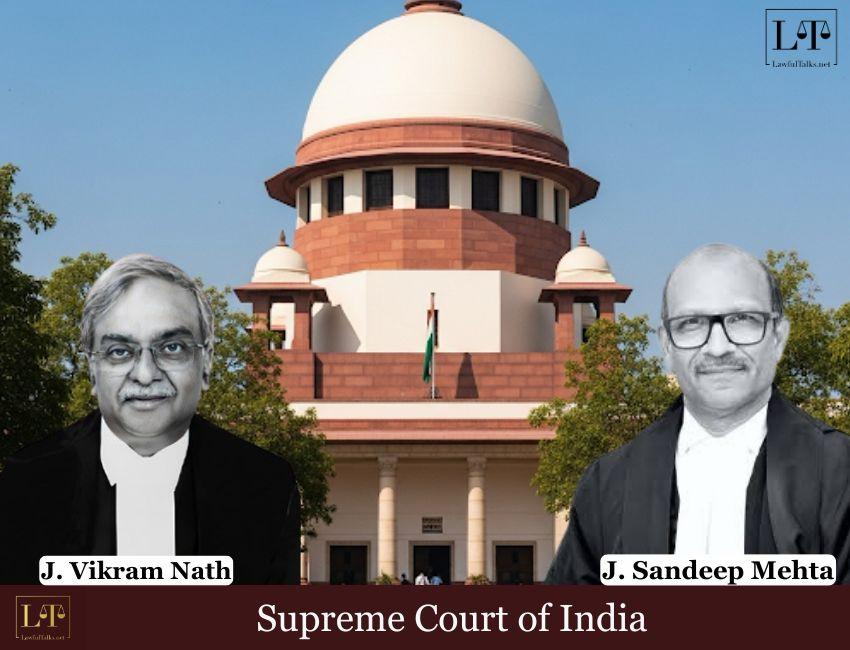
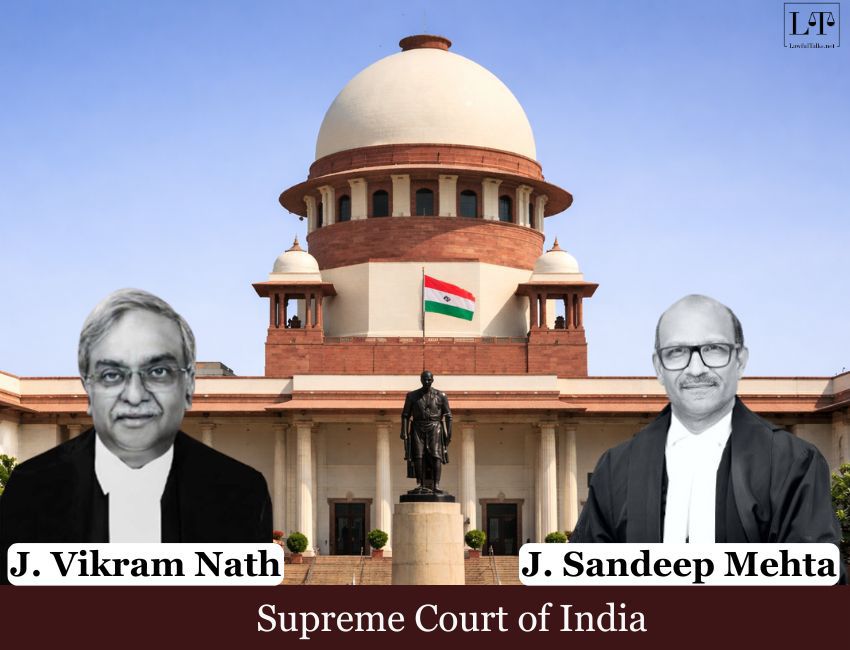
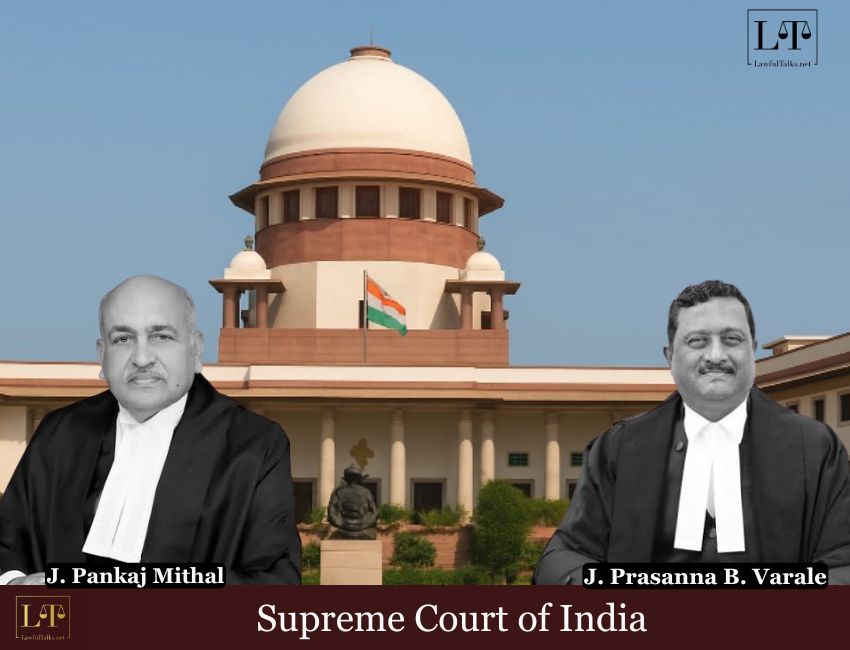
The bench of Justice Vikram Nath and Justice Sandeep Mehta in the Supreme Court of India has set aside an ex-parte Labour Court award that had directed the reinstatement of an employee along with payment of salary from the date his services were discontinued.
Unauthorised Absence:
The respondent was employed by the appellant company. On 14 May 2012, he went on leave without authorization and remained absent until 8 June 2012. On 18 May 2012, the company sent a registered notice asking him to explain his absence. However, no response was received.
Labour Court Relief:
The Labour Court held that the employee had been wrongfully removed from service and noted that the notice asking him to explain his absence had been sent to the wrong address. Based on this, it passed an award in favour of the employee.
The employee also claimed that when he returned to duty on 8 June 2012, he was harassed.
Supreme Court Sets Aside Relief:
The appellant company challenged the Labour Court’s award. However, the dispute was decided in favour of the respondent-employee, and the Allahabad High Court dismissed the company’s writ petition.
The Supreme Court held that the High Court had erred in granting relief to the employee because there was no supporting evidence for his claims. The Court observed that the company’s petition should have been allowed.
The Court stated:
“We find that the respondent-employee absented himself without authorisation, failed to send any written communication to his employer during his absence, has led no documentary evidence to explain his absence, and has produced no evidence of any attempt to rejoin duty. Therefore, the Labour Court and the High Court erred in granting relief in the absence of such evidence. The writ petition of the Appellant was liable to be allowed.”
The notice issued by the company had been sent to the employee’s address in Bihar, while he was residing in Gautam Budh Nagar, Uttar Pradesh.
The Supreme Court observed that the company could not be blamed for sending the notice to the only address provided by the employee. The responsibility to inform the employer about any change of address lies with the employee. In this case, the notice was sent to the permanent address that had been furnished to the company.
No Evidence of Absence Reason:
The employee claimed that before leaving, he had verbally informed his superior that he needed leave because his mother was seriously ill. The Supreme Court noted that this claim was completely unsubstantiated and was not supported by any documentary evidence.
The Court observed:
“The respondent-employee claims that his absence was due to his mother’s serious illness and that he had verbally informed his superior before leaving. This claim is entirely unsubstantiated. No documentary evidence has been placed on record in support of it. More significantly, during the period of absence, the respondent-employee did not send a single written communication to his employer explaining the reasons for his absence or seeking leave. Had his explanation been genuine, he could have sent a letter or other written intimation. Having failed to do so, he cannot now rely solely”
No Proof of Harassment:
The Supreme Court further noted that the employee’s allegations that he was not allowed to rejoin duty and was harassed were also unsupported by any evidence.
The Court noted that the employee did not send any written communication or intimation during the period of his absence.
According to the Court, this made it difficult to accept that he had a genuine reason for remaining absent from work.
Case Details: M/S RIFLIS ENGINEERING PVT. LTD. vs ARJUN GUPTA





































































































































































































































































































































































































Sign up for free and be the first to get notified about curated content just for you.