Can an Oral Gift Transfer a House? Delhi HC Gives a Clear Answer
- June 23, 2026


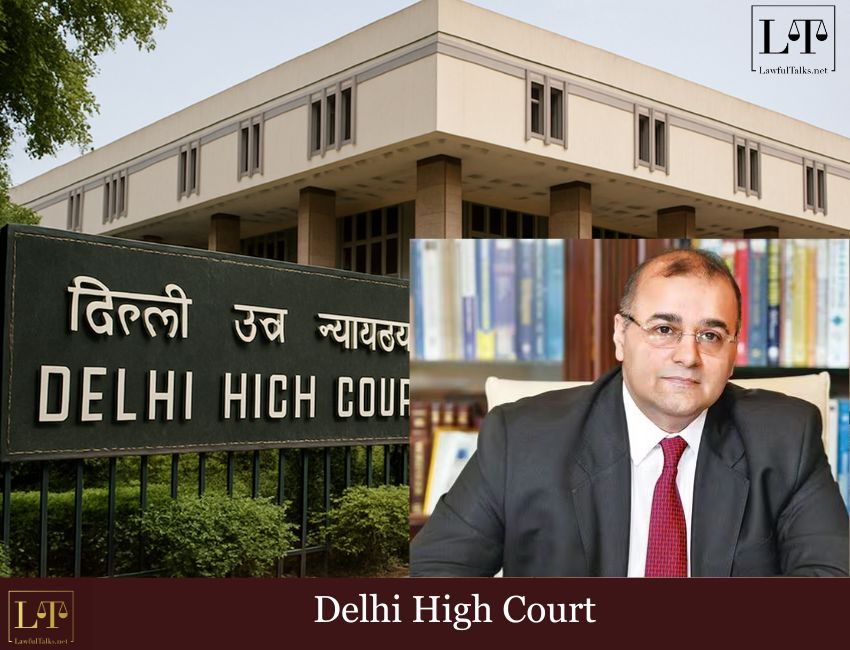
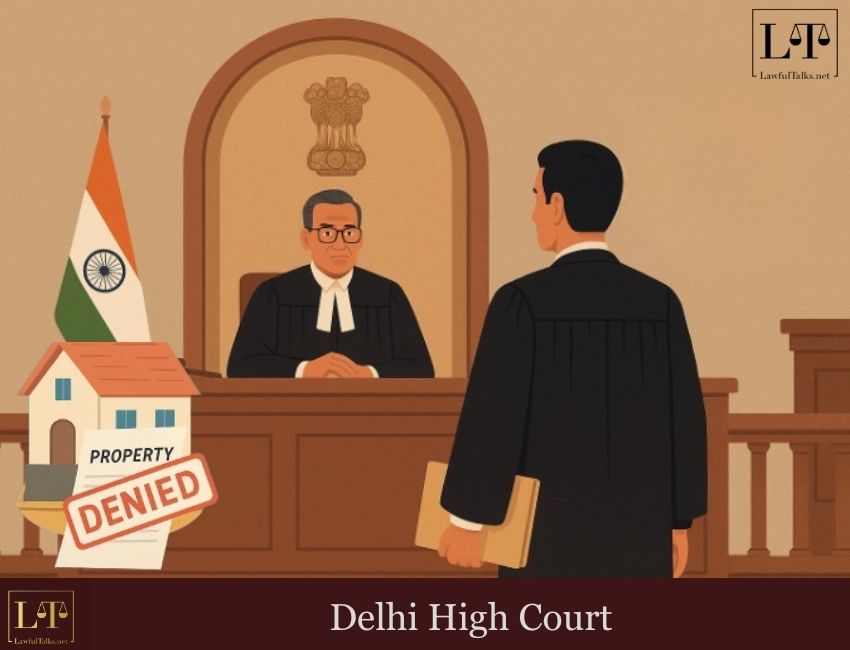
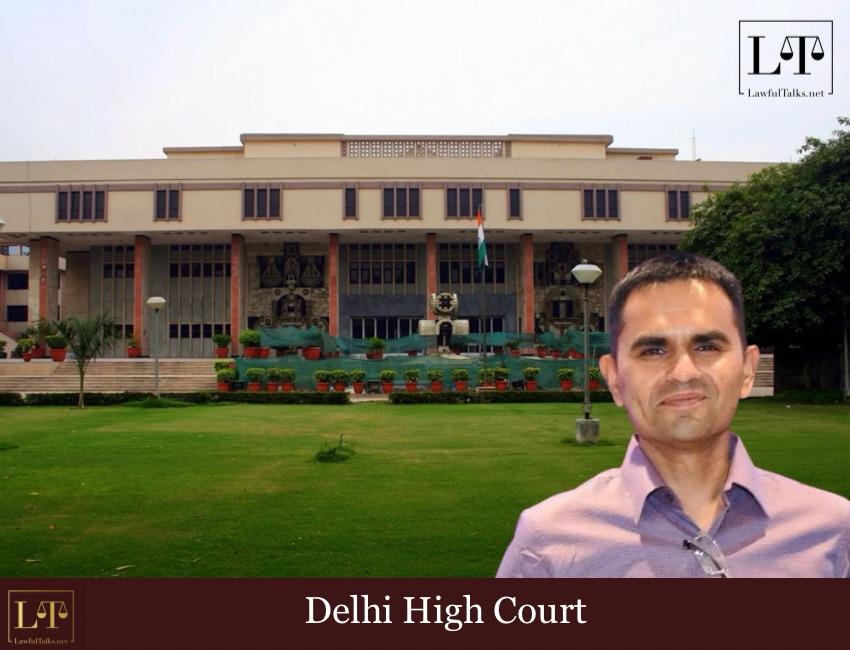
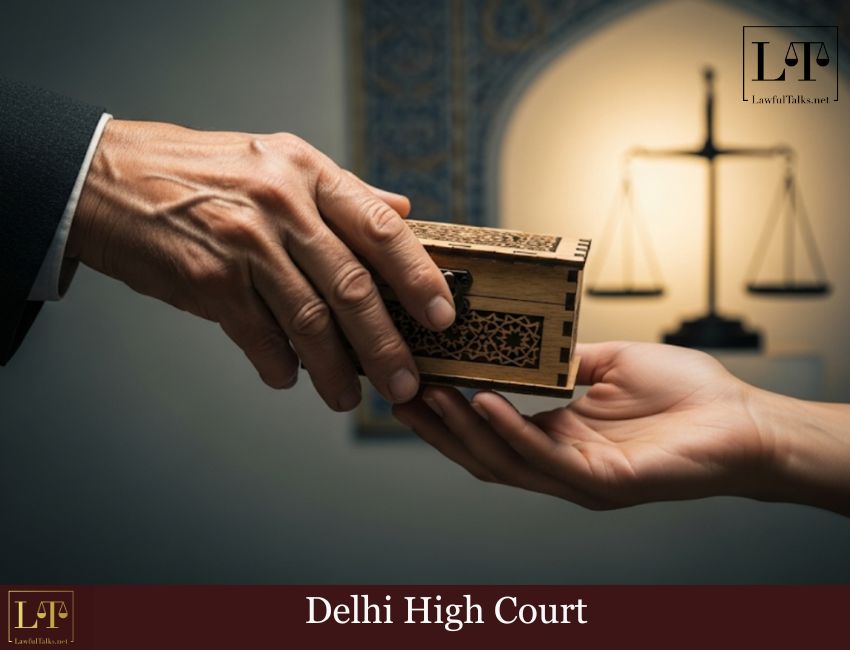
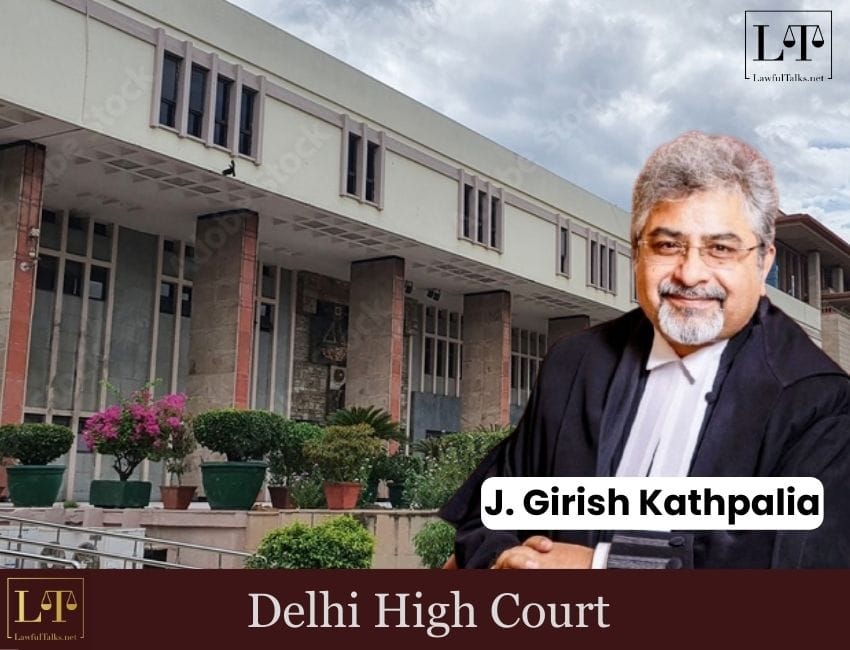
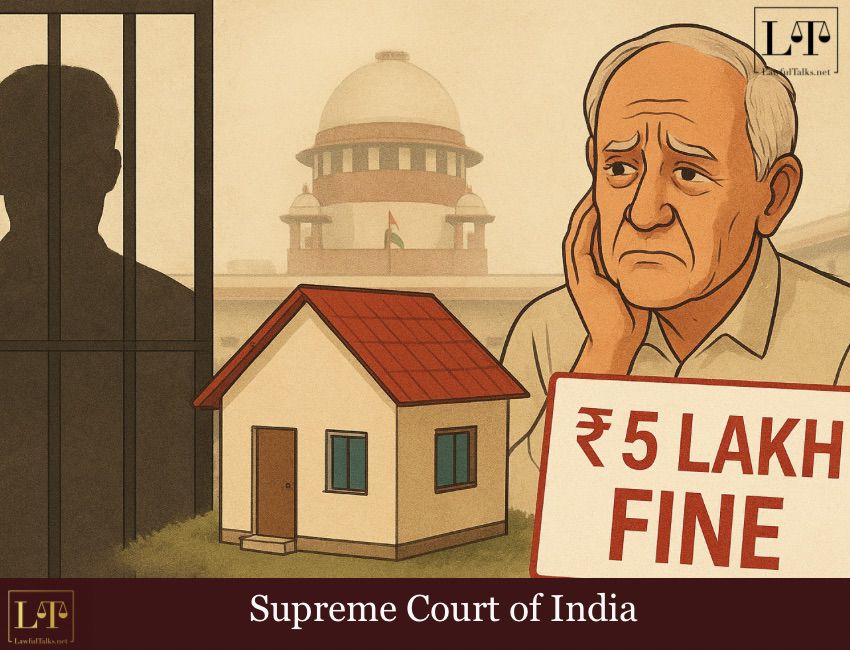
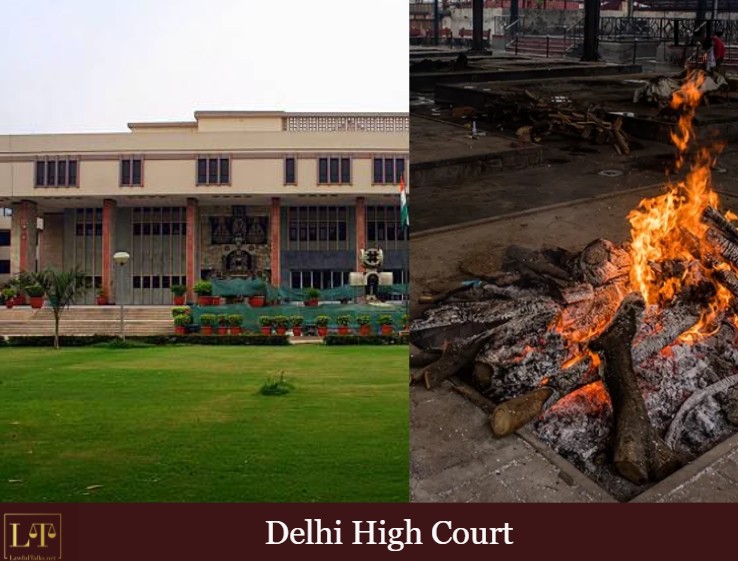
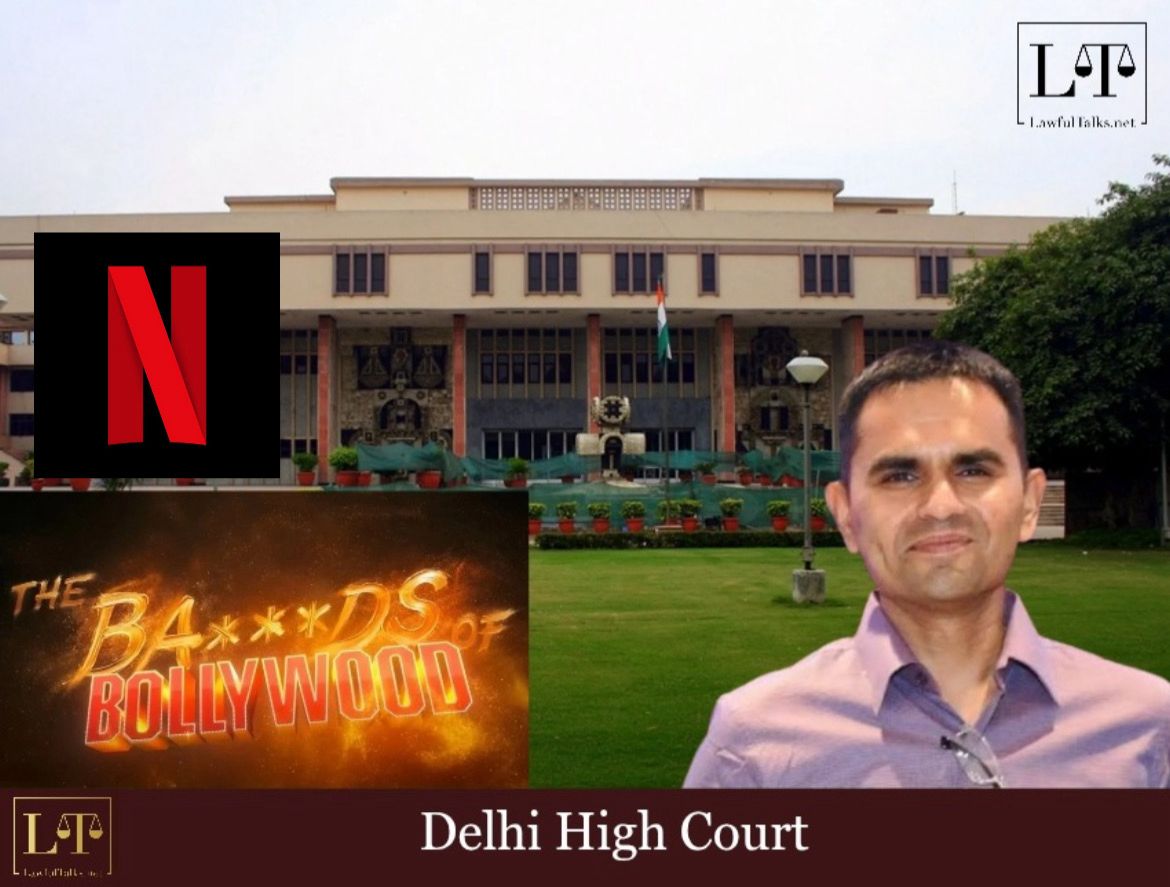
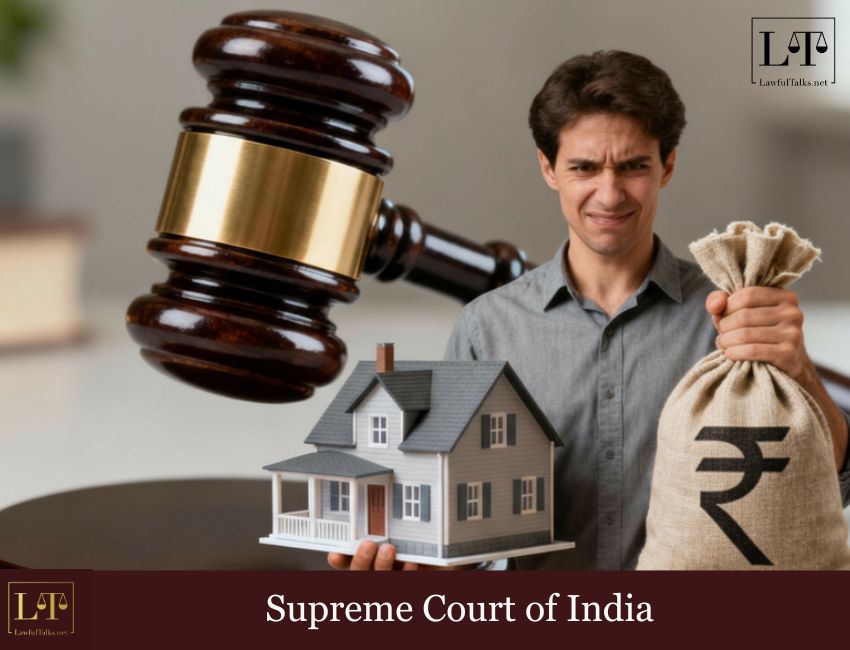
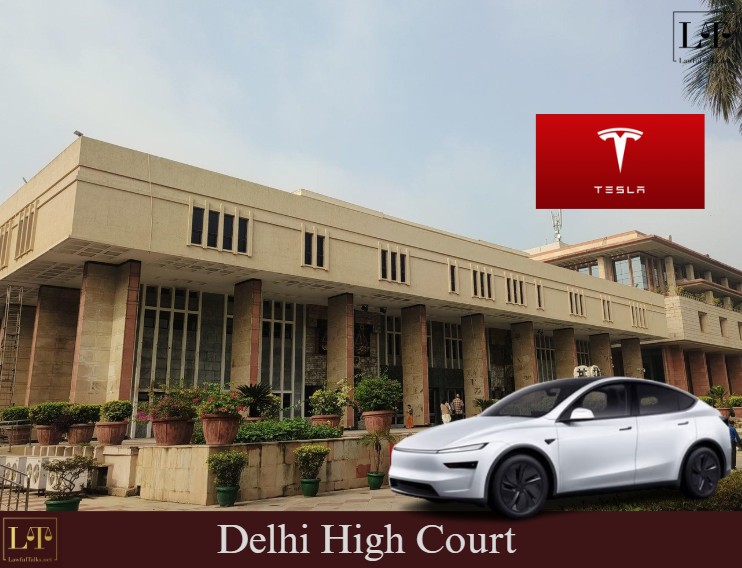
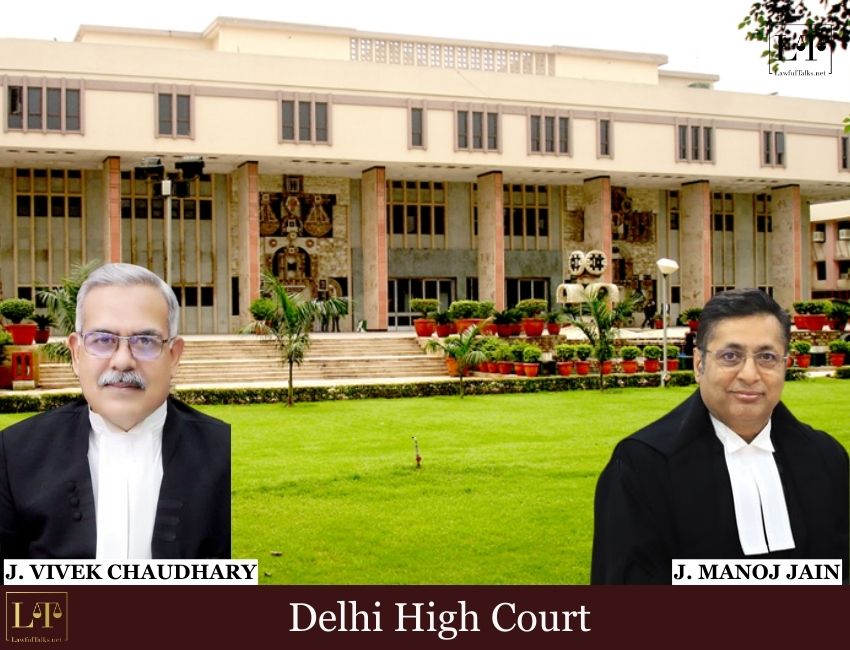
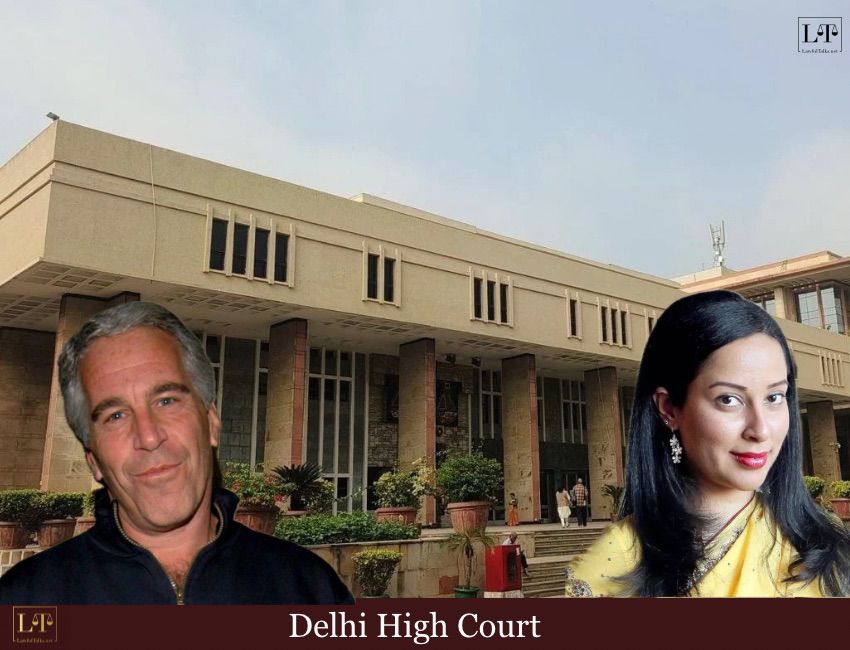
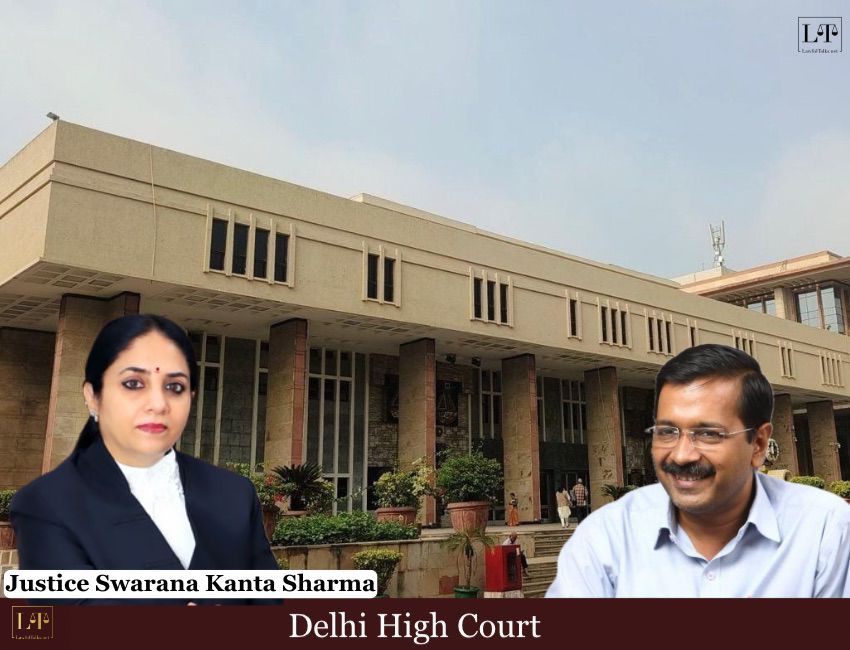
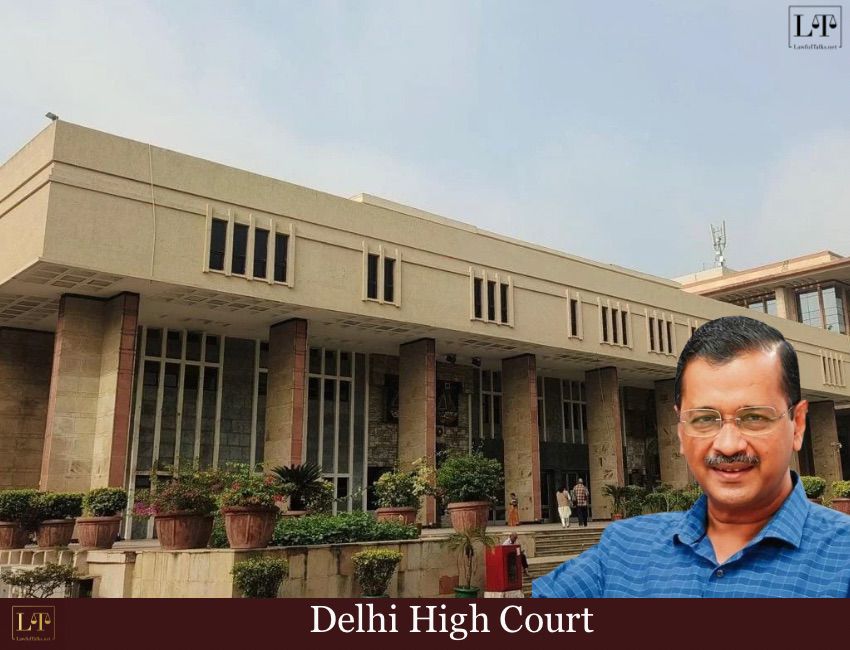
The Delhi High Court recently held that an oral gift of immovable property does not confer ownership rights. The court reiterated that under section 123 of the Transfer of Property Act, 1882, a valid gift of immovable property can only be made through a registered instrument signed by the donor and attested by witnesses.
Court Rejects Oral Claims:
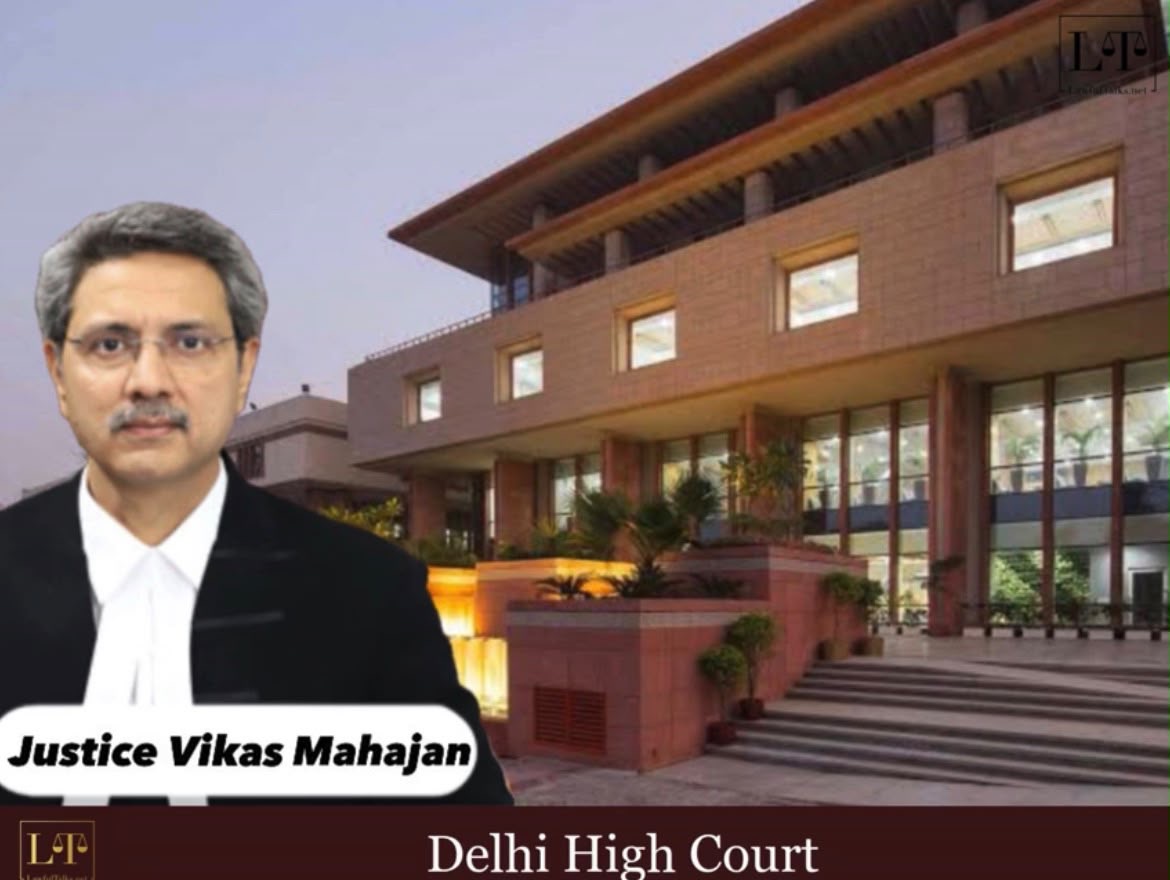
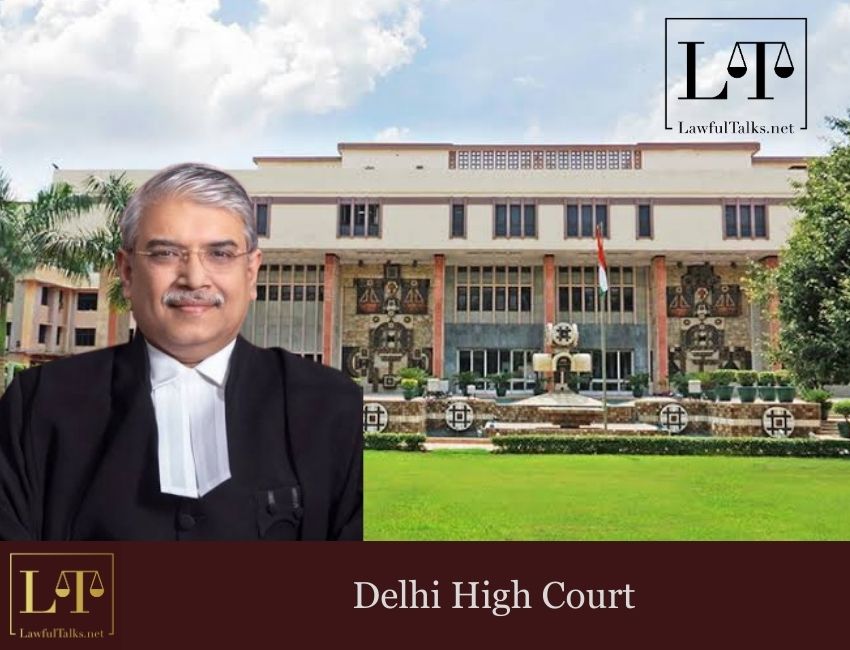
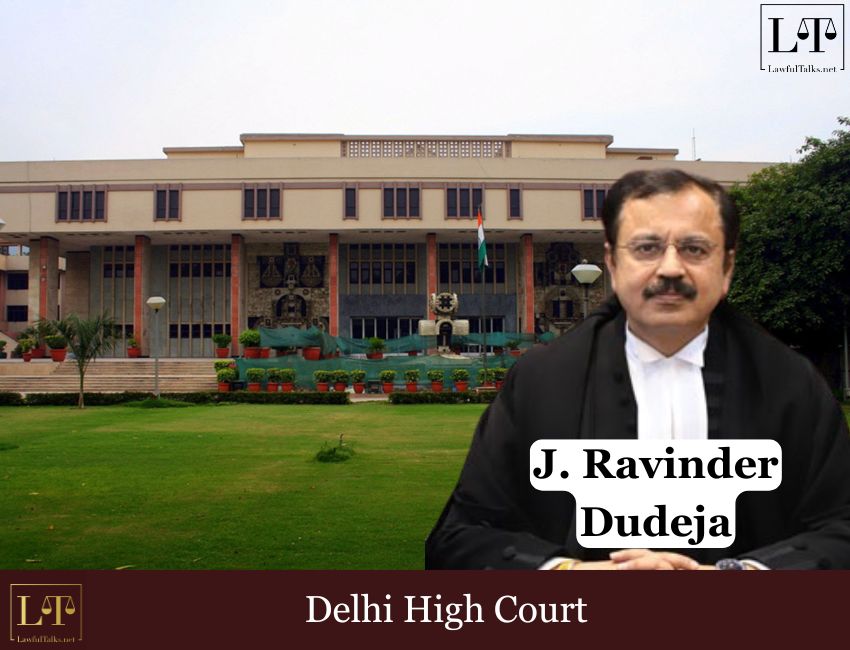
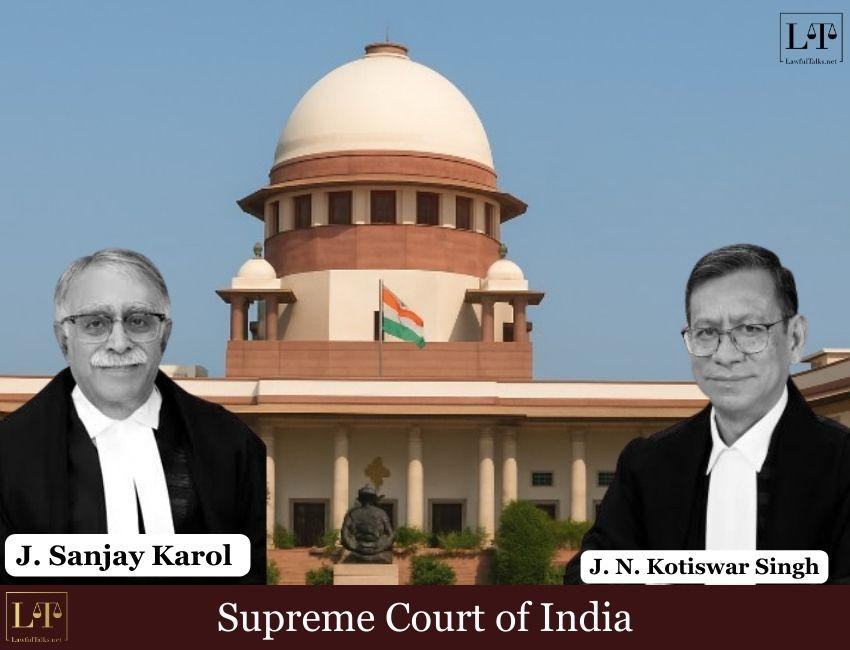
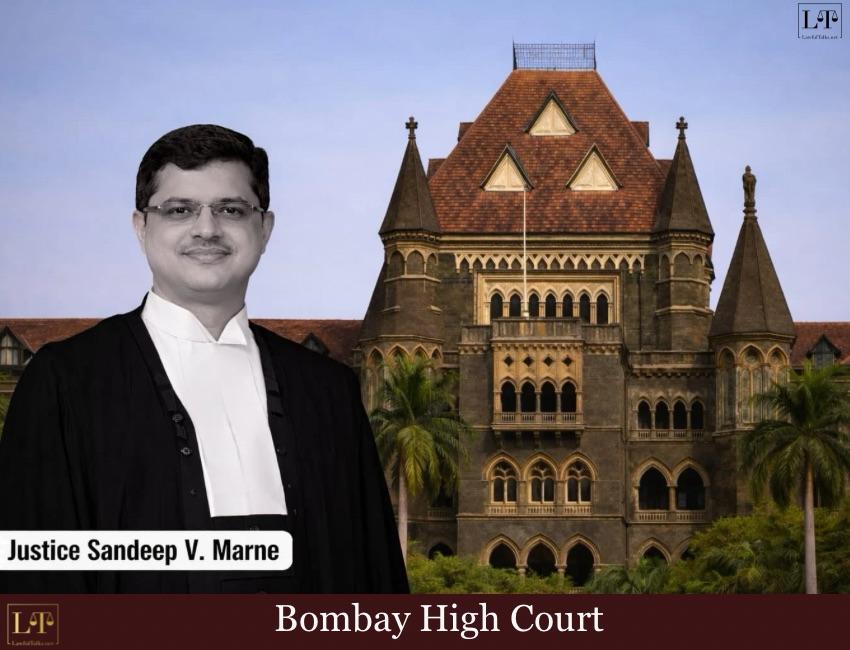
The observation was made by Justice Vikas Mahajan while deciding a family property dispute involving a residential property in Delhi’s Model Town. The Court rejected the defendants’ claims that parts of the property had been orally gifted and that the property had been orally partitioned between two brothers.
The court ultimately passed a preliminary decree declaring that the plaintiff, Anil Kumar Gupta, owns a 5/6th share in the property, while the legal heirs of his late brother, Ashok Kumar Gupta, collectively own the remaining 1/6th share.
Who Inherited the Property?
The property originally belonged to Jagdish Prasad Gupta, who purchased it through a registered sale deed and died intestate in 1993. His wife, Savitri Devi, also passed away without leaving a will in 1997. They were survived by six children, two sons and four daughters. Under the applicable succession laws, each child inherited an equal 1/6th share in the property.
Plaintiff’s Claim:
According to the plaintiff, three of his sisters and another sister, who has since passed away, executed registered relinquishment deeds in 2011 and 2018, giving up their shares in his favour. Based on these deeds, he claimed ownership of 5/6th of the property.
Defence Version:
The legal heirs of Ashok Kumar Gupta, who were impleaded as defendants, opposed the suit. They argued that around thirty years ago, there had been an oral family partition under which:
The court examined the evidence produced by the defendants and found it insufficient.
Hearsay Testimony:
The only witnesses presented by the defendants were Ashok Kumar Gupta’s son and daughter. The court noted that they were either infants or very young children at the time the alleged oral partition supposedly took place. Therefore, their statements were based on what they had been told by their father and amounted to hearsay evidence.
No Proof of Partition
Justice Mahajan noted:
“Taking overall conspectus of the evidence on record and testing the same on the preponderance of probabilities, this court finds that apart from the self-serving statements of DW-1 and DW-2 in their examination-in chief, which also could not withstand the cross-examination, there is not an iota of evidence brought on record by the defendant nos. 1 to 6 to establish the factum of alleged oral partition of the suit property having taken place.”
The defendants had additionally argued that Jagdish Prasad Gupta had gifted parts of the property to Ashok Kumar Gupta during his lifetime.
Law Requires Registration:
The court rejected this argument and reiterated that section 123 of the Transfer of Property Act, 1882, requires that a gift of immovable property can only be effected through a registered instrument executed by the donor and attested by witnesses.
No Oral Gift in Law
The court held:
“This stand is otherwise, noted to be rejected, inasmuch as the law is well settled that a gift of immovable property can be effected only in writing by way of a registered document. A bare perusal of Section 1231 of the Transfer of Property Act, 1882 makes it evident that a gift of immovable property cannot pass any title to the donee if it is not registered and signed by or on behalf of the donor, as well as attested by at least two witnesses, which means that no oral gift could be made.”
Relying on earlier decisions, including Gomitibai v. Mattulal and R.N. Dawar v. Ganga Ram Saran Dhama, the Court held that an oral gift of immovable property is not legally valid and cannot confer title.
After finding that the plaintiff had successfully proved his claim, the Court passed a preliminary decree declaring:
Injunction Granted:
The Court also granted a permanent injunction restraining interference with the property.
To determine whether the property can be physically divided according to the parties’ respective shares, the court appointed Advocate Abhishek Mohan Goel as Local Commissioner.
The Local Commissioner has been directed to inspect the property and submit a report on whether it can be partitioned by metes and bounds.
The matter has been listed for further proceedings and consideration of the Local Commissioner’s report on August 6, 2026.
Case Details: Anil Kumar Gupta V. Laxmi & Ors.































































Sign up for free and be the first to get notified about curated content just for you.