One Condition Was Never Met. Years Later, the Bombay HC Set Aside a Housing Society’s Deemed Conveyance

- June 23, 2026


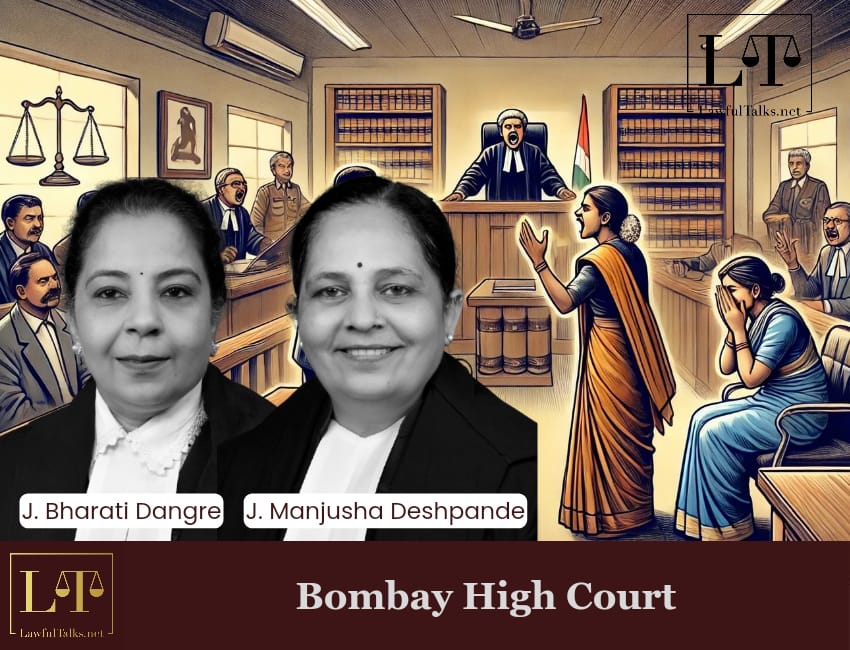
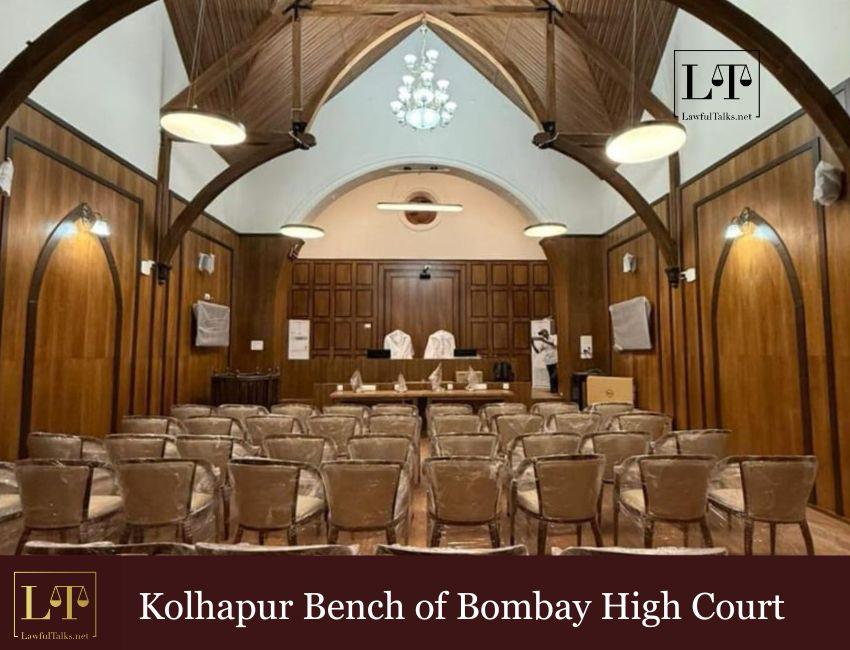
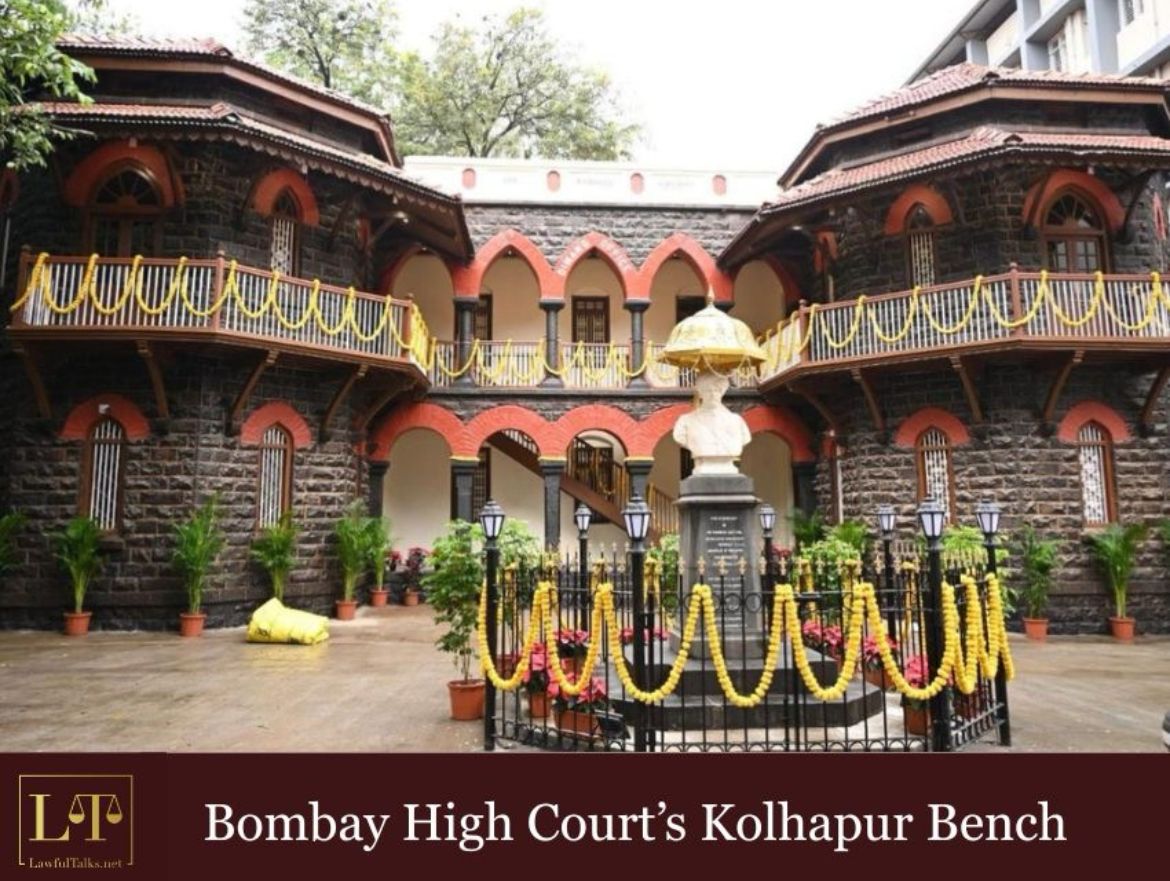
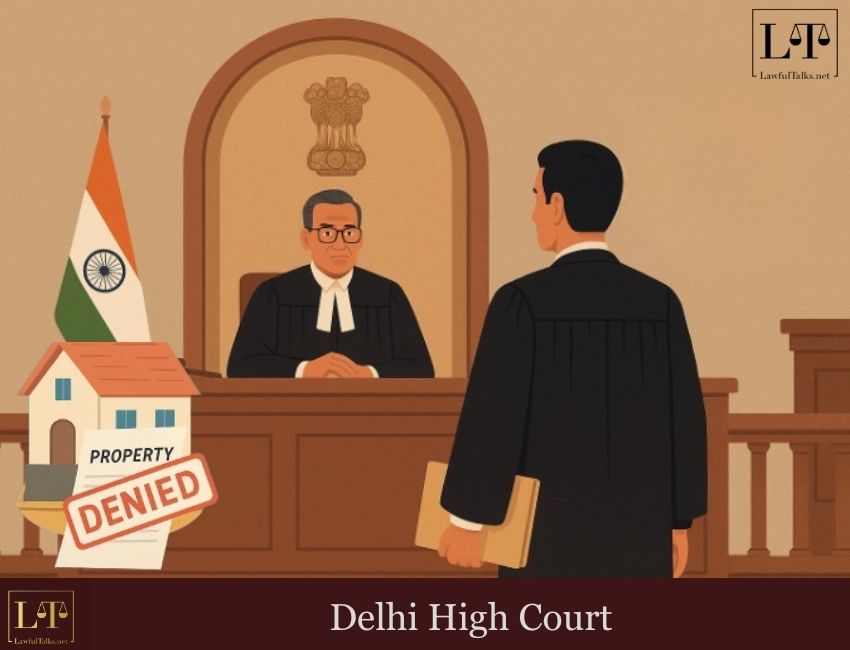
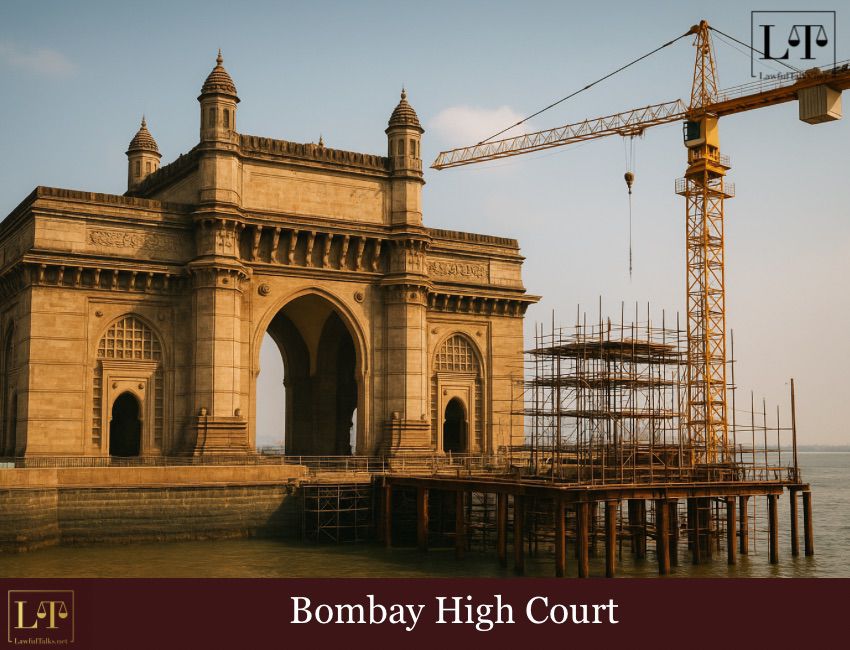
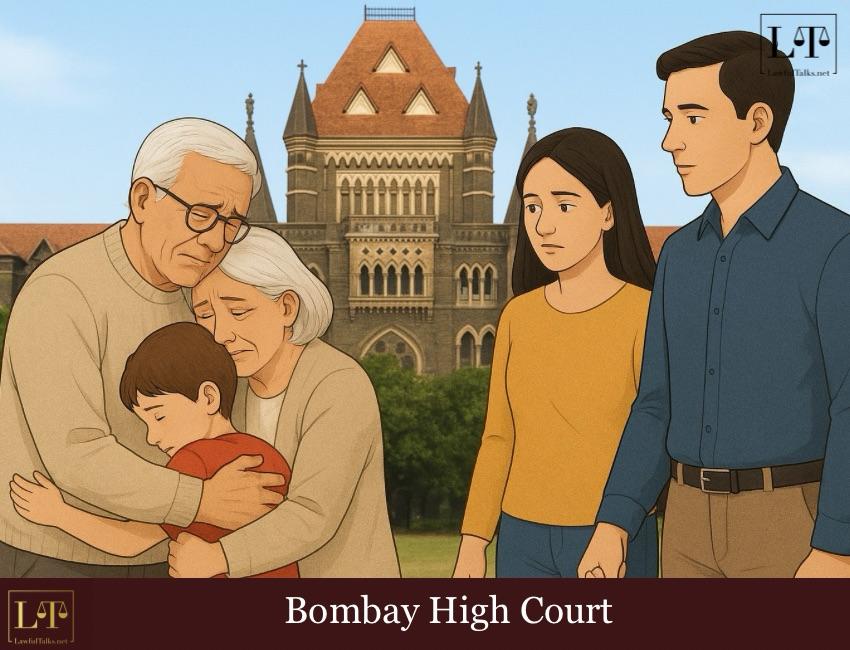
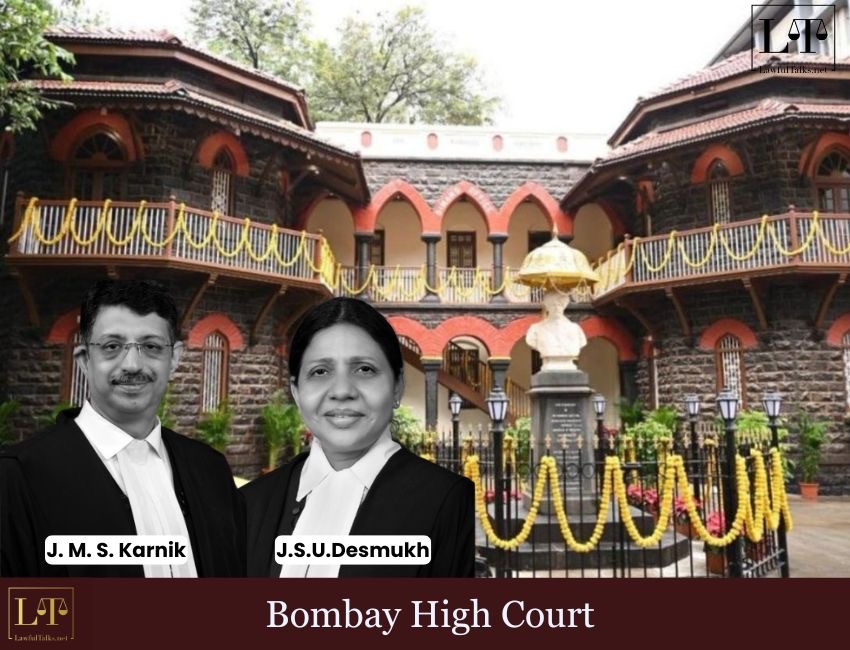
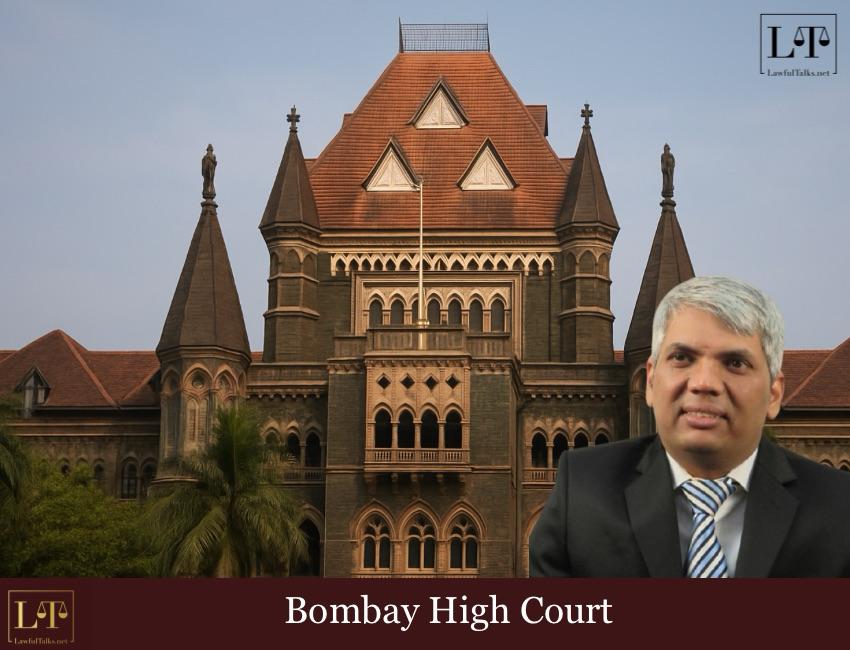
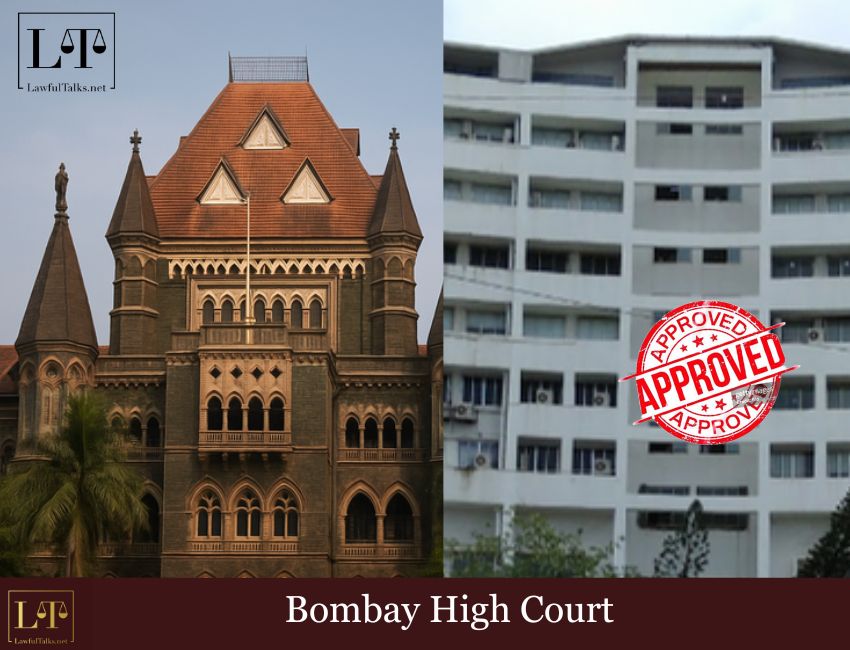
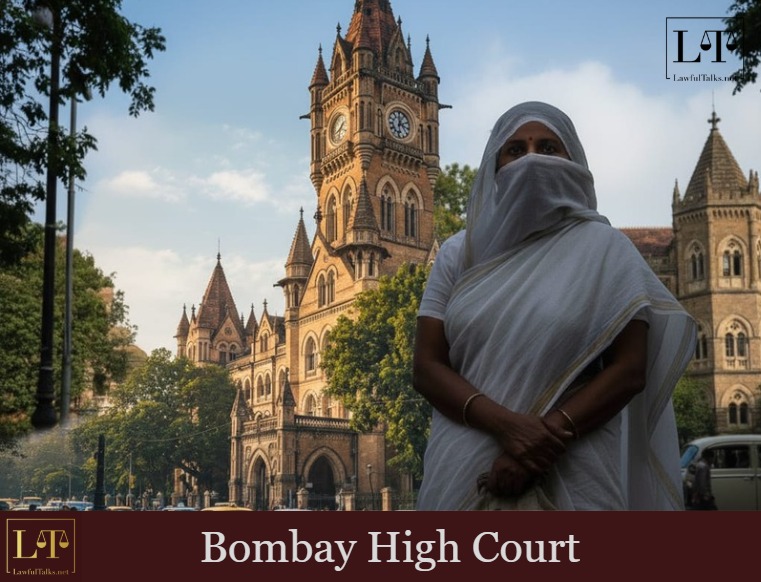
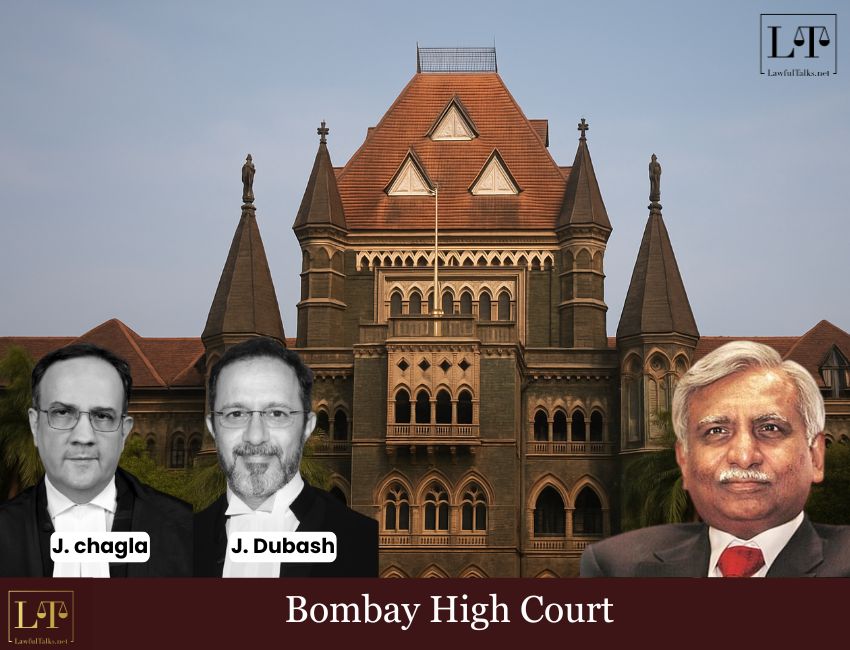
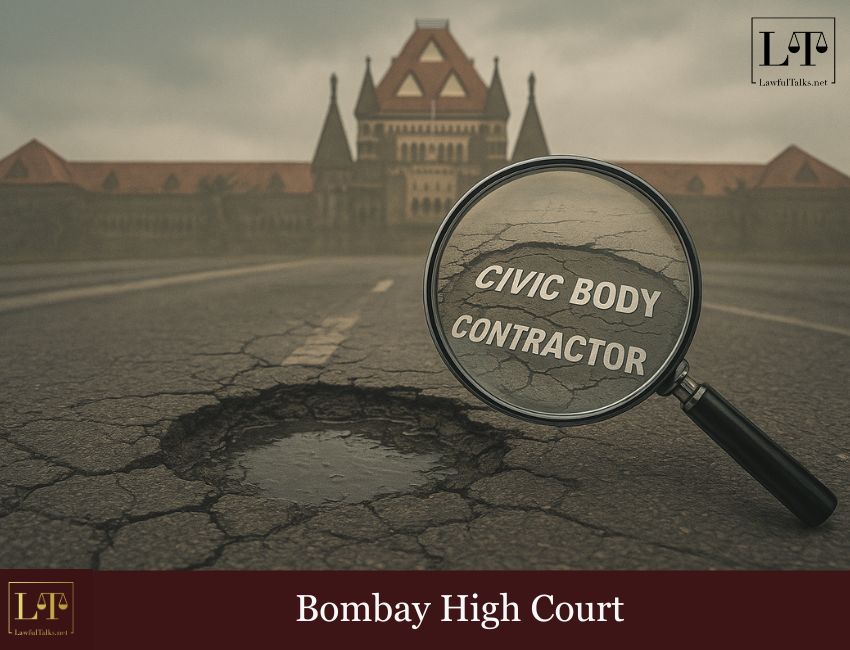
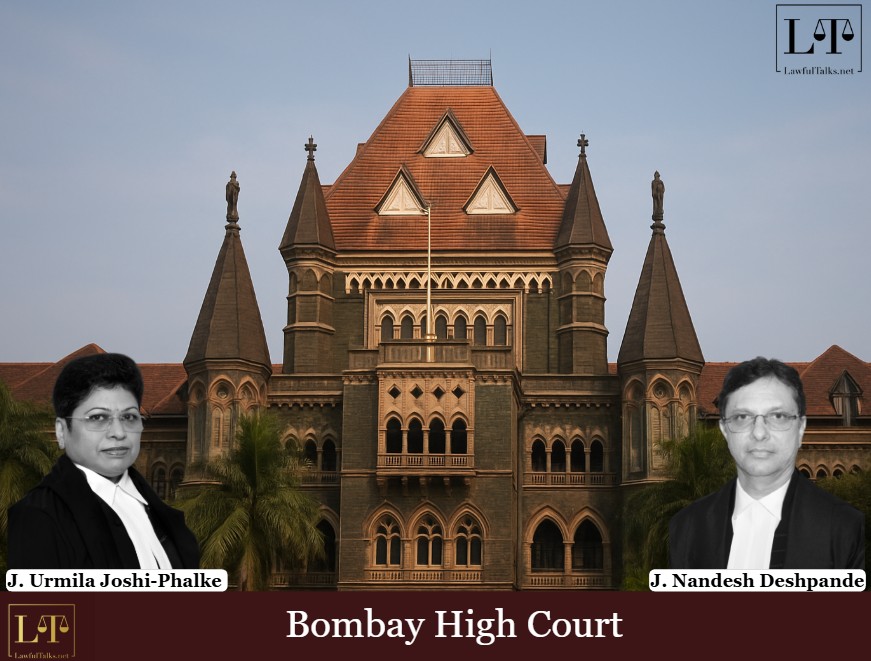
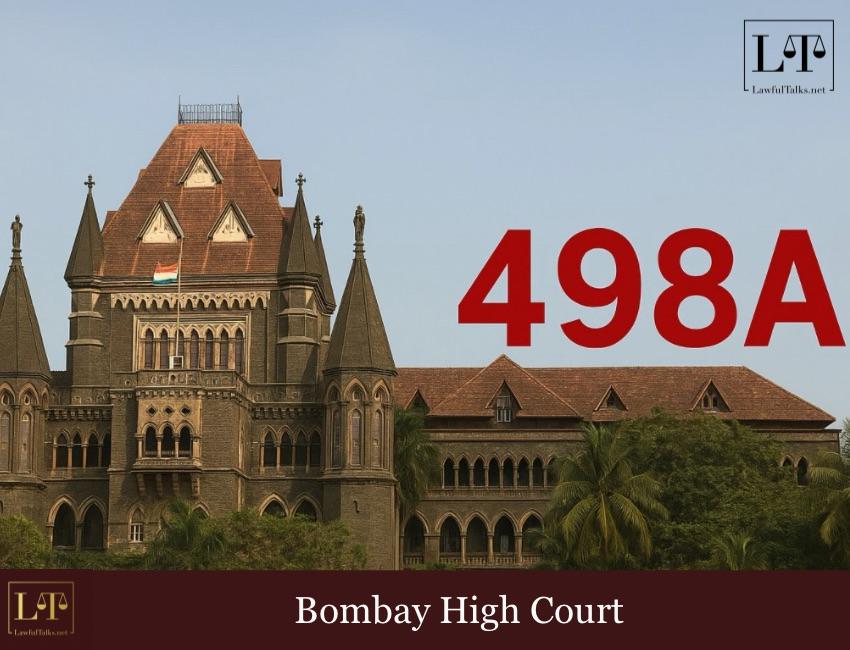
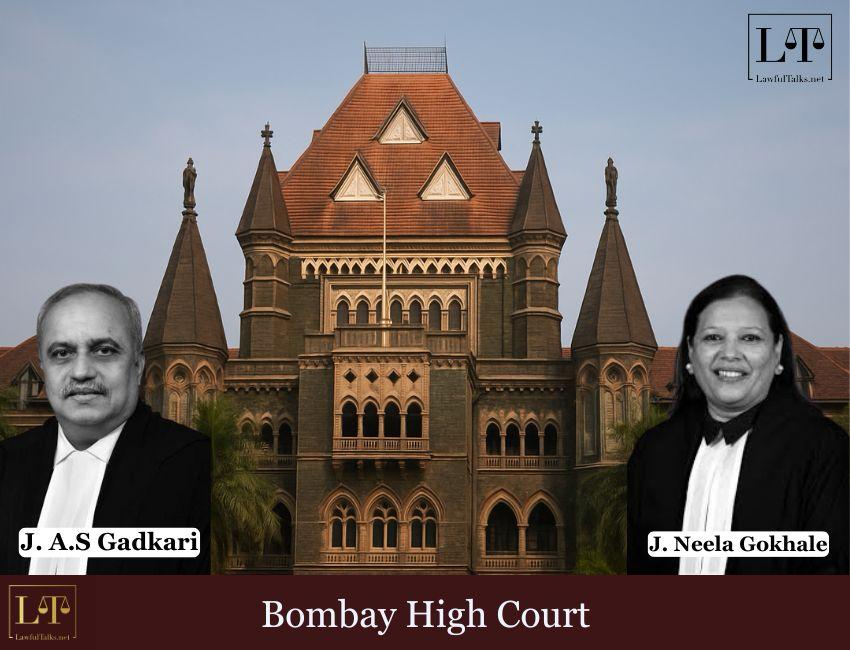
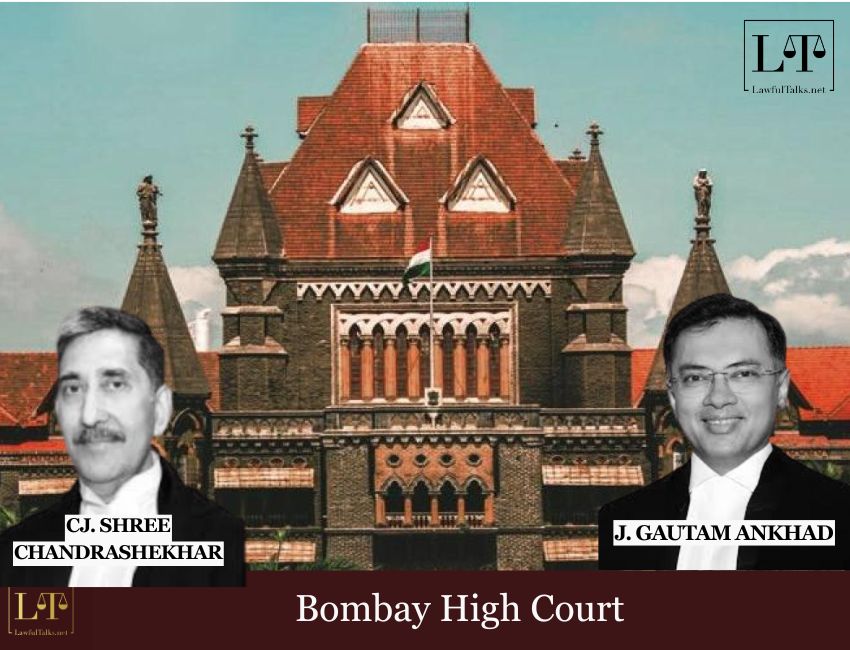
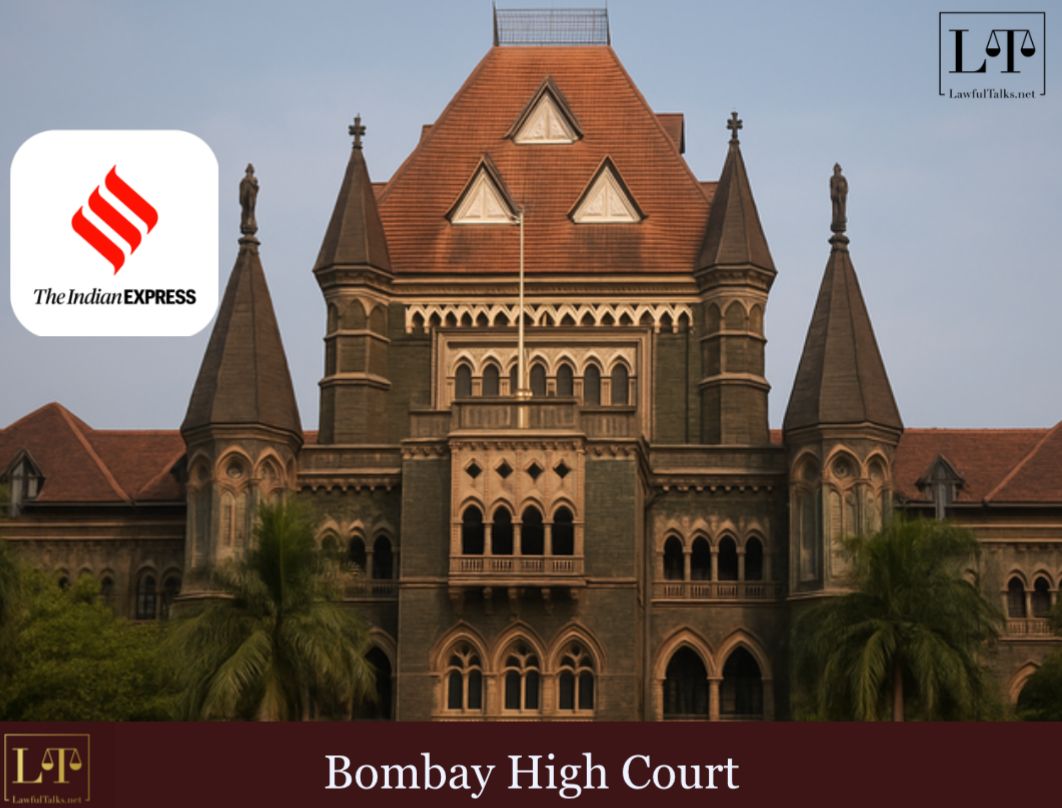
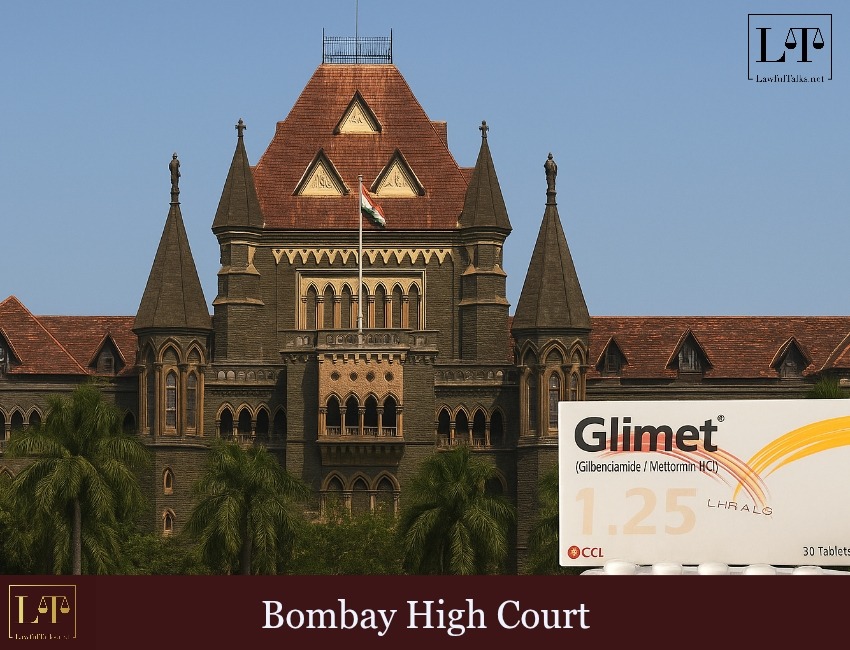
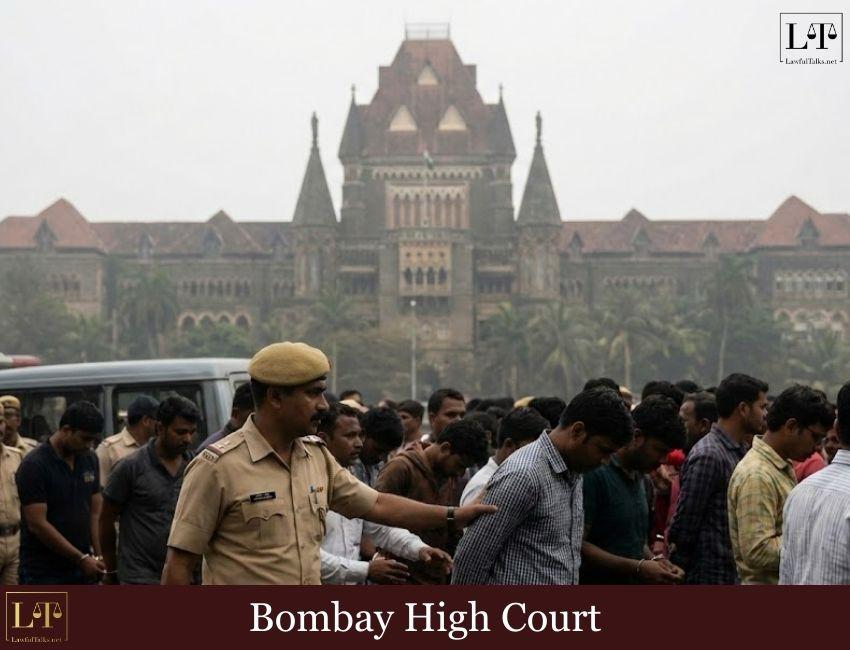
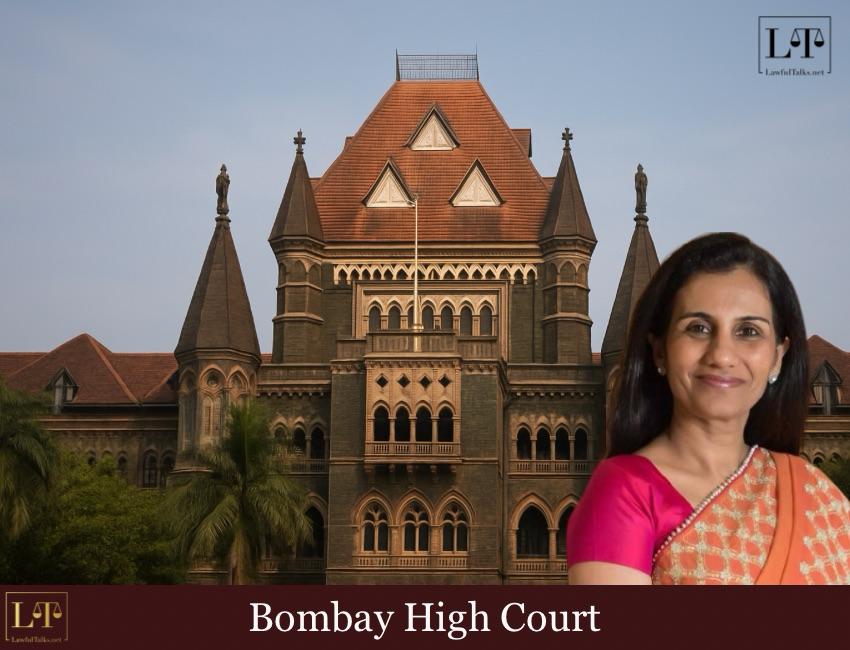
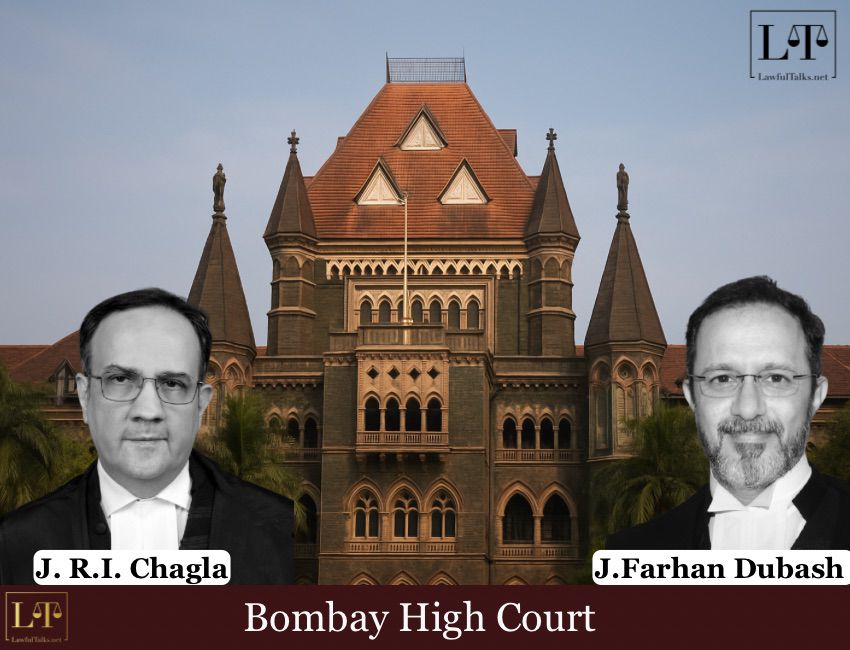
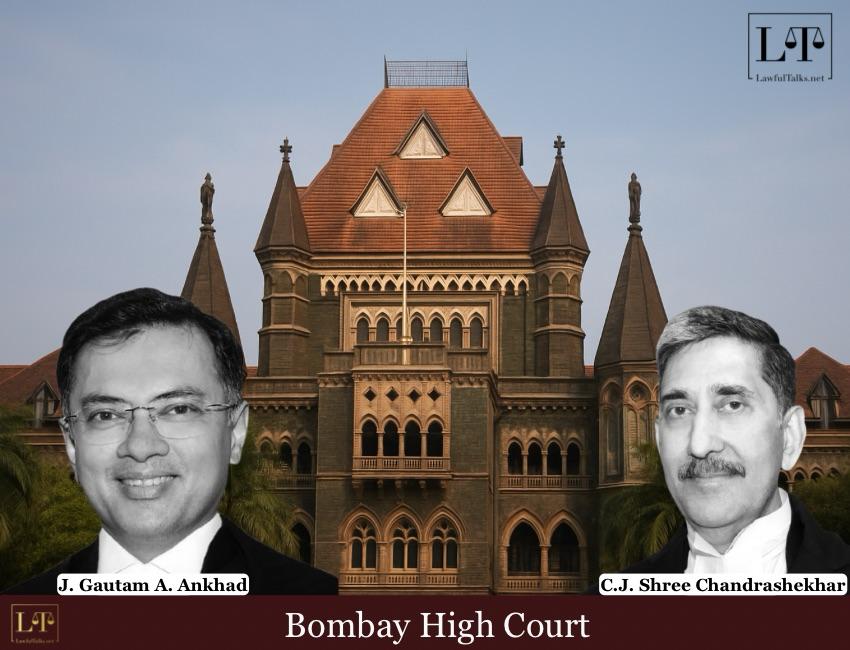
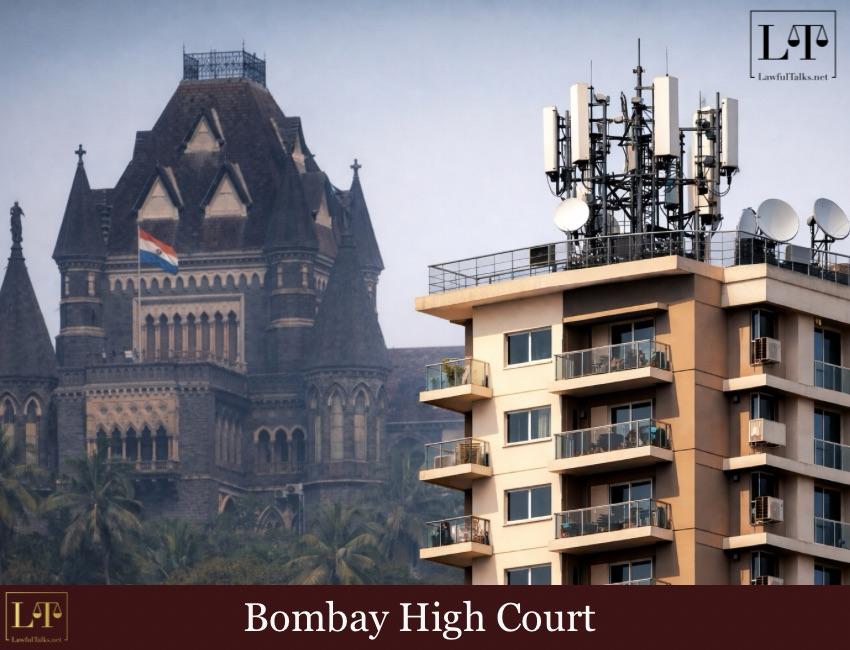
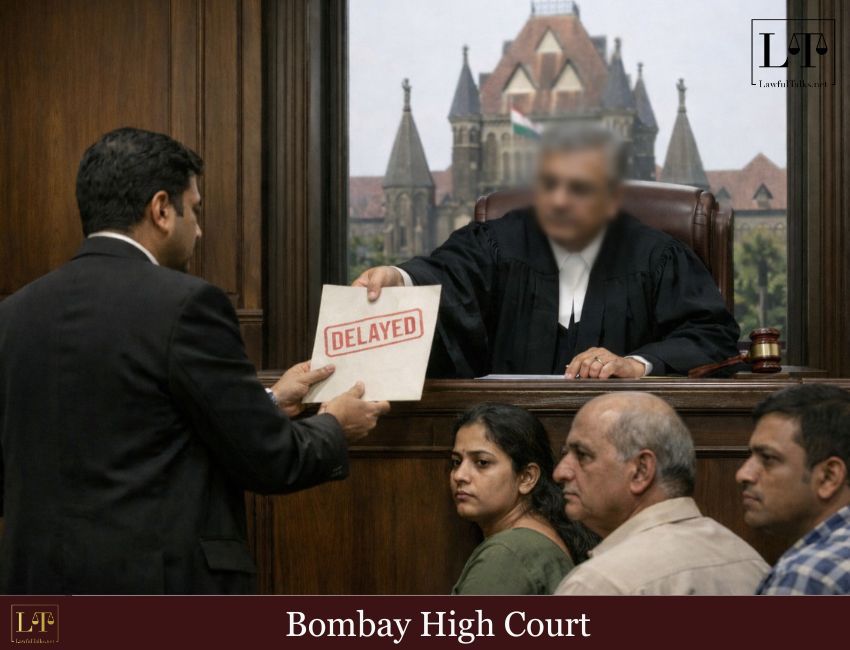
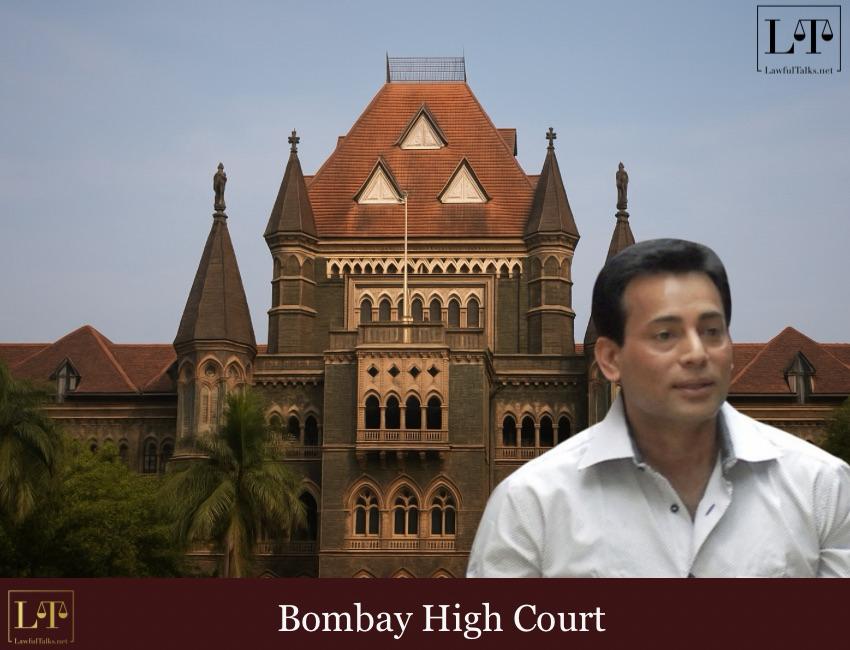
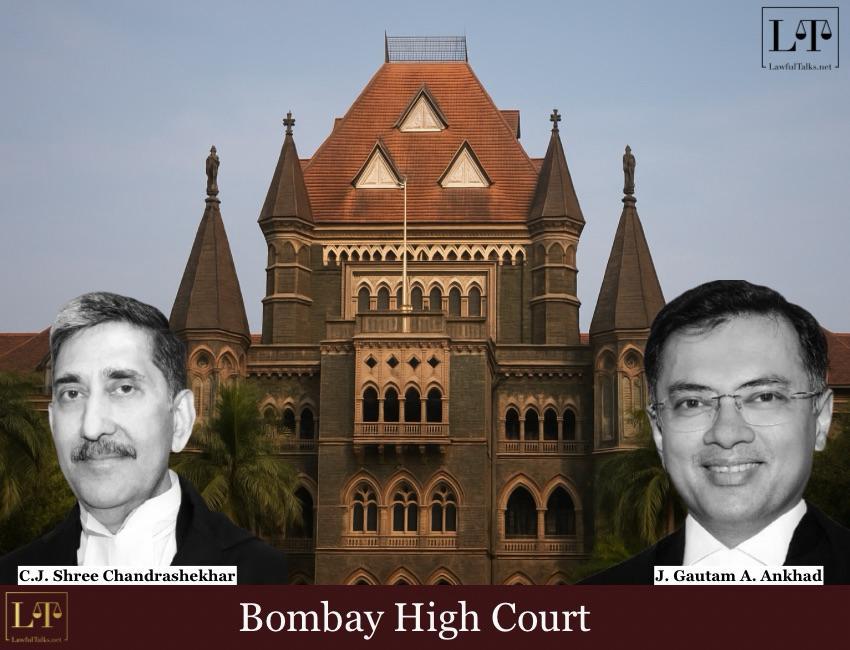
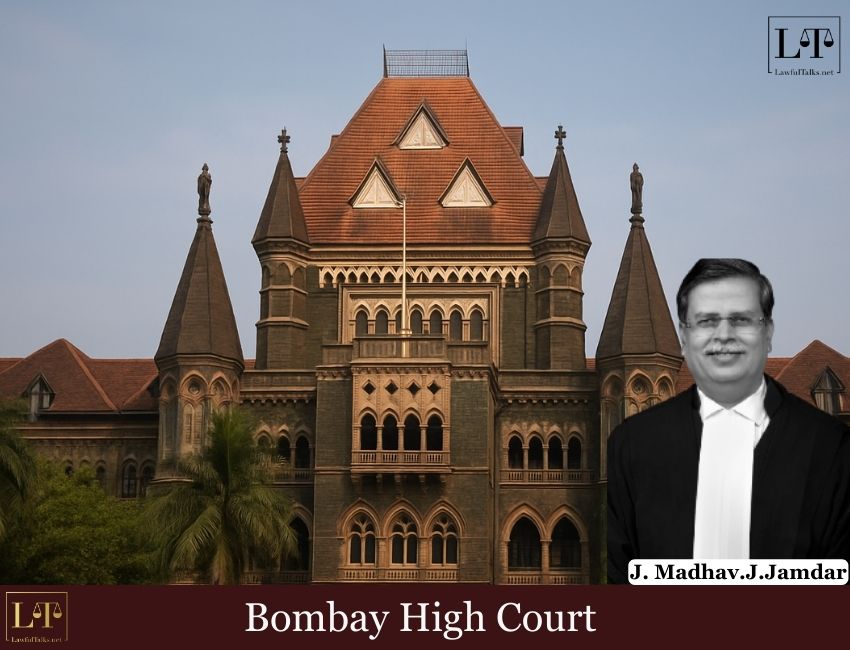
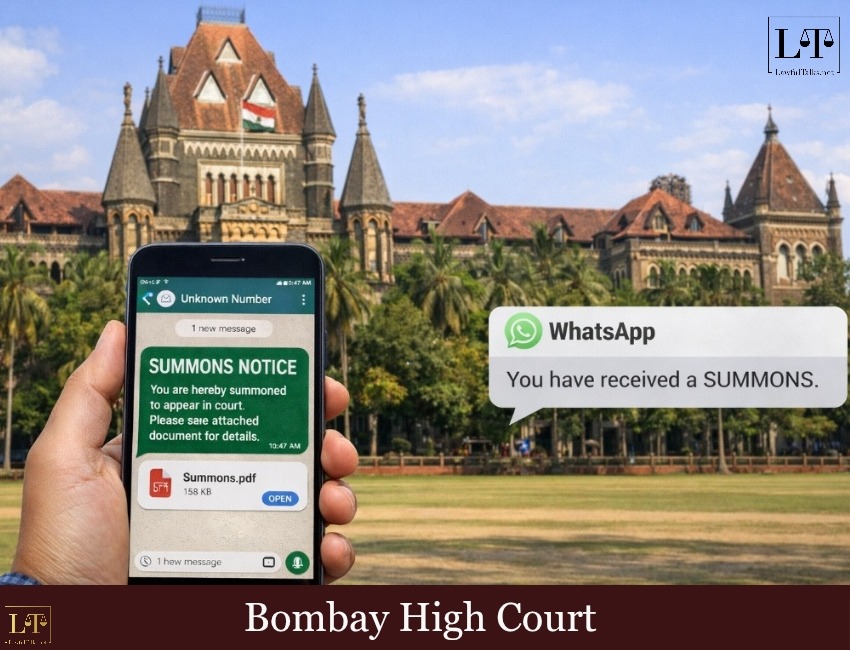
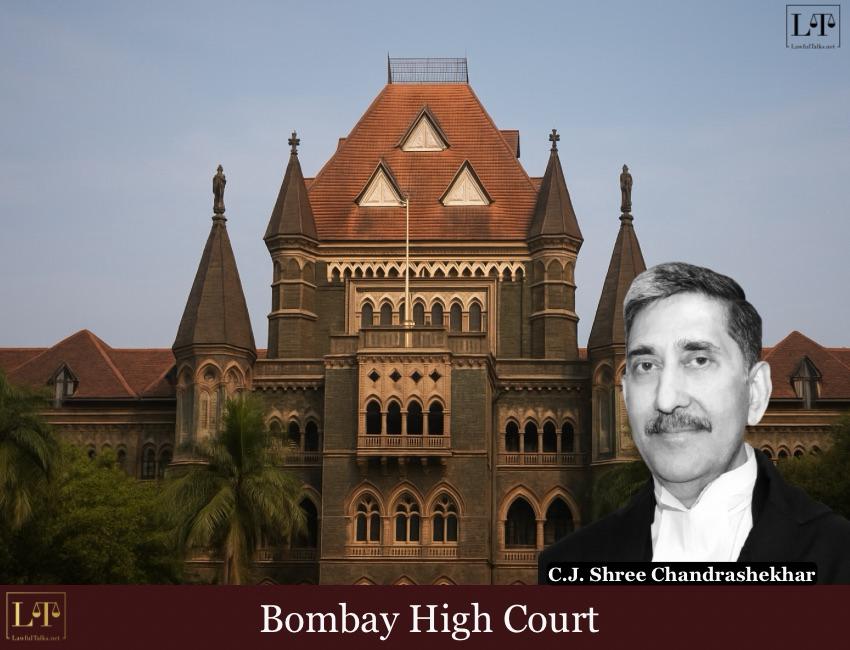
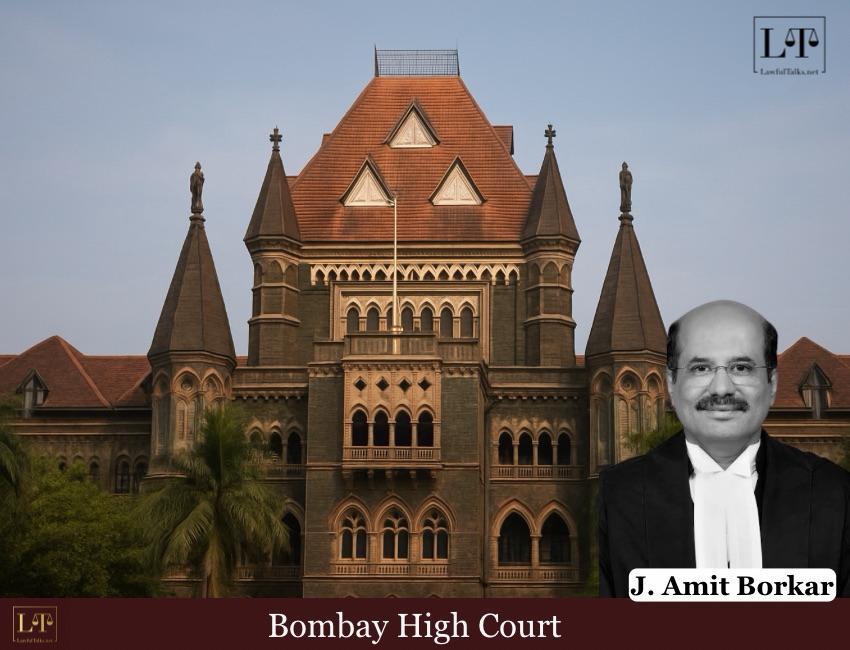
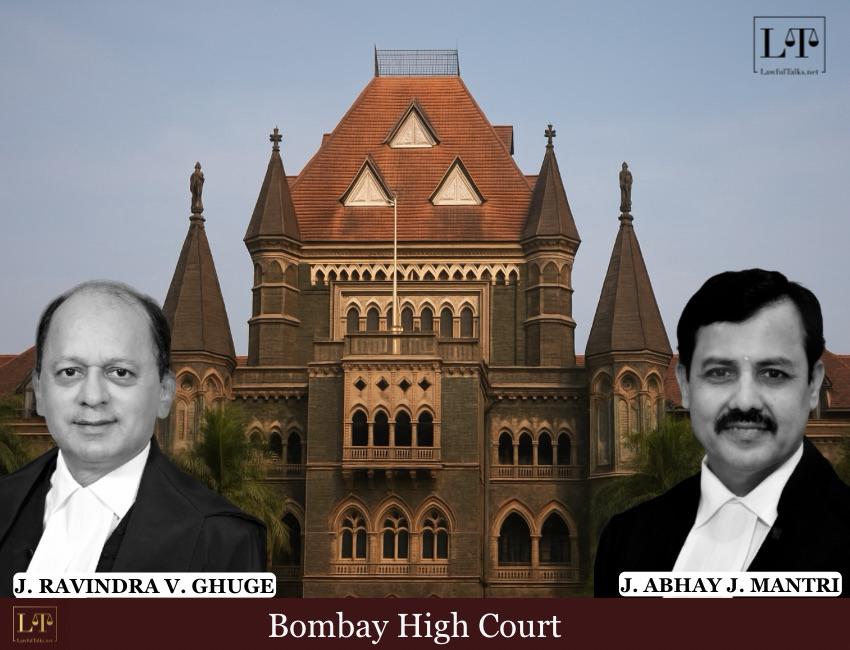
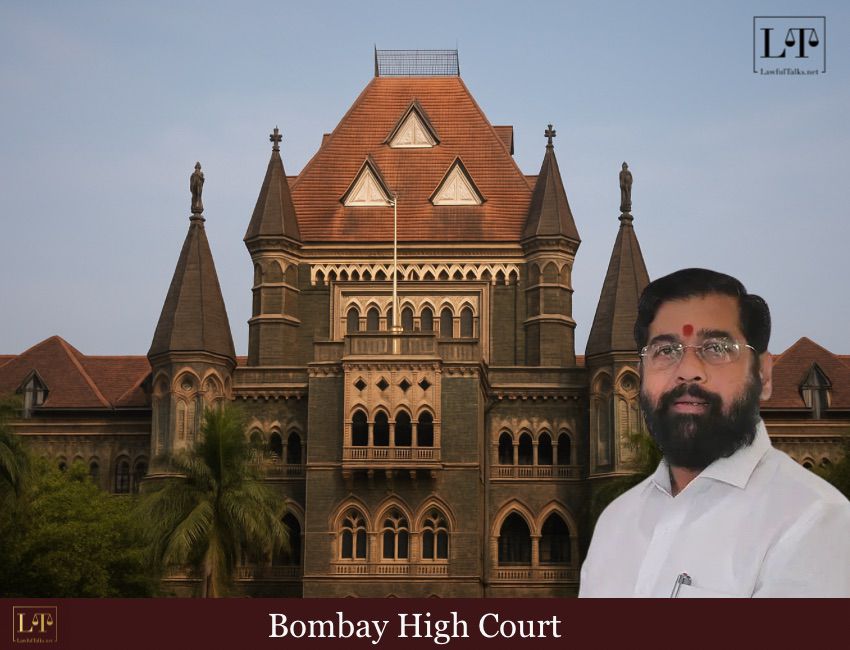
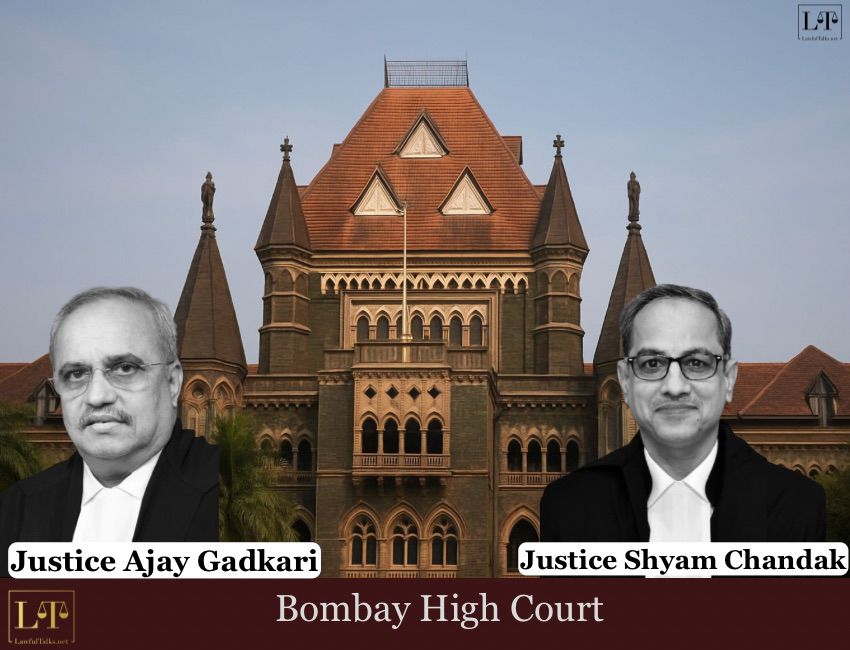
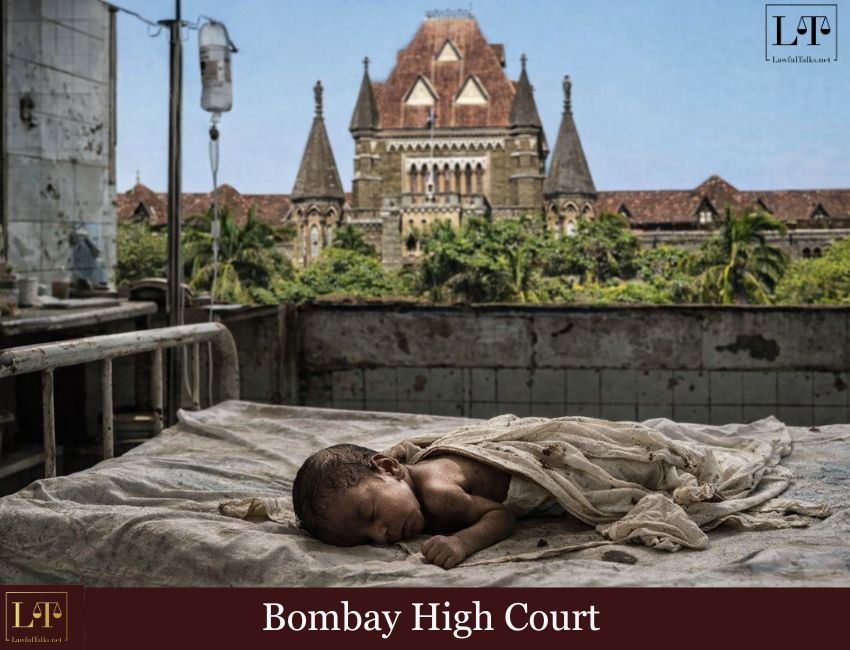
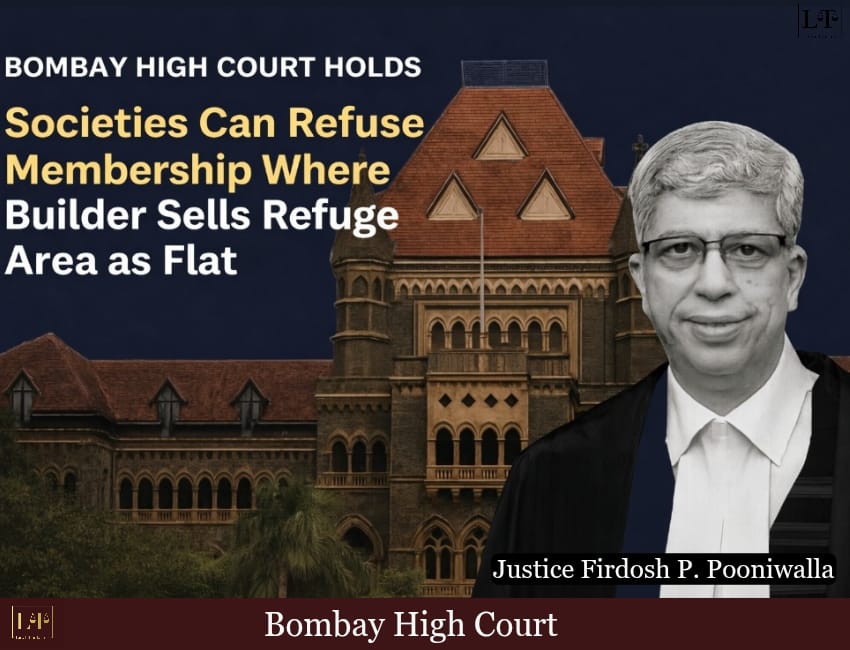
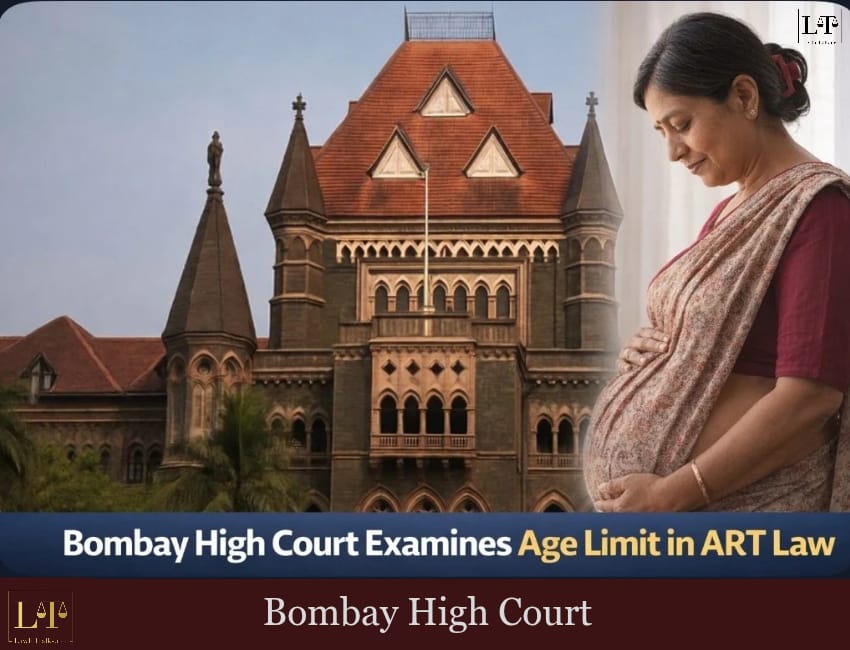
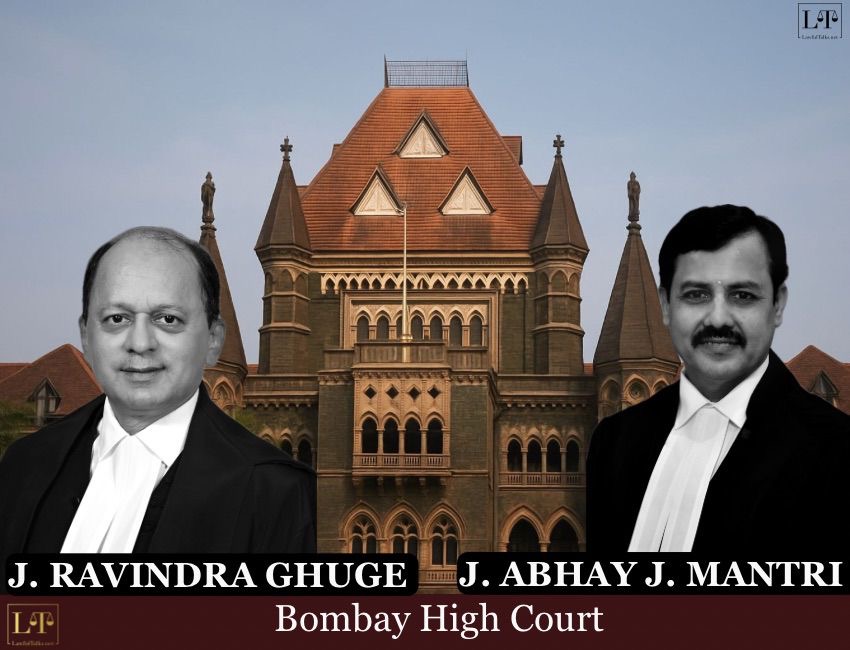
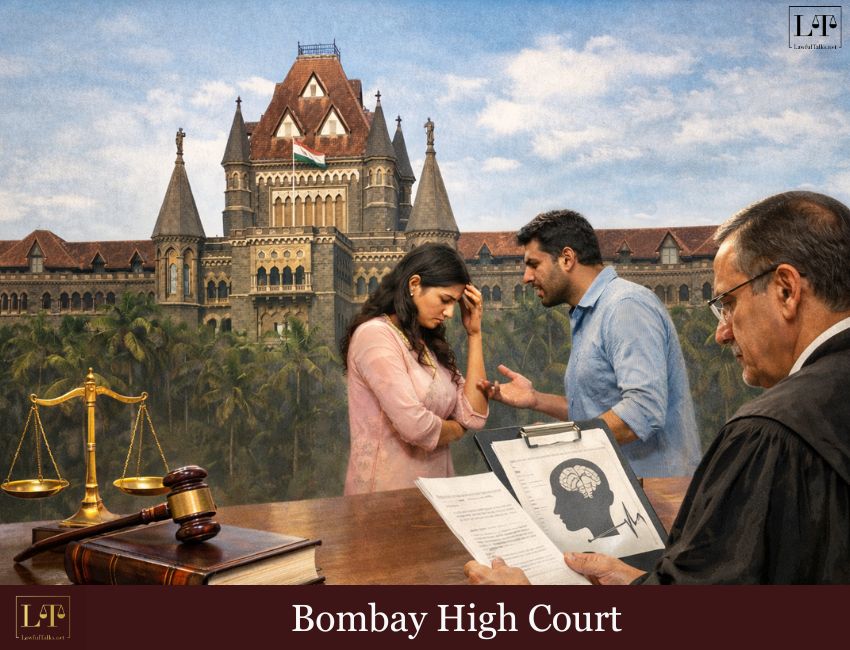
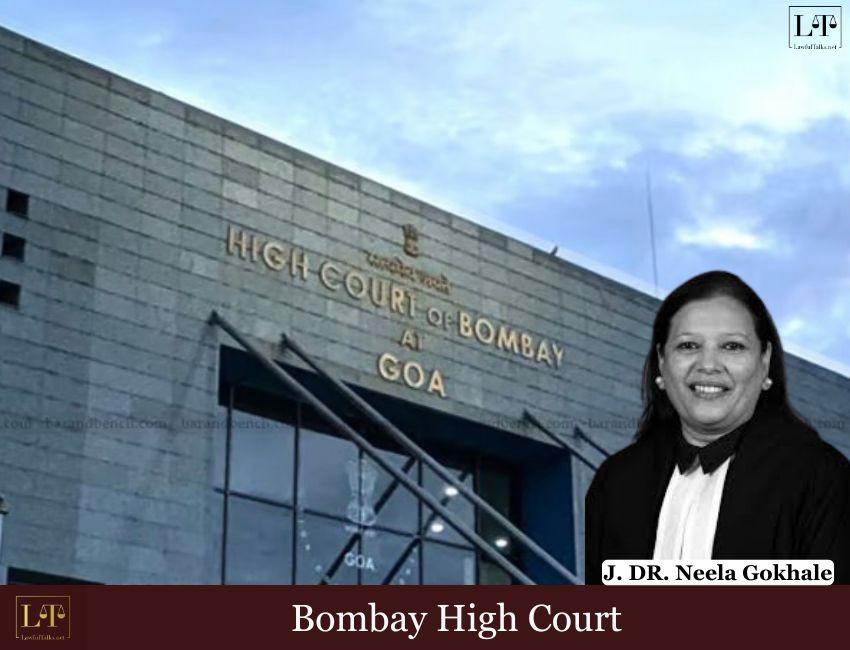
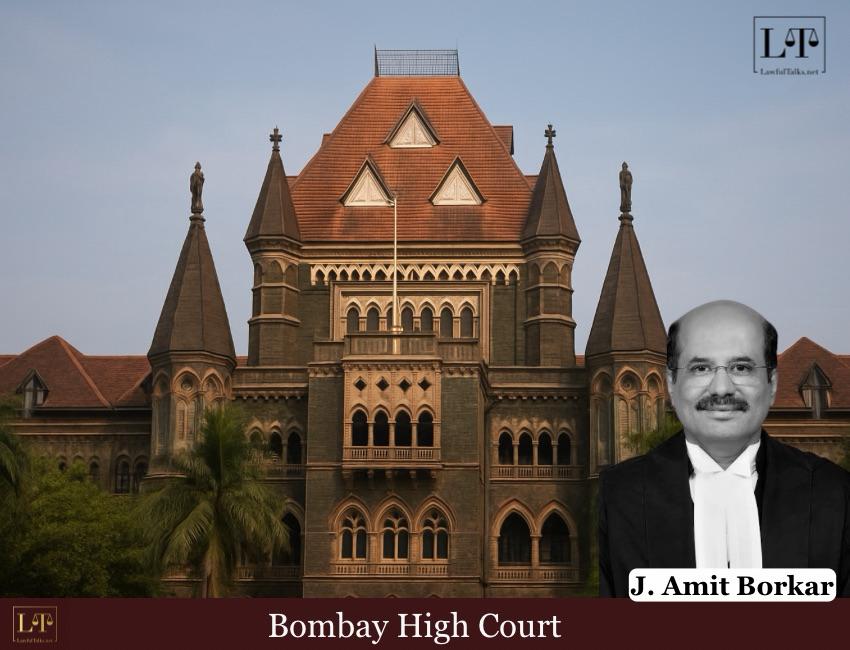
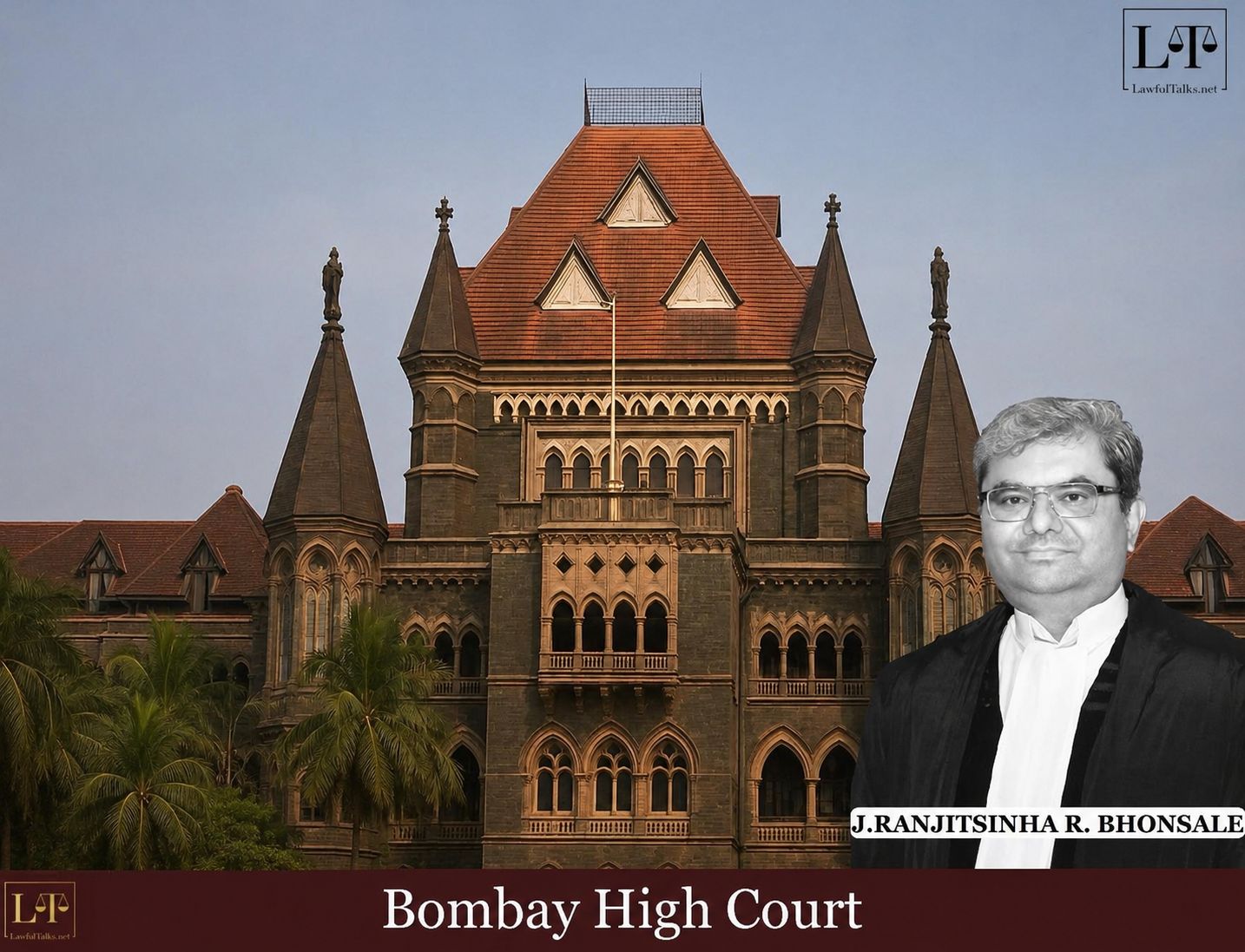
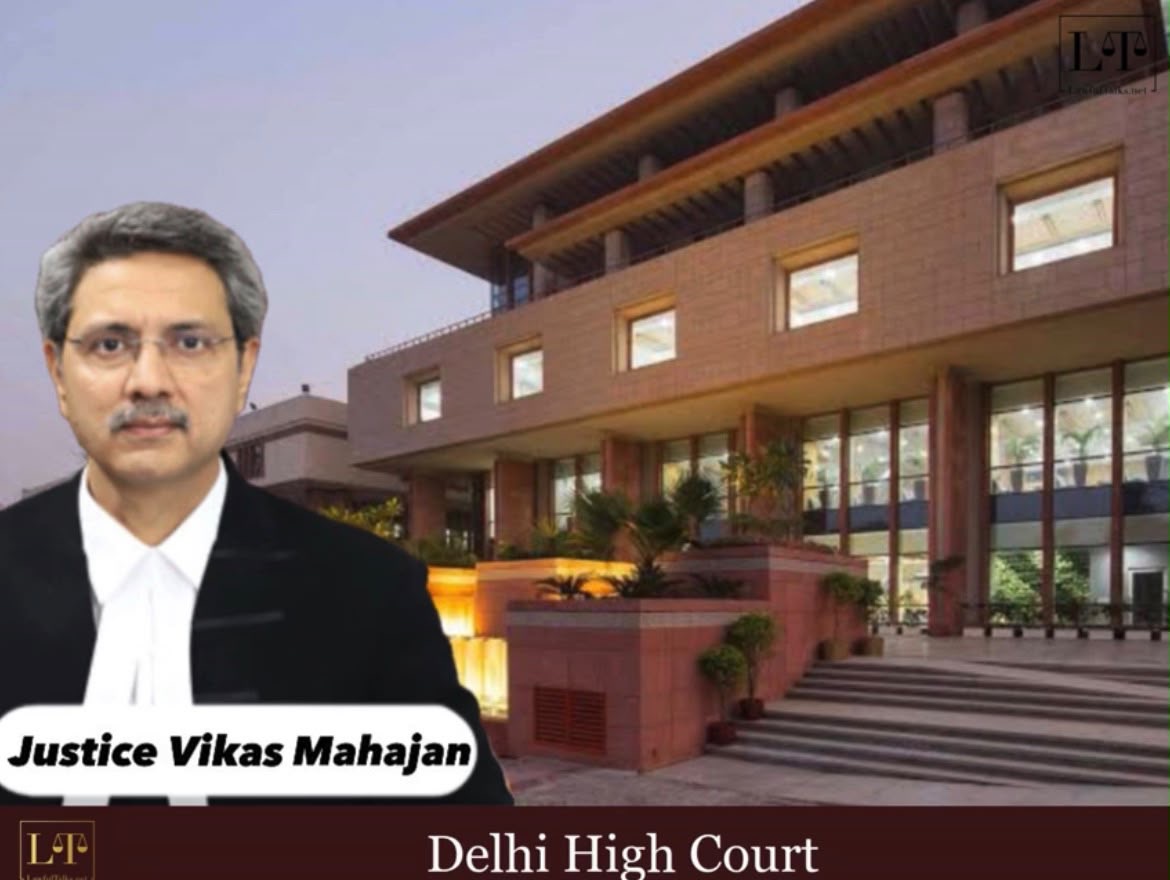
The Bombay High Court recently delivered an important judgment on deemed conveyance under the Maharashtra Ownership of Flats Act, 1963 (MOFA). The case was decided by Justice Farhan P. Dubash.
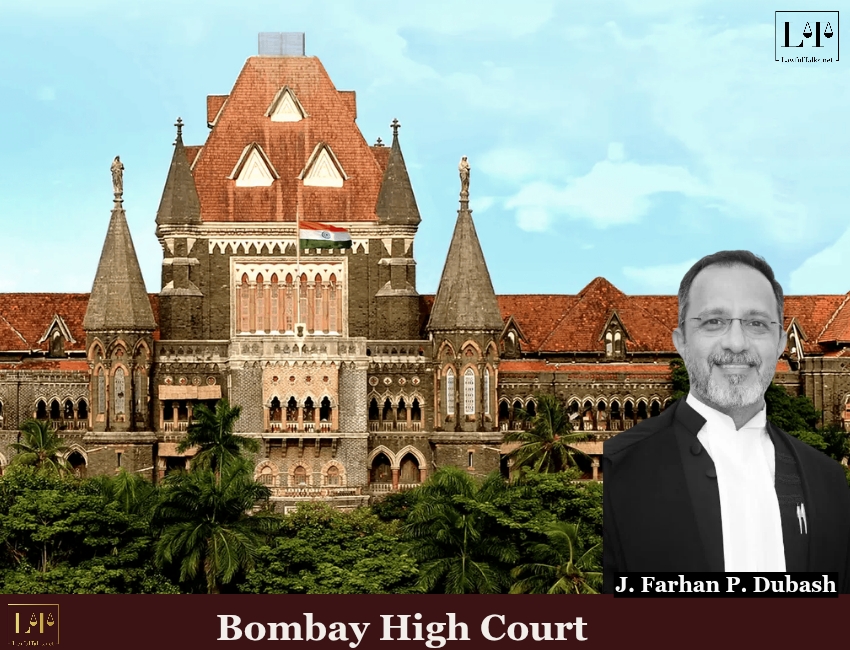
The Court examined whether a co-operative housing society could file a second application for deemed conveyance when its earlier application had already been rejected and that order had become final. The court also examined the principles of res judicata and finality of legal proceedings.
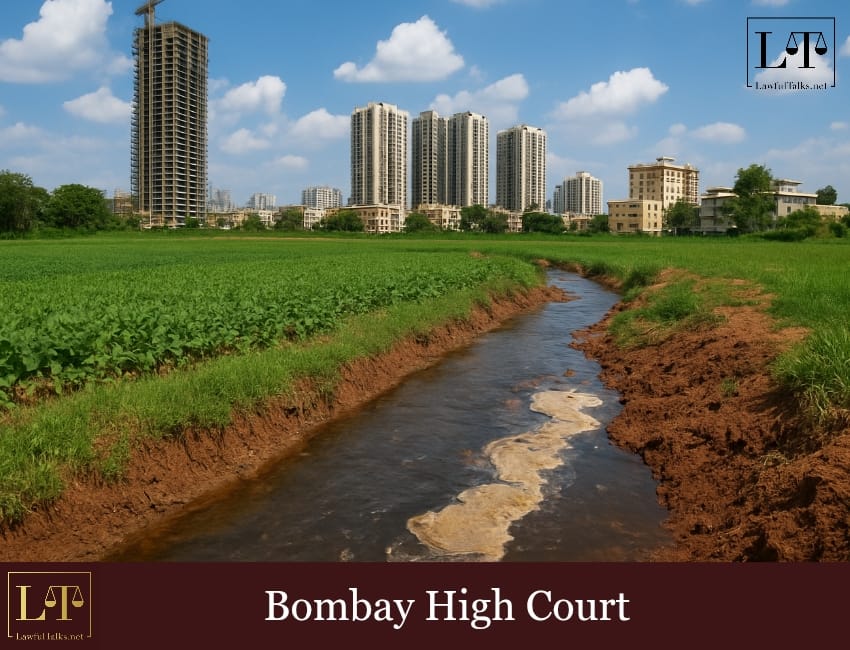
The dispute related to a residential layout in Mumbai comprising several co-operative housing societies (CHSL), including Apeksha CHSL and Noble House CHSL.
A civil suit regarding conveyance rights over the same property had already been filed by Noble House CHSL and was pending before the City Civil Court. During the pendency of that suit, Apeksha CHSL filed an application for deemed conveyance under Section 11 of Maharashtra Ownership of Flats Act, 1963 (MOFA.)
On 4 August 2016, the Competent Authority rejected Apeksha CHSL’s application. However, it granted liberty to the society to file a fresh application only after the disposal of the pending civil suit.
Before the civil suit was disposed of, Apeksha CHSL filed a second deemed conveyance application in January 2017. This second application was allowed, and a unilateral deemed conveyance was executed in favour of the society.
Aggrieved by this decision, the developer of the entire Residential layout (B.K. Corporation) approached the Bombay High Court. The petitioner argued that the second application was not maintainable because the earlier order had attained finality and the condition imposed in that order had not been satisfied.
The Court observed:
“The liberty was therefore conditional and not absolute.”
The Court noted that the order dated 4 August 2016 had never been challenged. Therefore, it continued to bind the parties. The Court held that a party cannot ignore an existing order merely because it believes the order is legally incorrect.
Referring to the doctrine of res judicata, the Bombay High Court relied on the Supreme Court’s decision in M/s Faime Makers Pvt. Ltd. v. District Deputy Registrar, where the Supreme Court held:
“From the foregoing discussion, it is evident that once a competent authority (quasi-judicial in nature) settles an issue, that determination attains finality unless it is set aside in accordance with law.”
The Bombay High Court found that the second application was based on the same facts, involved the same parties, and related to the same property as the first application.
Since the pending civil suit had not yet been decided, the condition attached to the earlier order remained unfulfilled.
The judge held:
“Since that contingency admittedly never occurred, I am of the considered view that the second application was not only premature but the same was also barred by principles analogous to res judicata and by the doctrine of finality of proceedings.”
The Court also considered whether the Competent Authority had the power to reconsider its earlier decision.
It held that MOFA does not grant any power of review to the Competent Authority. The Court observed:
“A statutory or quasi-judicial authority does not possess any inherent power of review.”
According to the Court, by entertaining and allowing the second application, the Competent Authority had effectively reviewed its own earlier order without any statutory authority. As a result, it had acted beyond its jurisdiction.
The Bombay High Court held that the second deemed conveyance application was not maintainable and that the Competent Authority had acted without jurisdiction in entertaining it.
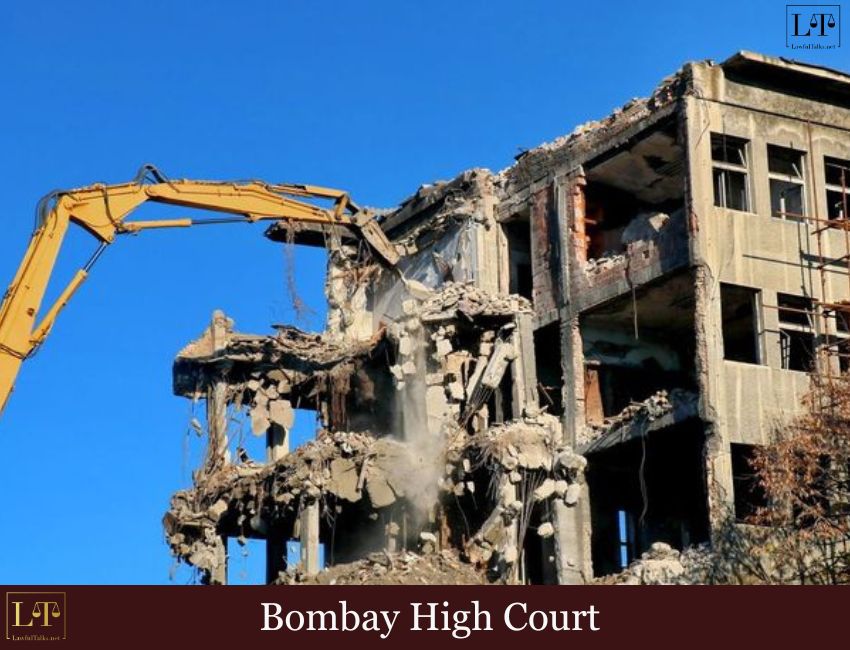
Accordingly, the Court set aside the order dated 31 May 2017 granting deemed conveyance. It also cancelled the unilateral deed of deemed conveyance that had been executed pursuant to that order.
At the same time, the Court clarified that the rights and contentions of the parties in the pending civil suit would remain unaffected.
The Court also granted liberty to Apeksha CHSL to challenge the earlier order dated 4 August 2016 before the appropriate forum if it wished to question the legality of that order.
After the judgment was delivered, counsel for Apeksha CHSL requested a stay on its operation so that the society could challenge the decision before a higher forum.
Considering this request, Justice Farhan P. Dubash stayed the operation of the judgment for four weeks, until 7 July 2026. The stay was granted to give Apeksha CHSL time to pursue appropriate legal remedies before the appellate court.
Case details: BK Corporation v State of Maharashtra 2453 OF 2018






























































































Sign up for free and be the first to get notified about curated content just for you.