Claims of Influence Over Judges, ₹10.92 Lakh, and a Fake Bail Order: Punjab and Haryana HC Denies Advocate Anticipatory Bail

- June 24, 2026


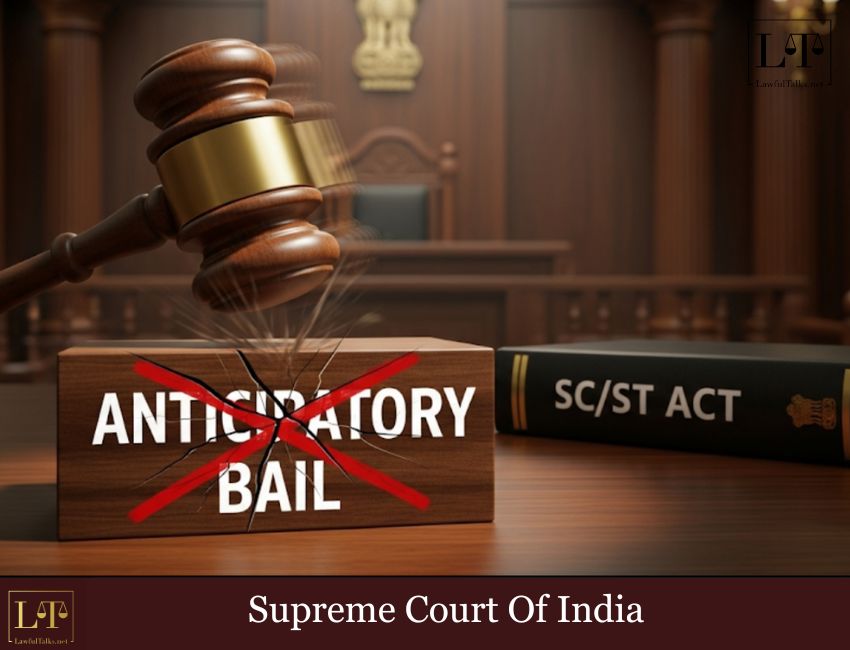
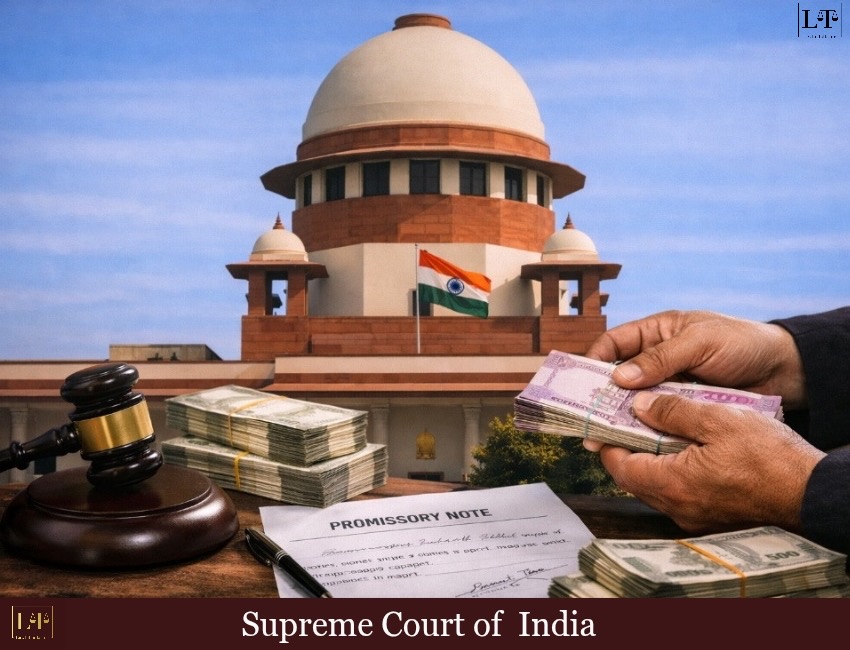
The Punjab and Haryana High Court has refused to grant anticipatory bail to an advocate accused of cheating people of more than ₹10.92 lakh by allegedly promising to get bail for an undertrial prisoner through his claimed influence over judges, court officials and other public servants.

Fake Bail Order Claim:
The advocate is facing allegations under Section 318(4) of the Bharatiya Nyaya Sanhita, 2023 and Sections 8 and 12 of the Prevention of Corruption Act, 1988. The prosecution also alleged that the petitioner showed the complainants a fake High Court bail order.
According to the prosecution, the complainants approached the advocate to obtain bail for Baljit Singh, the husband of Jaspreer Kaur, who was in jail in a criminal case.
How the Money Was Allegedly Taken:
It was alleged that the advocate presented himself as a lawyer with strong connections to senior officials and members of the judiciary. He allegedly assured the complainants that he would secure bail for Baljit Singh and, on that basis, demanded money from them from time to time.
The complainants claimed that they paid around ₹10.92 lakh to the advocate through bank transfers, digital transactions, and cash payments. They further alleged that the advocate showed them what he claimed was a High Court bail order.
However, the investigation found that no such bail application had ever been filed and that the alleged bail order was forged.
Advocate’s Defence:
The advocate argued that he is a practising lawyer enrolled with the Bar Council of Punjab and Haryana and had been professionally engaged by the complainants. He submitted that the dispute was essentially about professional fees and legal expenses and had wrongly been turned into a criminal case.
He further argued that there was no evidence showing that he had a dishonest intention from the beginning of the transaction, which is a necessary element of the offence of cheating.
The advocate also contended that the provisions of the Prevention of Corruption Act did not apply to him because he is not a public servant.
His counsel submitted that he is a young lawyer with roots in society, has no criminal record, and that his arrest would cause irreparable harm to his professional reputation and livelihood. On this basis, he sought anticipatory bail.
No Special Treatment:
Rejecting these arguments, the High Court observed:
“Merely because the petitioner is a practicing advocate cannot constitute a ground for grant of anticipatory bail. The status of a profession neither places a person above the law nor creates a separate standard for considering a prayer under Section 482 BNSS. The Court is required to assess the matter on the touchstone of settled principles governing anticipatory bail, namely the nature and gravity of the accusation, the role attributed to the accused, the requirement of custodial interrogation and the overall impact of the alleged conduct upon the investigation.”
State Opposes Bail:
The prosecution opposed anticipatory bail and relied on evidence collected during the investigation, including bank records and electronic evidence.
According to the State, bank statements verified during the investigation showed that substantial amounts had been transferred by the complainants to the advocate.
Need for Custodial Interrogation:
The State further argued that the case was not limited to cheating. It involved allegations of creating and using a forged judicial order. It submitted that the investigation into the preparation and circulation of the alleged fake bail order was still ongoing and that custodial interrogation was necessary to recover electronic devices, retrieve deleted data, and identify others involved in preparing the document.
The Court noted that the material collected during the investigation prima facie showed that more than ₹10.92 lakh had been received from the complainants.
Court on Serious Allegations:
The Court further observed that the allegations were not merely about payment of professional fees. They involved claims that money was taken on the representation that it would be used to influence public officials and obtain a favourable court order.
Forgery Strikes at Justice:
The Court placed particular emphasis on the allegation regarding the forged bail order and observed:
“Significantly, the allegation is not merely of receipt of professional fee but of obtaining money on the representation that the same was required for influencing public officials and securing a favourable judicial order. The prosecution has also placed on record material suggesting that a forged bail order purportedly emanating from this Court was shown to the complainants. The seriousness of such an allegation cannot be understated, as any attempt to fabricate judicial records strikes directly at the administration of justice and warrants a thorough and effective investigation.”
Bail Rejected:
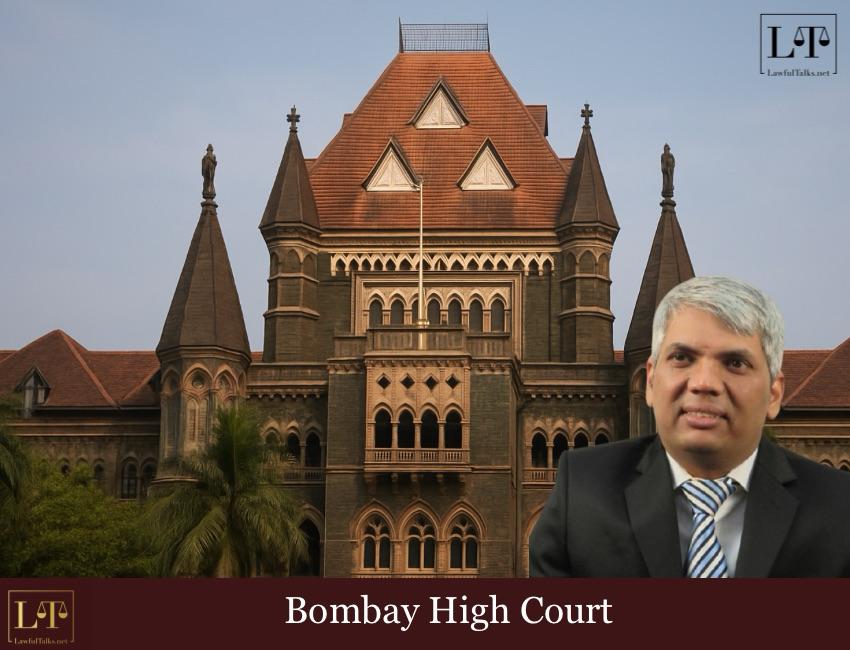
Holding that the allegations were serious and that custodial interrogation was necessary for the recovery and examination of digital evidence, Justice Deepak Gupta refused to grant anticipatory bail.
The Court held:
“Having regard to the nature of accusations, the amount allegedly involved, the requirement of custodial interrogation for recovery and examination of digital evidence, and the stage of investigation, this Court is of the considered opinion that no case is made out for exercise of the extraordinary discretionary jurisdiction of granting anticipatory bail.”
Case Details: Anurag Khullar @ Vishal v. U.T. Chandigarh



















































































































































































































Sign up for free and be the first to get notified about curated content just for you.