This Coconut Tree Dispute Reached the Kerala HC. The Judge Said the Tree Might Be Laughing

- June 24, 2026


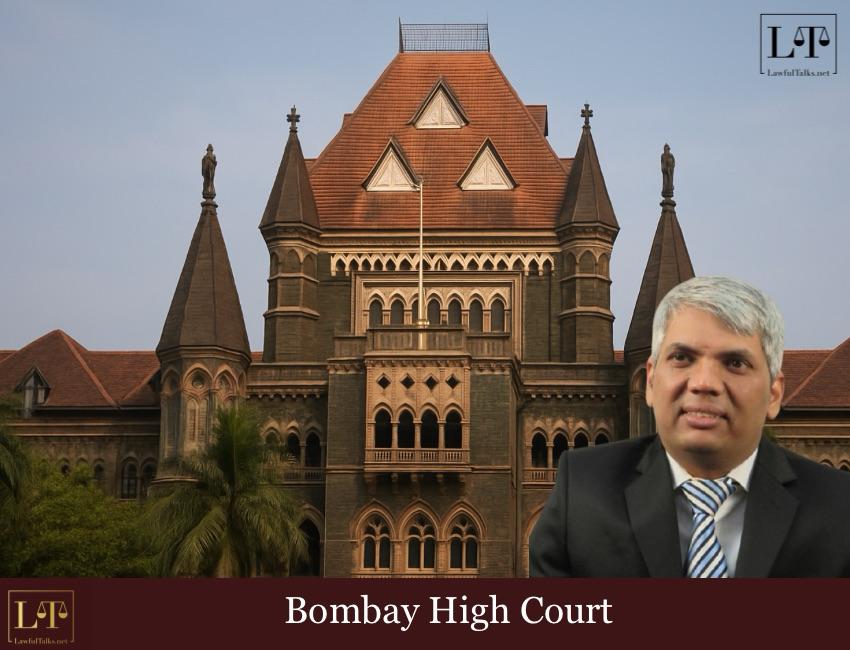
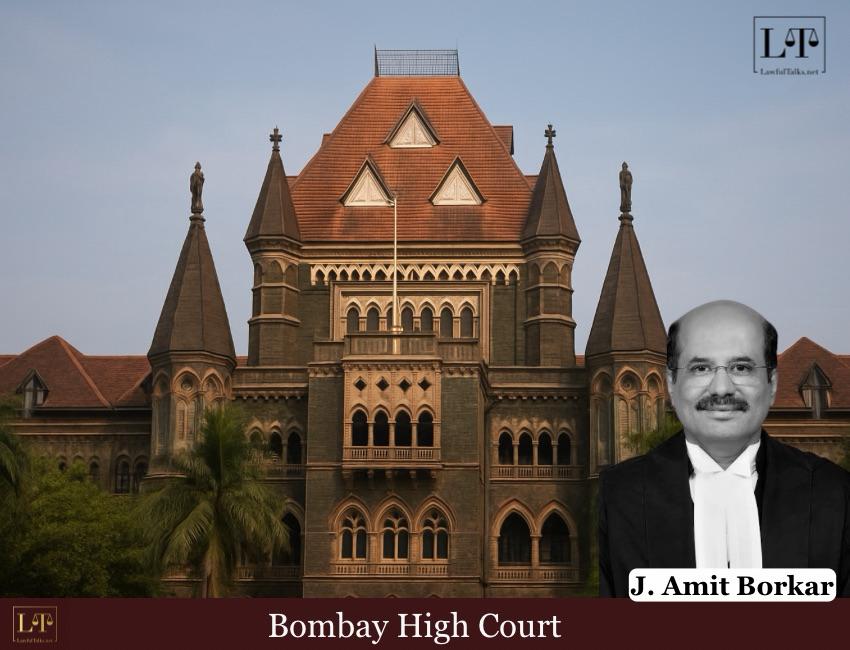
The Kerala High Court recently dismissed a writ petition arising from a dispute between two neighbours over a coconut tree, observing that the matter was a trivial neighbourhood disagreement that had unnecessarily reached the High Court.

Tree That Could Laugh:
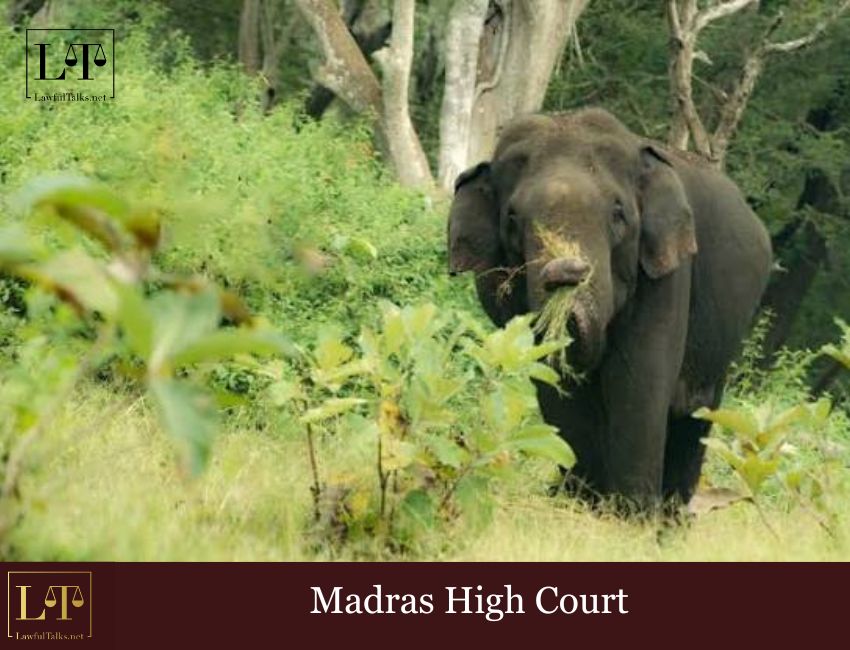
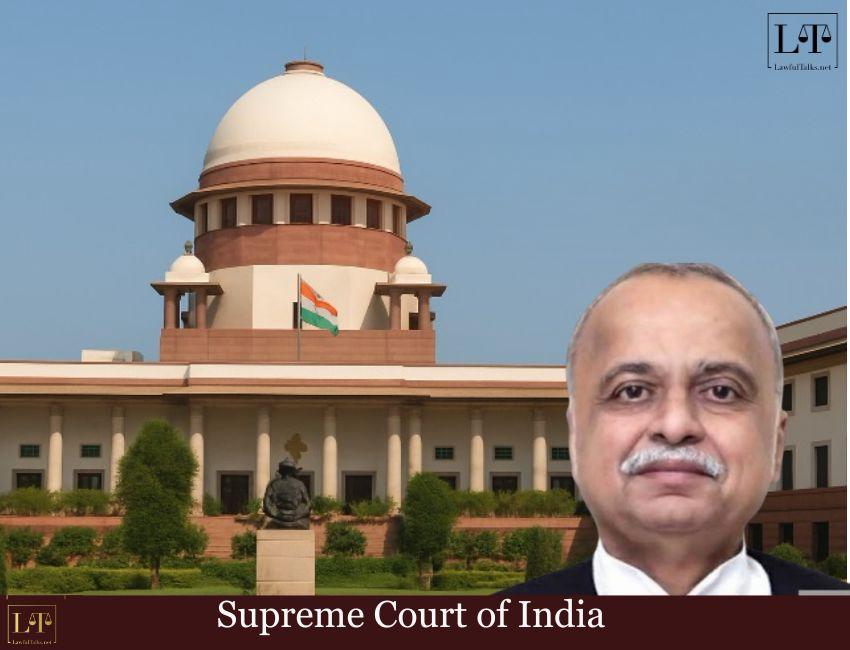
Justice P.V Kunhikrishnan remarked that if the coconut tree at the centre of the dispute had the ability to laugh, it would have laughed at the neighbours fighting over it.
“If a coconut tree has the capacity to laugh, the coconut tree might have laughed towards these fighting neighbours.”
Could Have Been Settled Over Tea:
The court noted that a matter that could have been resolved amicably had travelled through several authorities before finally reaching the High Court.
The judge said:
“What should have been resolved over a shared cup of tea or coffee has instead ripened into a full-blown litigation, as if every swaying frond were a legal threat and every coconut an impending exhibit. If the tree itself could think, as I mentioned earlier, it might well wonder how its quiet existence has become the subject of wasting unnecessary judicial time of this court.”
The dispute:
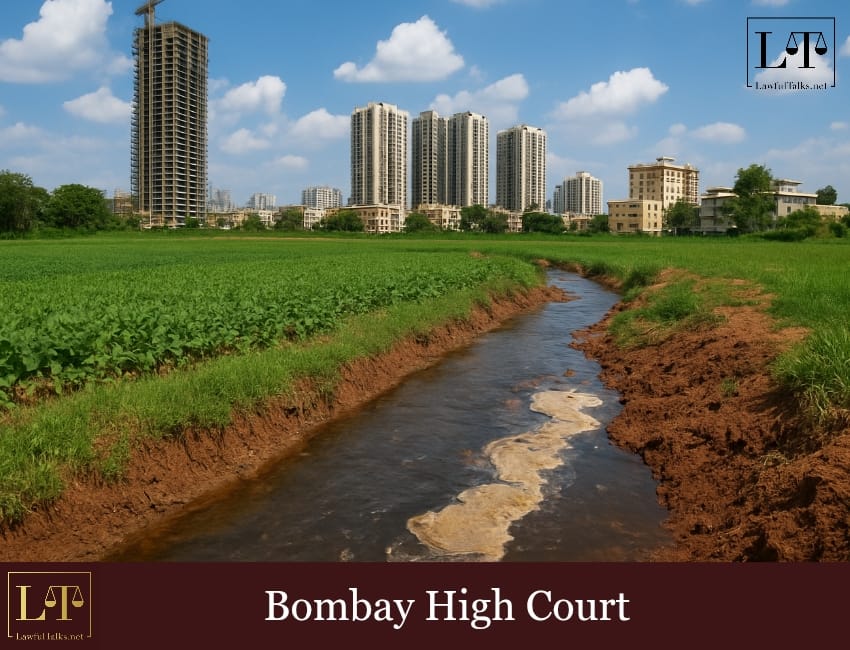
The petitioner and the ninth respondent are neighbours living in Thiruvananthapuram district. A coconut tree located on the ninth respondent’s property became the subject of repeated complaints by the petitioner, who claimed that the tree posed a danger to his family and property.
“In the property of the 9th respondent, a coconut tree is also situated. According to the petitioner, this coconut tree is causing severe damage to the petitioner and his family.”
The petitioner first approached the panchayat and revenue authorities. He later approached the Ombudsman for Local Self Government Institutions. Even after directions were issued requiring protective measures, he remained dissatisfied and eventually moved the High Court.
Court-Appointed Inspection:
During the proceedings, the High Court appointed an Advocate Commissioner after the petitioner agreed to bear the inspection expenses. The Court fixed the Commissioner’s remuneration at Rs. 1,00,000/-, which the petitioner paid.
The Commissioner’s report stated that the coconut tree was well-rooted and did not pose any imminent danger of falling. The report also stated that the tree had been secured with an iron support and that a protective net had been installed to prevent coconuts from causing damage.
The Commissioner further suggested that extending the net and carrying out periodic maintenance would adequately address the petitioner’s concerns .
Referring to the Commissioner’s report, the Court noted:
“The Advocate Commissioner further reported that the net placed around the tree presently serves as a protective measure against the danger apprehended by the petitioner. If the width of the net is further extended and periodic cleaning of the tree is carried out, the same would constitute an effective remedial measure for safeguarding the petitioner and the petitioner's property.”
Court-Appointed Inspection:
The Court observed that the dispute had unnecessarily travelled from local authorities to the Ombudsman and ultimately to the High Court.
Court’s Criticism:
Justice Kunhikrishnan described the matter as a “classic example of unnecessary litigation” arising from trivial neighbourhood disputes and expressed concern over the wastage of valuable judicial time.
The judge noted:
“As I mentioned earlier, the present case is a classic example of unnecessary litigation arising out of a trivial neighbourhood dispute that has unfortunately travelled from the local authority, the revenue authority, the Ombudsman, and to this court.”
“At a time when the courts are overburdened with serious civil, criminal, and other matters, judicial time is wasted in this manner by arguing this case.”
The Court emphasized that the law cannot replace basic neighbourly goodwill and that the courts exist to resolve genuine disputes where legal rights are actually threatened.
Love Your Neighbour:
In an unusual observation, the Court referred to Matthew 22:39 from the Holy Bible, which states,
“Love your neighbour as yourself.” The Court urged both parties to reflect upon the message and resolve their differences amicably.
The Court also observed that neighbours are often the first people available during emergencies and should maintain cordial relations rather than engage in prolonged hostility.
The judge remarked:
“Let Jesus Christ shower them with blessings to follow the Holy Bible, Matthew 22:39. The petitioner and the 9th respondent should remember that only neighbours will be there when an emergency arises.”
No Danger, Says Court:
While refusing to interfere with the measures already taken by the authorities, the Court said that the Panchayat could continue monitoring the situation and issue further directions if any genuine danger arose in the future.
“I am of the considered opinion that there is absolutely no danger because of the existence of the coconut tree in the property of the 9th respondent. If the protective net already placed in the coconut tree is to be further extended, the 8th respondent can issue necessary directions to the 9th respondent,”stated the court.
Settle It Over Tea Or Coffee:
Before disposing of the petition, the Court concluded with the following observation:
“let them settle the enmity on this silly problem over a cup of tea or coffee.”
Case Details:Gopinath R vs Ombudsman for Local Self Government Institutions and Ors.
















































































































































































































































Sign up for free and be the first to get notified about curated content just for you.