Can a 70% Disability Be Treated as 100%? SC Says Yes—In This Case

- June 29, 2026


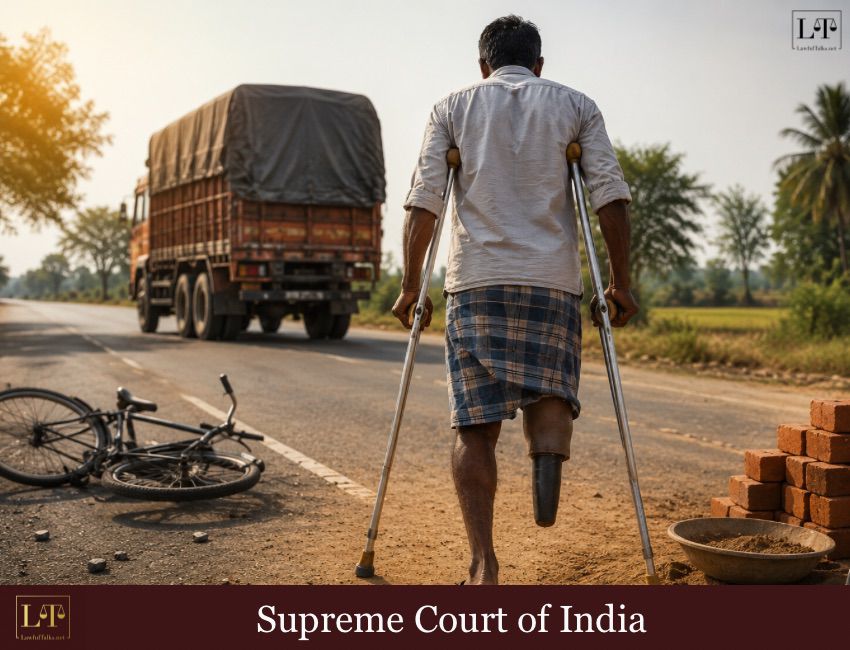
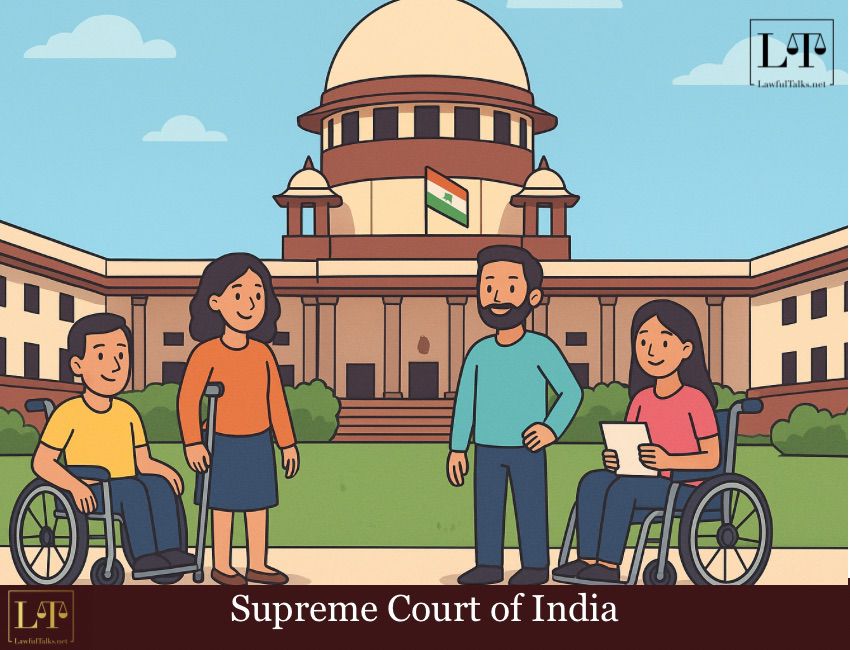
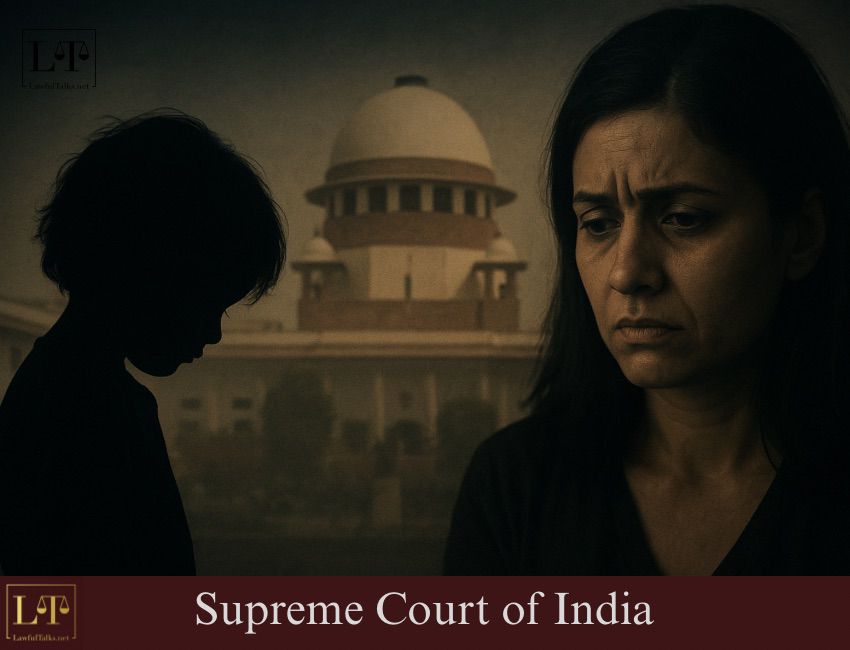
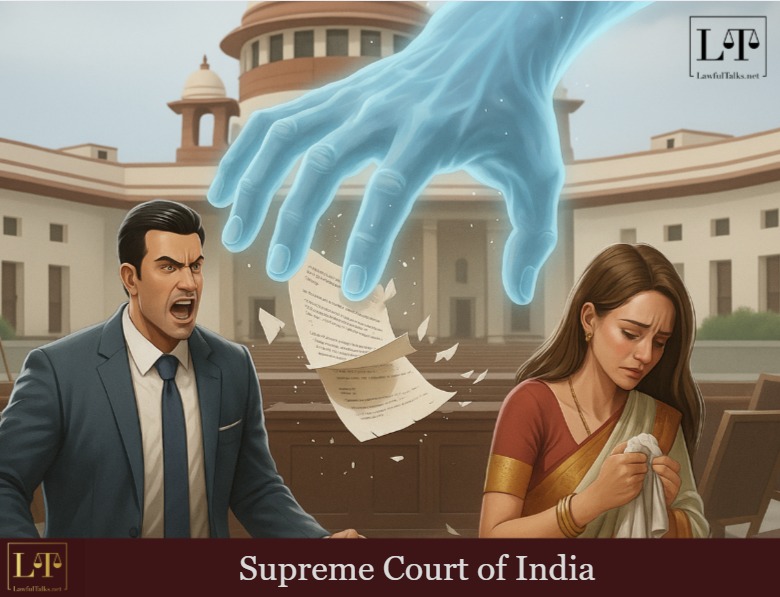
The Court said that compensation in motor accident cases cannot be calculated only on the basis of the percentage of physical disability. Instead, courts must consider how much the injury actually affects the victim’s ability to earn a living.
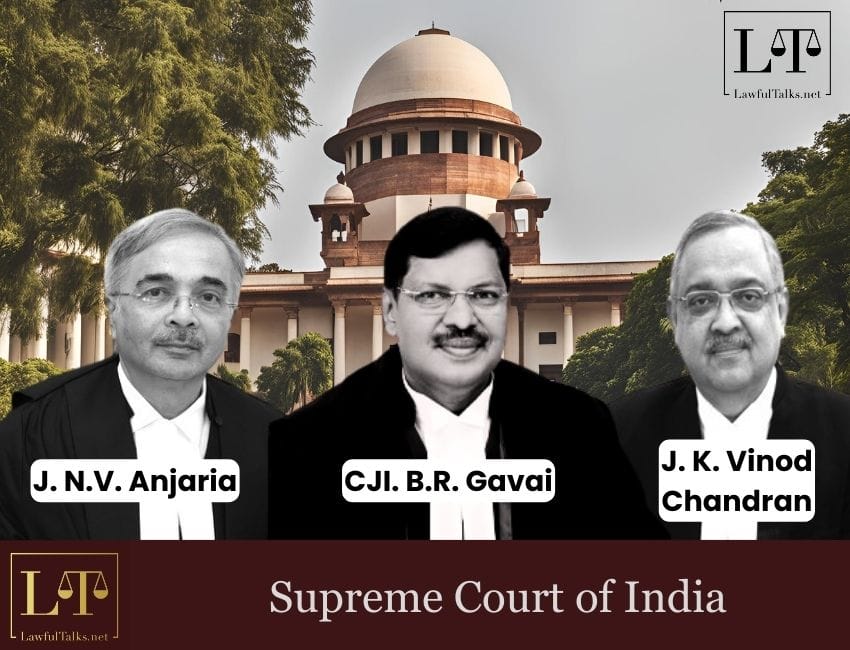
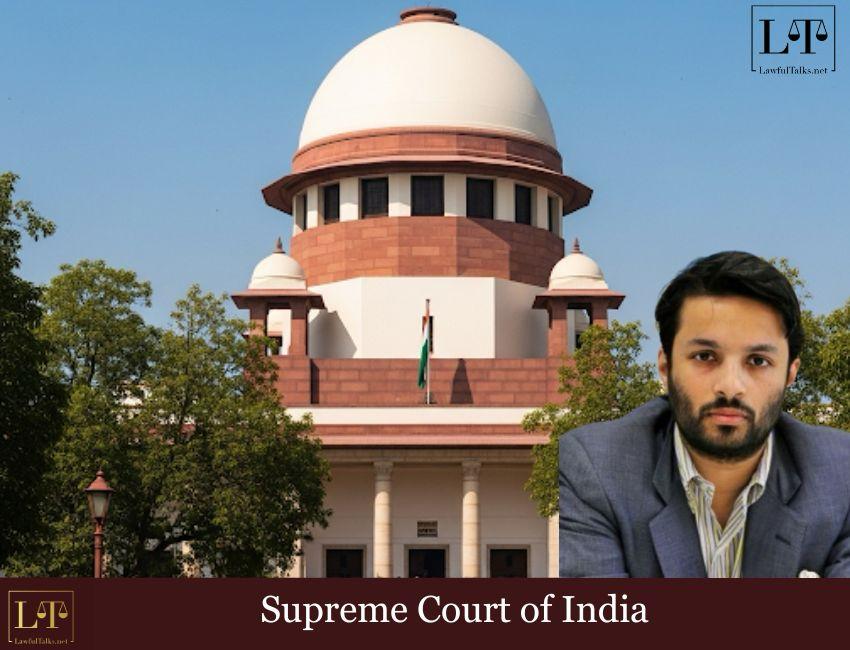
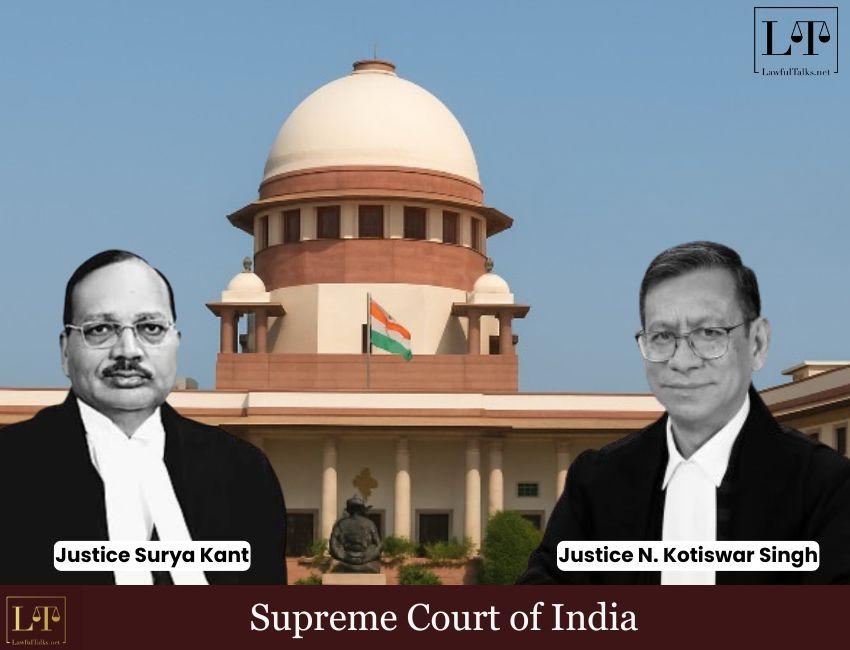
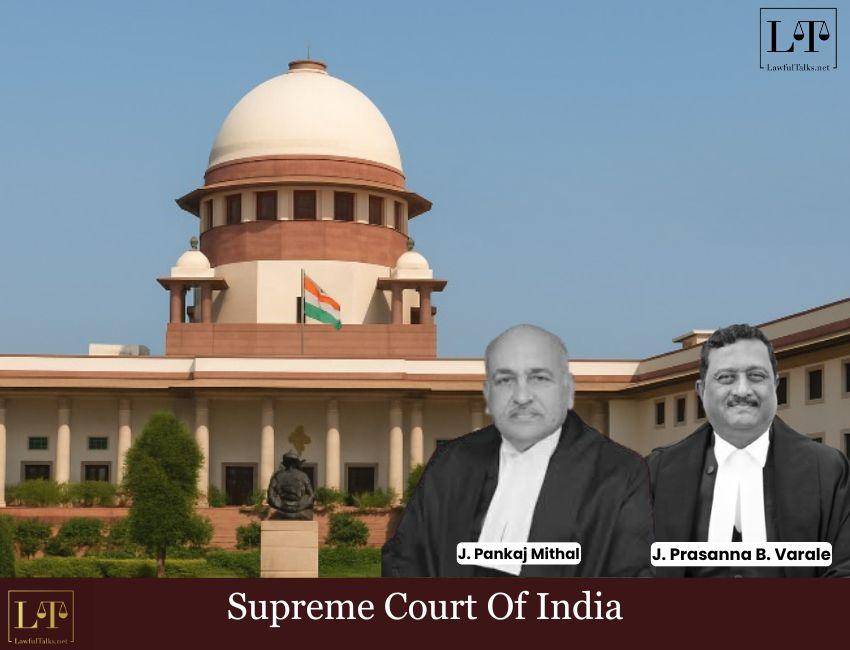
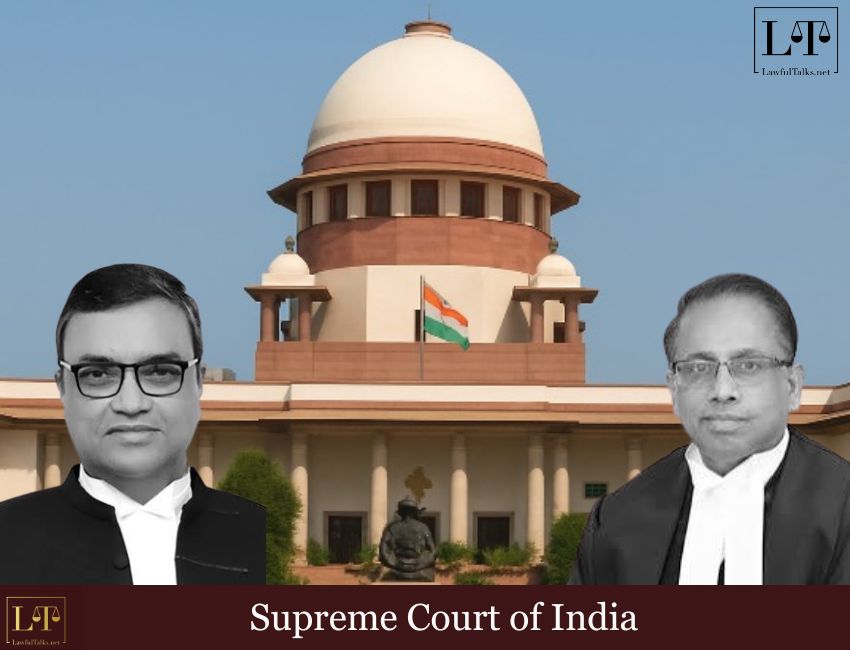
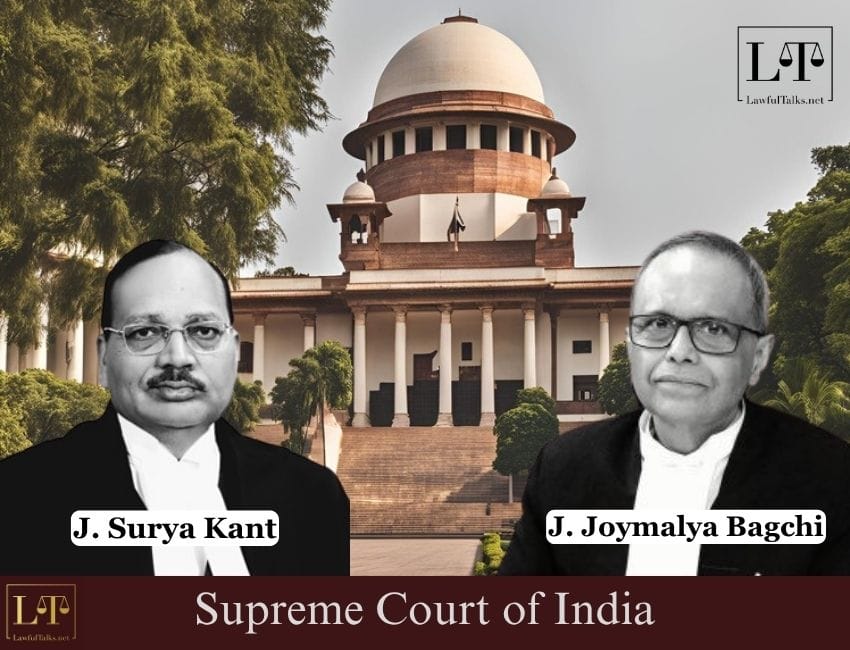
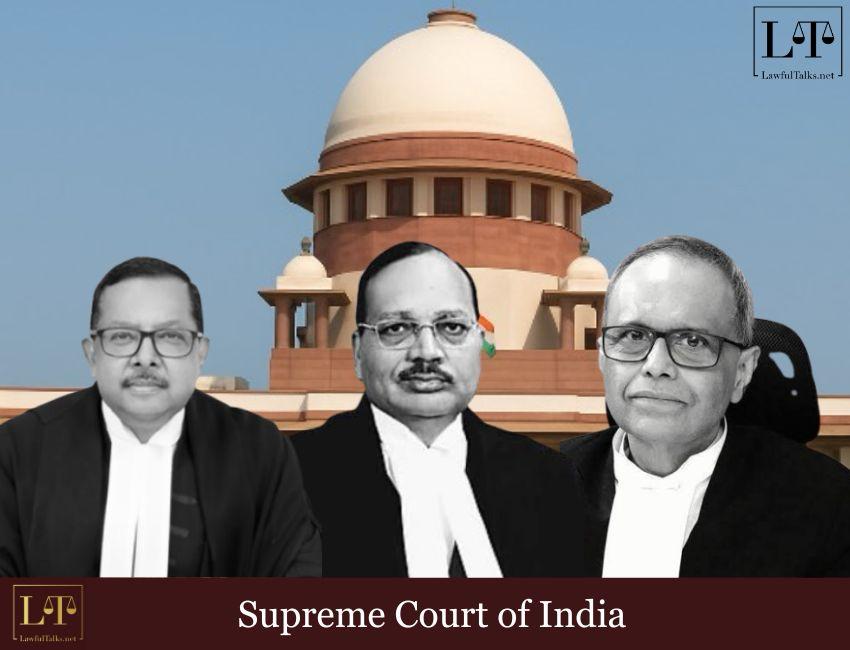
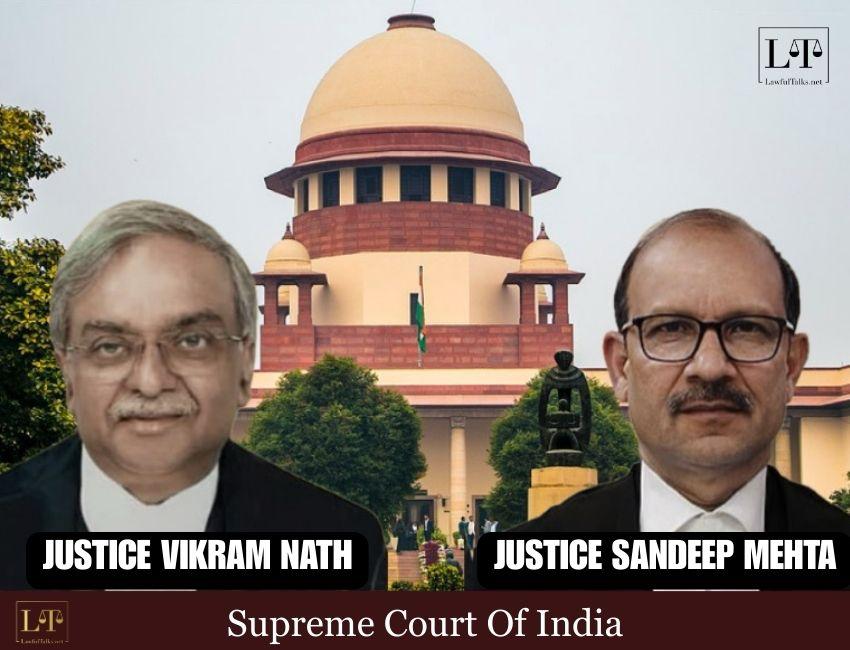
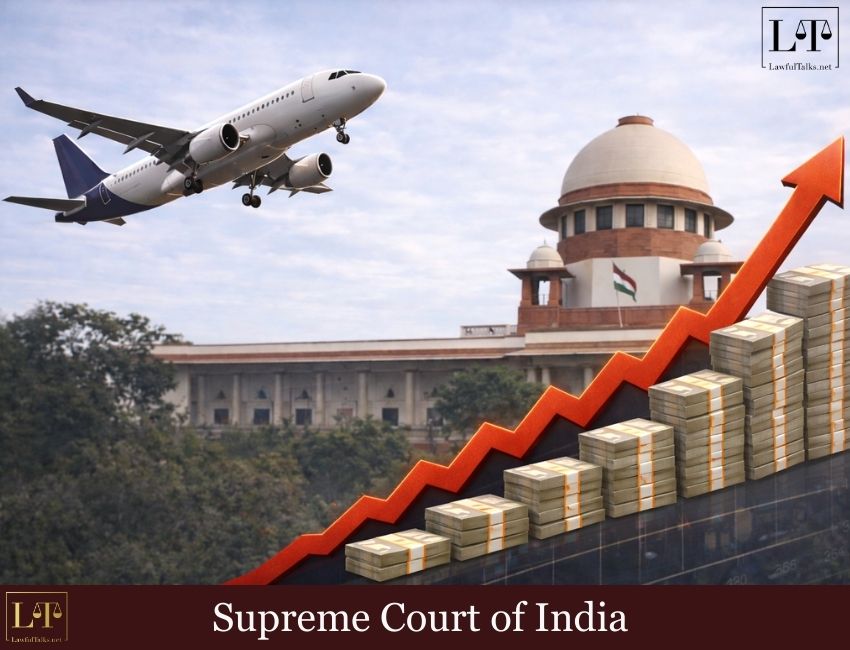
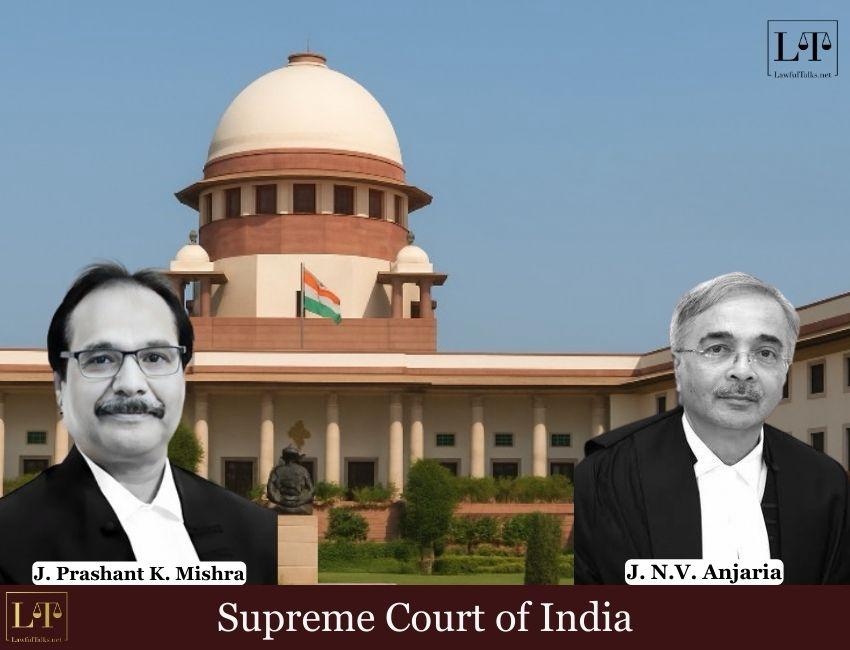
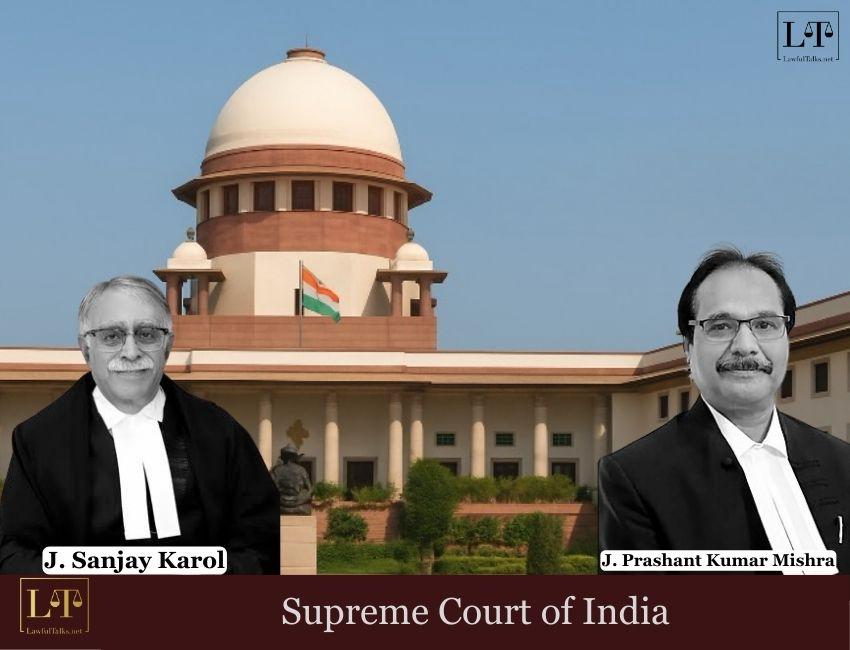
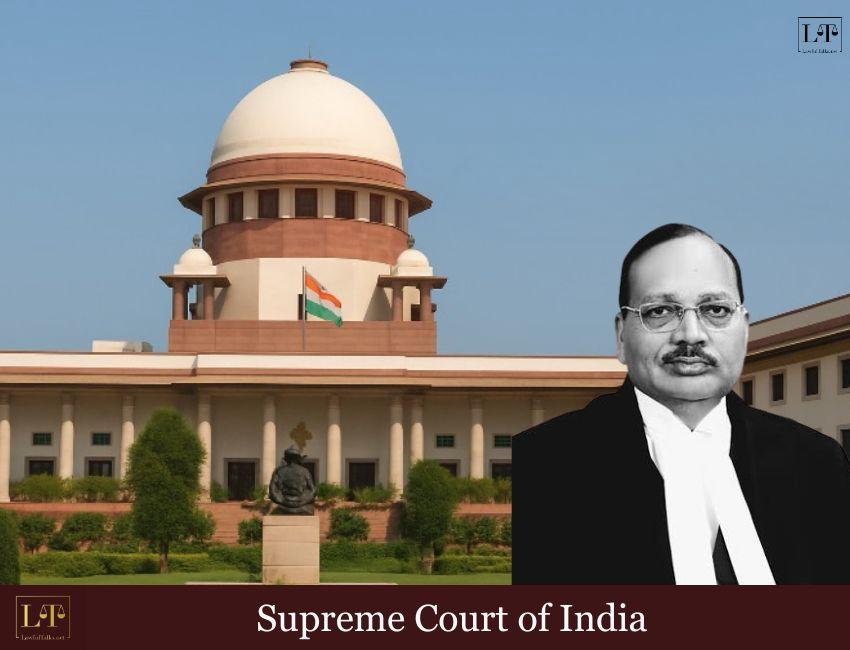
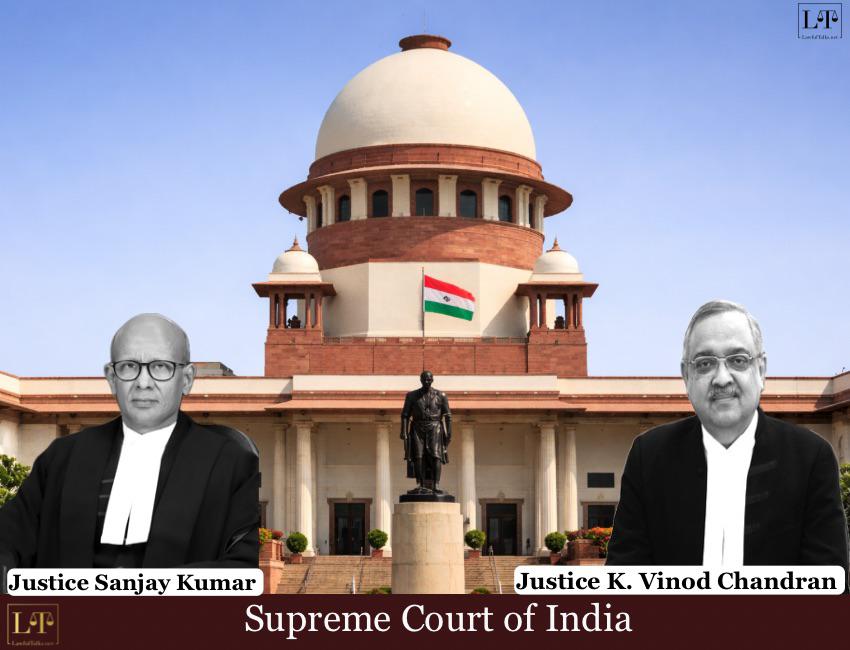
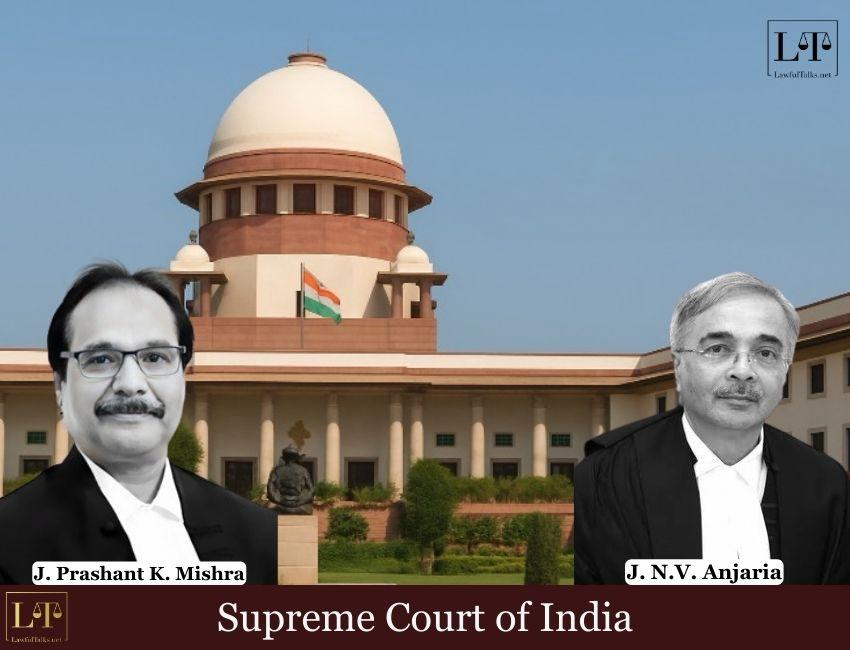
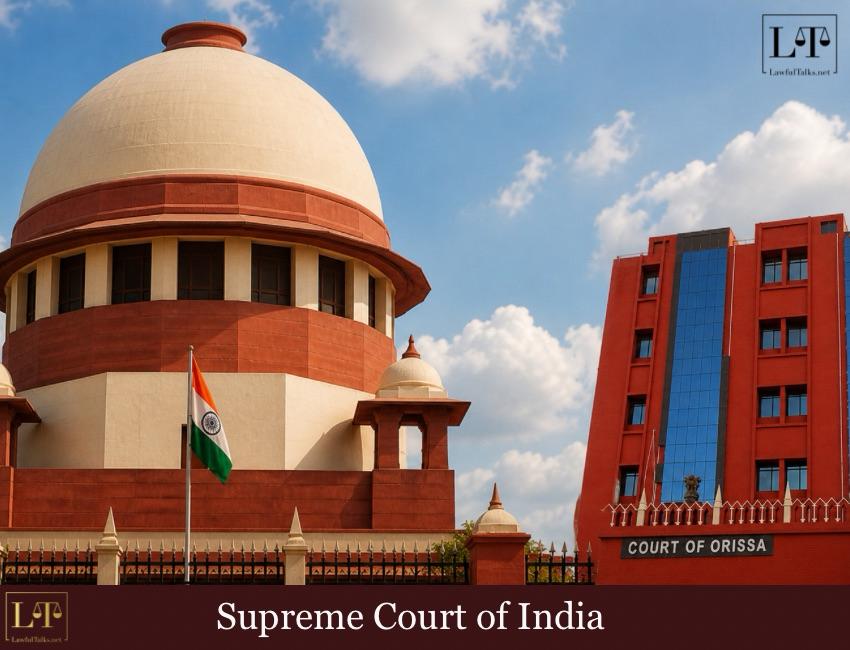
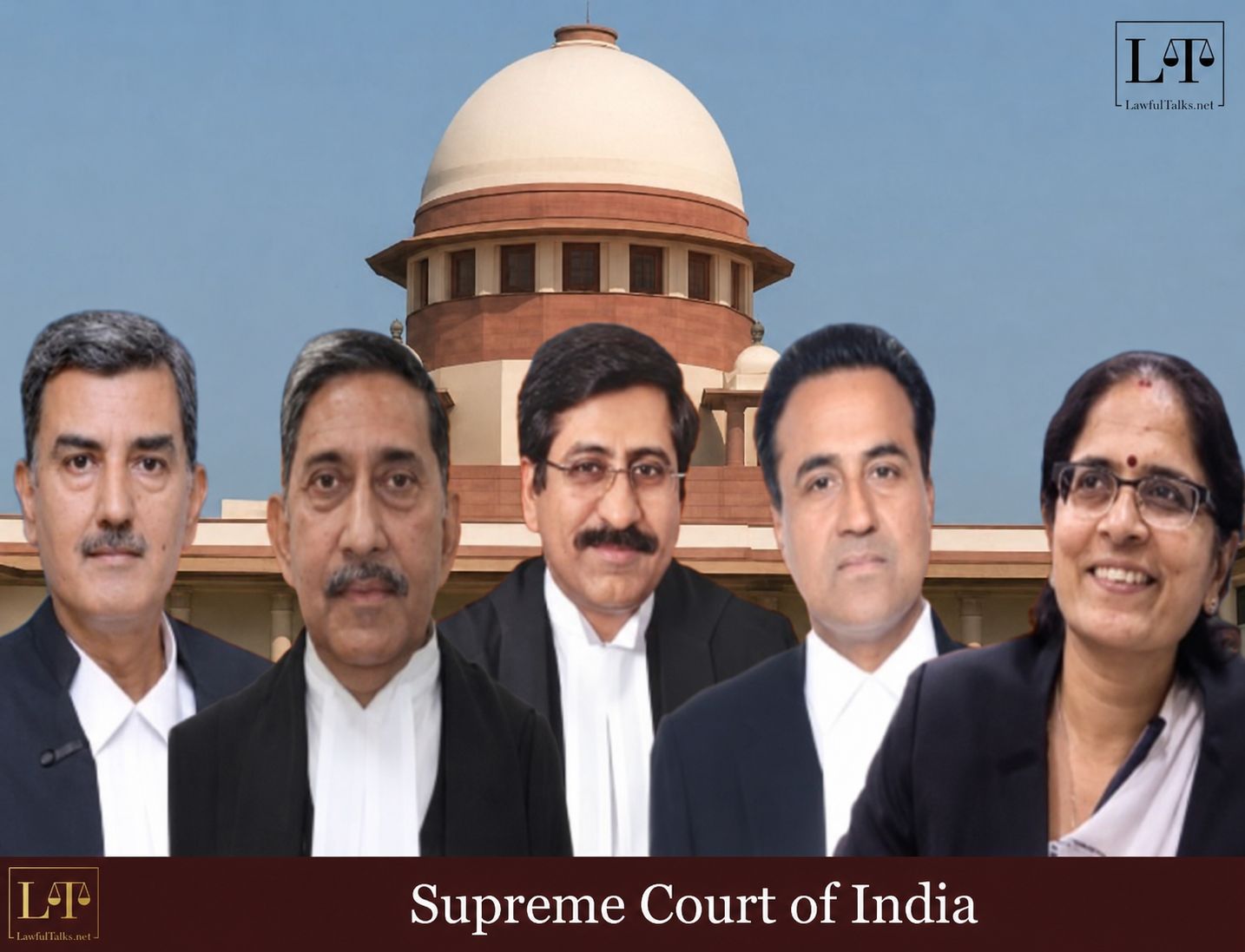
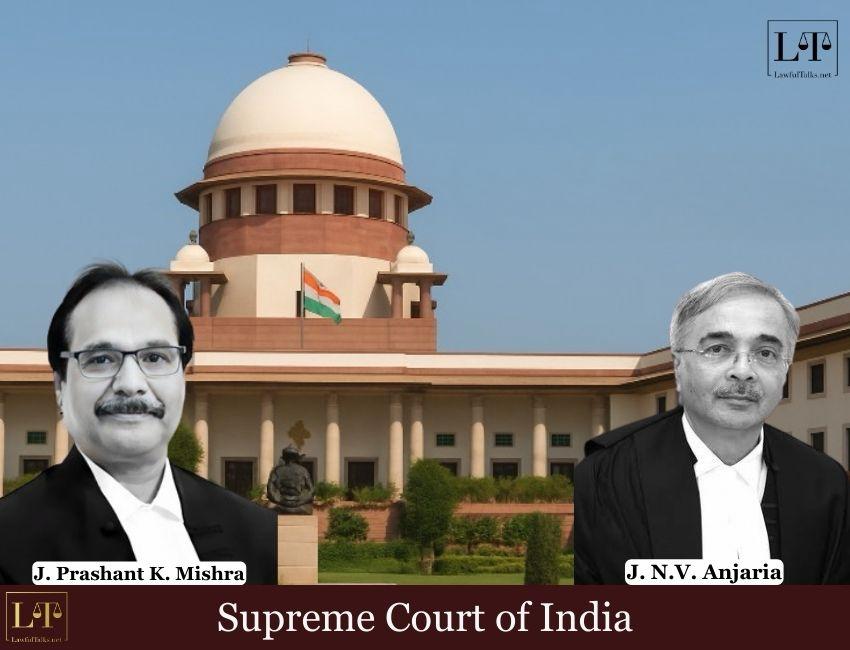
A Bench of Justice Prashant Kumar Mishra and Justice N.V. Anjaria increased the compensation awarded to a mason from Tamil Nadu from ₹29.01 lakh to ₹40.29 lakh.
The Court found that both the Motor Accident Claims Tribunal and the Madras High Court had wrongly assessed the mason’s loss of earning capacity at 70%, simply because doctors had certified his physical disability at 70%.
“The functional disability suffered by the appellant is required to be assessed at 100% and not at 70% as assessed by the Tribunal and affirmed by the High Court,” the Court held.
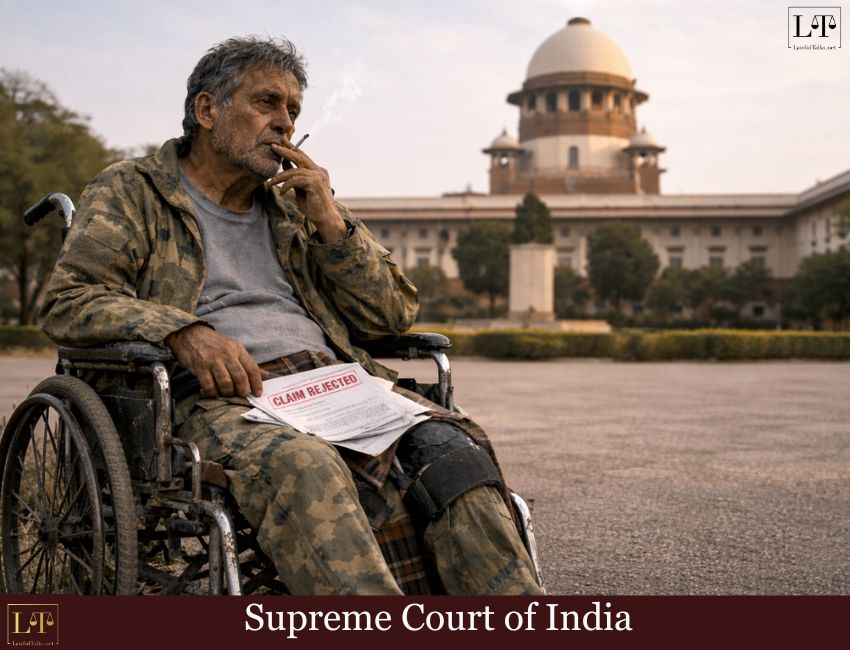
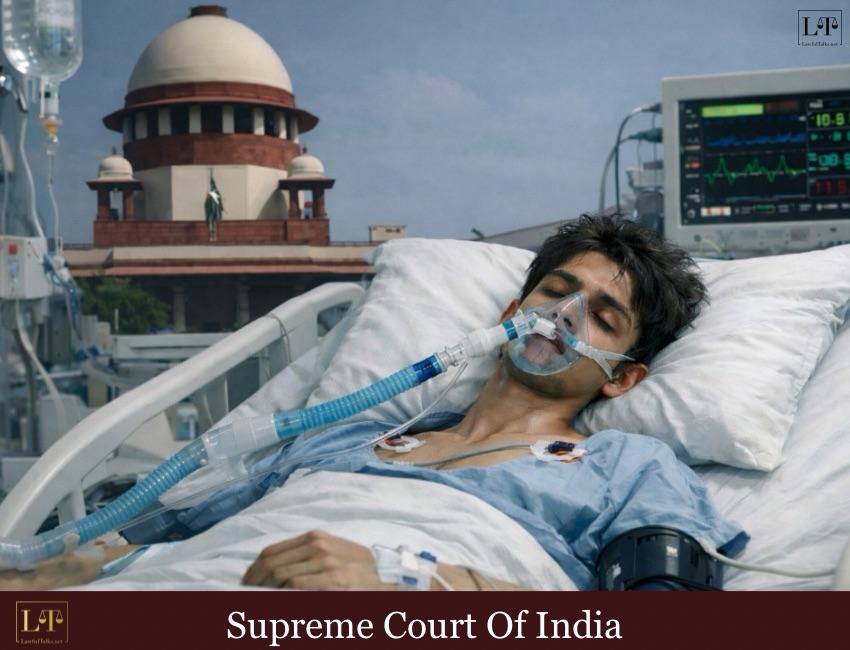
The appellant suffered serious injuries in a road accident in April 2017, when a lorry hit his bicycle from behind on the Namakkal–Salem Highway.
Because of the severe injuries, his right leg had to be amputated above the knee.
At the time of the accident, he was working as a mason. He argued that after losing his leg, he could no longer continue working in that profession.
A disability certificate issued in his case recorded his permanent physical disability at 70%.
Relying on this certificate, both the Motor Accident Claims Tribunal and the Madras High Court calculated his compensation by treating his loss of earning capacity also as 70%.
The Supreme Court explained that physical disability and functional disability are not the same. Referring to its earlier judgment in Raj Kumar v. Ajay Kumar, the Court said that compensation should be based on how much the disability affects the victim’s earning capacity, and not by automatically using the percentage of physical disability.
The Bench observed:
“From the above observations in Raj Kumar (supra), it becomes crystal clear that though the physical disability may be assessed at a particular percentage, the functional disability affecting earning capacity may, depending upon the nature of avocation carried on by the injured, be assessed at a higher percentage including 100%. The assessment of compensation in cases of permanent disability cannot be undertaken by mechanically applying the percentage of physical disability as the percentage of economic loss.”
The Court noted that the work of a mason requires continuous physical labour and the use of both legs. Therefore, losing a leg above the knee had effectively taken away the appellant’s only source of income.
The Court said:
“The amputation of the right leg above the knee has not merely caused physical disability to the appellant but has rendered him incapable of effectively carrying on the manual and physical work which constituted his only source of livelihood.”
The Supreme Court therefore treated the appellant’s functional disability as 100%.
While recalculating the compensation, the Court:
Took his monthly income as ₹12,000.
Added 40% towards future prospects.
Applied a multiplier of 17.
The Court also increased the amount awarded for future medical expenses, including the cost of an artificial limb and prosthesis, from ₹1 lakh to ₹2 lakh. It observed that the appellant would need replacement and maintenance of the prosthetic limb at regular intervals throughout his life.
Consequently, the total compensation payable to the claimant was enhanced to ₹40,29,730 together with interest at the rate of 7.5% per annum.
The insurance company was directed to deposit the enhanced compensation within six weeks.
Accordingly, the leave was granted.
Case Details: M. Paramesh vs VRL Logistics Ltd. & Anr. (Civil Appeal No. 8708 of 2026)






























































































































Sign up for free and be the first to get notified about curated content just for you.