He Got the Grounds of Arrest, Not the Chargesheet. Did That Make His Arrest Illegal? Bombay HC Said No.

- July 01, 2026


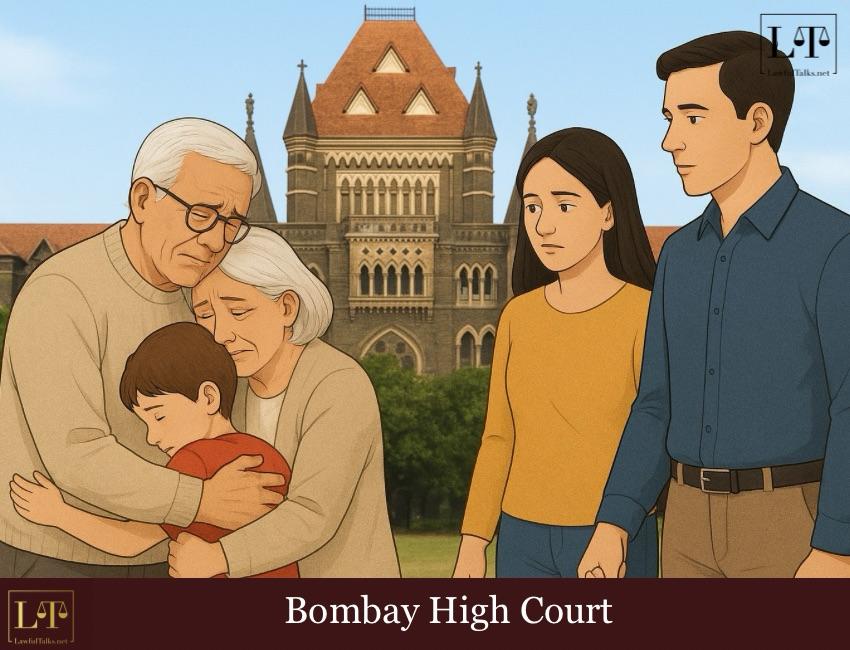
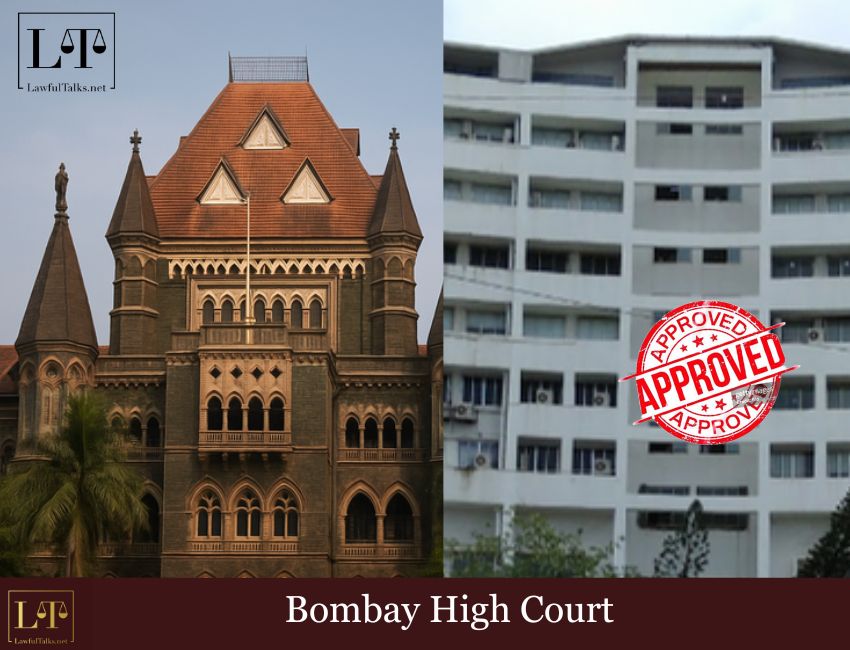
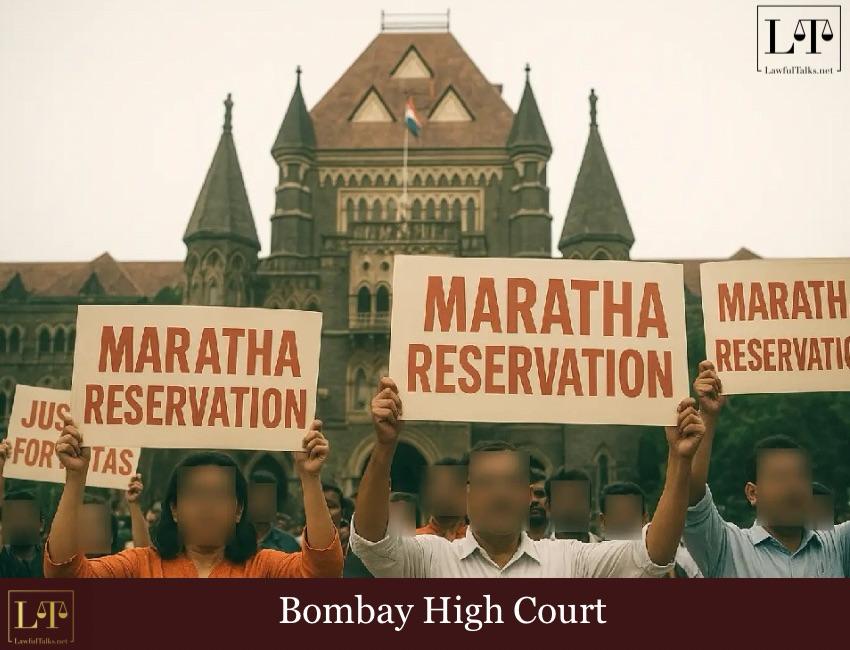
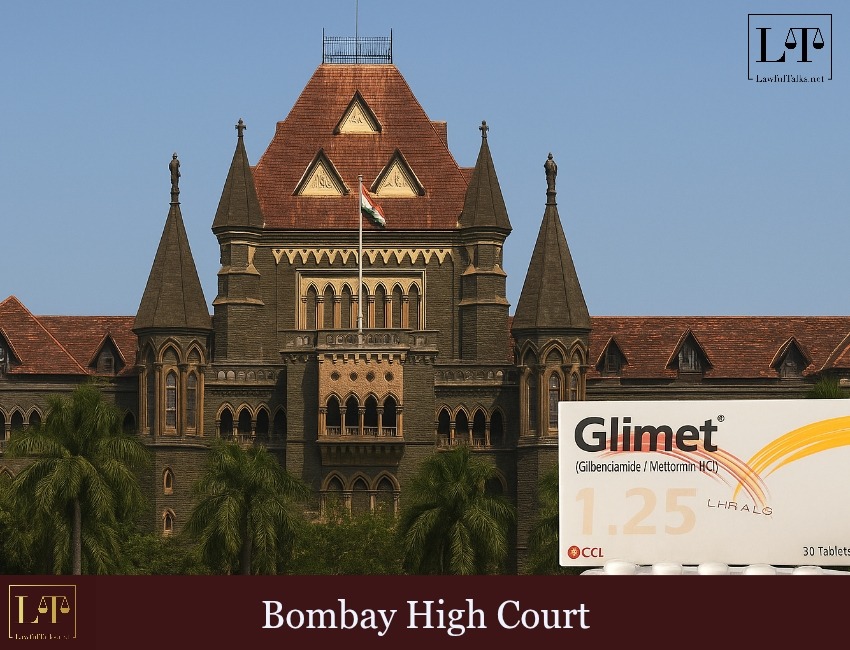
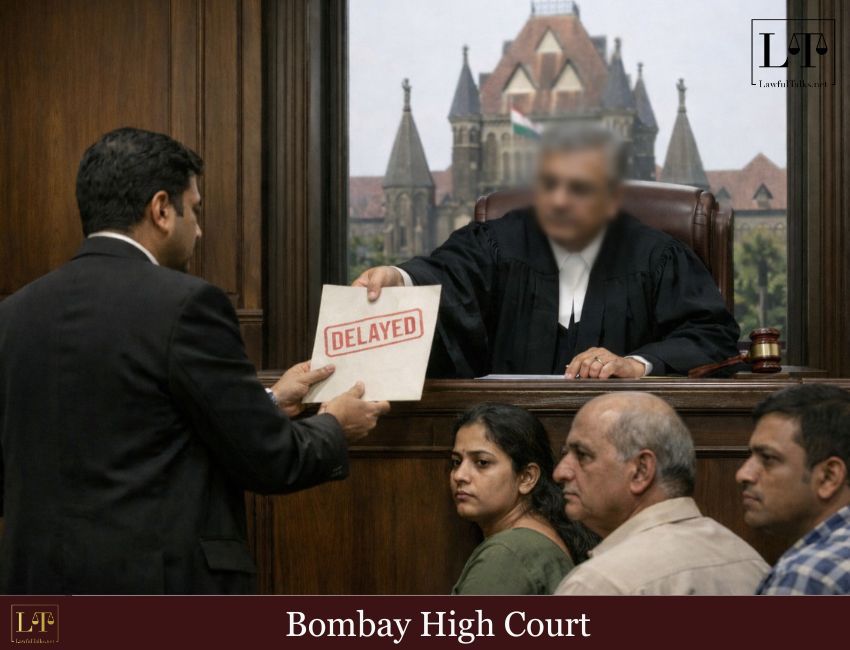
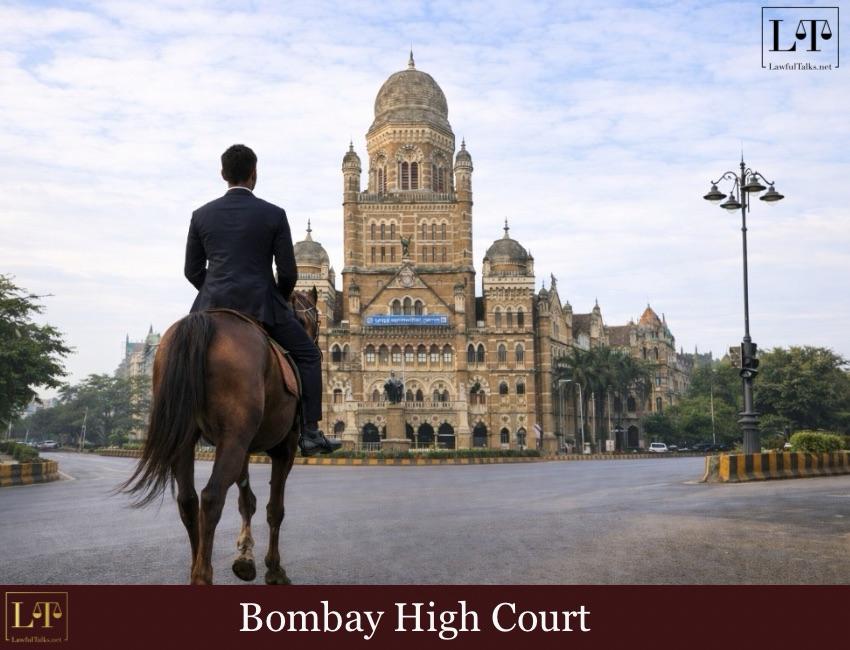
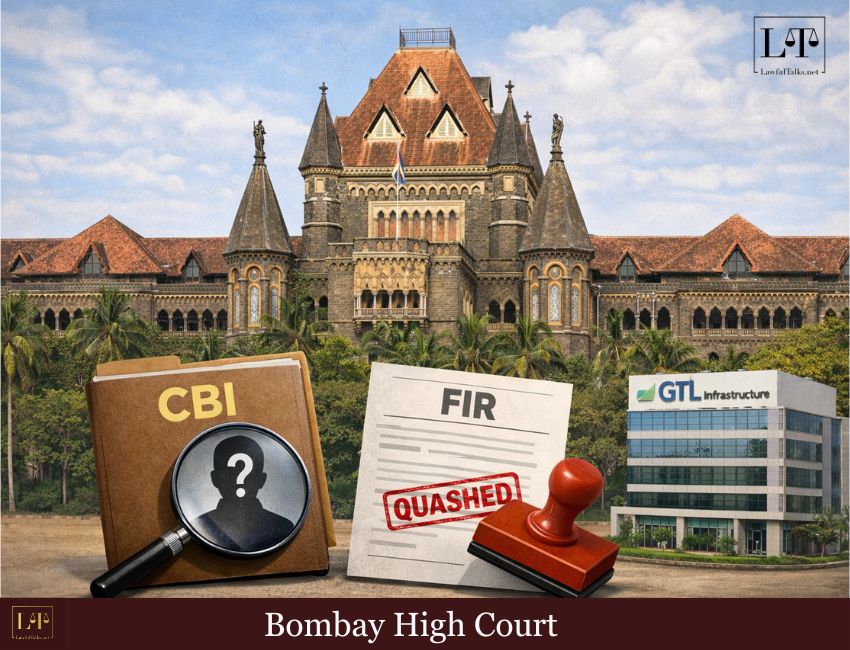
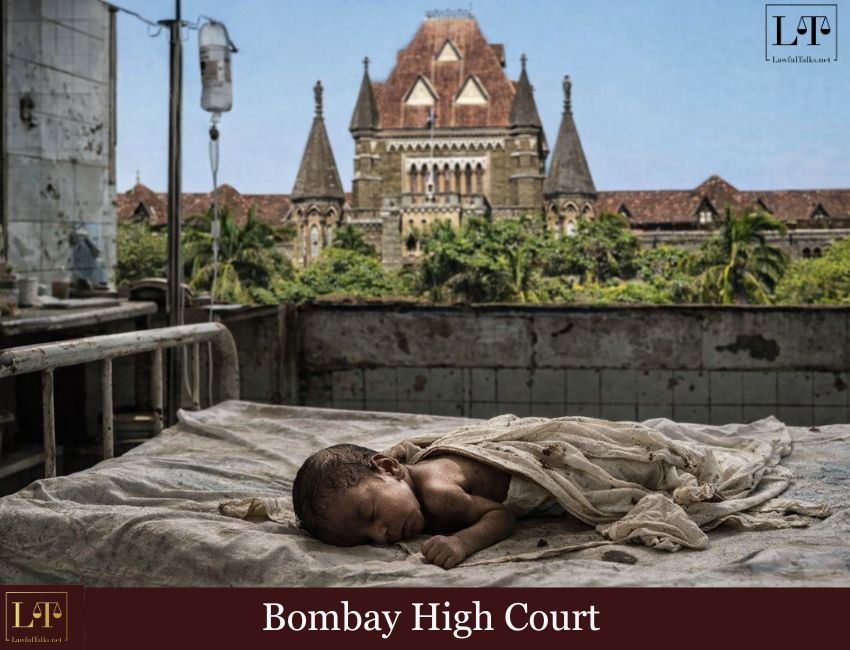
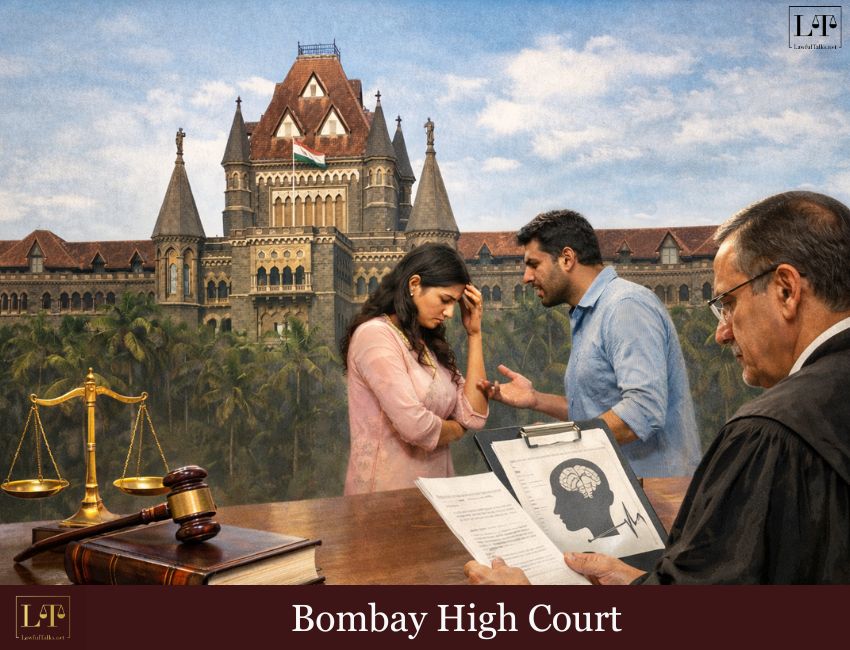
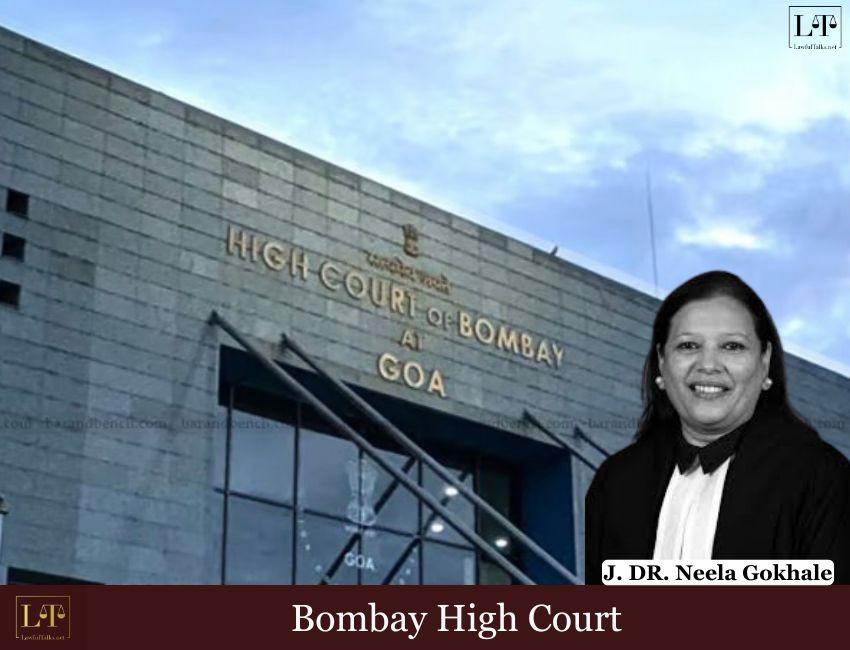
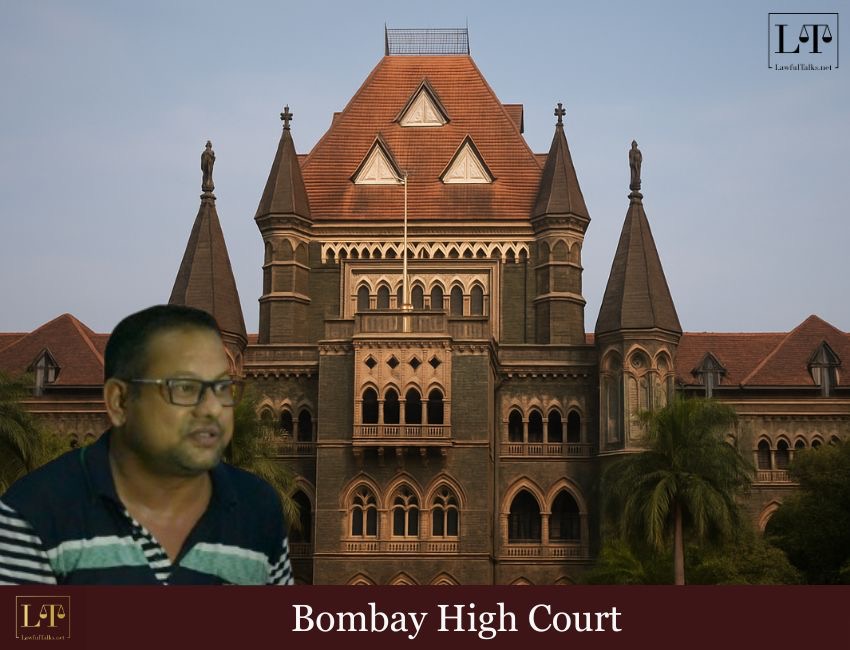
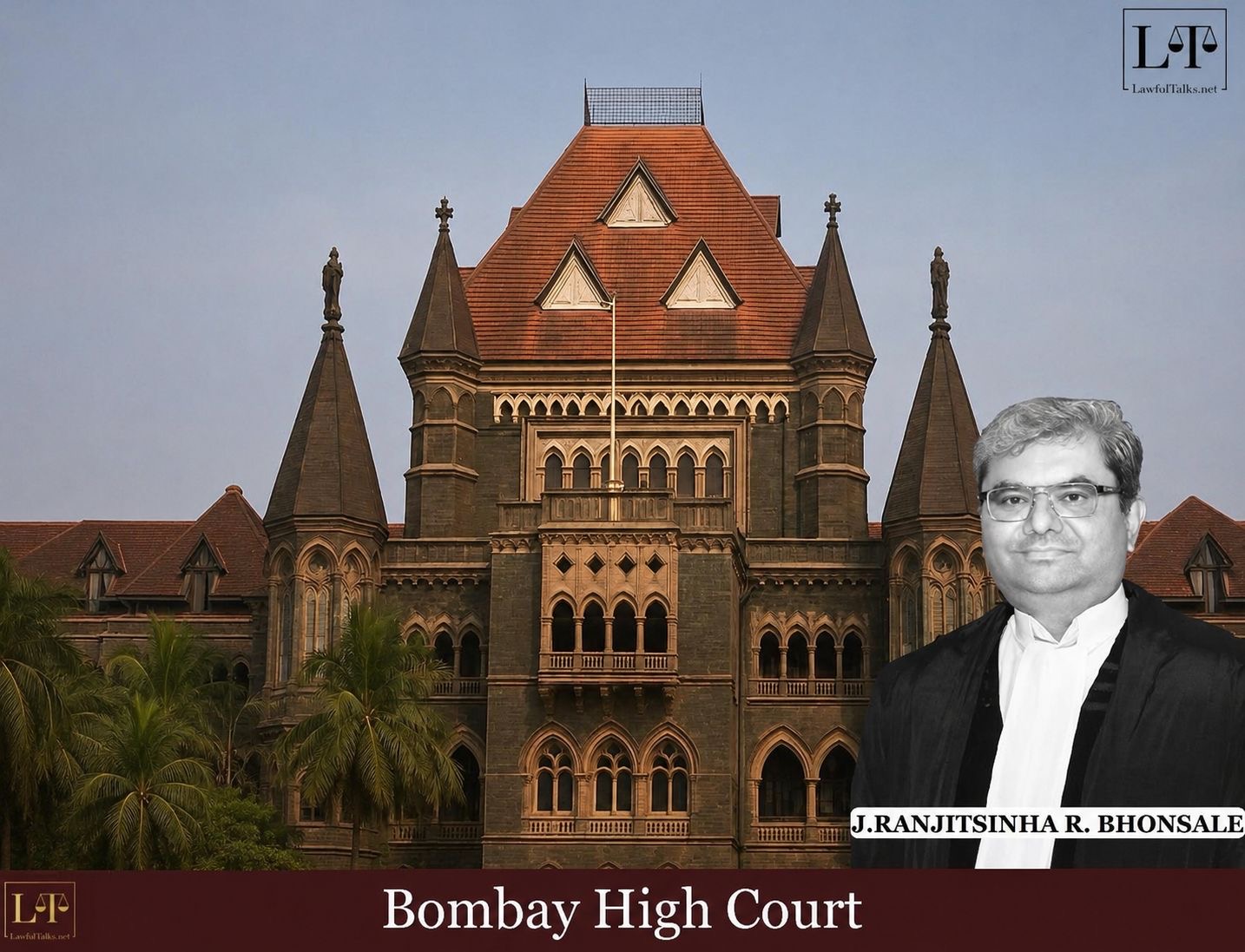
The Bombay High Court has held that an arrest made after a chargesheet has already been filed against previously arrested co-accused cannot be called illegal simply because the arrested person was not given a copy of that chargesheet at the time of arrest.
The Court clarified that informing an accused of the grounds of arrest is a separate legal requirement from giving them copies of the chargesheet and other investigation documents.
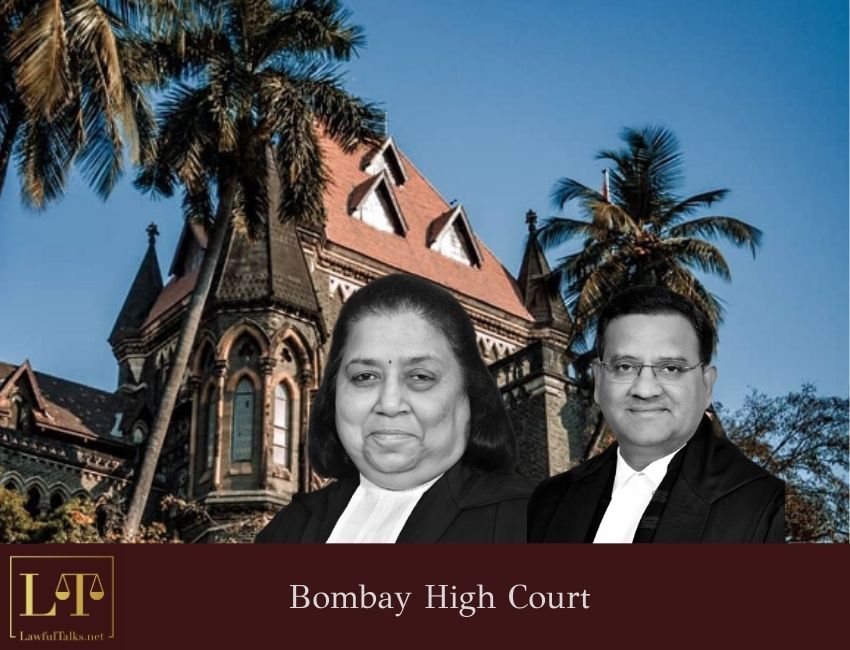
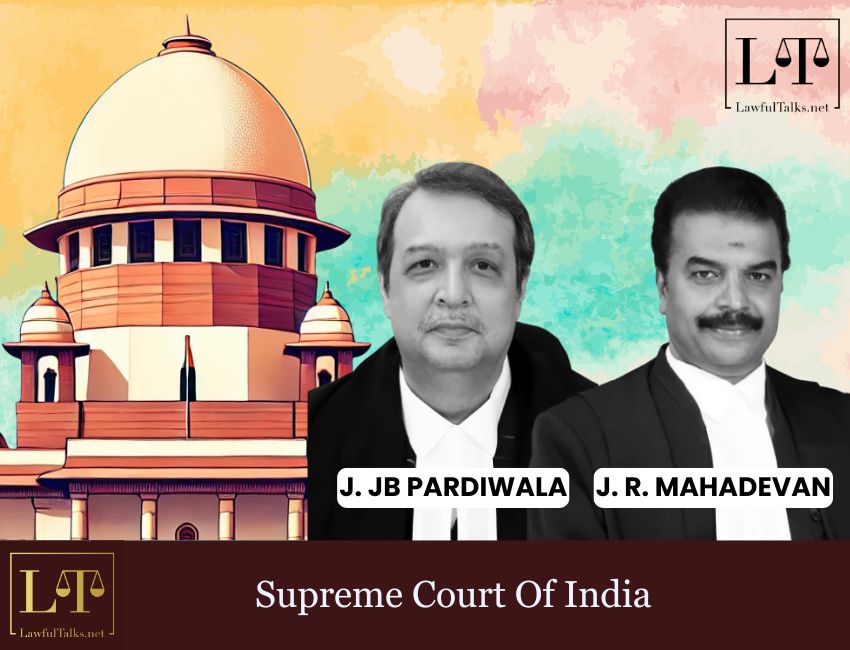
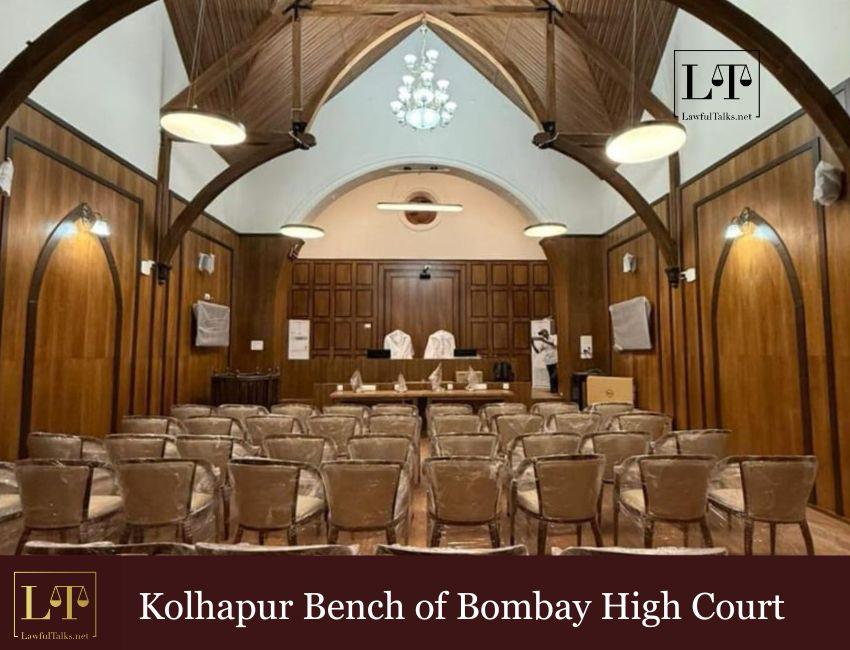
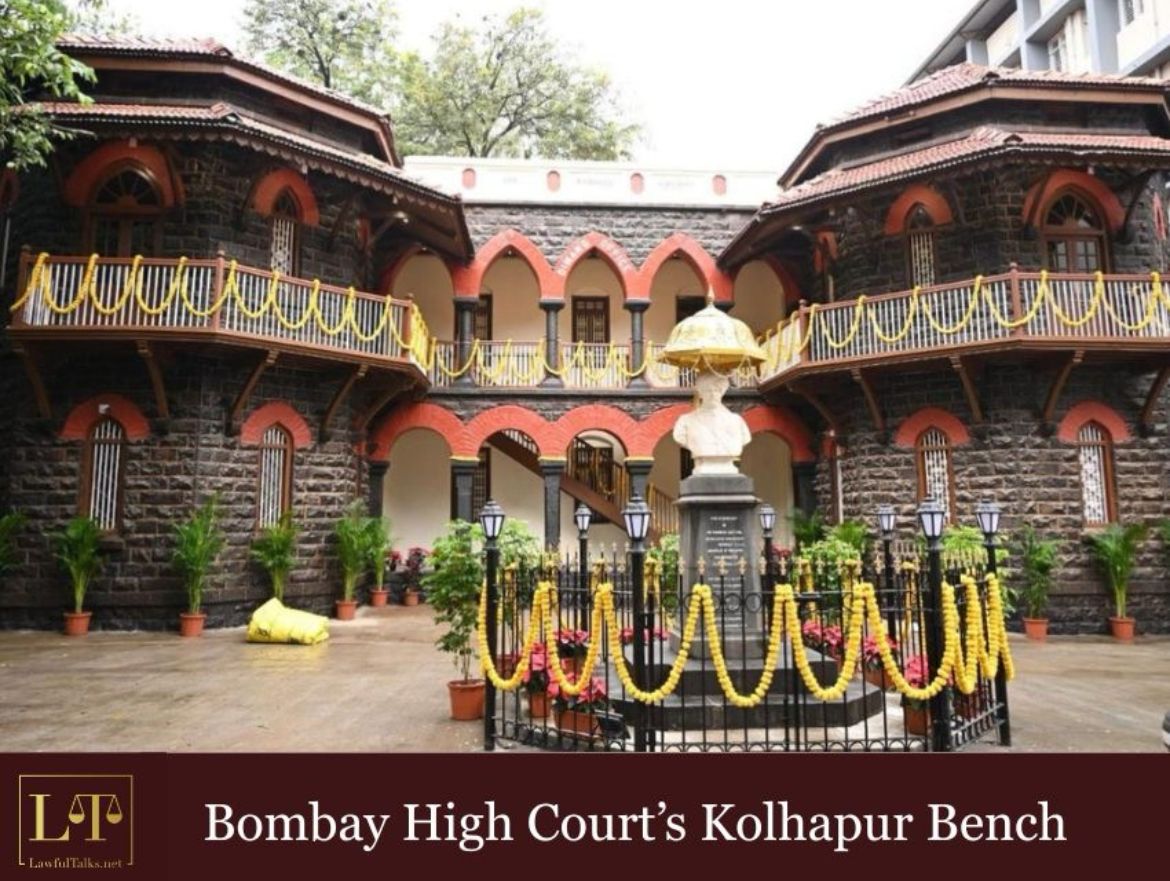
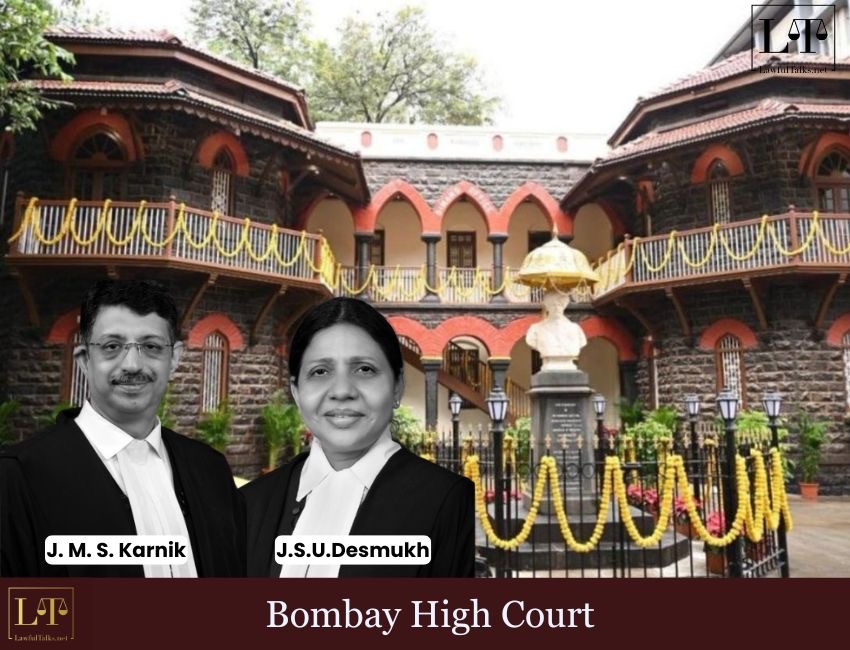
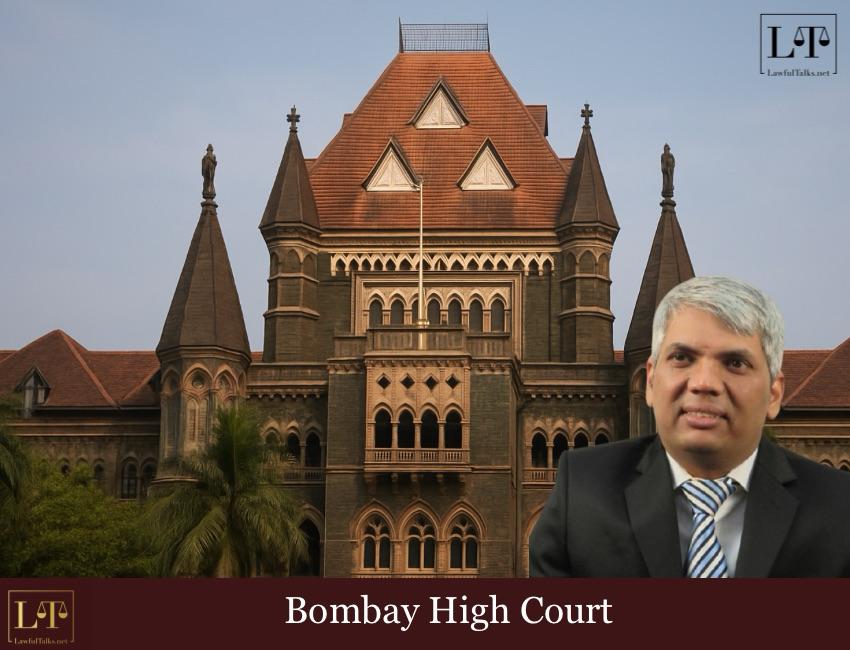
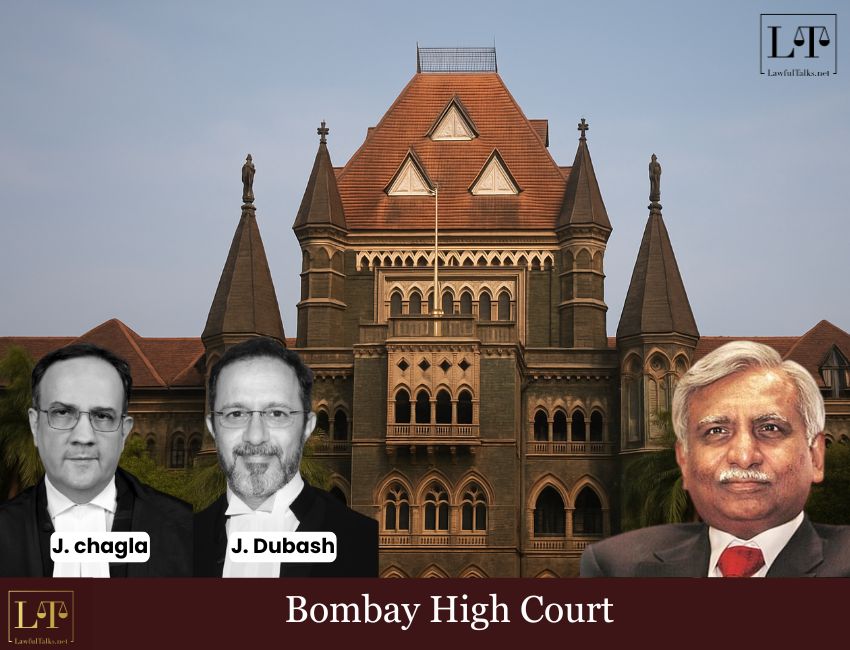
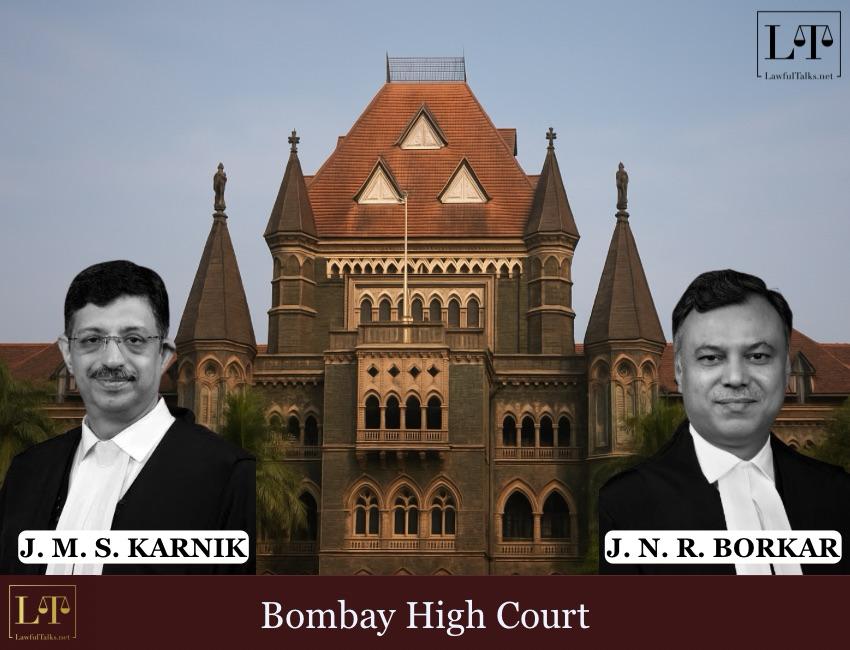
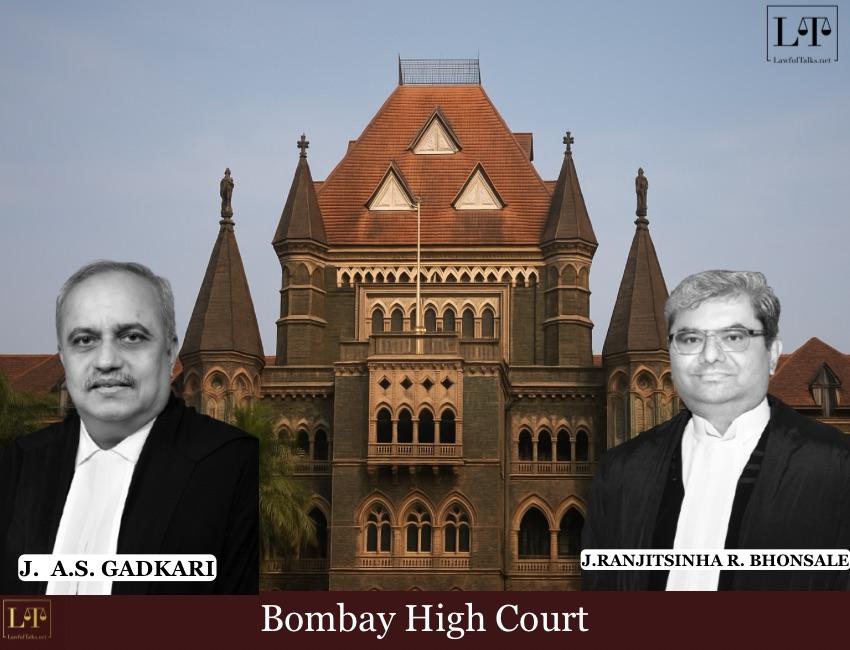
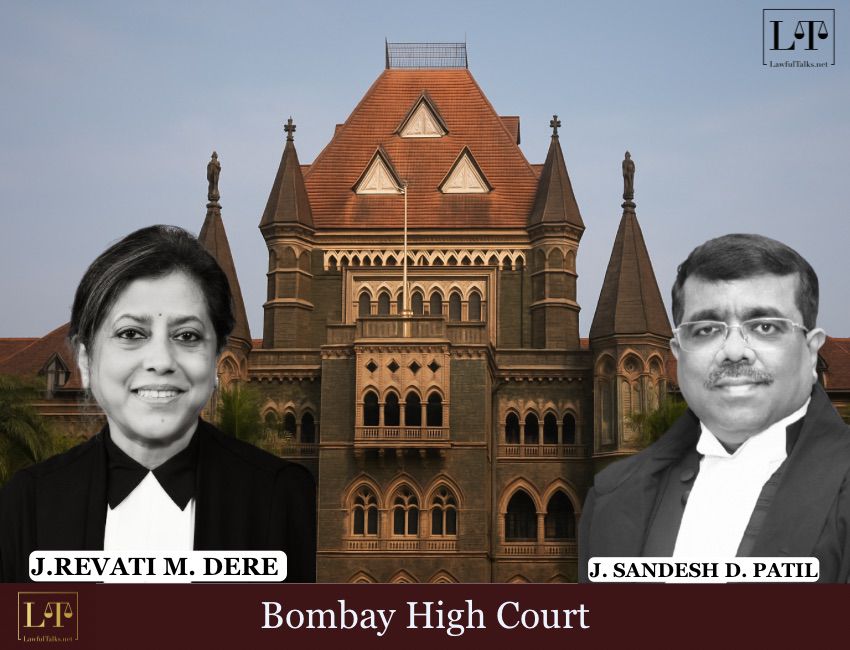
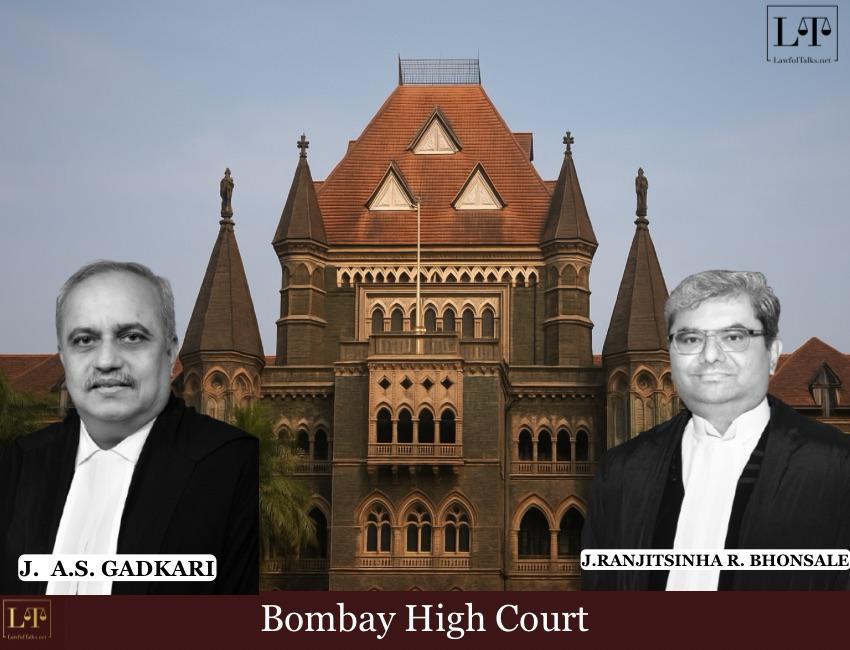
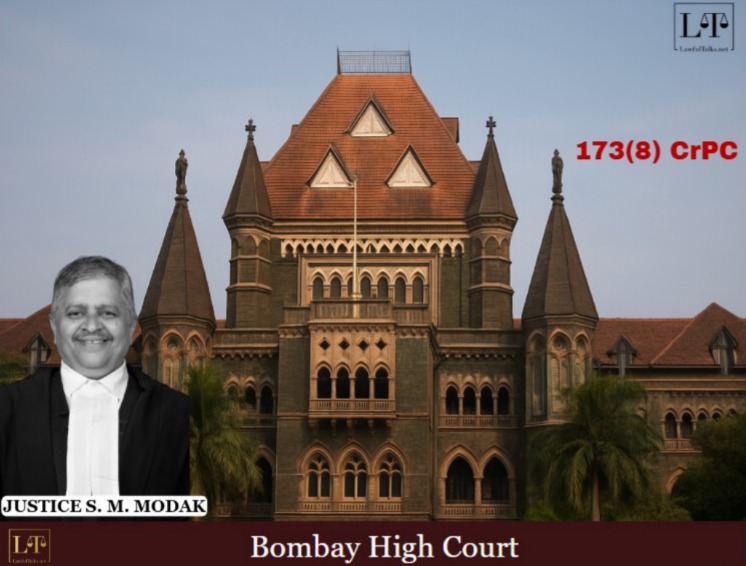
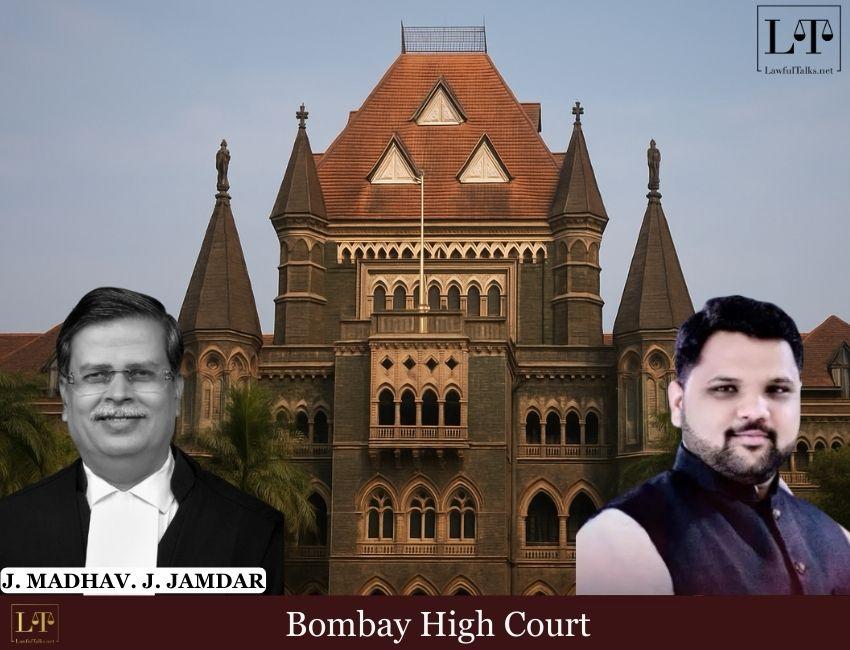
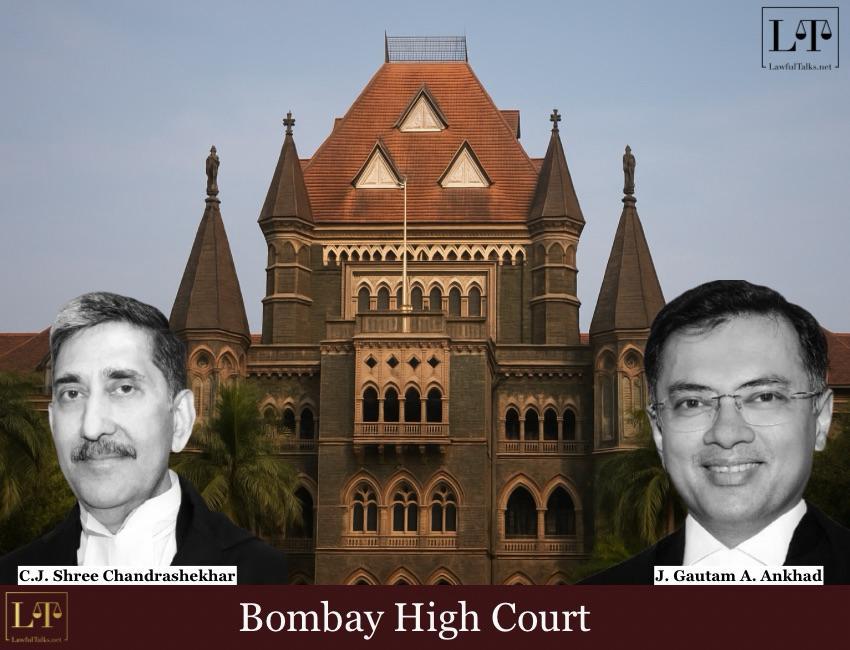
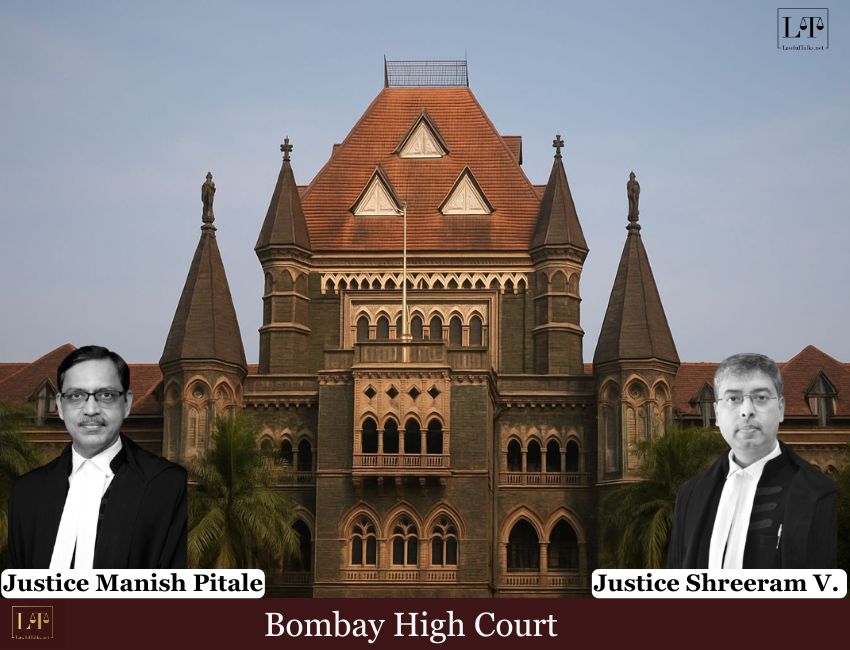
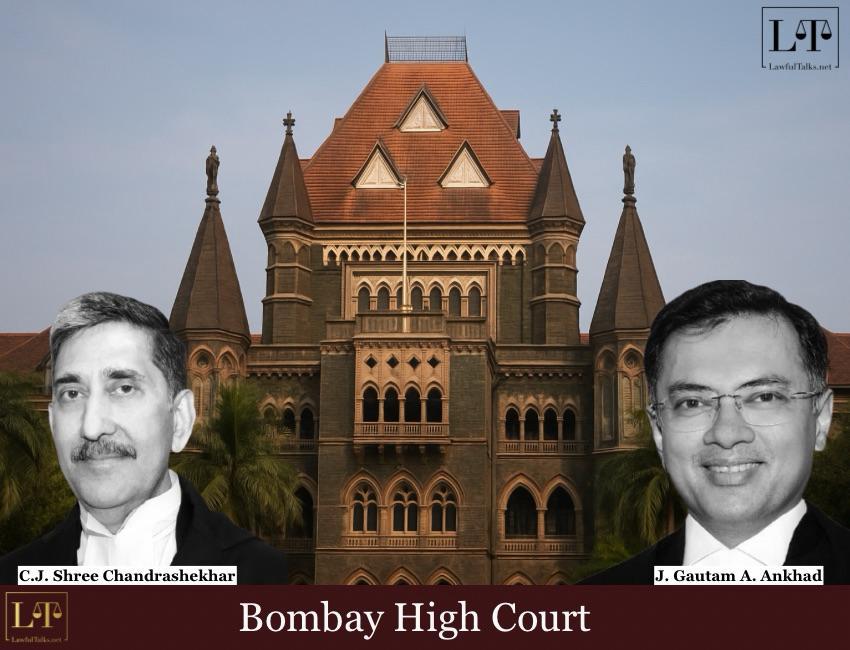
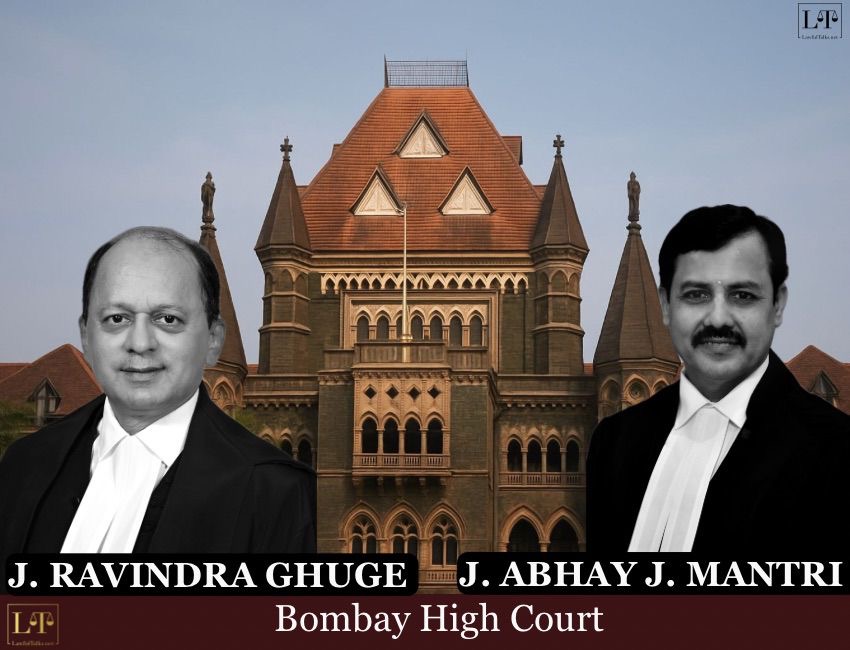
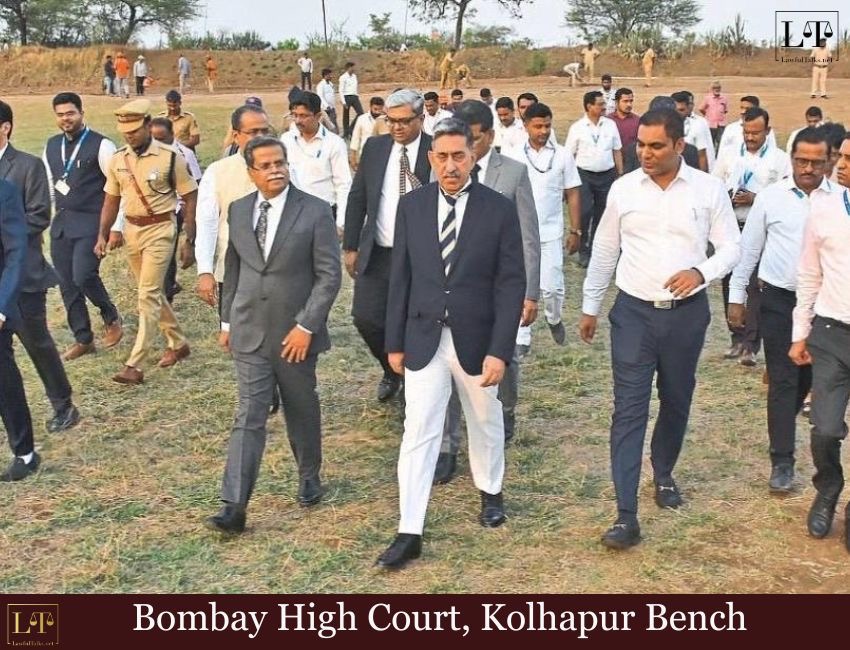
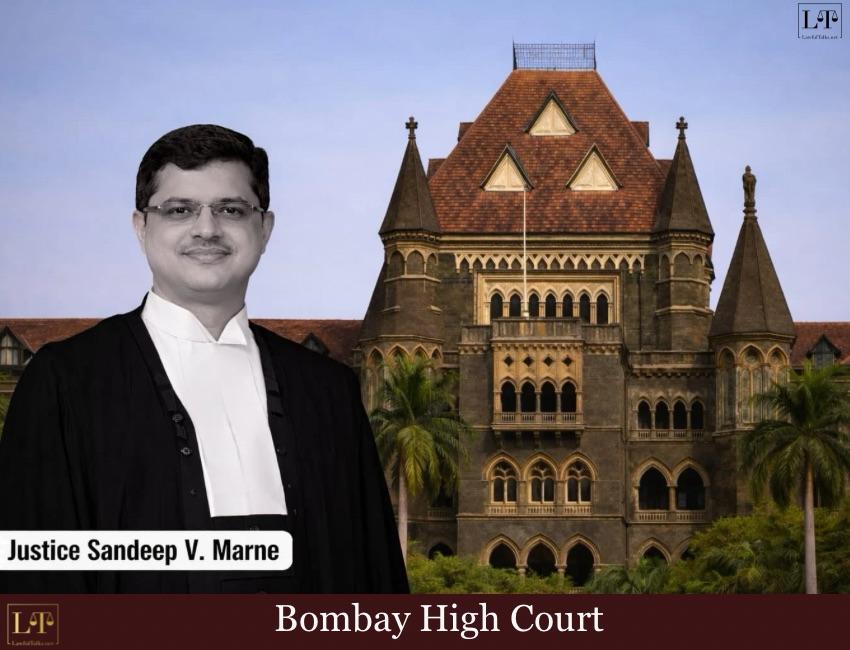
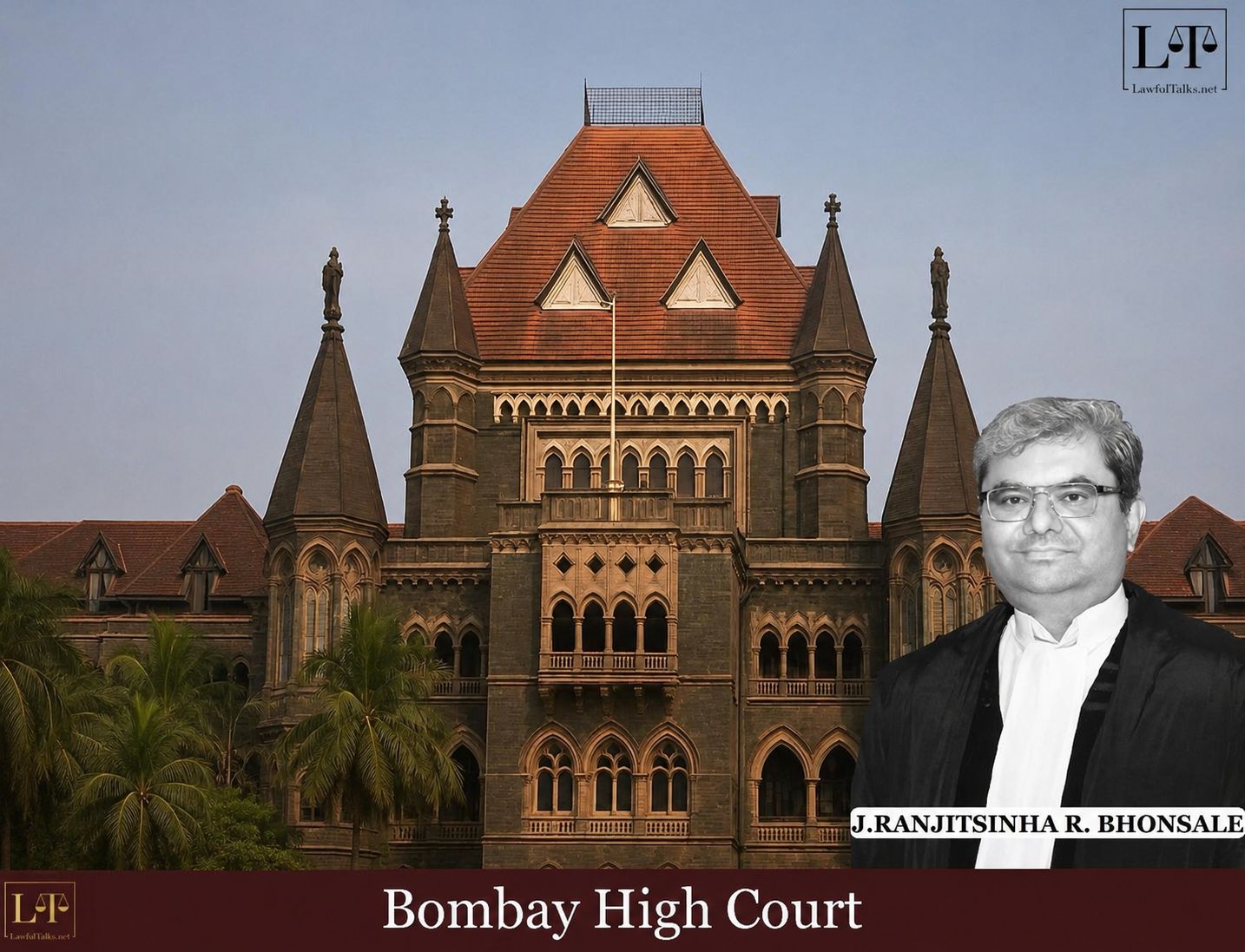
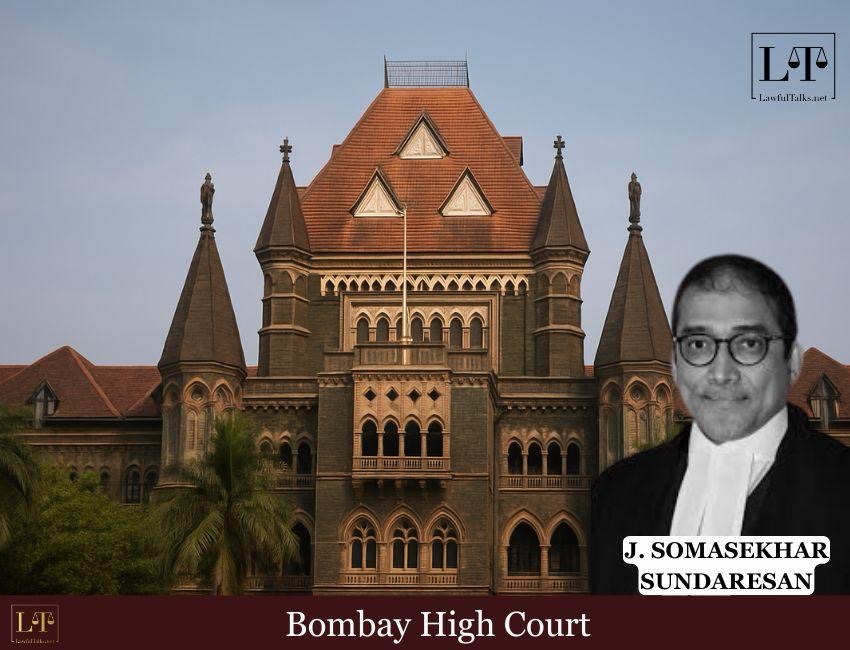
A Division Bench of Justice Vrushali Joshi and Justice Sandesh Patil at the Kolhapur Bench explained that Sections 50 and 207 of the Criminal Procedure Code (CrPC) apply at different stages of a criminal case and cannot be treated as the same.
The Bench said that Section 50 CrPC requires the police to inform a person of the grounds of arrest at the time of arrest. In contrast, Section 207 CrPC requires the Magistrate to provide the accused with copies of the chargesheet, FIR, and statements recorded under Section 161 CrPC after the police file their report and when the case reaches the appropriate stage.
Rejecting the petitioner’s argument, the Court observed:
“The question of supplying the documents under the provisions of Section 207 of the Code arises when the accused is chargesheeted…Whereas Section 50 of the Code talks about arrest of persons…Since both the said provisions operate in different place, it would be too preposterous to assume that the accused should be given the copy of the charge sheet filed at the earlier stage against the earlier co-accused. It is not in dispute that the accused/Petitioner herein at a subsequent stage would definitely be entitled to the charge sheet filed under Section 173 of the Code, where the stage of Section 207 comes into picture. However, it will not be possible to adhere to the prayers made by the Petitioner that under Section 207 of the Code, those documents should have been supplied to the Petitioner at the stage of Section 50 of the Code itself.”
The facts of the case showed that Ghaste was originally the complainant. However, during the investigation, the police allegedly found incriminating material against him in the statements of certain co-accused recorded under Section 161 CrPC. These statements had already been included in the chargesheet filed before the competent court, after which Ghaste himself was arrested.
Before the High Court, Advocate Tapan Thatte relied on the Supreme Court’s judgments in Prabir Purkayastha v. State (NCT of Delhi) and Mihir Rajesh Shah v. State of Maharashtra & Anr. He argued that the expression “grounds of arrest” should be interpreted broadly. According to him, it should include not only the reasons communicated by the police at the time of arrest but also the statements of the co-accused recorded during the investigation, as those statements formed the basis of Ghaste’s arrest.
The High Court rejected this argument. It held that the petitioner was trying to treat two different legal provisions as one, even though they serve different purposes and apply at different stages of a criminal case. The Court reiterated that while an accused has the right to receive the chargesheet and other documents under Section 207 CrPC, that right arises only when the case reaches that stage and not at the stage of arrest under Section 50 CrPC.
Supreme Court Ruling Relied On:
The Bench relied on the Supreme Court’s judgment in State of Karnataka v. Sai Darshan Etc. and reiterated that the law only requires the police to communicate the grounds of arrest to the arrested person. The Court further said:
“The rationale underlying the said requirement is that the person concerned must be made aware of the reasons for his arrest so as to effectively avail of the legal remedies available to him and safeguard his rights under law.”
While dismissing the writ petition, the Court observed:
“The Petitioner does not dispute that the grounds of arrest were given to him, rather his entire edifice rests upon the fact that the grounds of arrest were given, but the documents as contemplated under Section 207 of the Code were not given. The attempt of the Petitioner to stretch the provisions of Section 207 of the Code into the provisions of Section 50 of the Code is totally preposterous, uncalled for and contrary to the settled law. For this reason, we have no hesitation to dismiss this petition.”
Finding that there was no procedural illegality in the arrest, the High Court dismissed the writ petition.
Case Details: Yogesh Shantinath Ghaste v. State of Maharashtra (Criminal Writ Petition No. 4786 of 2025).







































































































Sign up for free and be the first to get notified about curated content just for you.