When Does a Conspiracy Begin? Supreme Court Says It Starts With a “Meeting of Minds.”

- July 01, 2026


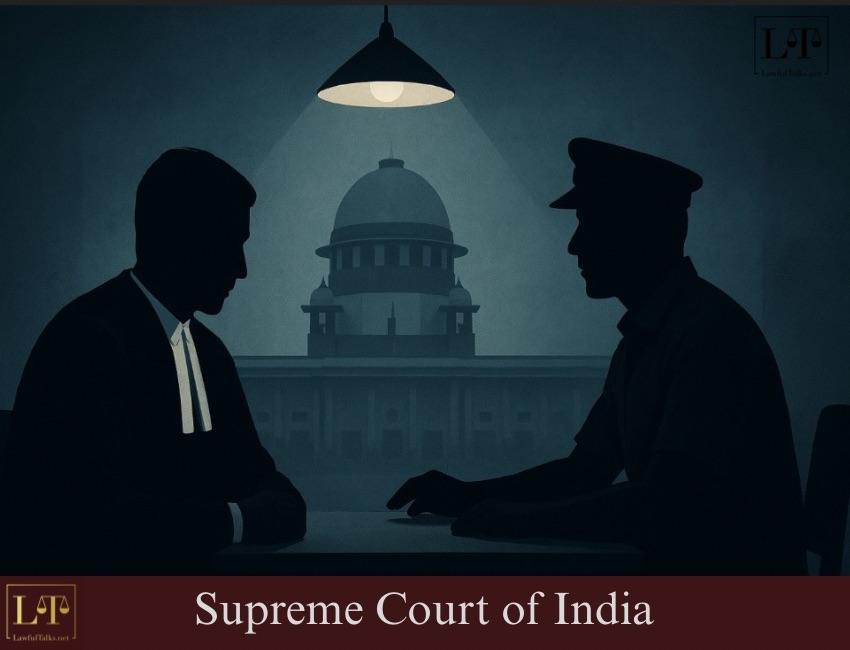
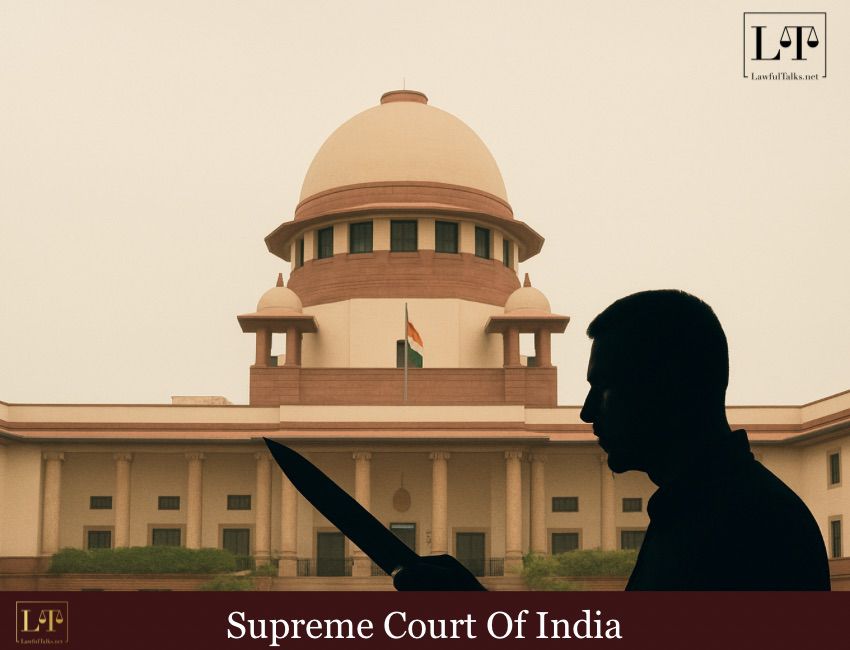
The Supreme Court has held that a person can be convicted for criminal conspiracy only if there is evidence showing that they knew about the illegal act (or a legal act carried out by illegal means) and had agreed to it. The court said that mere suspicion or simply being associated with the main accused is not enough to prove conspiracy.
What the Supreme Court Said:
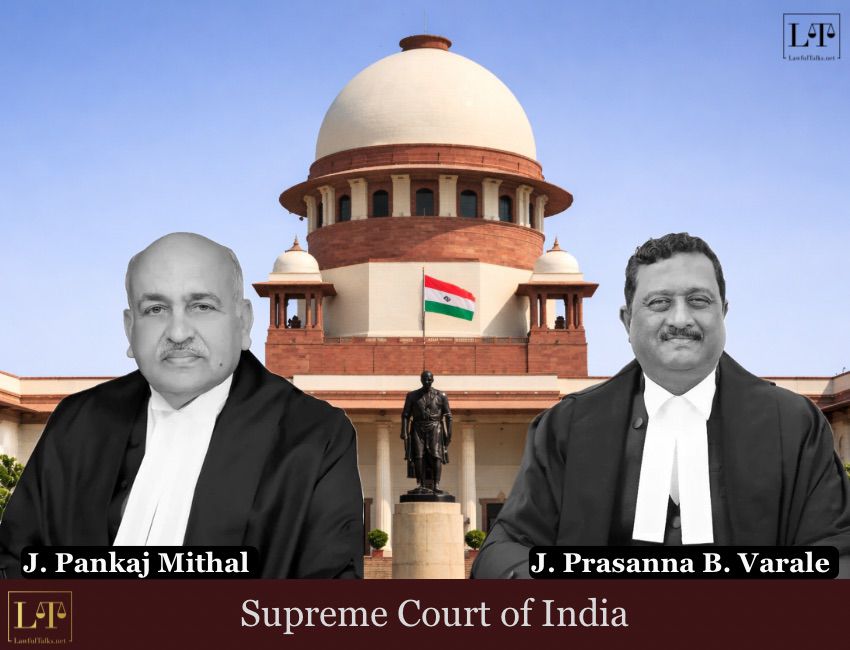
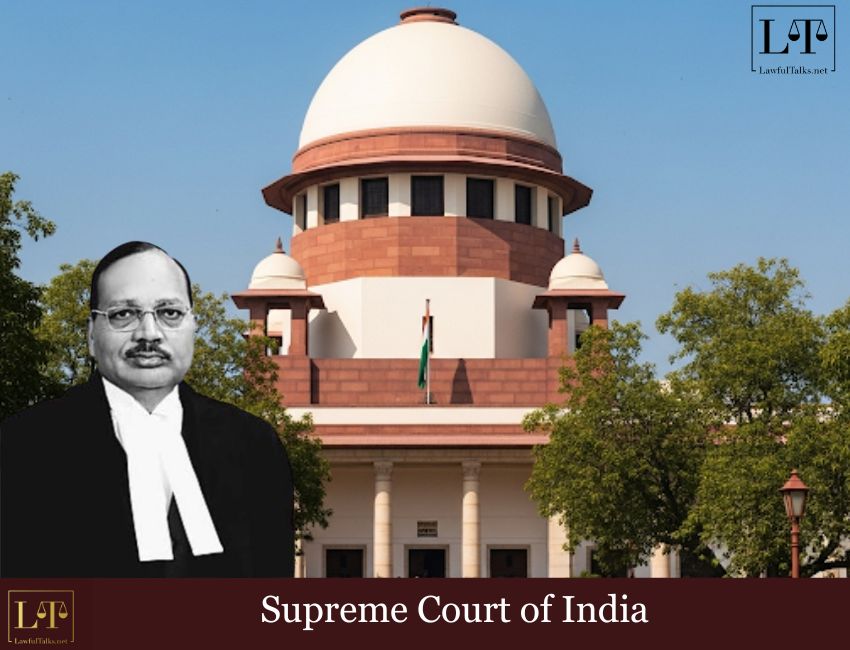
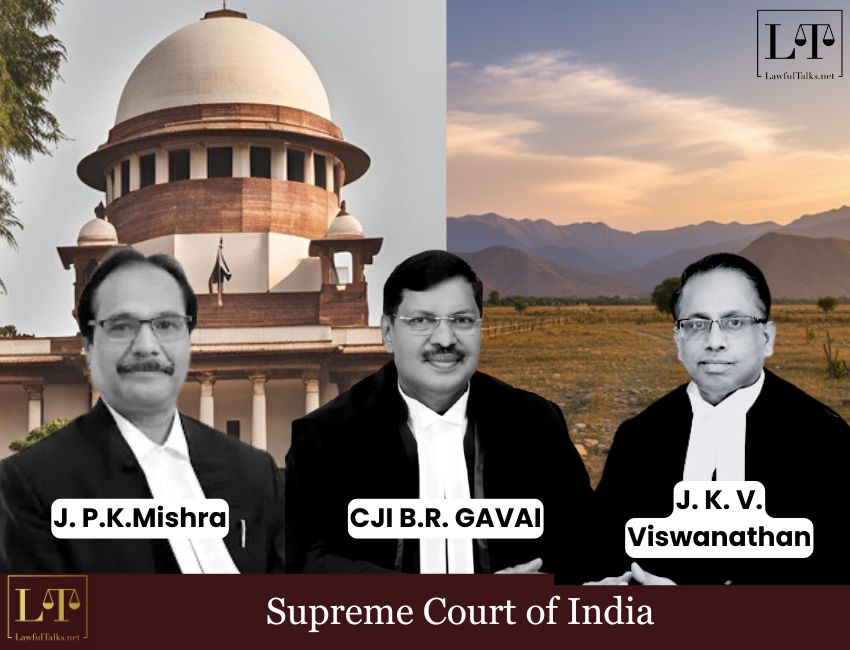
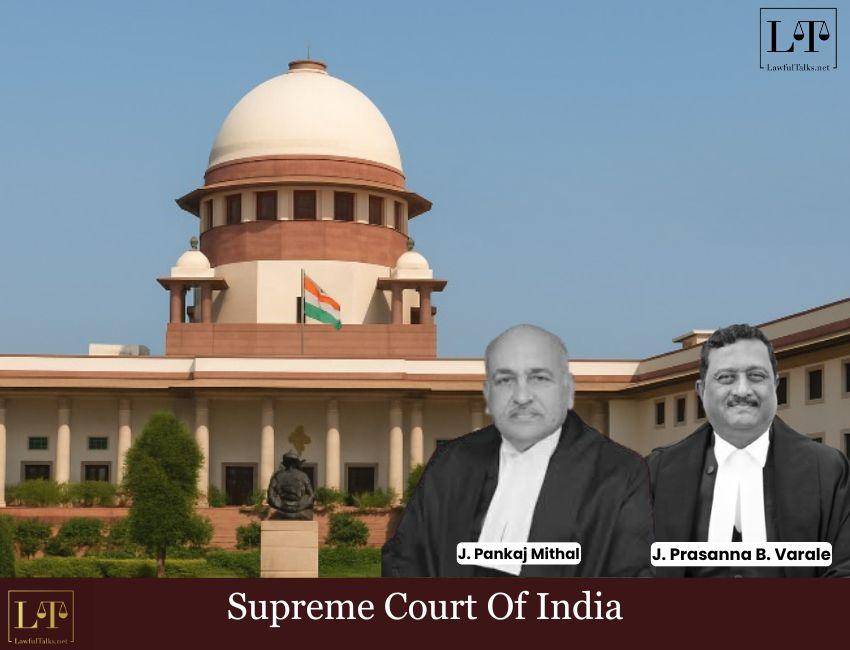
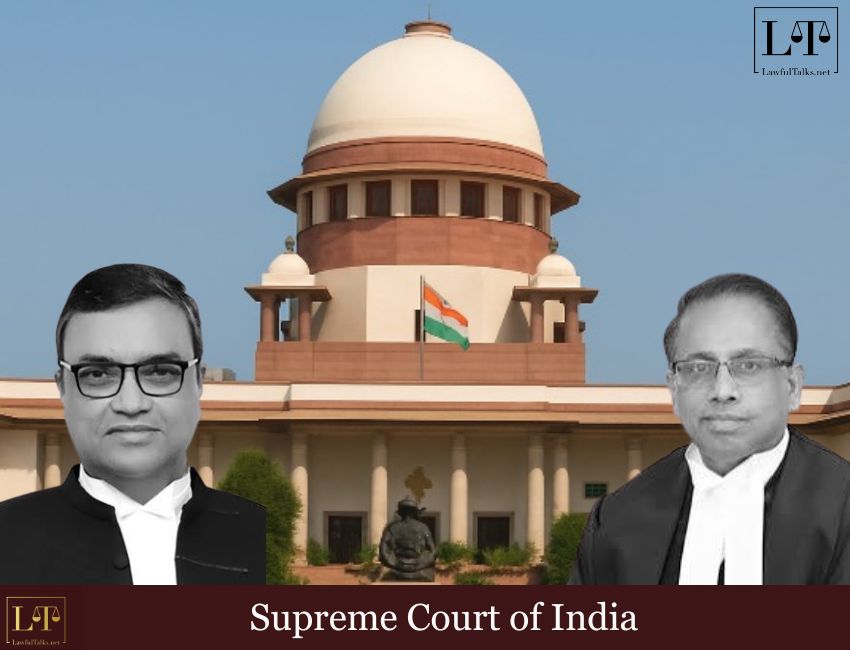
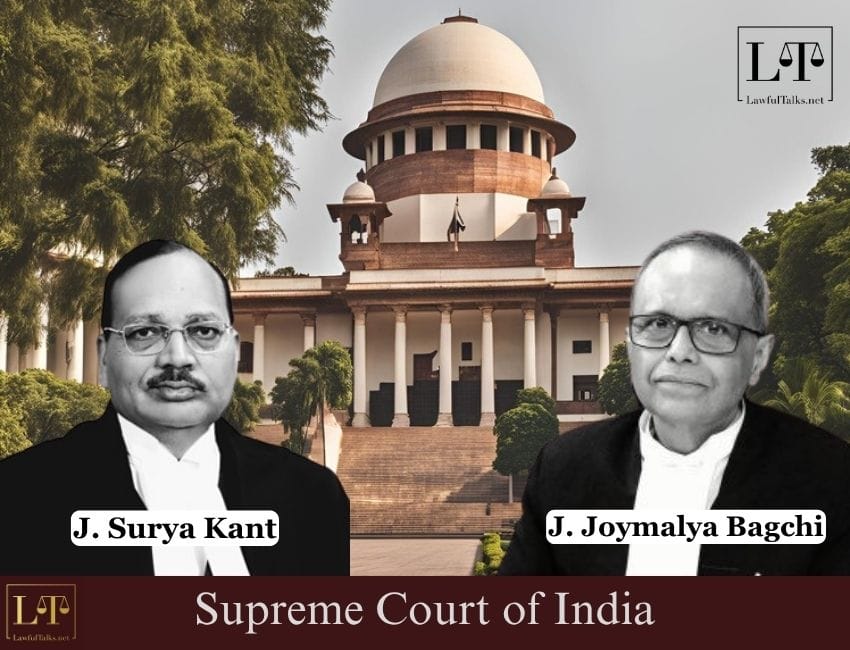
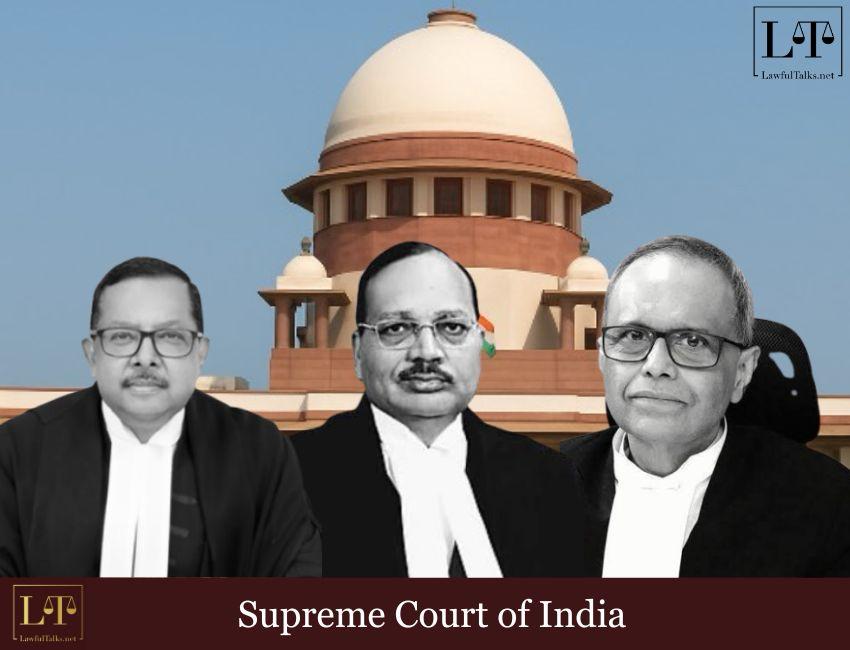
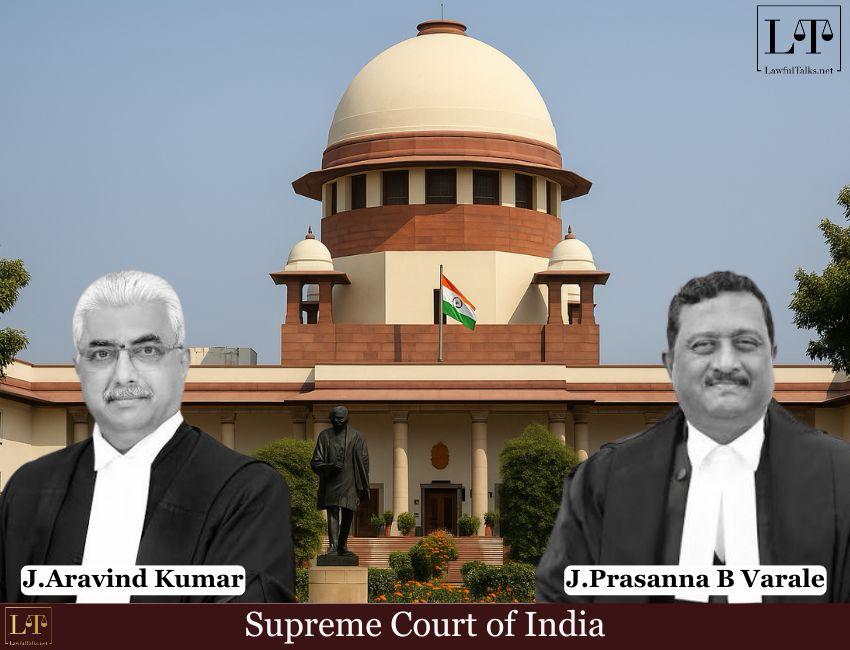
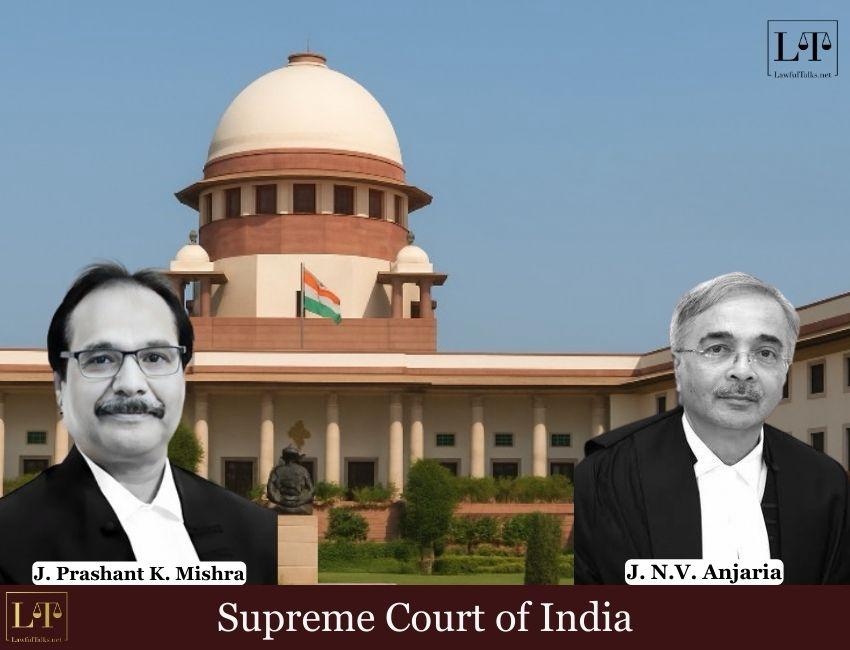
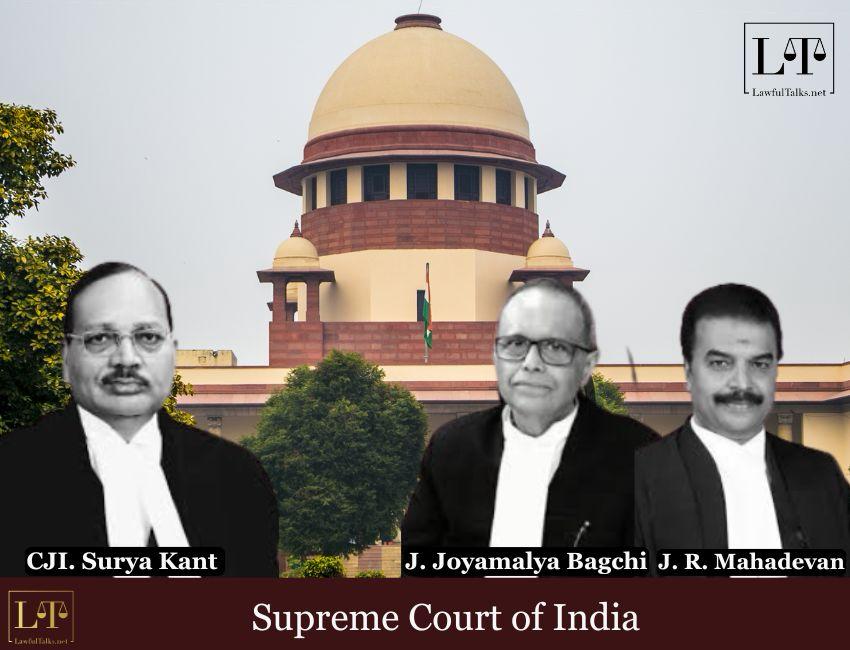
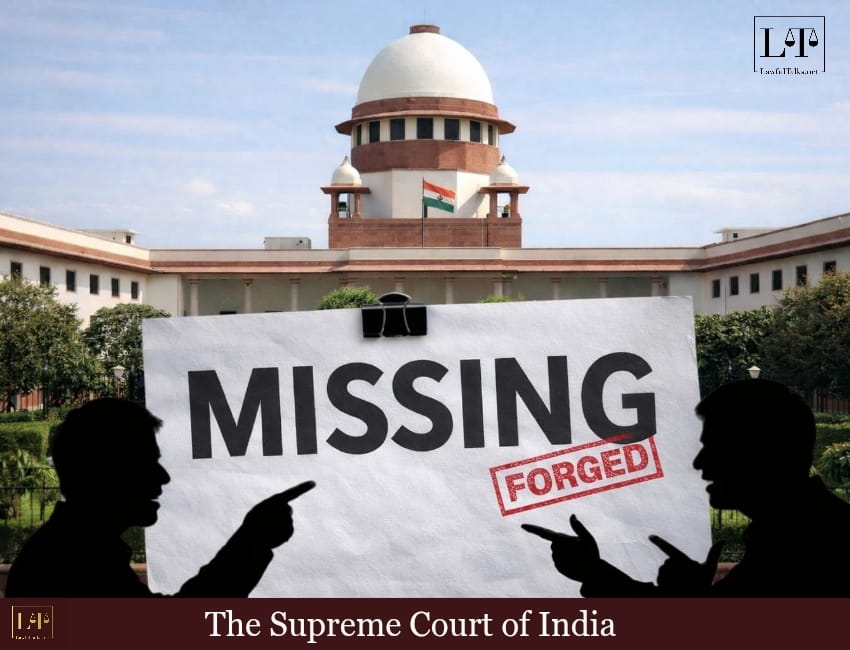
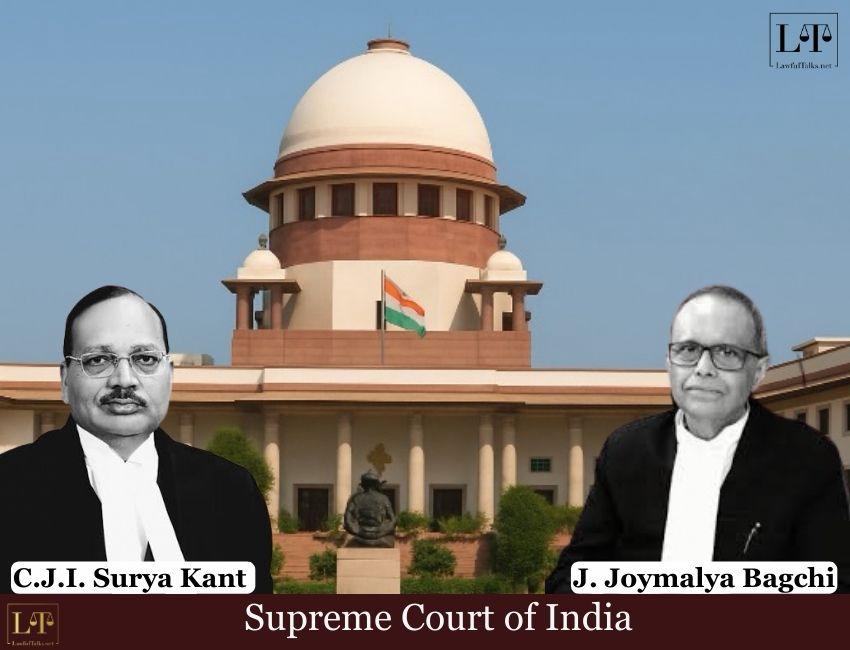
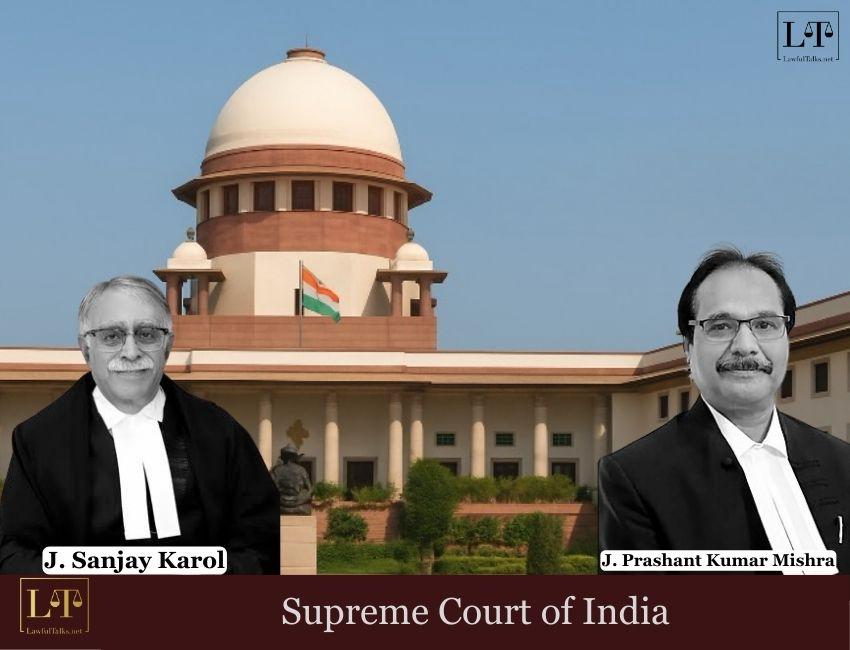
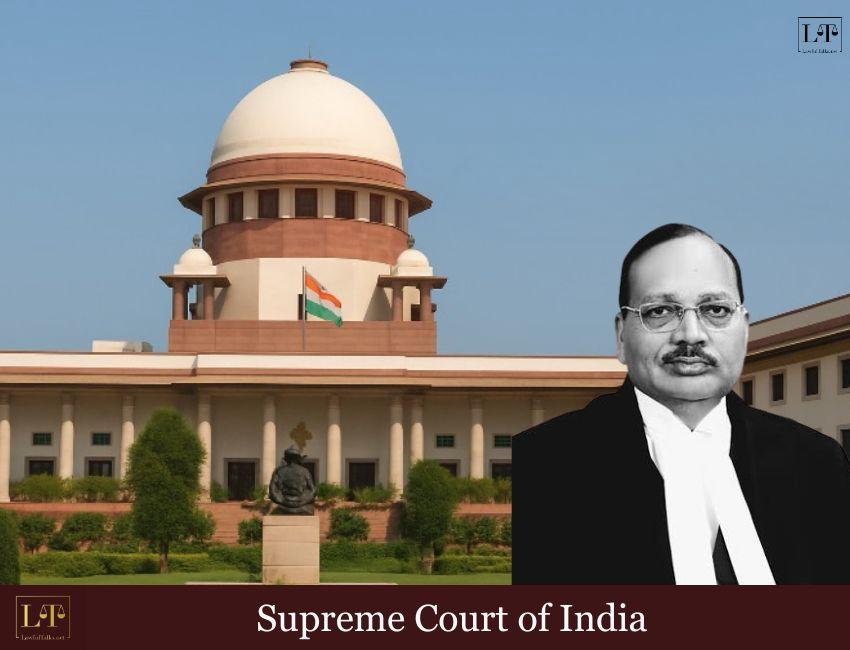
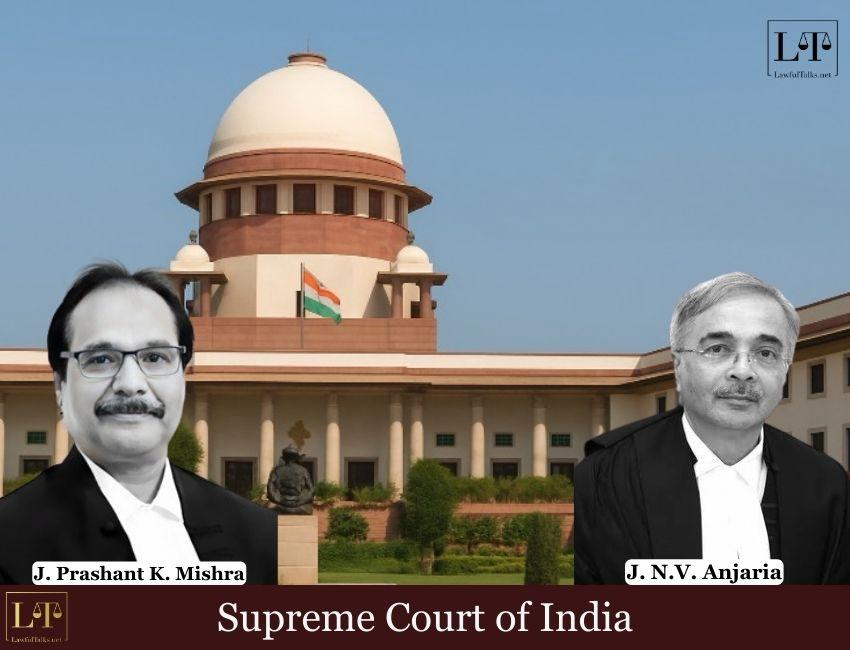
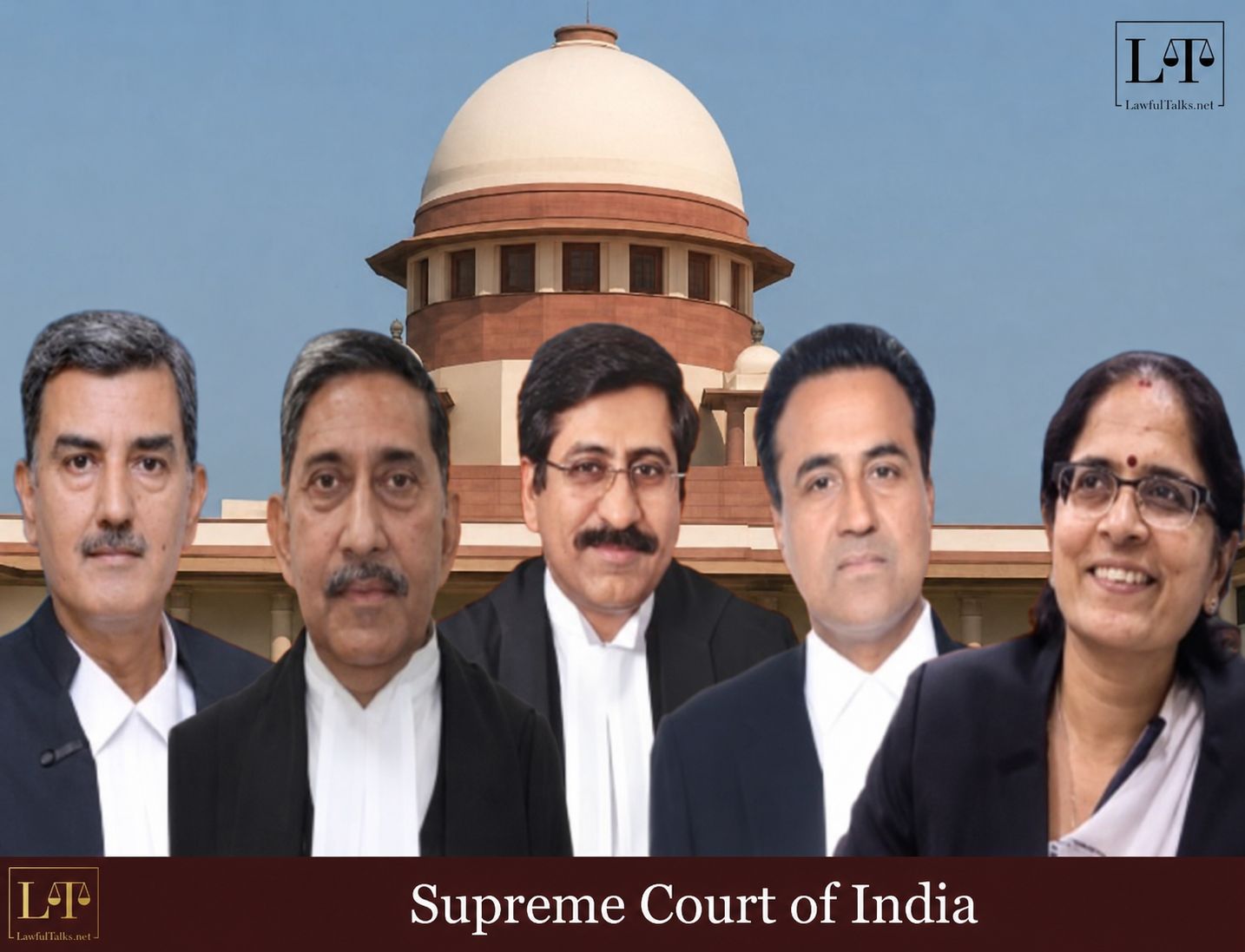
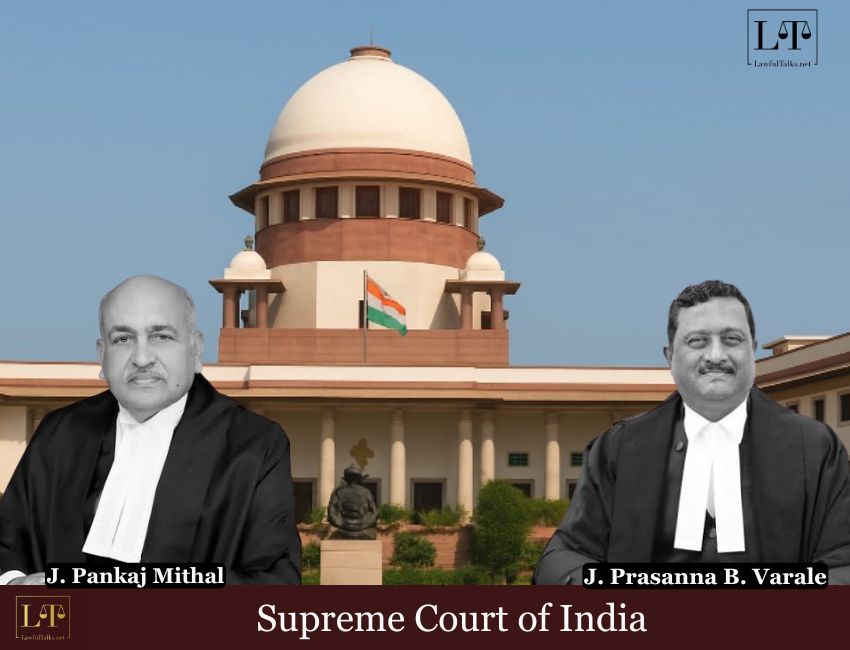
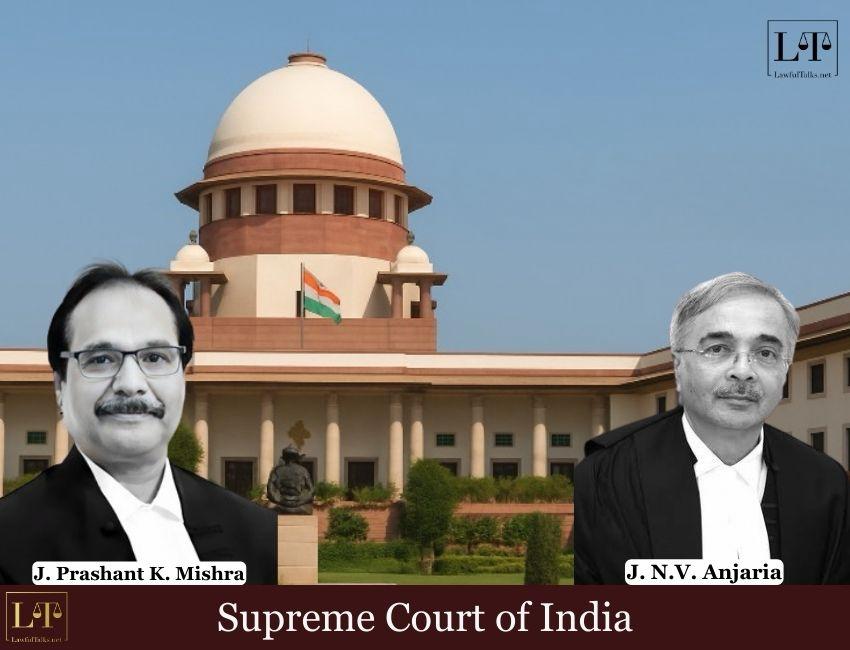
A Bench of Justice Pankaj Mithal and Justice Prasanna B. Varale said that the offence of conspiracy is complete when there is a “meeting of minds” between the accused persons. The Bench added that conspiracy cannot be assumed just because a person was present with, or connected to, the main accused. There must be clear and convincing evidence to show that the accused had agreed to commit the offence.
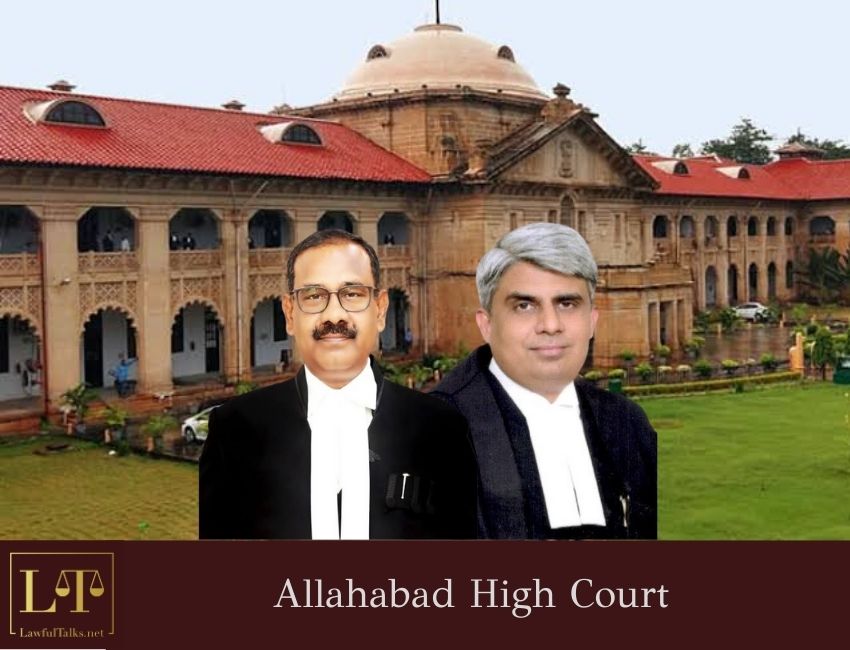
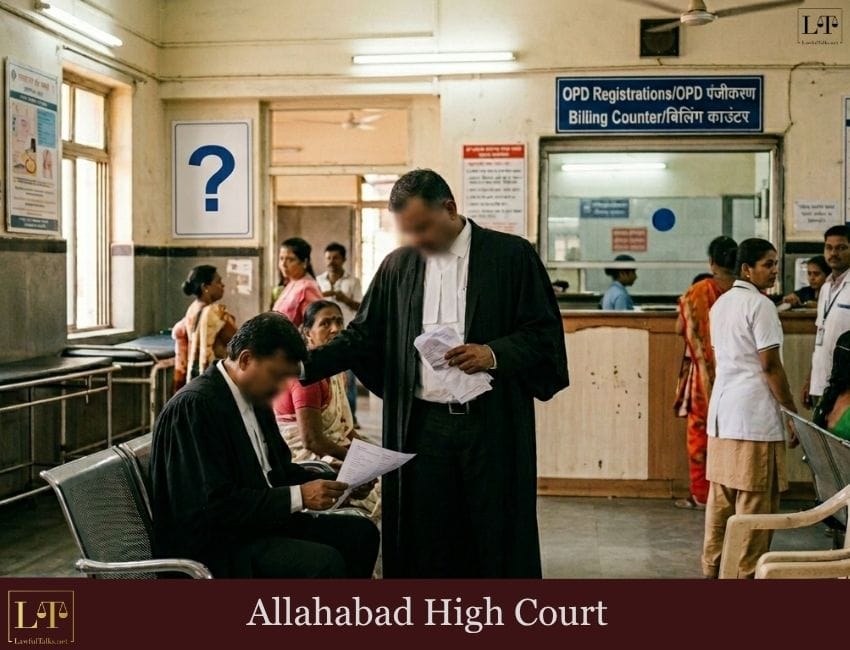
The court made these observations while hearing an appeal filed by the State of Uttar Pradesh against an Allahabad High Court judgment that had acquitted three Central Excise Inspectors of charges of criminal conspiracy and bribery.
The case dates back to 1995.
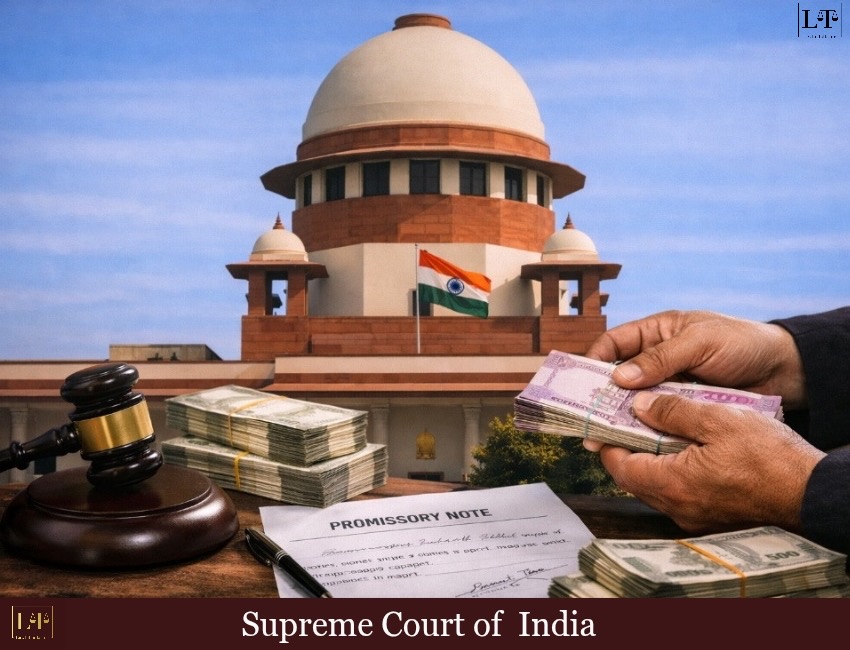
According to the prosecution, R.K. Srivastava, Superintendent of Central Excise, visited M/s Prime Products and the adjoining factory M/s Amoli Ceraplast. During the visit, he allegedly seized certain documents and demanded ₹80,000 as illegal gratification for returning them.
The prosecution claimed that three Central Excise Inspectors—A.K. Gaba, Alok Gupta, and Dushyant Kumar—were also part of the conspiracy because they were allegedly present when the demand for the bribe was made and when the bribe was accepted.
The trial court convicted all the accused for criminal conspiracy and offences under the Prevention of Corruption Act.
However, the Allahabad High Court set aside the conviction, holding that the prosecution had failed to prove the essential ingredients of demand and acceptance of the bribe, so far as the three Inspectors were concerned.
The State of Uttar Pradesh challenged that acquittal before the Supreme Court.
The Supreme Court dismissed the State’s appeal and agreed with the High Court. It held that the circumstances relied upon by the prosecution were not sufficient to prove the offence of criminal conspiracy under Section 120B IPC.
Referring to Banarsi Dass v. State of Haryana, the Court reiterated that merely recovering tainted money is not enough to convict an accused unless there is clear evidence proving both the demand and acceptance of illegal gratification.
The Court stated:
“where in the facts of the case the Court took the view that mere recovery of money from the accused by itself is not enough in absence of substantive evidence for demand and acceptance.”
On the law relating to conspiracy, the Court observed:
“On a well-settled principle that for establishing the charge of conspiracy, the pre-requisite is satisfactory evidence to show that there was meeting of mind of the accused so as to hatch up the conspiracy and then to act so as to give effect to the hatched conspiracy. On this aspect also, the prosecution miserably failed.”
The Bench also referred to Esher Singh v. State of A.P., where the Court had held:
“There must be a meeting of minds resulting in ultimate decision taken by the conspirators regarding the commission of an offence and where the factum of conspiracy is sought to be inferred from circumstances, the prosecution has to show that the circumstances give rise to a conclusive or irresistible inference of an agreement between two or more persons to commit an offence. As in all other criminal offences, the prosecution has to discharge its onus of proving the case against the accused beyond reasonable doubt…”
Applying those principles to the present case, the Supreme Court said:
“In the case at hand, except alleging presence of the respondents at certain places during the relevant period, the prosecution has failed to produce any substantive evidence indicating prior agreement or concert between the respondents and the principal accused R.K. Srivastava. The High Court has rightly noted that even according to the prosecution story, the principal allegation of demand was against R.K. Srivastava alone. No independent material has been brought on record to show that the respondents actively participated in the alleged demand or shared the criminal intent necessary to constitute conspiracy.”
The Court also pointed out that an important piece of evidence was never produced.
It observed:
“The High Court also noticed a very interesting facet which led to withholding the best evidence. It was the case of the prosecution reflected through the complainant that a tape recorder was used for recording of the conversation of demand being made by the accused to the complainant. For the reasons best known to the investigating agency, this very material piece of evidence was not at all seized by the investigating agency and there is no explanation whatsoever which would be offered by prosecution.”
The Bench further noted:
“For all the reasons stated above, High Court has rightly found fault with the reasoning adopted by the learned Trial Court, observing that the conviction was substantially based on presumptions and conjectures rather than legally admissible evidence.”
Why no interference:
Finally, the Court explained why it would not interfere with the High Court’s acquittal under Article 136 of the Constitution:
“This court, while exercising jurisdiction under Article 136 of the Constitution, does not ordinarily interfere with an order of acquittal unless the findings are manifestly illegal, perverse or result in miscarriage of justice. No such exceptional circumstance is made out in the present case. The prosecution has failed to establish beyond reasonable doubt the essential ingredients of demand, acceptance and criminal conspiracy. The findings recorded by the High Court neither suffer from perversity nor can they be termed contrary to law.”
Finding no error in the High Court’s judgment, the Supreme Court dismissed the appeal.
Case Details: STATE OF UTTAR PRADESH VERSUS A.K.GABA ETC





















































































































































































Sign up for free and be the first to get notified about curated content just for you.