Can a News Channel Reveal Details That Identify a Minor Sexual Assault Victim? Delhi HC Says Aaj Tak Violated Her Privacy.

- July 02, 2026


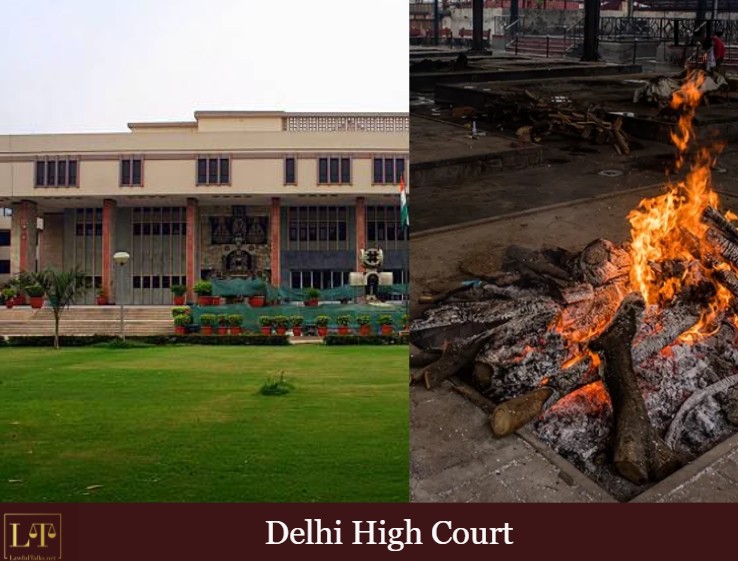
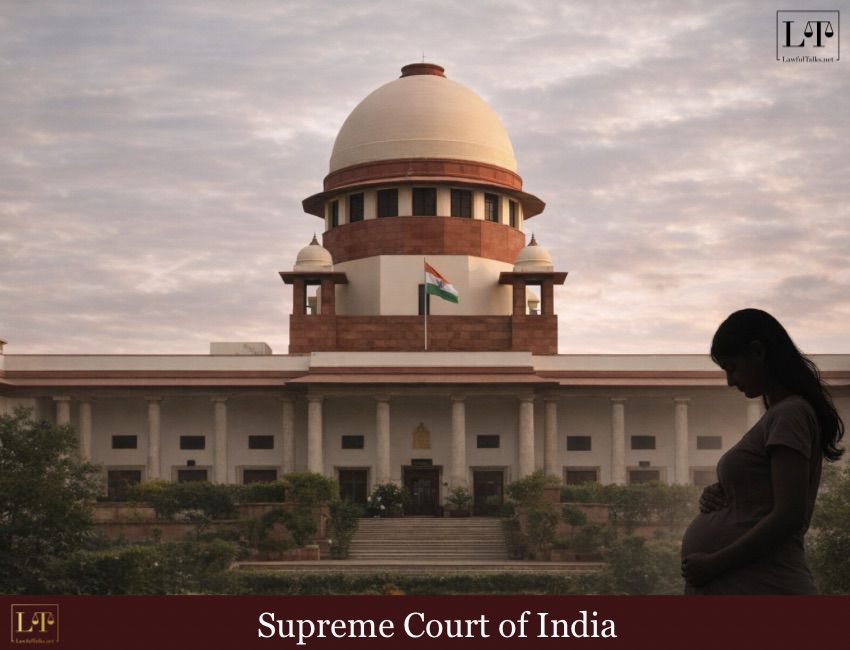
The Delhi High Court has dismissed an appeal filed by TV Today Network Limited, the company that owns and operates the news channel Aaj Tak, and has once again held that the right to privacy of victims of sexual offences cannot be sacrificed in the name of media reporting.
Privacy Cannot Be Ignored:
The Court said that while the media has the freedom to report news, it also has an equally important duty to protect the dignity and identity of victims. The appeal challenged an order holding the broadcaster liable for violating the privacy rights of a minor victim.
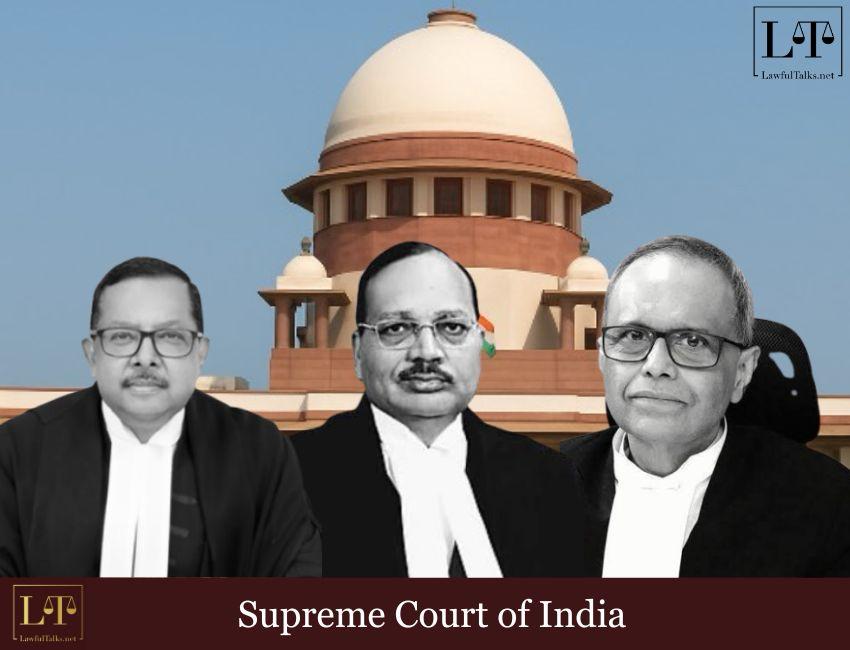
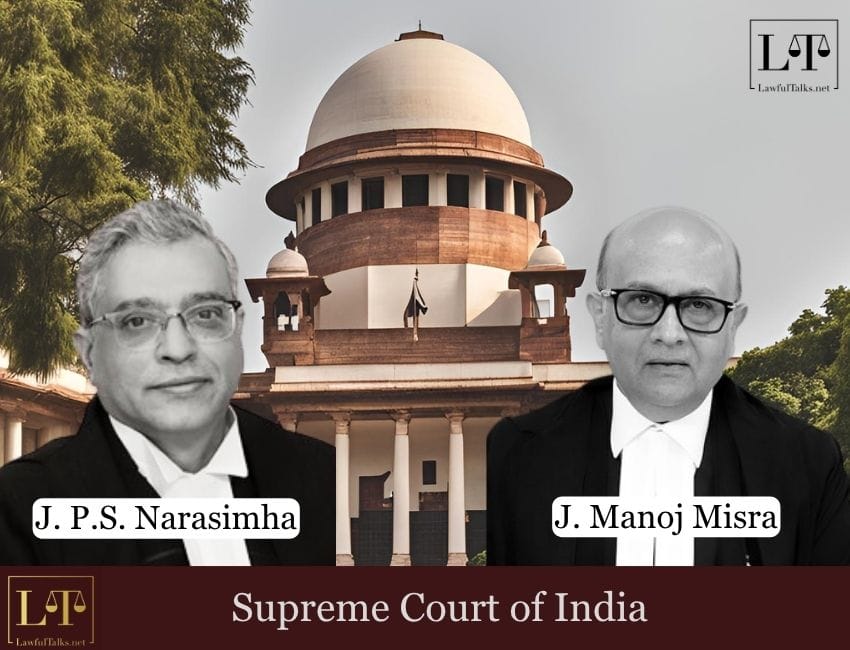
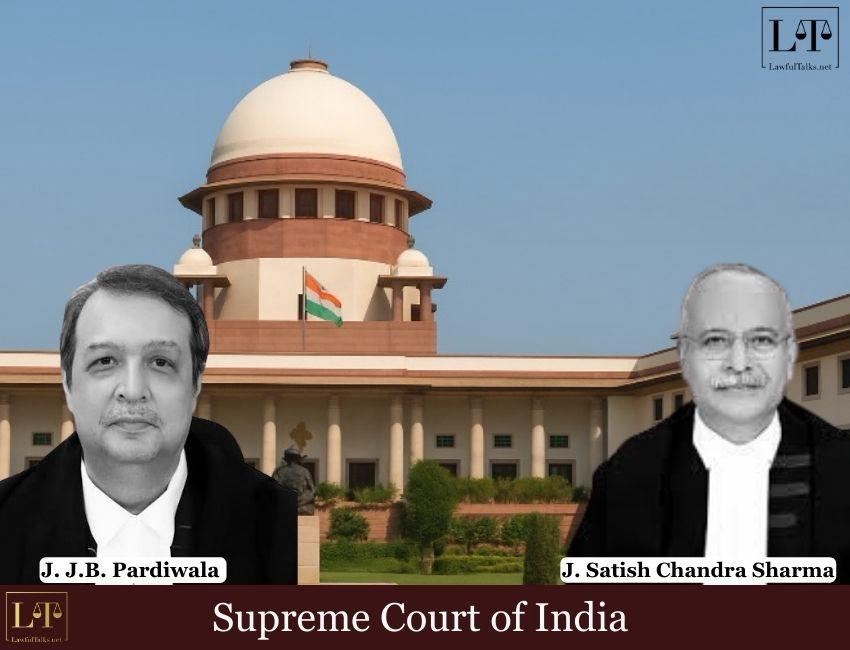
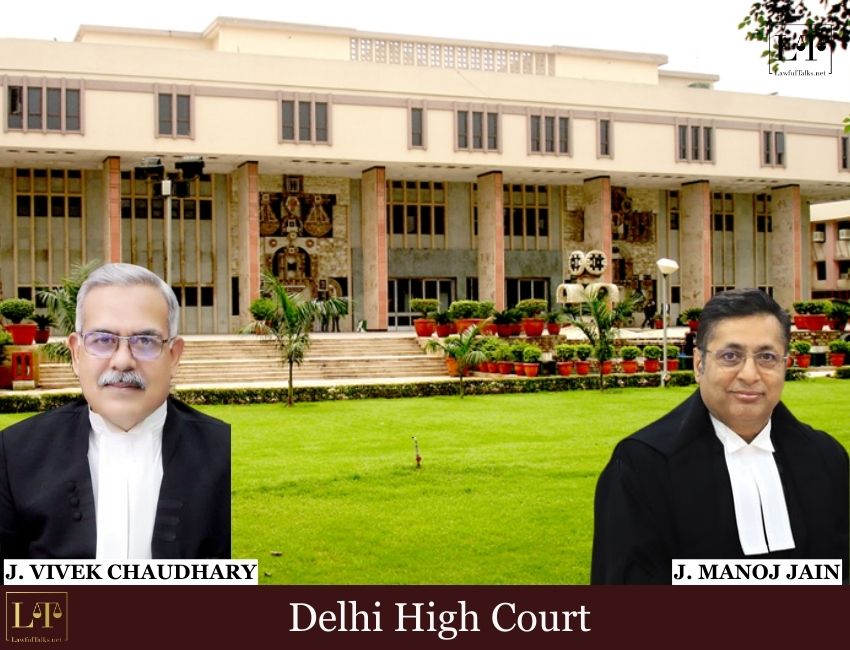
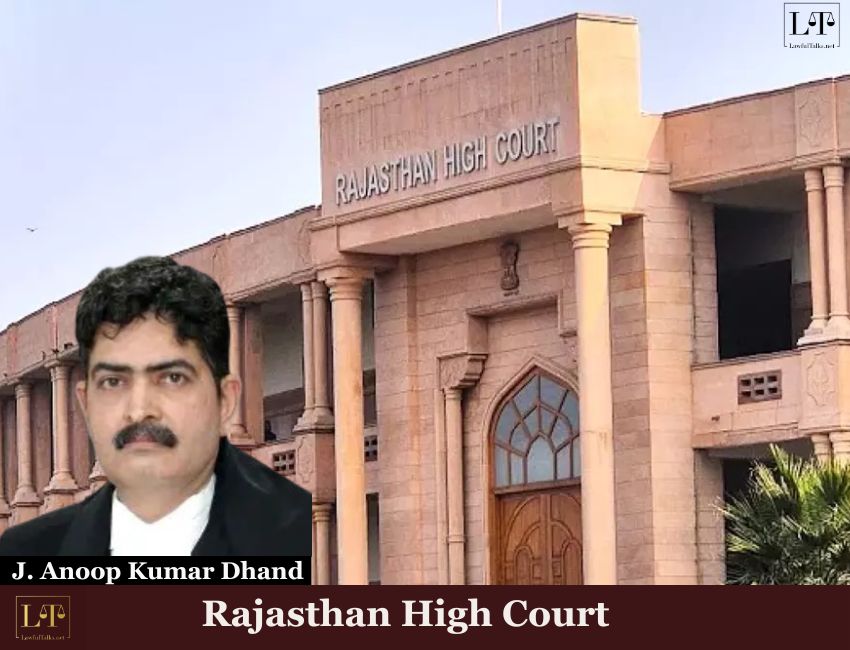
A Division Bench of Justice C. Hari Shankar and Justice Om Prakash Shukla dismissed the appeal filed by TV Today Network Limited. The Court upheld the earlier finding that the broadcaster had violated the fundamental right to privacy of a minor victim by airing details that could reveal her identity.
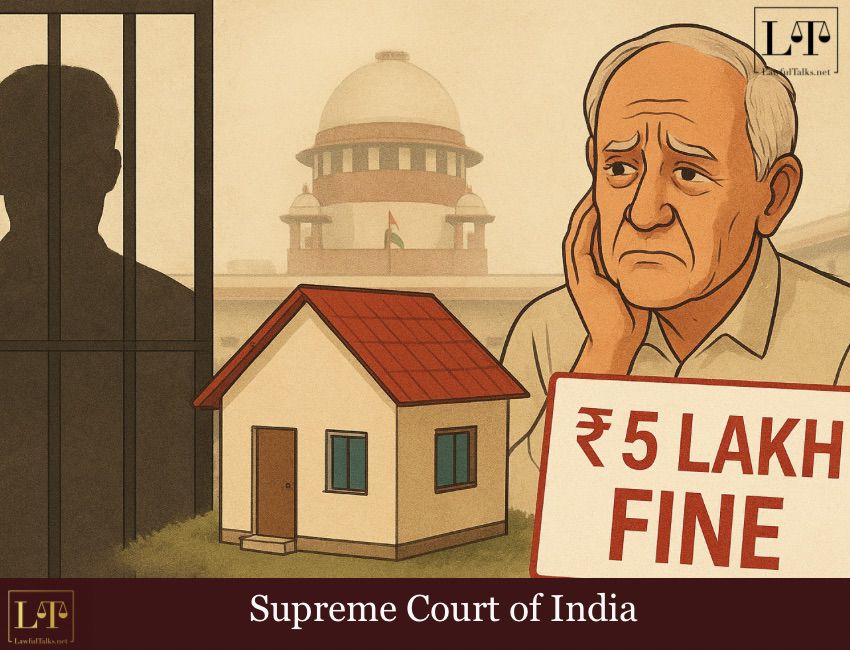
It also upheld the award of ₹5 lakh as compensation. The Court observed that although the media has an important role in informing the public, it cannot ignore the constitutional rights of individuals while reporting news.
What Happened?
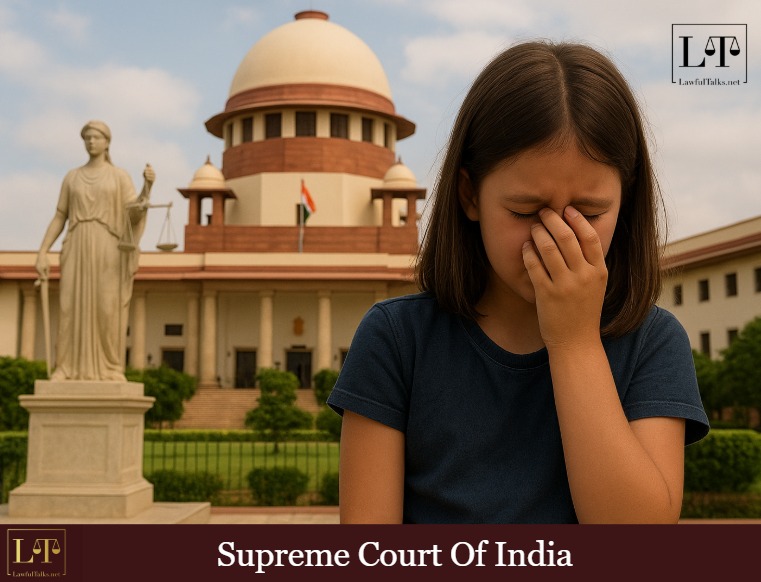
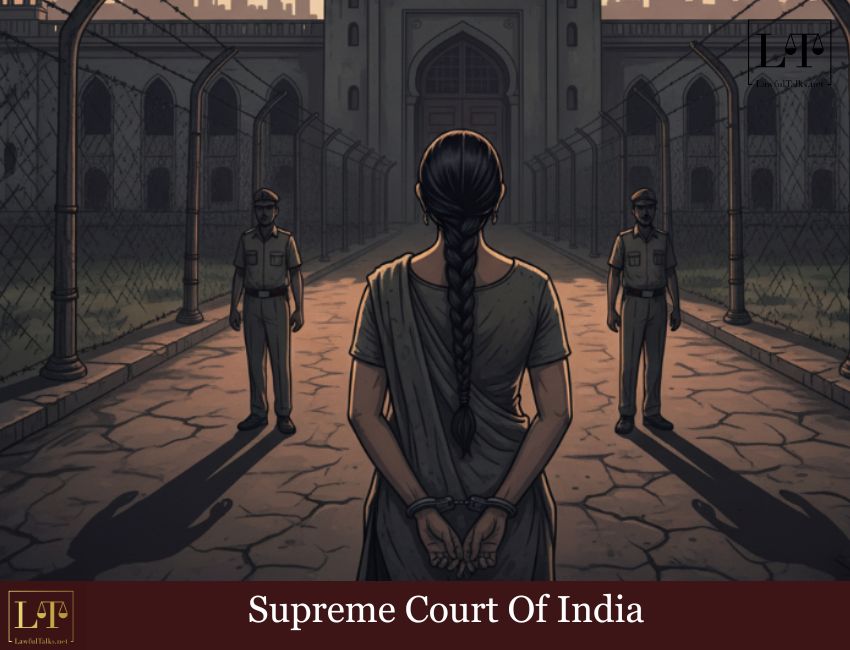
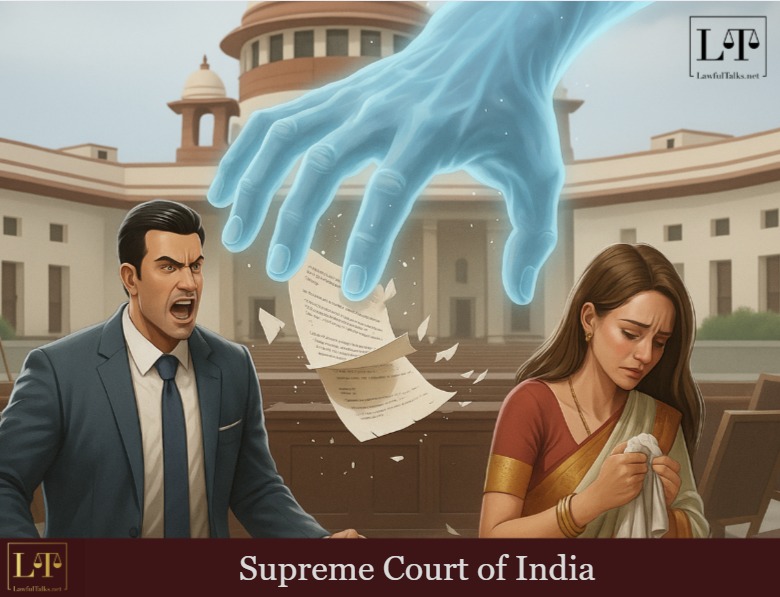
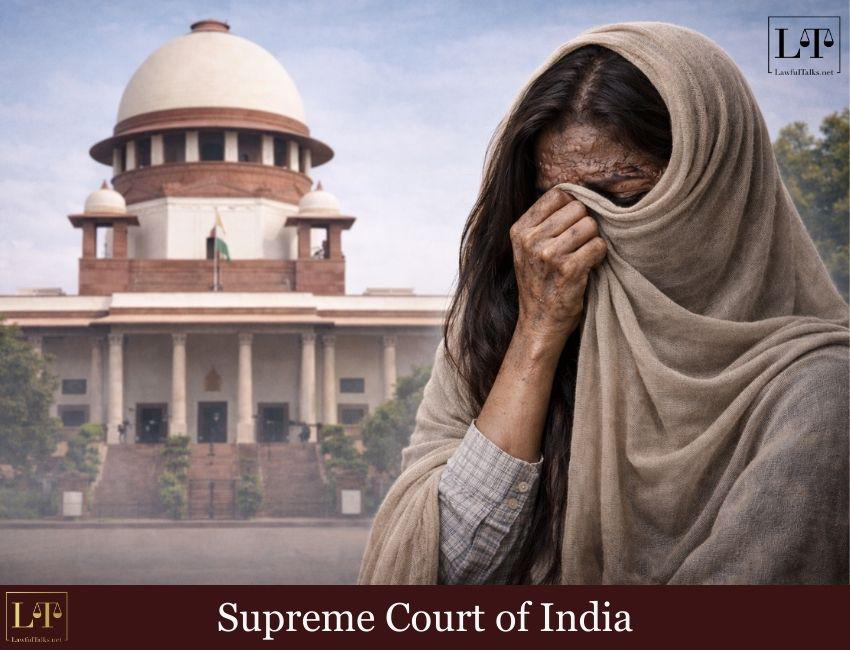
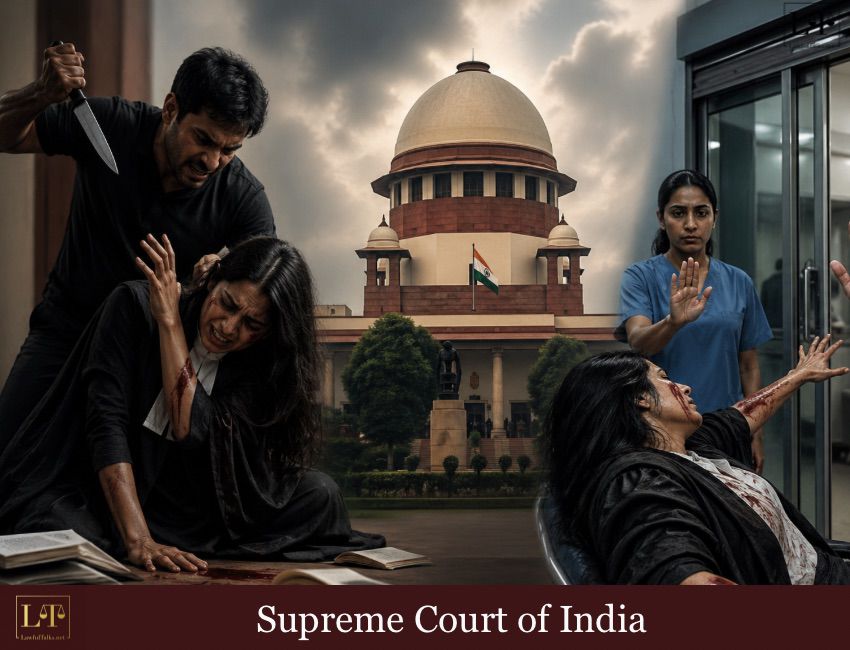
The case relates to an incident that took place in 2005. A minor girl filed a complaint against her father, accusing him of sexually assaulting her. Before this, another television channel had recorded an interview with the victim’s mother. However, after the mother requested that it should not be telecast, the channel did not air the interview.
A few days later, a team from Aaj Tak went to the family’s house to seek an interview. The family refused to let the reporters enter the house. Despite this, the channel later telecast a report that disclosed the father’s name, his designation, his workplace, the locality where the family lived, visuals of the residential colony, and the mother’s voice.
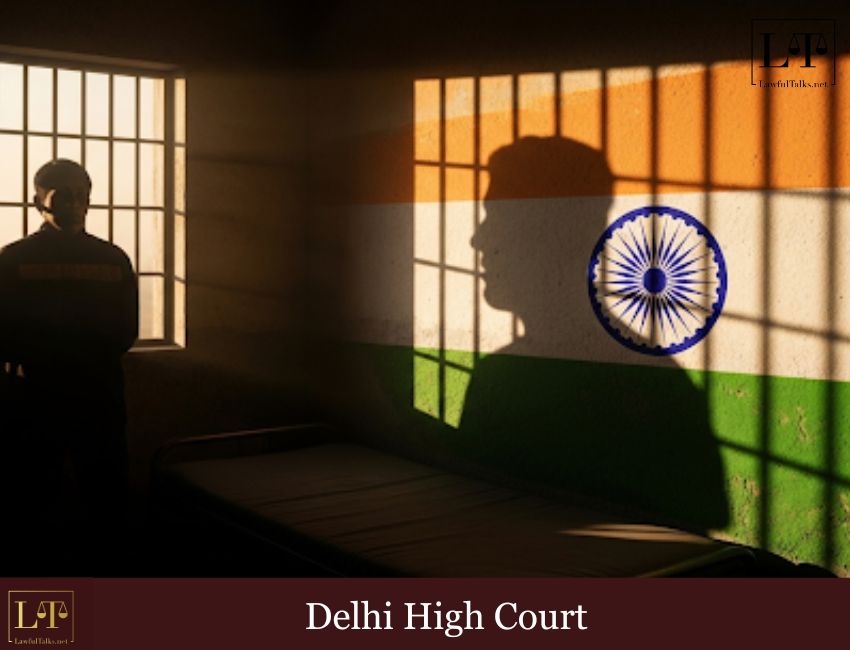
According to the victim’s mother, these details were enough for neighbours and people who knew the family to identify the child. Because of this, the family had to leave their home and go into hiding. She then filed a petition before the Delhi High Court, claiming that her daughter’s right to privacy had been violated and seeking compensation.
Broadcaster’s Arguments:
Before the Division Bench, the broadcaster argued that the writ petition itself was not maintainable because it was a private media company and not a State authority. The broadcaster also argued that, at the time of the incident, no law prohibited disclosure of the identity of a victim in a case under Section 354 of the IPC. It further claimed that it had never directly revealed the child’s identity.
It also argued that the victim’s mother herself had disclosed the child’s identity during an earlier interview with another news channel. Therefore, according to the broadcaster, her claim of violation of privacy was weak.
Court Rejects Arguments:
The High Court rejected all these arguments. The Court closely examined the law on whether writ petitions can be filed against private bodies. It reiterated that private organisations performing public functions can be subject to judicial review under Article 226 of the Constitution.
Referring to several landmark Supreme Court judgments, the Court said that the important question is not whether an organisation is private, but whether it performs a public function.
Media Has Public Duty:
The Court agreed with the Single Judge’s view that the media performs an essential public function in a constitutional democracy. Quoting the earlier judgment, the Bench said:
“The press and the media perform a public function and discharge a public duty of disseminating news, views and information, initiating and responding to debates and dealing with matters of current interest in society. Their functions touch the lives of practically everyone.”
The Court further observed that because the media has a huge influence on society, it must act fairly, responsibly and with restraint.
Victim’s Privacy:
On the issue of privacy, the Court held that a victim’s right to dignity and confidentiality is an inseparable part of the right to life under Article 21 of the Constitution. The Court said that even if some information has already become public, the media cannot disclose details that could reveal the identity of a victim of sexual abuse.
Emphasising the special protection available to victims of sexual offences, the Court observed:
“Even if the matter relating to a case of alleged sexual abuse becomes a part of the public record, the fundamental right of the victim to be safeguarded from further disclosure of identity and consequent subjection to social indignity does not come to an end.”
Child Could Be Identified:
The Division Bench agreed with the Single Judge that the telecast contained enough details to identify the child within her community. Although the child’s face was not shown, the report revealed her father’s identity, his official position, the family’s residential locality, visuals of their house and neighbourhood, and the mother’s voice. The Court held that when all these details were seen together, they made it possible for people to identify the victim.
The Court approved the Single Judge’s finding, which stated:
“A perusal of the video recording reveals blatant violation and disregard of the petitioner’s daughter’s right to privacy and confidentiality.”
Court Condemns Conduct:
The Court also rejected the broadcaster’s argument that the recording was done openly and with the knowledge of the victim’s mother. It observed that once the family had clearly refused to speak to the media, there was no justification for continuing to record or later telecasting the footage.
Strongly criticising the broadcaster’s conduct, the Court quoted the Single Judge’s observations:
“Such gross misconduct on the part of respondent no. 3 calls for the strongest condemnation. Their act was a display of a prurient or morbid curiosity as proscribed in the Norms of Journalistic Conduct.”
Compensation Upheld:
While upholding the award of ₹5 lakh as compensation, the Division Bench held that constitutional courts have the power to award public law compensation when a person’s fundamental rights are violated.
The Court concluded that the broadcaster’s actions had seriously violated the minor victim’s constitutional rights to privacy and dignity. Therefore, compensation was an appropriate remedy.
Case Details: TV TODAY NETWORK LIMITED VS. ABC & ORS. LPA 264/2013

































































































































































































































Sign up for free and be the first to get notified about curated content just for you.