“Does Exempting Sikh Men From Helmet Rules Violate Article 14? Bombay HC Answers.”

- July 02, 2026


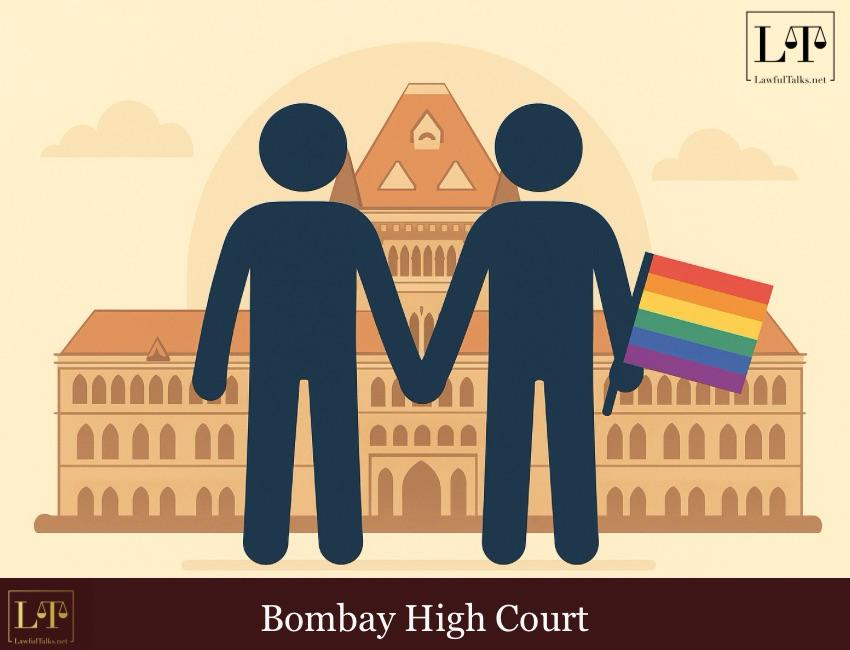
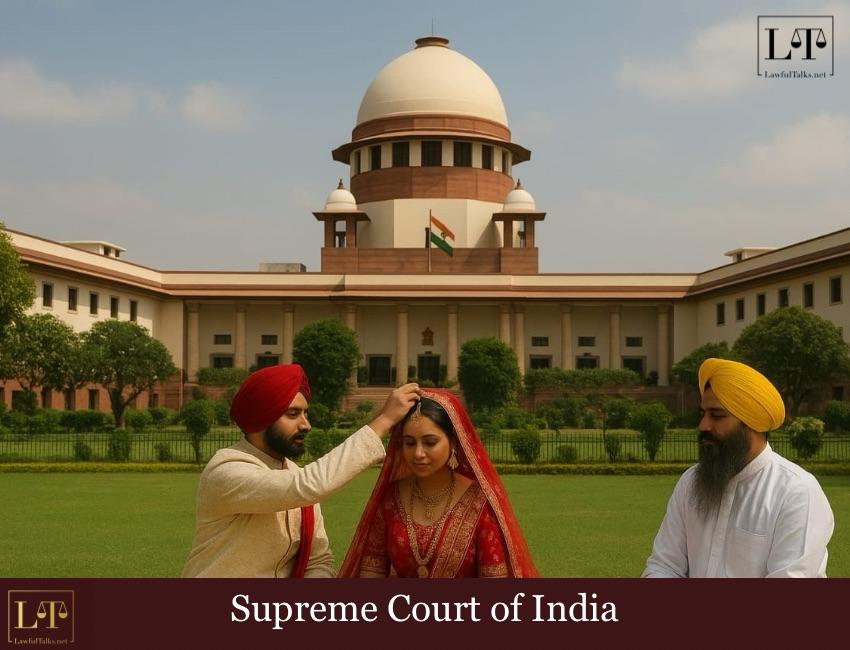
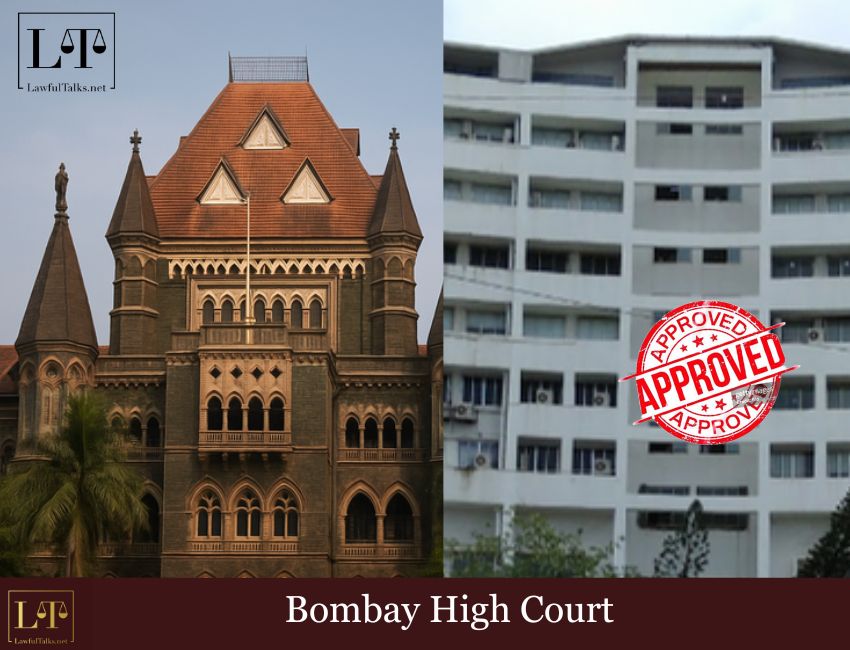
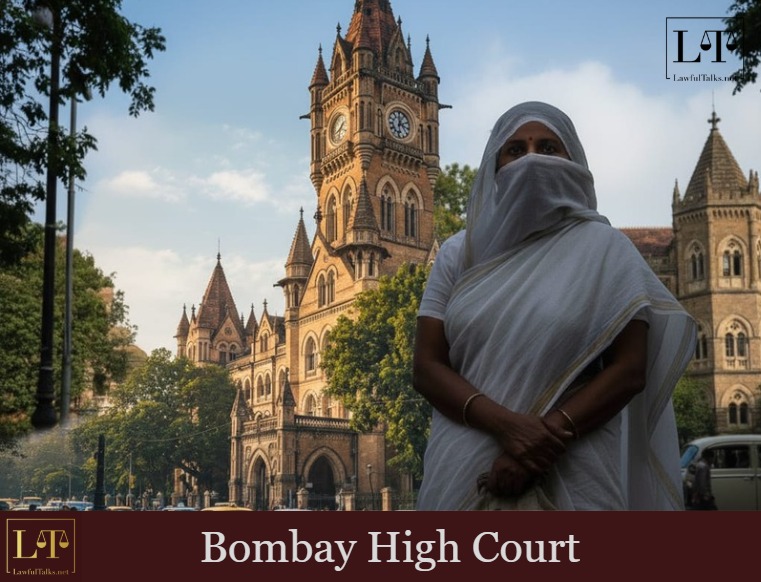
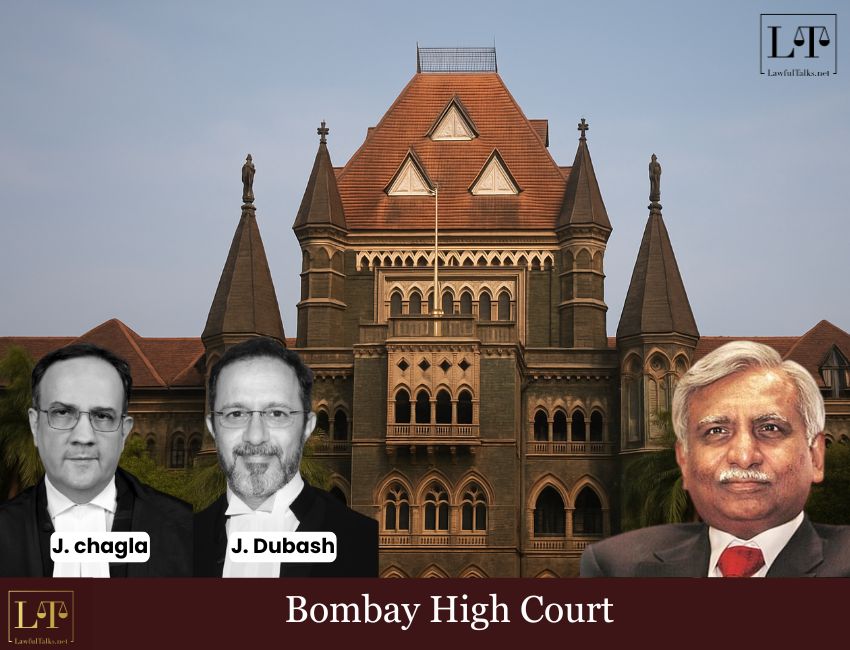
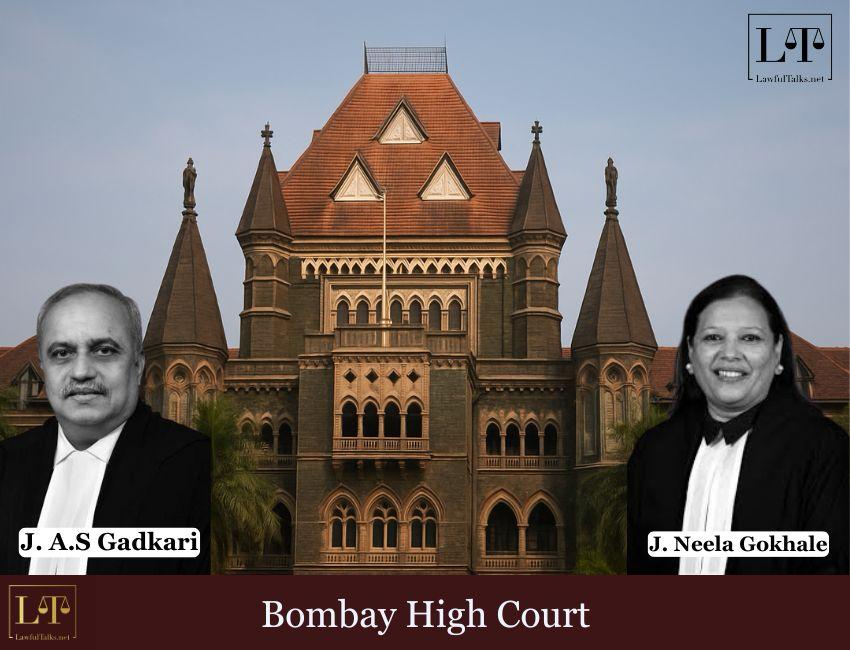
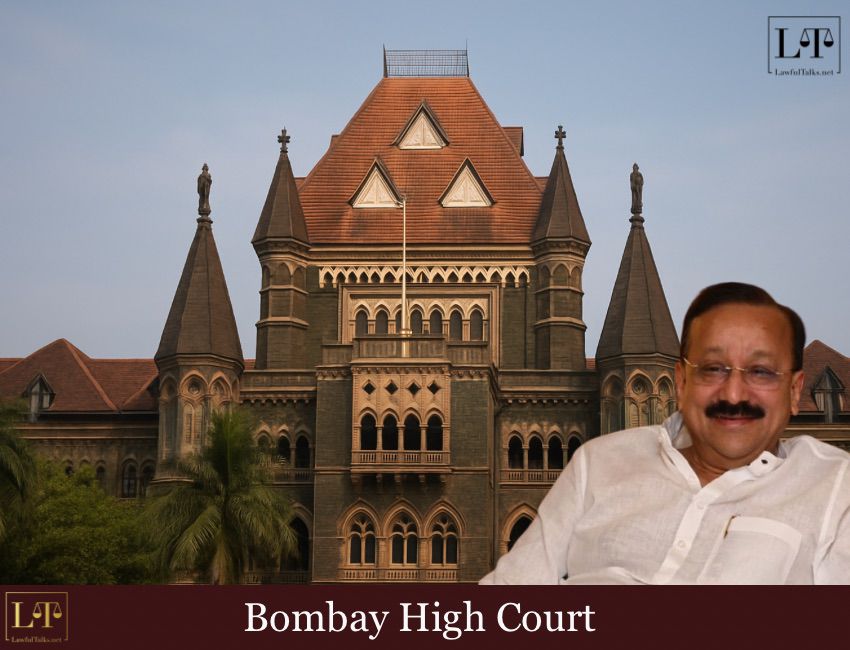
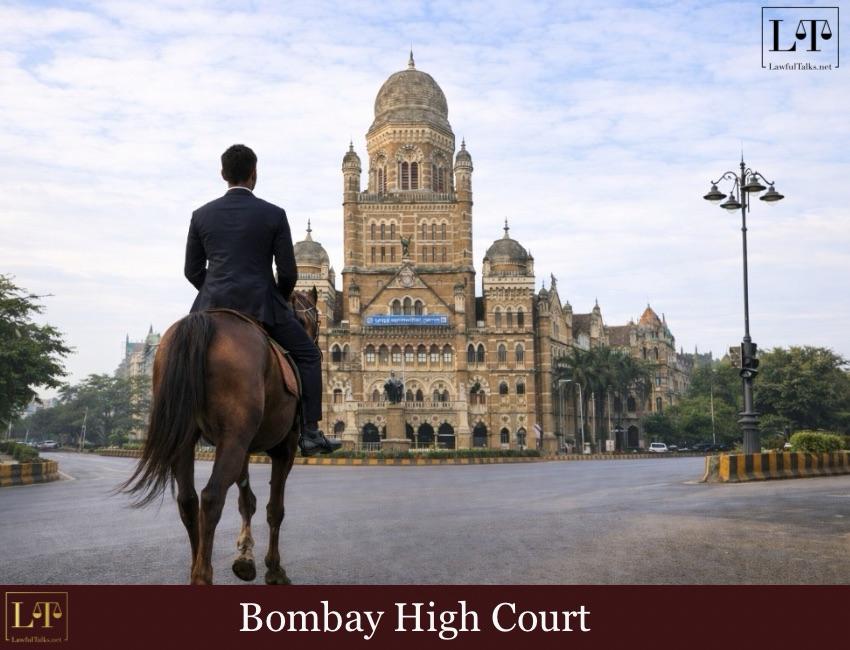
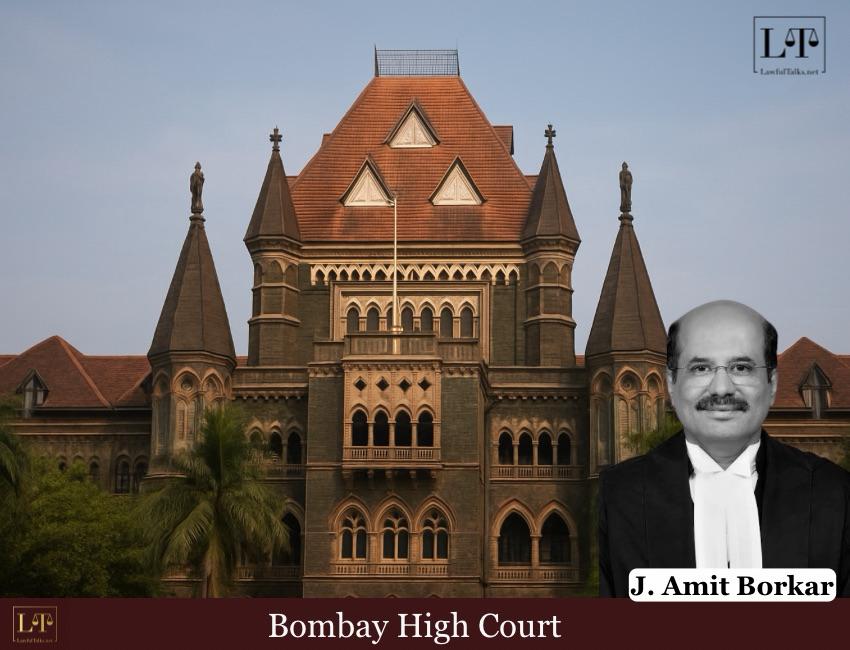
The Nagpur Bench of the Bombay High Court has upheld the exemption given to Sikh men wearing turbans from the compulsory requirement of wearing helmets while riding two-wheelers. The Court held that this exemption is based on the principle of reasonable classification under Article 14 of the Constitution and not on religion.
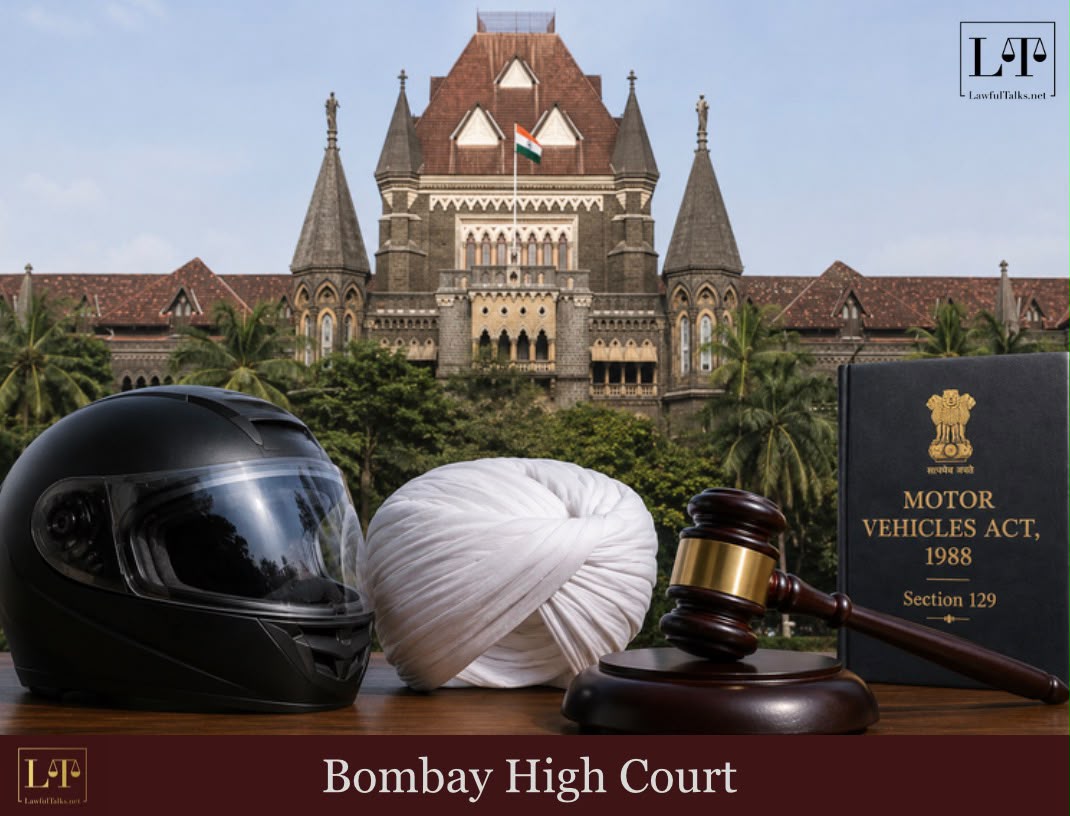
The court dismissed a writ petition challenging the constitutional validity of the proviso to Section 129 of the Motor Vehicles Act, 1988, and held that the provision does not violate the right to equality.
The Court observed:
“Grant of exemption under Proviso to Section 129 of the MV Act cannot be said to be contrary in any way or undermining substantive part of Section 129.”
The Bench further said:
“The contention raised by the petitioner in respect of violation of Article 14 of the Constitution is also misconceived. Article 14 of the Constitution prohibits class legislation and not reasonable classification for the purposes of legislation.”
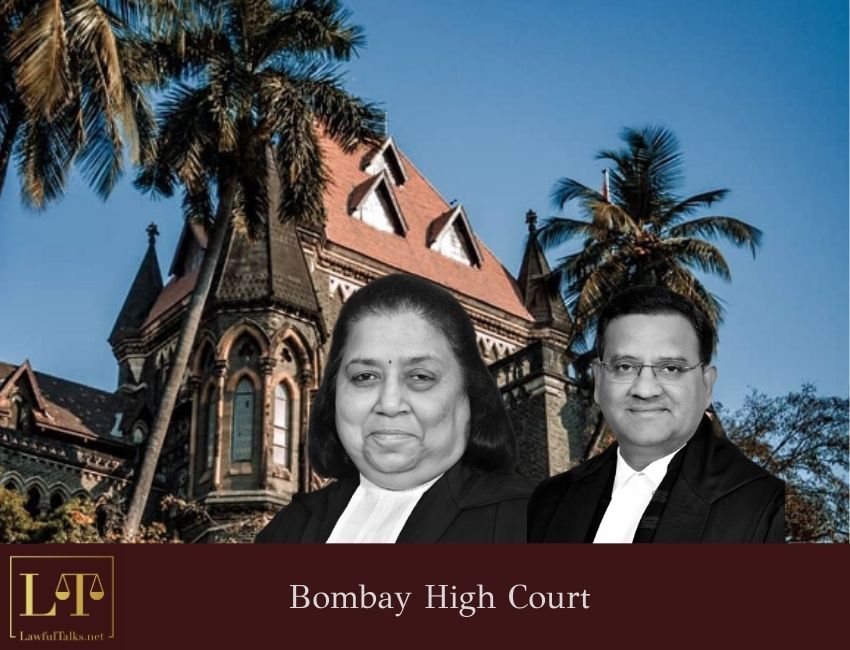
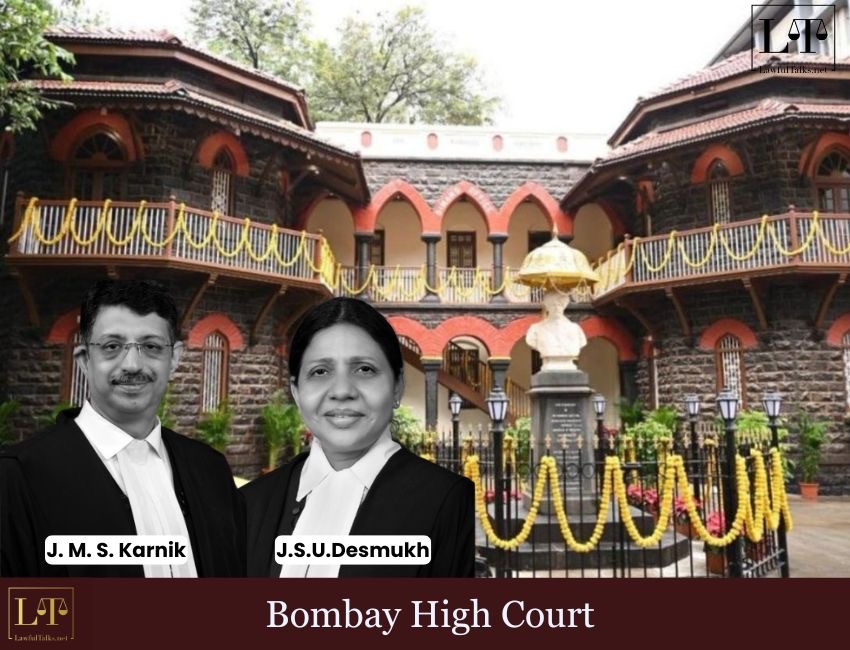
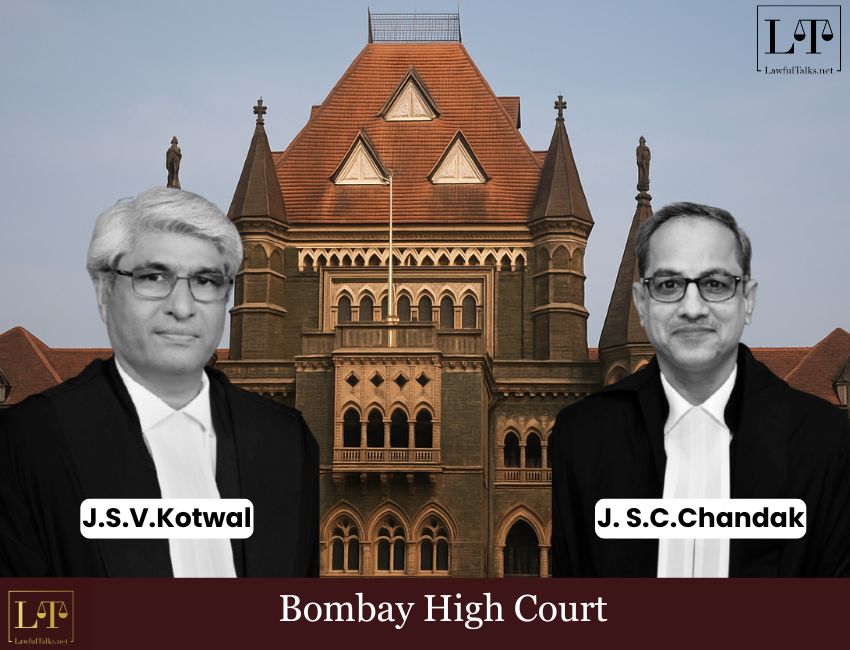
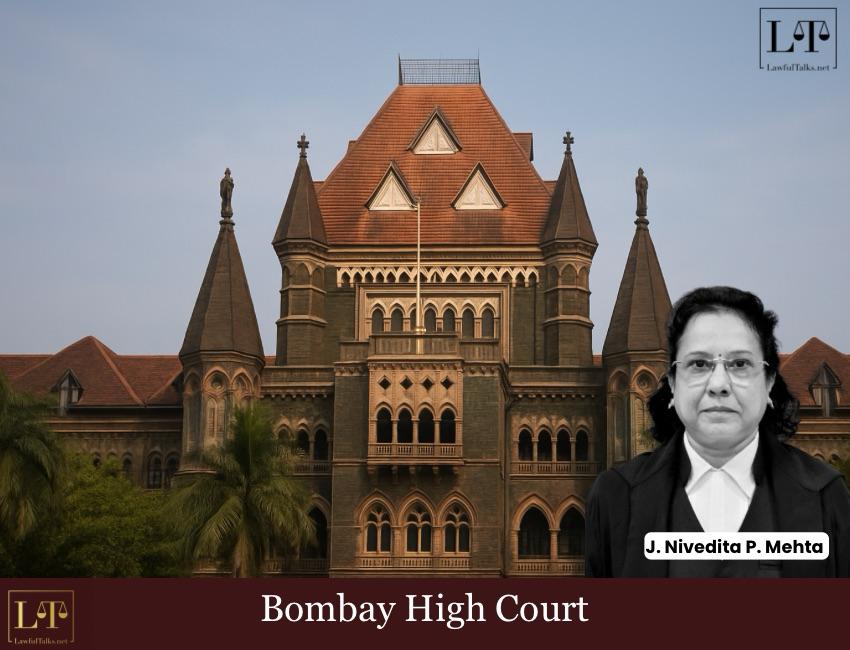
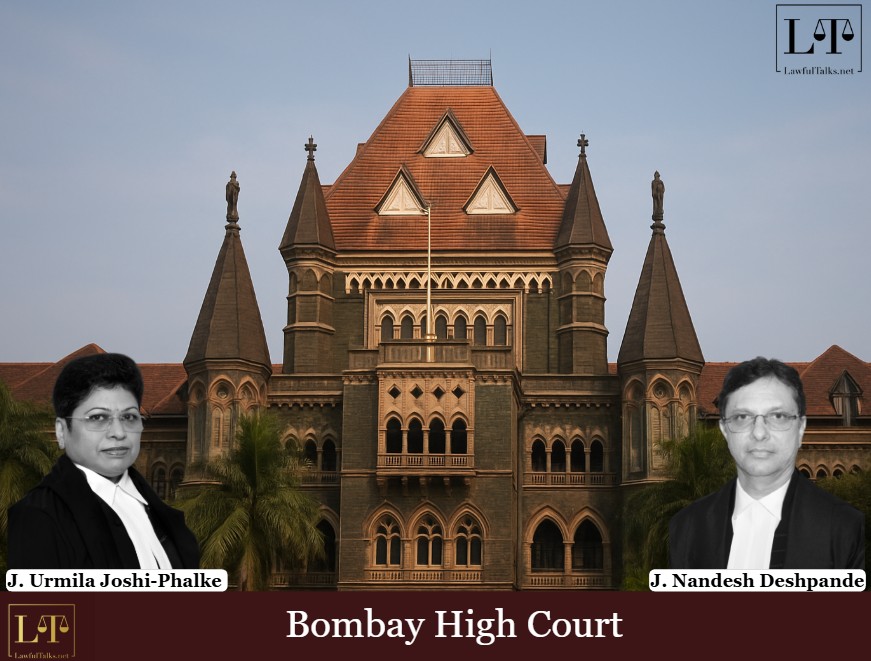
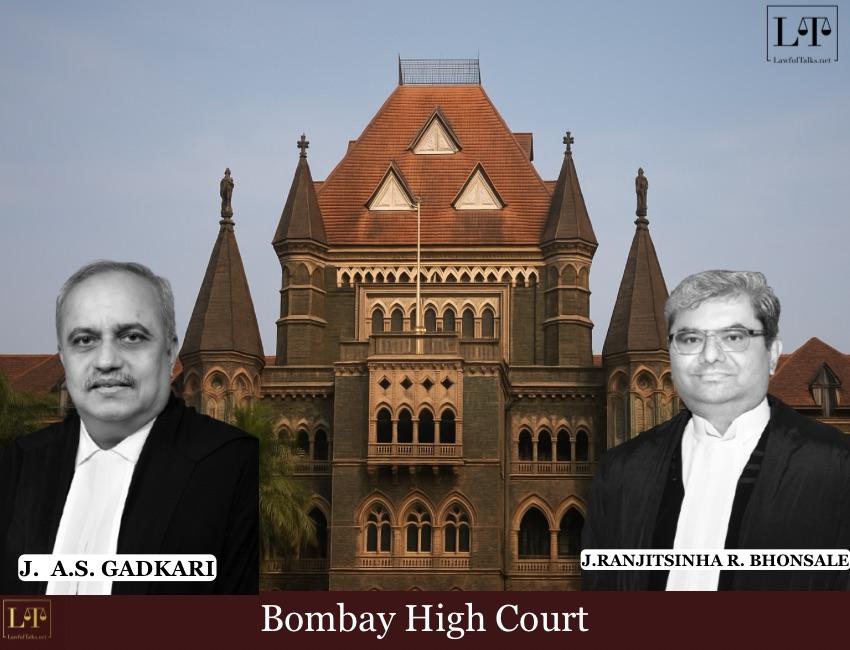
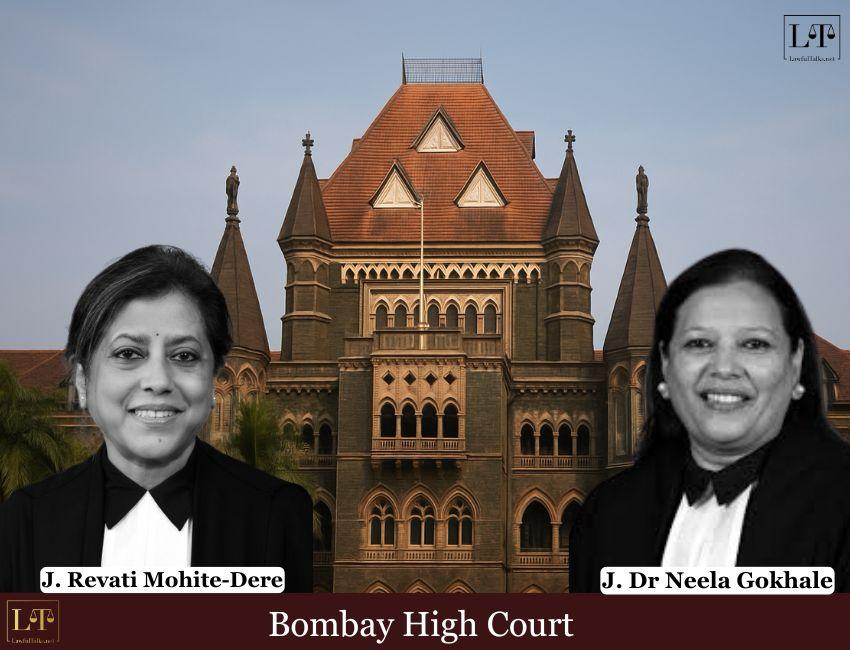
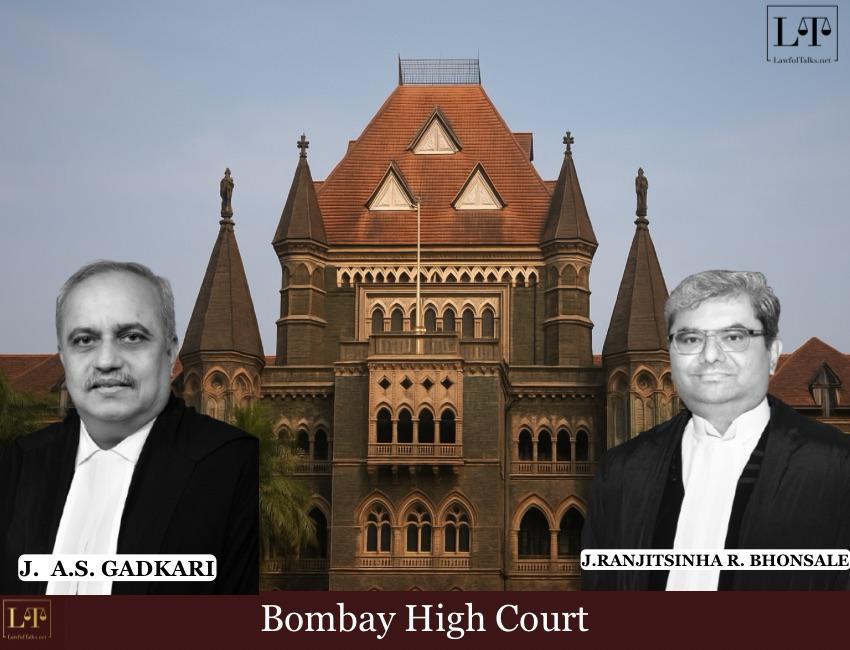
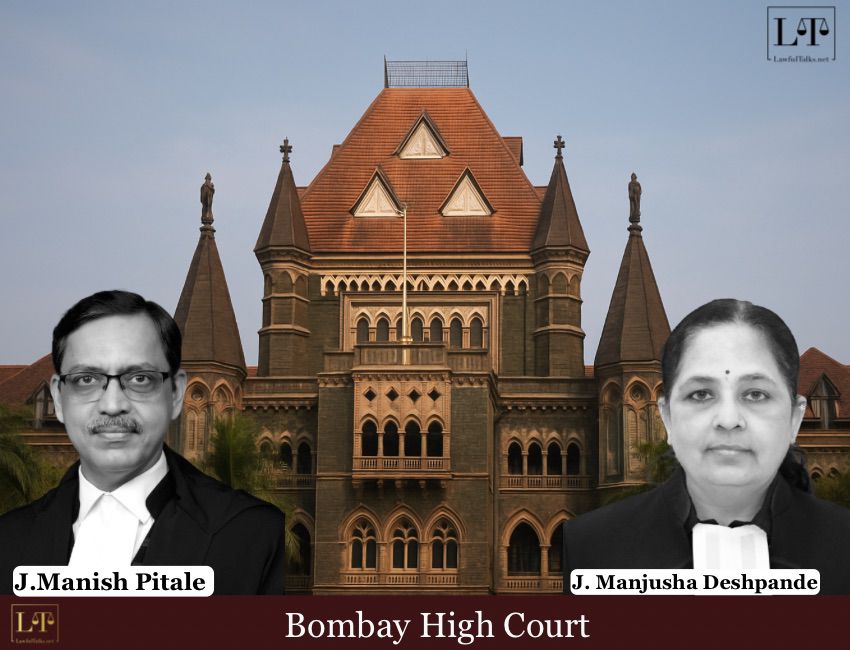
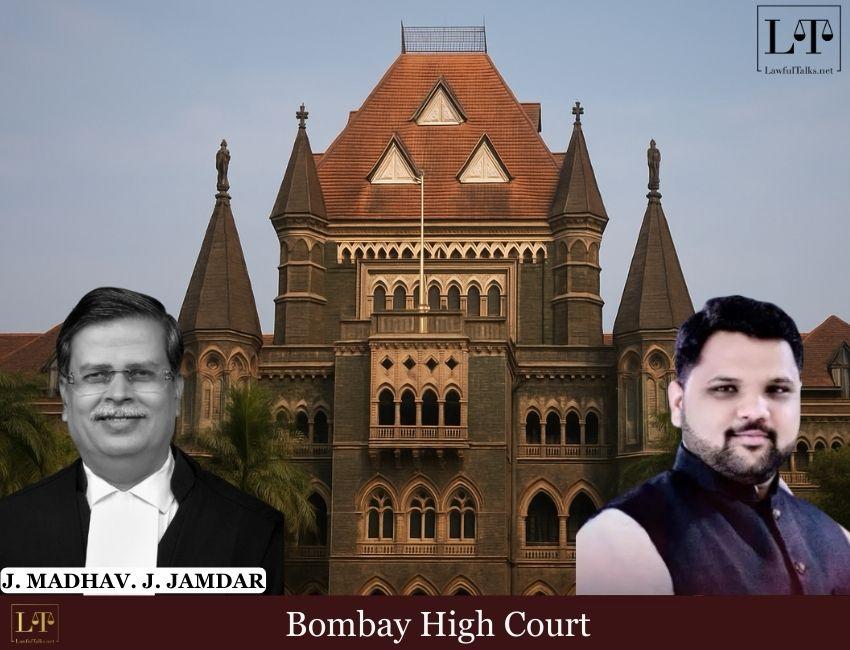
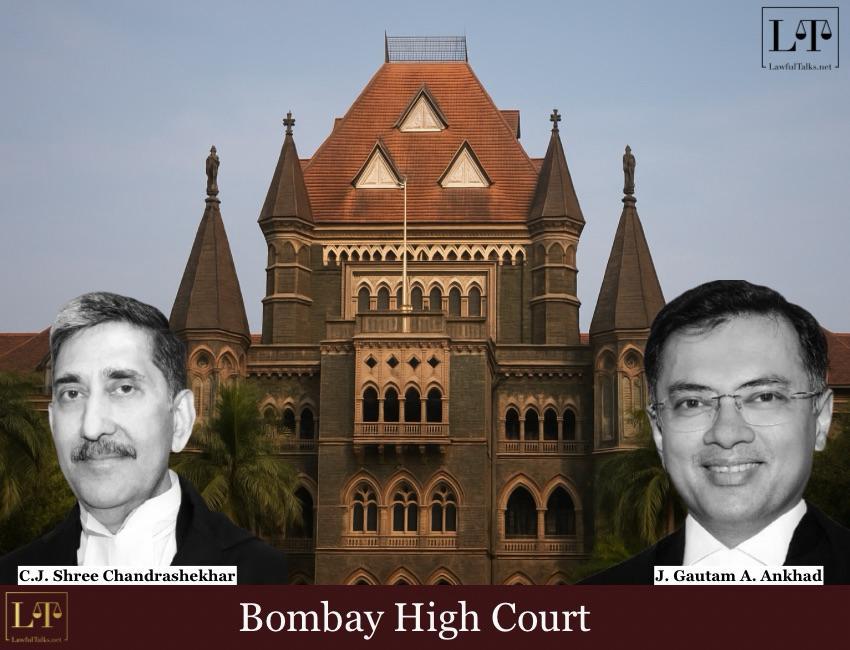
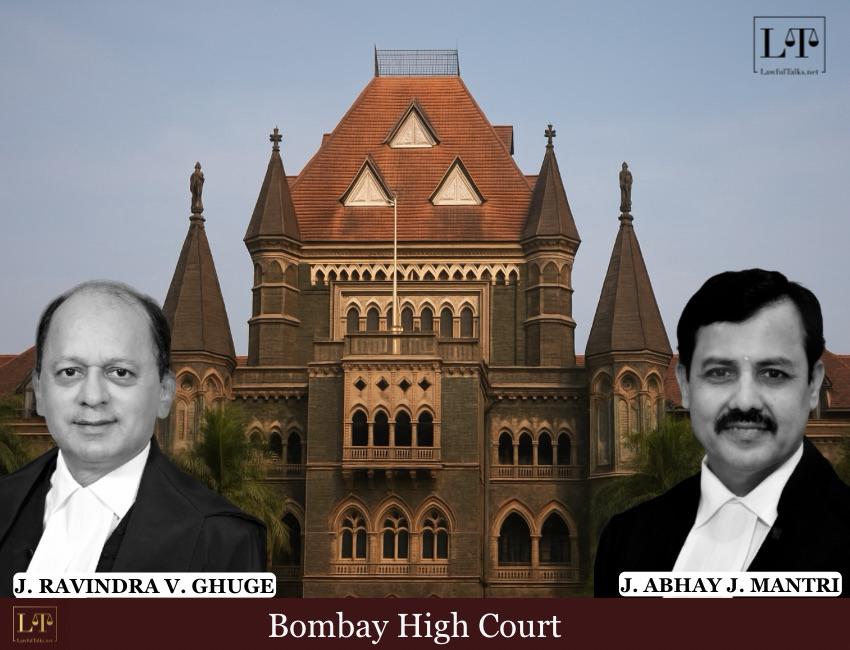
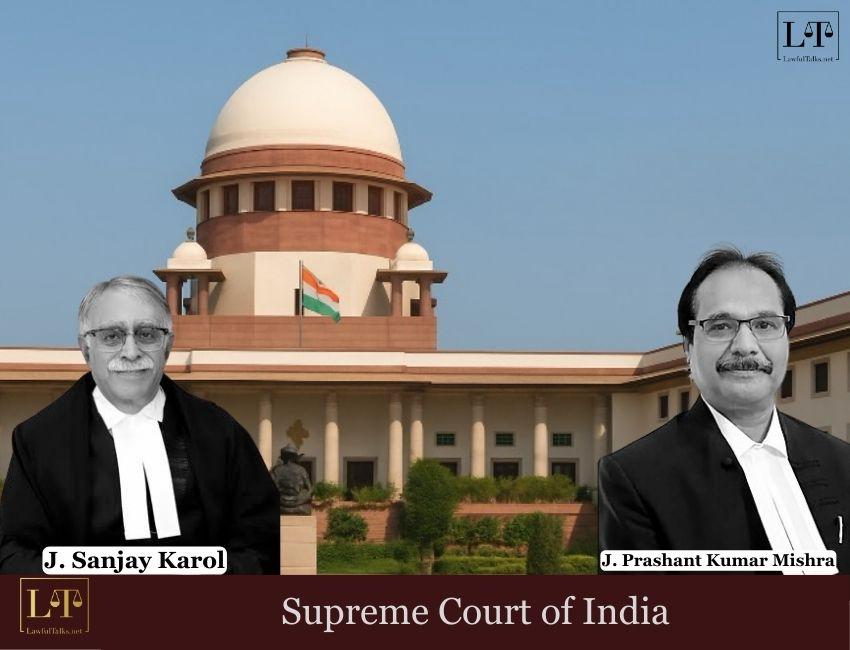
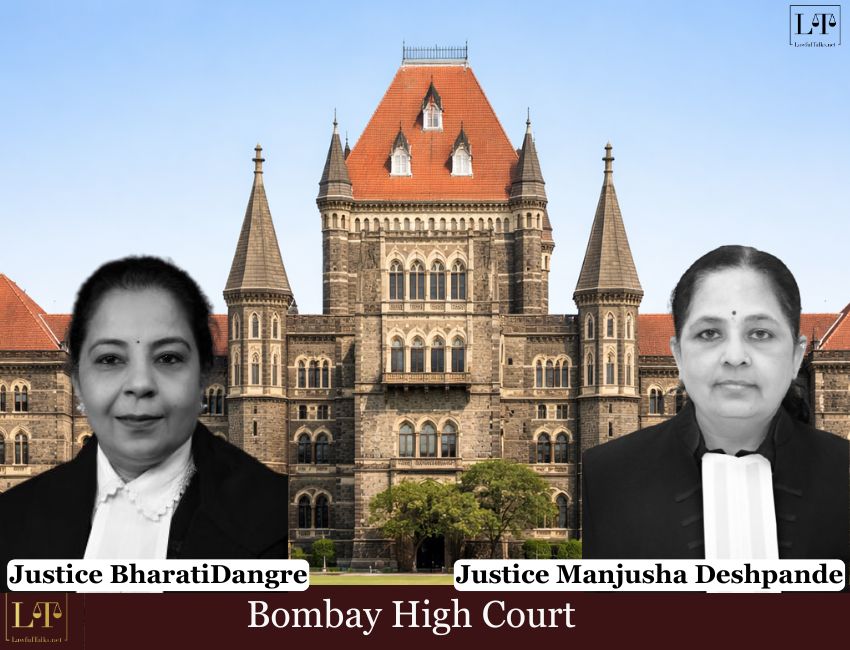
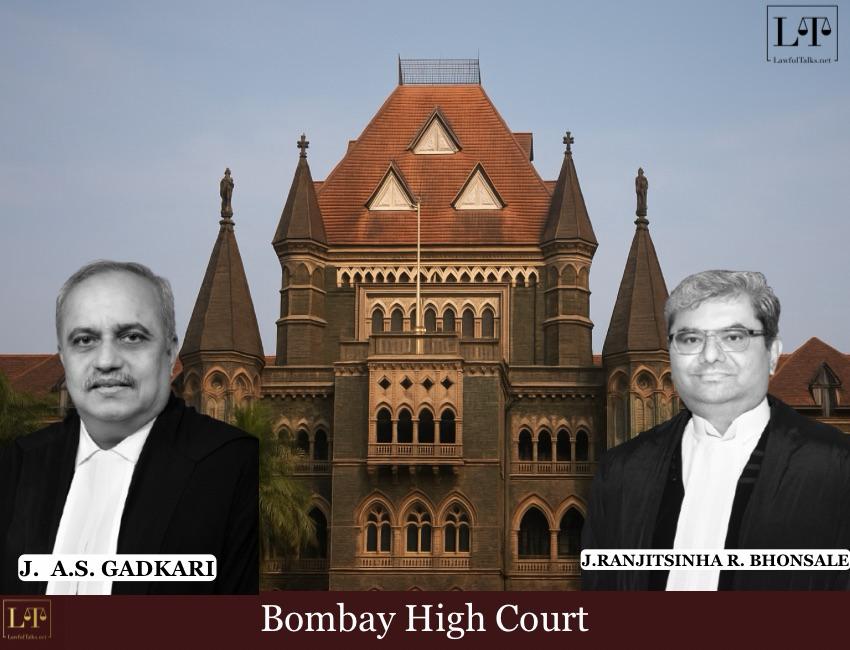
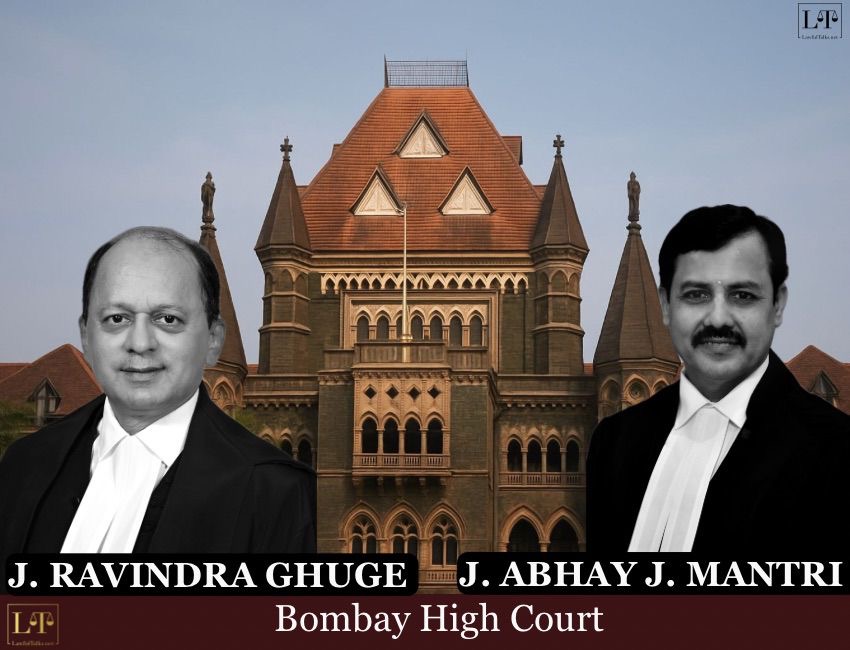
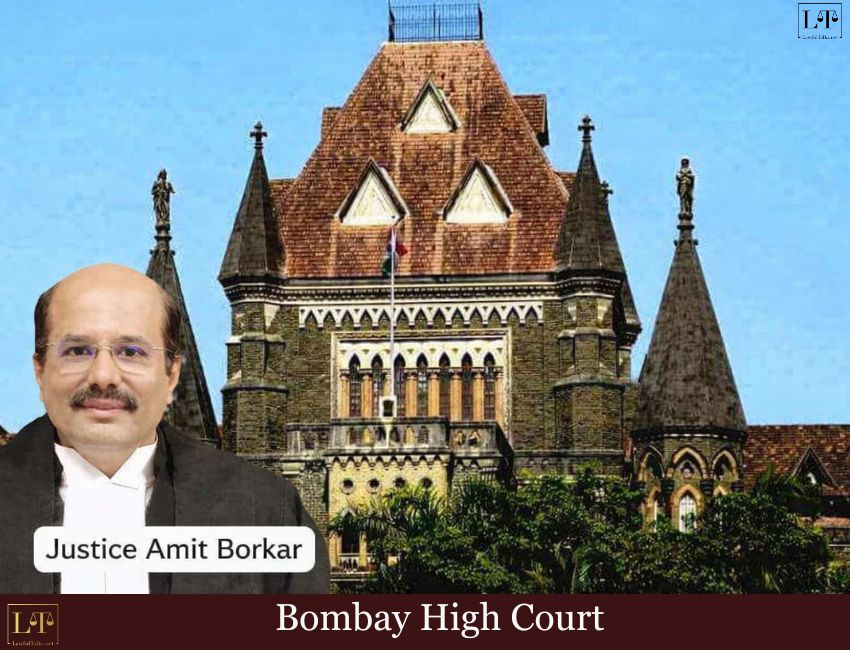
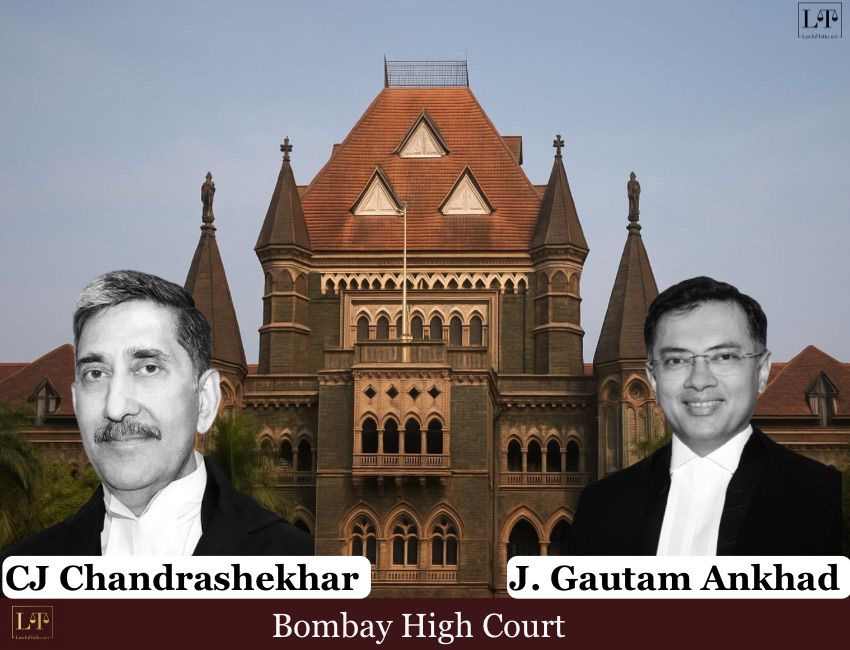
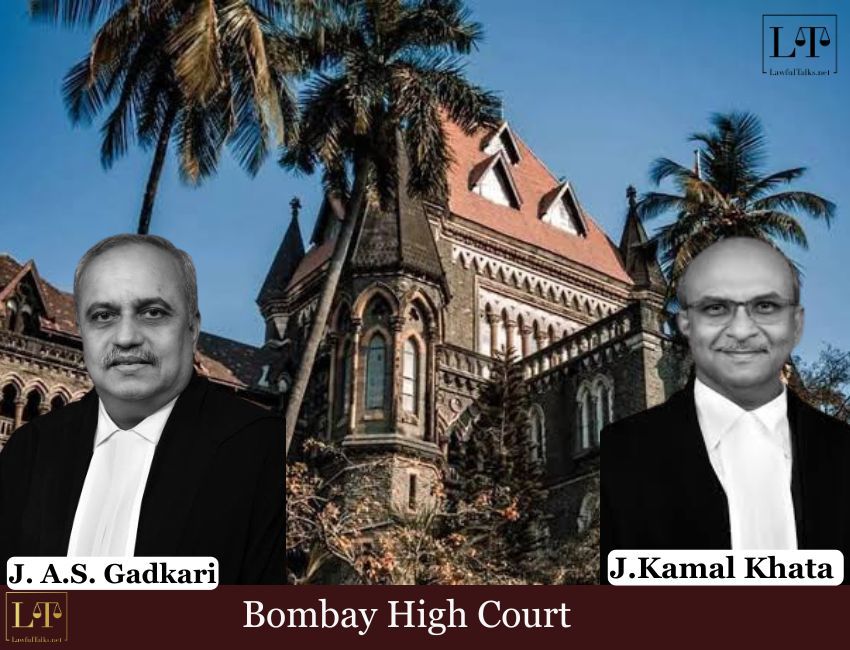
The Division Bench of Justice Urmila Joshi-Phalke and Justice Nivedita P. Mehta was hearing a petition filed by law student Kirtesh Vikas Chaudhari. The petitioner argued that exempting Sikh men wearing turbans from wearing helmets amounts to class legislation and denies the equal protection of laws guaranteed under Article 14 of the Constitution.
The petitioner further argued that while Section 129 makes it mandatory for every person riding or driving a motorcycle to wear protective headgear, the proviso exempting Sikhs wearing turbans creates an arbitrary and unconstitutional distinction.
Centre’s Stand:
Opposing the petition, the Union of India argued that the exemption is based on reasonable classification and therefore does not violate Article 14 of the constitution. It also relied on earlier court decisions to argue that the provision is constitutionally valid.
Rejecting the challenge, the High Court said that Article 14 prohibits class legislation but allows reasonable classification if it is based on an intelligible differentia and has a rational connection with the purpose of the law. The Bench held that these well-settled constitutional principles clearly apply to the challenged provision.
The Court observed:
“Article 14 of the Constitution guarantees equality before the law and prohibits unreasonable discrimination. However, it permits “reasonable classification” meaning thereby the Government can make distinct class for different groups if there is a valid and logical basis and the public purpose. Permissible classification essentially depends upon two conditions, namely, (1) that the classification must be founded on a intelligible differentia which distinguishes persons or things that are grouped together from the others left out of the group and (ii) that the differentia must have a rational relation to the object to be achieved by the statute in question.”
The Court further observed that the exemption given to Sikh men is not based on caste, creed, or religion. It noted that Section 129 was introduced to protect riders from head injuries and improve public safety.
The Bench said that the limited exemption for Sikh men wearing turbans does not defeat the purpose of the law. It also referred to the rising number of road accidents involving two-wheelers and stressed that the helmet requirement was introduced in the larger public interest.
The Court observed:
“In the instant case, exemption given to Sikhs is not on the basis of caste or creed or religion. The statistical data in respect of accidents involving two-wheelers and deaths caused due to head injuries is rising day by day. The provisions are implemented in the interests of the society and to protect lives of people. In the interest of the society, Section 129 of the MV Act has made compulsory use of protective headgear/helmet by rider and pillion rider of two-wheeler motorcycles.”
To support its conclusion, the High Court relied on the Supreme Court’s decision in Ajay Canu vs. Union of India, which upheld the validity of compulsory helmet laws. It also referred to Delhi High Court decisions holding that Section 129 of the Motor Vehicles Act does not violate Article 14.
The Court observed:
“The Hon’ble Apex Court in the case of Ajay Canu vs. Union of India and ors, reported in 1988 AIR 2027 held that the Rule is not violative of any fundamental rights. Restriction, if any, is reasonable and in the interest of general public. Similarly, the Delhi High Court in the case of Pt.Parmanand Katara vs. Union of India and anr, reported in A.I.R. Delhi 200, directed the Commissioner of Police to ensure compliance of provisions of Sections 128 and 129 of the MV Act.”
The Bench further noted:
“The Delhi High Court in the case of Jamshed Ansari vs. The State, Government of NCT of Delhi and anr, reported in Writ Petition No.2825/2014 held that Section 129 of the MV Act is not violative of Article 14 of the Constitution.”
The court said that the issue is no longer open for debate because it has already been settled by earlier court decisions.
The Court stated:
“Thus, controversy, therefore, is no more res integra and is concluded by the decisions of the Hon’ble Apex Court as well as the Delhi High Court and, therefore, Section 129 of the MV Act cannot be said to be violative of any of fundamental rights guaranteed under the Constitution of India.”
Finding no merit in the challenge, the High Court dismissed the writ petition and upheld the constitutional validity of the proviso to Section 129 of the Motor Vehicles Act. It reiterated that the exemption for Sikh men wearing turbans is based on a permissible reasonable classification and not on discrimination based on religion.
Case Details: Kirtesh Vikas Chaudhari vs Union of India (Criminal Writ Petition 416 of 2026)


















































Sign up for free and be the first to get notified about curated content just for you.