Can a Prisoner Claim the Benefit of an Older, More Liberal Remission Policy? SC Ends the Debate

- July 03, 2026


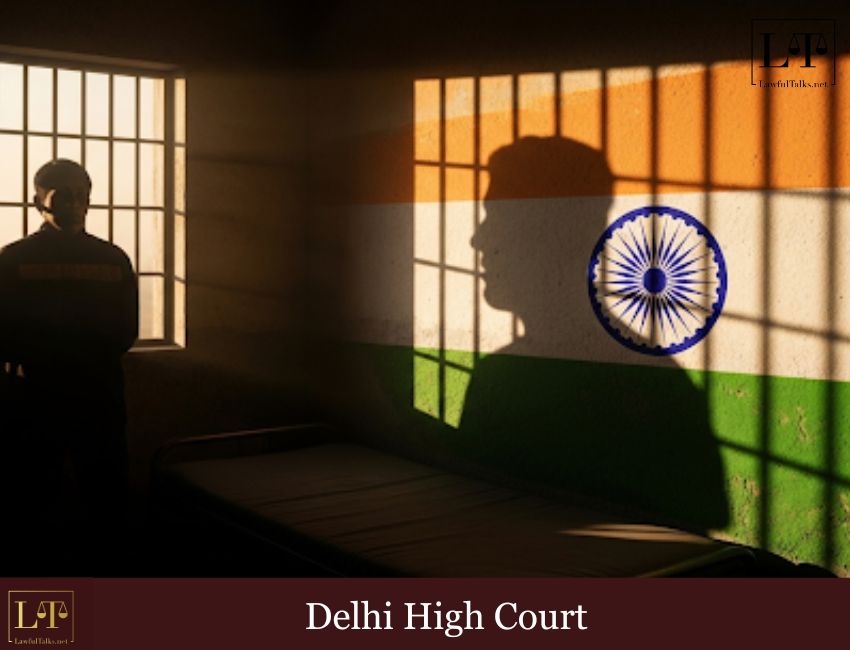
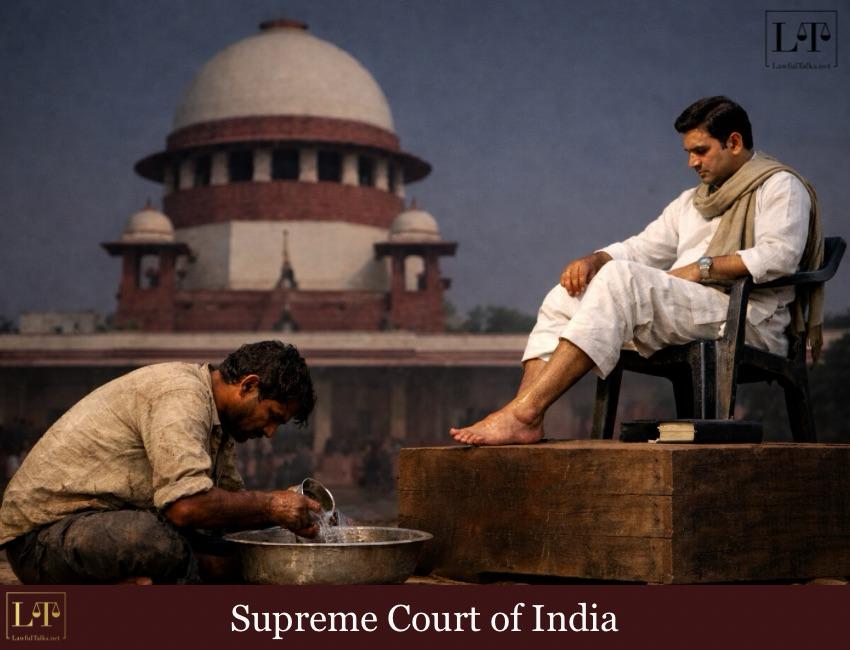
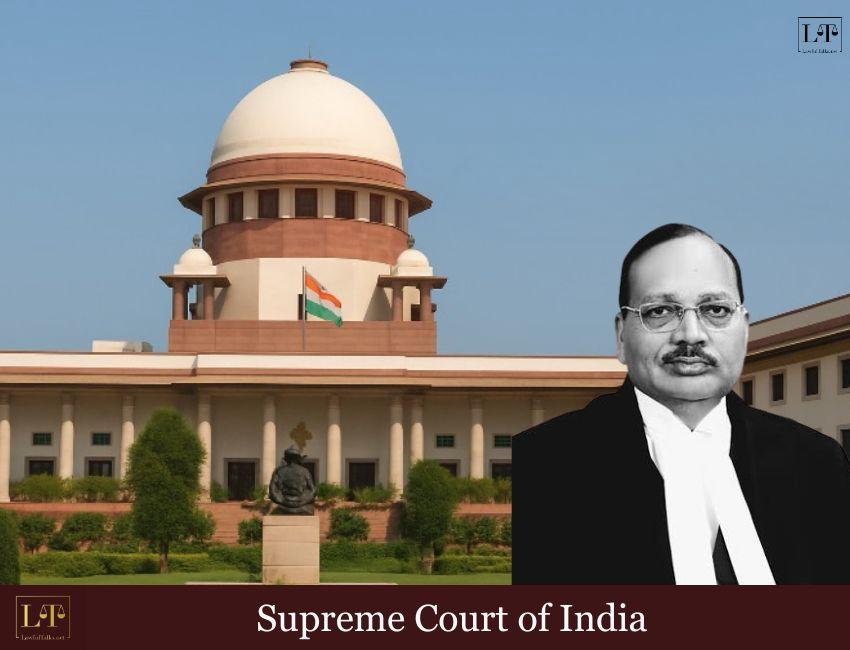
The Supreme Court has held that a statutory remission policy cannot override the Governor’s constitutional powers under Article 161 of the Constitution. The Court said that the Governor’s power under Article 161 is separate, independent, and cannot be limited by a policy framed under a statute.
A remission policy is a set of rules that allows a prisoner to be released earlier than the full sentence if they meet certain conditions.
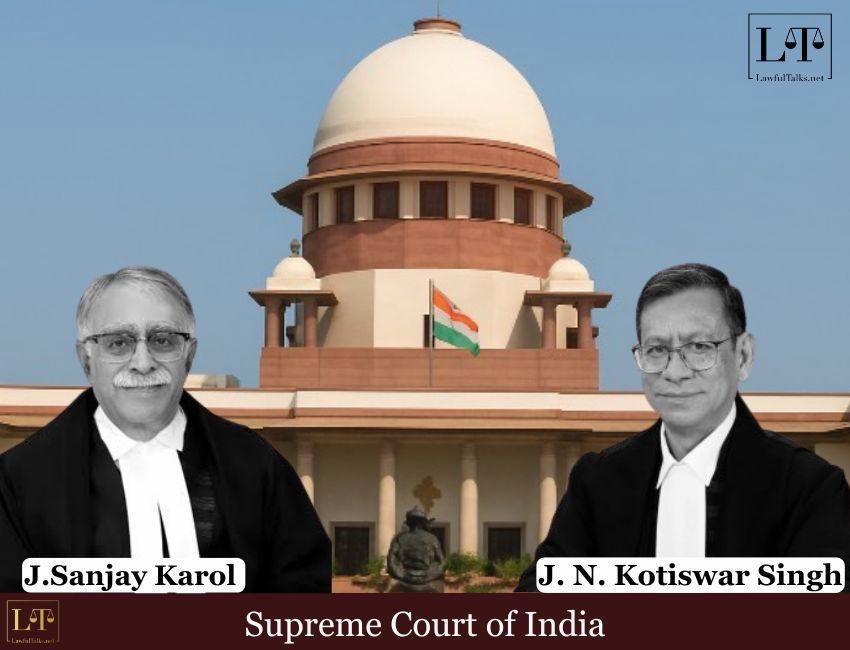
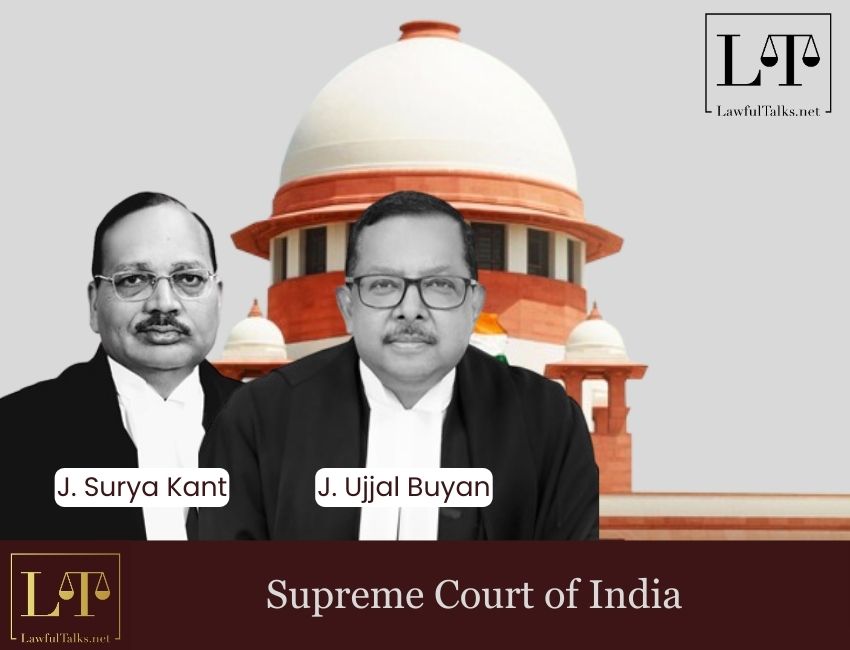
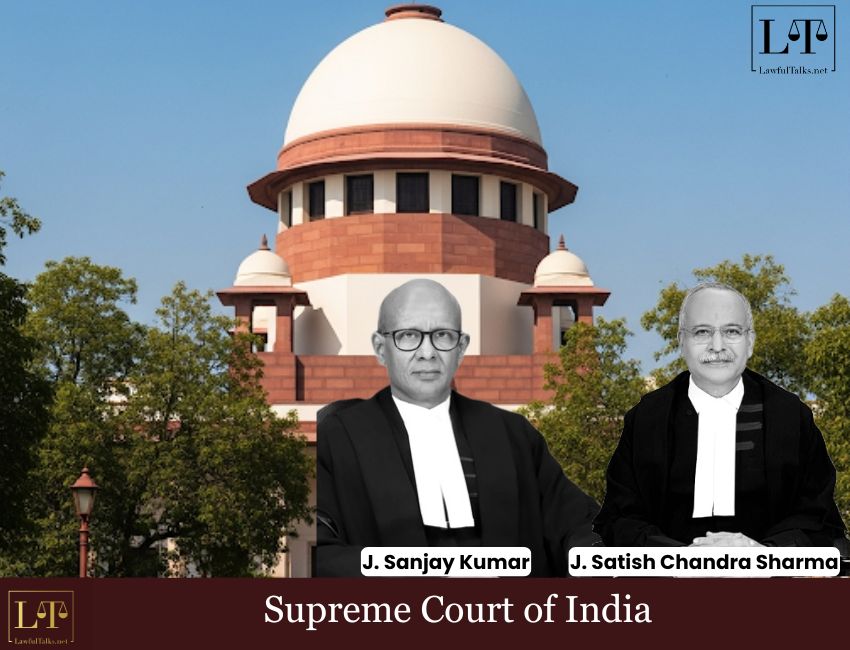
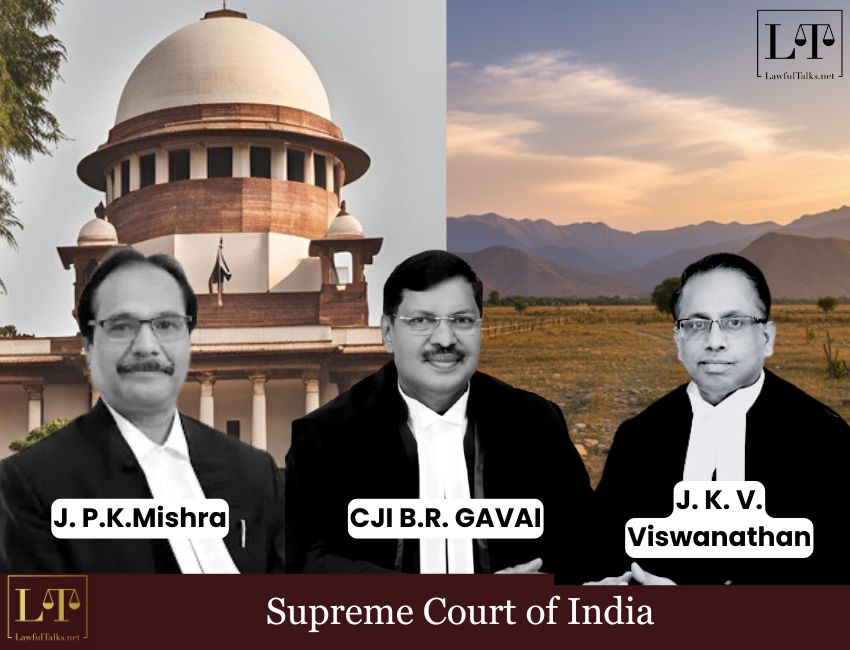
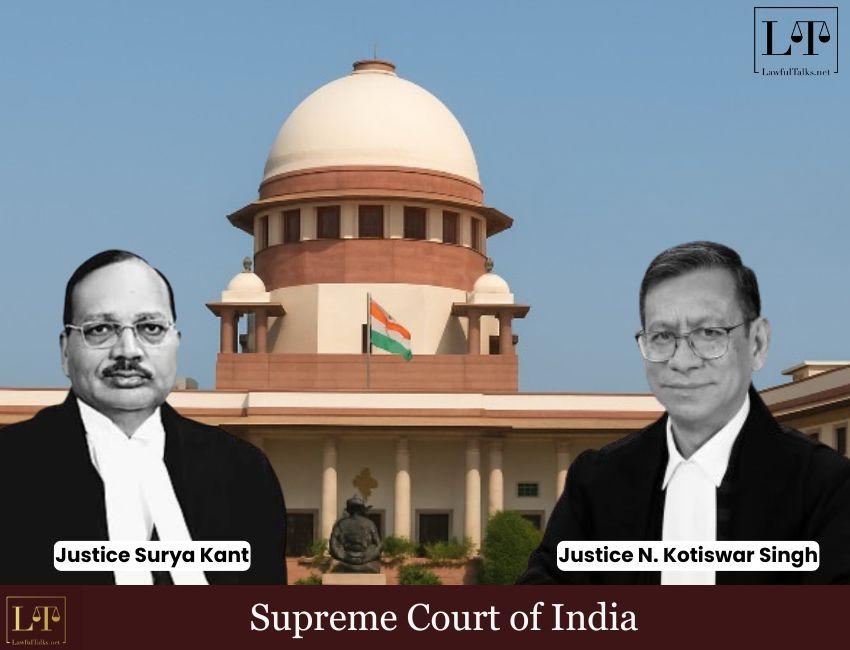
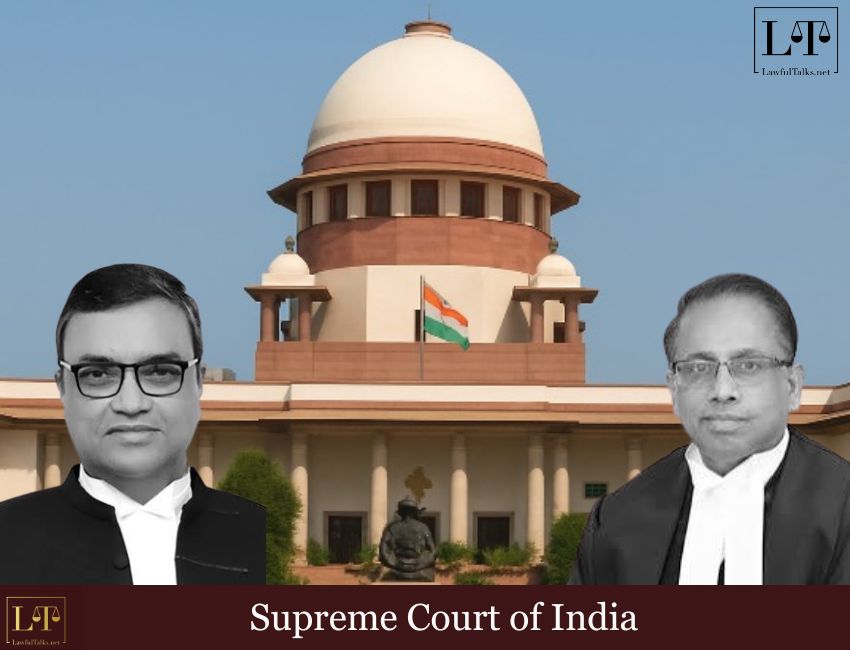
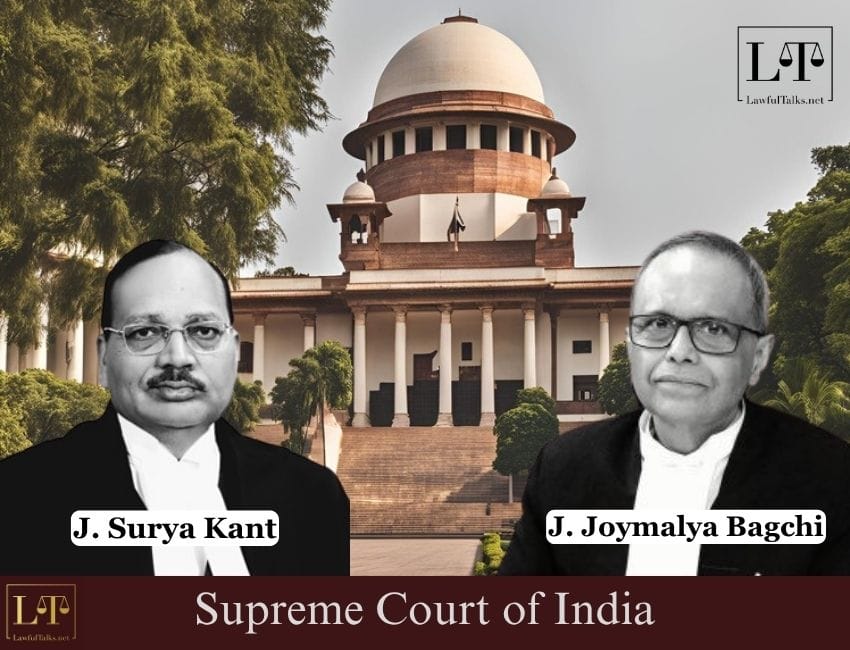
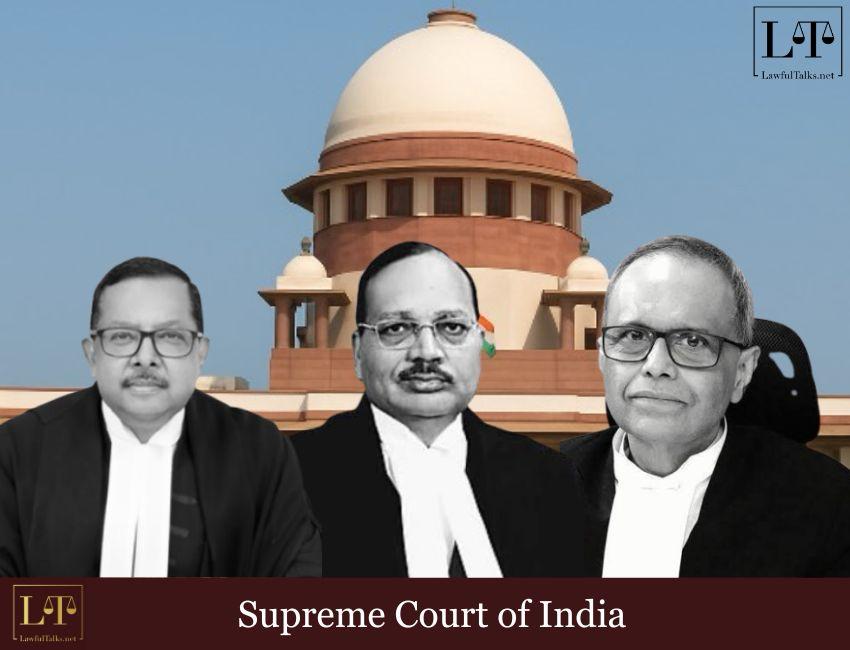
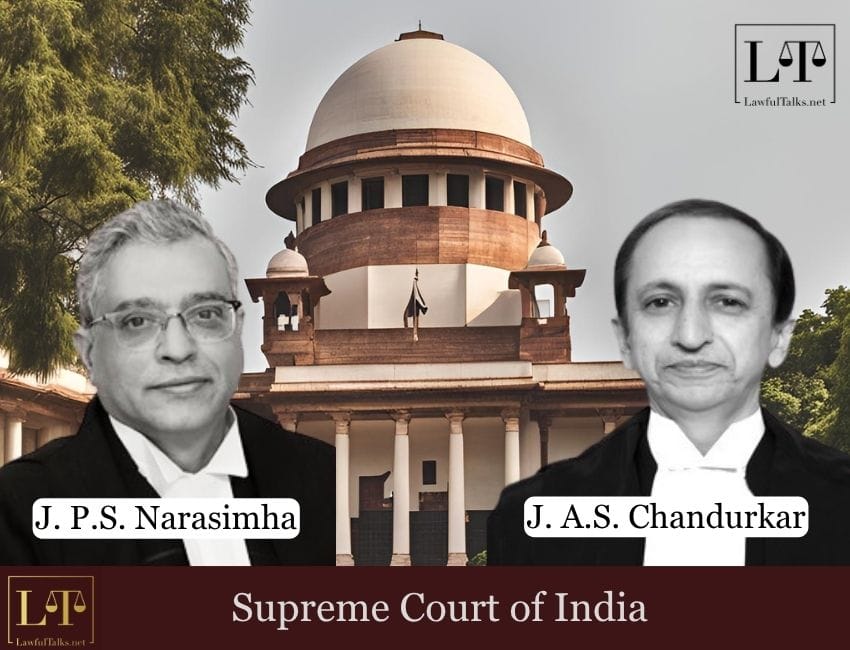
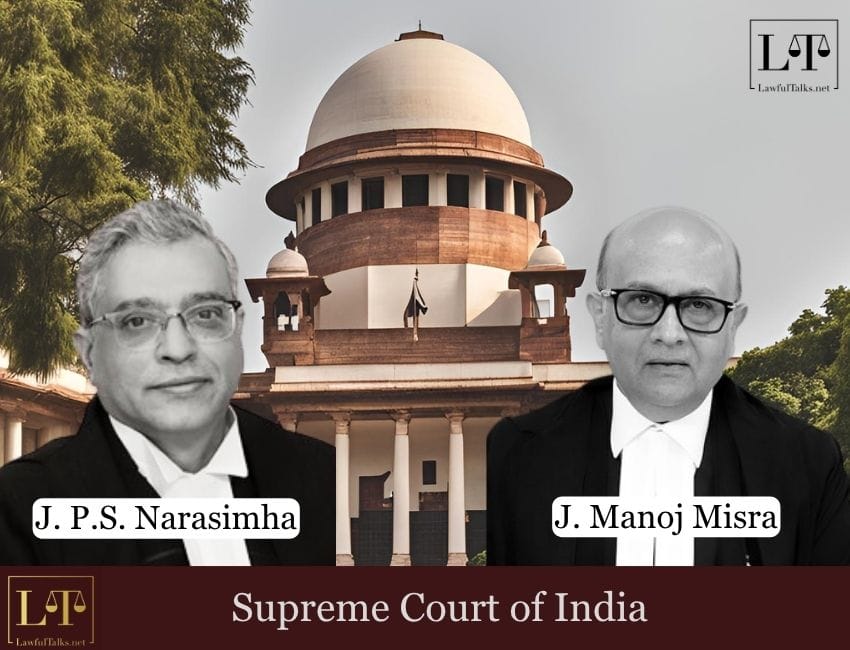
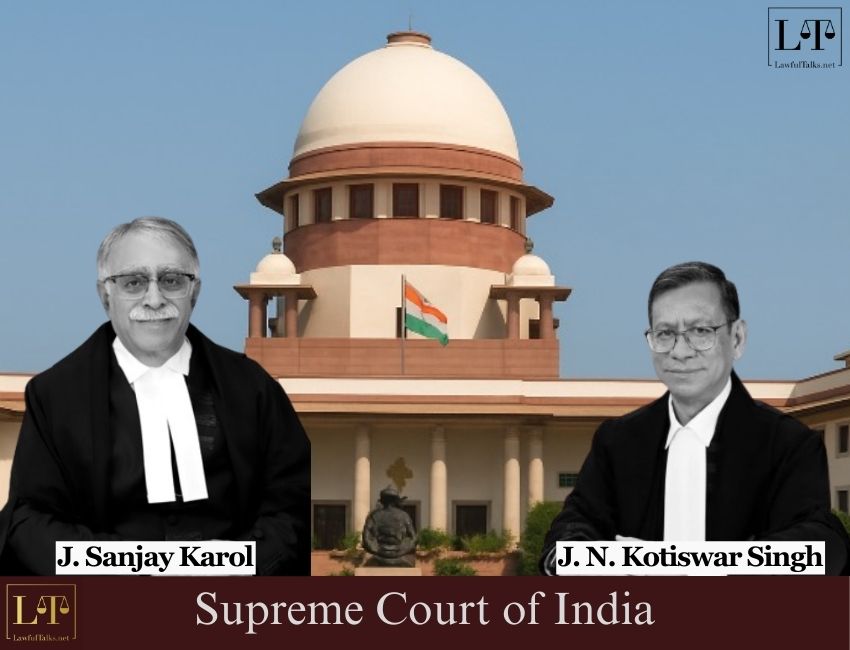
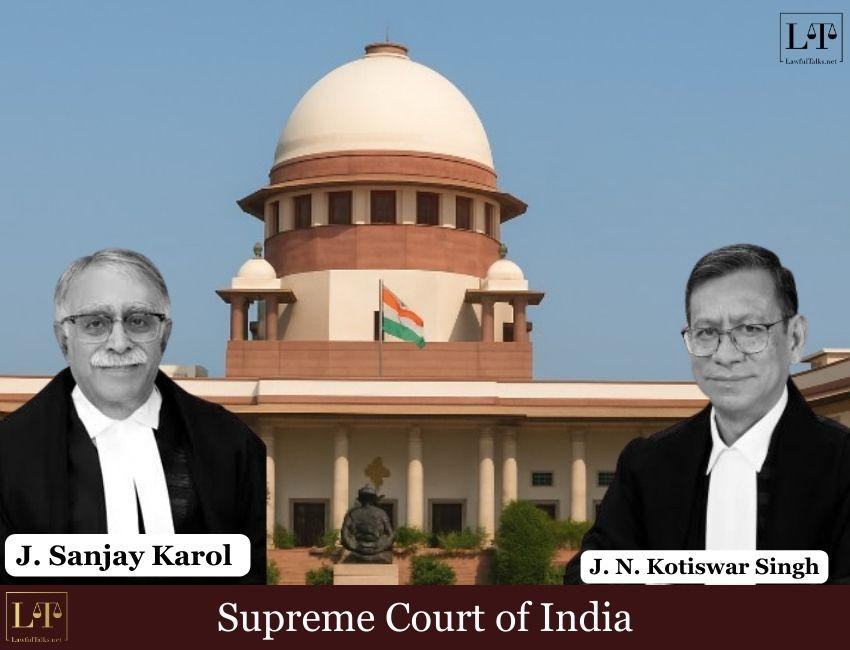
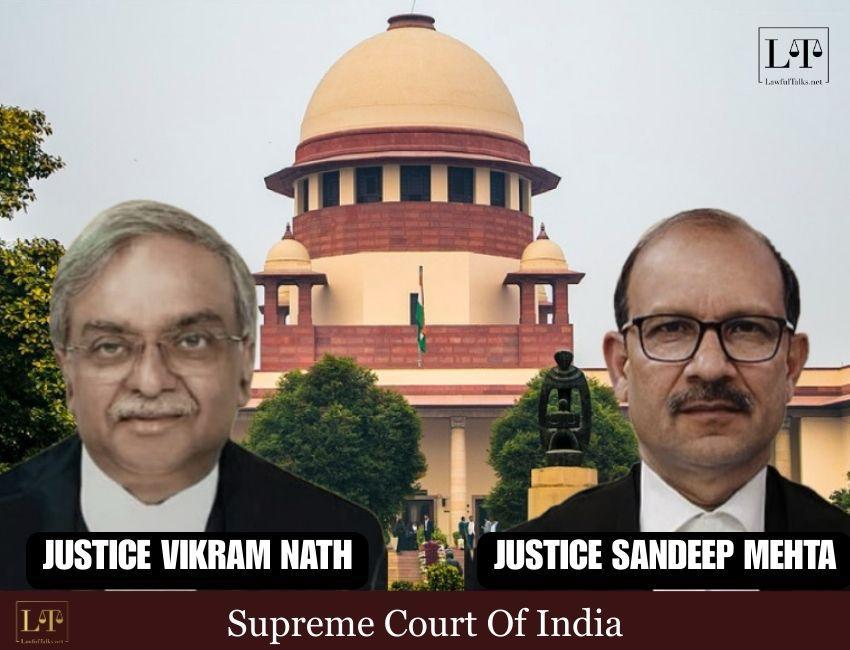
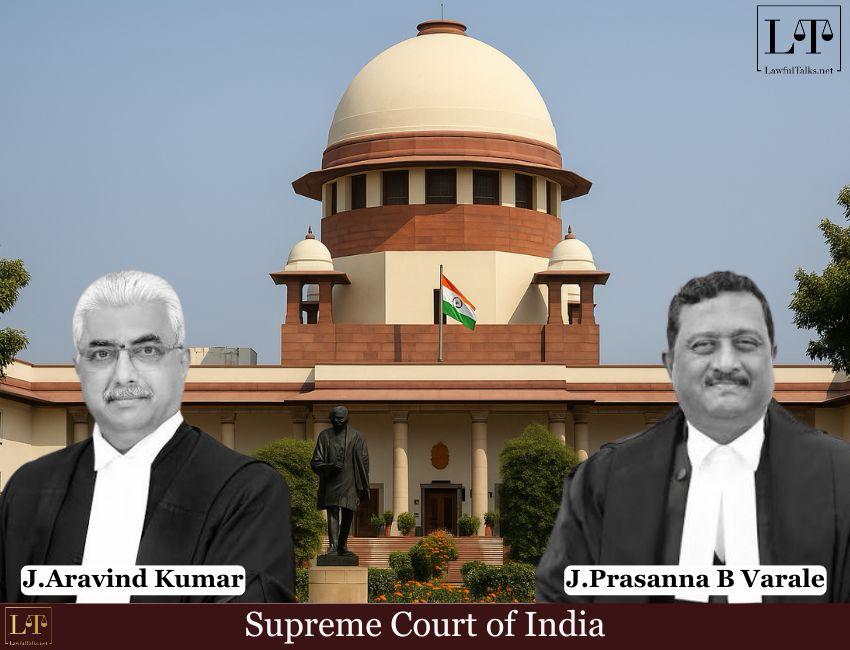
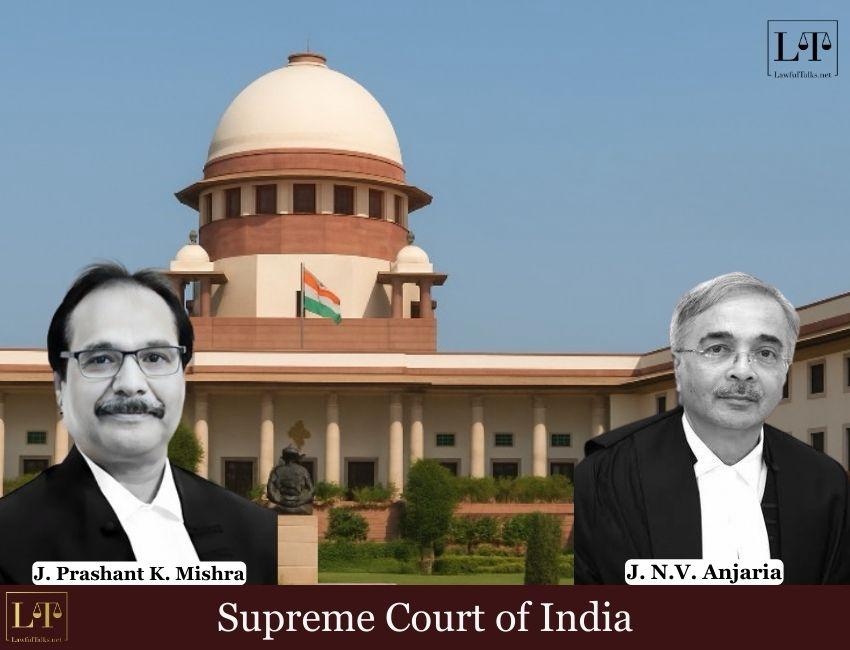
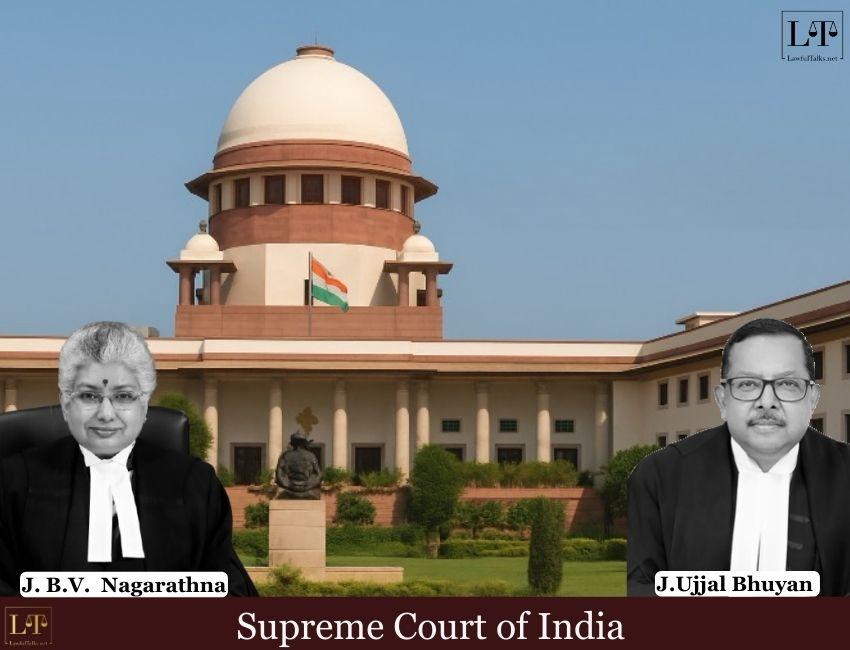
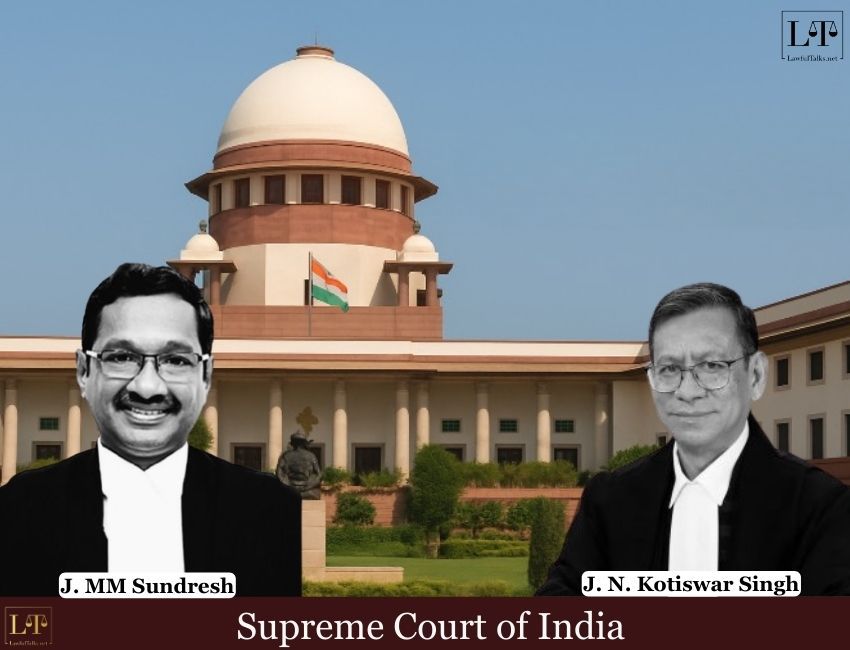
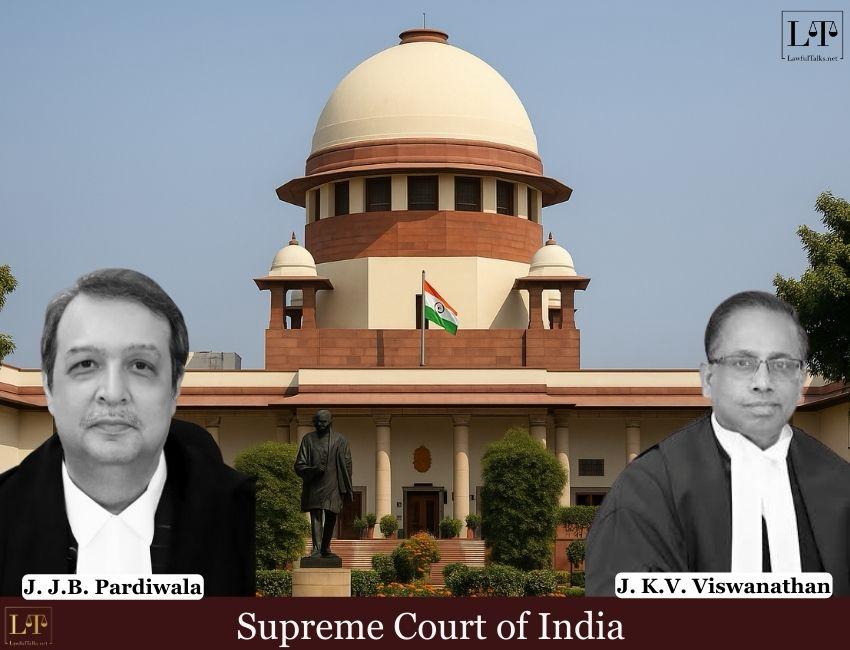
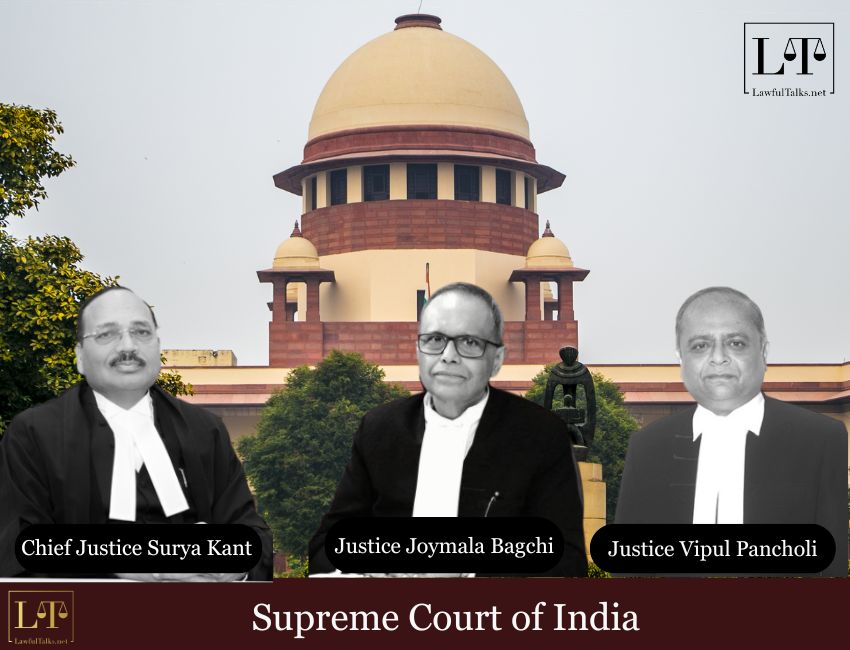
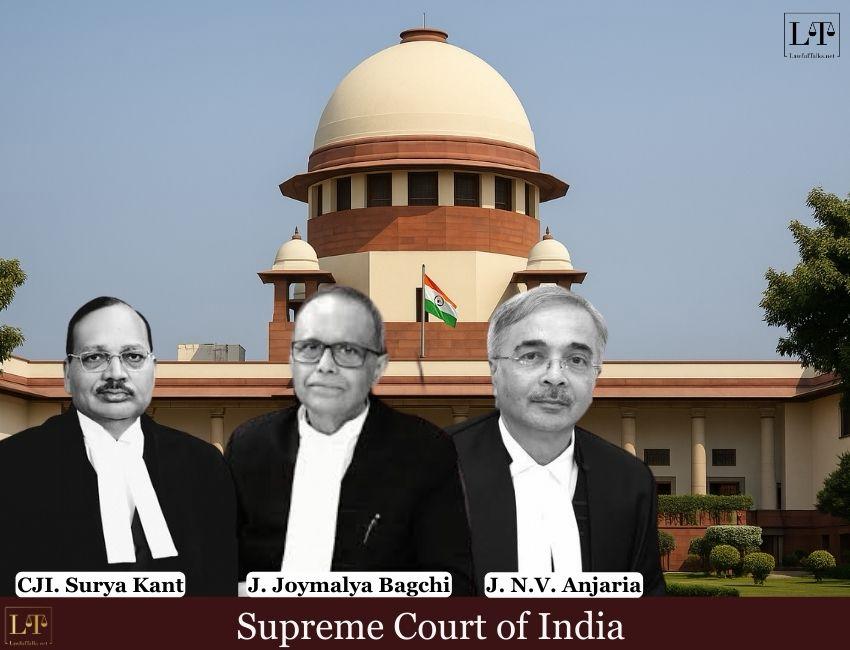
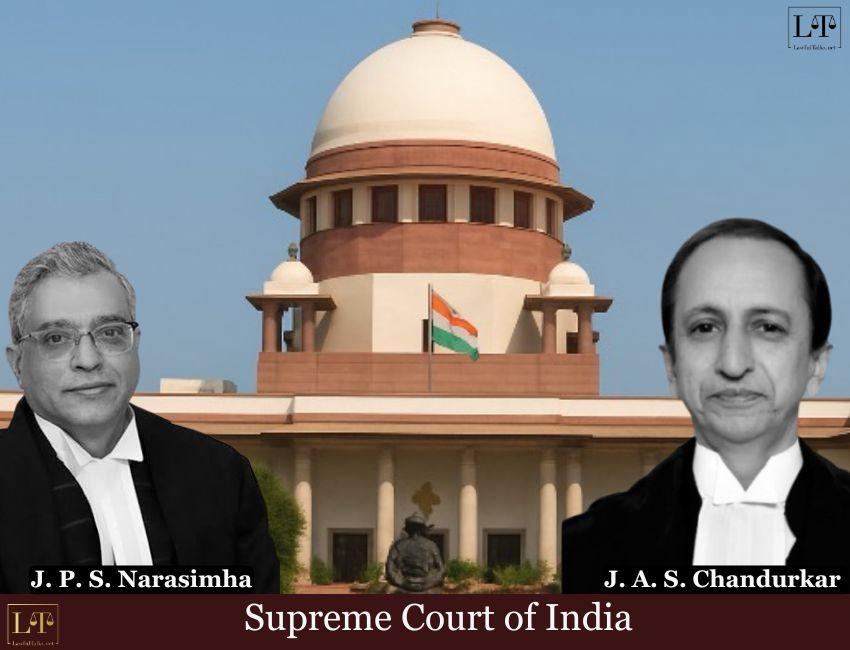
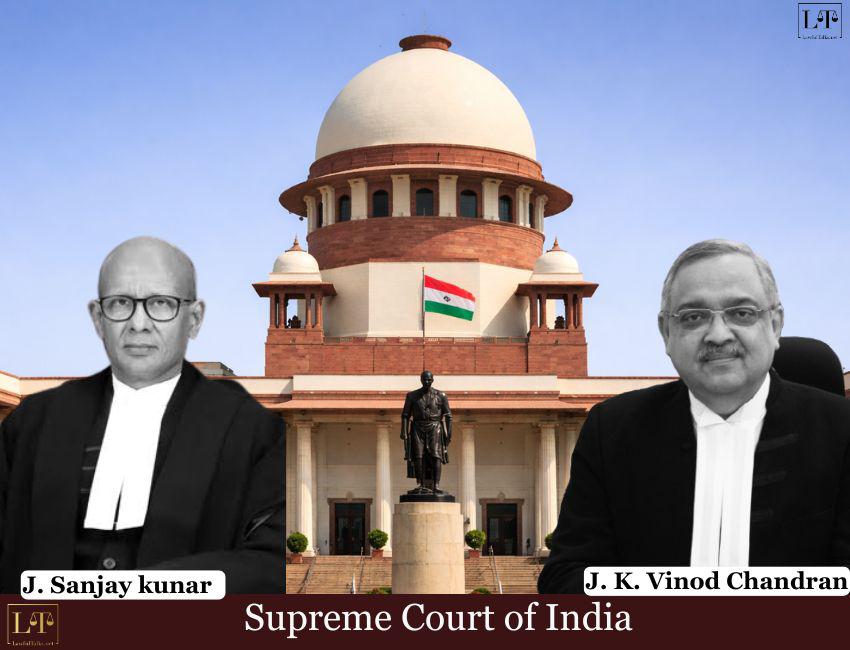
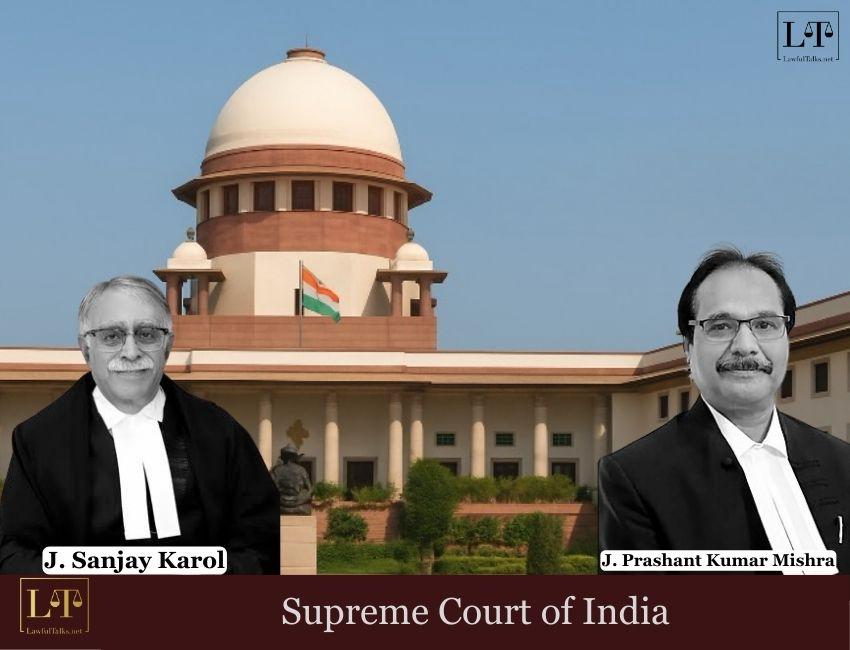
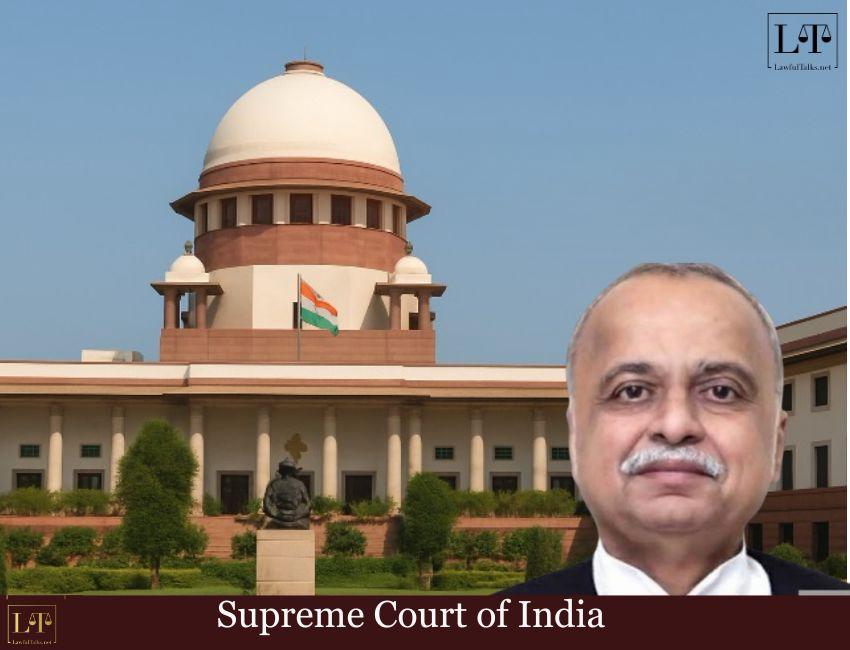
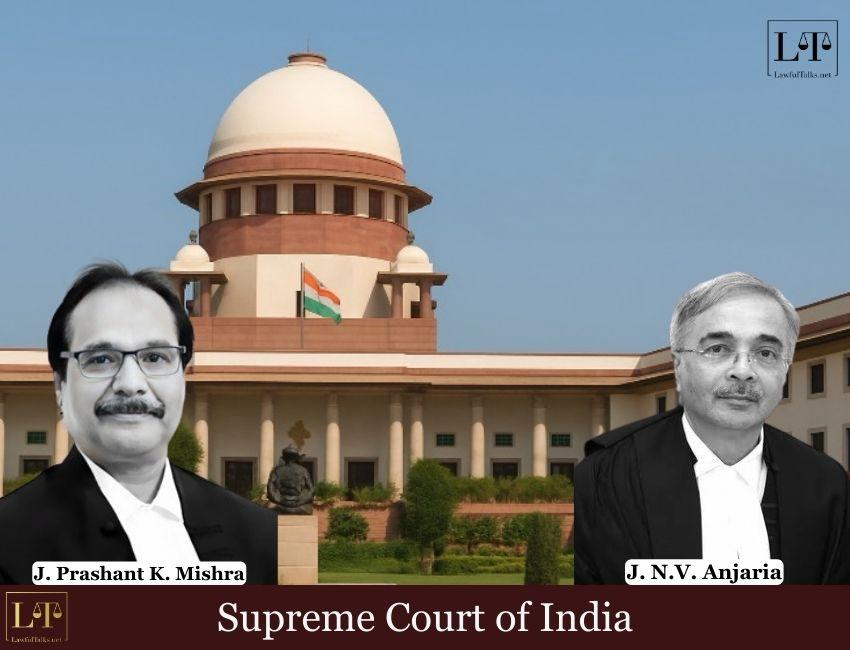
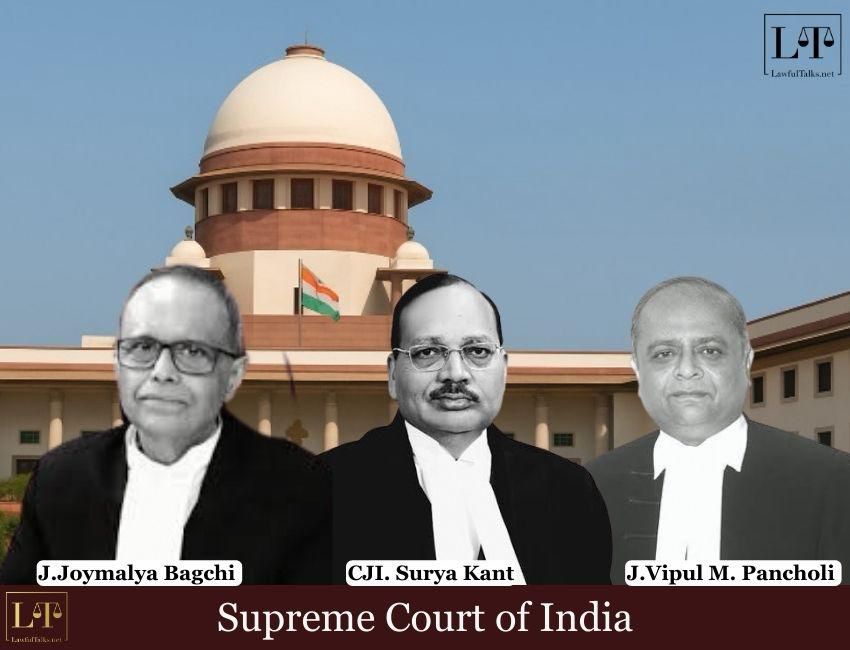
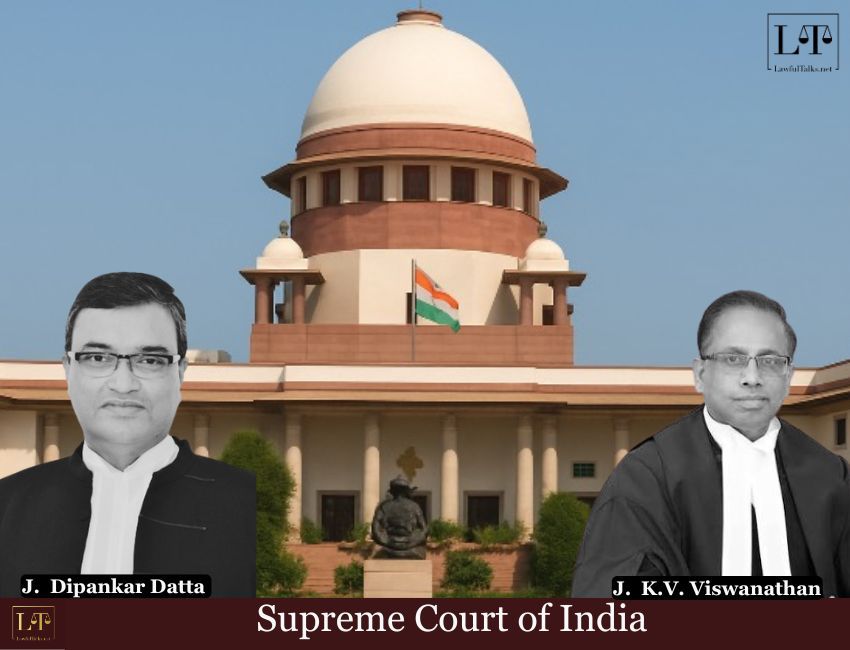
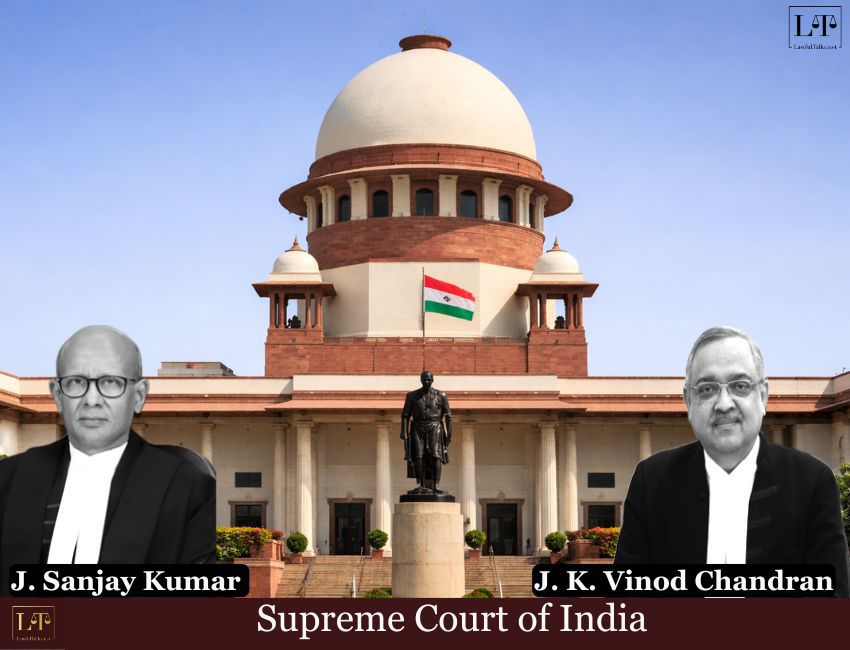
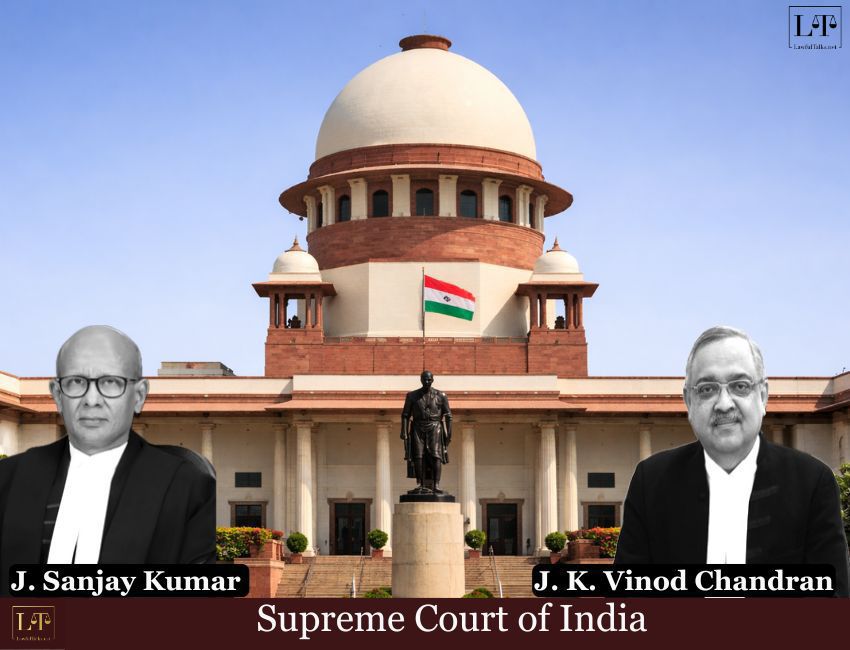
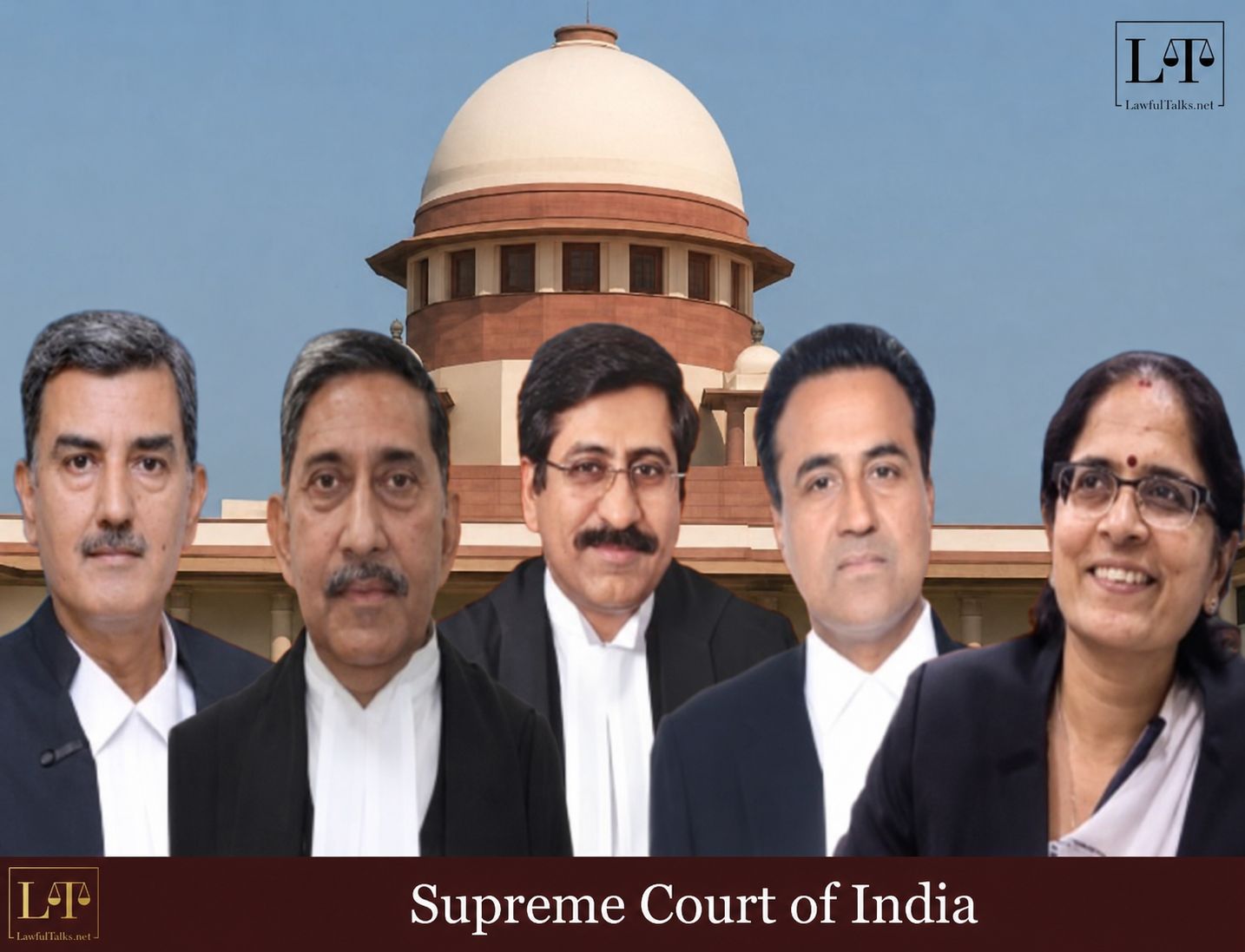
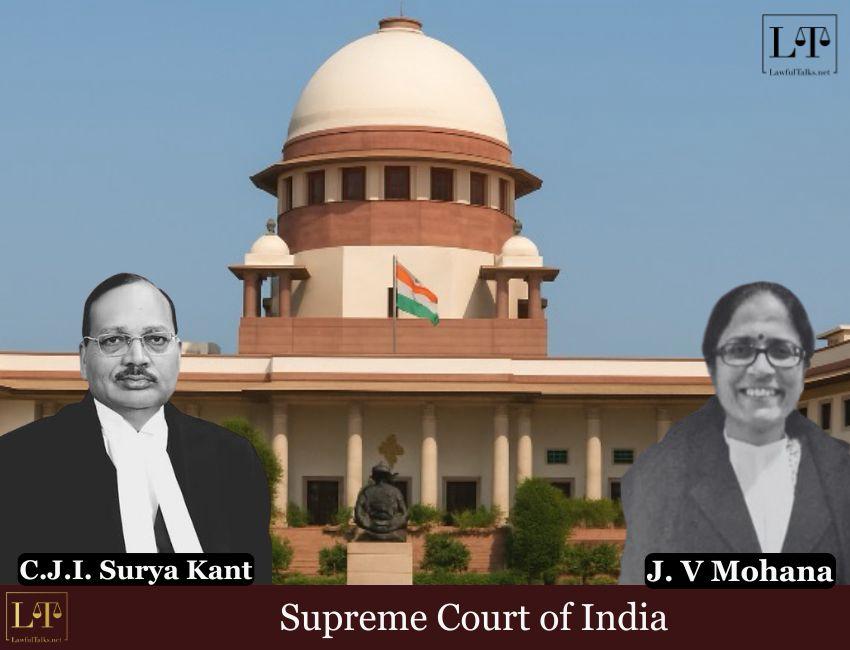
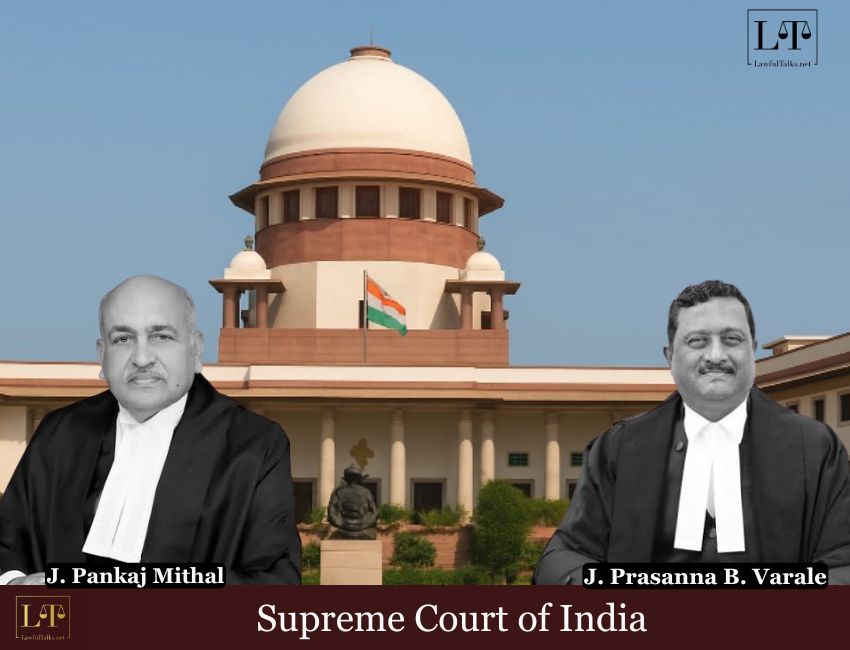
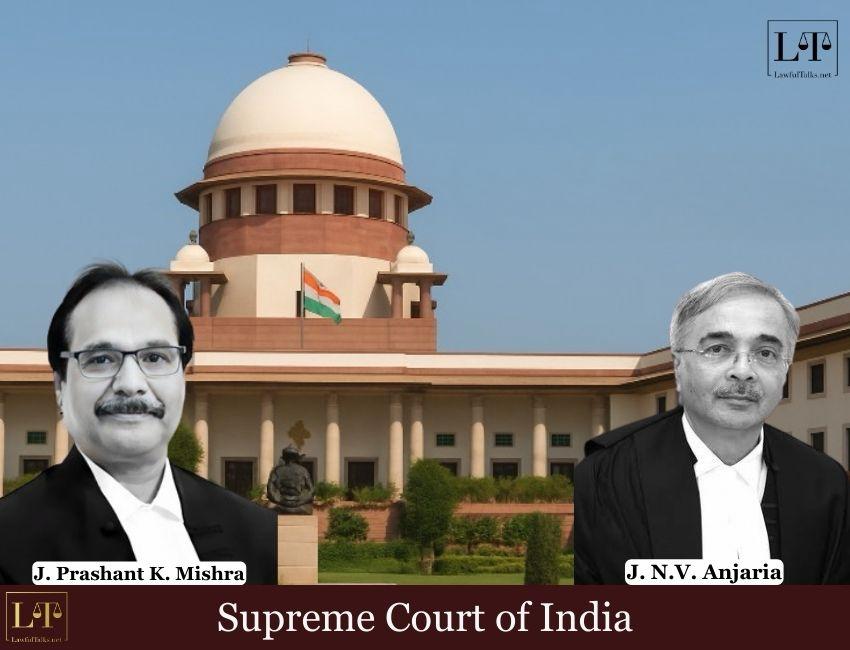
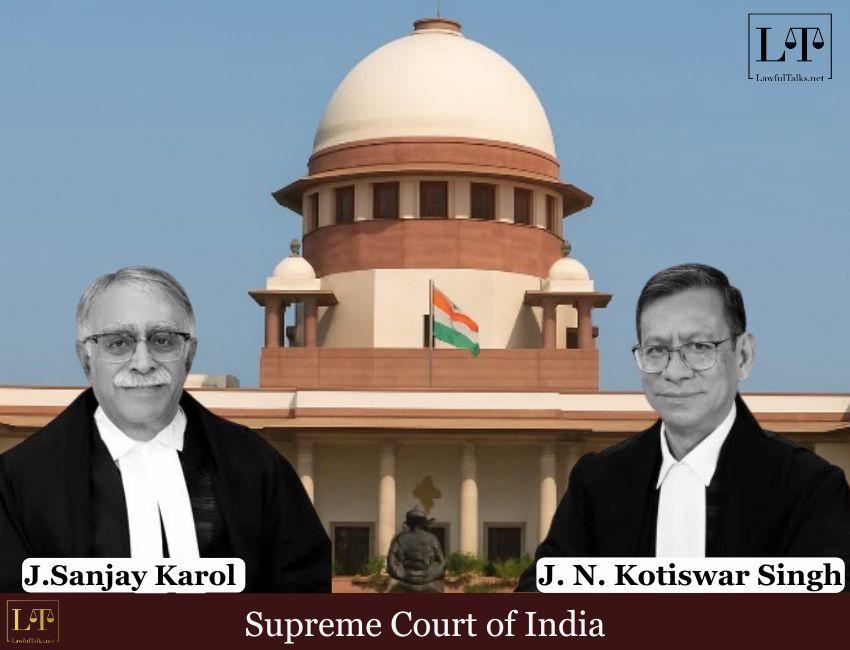
A Bench of Justice Sanjay Karol and Justice Nongmeikapam Kotiswar Singh held that a remission policy framed by a State Government under Article 161 cannot be overridden by a later statutory remission policy issued under Sections 432 and 433 of the Code of Criminal Procedure (CrPC).
The Court also declared that the judgment in State of Haryana v. Raj Kumar is per incuriam- meaning it was decided without following a binding earlier judgment—because it contradicts the earlier three-judge Bench decision in State of Haryana v. Jagdish.
Case Background:
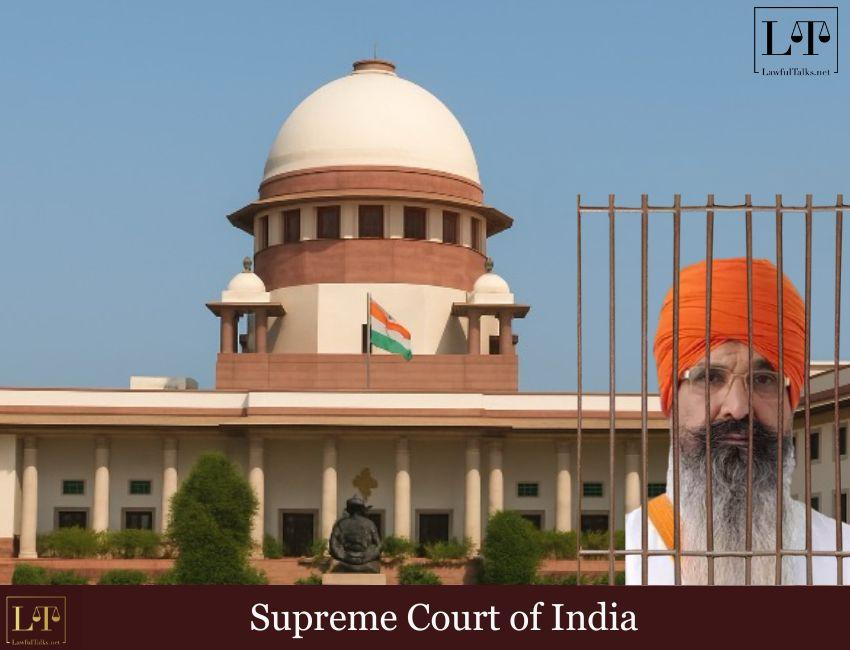
The case arose from the conviction of the appellant in 2009 for the murder of a 12-year-old child. After completing 14 years of actual imprisonment, the appellant filed a writ petition challenging the State’s decision on his remission request under the 2002 remission policy.
The State rejected his request on two grounds:
The State argued that since the 2008 policy was in force on the date of the appellant’s conviction, only that policy would apply and not the more liberal 2002 policy.
Appellant’s Argument:
The appellant, however, argued that the 2002 policy had been framed in exercise of the Governor’s constitutional powers under Article 161. Therefore, the later 2008 policy, which was framed under Sections 432 and 433 of the CrPC, could not take away the benefits available under the earlier constitutional policy.
The appellant also argued that the more beneficial remission policy should apply instead of the policy that was in force on the date of conviction.
He further argued that the judgment in State of Haryana v. Raj Kumar should not be treated as a binding precedent because it went against the earlier decision of a larger Bench decision in State of Haryana v. Jagdish.
State’s Stand:
The State, on the other hand, relied on Raj Kumar and argued that both the 2002 and 2008 policies were statutory in nature. Since the 2008 policy had replaced the earlier one and was in force on the date of conviction, the appellant could not claim the benefit of the 2002 policy.
Court Compares Policies:
After hearing both sides, the Supreme Court examined the two remission policies.
The Court observed:
“It appears that the policies of the year 2000 and 2002 clearly state that for orders to be passed under these policies, the papers are to be placed before the Hon’ble Governor of the State for soliciting orders under Article 161 of the Constitution of India. However, the later 2008 Policy specifically states that papers shall be put up before the Chief Minister for orders under Section 432 of CrPC. This clearly shows the constitutional ambit of the former and statutory ambit of the latter.”
Jagdish Decision:
The Court then referred to its earlier three-judge Bench judgment in State of Haryana v. Jagdish. In that case, the Court had held that the 1993 remission policy had been issued in exercise of the Governor’s powers under Article 161, whereas the 2008 policy was a statutory policy. Therefore, the statutory policy could not override the constitutional one.
The Court in Jagdish had also held that if a more liberal remission policy is in force when a prisoner’s case is being considered, the prisoner should get the benefit of that more beneficial policy. Applying that principle, the benefit of the 1993 policy had been granted to Jagdish.
Raj Kumar Decision:
The Supreme Court then examined State of Haryana v. Raj Kumar. In that case, a similar issue had arisen regarding whether the 2002 policy or the 2008 policy would apply. The co-ordinate Bench held that the prisoner was not entitled to the benefit of the 2002 policy because he had not completed the required period under that policy. It also held that both the 2002 and 2008 policies were statutory and that the 2008 policy had replaced the earlier one.
Court Disagrees:
The present Bench disagreed with that reasoning.
The Court observed:
“Jagdish supra had clearly observed that the power under 161 of the Constitution is untrammeled and unaffected by the provisions of CrPC. The 1993 Policy was held to be in exercise of this power. The 2002 Policy, in our view, is similar to the 1993 Policy, for it too contemplates orders to be passed by the Governor under this power though it does not specifically states the source of the exercise of such power. If we follow the dictum in Raj Kumar supra then despite this, it would be deemed to be statutory since the provision under which the policy has been brought in has not been mentioned.”
2002 Policy Under Article 161:
The Court further said:
“It appears quite plainly that the 2002 Policy, as already observed supra banks on Article 161 while the 2008 Policy makes the Chief Minister, the deciding authority under Section 432 CrPC. Only the latter specifically states the origin of power. Though both the 2002 Policy and the latter were issued under the signature of the ‘Financial Commissioner, Government of Haryana’, but for Rajkumar supra to observe that the former Policy was merely a memo, perhaps may be a mistaken position.”
Raj Kumar Held Per Incuriam:
While dealing with the appellant’s argument that Raj Kumar was not a binding precedent, the Court agreed.
It observed:
“Policies of 1993 and 2002 are, as already observed above, identical in terms of their source of power under Article 161, and since the former has been declared by a Bench of three judges to be an exercise under the constitutional power, the inescapable conclusion would be that the identical later policy would also be the same. But for reasons discussed above, the judgment in Rajkumar supra held the 2002 Policy to be of statutory origin. This would fall foul of the reasoning in Jagdish supra and hence be rendered per incuriam. It may be noted here itself that a reference to a larger Bench would have been the available course before us, had it been that we differed with the learned judges in Rajkumar without there being a controlling precedent in the form of Jagdish supra. Since the latter is already there, in our view, there is no conflict that needs deciding.”
Final Ruling:
The Court therefore held that the 2002 remission policy was framed under Article 161 of the Constitution and continued to remain effective despite the later statutory policy of 2008.
It held:
“Since the 2002 Policy stood framed under the Constitution and such power is to be exercised by the Governor himself, the subsequent Policy of 2008, cannot deter the effect of the former and the observation that it supersedes the 2002 Policy, is untenable in law. In respect of the appellant herein, it can be said that the 2002 Policy would still have its effect. The holding in Jagdish supra would operate, and the appellant would be entitled for the benefit of the lesser time served thereby making him eligible for remission.”
Prospective Effect:
However, the Supreme Court clarified that this ruling will apply only prospectively. It will not reopen or affect remission applications that have already been decided.
The Court also said that, after this judgment, the State of Haryana will have two separate remission policies operating at the same time. It will be for the State to decide how it wishes to proceed further.
Accordingly, the Supreme Court allowed the appeal.




















































































































































Sign up for free and be the first to get notified about curated content just for you.