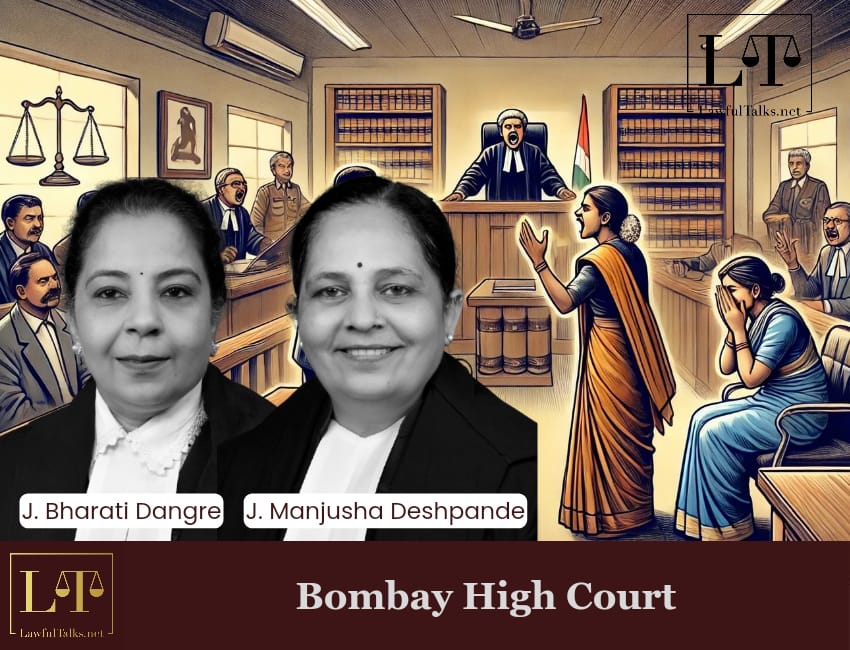
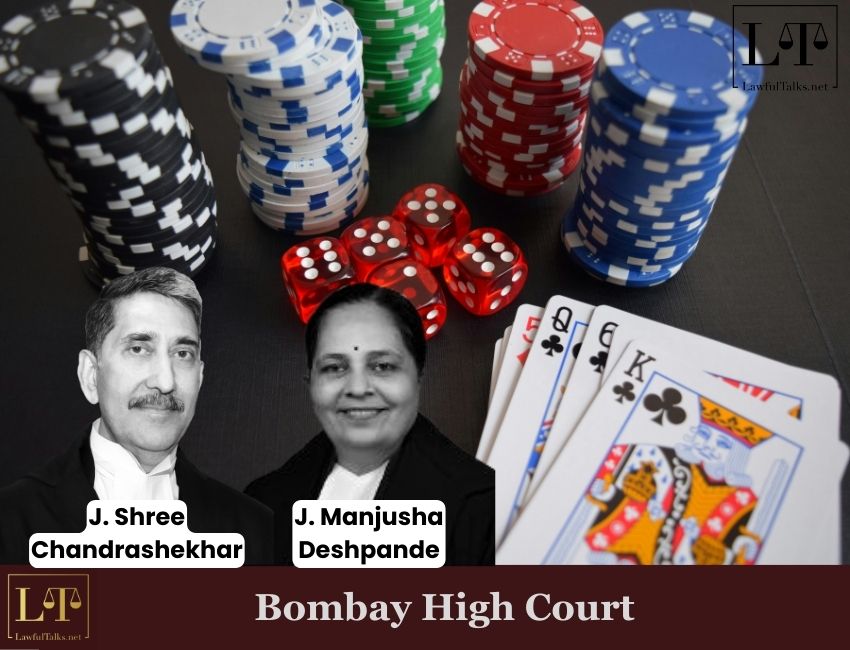
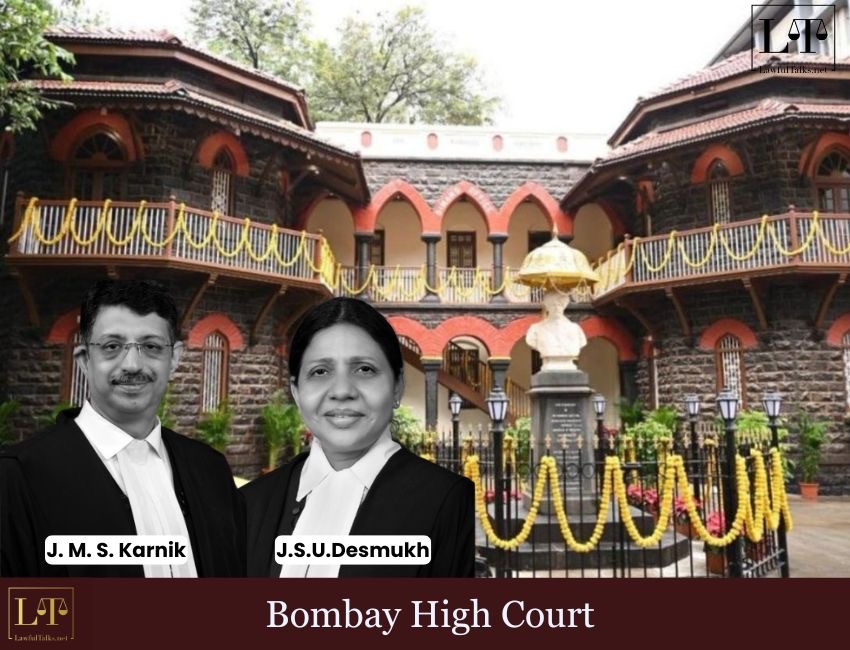
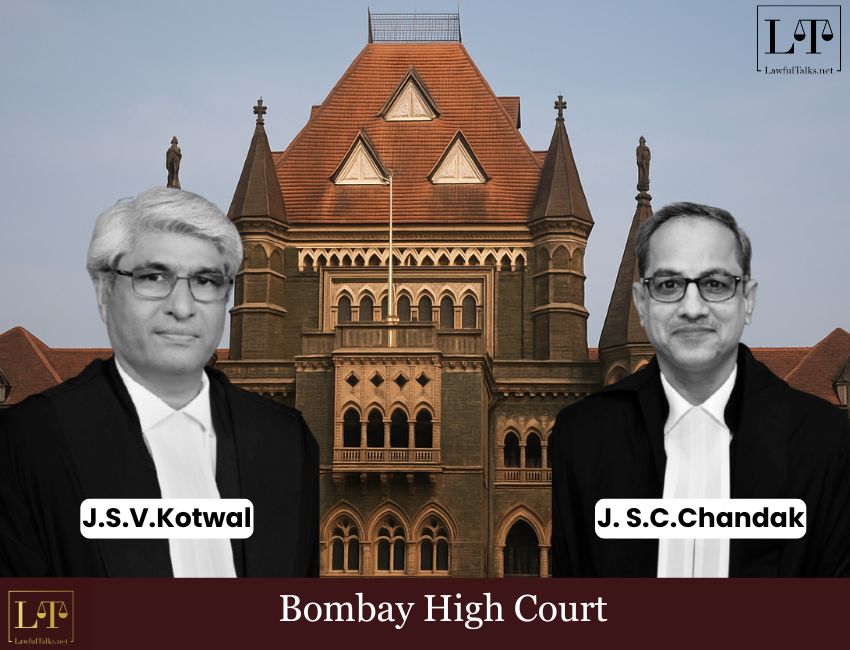
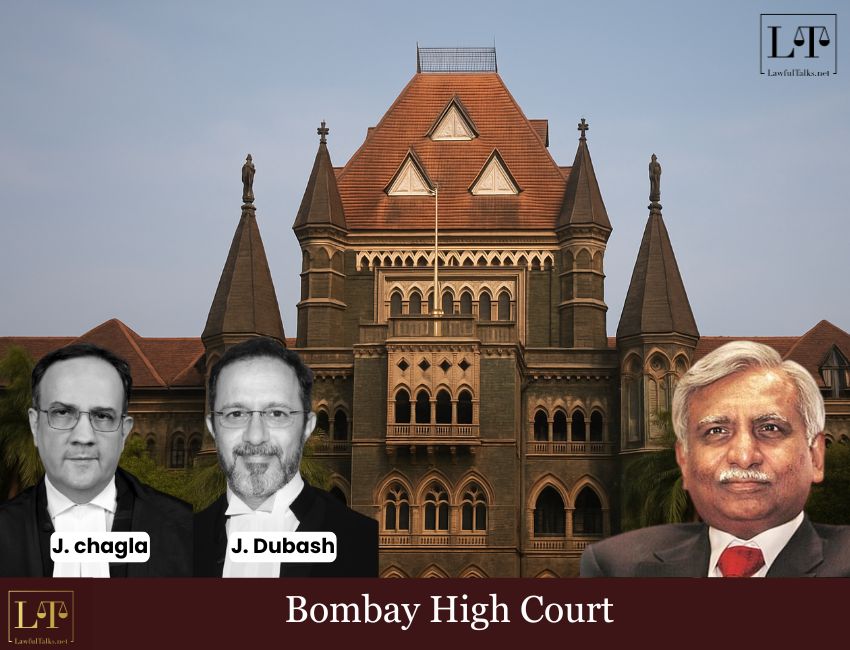
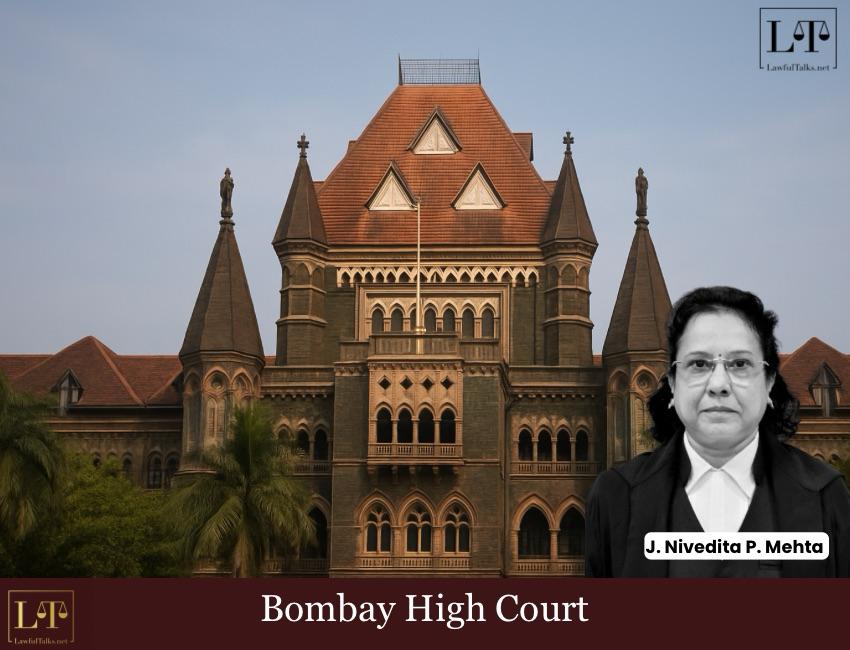
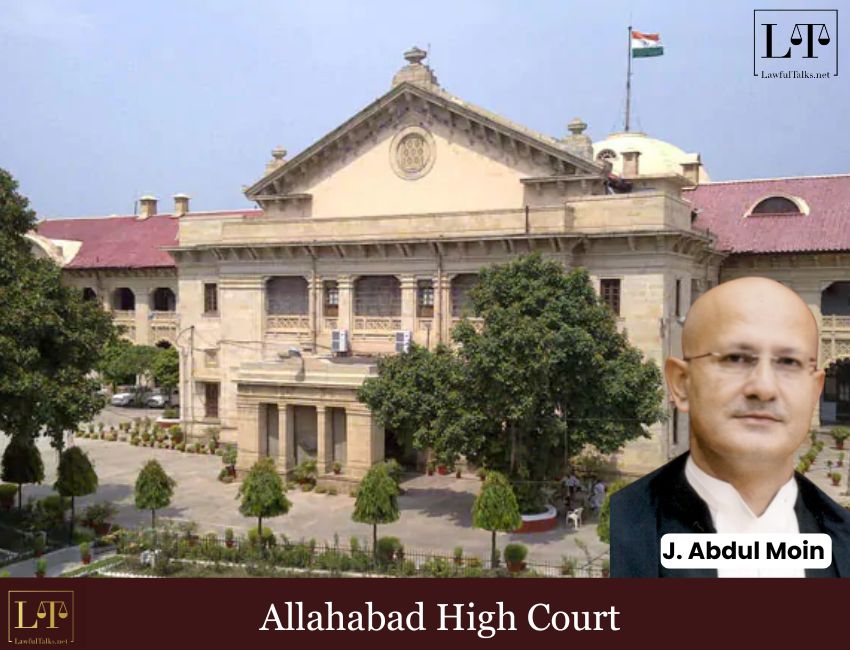
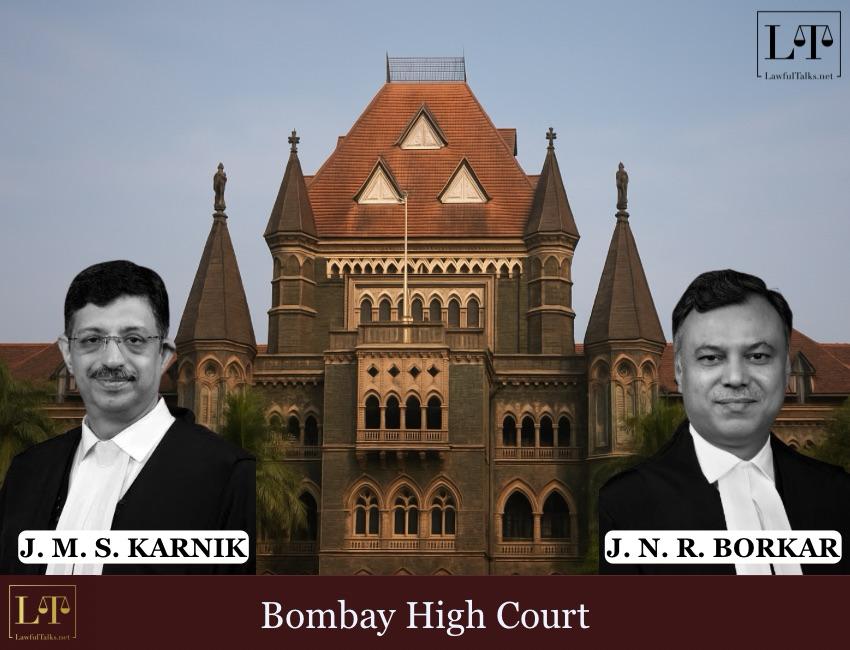
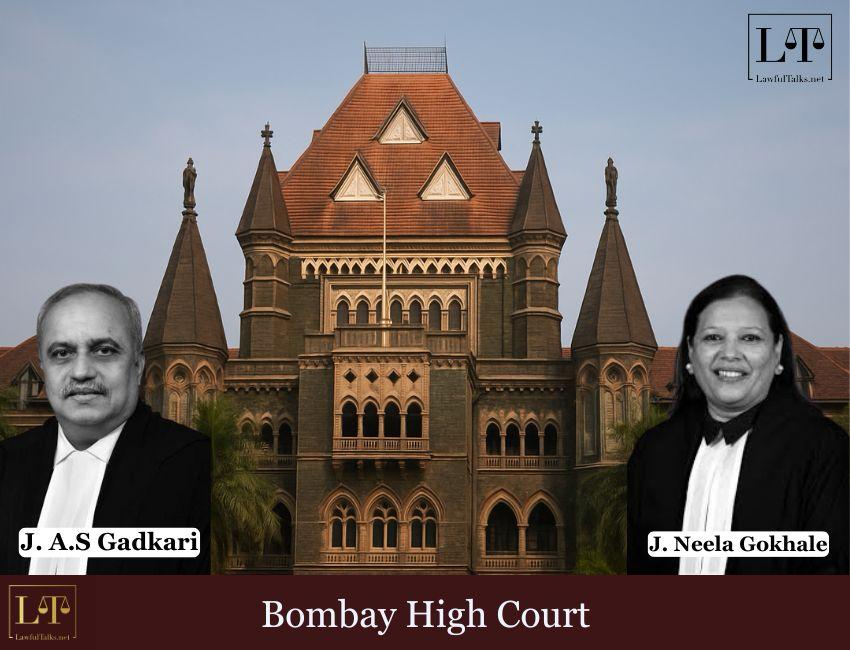
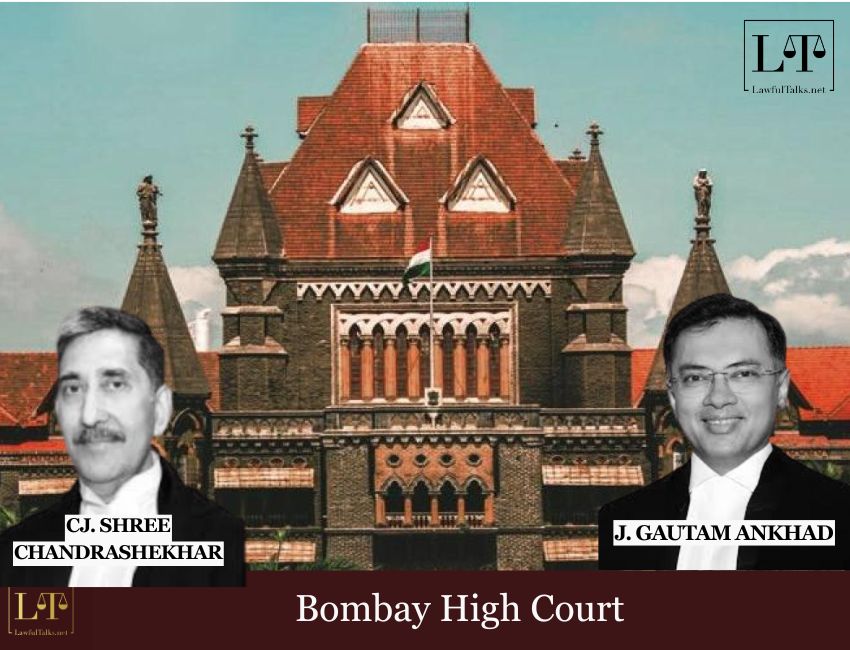
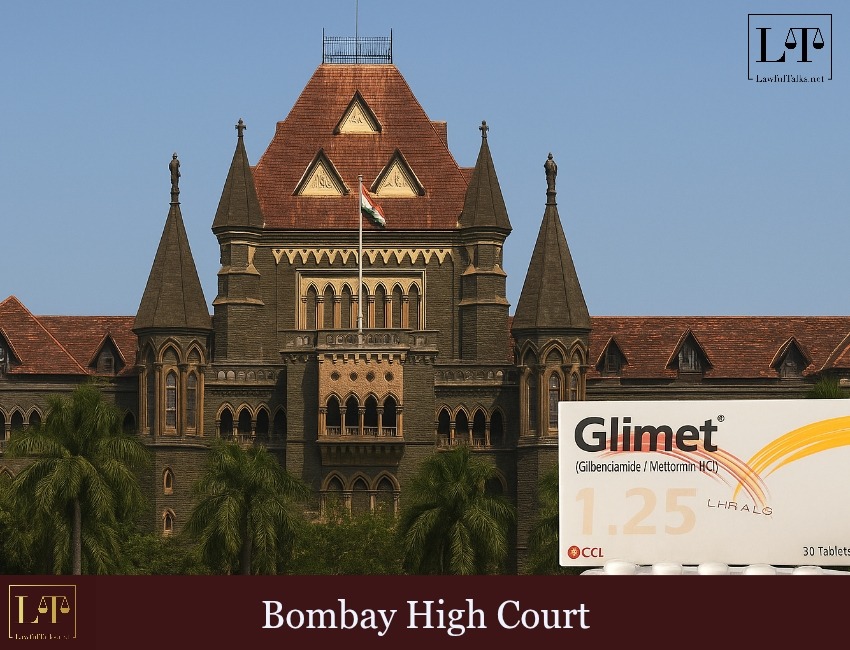
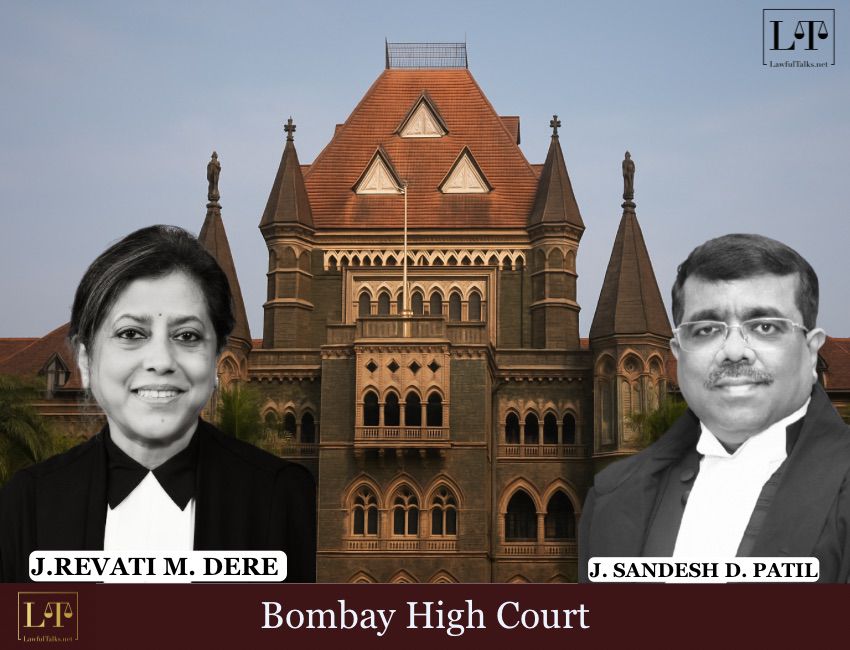
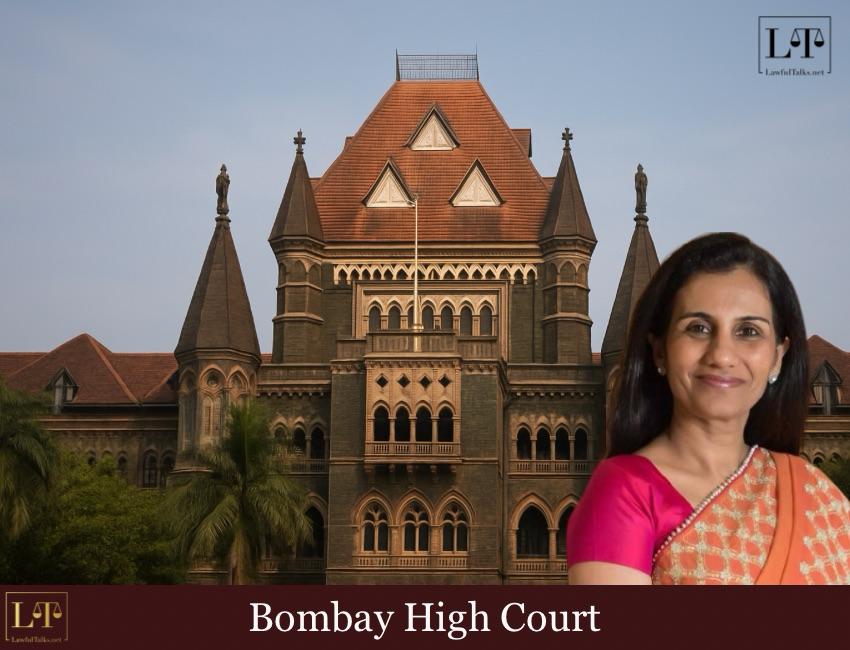
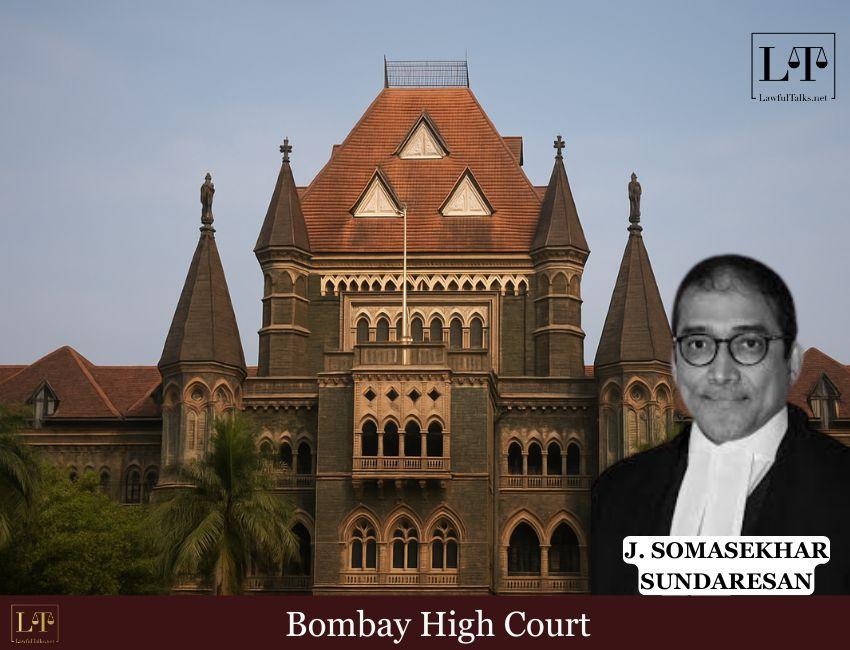
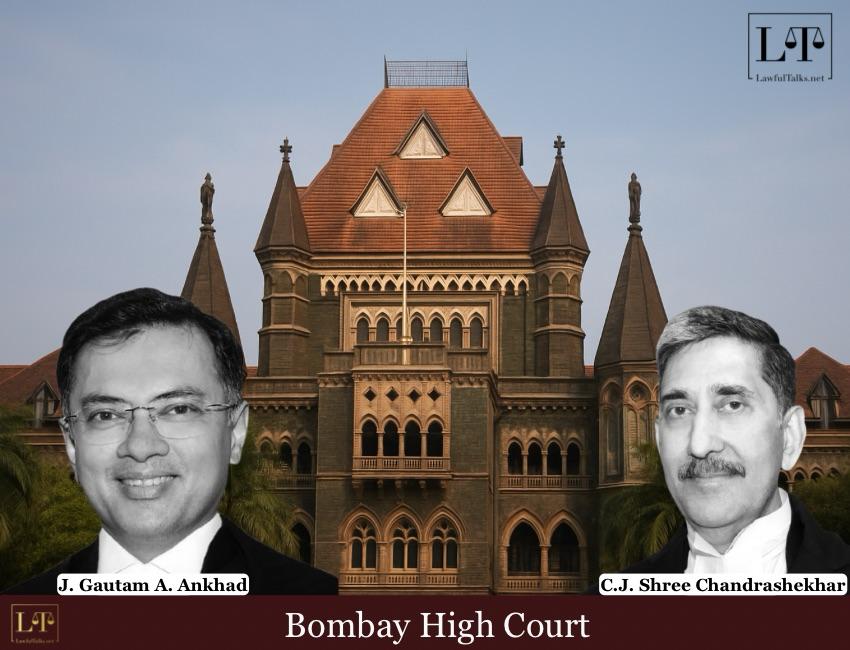
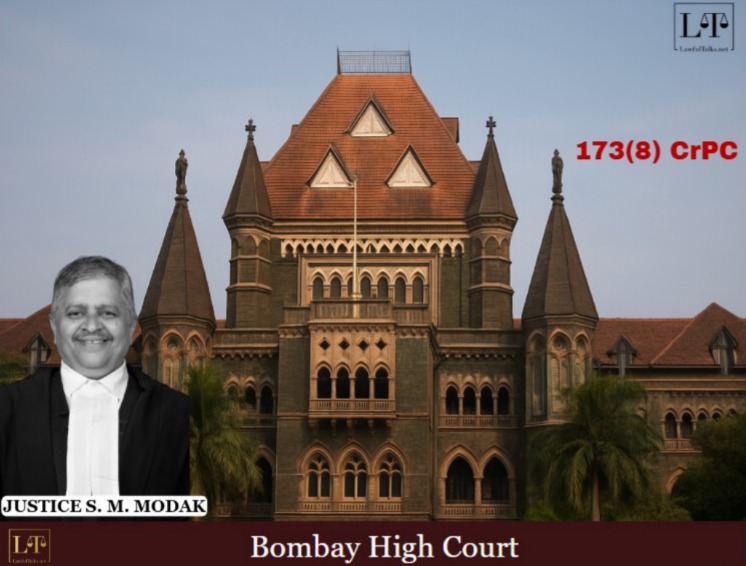
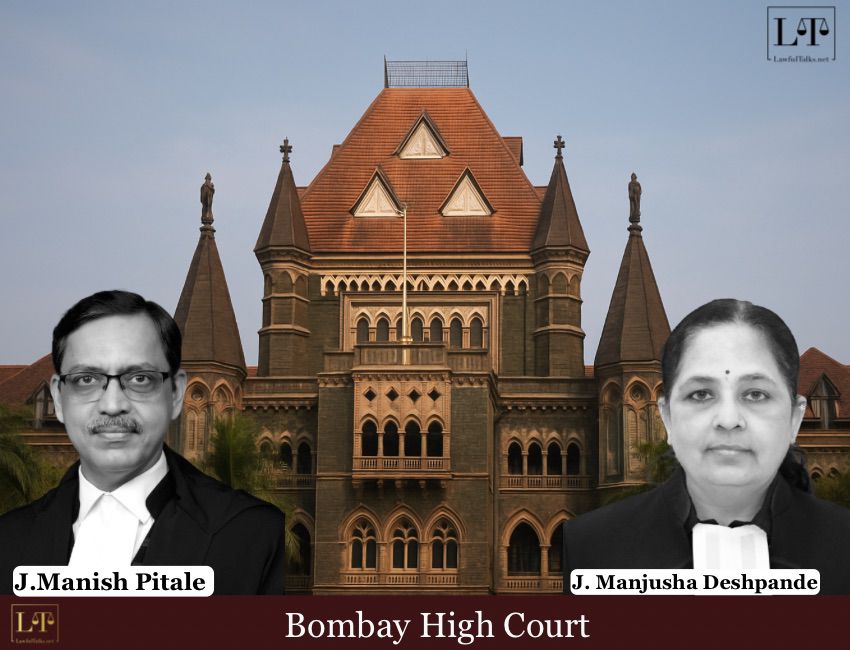
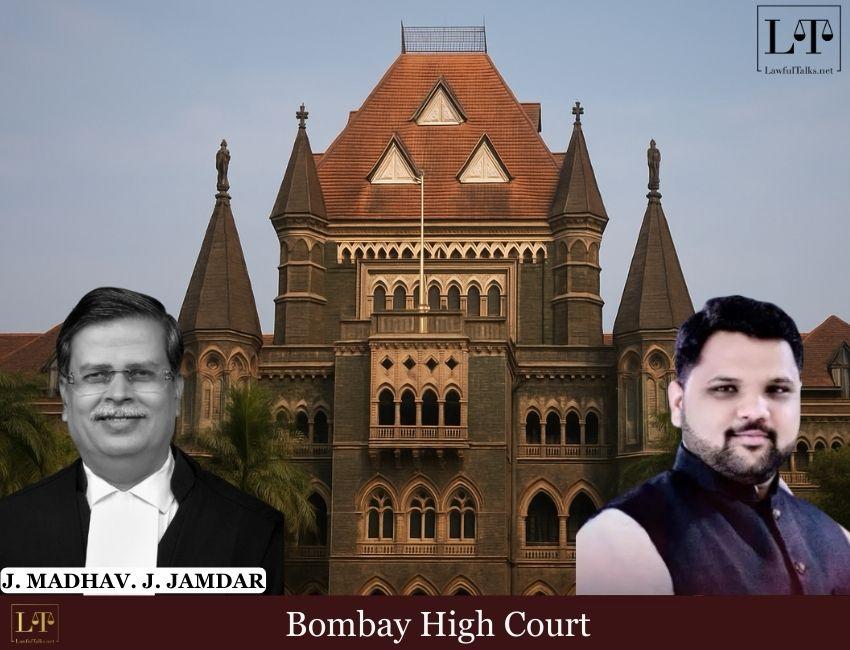
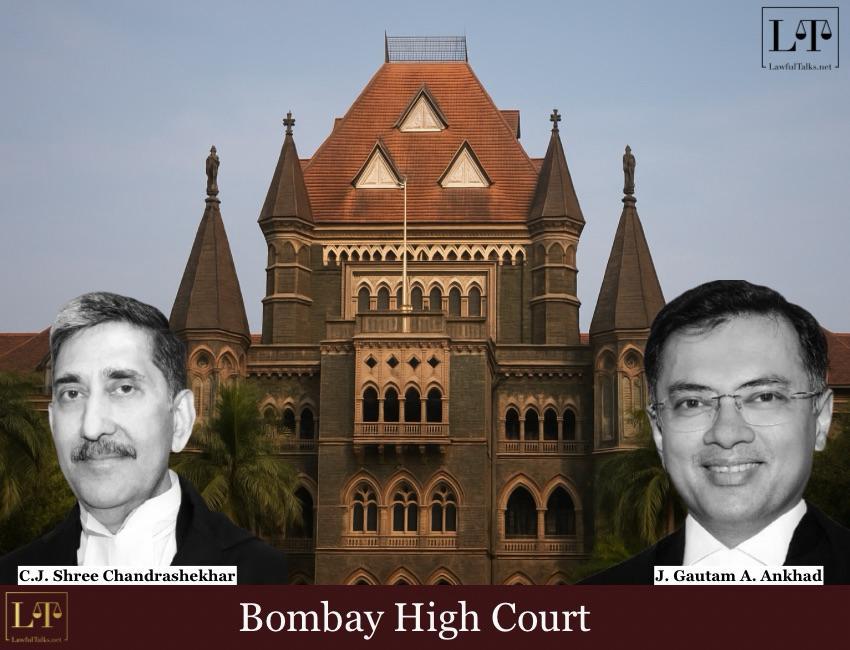
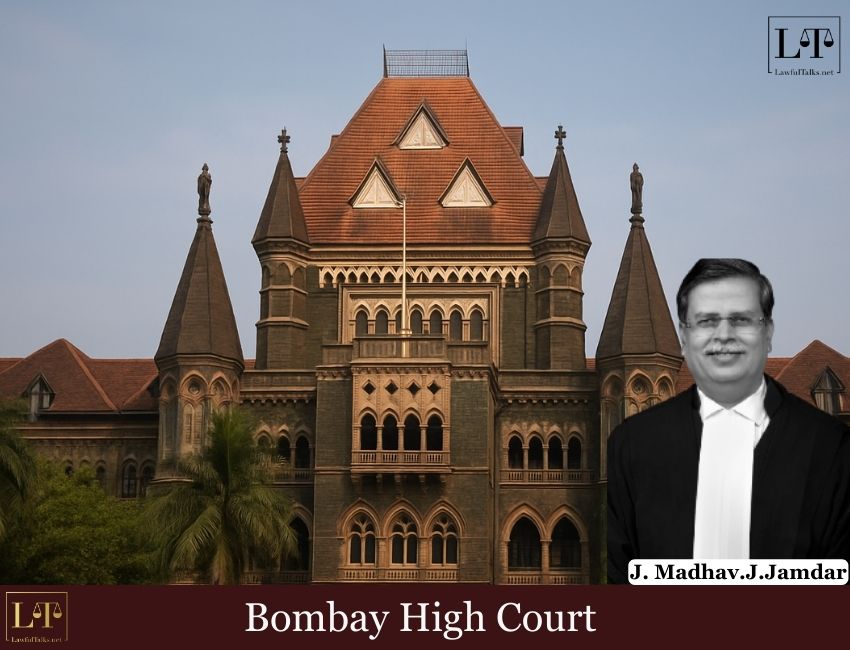
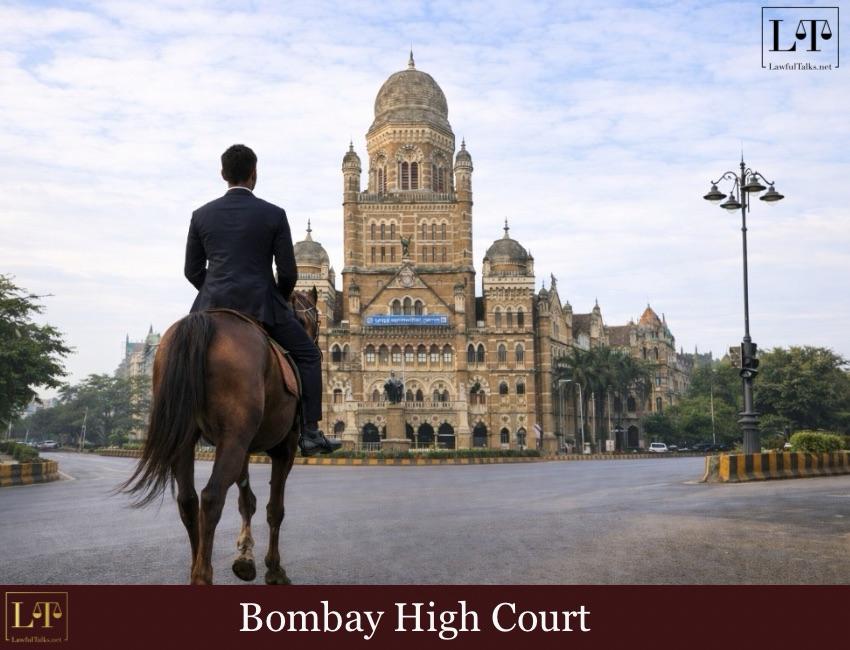
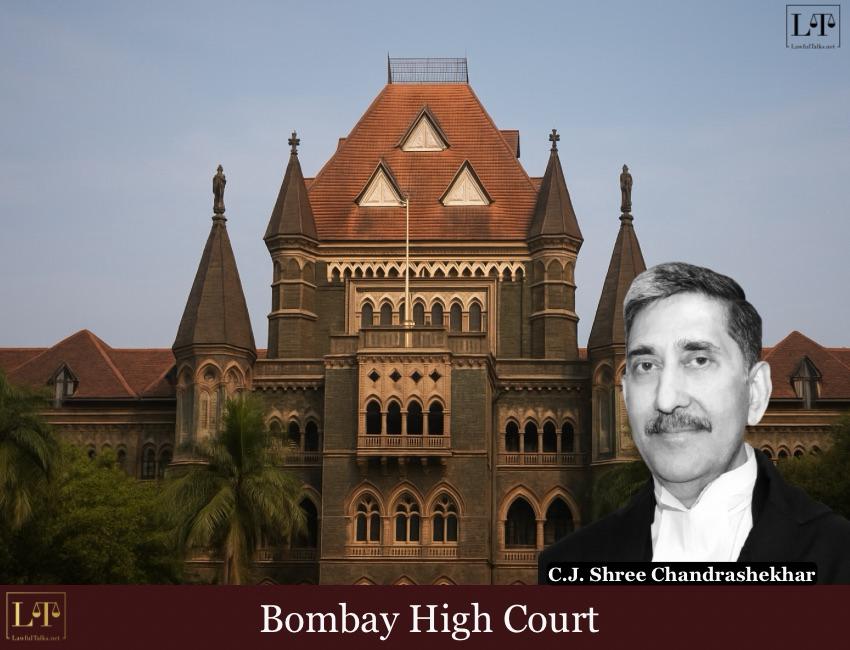
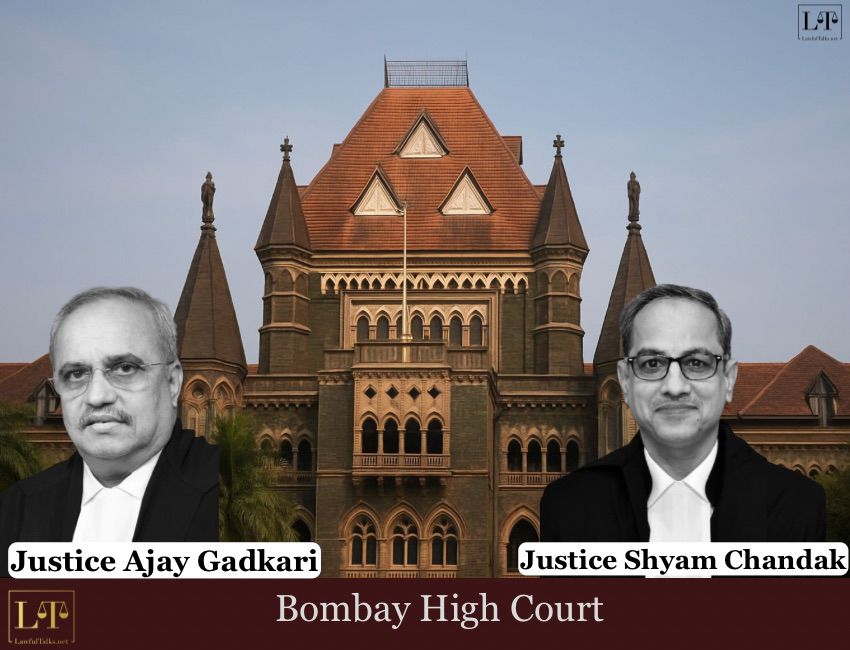
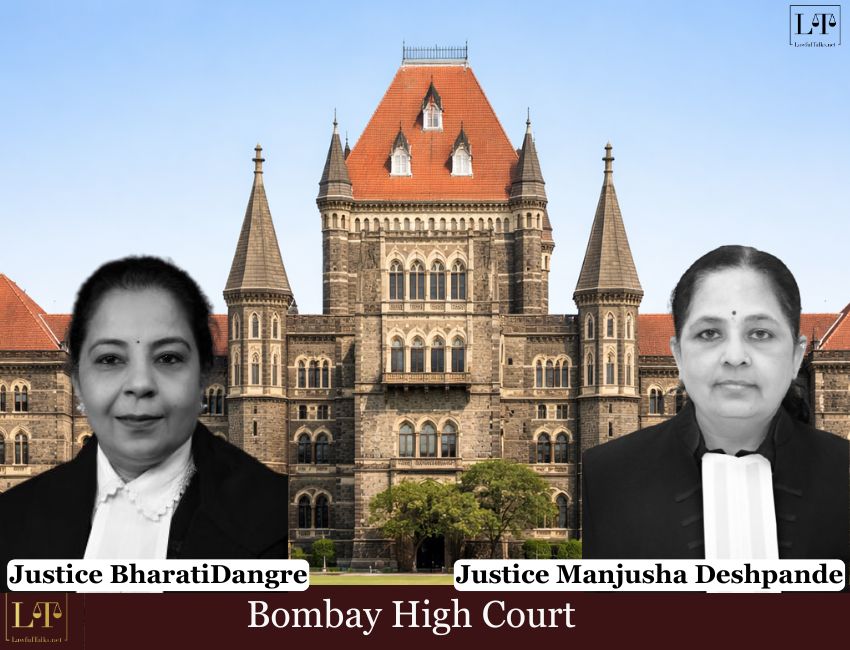
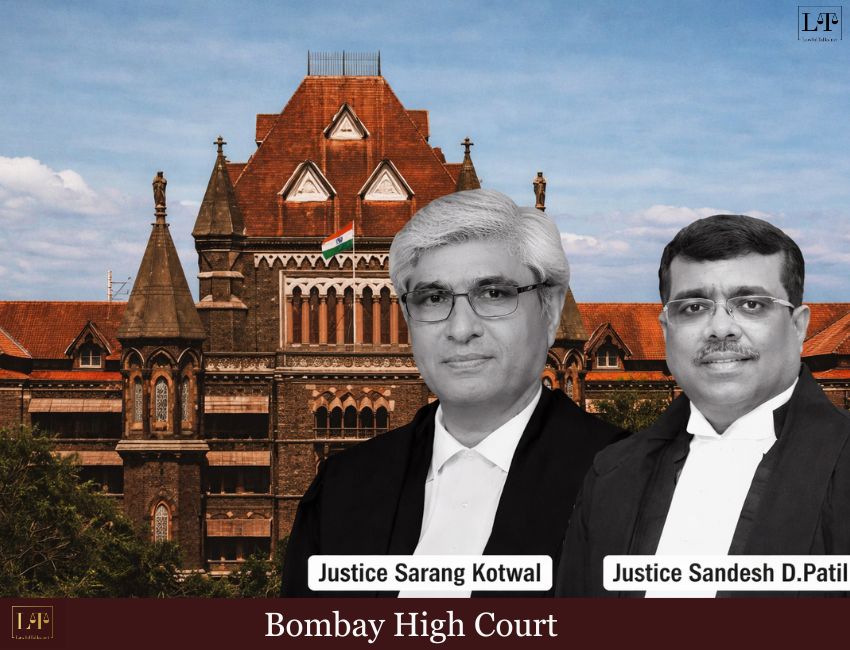
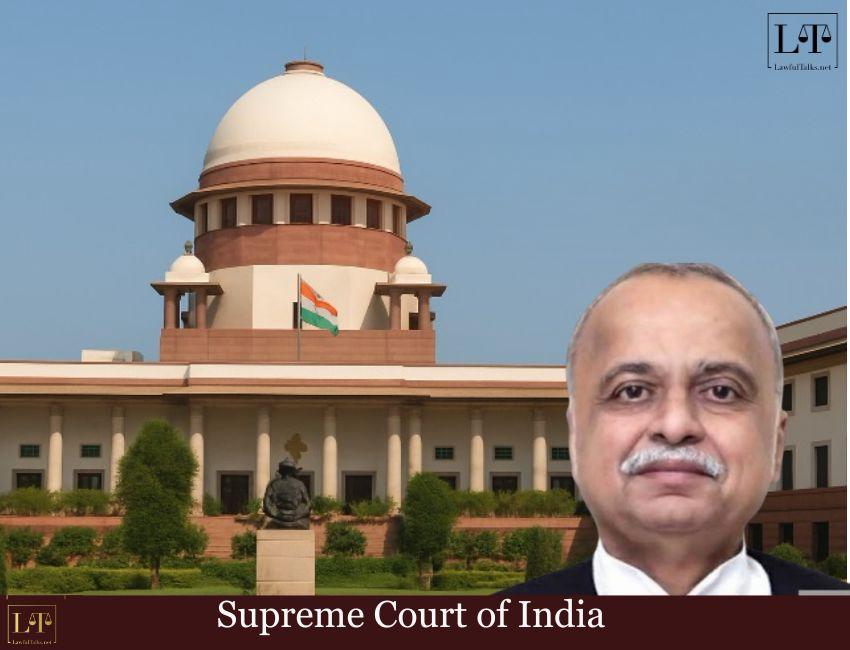
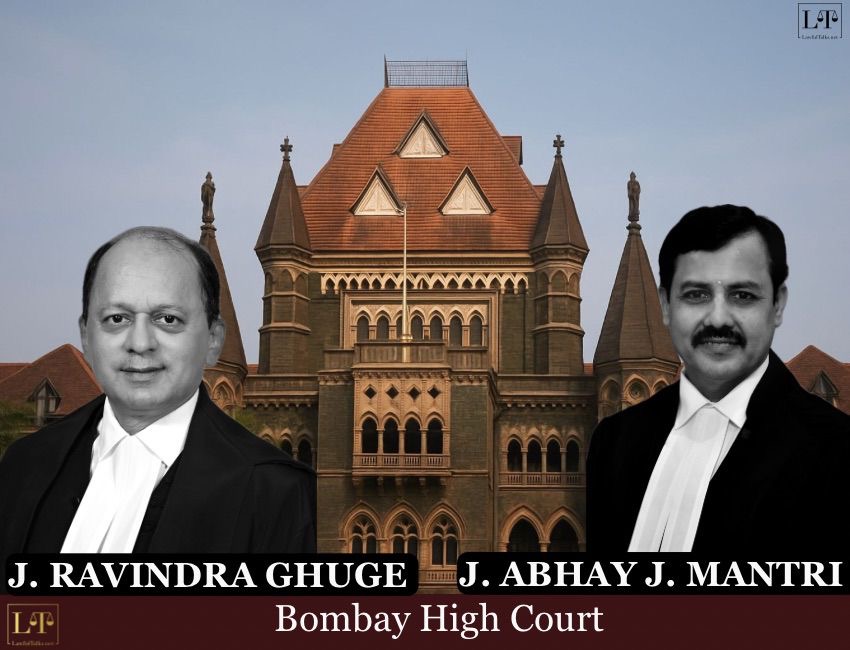
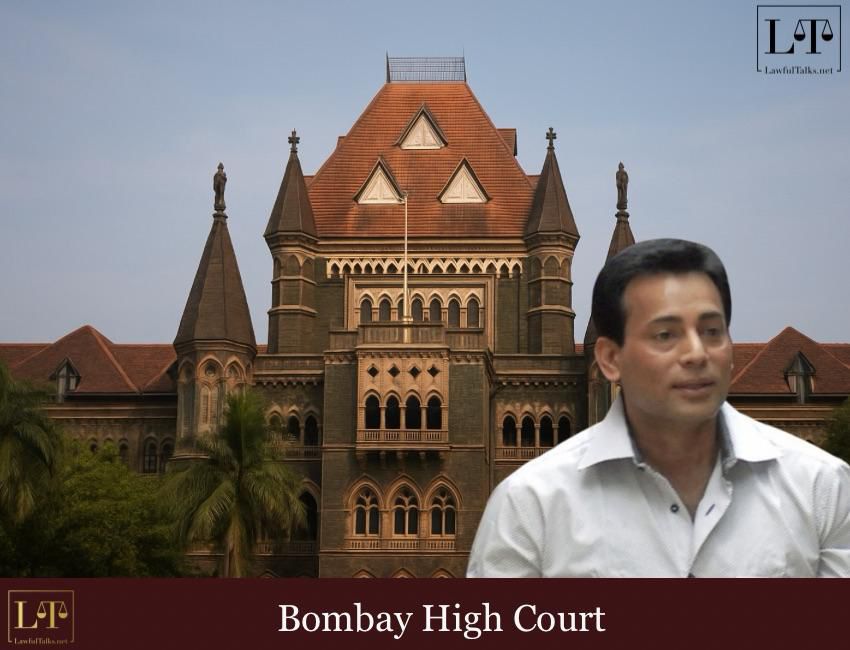
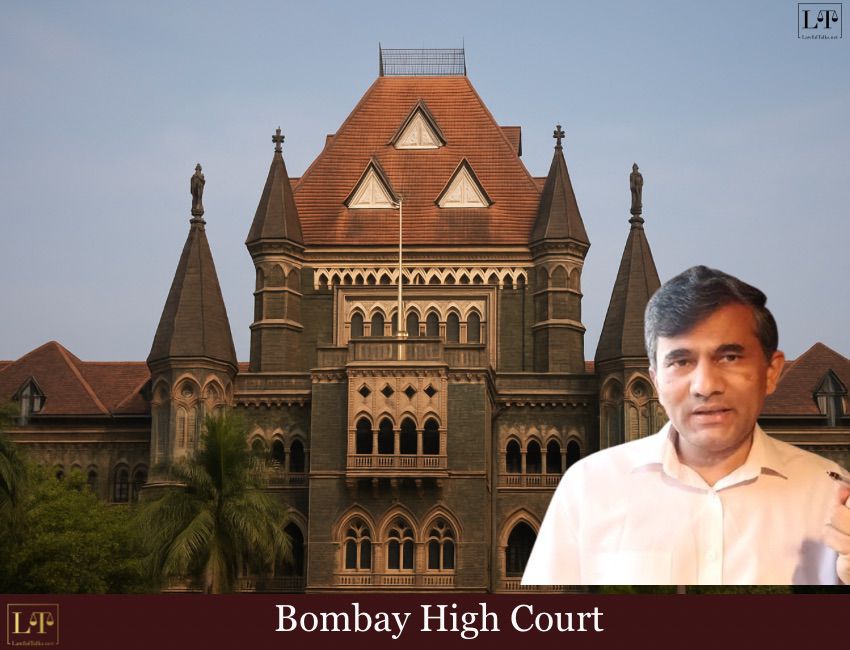
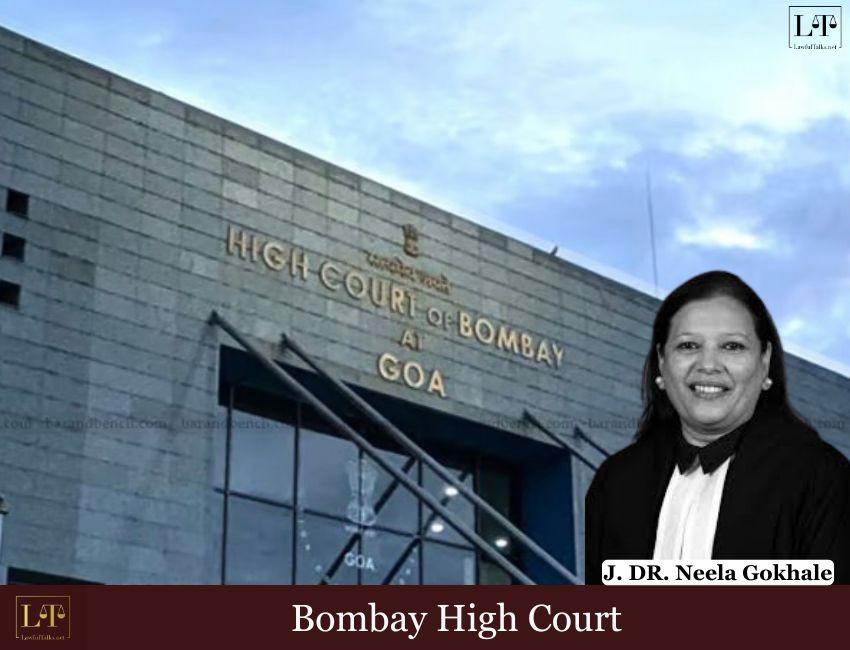
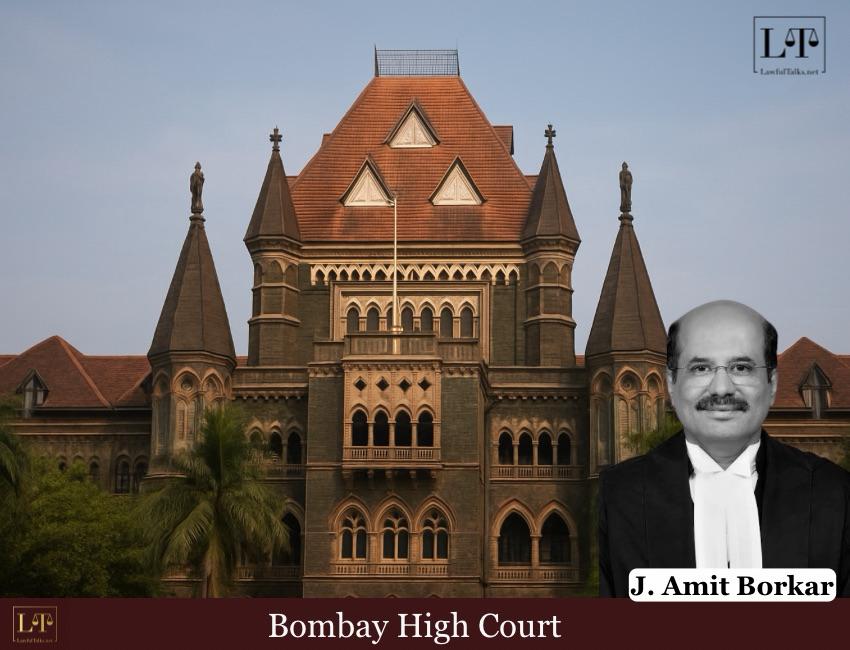
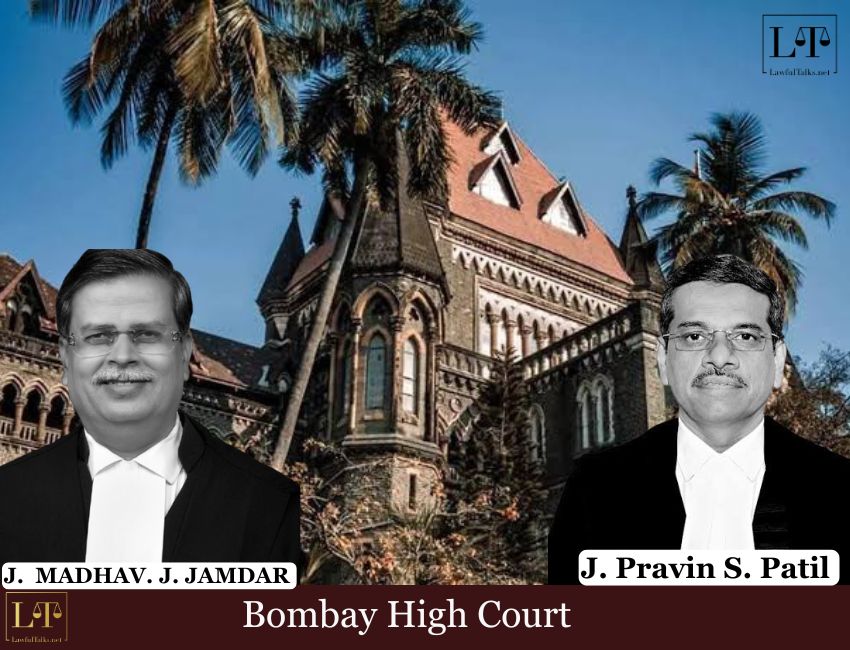
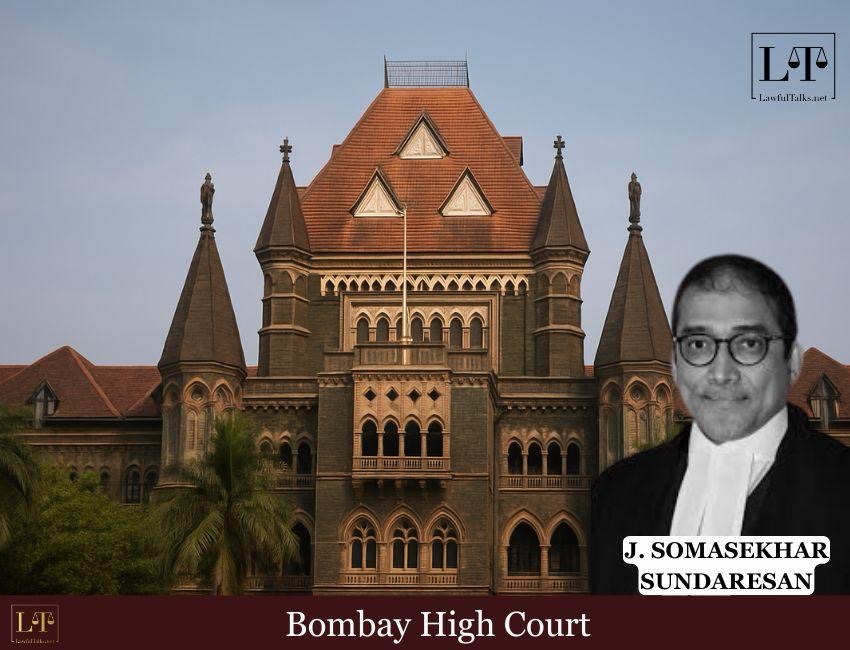
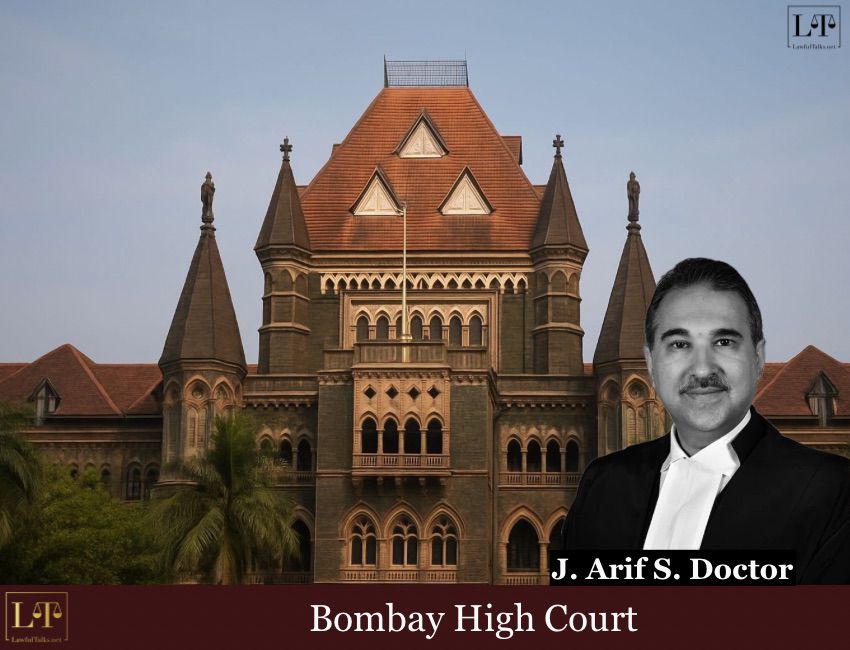
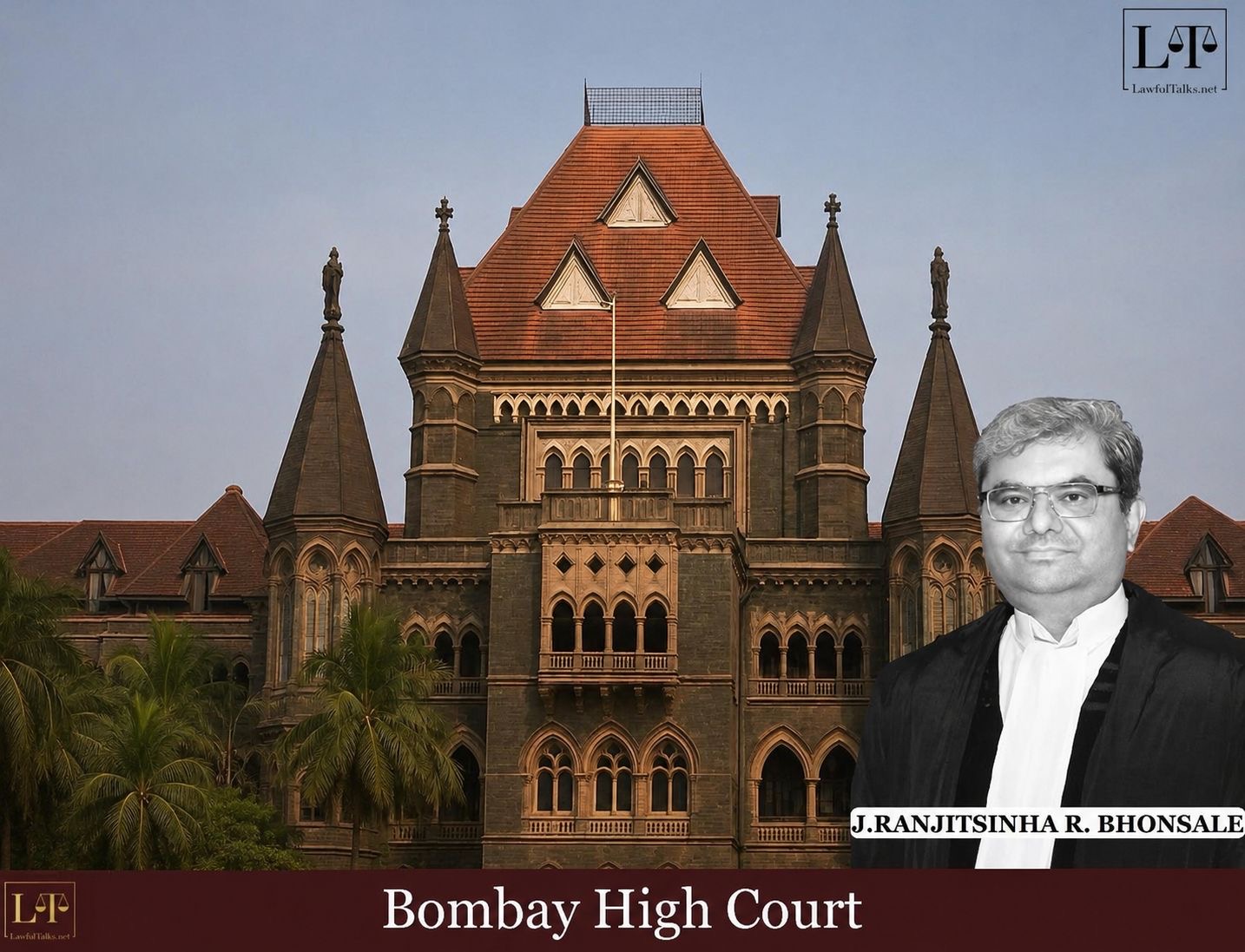
“Why Can’t Citizens Raise Such Slogans?” Justice Madhav Jamdar of Bombay HC Questions Police Action, Says He Will Impose ‘Hefty Costs’.

- July 03, 2026


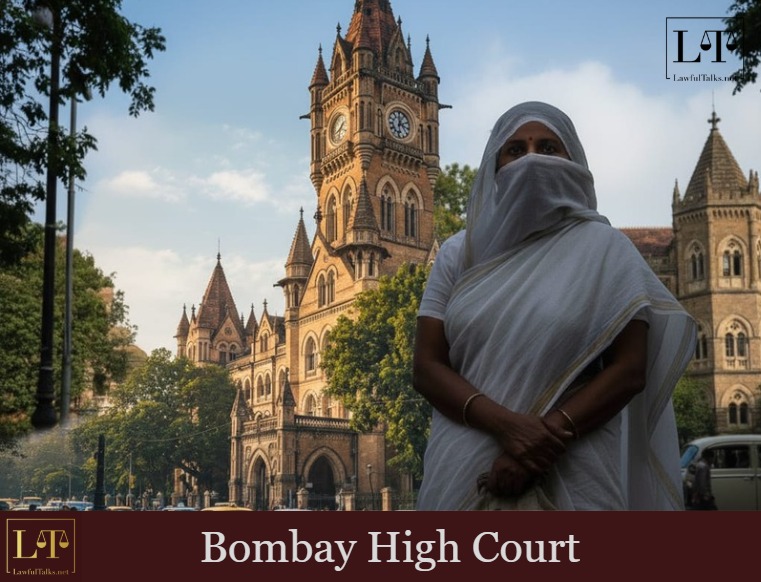
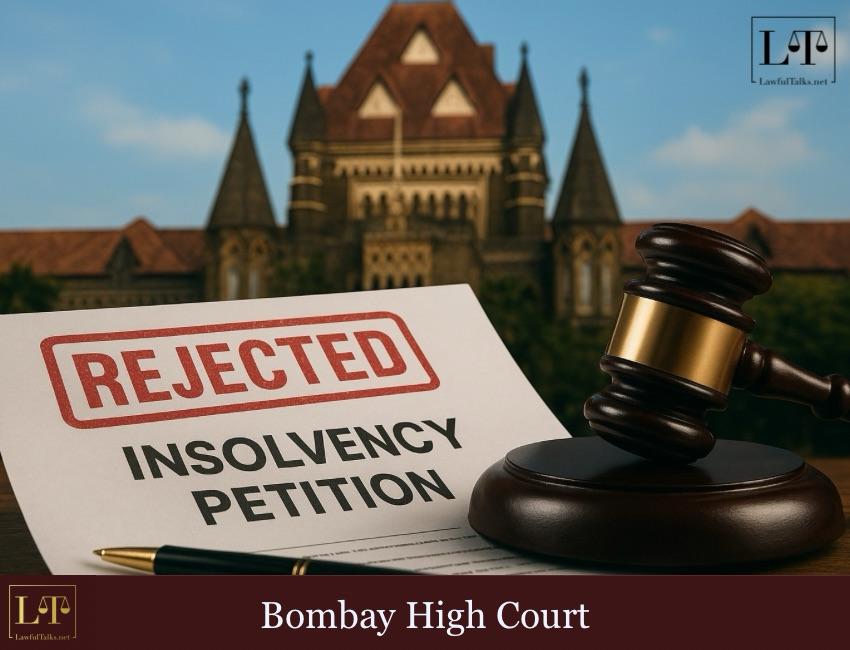
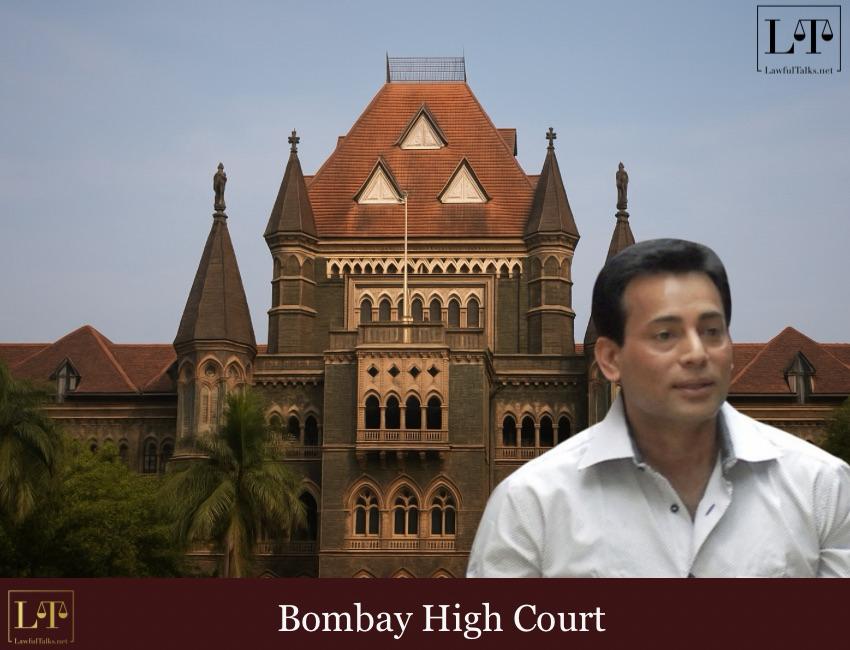
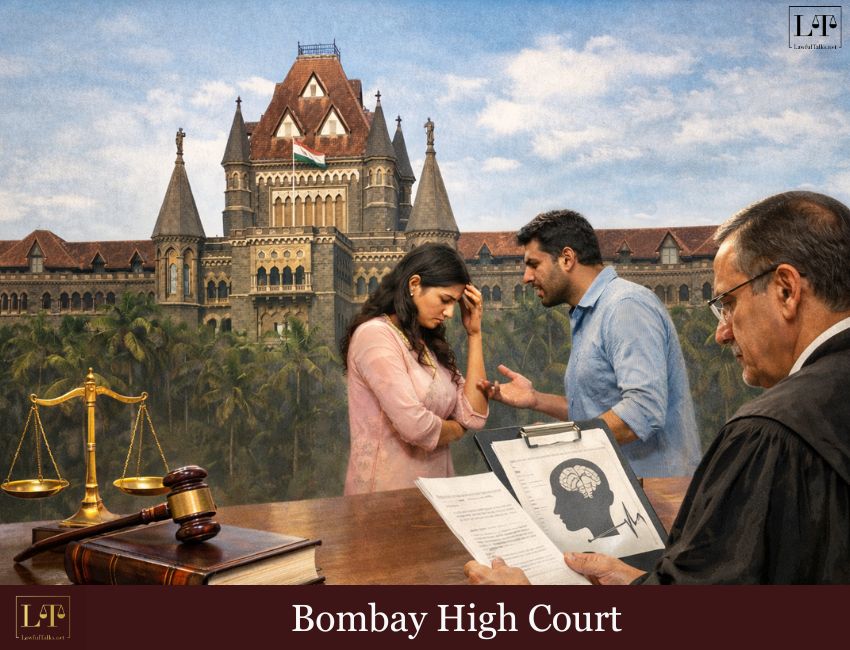
The Bombay High Court has made it clear that the right to dissent is an essential part of India’s constitutional democracy. The Court held that a citizen cannot be externed (banished from an area) simply for opposing decisions of the Union Government or raising slogans against it.
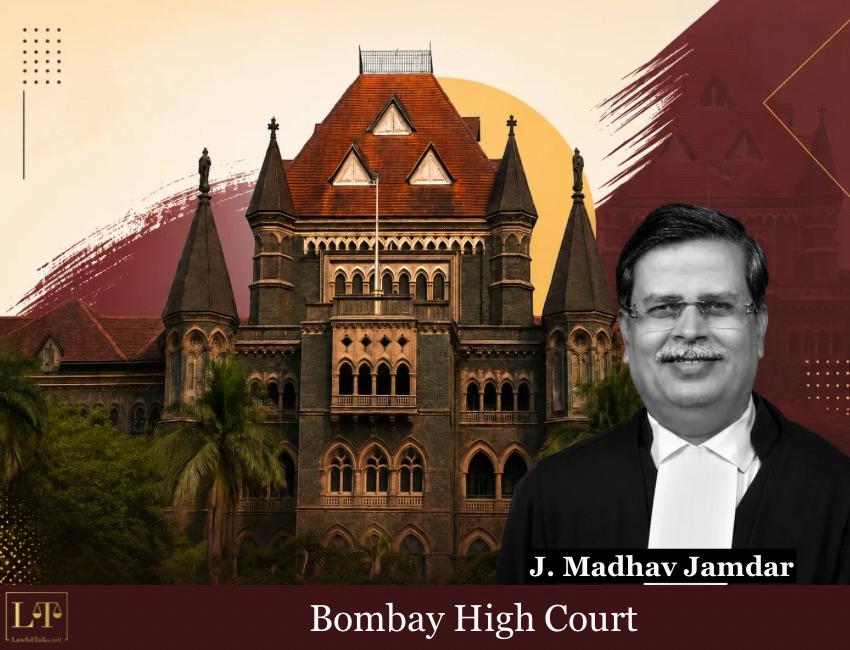
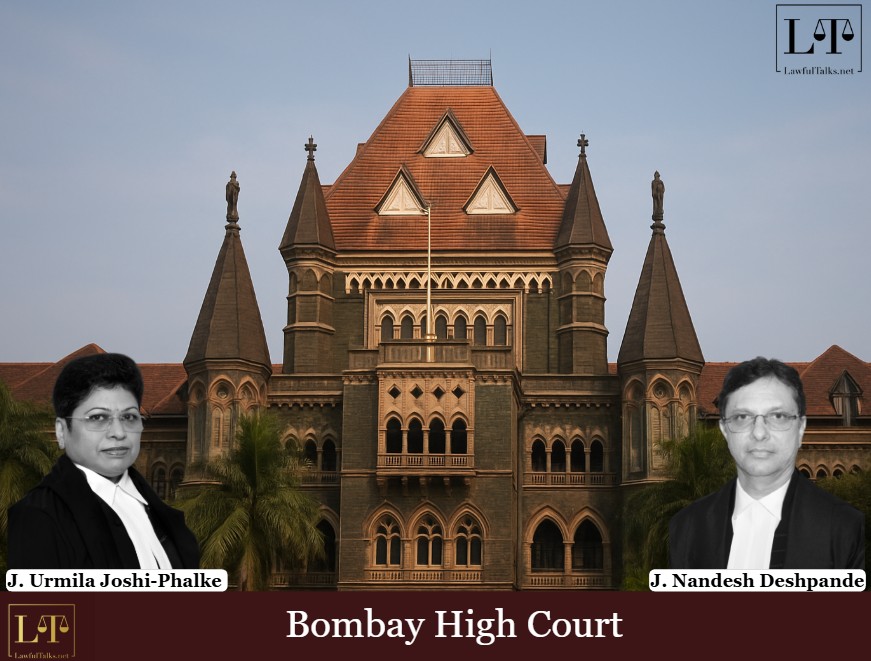
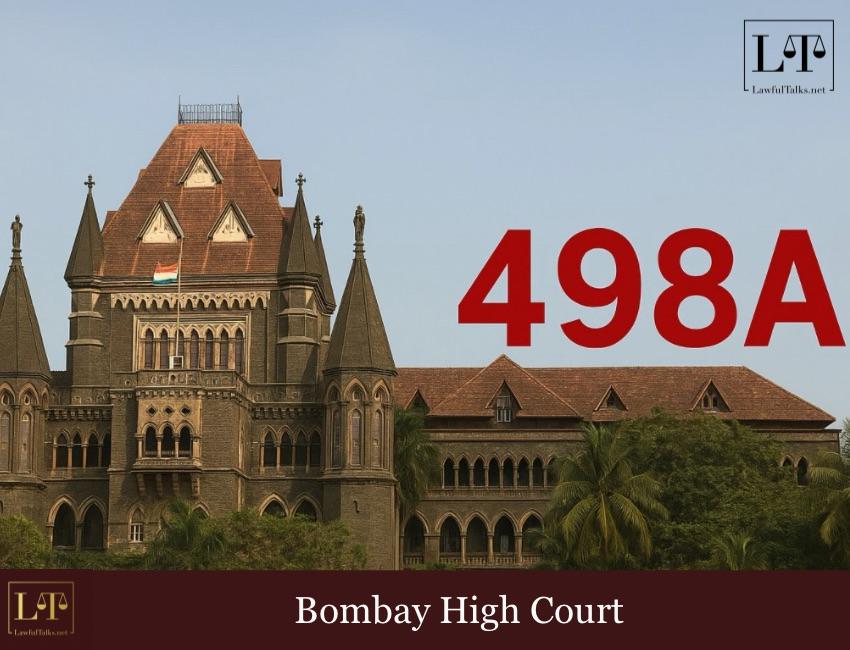
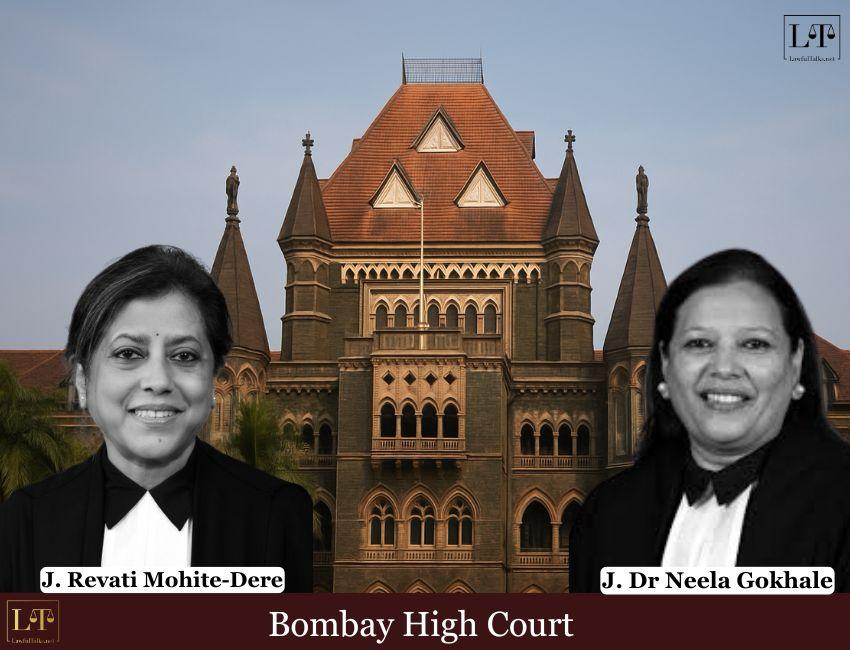
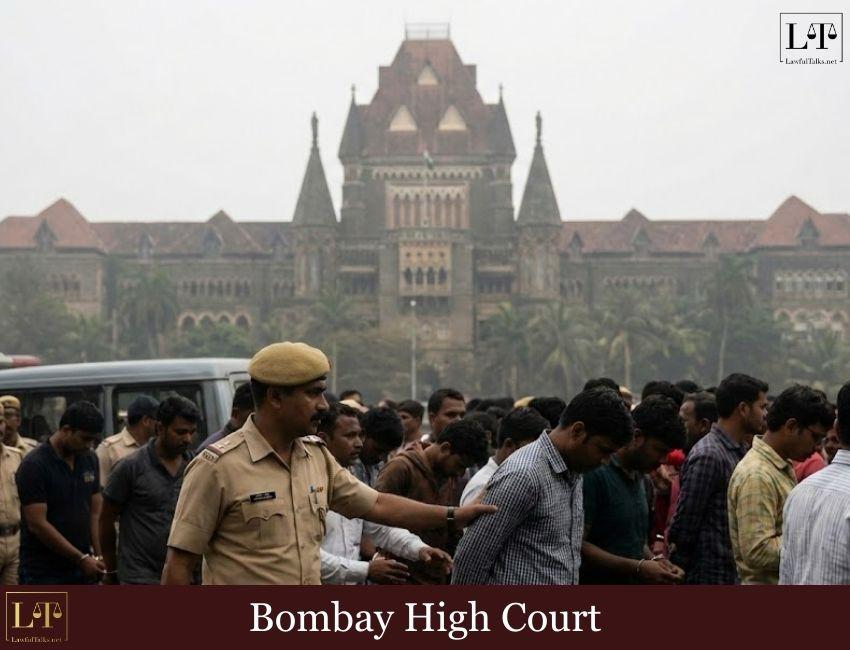
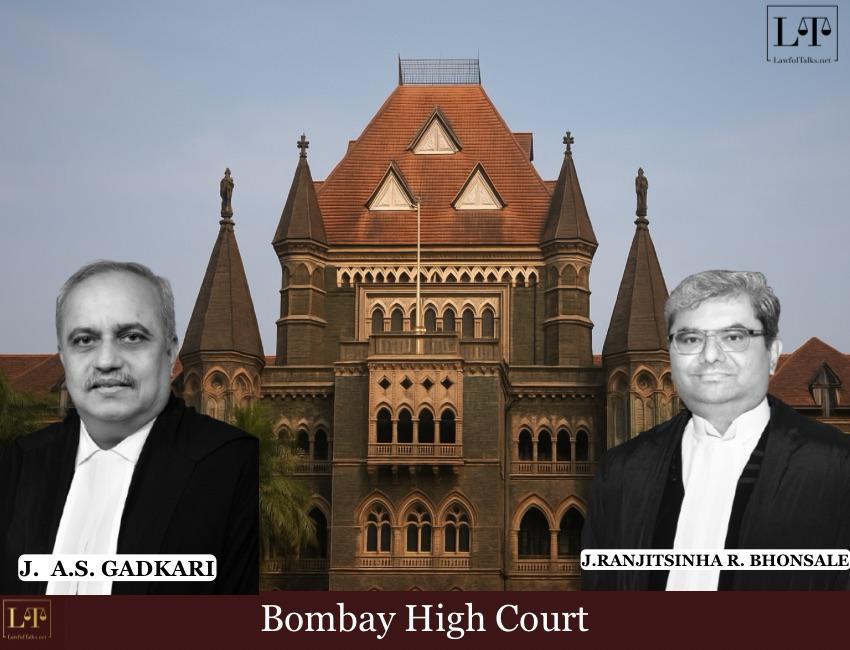
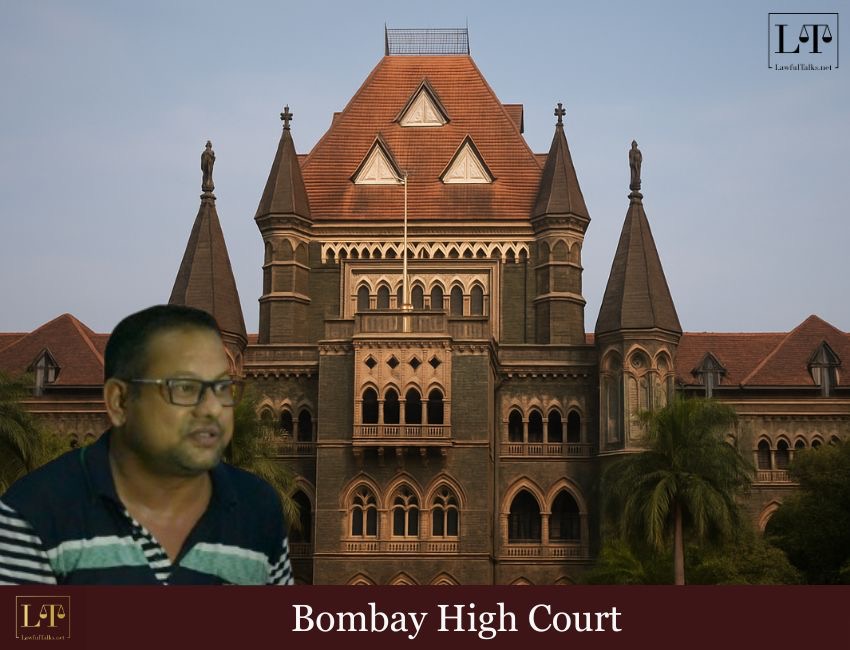
In an important judgment, Justice Madhav Jamdar set aside the externment order passed against Saeed Ahmad Abdul Wahid Chaudhary, the General Secretary of the Social Democratic Party of India (SDPI). The Court held that the action was not supported by the Maharashtra Police Act and violated the petitioner’s fundamental rights to freedom of speech, expression and dignity under Articles 19 and 21 of the Constitution.
The case was filed against an externment order dated December 3, 2025, passed by the Deputy Commissioner of Police, Zone-6, Chembur, Mumbai. The order was later upheld by the Divisional Commissioner, Konkan Division, on March 27, 2026.
Under the order, Chaudhary was directed to stay outside the concerned area for one year.
The authorities relied on five FIRs registered against him. Most of these FIRs arose out of protests, morchas and dharnas organised by him against various decisions of the Union Government, including the amendments to the Citizenship Act and the Gyanvapi Masjid controversy.
Appearing for the petitioner, counsel argued that Chaudhary, as the Secretary of the SDPI—a political party registered with the Election Commission of India—had only organised peaceful protests against government policies.
It was argued that most of the FIRs had been registered under Section 188 of the Indian Penal Code for holding demonstrations without police permission. According to the petitioner, none of the allegations met the legal requirements for passing an externment order under Section 56 of the Maharashtra Police Act.
The petitioner also argued that the externment order was a mala fide attempt to silence political opposition.
The State defended the externment order by relying on the reasons given in the impugned orders and the affidavit filed by the Deputy Commissioner of Police.
The State argued that the petitioner had organised demonstrations even after permission had been refused and had raised provocative slogans during those protests.
After examining the record, the Court noted:
“It is an admitted position that, the Petitioner in his capacity as the Secretary of the Social Democratic Party of India, has arranged agitations/morchas/dharnas with respect to the certain decisions taken by the Government of India.”
The Court then examined whether such conduct could legally justify an externment order.
During the hearing, Justice Jamdar questioned the basis of the police action and expressed concern that democratic dissent was being treated as a crime.
The judge orally remarked:
“What is this? All citizens are being made slaves of Indian Government… They cannot stage protests, they cannot agitate- what is all this? Now so many papers have been leaked. If people protest, you will slap cases… What is this? It is the right of the citizens to protest…. The petitioner has just raised slogans like ‘BJP Government Murdabad’, ‘Amit Shah Murdabad’… Why citizens can’t raise such slogans? Why externment orders for such slogans?”
Emphasising the role of the police in a constitutional democracy, Justice Jamdar further observed:
“Police isn’t the servants of the Chief Minister or the Prime Minister they are public servants… I am going to impose hefty costs on your officers…”
During the hearing, the judge also made a lighter remark after noting that the petitioner belonged to a recognised political party. Referring to the frequent switching of political loyalties in Maharashtra, Justice Jamdar said:
“Day before yesterday, one 10 year child was killed in an accident and what the State Assembly was discussing - how a Presiding Officer is elected and how he has shifted from one party to the another… What is this? Even you (Saeed) should switch sides… anyways horse trading is going on in entire Maharashtra. You (Saeed) have some FIRs… consider switching sides, there is a washing machine.”
The Court explained that an externment order can be passed only if a person’s movements or actions are causing, or are likely to cause, alarm, danger or harm to people or property, or if there are reasonable grounds to believe that the person is involved in offences involving force or violence.
After examining the material on record, the Court found that these legal requirements were completely absent.
Justice Jamdar held:
“There is no material on record to show that the movements or acts of the Petitioner are causing or calculated to cause alarm, danger or harm to person or property.”
The Court observed that the allegations only showed that the petitioner had organised protests against decisions of the Government of India and that some demonstrations had been held without police permission.
The Court said that although such conduct may amount to an offence under Section 188 IPC, it cannot justify an externment order.
The judgment states:
“The same is an offence under Section 188 of the IPC and maximum punishment is of simple imprisonment of one month. However, that cannot be a ground for passing the externment order under the provisions of the Maharashtra Police Act.”
The Court accepted the petitioner’s argument that the action appeared to be mala fide and observed:
“There is substance in the contention raised by Ms. Roy, learned Counsel for the Petitioner, that the action taken is a mala fide action.”
Justice Jamdar also found that the authorities had mechanically reached their conclusion without any material to support it.
The Court held:
“The subjective satisfaction recorded by the authorities that movements and acts of the Petitioner are causing or are calculated to cause, alarm, danger and harm to the public and property, is without any material to support the same. Thus, the subjective satisfaction is vitiated.”
It observed:
“It is settled legal position that an order of externment is an extraordinary measure and effect of such order is of depriving a citizen of his fundamental right of free movement throughout the territory of India.”
The Court also highlighted the constitutional protections available to every citizen, stating:
“Articles 19 and 21 of the Constitution of India inter alia contemplates that not only the citizens have the freedom of speech and expression, but they also have the right to live with dignity.”
The Court concluded that the authorities had punished the petitioner for expressing disagreement with the Government’s decisions.
It held:
“The action taken by the Respondent–State of Maharashtra of externing the Petitioner, merely for opposing certain decisions of the Government of India, affects the Petitioner’s fundamental right of freedom of speech and expression and also right to live with dignity.”
The High Court relied on the Supreme Court’s decision in Anuradha Bhasin v. Union of India, observing that statutory powers cannot be used to suppress legitimate expression of opinion or democratic rights.
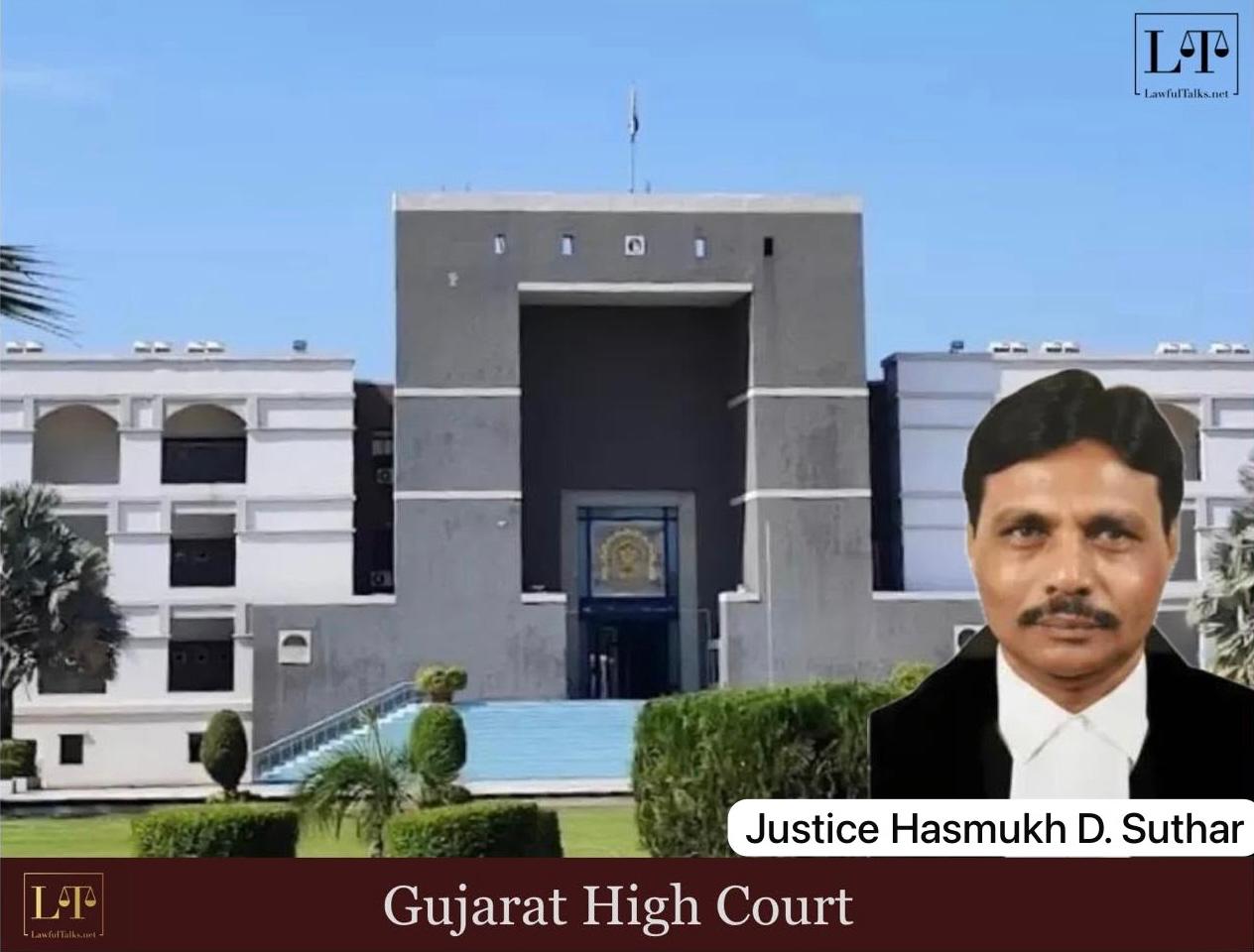
The Court also referred to the Gujarat High Court’s decision in Mohmmad Kaleem Taufiq Ahmed Siddiqui v. State of Gujarat, which similarly held that a citizen cannot be externed merely for protesting against decisions of the Government.
Final Decision:
Case Details: Saeed Ahmad Abdul Wahid Chaudhary vs State of Maharashtra (Writ Petition 1700 of 2026)




















































































































































Sign up for free and be the first to get notified about curated content just for you.