American Citizen Denied a Hindu Devotee’s Rights? Madras HC Says Faith, Not Nationality, Is What Matters.

- July 04, 2026


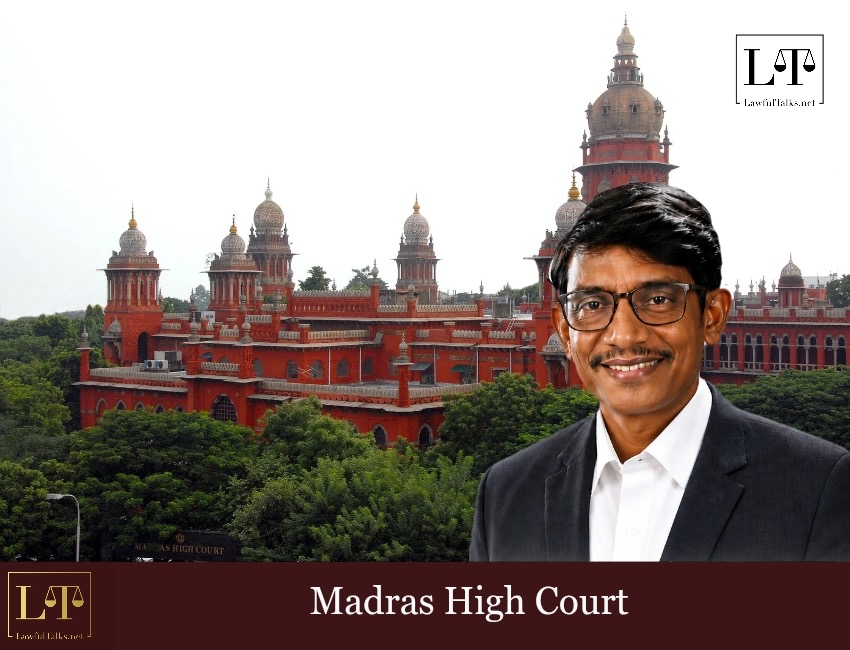
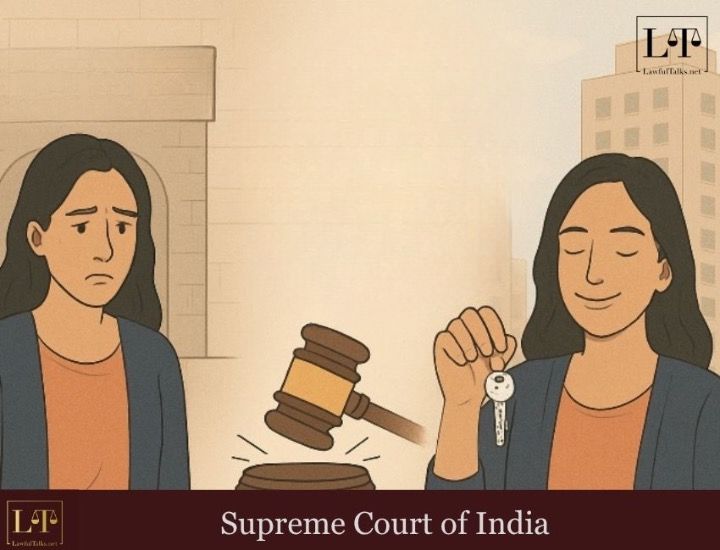
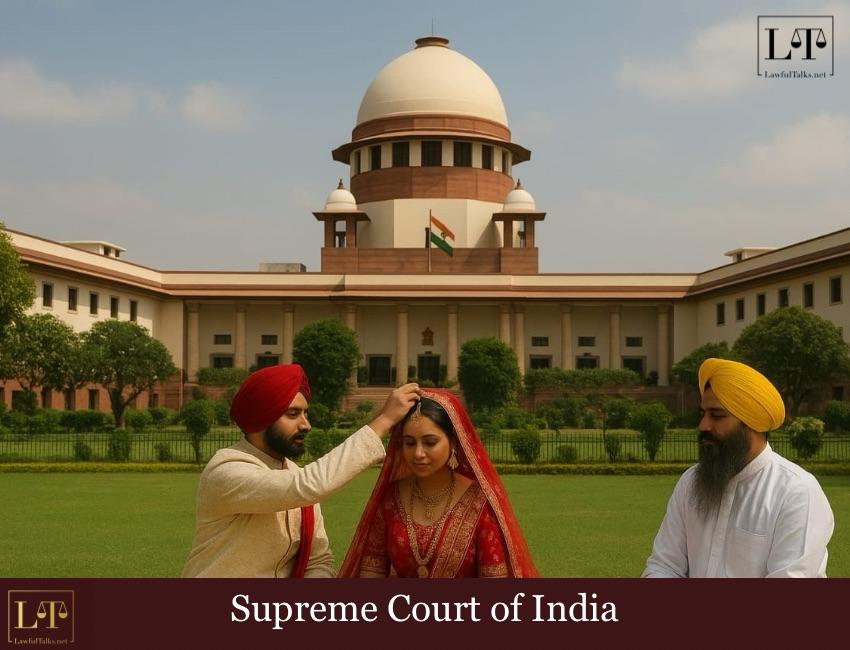
The Madras High Court has held that an American citizen who has embraced Hinduism cannot be denied the rights available to a Hindu woman devotee merely because of her name or foreign nationality. The Court observed that a person’s genuine faith and conduct—not their name or citizenship—determine their religious identity.
Background:
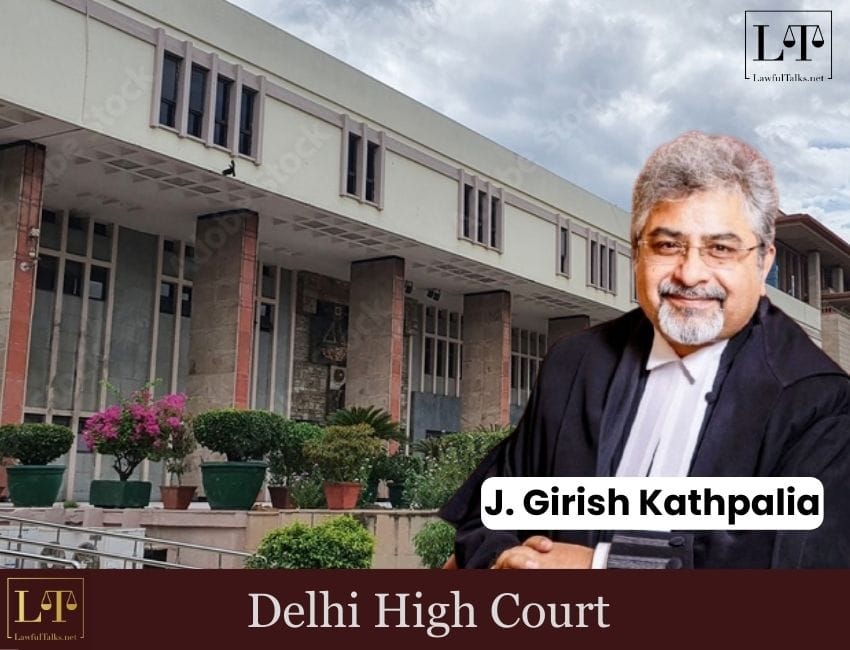
Justice D. Bharatha Chakravarthy delivered the ruling while allowing a writ petition filed by Laura Frances Iyengar in the case of Laura Frances Iyengar v. Tamil Nadu Hindu Religious and Charitable Endowments Department.
Laura Frances Iyengar challenged a communication issued by the Hindu Religious and Charitable Endowments (HR&CE) Department, which described her as an “American Christian woman” and, as a result, restricted her access to Sri Arulmighu Abishta Varatharajaperumal Temple.
It was also brought to the Court’s notice that her husband’s grandfather had previously served as the trustee of the temple.
The Dispute:
The dispute arose when the petitioner visited the temple and some local persons objected to her entry, believing that she was not a Hindu. After this incident, her husband submitted a representation to the temple authorities, requesting that she be allowed to freely enter and worship in the temple. In response, the HR&CE Department issued a communication describing her as an “American Christian woman.”
Department’s Stand:
Before the Court, the HR&CE Department argued that since the petitioner was an American citizen, it was presumed that she was a Christian. The Department also told the Court that after objections were raised by the devotees, the petitioner had not been asked to remain in the outer precincts of the temple.
Court’s Findings:
The High Court rejected the Department’s argument and emphasized the inclusive nature of Hinduism. The Court observed:
“Hinduism is a faith that has historically been inclusive and accommodating…Unlike certain other religions, it does not prescribe any mandatory formal ceremony of conversion or issuance of any certificate as a condition precedent for acceptance into the faith.”
The Court noted that the materials placed on record clearly showed that the petitioner had consistently followed and professed Hinduism and had lived in a way that showed she had accepted and practised the faith.
Court’s Directions:
Accordingly, the Court held that the HR&CE Department’s communication was illegal to the extent that it described the petitioner as an “American Christian woman.”
The High Court directed the authorities not to deny the petitioner any right available to a Hindu woman devotee in any Hindu temple, including Sri Arulmighu Abishta Varatharajaperumal Temple, subject to the customs, usages, Agamas, and regulations of the respective temple.
At the same time, the Court clarified:
“Equally, the petitioner shall not claim any special privilege or right not otherwise available to any other Hindu woman devotee.”
Case Details: Laura Frances Iyengar v. TN HR and CE Department and ors.
















































































Sign up for free and be the first to get notified about curated content just for you.