Can a Registered Will Still Be Rejected? SC Says Yes, If Suspicious Circumstances Remain Unexplained.
- July 07, 2026


The Supreme Court has held that the burden of proving a Will always lies on the person who relies on it (the propounder).Simply proving that the Will was executed in the manner required under Section 63 of the Succession Act and Section 68 of the Evidence Act is not enough. The propounder must also prove that the testator signed the Will of his own free will, understood what was written in it, and was aware of the nature and effect of the decisions made in the Will.
The Court further held that if there are suspicious circumstances surrounding the execution of a Will, it is the duty of the person relying on the Will (the propounder) to explain those circumstances, remove the doubts, and satisfy the judicial conscience of the Court.
The Bench held that:
“The exercise is complete when the propounder satisfies the Court’s conscience that the testator had signed the Will with free will, being aware of its contents, and after understanding the nature and effect of the dispositions in the Will. And, if there are suspicious circumstances raising doubts about the Will, it is the duty of the propounder to explain those suspicious circumstances to dispel the doubts and satisfy the Court’s conscience.”
The Court also clarified:
“Broadly, any circumstance, or set of circumstances, which gives rise to a legitimate suspicion about the valid execution of the Will could be considered a suspicious circumstance. However, those suspicions must not be a figment of imagination or fantasy of a doubting mind.”
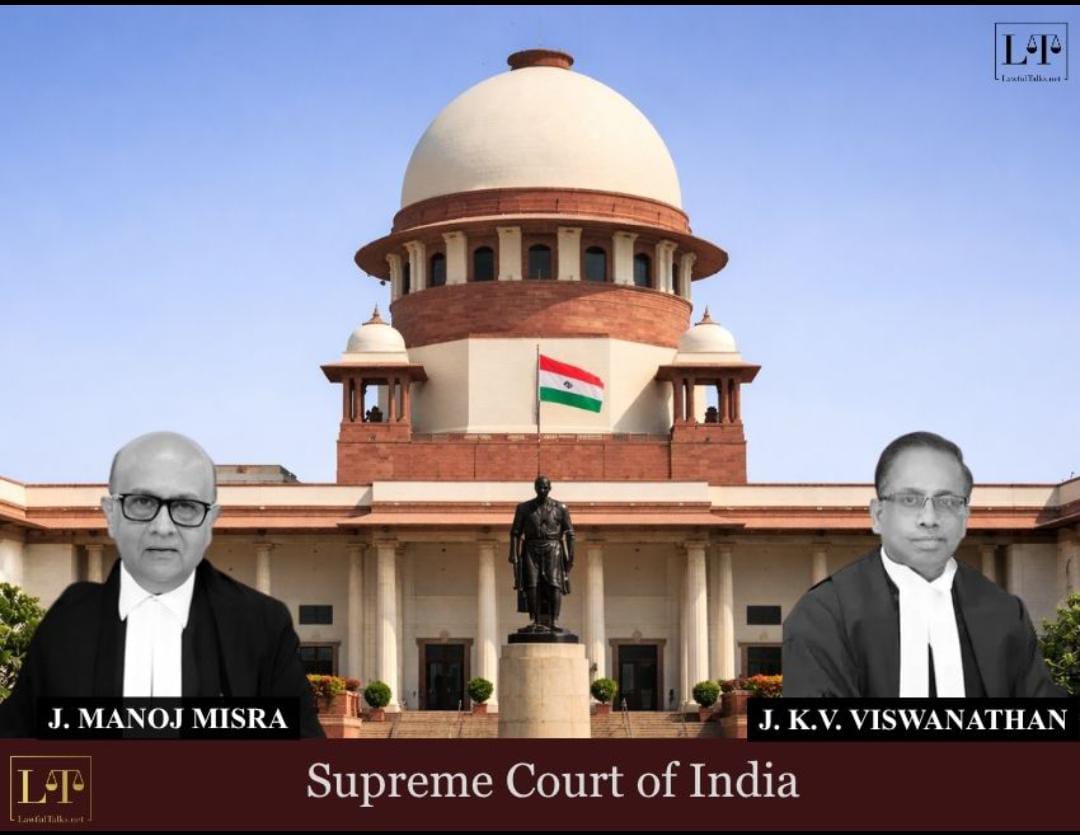
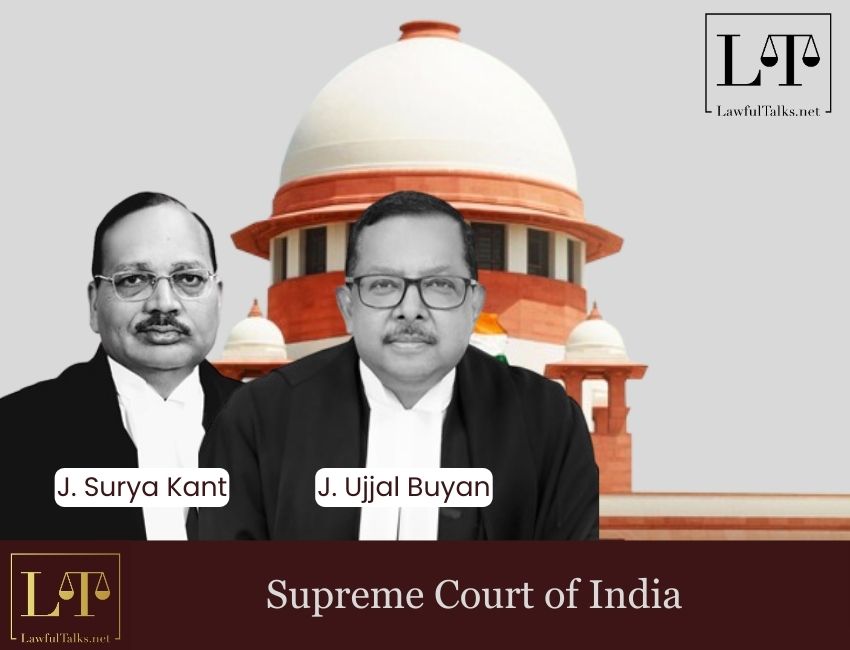
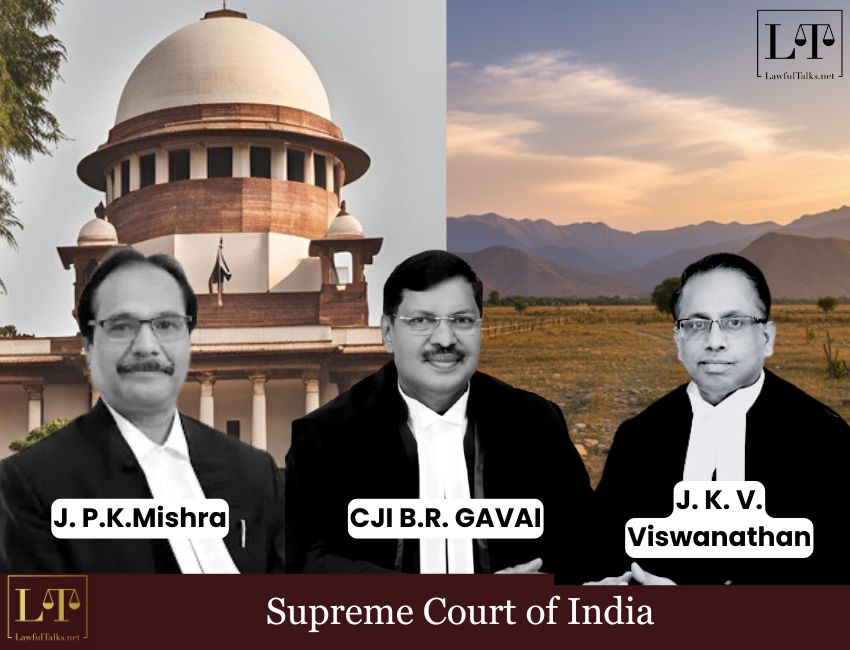
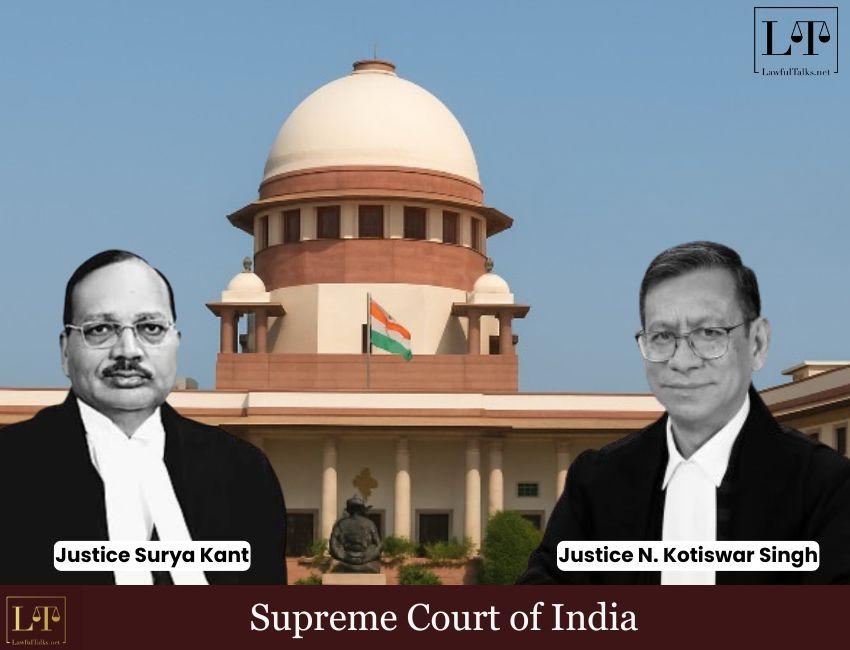
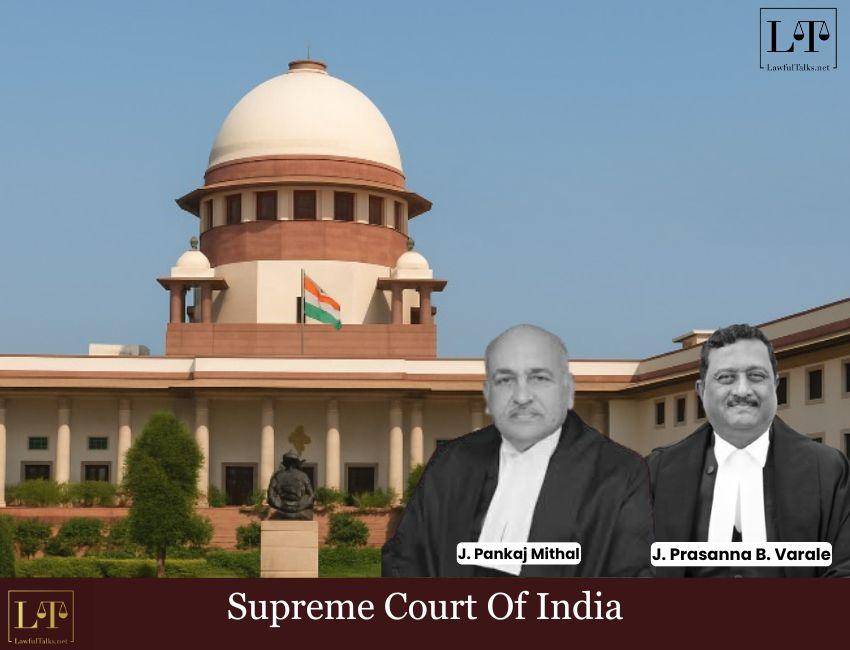
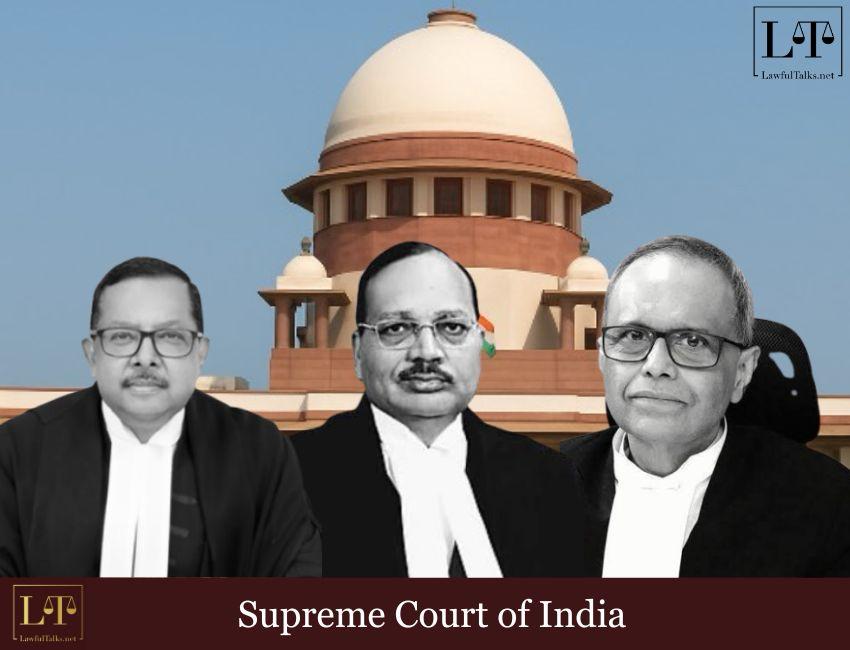
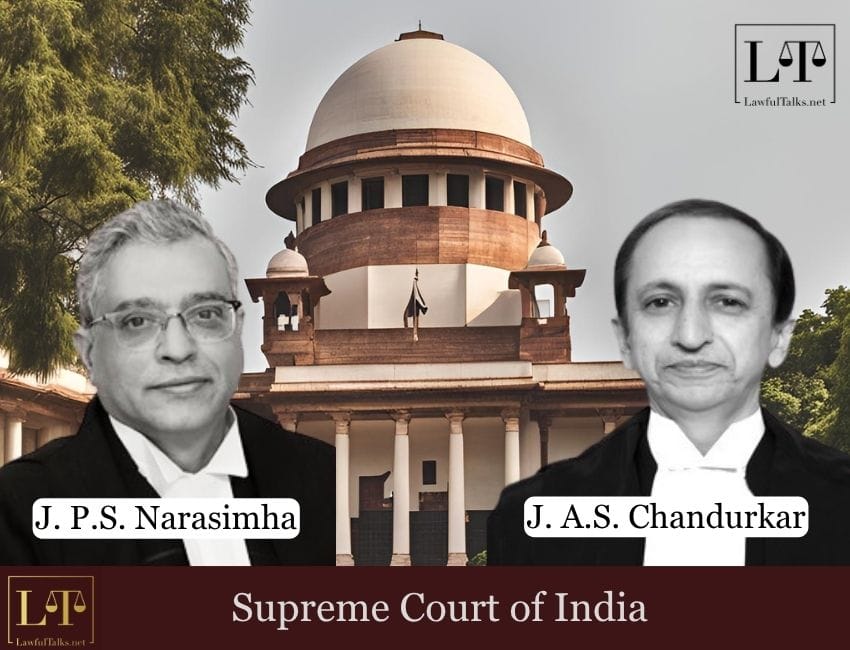
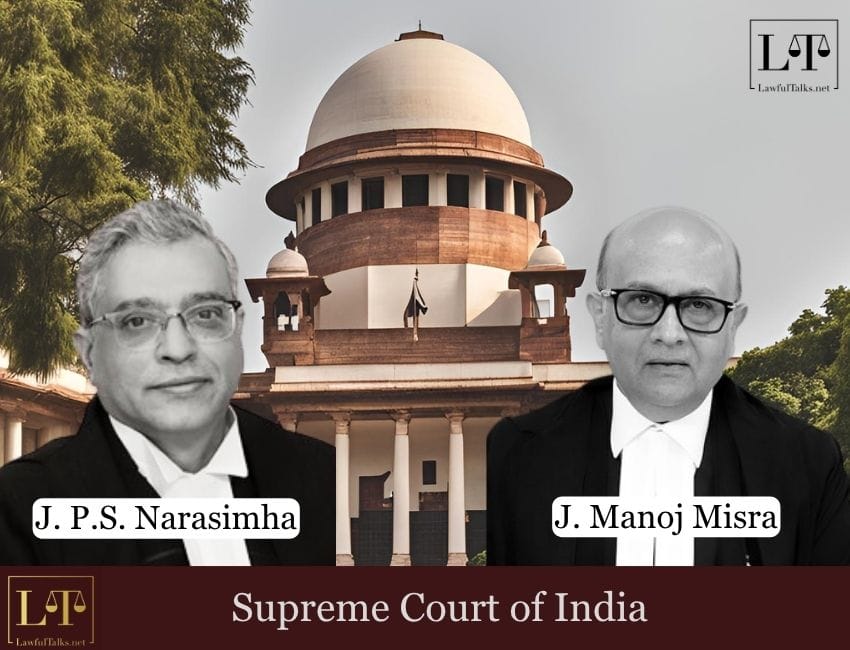
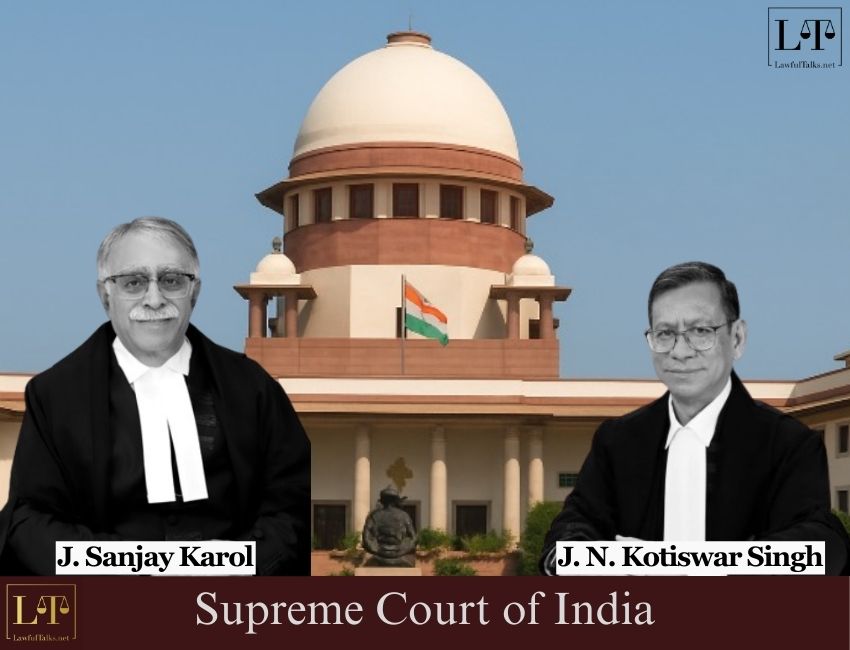
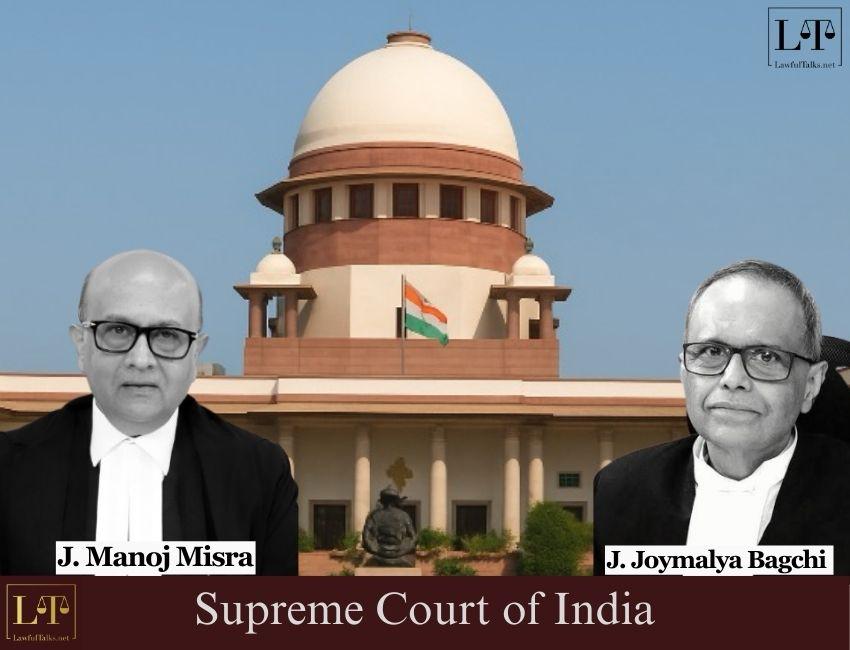
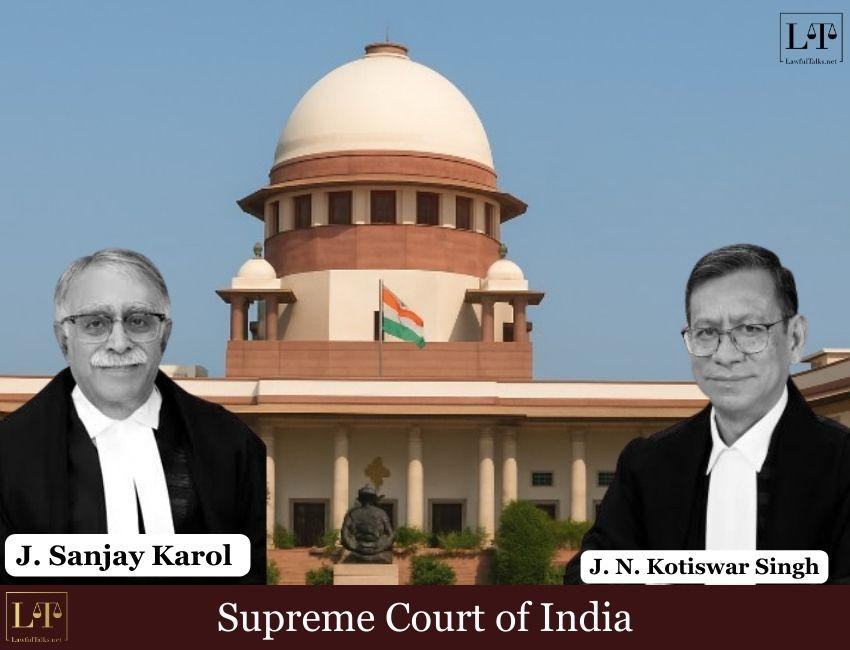
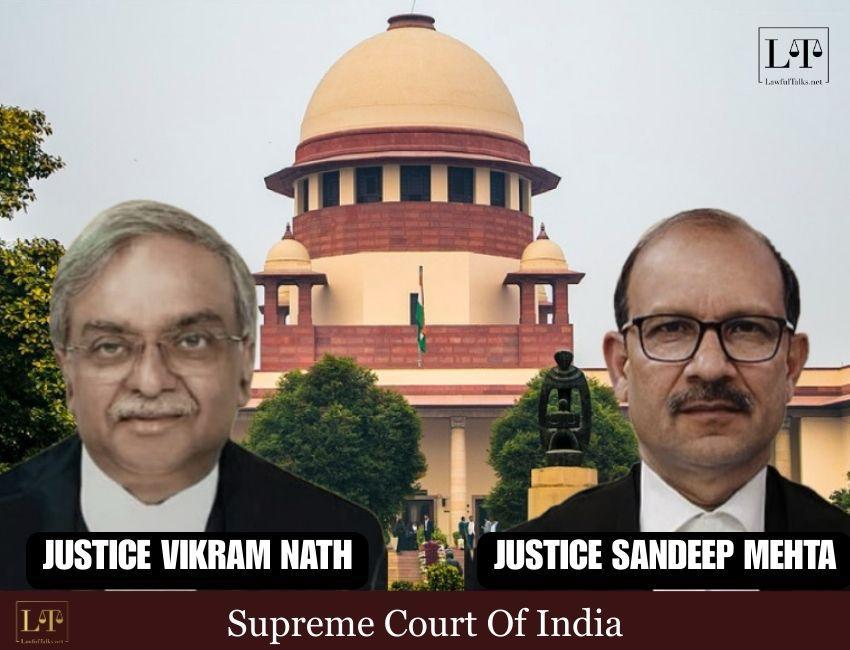
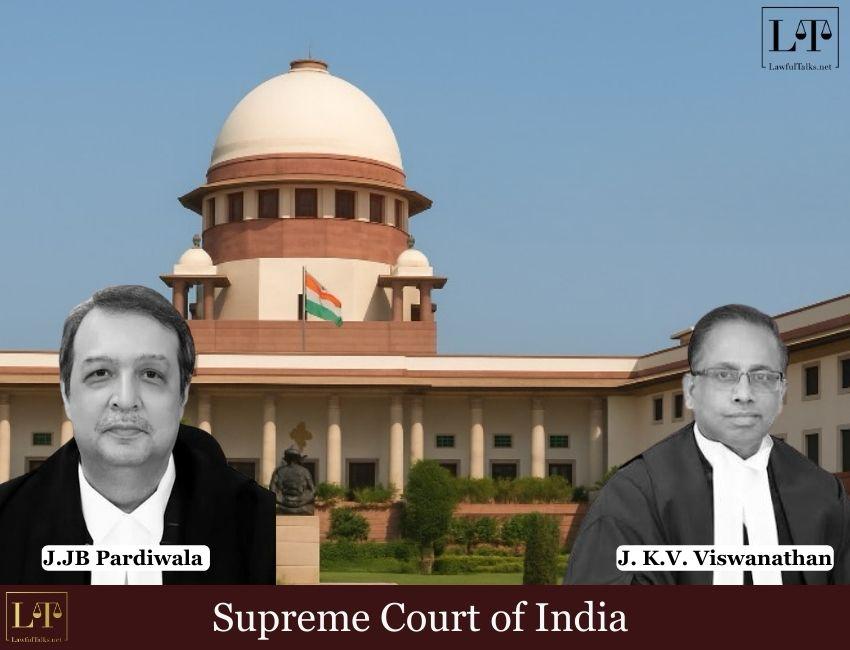
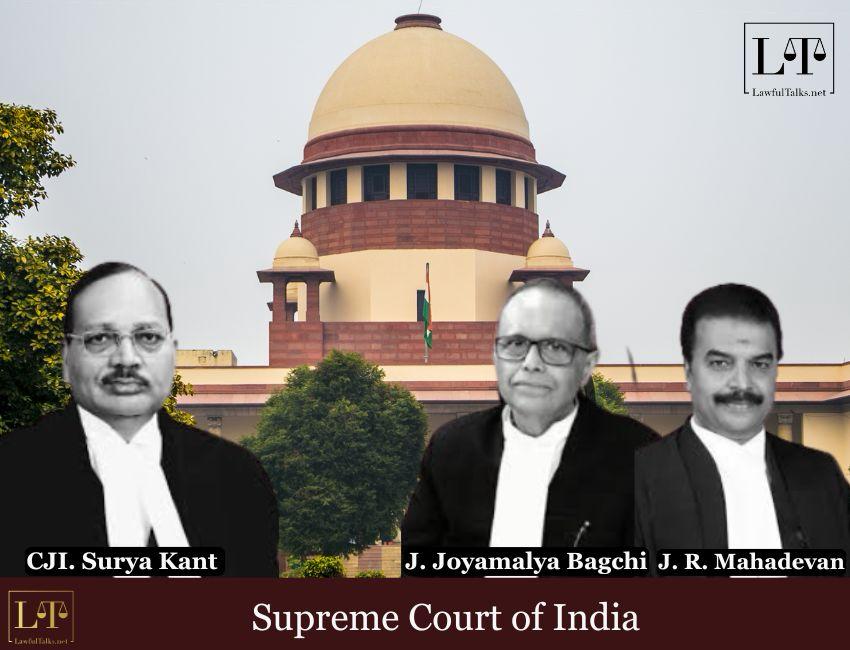
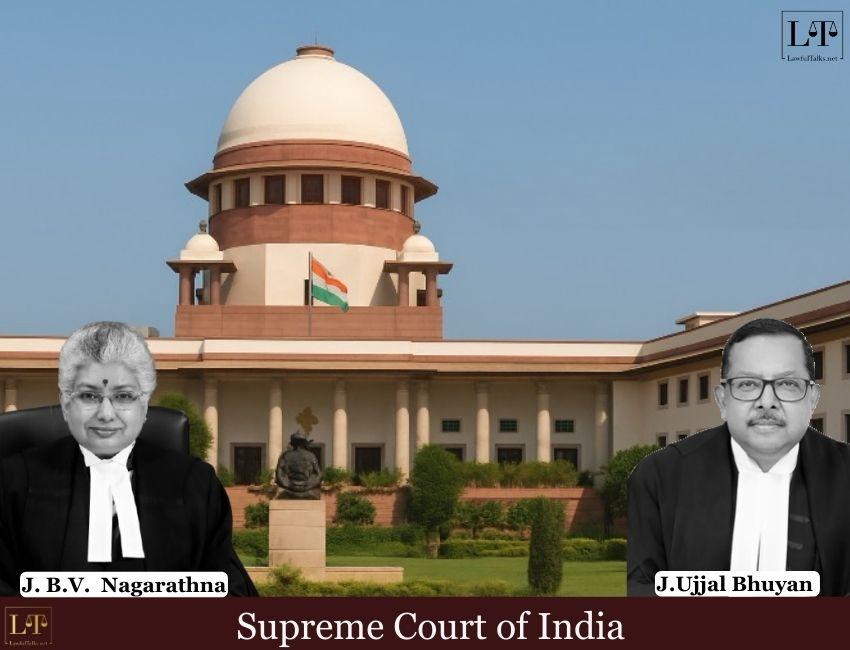
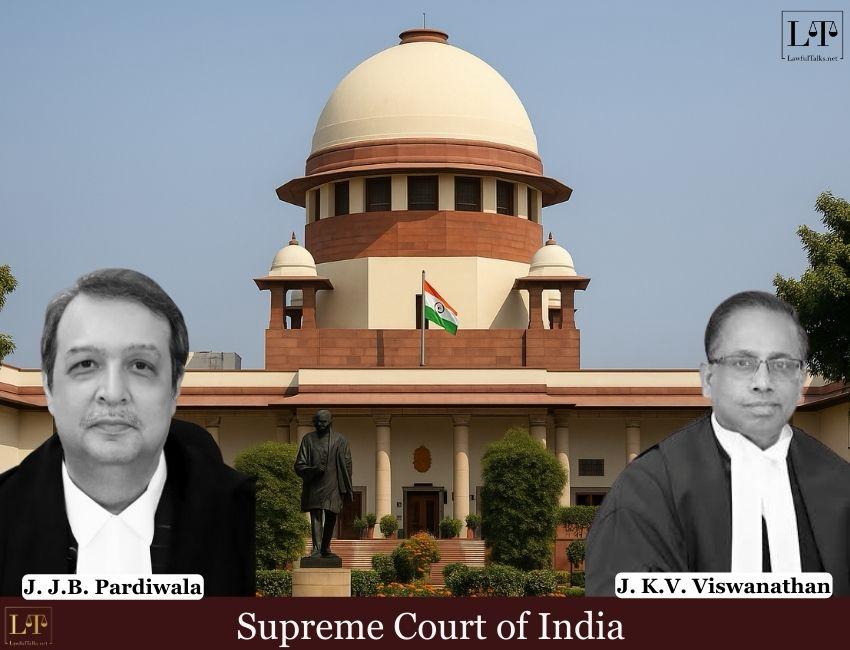
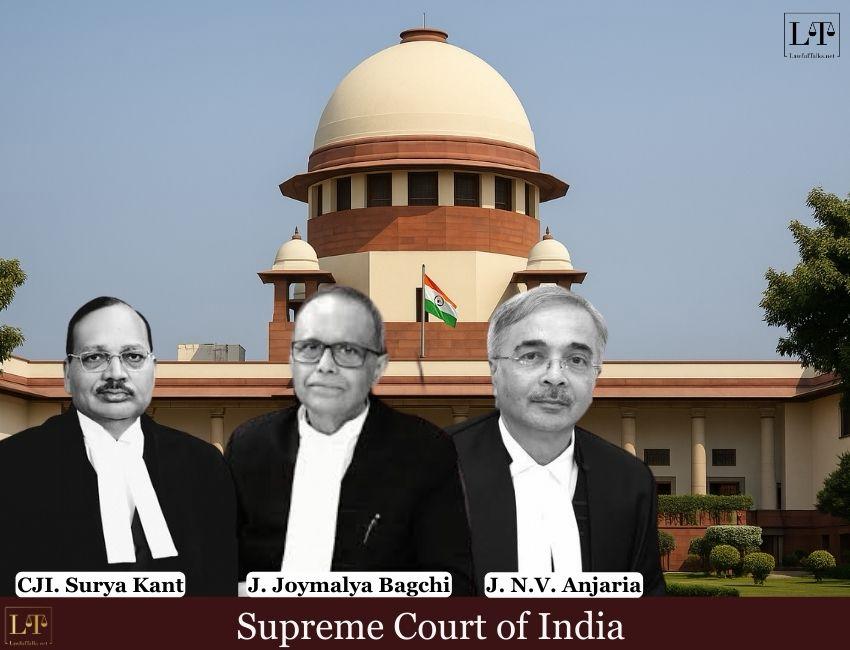
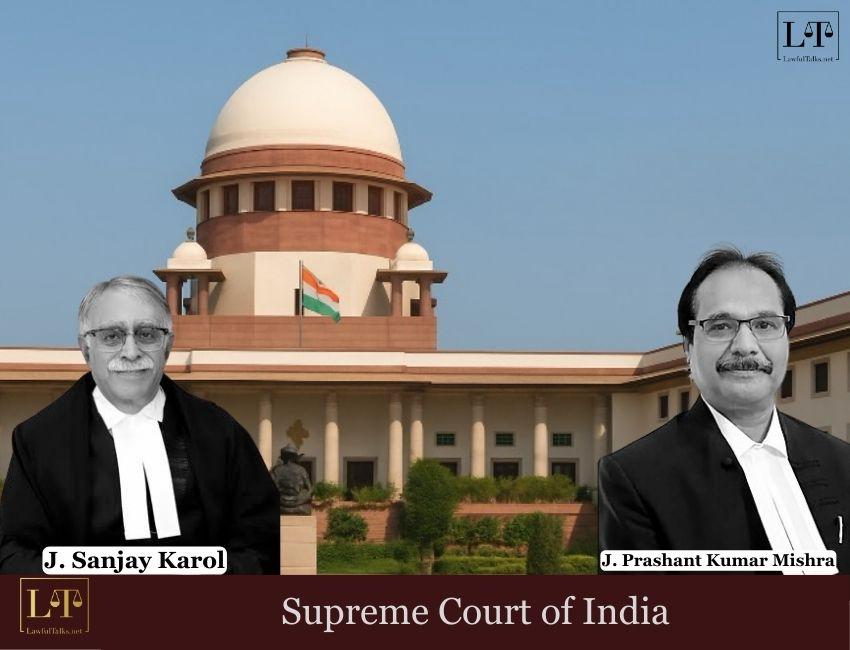
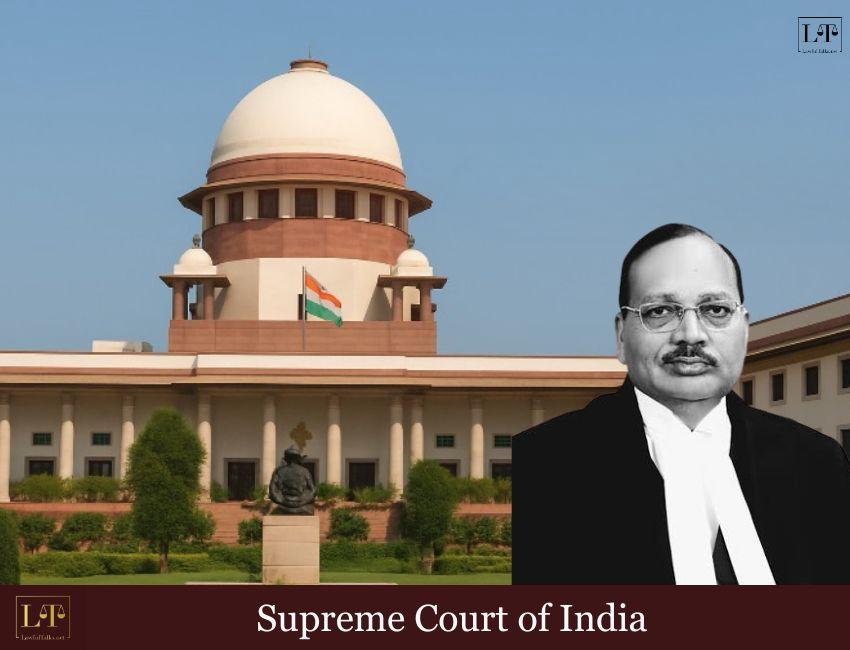
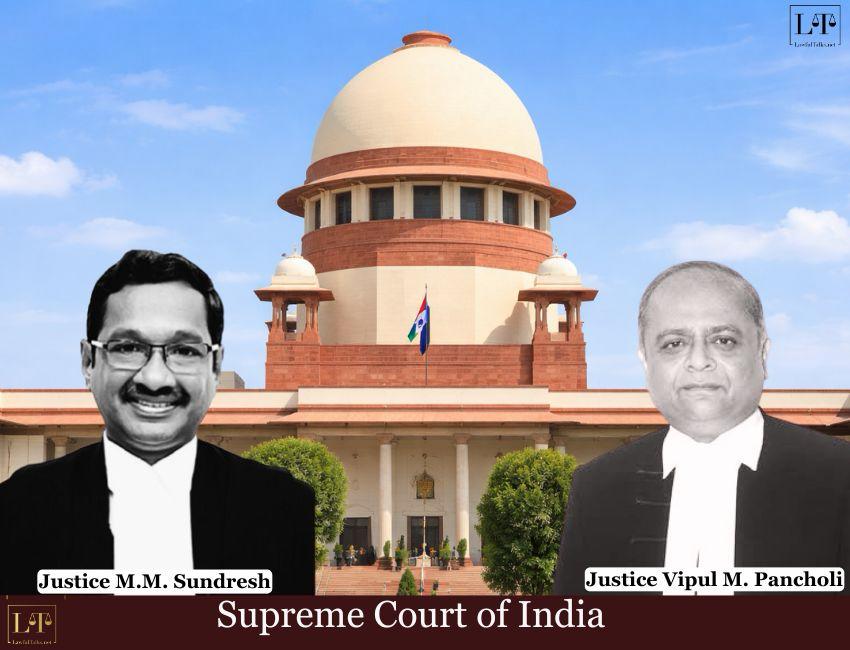
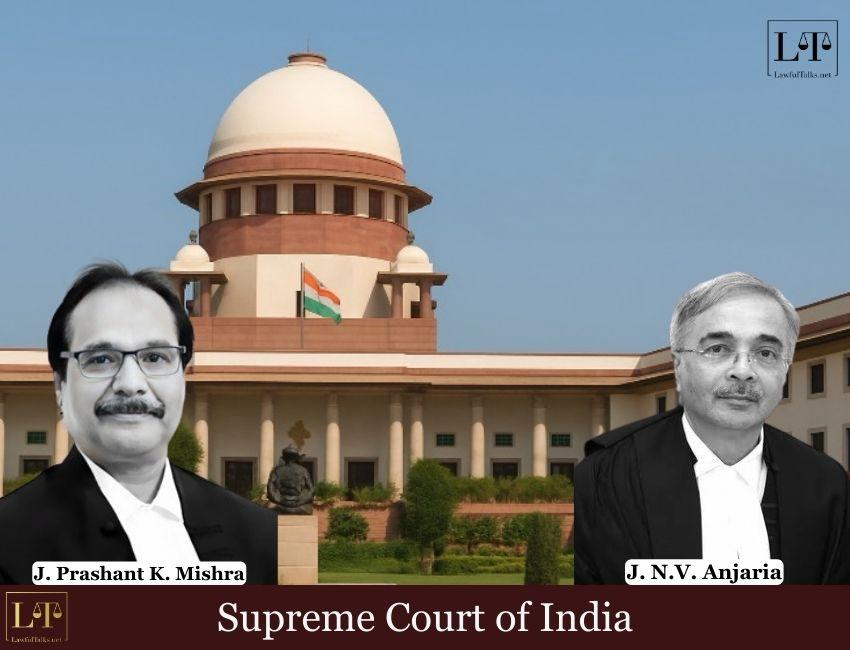
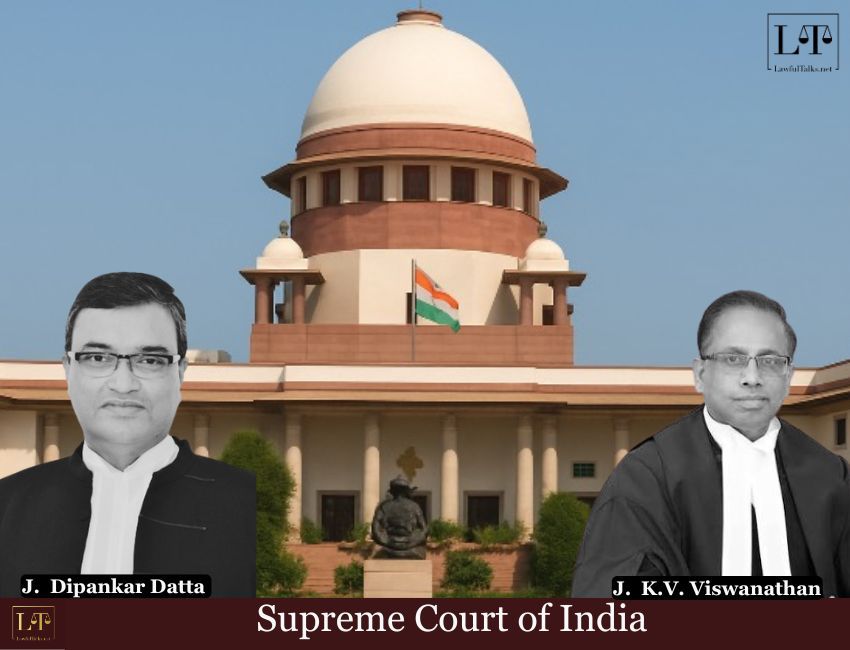
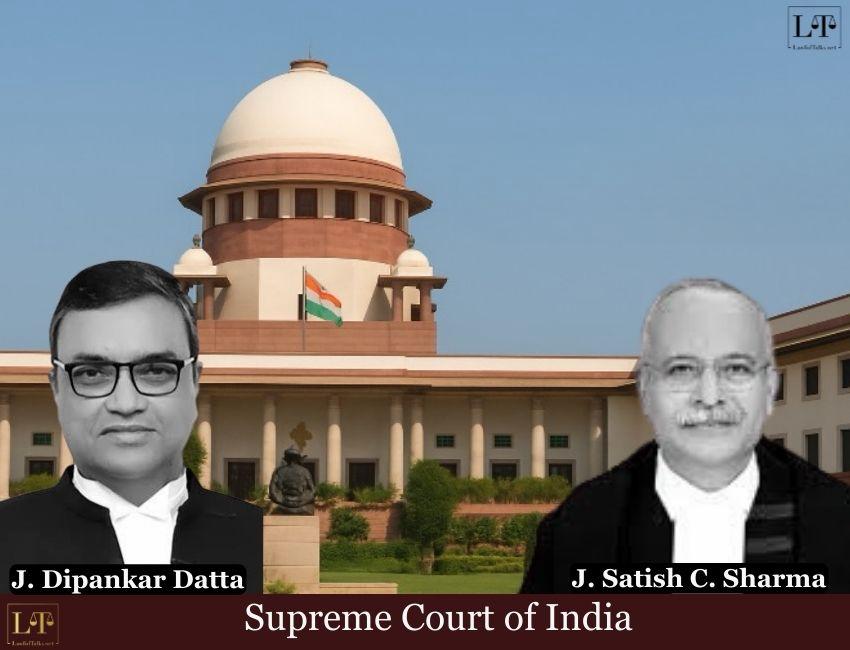
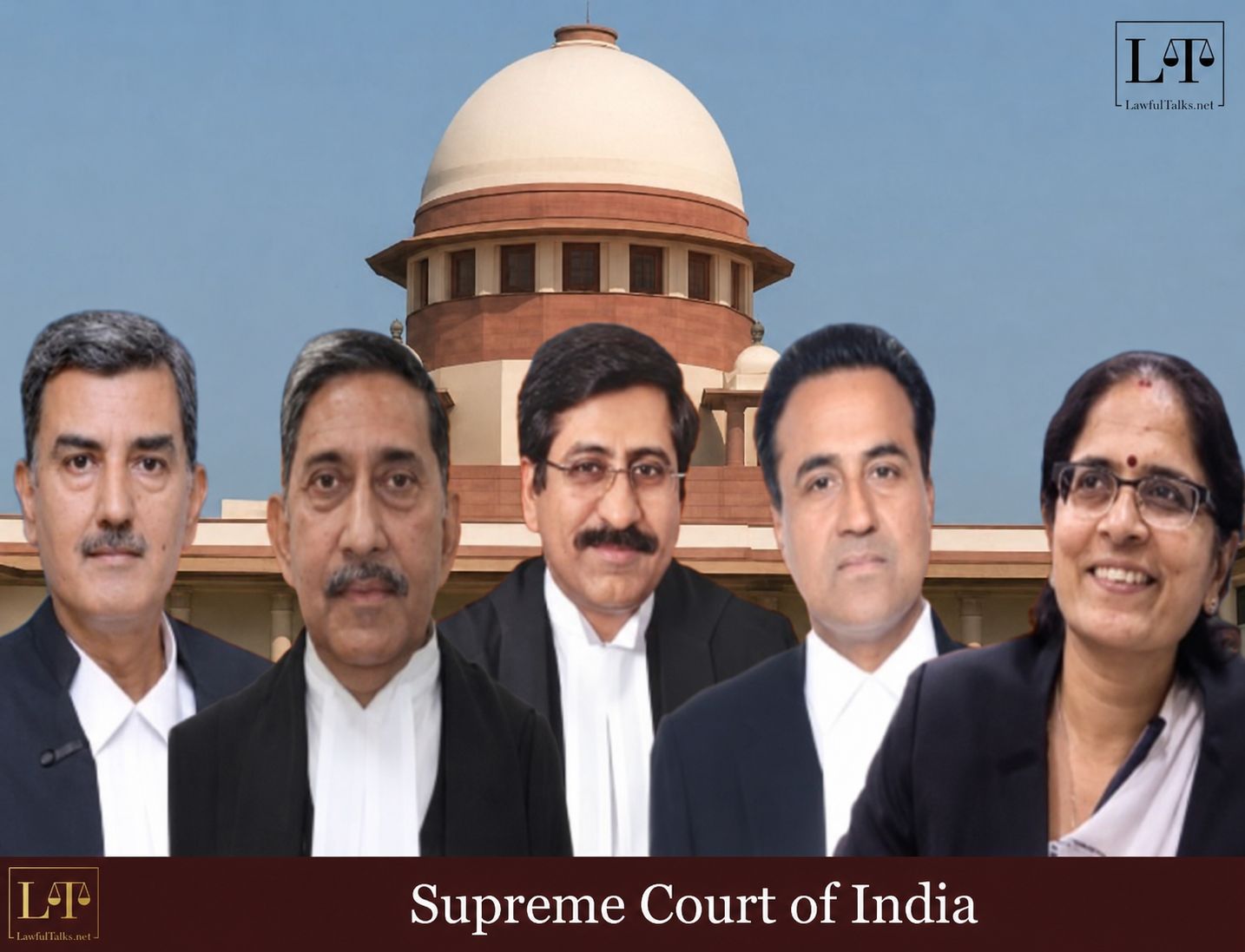
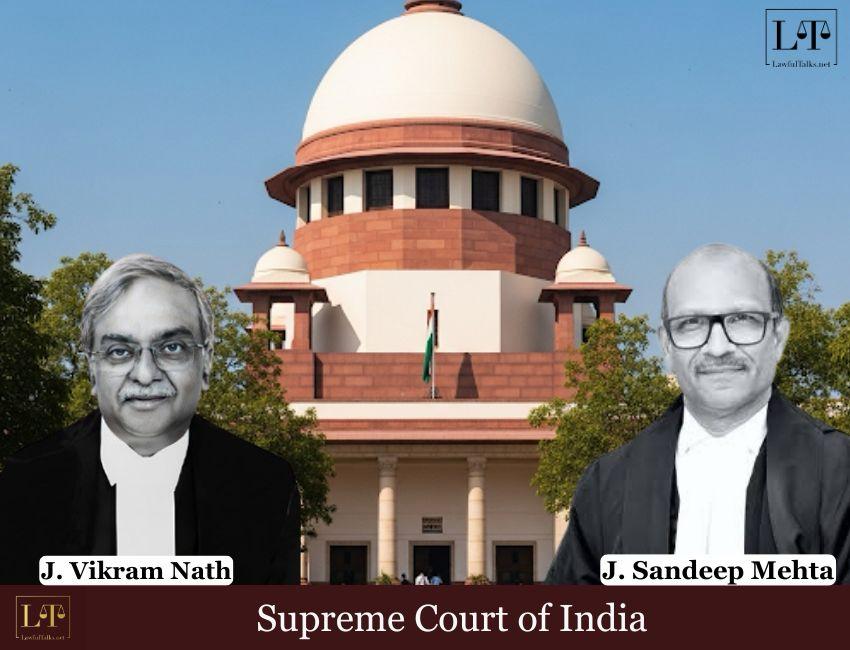
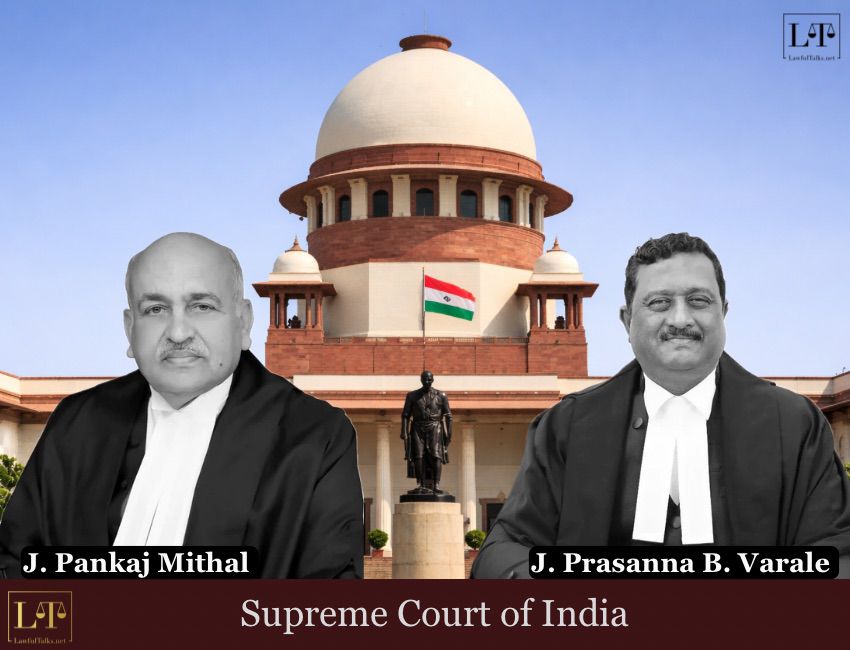
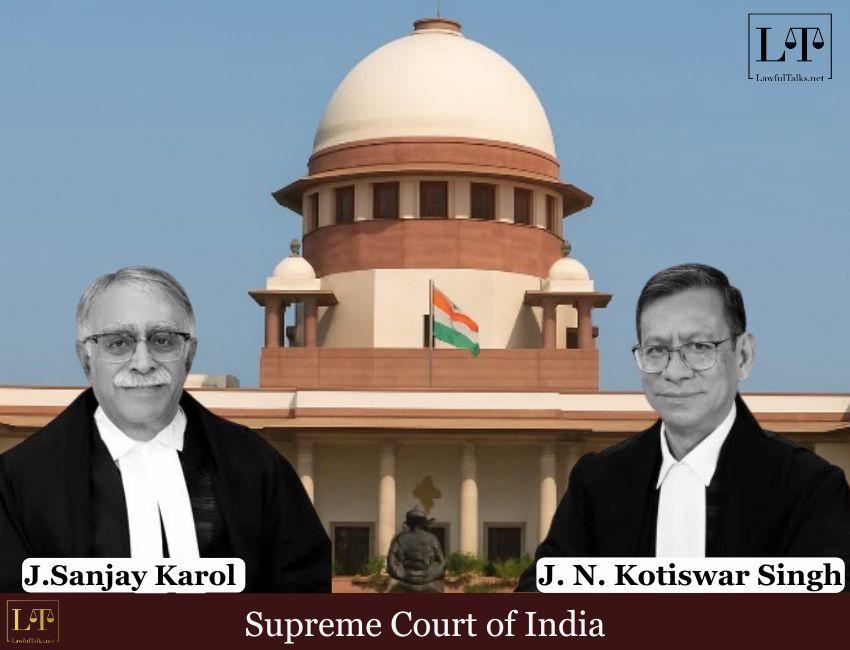
A Bench of Justices Manoj Misra and K. V. Viswanathan delivered the judgment. The Bench set aside the judgment of the High Court of Himachal Pradesh and restored the Trial Court’s decree, which had already been upheld by the first appellate court.
The case arose from a property dispute after the death of the plaintiff’s husband. The plaintiff stated that her husband, Chhajju, was an illiterate agriculturist who died intestate on February 5, 1992. The couple had no children, and she claimed to be his sole legal heir.
According to her, the defendants had no right over the suit property but got the revenue records mutated in their favour on the basis of a forged Will dated November 6, 1974. She alleged that Chhajju had never executed any Will and that it was obtained through fraud or undue influence. She also contended that there was no reason for him to disinherit his wife.
The plaintiff further stated that the dispute arose when the defendants interfered with her possession of the property on the basis of the mutation and refused to accept her ownership over the property.
Defendants’ Stand:
The defendants claimed that Chhajju had executed a registered Will on November 6, 1974, while he was in a sound state of mind. According to them, he bequeathed all his movable and immovable properties to them out of love and affection and in appreciation of the services they had rendered to him and his wife.
They further claimed that they continued to take care of the plaintiff by providing her food, shelter and other necessities. They argued that the plaintiff was aware of the Will throughout and had never objected to it, even when the mutation was sanctioned on August 14, 1992. According to them, the suit had been filed at the instance of the plaintiff’s relatives, who wanted to grab the property.
After considering the evidence produced by both sides, the Trial Court decreed the suit. It declared the plaintiff to be the owner in possession of the suit property and permanently restrained the defendants from interfering with her possession of the property.
The defendants challenged the decree before the first appellate court.
The first appellate court observed that a Will is a solemn document and the Court must be satisfied that it was validly executed. It held that if there are suspicious circumstances surrounding a Will, the person relying on it (the propounder) must explain those circumstances and remove all doubts.
The first appellate court identified the following suspicious circumstances:
The plaintiff, who was the legally wedded wife and sole legal heir of the testator, had been disinherited without any convincing reason.
The alleged relationship between the beneficiaries and the testator as nephew and uncle had not been established.
The Will had been executed in 1974 even though the testator lived until 1992.
None of the attesting witnesses belonged to the testator’s village.
There were unexplained cuttings and alterations made during the registration of the Will.
The appellate court gave several reasons for rejecting the Will.
It noted that one of the attesting witnesses admitted that the testator had been looked after by his wife throughout his lifetime. Therefore, apart from a vague statement in the Will that jewellery and cash had been given to the wife, there was no convincing reason for completely excluding her from inheritance.
The court also found that the beneficiaries had failed to establish that they were related to the testator as nephews. It observed that one beneficiary was merely a student when the Will was executed, making the claim that he was taking care of the testator doubtful.
The court further observed that there was no reason for Chhajju to execute a Will as early as 1974 when he remained alive until 1992. There was no evidence that he was in poor health, unhappy with his wife, financially dependent on the beneficiaries, or living with them. Nor was there any evidence that the beneficiaries had financially supported him during his lifetime.
Another suspicious circumstance was that both attesting witnesses came from another village, and no explanation was offered as to why no one from the testator’s own village witnessed the Will.
Although the law does not require both attesting witnesses to be examined, the court held that in the facts of this case, the failure to examine the second living witness created suspicion and required an explanation.
The court also found serious unexplained alterations on the back of the registered Will. The name of the person who presented or executed the document had been changed from “Laxmi Kant” to “Chhajju Ram.”
Since these changes were not explained, the court held that the propounder should have examined either the Sub-Registrar, before whom the Will was registered, or the clerk who made the registration endorsement.
The court concluded that there was some “hanky-panky” in the execution of the Will.
Accordingly, it discarded the Will and affirmed the Trial Court’s decree.
It observed:
“the said circumstance which was also dealt with at length by the ld. trial court… was rightly held to be suspicious one in the valid execution of the will thus is proved to be so and is reaffirmed by this court accordingly.”
The defendants then filed a second appeal before the High Court.
The High Court reversed the judgments of both the trial Court and the first appellate court and dismissed the plaintiff’s suit.
It held that the law does not require examination of both attesting witnesses. It also observed that merely because the witnesses were from another village was not enough to reject their testimony, especially when the plaintiff had not produced any evidence to discredit them.
The High Court further held that once an attesting witness had proved the execution and attestation of the Will, the unexplained cuttings on the back of the registered Will did not make it invalid, especially since there were no alterations on the front page.
According to the High Court, once the due execution of the Will had been proved and it was a registered document, the Will should not have been rejected for the reasons given by the Trial Court and the first appellate court.
The plaintiff challenged the High Court’s judgment before the Supreme Court.
The Court relied on the decision in Kalyan Singh, London Trained Cutter, Johri Bazar, Jaipur v. Smt. Chhoti and Ors., where it was held:
“It must be stated that the factum of execution and validity of the will cannot be determined merely by considering the evidence produced by the propounder. In order to judge the credibility of witnesses and disengage the truth from falsehood the court is not confined only to their testimony and demeanor. It would be open to the court to consider circumstances brought out in the evidence or which appear from the nature and contents of the documents itself. It would be also open to the court to look into surrounding circumstances as well as inherent improbabilities of the case to reach a proper conclusion on the nature of the evidence adduced by the party.”
The Court also relied on Shivakumar v. Sharanabasappa on the meaning of suspicious circumstances:
“A circumstance is ‘suspicious’ when it is not normal or is ‘not normally expected in a normal situation or is not expected of a normal person’.”
It further observed:
“The suspicious features must be ‘real, germane and valid’ and not merely the ‘fantasy of the doubting mind’.”
The Court added:
“A shaky or doubtful signature; a feeble or uncertain mind of the testator; an unfair disposition of property; an unjust exclusion of the legal heirs and particularly the dependents; an active or leading part in making of the will by the beneficiary thereunder etcetera are some of the circumstances which may give rise to suspicion…”
The Court further held:
“In the ultimate analysis, where the execution of a will is shrouded in suspicion, it is a matter essentially of the judicial conscience of the court and the party which sets up the will has to offer cogent and convincing explanation of the suspicious circumstances surrounding will.”
The Supreme Court examined each suspicious circumstance identified by the first appellate court.
It held:
“In our view, the first appellate court, for the reasons recorded by it, was justified in holding that disinheritance of the testator’s wife while making a disposition in favour of the defendant-respondents, who were not close relatives, was a suspicious circumstance which remained unexplained.”
Justice Manoj Misra, who authored the judgment, held that the propounder had failed to explain and remove several suspicious circumstances surrounding the Will, including:
The testator’s wife, who was the sole Class I heir, had been completely excluded in favour of persons who were not even close relatives.
The beneficiaries had been described as the testator’s nephews, although no such relationship was proved.
Several alterations had been made on the reverse side of the registered Will, where the name “Laxmi Kant” had been struck off and replaced with “Chhajju” at multiple places. None of these alterations had been authenticated by the Sub-Registrar.
The Court held that the propounder had failed to satisfactorily explain these suspicious circumstances surrounding the authenticity and validity of the Will.
Final Order:
Allowing the appeal, the Supreme Court held:
“Having regard to our conclusions on the issues discussed above, we hold that the Will was rightly discarded by the first appellate court and the trial court. Therefore, taking into consideration the finding of trial court and the first appellate court that the plaintiff was in possession, which remain undisturbed by the High Court, in our view, the decree passed by the trial court as affirmed by the first appellate court was not liable to be interfered with in exercise of powers under Section 100 of CPC. Consequently, the appeal is allowed. The impugned judgment and order of the High Court is set aside. The decree passed by the trial court as affirmed by the first appellate court is affirmed.”
Case Details: Sardari Lal v. Bishan Dass & Ors.



























































Sign up for free and be the first to get notified about curated content just for you.