Bombay HC’s Blunt Take on Mumbai Flooding: “We Grab Lands, Block Gutters… What Will the Corporation Do?”

- July 08, 2026


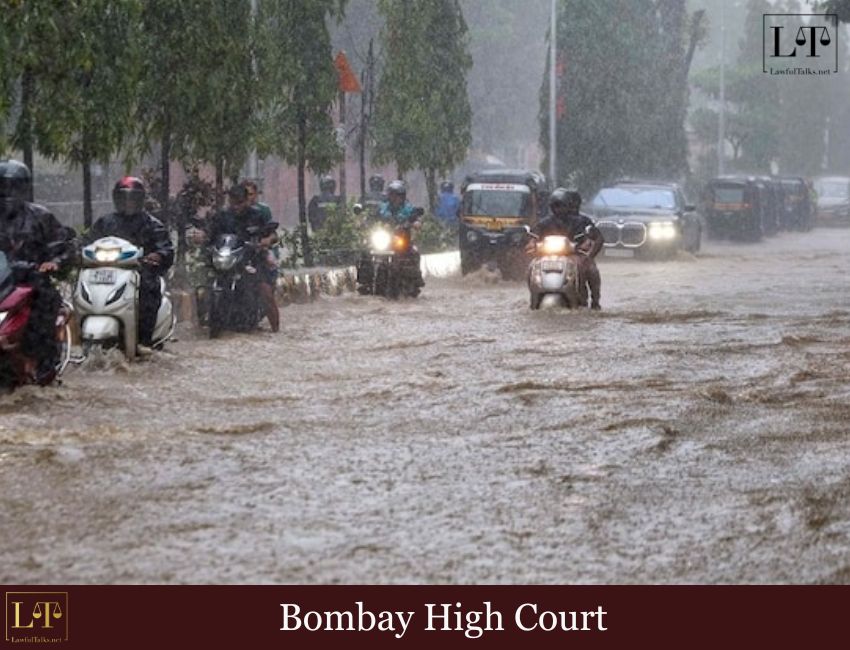
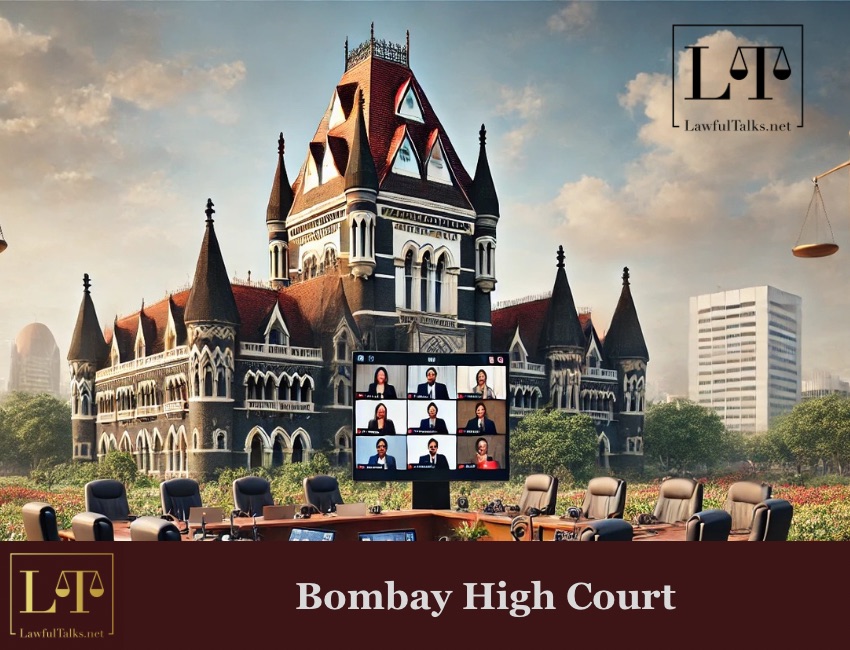
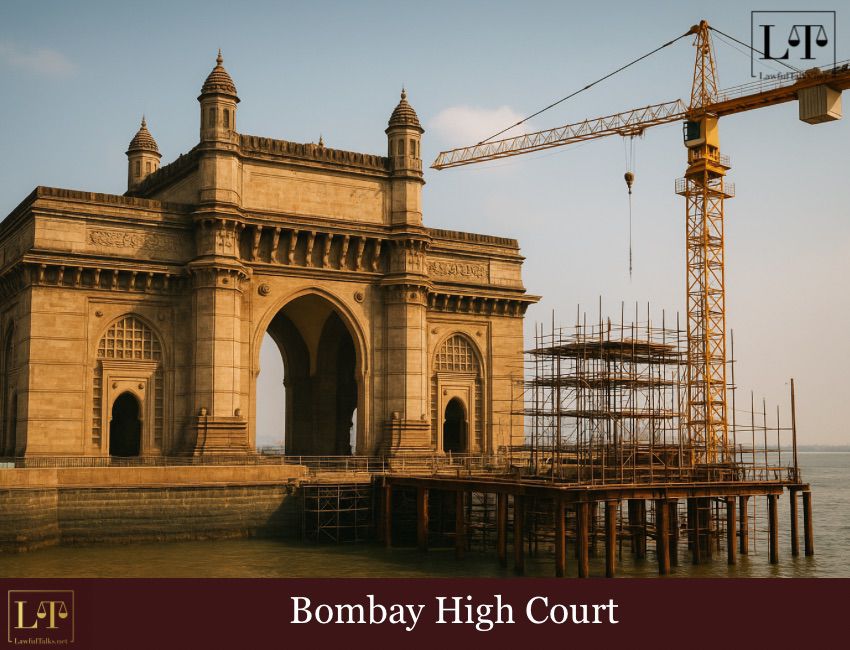
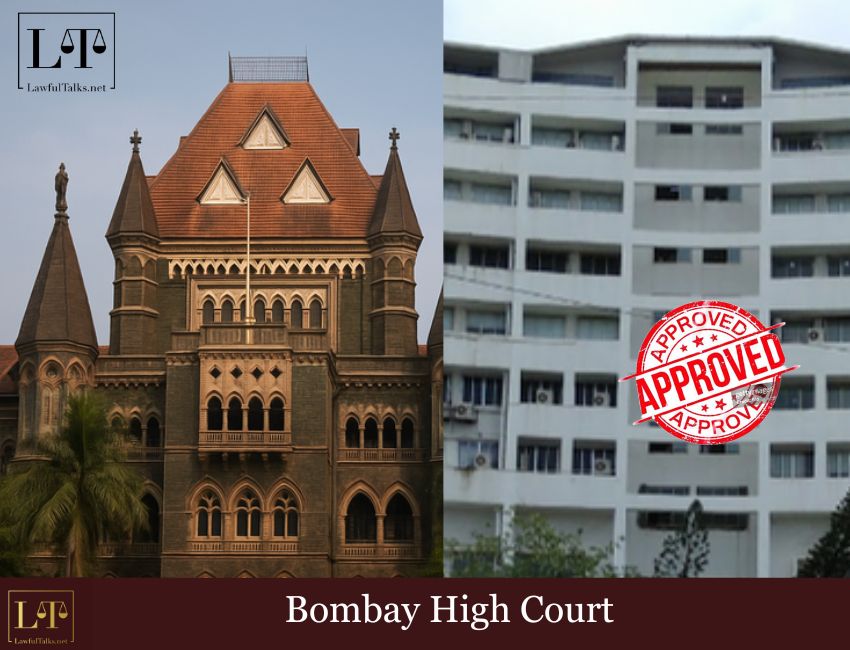
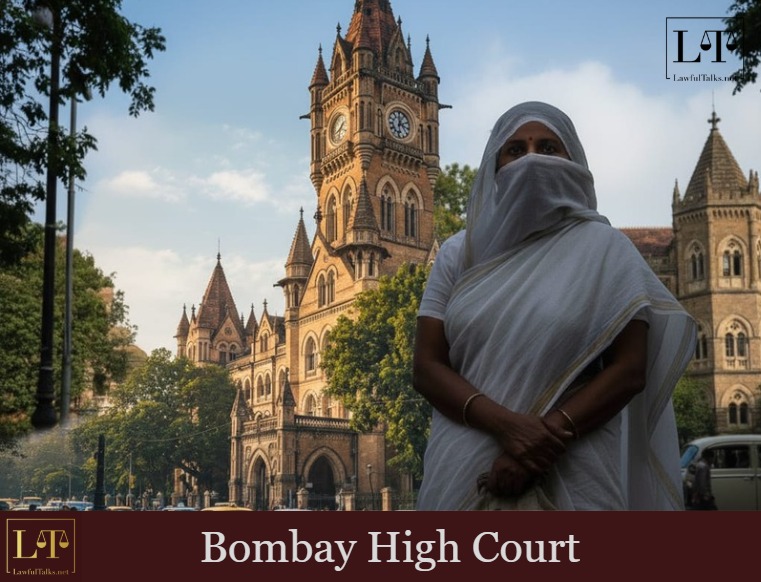
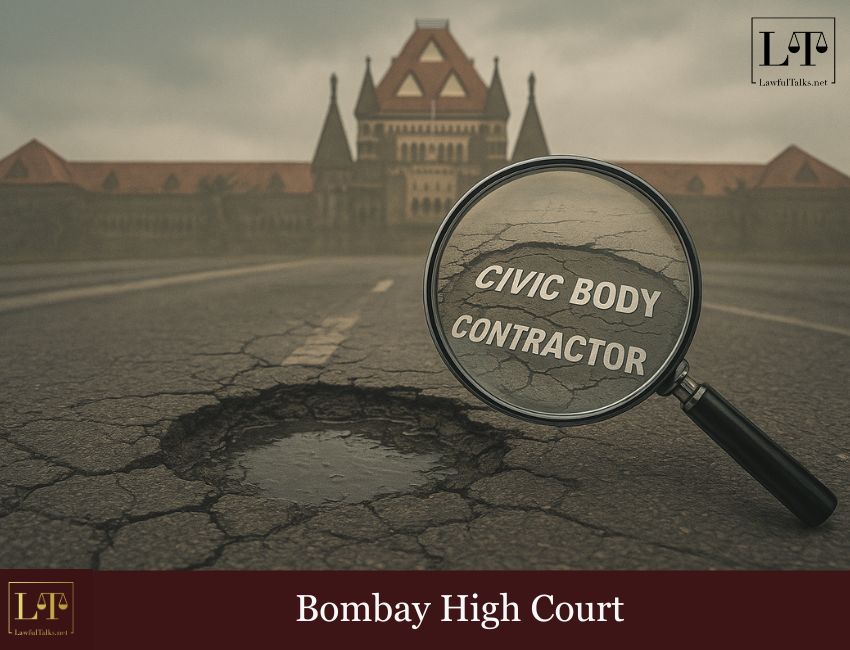
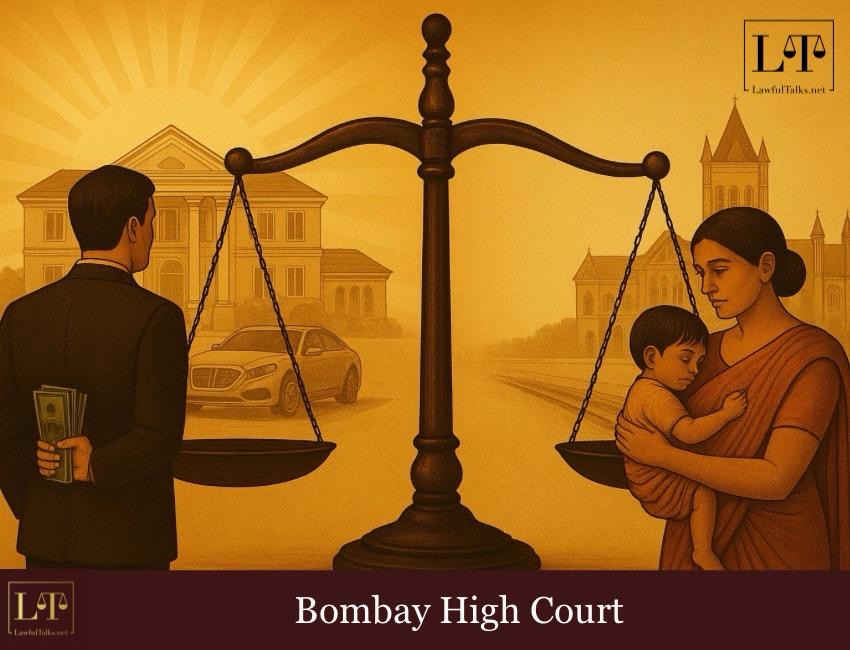
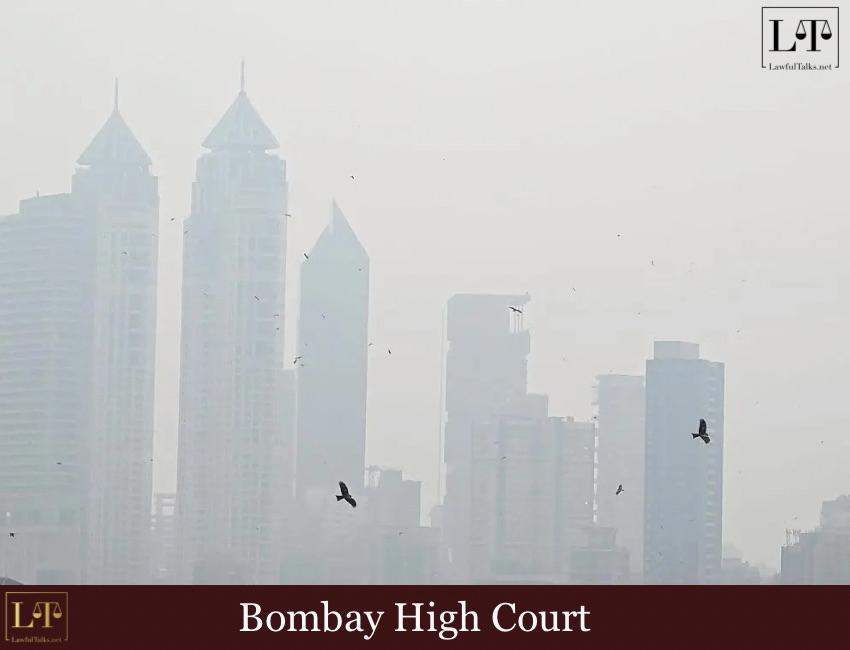
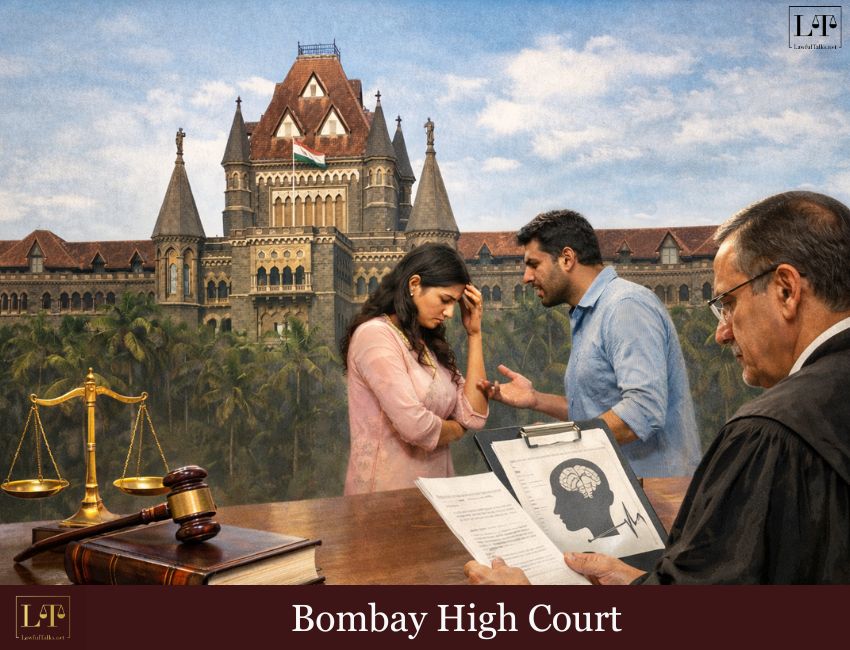
The Bombay High Court made several strong oral observations about Mumbai’s recurring monsoon flooding. The Court said that the city’s waterlogging problem is not the responsibility of the Brihanmumbai Municipal Corporation (BMC) alone, but is also the result of widespread encroachments and the civic behaviour of citizens.
Citizens Also Responsible:
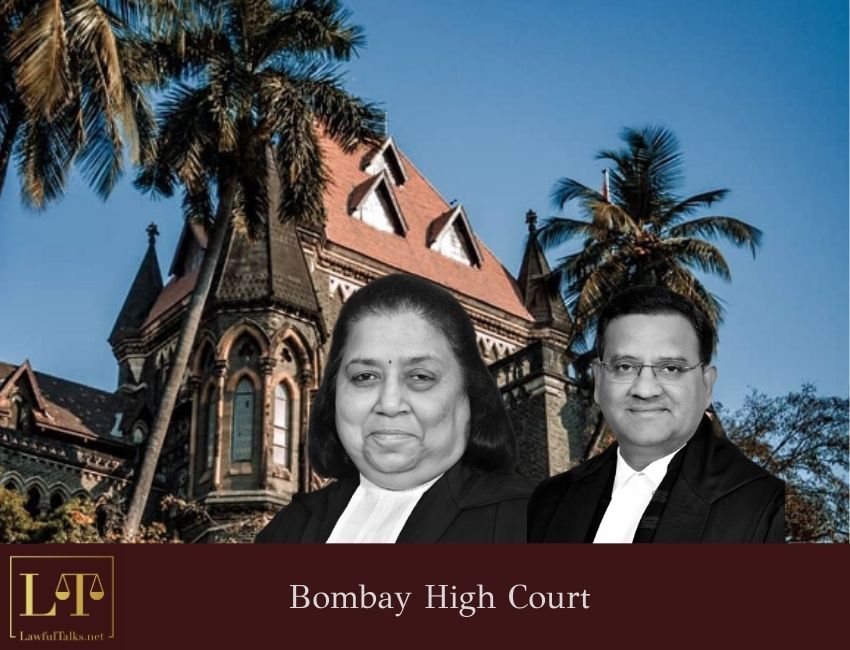
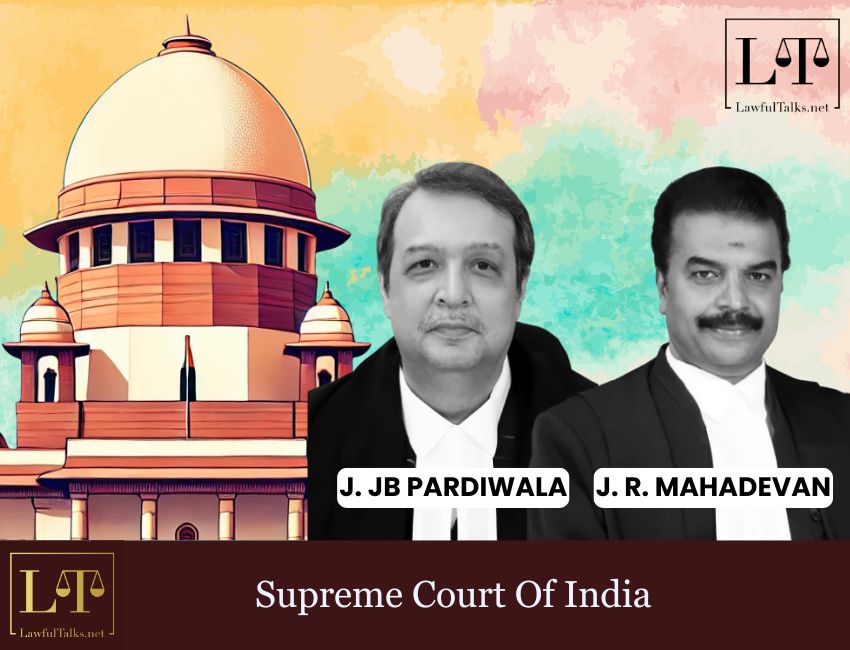
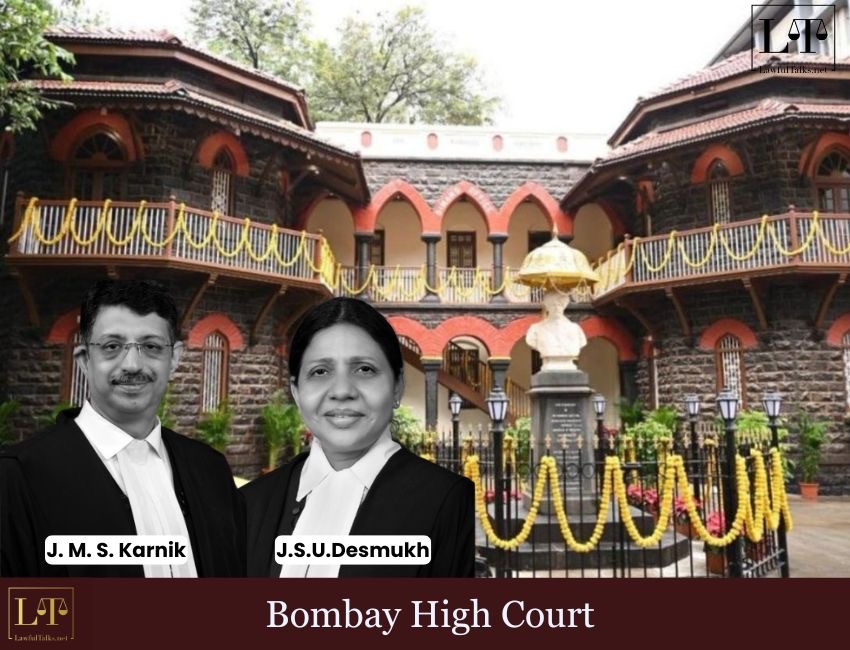
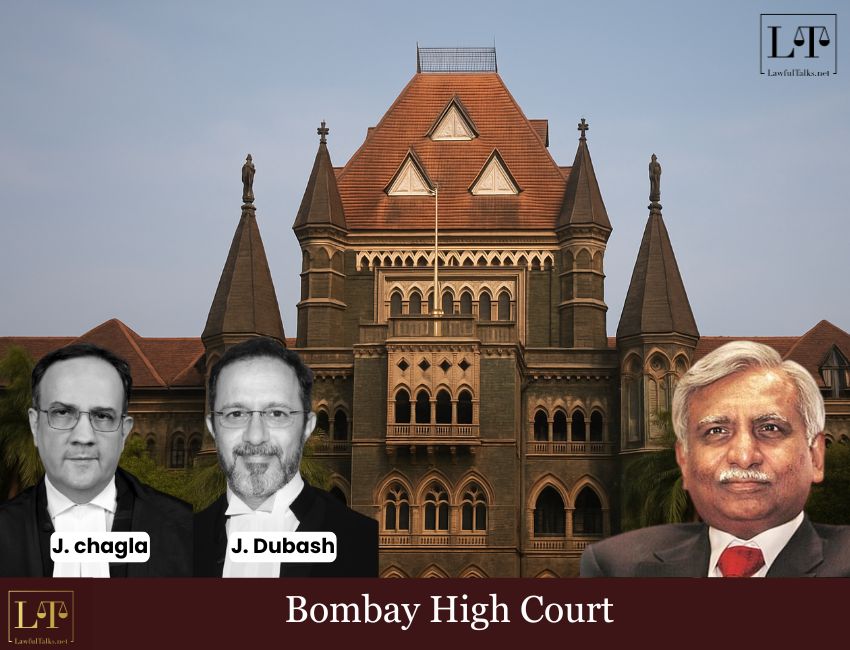
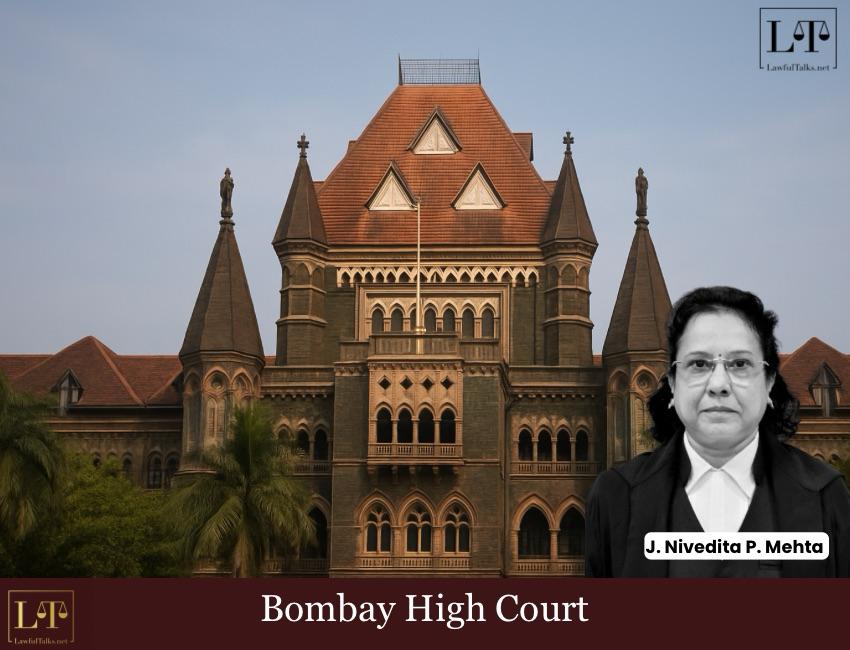
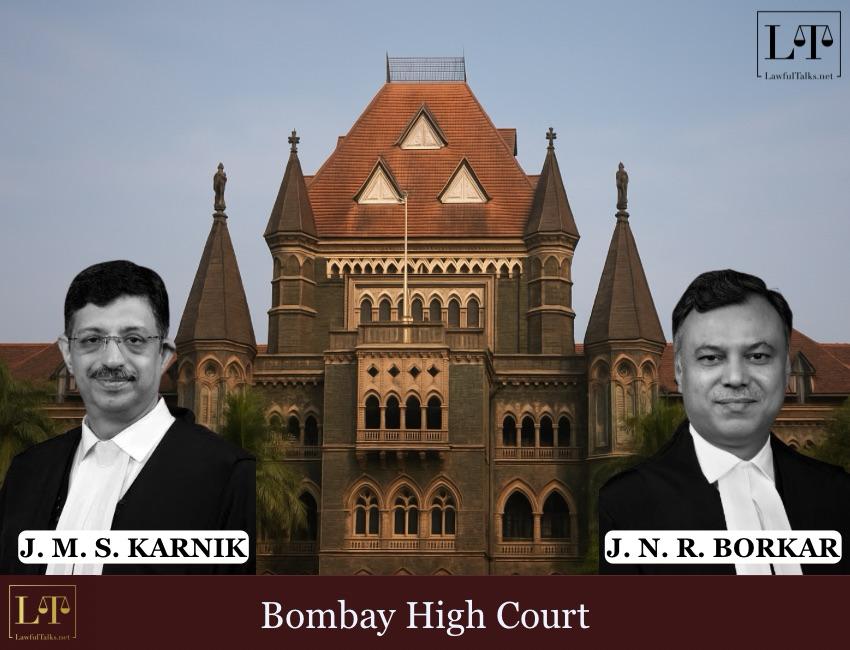
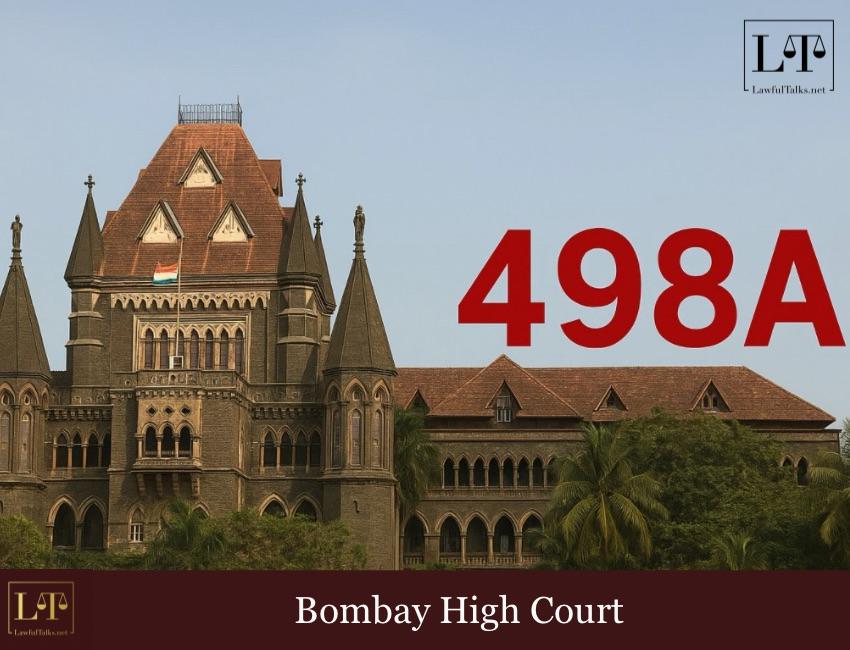
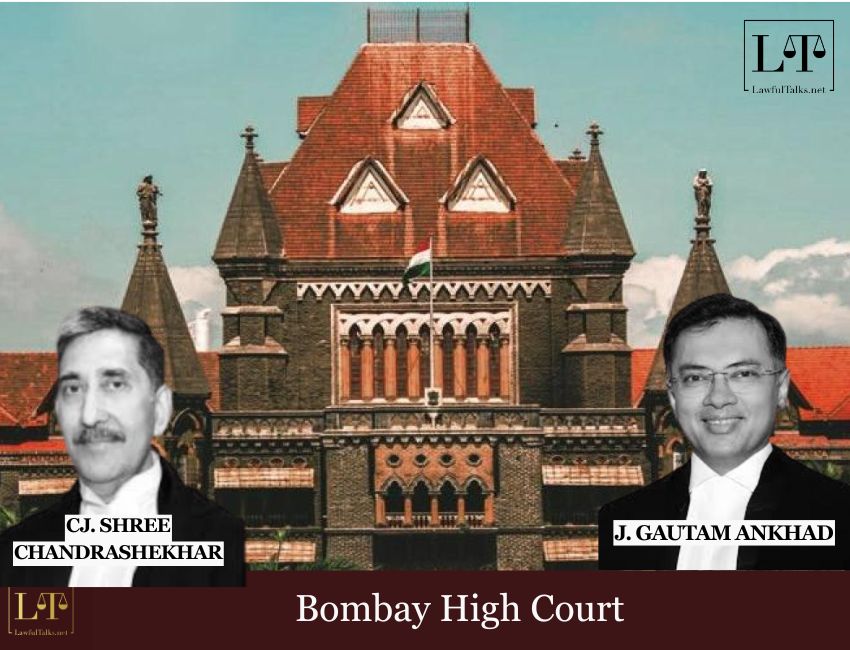
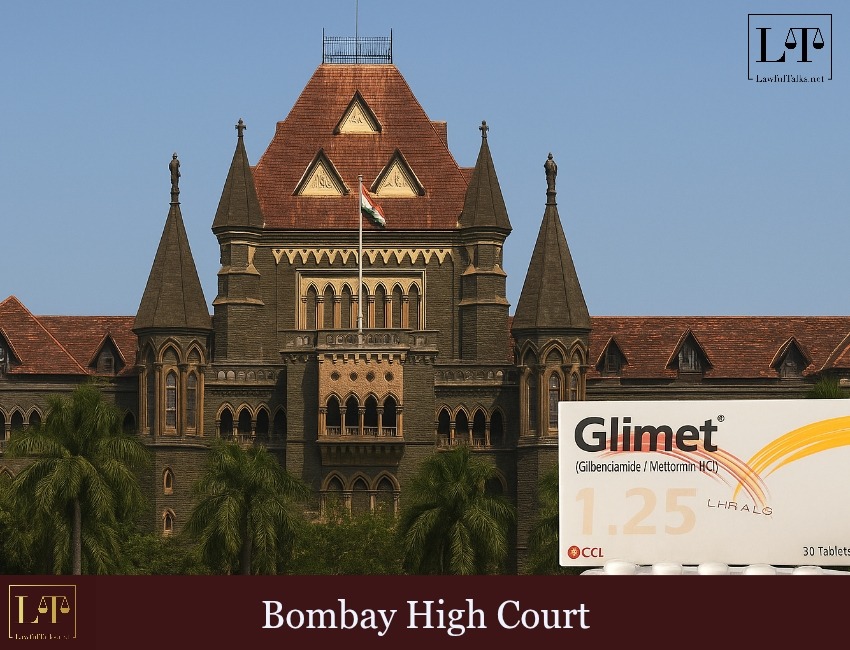
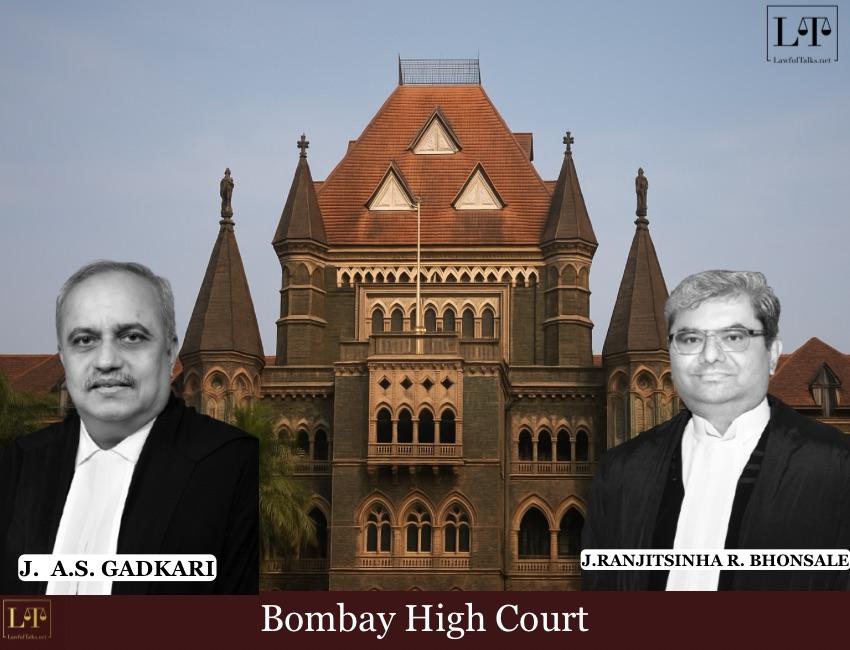
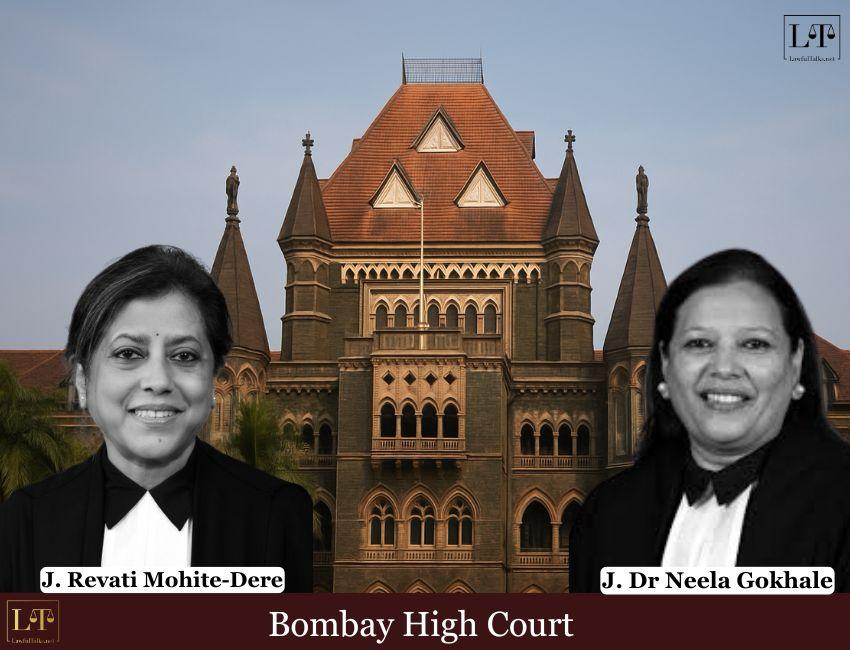
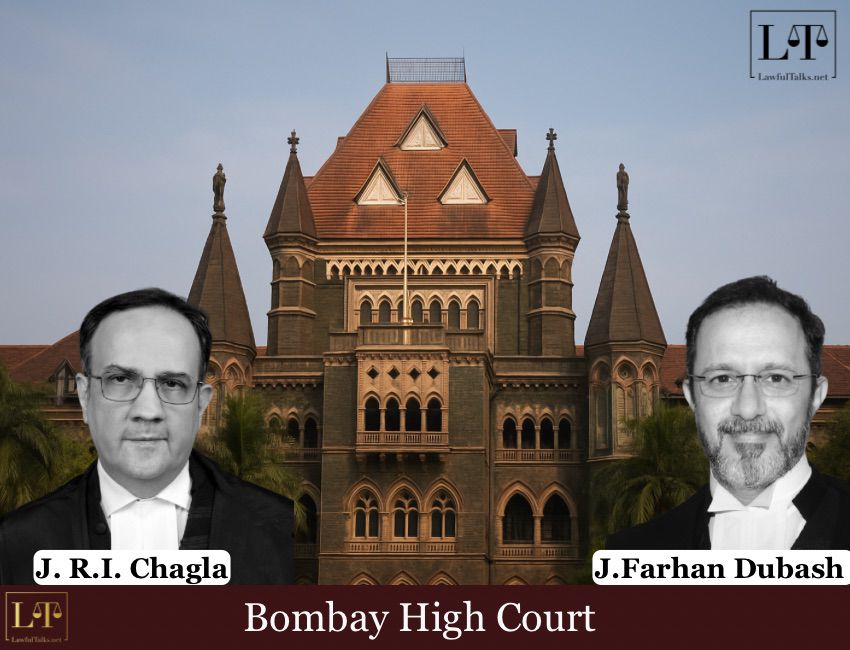
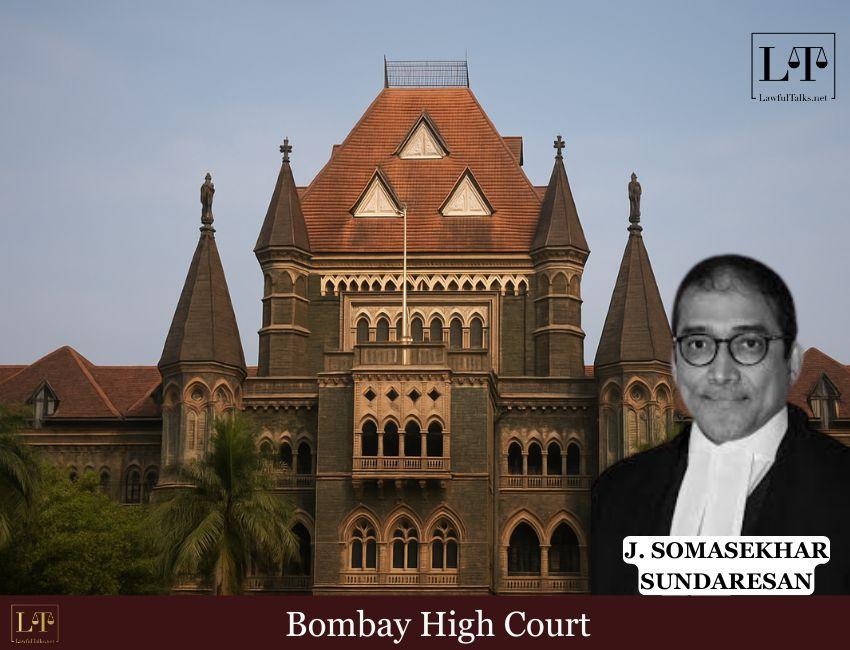
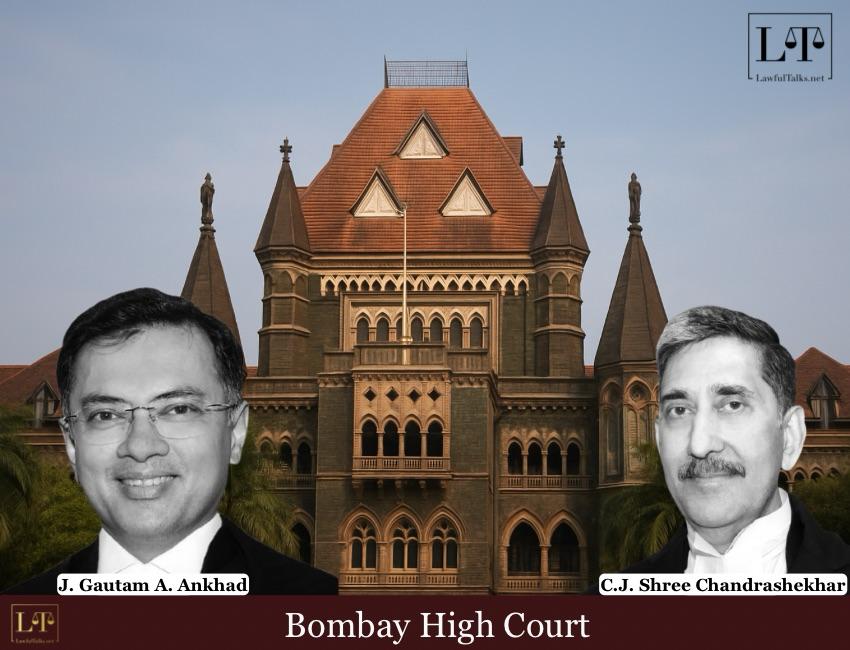
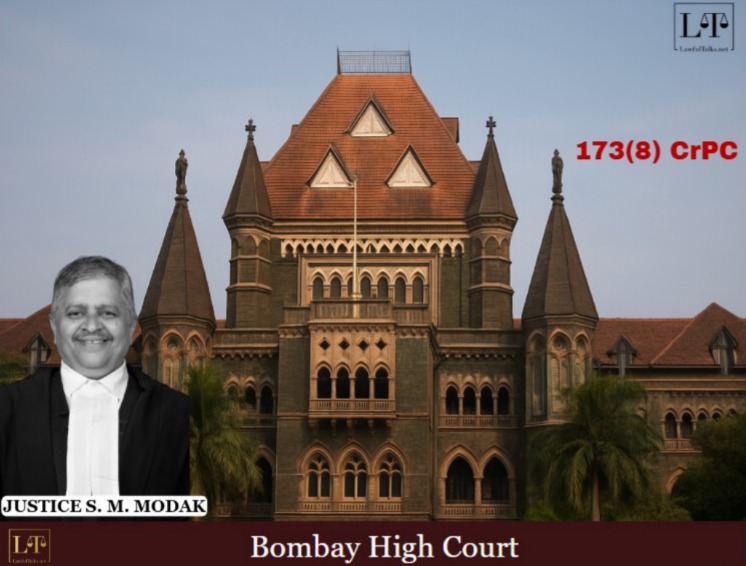
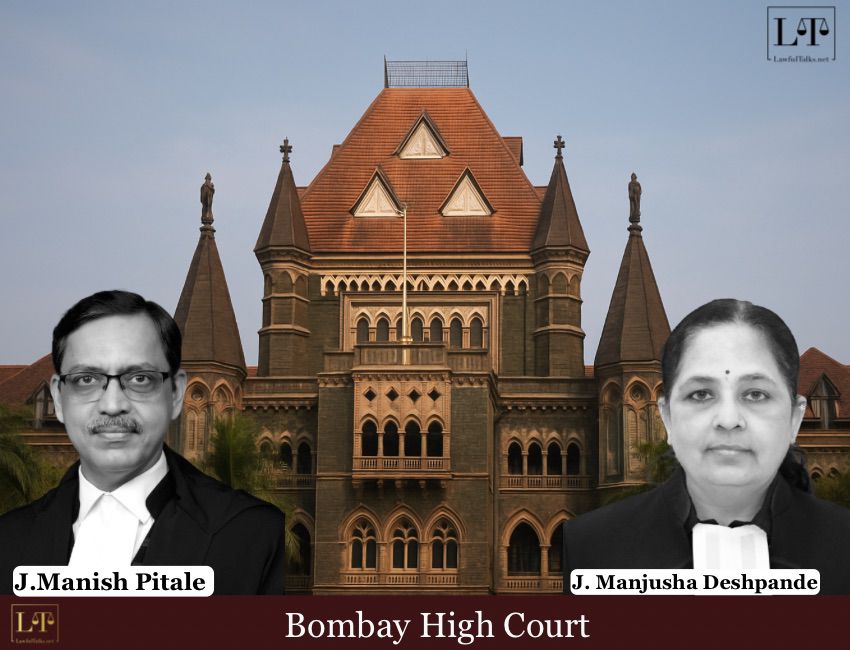
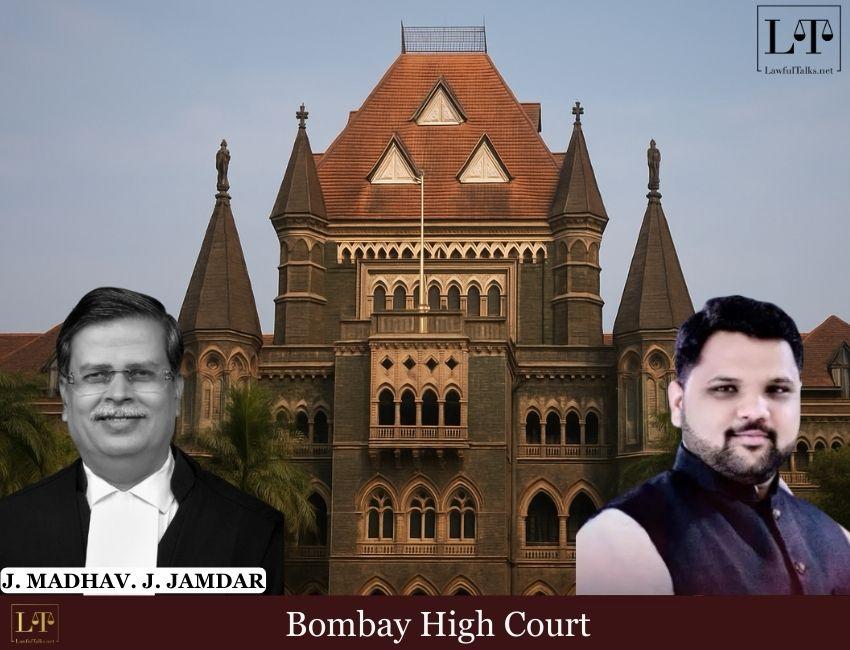
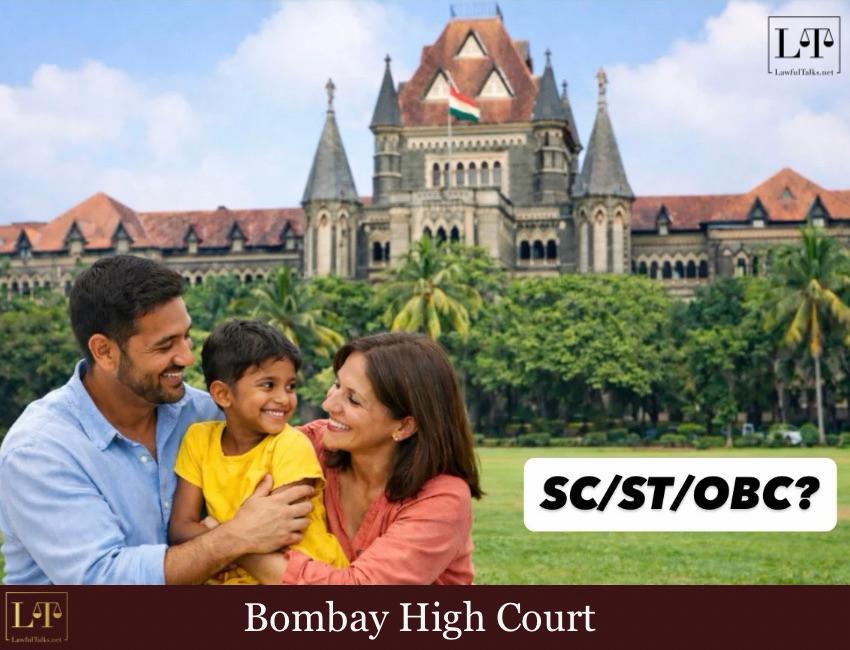
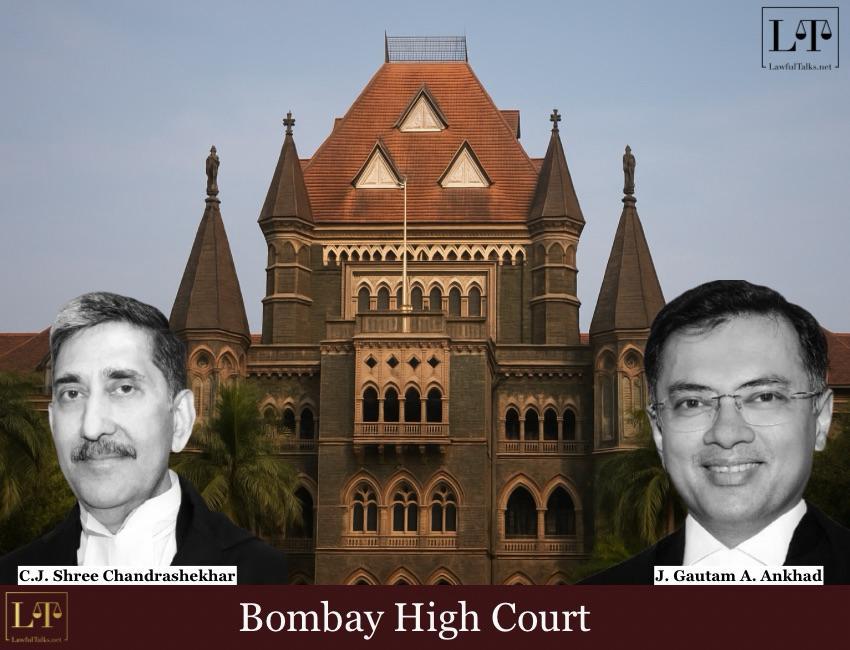
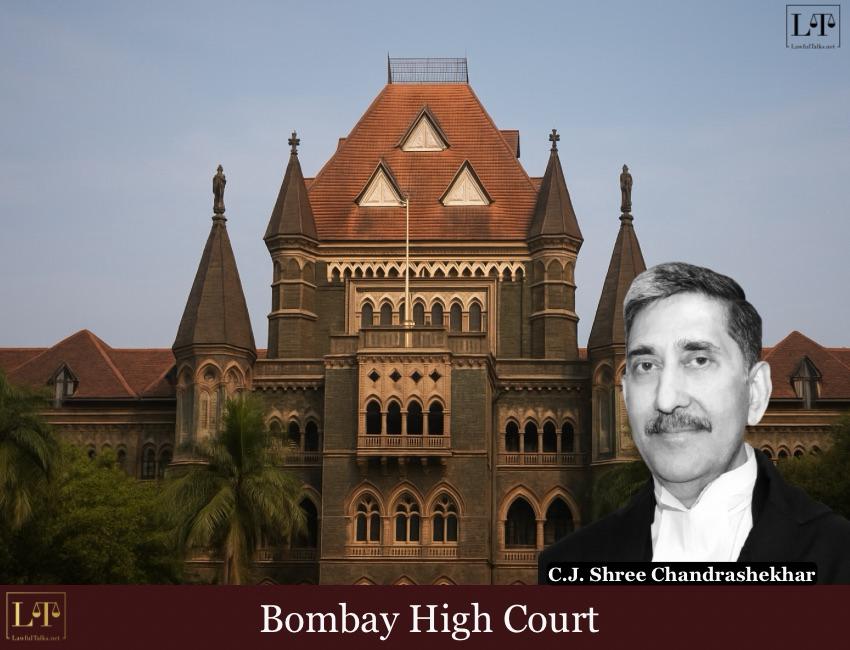
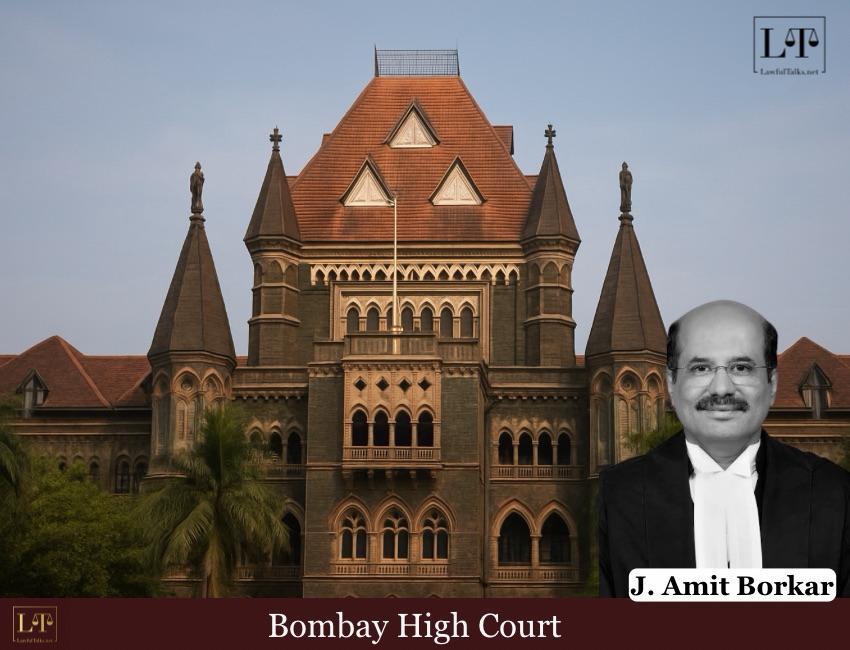
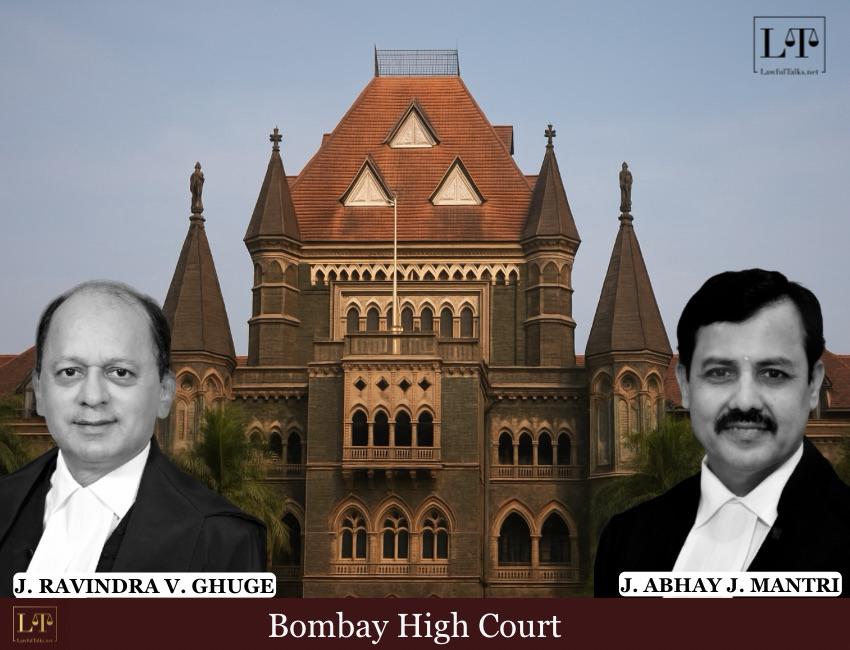
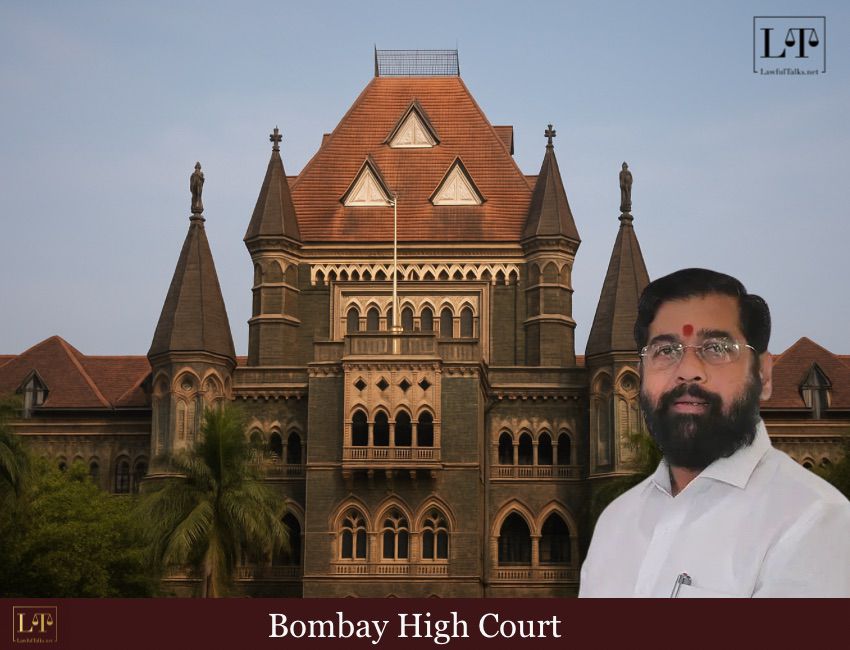
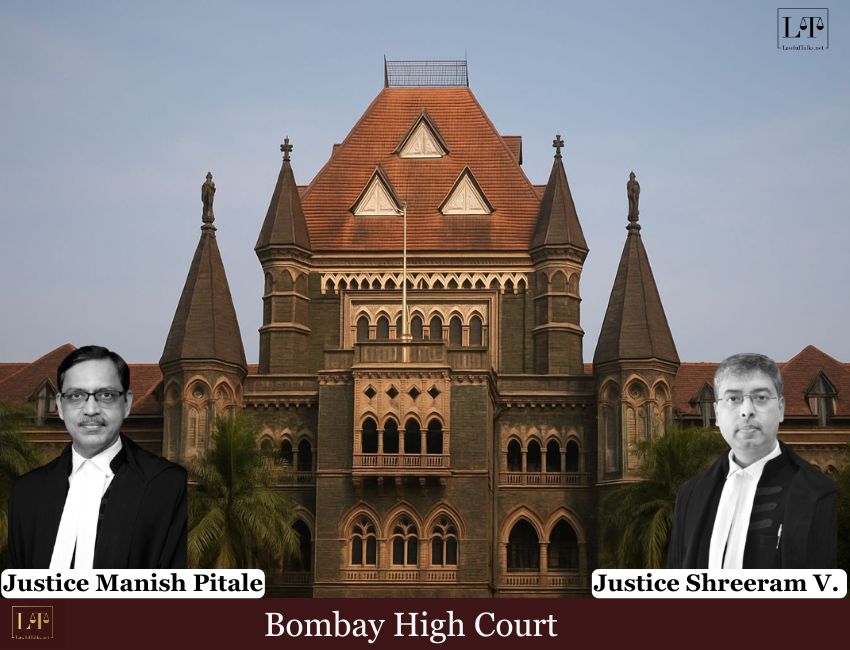
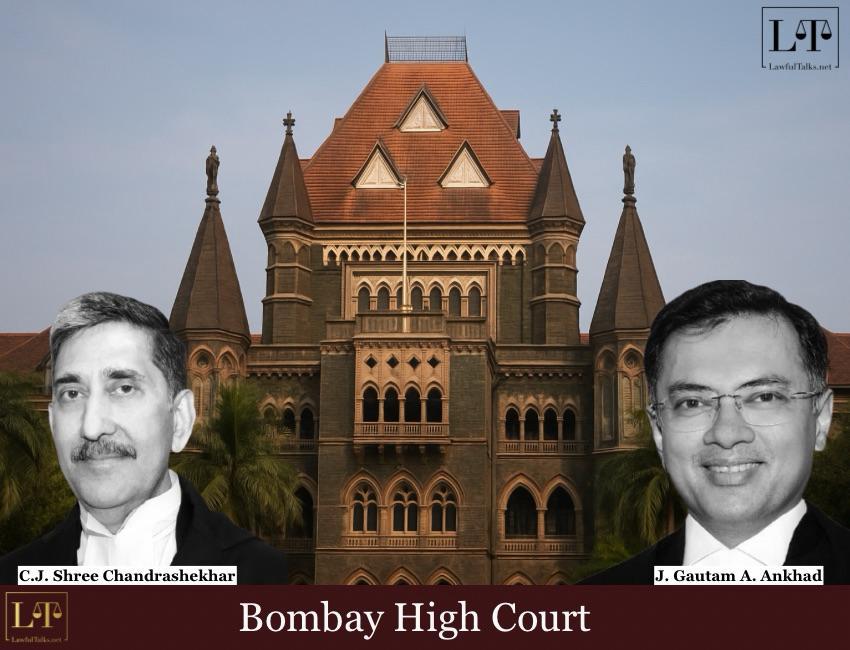
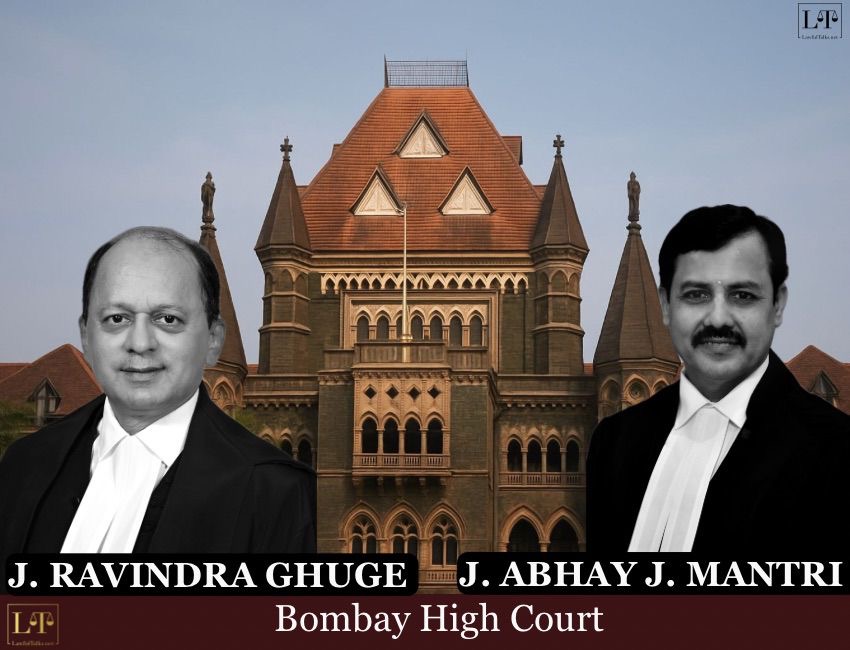
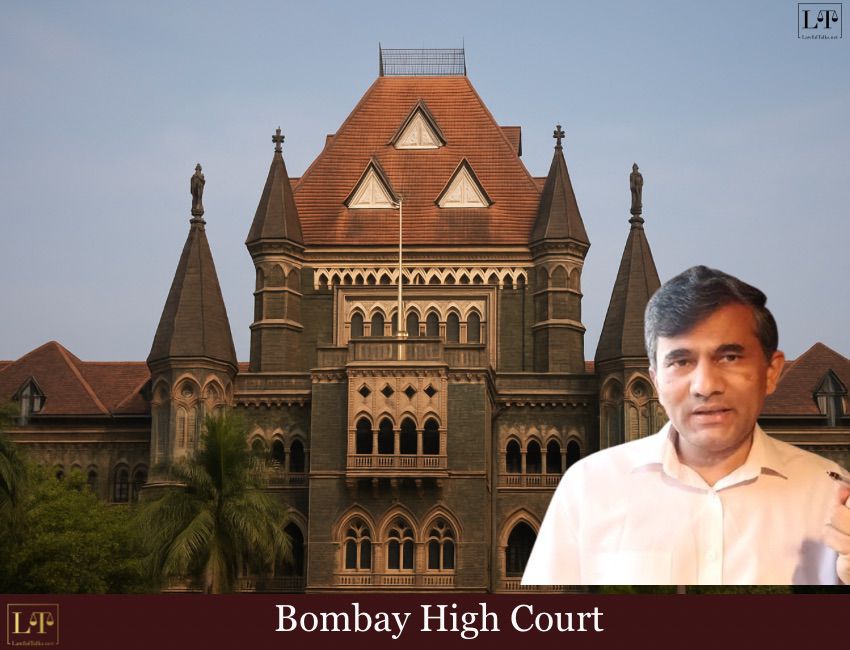
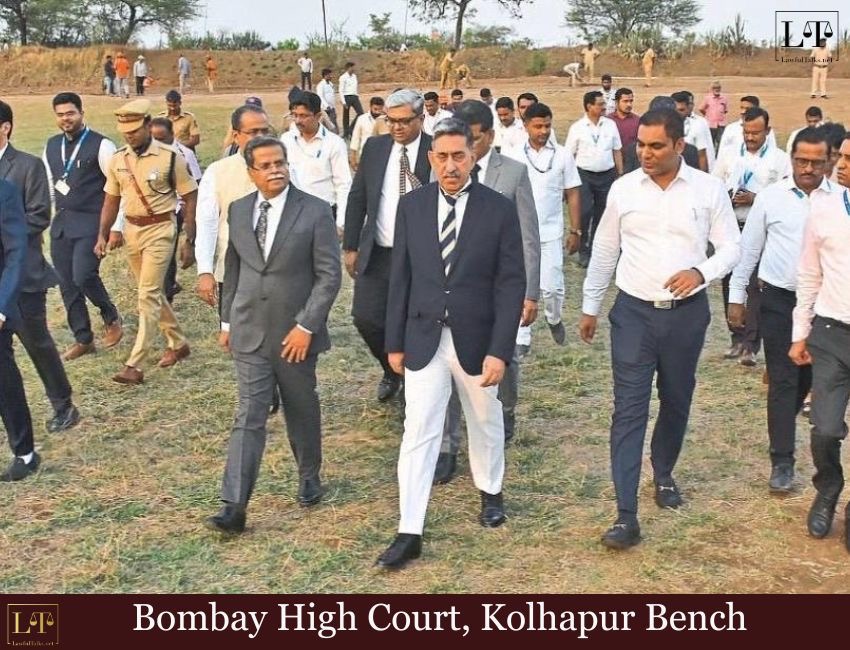
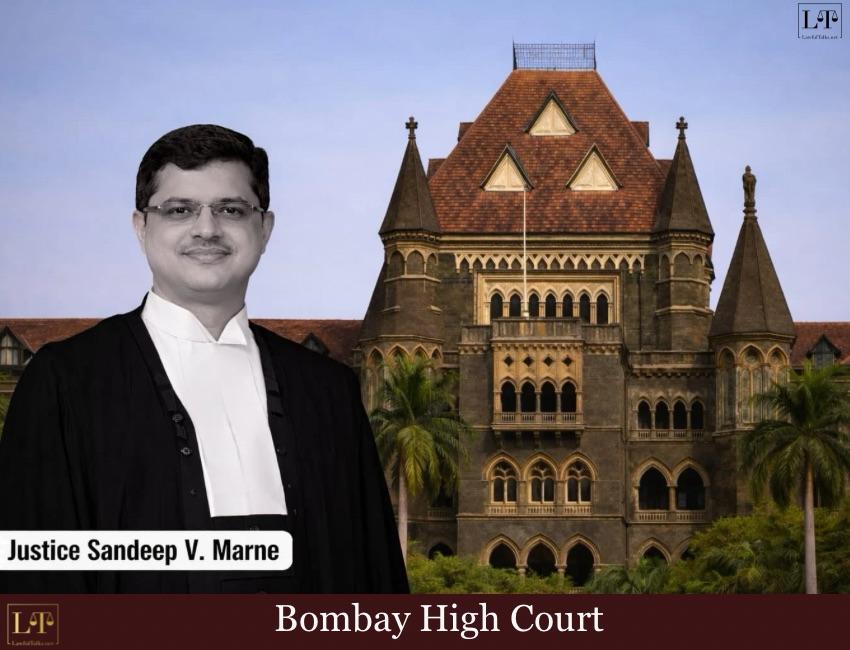
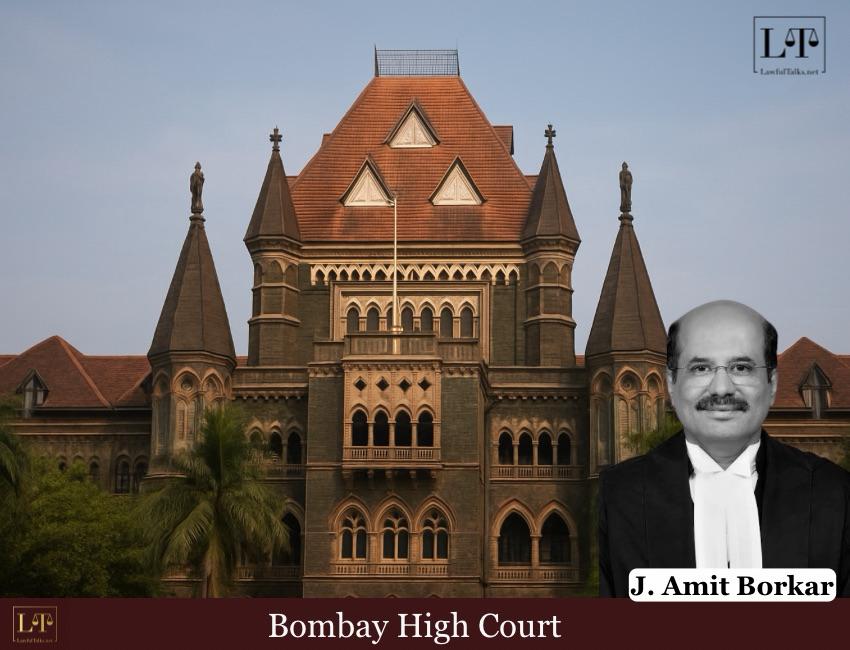
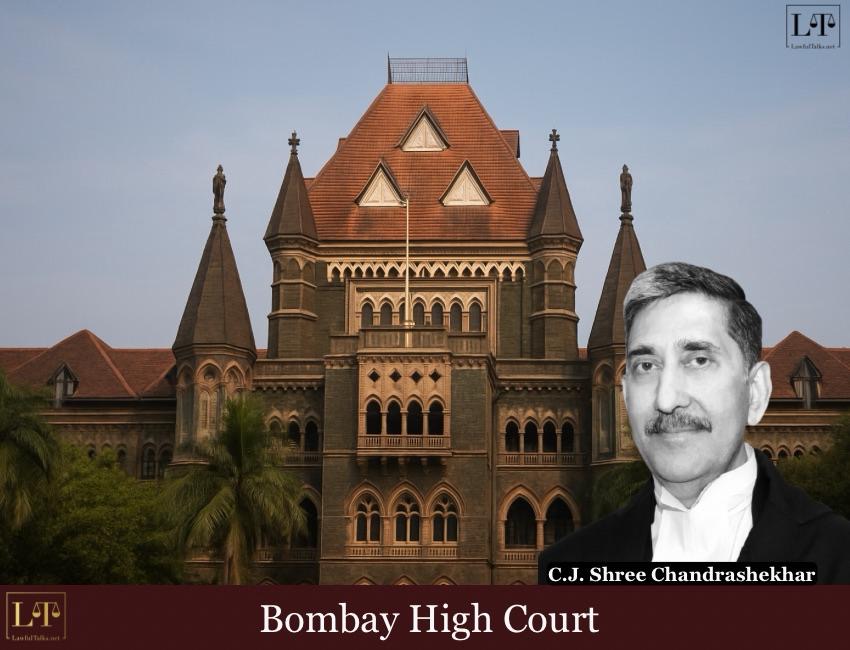
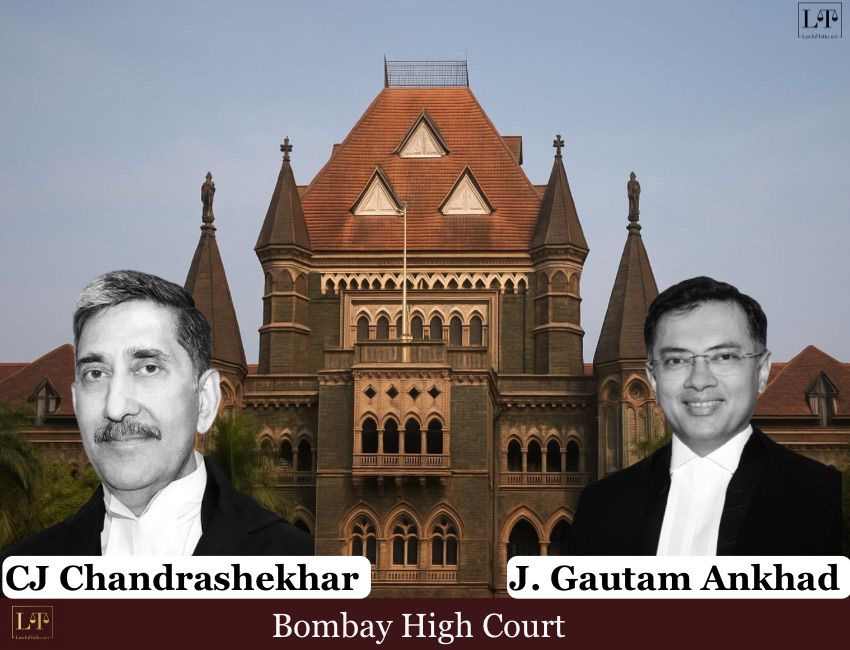
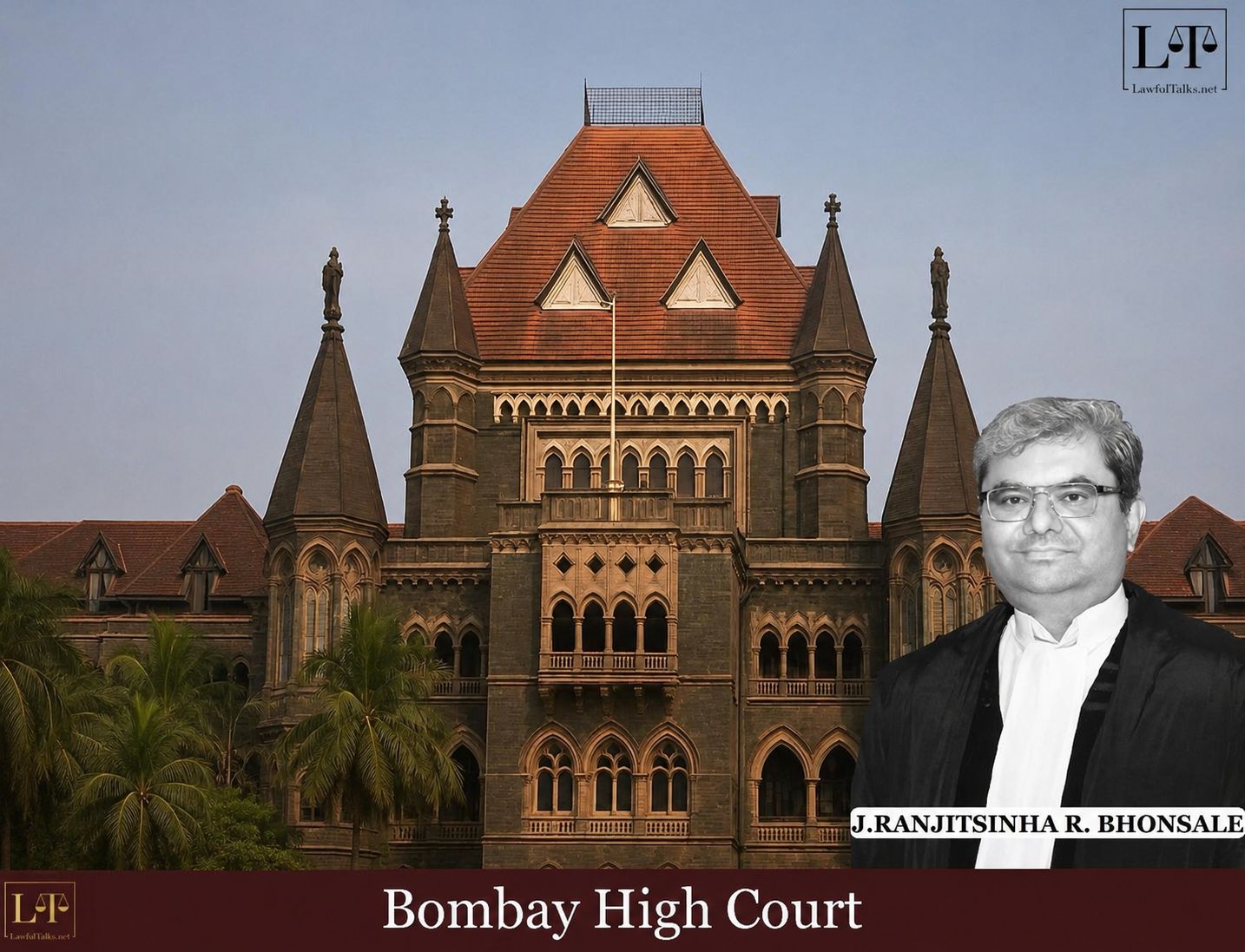
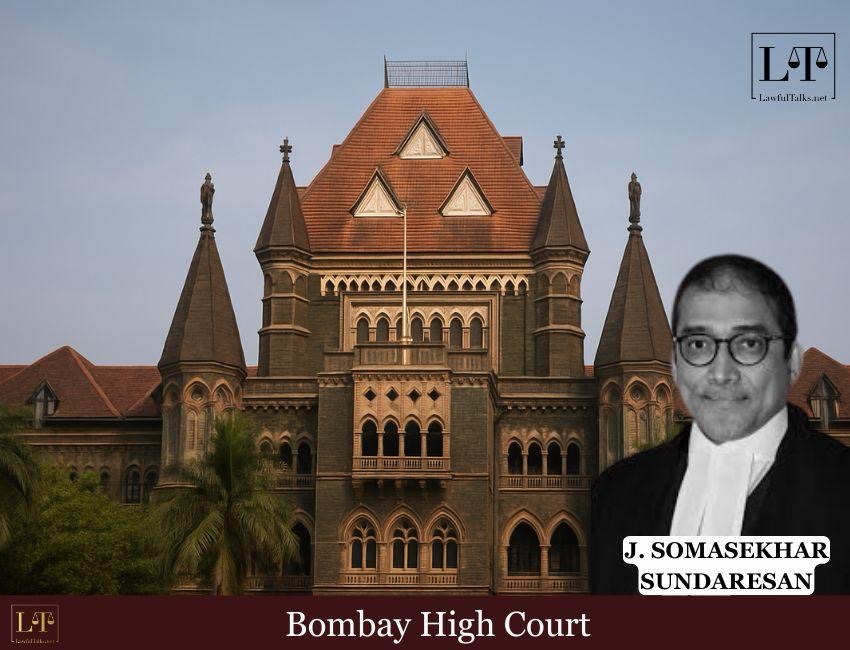
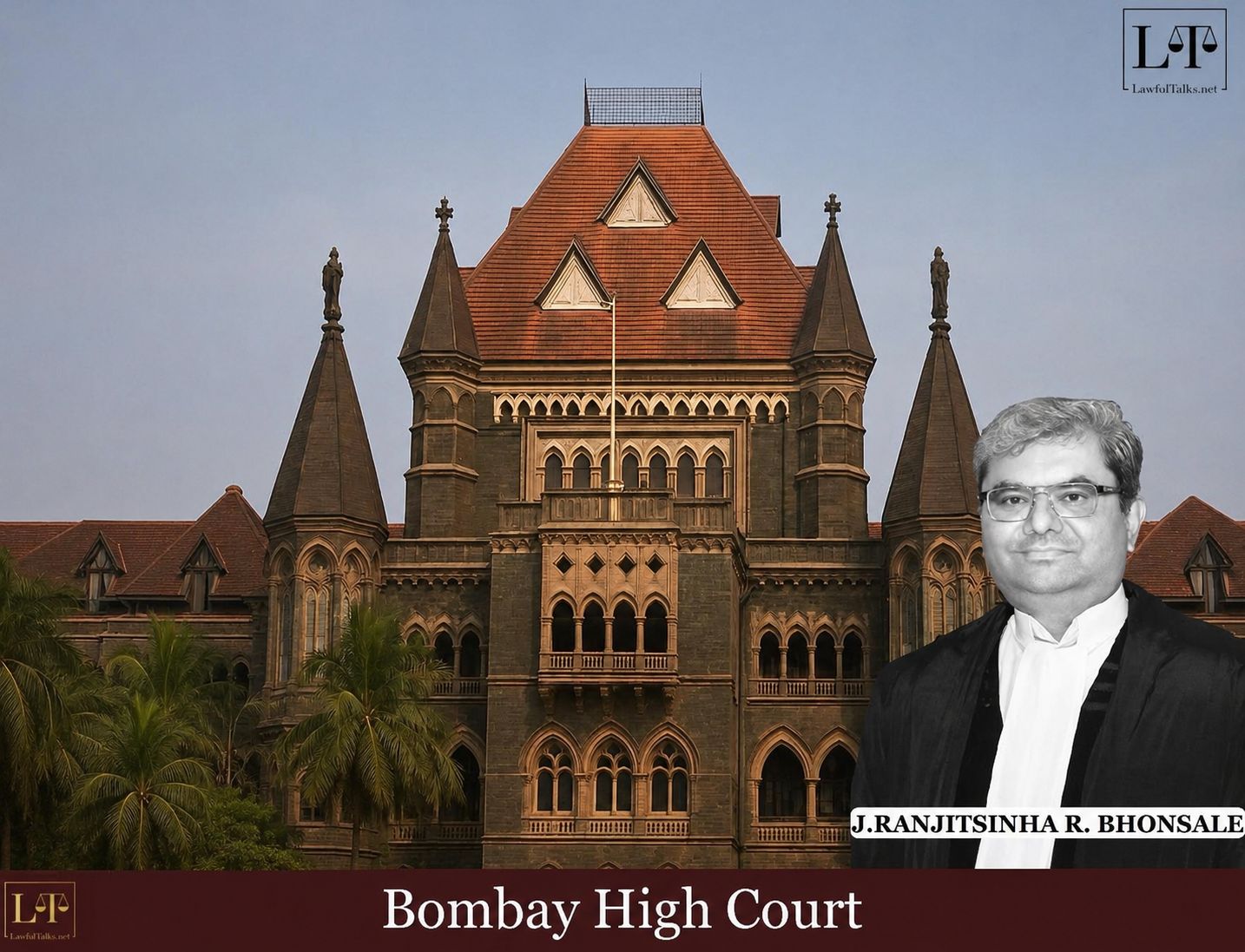
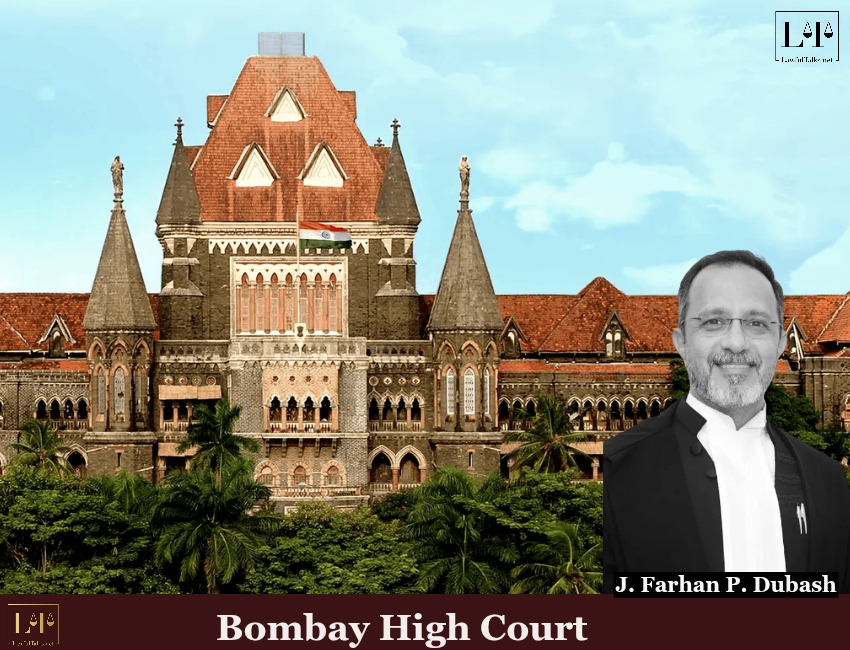
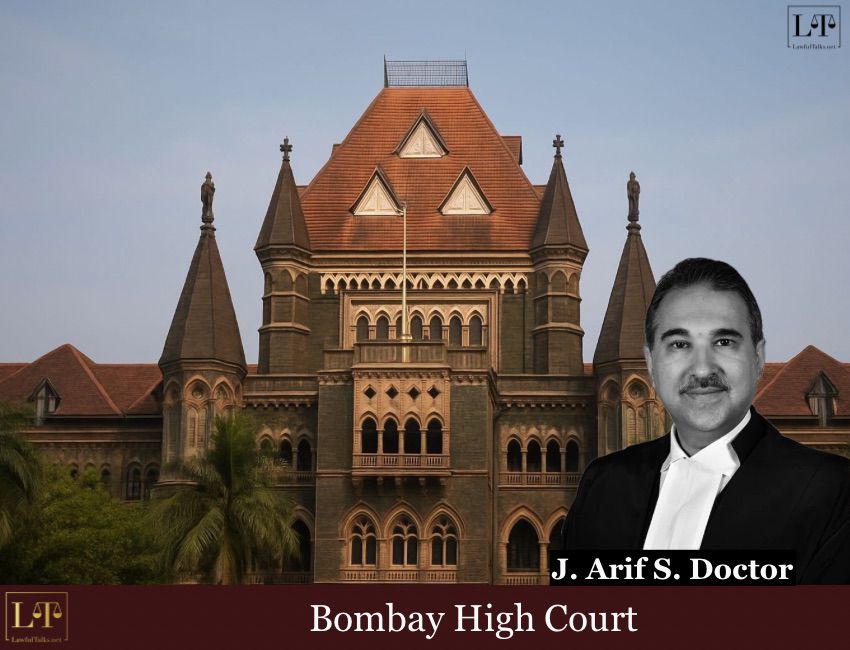
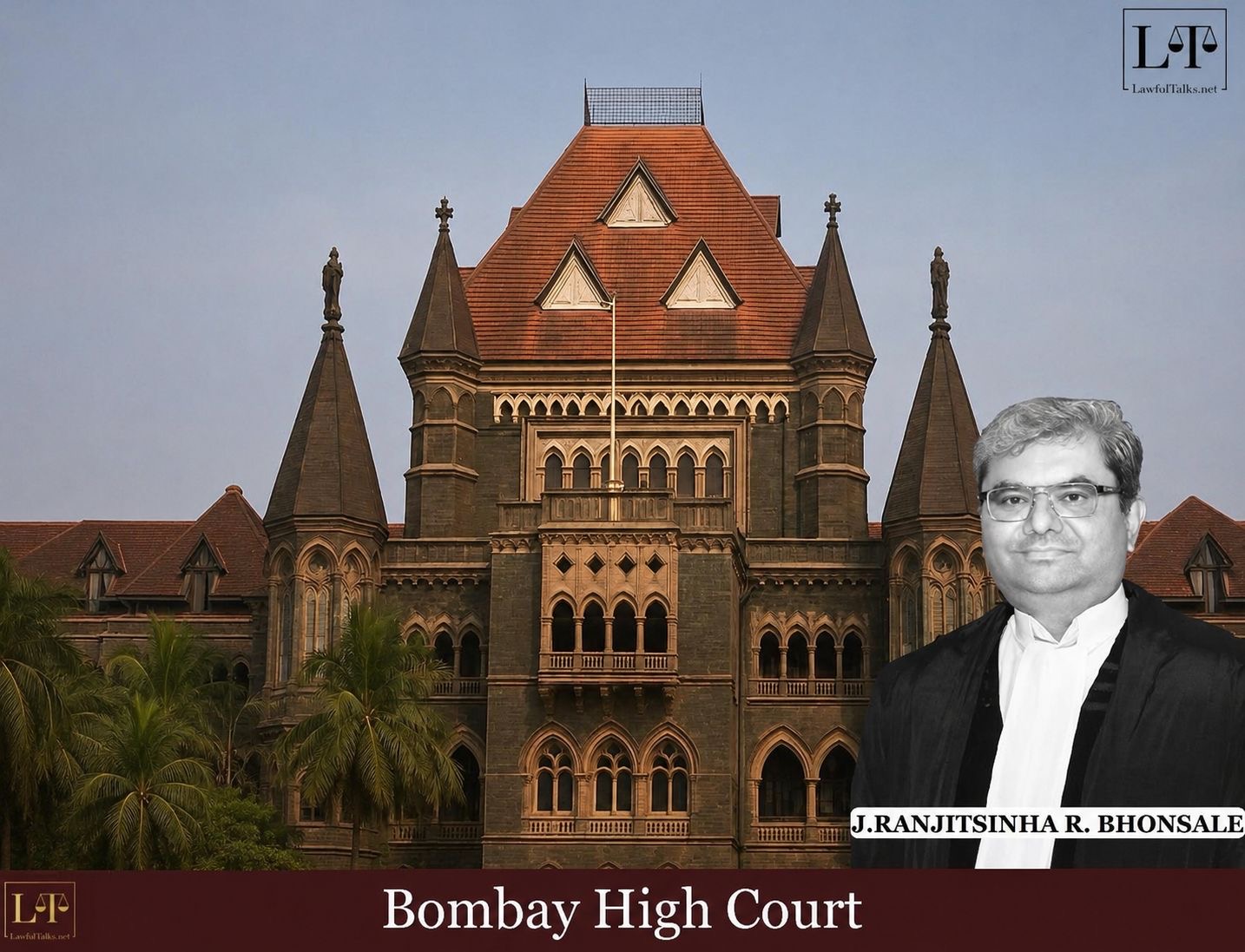
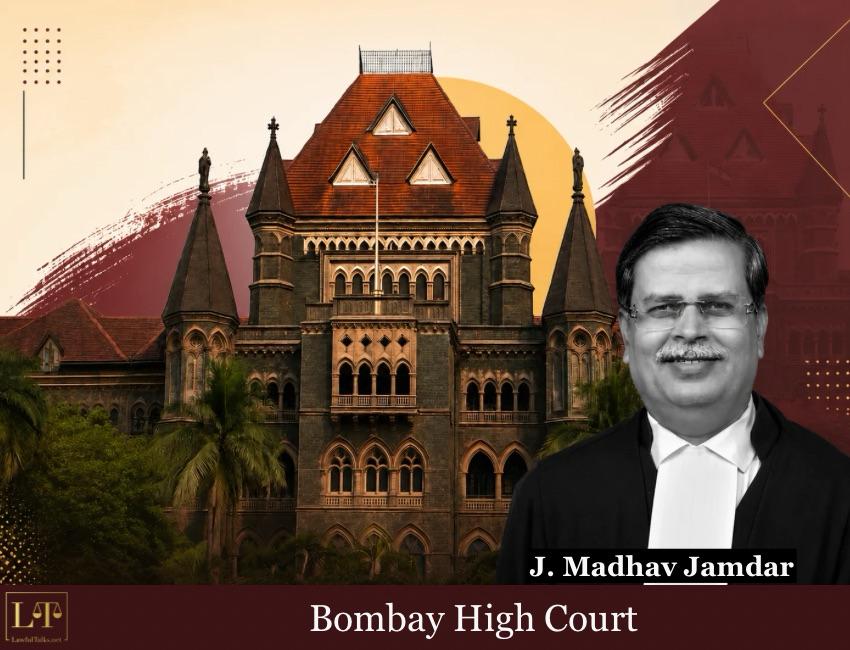
A division bench of Acting Chief Justice Ravindra Ghuge and Justice Gautam Ankhad was hearing a matter related to a road-widening project in Mumbai. During the hearing, the bench observed that years of blocking drainage lines, encroaching on public land and misusing civic infrastructure have made the city more vulnerable to flooding during heavy rains.
The Court said that it is wrong to blame only the BMC for Mumbai’s flooding, as citizens have also contributed to the problem.
Court’s Strong Remarks:
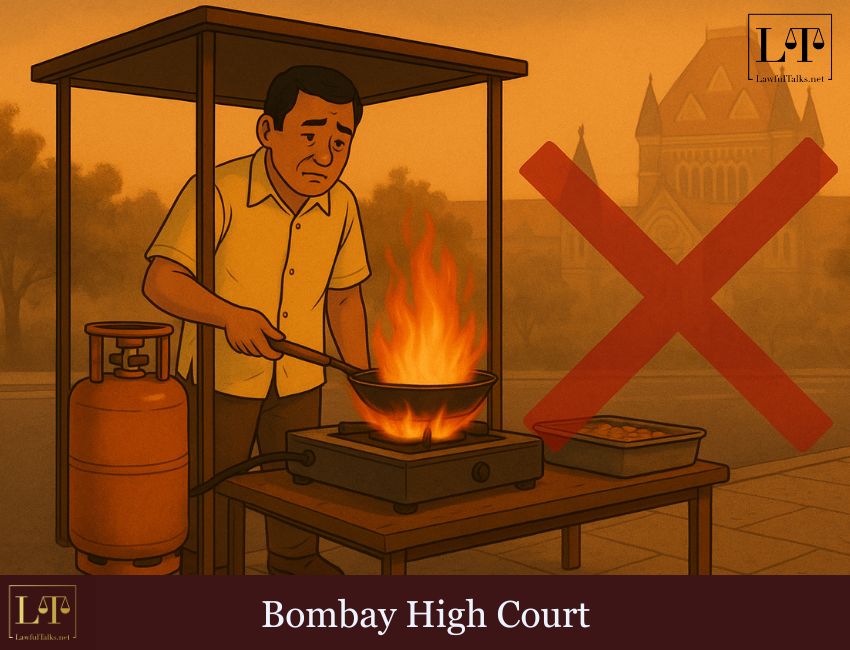
“Citizens should stop blaming the corporation alone for chronic monsoons and the water-logging that follows… This is our own creation… We should stop blaming the corporation alone…. It gave us drainage lines and we filled them up… It has put pavement blocks and we started parking our cars on them… It gave us footpaths and we started having pav bhaji, pav masala etc stalls on them. Our city was destined to witness rainwater on the roads, people encroached upon public lands, blocked drainage lines and converted footpaths into parking and hawking zones,” Justice Ghuge orally observed.
Footpaths Encroached:
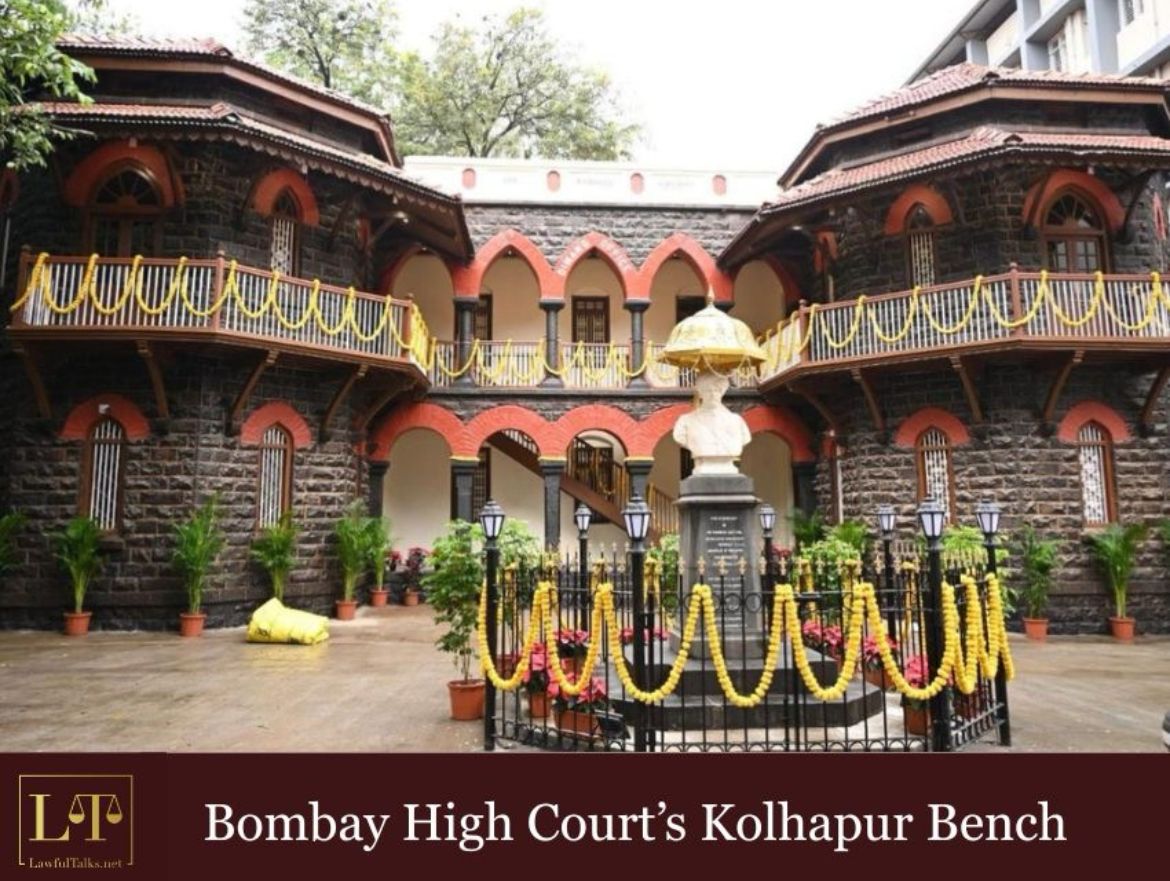
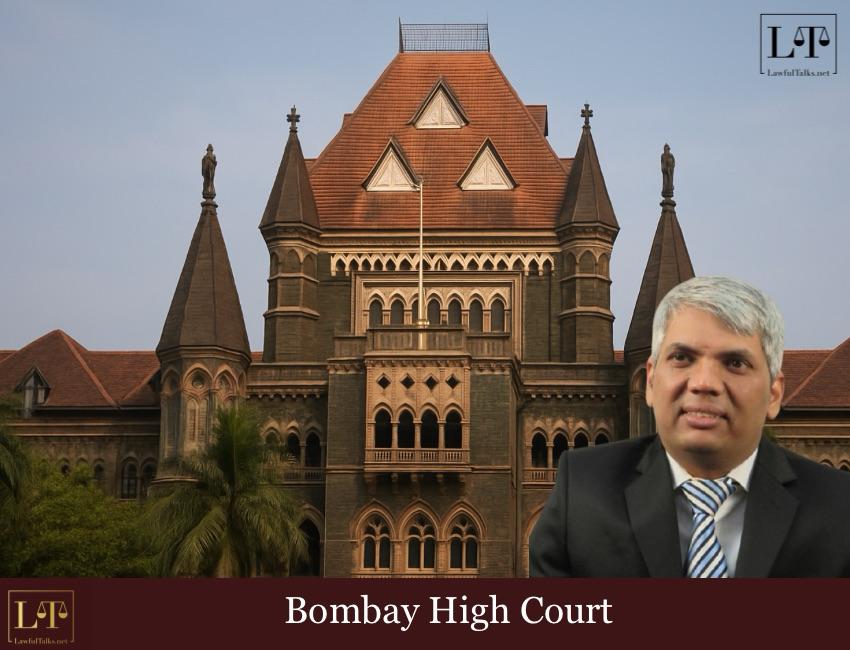
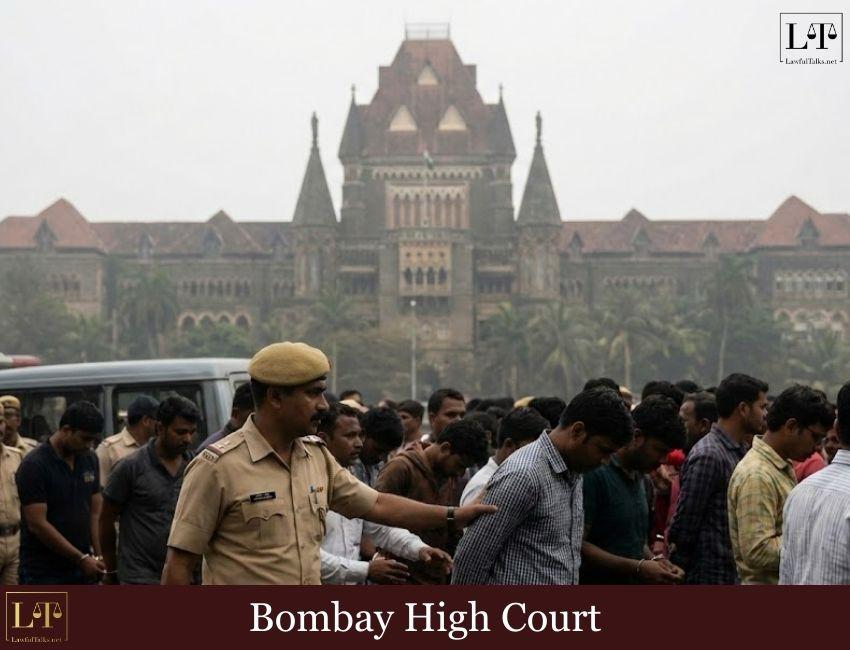
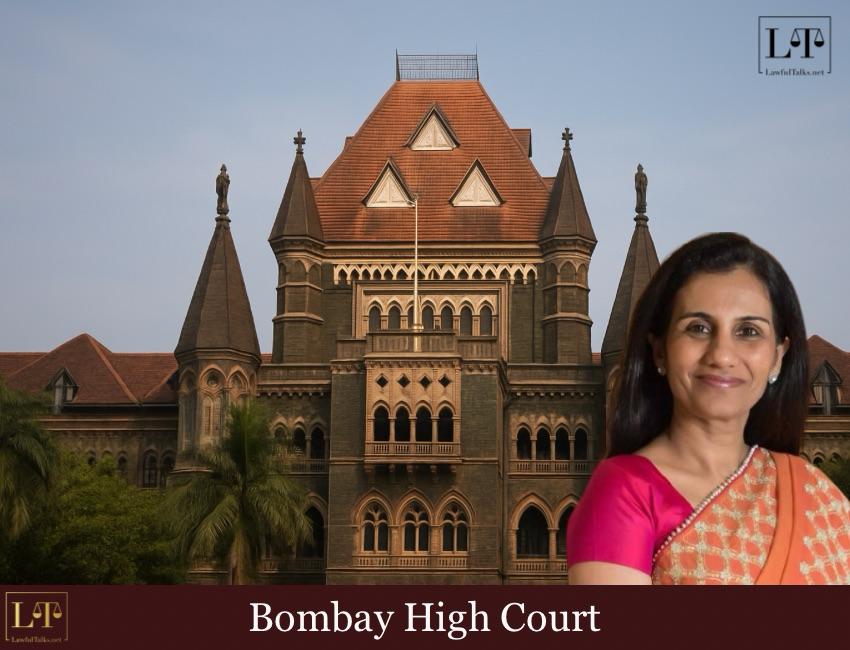
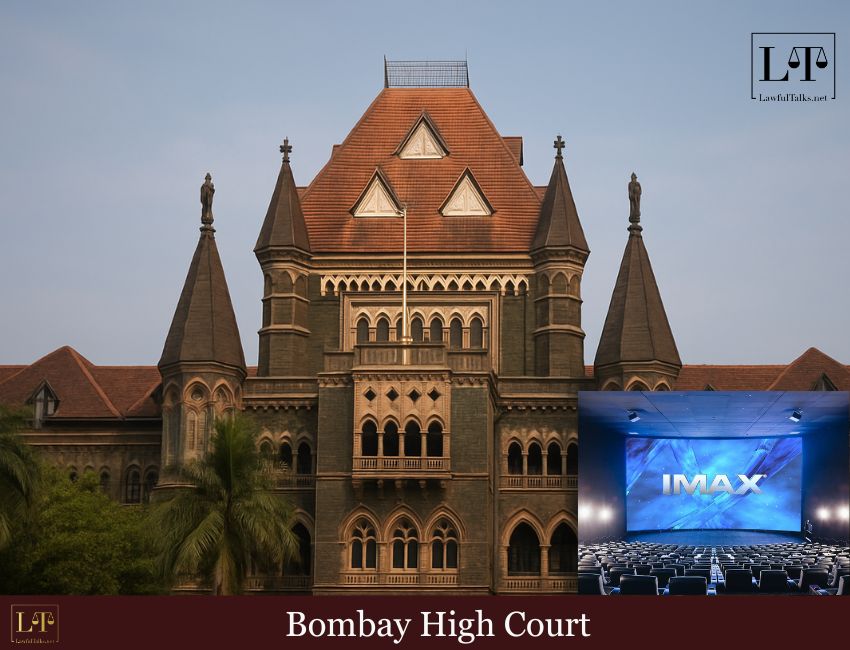
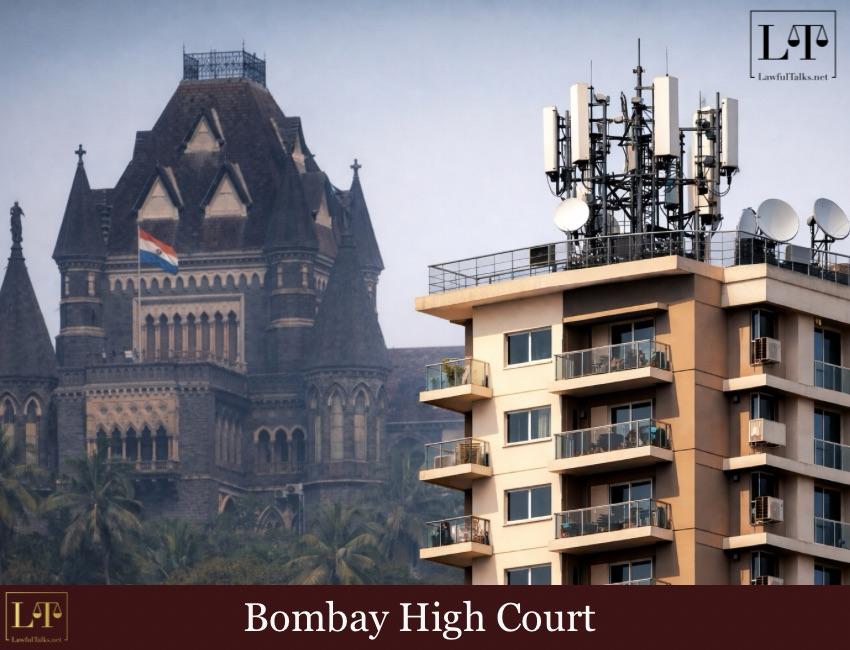
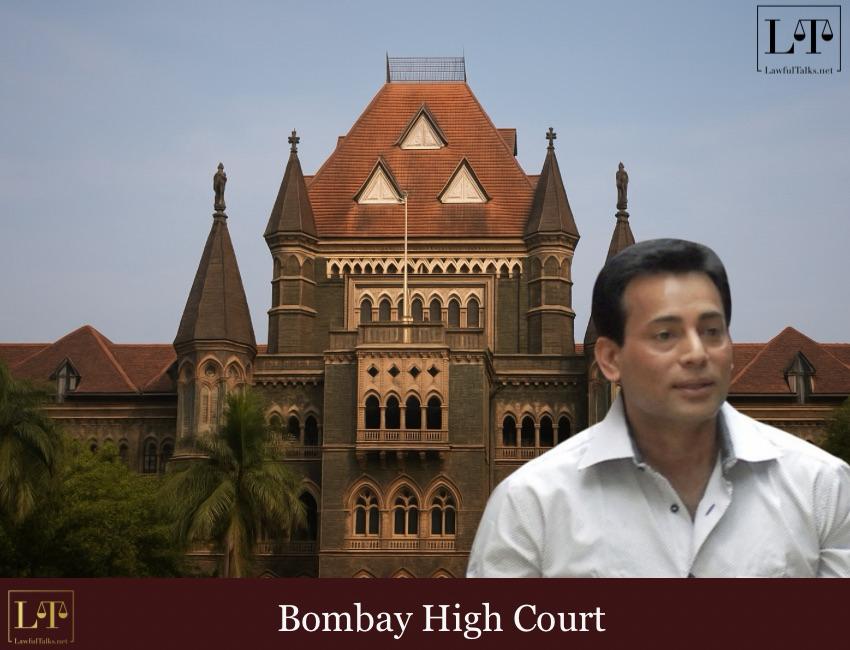
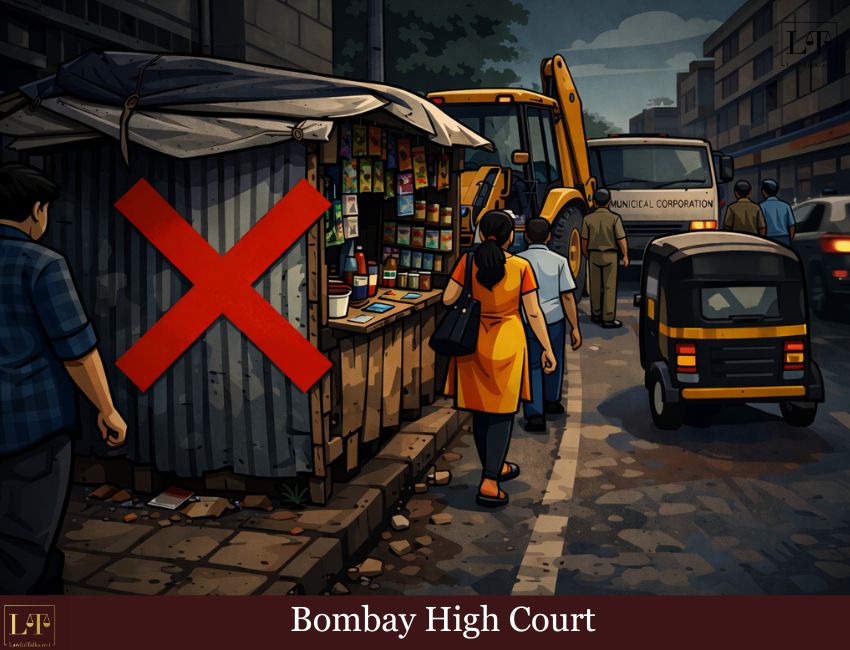
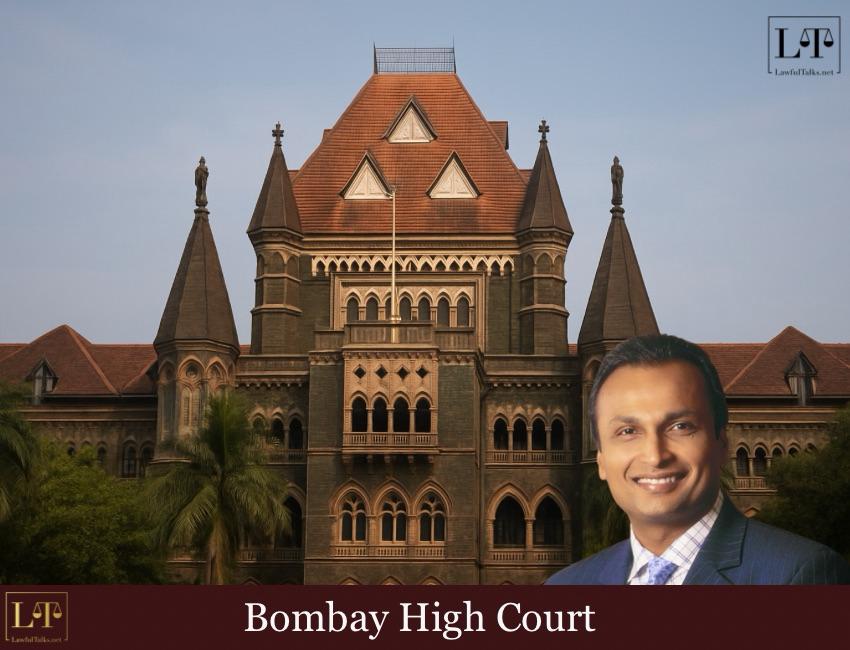
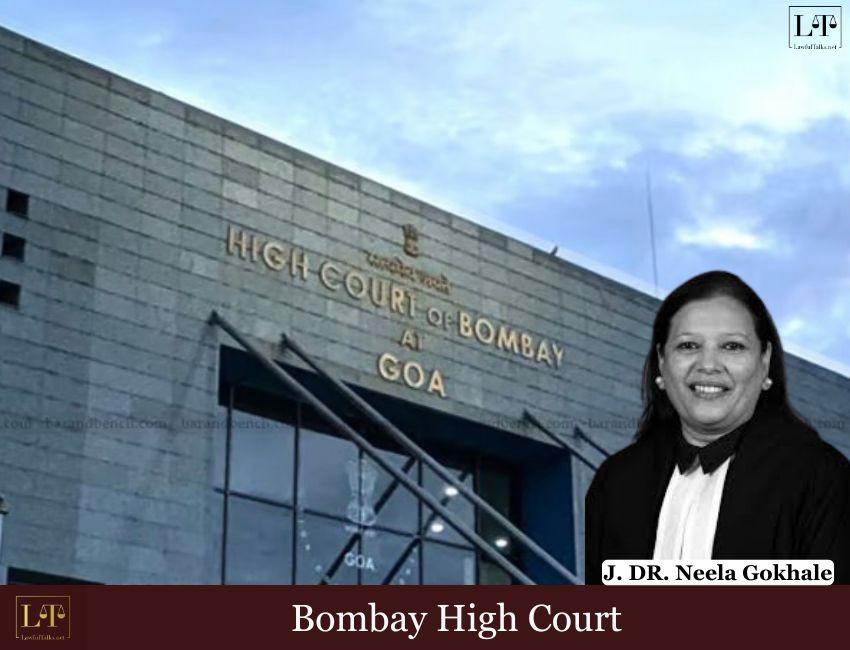
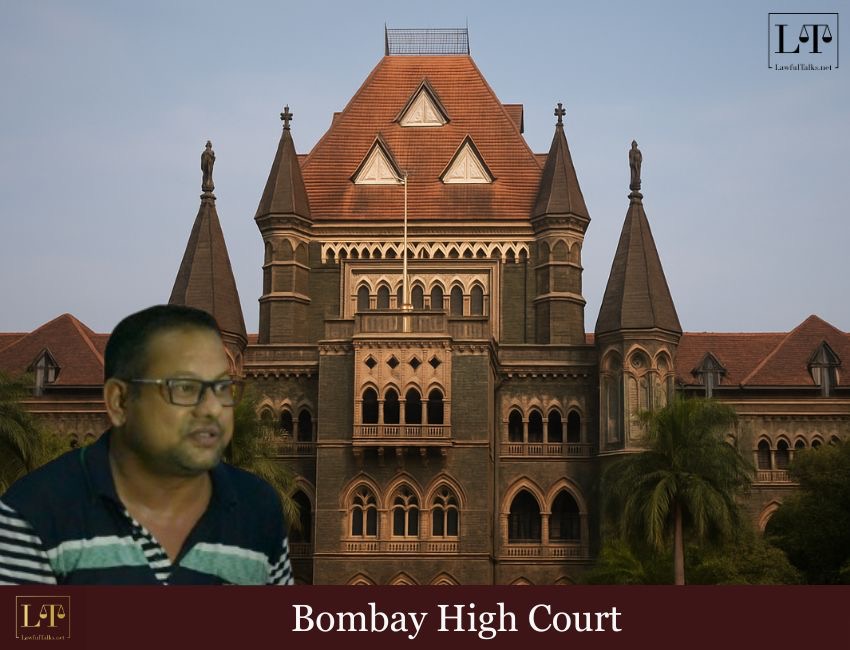
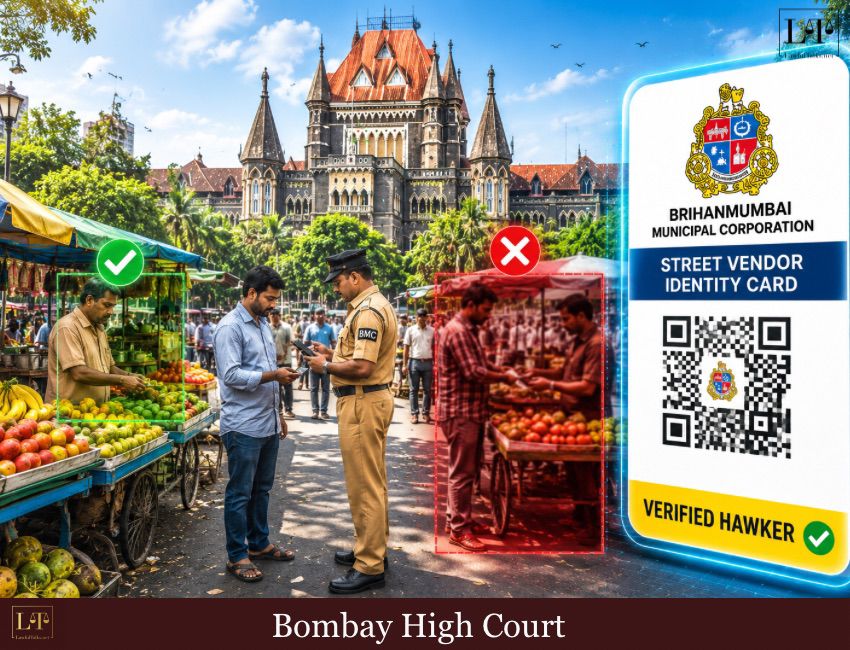
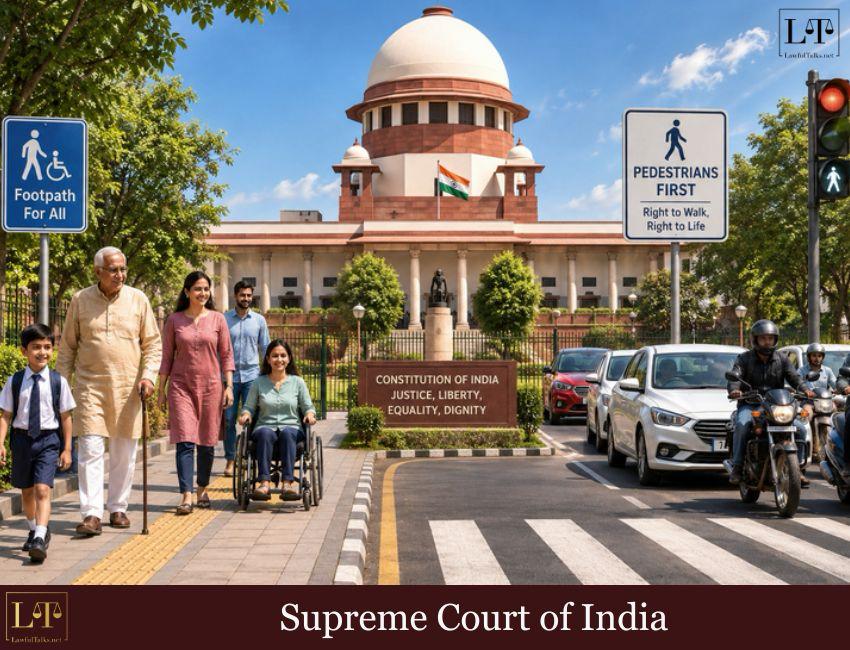
The bench also referred to the area around the Bombay High Court building at Fort. It pointed out that even the footpaths there have been occupied by photocopy stalls, tea vendors and juice shops, leaving very little space for pedestrians.
‘Rob Our Own Motherland’:
Expressing concern over the condition of public spaces, the Court observed:
“Our habit is to rob our own motherland. We put all the dirt and material inside that, we block the gutters. We grab lands and then put up our shops illegally. You can’t walk. What will the corporation do?” Justice Ghuge orally remarked.
Encroachments and Demolition:
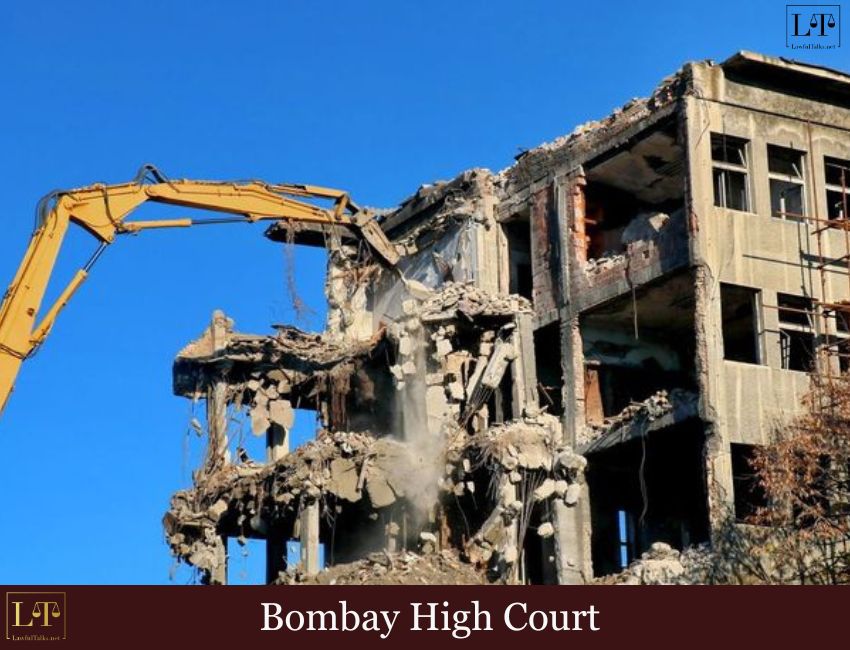
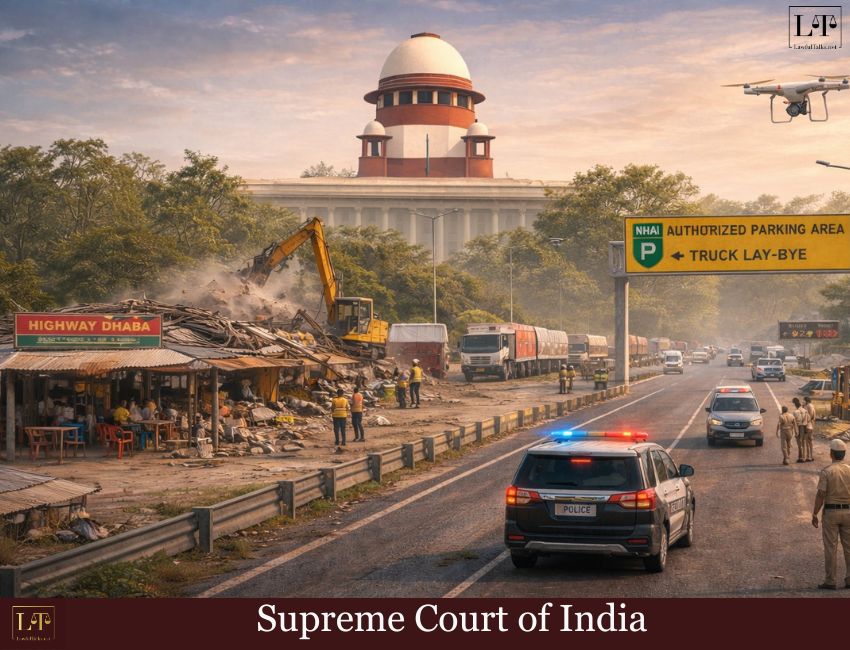
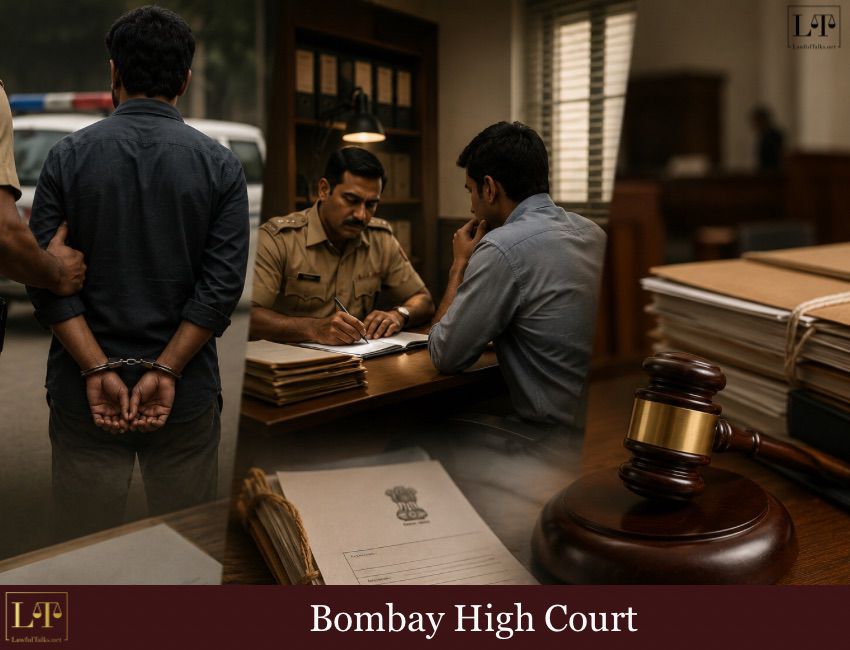
The Court further said that whenever authorities try to remove illegal encroachments, the encroachers approach the courts seeking protection against demolition.
Commenting on this, the bench observed:
“When the corporation comes for demolition, you want seven days’ notice period… And then suddenly the law books are opened but when you grab the land, nobody reads the law… So that is how things are in Mumbai…. We are destined to see rainwater on the road with everything clogged….” Acting Chief Justice Ghuge opined.
These observations were made while the Court was hearing a writ petition concerning the proposed widening of a road at Mandala village in Mumbai’s Mankhurd area.
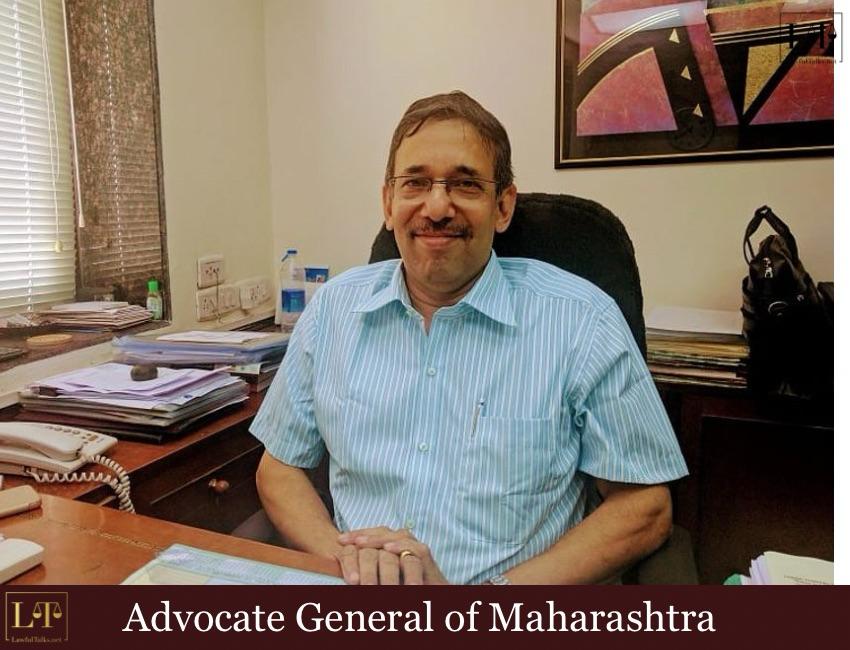
Appearing for the BMC, Advocate General, Dr. Milind Sathe informed the Court that the civic body has already started steps to widen the road to 30 feet. However, he said that the land required to further widen the road to 50 feet belongs to the Department of Atomic Energy (DAE), as the staff quarters of the Bhabha Atomic Research Centre (BARC) are located next to the road.
According to the BMC, the DAE will first have to remove encroachments from its land before the road can be widened to 50 feet.
Notice to DAE:
After considering the submissions, the High Court issued notice to the Department of Atomic Energy and sought its response on whether it is willing to facilitate the widening of the road to 50 feet.
The matter has been adjourned for further hearing.
Case Title: Atish Anand Vaity vs Brihanmumbai Municipal Corporation (Writ Petition No. 4069 of 2025).
























































































































Sign up for free and be the first to get notified about curated content just for you.