The Missing Link That Cost the Prosecution a Murder Conviction: Supreme Court

- July 14, 2026


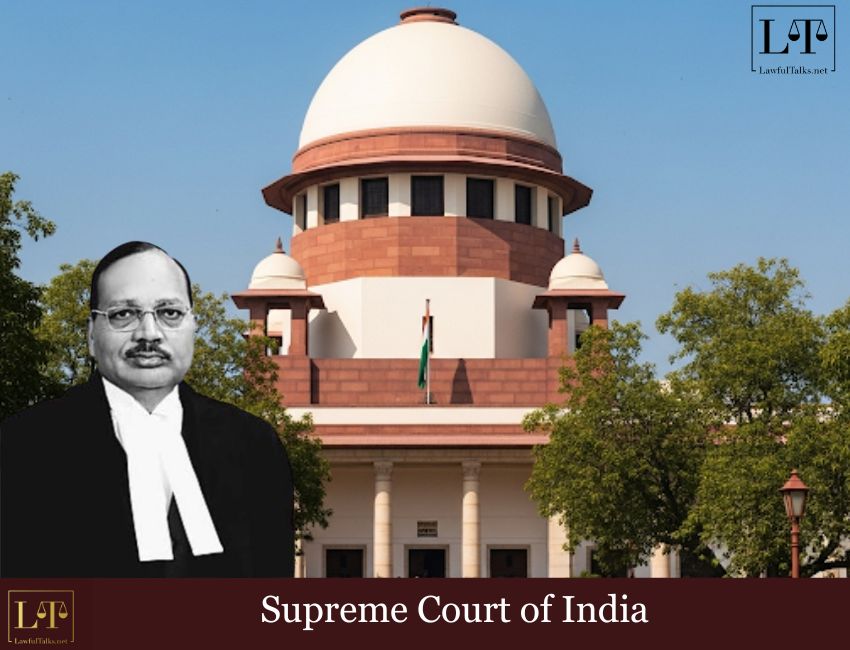
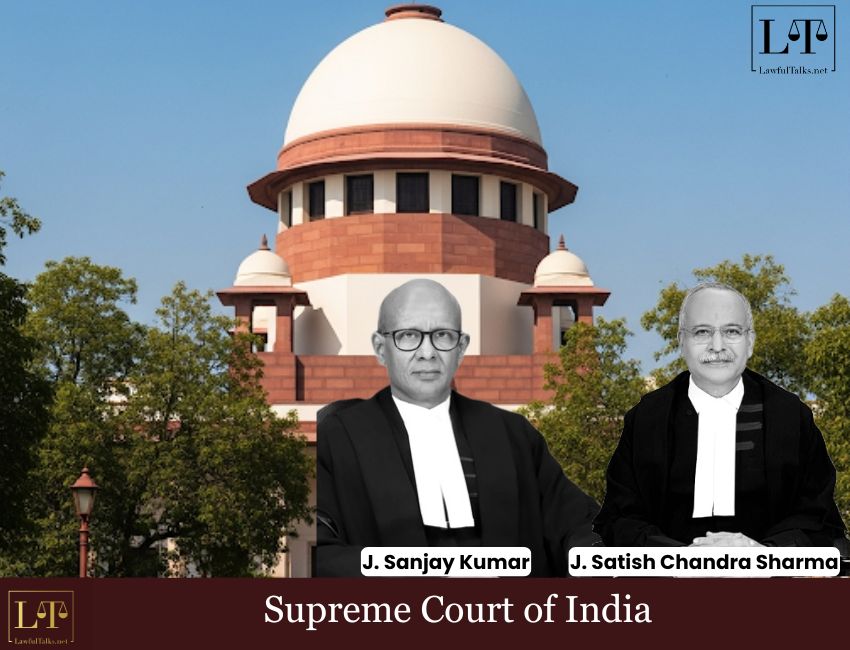
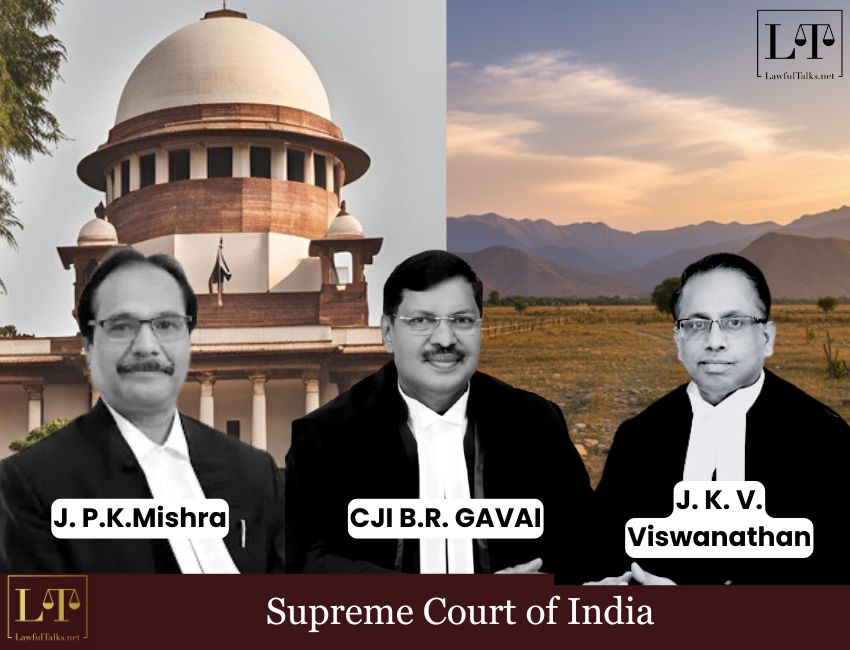
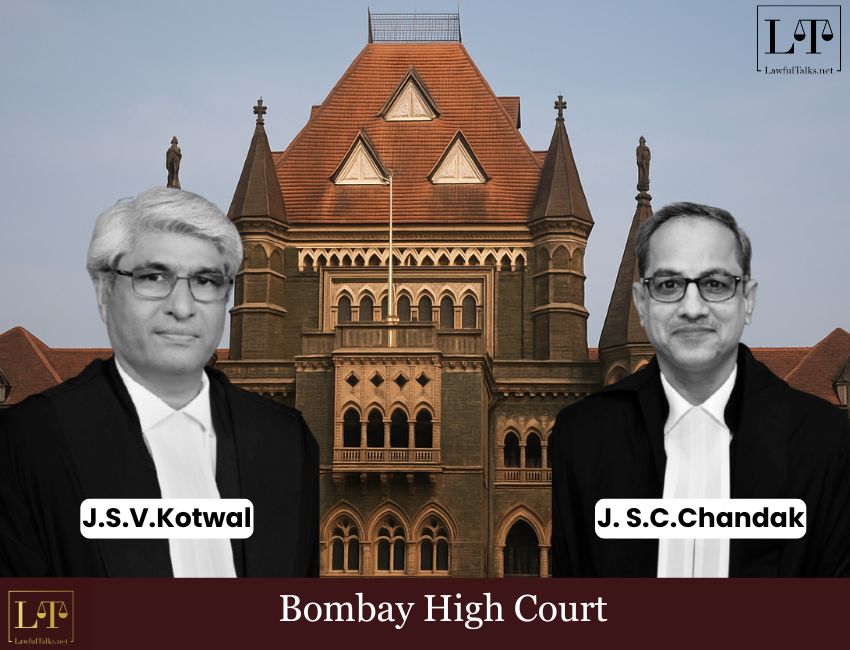
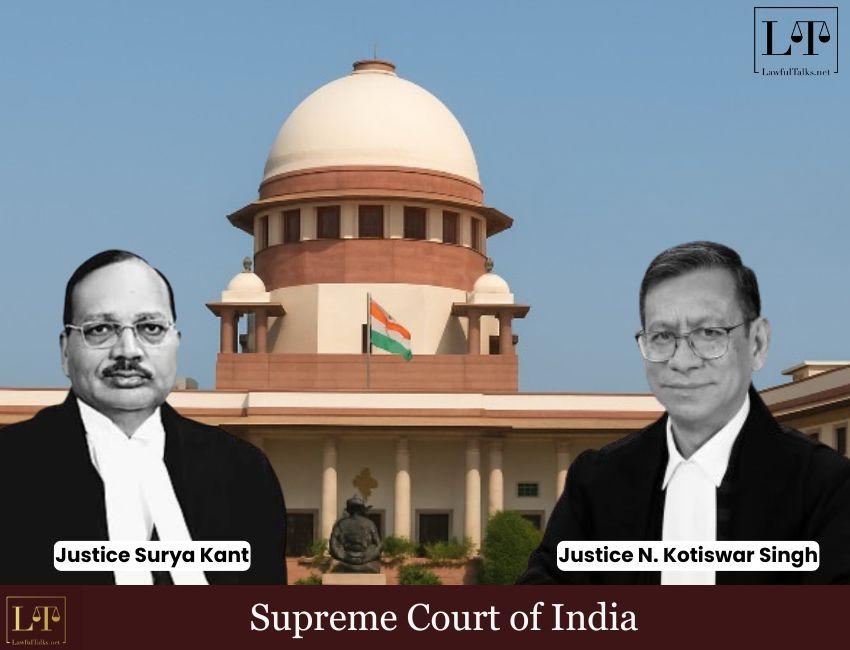
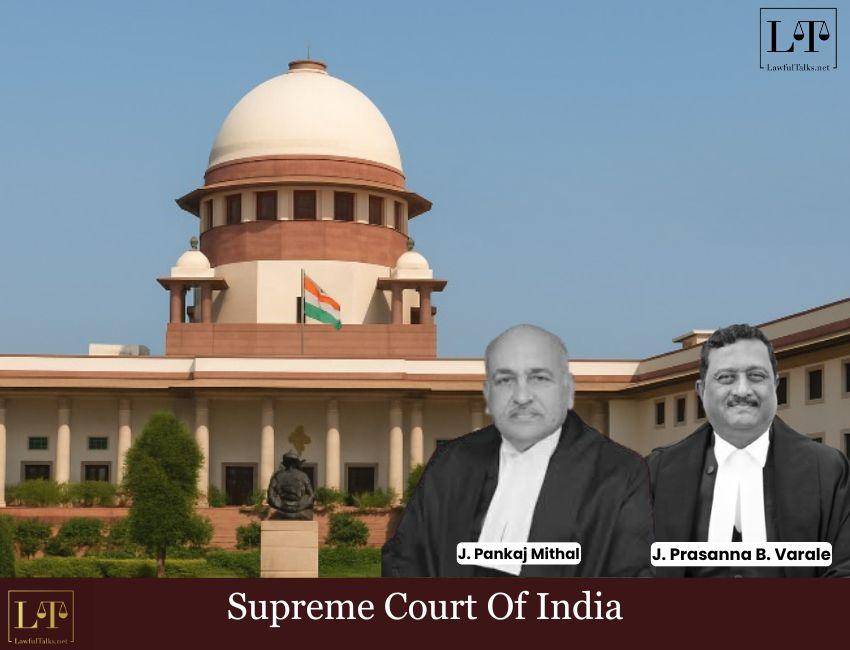
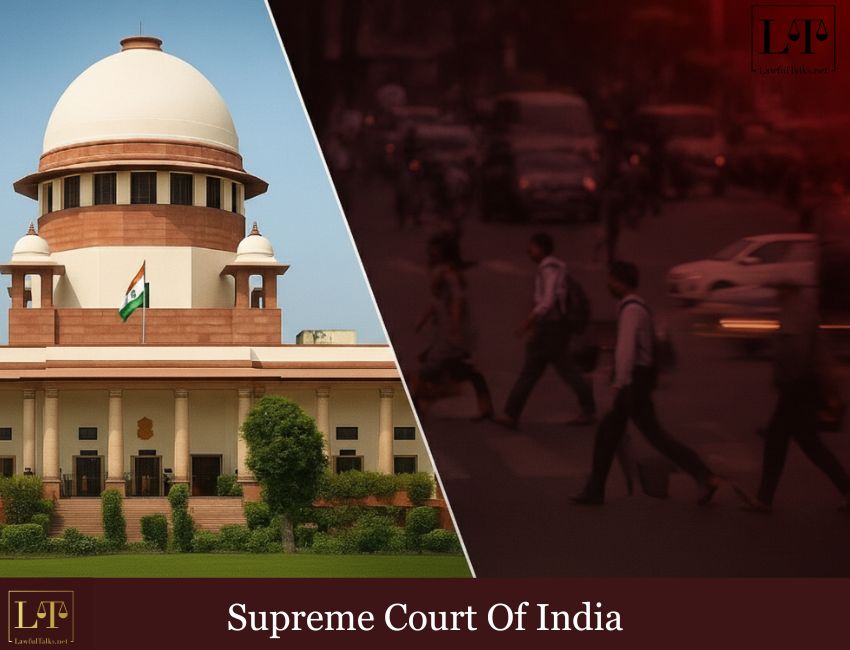
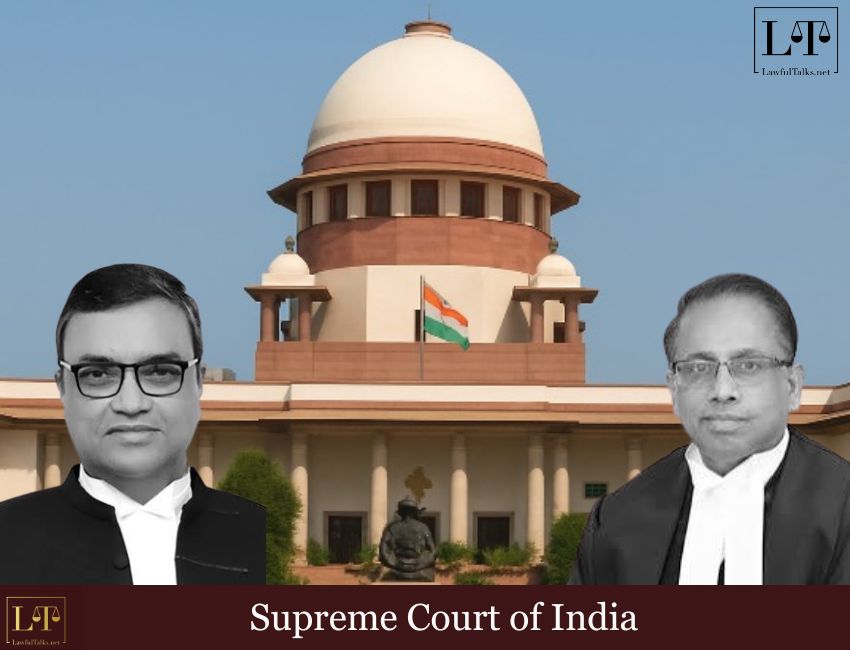
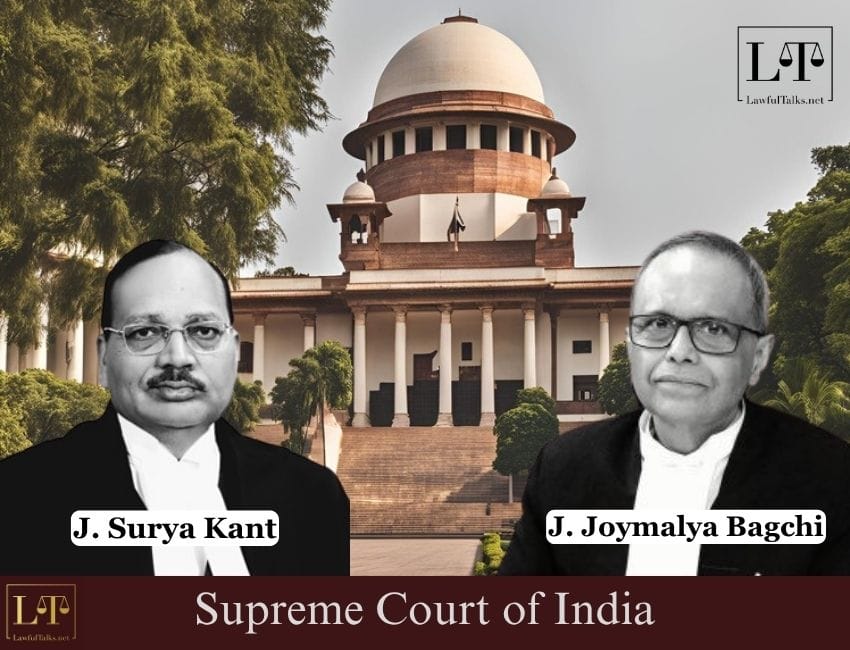
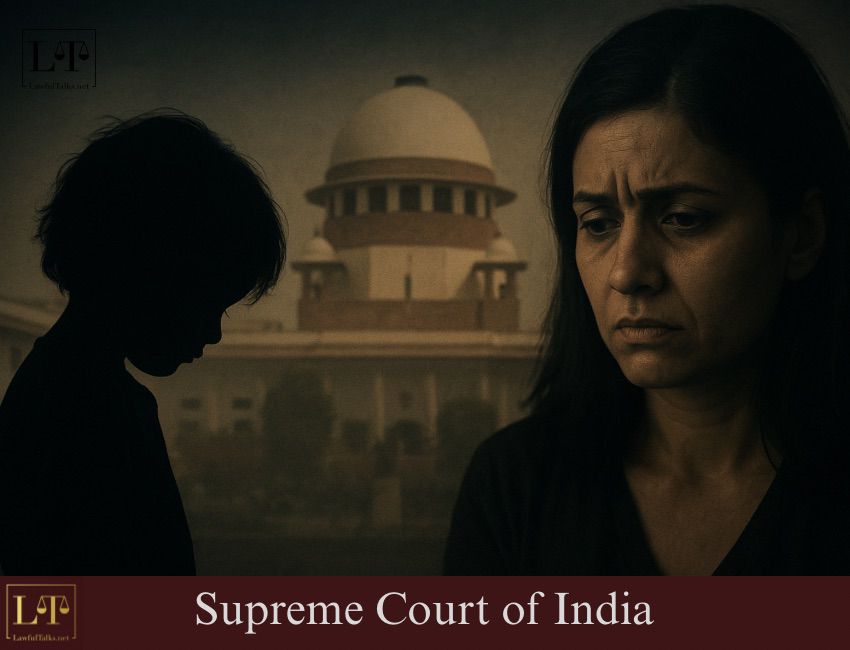
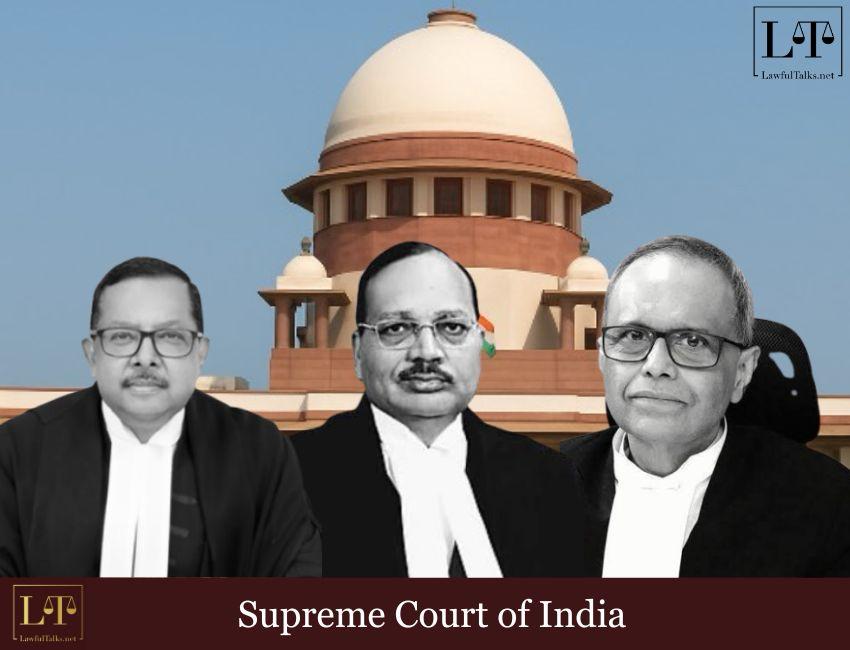
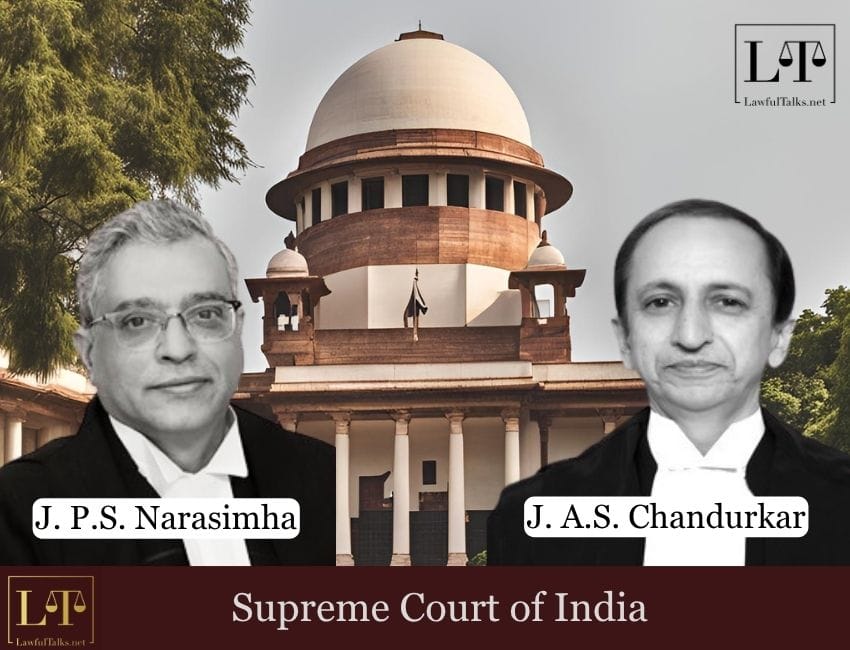
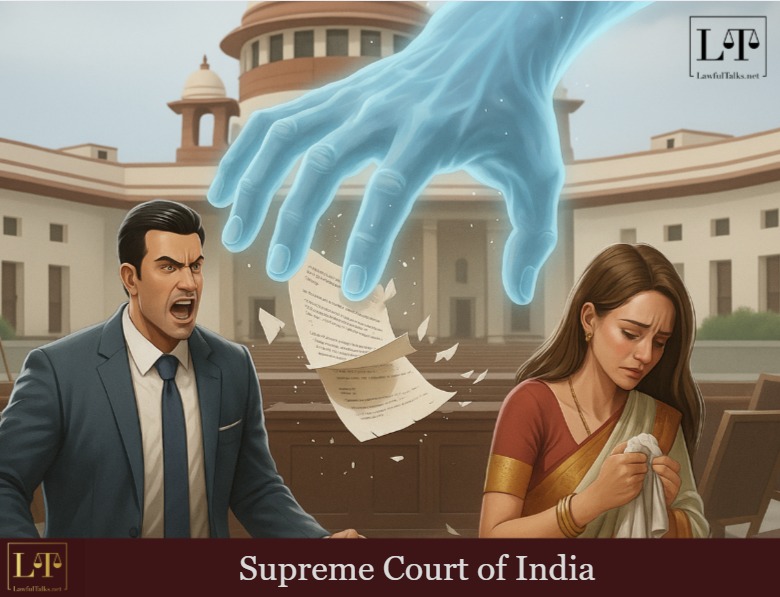
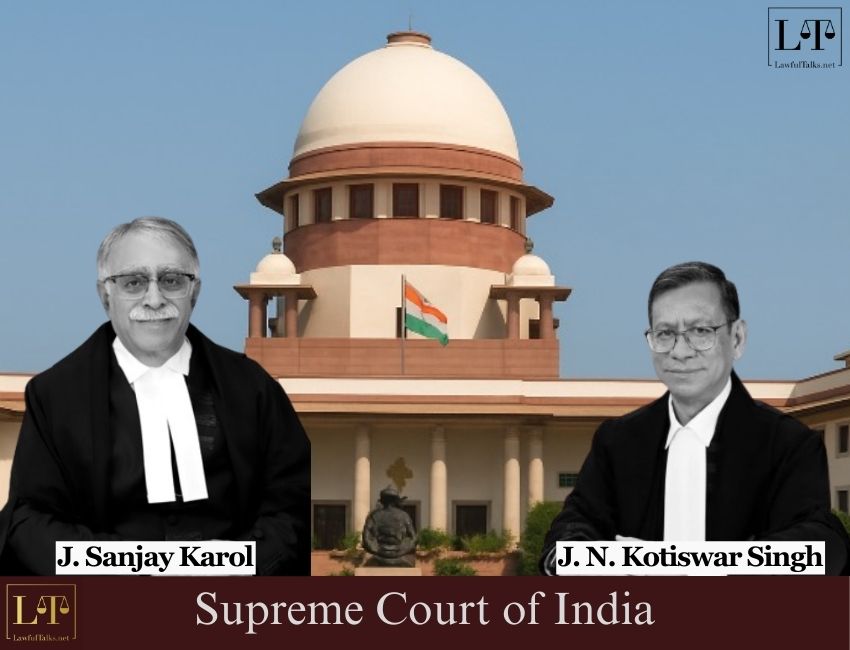
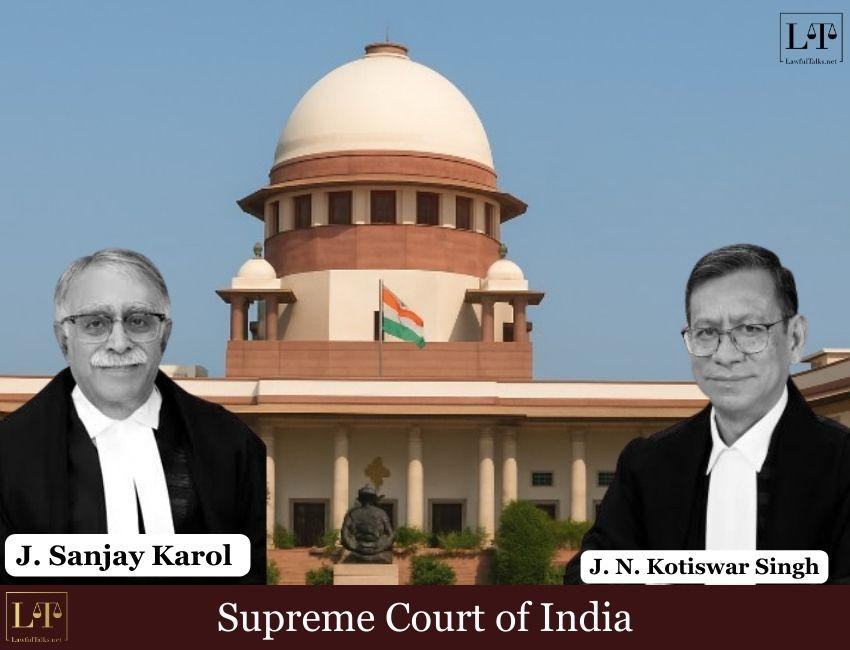
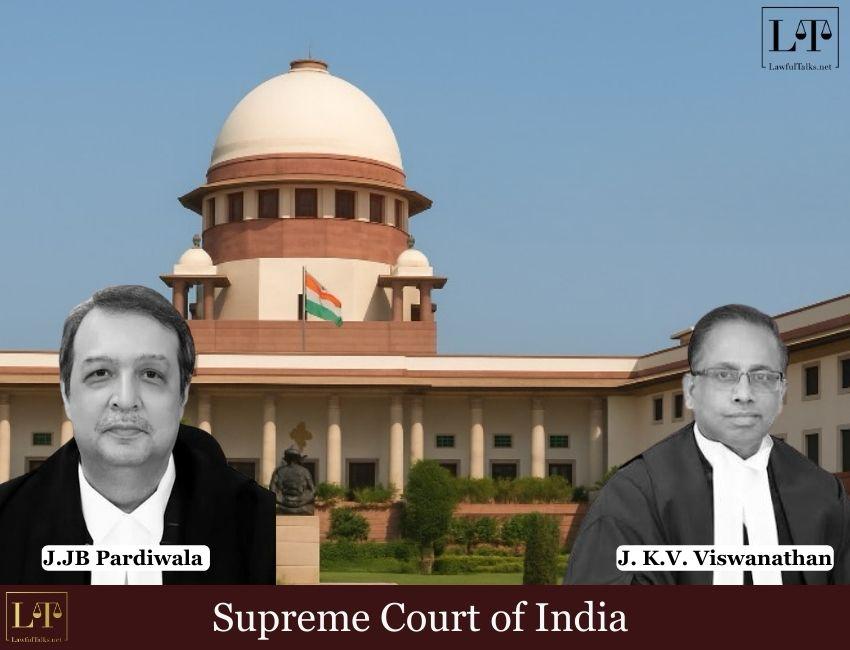
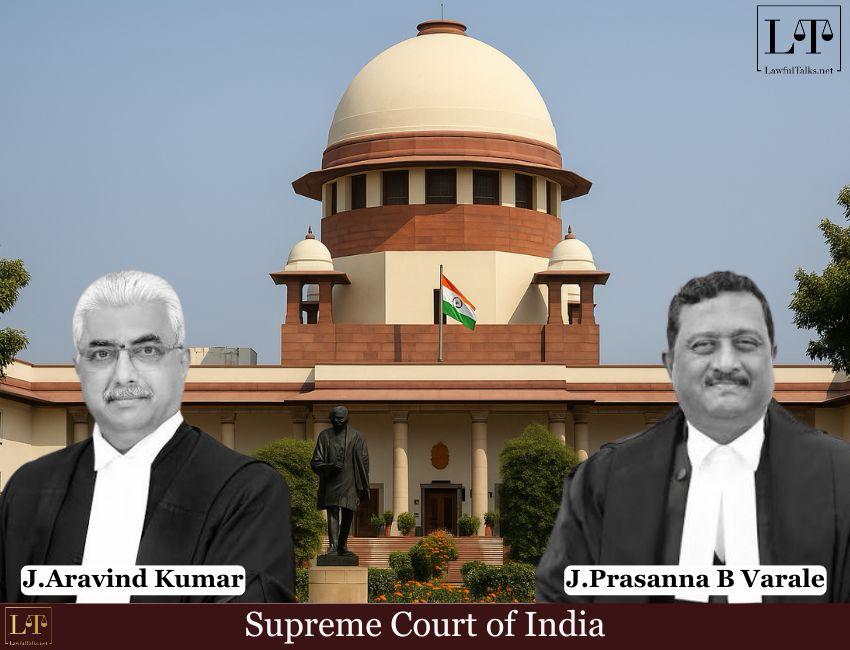
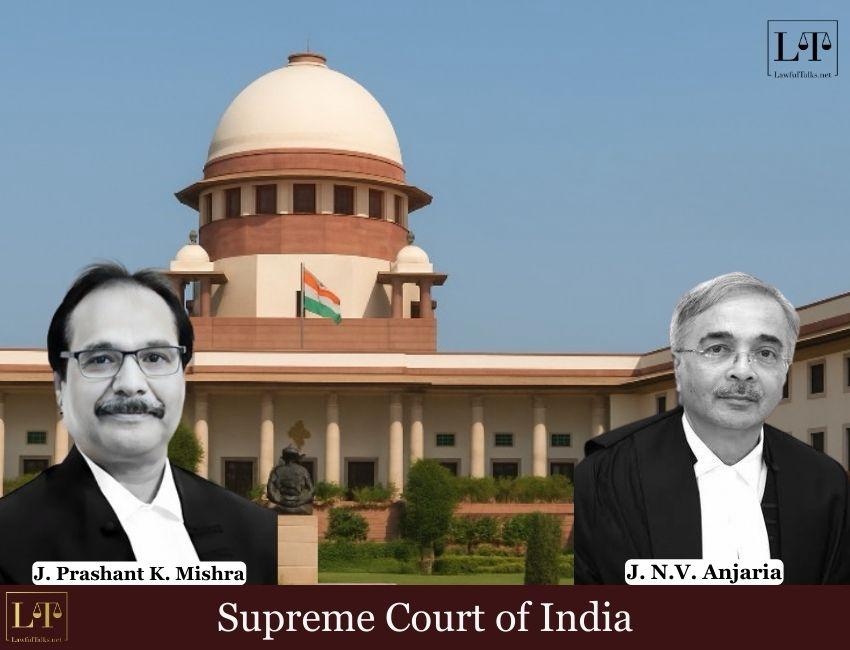
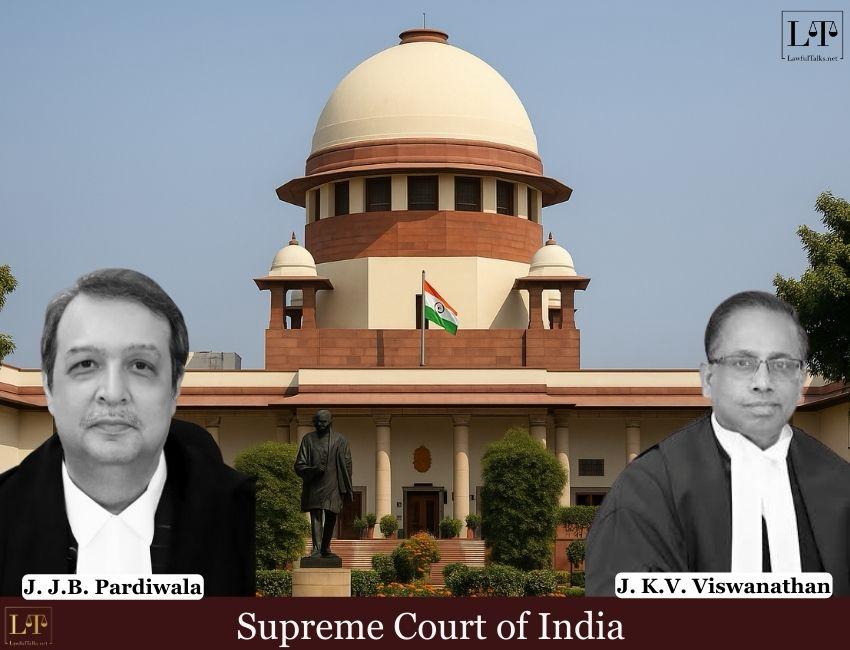
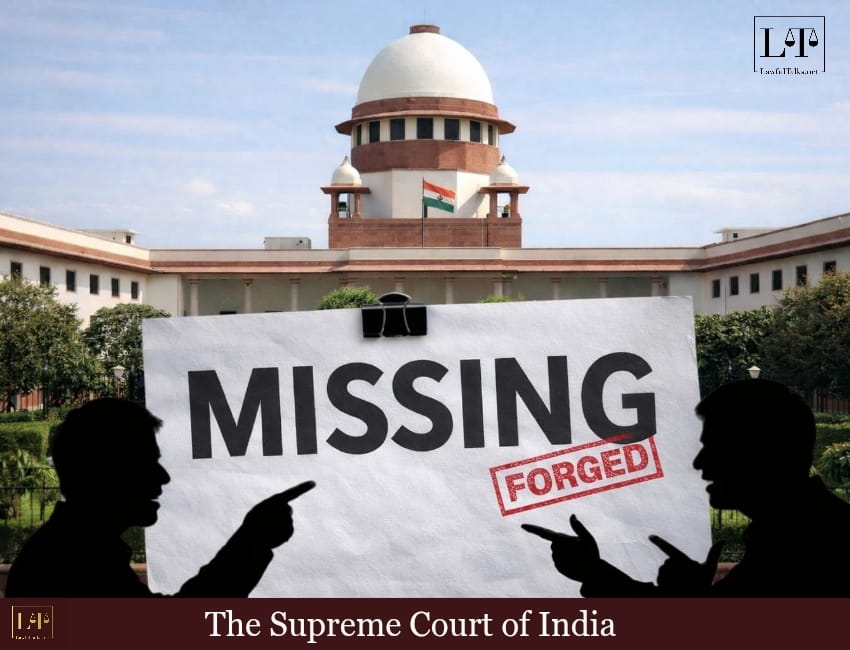
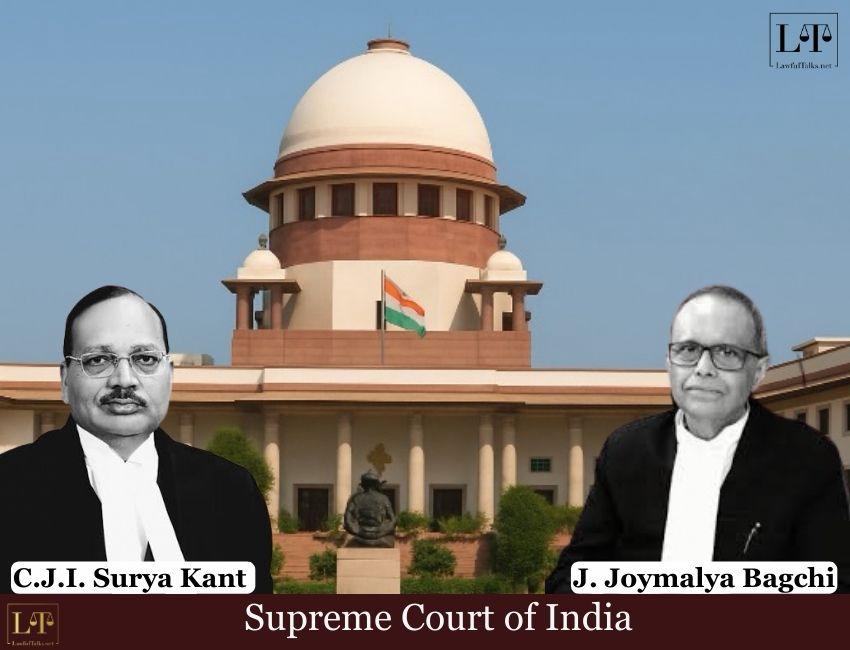
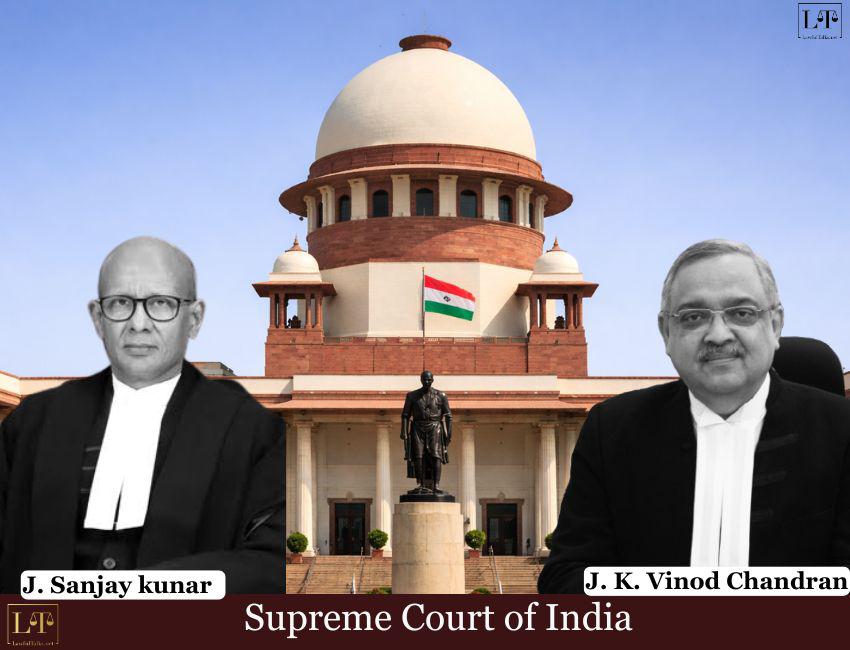
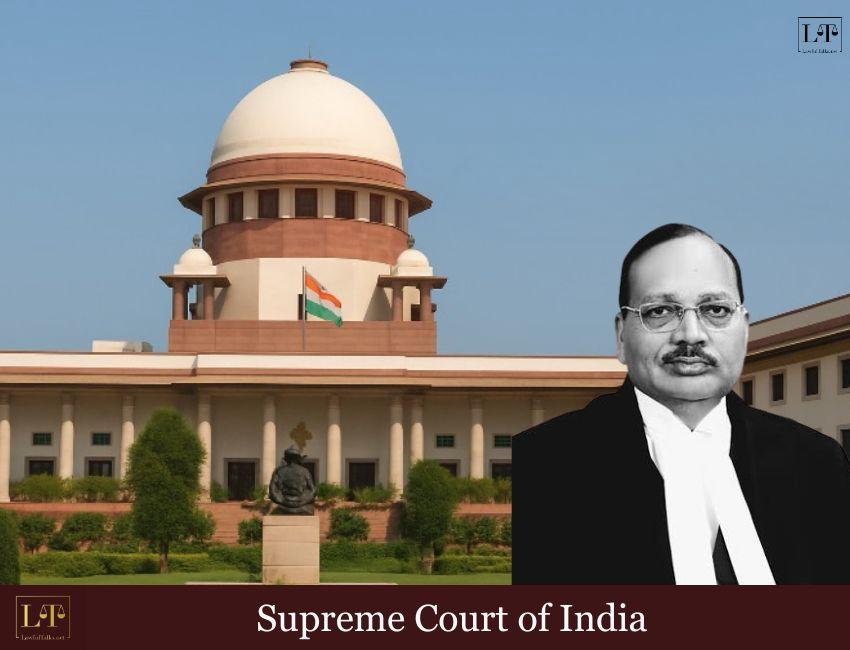
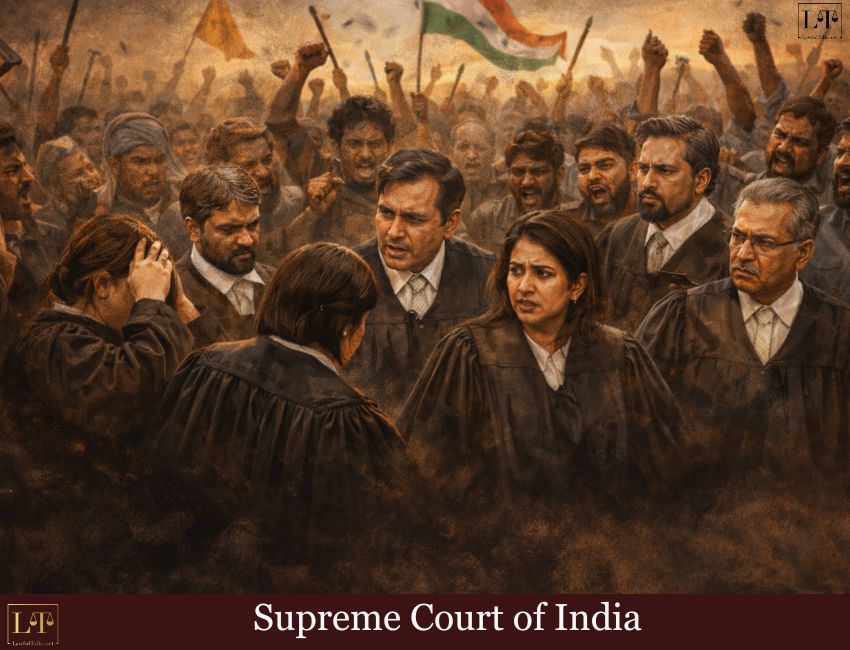
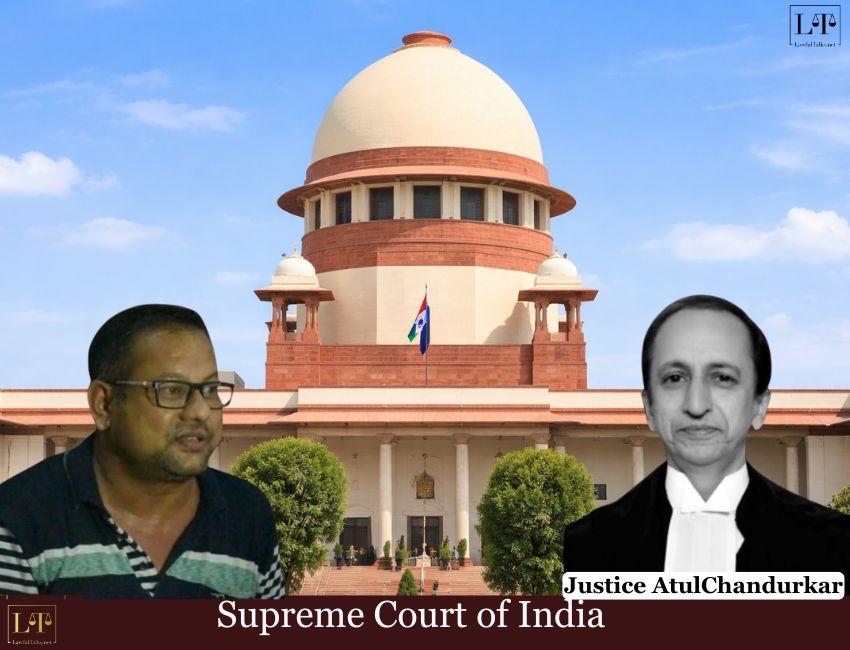
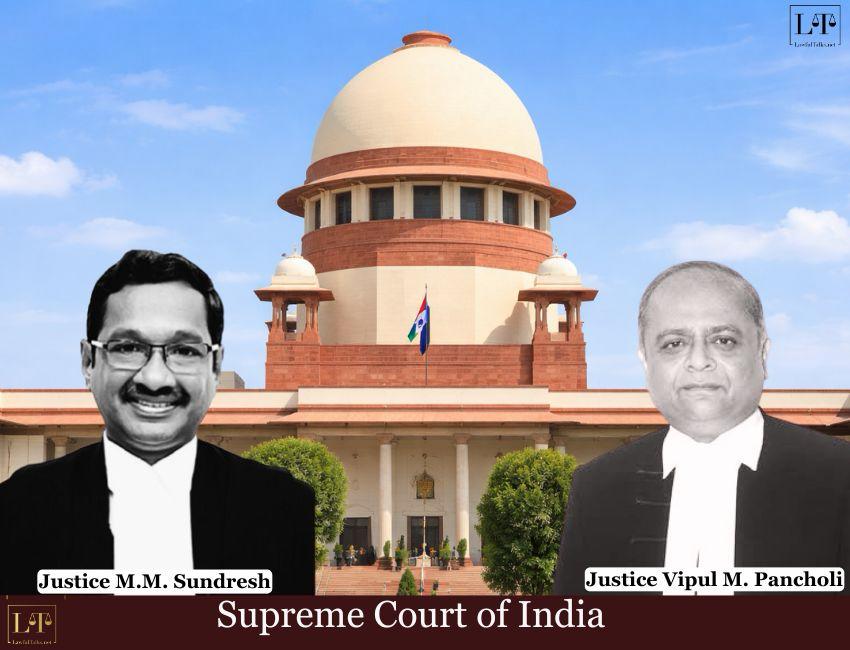
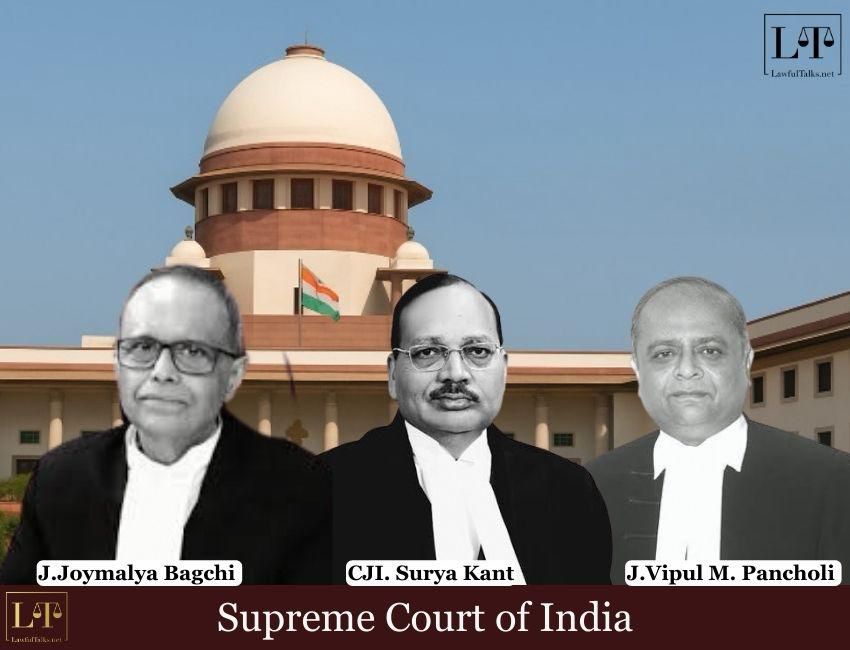
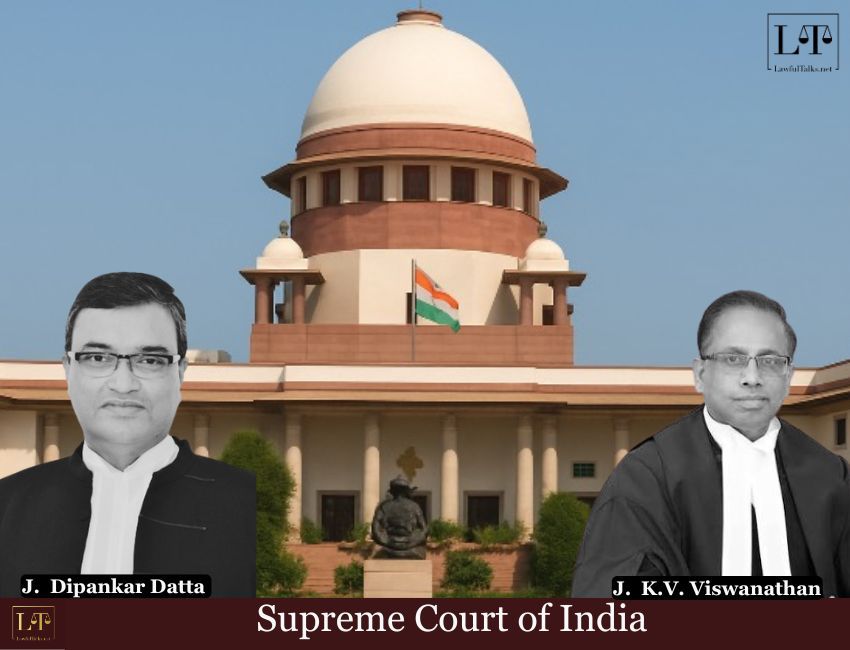
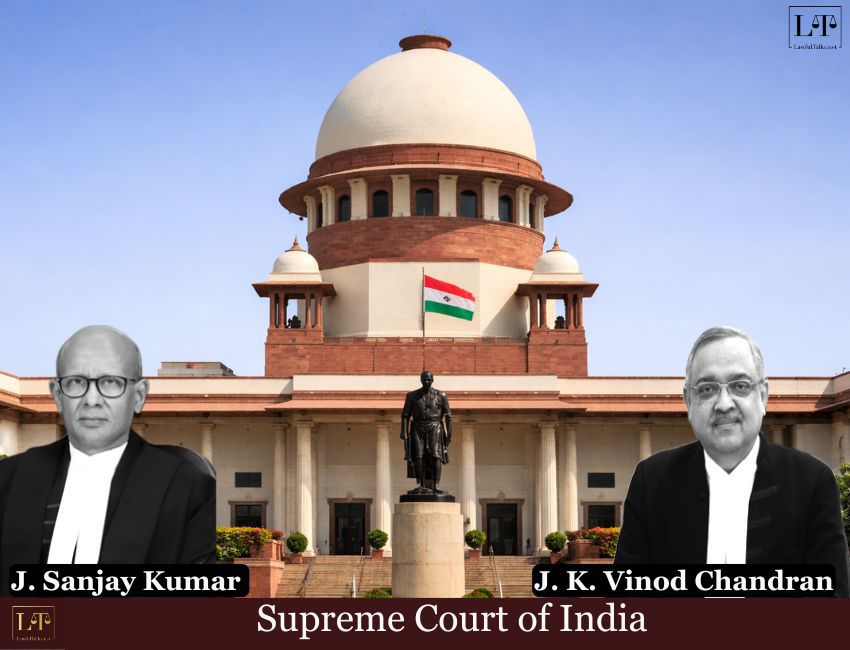
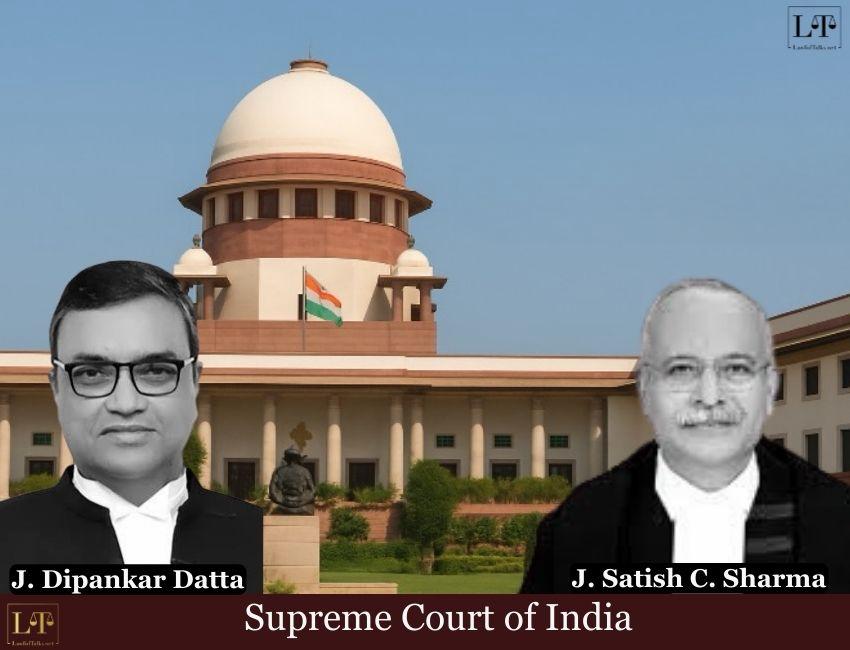
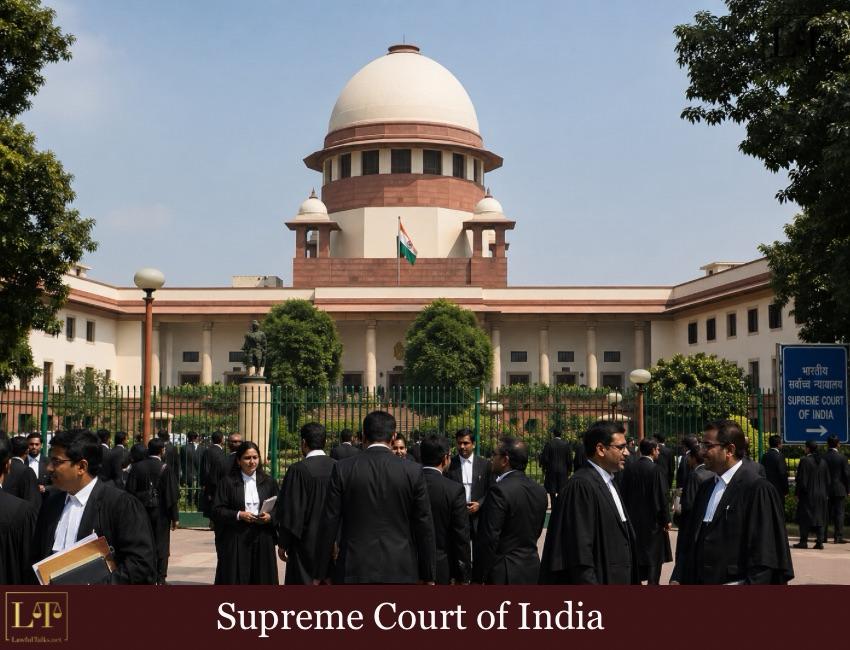
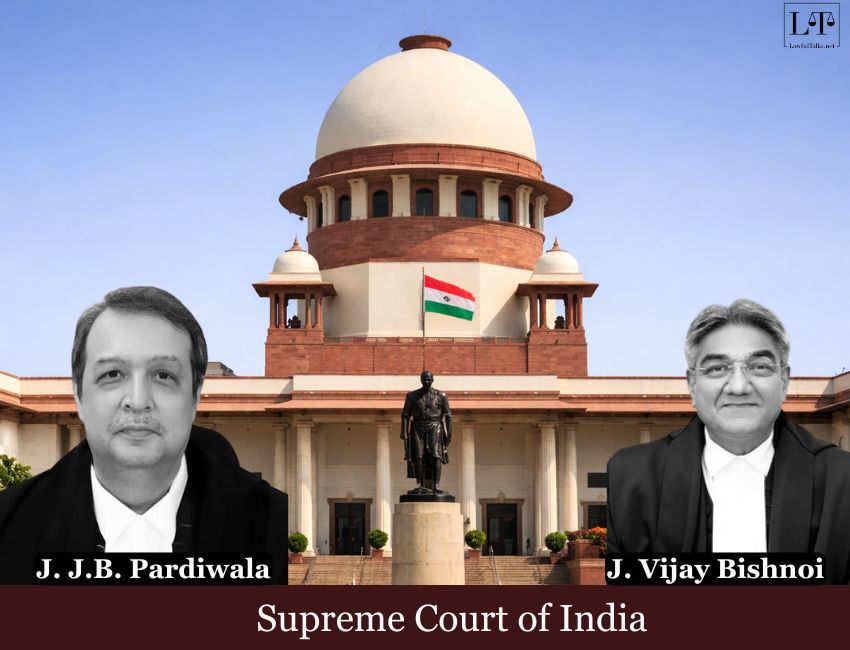
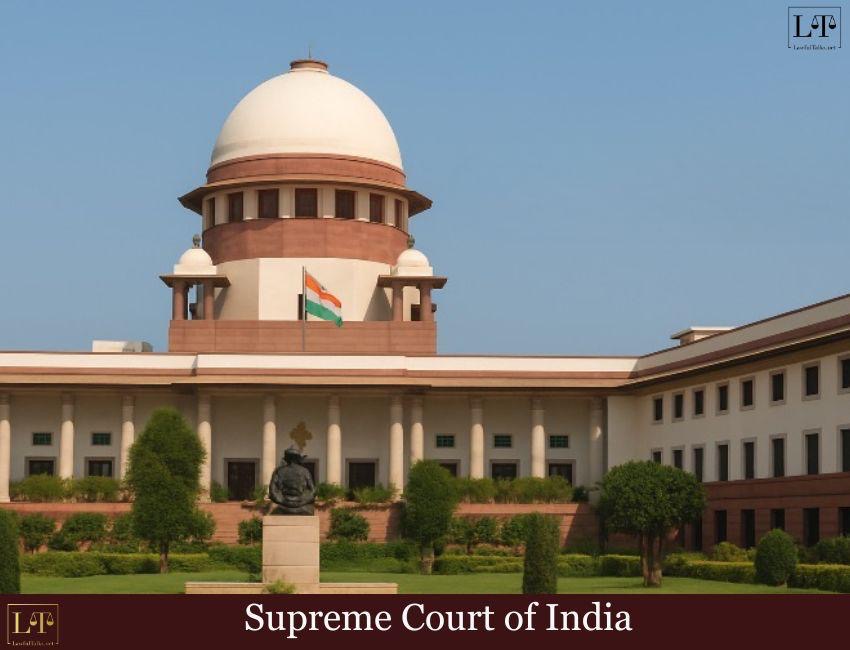
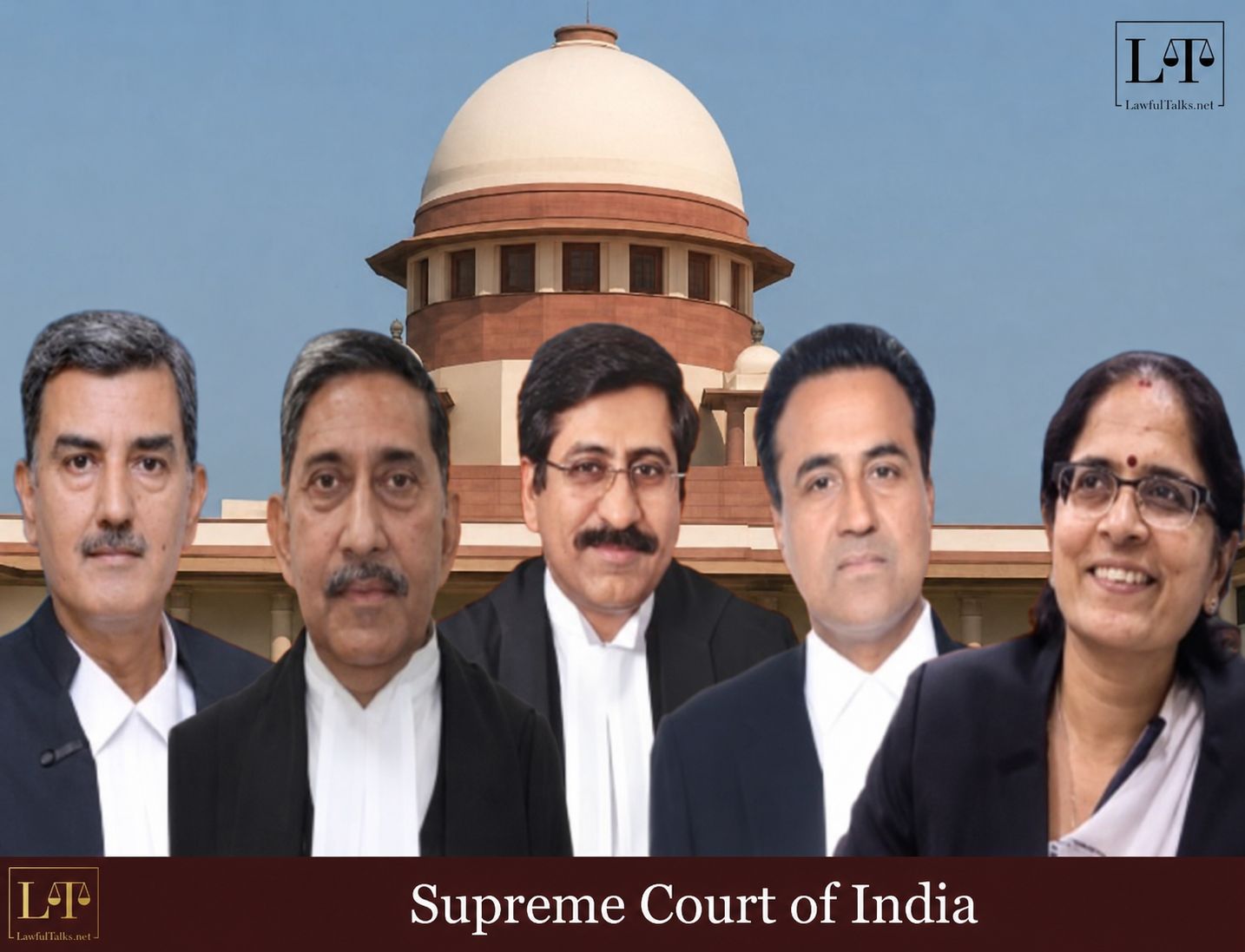
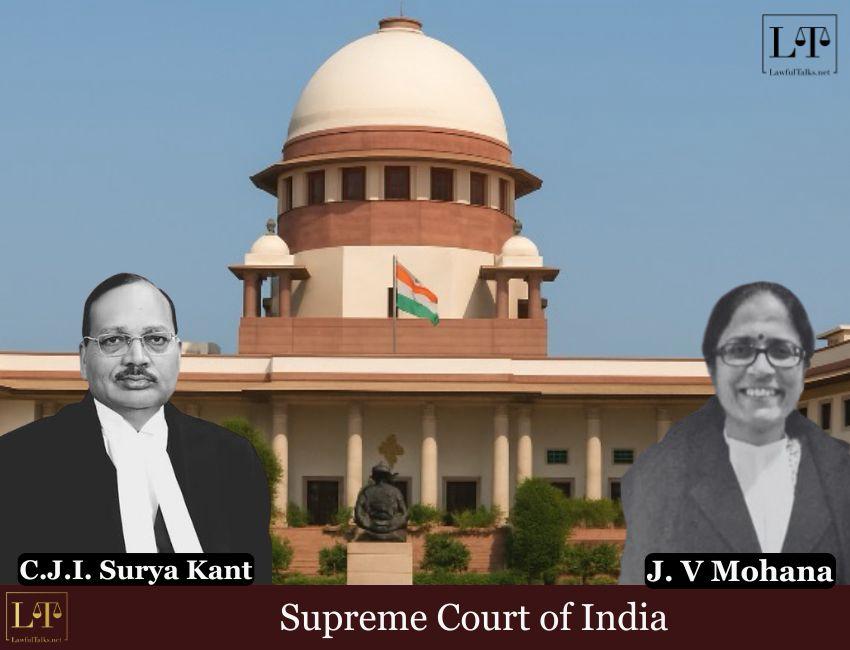
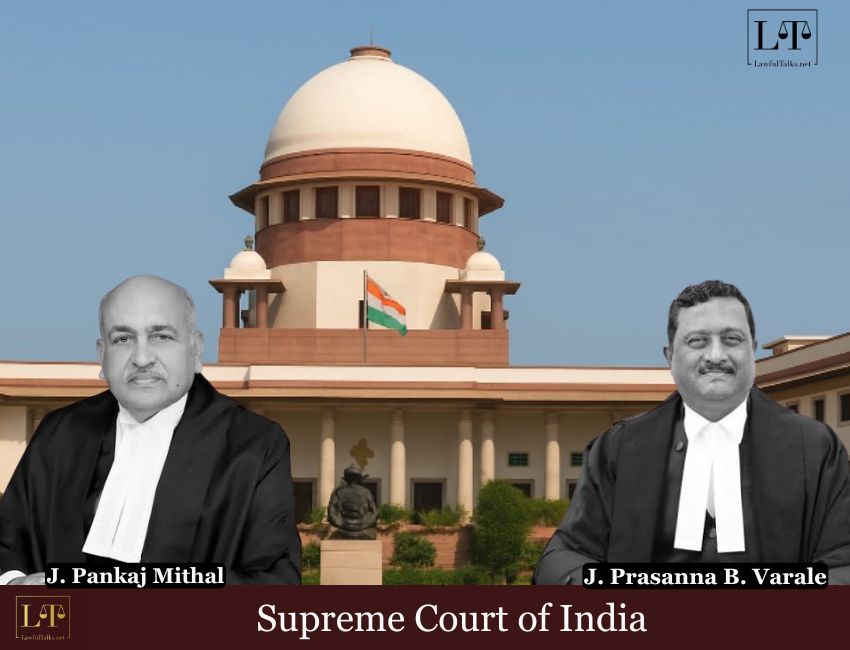
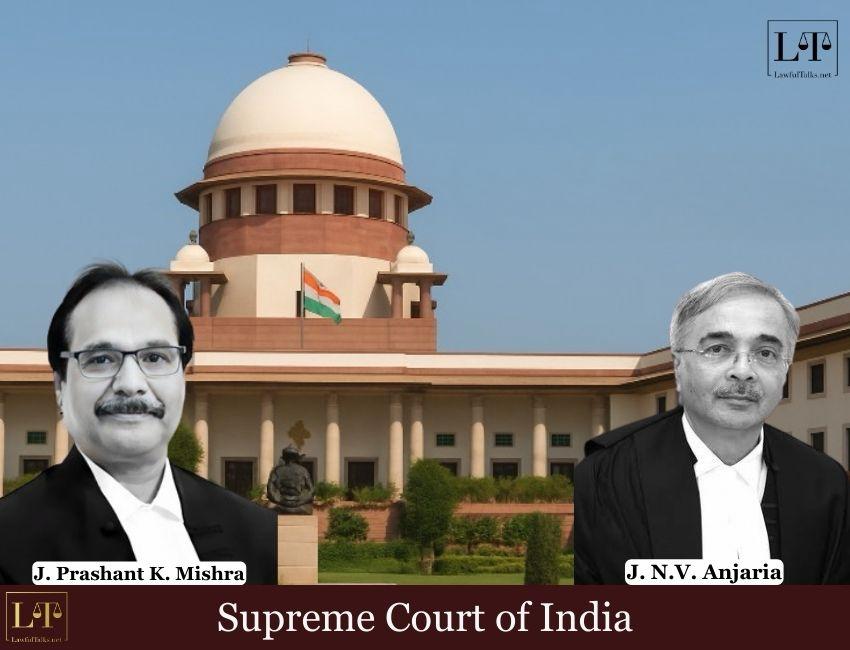
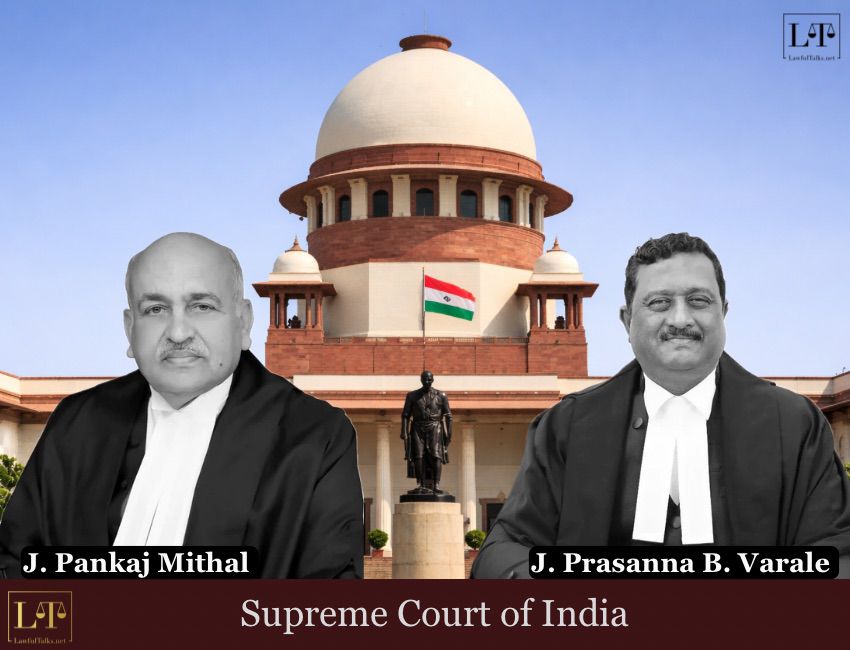
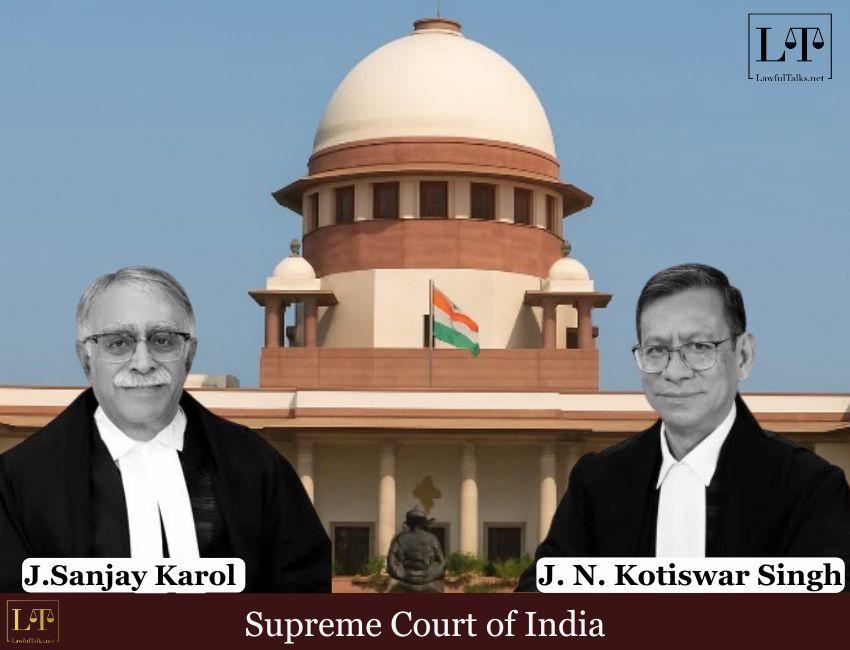
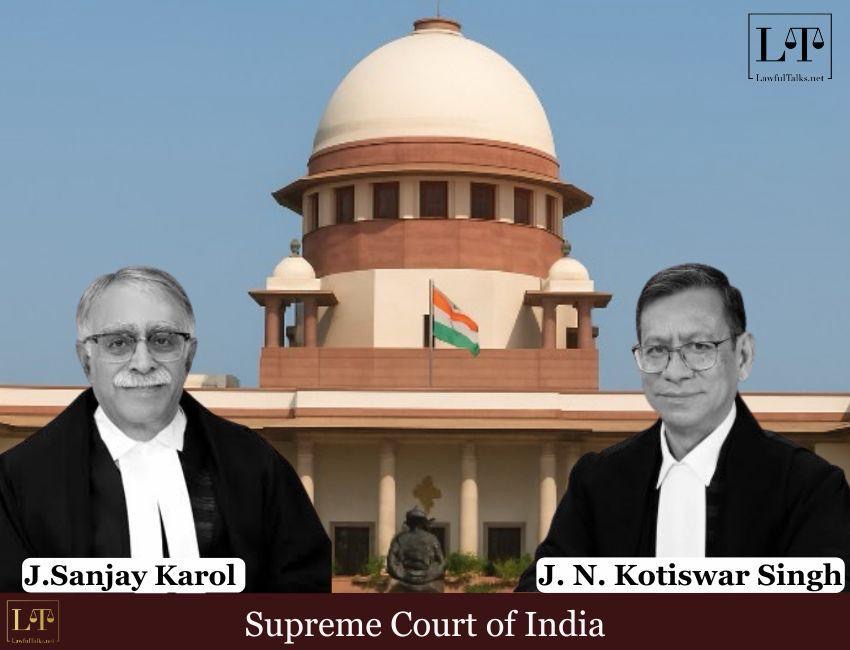
In a significant judgment delivered by Justice Sanjay Karol and Justice Prasanna B. Varale, the Supreme Court reaffirmed the law relating to cases based entirely on circumstantial evidence. The Court reiterated that suspicion, no matter how strong, can never take the place of legal proof.
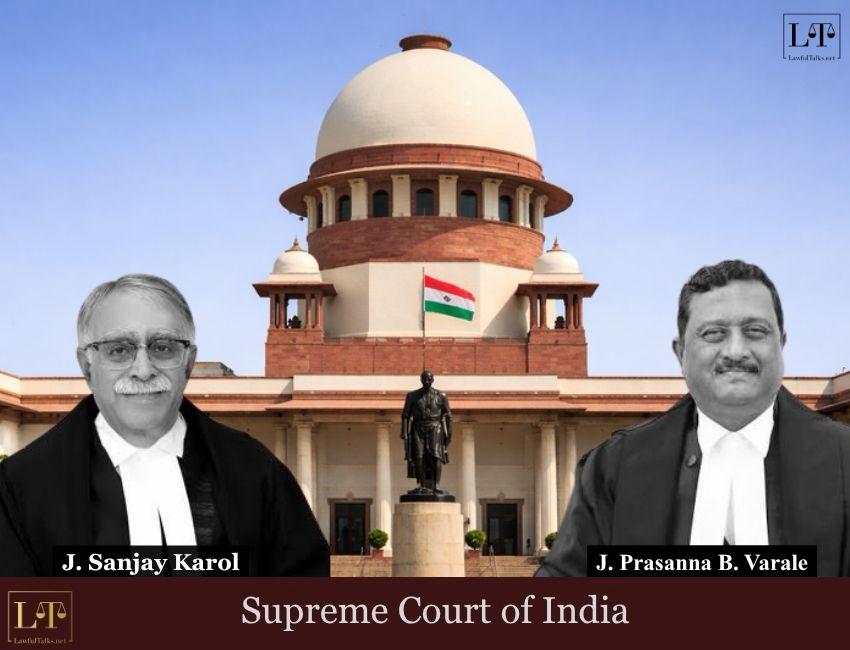
While dismissing the appeals filed by the State of Maharashtra, the Supreme Court upheld the acquittal of the accused persons for the offences of murder under Section 302 read with Section 34 of the Indian Penal Code and criminal conspiracy under Section 120B IPC.
The Court, however, upheld the conviction of accused Nos. 2 and 3 under Section 201 read with Section 34 of the IPC for causing the disappearance of evidence.
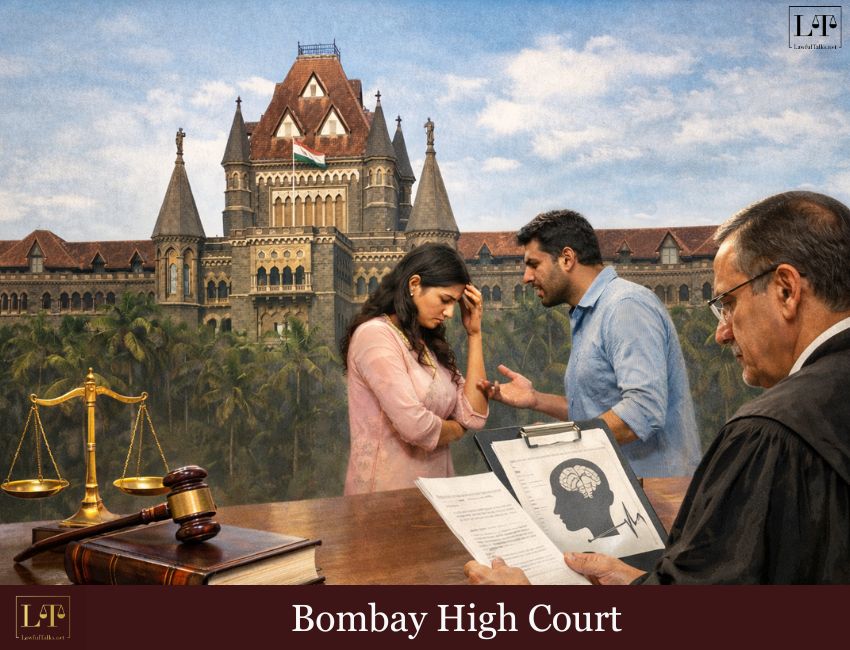
The case related to the death of Kiran Suryawanshi, an employee of ICICI Bank. He had married accused No. 1, Monika Kiran Suryawanshi, in a love marriage in 2001. They had a daughter and were living together in Dhule.
According to the prosecution, Monika was having an extramarital affair with her neighbour, accused No. 2 Prakash Patil. It alleged that Monika, Prakash and accused No. 3 Dnyaneshwar Mahale entered into a criminal conspiracy to kill Kiran.
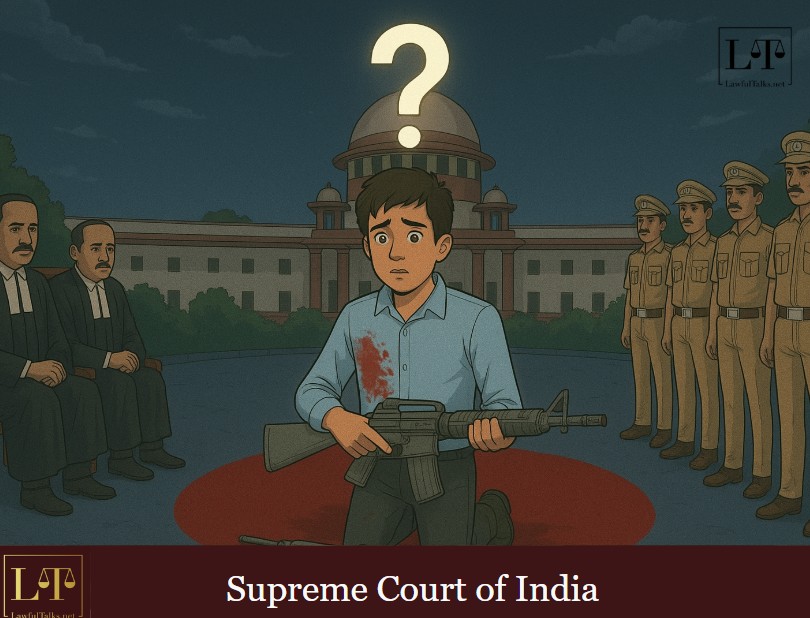
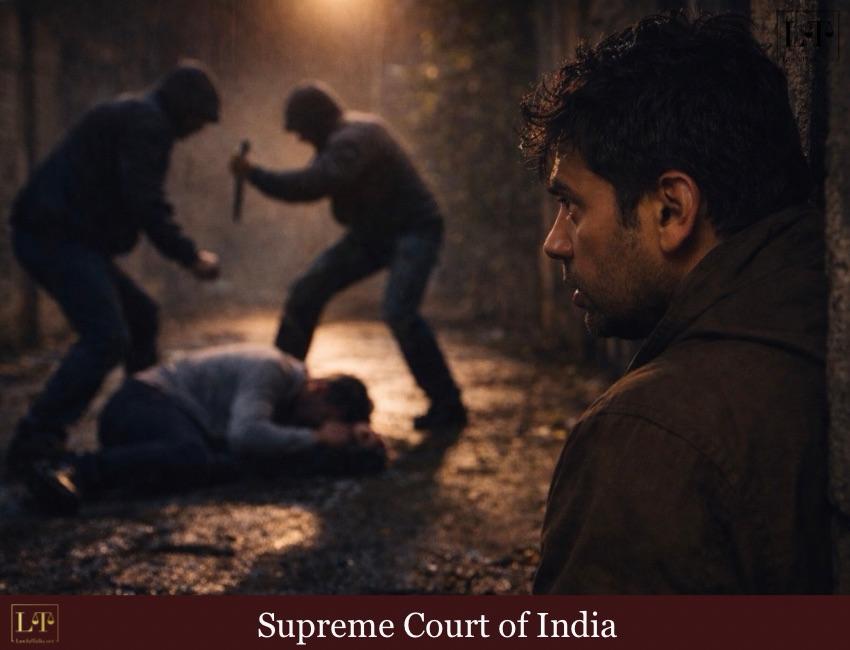
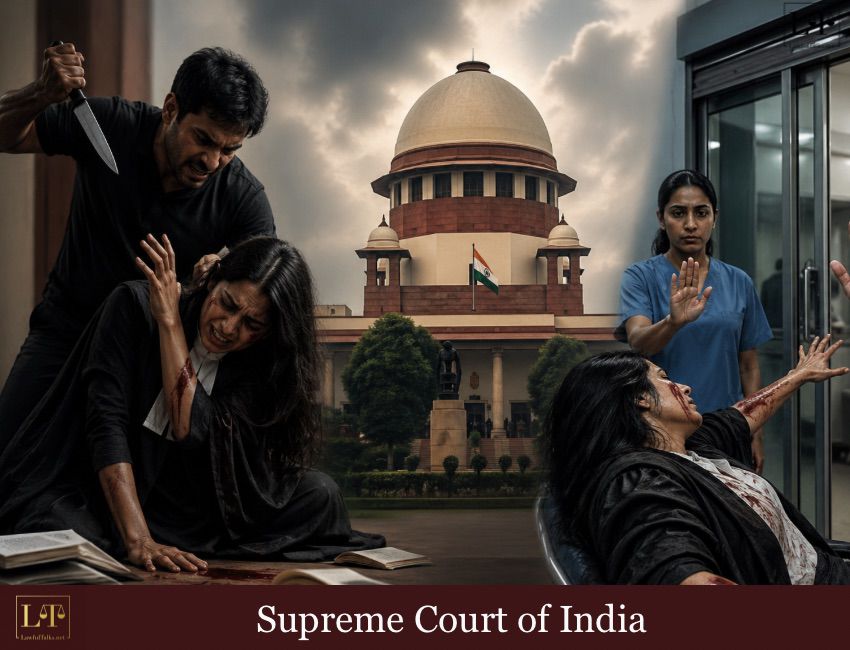
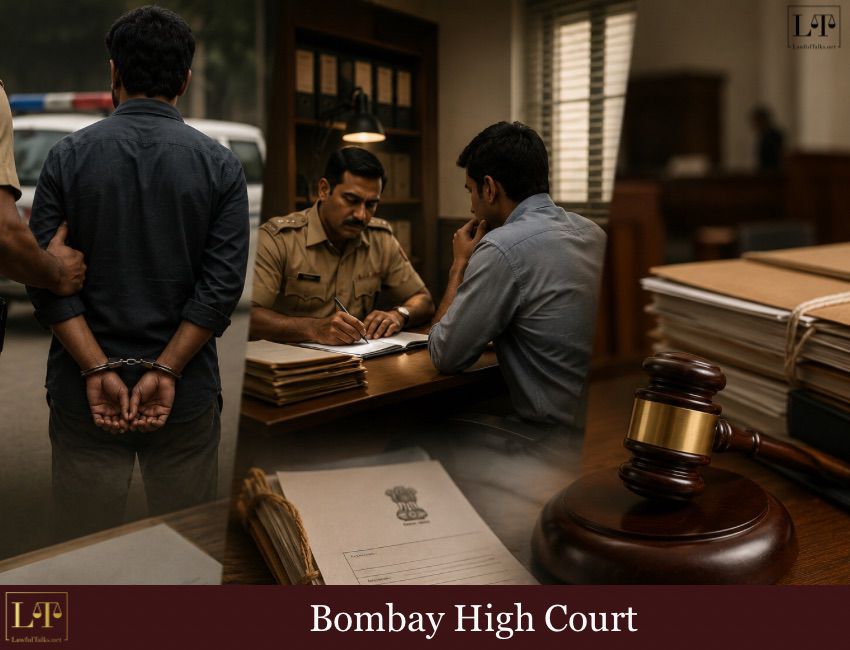
The prosecution claimed that Kiran was first given sedative tablets and injections. His head was then crushed with a grinding stone. After the murder, his body was wrapped in a plastic bag and a bedsheet. It was further alleged that accused Nos. 2 and 3 were transporting the body on a motorcycle for disposal when they were stopped by a police constable during the early hours of 15 February 2007.
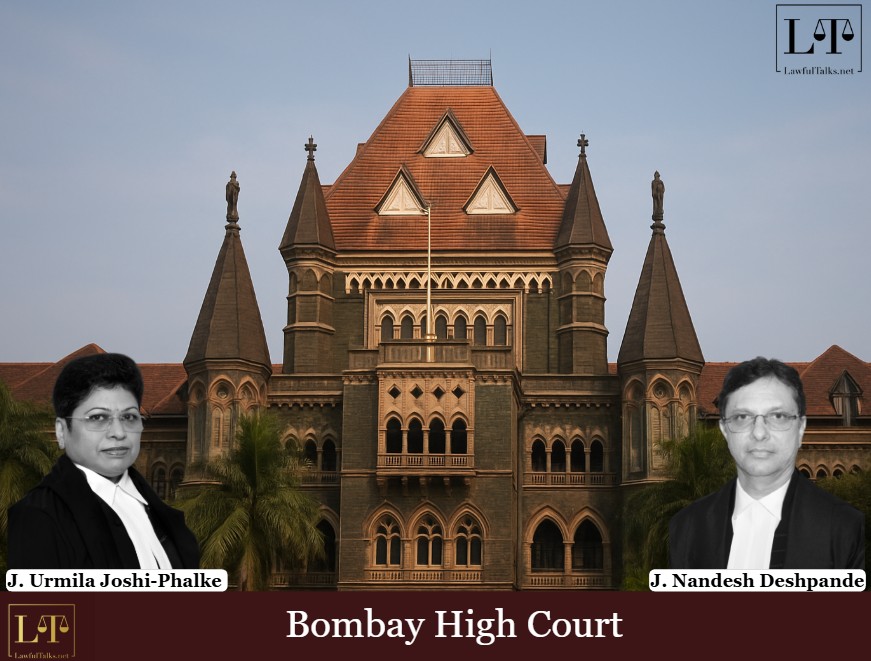
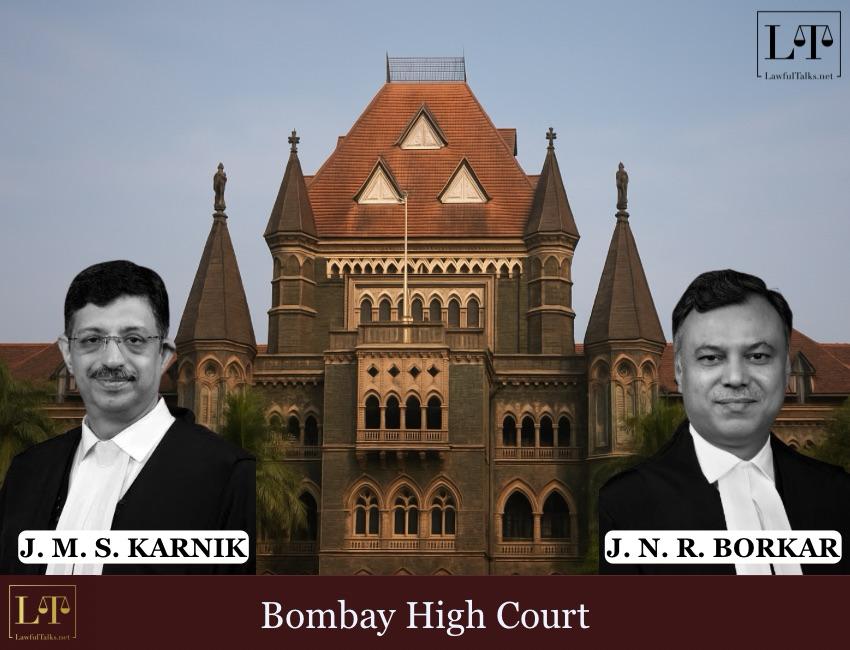
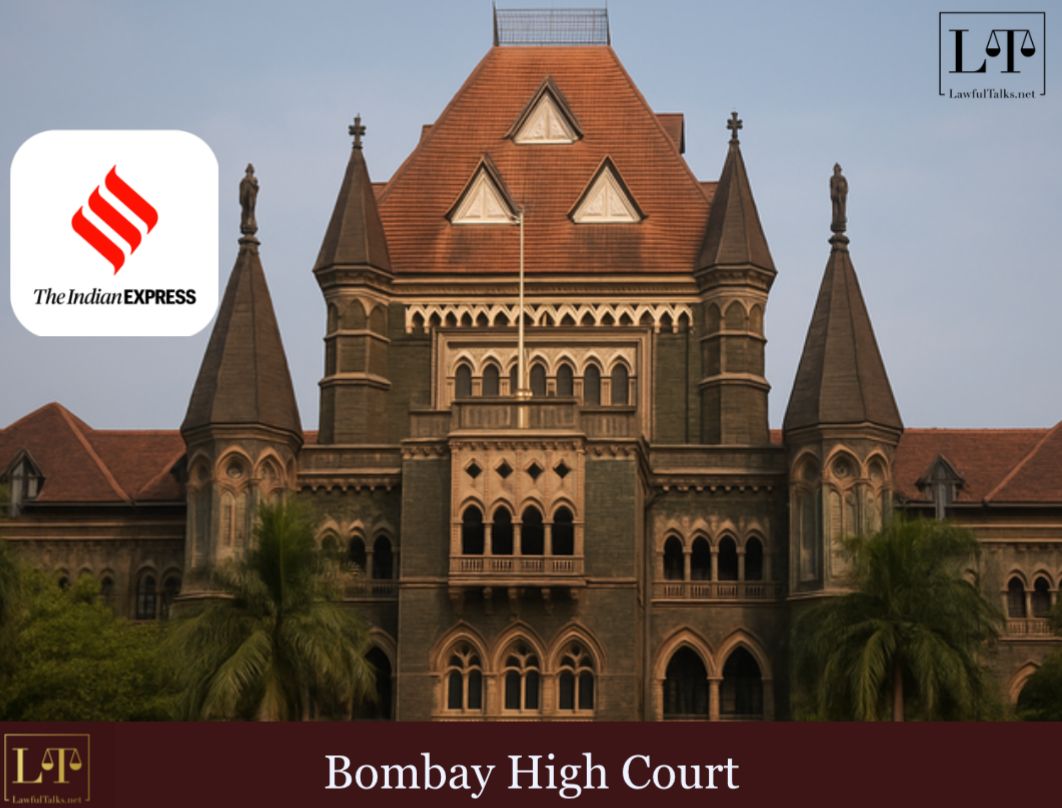
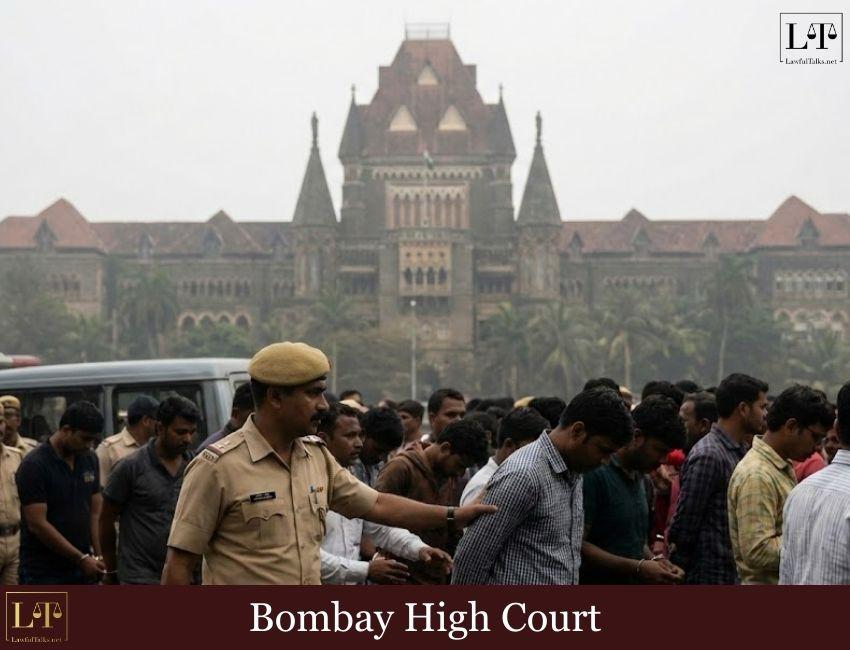
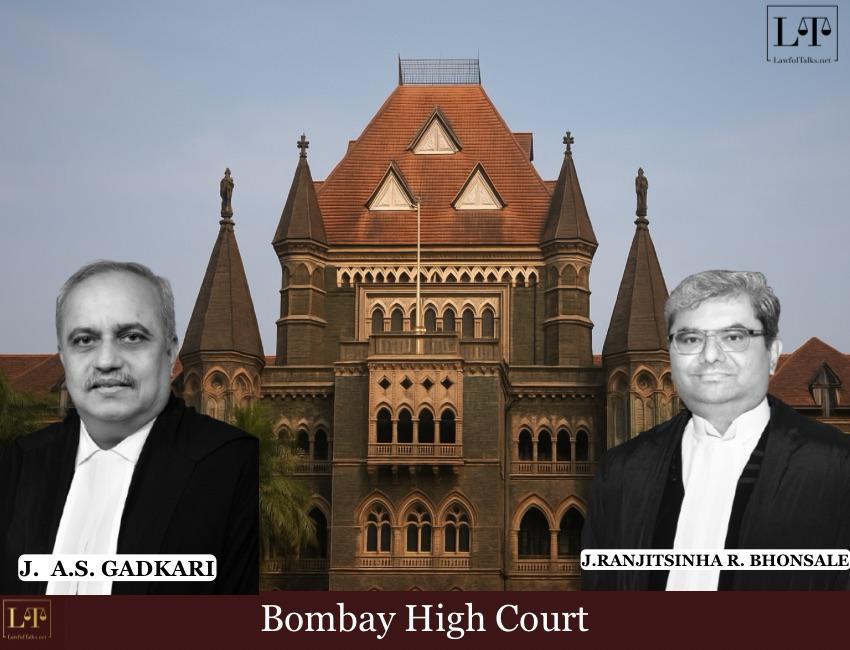
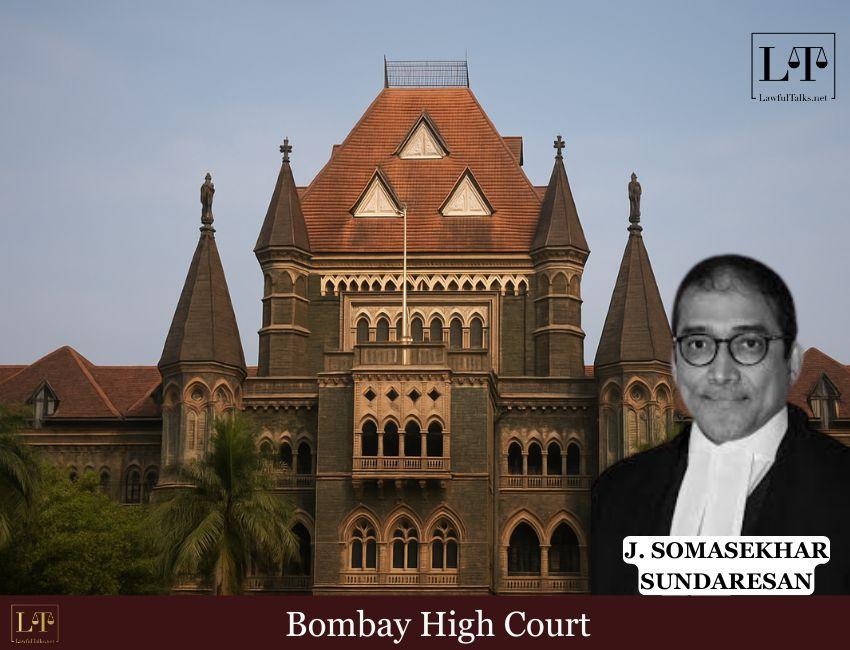
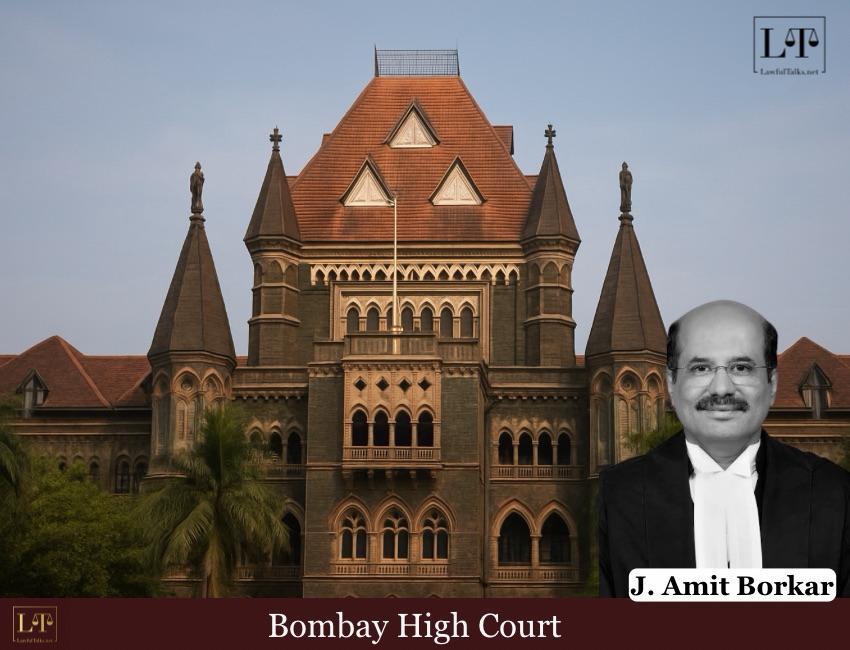
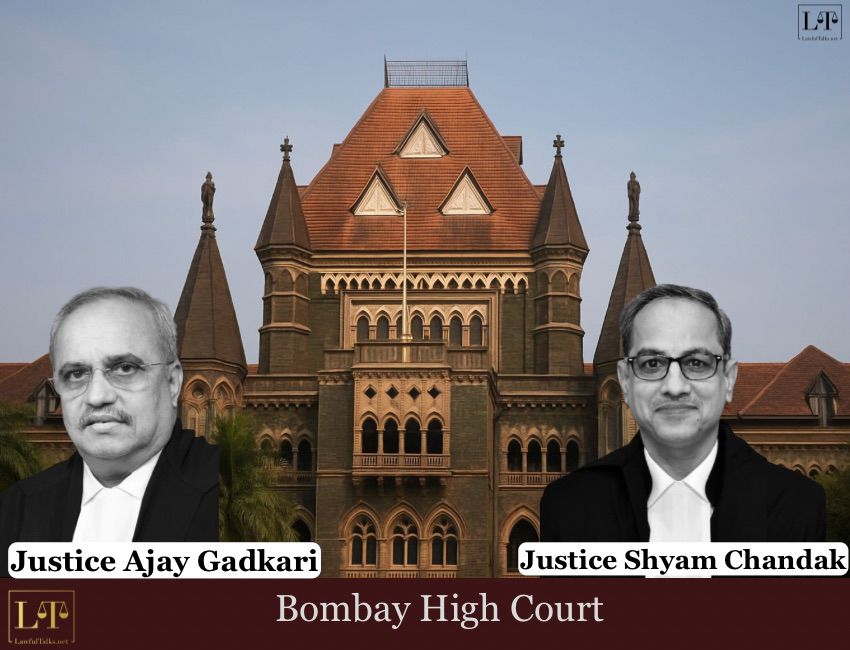
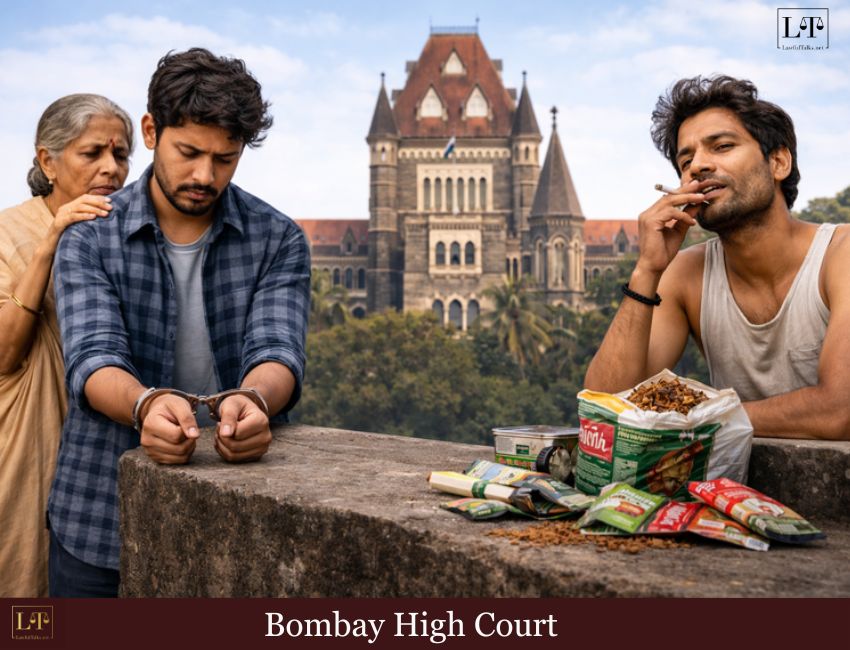
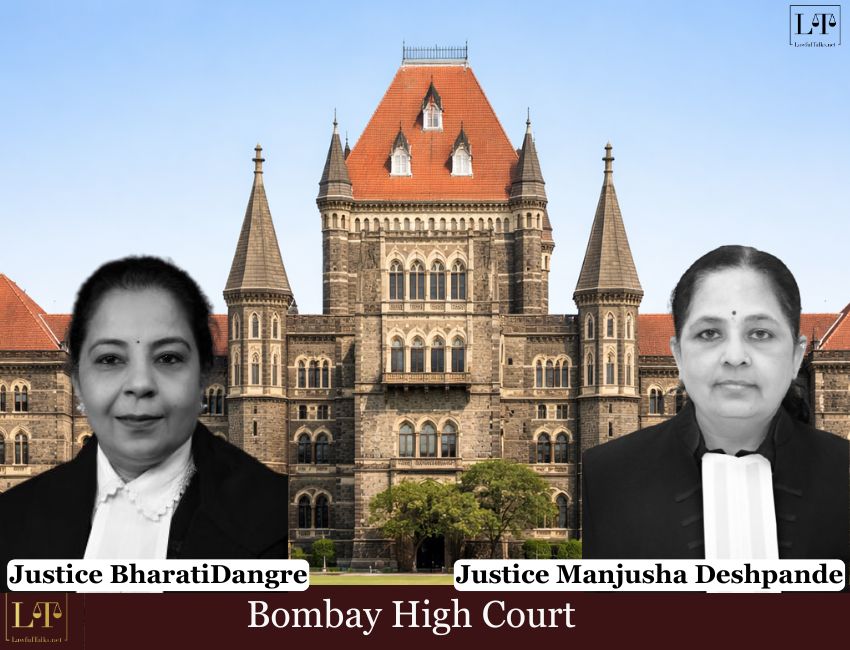
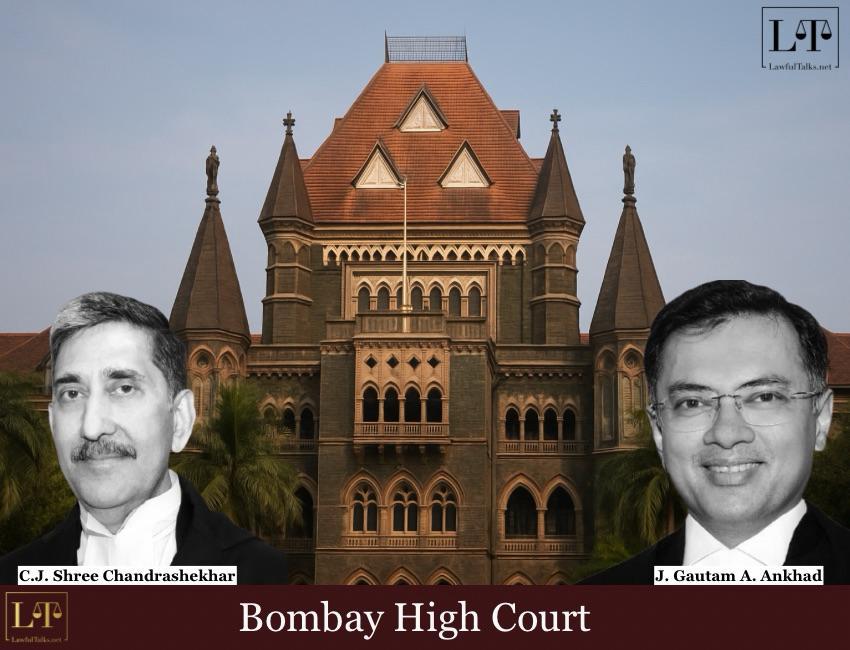
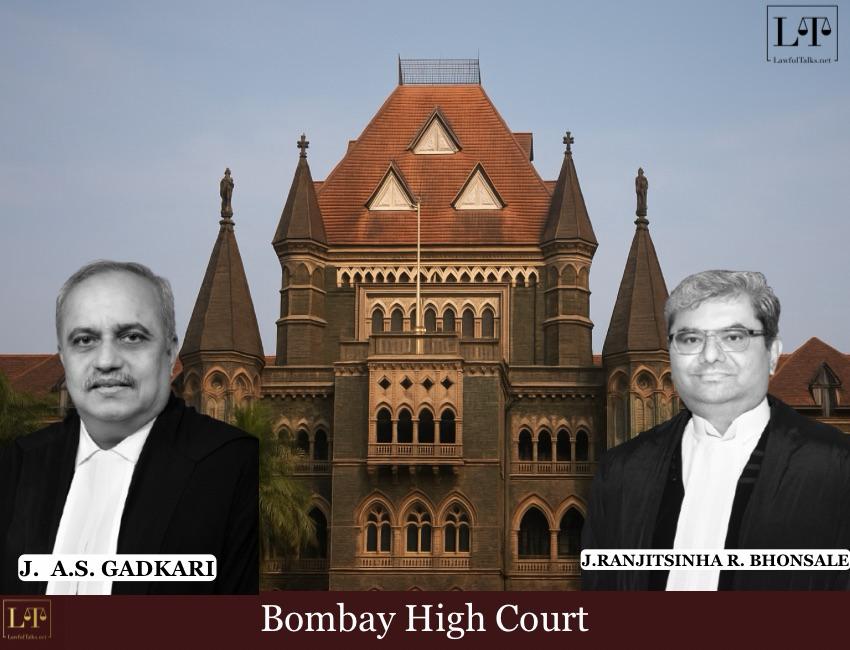
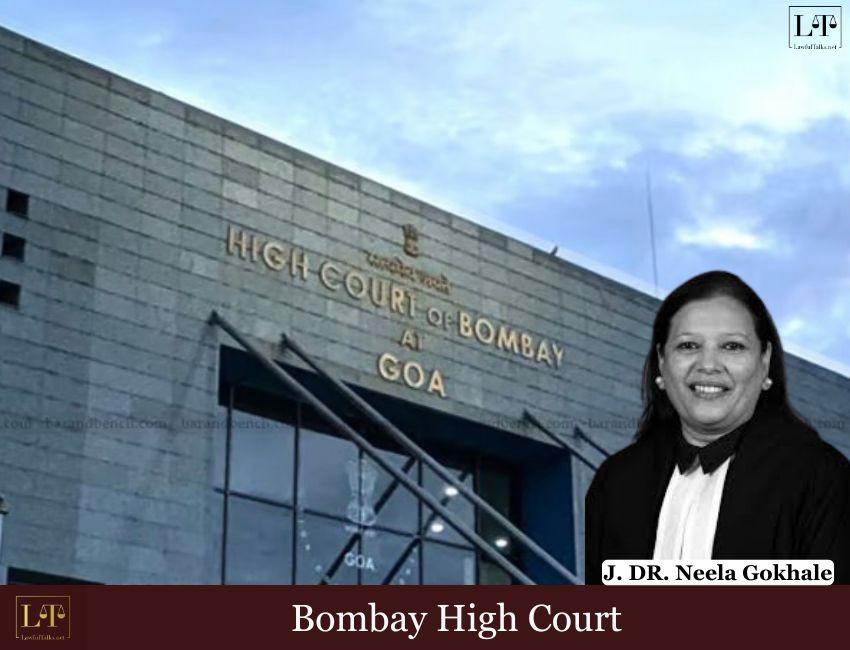
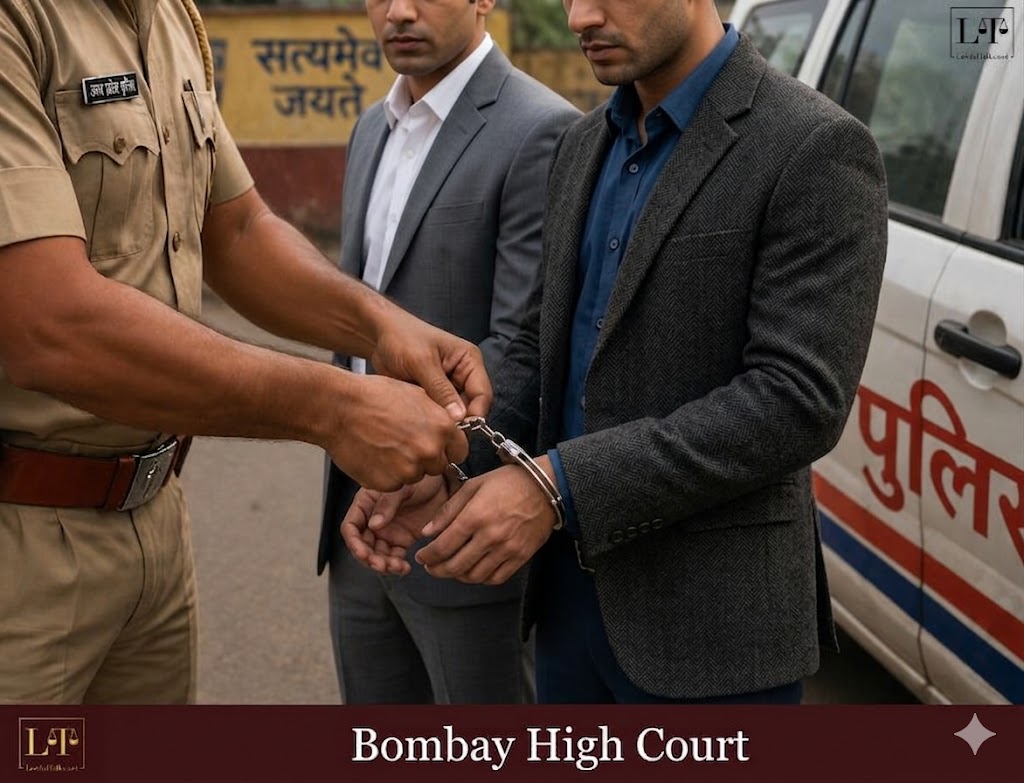
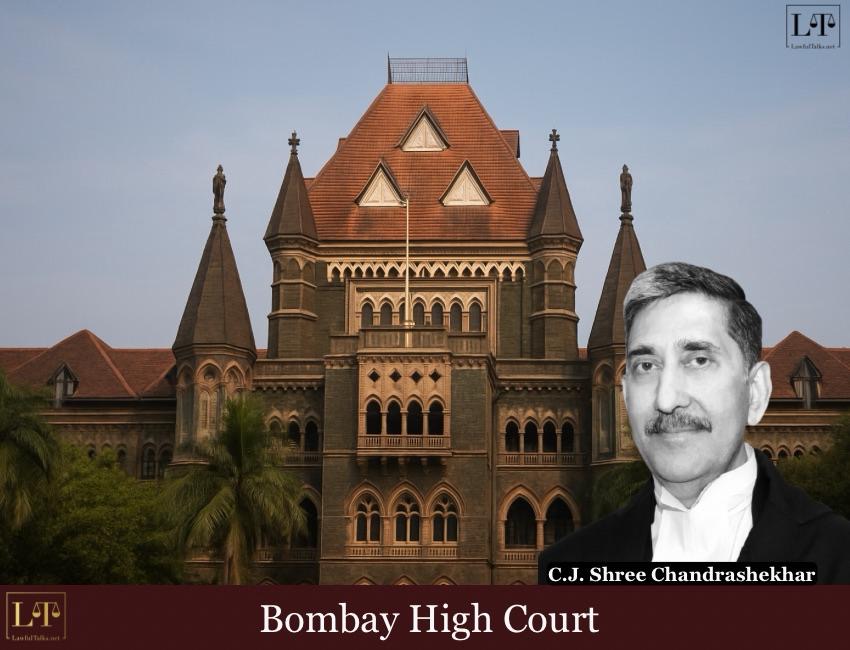
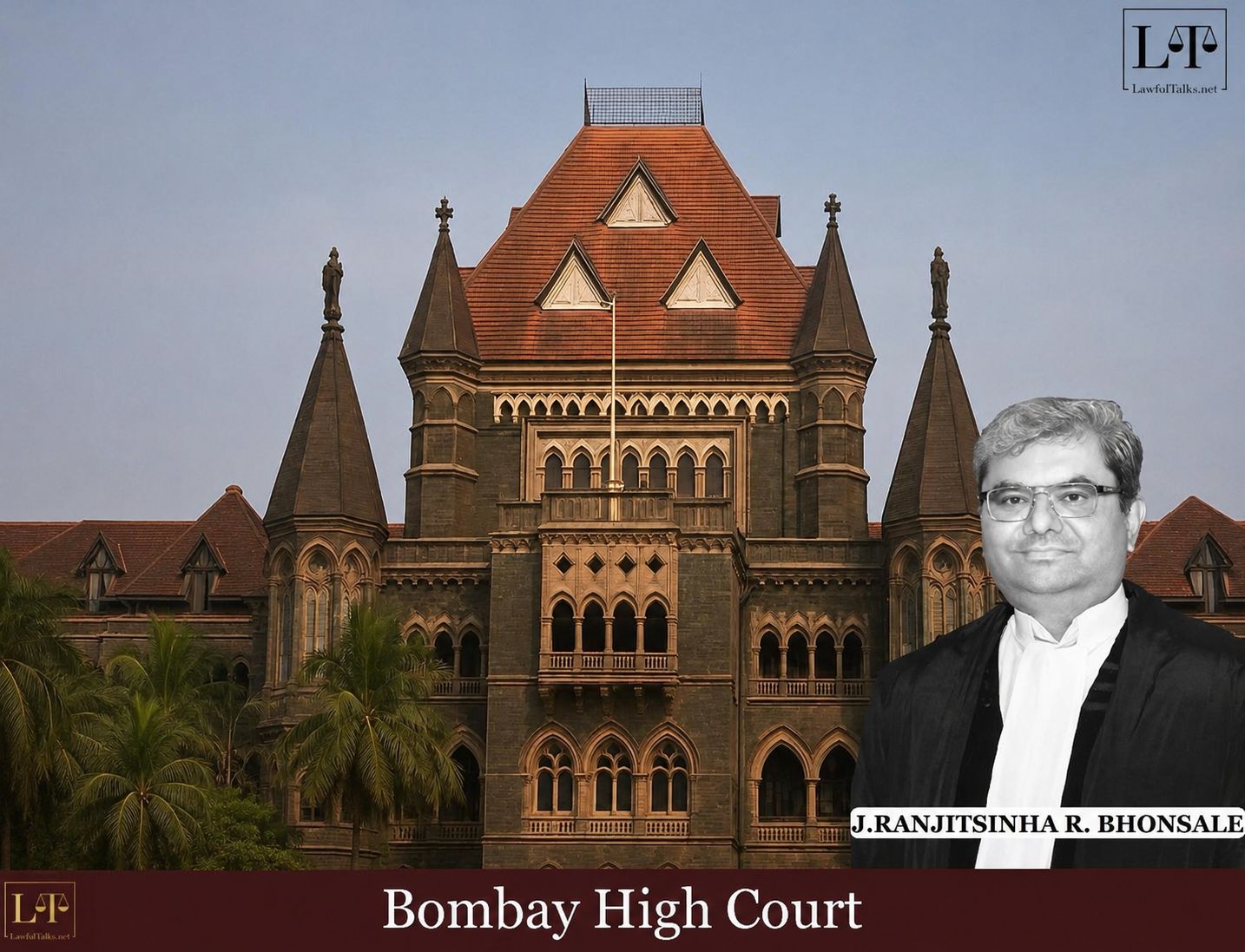
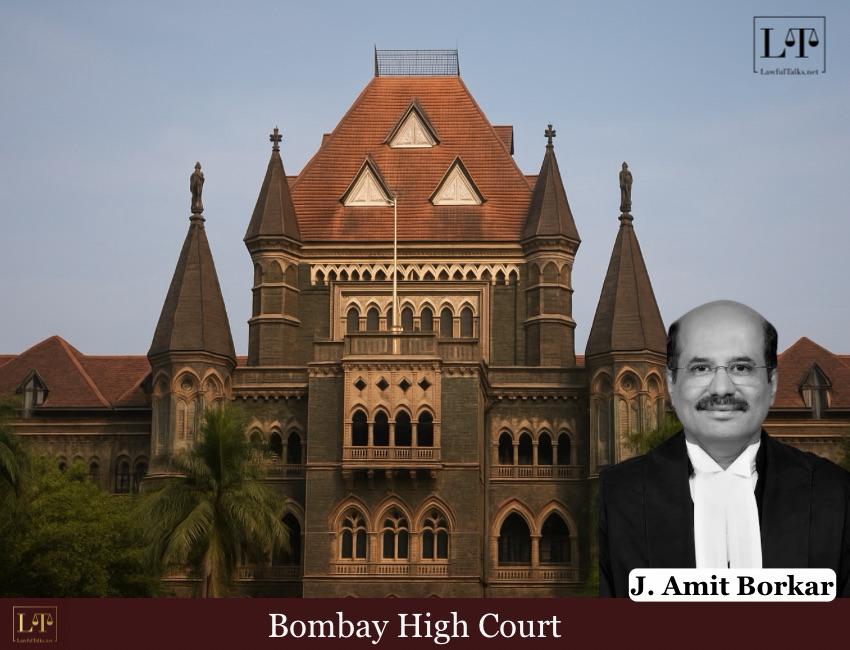
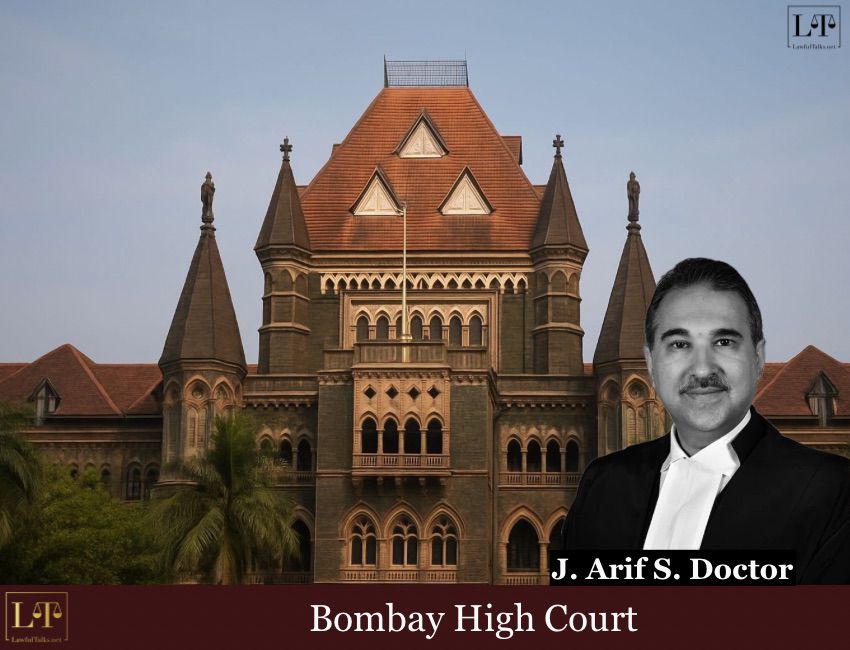
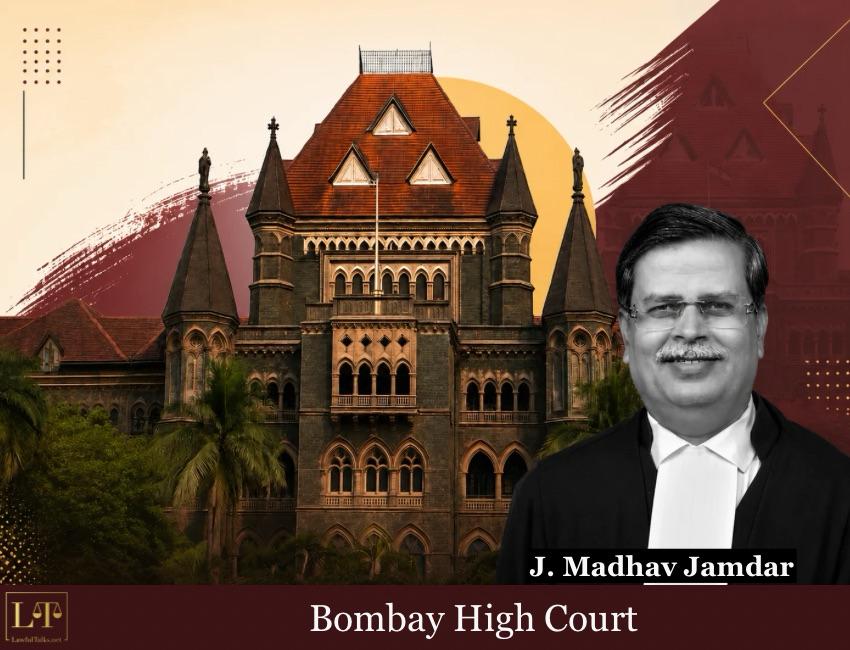
After the investigation, the Trial Court convicted all three accused for murder, criminal conspiracy and causing the disappearance of evidence. However, the Bombay High Court later acquitted them of the charges of murder and conspiracy but maintained the conviction of accused Nos. 2 and 3 under Section 201 IPC. Challenging this acquittal, the State of Maharashtra approached the Supreme Court.
Referring to the well-known judgment in Sharad Birdhichand Sarda v. State of Maharashtra, the Court reiterated the settled legal principles governing such cases. It observed:
“The prosecution must establish a complete and unbroken chain of circumstances that unerringly points to the guilt of the accused, excluding every other reasonable hypothesis of innocence. The circumstances must be conclusive in nature, establishing that the accused, and the accused alone, is the perpetrator of the crime.”
The Court then examined every circumstance relied upon by the prosecution and found that the chain of evidence was incomplete.
This allegation mainly rested on the statements of two witnesses who claimed that Prakash had described Monika as his lover and had sent her gifts.
However, the Supreme Court held that this evidence was not enough to prove an extramarital relationship. It found that there was absolutely no evidence to show that Monika reciprocated Prakash’s feelings or that she had any reason to kill her husband.
Rejecting the prosecution’s theory of motive, the Court observed:
“Mere production of telephone records does not substitute substantive proof of an illicit affair leading to murder. Thus, the motive is inherently weak and insufficient to anchor a conviction for murder.”
The prosecution also relied on the ‘last seen’ theory by arguing that Kiran was last seen entering his house on the night of the incident.
However, the Court found serious problems with this evidence.
The witness who claimed to have dropped Kiran home admitted that he remained outside until Kiran entered the house. The Supreme Court found this conduct unnatural.
Further, Monika had consistently stated that Kiran later left the house to attend a gathering with friends.
Since the prosecution could not prove the exact time of death or even the time when the offence took place, the Court agreed with the High Court that the last seen theory was too weak to sustain a conviction.
The prosecution also relied on mobile phone records to show that Monika had called Prakash after ensuring that her husband had fallen asleep.
However, the call detail records completely contradicted this allegation.
The Court noted that there was no outgoing call from Monika’s phone to Prakash on the relevant night.
Instead, Kiran’s own mobile phone was found inside the house, indicating that he had left without taking it with him.
The incoming calls from Prakash’s phone to Monika’s phone actually supported the defence version rather than the prosecution case.
The Court therefore held:
“Therefore, the FIR’s claim that accused no. 1 summoned accused no. 2 is a false contention unsupported by the digital trail.”
The prosecution also relied on the recovery of a blood-stained grinding stone, syringe, broken glass pieces and clothes allegedly recovered at the instance of accused No. 1.
The Supreme Court found serious flaws in the procedure followed during these recoveries.
The seized articles were not sealed immediately after recovery and were recovered from a place that was accessible to the public.
Referring to earlier judgments, the Court reiterated that if seized articles are not sealed, it raises serious doubts about whether the recovery was genuine and whether the forensic evidence remained reliable.
The Court therefore held that the Chemical Analyser’s reports could not be given much evidentiary value because the prosecution failed to prove that the seized articles were kept sealed and untampered with until they were examined.
The Court also pointed out a major inconsistency in the prosecution’s case.
According to the medical evidence, Kiran had suffered severe head injuries caused by a heavy blunt object such as a grinding stone.
However, no blood was found on the mattress, bedsheet or pillow inside the house where the prosecution claimed the murder had taken place.
This contradiction seriously weakened the prosecution’s version.
The Court observed:
“This physical impossibility speaks volumes and entirely contradicts the prosecution’s fundamental narrative that deceased Kiran Suryawanshi was brutally bludgeoned to death in his bed.”
The Supreme Court also found that the charge of criminal conspiracy under Section 120B IPC was not supported by reliable evidence.
Reiterating the settled law on conspiracy, the Court observed:
“For the charge of criminal conspiracy under Section 120-B IPC, to be established, an agreement between the parties to do an unlawful act must exist.”
The Court further stated:
“To prove the offence of criminal conspiracy, it is imperative to show a meeting of the minds between the conspirators for the intended common object.”
The Court held that neither the alleged motive, nor the phone records, nor the recoveries, nor the last seen evidence proved any such agreement between the accused.
After examining every circumstance separately as well as together, the Supreme Court concluded that the prosecution had failed to establish a complete and unbroken chain of circumstances pointing only towards the guilt of the accused.
The Court found no error in the Bombay High Court’s assessment of the evidence and agreed that the prosecution had failed to rule out every reasonable possibility consistent with the accused’s innocence.
However, the Supreme Court reached a different conclusion regarding accused Nos. 2 and 3 for the offence under Section 201 IPC.
The evidence clearly showed that both accused were caught by the police while transporting Kiran’s dead body wrapped in a plastic bag and bedsheet at around 5:00 a.m.
A human foot was visibly sticking out of the bundle, and blood stains matching Kiran’s blood group were found on the motorcycle.
In these circumstances, the Court observed:
“The physical reality of them transporting the deceased victim’s tied body at 5:00 a.m. undeniably establishes that they knowingly caused the evidence of the commission of an offence to disappear with the explicit intention of screening the offenders from legal punishment.”
The Court therefore upheld the conviction of accused Nos. 2 and 3 under Section 201 read with Section 34 IPC for causing the disappearance of evidence. However, it maintained their acquittal for the offences of murder and criminal conspiracy. The Court also noted that both accused had already undergone the sentence of one year’s rigorous imprisonment imposed on them.
Finally, while dismissing the appeals filed by the State of Maharashtra, the Supreme Court reaffirmed one of the basic principles of criminal law. It held:
“The prosecution’s case against the accused for murder and conspiracy, resting entirely on circumstantial evidence, suffers from vital lacunae… The chain of circumstances is broken, and the hypothesis of guilt is not exclusively established.”
Case Details : STATE OF MAHARASHTRA VERSUS MONIKA KIRAN SURYAWANSHI & ORS.





















































































































































Sign up for free and be the first to get notified about curated content just for you.