Your Case Was Quashed. Should Your Name Stay Online? Bombay HC Answers

- July 14, 2026


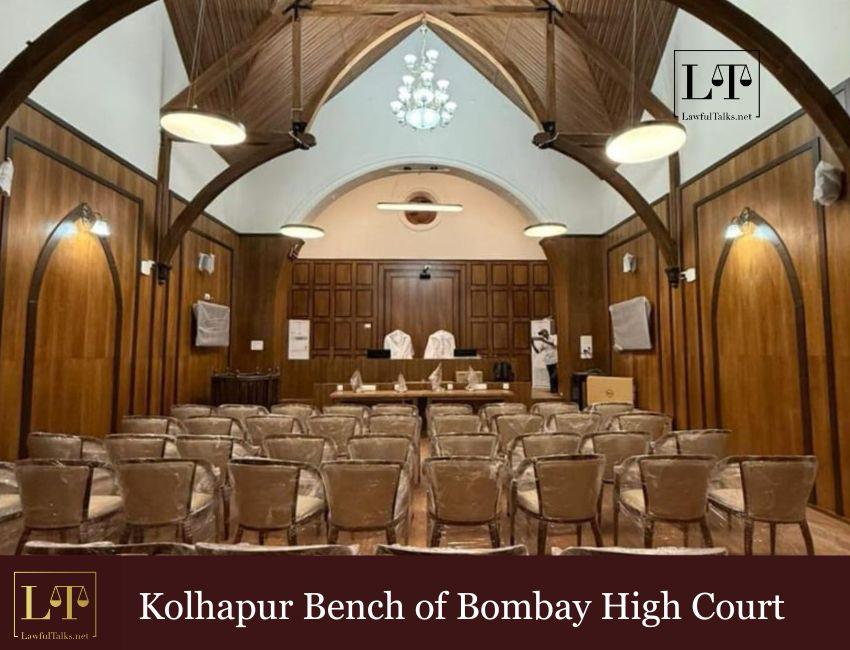
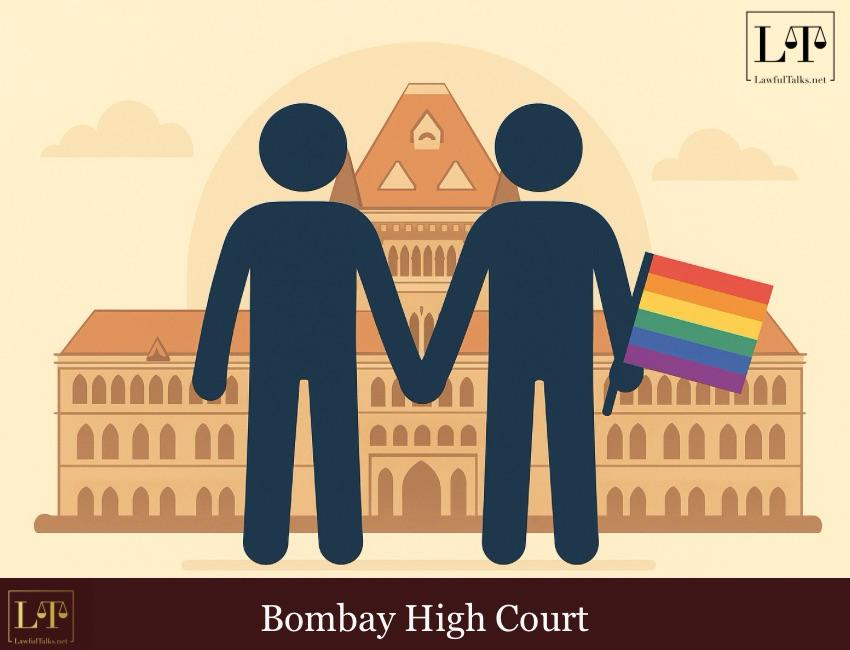
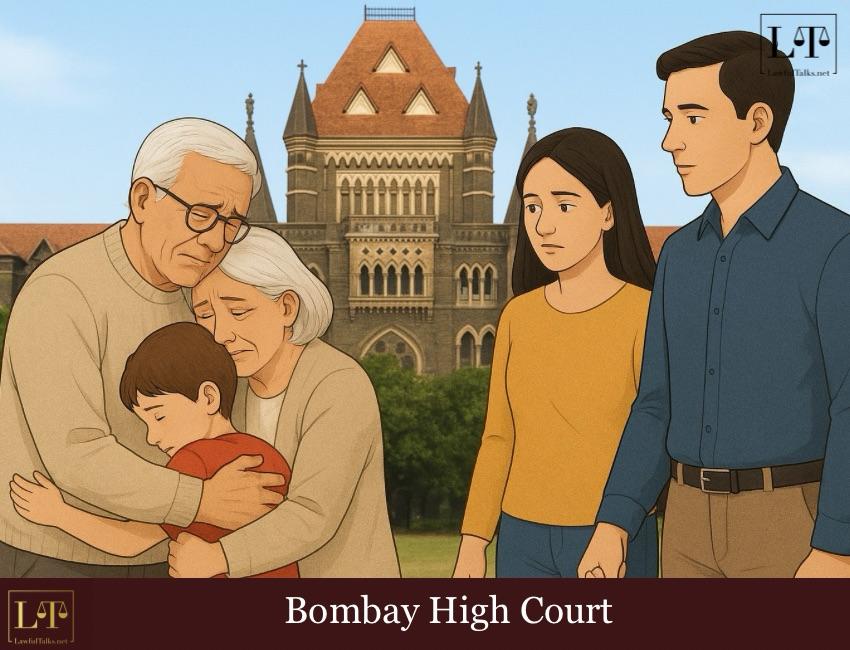
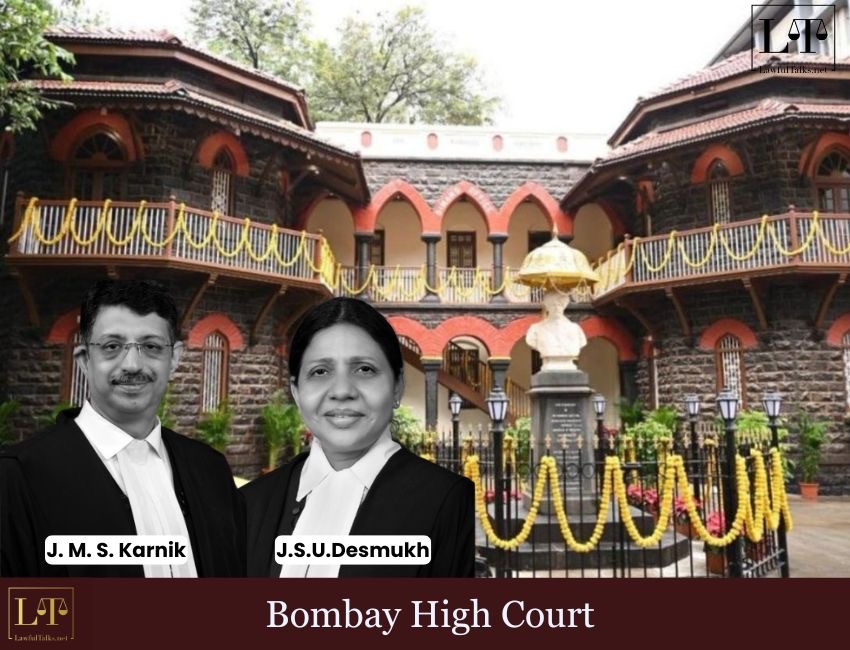
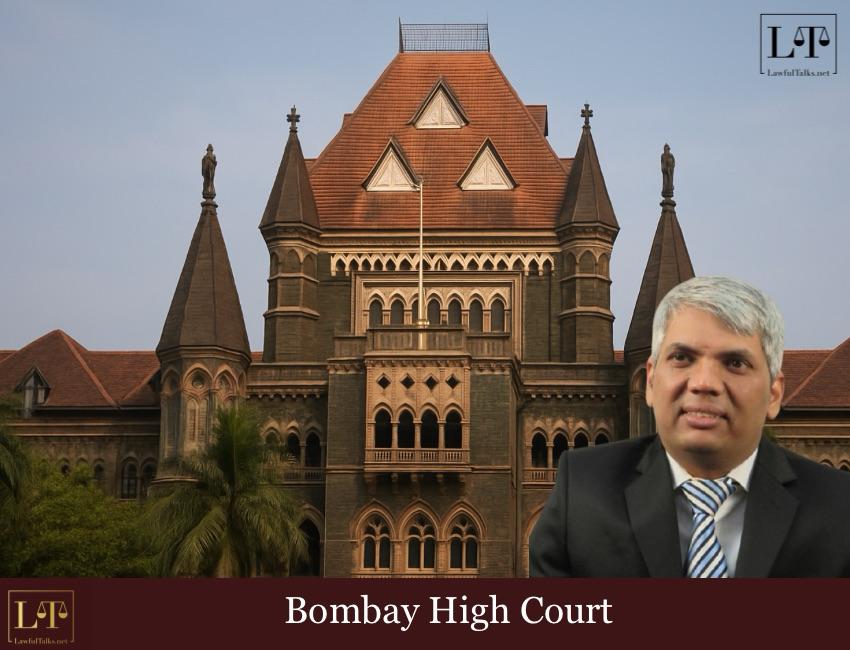
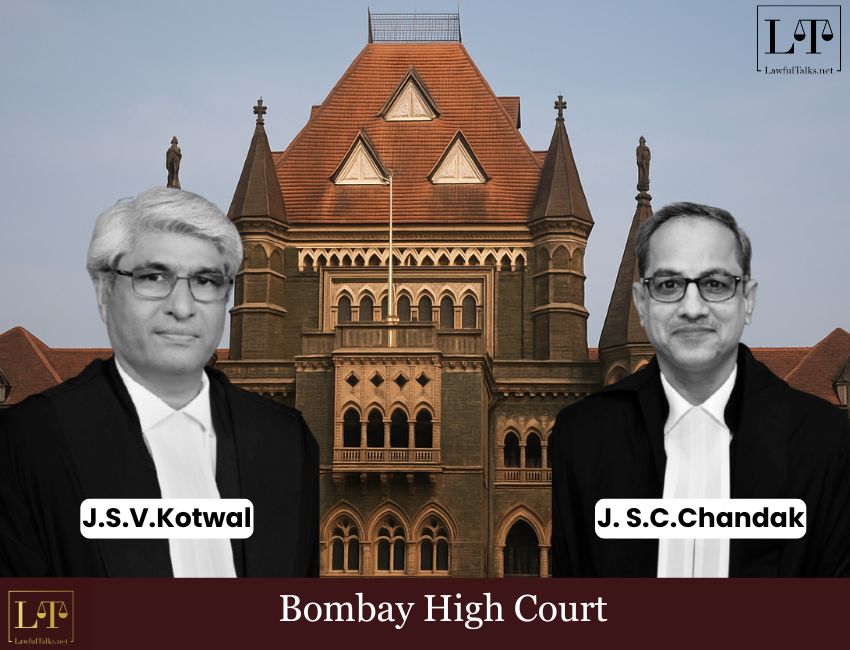
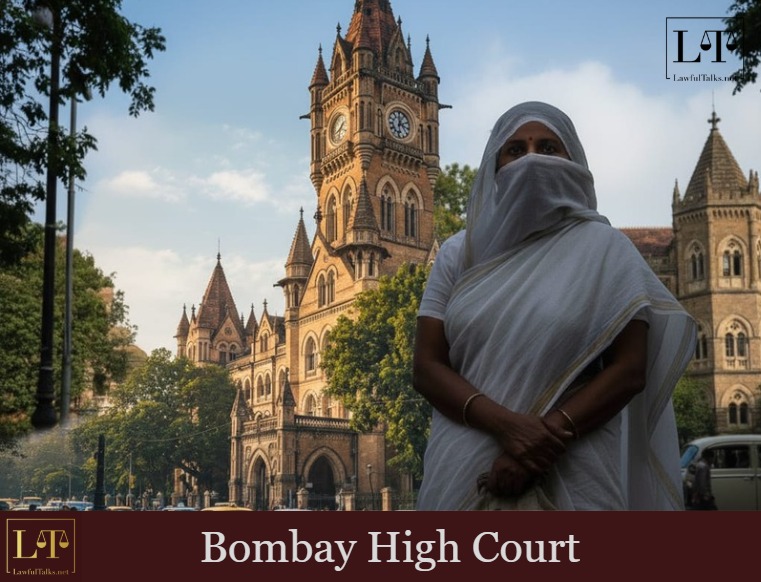
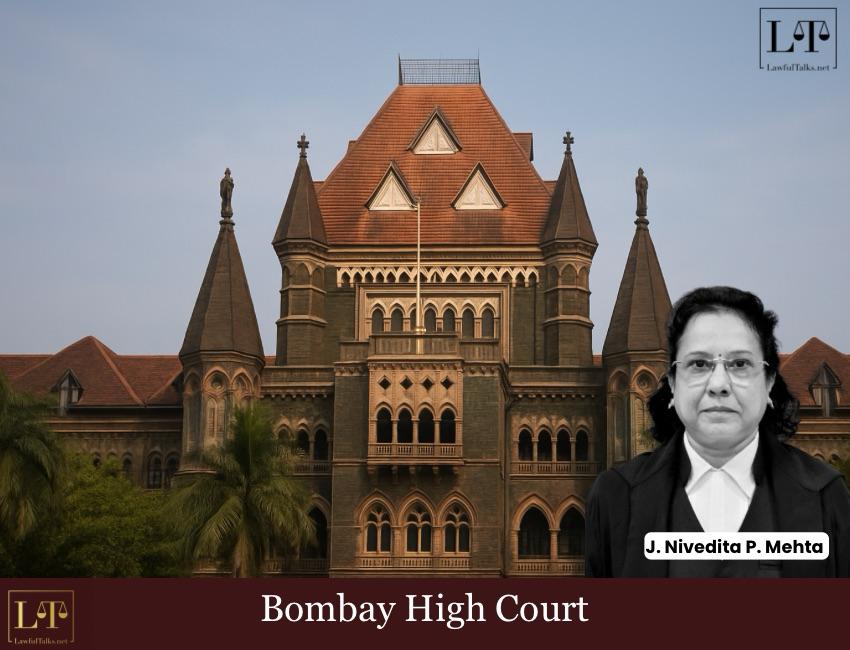
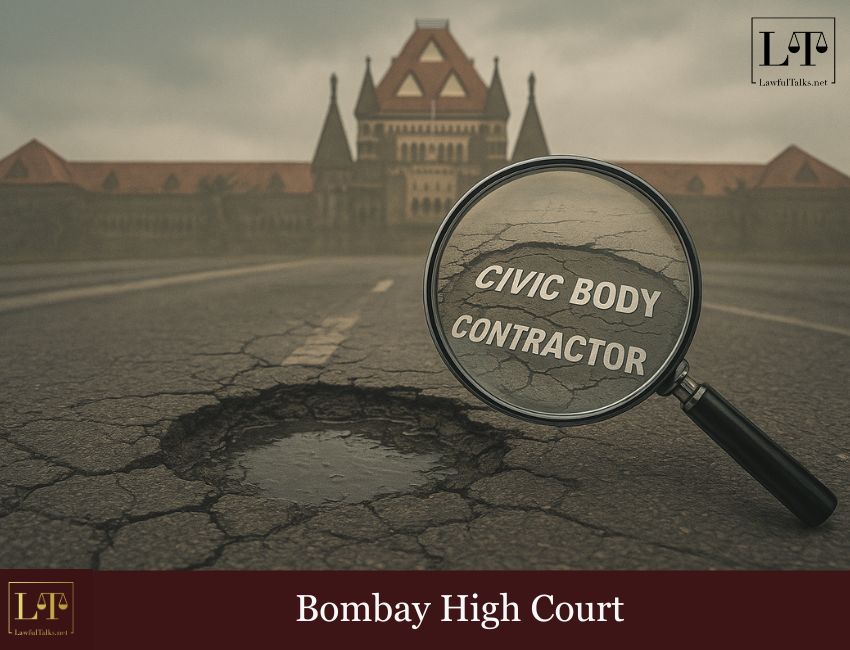
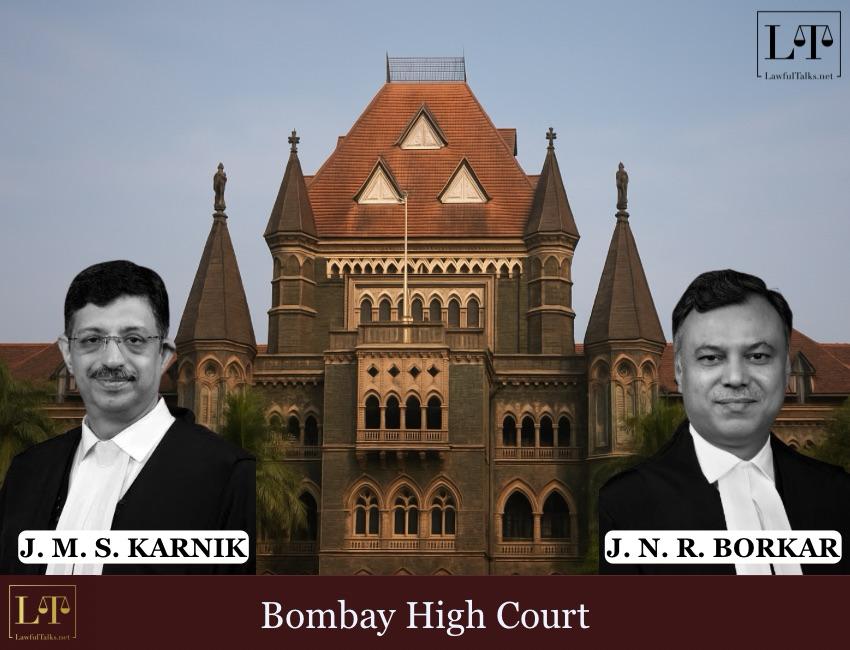
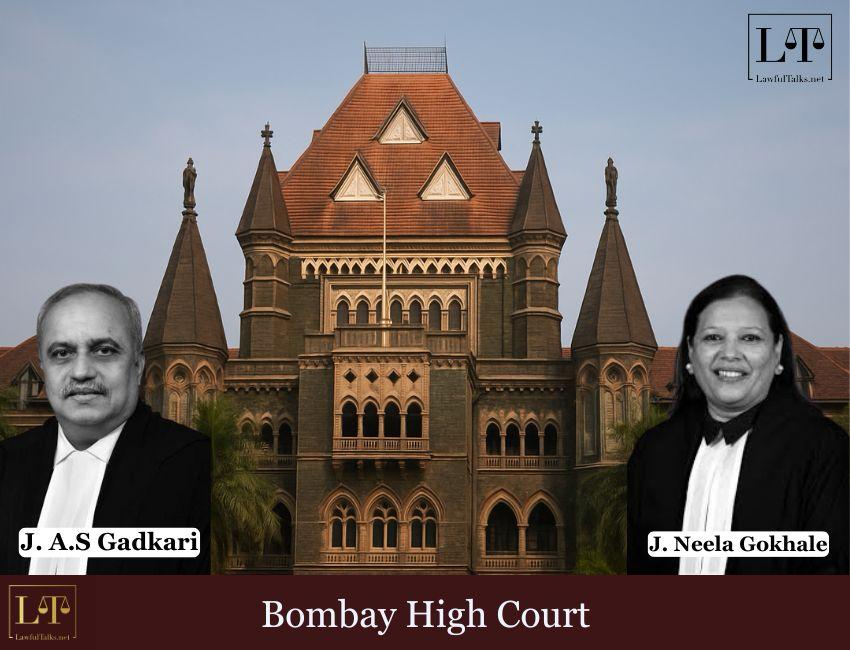
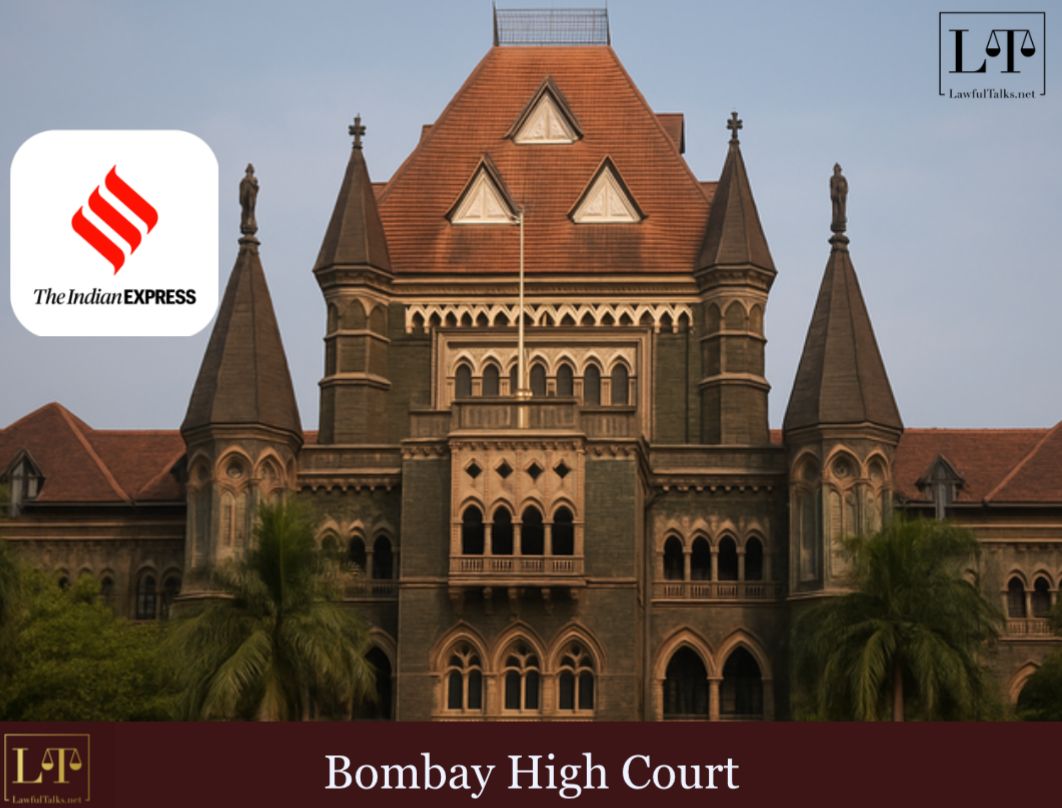
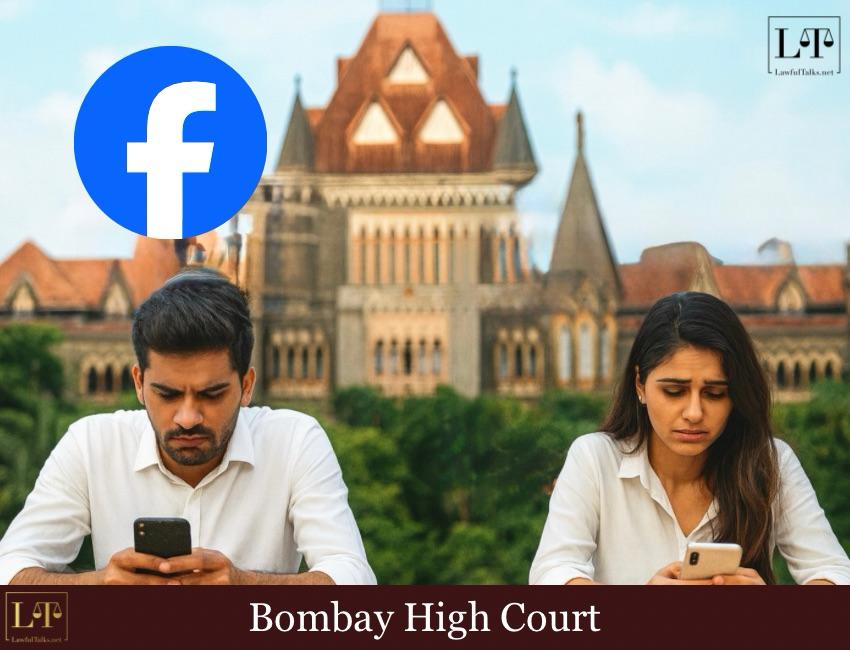
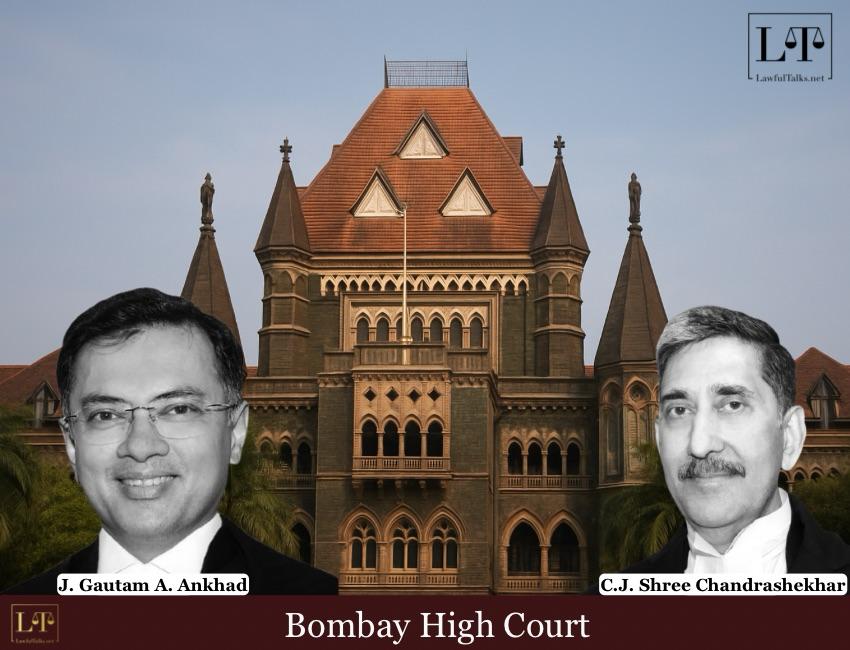
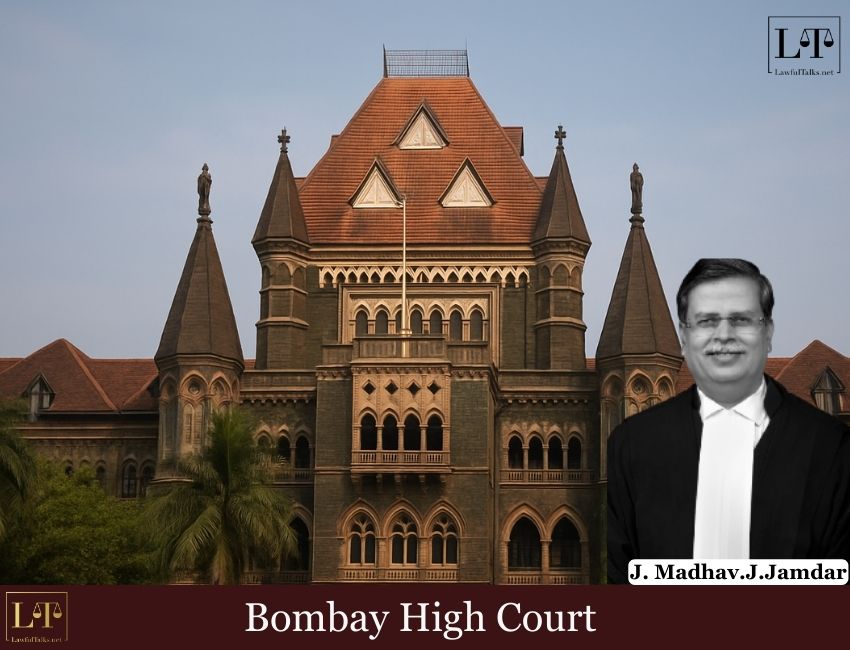
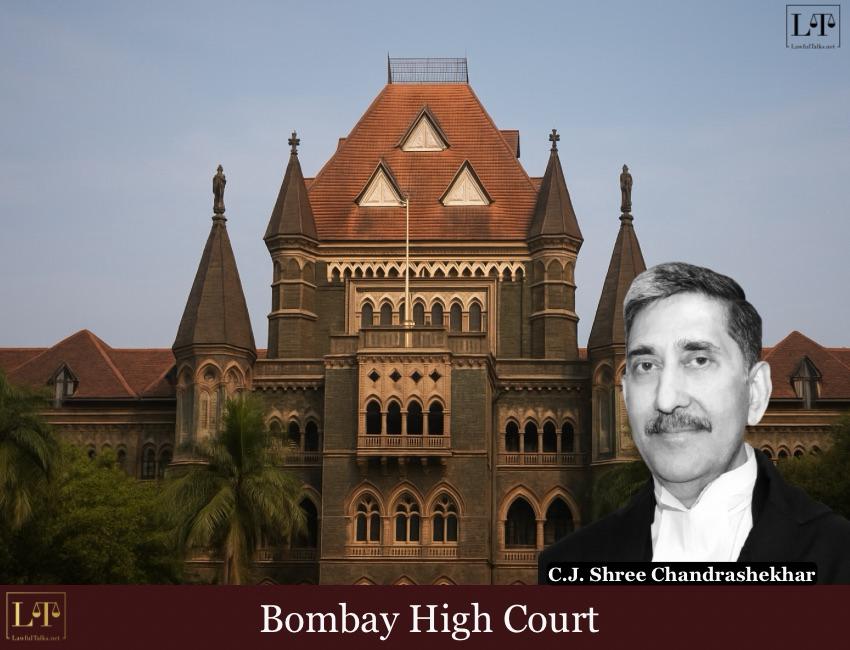
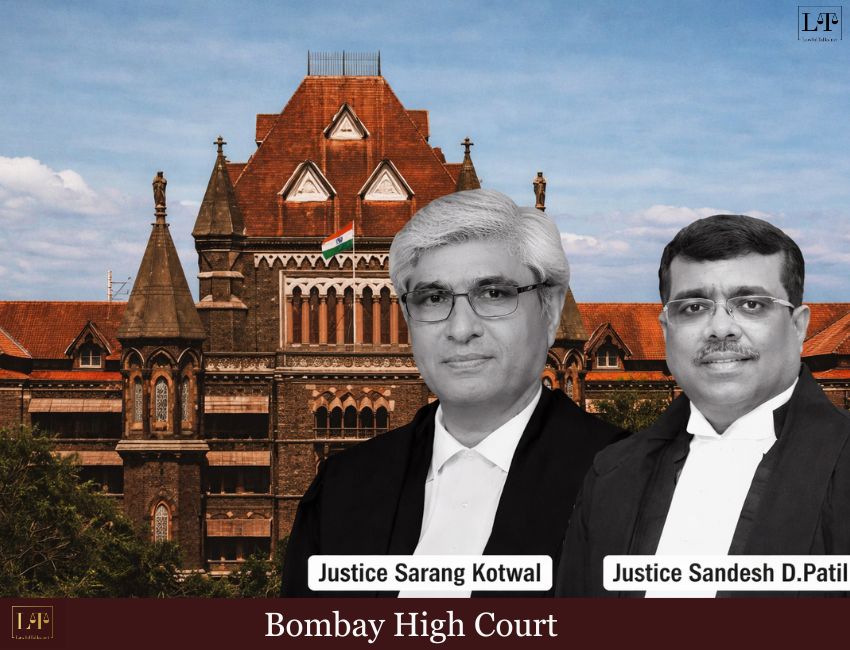
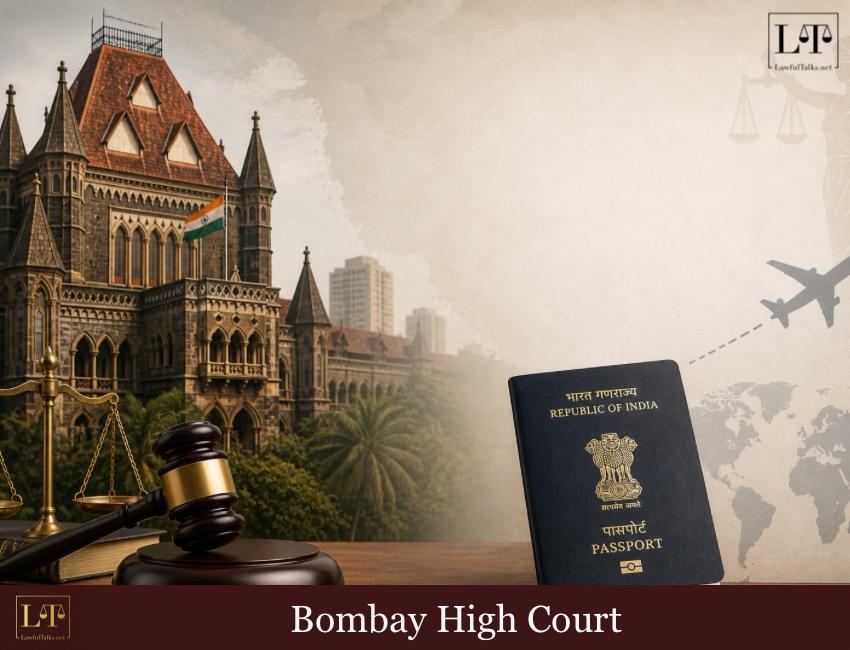
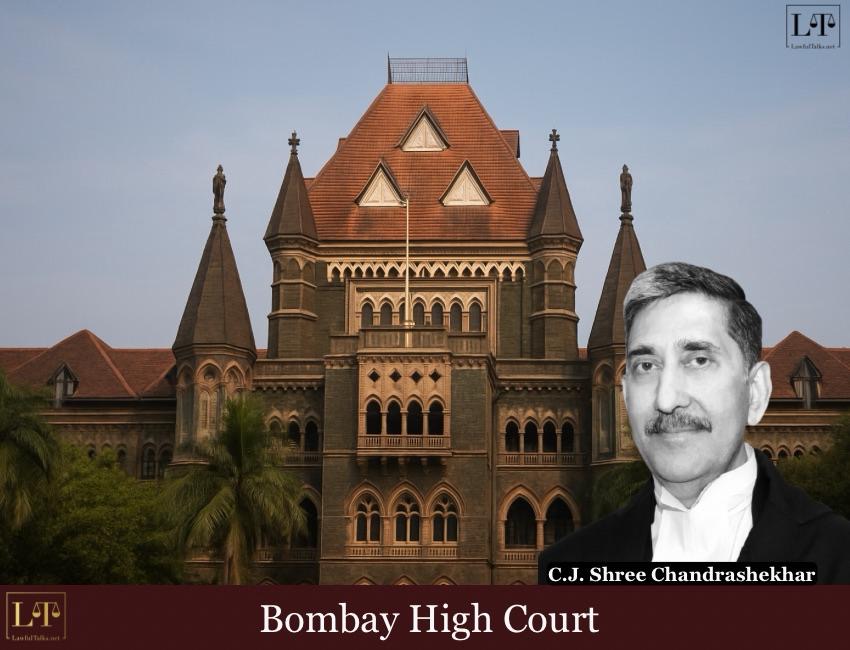
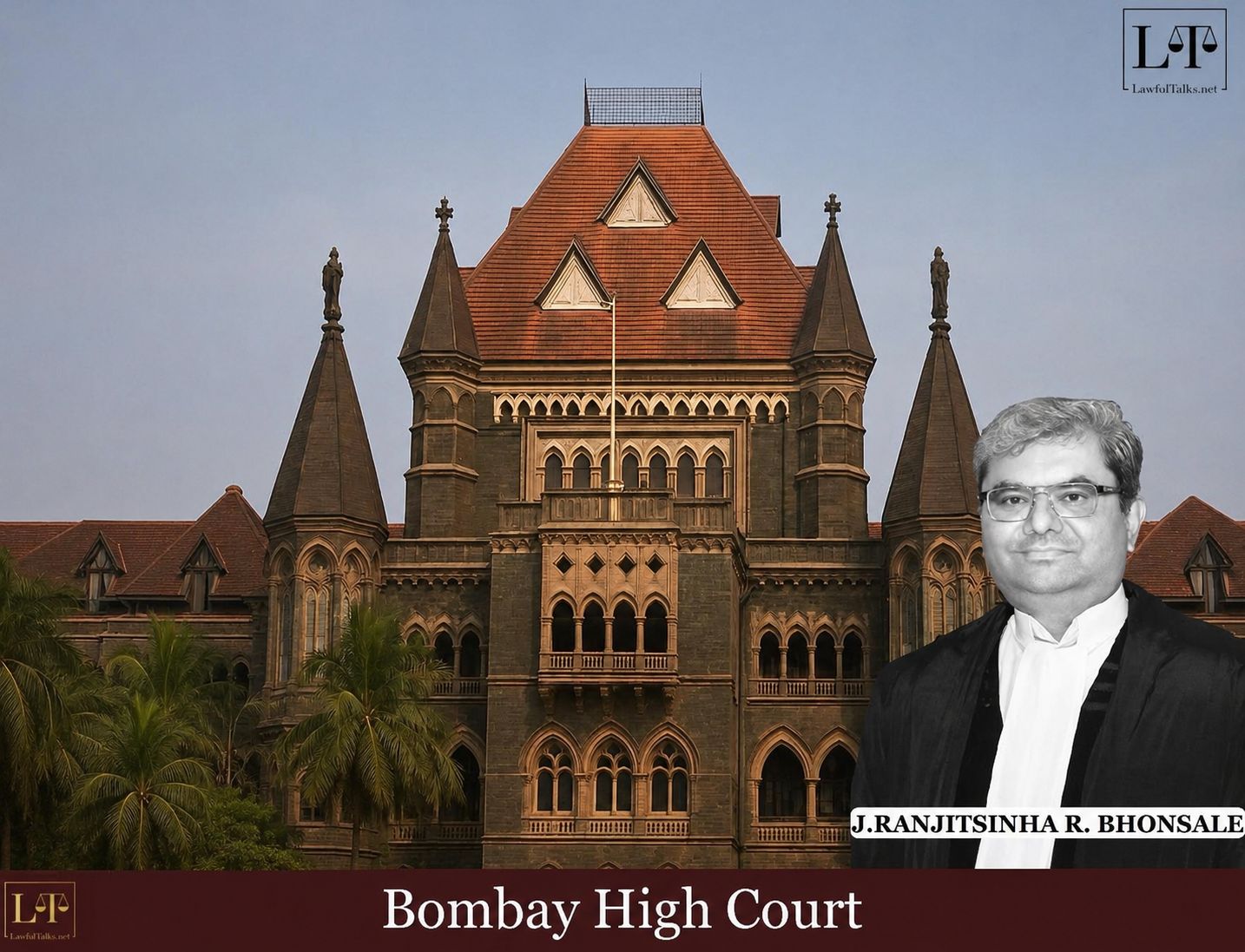
The Nagpur Bench of the Bombay High Court has directed its Registrar General to mask the identity of a petitioner from judgments and orders available on the Court’s website.
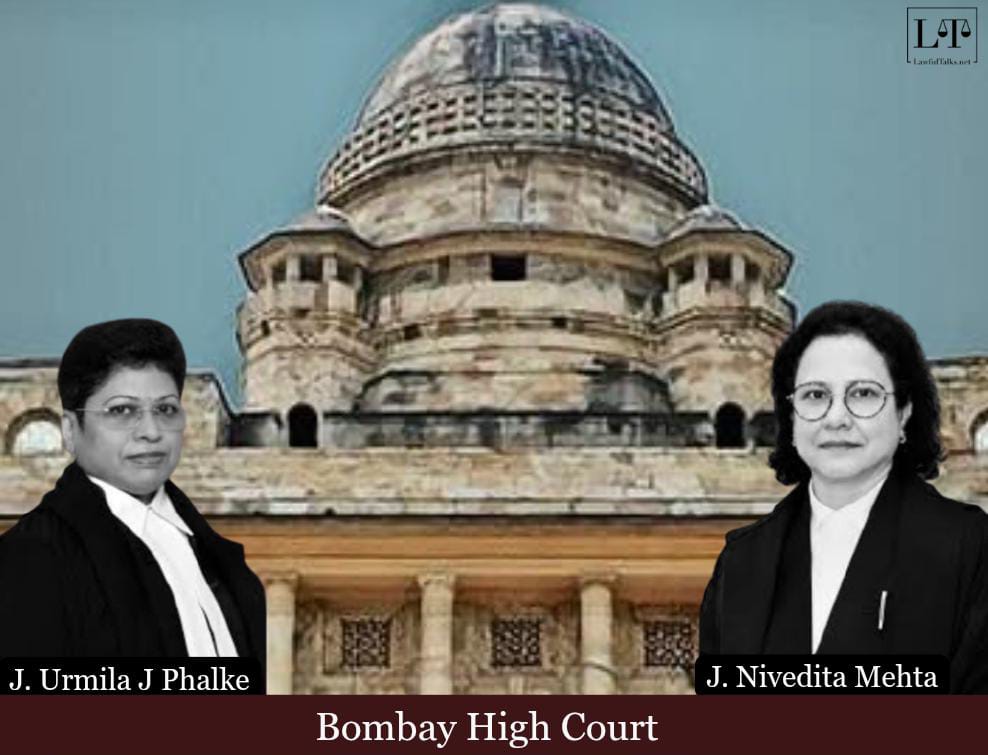
The direction was issued in view of Article 21 of the Constitution. The Court observed that the Right to Privacy, protected under Article 21, incorporates the Right to be Forgotten.
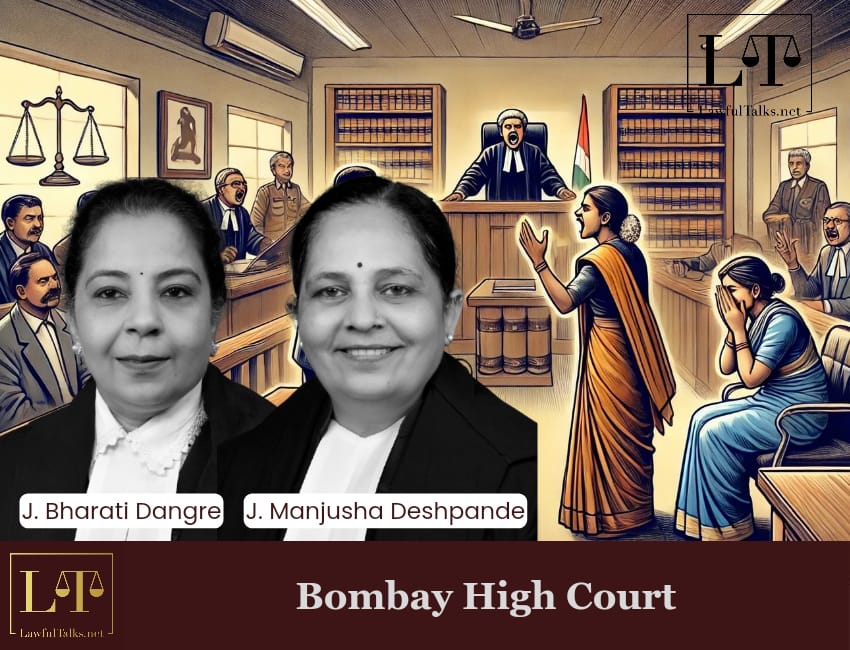
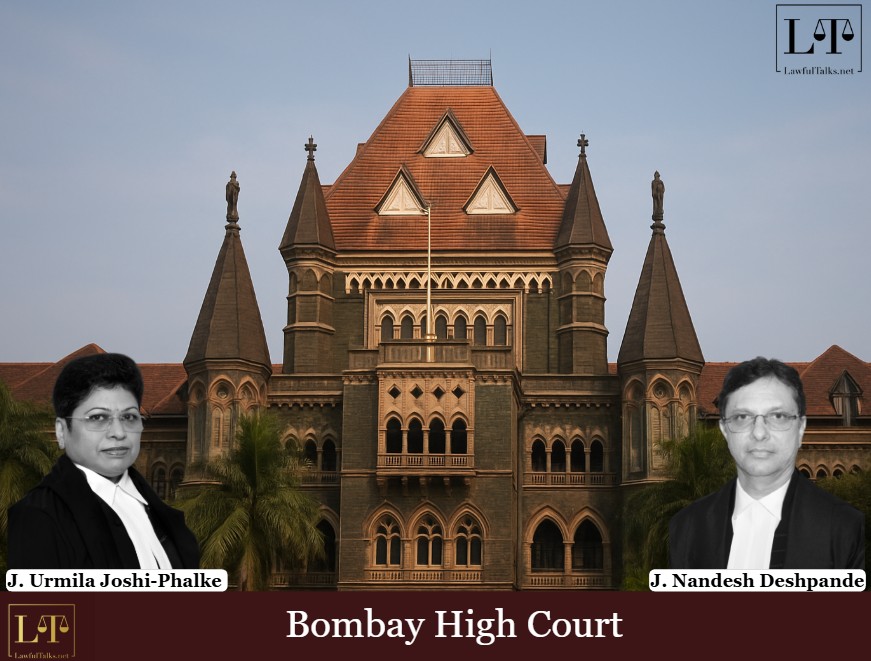
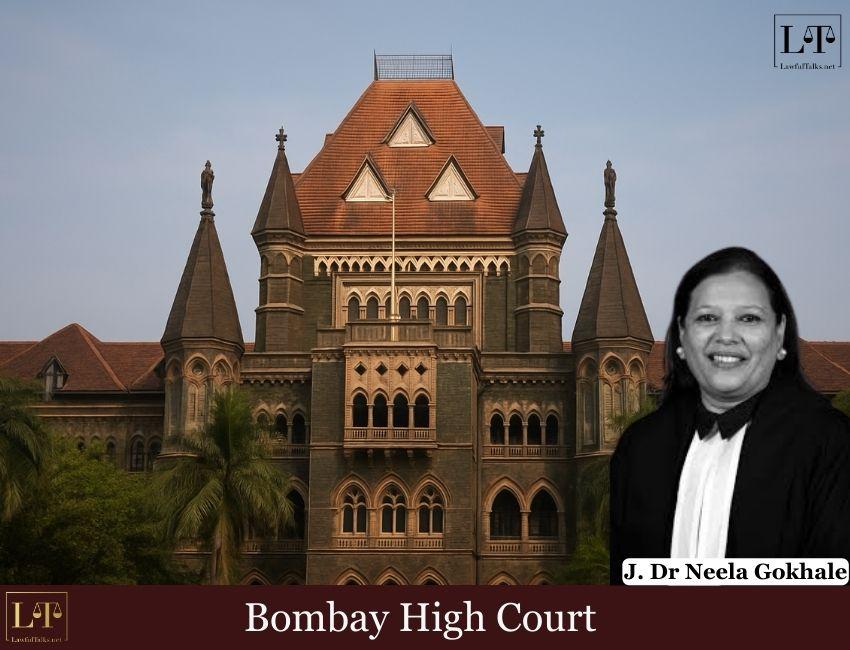
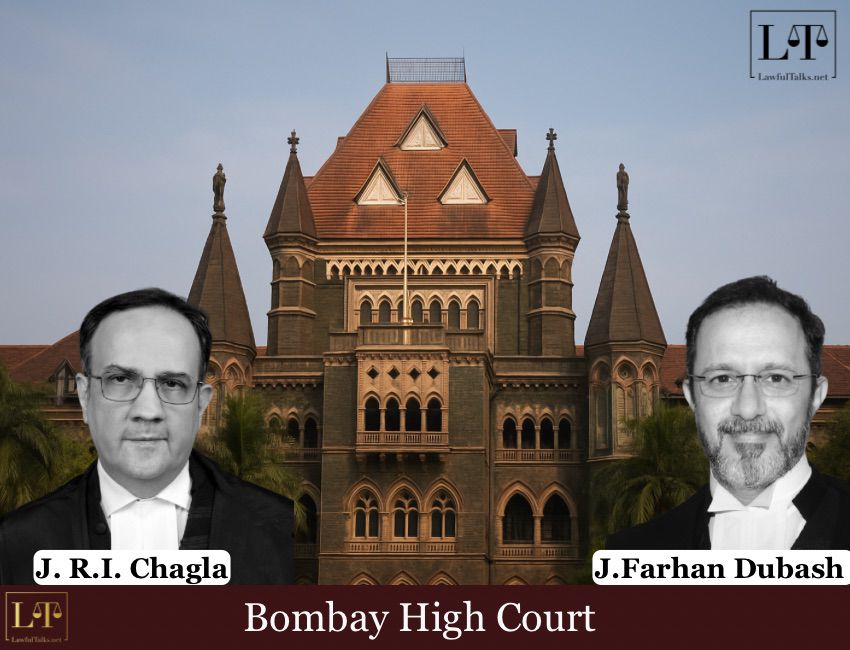
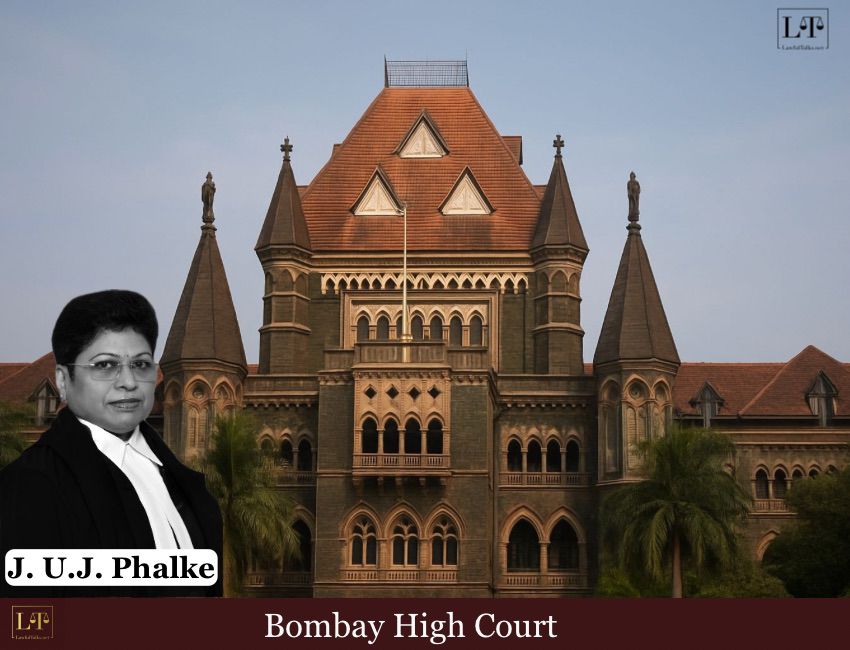
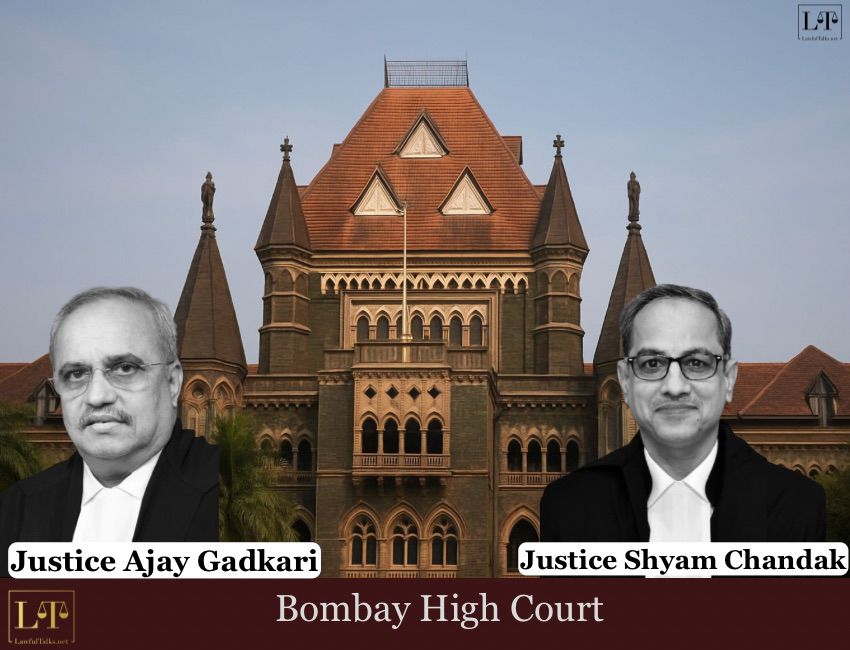
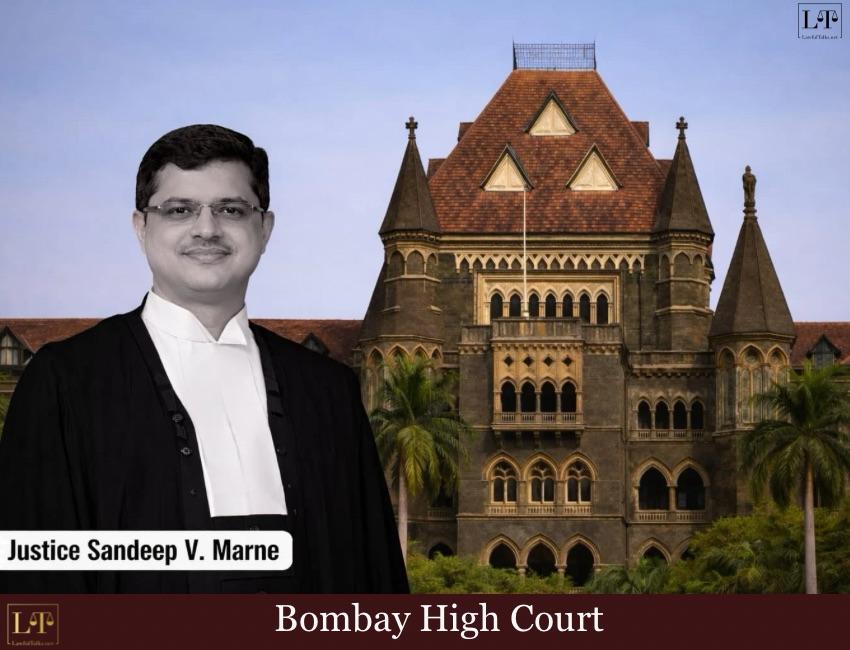
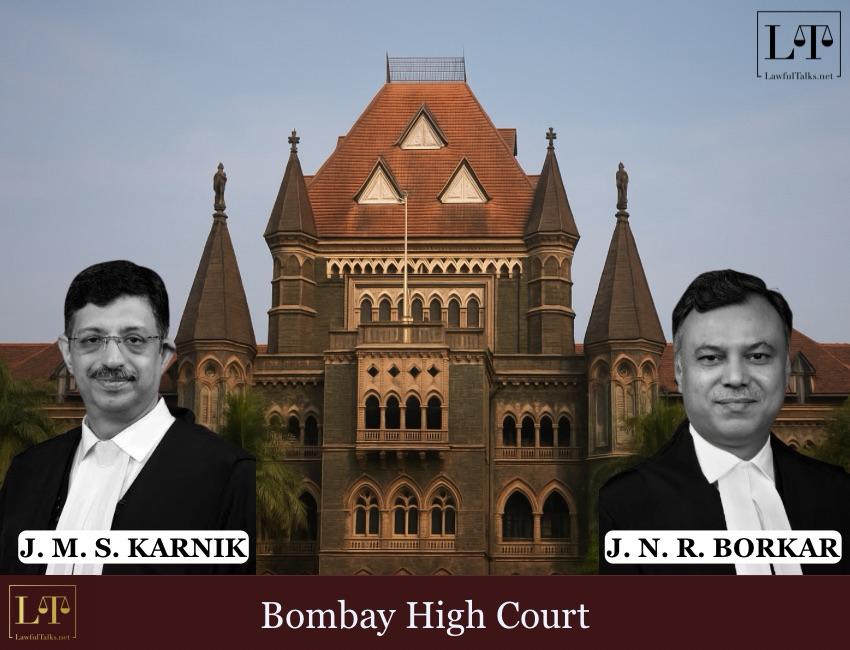
A Division Bench of Justice Urmila Joshi-Phalke and Justice Nivedita P. Mehta held:
“It is well settled that the right to privacy is a fundamental right and forms an intrinsic part of Article 21 of the Constitution of India. The concept of right to privacy incorporates the right to be forgotten. In the age of internet, every piece of information that finds its way to the individuals acquitted of any offence or when criminal proceedings against such persons are quashed, emanates from the most basic notions of proportionality and fairness. While the access to information is a fundamental aspect of democracy, the same cannot be divorced from the need to balance the right to information of the public with the individual’s right to privacy. This is especially when after the quashing of the proceedings, no public interest can be served by keeping the information alive on the internet.”
The petitioner submitted that an FIR and the criminal proceedings against him had been quashed by a Division Bench of the Bombay High Court, Nagpur Bench, after the parties amicably settled their dispute. However, even though he had been completely exonerated over seven years ago, the unredacted digital records of the District Court judgment were still available online and indexed by search engines.
According to the petitioner, these records regularly appeared during professional and educational background checks, seriously affecting his career prospects and causing social stigma to his family and minor daughter.
He, therefore, approached the Court to enforce his fundamental right to privacy, particularly the Right to be Forgotten. He asked the Court to mask his personal details on the digital portals of the High Court and District Court and to remove the records from search engine results.
The petitioner’s counsel argued that the continued display of the petitioner’s name on the High Court’s website was affecting his social life and career. He submitted that the petitioner had the right to protect his reputation from being unfairly harmed and that such protection should exist “not only against falsehood but also certain truths.”
The Bench also referred to the Supreme Court’s judgment in K.S. Puttaswamy, which recognised individual autonomy and a person’s right to control important aspects of his or her life. It also relied on the Delhi High Court’s decision in ABC vs. State & Another, where it was held that:
“it is well settled that right to privacy is a fundamental right and forms an intrinsic part of Article 21 of the Constitution of India.”
While ruling on the petition, the Court held:
“In view of the consistent view and considering the submissions made by the learned Counsel for the petitioner and considering the fact that the dispute is now amicably resolved between the parties and limited prayer of the petitioner is to the extent of digital record i.e. mask the details of the petitioner from the judgment and orders from the Court system website, which requires to be allowed.”
Accordingly, the High Court allowed the petition and directed that the petitioner’s identity be masked in the digital records available on the Court’s website.
Case Details: ABC Vs State of Maharashtra










































































































































































Sign up for free and be the first to get notified about curated content just for you.