The One Legal Requirement That Turned a Bank Merger Into an Eviction: Supreme Court

- July 15, 2026


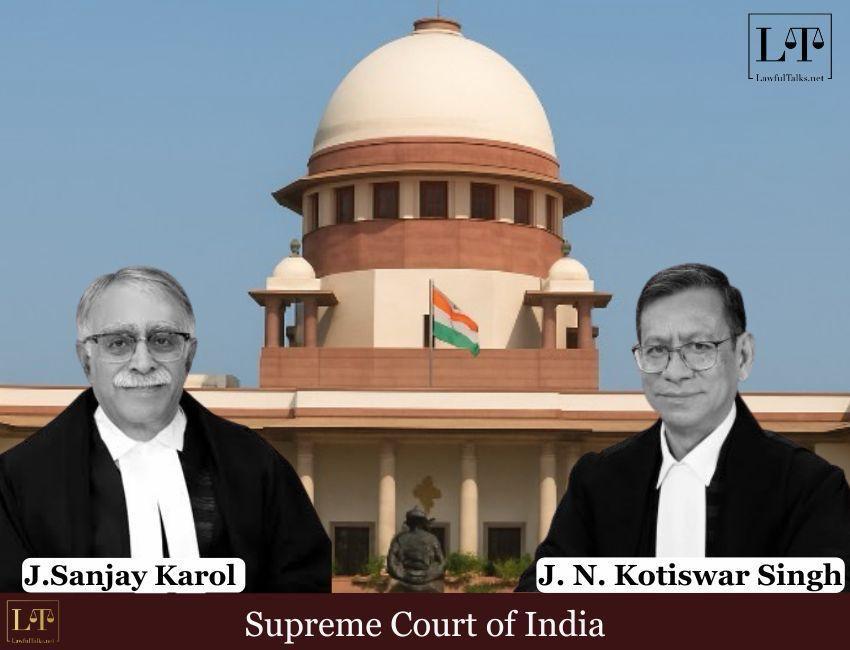
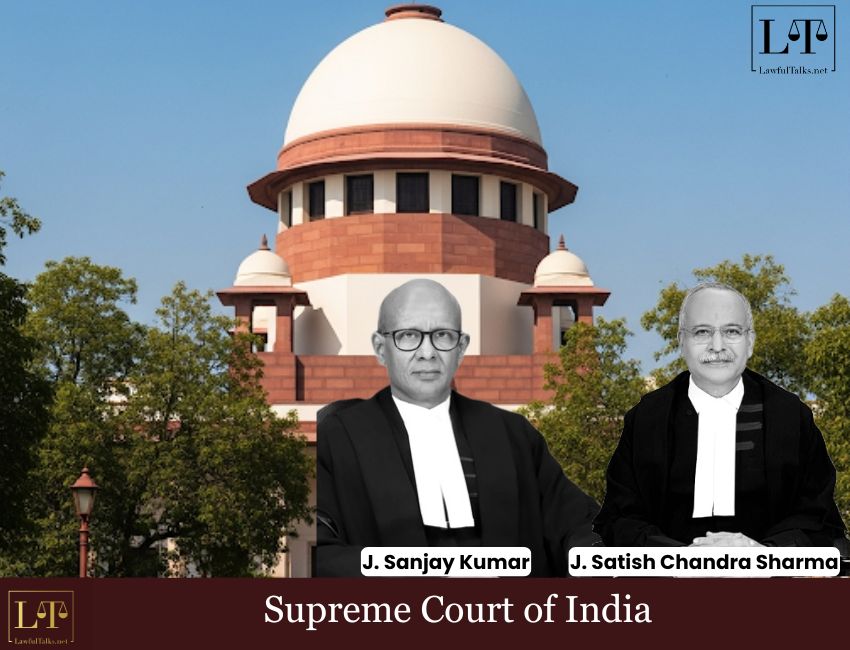
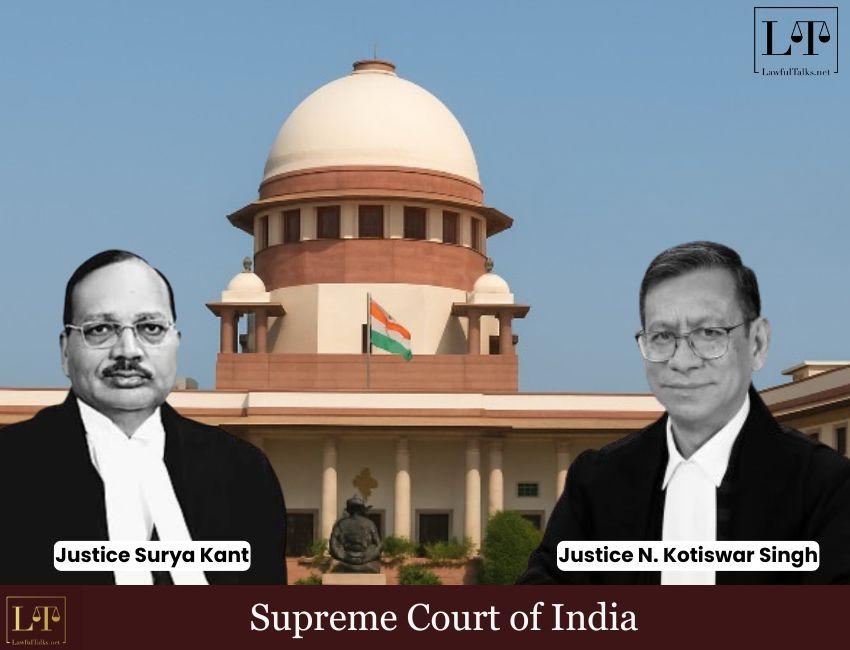
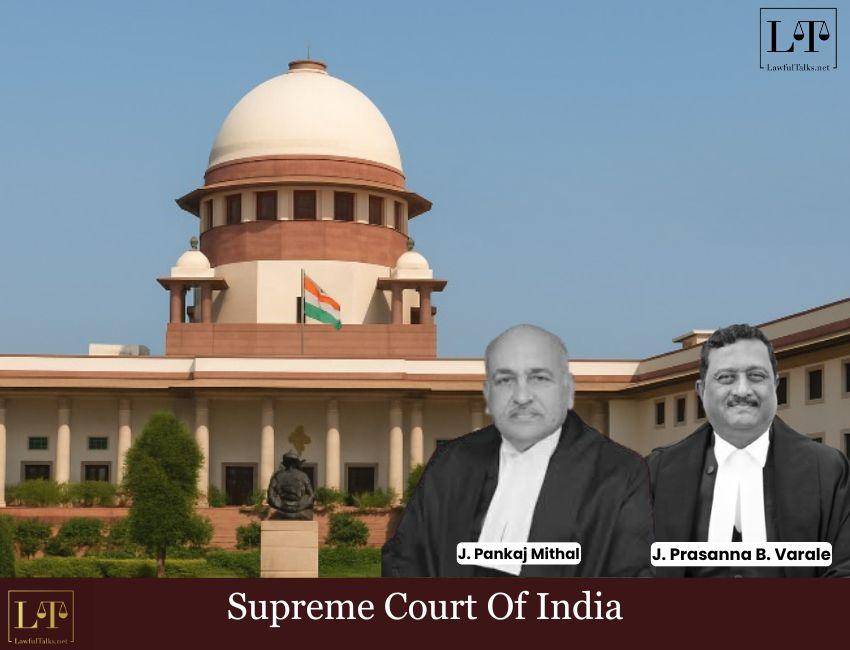
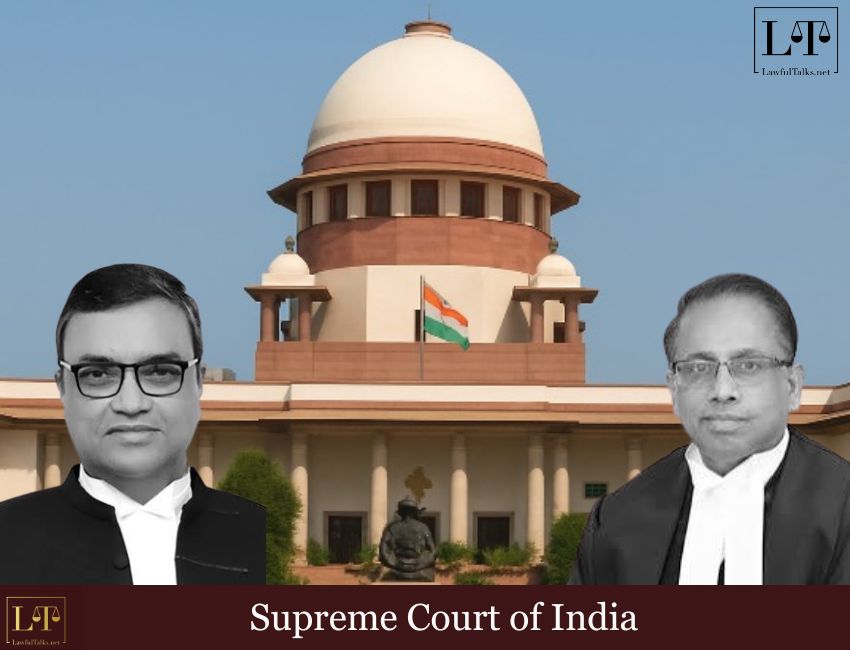
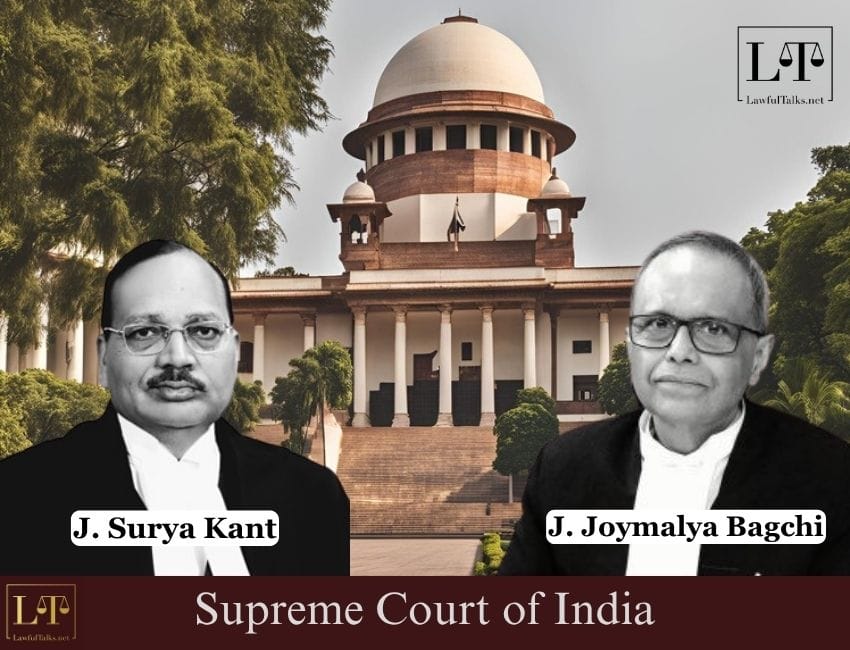
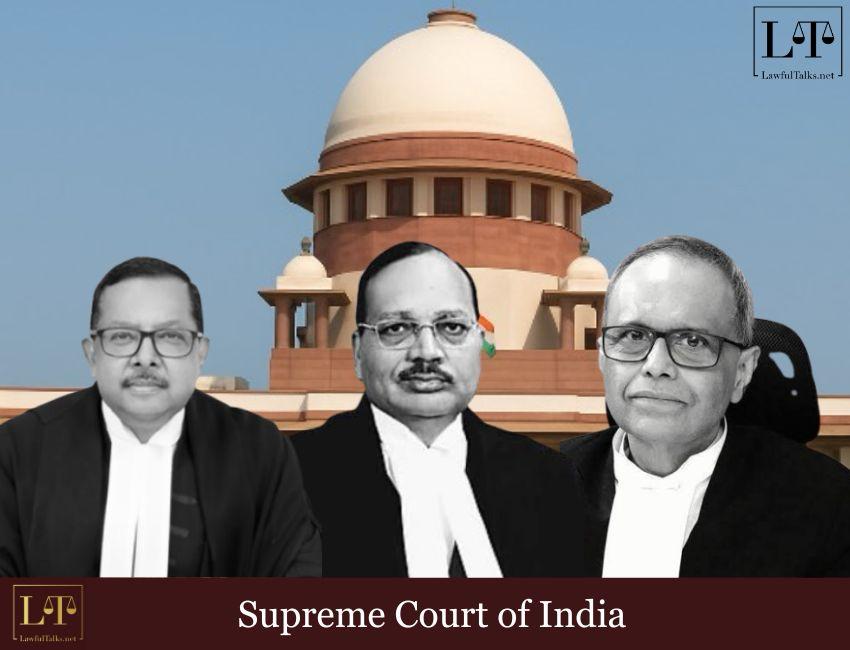
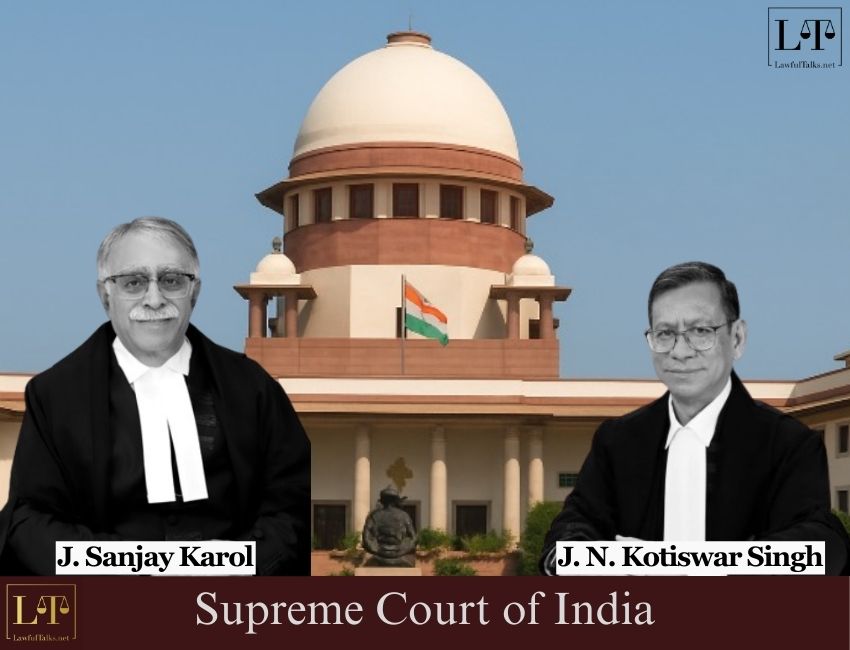
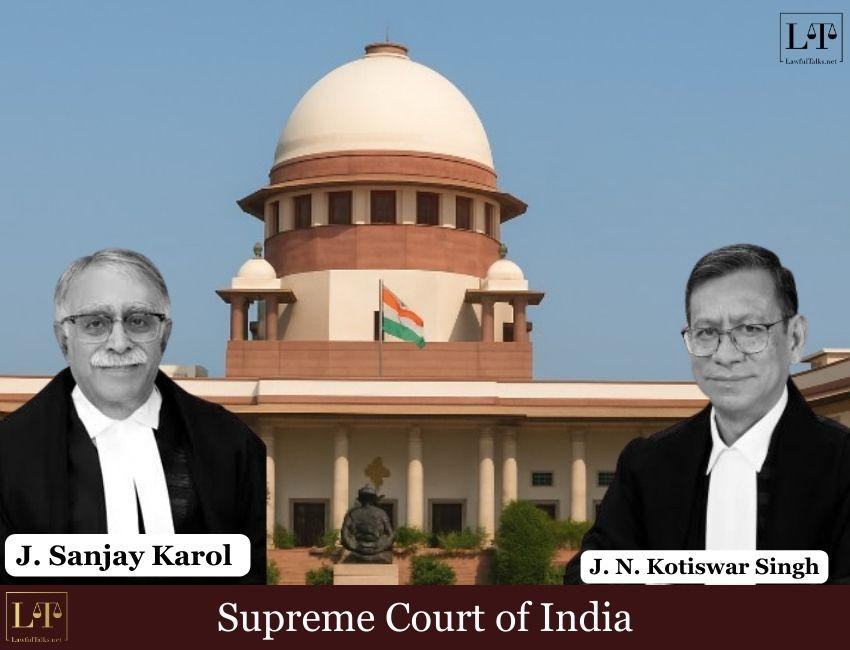
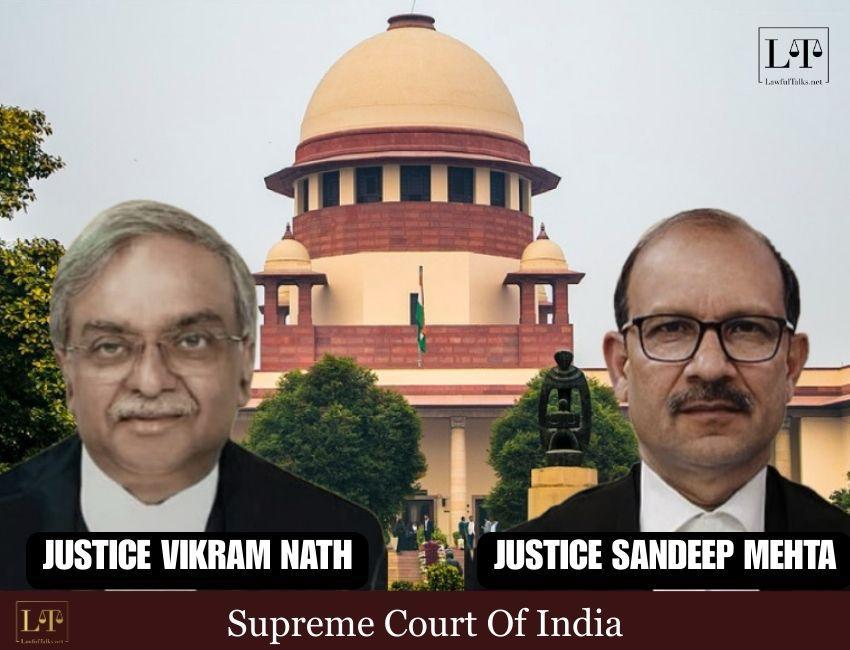
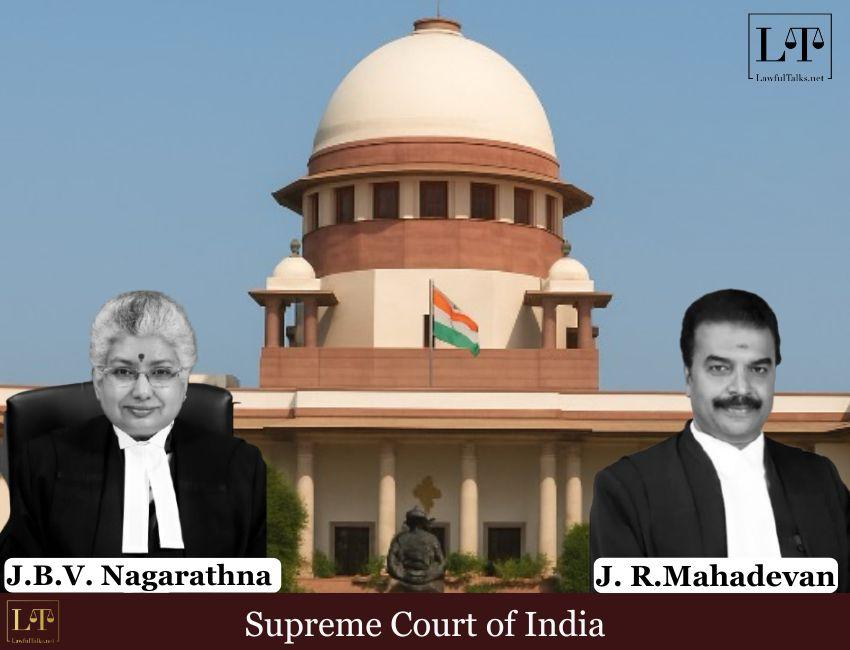
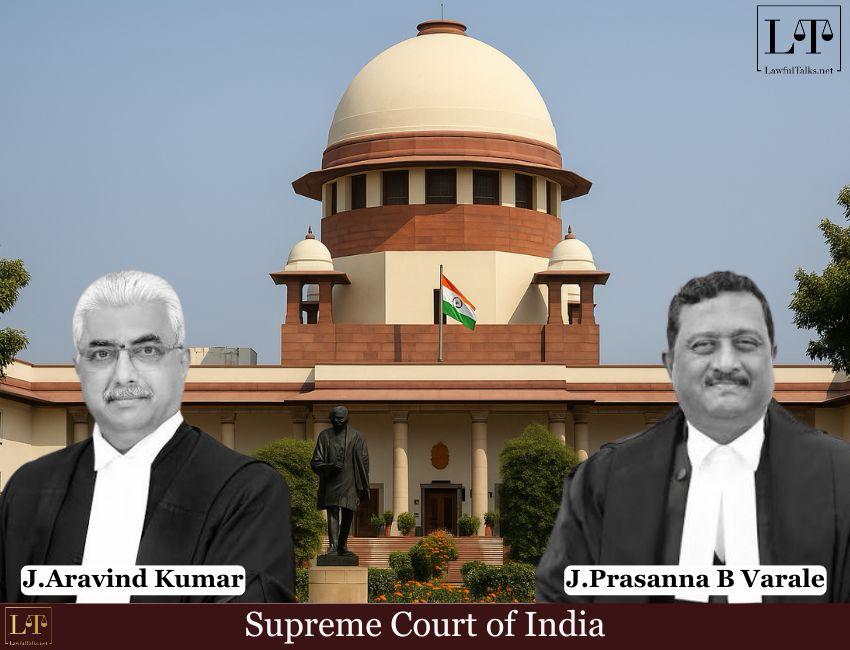
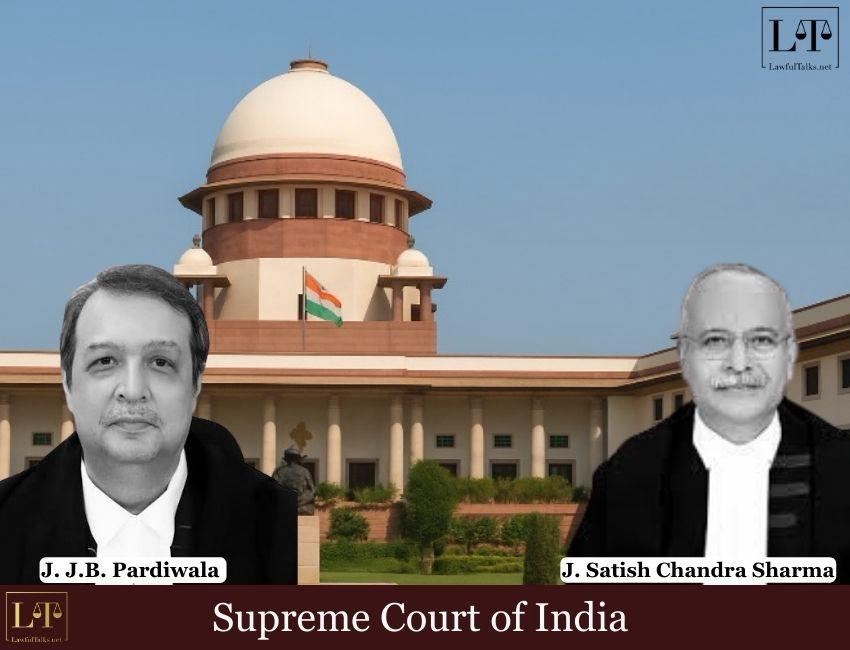
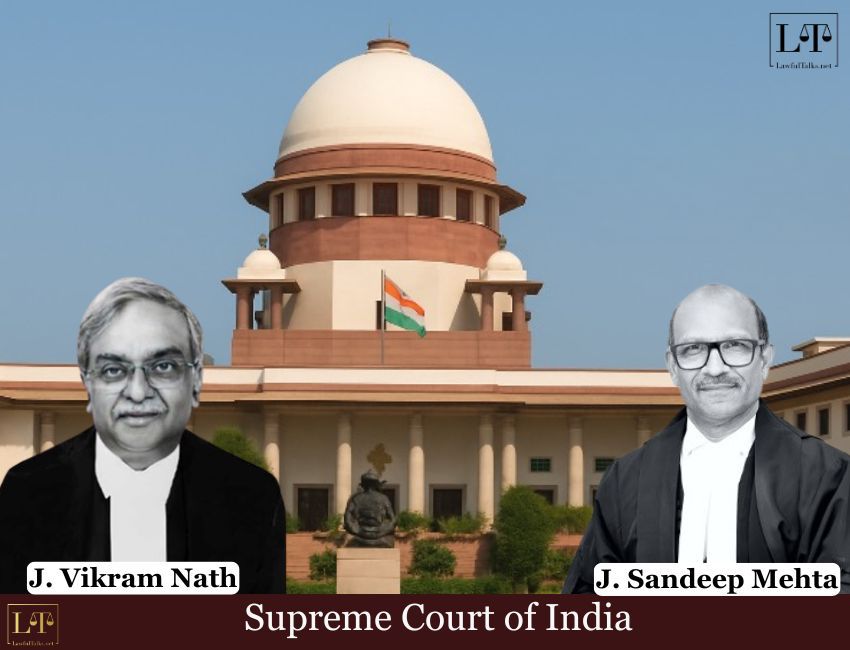
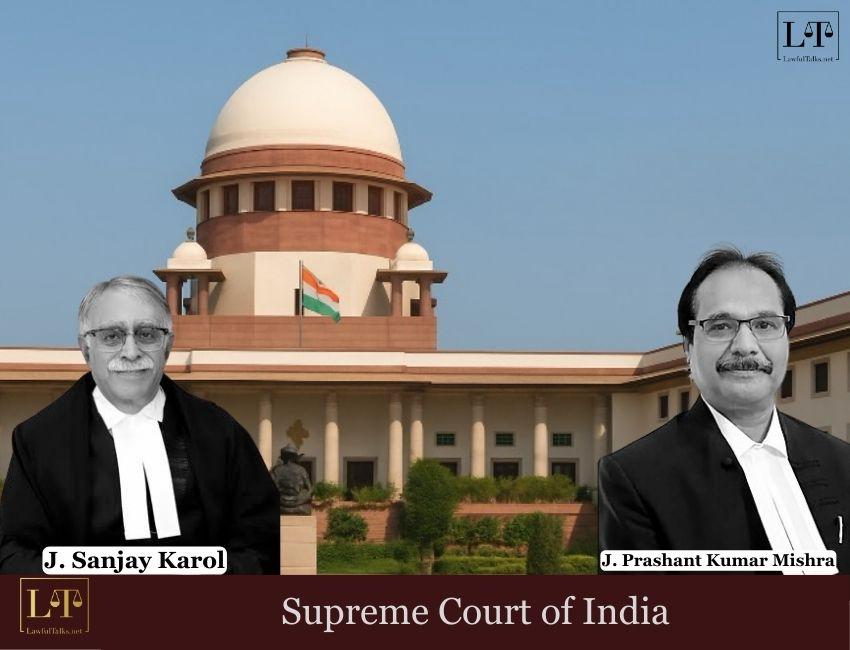
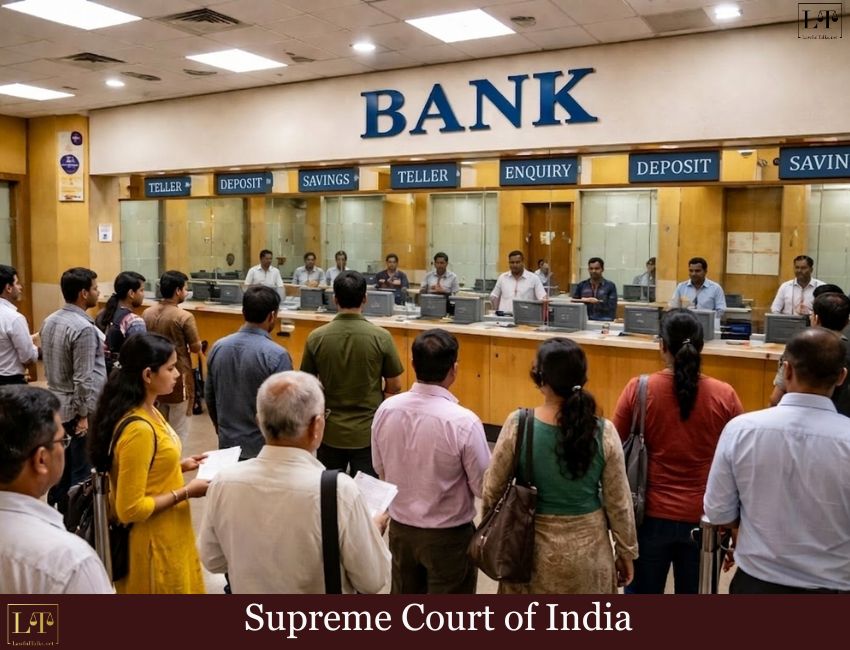
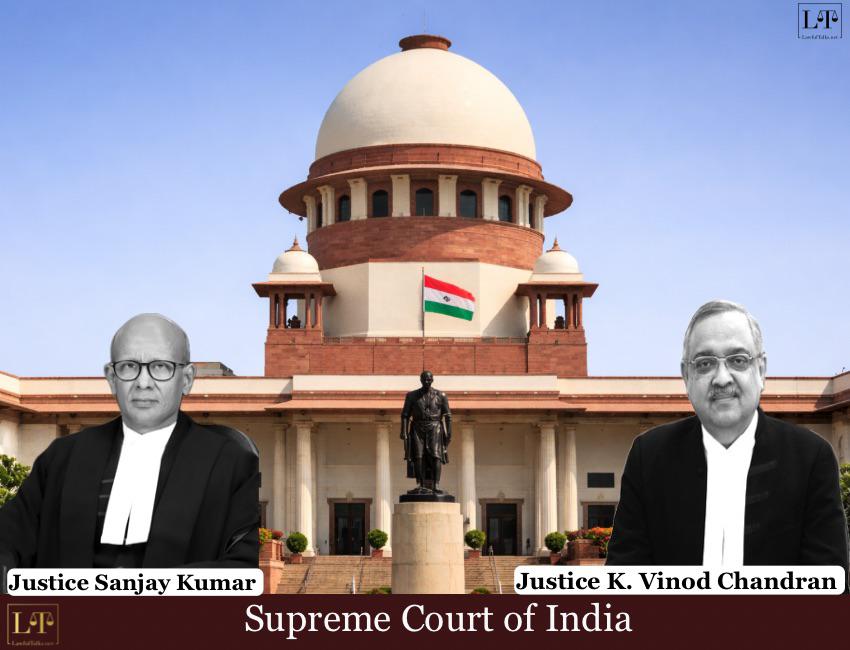
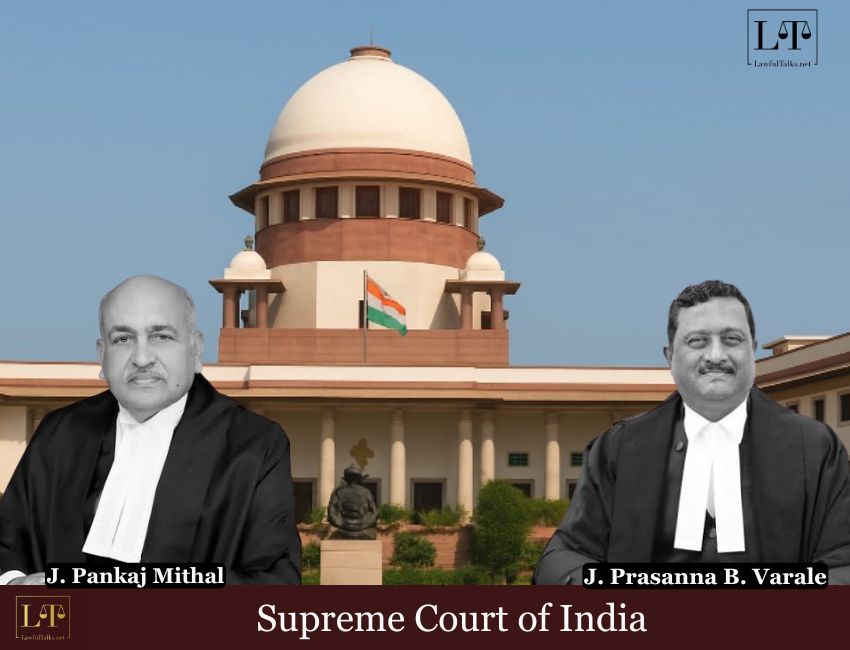
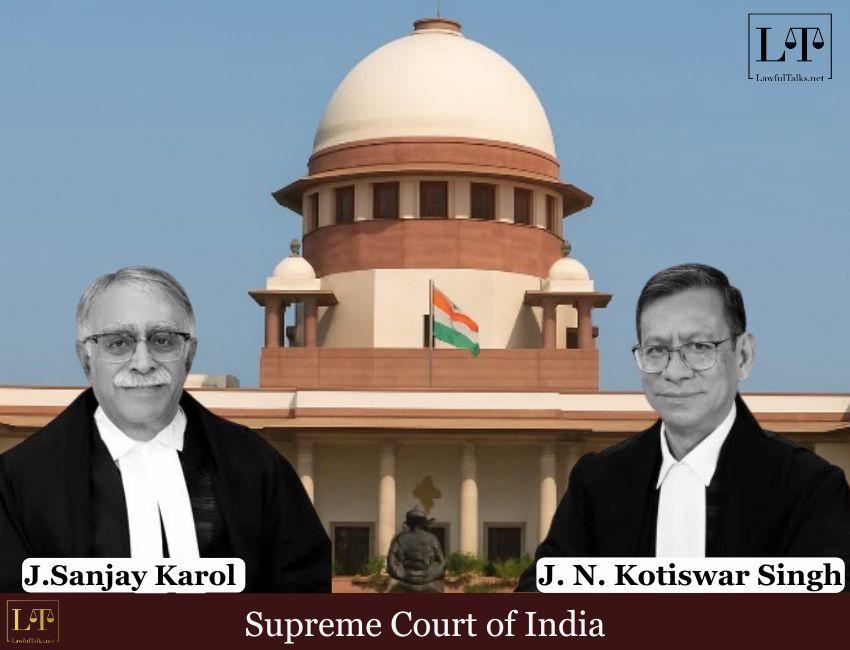
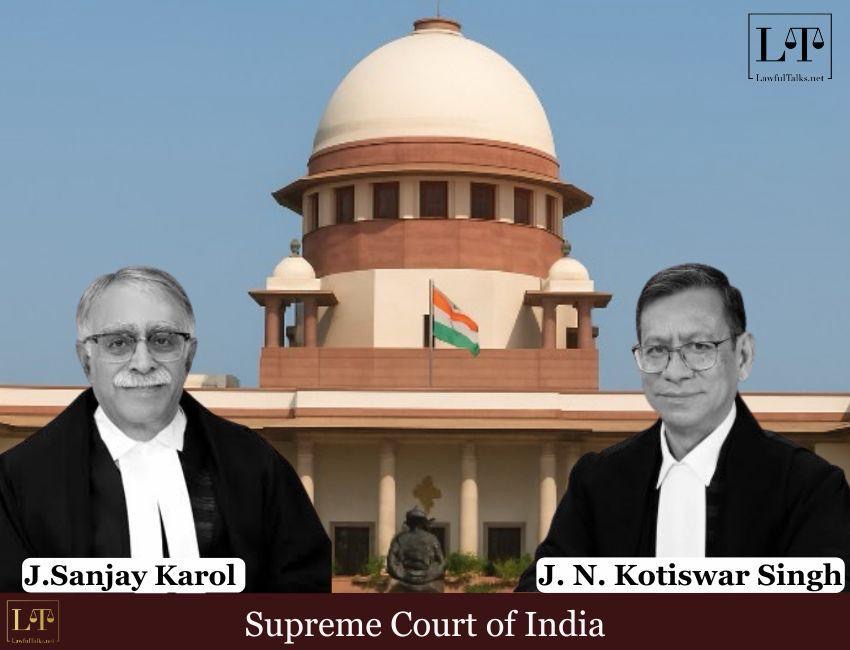
In a significant judgment delivered by Justice Sanjay Karol and Justice Nongmeikapam Kotiswar Singh, the Supreme Court of India answered an important legal question about what happens to tenancy rights when one bank merges with another.
The Court held that if a tenant bank merges with another bank and its tenancy rights are transferred to the new bank without the landlord’s written consent, it amounts to a violation of Section 14(1)(b) of the Delhi Rent Control Act, 1958.
This is true even if the tenancy is transferred under a law and not because the tenant chose to transfer it. Allowing the landlord’s appeal, the Supreme Court restored the eviction order and made it clear that the law does not distinguish between voluntary and involuntary transfers while deciding cases under Section 14(1)(b).
The case concerned a tenancy created in 1947. British Motor Car Company (1939) Ltd., the owner of premises in Pratap Building, Connaught Circus, New Delhi, had rented the property to Hindustan Commercial Bank (HCB) for non-residential use at a monthly rent of ₹585.
Later, on 18 December 1986, the Central Government issued a Gazette Notification under Section 45 of the Banking Regulation Act, 1949, based on a scheme prepared by the Reserve Bank of India. Under this scheme, Hindustan Commercial Bank (HCB) merged with Punjab National Bank (PNB). As a result, all the assets, liabilities, rights and interests of HCB, including its tenancy rights over the rented premises, automatically transferred to PNB.
The landlord then filed an eviction petition under Section 14(1)(b) of the Delhi Rent Control Act. The landlord argued that HCB had assigned or parted with possession of the rented premises in favour of PNB without first obtaining the landlord’s written consent. According to the landlord, this was an unauthorized transfer of the tenancy, making the tenant liable to eviction.
The Additional Rent Controller dismissed the eviction petition. It held that since the merger had taken place under a statutory scheme framed under the Banking Regulation Act, the landlord was bound by that scheme. The Controller observed that “the scheme of amalgamation is binding upon the petitioner” and further held that “Punjab National Bank is successor-in-interest, in pursuance of scheme referred above and there is neither sub-letting nor assignment, nor parting with possession of the demised premises in its favour.”
The landlord challenged this decision before the Additional Rent Control Tribunal. The Tribunal disagreed with the Rent Controller and passed an eviction order. It held that the tenant had violated Section 14(1)(b) by transferring possession without obtaining the landlord’s written consent. The Tribunal observed that “the tenant/alleged sub-tenant did breach the provisions of Section 14(1)(b) of the Act by assigning or parting with possession of the demised premises without obtaining the written consent from the landlords.”
Punjab National Bank then approached the Delhi High Court. The High Court set aside the eviction order by relying on its earlier decision in Asha Rohatgi v. Erstwhile New Bank of India. It held that the merger was not a voluntary act of the tenant but had taken place because of a Gazette Notification issued by the Central Government. The High Court observed that “it was a merger consequent to a Gazette Notification issued by the Central Government over which the tenant had no control” and therefore concluded that “the ground of subletting was rightly held to be not available to the landlord.”
The Supreme Court first examined Section 14(1)(b) of the Delhi Rent Control Act. The provision allows a landlord to evict a tenant if the tenant sublets, assigns, or otherwise parts with possession of the rented premises without the landlord’s written consent. The Court explained that two conditions must be met before eviction can be ordered. First, there must be a transfer of possession or tenancy rights. Second, the transfer must have taken place without the landlord’s written consent.
Explaining the meaning of “parting with possession,” the Court said that the tenant must give up not only physical possession but also the legal right to possess the premises. Referring to its earlier judgments, the Court said that once the original tenant no longer has control over the premises and another entity takes its place, the requirement of “parting with possession” is satisfied.
The Court also explained the legal effect of an amalgamation. It said that when two companies merge, the transferor company loses its separate legal identity. After the merger, the original company no longer exists, and all its rights and liabilities pass to the transferee company. Applying this principle, the Court noted that Hindustan Commercial Bank no longer existed after the merger and all its tenancy rights had passed to Punjab National Bank.
One of PNB’s main arguments was that the transfer of tenancy was not voluntary because it happened under a statutory scheme framed under the Banking Regulation Act and not because of any decision taken by the tenant. The Supreme Court rejected this argument. It relied on its earlier decisions in Parasram Harnand Rao v. Shanti Prasad Narinder Kumar Jain and Singer India Ltd. v. Chander Mohan Chadha, which had given a broad interpretation to Section 14(1)(b).
The Court clearly observed:
“the applicability of Section 14(1)(b) depends upon occurrence of a factual situation, namely, sub-letting or assignment or otherwise parting with possession of the whole or any part of the premises by the tenant. Whether it is a voluntary act of the tenant or otherwise and also the reasons for doing so are wholly irrelevant and can have no bearing.”
The Court rejected the distinction between voluntary and involuntary transfers. It further held that:
“the said provision does not distinguish between voluntary and involuntary transfers, nor does it carve out any exception in favour of transfers effected pursuant to a scheme of amalgamation or to secure compliance with law.”
The Supreme Court further observed that once the merger took effect, Hindustan Commercial Bank no longer existed, and all its tenancy rights automatically passed to Punjab National Bank. Since the landlord’s written consent had admittedly not been obtained, both conditions under Section 14(1)(b) were fully satisfied. The Court therefore held:
“where, upon amalgamation effected under Section 45 of the Banking Regulation Act, the tenancy rights vest in another entity and possession qua tenanted premises passes to it without the written consent of the landlord, the ingredients of Section 14(1)(b) shall stand fully satisfied.”
The Court also considered whether a scheme framed under Section 45 of the Banking Regulation Act had the force of law and could override the Delhi Rent Control Act. The respondents argued that because the merger took place under a statutory scheme approved by the Central Government, it should not be treated like a normal assignment.
The Supreme Court rejected this argument by relying on the Constitution Bench decision in K.I. Shephard v. Union of India. Referring to that judgment, the Court said that, “the scheme-making process under Section 45 of the Banking Regulation Act is administrative in nature and not legislative.” Therefore, such a scheme cannot override the provisions of the Delhi Rent Control Act or create an exception to Section 14(1)(b).
The Court also held that the Delhi High Court had wrongly relied on Asha Rohatgi. It explained that the earlier case dealt with a scheme framed under the Banking Companies (Acquisition and Transfer of Undertakings) Act, 1980, which works under a completely different legal framework. The Supreme Court pointed out that schemes under the Acquisition Act are legislative in nature, whereas schemes under Section 45 of the Banking Regulation Act are administrative. Therefore, the High Court was wrong in treating both types of schemes as the same.
After considering all the issues, the Supreme Court allowed the landlord’s appeal, set aside the Delhi High Court’s judgment and restored the eviction order passed by the Additional Rent Control Tribunal.
At the same time, considering that Punjab National Bank had been occupying the premises for many years, the Court granted it time until 31 January 2027 to peacefully vacate the premises after filing the required undertaking before the Court.





































































































































































































































































































































































































Sign up for free and be the first to get notified about curated content just for you.