“What Kind of Useless Policy Is This?” SC Questions Maharashtra’s Two-Child Election Rule.

- July 15, 2026


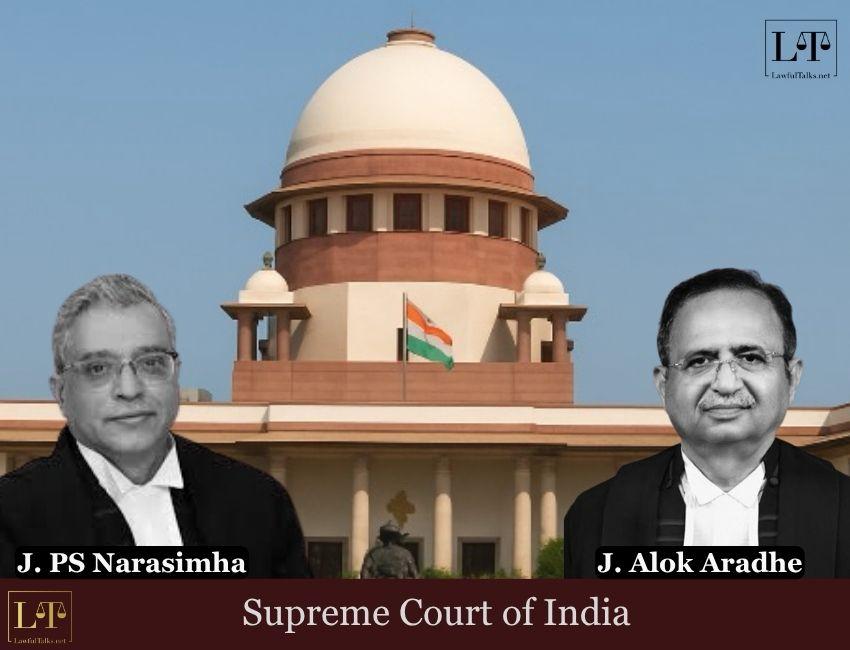
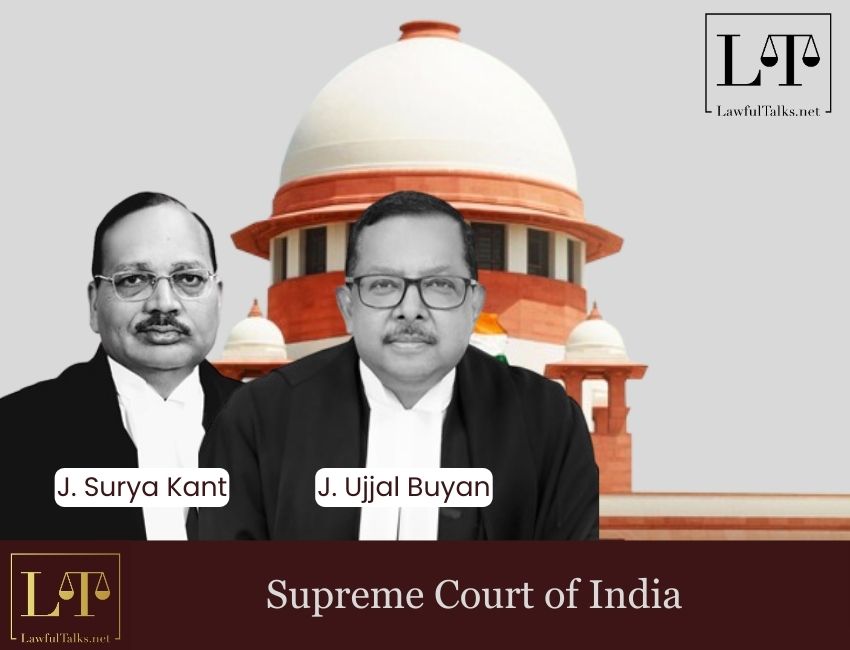
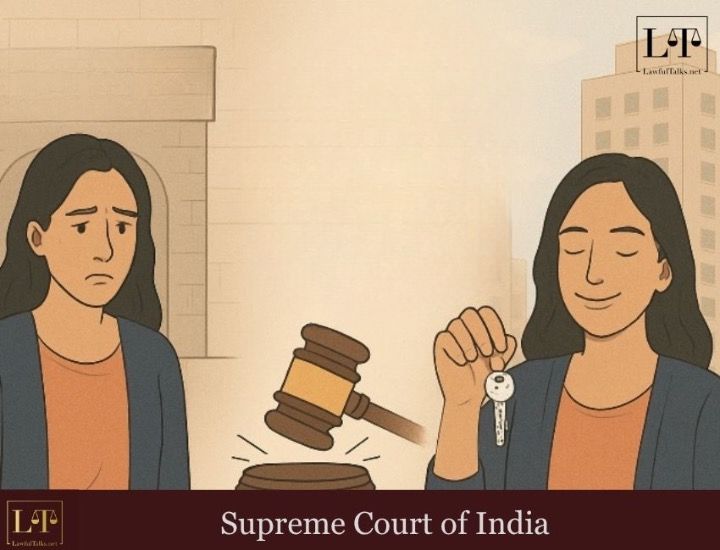
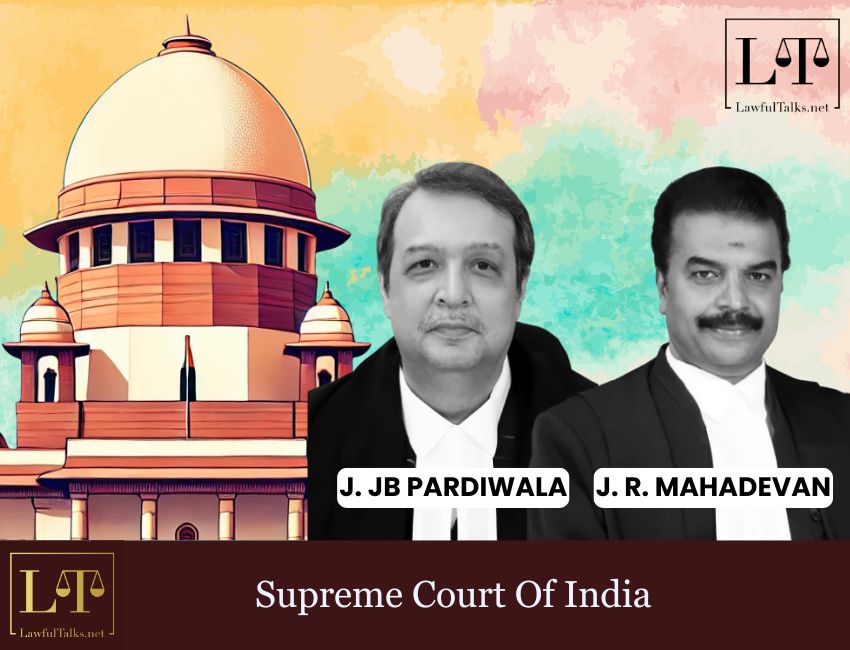
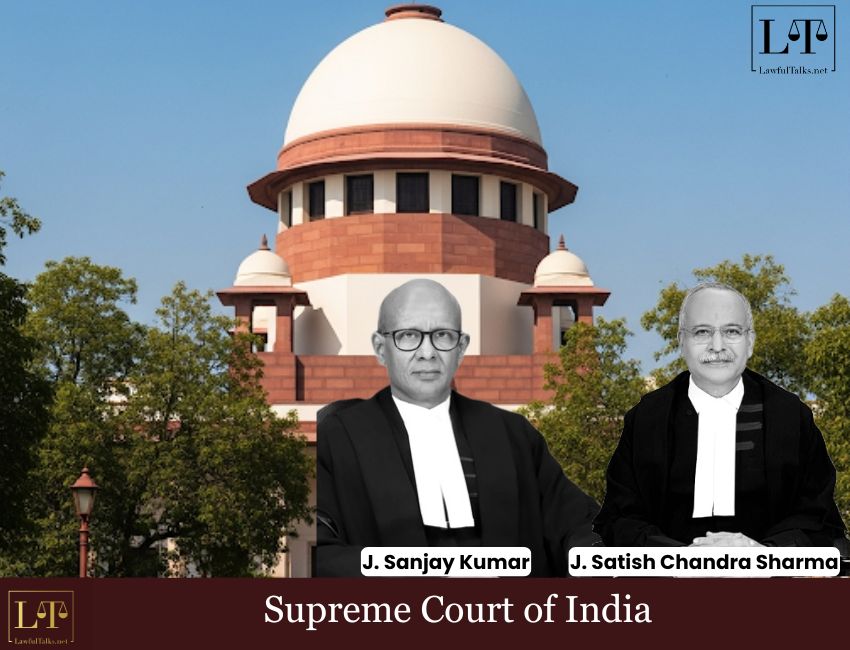
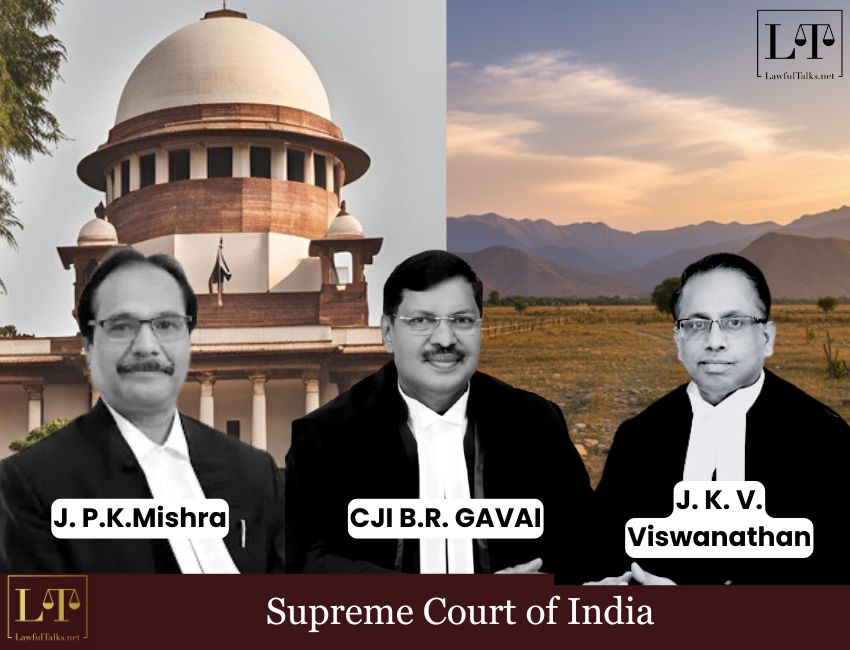
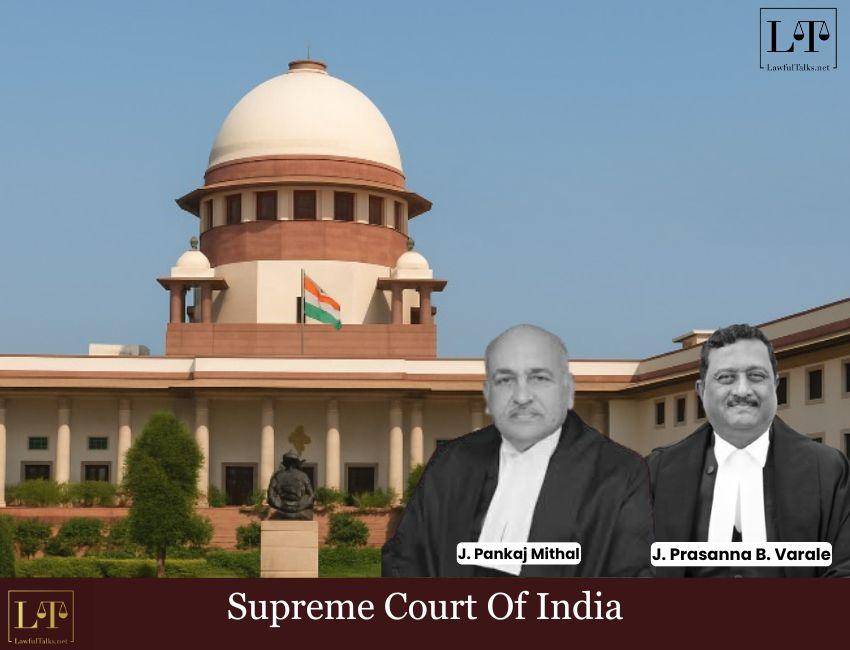
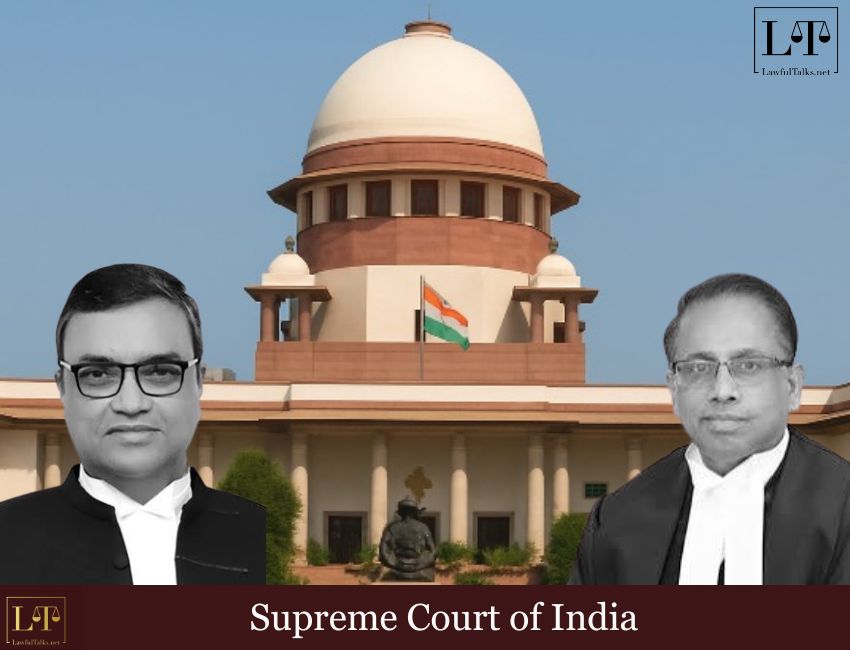
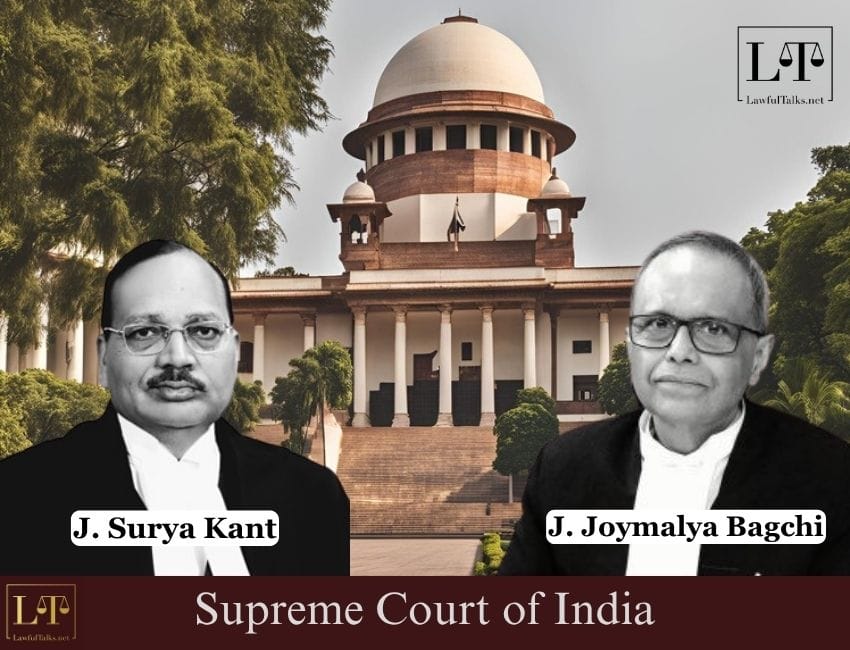
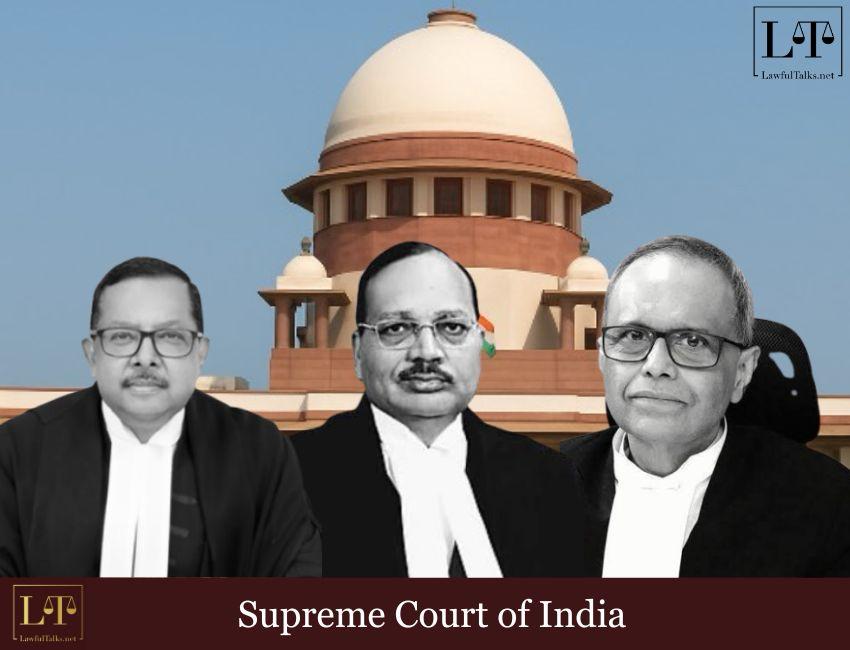
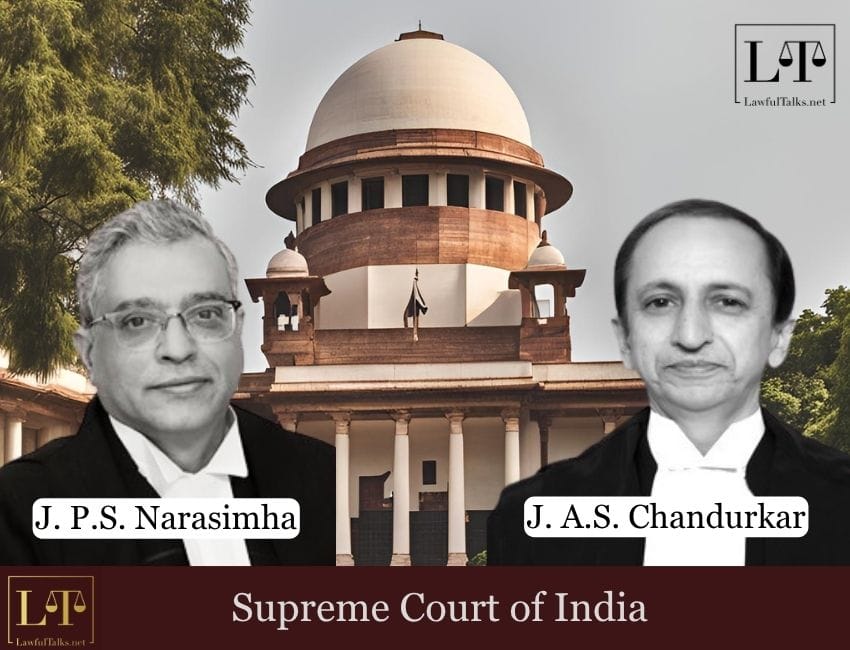
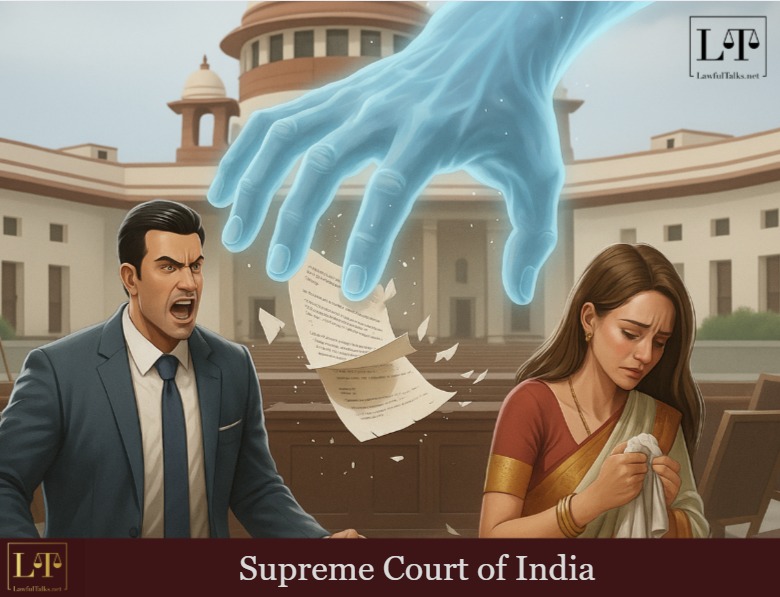
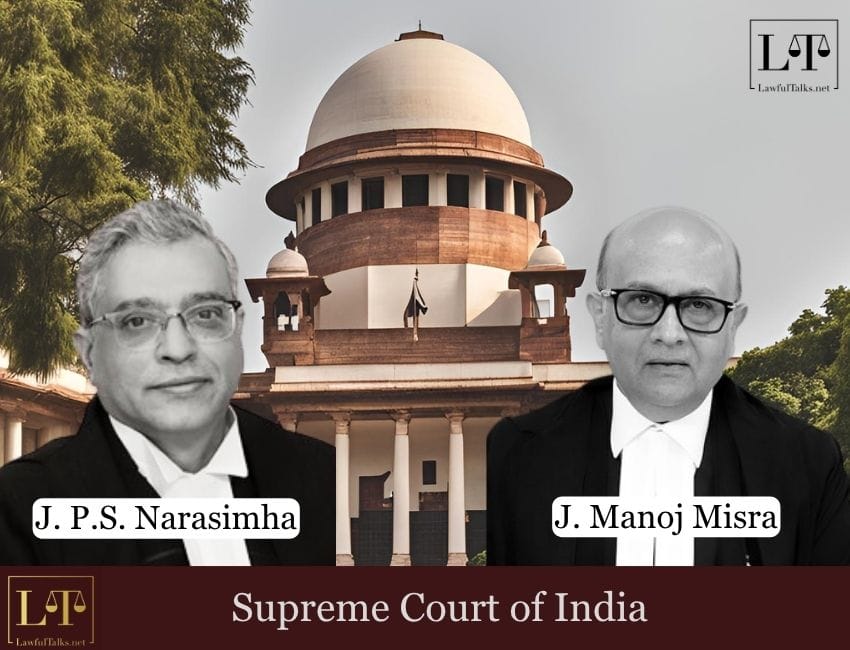
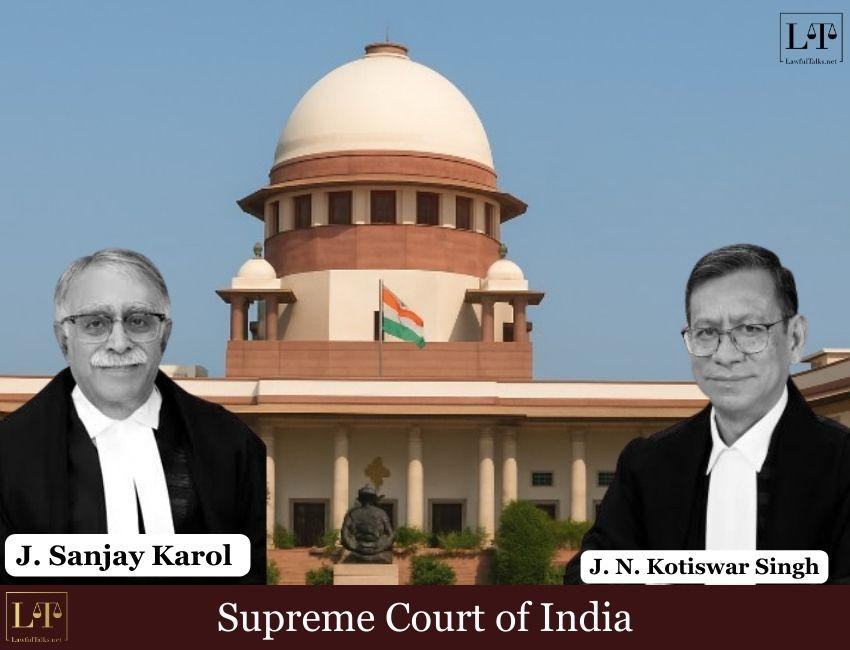
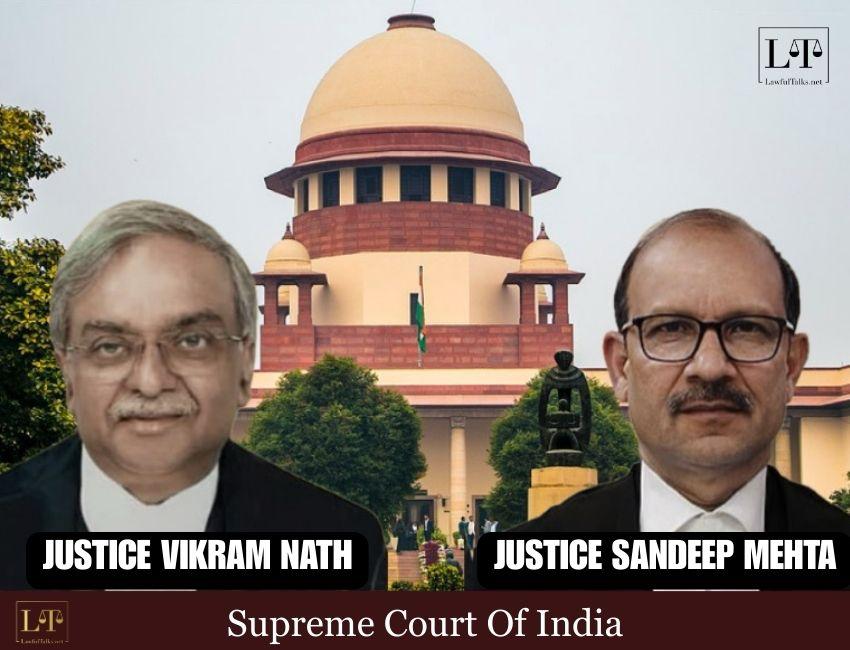
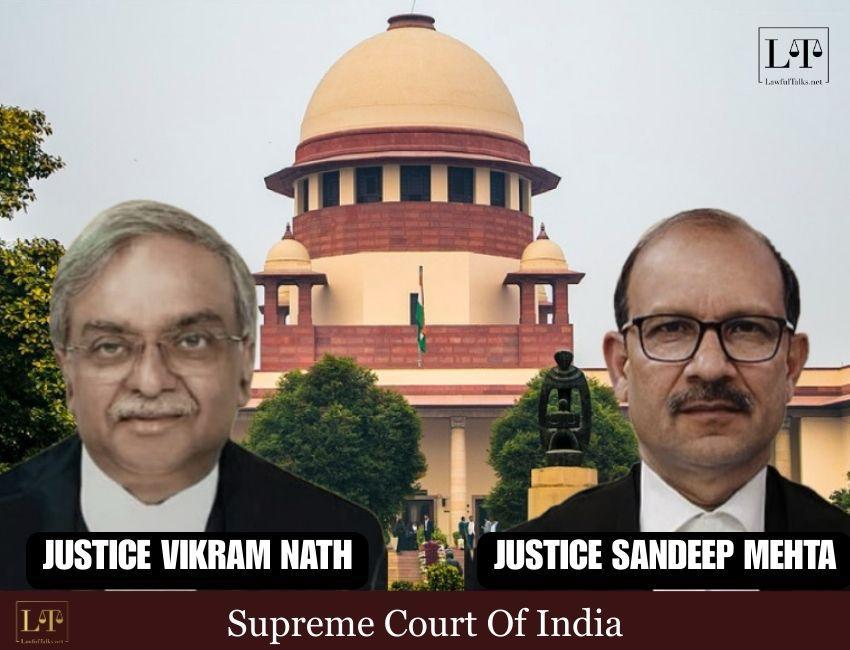
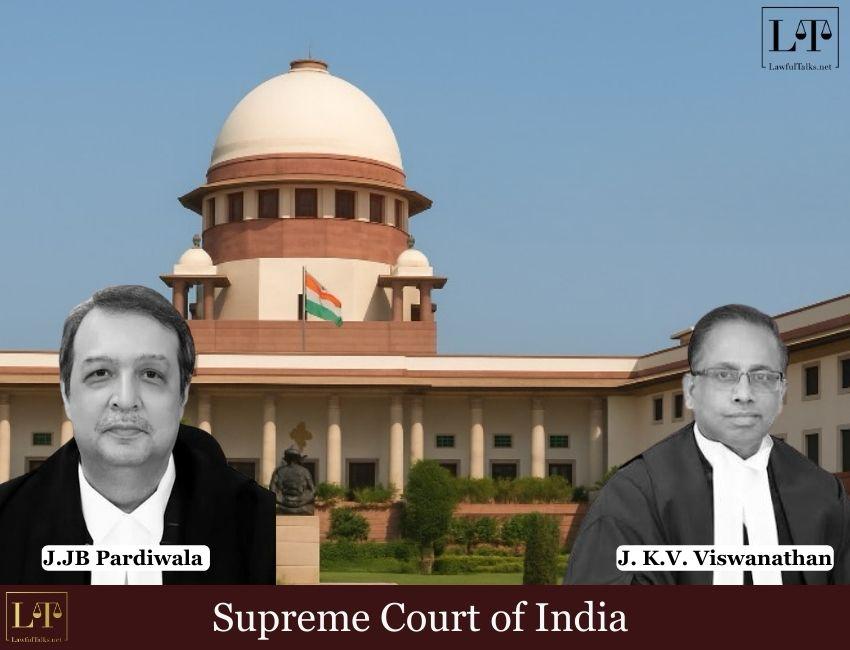
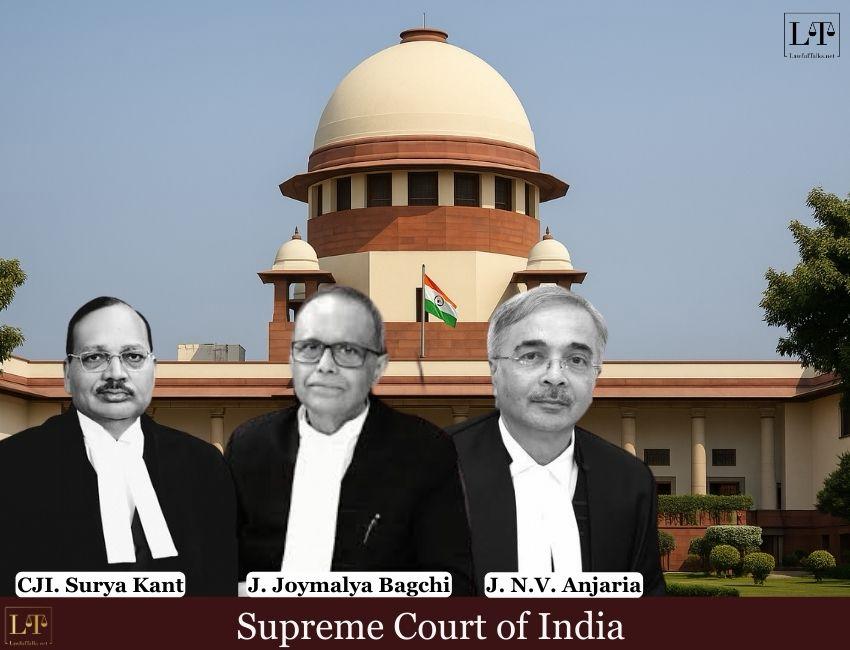
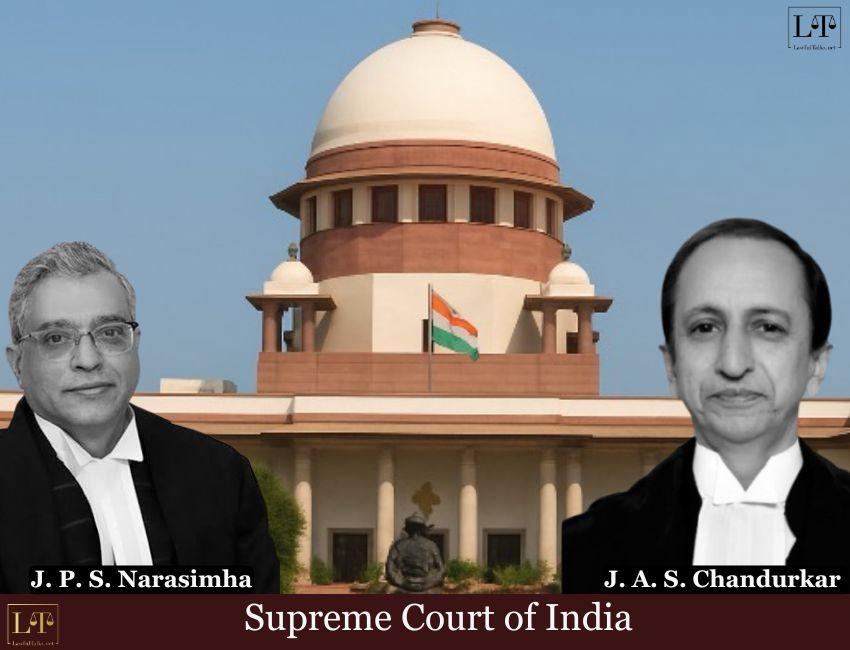
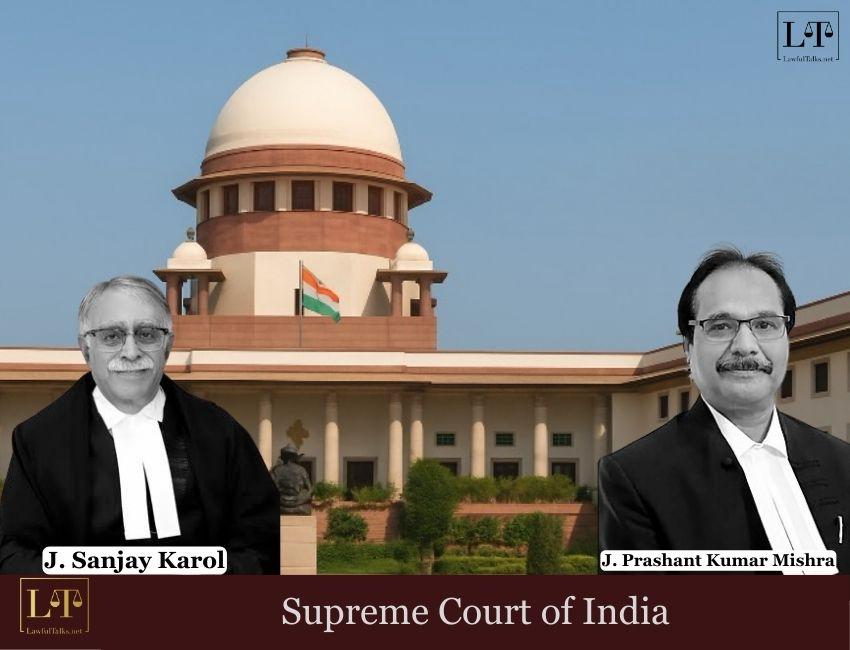
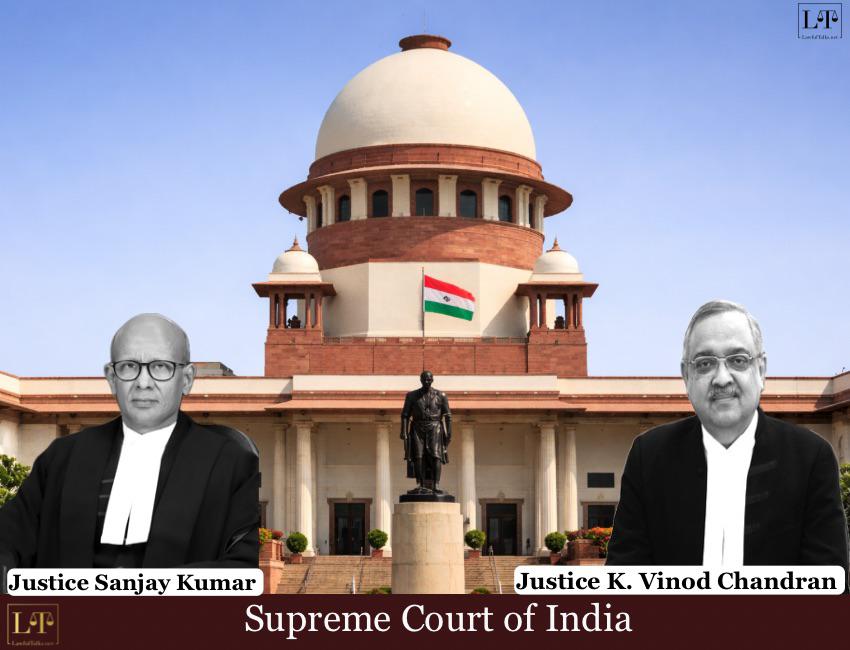
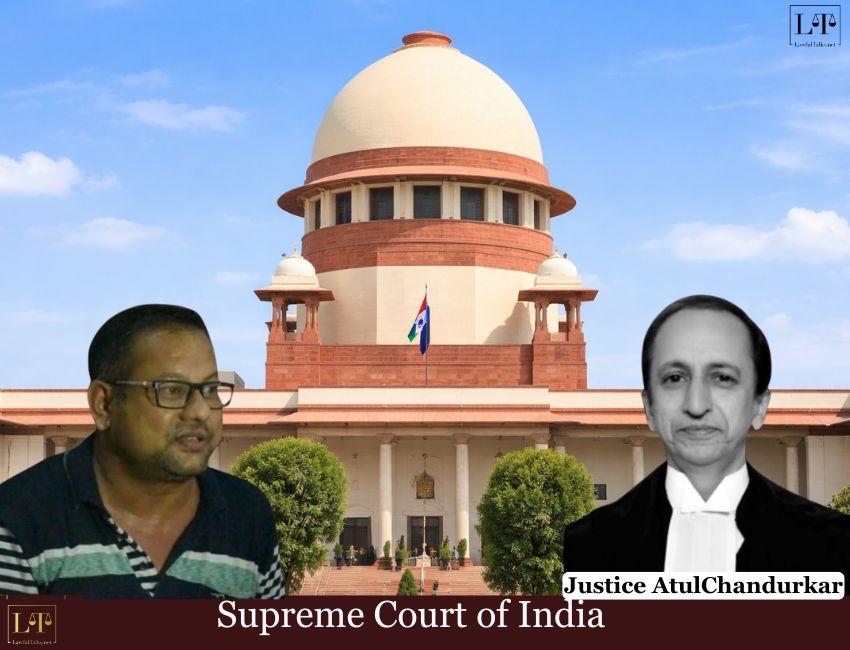
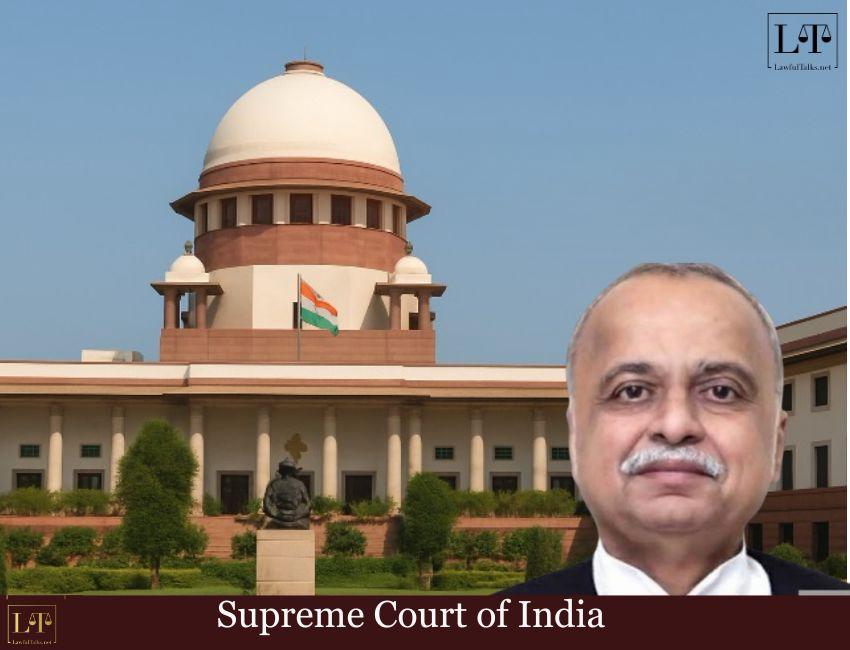
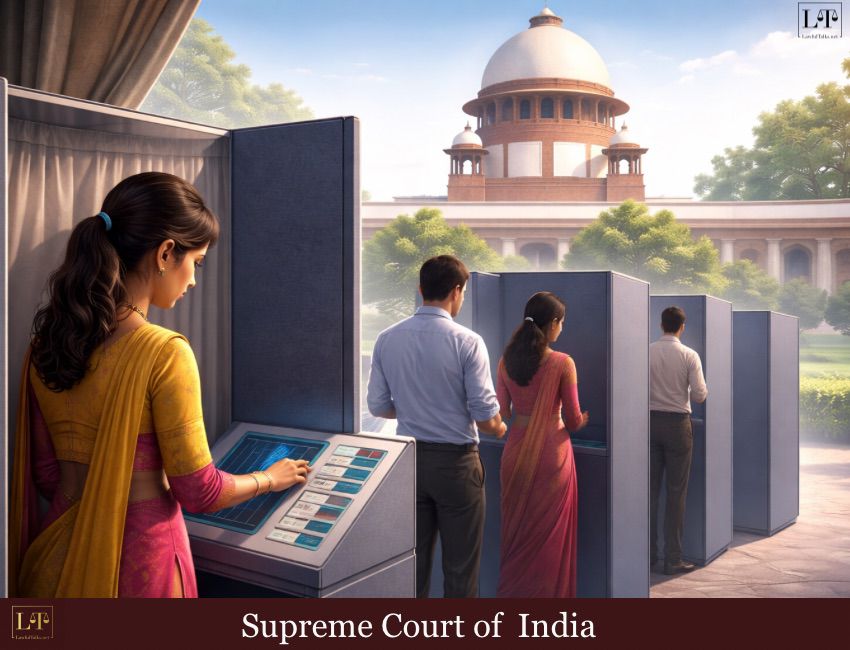
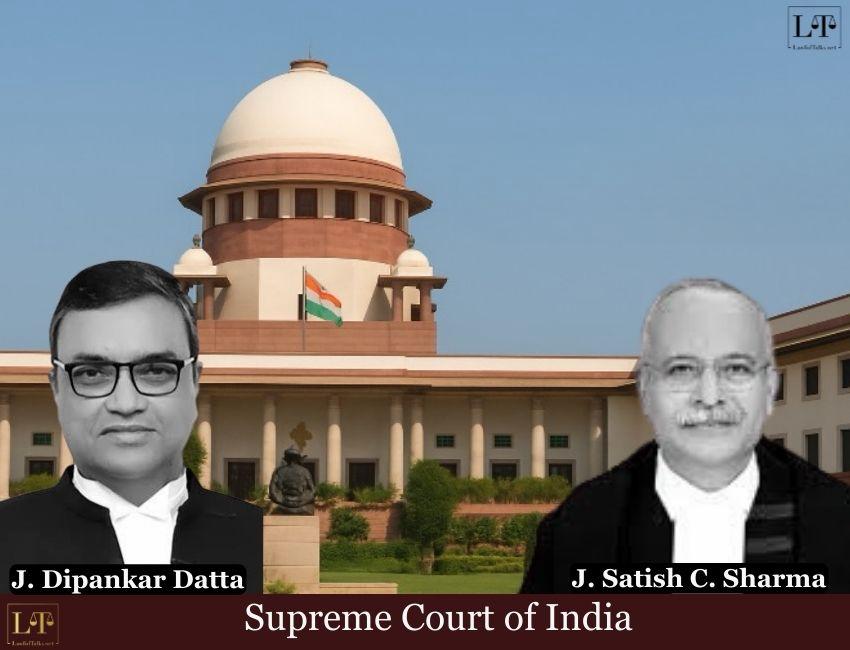
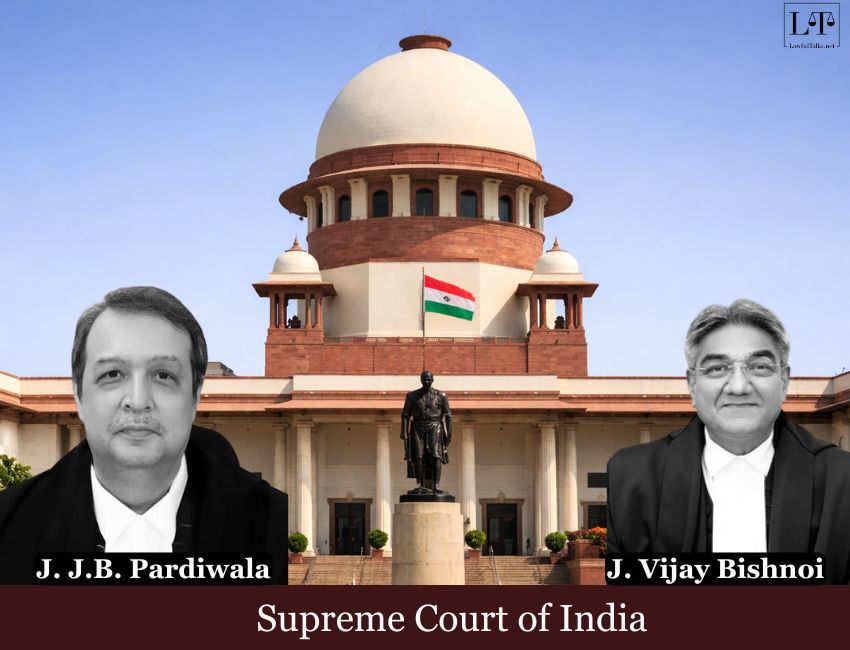
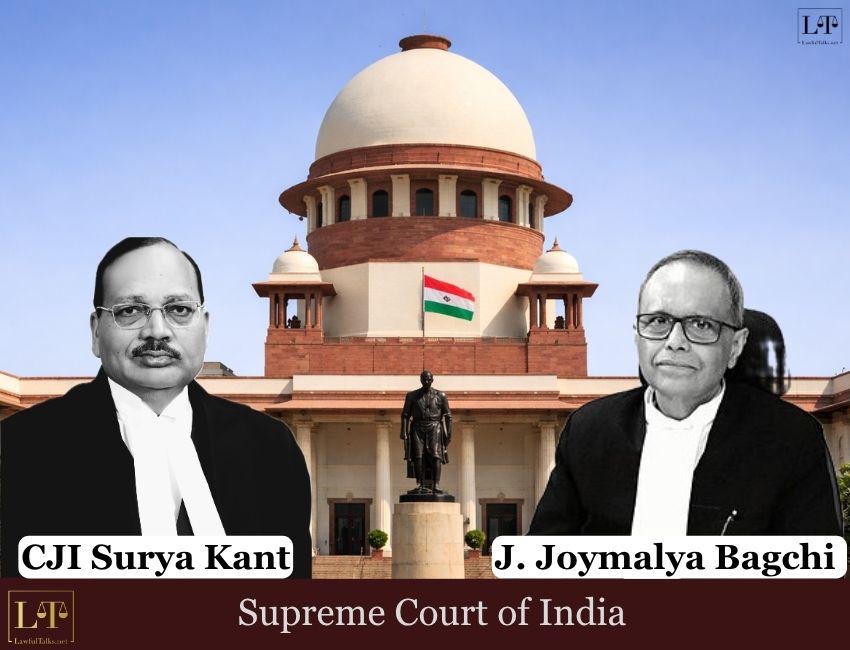
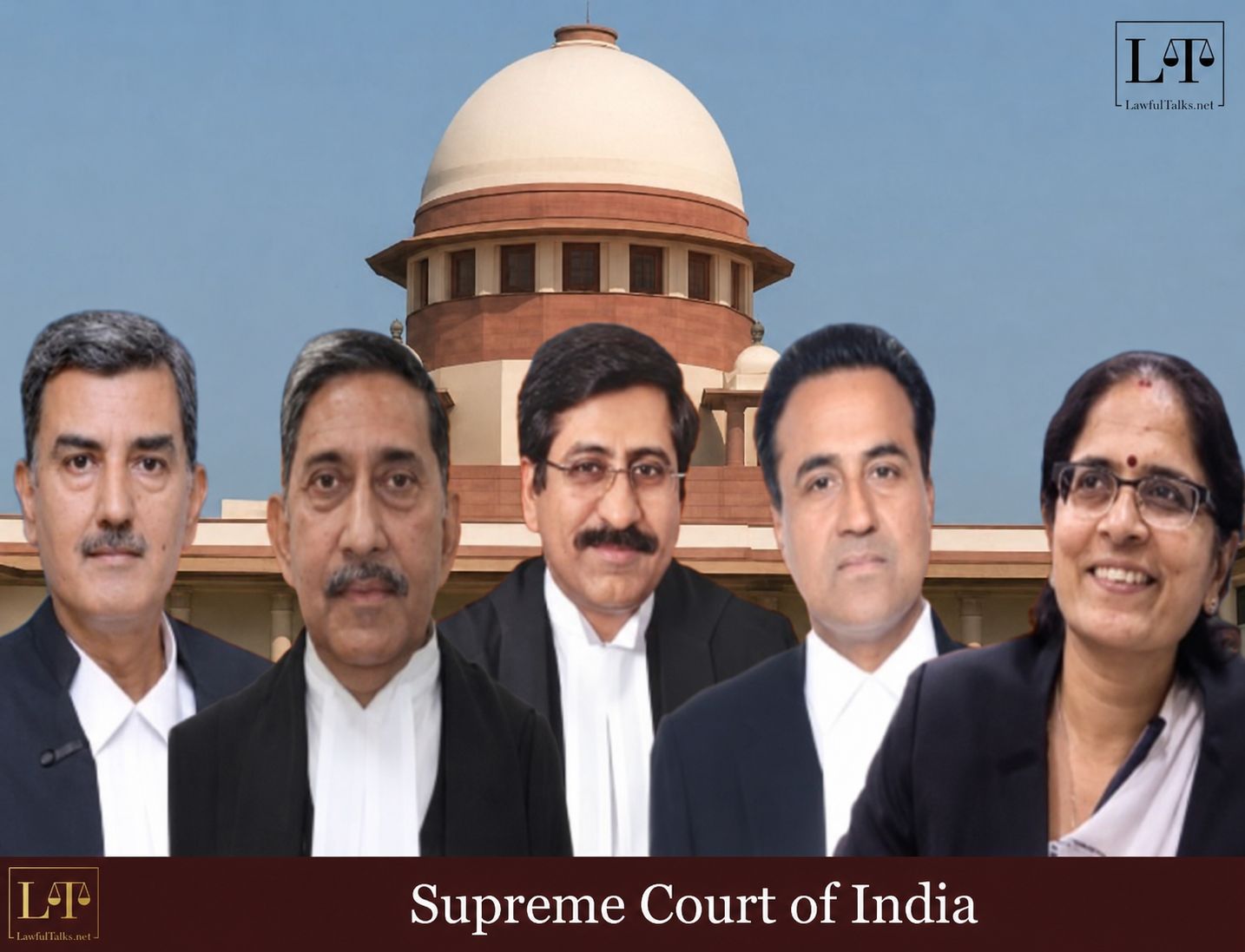
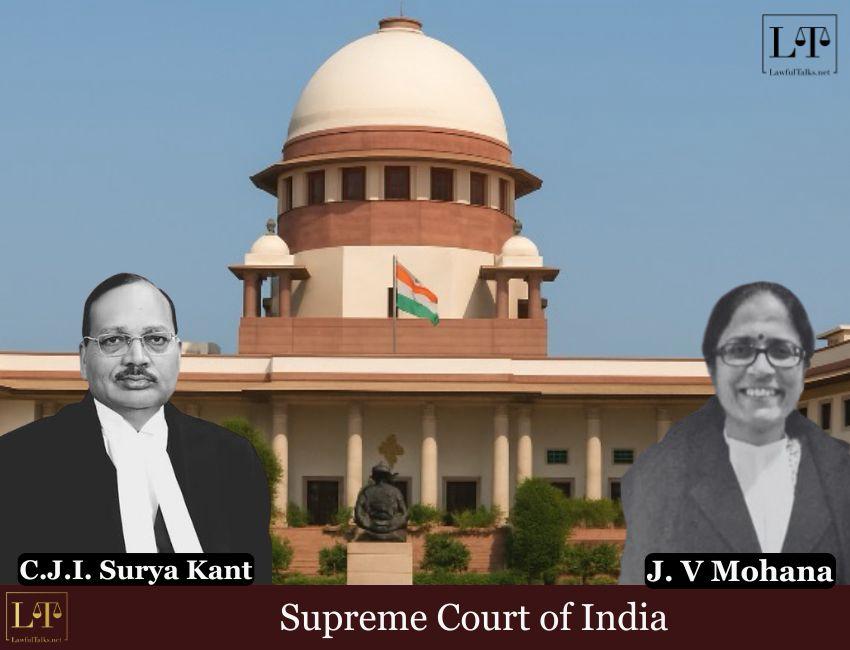
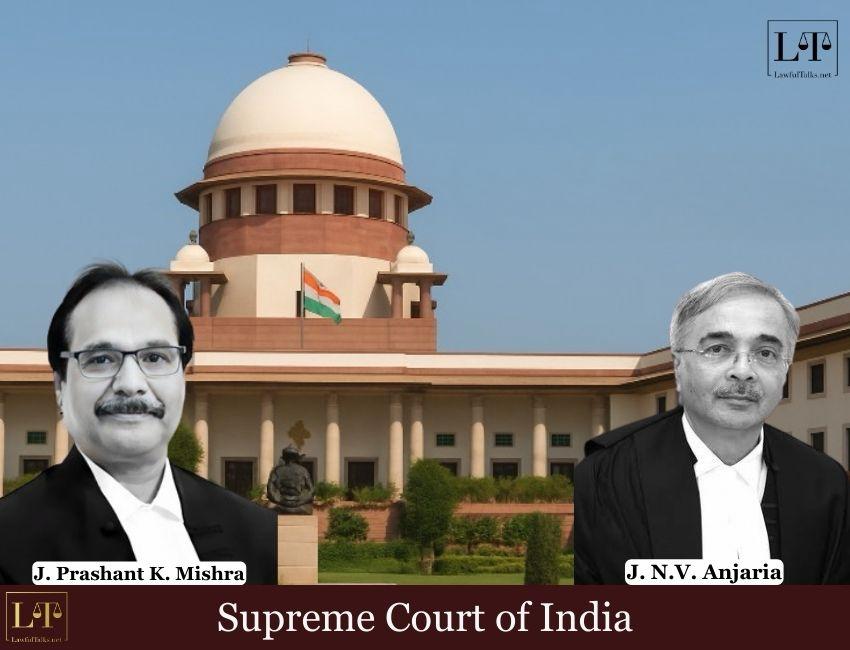
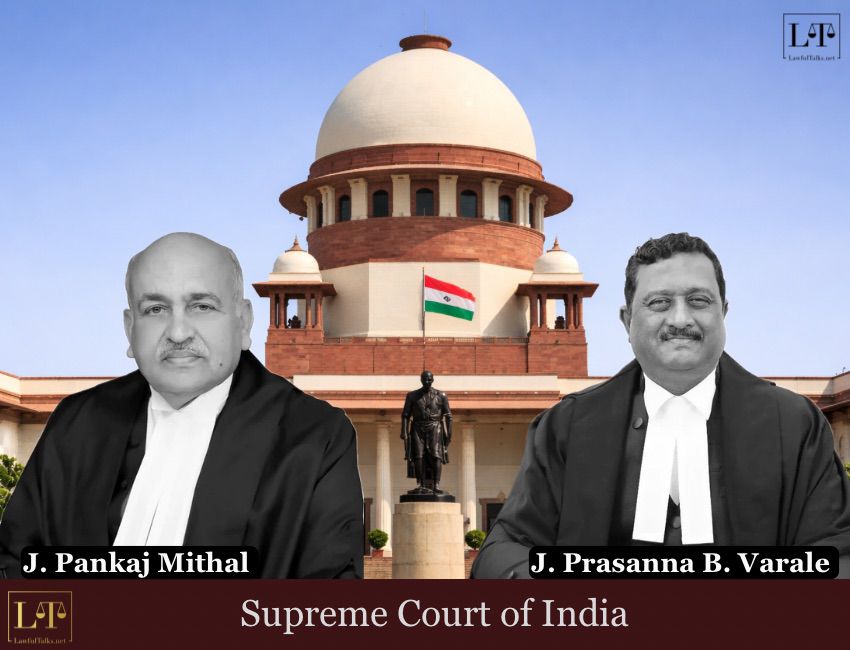
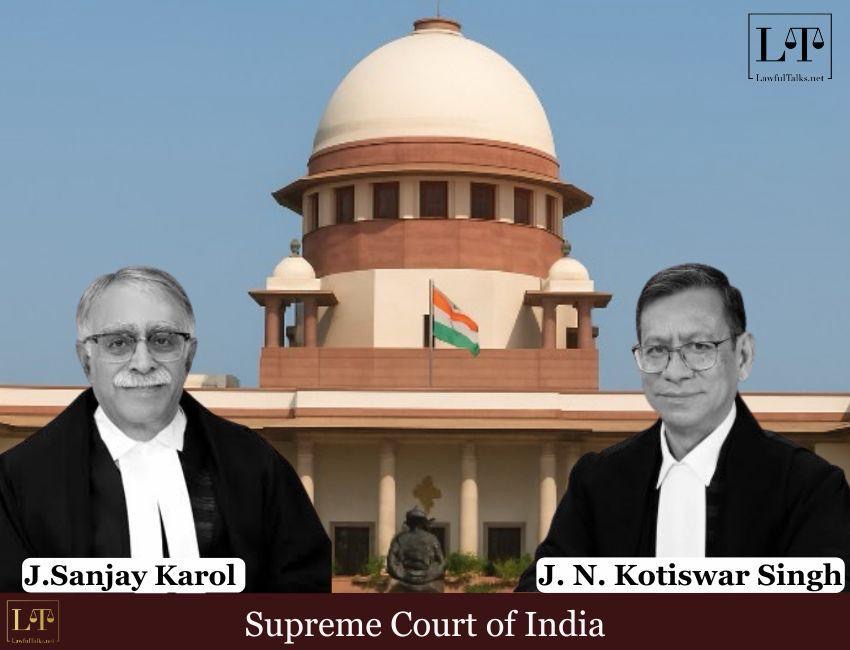
A Bench of Justice PS Narasimha and Justice Alok Aradhe was hearing a petition filed by former Maharashtra Sarpanch Mangala Bhimrao Ingle. She challenged her disqualification under Section 14(1)(j-1) of the Maharashtra Village Panchayat Act, 1959, which bars a person from contesting elections if they have more than two children after September 13, 2000, the date on which the amendment came into force.
The case arose after Ingle was elected Sarpanch of Gram Panchayat Kakoda in Maharashtra. A complaint was later filed alleging that she had become disqualified under Section 14(1)(j-1) because she had a third child.
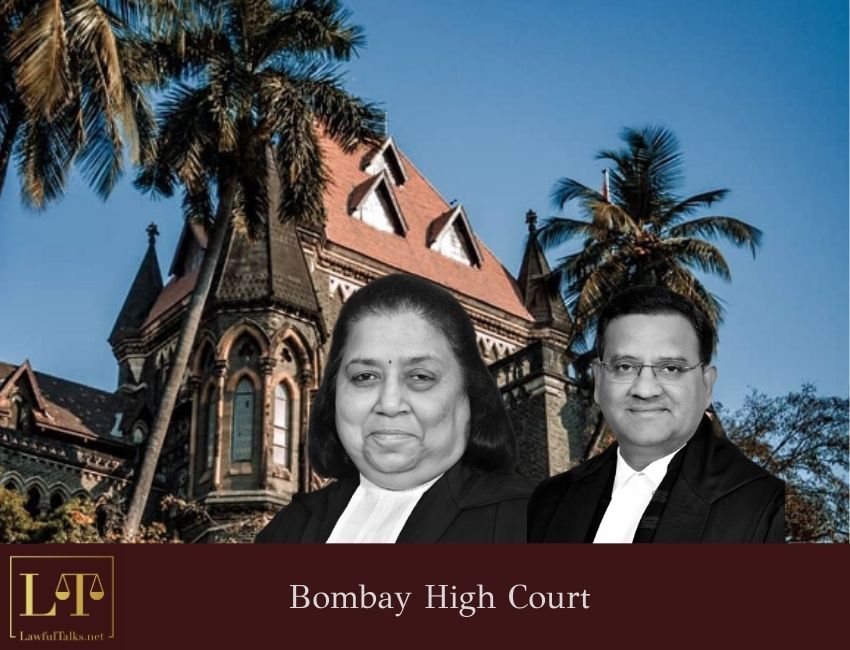
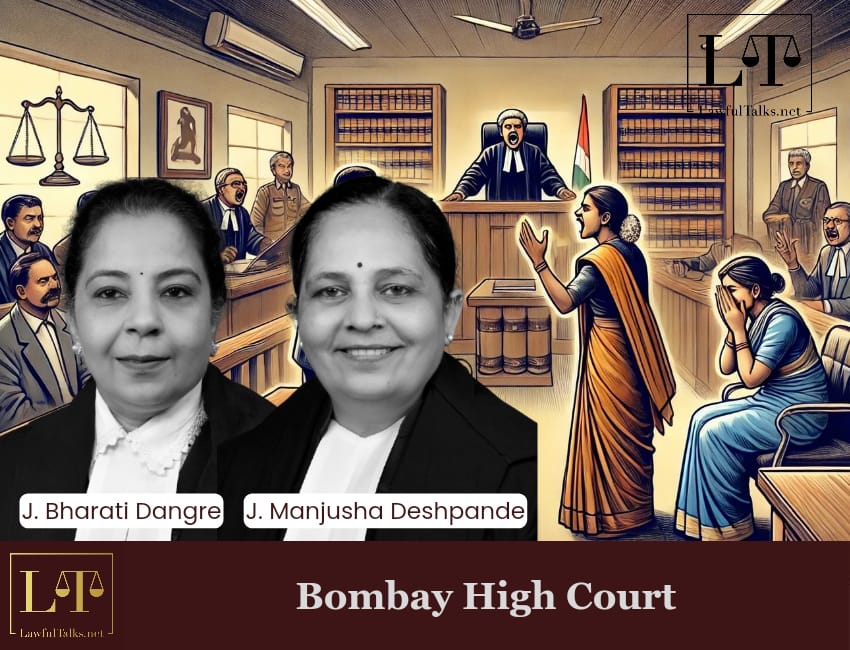
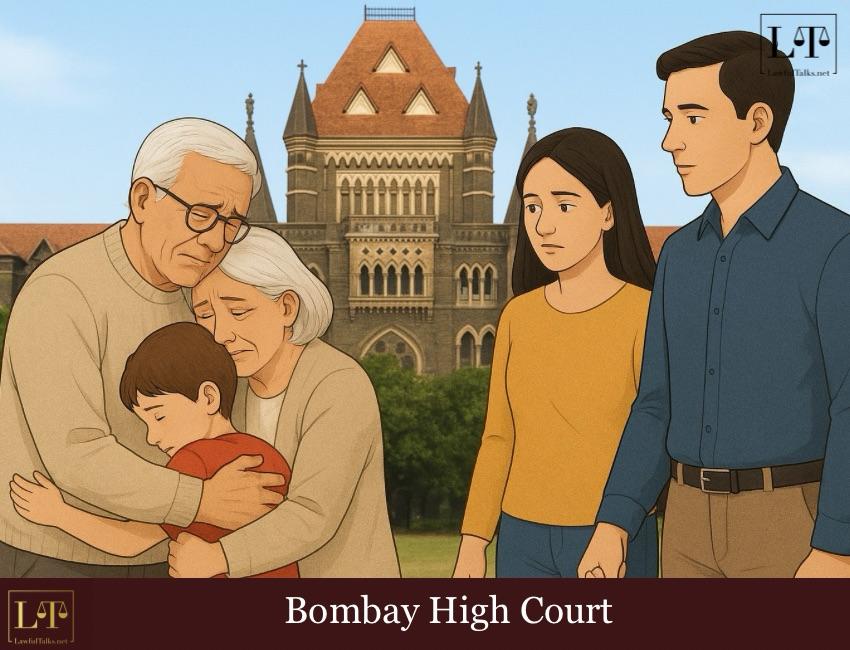
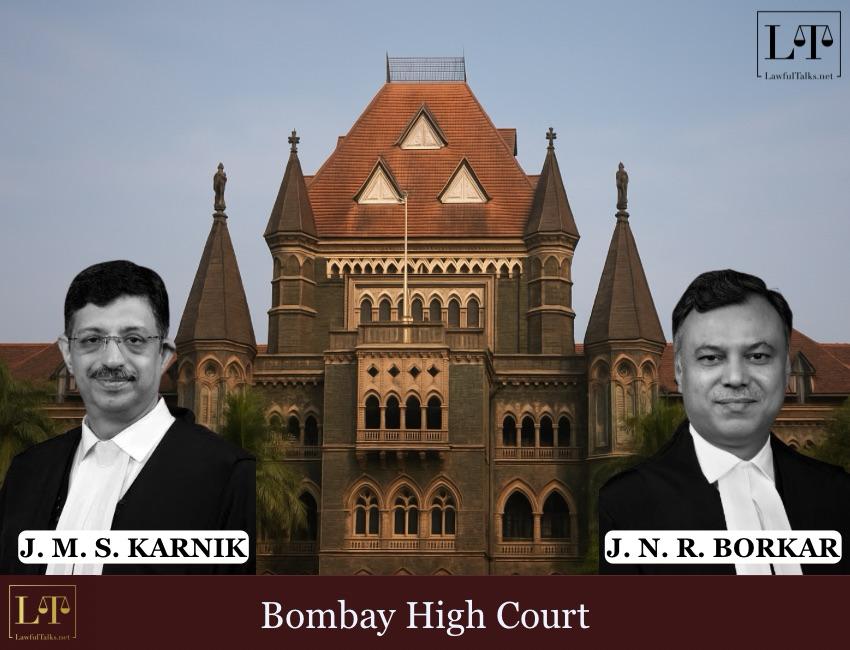
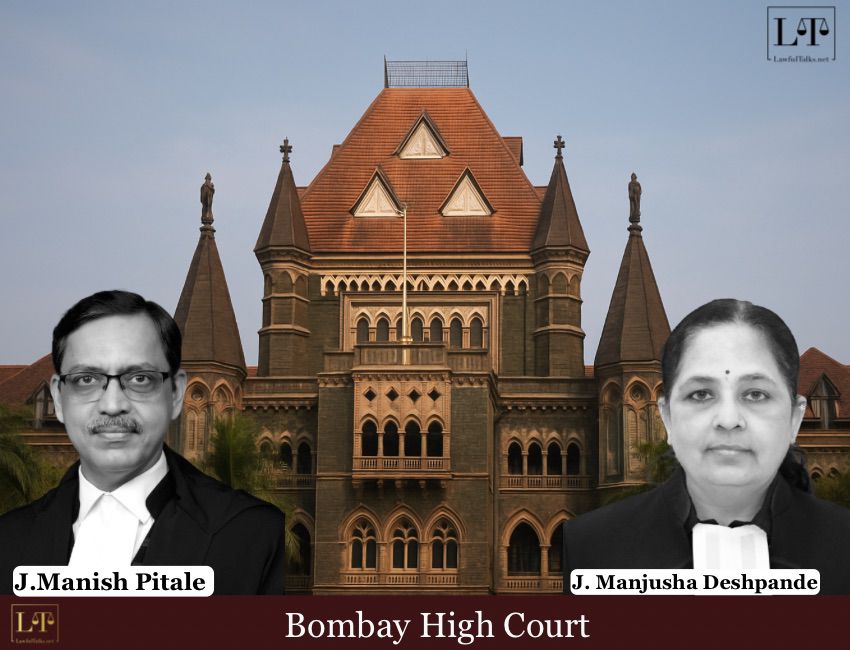
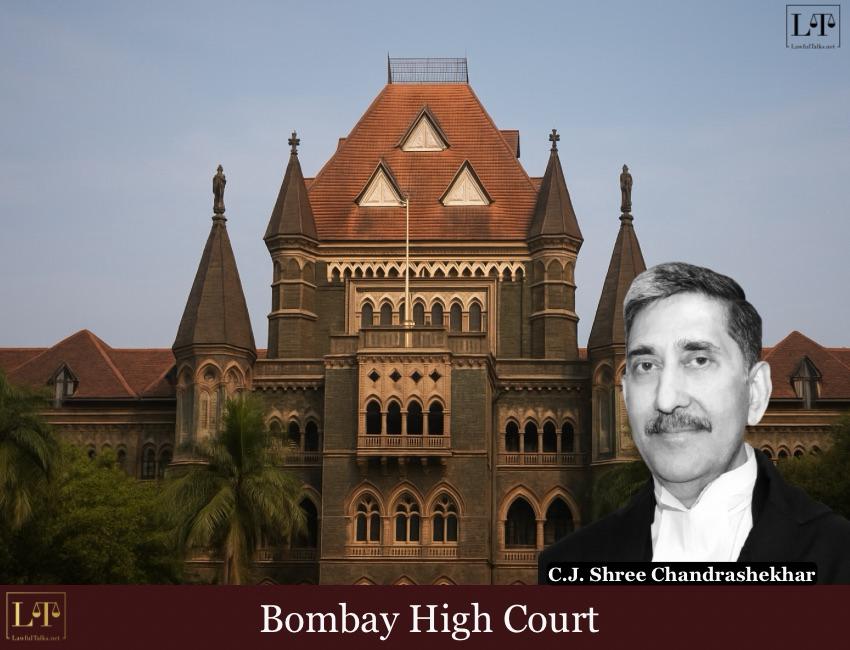
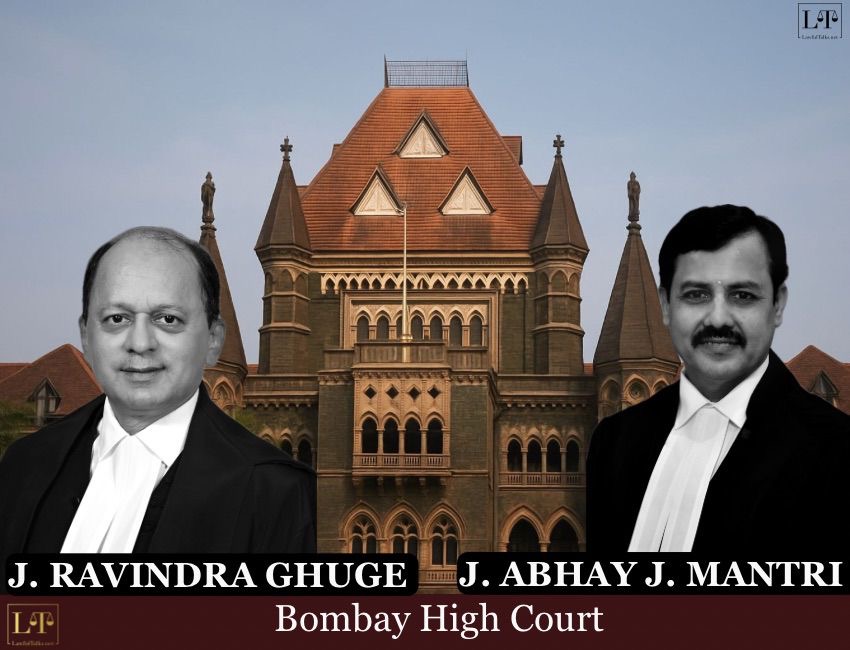
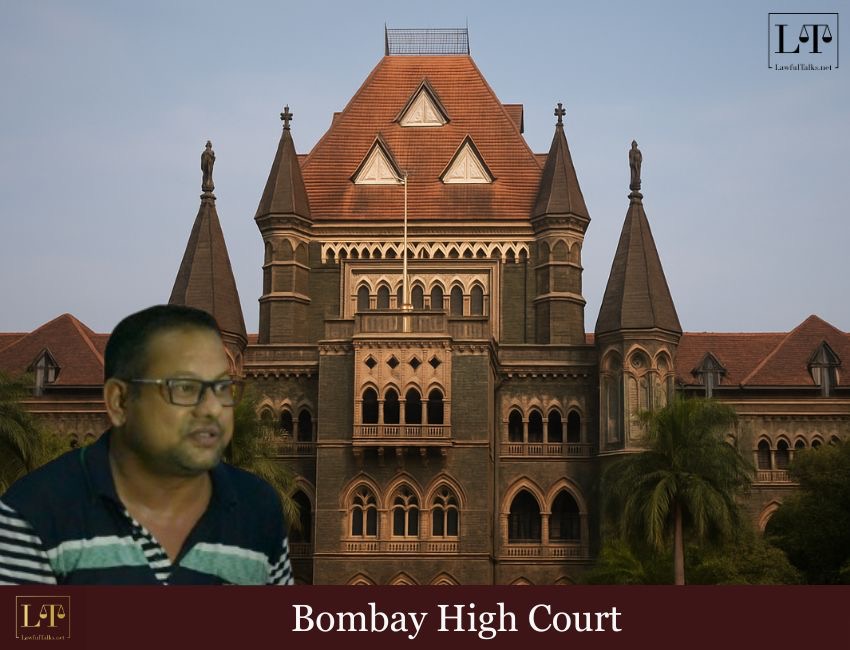
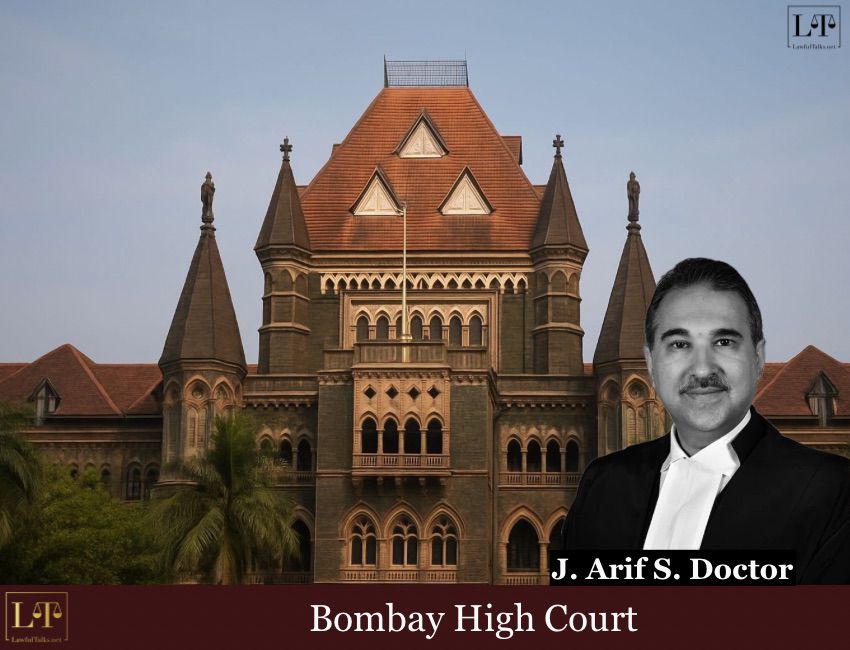
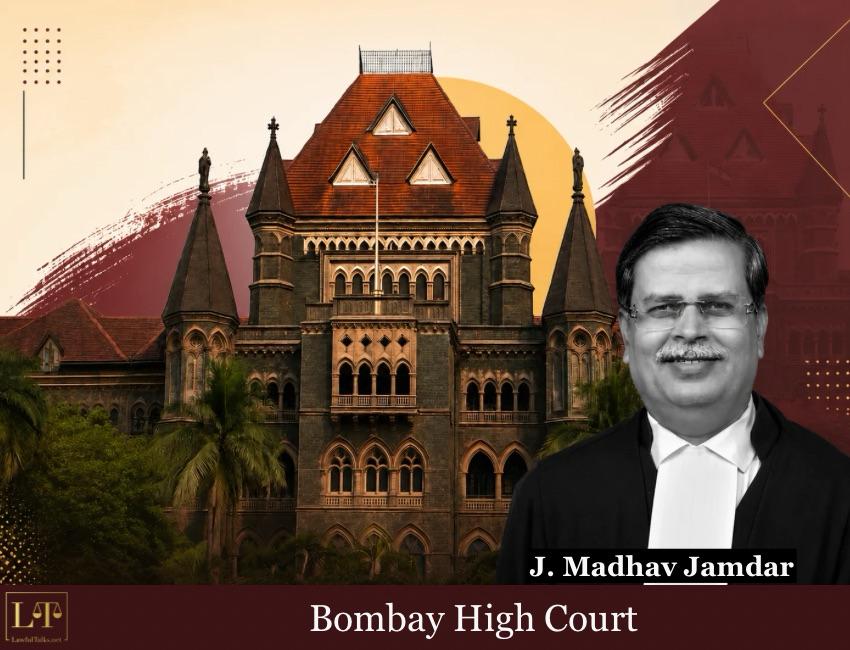
In October 2024, the Additional Collector at Buldhana disqualified Ingle. She appealed against the order, but the Additional Commissioner dismissed her appeal. She then approached the Bombay High Court.
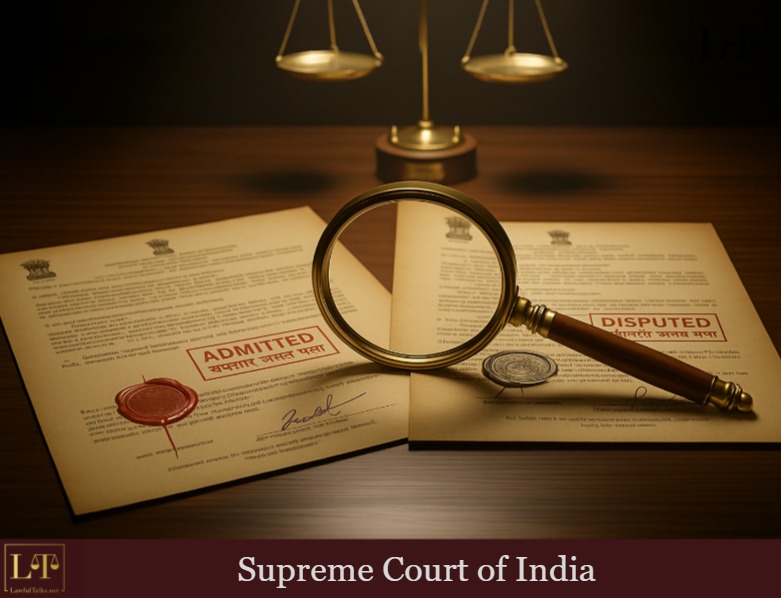
Appearing for Ingle, Advocate Karode argued that there was no conclusive proof that the alleged third child was actually born to the petitioner. He submitted that the birth certificate of the third child, Ku. Pari Bhimrao Ingle, could not be relied upon because it was issued by the competent authority of Gram Panchayat Hiwarkhed, which was not the petitioner’s place of residence. He therefore argued that the complainant had failed to prove that the birth certificate belonged to the petitioner’s daughter.
Counsel for the respondents argued that the birth certificate had been issued by the competent authority at Gram Panchayat Hiwarkhed because that was the place where the petitioner’s mother lived and where the child was born. The respondents also pointed out that the petitioner had never challenged the birth certificate of the third child, Ku. Paridhi Bhimrao Ingle, and submitted that the evidence on record clearly showed that she had incurred disqualification.
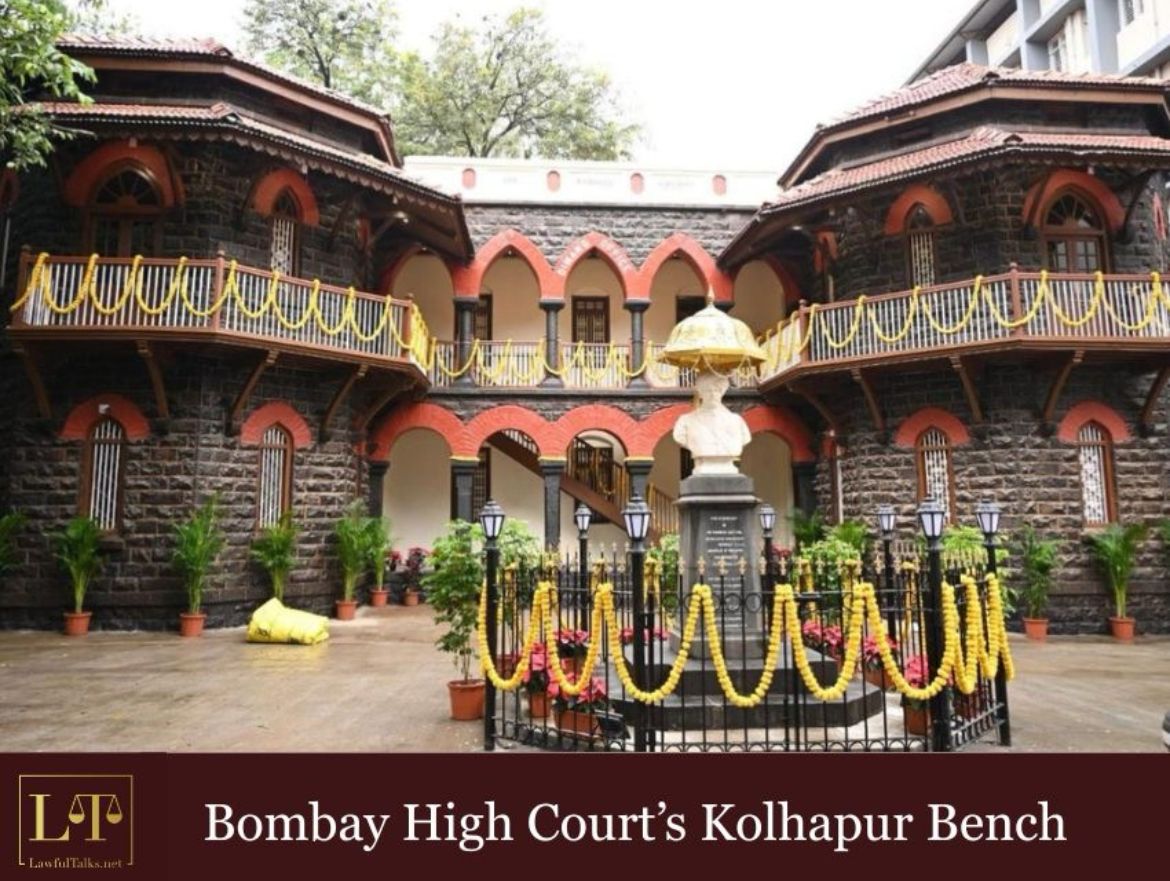
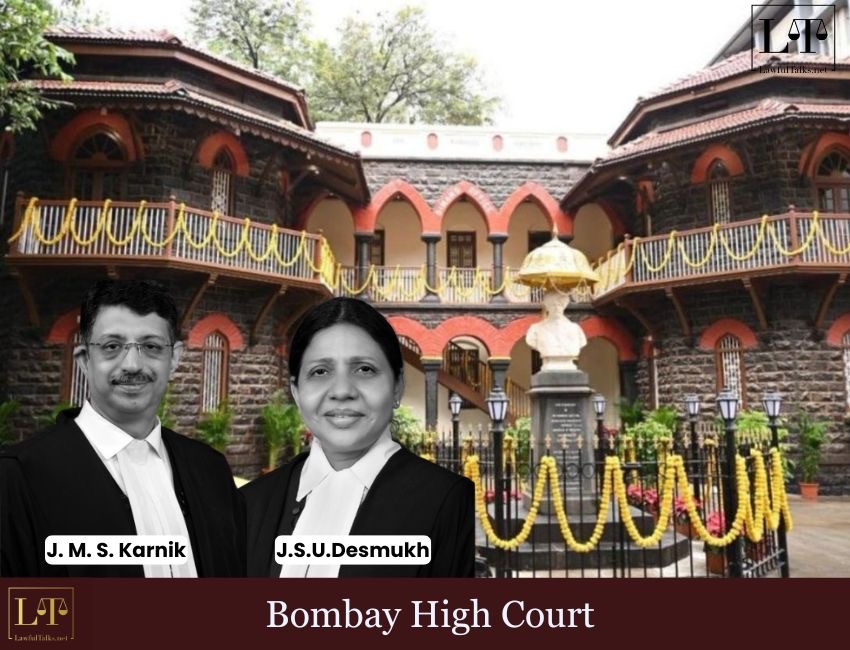
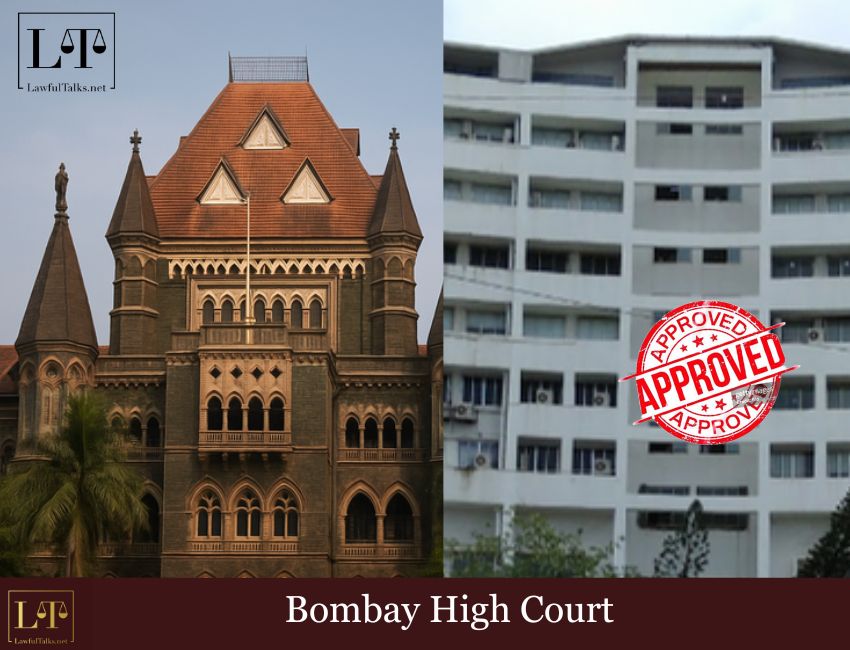
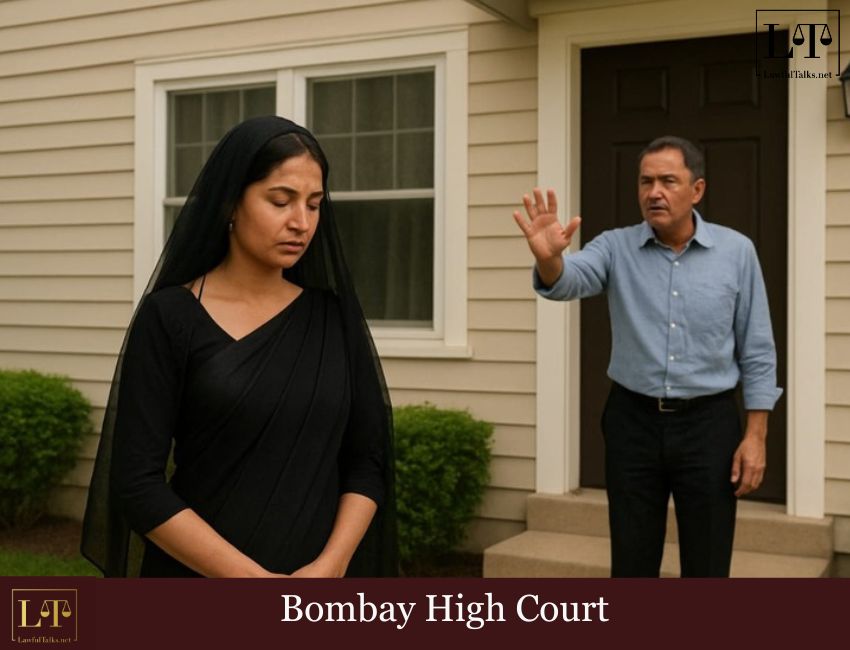
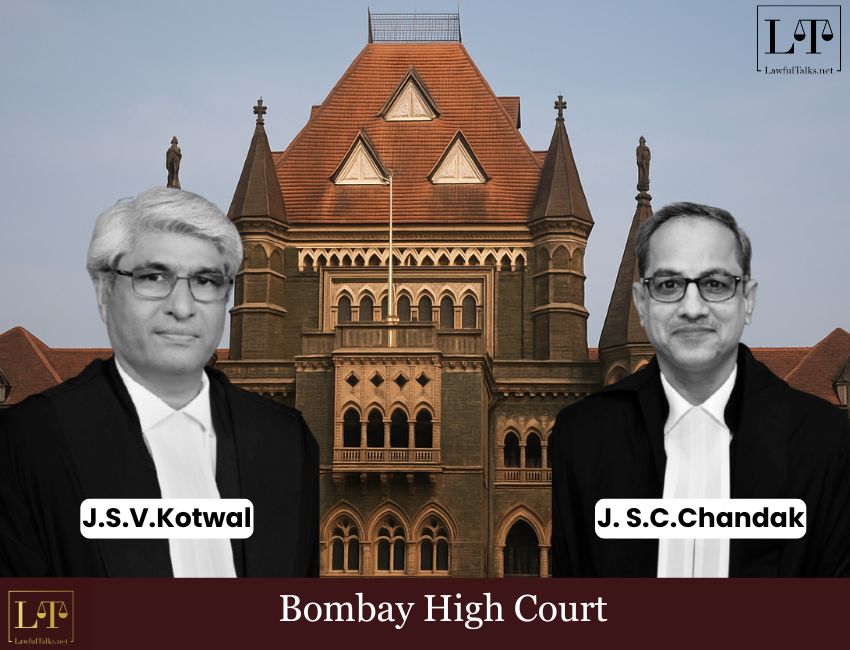
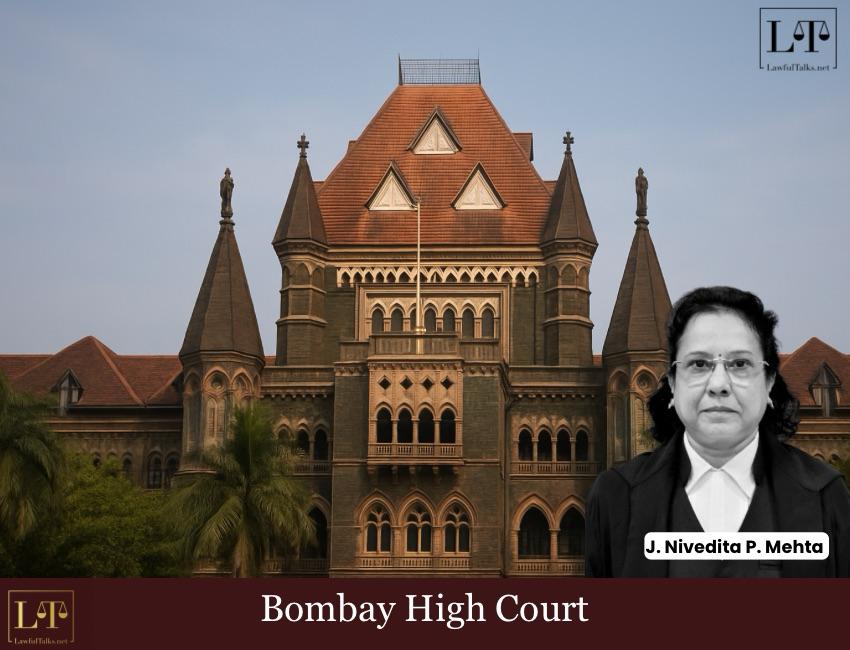
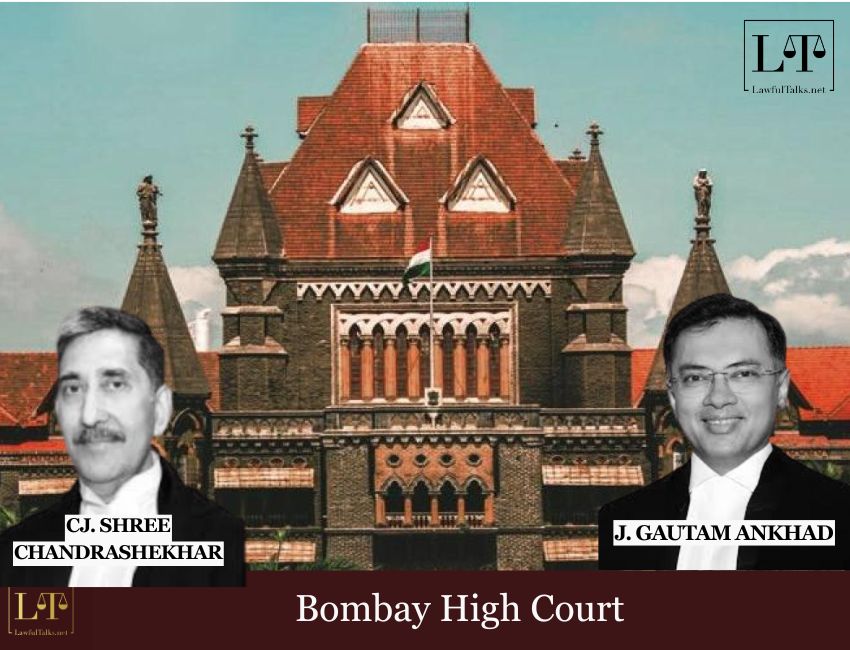
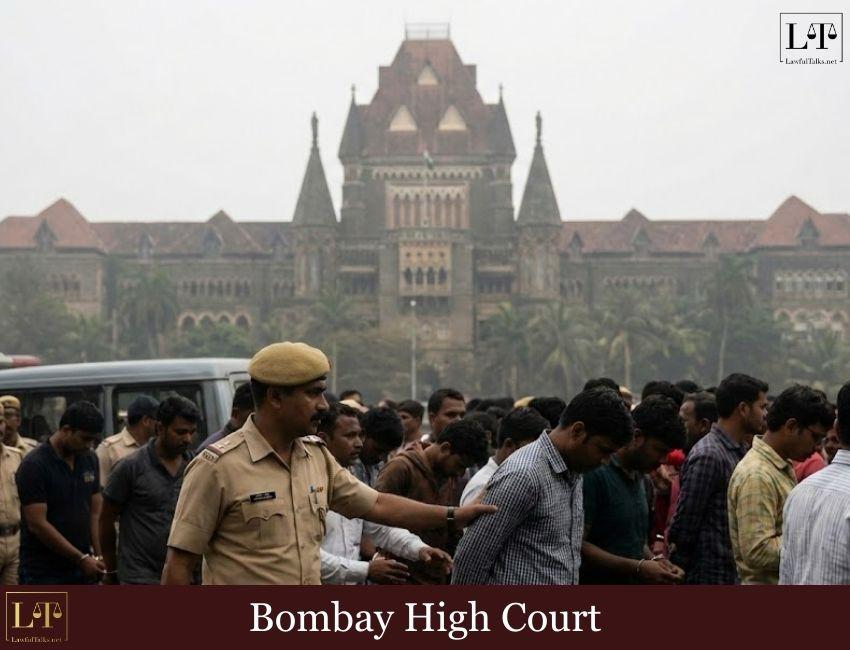
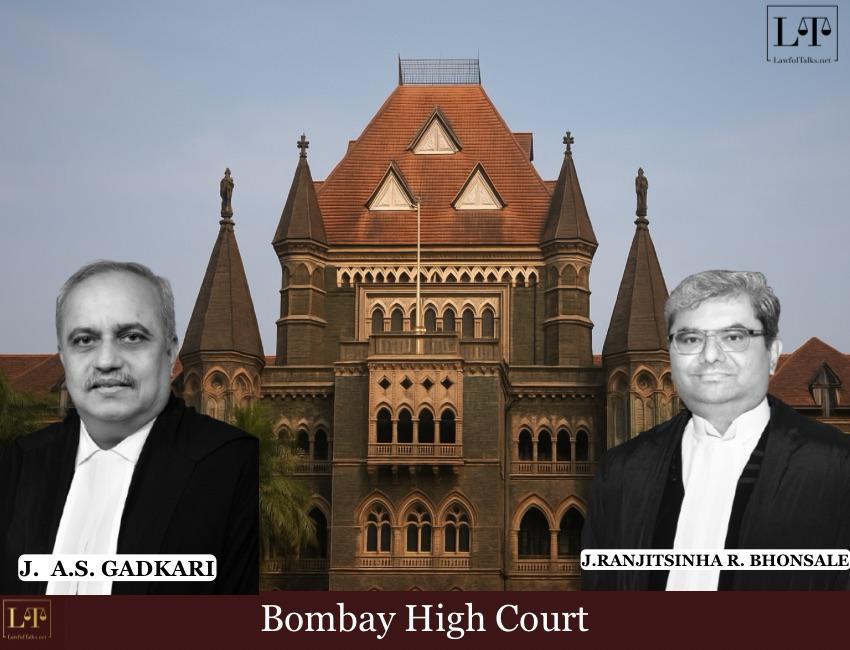
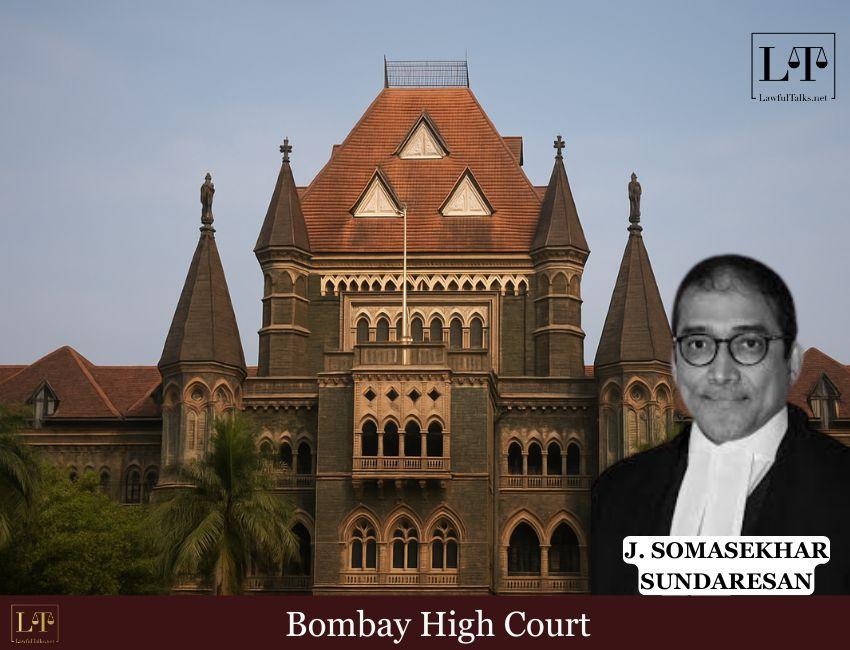
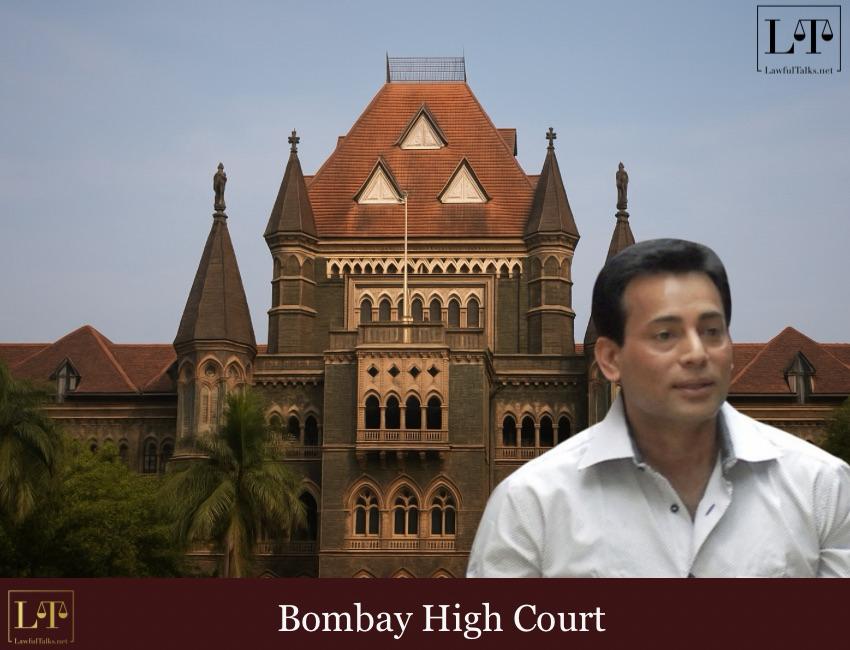
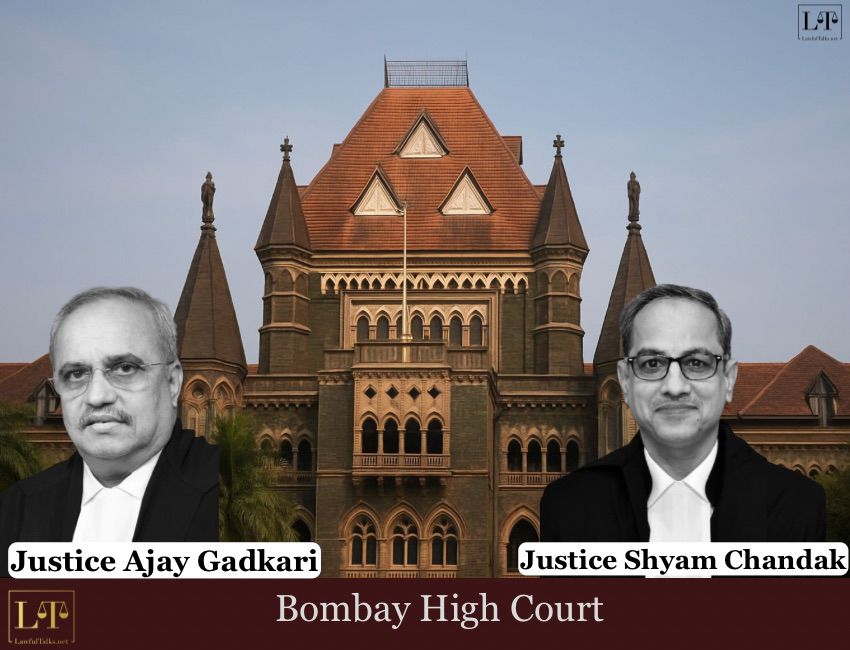
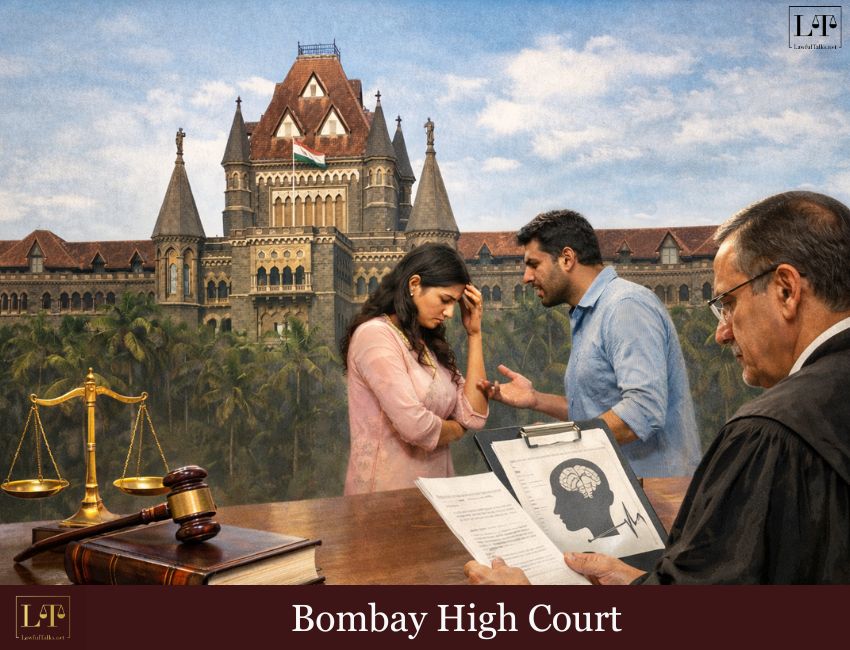
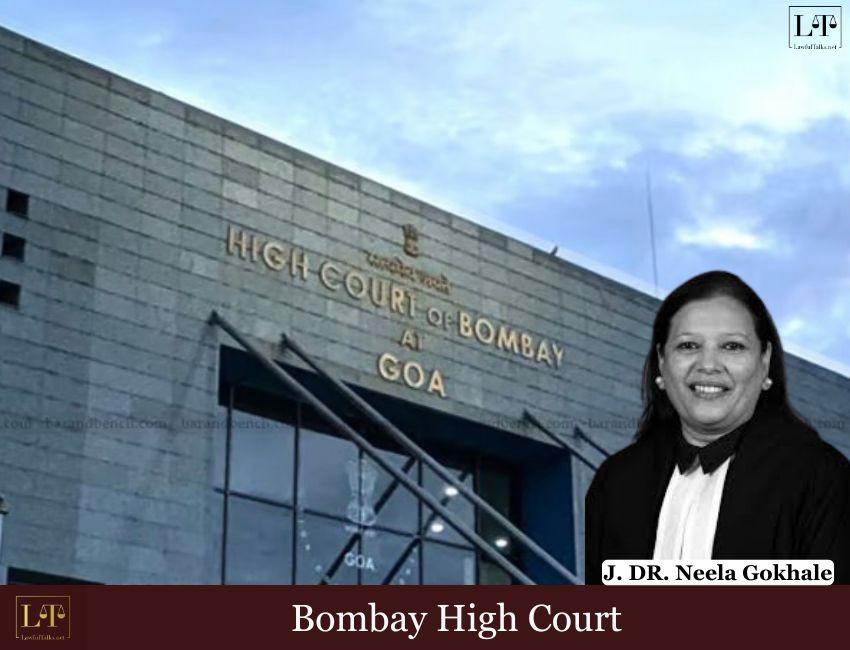
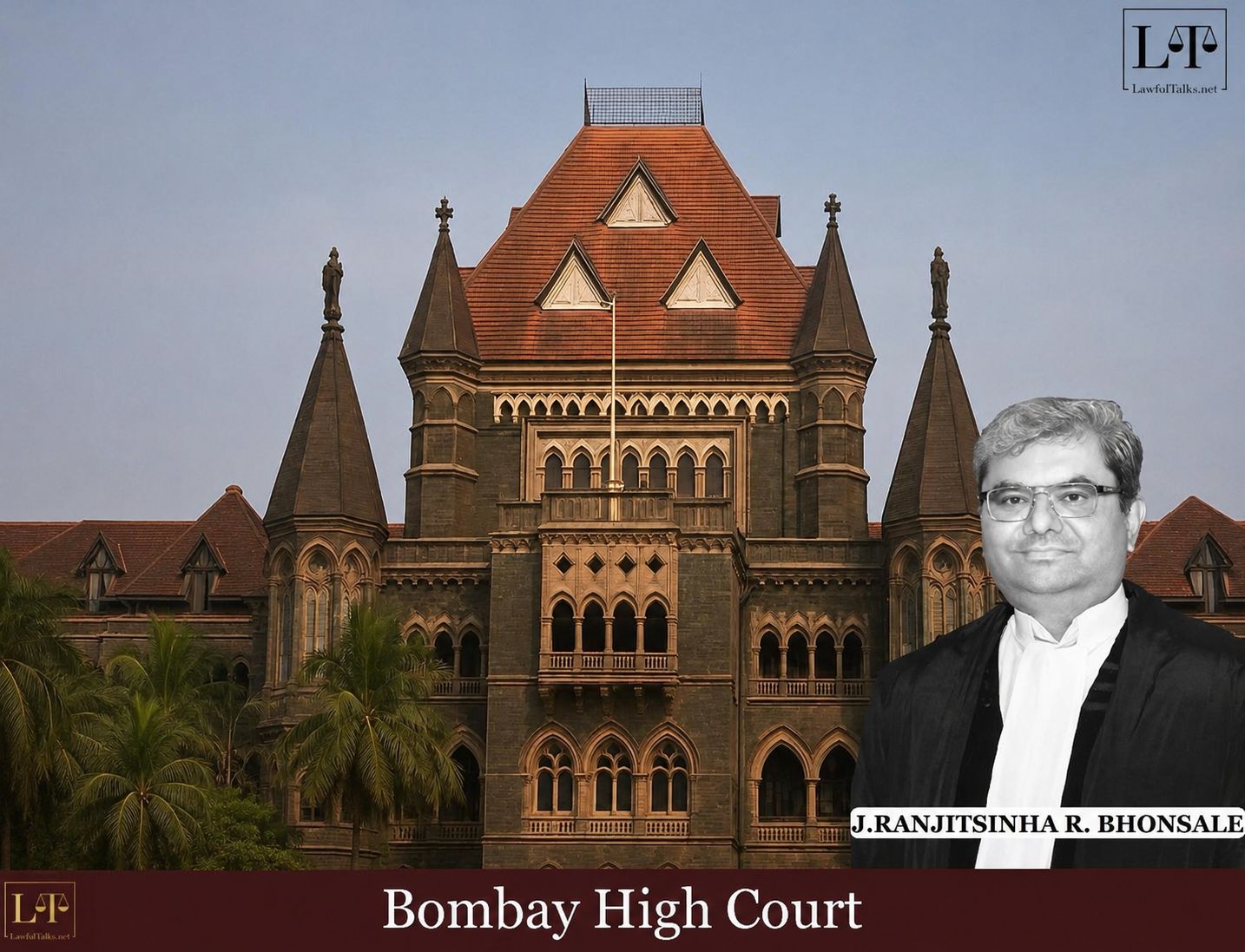
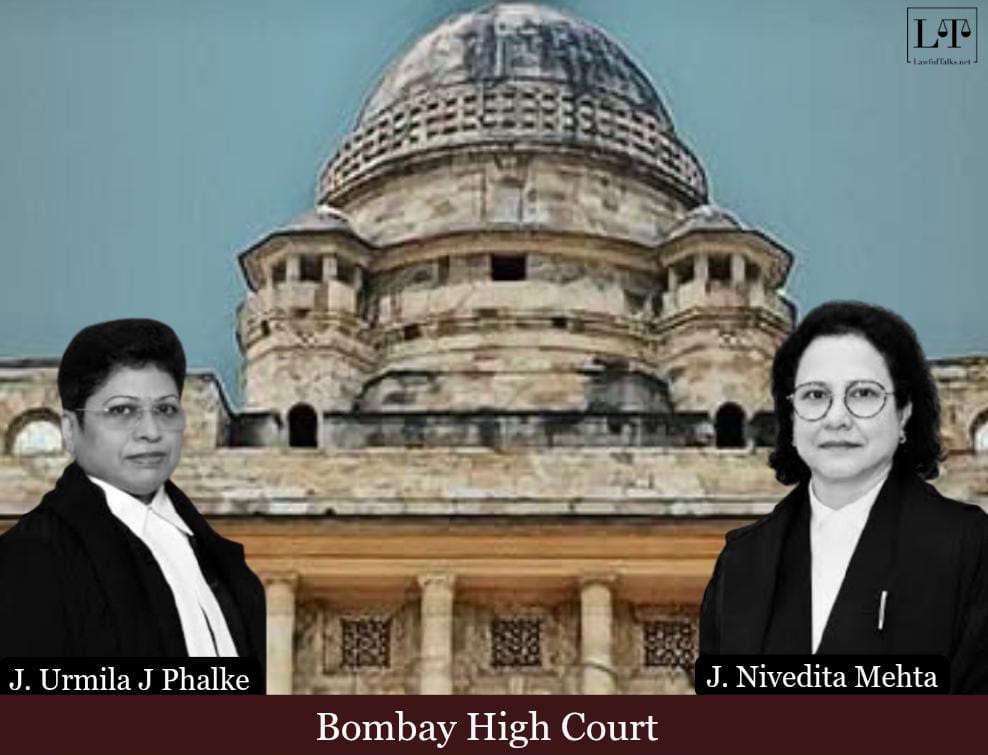
The Bombay High Court upheld Ingle’s disqualification. She then filed a Special Leave Petition before the Supreme Court.
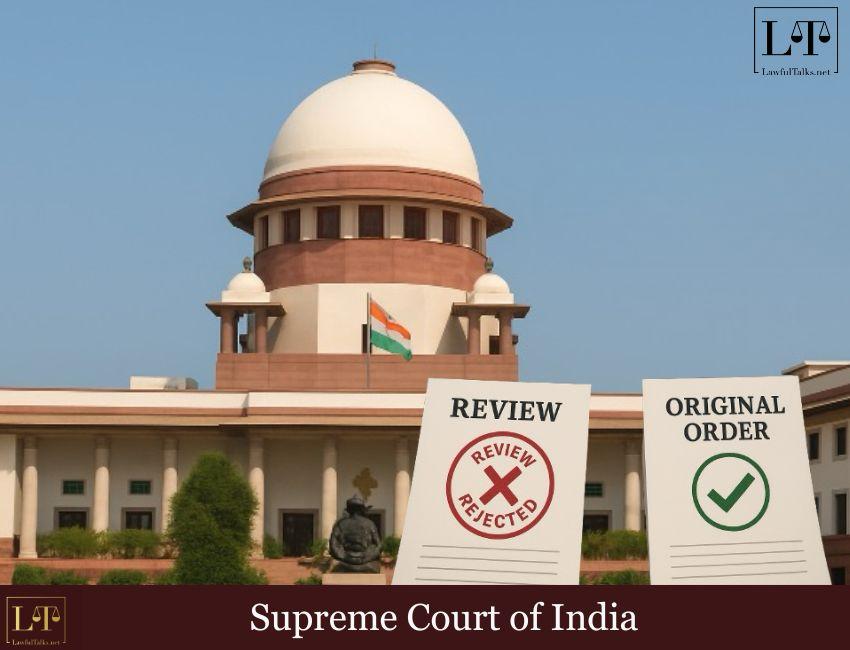
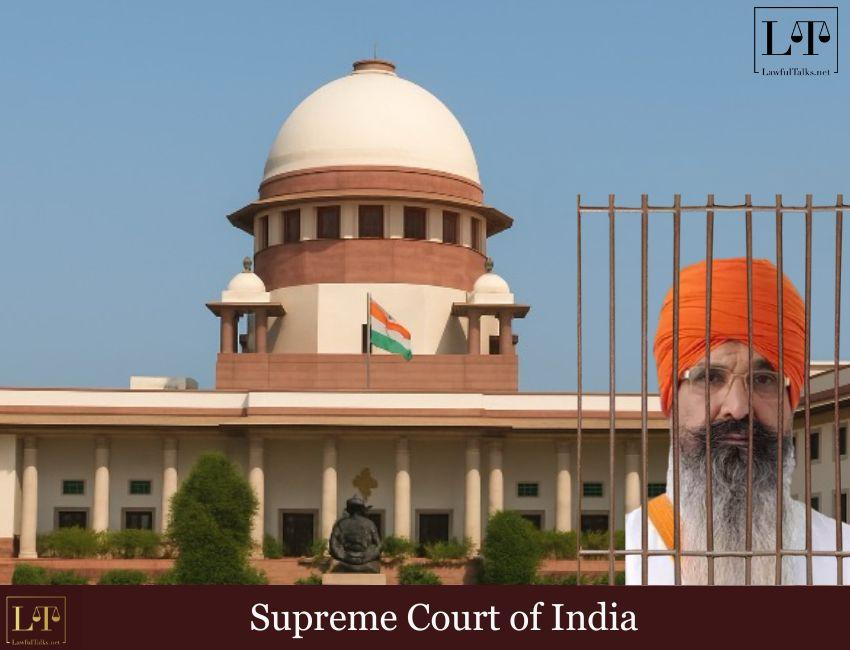
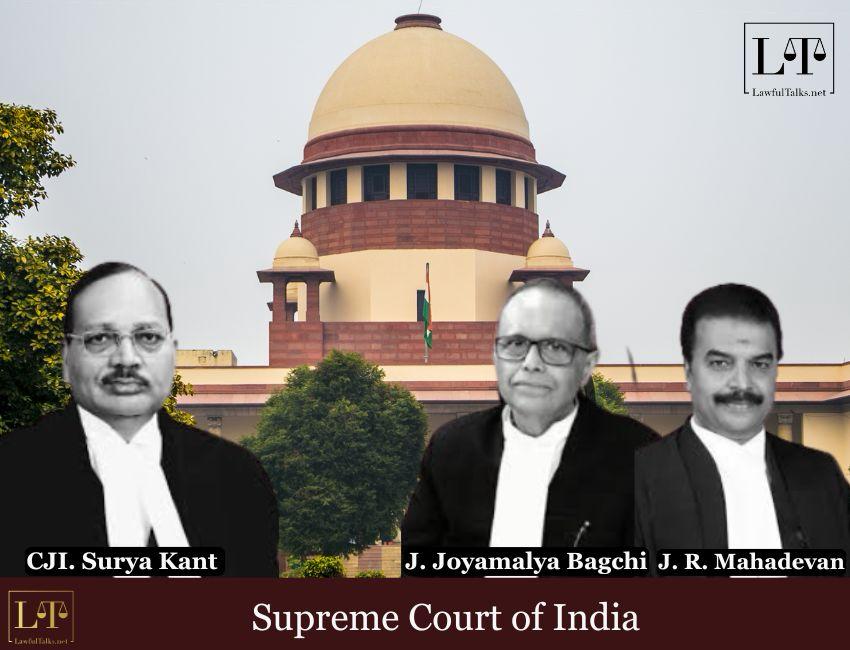
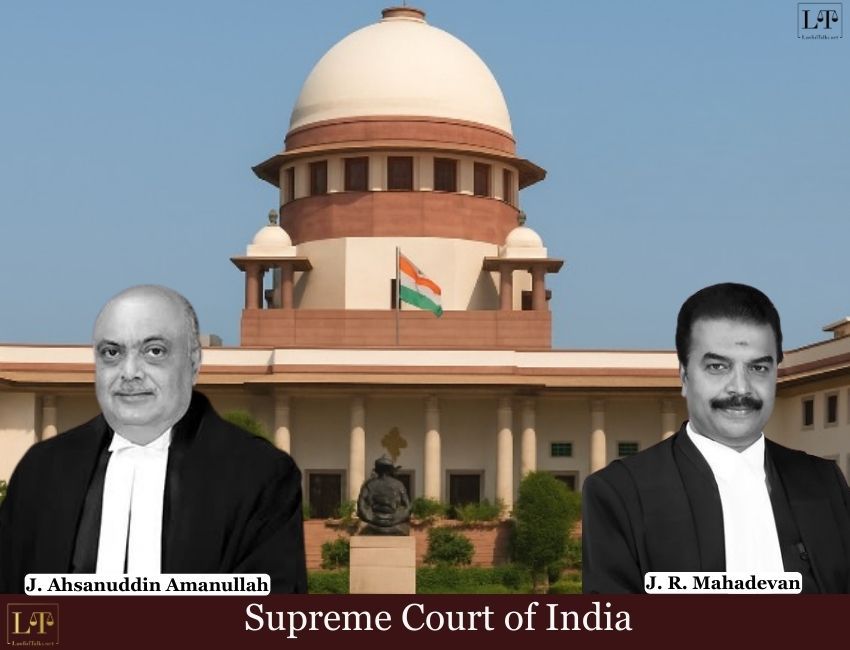
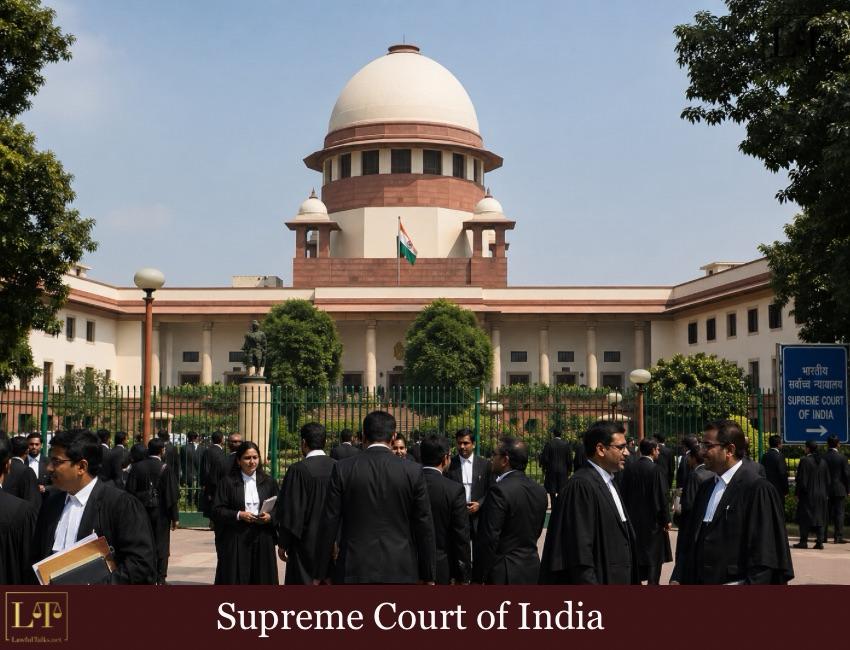
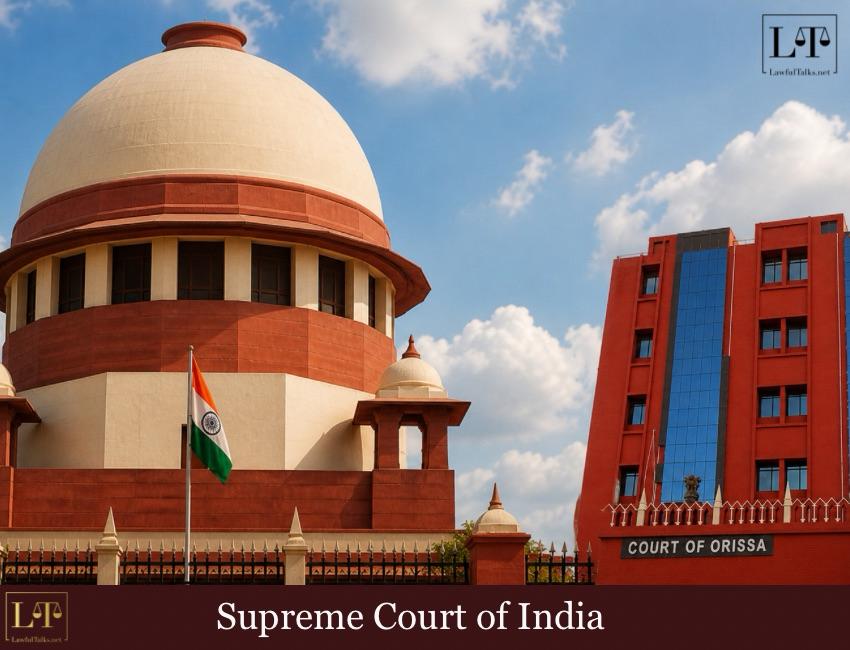
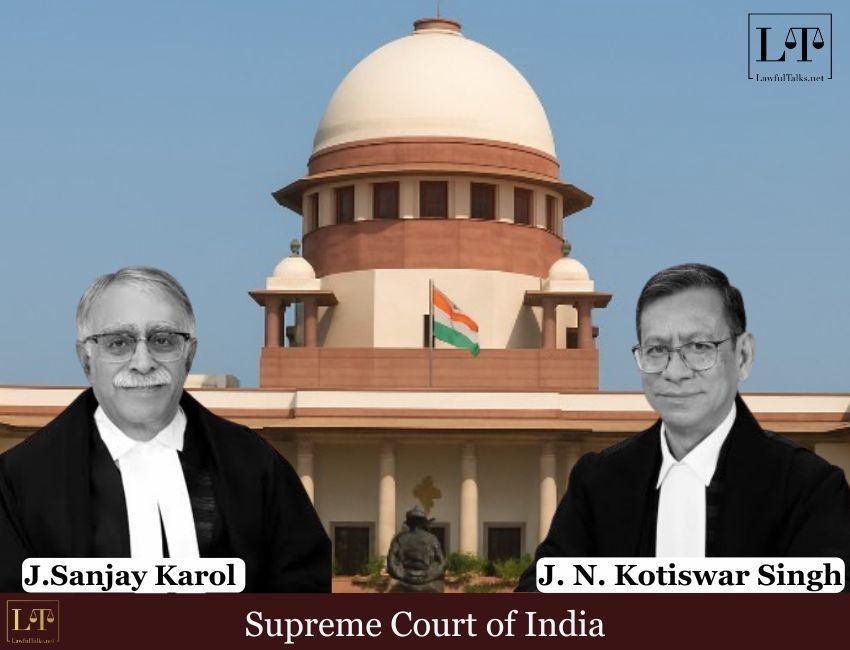
During the hearing, the Bench led by Justice Narasimha said that it would normally set aside the High Court’s decision. However, since the term of the elected body was about to end, the Court noted that it had already stayed the High Court’s judgment in November 2025.
Justice Narasimha questioned whether the two-child policy still had any relevance in view of India’s changing demographic situation.
“What kind of useless policy is this?”
The Bench said that the Supreme Court’s earlier decision upholding a similar law in Haryana may need to be reconsidered.
In Javed v. State of Haryana (2003), the Supreme Court had upheld the constitutional validity of the Haryana Panchayati Raj Act, 1994, which disqualifies candidates with more than two living children from contesting local body elections.
Justice Narasimha pointed out that India’s fertility rate has now fallen to around 1.7. He also noted that coastal States such as Tamil Nadu and Kerala have fertility rates that are lower than those of some Scandinavian countries.
The Bench questioned why a policy meant to reduce population growth should continue in the present situation.
“To perpetuate this policy to reduce population in the present situation is completely unconstitutional…,” the Bench observed.
The Court also wanted to know whether similar laws still exist in other States.
“Please find out how many states still have such policies,” the Bench told the lawyers.
The Court appointed Advocate Rukmini Bobde, appearing for the State of Maharashtra, as amicus curiae to assist it on the larger issue of similar two-child disqualification provisions. She has been asked to examine the position in the seven States that still have such laws.
The Bench noted that while some States continue to have such disqualification provisions, others have instead adopted policies that encourage population growth.
The Court further observed:
“In your generation or my generation, it is a rarity to have three children. It is only one. This policy has lost its effect. It should immediately be withdrawn. Rival candidates use it as a weapon. We are concerned about this policy.”
Advocate Bobde pointed out that fertility rates have mainly declined in urban areas. The Bench said it would examine the issue further.
The Court also directed the petitioner’s counsel, Advocate Pratik Bombarde, to research the issue. Both counsels have been asked to file a compilation.
The matter is scheduled for further hearing on July 28.
Case Details: MANGALA BHIMRAO INGLE PRATIK v THE ADDITIONAL COMMISSIONER, AMRAVATI DIVISION AND ORS.

































































Sign up for free and be the first to get notified about curated content just for you.