Can a Gang Rape Convict Be Reformed? SC Reduces ‘Life Till Natural Death’ Sentence to 20 Years

- July 21, 2026


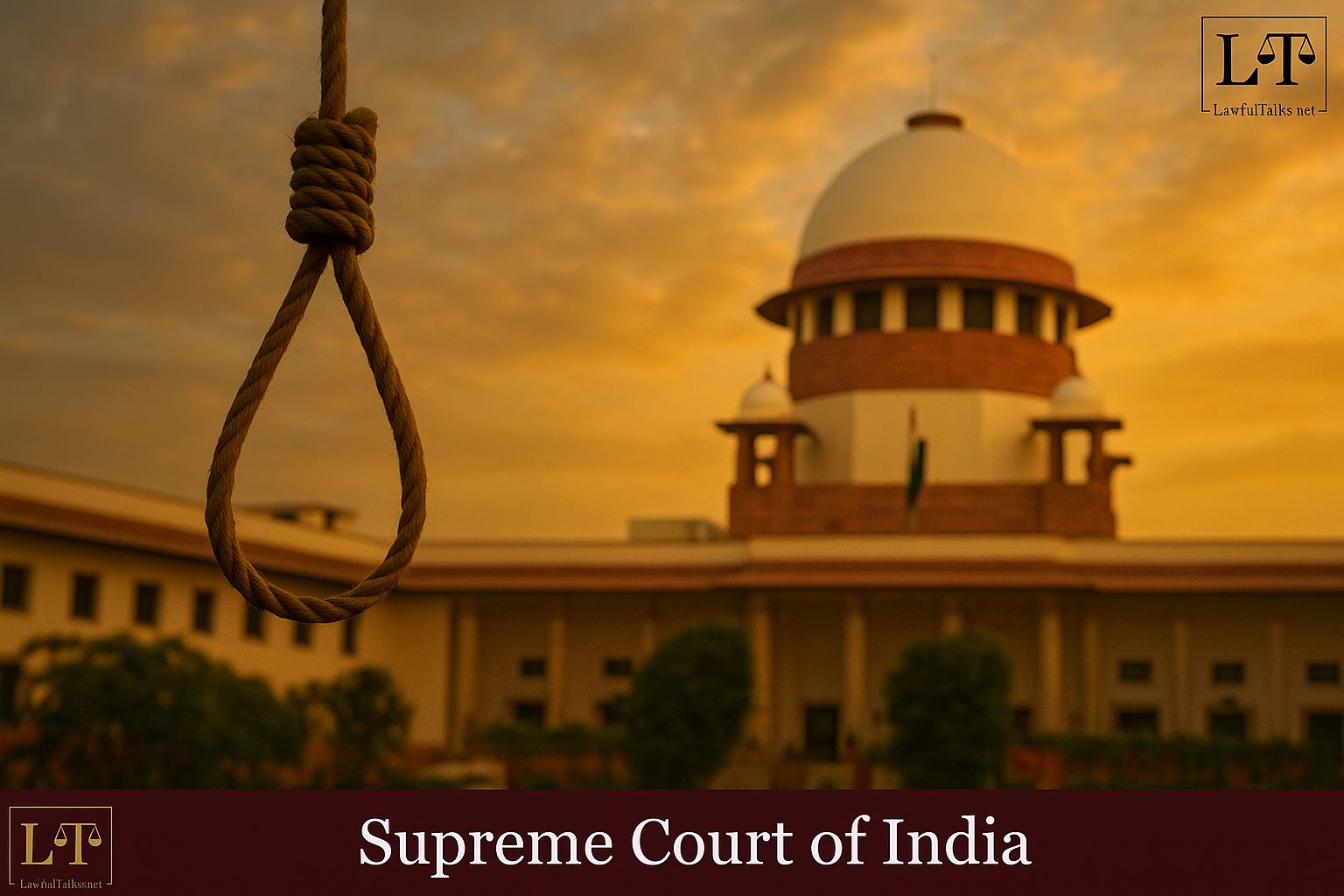
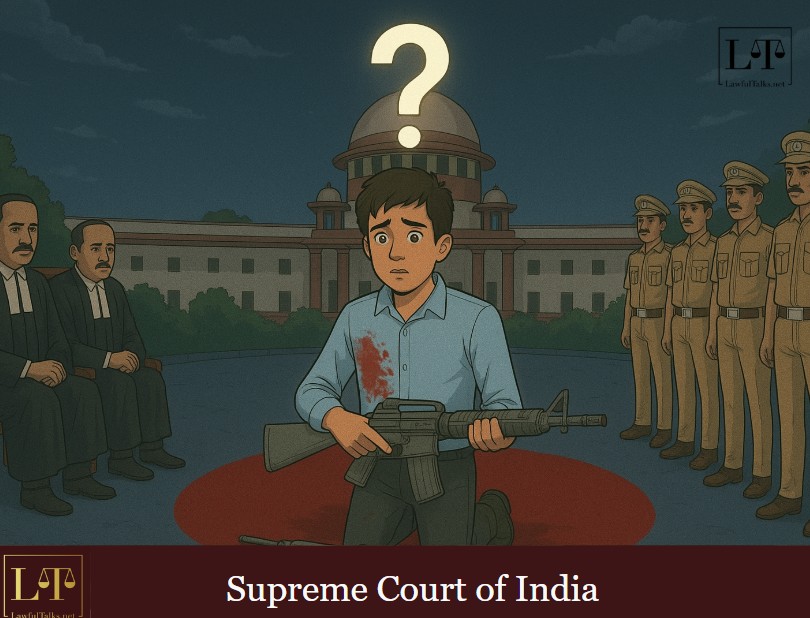
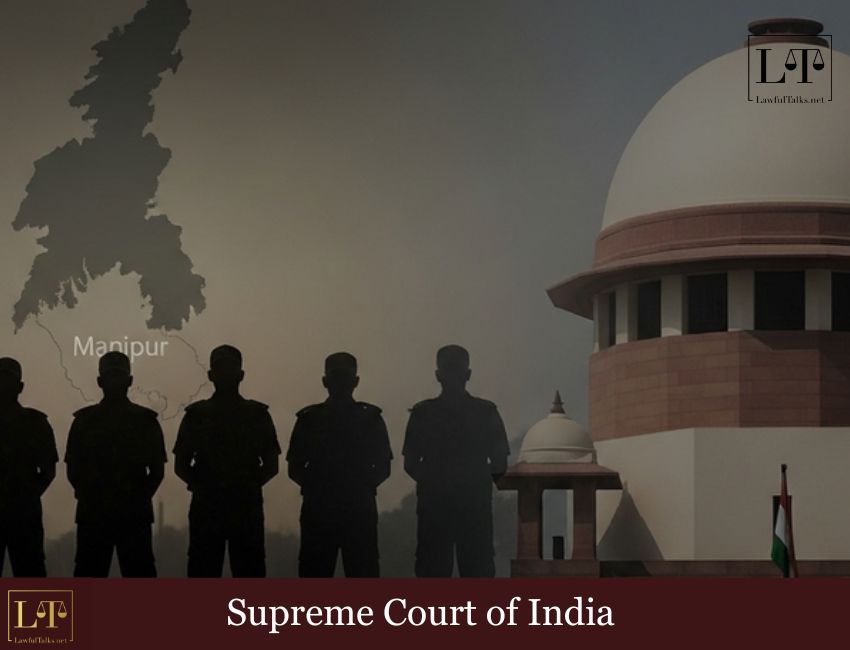
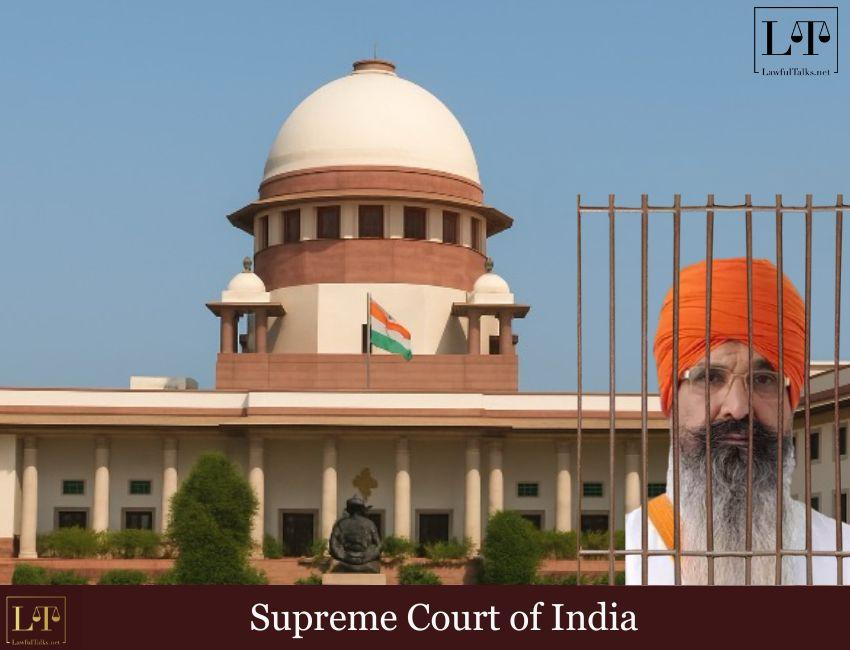
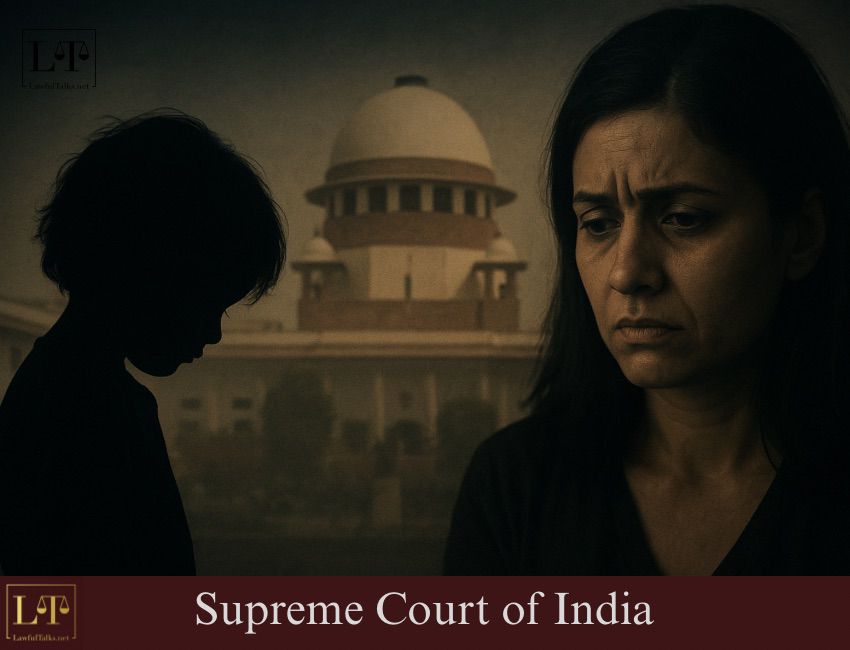
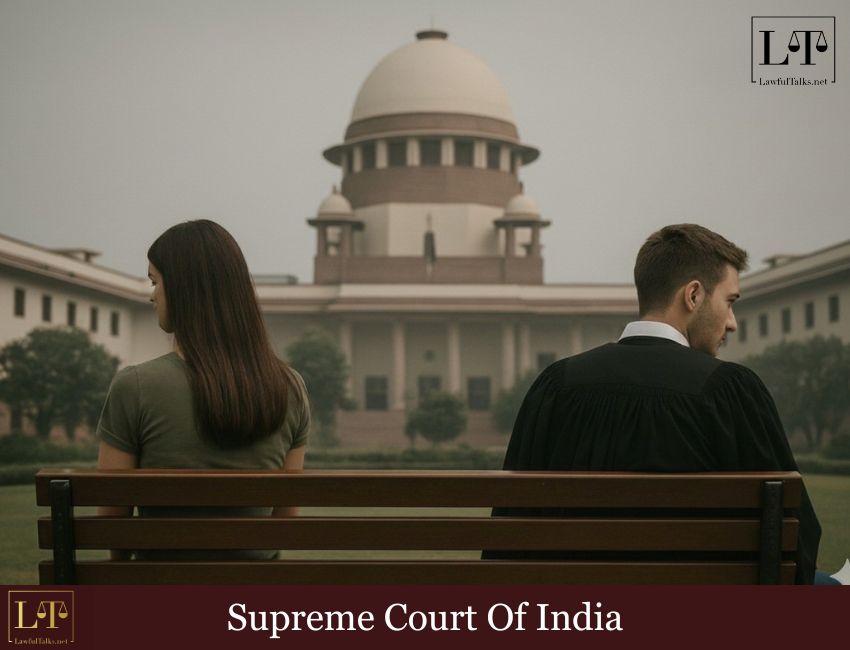
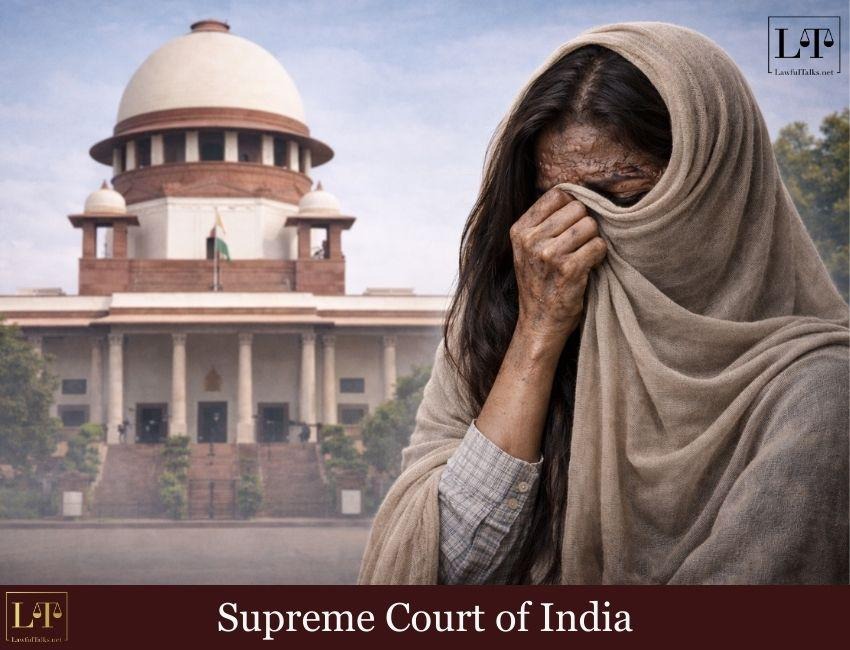
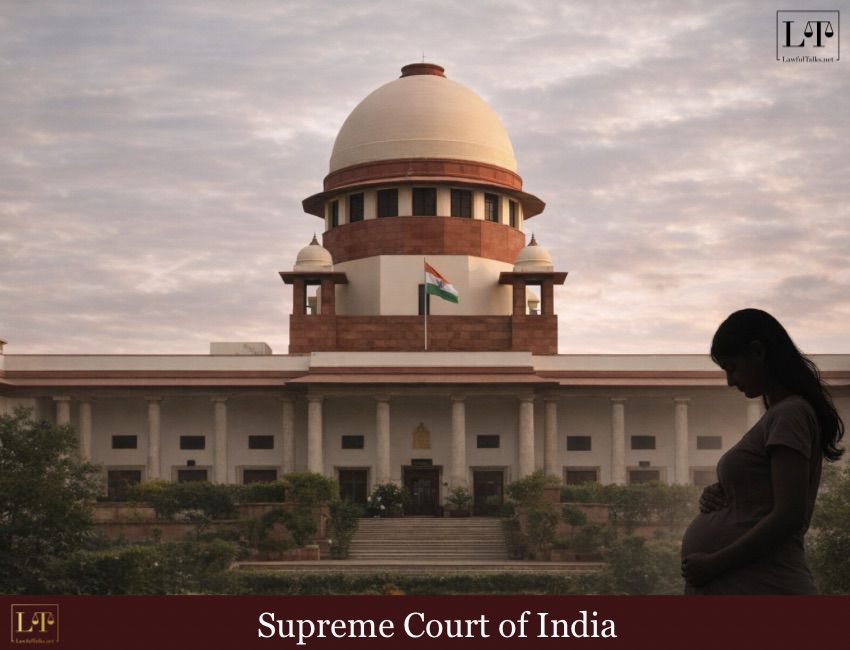
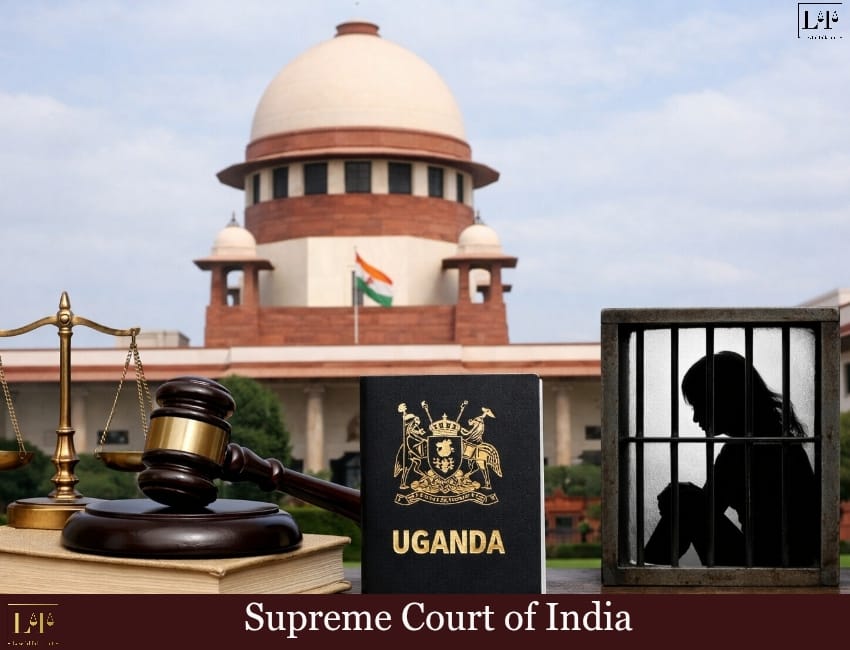
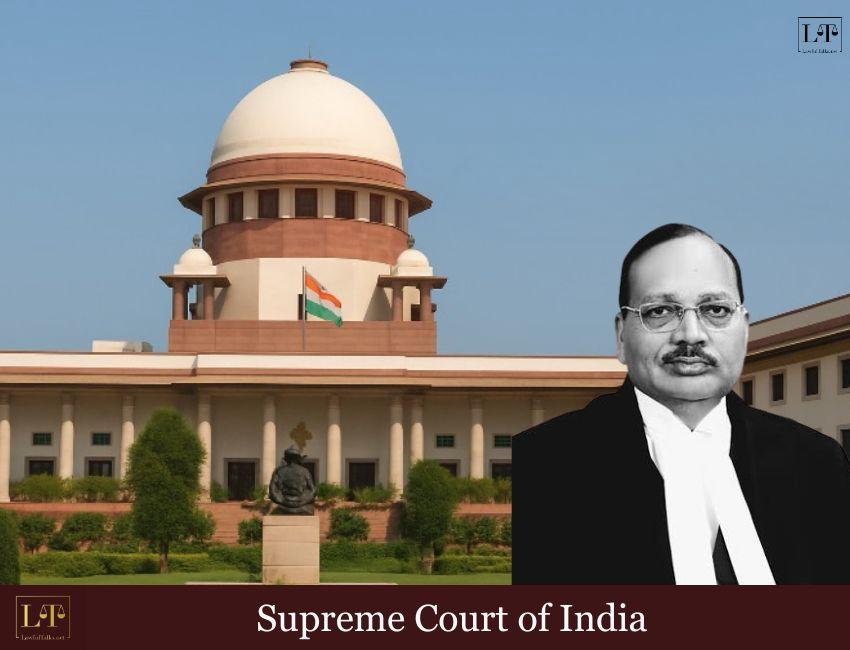
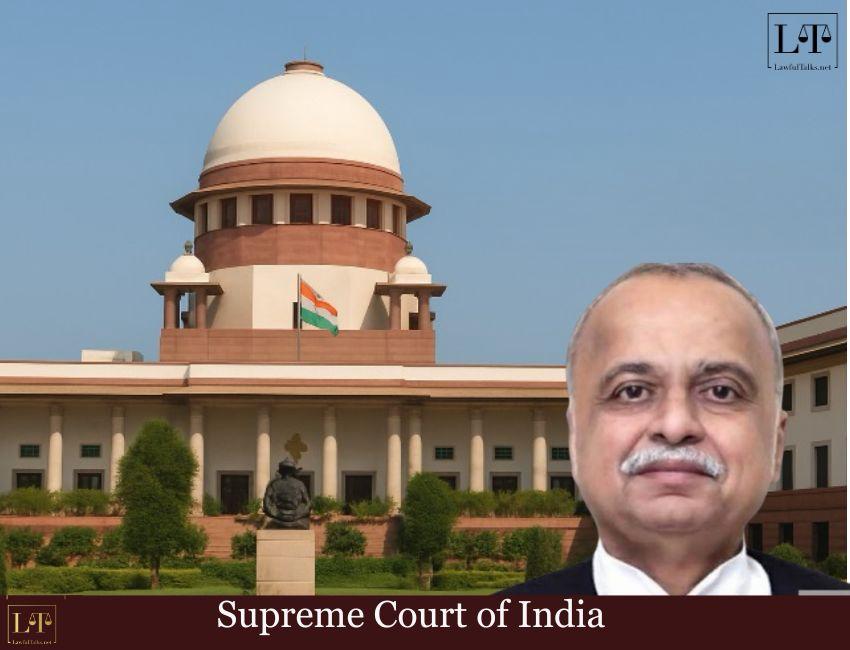
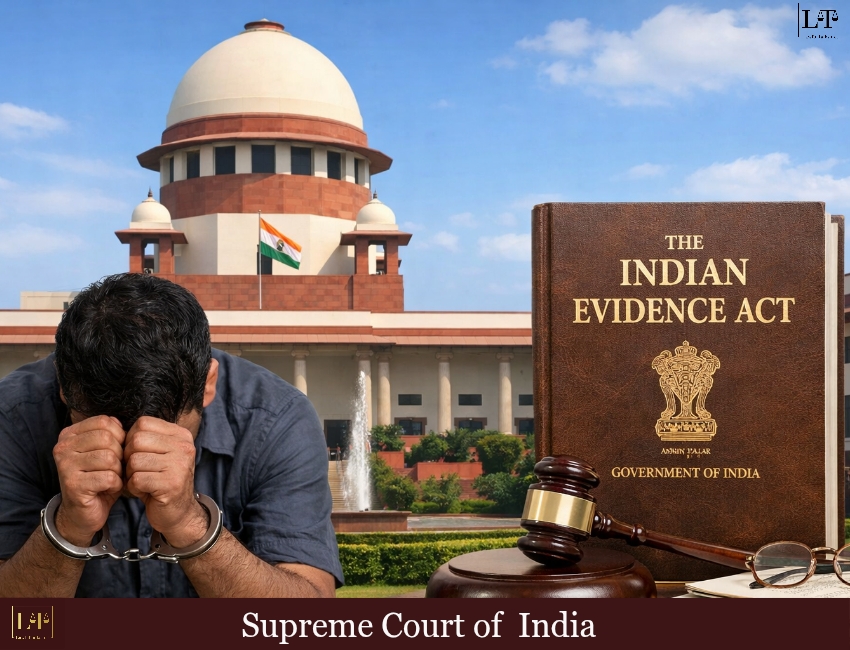
The Supreme Court has modified the sentence of a life convict in a gang rape case from imprisonment for the remainder of his natural life to a fixed sentence of twenty years with the benefit of remission. The Court held that while deciding the sentence, courts must balance the seriousness of the crime, the interests of society and the possibility of reforming the offender.
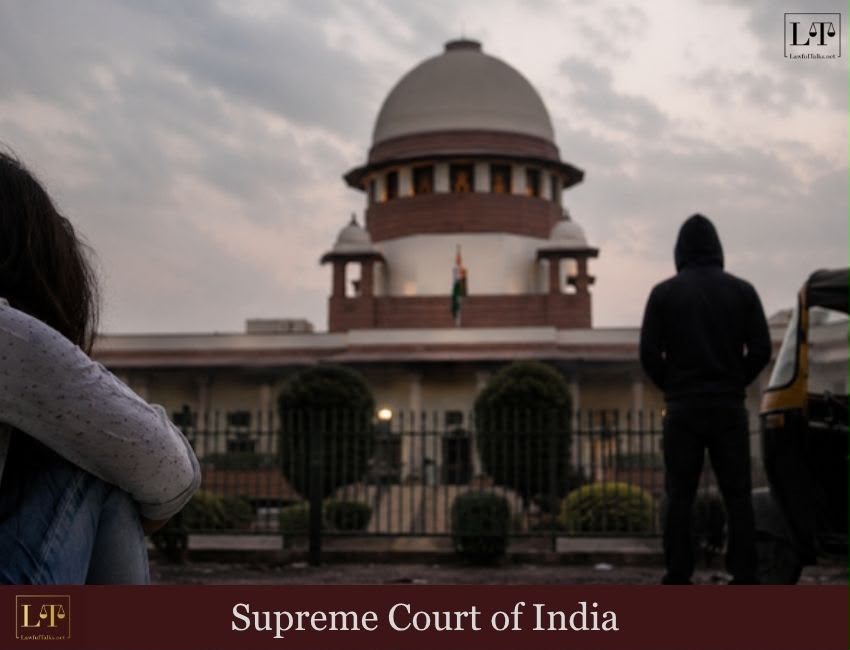
Appeal Before Court:
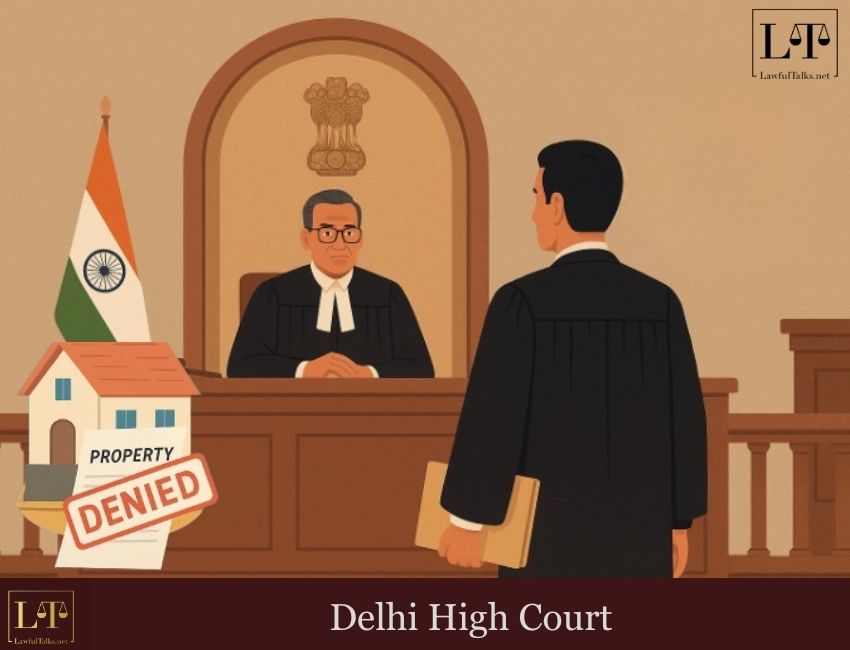
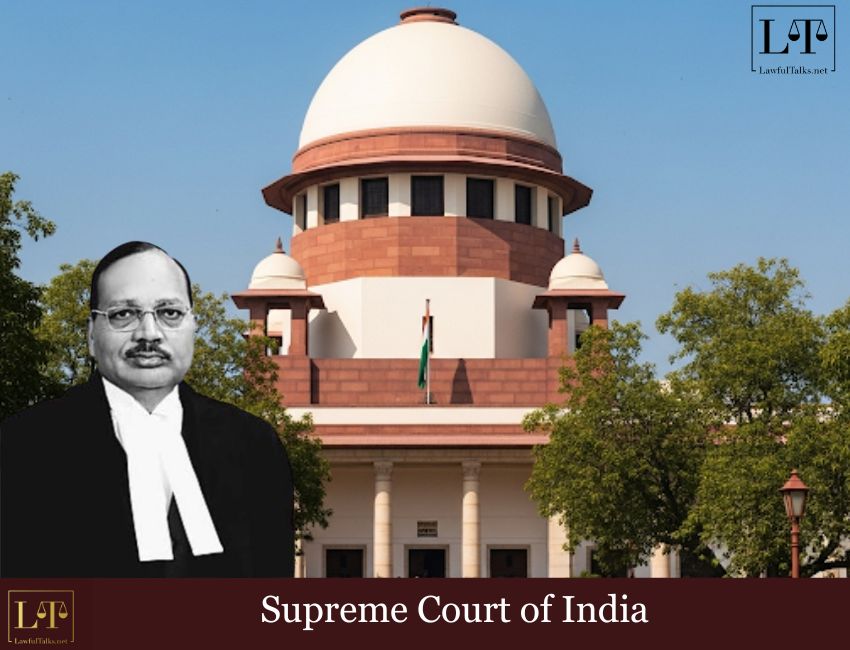
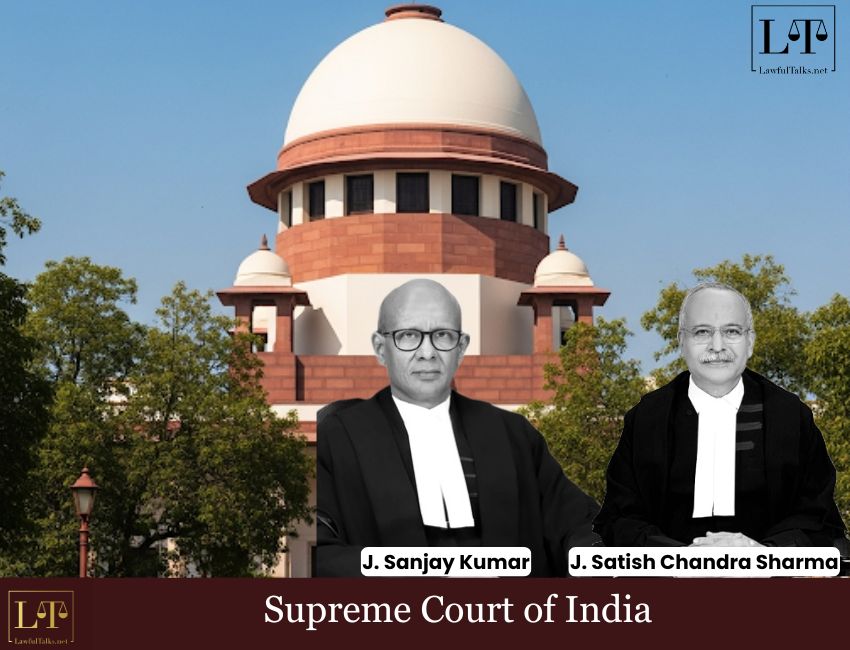
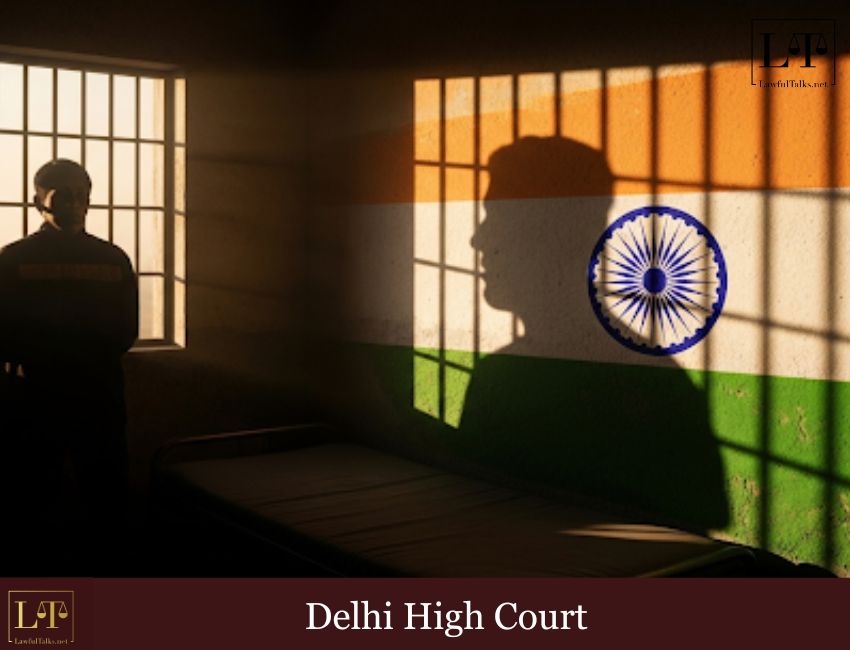
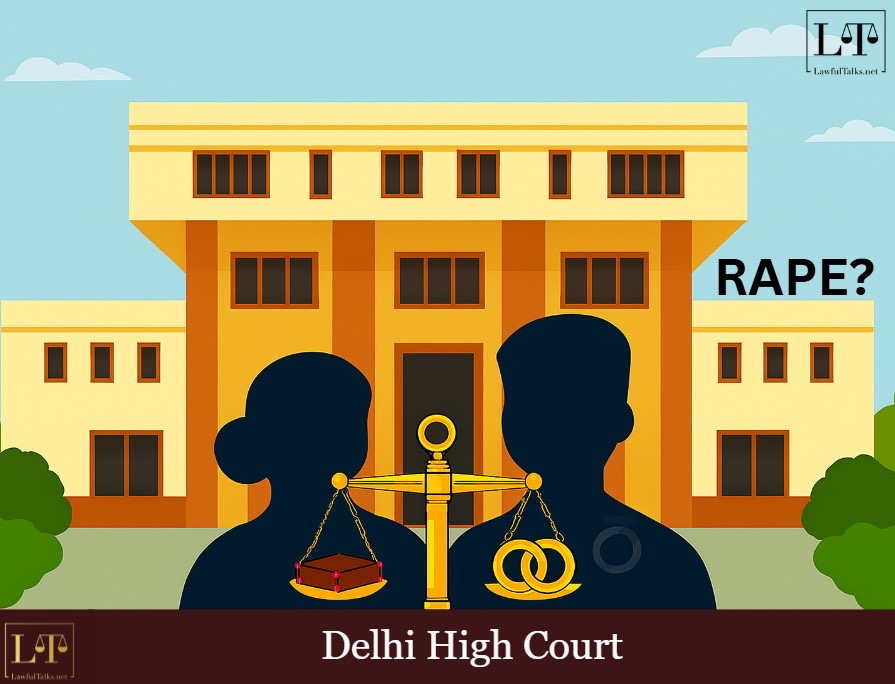
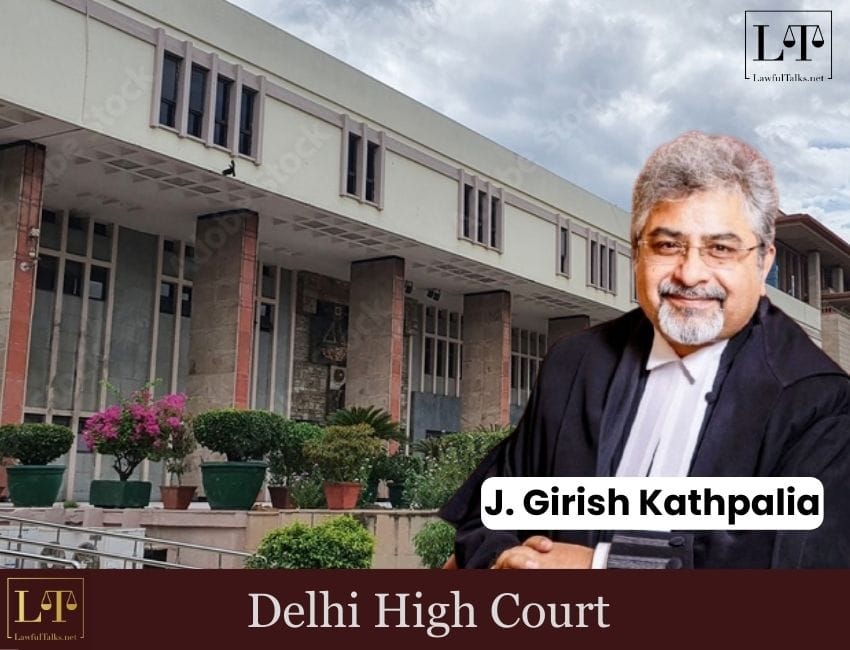
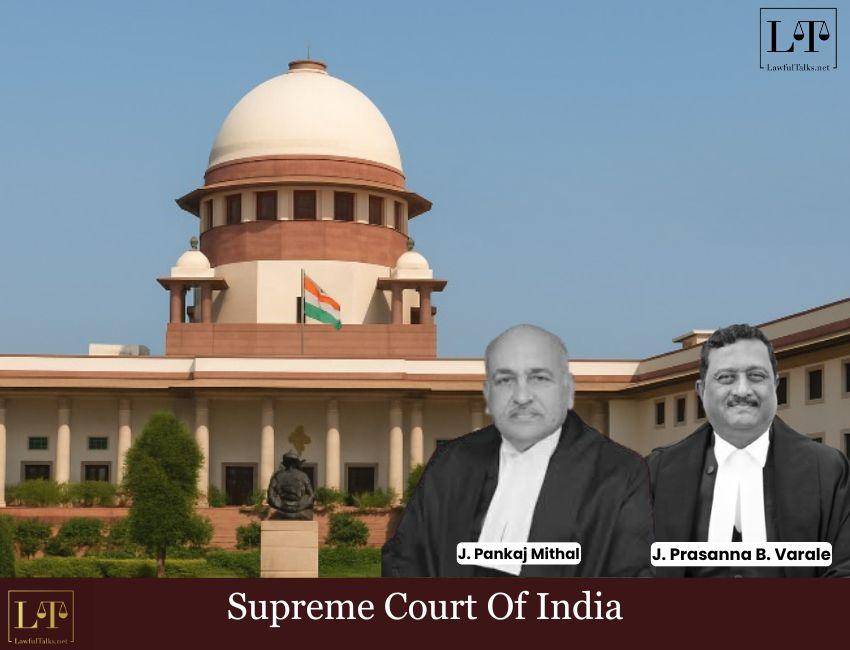
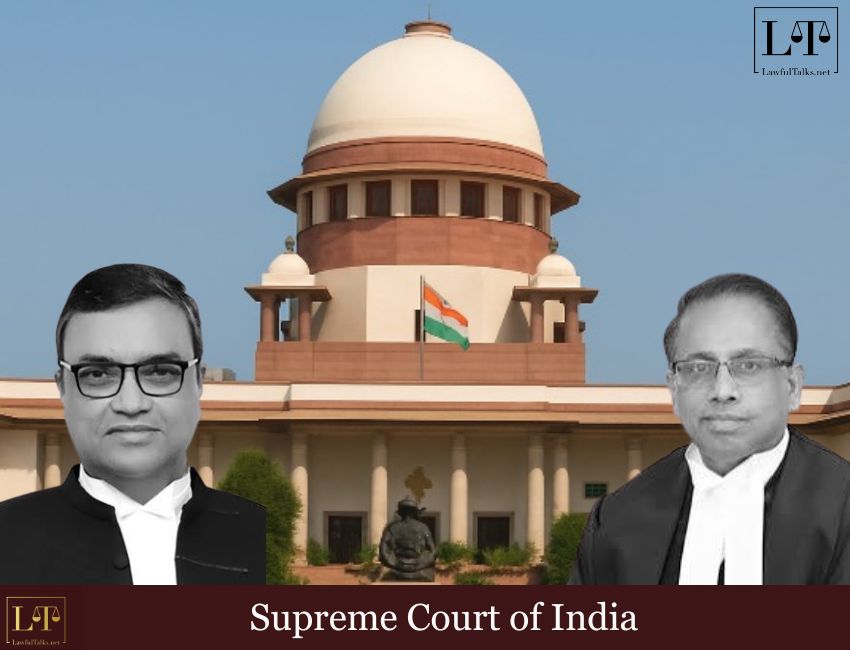
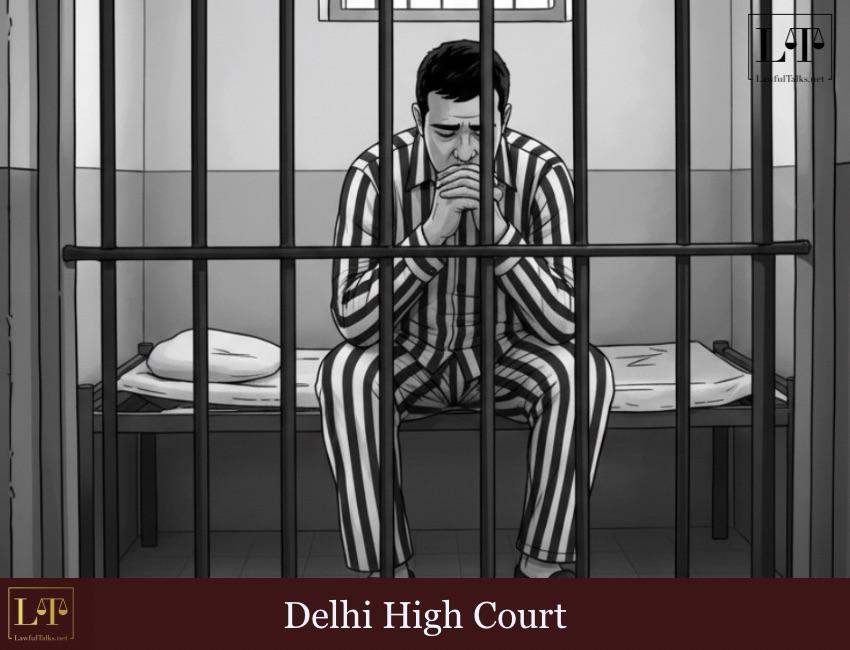
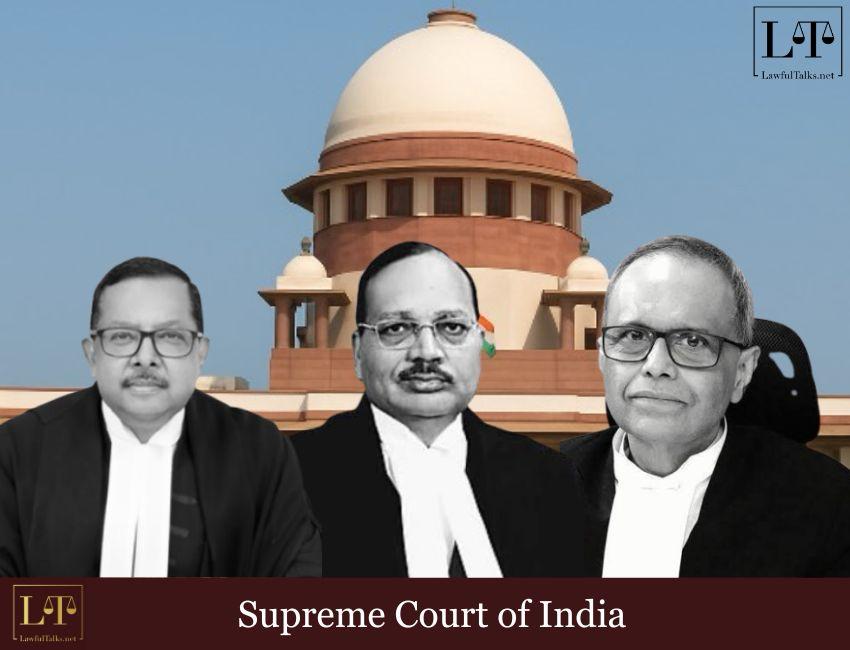
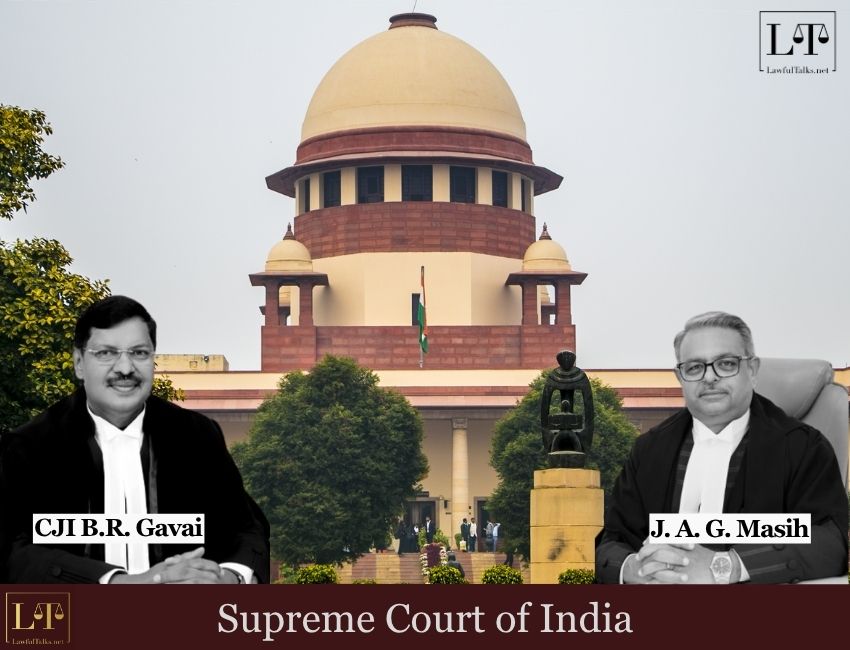
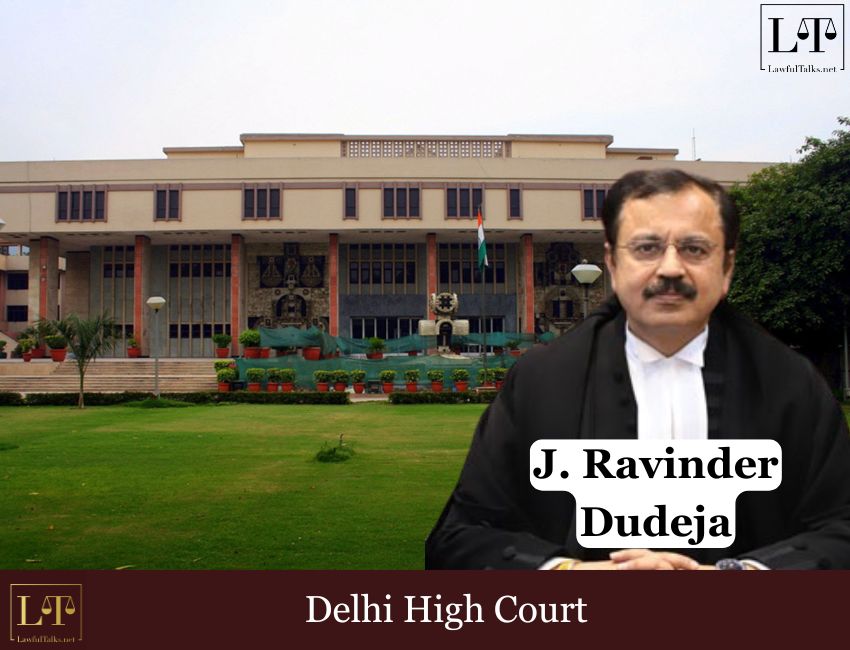
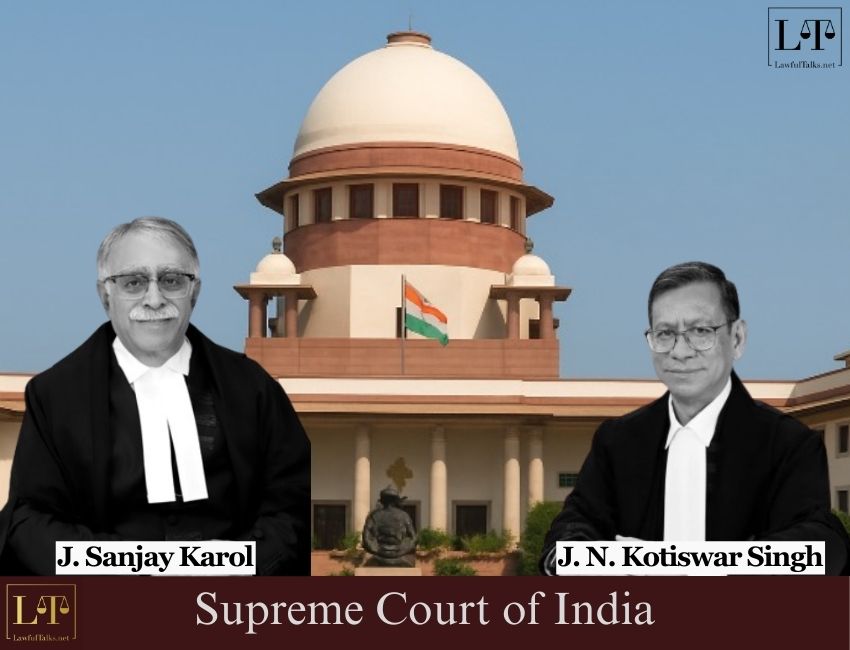
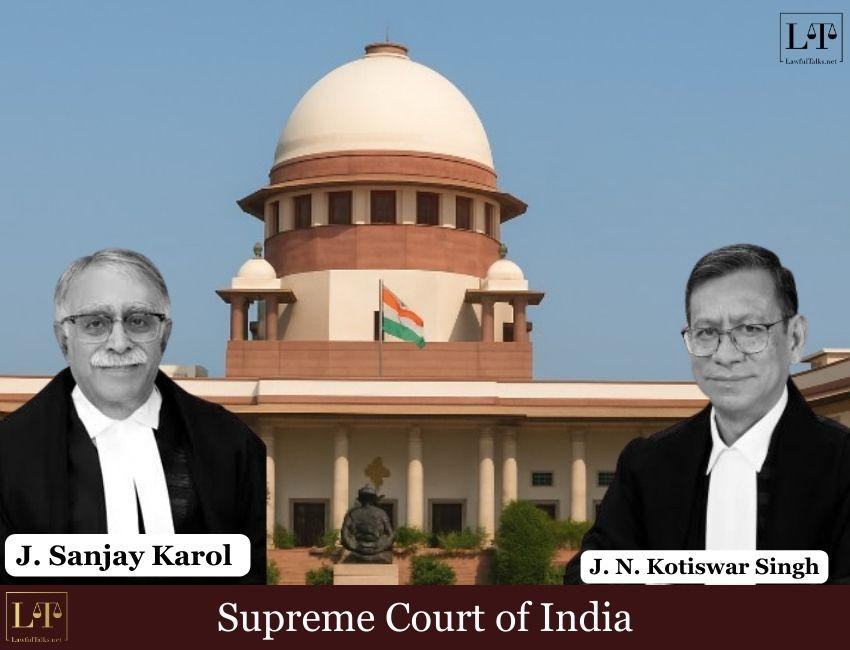
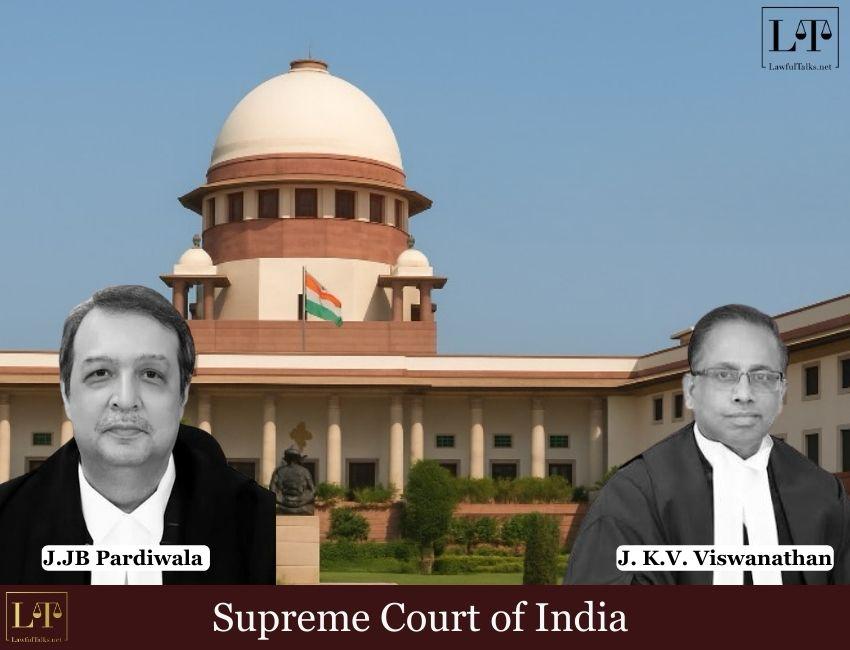
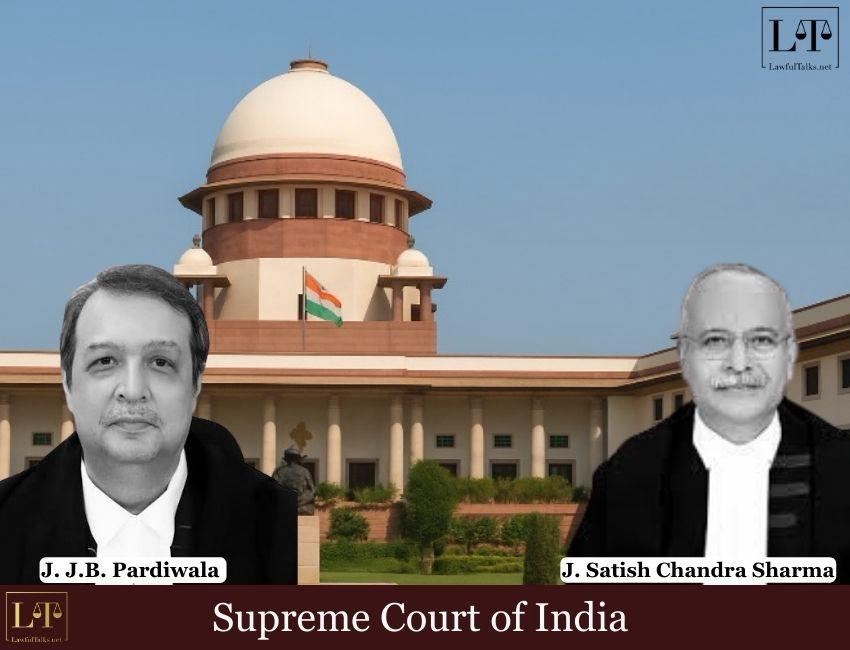
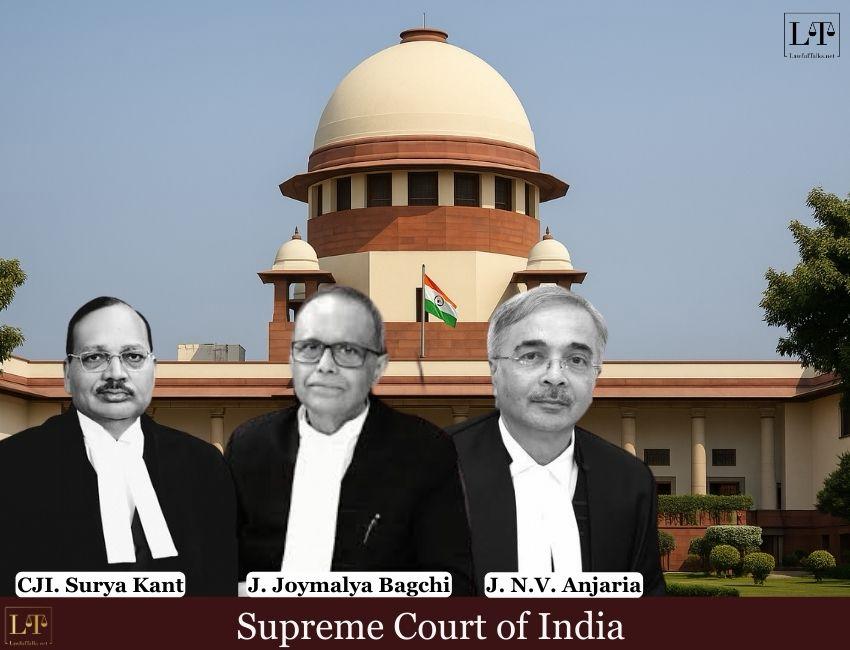
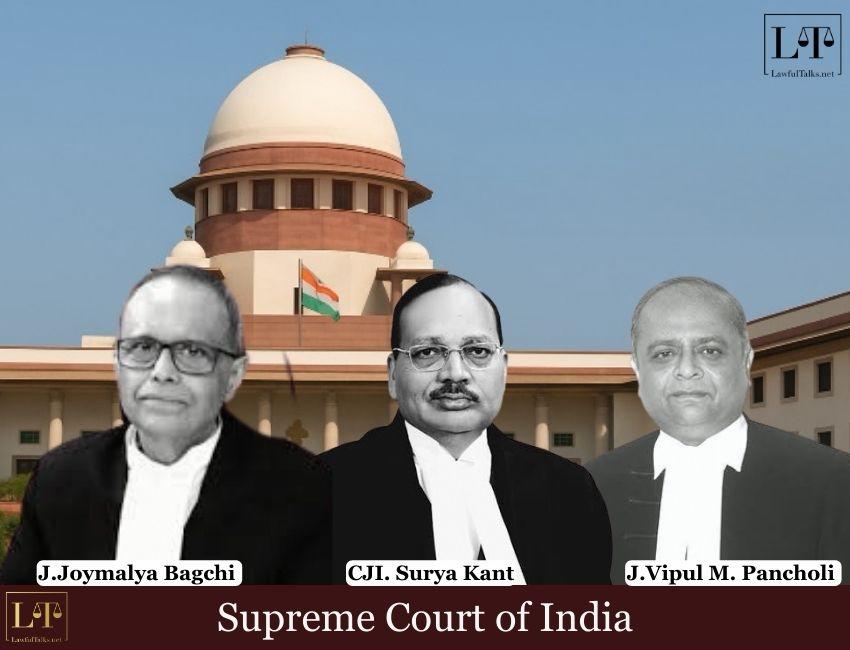
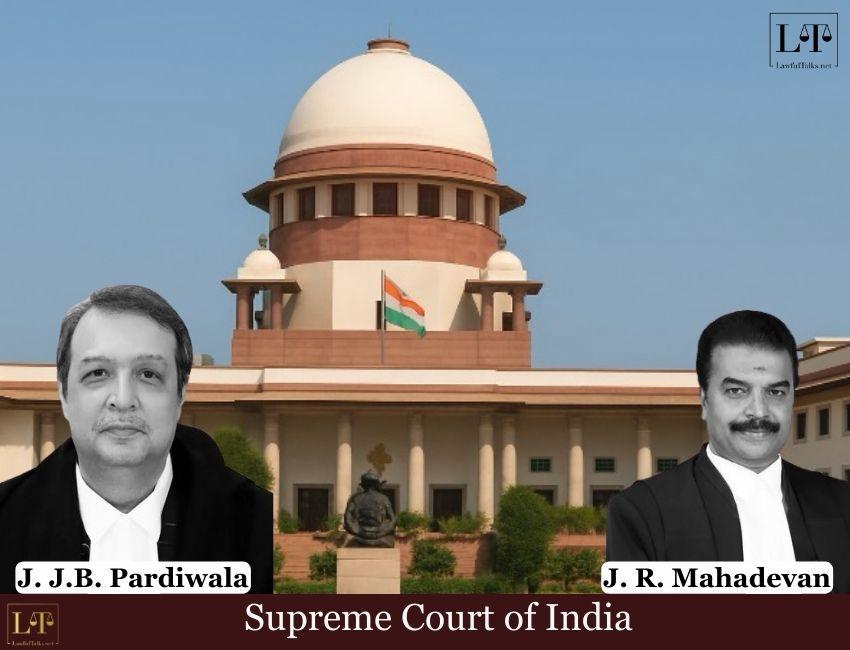
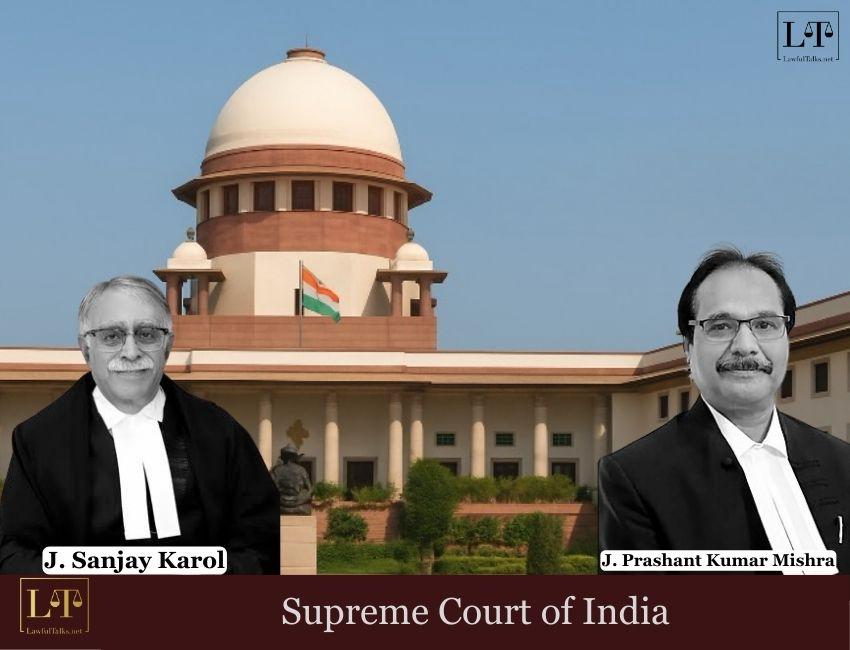
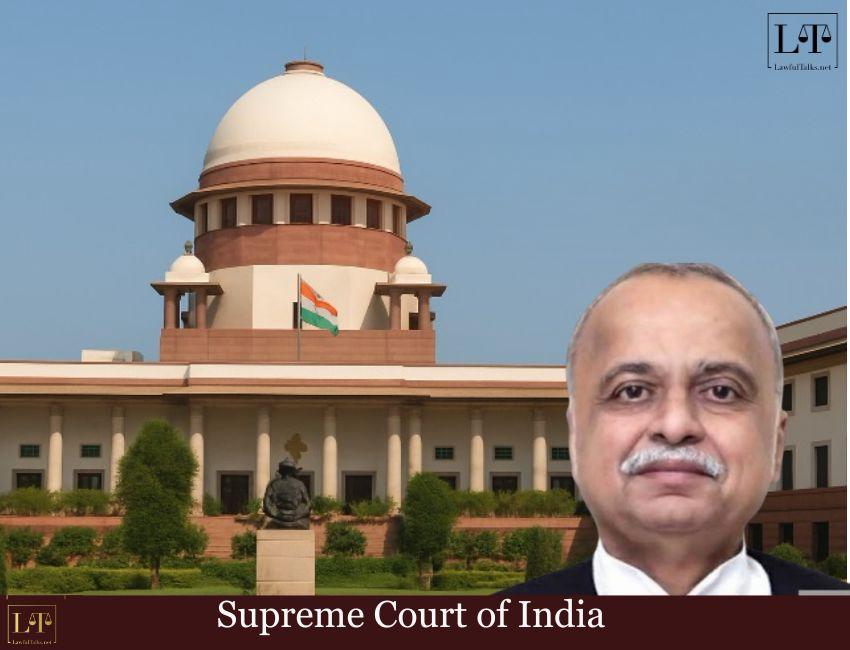
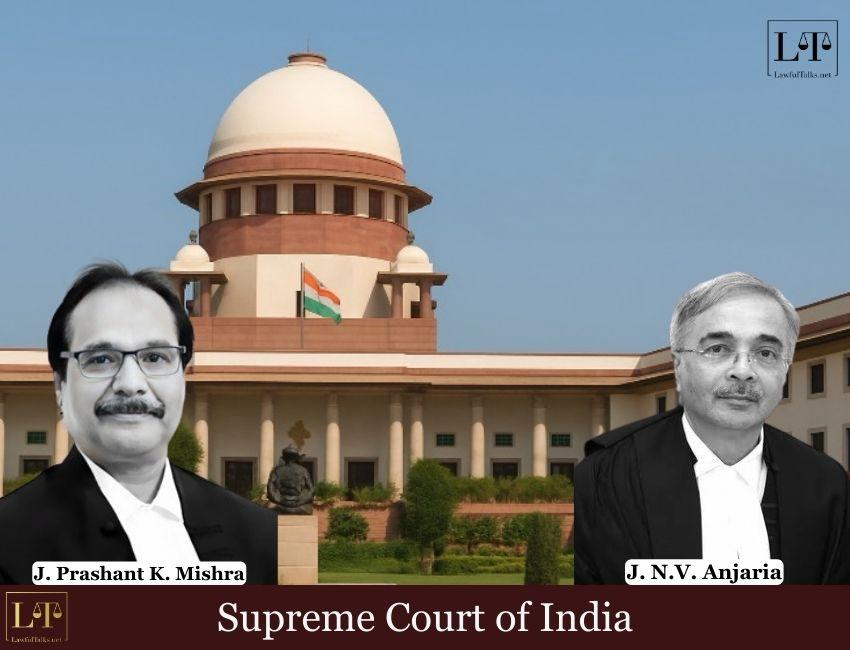
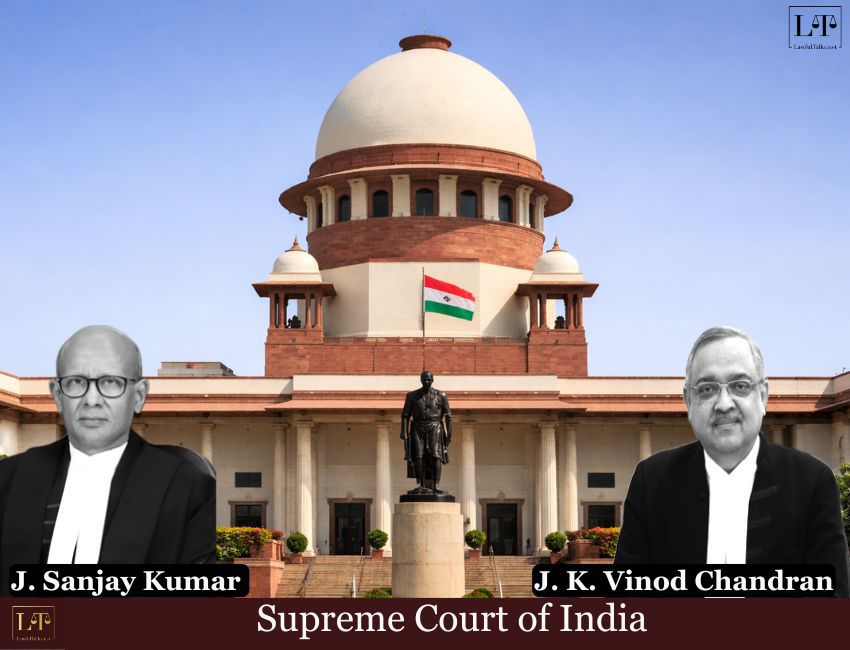
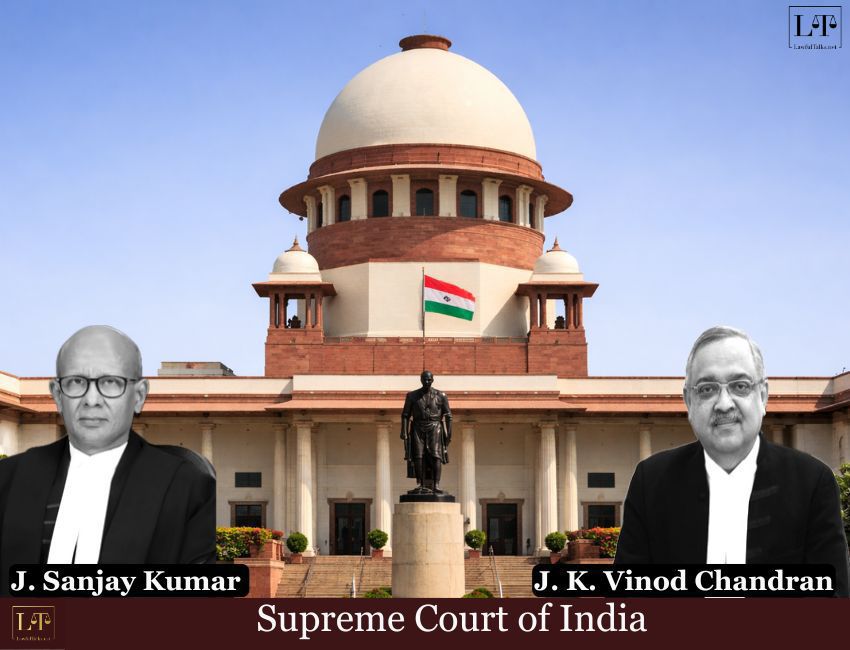
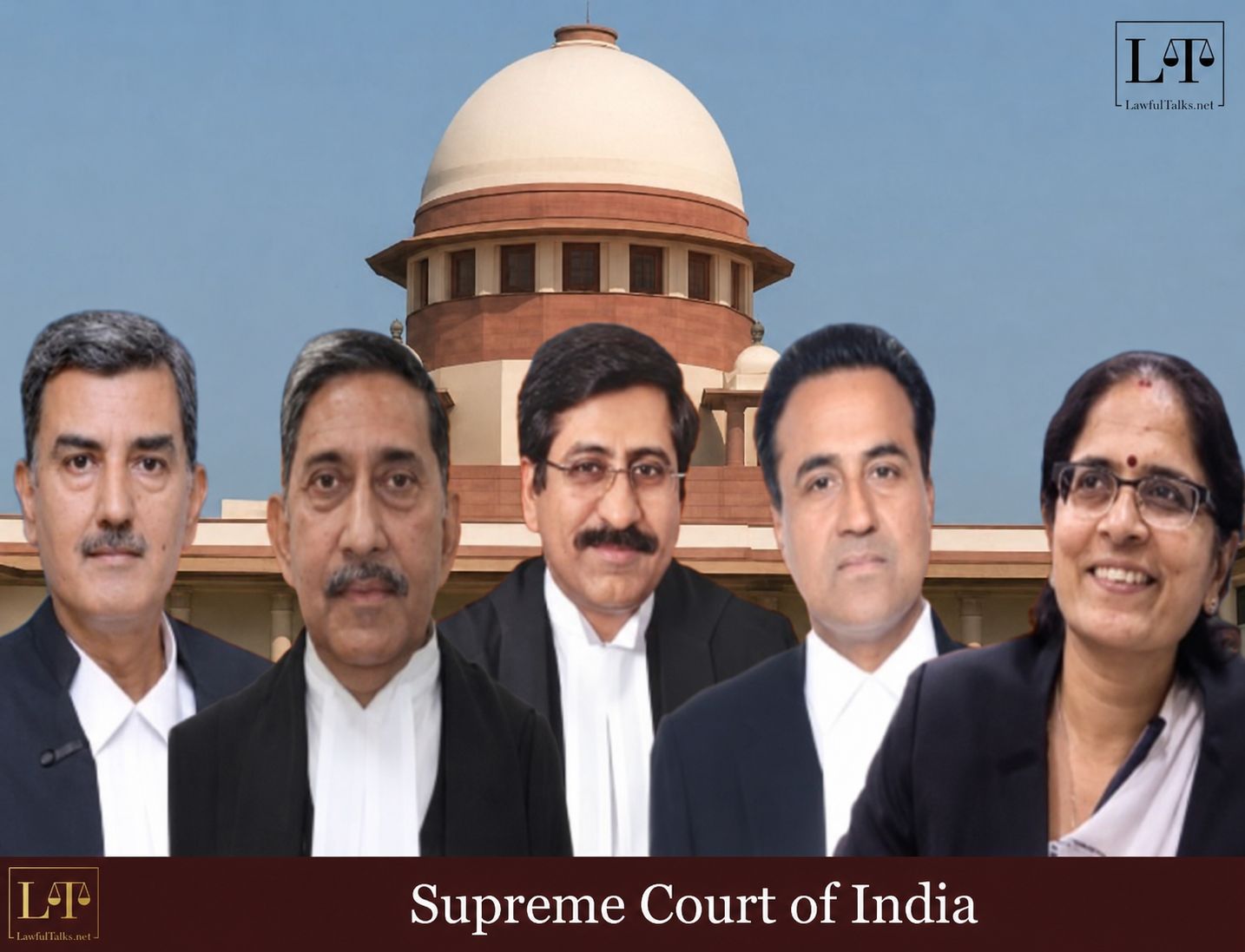
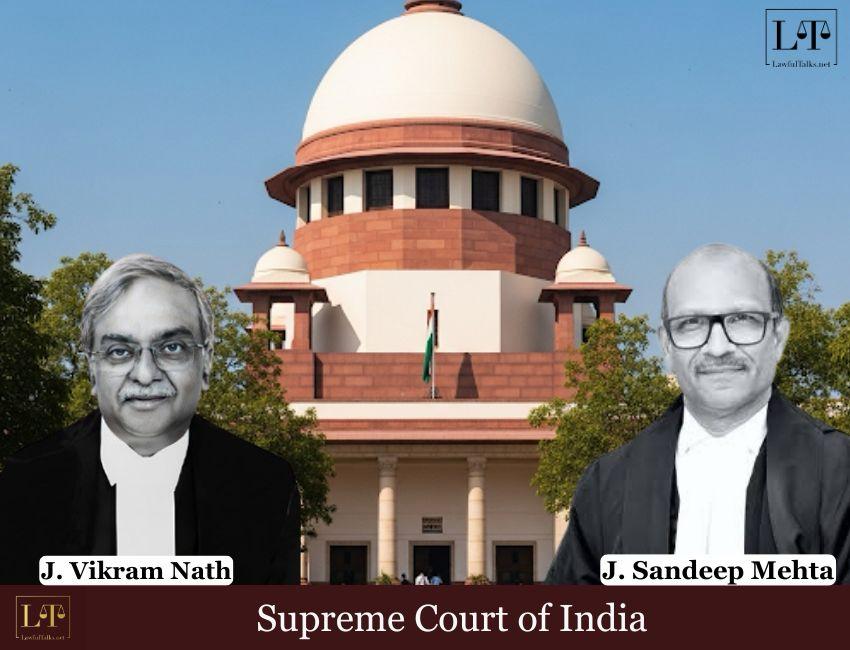
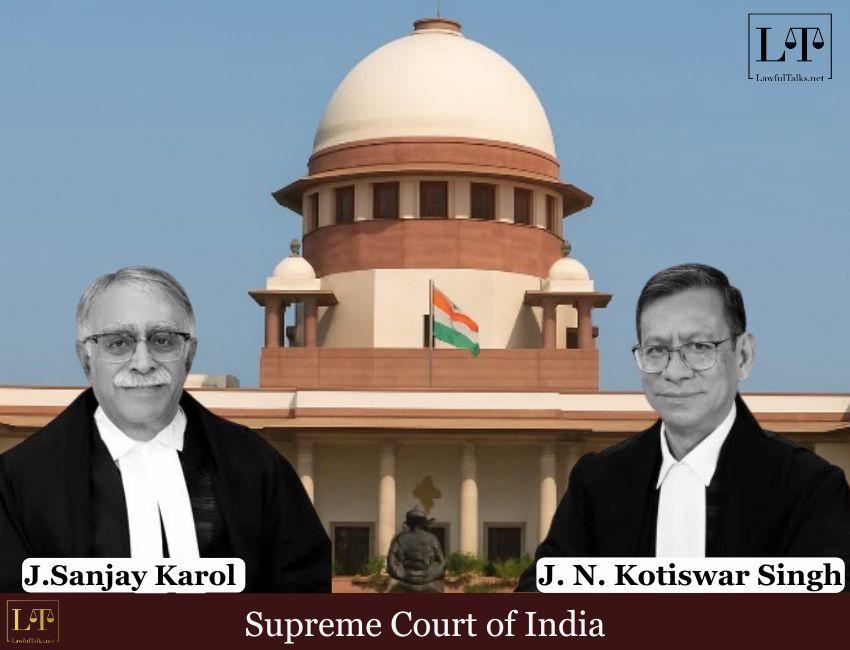
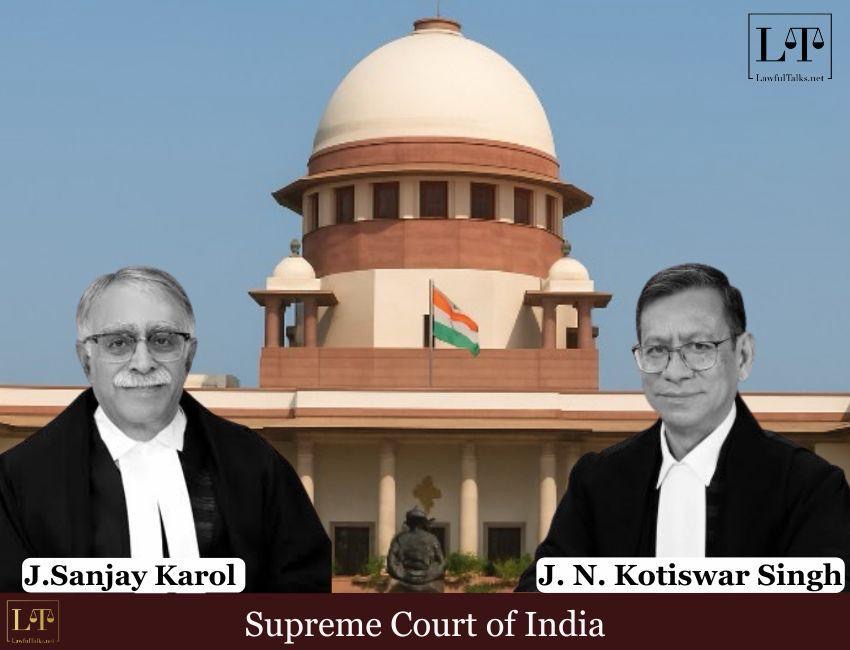
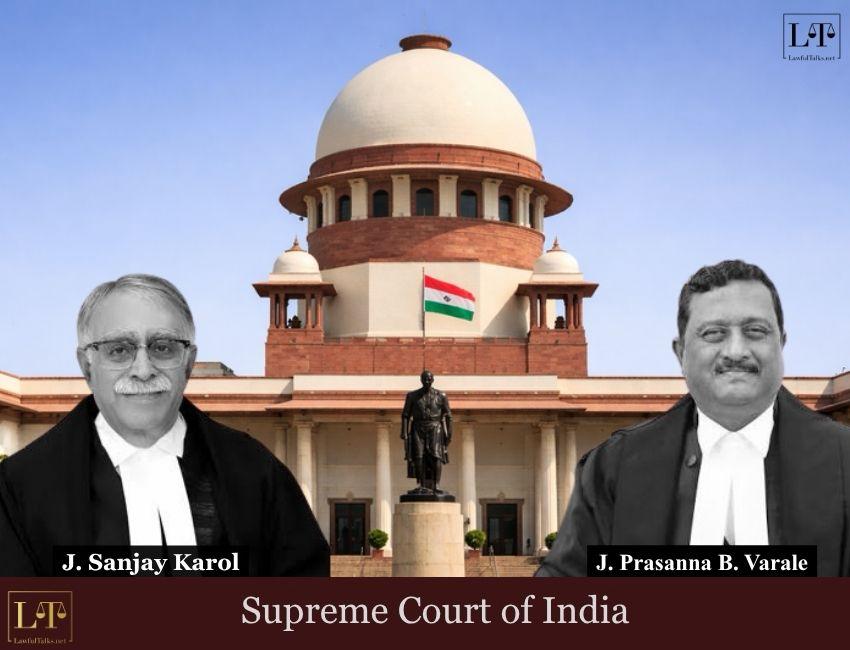
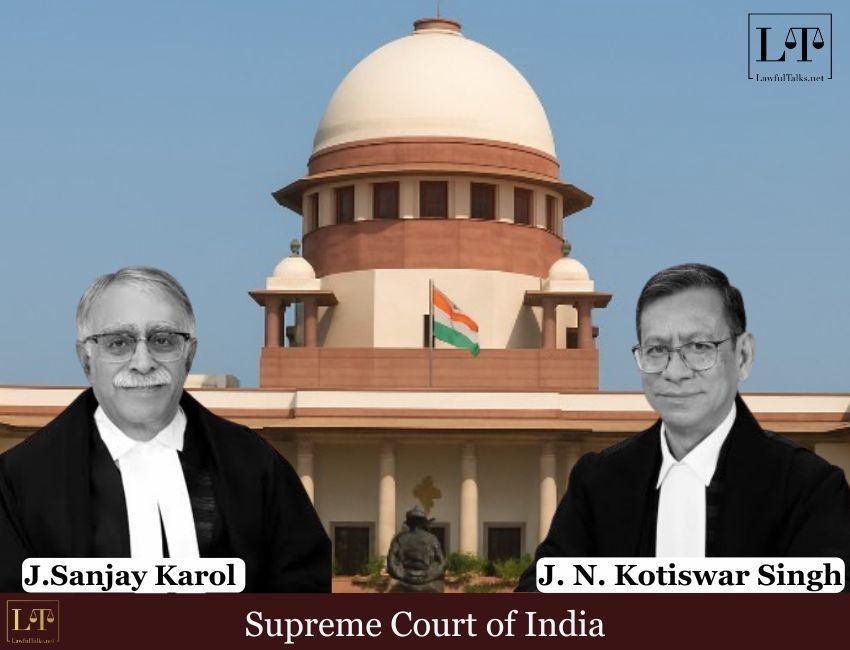
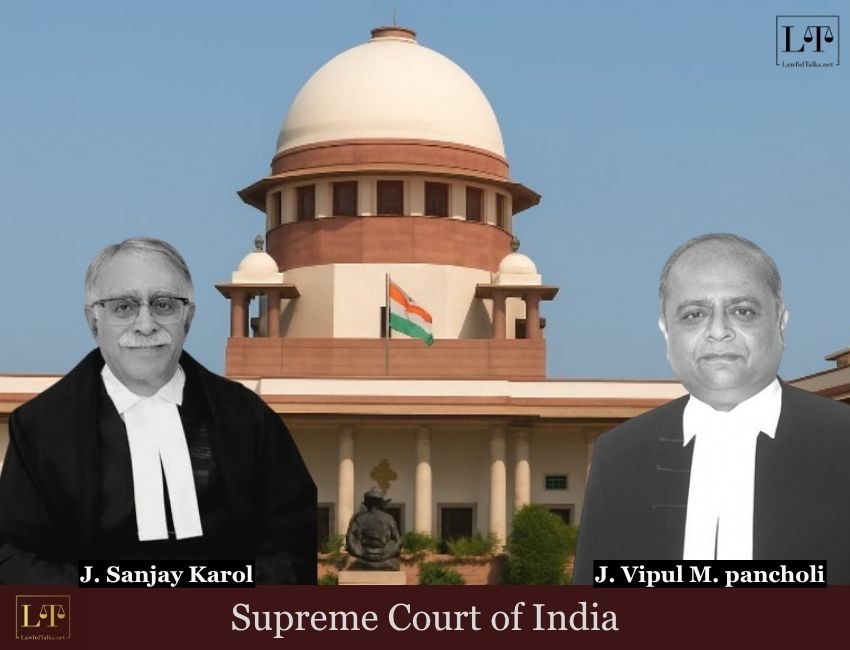
A Division Bench of Justice Sanjay Karol and Justice Augustine George Masih was hearing an appeal filed by the convict against the Delhi High Court judgment, which had upheld both his conviction under Section 376D of the Indian Penal Code and the sentence of rigorous imprisonment for life till the remainder of his natural life.
Sentence Changed:
The Supreme Court refused to interfere with the conviction. However, since the appeal was limited to the question of sentence, the Bench modified the punishment to 20 years’ imprisonment with the benefit of remission, if any.
Purpose of Sentencing
The Bench observed:
“When a sentence is imposed on an offender, it is done so with trifold purpose i.e. punitive, deterrent and protective. The overall objective is to rid the society of criminal proclivity. The same is done by ensuring that the sentence imposed is proportional to the offence or in other words not overly influenced by the possibility of reformation and instead, striking a judicious balance between the interest of the victim, society and the accused, after following the due process of law.”
Sentencing Factors:
The Supreme Court said that while deciding the appropriate punishment, courts should ordinarily consider whether the sentence:
“(a) Be in accordance with the nature and gravity of the crime;
(b) Adequately protect the interest of the society;
(c) Take into account the deterrent purpose of punishment;
(d) Consider the motive behind the crime, if any;
(e) Give due weight to the conduct of the accused;
(f) Examine whether the crime in question was pre-meditated or not;
(g) Keep in view the age of the accused and whether he has engaged in any similar offence in past for which he has been duly convicted;
(h) Account for the number of victims of the offence;
(i) Not consider the religion, race, caste or creed of the offender as a factor;
(j) Consider the possibility of reformation of the accused. It is the duty of the State to establish that the same does not exist; and
(k) The abuse of trust or misuse of personal relationship, if any.”
Not a Fixed List:
The Court clarified that these factors are only illustrative and not exhaustive.
It observed:
“The facets identified by us above are illustrative and not exhaustive. A holistic view of the entire case must be taken in the attending facts of each case. Considering all these factors among others, the foremost duty of the Court is to assess the evidence in a given case; imposing just and adequate punishment upon the accused.”
Proportionality Principle:
The Bench also reiterated that sentencing is governed by the doctrine of proportionality. It relied on several earlier judgments, including Bachan Singh v. State of Punjab, Surinder Singh v. State (UT of Chandigarh), State of Karnataka v. Krishnappa, Allauddin Mian v. State of Bihar, Navas v. State of Kerala, Sevaka Perumal v. State of Tamil Nadu and Parsuram v. State of Madhya Pradesh, while discussing the principles governing sentencing.
Case Background:
The case arose from an incident in September 2016.
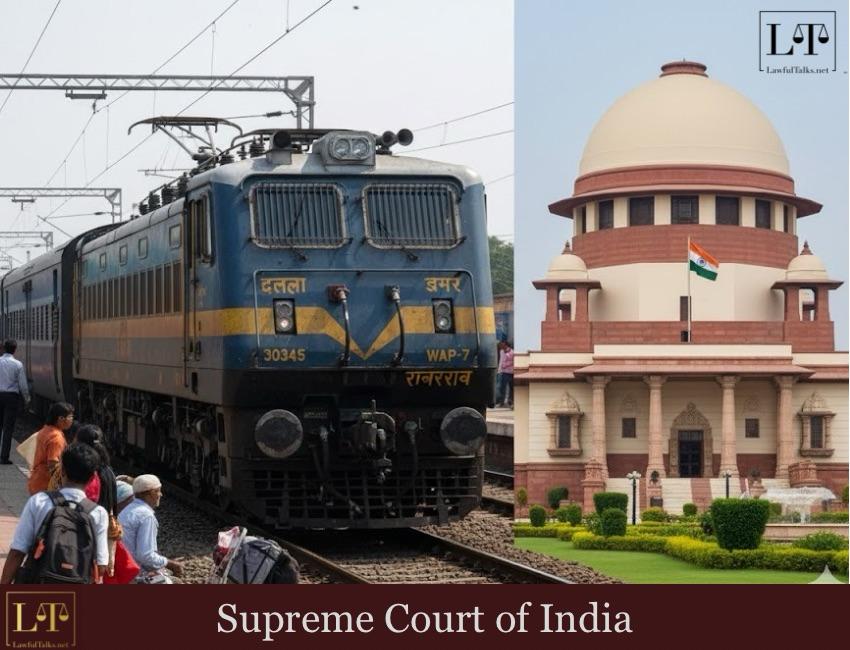
The victim had boarded a rickshaw from Delhi Railway Station at night after the driver assured her that he would take her home. Instead, he drove her to a deserted place where another man was waiting. The two accused then gang raped her.
Trial and High Court:
An FIR was registered on September 7, 2016.
The Trial Court convicted the appellant under Section 376D IPC and sentenced him to rigorous imprisonment for life till the remainder of his natural life, along with a fine of ₹25,000, to be paid to the victim.
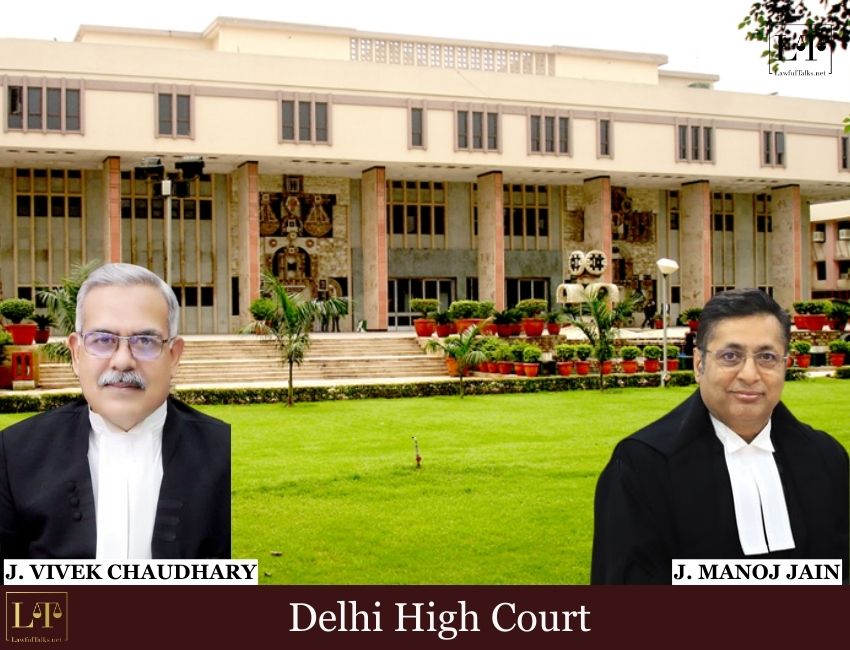
The Delhi High Court later upheld both the conviction and the sentence.
Limited Issue:
When the matter came before the Supreme Court, it had already made it clear while issuing notice that it would not examine the conviction and would consider only the quantum of sentence.
Earlier Decisions:
The Court noted that the Trial Court had imposed the sentence after considering precedents such as State of Punjab v. Saurabh Bakshi, Gopal Singh v. State of Uttarakhand, and State of Punjab v. Bawa Singh.
While discussing sentencing principles, the Bench also referred to decisions where sentences had been modified after considering mitigating circumstances, including Shankar Kisanrao Khade v. State of Maharashtra, Rajkumar v. State of Madhya Pradesh, Selvam v. State, Parsuram v. State of Madhya Pradesh, Sundar v. State and Ravinder Singh v. State (NCT of Delhi).
Applying these principles to the present case, the Court found that the appellant had no criminal antecedents, was only twenty-five years old when the offence was committed, and there existed a possibility of his reformation.
Possibility of Reform:
The Court observed:
“The State has neither brought on record anything to show that the same would not be possible, nor has it contravened the statement made on behalf of the appellant that in the nearly ten years (including remission) that he has been convicted, he has maintained a good conduct.”, the Court observed.
Serious Offence:
At the same time, the Bench stressed that gang rape is an extremely serious offence and affects not only the victim but society as a whole.
“This Court cannot lose sight of the fact that the offence, as already observed is heinous and is not only against the victim PW-2 but against the society at large. Despite much evolution, sociologically and psychologically, to break away from the chains of patriarchal thought, incidents such as these are only continuing unabashedly.”
Law After Nirbhaya:
The Court also examined the changes made by the Criminal Law (Amendment) Act, 2013, enacted after the Nirbhaya incident.
It noted that Parliament had made gang rape a separate offence carrying a mandatory minimum sentence of 20 years and had removed the earlier discretion available to courts to impose a lesser sentence for adequate and special reasons.
The Bench observed:
“The Court, therefore, has no other alternative and must, upon convicting, impose at least the minimum sentence. The judicial discretion in reducing the same by recording ‘adequate and special reasons’ which was given in proviso to the unamended Section 376 has been taken away. This indicates legislative recognition of the seriousness of the offence which the Courts must abide by.”
Final Decision:
Considering all the circumstances, the Supreme Court modified the sentence from imprisonment for the remainder of the convict’s natural life to 20 years’ imprisonment with the benefit of remission, if any.
The Court concluded:
“Considering the principles discussed above and applying them to the factors accruing in favour of the appellant-convict noted earlier, we deem it appropriate to modify the sentence to 20 years with benefit of remission, if any. The appeal is partly allowed.”
Accordingly, the appeal was partly allowed.
Case Details: Ehsaan v. State of NCT of Delhi. (SLP (Crl.) No. 3407 of 2026.)

























































































































Sign up for free and be the first to get notified about curated content just for you.