Can an Accused Escape Trial by Remaining Absconding Until a Witness Dies? Supreme Court Answers

- July 20, 2026


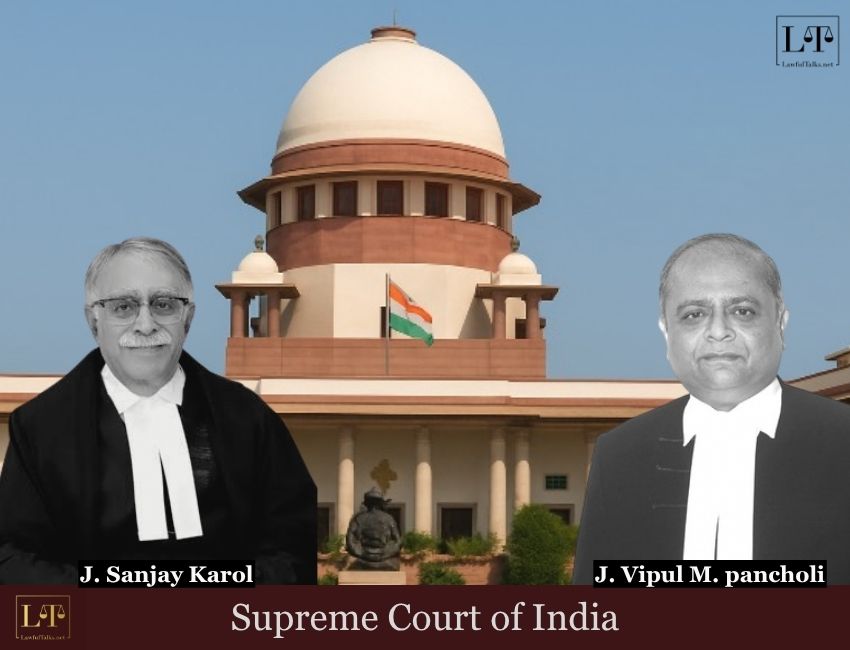
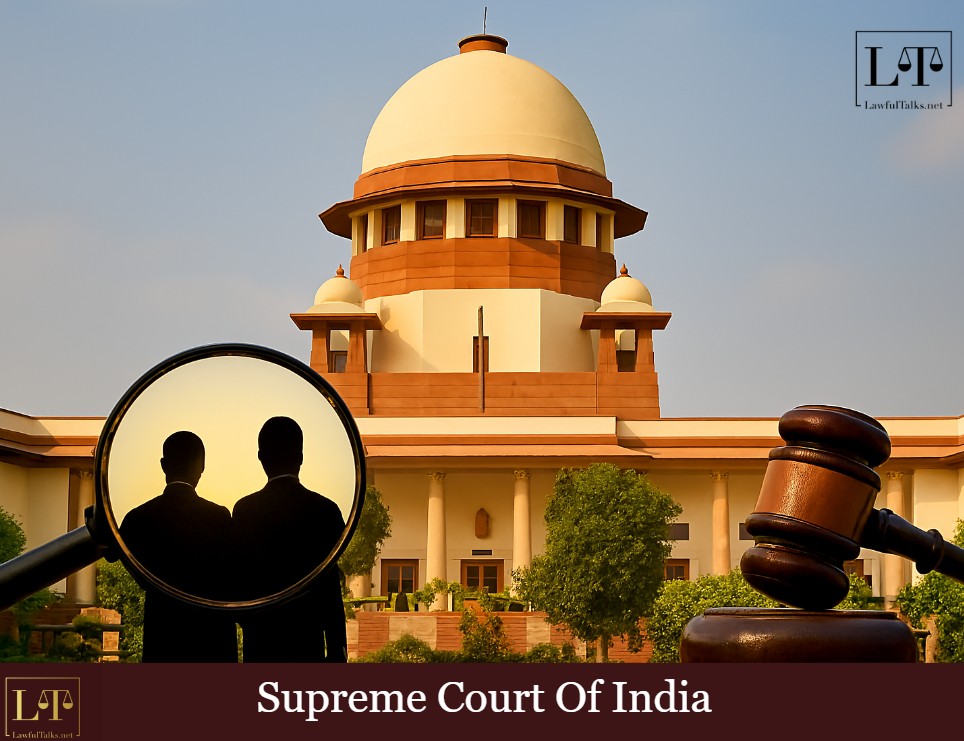
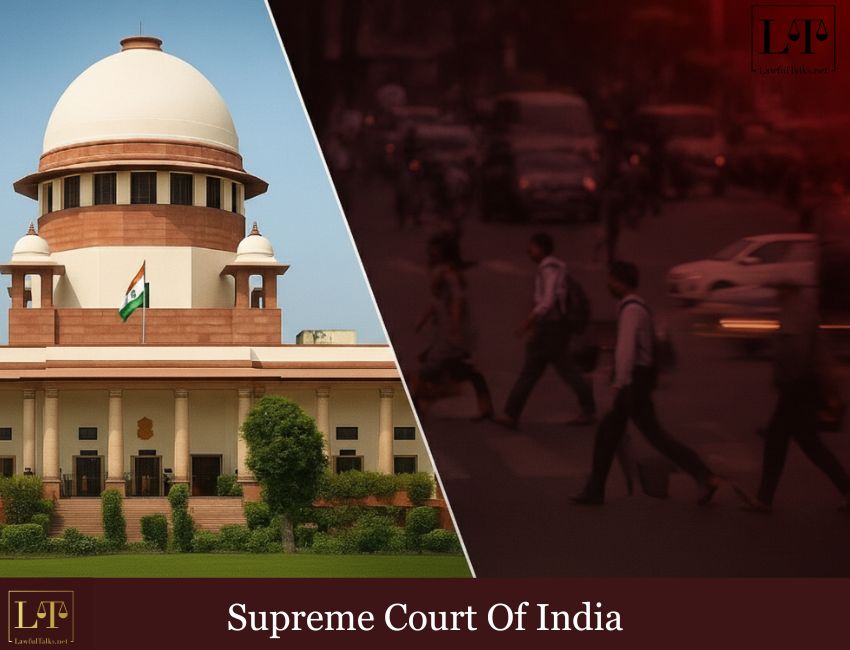
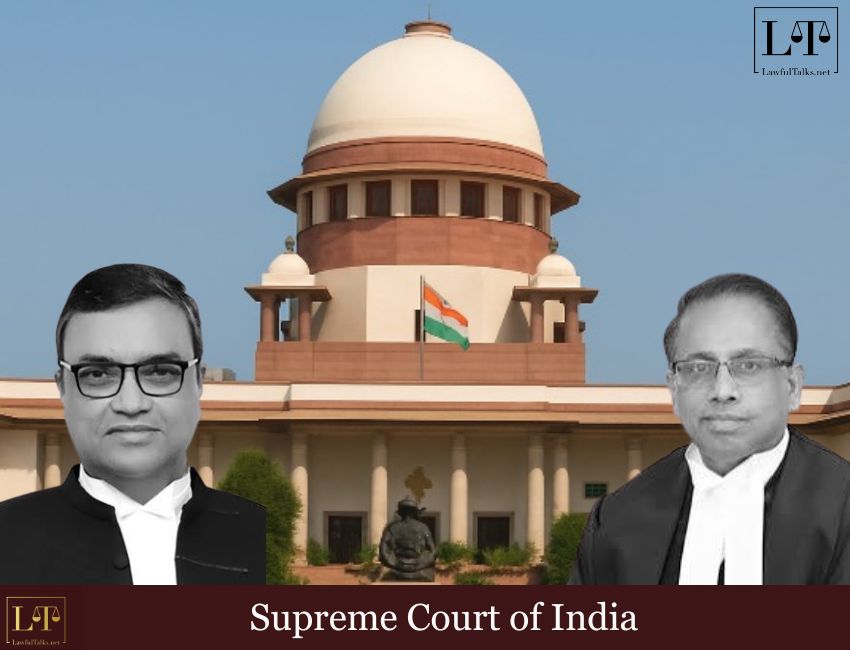
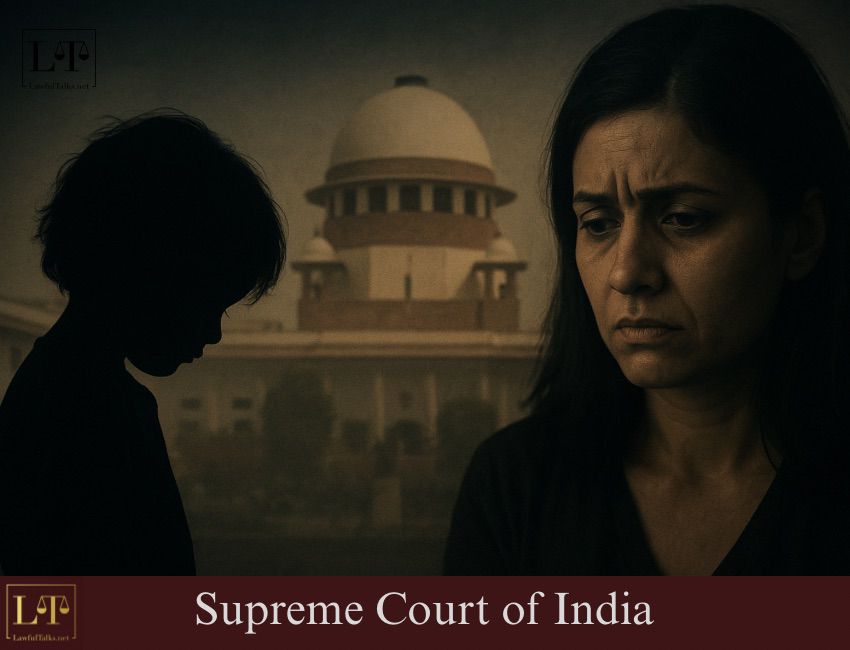
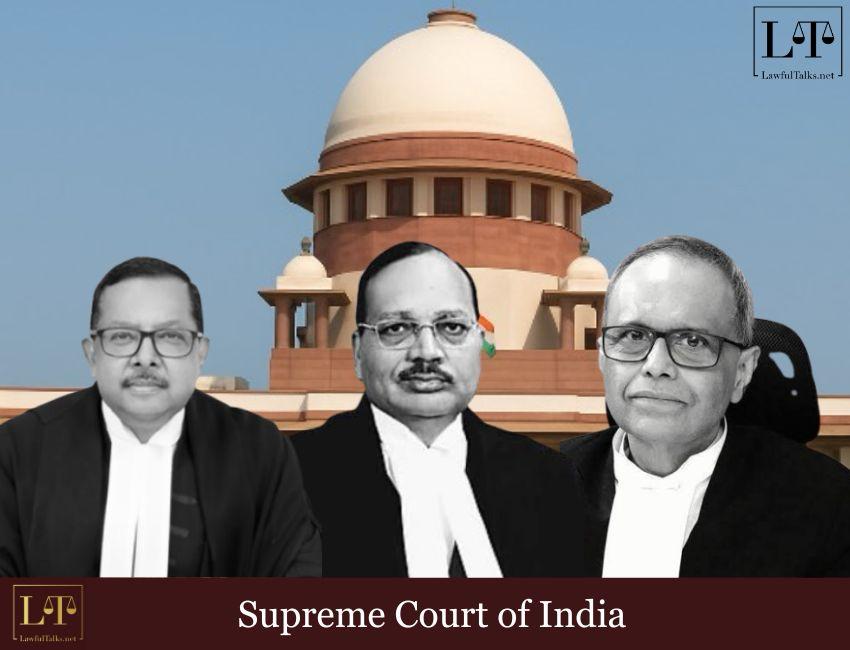
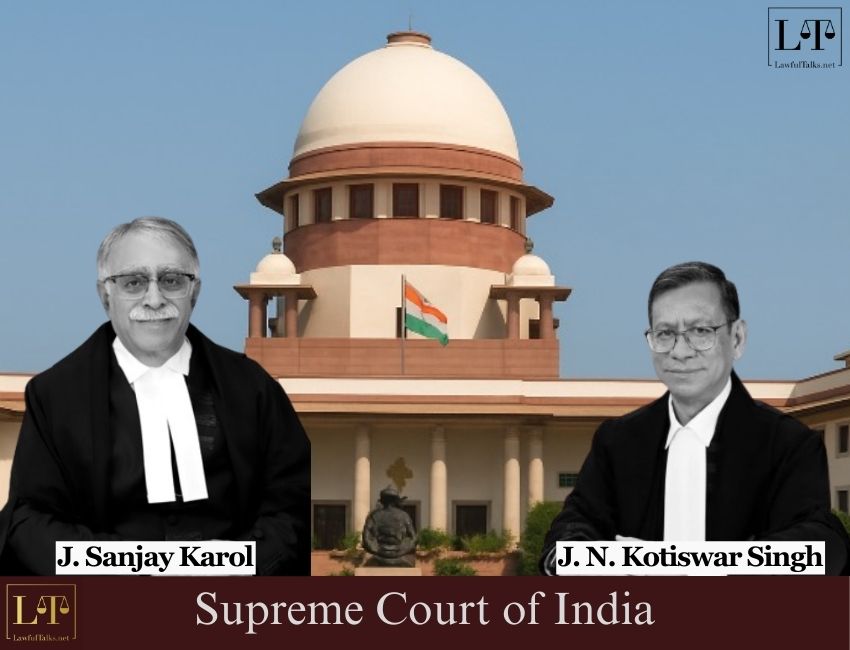
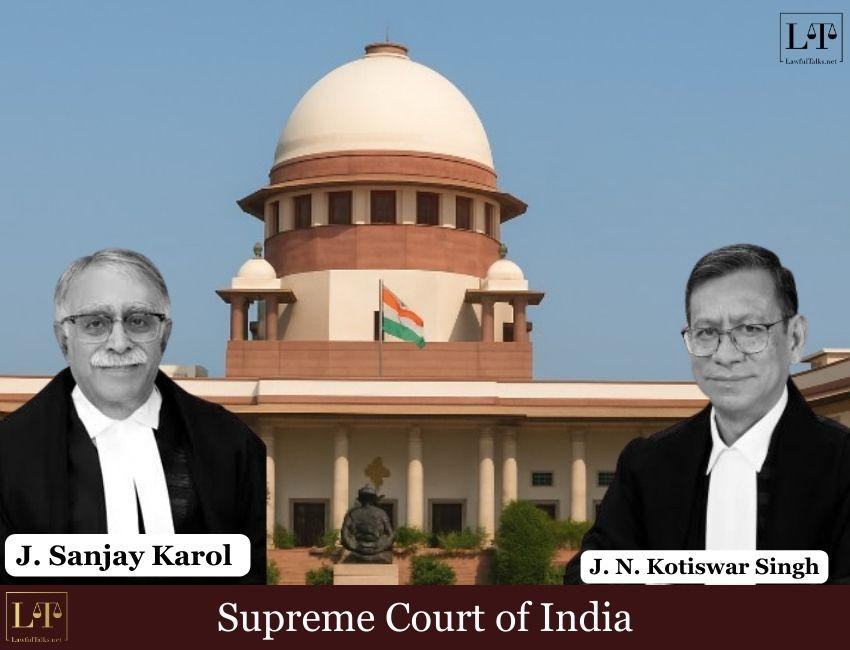
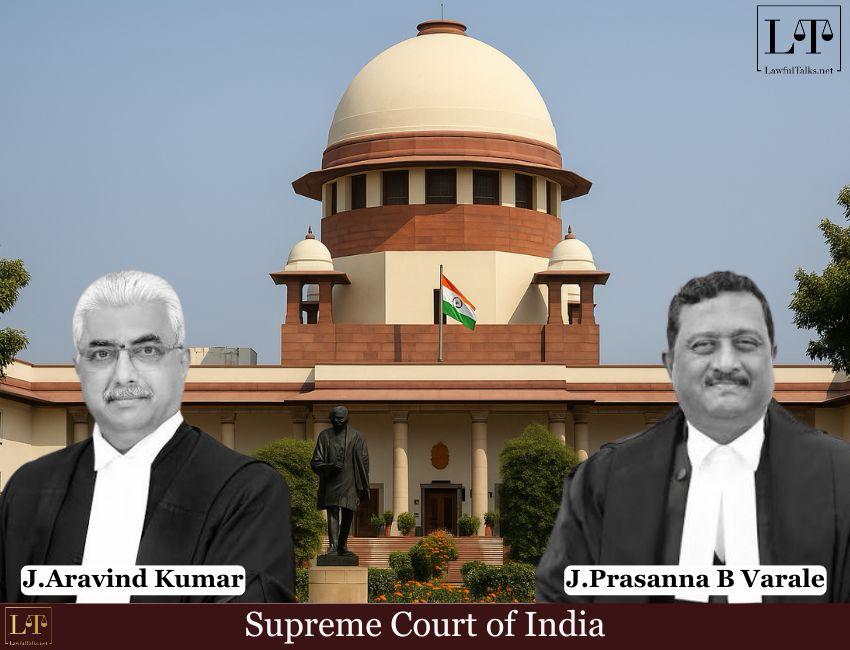
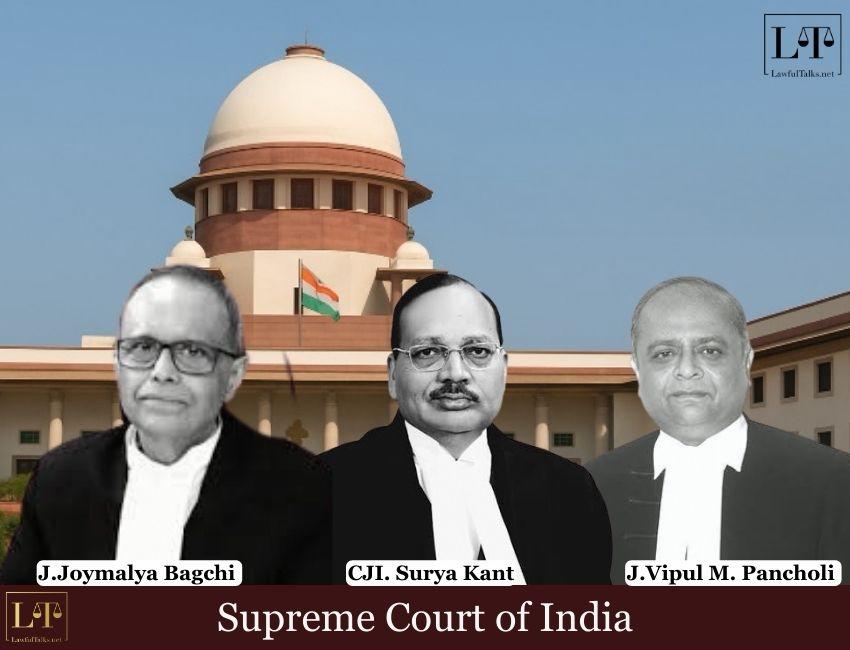
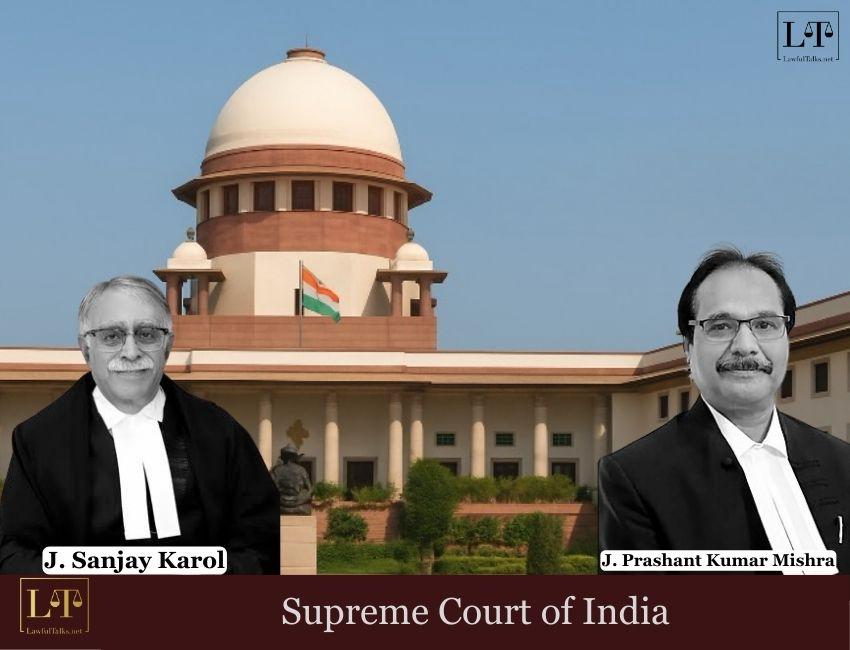
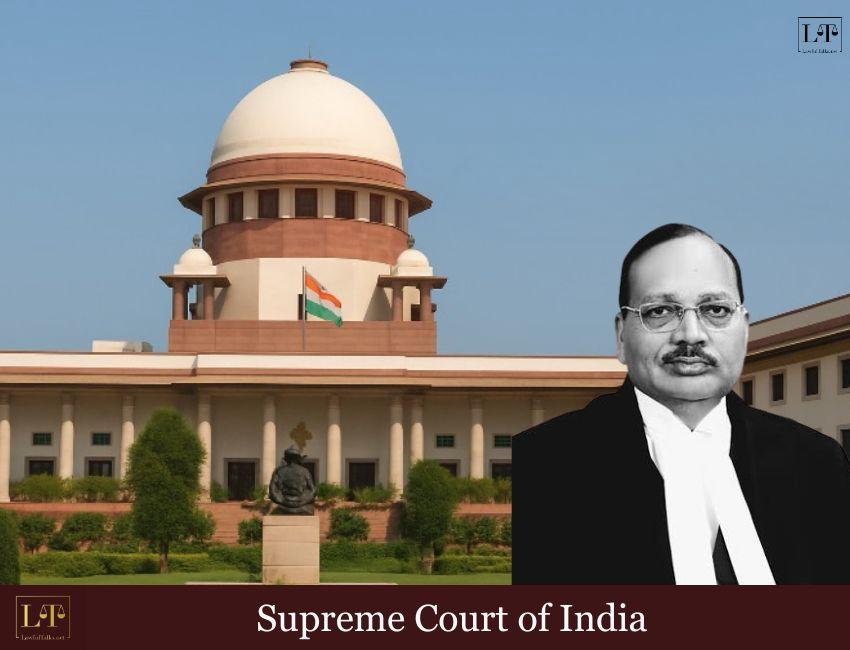
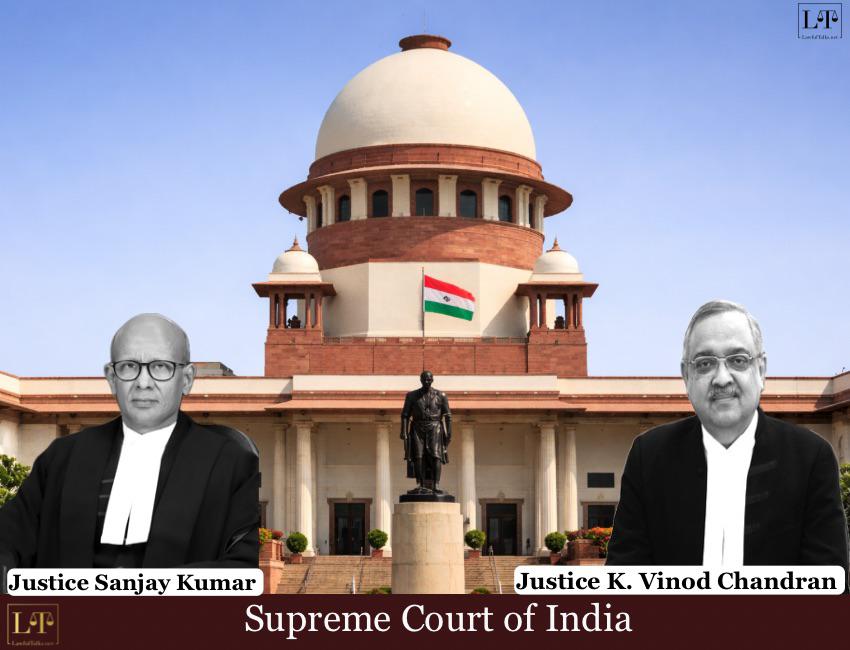
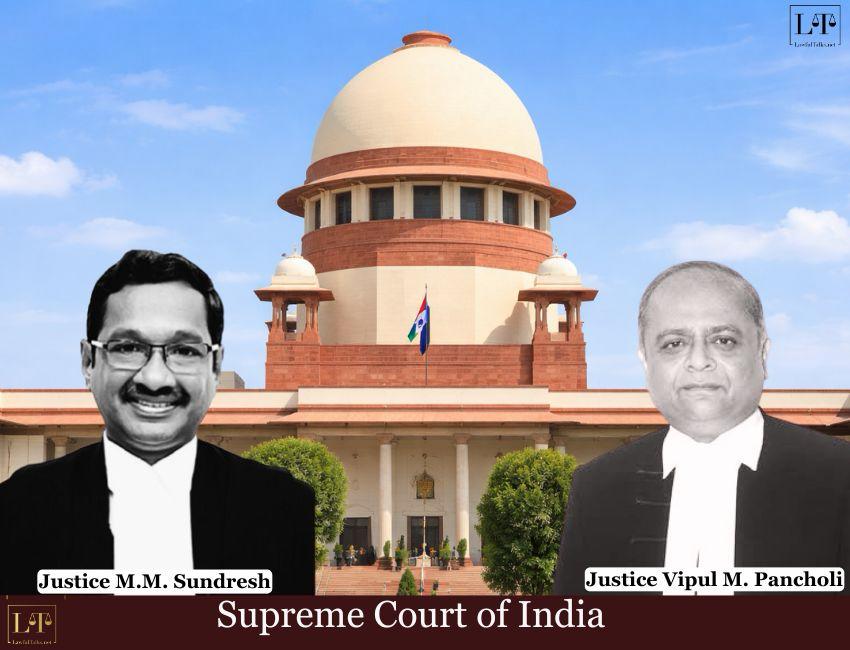
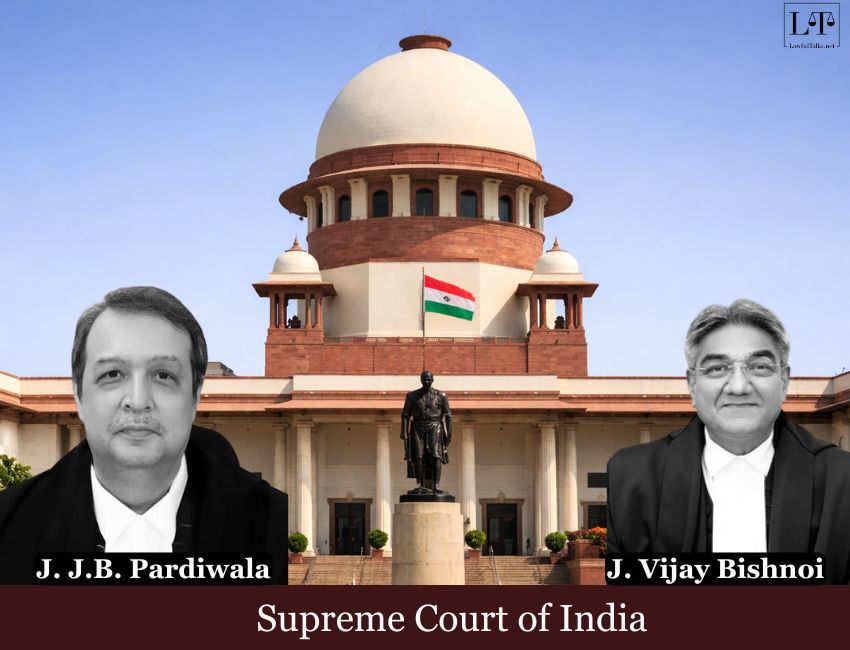
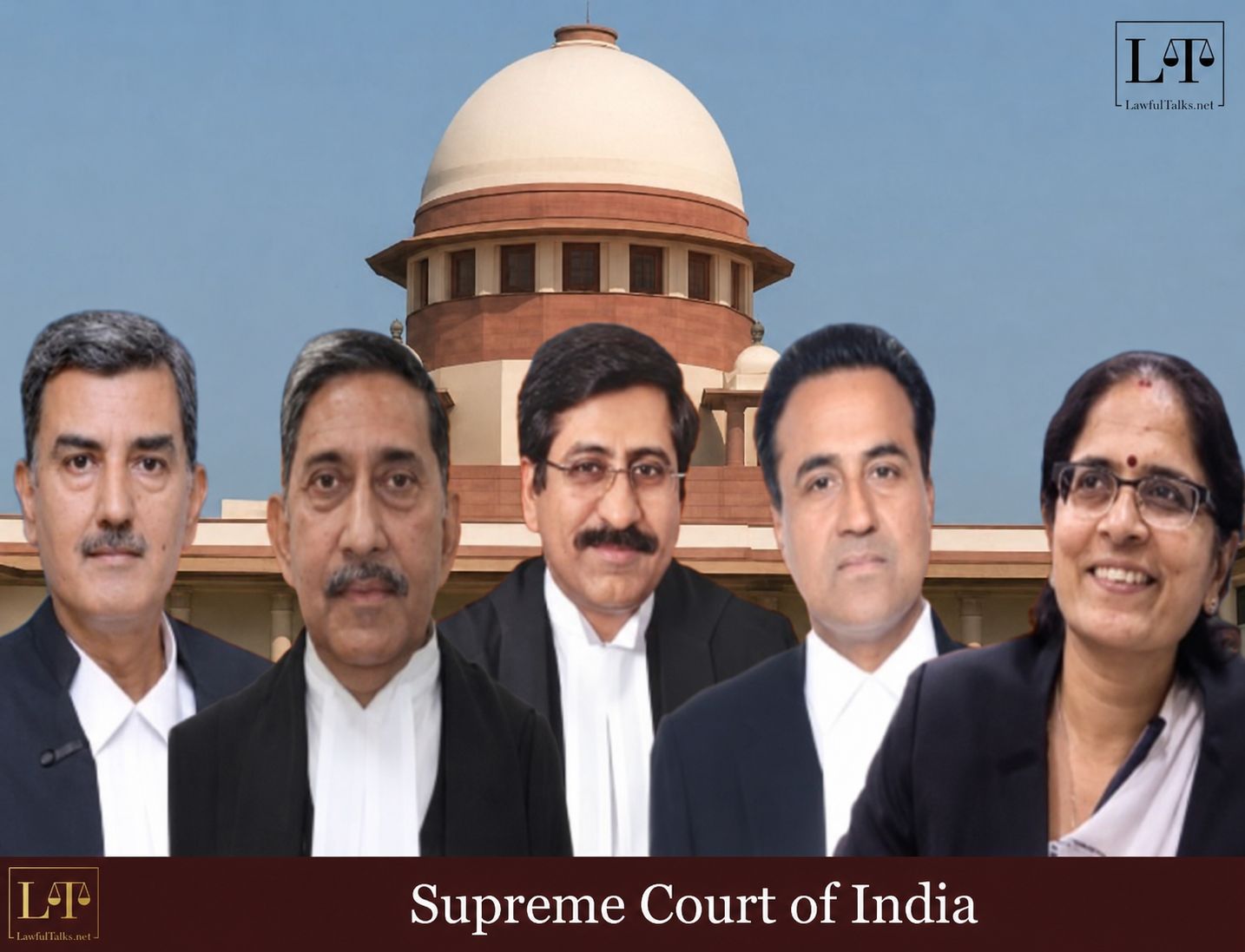
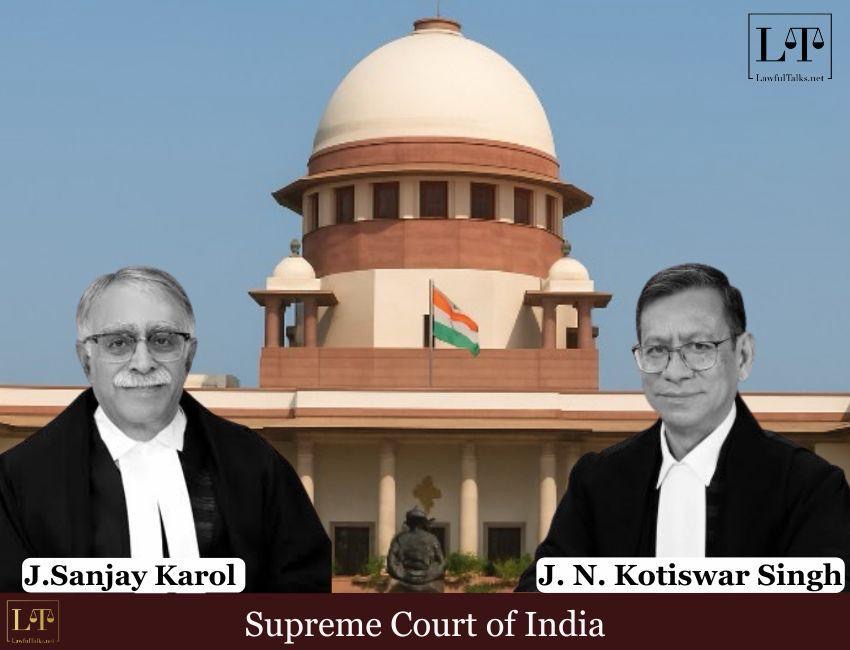
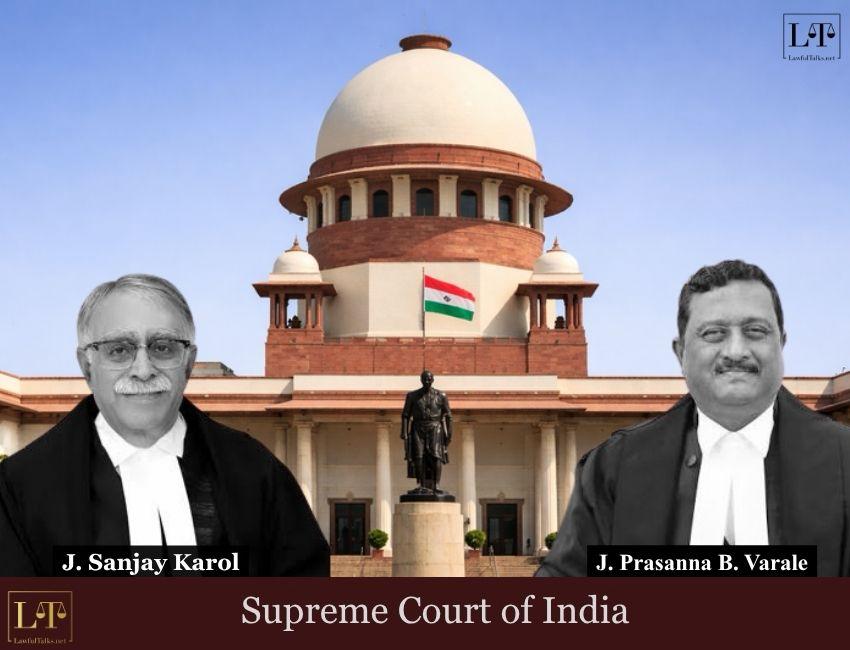
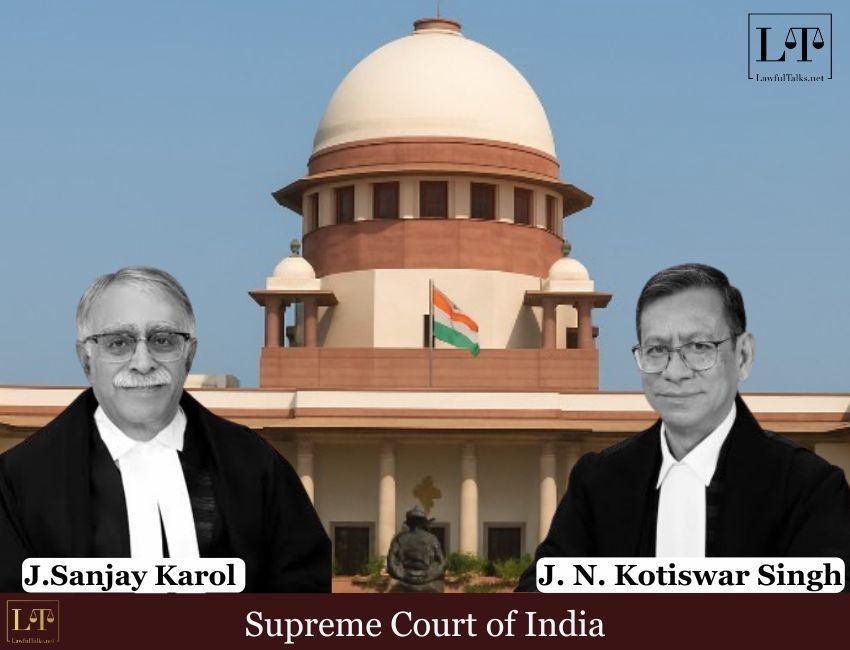
In a significant judgment the Supreme Court has held that an accused person cannot benefit by deliberately avoiding the criminal justice system. A Bench of Justice Sanjay Karol and Justice Vipul M. Pancholi ruled that if a witness dies after giving evidence during the trial of the co-accused, that testimony can be used in the later trial of an absconding accused, provided the conditions under Section 299 of the Code of Criminal Procedure (CrPC) are met.
Setting aside the Calcutta High Court’s judgment, the Supreme Court held that the law does not require a separate formal court order declaring an accused to be absconding before such evidence can later be used. What is important is that, when the witness gave evidence, the accused had absconded and there was no immediate possibility of his arrest.
The Case:
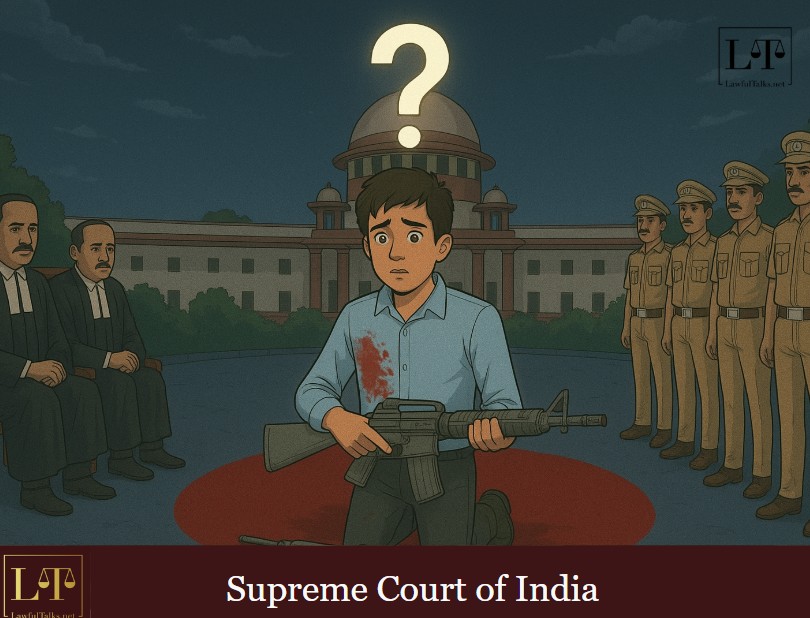
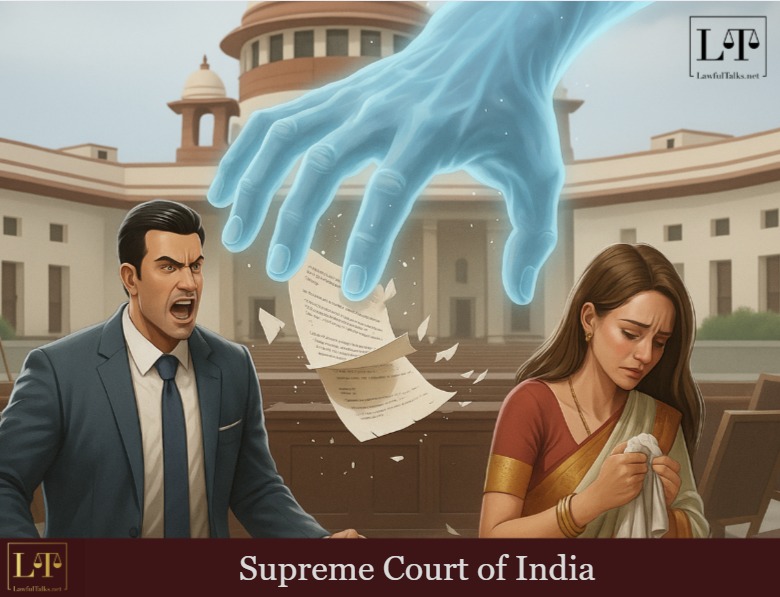
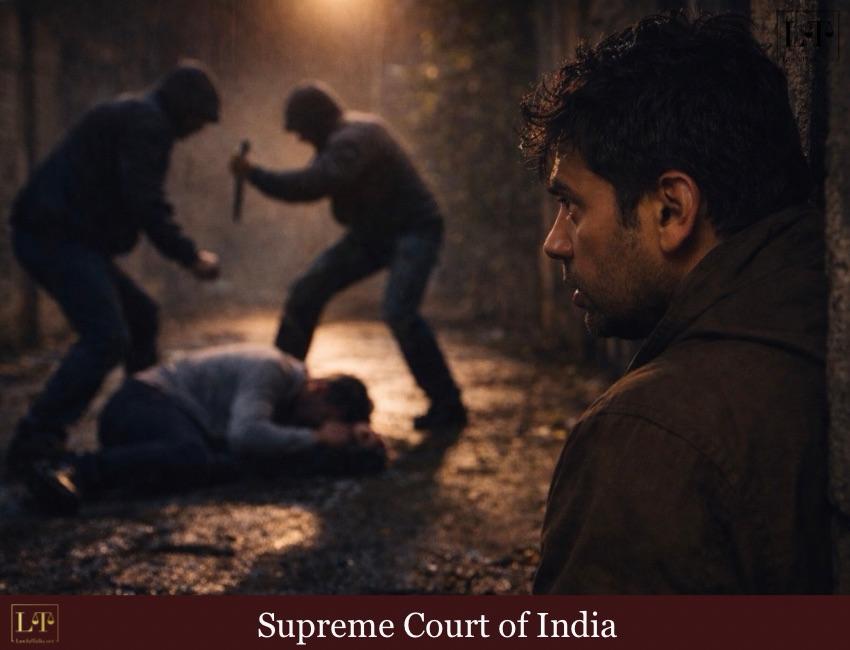
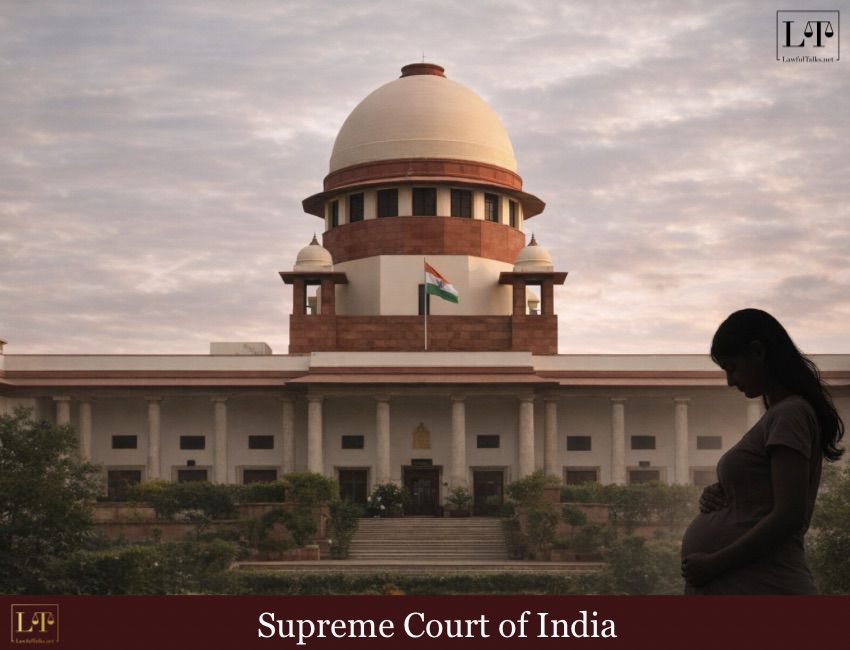
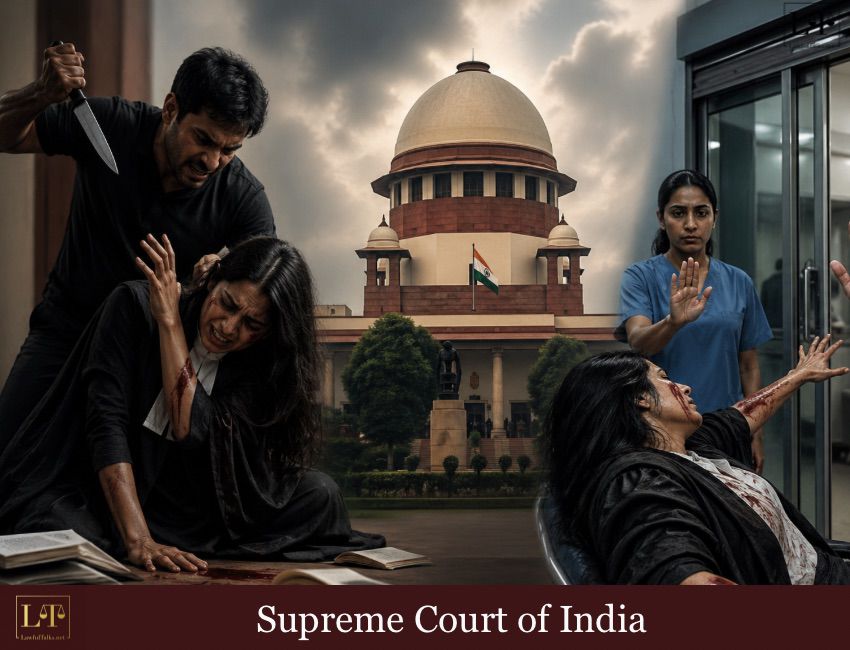
The case arose from an incident that took place on the night of 5 February 2012 in Kolkata. According to the prosecution, the victim was returning home from a nightclub when she accepted a lift from an acquaintance. After she entered the vehicle, several accused persons allegedly got into the car, stopped her from leaving, threatened her with a gun and gang-raped her. She was later pushed out of the moving vehicle near Exide House.
Based on her complaint, the police registered an FIR under various provisions of the Indian Penal Code relating to gang rape, criminal intimidation and other offences, along with provisions of the Arms Act.
Investigation:
During the investigation, three of the five accused were arrested. However, two accused, including the respondent before the Supreme Court, remained absconding. As they could not be traced despite repeated efforts, the police initiated warrants of arrest and proclamation proceedings against them. The charge-sheet specifically recorded that the two accused were absconding and stated that a supplementary charge-sheet would be filed after their arrest.
Since the absconding accused could not be arrested despite repeated attempts, the High Court split the trial, and the trial against the three arrested accused proceeded separately.
Earlier Trial:
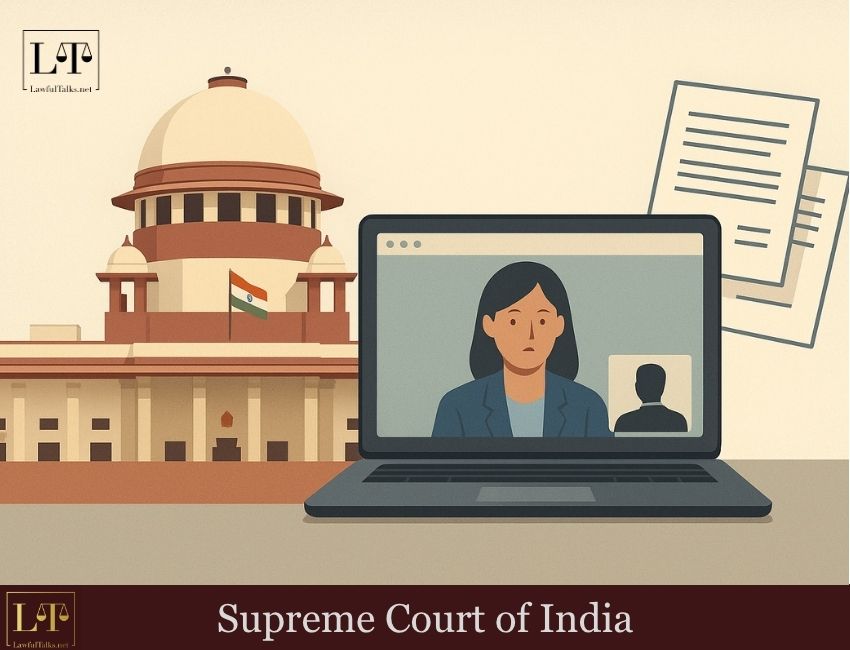
During that trial, the victim entered the witness box and gave evidence on several dates between March and July 2013. She was extensively cross-examined by the accused who were facing trial. In all, the prosecution examined 45 witnesses.
After completing her evidence, the victim died in March 2015.
The Trial Court later convicted the three accused of gang rape, criminal conspiracy, criminal intimidation and other related offences, and sentenced them to ten years’ rigorous imprisonment.
Separate Trial:
The respondent, however, was arrested only in September 2016, more than three years after the victim’s testimony had been recorded and nearly one-and-a-half years after her death. After his arrest, the investigating agency filed a supplementary charge-sheet, and a separate trial began against him.
During this trial, the prosecution asked the Trial Court to allow it to rely on the deceased victim’s earlier testimony under Section 33 of the Indian Evidence Act. The Trial Court allowed the request.
However, the Calcutta High Court set aside that order. It held that unless the Trial Court had specifically passed an order under Section 299 CrPC permitting evidence to be recorded against the absconding accused, the victim’s earlier testimony could not later be used against him.
Supreme Court’s View:
The Supreme Court disagreed with this view and closely examined Section 299 CrPC.
The Bench observed that criminal law normally requires witnesses to be examined in the presence of the accused. However, Section 299 creates an exception where an accused has deliberately absconded and there is no immediate possibility of arrest.
No Formal Order Needed:
Explaining the provision, the Court observed:
“There is no statutory requirement in the aforesaid Section, mandating the formal passing of an order by the Magistrate concerned, recording that the above two facts have been complied with, before the witness has deposed. What would be relevant is whether these two essentials stood established on the date of the deposition of the witness.”
Two Conditions:
The Court explained that only two conditions must be satisfied before earlier testimony can be used against an absconding accused:
If these two conditions are met, and the witness later dies or becomes unavailable, the earlier testimony can be read as evidence during the trial of the absconding accused.
Earlier Decisions:
Referring to its earlier decisions in Nirmal Singh v. State of Haryana and CBI v. Abu Salem Ansari, the Supreme Court reiterated that Section 299 CrPC is an exception to the general rule under Section 33 of the Evidence Act. Although the provision must be applied strictly, the law does not require a formal court declaration that the accused is absconding before evidence is recorded. The real question is whether the facts required by the law actually existed.
Purpose of the Law:
Rejecting the High Court’s reasoning, the Bench said that such a technical interpretation would defeat the purpose of Section 299 CrPC.
The Court observed:
“If a restrictive view of Section 299(1) is taken, it would be against its purported intent.”
Preserving Evidence:
The Bench explained that the purpose of the provision is to preserve important evidence against persons who deliberately avoid trial.
It further observed:
“The purported intent is to ensure evidence against an accused is preserved, where he has deliberately absconded from trial. This Court cannot give an interpretation to this Section, which would defeat the very purpose behind it.”
Court’s Warning:
The Court also warned that accepting the High Court’s interpretation would encourage accused persons to deliberately remain absconding until important witnesses die or become unavailable.
In one of the most significant observations in the judgment, the Bench stated:
“Such an interpretation may also prompt accused persons to wilfully abscond themselves for long periods and await the death of the witness concerned.”
BNSS:
The Supreme Court also noted that Parliament has retained the same legal scheme in the Bharatiya Nagarik Suraksha Sanhita, 2023 (BNSS). The corresponding provision is now Section 335, showing that the legislative intention continues to be the preservation of evidence against absconding accused persons.
Final Decision:
Applying these principles to the present case, the Court found that proclamation proceedings had already been started against the respondent before the victim gave evidence.
The charge-sheet itself described him as absconding, and there was no dispute that there was no immediate possibility of his arrest while the victim was being examined. He was arrested only in September 2016, long after the victim had completed her testimony and after she had died.
The Bench therefore held that all the requirements of Section 299(1) CrPC had been satisfied.
Accordingly, the Supreme Court held that the Trial Court had rightly allowed the prosecution to rely on the victim’s earlier testimony and that the Calcutta High Court had wrongly excluded that evidence.
Allowing the appeals filed by the State of West Bengal, the Supreme Court set aside the Calcutta High Court’s judgment and restored the Trial Court’s order permitting the deceased victim’s testimony to be read as evidence in the respondent’s trial.
Case details: THE STATE OF WEST BENGAL VERSUS KADER KHAN






































































































































Sign up for free and be the first to get notified about curated content just for you.