Can a Pending Criminal Case Stop You From Becoming a Lawyer? SC Questions BCI

- July 21, 2026


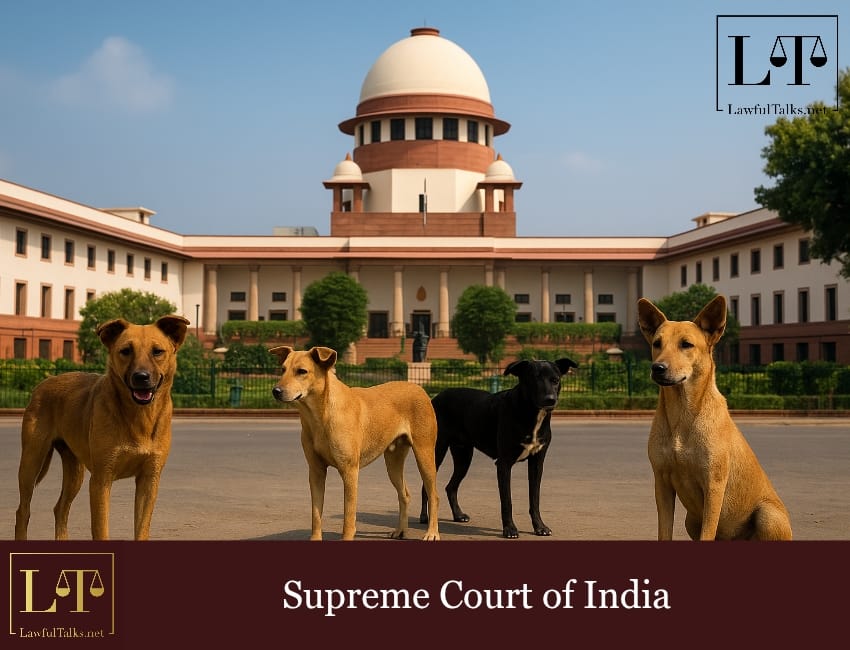
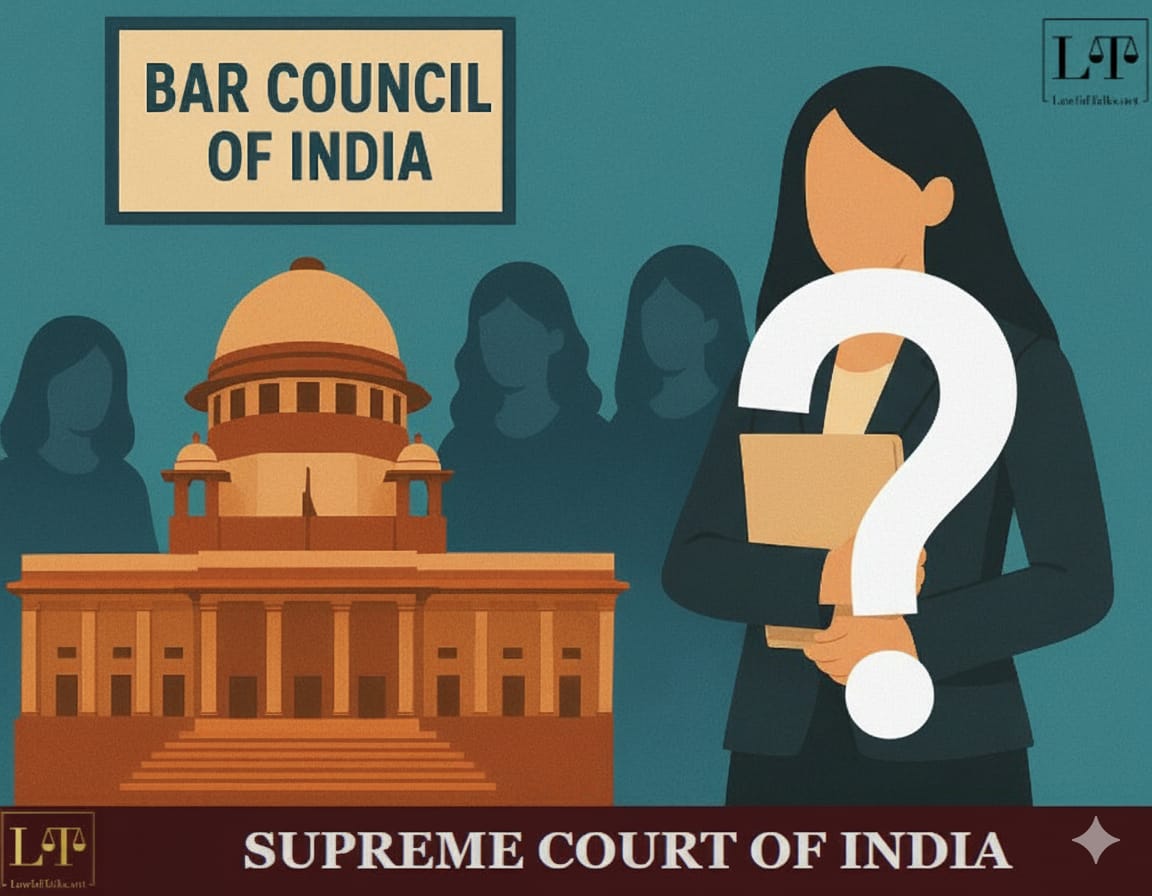
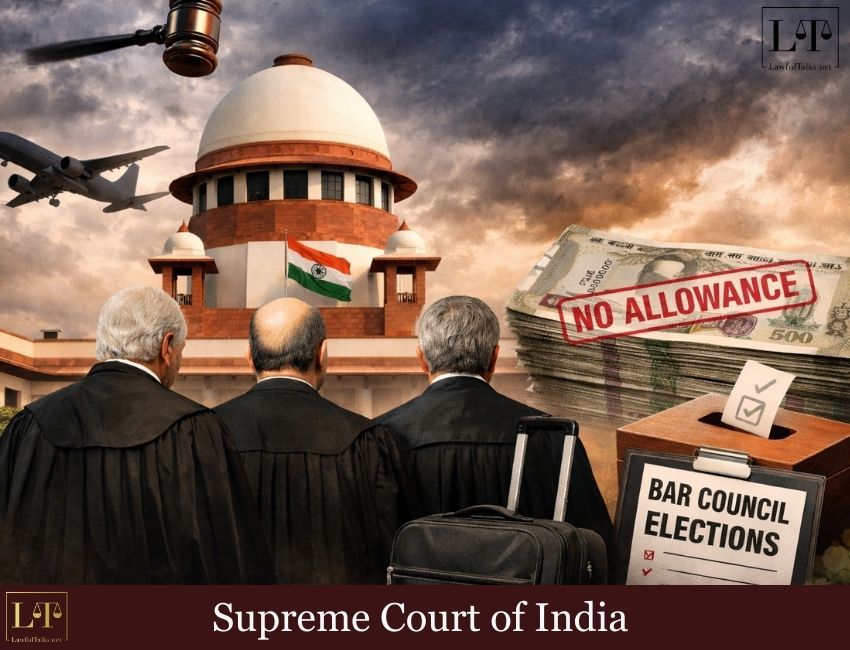
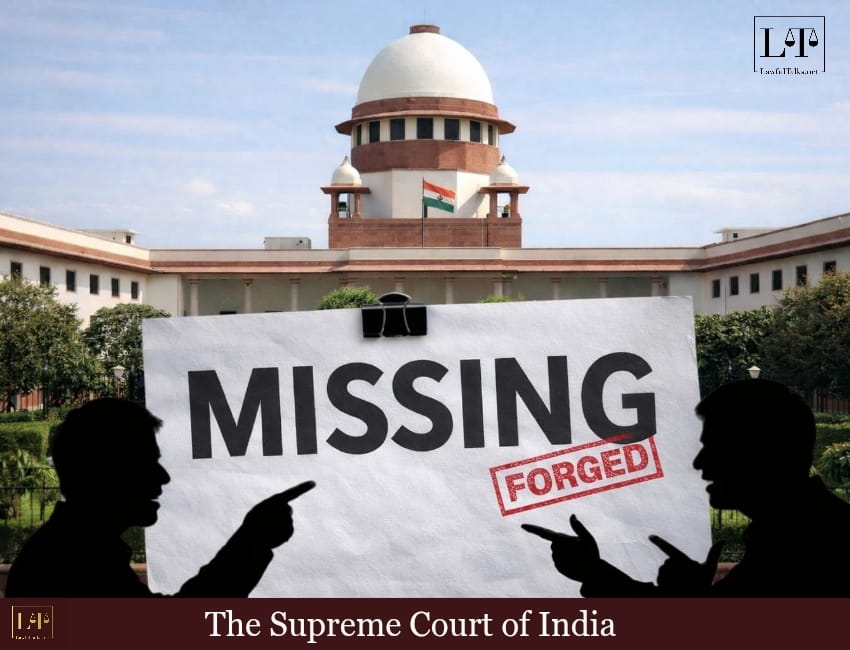
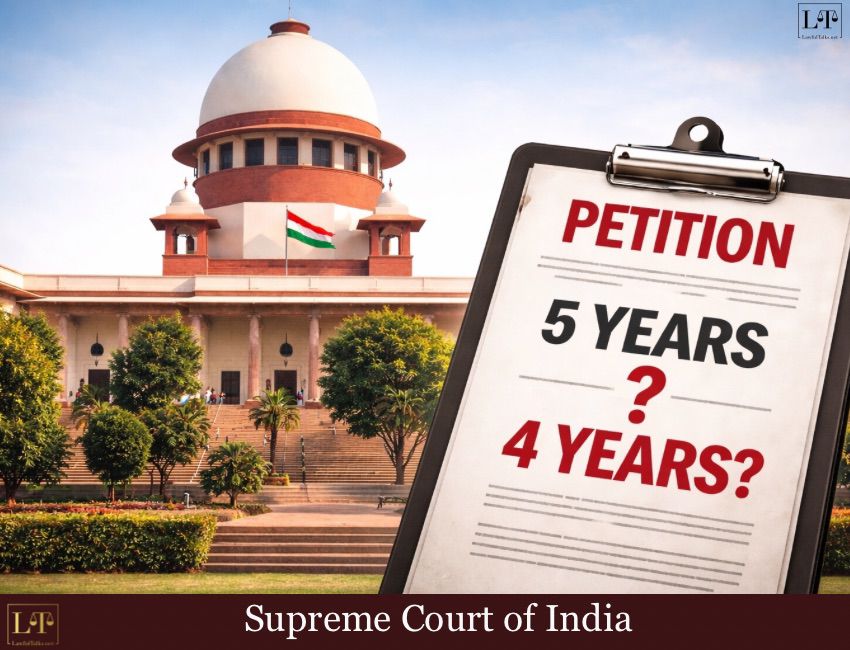
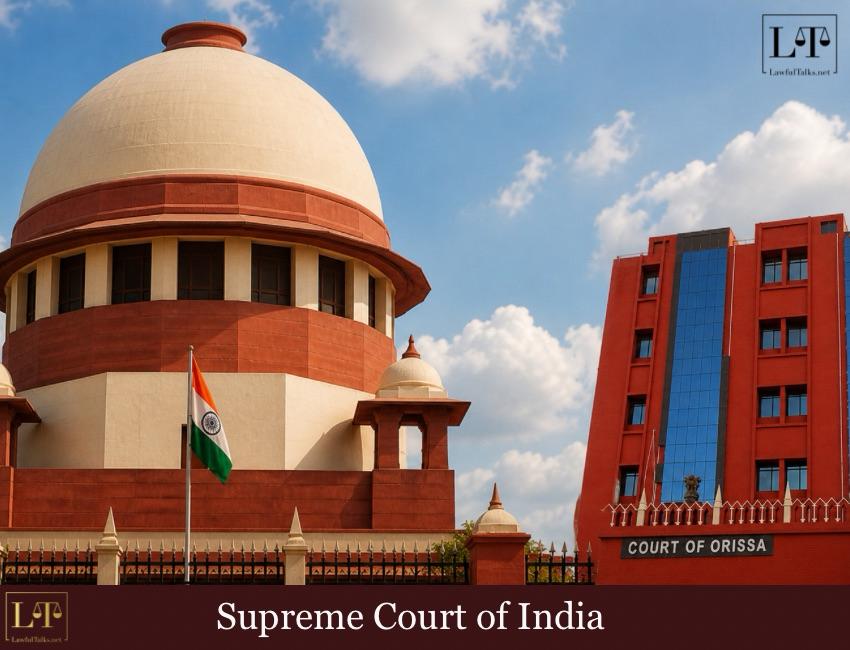
The Supreme Court made sharp oral remarks against the Bar Council of India (BCI) while hearing a case on whether law graduates facing pending criminal cases can be denied enrolment as advocates. The Court questioned whether the Advocates Act allows such a restriction.
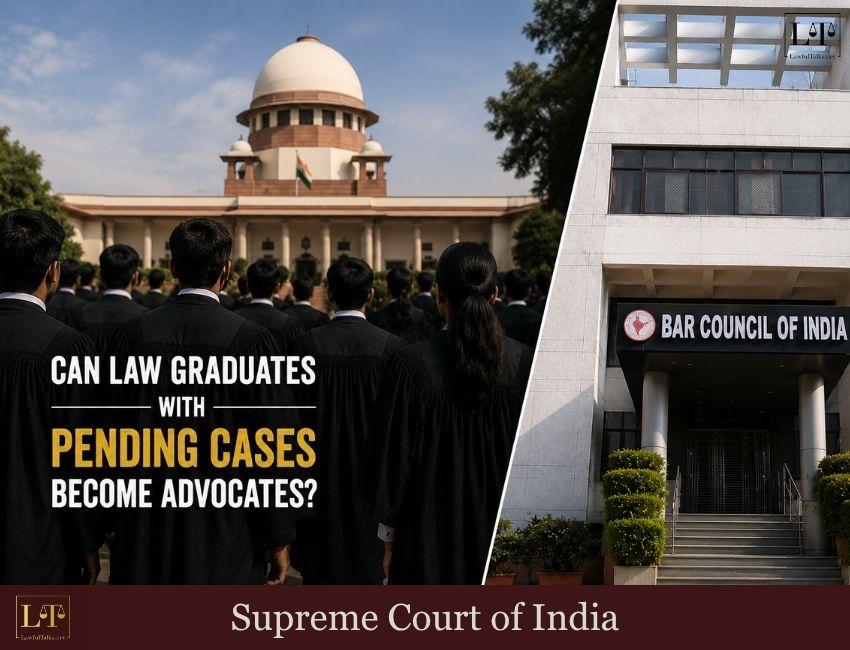
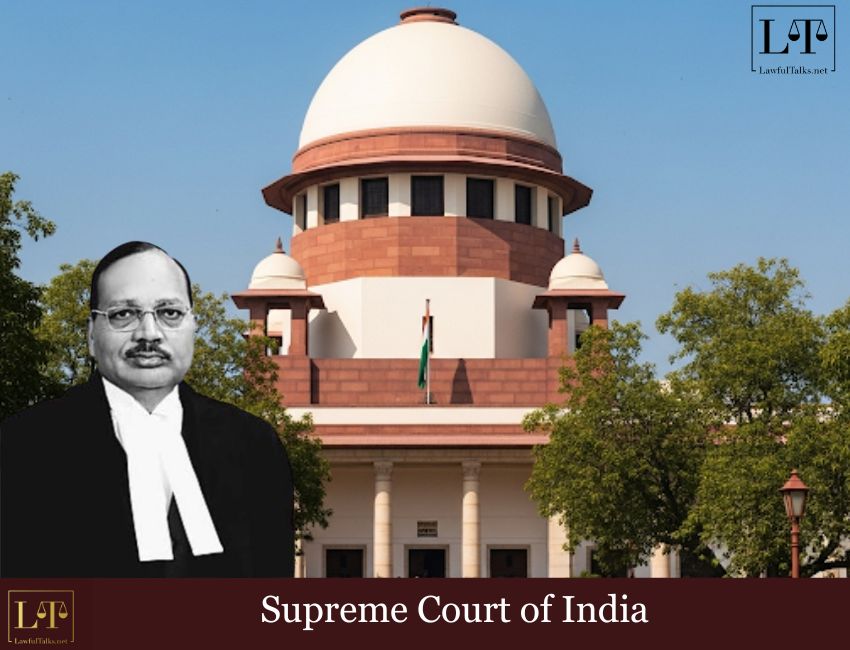
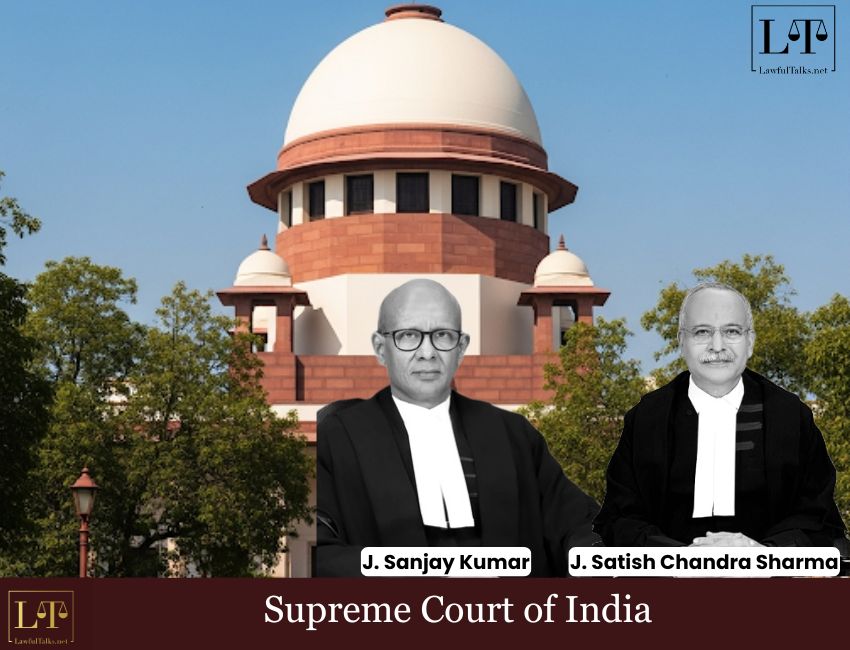
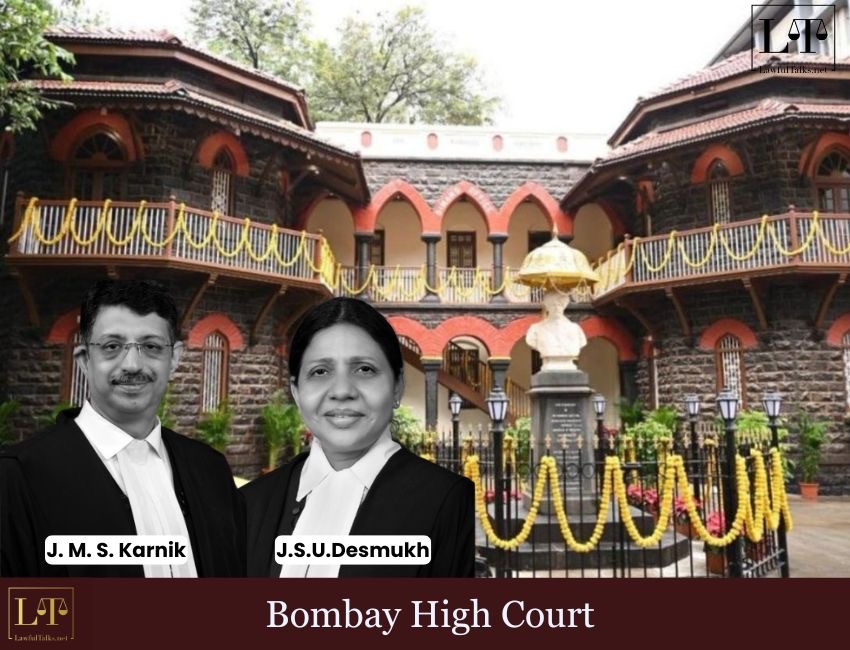
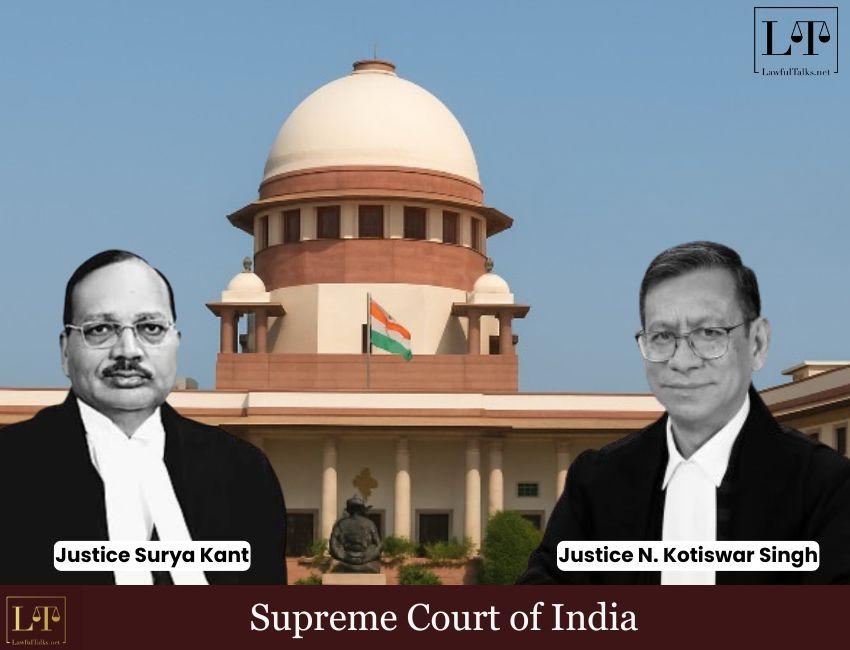
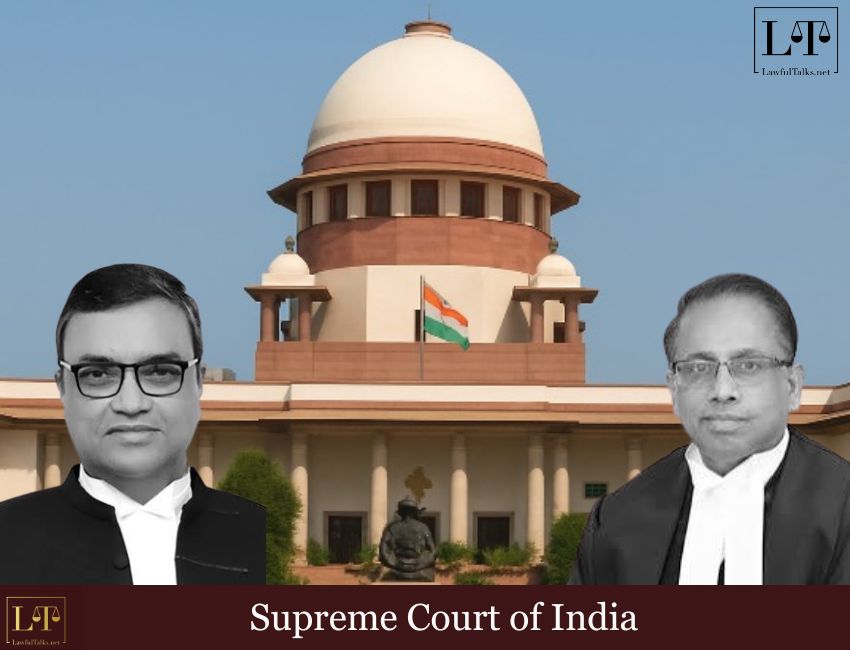
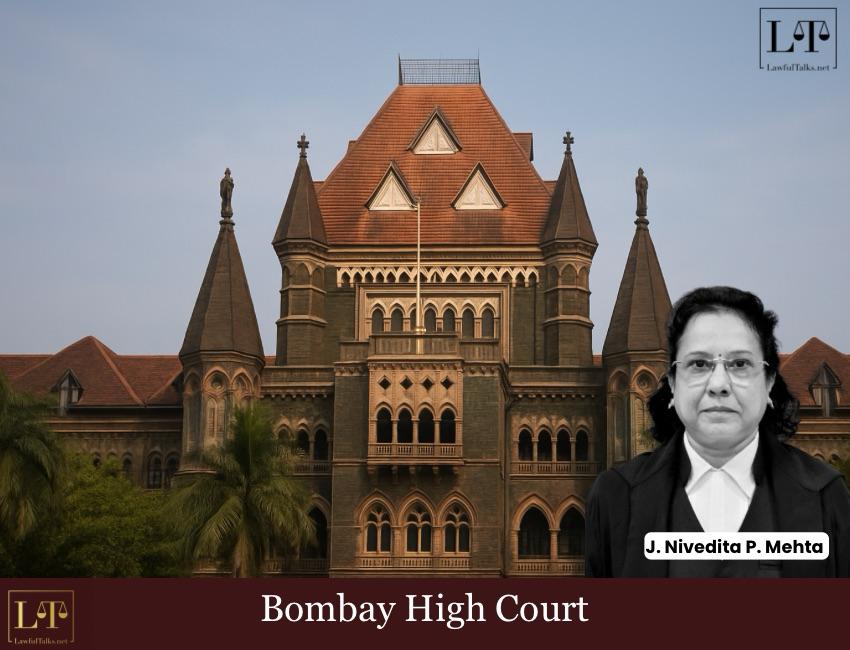
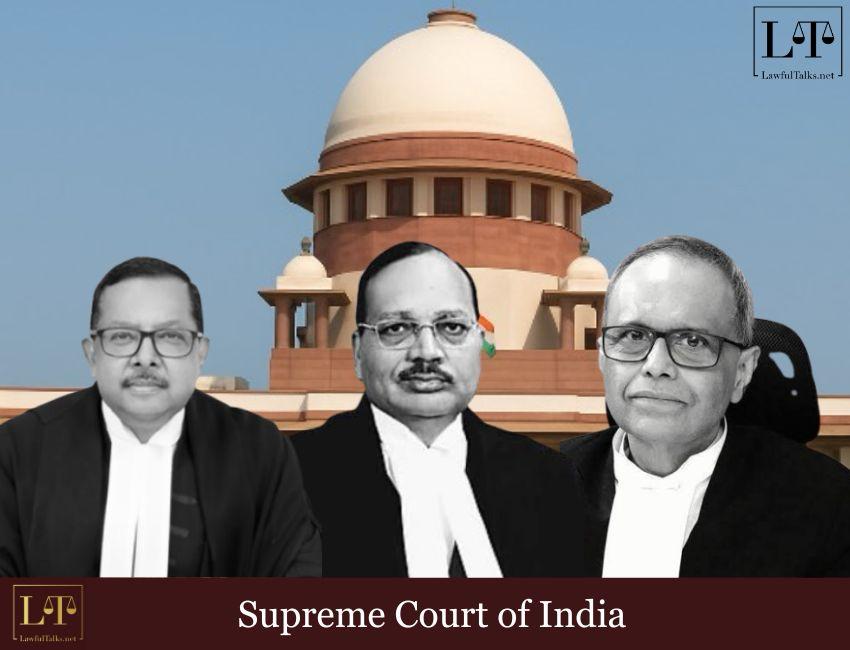
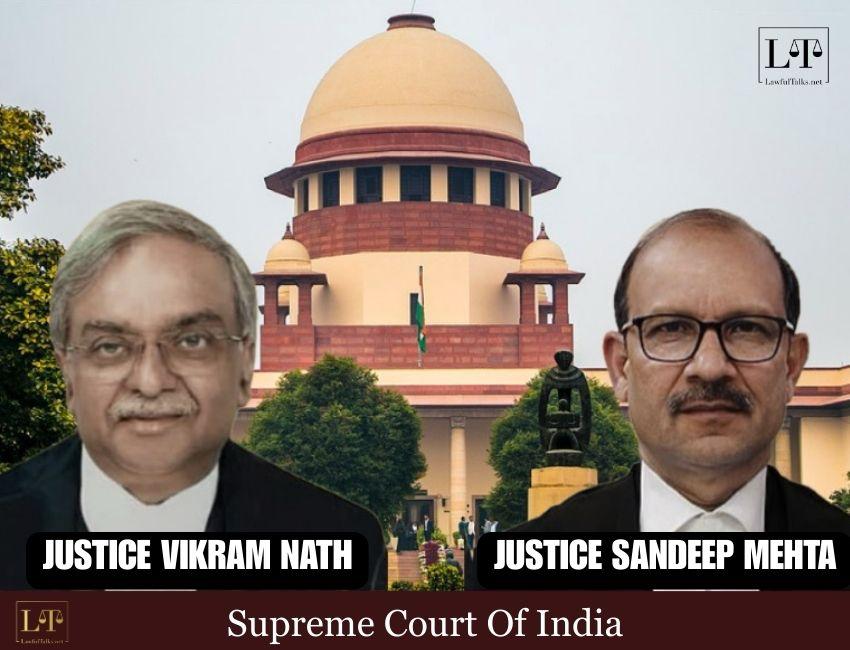
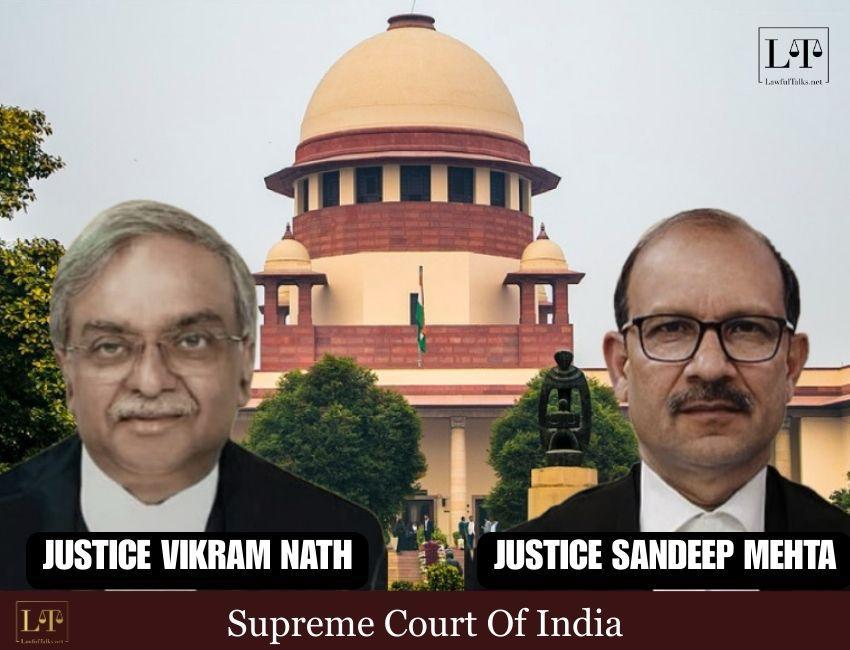
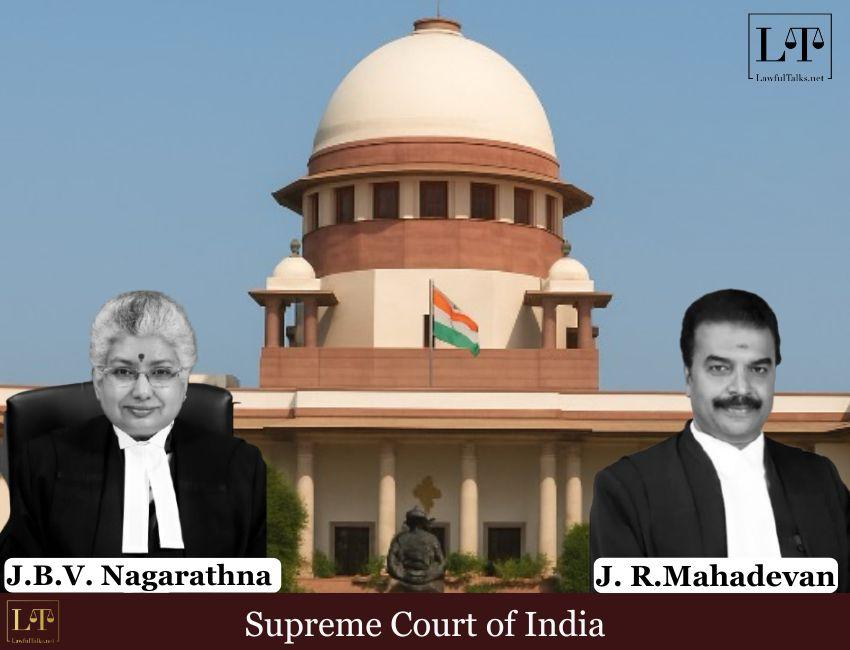
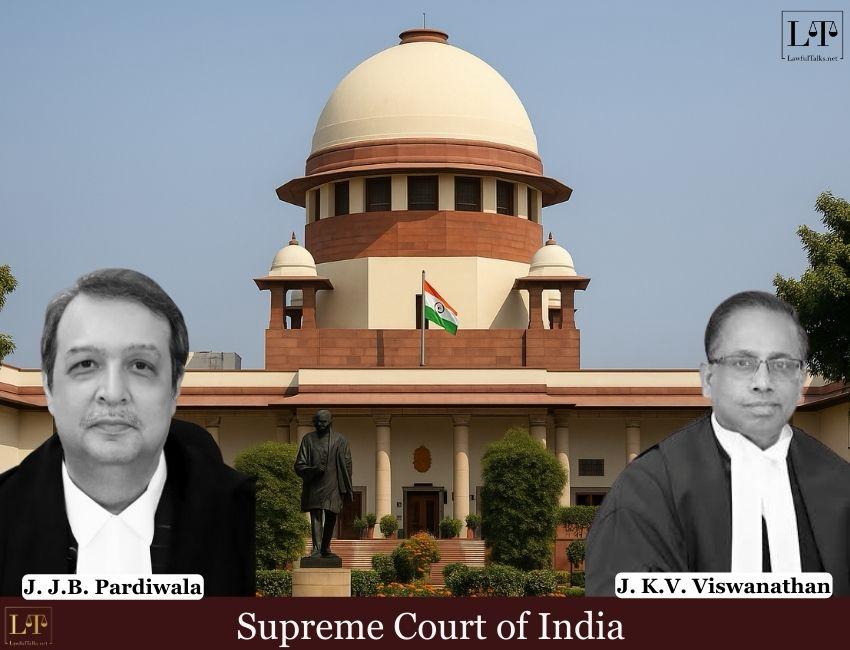
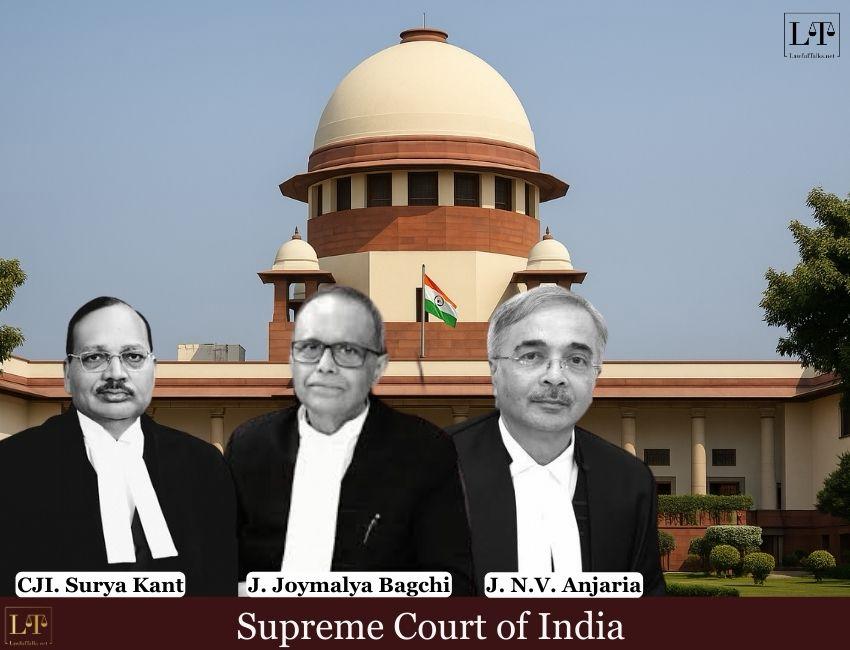
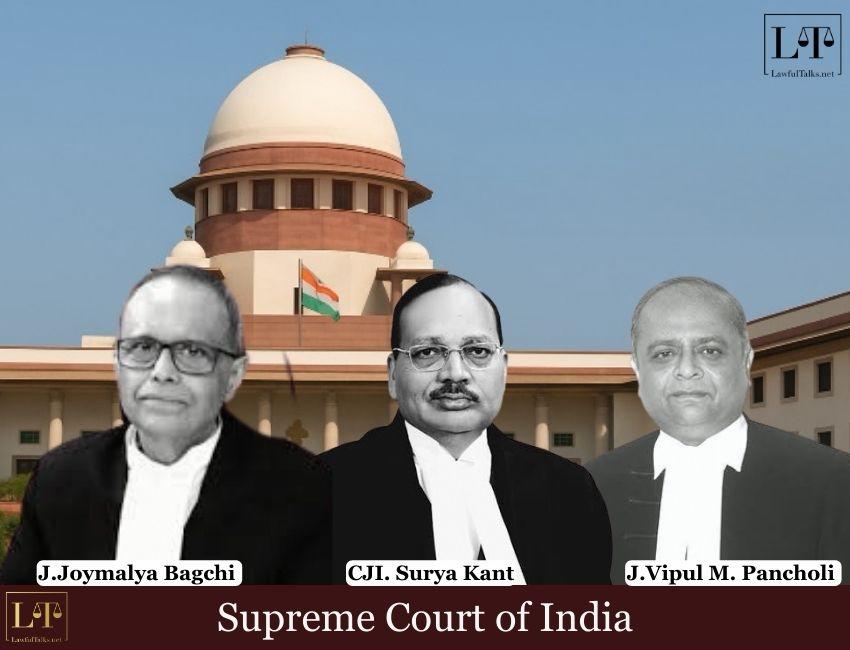
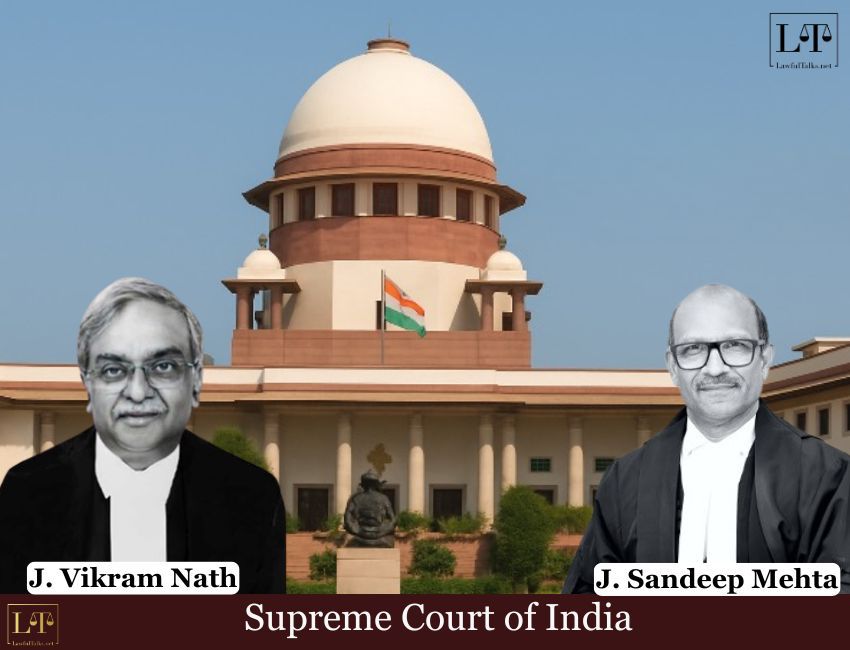
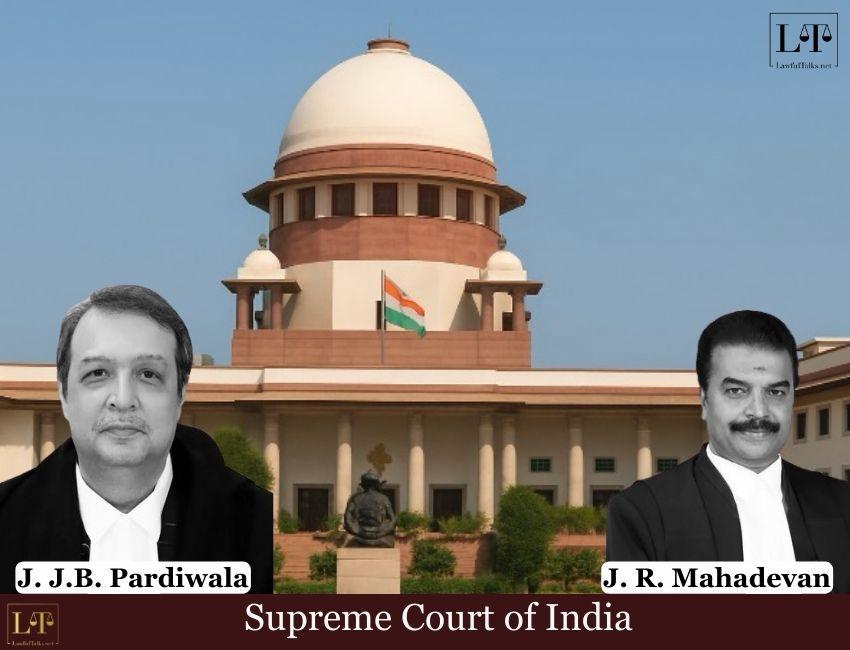
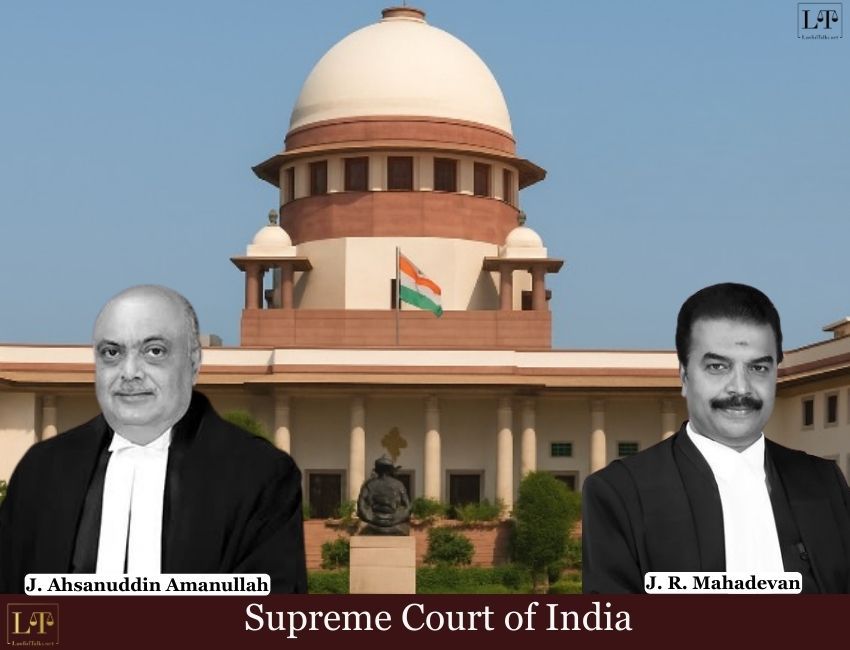
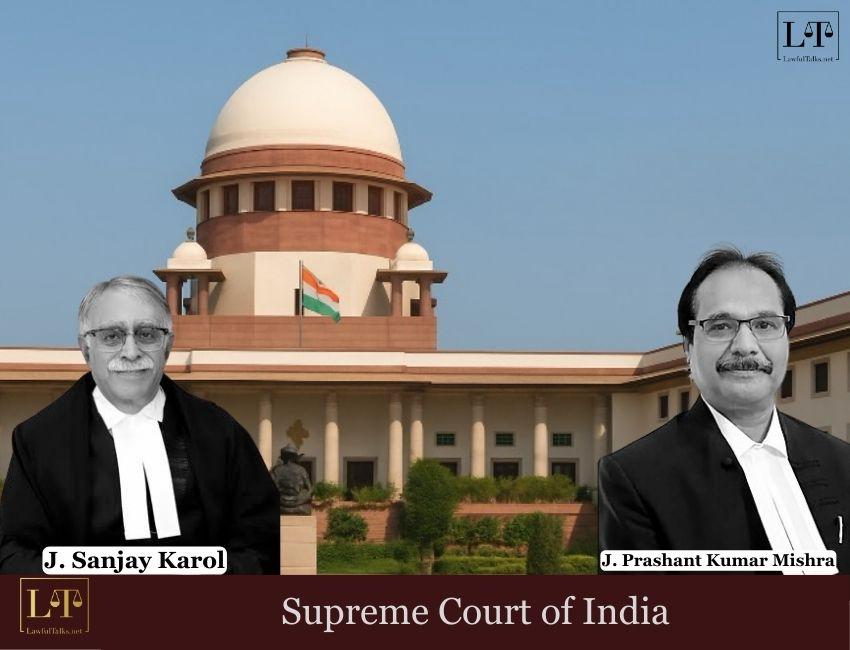
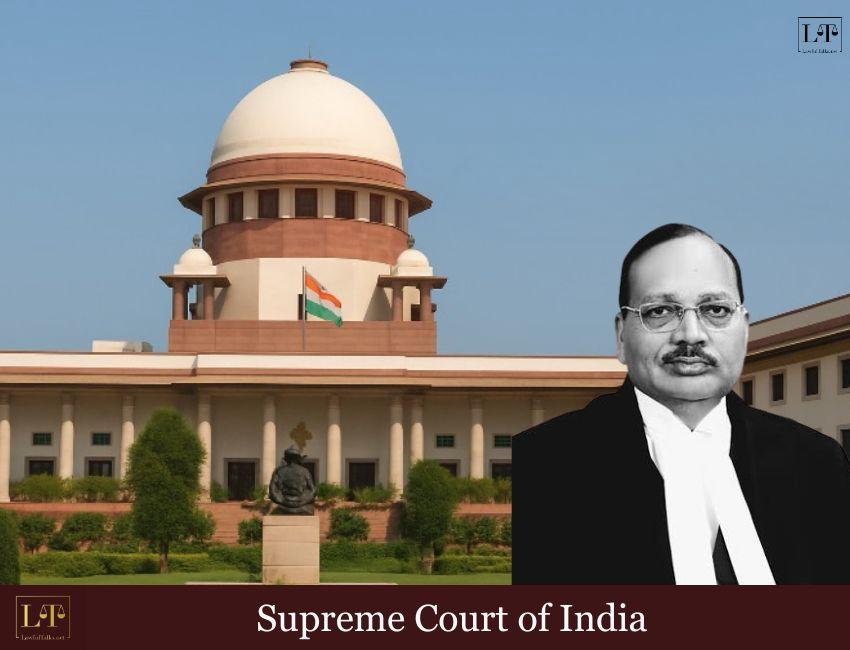
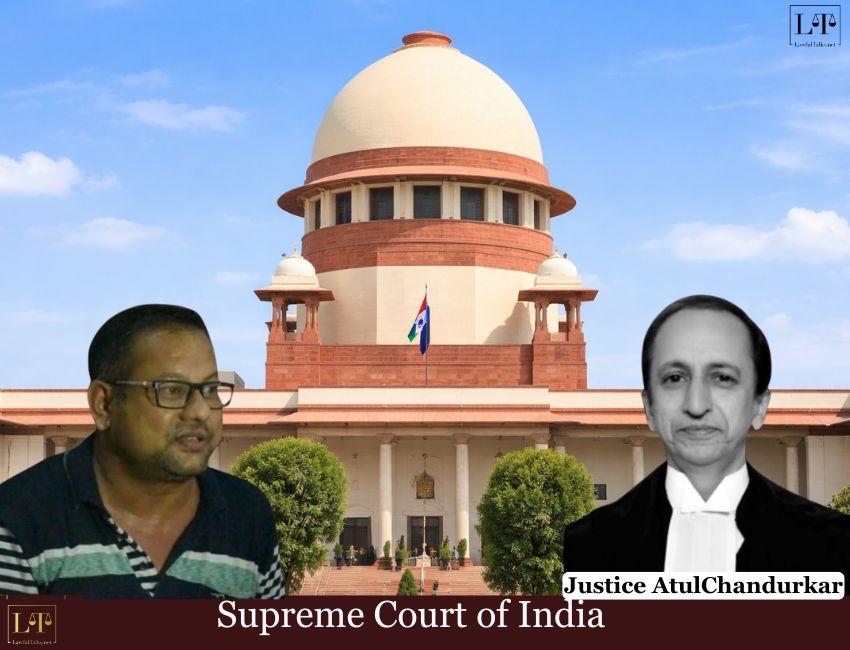
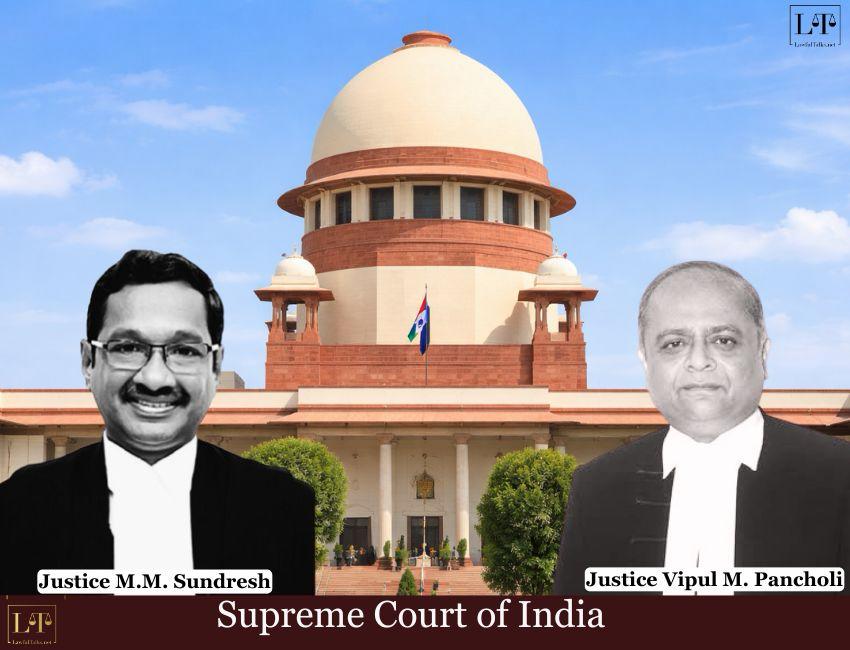
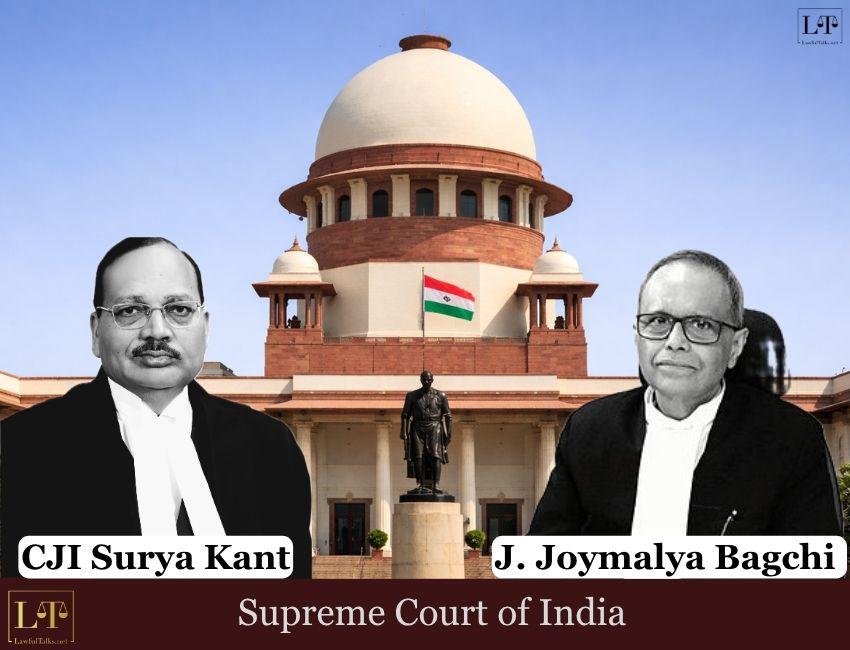
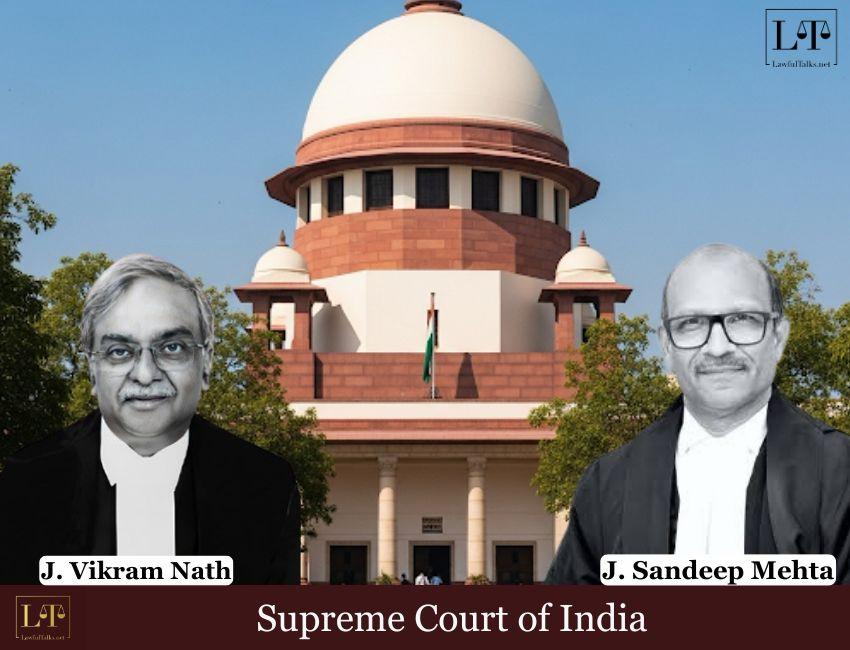
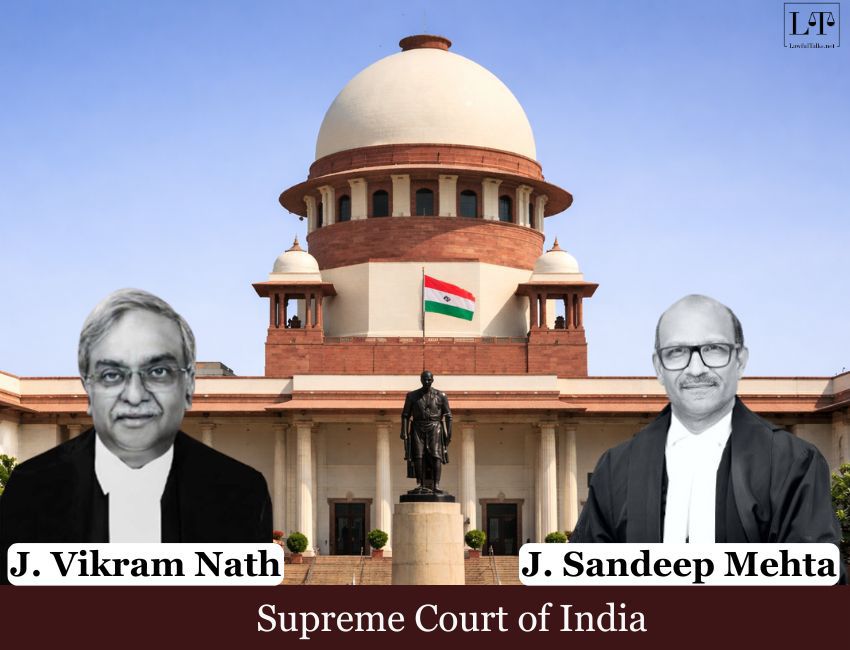
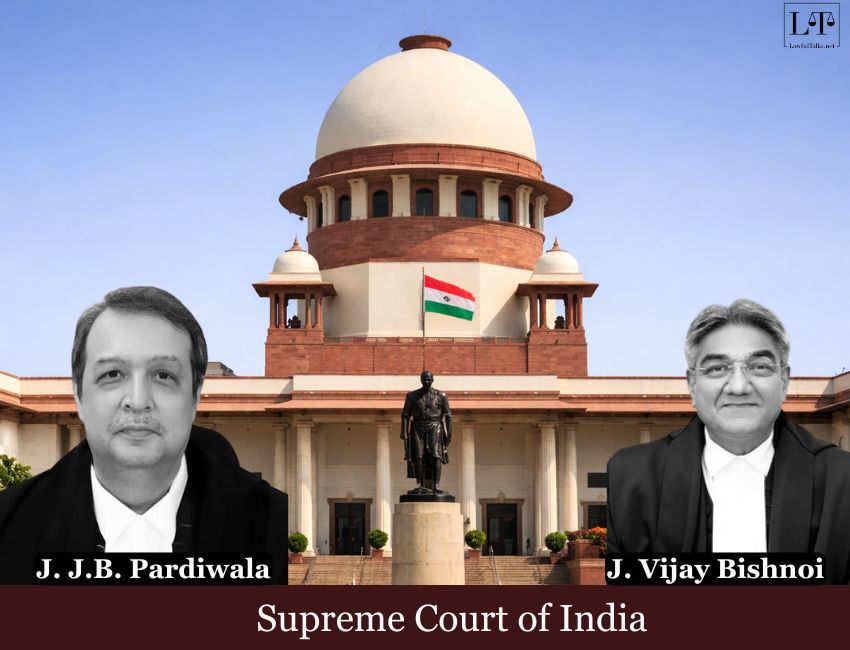
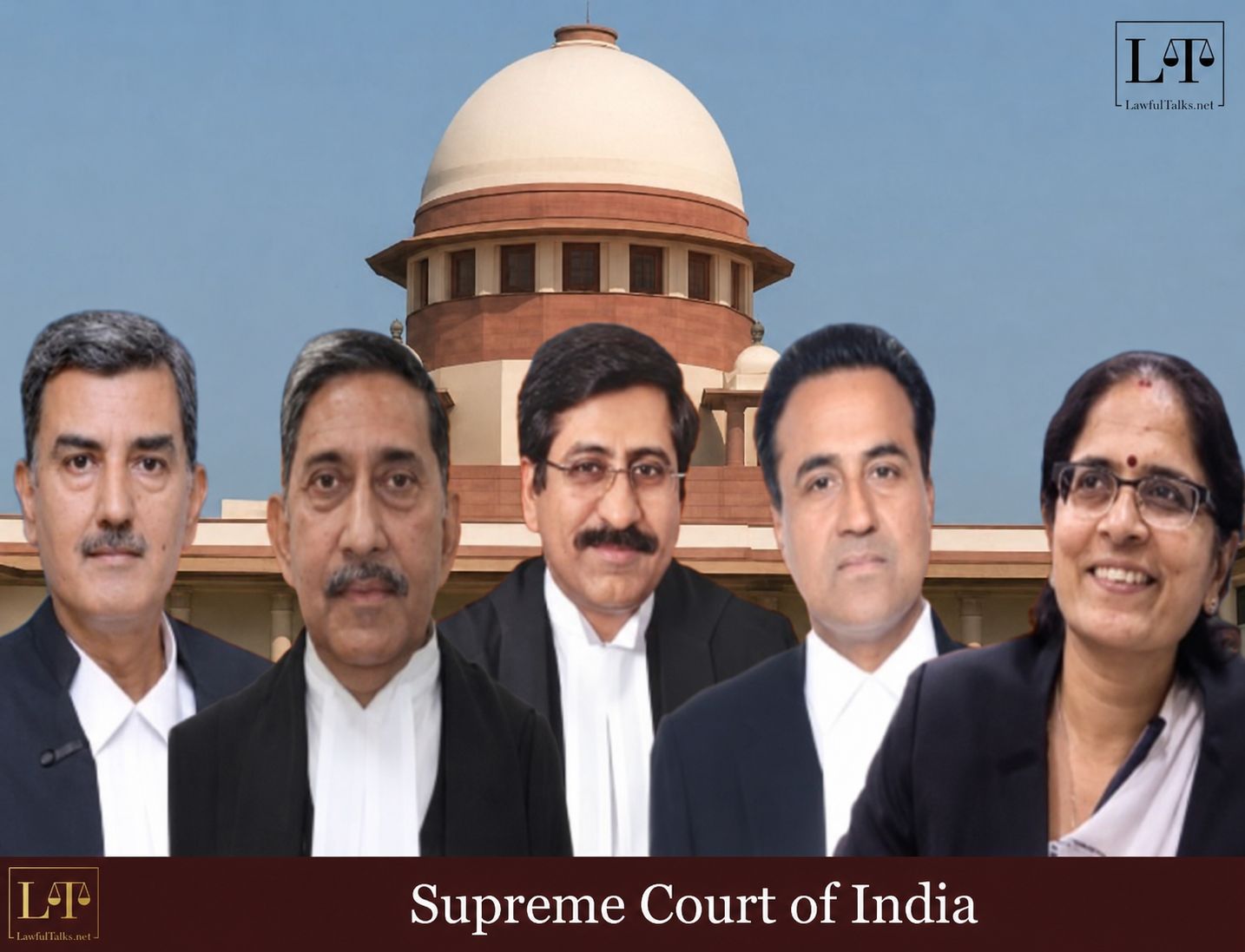
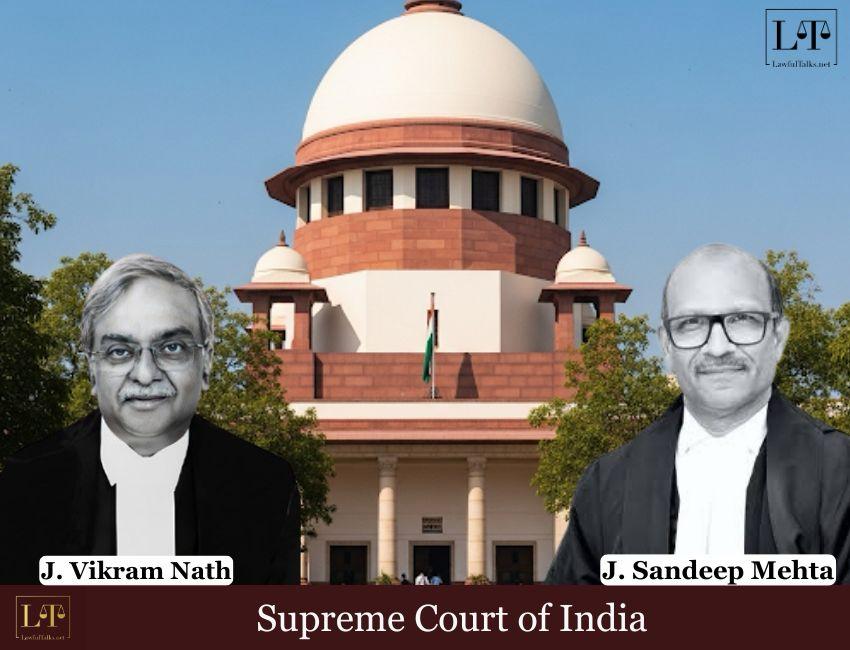
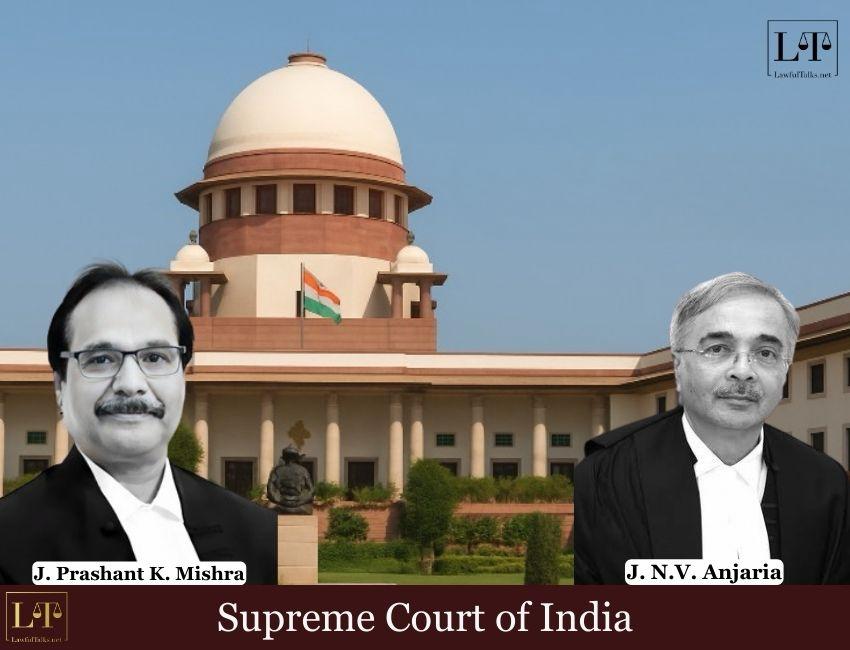
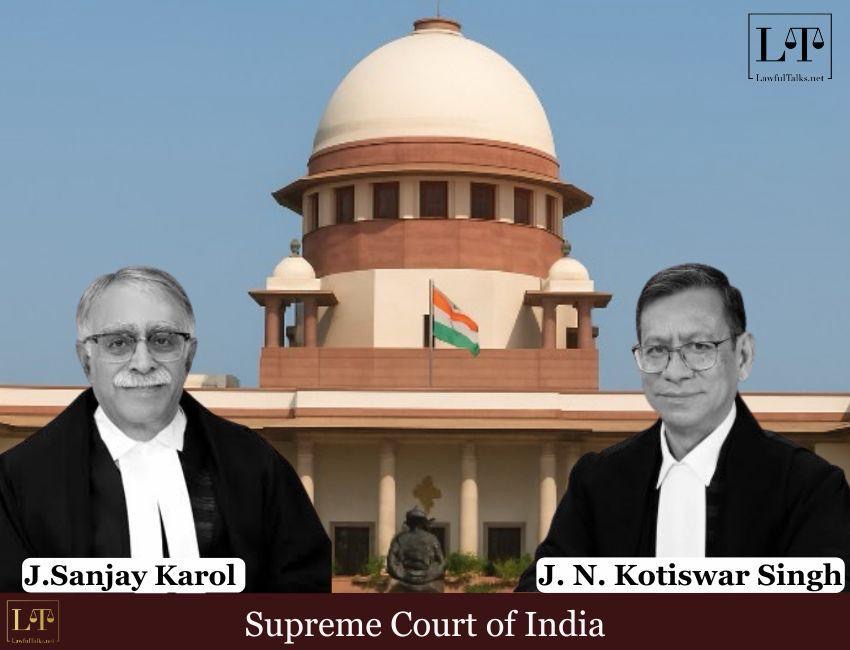
A Bench of Justices Vikram Nath, Sandeep Mehta and R. Mahadevan expressed serious doubts about the BCI’s stand. The judges said that no authority can add new grounds for disqualification from enrolment unless they are specifically provided under the Advocates Act. During the hearing, the Bench also criticised the functioning of the Bar Council and made strong remarks about the quality of legal education and the recognition given to some law colleges.
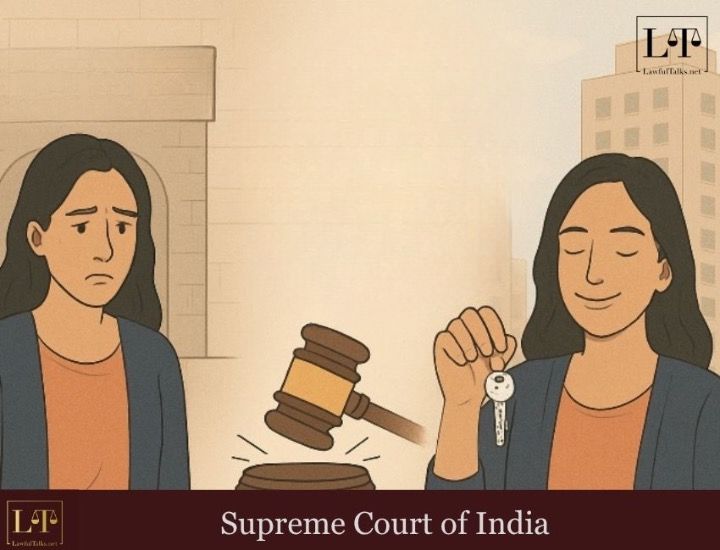
The case was filed by K.R. Sudersan, a Chartered Accountant who later obtained a law degree. The Bar Council of Tamil Nadu and Puducherry refused to enrol him as an advocate only because a criminal case is pending against him.
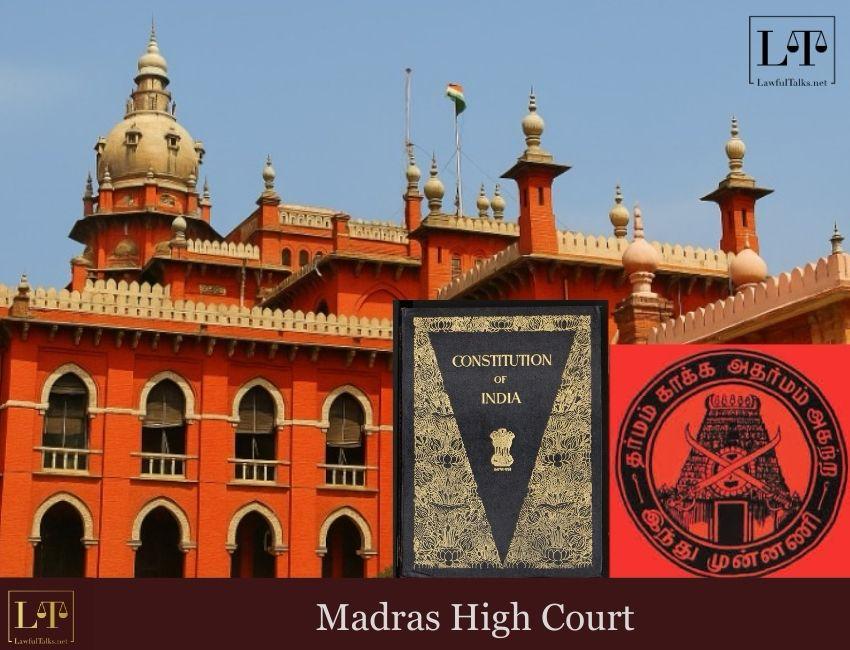
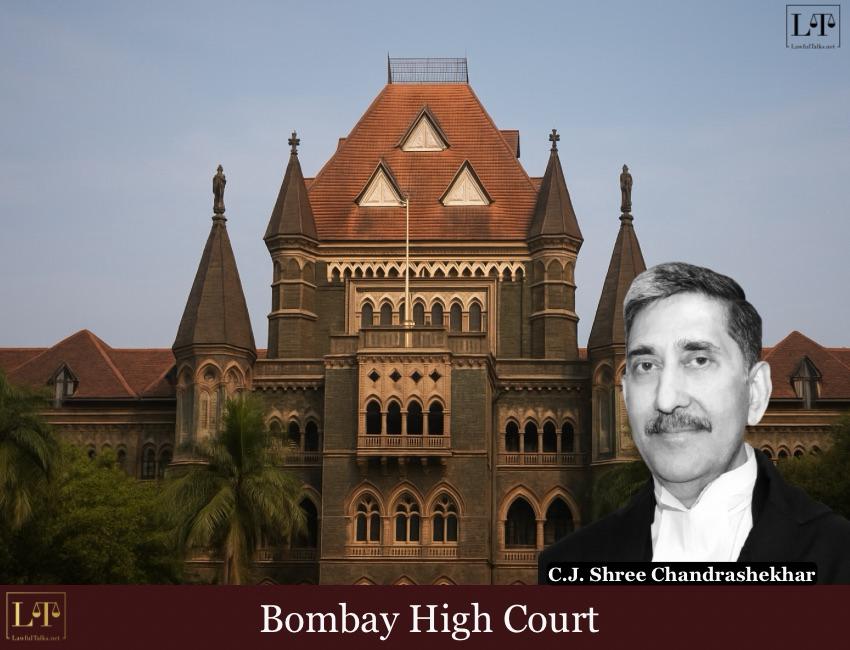
The dispute goes back to a 2015 judgment of the Madras High Court. A Single Judge had directed the Bar Council of India not to enrol law graduates who were facing pending criminal cases. Later, a Full Bench of the High Court upheld that direction as an interim arrangement until Parliament amended the law.
However, earlier this year, another Division Bench of the Madras High Court questioned that view. It observed that the Advocates Act does not allow the High Court to add a new ground of disqualification for enrollment beyond those listed in Section 24A of the Act. The issue has now been referred to a larger Bench of five judges of the High Court for a final decision.
Appearing for Sudersan, Senior Advocate Nikhil Goel told the Supreme Court that his client had challenged the Full Bench judgment before the apex court and had also filed a separate plea seeking his enrollment as an advocate. He submitted that although the issue is pending before a five-judge Bench of the Madras High Court, it is not known when the matter will be decided.
Seeking interim relief, Goel pointed out that one of the convicts in the assassination of former Prime Minister Rajiv Gandhi, after spending 31 years in prison, was enrolled as an advocate in April 2026. He argued that the allegations against Sudersan were much less serious and there was no reason to deny him enrollment.
Addressing the Court, Goel said:
“I am a 50-year-old Chartered Accountant. The allegation against me is that I advised a company which was involved in financial irregularity. They are opposing my enrolment tooth and nail. As an interim measure, let me be enrolled. When the five-judge Bench will decide we don’t know.”
Senior Advocate S. Gurukrishnakumar, appearing for the Bar Council of India, defended the refusal to enrol Sudersan by relying on the earlier directions of the Madras High Court. However, he also admitted that under Section 24A of the Advocates Act, simply having a criminal case pending is not a ground to deny enrolment.
The Supreme Court was not convinced by the Bar Council’s stand. Justice Sandeep Mehta observed that such a restriction is not found in the law and questioned how the Bar Council could refuse enrolment when the Advocates Act does not prohibit it.
Pointing to the inconsistency in the Bar Council’s approach, Justice Mehta remarked:
“You are enrolling convicts right, left and centre, sir… In the entire country.”
Taking note of the legal position, the Supreme Court directed the Bar Council of Tamil Nadu and Puducherry to provisionally enrol Sudersan as an advocate and issue his enrolment certificate within two weeks.
The Court also granted two months to the Bar Council of India and the State Bar Council to file their counter affidavits. Sudersan was given one additional month to file his rejoinder.
After dictating the operative part of the order, Justice Mehta made another important oral observation:
“We can allow it right now. The order is completely against the law.”
When Gurukrishnakumar tried to justify the Bar Council’s stand by saying there was a “larger concern”, the Bench responded with one of its strongest remarks of the hearing.
Justice Mehta said:
“The Bar Council of India which grants recognition to colleges that are run in garages, that is the larger concern.”
The Court suggested that the real issue was the quality of legal education and the recognition given to certain law colleges, rather than the pendency of criminal cases against law graduates.
The hearing ended with another pointed remark from the Bench. Justice Vikram Nath told the Bar Council’s counsel:
“You leave the court immediately, otherwise you will get into bigger trouble.”
What’s Next?:
The case will now be heard after the Bar Council of India and the State Bar Council file their replies. Meanwhile, the larger legal question—whether a law graduate facing a pending criminal case can be denied enrolment under the Advocates Act—will be decided by the five-judge Bench of the Madras High Court.
Case Details: K.R. Sudersan v. Bar Council of Tamil Nadu and Pondicherry, W.P.(C) No. 151/2026































































































Sign up for free and be the first to get notified about curated content just for you.